The thought of an interview can be nerve-wracking, but the right preparation can make all the difference. Explore this comprehensive guide to Shipboard Cargo Handling Systems interview questions and gain the confidence you need to showcase your abilities and secure the role.
Questions Asked in Shipboard Cargo Handling Systems Interview
Q 1. Describe the different types of cargo handling equipment used on ships.
Shipboard cargo handling equipment varies greatly depending on the type of vessel and cargo being handled. Think of it like a toolbox for moving goods – each tool specialized for a different job. We have:
- Cranes: These are the heavy lifters, used for lifting containers, heavy machinery, and other large cargo. They come in various types, including deck cranes, gantry cranes, and shore cranes (used for transferring cargo between ship and shore). Imagine a giant construction crane, but on a ship!
- Forklifts: Essential for moving palletized cargo around the deck and within the holds. They’re like the delivery trucks of the ship, maneuvering goods efficiently.
- Conveyor Belts: Often used for bulk cargo like grains or minerals, these systems move cargo smoothly and efficiently from the hold to the ship’s side or vice-versa. Think of them as automated roadways for cargo.
- Grabs: These mechanical claws are perfect for handling loose bulk cargo, like coal or ore. They’re essentially giant buckets with jaws to scoop up material.
- Cargo Winches: These powerful winches control the movement of cargo through the ship’s cargo holds using slings and other rigging equipment. They’re vital for securing and releasing cargo.
- Mobile Harbor Cranes: These are located on the dock and handle containers and other large cargo between the ship and the land. They’re very similar to ship cranes but operate from the pier.
The specific equipment used will depend on several factors including the size and type of the vessel, the nature of the cargo, and the port facilities.
Q 2. Explain the process of securing cargo during transit.
Securing cargo is paramount to prevent damage and ensure safety during transit. It’s all about preventing shifting or movement, which could lead to instability and accidents. The process involves several key steps:
- Proper Stowage Planning: This is the foundation. Cargo is planned and arranged to optimize weight distribution and stability. Heavy items are usually placed lower in the holds, and lighter items on top. It’s like building a house – you need a solid foundation.
- Use of Lashing Materials: We use various lashing materials to secure cargo, including ropes, chains, straps, and wire. These are carefully tightened and secured to strong points on the ship to keep the cargo firmly in place. Imagine tying up a present very tightly!
- Dunnage and Blocking: This involves using wooden blocks, padding, and other materials to fill spaces between cargo units and prevent shifting. It acts like a buffer and cushion against movement.
- Cargo securing devices: These can include container twist locks, lashing bars, and various types of cargo restraints tailored for specific types of cargo. These are like specialized tools for the job.
- Regular Inspection: Throughout the voyage, cargo is regularly inspected to ensure lashings and securing devices are intact and the cargo remains secure. This is vital as sea conditions can be unpredictable.
Failing to properly secure cargo can lead to serious consequences, including damage to the cargo itself, damage to the ship, injury to crew members, and delays.
Q 3. What are the safety regulations related to cargo handling?
Safety regulations related to cargo handling are stringent and crucial for preventing accidents. These regulations are usually governed by international conventions (SOLAS) and national legislation. Key aspects include:
- Personal Protective Equipment (PPE): Crew members must wear appropriate PPE such as helmets, safety shoes, high-visibility clothing, and gloves depending on the task.
- Safe Working Practices: Strict procedures must be followed to prevent falls, crushes, and other accidents. This involves proper training, risk assessments, and safe lifting techniques.
- Cargo Securing Regulations: Specific regulations dictate how cargo must be secured to prevent movement during transit. These vary based on the type of cargo.
- Dangerous Goods Regulations: The handling of dangerous goods requires strict adherence to the International Maritime Dangerous Goods (IMDG) Code, which outlines specific packaging, labeling, stowage, and emergency response procedures.
- Emergency Response Plans: Ships must have comprehensive plans for dealing with emergencies such as cargo fires or spills.
- Regular Inspections and Maintenance: Cargo handling equipment must be regularly inspected and maintained to ensure it is in safe working order.
Non-compliance can lead to severe penalties, including fines, detention of the vessel, and even criminal charges.
Q 4. How do you ensure the stability of a vessel during cargo operations?
Maintaining vessel stability during cargo operations is critical. A poorly balanced ship is prone to capsizing. We use a number of techniques, including:
- Cargo Planning Software: Advanced software programs are used to create detailed cargo plans, taking into account weight, center of gravity, and other factors affecting stability.
- Weight Distribution: Cargo is distributed evenly throughout the vessel to maintain a balanced center of gravity. Heavy cargo is placed low and near the center of the ship.
- Trim and List: The ship’s trim (fore-and-aft balance) and list (side-to-side tilt) are constantly monitored during cargo operations to ensure they remain within safe limits.
- Ballasting: Water ballast tanks are used to adjust the vessel’s weight distribution and trim. Adding or removing water from these tanks helps maintain balance as cargo is loaded or unloaded.
- Real-time Monitoring: Modern vessels use sensors and monitoring systems to track the vessel’s stability in real-time, providing early warnings of potential problems.
Ignoring stability considerations can lead to serious consequences – potential loss of the vessel and lives.
Q 5. What is the importance of proper cargo planning and stowage?
Proper cargo planning and stowage is the cornerstone of safe and efficient cargo handling. It ensures the safety of the crew and the vessel and minimizes the risk of damage to the cargo during transit. Think of it as creating a perfect puzzle – each piece must fit precisely.
- Weight Distribution and Stability: Careful planning prevents overloading and ensures the vessel remains stable throughout the voyage.
- Damage Prevention: Proper stowage techniques prevent cargo from shifting, colliding, and causing damage.
- Efficient Loading and Unloading: Well-planned stowage allows faster and more efficient loading and unloading operations.
- Reduced Costs: Efficient cargo handling minimizes delays and potential damage claims, reducing overall costs.
- Compliance with Regulations: Proper planning ensures compliance with relevant safety and environmental regulations.
Poor cargo planning and stowage can lead to significant costs associated with cargo damage, delays, and potential fines due to non-compliance.
Q 6. Explain the concept of ‘dangerous goods’ and their handling procedures.
Dangerous goods are materials or substances that pose a significant risk to safety and the environment if not handled properly. These can include flammable materials, explosives, toxic substances, and radioactive materials. Handling them requires specialized knowledge and procedures as outlined in the International Maritime Dangerous Goods (IMDG) Code.
- Proper Packaging and Labeling: Dangerous goods must be packaged according to IMDG regulations and clearly labeled with the appropriate hazard class and UN number.
- Segregation and Stowage: Incompatible dangerous goods must be segregated to prevent reactions and ensure safety.
- Documentation: Detailed documentation is required for all dangerous goods shipments, including manifests, safety data sheets, and emergency response plans.
- Emergency Procedures: Specific procedures must be in place to handle emergencies involving dangerous goods, including spills or fires.
- Crew Training: Crew members handling dangerous goods must receive specialized training.
Failure to comply with dangerous goods regulations can have catastrophic consequences, including explosions, fires, pollution, and loss of life.
Q 7. How do you handle cargo damage or loss claims?
Handling cargo damage or loss claims involves a systematic process. It requires detailed documentation and investigation to determine the cause and extent of the damage or loss.
- Initial Assessment: A thorough assessment of the damage or loss is carried out upon arrival at the destination port, documenting the extent of damage, quantity lost, and evidence of negligence.
- Investigation: An investigation is conducted to determine the cause of the damage or loss. Was it due to improper handling, inadequate securing, or unforeseen circumstances? This might involve reviewing documentation, conducting interviews, and analyzing data loggers.
- Documentation: Comprehensive documentation is essential, including photographs, survey reports, and relevant certificates.
- Claim Submission: A formal claim is submitted to the relevant insurance company or responsible party, along with all supporting documentation.
- Negotiation and Settlement: Negotiations are held to determine a fair settlement based on the evidence and the terms of the relevant insurance policy or contract.
Effective record-keeping and thorough investigation are crucial in supporting claims and achieving a fair settlement. It’s important to act quickly and document everything meticulously.
Q 8. Describe your experience with different cargo securing methods.
Cargo securing methods are crucial for preventing damage and ensuring safety during transit. My experience encompasses a wide range, from traditional methods to modern, technologically advanced techniques. I’ve worked with various securing systems for different cargo types and vessel sizes.
Traditional Methods: These include the use of ropes, chains, and wooden dunnage (packing material) for breakbulk cargo. Proper techniques like criss-cross lashing and the use of strong points are essential. For example, securing heavy machinery requires careful planning and distribution of weight to prevent stress points.
Containerized Cargo: Containerized cargo is secured primarily by the container’s integrity and its locking mechanisms. However, additional securing may be necessary within the container itself, especially for loose cargo, using techniques like blocking and bracing. I’ve overseen the proper stowage and securing of containers on ships, including the use of twist locks and lashing systems to prevent shifting.
Advanced Methods: Modern systems incorporate sensors and monitoring devices that provide real-time information about cargo movement and stress. I have experience using software that simulates cargo movement under various sea conditions, allowing for optimized securing plans and reducing the risk of damage.
Each method requires a thorough understanding of the cargo’s characteristics (weight, size, fragility), the vessel’s stability, and the expected environmental conditions during the voyage.
Q 9. What are the key differences between containerized and breakbulk cargo?
Containerized and breakbulk cargo represent two fundamentally different approaches to shipping goods. The key difference lies in the packaging and handling:
Containerized Cargo: Goods are loaded into standardized containers (typically 20ft or 40ft). This method provides significant advantages in terms of efficiency, security, and protection. Containers are easily stacked, transported, and transferred between different modes of transport (ship, rail, truck) without needing to unpack the goods. Think of it like building with LEGOs – standardized units easily assembled and moved.
Breakbulk Cargo: This involves individual pieces of cargo of various shapes and sizes, not packed in containers. Each item needs individual handling and securing. Imagine shipping oversized machinery or raw materials – they require bespoke handling and securing arrangements, often involving more manual labor. It’s less efficient and more prone to damage during transport but offers flexibility for handling unique or oversized cargo.
Essentially, containerization revolutionized shipping by providing a standardized, secure, and efficient way to transport goods. Breakbulk remains relevant for specialized cargo that cannot be easily containerized.
Q 10. Explain the role of the International Maritime Organisation (IMO) in cargo safety.
The International Maritime Organisation (IMO) plays a vital role in ensuring the safety of cargo and the prevention of marine pollution. They achieve this through the development and enforcement of international regulations and standards.
Development of Codes and Conventions: The IMO develops international conventions, codes, and guidelines related to all aspects of shipping, including cargo handling, stowage, and securing. These regulations are designed to promote safe practices across the global shipping industry. For example, the International Code of Safety for Ships carrying High-Speed Craft (HSC Code) addresses the unique challenges of carrying this type of vessel.
Port State Control: The IMO promotes and facilitates Port State Control, where ships are inspected in ports to ensure compliance with international regulations. This helps to deter unsafe practices and maintain high safety standards globally.
Collaboration and Information Sharing: The IMO fosters collaboration between governments, industry stakeholders, and other international organizations to share best practices and improve safety standards. They provide a platform for continuous improvement and the prompt addressing of emerging challenges in cargo safety.
The IMO’s work significantly reduces the risk of accidents, protects the marine environment and improves efficiency in global shipping.
Q 11. What are the common causes of cargo handling accidents?
Cargo handling accidents are unfortunately common and stem from a multitude of factors. These factors can be broadly categorized as:
Inadequate Securing: Improper lashing, insufficient dunnage, or inadequate planning can result in cargo shifting, collapsing, or falling during transit. This is often a result of shortcuts or a lack of experience with different types of cargo.
Human Error: Errors in planning, loading, unloading, or operation of equipment are frequent causes of accidents. This includes negligence, lack of training, poor communication, or rushing the process.
Equipment Failure: Malfunctioning cranes, forklifts, or other cargo handling equipment can cause accidents. Regular maintenance and proper inspection are crucial to mitigating this risk.
Adverse Weather Conditions: Severe weather can lead to cargo shifting or damage, even with proper securing. Planning for expected weather conditions and appropriate contingency measures are critical.
Poor Communication: Lack of clear communication between different teams involved in cargo handling (dockworkers, crew, supervisors) can lead to mishaps and increase the risk of accidents.
Addressing these factors through improved training, rigorous safety protocols, regular maintenance, and effective communication is crucial for preventing cargo handling accidents.
Q 12. How do you prevent cargo theft or pilferage?
Preventing cargo theft and pilferage requires a multi-layered approach combining physical security measures with technological solutions and robust procedures.
Physical Security: This includes secure storage areas, CCTV surveillance, perimeter fencing, and adequate lighting. Regular patrols and access control systems are essential. For example, using sealed containers and tamper-evident seals significantly reduce the chances of theft.
Technological Solutions: GPS tracking of containers, cargo sensors, and alarm systems can deter theft and aid in recovery. Real-time monitoring systems alert security personnel to suspicious activities.
Procedures and Training: Clear procedures for handling cargo, including checks during loading, unloading, and transfer, are crucial. Thorough background checks of personnel and proper training in security protocols are also important. Background checks and regular training also significantly reduce risk.
Insurance and Reporting: Comprehensive cargo insurance provides financial protection against losses. Efficient reporting mechanisms for any suspected or confirmed theft aid in investigation and future prevention.
A holistic approach integrating these elements is more effective in reducing the risk of cargo theft and pilferage.
Q 13. Explain your experience with lashing and securing different types of cargo.
My experience with lashing and securing diverse cargo types is extensive. Lashing is the process of securing cargo using ropes, chains, or straps. The specific method employed depends greatly on the cargo’s nature and the voyage’s conditions.
Breakbulk Cargo: I’ve secured a wide variety of breakbulk cargo, from heavy machinery to timber and steel coils, using different lashing patterns and materials. Techniques like criss-cross lashing, vertical lashing, and the strategic use of dunnage are all part of my skillset. For example, securing a large generator requires careful planning and the use of multiple strong points to prevent movement.
Containerized Cargo: While containers primarily secure themselves, ensuring the containers are properly stacked and secured to the vessel is equally crucial. This involves using twist locks, lashing systems, and ensuring the overall stability of the container stack. I’ve overseen the proper stowage of containers of different sizes and weights, always paying attention to weight distribution and the potential for shifting during the voyage.
Specialized Cargo: I’ve experience in securing unusual or oversized cargo, requiring customized solutions and risk assessments. This might include using specialized lifting equipment, bespoke securing systems, and meticulous planning to guarantee safety.
Safety is paramount. Thorough risk assessment and adherence to international best practices and standards are always implemented to ensure that the lashing and securing methods are adequate for the specific cargo and journey.
Q 14. What is the significance of a cargo manifest?
A cargo manifest is a detailed inventory of all cargo onboard a vessel. It’s a crucial document for various reasons:
Customs and Regulatory Compliance: The manifest is essential for customs clearance in different ports. It details the nature, quantity, weight, and value of the cargo, allowing authorities to verify compliance with regulations and levy appropriate duties.
Safety and Security: The manifest provides crucial information for safety and security purposes. Knowing the exact nature and location of cargo aids in emergency response and prevents security breaches.
Liability and Insurance: In case of loss or damage, the manifest helps determine liability and process insurance claims. A discrepancy between the manifest and the actual cargo can result in legal issues and payment delays.
Tracking and Management: The manifest facilitates cargo tracking and management throughout the voyage. Shipping companies and freight forwarders use this to monitor cargo’s location and status.
The accuracy and completeness of the cargo manifest are critical for smooth operations and to avoid potential delays and conflicts. It’s the primary document providing transparency and accountability in the entire shipping process.
Q 15. How do you conduct a pre-loading cargo inspection?
A pre-loading cargo inspection is crucial for ensuring the safety and security of the cargo throughout the voyage. It’s a systematic process that verifies the cargo’s condition, packaging, and stowage readiness before it’s loaded onto the vessel.
- Documentation Check: We begin by meticulously verifying all shipping documents, including the Bill of Lading, commercial invoice, packing list, and any special permits or certifications. This ensures that the cargo described in the documentation aligns with the actual goods.
- Cargo Condition Assessment: Next, we visually inspect the cargo for any visible damage, such as dents, rust, or signs of previous water damage. We also check the packaging integrity – ensuring that boxes are intact, crates are secured, and any special handling instructions are clearly marked.
- Quantity Verification: Where possible, we cross-reference the declared quantity with the physical count of packages. This step is particularly important for high-value or easily damaged goods.
- Hazardous Material Identification: We carefully examine the cargo for hazardous materials (HazMat). If any are present, we verify that they are properly labeled, documented (with MSDS sheets), and packaged according to international regulations (like IMDG Code). We ensure compatible materials are not stored together.
- Stowage Plan Review: The pre-loading inspection involves reviewing the stowage plan to ensure that the cargo is properly allocated within the vessel, taking into account weight distribution, stability, and the need to segregate incompatible goods. For example, we ensure that heavy goods are placed lower in the hold.
For example, during an inspection of a container filled with electronics, we would check for proper anti-static packaging and ensure the container is free from moisture. Any discrepancies are immediately reported and addressed before loading to prevent potential issues during transit.
Career Expert Tips:
- Ace those interviews! Prepare effectively by reviewing the Top 50 Most Common Interview Questions on ResumeGemini.
- Navigate your job search with confidence! Explore a wide range of Career Tips on ResumeGemini. Learn about common challenges and recommendations to overcome them.
- Craft the perfect resume! Master the Art of Resume Writing with ResumeGemini’s guide. Showcase your unique qualifications and achievements effectively.
- Don’t miss out on holiday savings! Build your dream resume with ResumeGemini’s ATS optimized templates.
Q 16. What is your experience with using cargo handling software or systems?
I have extensive experience with various cargo handling software systems, including those used for vessel stowage planning, cargo tracking, and port communication. My proficiency includes systems like Cargowise, Inttra, and BlueSea. These systems streamline many aspects of cargo handling.
For instance, using Cargowise, I can create and manage comprehensive stowage plans, optimizing weight distribution and ensuring stability. The software allows me to generate reports, track cargo movement in real-time, and integrate with other systems for seamless communication with agents, shippers, and terminal operators. Similarly, systems like Inttra facilitate efficient communication and documentation management throughout the supply chain.
Furthermore, I’m experienced with systems that utilize AI and machine learning to predict potential delays, optimize loading sequences, and enhance overall efficiency. My expertise extends to both using these systems and troubleshooting any technical issues that may arise.
Q 17. Describe your knowledge of SOLAS regulations related to cargo.
My understanding of SOLAS (Safety of Life at Sea) regulations related to cargo is comprehensive. SOLAS Chapter VI deals specifically with carriage of cargoes. Key aspects include:
- Cargo Securing: SOLAS mandates that all cargo must be securely fastened to prevent shifting during transit, minimizing risks of vessel instability and damage. This requires adherence to specific guidelines depending on the cargo type and packaging.
- Dangerous Goods: The regulations outline strict procedures for handling dangerous goods, including proper labeling, packaging, segregation, and documentation. Failure to comply can lead to serious consequences.
- Fire Safety: SOLAS requires fire-prevention measures, including adequate fire detection and suppression systems in cargo holds. Proper cargo stowage and segregation are crucial for minimizing fire risks.
- Structural Integrity: The vessel’s structure must be sound and capable of withstanding the weight and stresses imposed by the cargo. Regular inspections and maintenance are mandatory.
- Documentation: Accurate and complete documentation is crucial, covering cargo details, dangerous goods declarations, and stowage plans. This documentation must be readily available for inspection by authorities.
Non-compliance with SOLAS regulations can result in severe penalties, including detention of the vessel, hefty fines, and reputational damage. A real-world example is a case where improper cargo securing led to a vessel list, highlighting the critical importance of adherence to SOLAS guidelines.
Q 18. How do you manage cargo delays or disruptions?
Managing cargo delays or disruptions requires a proactive and systematic approach. The first step involves prompt identification of the cause of the delay – whether it’s port congestion, bad weather, equipment malfunction, or unforeseen circumstances.
- Communication: Immediate and transparent communication with all stakeholders is crucial. This includes shippers, consignees, port authorities, and other relevant parties. Keeping everyone informed minimizes misunderstandings and prevents escalation.
- Problem Solving: Once the cause is identified, we develop a contingency plan to mitigate the impact. This might involve exploring alternative routes, rerouting cargo, negotiating with port authorities for priority handling, or finding alternative transportation solutions.
- Documentation: Thorough documentation of the delay, including its cause, corrective actions taken, and any associated costs, is essential for insurance claims and future prevention strategies. This ensures accountability and supports potential claims.
- Risk Assessment: After the event, a comprehensive review of the incident is undertaken to identify weaknesses in the process and implement improvements to prevent similar occurrences in the future. This includes reviewing existing procedures and updating contingency plans.
For example, if a port strike causes a delay, we would immediately notify the relevant parties, explore alternative ports, and proactively seek solutions to minimize disruption to the supply chain.
Q 19. How do you ensure compliance with international shipping regulations?
Ensuring compliance with international shipping regulations is a continuous process, demanding thorough knowledge of various conventions and codes.
- Stay Updated: We maintain up-to-date knowledge of all relevant international regulations, including SOLAS, MARPOL, IMDG Code, and other applicable conventions. This includes staying informed about amendments and updates.
- Documentation: All required documentation must be accurately completed and readily available for inspection by authorities. This includes Bills of Lading, cargo manifests, dangerous goods declarations, and certificates of compliance.
- Training and Audits: Regular training for crew members on relevant regulations and procedures is critical. Internal audits and external inspections help identify and address compliance gaps.
- Communication: Maintaining open communication with relevant regulatory bodies and ensuring that all parties involved in the shipping process are aware of and adhere to the regulations is paramount.
- Proactive Approach: A proactive approach to compliance is essential. This includes anticipating potential issues and taking preventive measures before they become problems.
For example, we would ensure that all dangerous goods are properly classified, labeled, and packaged according to the IMDG Code, and that the necessary documentation is completed and readily available for port state control inspections.
Q 20. What are the different types of cranes used in cargo handling?
Several types of cranes are used in cargo handling, each with its own strengths and applications:
- Shipboard Cranes: These are cranes permanently installed on vessels, used for loading and unloading cargo. They are typically smaller than shore-based cranes but essential for smaller vessels and in situations where shore cranes are unavailable.
- Gantry Cranes: These large, overhead cranes are frequently found in container terminals. They move along tracks, allowing them to cover a wide area and lift and move heavy containers efficiently.
- Mobile Harbour Cranes (MHC): These are self-propelled cranes with a high lifting capacity, commonly used in container terminals. Their mobility makes them very flexible for maneuvering within the port area.
- Floating Cranes: Used for heavy lift operations, including lifting large equipment onto vessels, or for salvage operations. They are positioned alongside the vessel using their own propulsion.
- Tower Cranes: These are often found in shipbuilding and construction, but can also be utilized in specialized cargo handling involving very heavy or oversized loads.
- Forklift Trucks and Reach Stackers: While not technically cranes, these are essential pieces of cargo-handling equipment used for moving containers and other palletized goods within the port or vessel.
The choice of crane depends on factors such as the type and weight of cargo, the vessel’s design, and the port’s infrastructure. For example, container terminals heavily rely on Gantry cranes and MHCs for their speed and efficiency in handling large volumes of containers.
Q 21. Explain the process of unloading cargo at a port.
Unloading cargo at a port is a coordinated operation involving various parties and equipment.
- Planning and Preparation: The process begins with the pre-arrival planning, including reviewing the cargo manifest, stowage plan, and any special handling requirements. Arrangements are made with the terminal operator, stevedores, and other involved parties.
- Vessel Berthing: The vessel is berthed at the designated dock, ensuring secure mooring. Connecting utilities (power and communication lines) is an essential part of this stage.
- Crane Operations: Cranes, either shipboard or shore-based, are used to lift and remove cargo from the vessel. This requires precise maneuvering to avoid damage to the cargo or the vessel.
- Cargo Handling: Once unloaded, the cargo is transferred to the designated area within the terminal, using various ground handling equipment such as forklifts, reach stackers, or trucks.
- Customs Inspection: Depending on the cargo and destination, customs inspection may be required. This involves verifying the cargo against the documentation and ensuring compliance with import regulations.
- Delivery: After inspection, the cargo is delivered to the consignee, either directly or through a warehousing facility.
Safety is paramount throughout the process. Strict adherence to safety procedures, clear communication, and the use of appropriate safety equipment are crucial. A well-coordinated unloading operation minimizes delays and ensures efficient cargo flow.
Q 22. What are the environmental concerns related to cargo handling?
Environmental concerns in cargo handling are significant and multifaceted. They primarily revolve around air and water pollution, noise pollution, and waste generation. Air pollution stems from ship engines, cargo handling equipment (like cranes and forklifts) emitting exhaust fumes containing harmful gases like nitrogen oxides and particulate matter. Water pollution can occur through accidental spills of cargo (oil, chemicals), discharge of oily bilge water, or even the leaching of pollutants from cargo containers into the water. Noise pollution from the operation of heavy machinery can negatively impact marine life and nearby communities.
For instance, a spill of hazardous chemicals during a container transfer operation can contaminate the surrounding marine environment, impacting marine life and potentially rendering the area unsafe for human use. Similarly, improper disposal of waste from cargo operations can contribute to water and soil contamination.
- Mitigation strategies include using cleaner fuels, adopting quieter machinery, implementing strict waste management protocols, and investing in spill prevention and response systems.
Q 23. How do you manage waste generated during cargo operations?
Waste management during cargo operations is crucial for environmental protection and regulatory compliance. A comprehensive waste management plan involves segregation, storage, and proper disposal of various waste streams generated. This includes hazardous waste (e.g., chemicals, batteries), recyclable materials (e.g., cardboard, plastics), and general waste.
We use color-coded bins for segregation, ensuring that hazardous materials are handled with utmost care and stored separately in secure containers. Proper documentation is essential – tracking waste generation, disposal methods, and disposal certificates is a critical part of our process. We prioritize recycling and reducing waste at the source, employing techniques to minimize packaging and using reusable containers wherever possible. We contract with licensed waste disposal companies to ensure environmentally sound and compliant disposal. For example, if we have a large amount of cardboard waste, we’ll bale it for easier transportation and recycling. If hazardous materials are spilled, we initiate our emergency response plan immediately, involving the necessary authorities and clean-up crews.
Q 24. Explain your experience with different types of lifting equipment.
My experience encompasses a wide range of lifting equipment used in shipboard cargo handling. This includes:
- Container cranes: I’m proficient in operating and maintaining various types of container cranes, including ship-to-shore (STS) cranes and quay cranes. Understanding their load capacity, reach, and operational limitations is vital for safe and efficient cargo handling.
- Gantry cranes: I have extensive experience with gantry cranes used for lifting and moving heavy cargo within the terminal or onto ships. These are critical for handling oversized or unusual cargo.
- Forklifts: I’m skilled in operating forklifts of different capacities, including reach stackers, for moving containers within the yard and loading onto trucks.
- Mobile harbor cranes: These cranes provide flexibility in handling various types of cargo, and I’m experienced with their operations and safety procedures.
- Deck cranes: I’m familiar with the operation and maintenance of deck cranes onboard ships, understanding the nuances of their usage in different sea conditions.
Safety protocols are paramount. I’m trained and certified in the safe operation of all equipment, following strict adherence to load capacity limits, pre-operation checks, and risk assessments.
Q 25. What are your methods for ensuring efficient cargo handling?
Efficient cargo handling hinges on careful planning, optimized processes, and effective communication. My methods include:
- Pre-planning: Thorough review of cargo manifests, stowage plans, and vessel specifics to determine the most efficient loading and unloading sequence. This minimizes downtime and maximizes the utilization of equipment.
- Optimized routing: Designing efficient routes for cargo movement within the terminal and onboard the vessel reduces congestion and improves turnaround time.
- Technology integration: Utilizing cargo management systems (CMS) and terminal operating systems (TOS) for real-time tracking, inventory management, and optimizing equipment allocation. For example, using RFID tags on containers can streamline the tracking process.
- Cross-functional collaboration: Establishing clear communication channels among stevedores, terminal operators, and ship’s crew to ensure seamless coordination during operations.
- Preventive maintenance: Regular maintenance schedules for all equipment minimizes unexpected breakdowns and downtime, contributing to continuous operation.
Think of it like an orchestra; every instrument (piece of equipment and personnel) needs to play its part in harmony for a successful performance (cargo handling operation).
Q 26. How do you deal with incompatible cargo types during loading?
Incompatible cargo types pose significant challenges, requiring careful segregation and handling to prevent damage, spoilage, or safety hazards. The International Maritime Dangerous Goods Code (IMDG Code) provides comprehensive guidelines on the segregation of hazardous materials. My approach involves:
- Careful review of cargo manifests: Identifying incompatible cargo types early in the process allows for proper planning and segregation.
- Stowage planning: Developing a stowage plan that ensures proper separation of incompatible goods using physical barriers (e.g., pallets, dunnage) or dedicated storage areas. For example, flammable materials would be kept far from oxidizers.
- Special handling procedures: Implementing special handling procedures for sensitive cargo, such as temperature-controlled goods or fragile items, to ensure they are handled correctly and safely. This includes monitoring temperature during transport and using proper lifting gear.
- Clear labeling and documentation: Ensuring all cargo is clearly labeled with proper identification, hazard warnings, and handling instructions.
For instance, if we have chemicals and food items, the chemicals will be segregated and properly secured to avoid contamination. The stowage plan will clearly outline the location and handling procedures for each category.
Q 27. Explain the importance of communication during cargo handling operations.
Effective communication is the backbone of safe and efficient cargo handling. Miscommunication can lead to accidents, delays, and damage. My approach emphasizes:
- Clear and concise instructions: Using clear and unambiguous language when giving instructions to stevedores and crew members. This eliminates ambiguity and confusion.
- Multiple communication channels: Employing various communication methods such as two-way radios, hand signals, and written instructions to ensure that everyone is informed.
- Regular briefings: Conducting pre-operation briefings to discuss the day’s plan, potential hazards, and emergency procedures.
- Incident reporting: Establishing a system for reporting any incidents or near misses to improve safety practices. For example, a near-miss during crane operation would be reported and analyzed to prevent similar incidents in the future.
- Use of standardized terminology: Using internationally recognized terminology and symbols to avoid misunderstandings.
Imagine a construction site; without proper communication, workers could easily get injured or projects delayed.
Q 28. Describe a challenging cargo handling situation you faced and how you resolved it.
During a heavy storm, we were unloading a vessel carrying a large quantity of oversized wind turbine components. High winds and heavy rain made crane operations extremely challenging and dangerous. The original plan was to use a large mobile harbor crane, but the wind gusts exceeded its operational limits. The risk of the crane tipping over or the cargo falling was significant.
My solution involved a multi-pronged approach:
- Risk Assessment: We immediately conducted a detailed risk assessment considering wind speed, crane stability, and cargo securing methods.
- Alternative Strategy: We decided to temporarily suspend operations and wait for the storm to subside. This was a costly option but prioritized safety.
- Improved Securing: While waiting, we enhanced the securing of the remaining cargo, using additional lashing and securing devices to mitigate any potential movement.
- Communication: We kept all stakeholders (ship’s crew, terminal operators, and regulatory authorities) informed of the situation and the revised plan.
- Resumption: Once the storm subsided and wind speeds were within acceptable limits, we resumed operations with careful monitoring of wind conditions and increased vigilance.
Prioritizing safety above all else resulted in a delay but prevented a potentially catastrophic accident and cargo damage.
Key Topics to Learn for Shipboard Cargo Handling Systems Interview
- Cargo Types and Handling Characteristics: Understanding the properties of different cargo types (liquid, dry bulk, containers, etc.) and their specific handling requirements. This includes considerations for weight, volume, stability, and potential hazards.
- Shipboard Crane Systems: Familiarize yourself with various crane types (e.g., gantry cranes, derrick cranes), their operational procedures, safety mechanisms, and limitations. Be prepared to discuss practical scenarios involving crane usage and troubleshooting.
- Cargo Securing and Lashing Techniques: Master the principles of secure cargo stowage, including appropriate lashing methods, securing materials, and compliance with international safety regulations. Consider scenarios involving different cargo types and weather conditions.
- Automated Cargo Handling Systems: Explore the functionality and operation of automated systems, such as automated stacking cranes and conveyor systems. Understand their advantages, limitations, and potential maintenance challenges.
- Safety Procedures and Regulations: Demonstrate a thorough understanding of international maritime safety standards (e.g., SOLAS) and their application to cargo handling. Be ready to discuss emergency procedures and risk mitigation strategies.
- Cargo Planning and Management: Understand the principles of efficient cargo planning, including weight distribution, stability calculations, and the use of cargo management software. Discuss strategies for optimizing cargo handling operations.
- Troubleshooting and Maintenance: Be prepared to discuss common problems encountered in shipboard cargo handling systems and the procedures for diagnosing and resolving them. Highlight your experience with preventative maintenance and repair techniques.
Next Steps
Mastering Shipboard Cargo Handling Systems is crucial for career advancement in the maritime industry, opening doors to higher-paying roles with increased responsibility. A strong resume is your key to unlocking these opportunities. Make sure your resume is ATS-friendly to ensure it gets noticed by recruiters. ResumeGemini is a trusted resource to help you create a compelling and effective resume that highlights your skills and experience in this specialized field. Examples of resumes tailored to Shipboard Cargo Handling Systems are available to help guide your resume creation process.
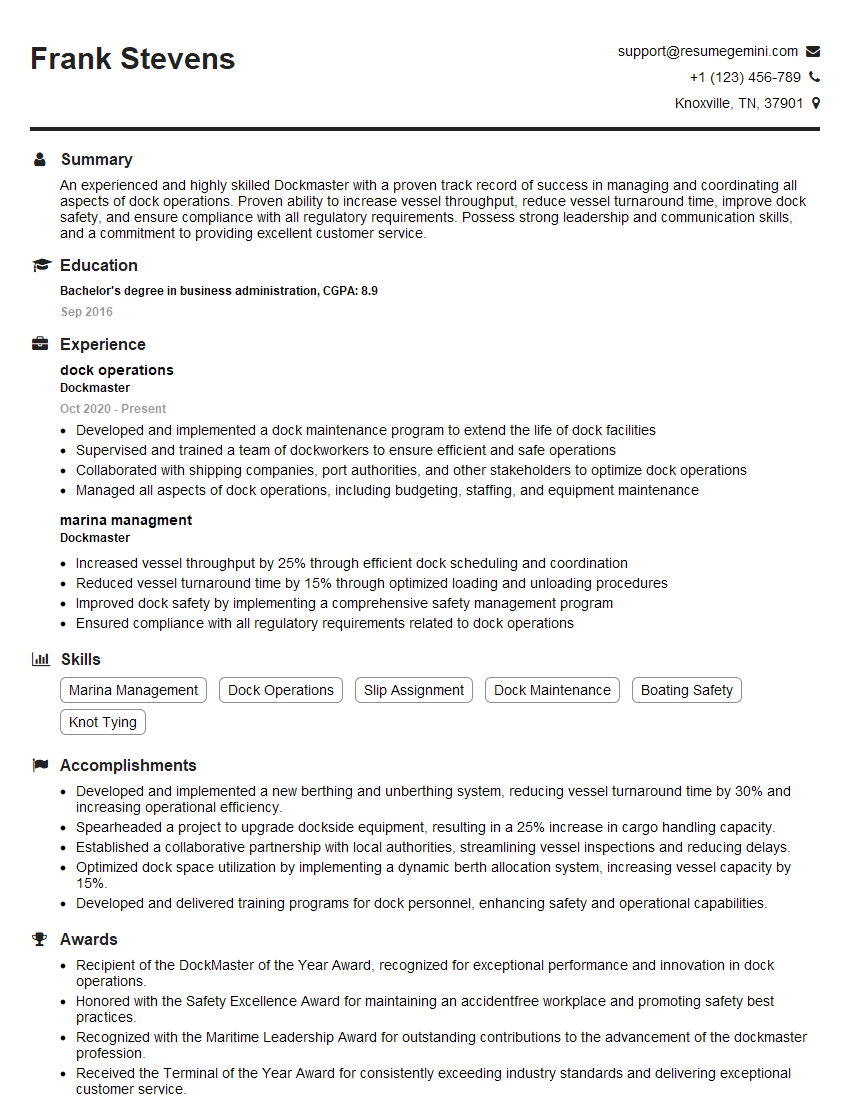
Dockmaster Resume Sample
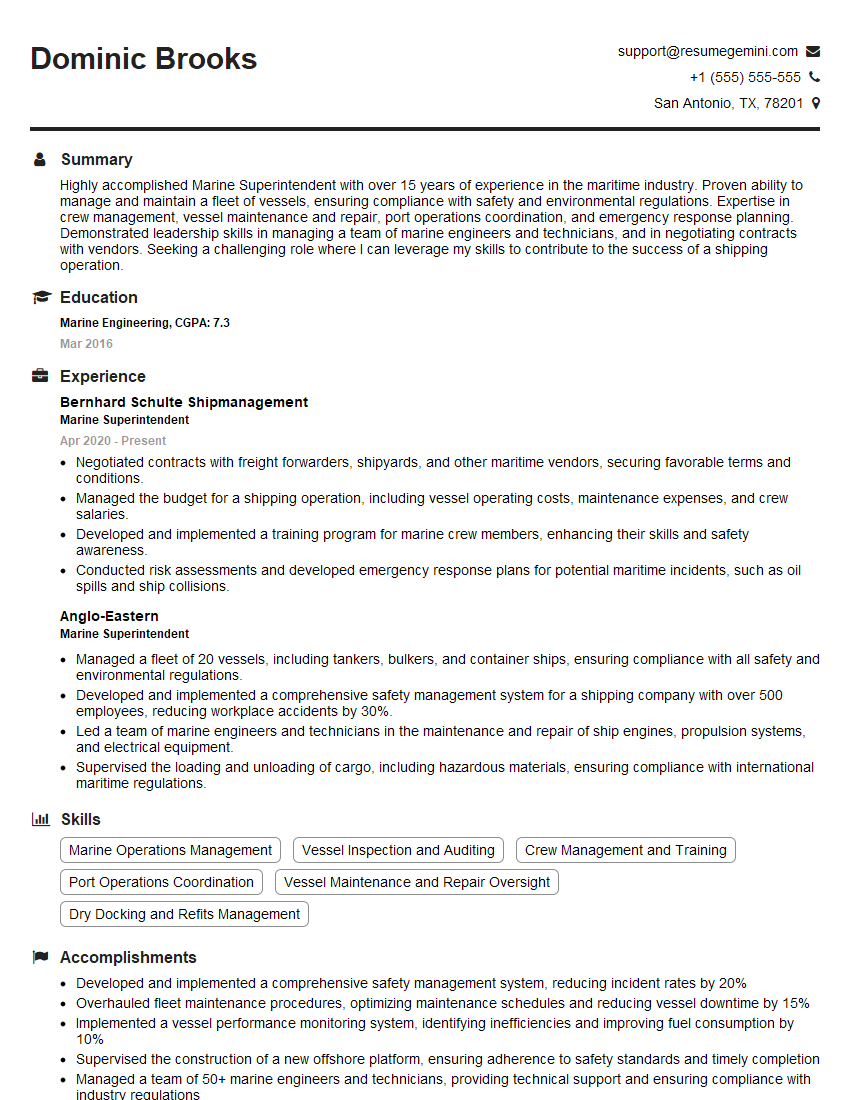
Marine Superintendent Resume Sample
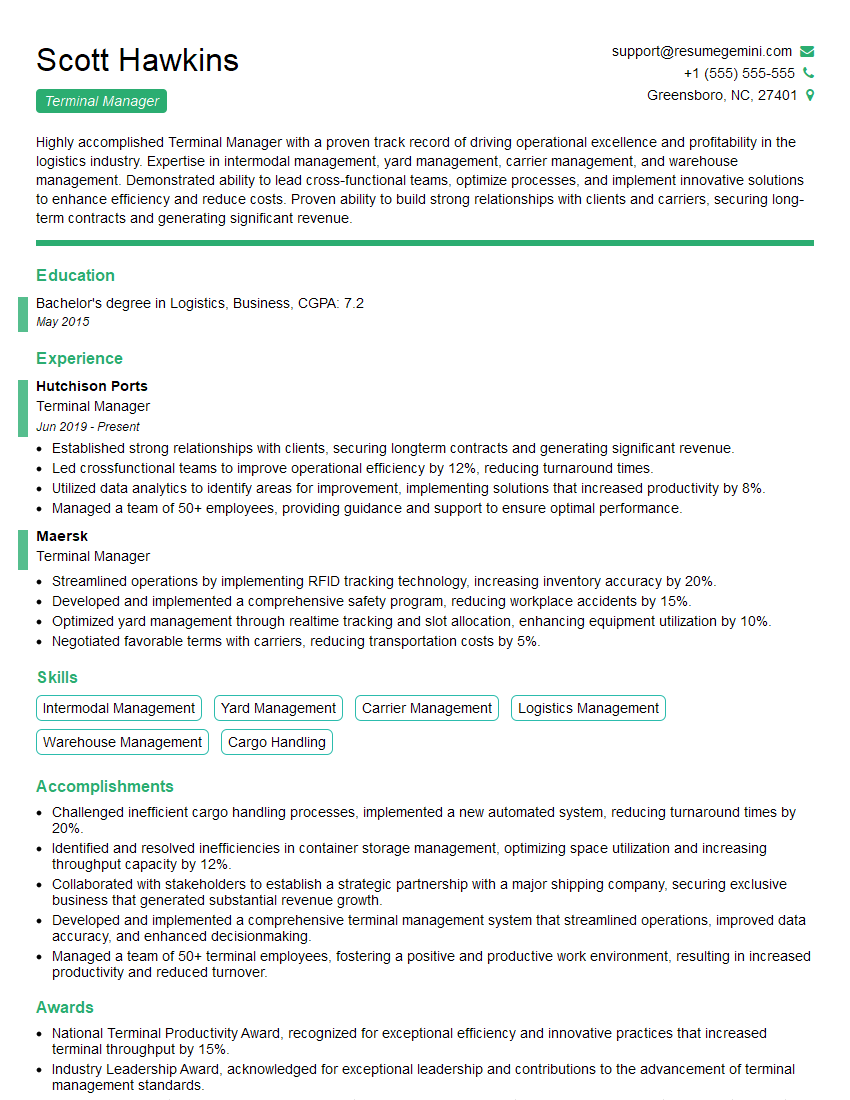
Terminal Manager Resume Sample
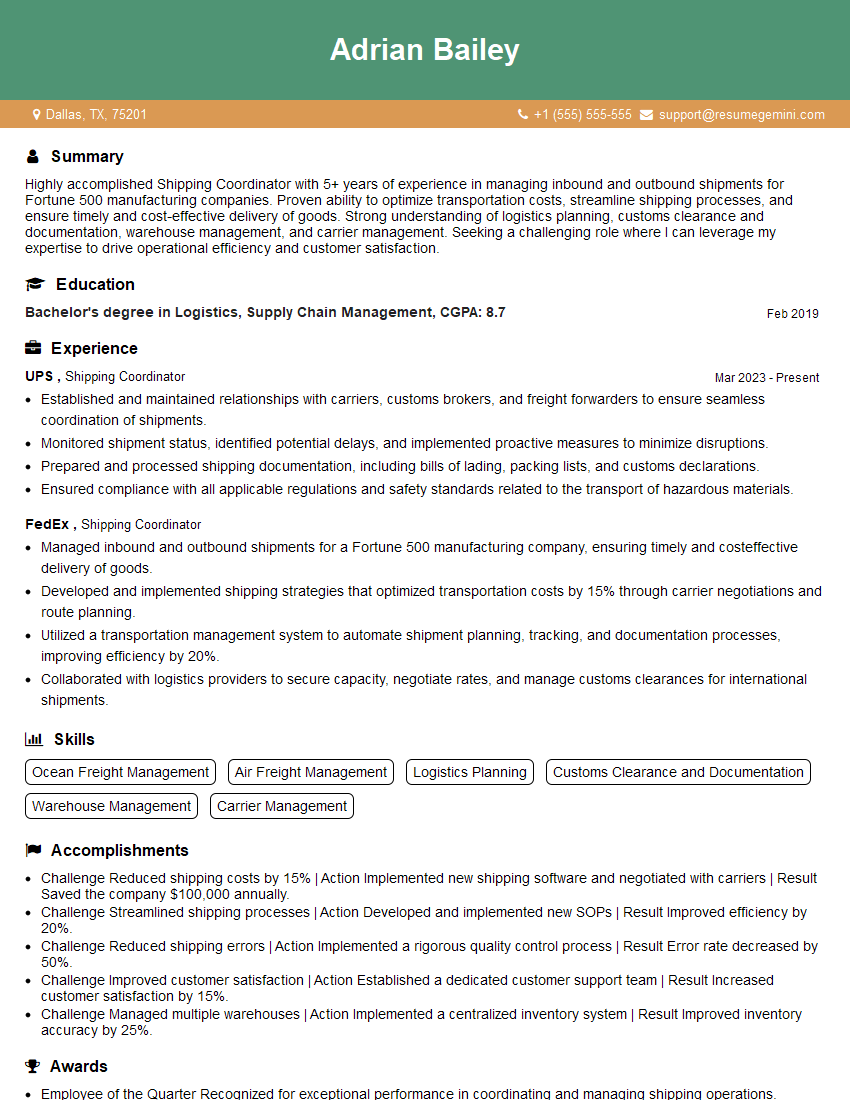
Shipping Coordinator Resume Sample
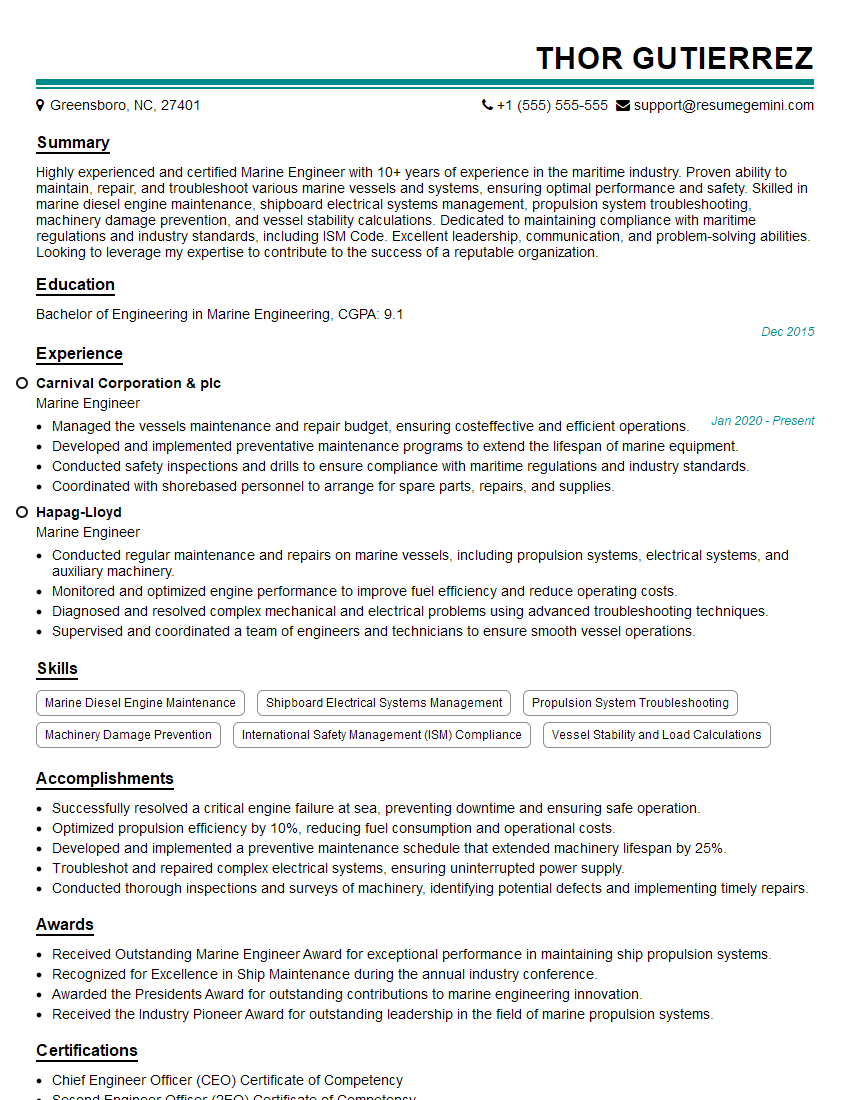
Marine Engineer Resume Sample

Marine Surveyor Resume Sample
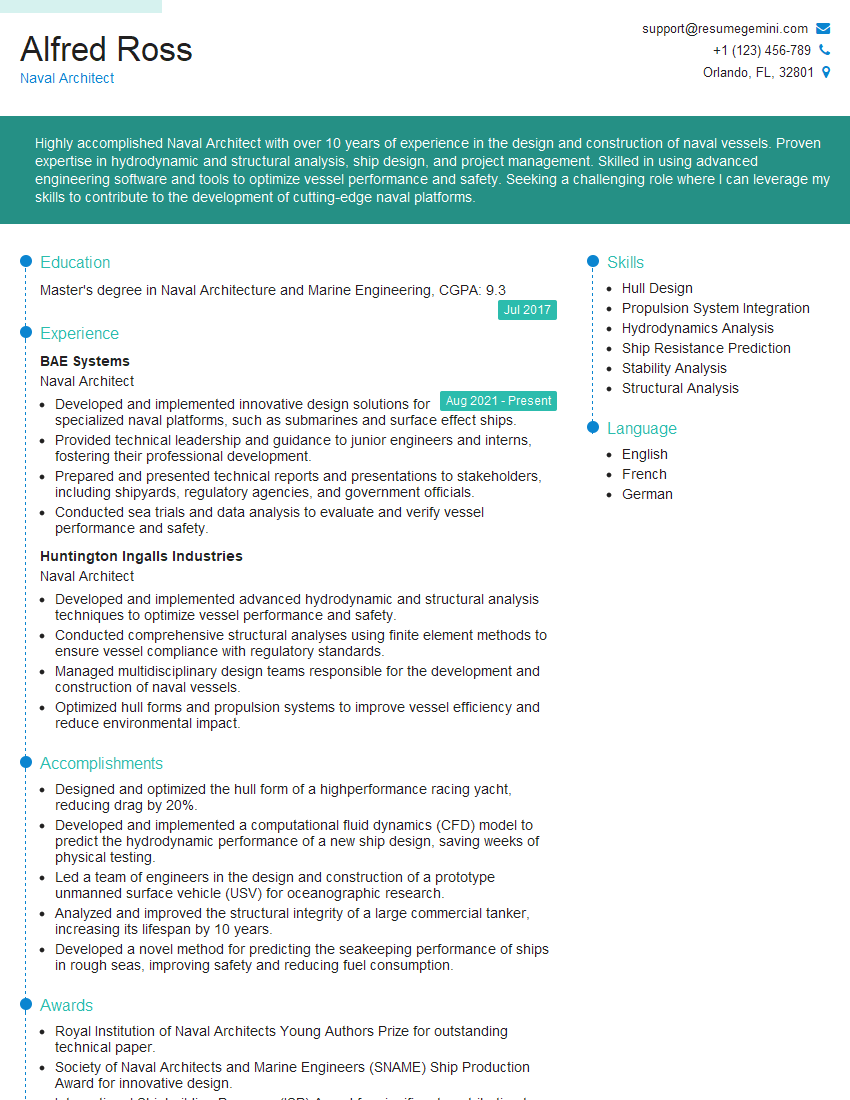
Naval Architect Resume Sample

Crane Operator Resume Sample
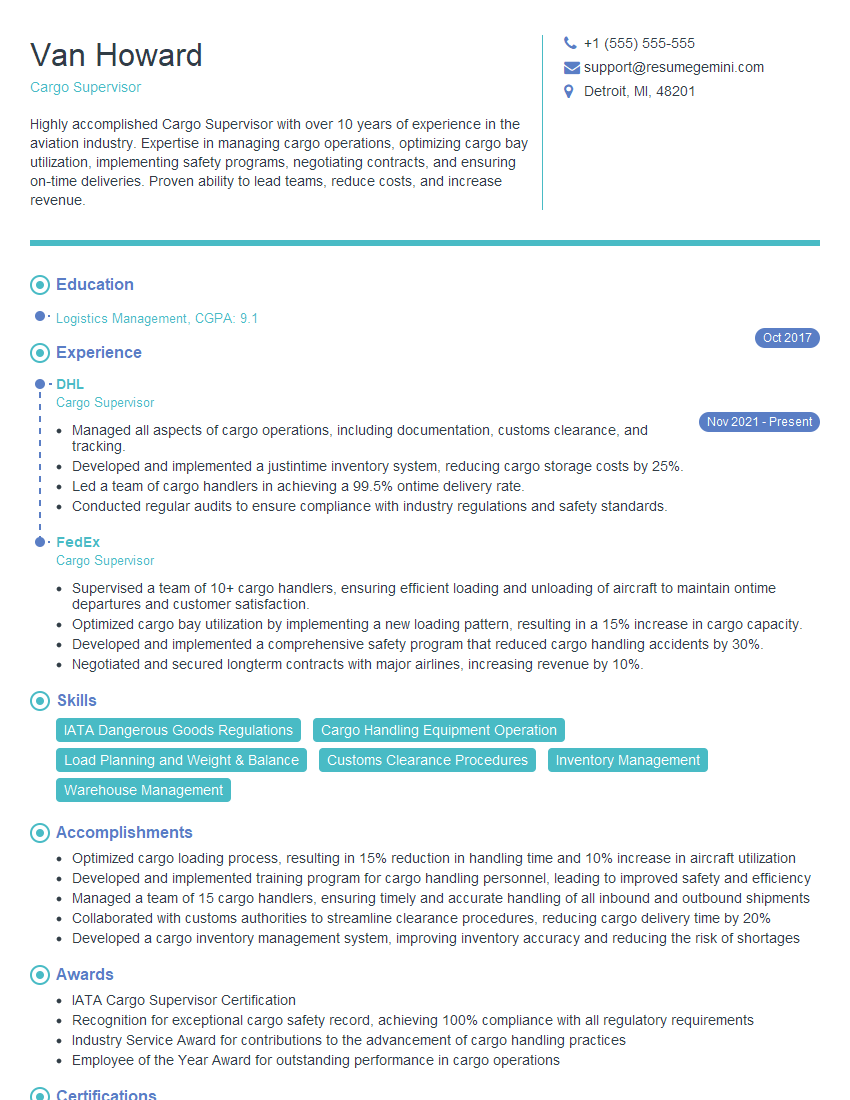
Cargo Supervisor Resume Sample
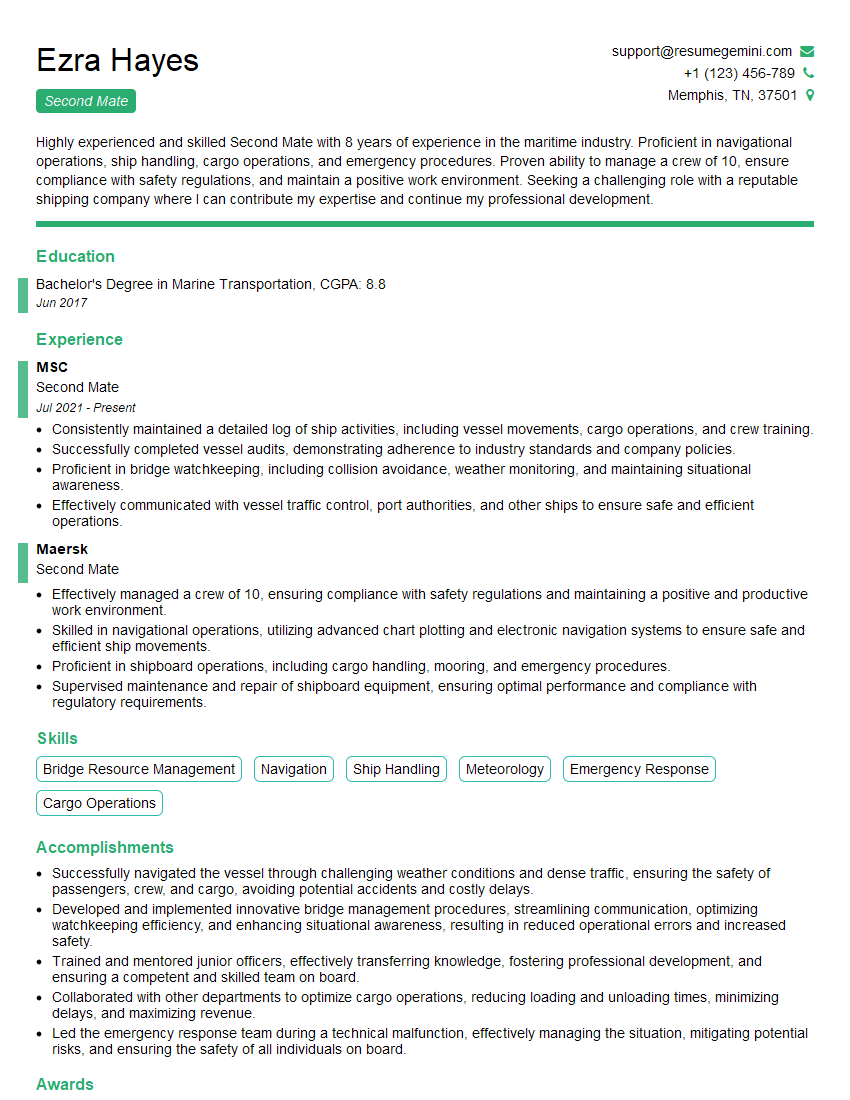
Second Mate Resume Sample
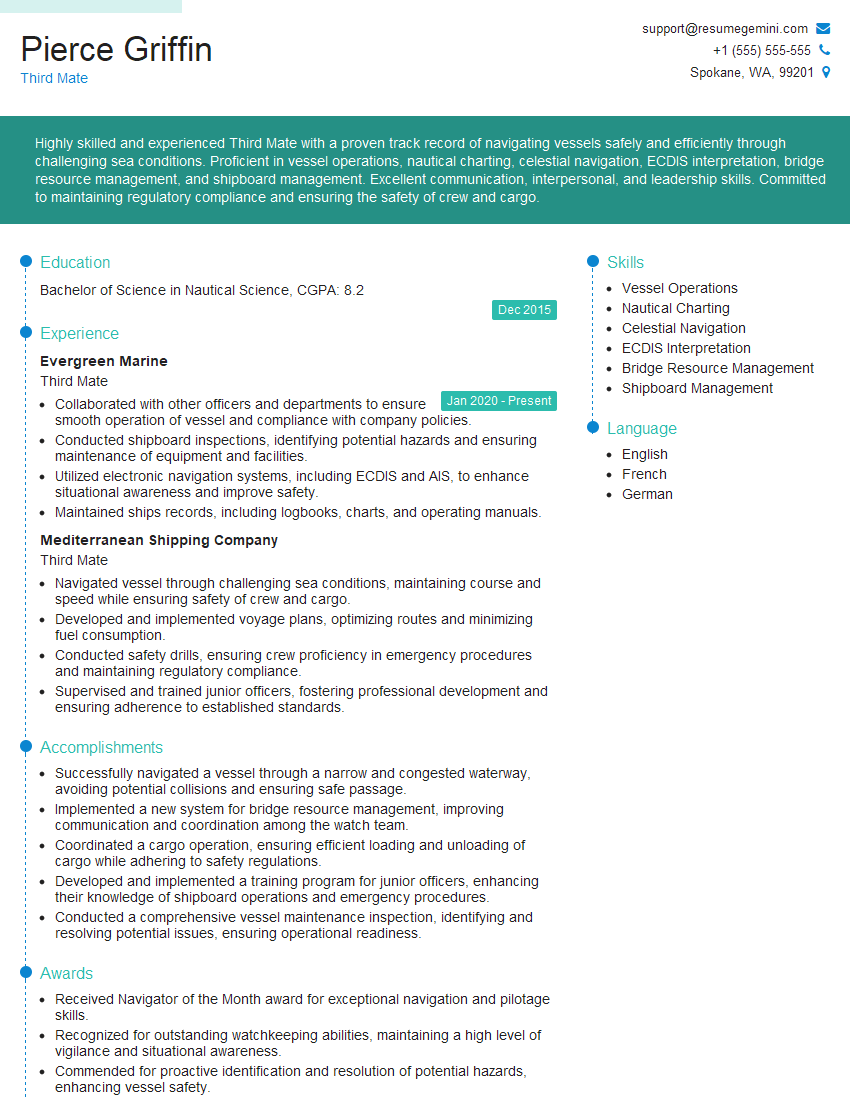
Third Mate Resume Sample
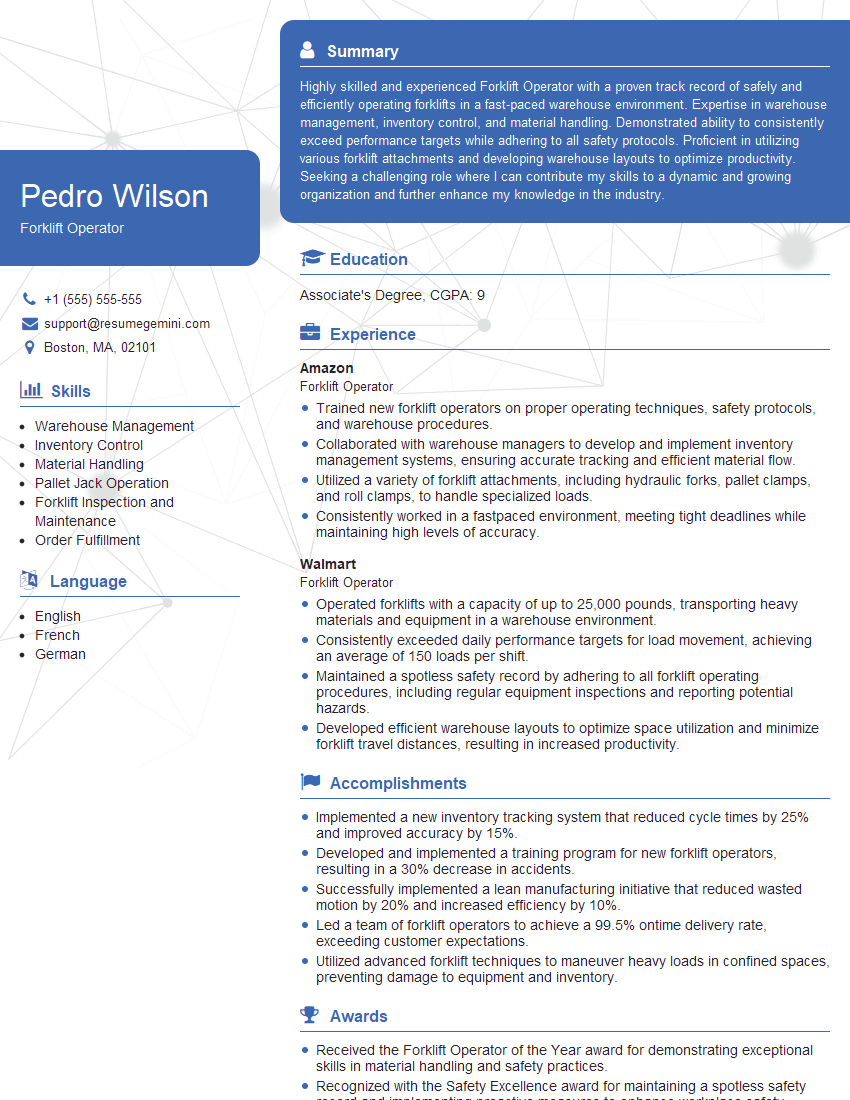
Forklift Operator Resume Sample

Rigger Resume Sample
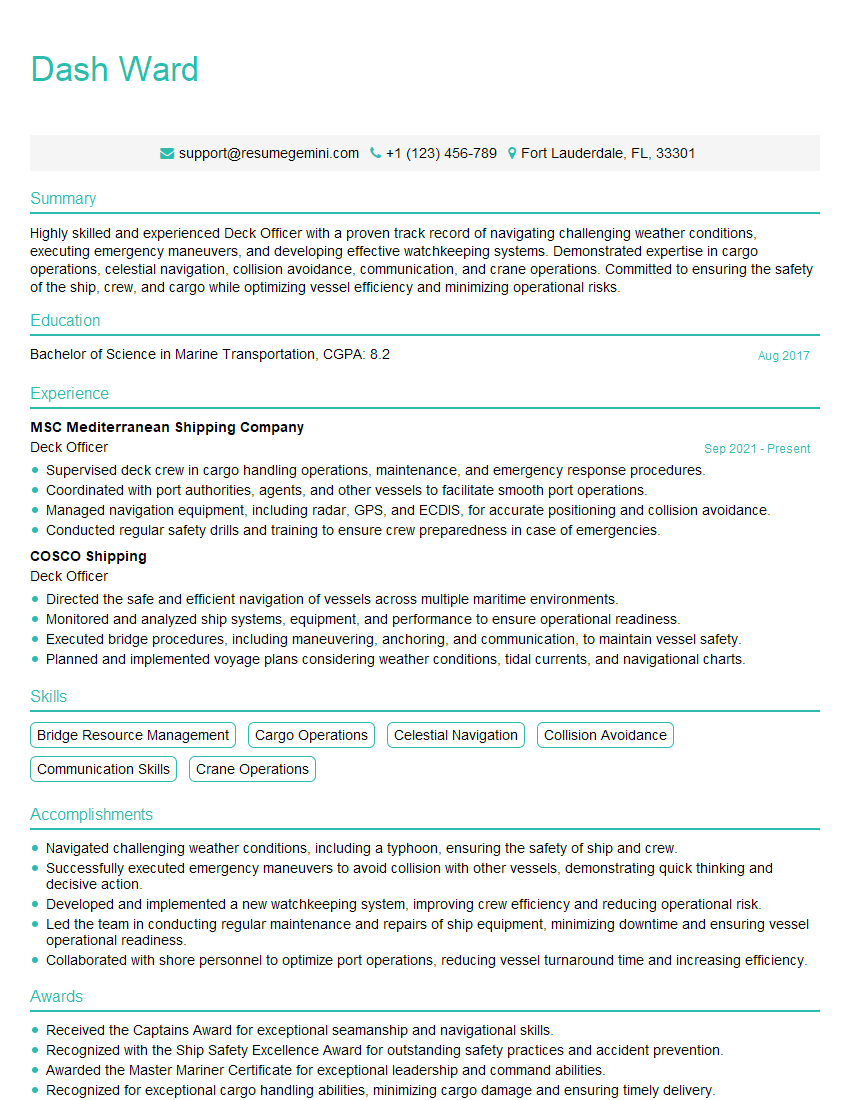
Deck Officer Resume Sample
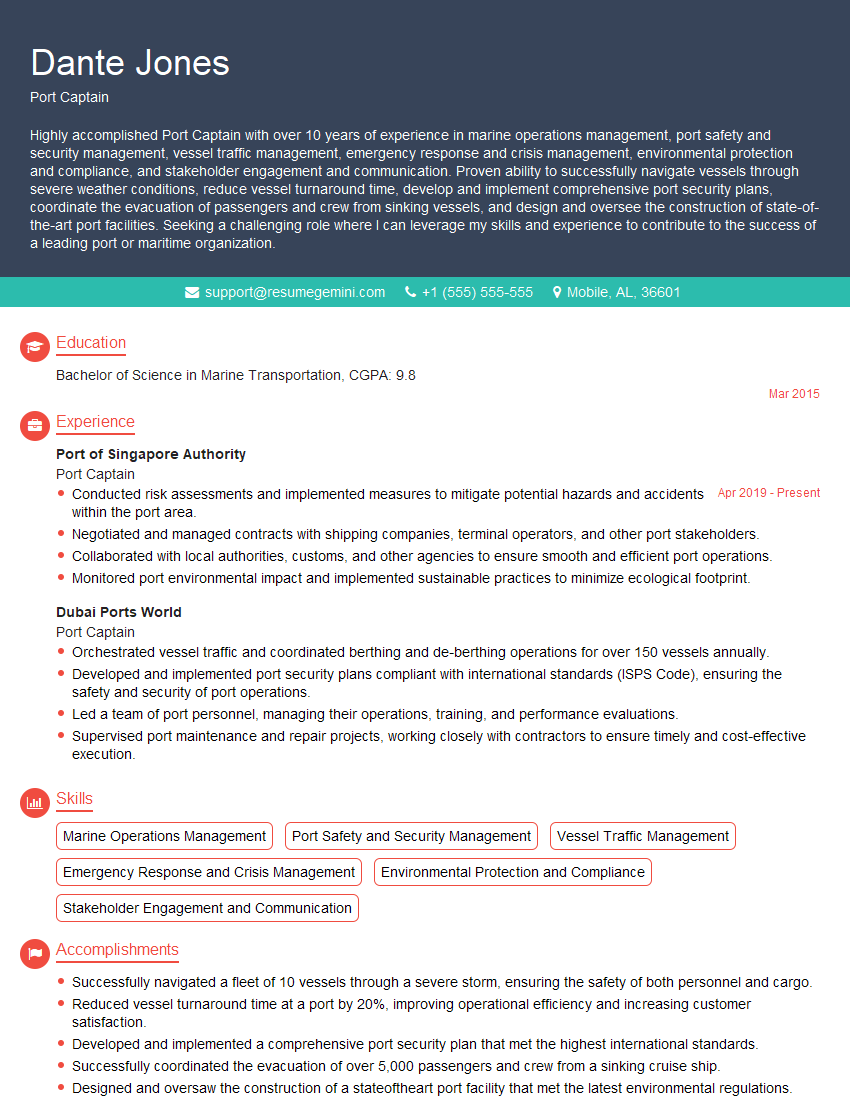
Port Captain Resume Sample
Explore more articles
Users Rating of Our Blogs
Share Your Experience
We value your feedback! Please rate our content and share your thoughts (optional).
What Readers Say About Our Blog
Very informative content, great job.
good