Interviews are opportunities to demonstrate your expertise, and this guide is here to help you shine. Explore the essential Shipboard Electrical Power Systems interview questions that employers frequently ask, paired with strategies for crafting responses that set you apart from the competition.
Questions Asked in Shipboard Electrical Power Systems Interview
Q 1. Explain the different types of electrical power generation systems used on ships.
Ships employ various power generation systems, primarily categorized by the prime mover used to drive the generators. The most common types include:
- Diesel Generators: These are the workhorses of most ships, using diesel engines to turn generators producing AC or DC power. They are reliable, relatively inexpensive, and readily available for maintenance and repair. Think of them as the reliable truck of the power generation world.
- Gas Turbines: Used on larger vessels requiring high power output, gas turbines offer higher power density than diesel engines but are generally less fuel-efficient and require more sophisticated maintenance. They are the sports car of the power generation world – fast and powerful, but needing more care.
- Steam Turbines: Older ships and some specialized vessels utilize steam turbines, often powered by boilers burning heavy fuel oil. They offer significant power but are less efficient and require extensive infrastructure for steam generation and distribution. This is the classic, powerful locomotive of the power generation world.
- Hybrid Systems: Modern advancements incorporate hybrid systems combining different types of generators, such as diesel-electric or gas turbine-electric systems, to optimize efficiency and redundancy. These systems offer greater flexibility and the ability to tailor power output to operational demands.
The choice of power generation system depends on factors such as vessel size, operational profile, fuel costs, and environmental regulations.
Q 2. Describe the function of a ship’s switchboard.
A ship’s switchboard is the central control and distribution point for the electrical power system. Think of it as the brain and nervous system of the ship’s electrical network. It receives power from the generators and distributes it to various circuits throughout the vessel. Key functions include:
- Power Distribution: Routing power to different parts of the ship via circuit breakers and switches.
- Monitoring: Displaying voltage, current, and frequency readings, providing real-time status of the electrical system.
- Protection: Incorporating protective devices like circuit breakers and fuses to prevent overloads, short circuits, and other faults.
- Control: Allowing operators to start and stop generators, switch loads between generators, and control individual circuits.
- Synchronization: Synchronizing multiple generators operating in parallel to provide a stable and reliable power supply.
Switchboards are crucial for safe and efficient operation of the ship’s electrical systems. Proper maintenance and regular testing of switchboard components are vital for ensuring reliable performance and preventing accidents.
Q 3. What are the safety procedures for working on a ship’s electrical system?
Safety is paramount when working on a ship’s electrical system. Procedures always start with a thorough risk assessment, followed by the implementation of several key safety measures. Some of the critical ones include:
- Lockout/Tagout (LOTO): Before any work is performed on electrical equipment, the power must be completely isolated and locked out using a LOTO system. This prevents accidental energization. Think of this as a crucial key that ensures power remains off.
- Permit-to-Work System: A formal permit system documents the work, ensures proper isolation and testing, and specifies necessary safety precautions.
- Personal Protective Equipment (PPE): Appropriate PPE, including insulated gloves, safety glasses, and arc flash protection, must be worn at all times. This protects the worker from potential hazards.
- Testing and Verification: Before returning power, thorough testing must confirm that the equipment is de-energized and safe to work on.
- Training and Competency: Only qualified and trained personnel should work on ship’s electrical systems. This is fundamental to ensure everyone understands the risks and procedures.
- Emergency Procedures: Clear emergency procedures must be established and understood by all personnel involved. This is the plan B, and it is crucial to have a prepared plan B.
Failure to adhere to these safety procedures can lead to serious injury or death. A rigorous safety culture is essential in the maritime industry.
Q 4. How do you troubleshoot a faulty electrical circuit on a ship?
Troubleshooting a faulty electrical circuit involves a systematic approach. First, safety procedures (LOTO etc.) must be followed meticulously. Next, the troubleshooting steps could be:
- Visual Inspection: Look for visible signs of damage such as loose connections, burned wires, or damaged insulation.
- Testing with Multimeter: Use a multimeter to check for voltage, current, and continuity. This helps to pinpoint the location of the fault.
- Circuit Tracing: Trace the circuit from the source to the load, checking each component and connection along the way. A schematic diagram is extremely helpful in this stage.
- Isolation of Faulty Section: Once the faulty section is identified, isolate it from the rest of the system to prevent further damage or risk.
- Repair or Replacement: Repair or replace the faulty component and thoroughly test the circuit before restoring power.
For example, if a light doesn’t work, you would first check the bulb, then the switch, the wiring to the switch, and finally the circuit breaker or fuse protecting the circuit. Detailed circuit diagrams and onboard documentation are invaluable resources during troubleshooting.
Q 5. Explain the importance of grounding and bonding in shipboard electrical systems.
Grounding and bonding are crucial safety features in shipboard electrical systems. They protect personnel from electric shock and equipment from damage.
- Grounding: Connects the non-current-carrying metal parts of equipment to the earth (sea in the case of a ship). This provides a low-resistance path for fault currents to flow to the earth, thus preventing dangerous voltages from building up on exposed metal parts. Imagine it as a safety valve releasing excess energy to the ground.
- Bonding: Connects the metal parts of different equipment together to equalize their electrical potential. This prevents potential differences between connected equipment which might cause dangerous currents to flow between them.
Both grounding and bonding work together. If a fault occurs, the grounding system provides a safe path for the fault current to flow back to the source, while the bonding system prevents dangerous voltages from appearing across the various parts of the ship’s structure.
Think of a ship as a large metal cage. Grounding ensures that the cage is at the same electrical potential as the sea, while bonding connects all parts of that cage together to prevent shocks between components.
Q 6. Describe the various types of electrical protection devices used on ships.
Various electrical protection devices safeguard shipboard electrical systems. Some key examples include:
- Circuit Breakers: Automatically interrupt the current flow when an overload or short circuit occurs, protecting equipment and wiring. These are like automated switches protecting against excess current.
- Fuses: Similar to circuit breakers, they melt and break the circuit when excessive current flows, but they are simpler and typically used for lower current applications.
- Earth Leakage Circuit Breakers (ELCBs): Detect small earth leakage currents, indicating insulation faults that could lead to electric shock. These are crucial for safety, protecting against even minor insulation issues.
- Residual Current Devices (RCDs): Similar to ELCBs, they also monitor for leakage currents but offer faster response times.
- Overvoltage Protectors: Protect equipment from damage caused by voltage surges. These are like shock absorbers for voltage fluctuations.
- Surge Arresters: Protect against high-voltage surges, particularly from lightning strikes. They are safety mechanisms safeguarding against unexpected voltage spikes.
The selection of protective devices depends on the specific application and the level of protection required.
Q 7. What are the regulations and standards governing shipboard electrical systems?
Shipboard electrical systems are governed by international regulations and standards to ensure safety, reliability, and environmental protection. Key organizations and standards include:
- International Maritime Organization (IMO): Sets international standards for the safety of life at sea, including regulations related to ship electrical systems. The IMO is the global authority.
- International Electrotechnical Commission (IEC): Develops international standards for electrical equipment and installations, many of which are adopted by IMO regulations. The IEC defines technical standards.
- American Bureau of Shipping (ABS), Lloyd’s Register (LR), Det Norske Veritas (DNV): These are classification societies that set standards for the design, construction, and operation of ships, including electrical systems. These organizations conduct safety inspections and certify the ship’s design.
- National Standards: Various countries have their national standards that may complement or supplement the international standards. This ensures adherence to specific country requirements.
Compliance with these regulations and standards is crucial for the safe and legal operation of any vessel. Regular inspections and audits ensure that these standards are being maintained and improved upon.
Q 8. Explain the principles of three-phase power systems.
Three-phase power systems are the industry standard for shipboard electrical systems due to their efficiency and power delivery capabilities. Instead of a single alternating current (AC) waveform, a three-phase system uses three separate AC waveforms, each 120 degrees out of phase with the others. Imagine three sine waves, equally spaced around a circle. This arrangement allows for a more consistent power delivery compared to single-phase systems, leading to smoother operation of equipment and reduced strain on the system.
How it works: Each phase carries a portion of the total load, distributing the current evenly. This results in a more balanced system, minimizing current fluctuations and reducing the need for excessively large conductors. Think of it like having three separate pipes carrying water to a house instead of one—each pipe carries a smaller amount, but the total flow is much greater and more stable.
Practical Application: Three-phase systems are used to power large motors, generators, and other high-power equipment on ships, such as propulsion motors, cargo winches, and air conditioning units. The balanced nature of the system ensures these critical components operate efficiently and reliably.
Q 9. How do you perform a load calculation for a ship’s electrical system?
A ship’s load calculation is crucial for designing and maintaining a safe and efficient electrical system. It involves determining the total power demand of all equipment on board to select appropriately sized generators, cables, and switchgear. This is a complex process, often performed using specialized software.
- Step 1: Equipment Listing: Create a comprehensive list of all electrical equipment, including motors, lighting, heating, ventilation, and air conditioning (HVAC), navigation systems, communication systems, and galley equipment.
- Step 2: Power Rating: For each piece of equipment, determine its power rating in kilowatts (kW) or kilovolt-amperes (kVA). This information is usually found on the equipment’s nameplate.
- Step 3: Demand Factor: Not all equipment operates at full capacity simultaneously. A demand factor (less than 1.0) is applied to account for this. It represents the ratio of the maximum demand to the total connected load. This requires considering the operational profiles of different equipment.
- Step 4: Diversity Factor: Similar to the demand factor, a diversity factor (less than 1.0) considers that even within a load group (e.g., lighting in different spaces), not all equipment will operate at full capacity at the same time.
- Step 5: Calculation: The total load is then calculated by summing the individual loads, applying the demand and diversity factors. This ensures the system is not oversized, which leads to unnecessary costs, while providing enough capacity to handle peak demand.
- Step 6: Safety Margin: Add a safety margin to account for future expansion and unexpected increases in power demand. A typical margin is 10-20%, depending on the application.
Example: Let’s say the total connected load is 1000 kW. With a 0.8 demand factor and 0.9 diversity factor, the total calculated load would be 720 kW (1000 kW * 0.8 * 0.9). Adding a 15% safety margin yields a final design load of approximately 828 kW.
Q 10. What is the role of the main switchboard in the distribution of power?
The main switchboard is the central distribution point for a ship’s electrical power system. It’s essentially the heart of the electrical distribution network. Think of it as a sophisticated electrical traffic control center.
Role:
- Power Distribution: It receives power from the generators and distributes it to various parts of the ship through feeder cables and smaller distribution boards.
- Protection: It incorporates circuit breakers, fuses, and other protective devices to prevent overloads, short circuits, and ground faults, protecting both the equipment and the crew.
- Monitoring: It often includes instruments for monitoring voltage, current, and frequency, providing real-time data on the electrical system’s health.
- Switching and Control: It allows for selective switching of circuits (e.g., turning on/off specific areas or equipment) and provides control points for various electrical systems.
Practical Application: If a fault occurs on one circuit, the main switchboard’s protective devices will isolate that specific circuit, preventing a widespread power outage. The monitoring capabilities allow engineers to identify potential problems early and take preventative measures.
Q 11. Explain the difference between AC and DC power systems.
AC (Alternating Current) and DC (Direct Current) power systems differ fundamentally in the way they deliver electricity.
- AC Power: The voltage and current periodically reverse direction, typically 50 or 60 times per second (the frequency). This allows for efficient transmission over long distances using transformers to step up and down voltage. Ships primarily use AC power, usually three-phase.
- DC Power: The voltage and current flow in one direction only. DC is better suited for certain applications, such as battery charging and some types of electronic equipment. Ships use DC for battery systems and some low-voltage circuits.
Key Differences Summarized:
| Feature | AC | DC |
|---|---|---|
| Voltage/Current Direction | Reverses periodically | Flows in one direction |
| Transmission Efficiency | High over long distances | Lower over long distances |
| Applications on Ships | Main power distribution, motors | Batteries, low-voltage circuits, electronic equipment |
Practical Implications: AC’s efficiency for long-distance transmission makes it ideal for the ship’s main power distribution, while DC’s suitability for batteries makes it the choice for emergency power and critical systems. Many modern ships employ sophisticated power conversion systems to manage the interplay between AC and DC power.
Q 12. Describe the process of maintaining shipboard batteries.
Maintaining shipboard batteries is crucial for ensuring the reliability of emergency power systems and other critical functions. Neglect can lead to power failures, endangering the ship and crew.
- Regular Inspection: Visual checks for corrosion, leaks, loose connections, and damage to the battery casing are essential. Note battery voltage and specific gravity (using a hydrometer for lead-acid batteries).
- Cleaning: Keep battery terminals and surrounding areas clean and free of corrosion. Use a wire brush or suitable cleaner.
- Charging: Regular charging is necessary to maintain the battery’s state of charge. Use a charger appropriate for the battery type and follow the manufacturer’s instructions. Avoid overcharging, which can damage the batteries.
- Ventilation: Ensure adequate ventilation to prevent the buildup of hydrogen gas, which is highly flammable and explosive. Batteries should be located in well-ventilated spaces.
- Testing: Perform regular load tests to assess the battery’s capacity to deliver power under load. This involves discharging the battery and measuring the voltage and current. This is done using specialist battery testing equipment.
- Hydrometer checks (for lead-acid): This instrument measures the specific gravity of the electrolyte, which indicates the state of charge. Low specific gravity indicates a discharged battery.
Practical Application: A well-maintained battery system will provide reliable backup power during emergencies, ensuring the safety of the vessel and crew. Neglect can lead to power failures with serious consequences, especially during blackouts or other critical situations.
Q 13. How do you test and inspect electrical cables and wiring?
Testing and inspecting electrical cables and wiring are critical for ensuring the safety and reliability of a ship’s electrical system. Faulty wiring can cause fires, short circuits, and equipment malfunctions.
- Visual Inspection: Look for any signs of damage, such as cuts, abrasions, burns, or corrosion on the cable insulation or connectors. Check for proper termination and secure fixing.
- Insulation Resistance Test (Megger Test): A megger test measures the insulation resistance of the cable to determine if there is any degradation or breakdown of the insulation. A low resistance indicates a problem.
- Continuity Test: This test checks for continuity in the conductors to ensure there are no breaks or open circuits. It verifies the electrical path is complete.
- Polarity Check (for DC circuits): Ensures that the positive and negative terminals are correctly connected.
- Documentation: All test results should be carefully documented and stored for future reference. This is important for maintenance planning and regulatory compliance.
Practical Application: Regular testing and inspection programs help prevent electrical faults, ensuring the continuous safe and reliable operation of all shipboard electrical systems. Detecting problems early can save the vessel from costly repairs and potentially dangerous situations.
Q 14. Explain the operation of a diesel generator.
A diesel generator is a self-contained unit that converts the mechanical energy produced by a diesel engine into electrical energy. They are the primary power source on many vessels.
Operation:
- Diesel Engine: The diesel engine burns fuel to create mechanical energy, rotating a crankshaft.
- Alternator: This rotating crankshaft drives an alternator (AC generator). The alternator uses electromagnetic induction to generate three-phase AC power.
- Exciter: A smaller generator (exciter) supplies the initial electrical current needed to energize the alternator’s field windings, initiating power generation.
- Control System: A sophisticated control system monitors parameters such as engine speed, voltage, current, and temperature, automatically adjusting the fuel supply and other parameters to maintain stable power output. It will also alert the operator to abnormal conditions.
- Switchgear: The generator is connected to the main switchboard through switchgear, allowing for its connection and disconnection from the ship’s electrical system.
Practical Application: Diesel generators provide the primary electrical power for most ships, powering lights, motors, communication systems, and other critical equipment. Multiple generators are usually installed for redundancy, ensuring power availability even if one generator fails. Proper maintenance and regular testing are vital for reliability and safety.
Q 15. Describe the various types of electrical motors used on ships.
Ships utilize a variety of electric motors, each chosen based on the specific application and power requirements. The most common types include:
- Induction Motors (AC Motors): These are the workhorses of shipboard systems, known for their robustness, simplicity, and relatively low maintenance. They are widely used for propulsion, cargo handling, and auxiliary machinery. Think of them as the reliable ‘everyday’ motors of the ship.
- Synchronous Motors (AC Motors): These offer high efficiency and precise speed control, making them suitable for applications requiring constant speed, like some pumps or generators. They are more complex than induction motors but can offer better performance in certain situations.
- DC Motors: While less prevalent than AC motors due to advances in AC technology, DC motors are still used in specific applications requiring precise speed control and high torque at low speeds. Older ships might have more DC motors, while newer ones tend towards AC.
- Servo Motors: These are specialized motors used for precise positioning and control, often found in automation systems controlling valves, rudders, or other critical equipment. Imagine them as the highly precise ‘control’ motors.
The selection of a motor depends on factors such as power requirements, speed control needs, environmental conditions (e.g., high humidity, vibration), and maintenance considerations. For example, a large propulsion motor will need to be extremely robust and reliable, whereas a small motor driving a fan might prioritize efficiency and quiet operation.
Career Expert Tips:
- Ace those interviews! Prepare effectively by reviewing the Top 50 Most Common Interview Questions on ResumeGemini.
- Navigate your job search with confidence! Explore a wide range of Career Tips on ResumeGemini. Learn about common challenges and recommendations to overcome them.
- Craft the perfect resume! Master the Art of Resume Writing with ResumeGemini’s guide. Showcase your unique qualifications and achievements effectively.
- Don’t miss out on holiday savings! Build your dream resume with ResumeGemini’s ATS optimized templates.
Q 16. What are the common causes of electrical faults on ships?
Electrical faults on ships can stem from various causes, often exacerbated by the harsh marine environment. Some common culprits are:
- Corrosion: Saltwater and humidity are notorious for causing corrosion in wiring, connections, and equipment casings, leading to shorts and open circuits. This is a constant battle on board any vessel.
- Vibration and Shock: The constant movement of a ship can loosen connections, damage insulation, and cause component failure. Think of the stresses put on the wiring during rough seas.
- Overloads and Short Circuits: These are common causes of faults, often due to equipment malfunction or operator error. A simple overloaded circuit can quickly cause a significant problem.
- Insulation Breakdown: Ageing, moisture ingress, and overheating can weaken insulation, leading to shorts and fires. Regular inspections are critical to prevent such failures.
- Human Error: Incorrect wiring, improper maintenance, and inadequate training can all contribute to electrical faults. Human error accounts for a large portion of shipboard electrical problems.
Identifying the root cause is crucial for effective preventative maintenance and avoiding recurring faults. A thorough investigation, often involving electrical testing equipment and experienced personnel, is necessary.
Q 17. How do you handle electrical emergencies on board a ship?
Handling electrical emergencies on a ship requires a structured approach, emphasizing safety and swift action. The first priority is always the safety of personnel. Our procedures typically follow these steps:
- Isolate the Faulty Circuit: The immediate action is to switch off the affected circuit breaker to prevent further damage or injury. This is paramount.
- Assess the Situation: Evaluate the extent of the damage, any potential hazards (fire, electric shock), and the number of people potentially affected.
- Activate Emergency Procedures: Alert the ship’s crew, report the incident to the bridge, and follow the ship’s emergency response plan. This might involve muster stations or other emergency measures.
- Call for Assistance: If the situation is beyond the capabilities of the onboard crew, external assistance may be needed, potentially contacting port authorities or specialized repair teams.
- Repair or Replace Faulty Equipment: Once the emergency is contained, repairs or replacements are carried out following safety regulations and best practices. Documentation of the event is crucial for analysis and future prevention.
Regular training and drills are essential to ensure the crew is proficient in handling electrical emergencies effectively and safely. We practice these procedures routinely.
Q 18. Explain the function of an emergency power system.
The emergency power system (EPS) is a critical backup system designed to provide essential power to critical shipboard systems in the event of a main power failure. This ensures the safety and operation of the ship during an emergency. Think of it as the ship’s lifeline in a power outage.
It typically provides power to:
- Emergency Lighting: Illuminating escape routes and critical areas.
- Emergency Communication Systems: Allowing communication with other vessels or shore-based authorities.
- Bilge Pumps: Preventing flooding in case of a hull breach.
- Steering Gear (in some cases): Enabling limited steering control.
- Fire Fighting Systems: Providing power to fire pumps and other firefighting equipment.
The EPS is usually powered by a separate generator, often diesel-driven, which automatically starts upon detection of a main power failure. Redundancy is critical; some ships even have backup batteries to ensure even short-term power availability.
Q 19. What are the different types of electrical lighting systems used on ships?
Modern ships employ a variety of lighting systems, each tailored to specific needs and locations. Common types include:
- Fluorescent Lighting: Energy-efficient and commonly used in general areas, corridors, and cabins. It’s a good balance between cost and efficiency.
- LED Lighting: Increasingly popular due to its energy efficiency, long lifespan, and durability. LED lights are becoming the standard on newer vessels for their superior energy savings.
- Incandescent Lighting: Though less common now due to lower energy efficiency, incandescent lighting might still be found in older ships or specialized applications requiring a specific light color or intensity.
- Emergency Lighting: Battery-powered lights designed to illuminate escape routes and critical areas during a power outage. This is essential for safety.
- Navigation Lights: Specifically designed to meet international maritime regulations for safe navigation at sea. They are highly regulated and must meet strict standards for visibility.
The choice of lighting system often involves a trade-off between initial cost, energy efficiency, lifespan, and maintenance requirements. Environmental considerations, such as heat dissipation and potential corrosion, also play a role.
Q 20. Describe your experience with electrical automation systems.
I have extensive experience with various electrical automation systems on board ships, including:
- PLC (Programmable Logic Controller) based systems: These are commonly used for controlling machinery and processes such as cargo handling, engine room automation, and ballast water management. I’ve worked on many projects involving PLC programming and troubleshooting.
- Distributed Control Systems (DCS): Used in larger vessels for integrated control of multiple subsystems. This allows for centralized monitoring and control of the entire ship’s electrical power and automation systems. I have experience in configuring and maintaining these complex systems.
- SCADA (Supervisory Control and Data Acquisition) systems: Used for monitoring and controlling various aspects of the ship’s operations, including power generation, distribution, and consumption. I’ve used SCADA systems to optimize energy usage and improve efficiency.
My experience involves not just the technical aspects of programming and configuration, but also system design, integration, testing, and commissioning. I’m also proficient in troubleshooting and maintaining these systems, ensuring their reliable operation.
For example, on one project, I was responsible for upgrading the automation system on a container ship, replacing the outdated PLC system with a modern DCS. This involved meticulous planning, programming, testing, and training of the ship’s crew to ensure a seamless transition. The upgrade resulted in significant improvements in efficiency and reduced downtime.
Q 21. How do you ensure compliance with electrical safety regulations?
Ensuring compliance with electrical safety regulations is paramount in the maritime industry. This involves a multi-faceted approach:
- Adherence to International Standards: We strictly follow relevant international standards such as IEC, IEEE, and IMO regulations for shipboard electrical systems. These standards define safety protocols and performance requirements.
- Regular Inspections and Maintenance: Scheduled inspections and maintenance are carried out to ensure the integrity of all electrical equipment and systems. This includes visual inspections, testing, and documentation.
- Proper Documentation: Meticulous record-keeping is crucial, documenting all inspections, repairs, and maintenance activities. This ensures traceability and helps identify potential issues early on.
- Crew Training: Training the crew on safe electrical practices and emergency procedures is essential. Regular refresher courses keep the team up-to-date and competent.
- Risk Assessments: Regular risk assessments identify potential hazards and develop mitigation strategies. This is proactive risk management.
- Certification and Compliance: We maintain all necessary certifications and ensure the vessel complies with all relevant port state control regulations and classification society requirements. This involves inspections by external authorities to ensure ongoing compliance.
Non-compliance can lead to serious consequences, including fines, port state control detentions, and, most importantly, safety hazards for the crew and the environment. Our commitment to safety ensures all our practices adhere to the highest standards.
Q 22. Explain your experience working with different types of electrical control systems.
My experience encompasses a wide range of electrical control systems used in modern shipping, from traditional relay logic systems to sophisticated PLC (Programmable Logic Controller) based systems and even distributed control systems (DCS). I’ve worked extensively with systems controlling everything from propulsion motors and generators to cargo handling equipment, lighting, and HVAC.
- Relay Logic Systems: I’ve worked on older vessels utilizing hard-wired relay systems, troubleshooting issues by tracing circuits and replacing faulty relays or contactors. Understanding these systems is crucial for maintaining older ships and requires a strong understanding of electrical schematics and relay logic diagrams.
- PLC-based Systems: More modern vessels employ PLC systems offering advantages such as improved reliability, remote monitoring, and easier programming of complex control sequences. My experience includes programming, troubleshooting, and modifying PLC programs using software like Siemens TIA Portal or Rockwell Automation RSLogix. I’ve successfully debugged faulty programs causing issues like incorrect motor sequencing or safety interlock failures, implementing solutions ranging from simple code modifications to replacing faulty I/O modules.
- Distributed Control Systems (DCS): On larger, newer vessels, I’ve encountered DCS systems which manage multiple subsystems. These systems require a deep understanding of network communication protocols and data management. My work with DCS has involved integrating new equipment, configuring alarm systems, and performing preventative maintenance to ensure smooth vessel operation.
Q 23. Describe your experience in troubleshooting and repairing electrical equipment.
Troubleshooting and repairing shipboard electrical equipment requires a systematic approach. It’s not just about fixing a broken component, but also about understanding the root cause to prevent future failures. My process typically involves:
- Safety First: Always ensure the power is isolated and locked out before commencing any work.
- Initial Assessment: Gather information about the problem – what is malfunctioning, when did it start, and what were the preceding events?
- Visual Inspection: Check for obvious damage like burnt wires, loose connections, or overheating components.
- Testing and Measurement: Use multimeters, oscilloscopes, and other diagnostic tools to identify faulty components or circuit issues. For instance, I might use a clamp meter to measure current draw, an oscilloscope to analyze waveforms, or a thermal imager to detect hotspots.
- Repair or Replacement: Once the faulty component is identified, repair or replace it, always ensuring proper installation and adherence to safety regulations.
- Testing and Verification: After the repair, rigorously test the system to ensure functionality and prevent any recurrence of the problem.
For example, I once successfully resolved a problem on a container ship where the crane control system was intermittently failing. By systematically tracing the wiring harness, I identified a corroded connection causing intermittent short circuits. Replacing the corroded section restored full functionality.
Q 24. Explain your understanding of electrical distribution systems on ships.
Shipboard electrical distribution systems are designed to safely deliver power from the generating sources (generators) to all shipboard equipment. A typical system comprises:
- Generating Sources: Diesel generators are most common, supplying AC power at 440V (or 690V) for many vessels, while auxiliary generators might offer 220V for particular circuits.
- Switchboards: These are the main distribution points, containing circuit breakers, fuses, and other protective devices. They control the flow of power to various parts of the ship.
- Busbars: These are conductors that distribute the power from the switchboards to various circuits and sections of the vessel.
- Circuit Breakers and Fuses: These protect equipment from overloads and short circuits.
- Cables and Wiring: These carry power throughout the vessel, carefully routed and protected.
- Transformers: Used to convert voltage levels as needed, supplying lower voltages for smaller equipment.
Understanding the different voltage levels, protection systems, and redundancy built into these systems is crucial for safe and efficient operation. The design of the system takes into account the high currents, potential for water ingress and the stringent safety requirements within maritime environments.
Q 25. What are the common problems associated with shipboard electrical systems?
Common problems in shipboard electrical systems stem from the harsh marine environment and the complex nature of the systems themselves. These include:
- Corrosion: Saltwater corrosion is a major issue affecting wiring, connections, and metallic components. This leads to increased resistance, overheating, and eventual failure.
- Vibration: The constant vibration from the ship’s engines and movements can loosen connections and cause fatigue failure in components.
- Overloads: Exceeding the rated capacity of circuits can cause overheating and fire hazards.
- Short Circuits: These result in sudden and large current flows, potentially damaging equipment and causing fires.
- Ground Faults: These can be dangerous and difficult to troubleshoot, often leading to electrical shocks or equipment malfunctions.
- Component Failures: Generators, motors, and other components have a finite lifespan and may fail due to wear and tear or other factors.
Regular maintenance and preventative measures are essential to minimize these problems and ensure the reliable operation of shipboard electrical systems.
Q 26. How do you maintain and inspect ship’s electrical equipment?
Maintaining and inspecting ship’s electrical equipment is critical for safety and operational efficiency. A comprehensive maintenance program includes:
- Regular Inspections: Visual inspections should be carried out regularly to check for signs of corrosion, damage, or loose connections. This should include checking cable gland integrity, terminal tightness, and the overall cleanliness of equipment.
- Preventative Maintenance: This involves scheduled maintenance tasks such as cleaning and lubricating components, tightening connections, and performing functional tests on critical equipment (e.g., testing emergency lighting and fire alarm systems).
- Predictive Maintenance: Employing techniques like vibration analysis and thermal imaging helps identify potential problems before they lead to failures. This is increasingly common on newer vessels.
- Testing and Calibration: Regular testing and calibration of safety devices such as circuit breakers, earth fault protection systems, and fire detection systems is crucial.
- Record Keeping: Maintaining detailed logs of all inspections, maintenance activities, and repairs is essential for tracking the condition of the equipment and complying with regulations.
For example, regular checks of generator insulation resistance using a megger helps prevent unexpected generator failures during critical operations.
Q 27. Describe your familiarity with shipboard power system diagrams and schematics.
I am highly familiar with shipboard power system diagrams and schematics. These are essential for understanding the complexity of the electrical systems on a ship. I can confidently interpret single-line diagrams, wiring diagrams, and block diagrams. Understanding these diagrams is fundamental to troubleshooting and planning maintenance work. For instance, a single-line diagram helps to visualize the overall power distribution network, while a wiring diagram shows the detailed connections between individual components. I can identify components, trace power paths, and understand the logical flow of electricity within the system from these diagrams. My experience includes using both physical diagrams found onboard and digital versions often accessible through the ship’s management system.
Q 28. Explain your experience with using diagnostic tools for electrical systems.
I have extensive experience using various diagnostic tools for electrical systems, including:
- Multimeters: Essential for measuring voltage, current, and resistance. I use these routinely to test circuits and components for continuity, shorts, and opens.
- Clamp Meters: Used for measuring AC and DC currents without breaking the circuit, invaluable for detecting overloads and imbalances.
- Oscilloscopes: Used for analyzing waveforms, identifying signal problems, and diagnosing issues in electronic control systems. I’ve used oscilloscopes to detect glitches, harmonic distortion, or other anomalies in AC signals.
- Thermal Imagers: These help identify overheating components, which can be an early warning sign of impending failure. Hotspots detected via thermal imaging can point to loose connections or other problems before they lead to major breakdowns.
- Specialized Test Equipment: Depending on the system, I’ve used specialized tools like insulation resistance testers (meggers) for testing motor windings, or motor circuit analyzers to perform a complete test on AC motor circuits.
The effective use of these tools, coupled with a systematic troubleshooting approach, is critical for efficiently diagnosing and resolving electrical issues on board a ship. My skill in using these tools has been crucial for minimizing downtime and enhancing the safety of operations.
Key Topics to Learn for Shipboard Electrical Power Systems Interview
Ace your Shipboard Electrical Power Systems interview by mastering these key areas. Understanding both the theory and practical application is crucial for success.
- AC and DC Power Generation: Understand the principles of both AC and DC power generation on ships, including different types of generators (e.g., diesel generators, gas turbines) and their control systems. Be prepared to discuss their operation, maintenance, and troubleshooting.
- Power Distribution Systems: Familiarize yourself with shipboard power distribution networks, including switchboards, busbars, cables, and protection devices. Be ready to discuss voltage levels, current ratings, and safety protocols.
- Electrical Load Management: Learn about load balancing, power factor correction, and the importance of efficient power distribution. Understand how to monitor and manage power consumption across different ship systems.
- Electrical Safety and Regulations: Master relevant international maritime safety regulations and standards concerning electrical systems. Be prepared to discuss safety procedures, emergency shutdown systems, and risk mitigation strategies.
- Troubleshooting and Diagnostics: Develop your problem-solving skills by practicing troubleshooting common electrical faults on ships. Understand the use of diagnostic tools and techniques for fault finding and repair.
- Automation and Control Systems: Explore the role of automation and control systems in modern shipboard electrical power systems. Understand programmable logic controllers (PLCs) and their applications in ship power management.
- Emergency Power Systems: Gain a thorough understanding of emergency power systems, including emergency generators, battery banks, and their role in ensuring ship safety during emergencies.
Next Steps
Mastering Shipboard Electrical Power Systems significantly enhances your career prospects in the maritime industry, opening doors to exciting and rewarding roles. A strong resume is essential to showcasing your skills and experience effectively to potential employers. To maximize your chances, create an ATS-friendly resume that highlights your key accomplishments and technical expertise. ResumeGemini is a trusted resource to help you build a professional and impactful resume. They provide examples of resumes tailored to Shipboard Electrical Power Systems roles, ensuring your application stands out. Take the next step towards your dream maritime career today!
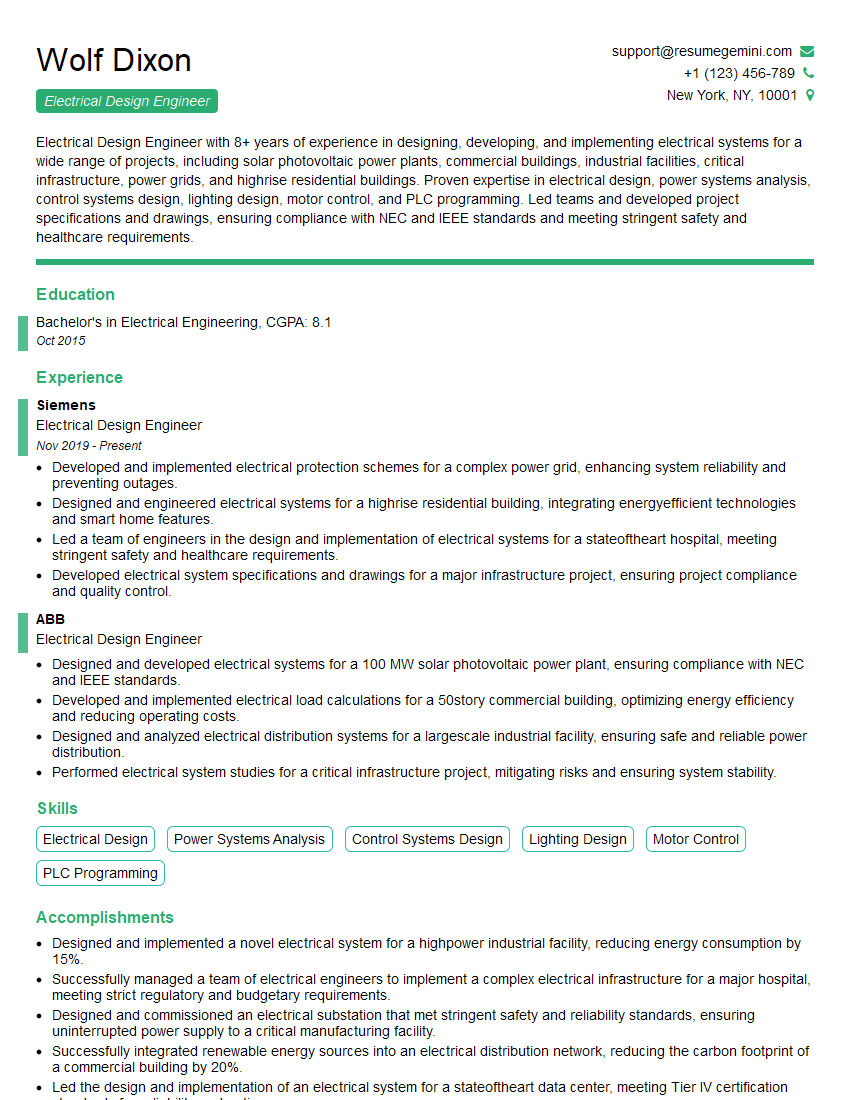
Electrical Design Engineer Resume Sample
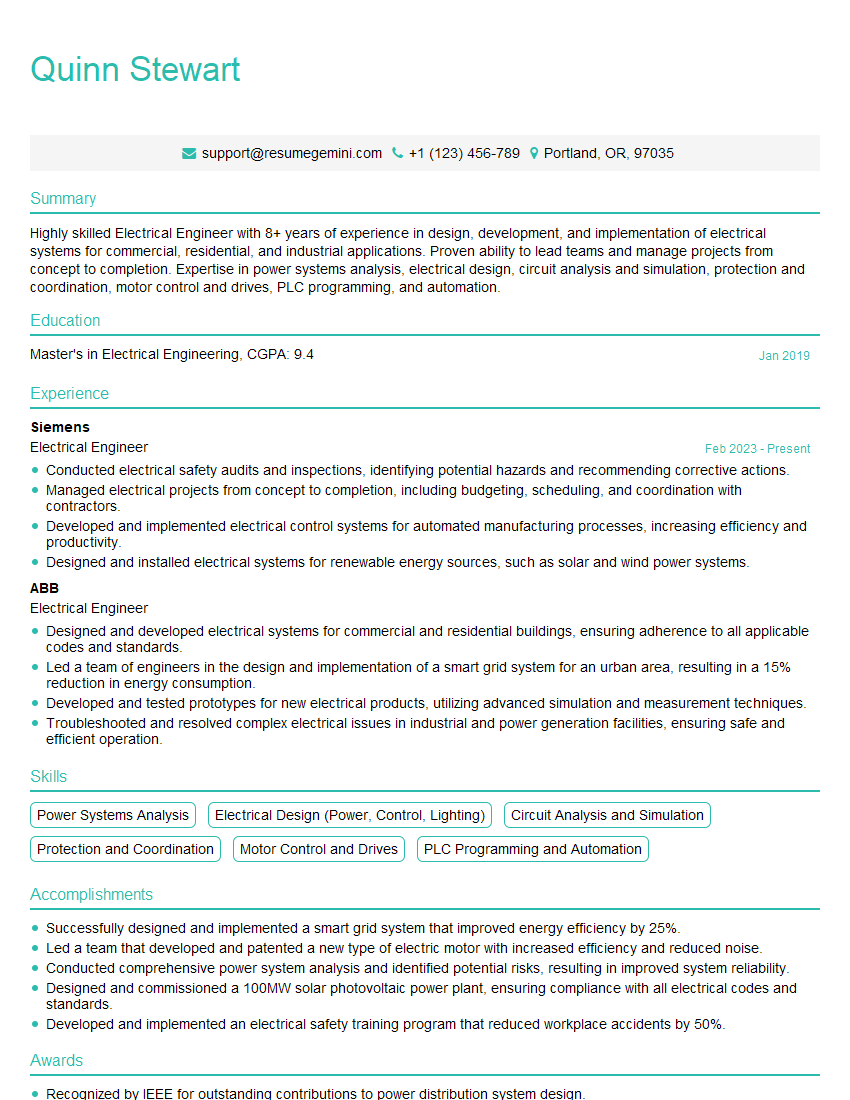
Electrical Engineer Resume Sample
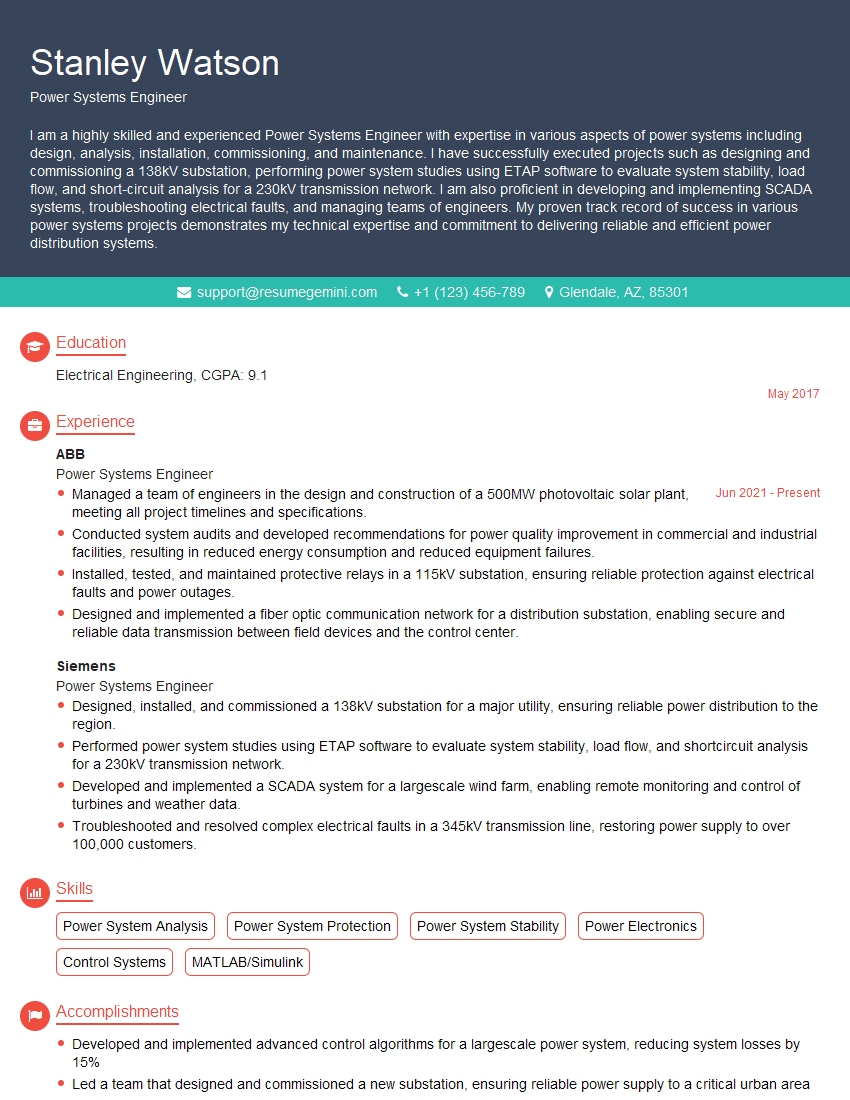
Power Systems Engineer Resume Sample
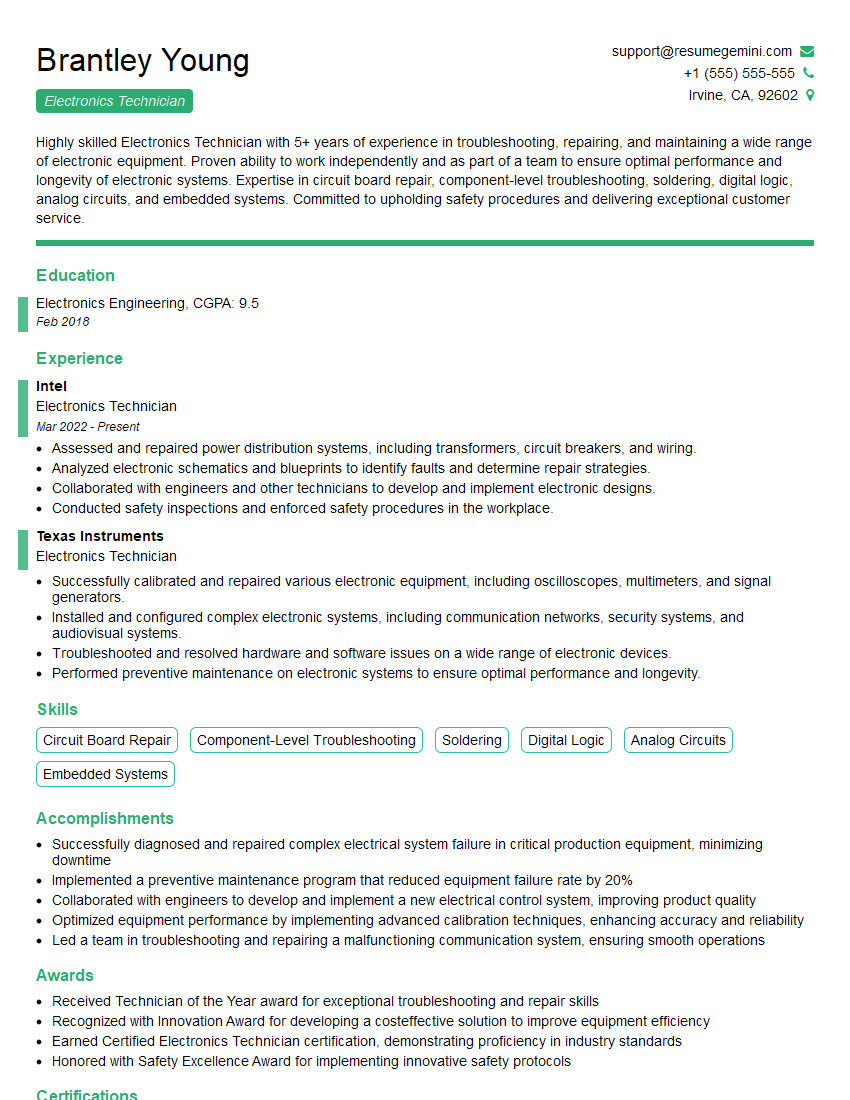
Electronics Technician Resume Sample
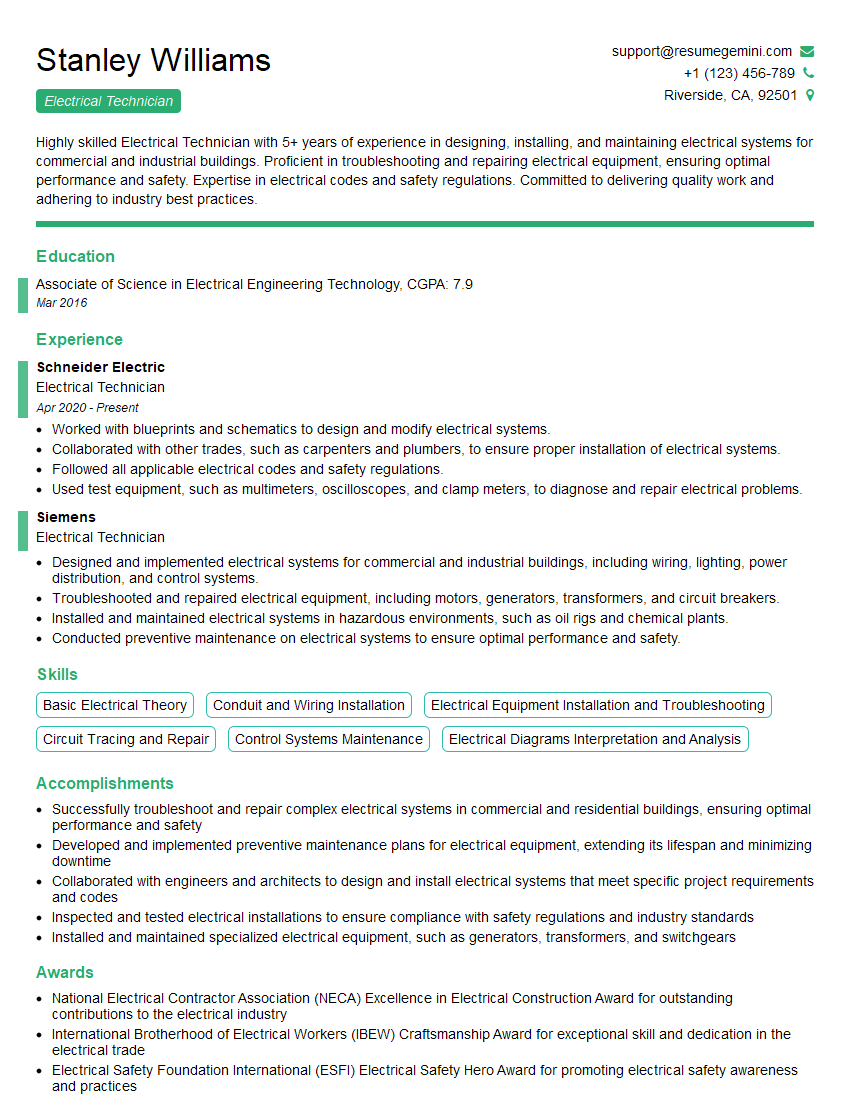
Electrical Technician Resume Sample
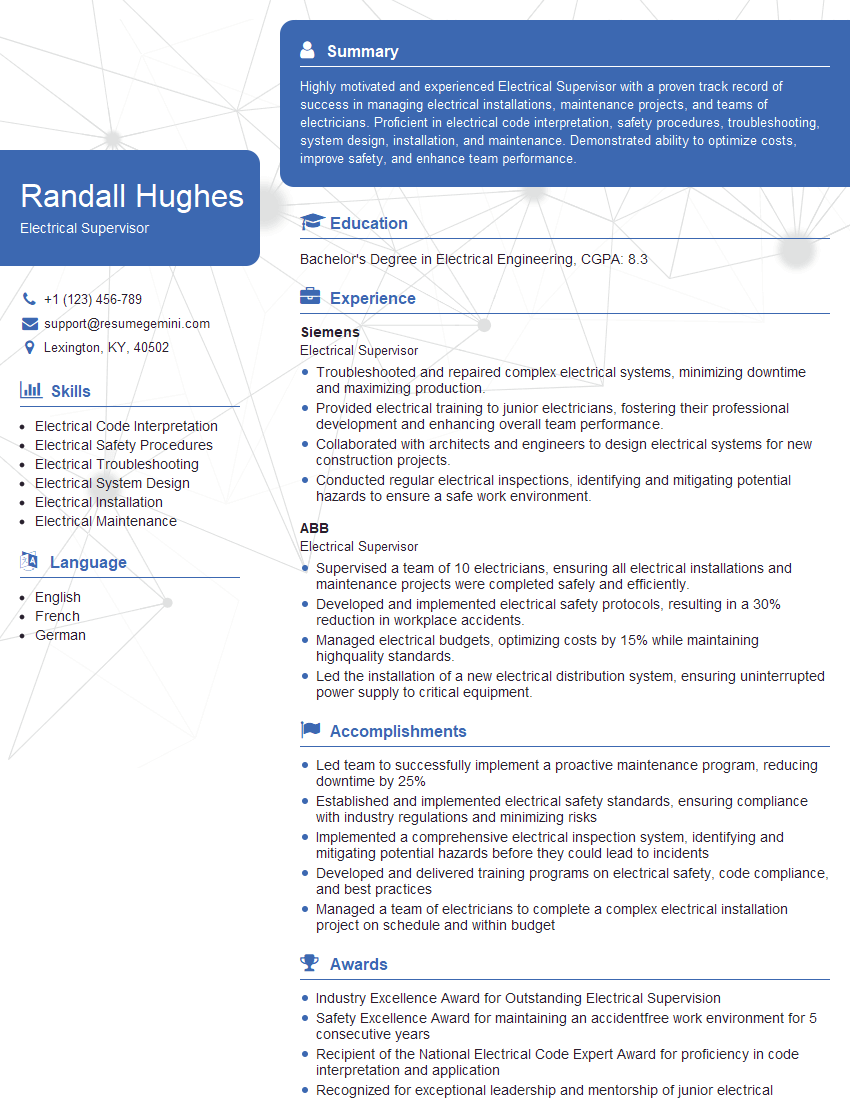
Electrical Supervisor Resume Sample
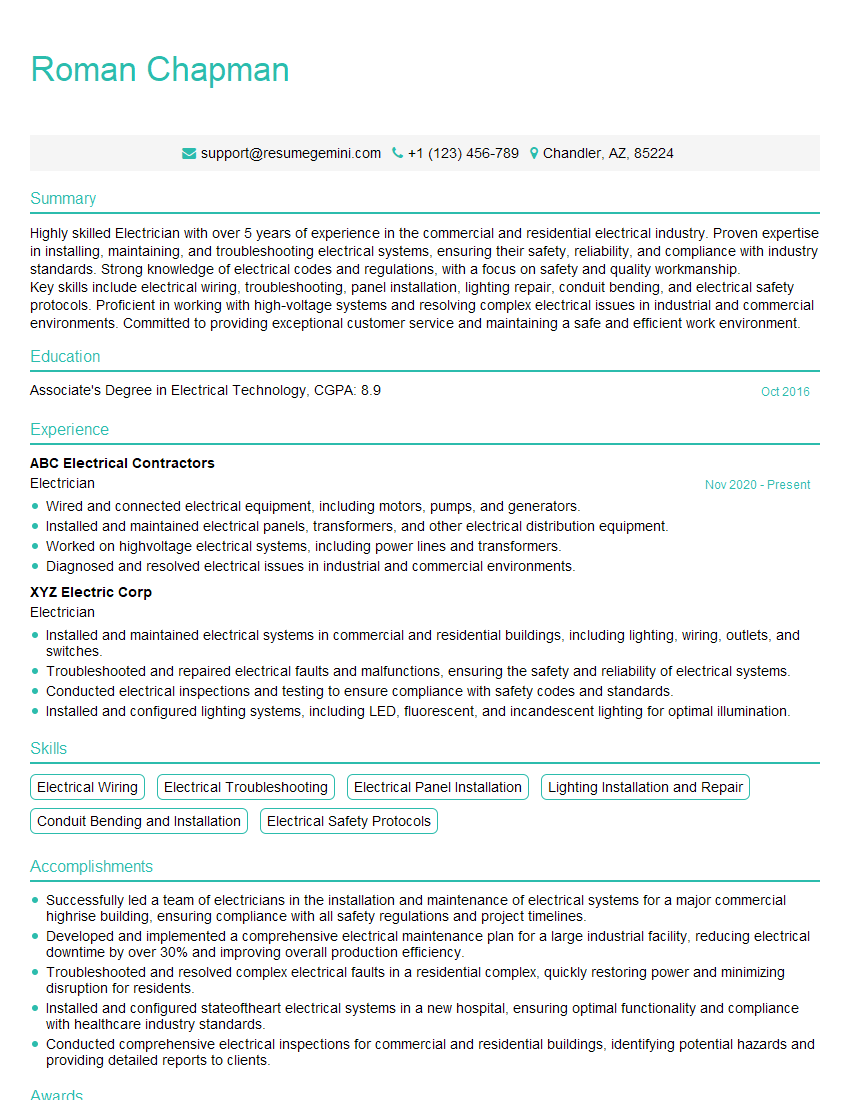
Electrician Resume Sample
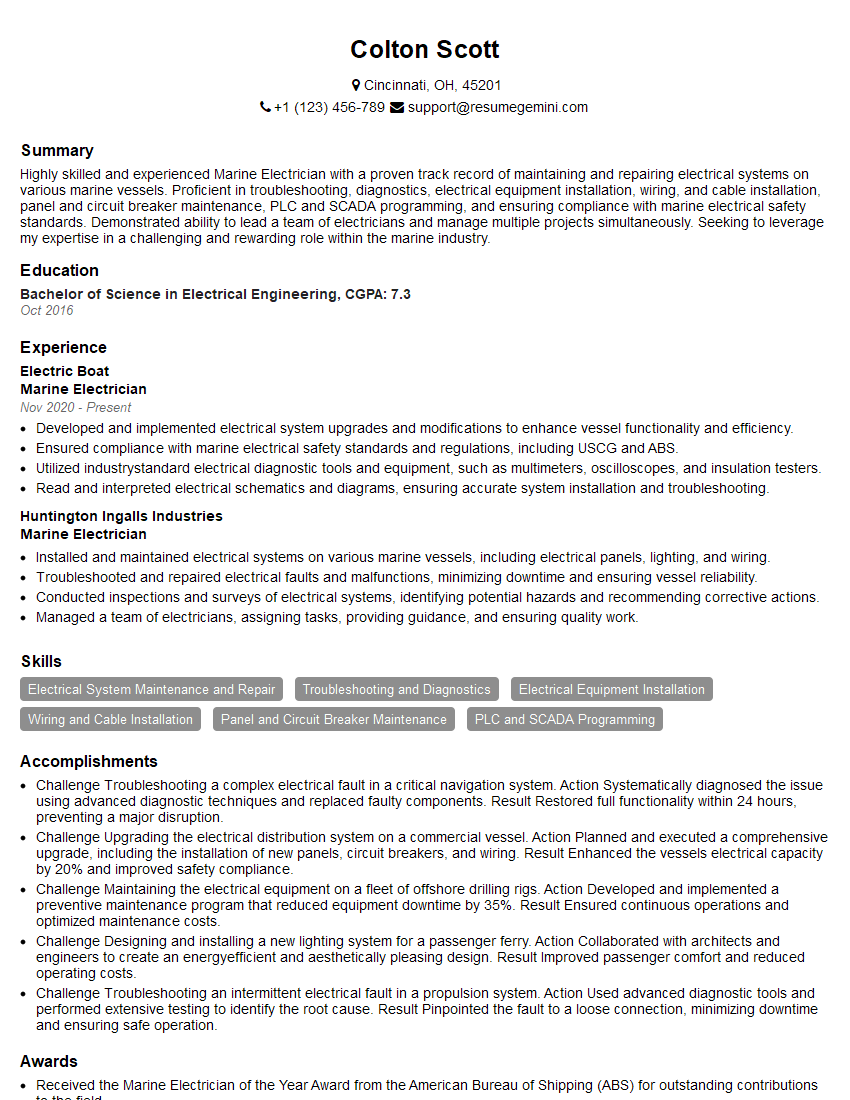
Marine Electrician Resume Sample

Electrical Maintenance Technician Resume Sample
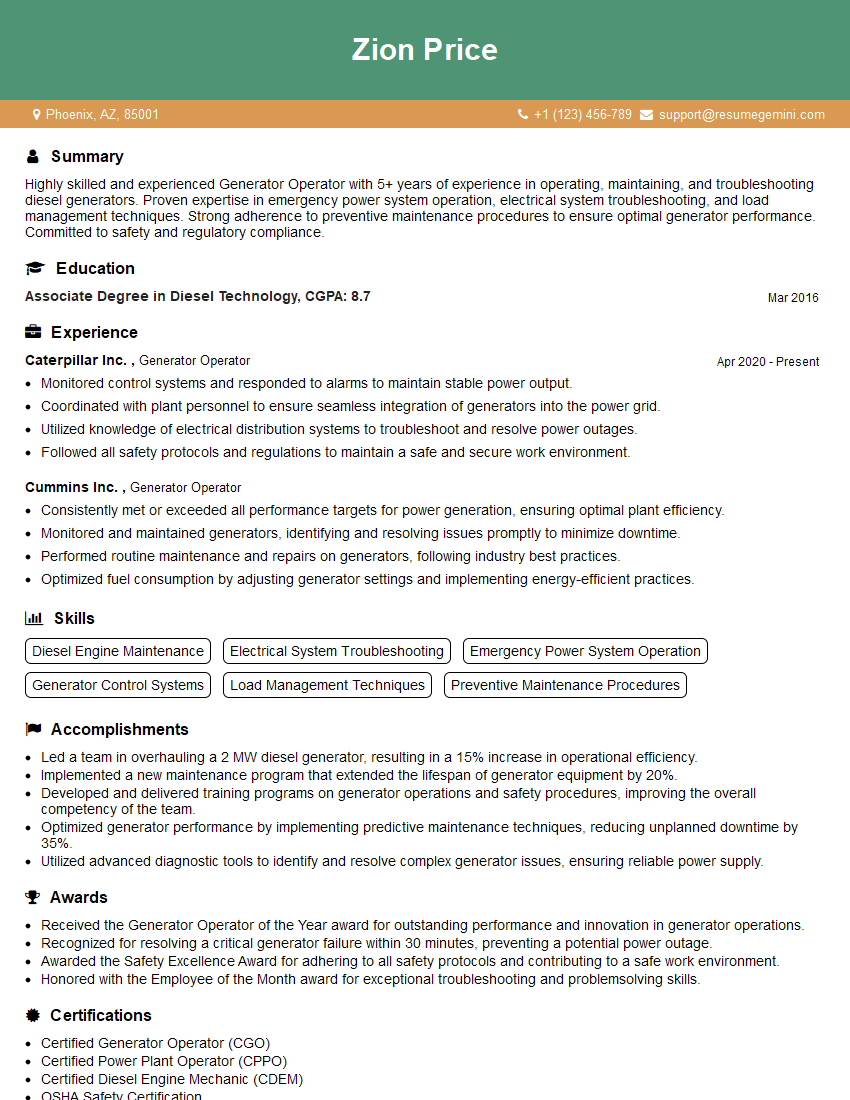
Generator Operator Resume Sample
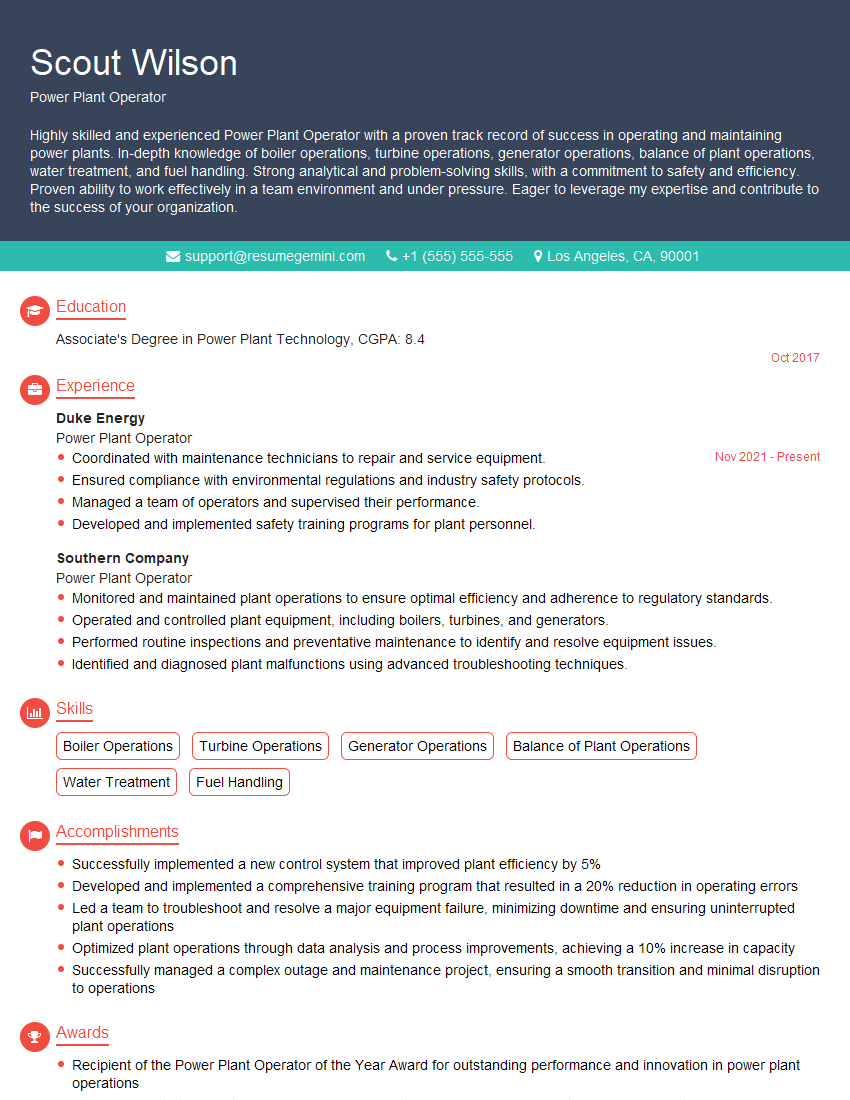
Power Plant Operator Resume Sample
Explore more articles
Users Rating of Our Blogs
Share Your Experience
We value your feedback! Please rate our content and share your thoughts (optional).
What Readers Say About Our Blog
Very informative content, great job.
good