The thought of an interview can be nerve-wracking, but the right preparation can make all the difference. Explore this comprehensive guide to Shipboard Sewage and Sanitation Systems interview questions and gain the confidence you need to showcase your abilities and secure the role.
Questions Asked in Shipboard Sewage and Sanitation Systems Interview
Q 1. Explain the principles of a shipboard sewage treatment plant.
A shipboard sewage treatment plant (STP) aims to reduce the pollutants in sewage before discharge into the sea, minimizing environmental impact. The principles generally involve a series of processes:
- Primary Treatment: This initial step involves screening out large debris (e.g., rags, plastics) and allowing solids to settle out through gravity in a settling tank. Think of it like letting sand settle at the bottom of a glass of water.
- Secondary Treatment: This stage utilizes biological processes to break down dissolved organic matter. Bacteria are used to consume the dissolved pollutants, significantly reducing the biological oxygen demand (BOD) and suspended solids (SS). This is similar to how a compost pile breaks down organic material.
- Tertiary Treatment (Optional): Some advanced STPs include tertiary treatment for further polishing of the effluent. This can involve disinfection (e.g., using UV light) to kill pathogens or further filtration to remove remaining solids. This is an extra step to ensure the cleanest possible discharge.
- Sludge Treatment: The solids collected during primary and secondary treatment (sludge) require separate handling. This usually involves thickening, dewatering, and potentially incineration or disposal ashore.
The specific processes and technologies used can vary depending on the size and type of vessel and the regulatory requirements.
Q 2. Describe the different types of sewage treatment systems used on ships.
Several sewage treatment systems are used on ships, each with varying levels of treatment capability:
- Type I: This is the simplest system, typically involving only maceration (shredding) of sewage and discharge through a comminutor. It offers minimal treatment and is generally only permitted in specific areas far from shore.
- Type II: This system combines maceration with a level of treatment, such as sedimentation and biological treatment. It achieves a higher level of pollutant removal than Type I.
- Type III: This is the most advanced system, offering the highest level of treatment, often incorporating advanced processes like disinfection and sludge dewatering. These systems usually meet the strictest discharge standards.
- Holding Tanks: While not a treatment system itself, holding tanks are frequently used, especially on smaller vessels, to store sewage until it can be discharged in designated areas or pumped ashore for treatment. This avoids any discharge at sea.
The choice of system depends on factors such as vessel size, intended operating areas, and regulatory compliance.
Q 3. What are the MARPOL regulations concerning sewage discharge?
MARPOL Annex IV regulates the prevention of pollution by sewage from ships. Key regulations include:
- Discharge Standards: Annex IV sets limits on the discharge of sewage depending on the type of system installed. Type I systems have the most stringent limitations regarding location and distance from shore. Type III systems have the least stringent limitations.
- Discharge Prohibitions: Discharge of untreated or inadequately treated sewage is prohibited in certain areas, such as special areas designated by the IMO. Special areas are particularly sensitive marine environments requiring stricter controls.
- Sewage Reception Facilities: Ports and terminals are required to provide adequate sewage reception facilities for ships to discharge their sewage ashore for proper treatment. This helps to avoid discharge at sea.
- Record Keeping: Ships must maintain records of sewage operations, including the amount and type of sewage generated and discharged.
These regulations aim to protect the marine environment from harmful pollutants.
Q 4. How do you ensure compliance with MARPOL Annex IV?
Ensuring MARPOL Annex IV compliance involves a multi-faceted approach:
- Proper System Operation and Maintenance: Regular inspections, maintenance, and cleaning of the sewage treatment plant are crucial. This includes regular checks on pumps, filters, and other equipment.
- Crew Training: Proper training of the crew on the operation and maintenance of the sewage system is essential. Crew competency on sewage treatment is important.
- Record Keeping: Meticulous record-keeping of all sewage operations, including discharge locations and volumes, is crucial for audits and inspections. These records must be accurate and readily accessible.
- Regular Inspections and Audits: Port State Control (PSC) inspections can verify the vessel’s compliance with MARPOL Annex IV. Regular internal audits help prevent deficiencies.
- Compliance with Port Regulations: Ships must comply with the specific regulations of the ports they visit, which may include additional requirements beyond MARPOL Annex IV.
Proactive maintenance and a strong safety culture are vital for consistent compliance.
Q 5. What are the common malfunctions in shipboard sewage systems and their troubleshooting?
Common malfunctions in shipboard sewage systems include:
- Clogged Pipes and Pumps: This is often caused by rags, sanitary products, or other foreign objects. Troubleshooting involves locating the blockage and clearing it using appropriate tools.
- Pump Failures: Pump failures can result from wear and tear, overloading, or power supply issues. Troubleshooting involves checking power supply, inspecting the pump for damage, and potentially replacing the pump.
- Biological Fouling: Excessive biological growth can reduce the efficiency of the treatment system. Regular cleaning and maintenance are crucial to prevent this.
- Sensor Malfunctions: Malfunctioning sensors can lead to inaccurate readings and potentially improper operation of the system. Troubleshooting involves checking sensor calibration and potentially replacing faulty sensors.
- Control System Issues: Problems with the control system can cause the system to malfunction. Troubleshooting requires a thorough investigation of the control system’s components and programming.
Effective preventative maintenance and prompt troubleshooting procedures are essential to minimize downtime and environmental impact.
Q 6. Explain the function of a macerator.
A macerator is a device that shreds or pulverizes sewage solids into smaller pieces. This process reduces the size of solids, preventing blockages in pipes and improving the efficiency of subsequent treatment stages (if any). Think of it as a garbage disposal for sewage. It helps to create a more homogenous mixture that is easier to handle and treat in the following stages. Macerators are crucial in many shipboard sewage systems, especially Type I and Type II systems, ensuring smoother operation and preventing blockages.
Q 7. Describe the process of sludge dewatering.
Sludge dewatering is the process of removing excess water from the sludge generated during sewage treatment. This reduces the volume and weight of the sludge, making it easier and cheaper to handle and dispose of. Several methods are used:
- Centrifugation: This uses centrifugal force to separate the solids from the liquid. It is quite effective and widely used.
- Belt Presses: These machines squeeze the sludge between belts to remove water. They are generally less expensive than centrifuges but may not be as effective.
- Vacuum Filtration: This method uses vacuum pressure to draw water through a filter medium, leaving behind the dewatered sludge. This is an effective approach.
The choice of method depends on factors such as the type of sludge, the desired dryness, and cost considerations. The dewatered sludge is then typically disposed of ashore in accordance with local regulations, possibly through incineration or landfilling.
Q 8. How do you maintain the cleanliness and hygiene of sewage holding tanks?
Maintaining the cleanliness and hygiene of sewage holding tanks is crucial for preventing health hazards and environmental pollution. It involves a multi-pronged approach focusing on regular cleaning, proper ventilation, and diligent monitoring.
Regular Pumping: Holding tanks should be pumped out regularly, the frequency depending on the vessel’s size and the number of passengers or crew. Think of it like emptying your home’s trash – the fuller it gets, the more frequently you need to empty it. Failing to do so leads to overflowing and potential environmental disasters.
Chemical Treatment: Adding appropriate biocides and detergents helps break down organic matter, reducing odors and preventing the build-up of sludge. The specific chemicals used depend on the tank’s material and the type of waste. Improper chemical use can damage the tank and create hazardous byproducts, so it’s crucial to follow manufacturer instructions.
Ventilation: Adequate ventilation prevents the build-up of harmful gases like methane and hydrogen sulfide, which are not only noxious but also explosive. This is often achieved through dedicated ventilation systems with exhausts leading to the ship’s atmosphere. Never enter a poorly ventilated tank without appropriate safety equipment.
Monitoring: Regularly check the tank levels using appropriate gauges or sensors. This allows for proactive pumping before the tank reaches full capacity. Early detection prevents overflows and costly repairs.
Regular Inspection: Visual inspections are essential to detect any leaks, cracks, or corrosion in the tank. This proactive approach helps prevent larger and more expensive problems down the line. A simple crack can lead to a significant environmental disaster.
Q 9. What are the safety procedures for working on a sewage treatment plant?
Safety is paramount when working on sewage treatment plants. The environment is inherently hazardous due to the presence of pathogenic bacteria, harmful gases, and potentially explosive mixtures. Therefore, a strict adherence to safety protocols is mandatory.
Personal Protective Equipment (PPE): This includes but is not limited to respirators (to filter out harmful gases), gloves, coveralls, and safety boots. The type of PPE will vary depending on the specific task.
Confined Space Entry Procedures: Sewage tanks are often confined spaces, posing risks of oxygen depletion and the accumulation of toxic gases. Entry requires a permit-to-work system with atmospheric testing, ventilation, and at least two trained personnel present.
Emergency Procedures: A clearly defined emergency plan should be in place, including procedures for handling spills, gas leaks, and medical emergencies. Emergency showers and eyewash stations are essential.
Lockout/Tagout Procedures: Before performing any maintenance or repair work, power to all equipment must be isolated and locked out to prevent accidental startup.
Training and Competency: All personnel working on the sewage treatment plant must receive adequate training on safety procedures and the potential hazards involved. Regular refresher courses are crucial to maintain competency.
Failing to adhere to these safety protocols can lead to serious injuries, fatalities, and environmental damage. Safety should always be the top priority.
Q 10. How do you handle sewage spills or leaks?
Sewage spills or leaks are serious events requiring immediate action to minimize environmental impact and health risks. The response depends on the size and location of the spill.
Containment: The first step is to contain the spill to prevent its spread. This may involve using absorbent materials like booms or pads to soak up the liquid.
Notification: Immediately notify the relevant authorities, such as the Coast Guard or the local environmental agency, as required by regulations.
Cleanup: Professional cleanup crews should be engaged to safely remove the sewage using appropriate equipment and techniques. This often involves specialized vacuum trucks and disposal methods.
Decontamination: Any affected areas need to be thoroughly decontaminated to eliminate any remaining pathogens. This process often involves high-pressure washing and disinfection.
Documentation: Thorough documentation of the spill, including its cause, extent, cleanup methods, and disposal procedures, is essential for regulatory compliance and future prevention.
Ignoring a sewage spill can lead to significant fines and severe environmental damage. Rapid response is crucial to mitigate negative consequences.
Q 11. Describe the different types of bilge water treatment systems.
Bilge water treatment systems remove oil, grease, and other pollutants from a ship’s bilge water before discharge into the sea. Several types exist, each with its advantages and disadvantages:
Gravity Separators: These use gravity to separate oil from water. Simple and reliable, but less effective for removing fine oil particles.
Coalescers: These systems use filter media to coalesce small oil droplets into larger ones that are easier to separate. They are more efficient than gravity separators.
Centrifugal Separators: These use centrifugal force to separate oil and water. They are very effective but require more maintenance.
Oil Absorbents: These use materials like pads or booms to absorb oil. Effective for small spills but generate waste requiring proper disposal.
Advanced Treatment Systems: These combine several technologies, such as filtration, centrifugation, and chemical treatment, to achieve very high levels of oil removal. These are typically found on larger vessels and are required in environmentally sensitive areas.
The choice of system depends on factors such as the vessel’s size, type, and the level of oil removal required by regulations.
Q 12. What is the role of a holding tank?
A holding tank serves as a temporary storage facility for sewage and other wastewater generated on a ship. It prevents the direct discharge of untreated waste into the environment, which is crucial for protecting marine ecosystems and human health. Think of it as a temporary buffer before proper treatment or disposal.
Its role is vital in compliance with MARPOL (International Convention for the Prevention of Pollution from Ships) regulations, which mandate the responsible management of shipboard waste.
Q 13. Explain the importance of regular maintenance of sewage systems.
Regular maintenance of sewage systems is paramount for preventing breakdowns, avoiding environmental contamination, and ensuring the health and safety of the crew and passengers. Neglecting maintenance can lead to catastrophic failures and hefty fines.
Preventative Maintenance: This includes regular inspections of tanks, pipes, and equipment for leaks, corrosion, and damage. Scheduled maintenance minimizes the likelihood of unexpected breakdowns.
Routine Cleaning: Regular cleaning prevents the build-up of sludge and other debris, ensuring the smooth operation of the system. This also helps to control odors and prevent blockages.
Pumping and Treatment: Regular pumping of holding tanks is crucial, coupled with appropriate chemical treatment to manage waste effectively. This prevents overflows and environmental hazards.
Emergency Preparedness: Regular drills and training ensure that the crew is well-prepared to handle any emergencies, such as spills or equipment malfunctions.
A well-maintained sewage system not only prevents environmental damage and health risks but also reduces the financial burden of unexpected repairs.
Q 14. What are the environmental impacts of improper sewage disposal?
Improper sewage disposal from ships has significant environmental impacts, endangering marine ecosystems and human health.
Water Pollution: Untreated sewage introduces pathogens, nutrients, and organic pollutants into the water, causing eutrophication (excessive algae growth), depleting oxygen levels, and harming marine life. Imagine a large amount of untreated waste dumping directly into a pristine ocean; the consequences are severe.
Human Health Risks: Pathogens in untreated sewage can cause waterborne diseases if people come into contact with contaminated water or seafood. Shellfish are particularly vulnerable to contamination.
Coastal Ecosystem Damage: Sewage discharge can severely damage coastal ecosystems, such as coral reefs and seagrass beds, by smothering them with organic matter and altering water quality. This loss of biodiversity is extremely damaging.
Harmful Algal Blooms: The excess nutrients in sewage can trigger harmful algal blooms, which produce toxins that harm marine animals and even humans. These blooms can disrupt entire food webs.
International regulations like MARPOL aim to mitigate these impacts by mandating proper sewage treatment and disposal methods. Adherence to these rules is crucial for maintaining the health of our oceans and protecting human health.
Q 15. How do you monitor the efficiency of a sewage treatment plant?
Monitoring a sewage treatment plant’s efficiency involves regularly assessing several key performance indicators (KPIs). Think of it like a doctor checking a patient’s vital signs – you need multiple data points to get a complete picture.
- Influent and Effluent Analysis: Regularly testing the incoming (influent) and outgoing (effluent) sewage for parameters like Biological Oxygen Demand (BOD), Chemical Oxygen Demand (COD), suspended solids, nitrates, and phosphates. Lower levels in the effluent compared to the influent indicate effective treatment. We often use standardized methods like the Winkler method for BOD and spectrophotometry for other parameters.
- Sludge Production and Characteristics: Monitoring the volume and characteristics (water content, solids concentration) of the sludge produced. Excessive sludge indicates potential problems in the treatment process.
- Microbial Activity: For biological treatment plants, monitoring the microbial population (e.g., using microscope analysis) and their activity is crucial. A healthy and active microbial community ensures efficient breakdown of organic matter.
- Equipment Performance: Regularly checking the performance of pumps, blowers, and other equipment to ensure they are operating within their optimal parameters. Any malfunction can affect treatment efficiency. Logbooks meticulously record these checks.
- pH and Temperature Monitoring: Monitoring these parameters helps ensure the treatment process operates within the optimal range for the microorganisms and chemical processes involved.
By tracking these KPIs and comparing them to regulatory limits and performance standards, we can identify any inefficiencies and take corrective actions promptly. For example, a sudden spike in BOD in the effluent might signal a problem with the aeration system in a biological treatment plant, requiring immediate attention.
Career Expert Tips:
- Ace those interviews! Prepare effectively by reviewing the Top 50 Most Common Interview Questions on ResumeGemini.
- Navigate your job search with confidence! Explore a wide range of Career Tips on ResumeGemini. Learn about common challenges and recommendations to overcome them.
- Craft the perfect resume! Master the Art of Resume Writing with ResumeGemini’s guide. Showcase your unique qualifications and achievements effectively.
- Don’t miss out on holiday savings! Build your dream resume with ResumeGemini’s ATS optimized templates.
Q 16. What are the different types of pumps used in sewage systems?
Sewage systems employ various pumps, each suited for specific tasks and flow characteristics. Imagine a plumbing system in a large building; different pumps handle different sections and pressures.
- Submersible Pumps: These are placed directly in the sewage and are ideal for pumping sewage from holding tanks or sumps. They are robust and designed to handle solids.
- Centrifugal Pumps: These pumps use centrifugal force to move the liquid, suitable for higher flow rates in the main pumping systems. They are often used to transfer treated effluent to discharge points.
- Progressive Cavity Pumps: These are positive displacement pumps, meaning they move a set volume of sewage with each rotation. Excellent for handling viscous materials or those with high concentrations of solids, but can be more expensive.
- Diaphragm Pumps: These pumps are effective for handling abrasive or corrosive sewage, as they use a diaphragm to pump the liquid, minimizing wear and tear.
The choice of pump depends on factors like the sewage characteristics (viscosity, solids content), flow rate, head pressure (height the sewage needs to be lifted), and budget. For example, a smaller vessel might use a single submersible pump for all sewage, whereas a larger cruise ship would likely have multiple pumps of different types across the system, ensuring redundancy and efficient management of varied flow demands.
Q 17. Describe the process of chlorination or disinfection of sewage effluent.
Chlorination, or more broadly, disinfection, is the final stage in most shipboard sewage treatment systems, ensuring the effluent is safe for discharge into the marine environment. Think of it as the final quality check before release.
The process typically involves adding a chlorine-based disinfectant (e.g., sodium hypochlorite) to the treated effluent. The chlorine reacts with pathogens, rendering them harmless. The exact method varies depending on the system; some systems employ continuous chlorination, while others use batch chlorination.
Continuous Chlorination: A measured amount of chlorine is added continuously to the effluent stream. This ensures consistent disinfection.
Batch Chlorination: The effluent is held in a contact tank, and chlorine is added in a specific dose. The effluent is held for a specific contact time to allow sufficient disinfection before discharge.
The effectiveness of the disinfection process is monitored by measuring the residual chlorine levels in the effluent. This ensures adequate disinfection while preventing excessive chlorine discharge, which could harm marine life. Regular testing and calibration of chlorine dosing systems are crucial to maintain disinfection efficiency and comply with regulations. Failure to maintain proper disinfection can lead to environmental pollution and health risks.
Q 18. What are the limitations of shipboard sewage treatment systems?
Shipboard sewage treatment systems, while vital, face several limitations. These can stem from space constraints, operational challenges, and the unique environment at sea.
- Space Constraints: Ships, especially smaller ones, have limited space available for sewage treatment equipment. This can necessitate the use of compact systems which may have lower treatment capacity or efficiency.
- Power Limitations: Sewage treatment requires energy, and power availability on ships can be a limiting factor, especially during prolonged voyages or in emergencies. Power outages can severely impact the treatment process.
- Waste Stream Variability: The composition of sewage varies greatly depending on passenger numbers, crew size, and usage patterns. Systems must be robust enough to handle fluctuating loads and variations in sewage characteristics.
- Regulatory Compliance: Meeting different port states’ regulations for sewage discharge requires flexibility and careful planning. Regulations can vary widely, demanding careful monitoring of effluent quality.
These limitations highlight the need for robust, reliable, and adaptable shipboard sewage treatment systems designed to operate efficiently under diverse conditions.
Q 19. How do you manage sewage disposal in different port states?
Managing sewage disposal in different port states requires meticulous planning and adherence to local regulations. Each port authority has its own rules and procedures, which must be followed to the letter.
Pre-Departure Planning: Before entering a port, the ship’s crew must research the local regulations regarding sewage discharge. This includes identifying permitted discharge methods (e.g., direct discharge, holding tanks), allowed locations, and effluent quality standards.
Documentation: Comprehensive records are kept detailing the operation of the sewage treatment plant, including effluent quality parameters, maintenance logs, and discharge records. These documents are essential for demonstrating compliance with regulations and can be requested by port authorities.
Communication: Clear communication with port authorities is crucial. This includes notifying them of the ship’s arrival, the type of sewage treatment system onboard, and the intention to discharge sewage (if permitted).
Compliance: Strict adherence to all local rules and regulations is paramount. Non-compliance can result in penalties, delays, and even refusal of entry into the port. The consequences of non-compliance underscore the necessity for meticulous attention to detail.
Contingency Planning: If direct discharge is not permitted, alternative methods, like holding tanks, must be prepared for. Proper management of holding tanks requires careful monitoring to prevent overflow or other issues.
Q 20. What are the different types of sewage treatment methods (e.g., biological, chemical)?
Various sewage treatment methods exist, each with its own advantages and limitations. The choice depends on factors such as space constraints, energy availability, and the desired effluent quality.
- Biological Treatment: This utilizes microorganisms (bacteria) to break down organic matter in the sewage. This method is highly efficient and cost-effective, typically involving activated sludge processes or trickling filters. These systems use aeration to encourage microbial growth and activity.
- Chemical Treatment: This involves using chemicals (coagulants, flocculants, disinfectants) to remove pollutants from sewage. Chemical treatment is often used in conjunction with biological treatment to enhance the removal of specific pollutants like phosphorus or nitrogen. For instance, ferric chloride might be used to remove phosphate.
- Physical Treatment: This involves processes like screening, sedimentation, and filtration to remove solids from the sewage. Screening removes larger debris, sedimentation allows solids to settle out, and filtration removes smaller particles.
- Combined Treatment: Many modern systems employ a combination of biological, chemical, and physical treatment methods to achieve optimal effluent quality. This often results in the highest degree of treatment efficiency.
The specific method chosen depends on the overall design of the sewage treatment plant. A smaller ship might opt for a more compact system prioritizing space efficiency, while larger vessels could integrate a more comprehensive multi-stage treatment process.
Q 21. Explain the concept of a type-approved sewage treatment plant.
A type-approved sewage treatment plant is a system that has undergone rigorous testing and evaluation by a recognized certification body and meets specific performance standards. Think of it like a product receiving a safety certification. This approval signifies that the system has been proven to meet the required effluent quality standards under various operating conditions.
The type-approval process involves detailed testing of the system’s performance, including assessments of its treatment efficiency for various pollutants, its reliability, and its compliance with relevant international standards (like those established by the International Maritime Organization – IMO).
The benefits of using a type-approved system include:
- Assured Performance: It guarantees the system’s ability to meet specified effluent quality standards.
- Simplified Compliance: Type approval simplifies the process of demonstrating compliance with port state regulations.
- Increased Confidence: It provides stakeholders with confidence in the system’s reliability and efficiency.
Choosing a type-approved system offers a substantial advantage, ensuring that the sewage treatment system meets stringent quality standards and facilitates seamless compliance with international regulations. It reduces the risk of non-compliance and potential legal or environmental issues.
Q 22. What is the significance of a sewage treatment plant’s discharge permit?
A sewage treatment plant’s discharge permit is essentially a legal document issued by the relevant environmental authority. It outlines the specific limits and conditions under which treated wastewater can be released into the environment. Think of it as a license to operate – without it, discharging treated sewage is illegal. This permit meticulously details the allowed levels of various pollutants, such as biochemical oxygen demand (BOD), chemical oxygen demand (COD), suspended solids (SS), and various other chemicals, ensuring the discharged water meets environmental standards and protects aquatic life and human health. Failure to comply with the permit’s stipulations can lead to hefty fines and even plant closure.
For example, a permit might specify a maximum BOD concentration of 20 mg/L and a maximum SS concentration of 30 mg/L. The plant’s operation must consistently fall within these limits, and regular monitoring and reporting are required to demonstrate compliance. The permit’s significance lies in its role in safeguarding environmental quality and ensuring responsible waste management practices.
Q 23. How do you conduct a proper risk assessment before working on a sewage system?
A thorough risk assessment before working on a sewage system is paramount for safety. It’s a systematic process identifying potential hazards and evaluating their associated risks. We use a structured approach, often involving a HAZOP (Hazard and Operability Study) or similar methodology. This involves a team brainstorming potential issues.
- Identify Hazards: This includes biological hazards (bacteria, viruses), chemical hazards (toxic substances), physical hazards (confined spaces, moving machinery, sharp objects), and ergonomic hazards (heavy lifting).
- Assess Risks: We determine the likelihood of each hazard occurring and the severity of its consequences. This often uses a risk matrix, assigning risk levels (low, medium, high).
- Implement Control Measures: Based on the risk assessment, we implement control measures such as personal protective equipment (PPE), lockout/tagout procedures, confined space entry permits, and adequate ventilation.
- Document Findings: All findings from the risk assessment, including identified hazards, risk levels, and control measures, are documented and communicated to the team.
For instance, before entering a confined space within a sewage treatment plant, we’d check for oxygen levels, conduct atmospheric monitoring for toxic gases, and ensure proper ventilation. Every worker would be equipped with appropriate PPE, including respirators, protective suits, and safety harnesses. This systematic process helps to mitigate risks and ensure the safety of personnel working on the sewage system.
Q 24. What are the different types of sensors and monitoring equipment used in sewage systems?
Modern sewage systems rely on a variety of sensors and monitoring equipment to ensure efficient and safe operation. These tools provide real-time data on various parameters.
- Level Sensors: These measure the liquid levels in tanks and equalization basins, preventing overflows and ensuring proper process control. Ultrasonic and pressure sensors are commonly used.
- Flow Meters: These measure the flow rate of sewage entering and leaving the plant, providing crucial information for process optimization and monitoring.
- pH Sensors: These measure the acidity or alkalinity of the sewage, which is crucial for effective biological treatment. Maintaining the optimal pH range is essential for microbial activity.
- Dissolved Oxygen (DO) Sensors: These monitor the oxygen levels in aeration tanks, ensuring adequate oxygen supply for aerobic bacteria responsible for breaking down organic matter.
- Turbidity Sensors: These measure the clarity of the effluent, indicating the effectiveness of the treatment process. High turbidity suggests incomplete treatment.
- Temperature Sensors: These monitor the temperature of the sewage, which can affect the efficiency of the treatment process.
Data from these sensors is often integrated into a Supervisory Control and Data Acquisition (SCADA) system, providing a centralized platform for monitoring and control of the entire sewage treatment plant.
Q 25. Describe the procedures for logging and reporting sewage treatment plant operations.
Detailed logging and reporting are critical for maintaining efficient and compliant sewage treatment plant operations. This involves a combination of manual and automated data recording.
- Operational Logs: These include daily records of plant operations, such as flow rates, chemical additions, equipment status, and any maintenance performed. This detailed documentation is essential for troubleshooting and process optimization.
- Automated Data Logging: SCADA systems automatically record data from various sensors, providing a continuous stream of information on plant performance. This data is invaluable for identifying trends and potential problems.
- Compliance Reporting: Regular reports are generated to demonstrate compliance with discharge permits and environmental regulations. These reports summarize key parameters, such as BOD, COD, SS, and other pollutants, and often include graphical representations of data trends.
- Incident Reporting: Any incidents, such as equipment malfunctions or spills, are documented thoroughly, including the cause, impact, and corrective actions taken. This information is critical for accident prevention and continuous improvement.
These logs and reports are crucial for regulatory compliance, plant optimization, and efficient troubleshooting. They also provide valuable historical data for long-term analysis and planning.
Q 26. Explain the process of cleaning and sanitizing a sewage treatment plant.
Cleaning and sanitizing a sewage treatment plant is essential for maintaining hygiene, preventing biofouling, and ensuring the plant operates efficiently. This is a multi-stage process.
- Initial Cleaning: This involves removing sludge and debris from various components of the plant, such as tanks, pipes, and screens. High-pressure water jets are often used for this purpose.
- Chemical Cleaning: Chemical agents, such as disinfectants and detergents, are used to remove biofilm and organic matter adhering to surfaces. The specific chemicals used depend on the type of fouling and the plant’s design.
- Sanitization: After cleaning, the plant is sanitized using disinfectants, such as chlorine or other approved agents, to kill bacteria and viruses. The contact time of the disinfectant with the surfaces is crucial for effective sanitization.
- Final Rinse: After sanitization, the plant is thoroughly rinsed with clean water to remove any residual chemicals. This is critical to prevent contamination of the treated effluent.
- Regular Maintenance: Cleaning and sanitization are not one-time events but rather a regular part of plant maintenance. The frequency depends on various factors, including the plant’s design, age, and operating conditions.
The specific procedures for cleaning and sanitizing must adhere to safety regulations and environmental protection guidelines. Proper personal protective equipment (PPE) is crucial for all personnel involved in these tasks.
Q 27. How do you deal with blocked pipes in a shipboard sewage system?
Dealing with blocked pipes in a shipboard sewage system requires a systematic approach. The first step involves identifying the location of the blockage. This may involve visual inspection, using CCTV cameras to inspect the inside of the pipes, or using pressure testing to pinpoint the blockage’s location.
- Manual Clearing: For minor blockages, a plumber’s snake or a high-pressure water jet may be sufficient to clear the obstruction. This is often effective for removing relatively small amounts of debris.
- Chemical Cleaning: For more stubborn blockages, chemical drain cleaners may be used. However, it’s crucial to select appropriate chemicals that won’t damage the pipes or harm the environment. Always follow the manufacturer’s instructions carefully.
- Mechanical Clearing: In cases of severe blockages, mechanical methods might be necessary, such as using specialized tools to break up or remove the obstruction.
- Preventive Maintenance: Regular maintenance, such as flushing the pipes and using appropriate grease traps, can help prevent blockages from occurring in the first place.
Safety is paramount when dealing with blocked pipes. It’s crucial to ensure proper ventilation before working in confined spaces and to wear appropriate PPE, such as gloves and eye protection. If the blockage is severe, or you are uncertain about the appropriate method, consult a qualified marine plumber or maintenance engineer immediately.
Q 28. What are the emergency procedures in case of a sewage system failure?
Emergency procedures in case of a sewage system failure are designed to minimize environmental impact and prevent health hazards. A detailed emergency response plan should be in place, tailored to the specific ship and its sewage system.
- Containment: The immediate priority is to contain the sewage spill to prevent its spread. This may involve isolating affected areas and using absorbent materials to soak up spilled sewage.
- Notification: Relevant authorities, such as the coast guard and environmental protection agencies, must be notified immediately of the failure. This ensures a coordinated response and minimizes environmental damage.
- Repair: Qualified personnel should attempt to repair the sewage system as quickly and safely as possible. This may involve temporary repairs to restore functionality while awaiting permanent repairs.
- Waste Disposal: The spilled sewage must be disposed of properly, according to environmental regulations. This may involve pumping the sewage into designated containers or utilizing approved disposal methods.
- Post-Incident Analysis: After the emergency is resolved, a thorough investigation is necessary to determine the cause of the failure and to implement preventive measures to avoid future incidents. This analysis will inform improvements to the emergency response plan.
Regular drills and training are critical to ensure crew members are prepared to respond effectively in the event of a sewage system failure. The emergency plan should be readily accessible to all crew members, and they should be adequately trained on its implementation.
Key Topics to Learn for Shipboard Sewage and Sanitation Systems Interview
- Types of Sewage Treatment Systems: Understand the differences between various onboard systems (e.g., Type I, Type II, Type III) and their operational principles. Consider the advantages and disadvantages of each in different ship contexts.
- Wastewater Treatment Processes: Master the key stages involved, including primary, secondary, and tertiary treatment. Be prepared to discuss practical applications of each stage and potential troubleshooting scenarios.
- Regulations and Compliance: Familiarize yourself with international maritime regulations (e.g., MARPOL Annex IV) concerning sewage discharge and the associated documentation and reporting requirements.
- Equipment Operation and Maintenance: Gain a comprehensive understanding of the operation and maintenance of various components within the system, including pumps, grinders, separators, and disinfection units. Be ready to discuss preventative maintenance schedules and troubleshooting common malfunctions.
- Safety Procedures and Emergency Response: Understand the safety protocols related to handling sewage and chemicals, and be prepared to discuss emergency procedures in case of system failures or spills.
- Environmental Impact and Sustainability: Discuss the environmental impact of shipboard sewage discharge and the importance of minimizing pollution. Explore sustainable practices and technologies used to reduce the environmental footprint.
- Troubleshooting and Problem Solving: Prepare case studies or examples demonstrating your ability to diagnose and resolve common problems within shipboard sewage and sanitation systems. Highlight your analytical and problem-solving skills.
Next Steps
Mastering Shipboard Sewage and Sanitation Systems opens doors to exciting career opportunities within the maritime industry, offering growth potential and specialized expertise highly valued by employers. To maximize your job prospects, it’s crucial to present your skills and experience effectively. Creating an ATS-friendly resume is paramount in ensuring your application gets noticed. ResumeGemini is a trusted resource that can help you build a professional and impactful resume tailored to the specific requirements of this field. Examples of resumes specifically designed for Shipboard Sewage and Sanitation Systems professionals are available through ResumeGemini to guide you in crafting your own compelling application.
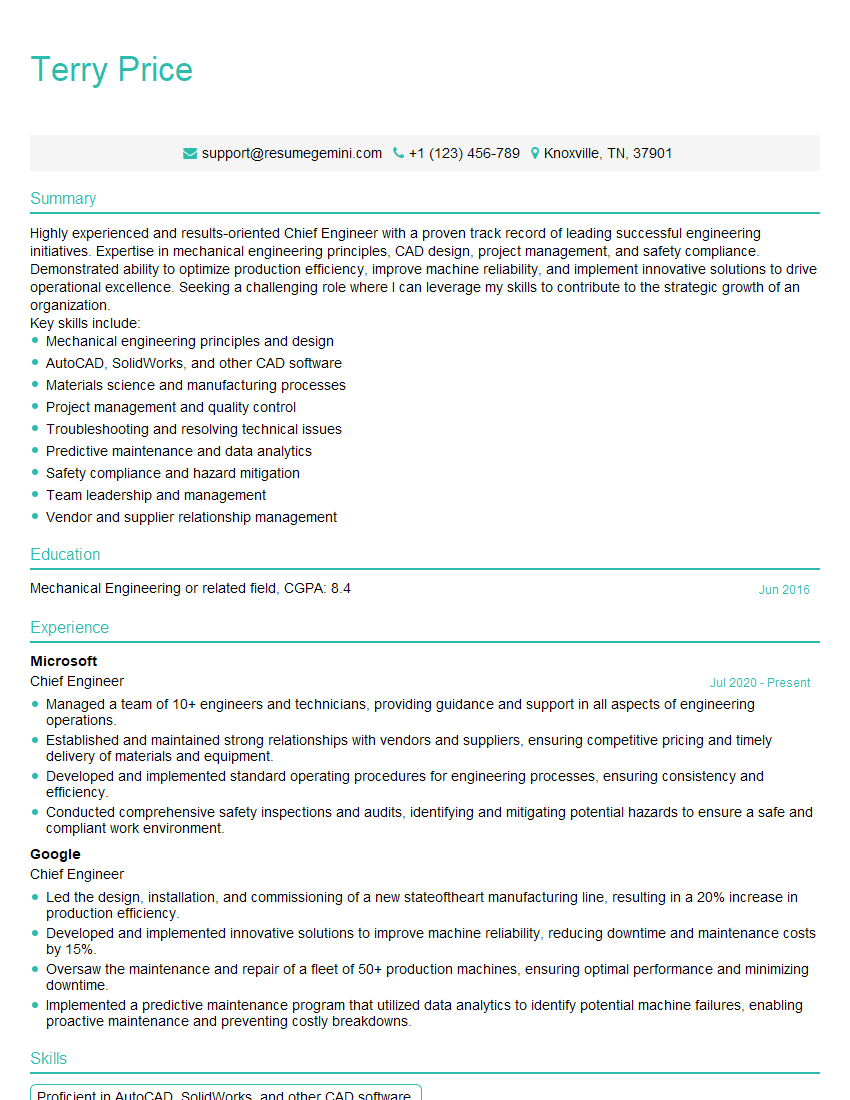
Chief Engineer Resume Sample
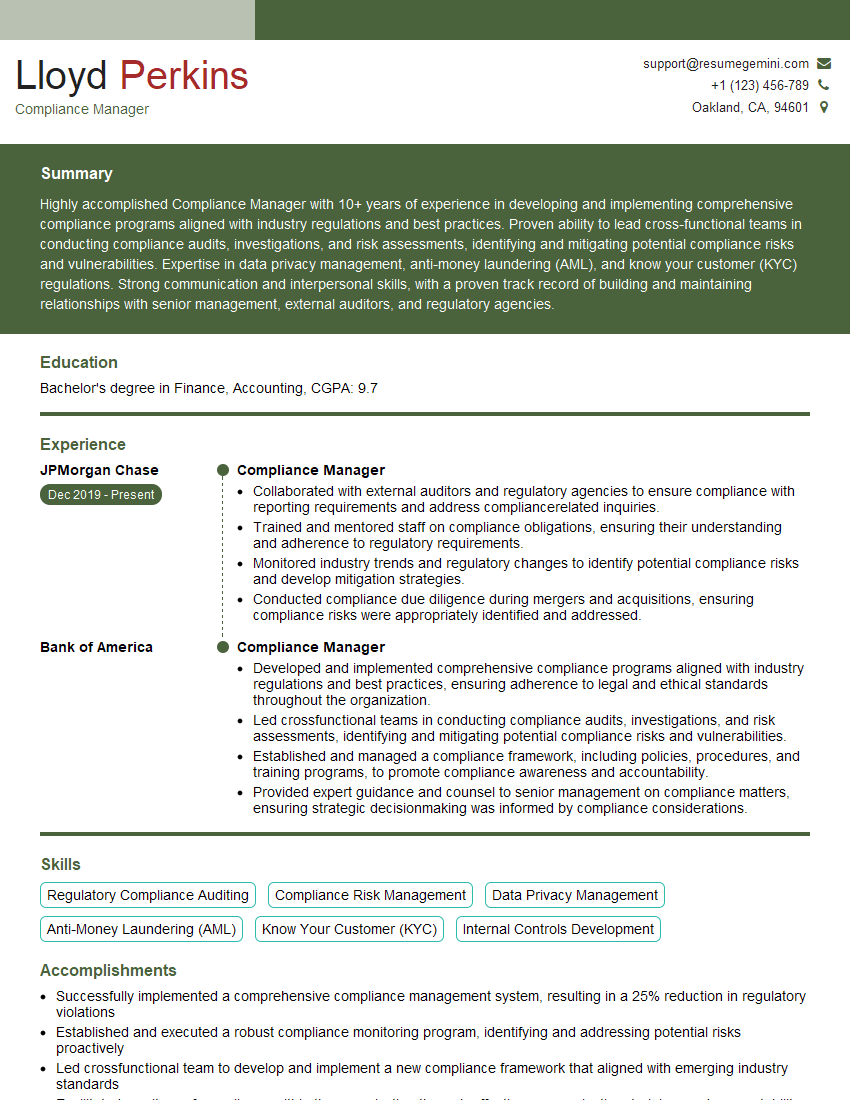
Compliance Manager Resume Sample
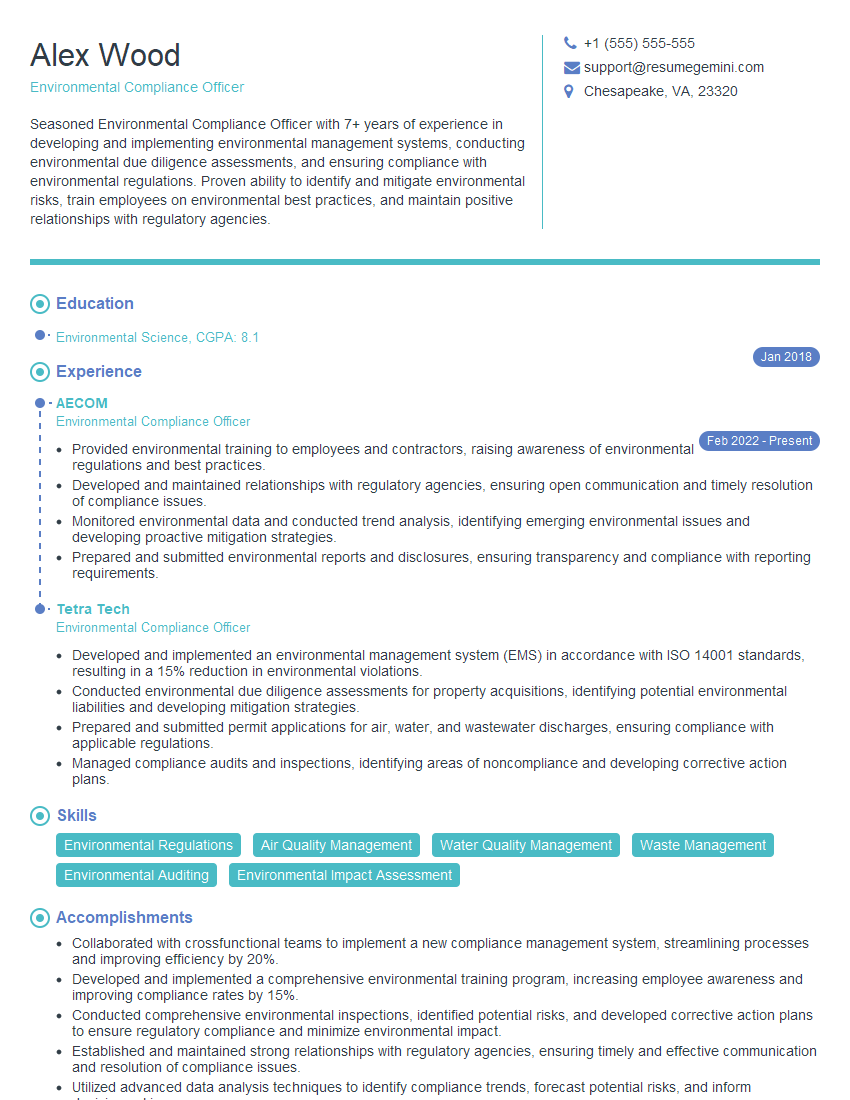
Environmental Compliance Officer Resume Sample
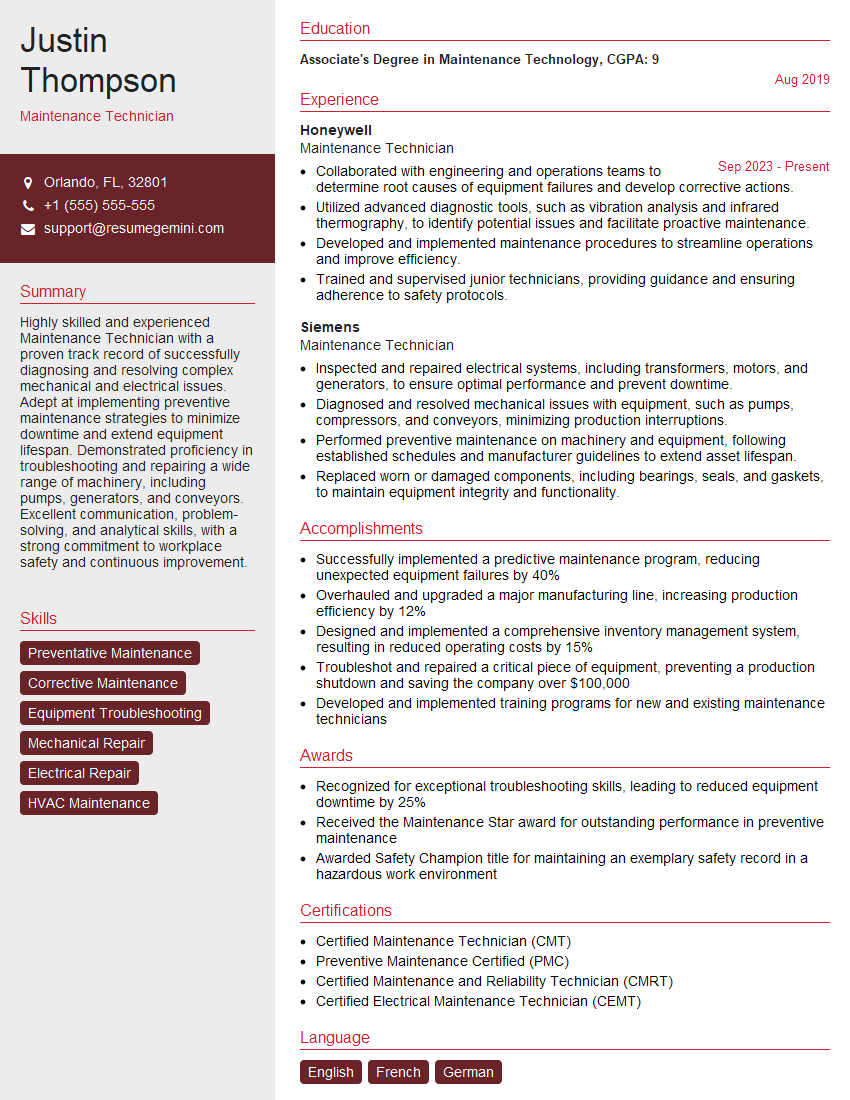
Maintenance Technician Resume Sample
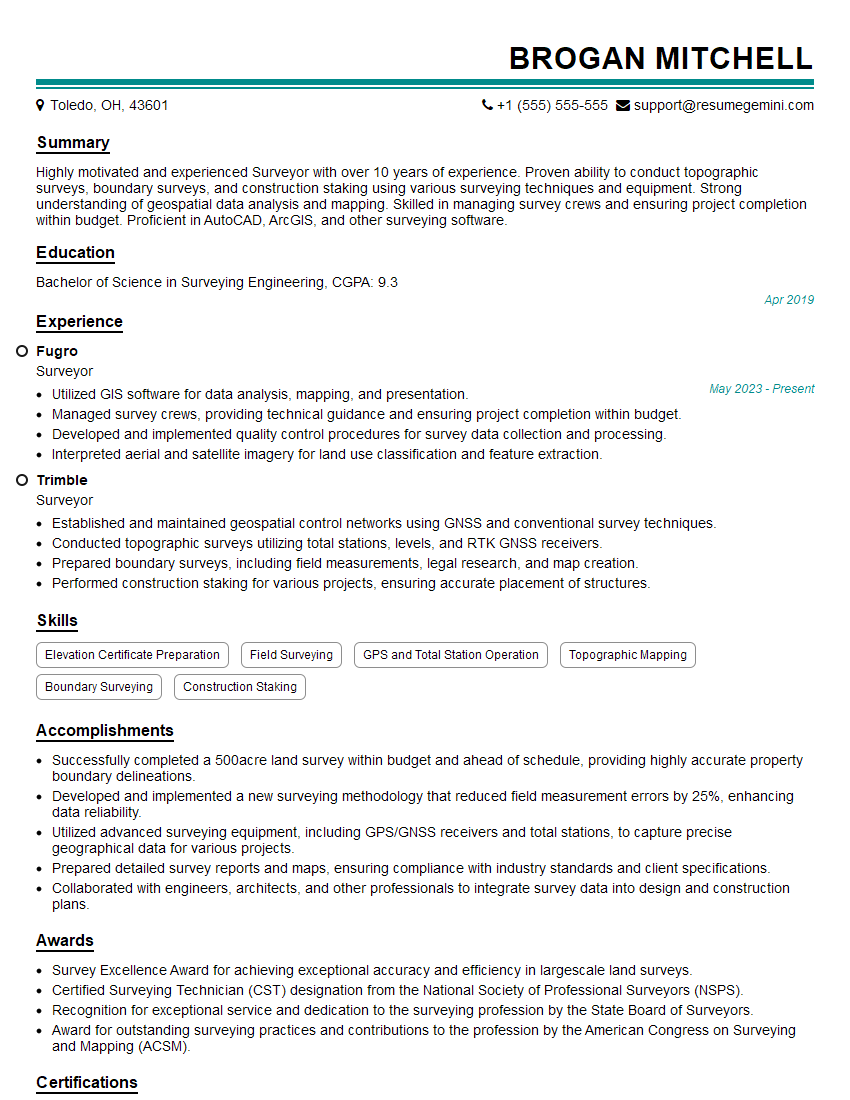
Surveyor Resume Sample
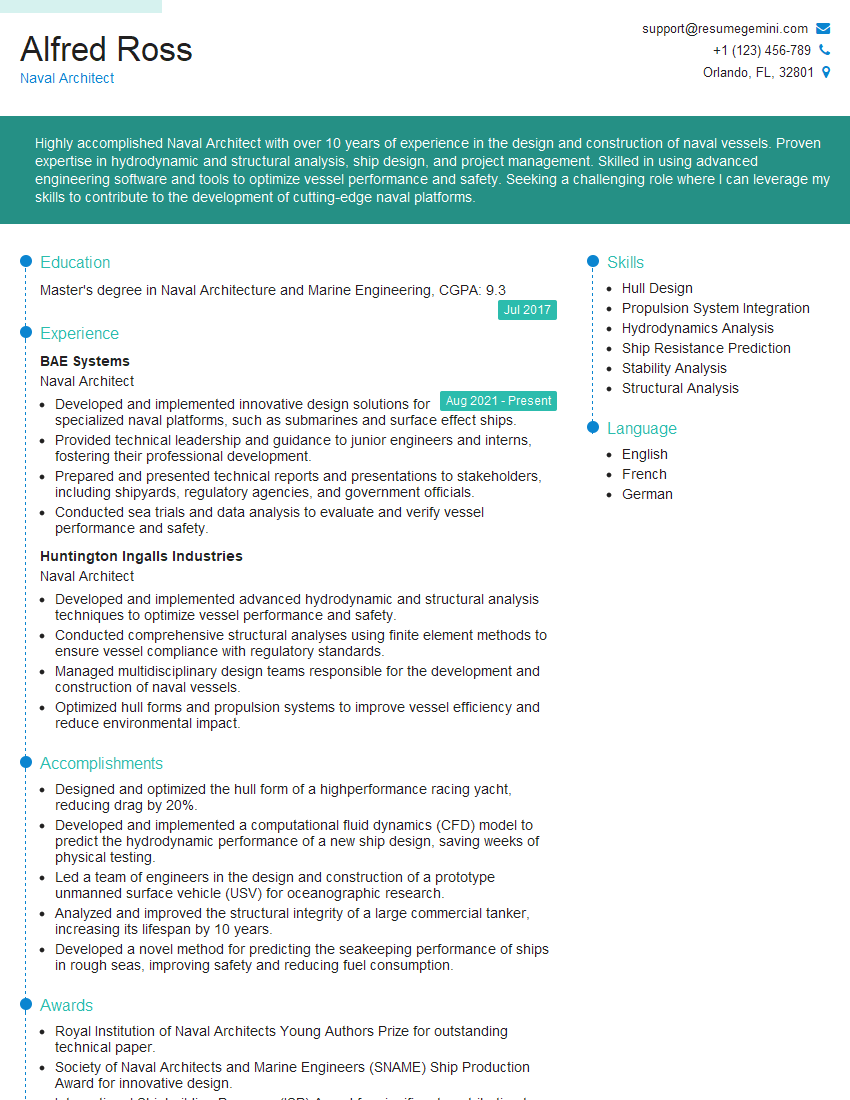
Naval Architect Resume Sample
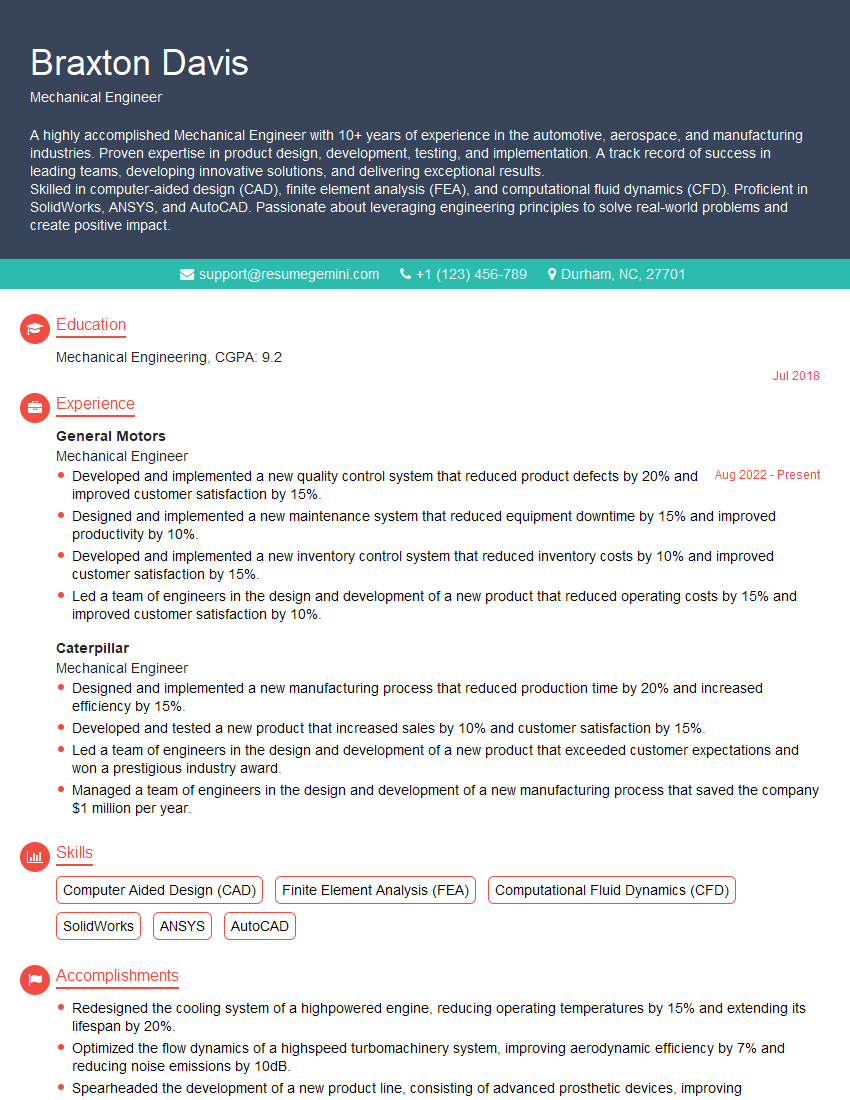
Mechanical Engineer Resume Sample
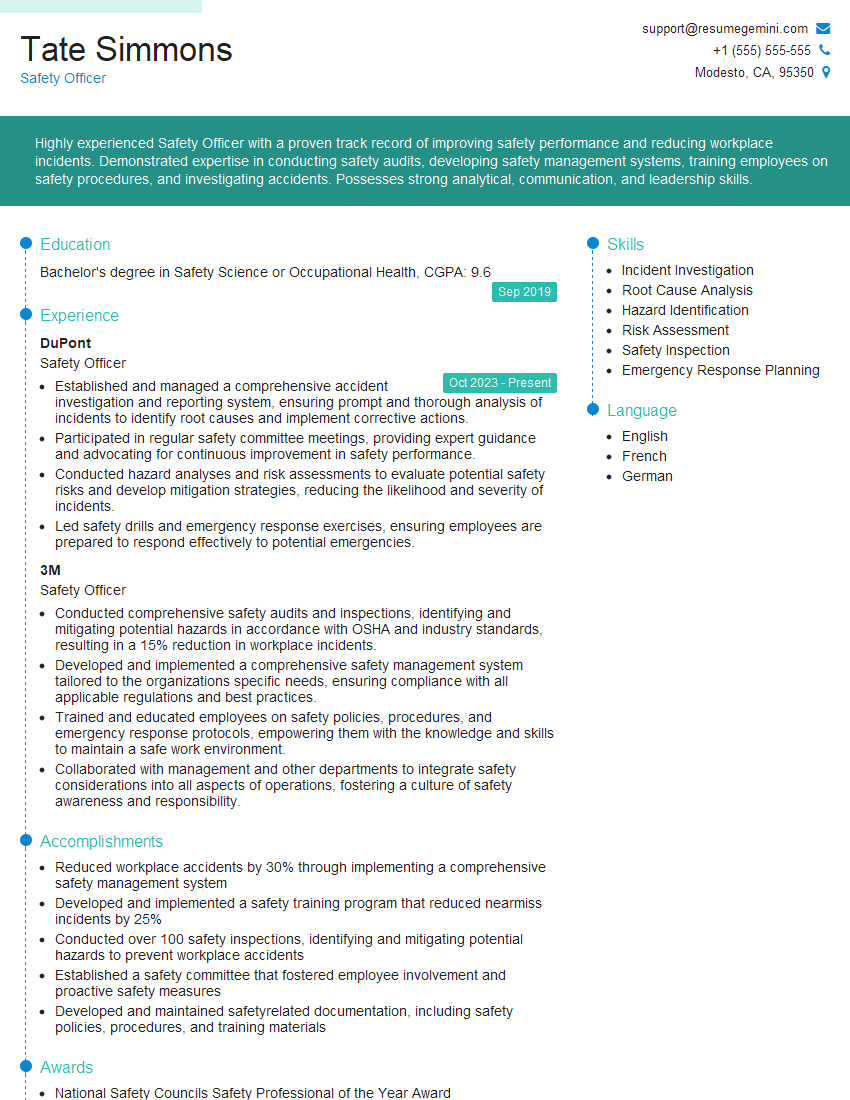
Safety Officer Resume Sample
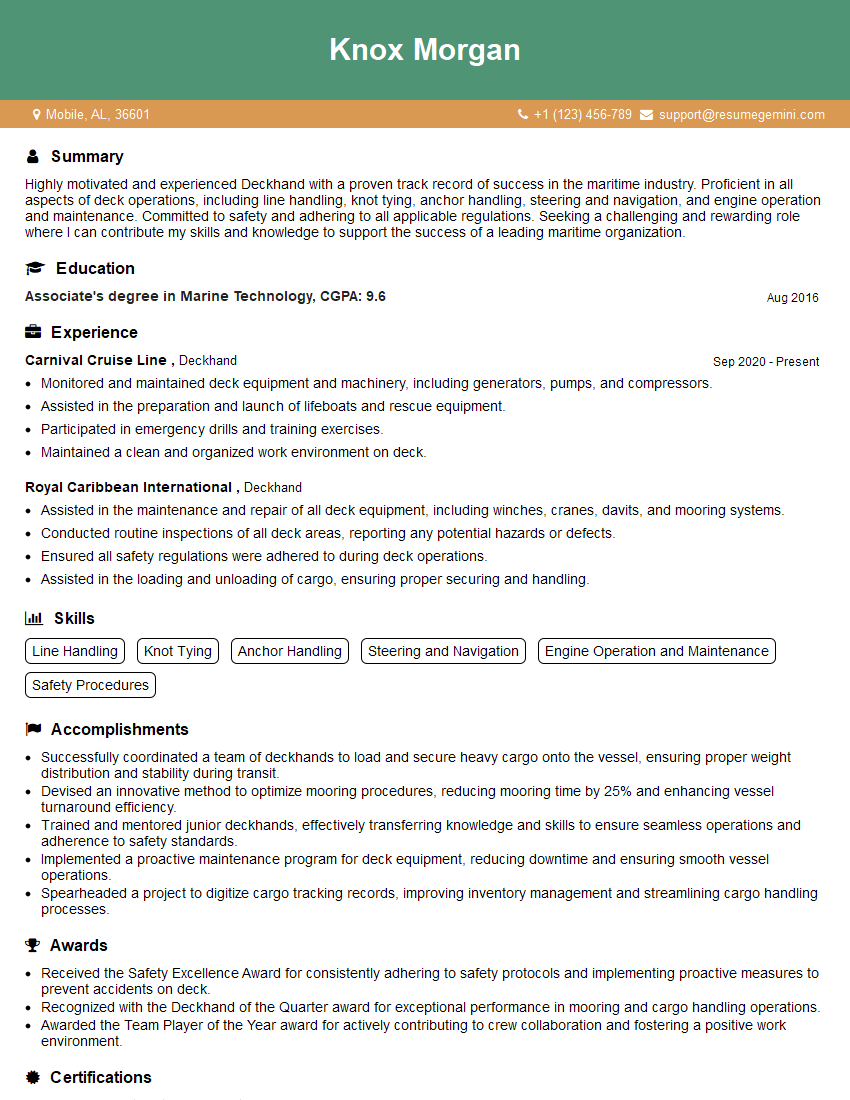
Deckhand Resume Sample
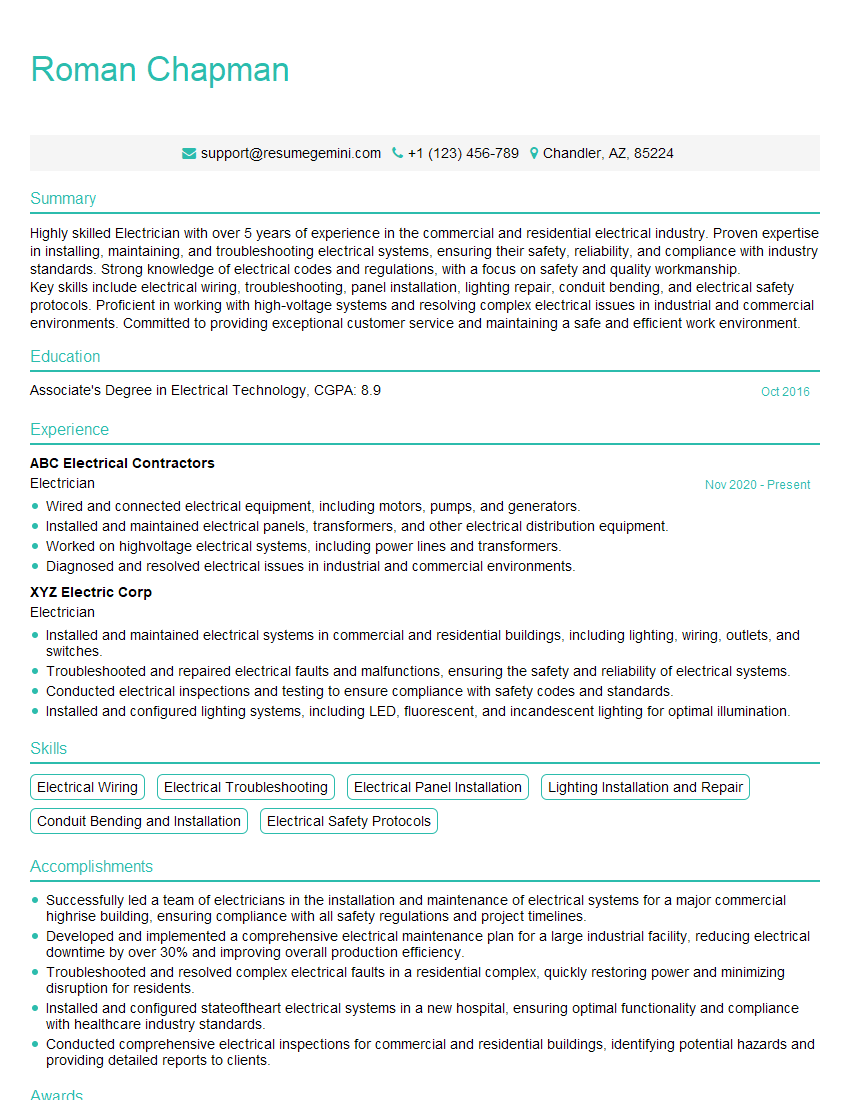
Electrician Resume Sample
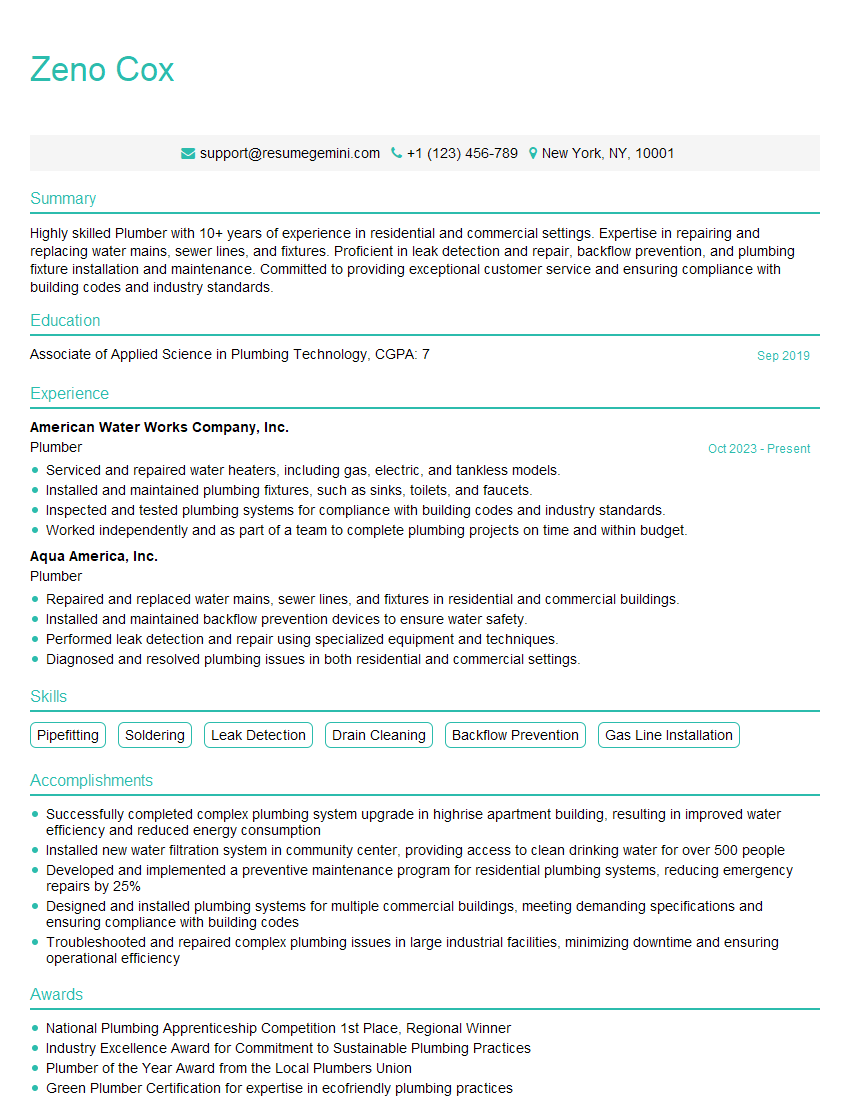
Plumber Resume Sample
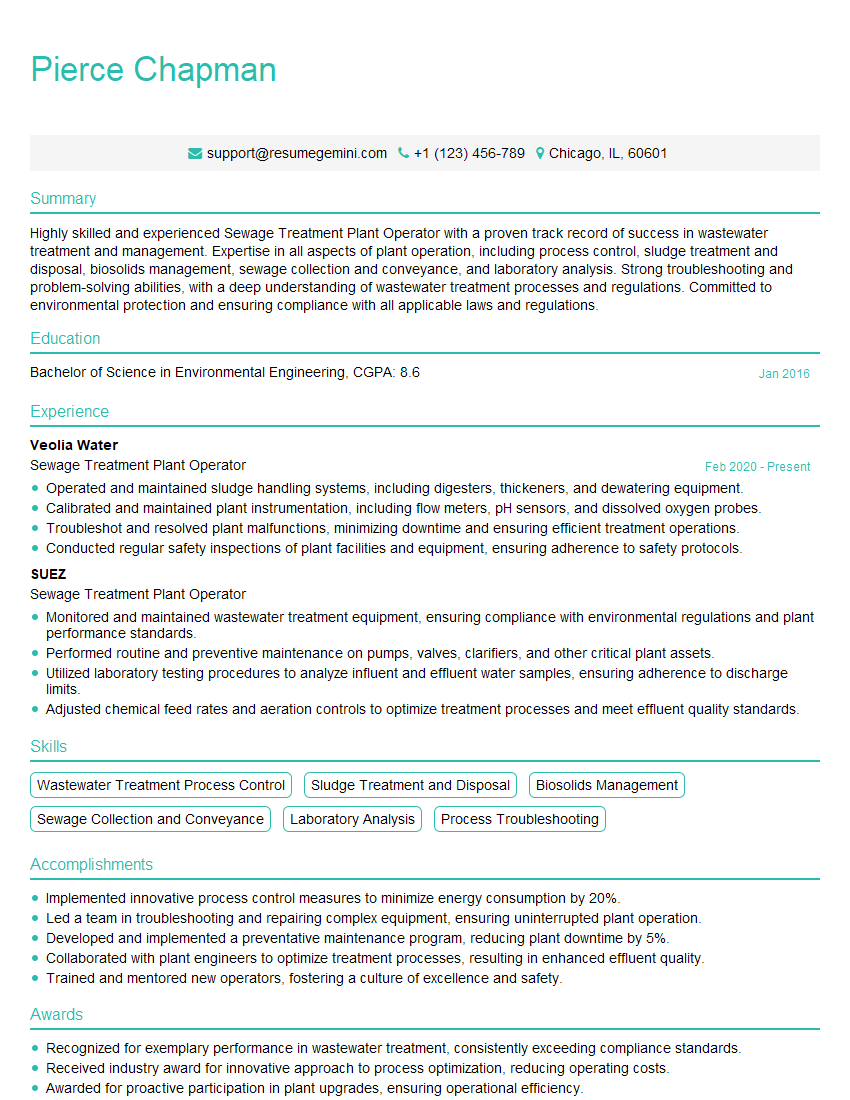
Sewage Treatment Plant Operator Resume Sample
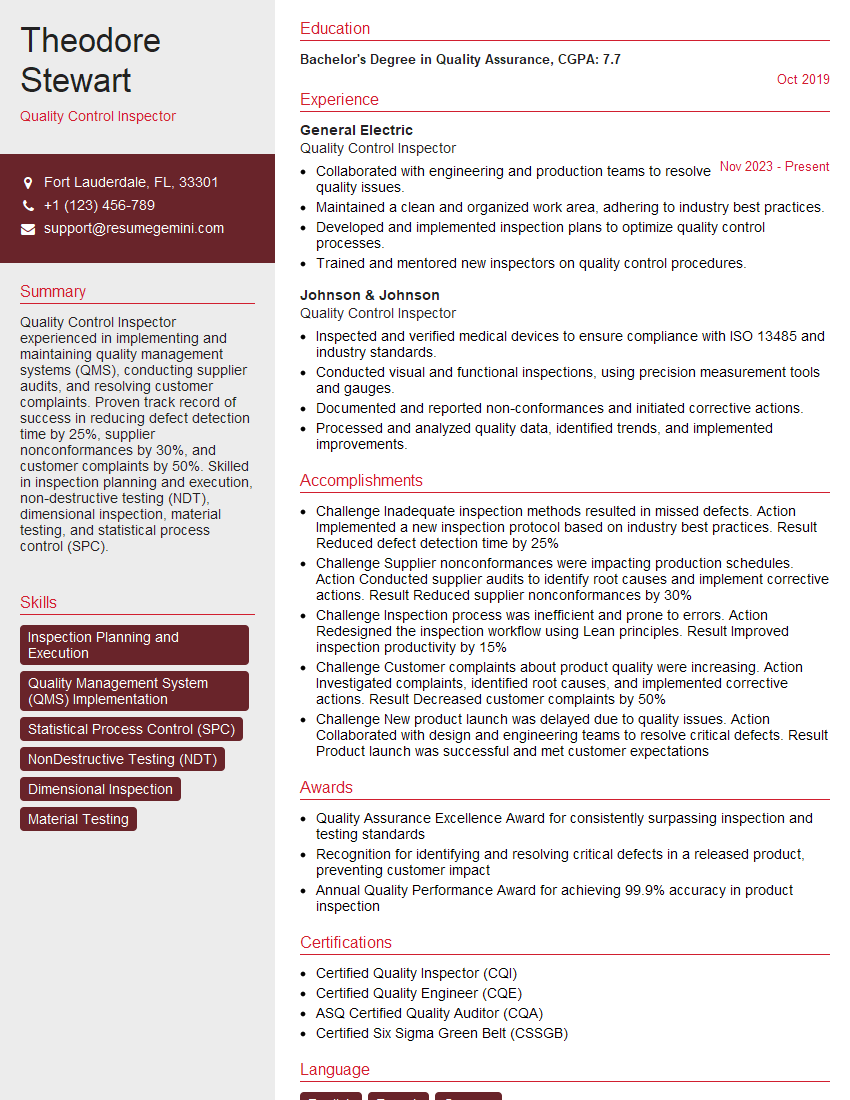
Quality Control Inspector Resume Sample
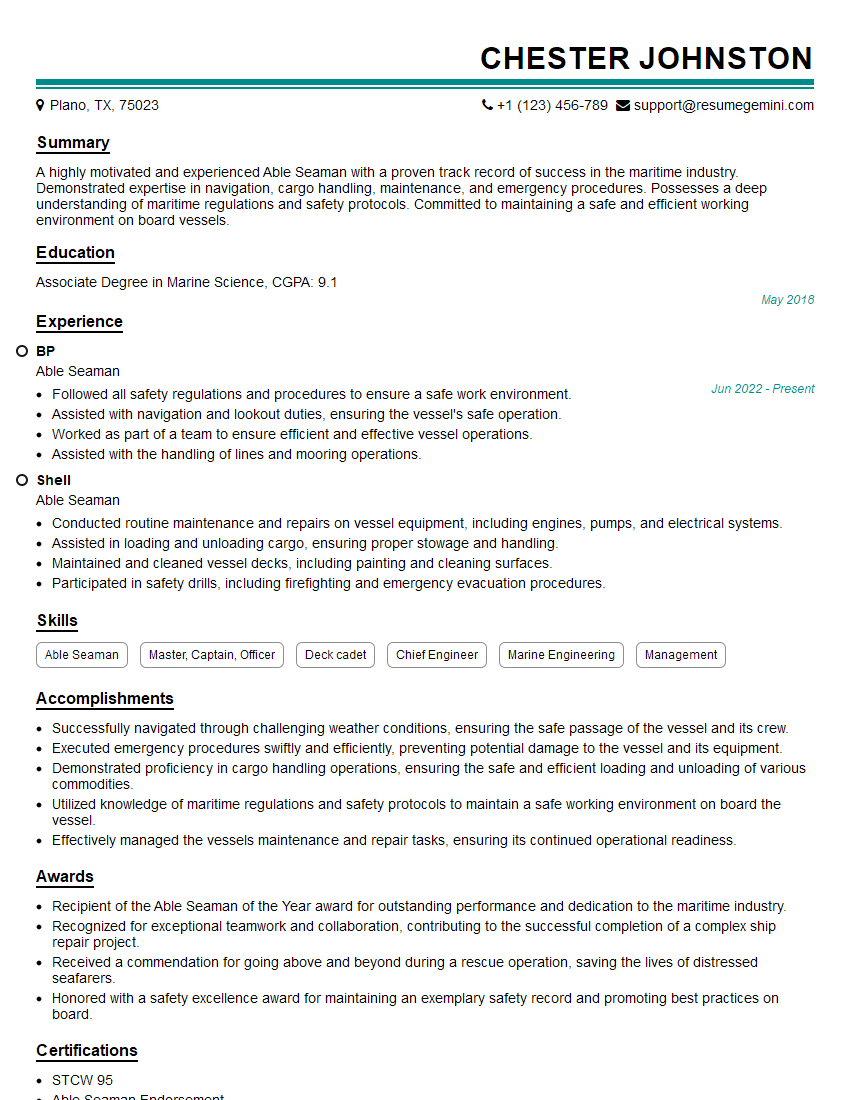
Able Seaman Resume Sample
Explore more articles
Users Rating of Our Blogs
Share Your Experience
We value your feedback! Please rate our content and share your thoughts (optional).
What Readers Say About Our Blog
Very informative content, great job.
good