Preparation is the key to success in any interview. In this post, we’ll explore crucial Shovel Crane Operation interview questions and equip you with strategies to craft impactful answers. Whether you’re a beginner or a pro, these tips will elevate your preparation.
Questions Asked in Shovel Crane Operation Interview
Q 1. Describe your experience operating different types of shovel cranes.
My experience encompasses a wide range of shovel cranes, from smaller, hydraulic excavators used in trenching and utility work to larger, cable-operated draglines used in large-scale mining operations. I’ve operated machines from various manufacturers, each with its unique characteristics and control systems. For instance, I’m proficient with both electric and diesel-powered models, understanding the nuances of their respective power delivery and maintenance requirements. Working with different sized machines has honed my skills in adapting my technique to the specific demands of each job, from precise work in confined spaces to the high-volume material handling needed in large-scale projects. This experience includes both front-end loaders and backhoe configurations. The backhoe configuration, for example, allows for precise digging and placement operations in scenarios where a front-end loader might be too cumbersome.
Q 2. Explain the pre-operational checks you perform before operating a shovel crane.
Pre-operational checks are critical for safety and efficiency. My routine begins with a thorough visual inspection of the entire machine, checking for any leaks (hydraulic fluid, fuel, etc.), damage to the structure, or loose components. I then check all fluid levels (engine oil, hydraulic oil, coolant), ensuring they are within the manufacturer’s specified ranges. I test the emergency stops and horn to ensure they are functional. Next, I check the operation of all controls, including swing, hoist, and travel, verifying smooth movement without any binding or unusual noises. Finally, I perform a load test with a known weight, verifying the functionality of all safety systems, such as the load limit indicators and overload protection devices. This entire process is meticulously documented, ensuring complete accountability and transparency.
Q 3. How do you ensure the stability of the shovel crane during operation?
Maintaining stability is paramount. I always assess the ground conditions before beginning work, avoiding unstable or uneven surfaces. I use the outriggers (if equipped) to distribute the weight evenly and increase stability, especially when working with heavier loads or on inclines. I am mindful of the crane’s center of gravity, always positioning the machine strategically to minimize the risk of tipping. I never exceed the load chart limits, and I constantly monitor the load’s movement to avoid sudden, jerky actions that could destabilize the machine. The understanding of swing radius is critical. For example, on a slope, I adjust my position and outriggers to compensate for the tilt and ensure stability, preventing potential rollovers. By carefully considering these factors at every stage of operation, I can ensure a safe and stable working environment.
Q 4. What are the common safety regulations you follow while operating a shovel crane?
Safety is my top priority. I always comply with OSHA regulations and site-specific safety rules. This includes wearing appropriate Personal Protective Equipment (PPE) – hard hat, safety glasses, hearing protection, and high-visibility clothing. I ensure the area around the crane is clear of obstructions and personnel before commencing operations. I establish clear communication with spotters and other personnel on the site using hand signals or radios. I never operate the crane under the influence of alcohol or drugs. I regularly inspect the equipment to identify potential hazards and report any issues immediately. I’m trained in emergency procedures, including how to respond to equipment malfunctions or unexpected situations, and this training is regularly refreshed. Strict adherence to these rules is essential for accident prevention.
Q 5. How do you handle unexpected situations or malfunctions during operation?
Handling unexpected situations requires quick thinking and decisive action. If I detect a malfunction, such as a hydraulic leak or engine trouble, my first step is to immediately shut down the machine and report the issue to the supervisor. I secure the load and ensure the area is safe before attempting any troubleshooting. For minor issues, I may follow established procedures for simple repairs or adjustments, but if the problem is significant, I wait for qualified personnel to address it. In case of an emergency, like a sudden loss of power or a control malfunction, my training enables me to smoothly bring the machine to a controlled stop, prioritizing the safety of myself and others. This emphasizes the importance of regular training and preparedness for unforeseen circumstances.
Q 6. Explain your understanding of load charts and their importance.
Load charts are indispensable tools that provide the safe operating limits of the crane for various load radii. They are crucial for preventing overloading, which can lead to catastrophic equipment failure and injury. These charts specify the maximum weight that can be lifted safely at different distances from the crane’s center. I always consult the load chart before lifting any load, ensuring the weight and radius are within the safe operating limits. The load chart is not a suggestion but a strict guideline that dictates the safe operational parameters. Ignoring it can lead to serious consequences. For instance, attempting to lift a load exceeding the chart’s specification can cause the crane to tip over, resulting in extensive damage and potential injury. Therefore, consulting and adhering to the load chart is critical for safety.
Q 7. Describe your experience with different types of attachments for shovel cranes.
My experience with shovel crane attachments is extensive. I’ve worked with various attachments designed for different applications, including: Buckets (various sizes and designs for different materials – from light-duty buckets for handling topsoil to heavy-duty buckets for moving rock and demolition debris), Grapples (for handling large, irregularly shaped materials like logs or scrap metal), Rakes (used primarily in agricultural applications or clearing operations), and Specialized tools such as demolition hammers or augers for specific tasks. The choice of attachment depends entirely on the job’s demands, requiring me to carefully evaluate the suitability of the attachment before beginning the work. For example, using a light-duty bucket to handle heavy rock could damage both the bucket and the crane. The understanding of appropriate attachment usage is therefore critical for efficient and safe operation.
Q 8. How do you calculate the swing radius and safe operating limits?
Calculating the swing radius and safe operating limits of a shovel crane is crucial for preventing accidents and ensuring efficient operation. The swing radius is simply the maximum horizontal distance the crane’s boom can reach when fully extended, measured from the center of the crane’s rotation. This is typically specified in the crane’s operational manual. However, this is just a starting point.
Safe operating limits go beyond just the swing radius and consider many factors. These include:
- Ground conditions: Soft or unstable ground reduces the crane’s stability and thus reduces the safe load capacity.
- Boom angle: A steeper boom angle reduces the safe load, while a shallower angle increases it.
- Wind speed: High winds significantly impact crane stability, leading to reduced load limits. Many cranes have wind speed charts in their operational manuals.
- Load weight and distribution: The weight and how it’s distributed on the shovel affect the stress on the crane. An unevenly distributed load can be a major problem.
- Obstacles: Overhead power lines, other equipment, or nearby structures can significantly affect the safe operating area. Planning around these is crucial.
To determine safe operating limits, we utilize load charts provided by the manufacturer. These charts take all the above factors into account. For example, a load chart might specify a maximum load of 10 tons at a 30-degree boom angle in calm conditions, but this could drop significantly to 5 tons in 25 mph winds.
I always conduct a thorough site survey before commencing any operation, carefully accounting for all the factors above. I use the load chart diligently and apply a margin of safety—never exceeding the limits prescribed for optimal safety.
Q 9. What are the signs of a malfunctioning shovel crane, and how do you address them?
Recognizing malfunctions in a shovel crane is paramount to preventing accidents and costly repairs. Signs of malfunction can be subtle or obvious, requiring regular inspections and keen observation.
Some common signs include:
- Unusual noises: Grinding, squealing, or unusual clanging sounds can indicate issues with gears, bearings, or hydraulic systems.
- Leaks: Hydraulic fluid or oil leaks are indicative of damaged seals, hoses, or cylinders. This needs immediate attention, as leaks are safety hazards.
- Slow or jerky movements: Problems with the hydraulic system or engine can lead to slow or erratic movements of the boom or bucket.
- Excessive vibration: This could be a sign of imbalance in the rotating structure or issues with the undercarriage.
- Malfunctioning gauges and indicators: If pressure gauges, fuel levels, or other indicators are malfunctioning, it could signal a larger problem.
- Smoke or unusual smells: These are strong indicators of potential engine or component failure and demand immediate action.
Addressing these issues requires a methodical approach. First, I would immediately shut down the crane and report the issue to my supervisor. Any attempts at repair should only be done by qualified personnel. For instance, a leak needs to be carefully diagnosed to identify the source before repair, while a grinding sound often requires a thorough inspection to prevent further damage.
Prevention is key. Following a regular maintenance schedule and consistently performing pre-operational checks significantly reduce the likelihood of malfunctions.
Q 10. How do you maintain communication with other personnel on the site?
Effective communication is non-negotiable on a construction site, especially when operating heavy machinery like a shovel crane. Clear and consistent communication minimizes the risk of accidents and improves overall efficiency.
My communication strategies include:
- Hand signals: Standardized hand signals are essential for communicating with ground personnel, especially when radio communication is difficult or unavailable. I ensure everyone on the team understands and uses the appropriate signals.
- Two-way radios: Radios provide clear and immediate communication. I use them to coordinate with spotters, other equipment operators, and supervisors. Clear and concise radio communication, avoiding jargon, is key.
- Visual signaling: Using lights and horns to alert others of my movements and intended actions is crucial, especially in areas with limited visibility.
- Pre-operation meetings: Before starting any job, I attend briefings with my team to discuss safety protocols, tasks, and potential hazards. This ensures everyone understands the plan.
I always maintain a clear line of sight to ground personnel whenever possible. If that’s not feasible, I’ll always utilize a designated spotter to help me maintain awareness of the surroundings and guide my operations accordingly.
Q 11. Describe your experience working in various weather conditions.
Operating a shovel crane in diverse weather conditions requires adaptability and a thorough understanding of safety protocols. My experience spans various climates and conditions.
Extreme heat: High temperatures can affect hydraulic fluid viscosity and operator performance. I always stay hydrated, take regular breaks, and ensure the machine’s cooling systems are functioning properly. Additional caution is necessary because materials can become less stable in high heat.
Cold weather: Cold temperatures impact engine starting and hydraulic performance. I use appropriate engine warm-up procedures and utilize cold-weather hydraulic fluids. Ice and snow pose significant risks to stability, requiring slow and careful movements. I always have a clear plan for dealing with frozen ground conditions.
Rain and wind: These conditions reduce visibility and impact stability. I reduce operating speed and proceed cautiously. Strong winds necessitate reducing the load capacity as per the crane’s load chart. Muddy conditions necessitate an extra careful approach and possibly require the use of more stable ground supports for the crane.
Regardless of the weather, I always prioritize safety. If conditions are too hazardous, I will halt operations until conditions improve. My safety isn’t just mine; it’s the responsibility of the whole team.
Q 12. Explain your understanding of different soil types and their impact on operation.
Different soil types significantly impact shovel crane operations, influencing both efficiency and safety. Understanding these impacts is critical for effective operation.
Stable soils (e.g., rock, well-compacted gravel): These provide excellent support for the crane and allow for efficient digging and lifting. However, working in rocky areas demands precision to avoid damaging the bucket.
Unstable soils (e.g., clay, sand, loose fill): These present significant challenges. Clay can be extremely sticky, requiring increased power and potentially slowing the operation. Sand can shift, creating instability under the crane’s outriggers. Loose fill is extremely unstable and unsuitable for significant crane operations without additional support measures.
Soft soils (e.g., peat, mud): These can cause the crane to sink, jeopardizing stability. I use specific techniques like wider outrigger spread and possibly temporary ground reinforcement to mitigate this risk.
Before commencing work, I always assess the ground conditions. If the soil is unstable, I adjust the lifting capacity accordingly, using the load charts and implementing safety measures.
I might also consult with geotechnical engineers for advice on soil stabilization techniques before working in particularly challenging conditions.
Q 13. How do you perform routine maintenance on a shovel crane?
Routine maintenance is essential for ensuring the longevity and safe operation of a shovel crane. My routine maintenance procedures are guided by the manufacturer’s manual but also include my own observations. This is a crucial part of safe operation.
My routine checks include:
- Daily inspections: I conduct a thorough visual inspection before each shift, checking for leaks, damage, and loose parts. This includes checking tires, outriggers, cables, hydraulic lines, and engine components.
- Lubrication: Regular lubrication of moving parts is crucial for preventing wear and tear. I follow a lubrication schedule provided by the manufacturer, paying close attention to critical points.
- Fluid levels: I regularly check hydraulic fluid, engine oil, coolant, and fuel levels and top them off as needed.
- Functional checks: I test the functionality of all controls, including boom, swing, hoist, and travel functions, checking for smooth operation.
- Safety checks: I inspect safety devices like alarms, emergency stops, and lights, ensuring they are functioning correctly.
- Cleaning: Regular cleaning removes dirt and debris, extending the life of the components and preventing corrosion.
Major maintenance tasks are usually handled by qualified mechanics, but I report any potential issues I observe during my regular checks so that larger problems can be caught early.
Q 14. What are the different types of shovel crane movements, and how are they executed?
Shovel cranes utilize several distinct movements to perform their tasks. Understanding these movements and how to execute them safely and efficiently is key to effective operation.
The primary movements include:
- Swing: This is the rotation of the entire upper structure of the crane around its center point, allowing it to reach different areas within its swing radius. I always ensure the swing is smooth and controlled, being mindful of potential collisions.
- Boom hoist: This raises and lowers the boom, changing the reach and angle of the shovel. It is critical to maintain a steady movement to ensure safe load handling.
- Hoist: This raises and lowers the load attached to the shovel, moving the excavated material. Smooth and controlled operations are vital to prevent spills or damage to the load or the crane itself.
- Crowd: This movement extends or retracts the boom. Controlled crowd movements allow the operator to precisely place the bucket.
- Travel: Some shovel cranes have the ability to move under their own power. I always conduct a thorough pre-travel check and proceed slowly and cautiously, paying special attention to the surroundings and potential hazards. I never travel with a suspended load.
These movements are executed using a combination of levers and pedals, requiring precision and coordination. I emphasize smooth and controlled movements to minimize wear and tear on the machine and prevent accidents. The smooth movement is a sign of skilled crane operation.
Q 15. Explain your understanding of the operator’s manual and safety protocols.
The operator’s manual is my bible. It’s not just a book; it’s a comprehensive guide to the machine’s capabilities, limitations, and most importantly, its safety procedures. I meticulously review it before every shift, paying close attention to pre-operational checks, emergency procedures, and specific safety guidelines for the model I’m operating. Safety protocols go hand-in-hand with the manual. They encompass everything from proper personal protective equipment (PPE) – hard hats, safety glasses, high-visibility vests – to understanding load limits, recognizing potential hazards like overhead power lines or unstable ground, and following established communication procedures with the ground crew. Think of it like this: the manual provides the knowledge, while the safety protocols provide the framework for applying that knowledge safely and effectively. For example, I always perform a thorough pre-start inspection, checking hydraulic fluid levels, tire pressure, and the structural integrity of the crane before even entering the cab. This meticulous approach ensures both my safety and the safety of those around me.
Career Expert Tips:
- Ace those interviews! Prepare effectively by reviewing the Top 50 Most Common Interview Questions on ResumeGemini.
- Navigate your job search with confidence! Explore a wide range of Career Tips on ResumeGemini. Learn about common challenges and recommendations to overcome them.
- Craft the perfect resume! Master the Art of Resume Writing with ResumeGemini’s guide. Showcase your unique qualifications and achievements effectively.
- Don’t miss out on holiday savings! Build your dream resume with ResumeGemini’s ATS optimized templates.
Q 16. How do you ensure the accurate placement of materials during operation?
Accurate material placement relies on a combination of skill, planning, and technology. Before any operation, I carefully assess the site, noting the exact coordinates for material placement, any potential obstacles, and the best approach angle. I use visual cues and, when available, laser guidance systems or GPS to pinpoint the target location. For example, while placing precast concrete elements for a building project, I’d use the laser guidance system integrated into the crane’s control system to align the element precisely within a tolerance of just a few millimeters. This is crucial for seamless construction and prevents costly rework. I also factor in the weight and dimensions of the material, adjusting the boom angle and crane position accordingly to maintain stability and prevent any accidental swing. Smooth, controlled movements are essential. It’s not about speed, but precision. I always have a spotter on the ground to guide me in areas with limited visibility, ensuring a safe and accurate placement every time.
Q 17. Describe your experience with different types of excavation techniques.
My experience spans various excavation techniques, each demanding a different approach with the shovel crane. I’m proficient in trenching, using the crane to carefully excavate trenches for utility lines, ensuring consistent depth and width while maintaining the stability of the surrounding soil. I’ve also worked on mass excavation projects, where the goal is to remove large quantities of earth for foundations or road construction. In such cases, I utilize different digging strategies, optimizing the bucket size and swing radius to maximize efficiency and minimize downtime. Another aspect is slope excavation, where maintaining the angle of repose is critical for safety. This involves careful planning and execution, constantly monitoring the slope stability. Every technique demands understanding the soil conditions—is it clay, sand, rock? – as this drastically impacts how I operate the shovel crane. I adapt my techniques based on the specific site conditions, always prioritizing safety and efficiency.
Q 18. How do you manage fuel efficiency while operating a shovel crane?
Fuel efficiency is a significant factor in minimizing operational costs. I implement several strategies to achieve this. First, I prioritize smooth, controlled movements, avoiding jerky or abrupt actions that waste fuel. I plan my operation carefully, minimizing unnecessary movements and optimizing the boom’s reach to reduce fuel consumption. For instance, if I need to reposition the crane multiple times, I’ll plan a route that requires fewer adjustments. I also keep the engine RPMs at an appropriate level for the task at hand. No need to rev the engine to its maximum if only light digging is required. Regular maintenance, ensuring the crane is well-maintained and properly lubricated, also contributes to better fuel efficiency. Finally, idle times are minimized; I shut down the engine when the crane isn’t in active use for more than a few minutes. This holistic approach ensures responsible fuel consumption without compromising operational productivity.
Q 19. What are the common causes of shovel crane accidents, and how can they be prevented?
Shovel crane accidents are often caused by several factors, including operator error, equipment malfunction, and environmental conditions. Operator error, such as exceeding load limits, improper lifting techniques, or failing to follow safety protocols, is a leading cause. Equipment malfunctions, such as hydraulic failures or structural defects, can also lead to accidents. Unforeseen environmental factors, such as unstable ground or adverse weather conditions, can also contribute. Prevention involves several measures: rigorous pre-operational checks, adherence to strict safety protocols, regular maintenance to prevent equipment failures, and thorough site assessments to identify and mitigate potential hazards. Training is critical. Operators need thorough training on safe operating procedures, load capacity calculations, and emergency response protocols. This also includes understanding the importance of regular inspections and the potential hazards associated with the job.
Q 20. How do you handle difficult terrain or confined spaces during operation?
Operating in difficult terrain or confined spaces requires a different skill set and meticulous planning. In challenging terrain, it’s crucial to assess the ground stability before starting any operation and to choose the optimal route for the crane’s movement, avoiding areas with potential instability. I use outriggers effectively to enhance stability on uneven ground and maneuver the crane cautiously. In confined spaces, careful maneuvering is essential, ensuring there’s sufficient clearance for the boom and the load. I often utilize smaller, more agile shovel cranes in such situations. Visual aids like spotters and the use of cameras can be very helpful to maintain situational awareness. Every move requires extra care and attention to detail to prevent collisions and structural damage. Think of navigating a tight parking lot – but with several tons of equipment and potentially hazardous materials. It requires patience, precision, and a heightened sense of awareness.
Q 21. Explain your experience with GPS or other guidance systems in shovel crane operation.
My experience with GPS and guidance systems has significantly enhanced my accuracy and efficiency. GPS-based systems provide real-time location data, helping me to precisely position the crane and guide the boom to the target location with millimeter accuracy. This is especially helpful in large-scale projects where precision is paramount. These systems also enhance safety by providing warnings if I approach any predefined hazard zones. Laser guidance systems, which project a laser beam onto the target area, are another valuable tool, offering real-time visual feedback on boom positioning. Such technologies minimize human error, increase productivity, and improve the overall quality of work. Imagine trying to place a delicate piece of machinery in a tight location – GPS and laser guidance ensure precise placement, minimizing the risk of damage or misalignment. They are invaluable assets in modern shovel crane operation.
Q 22. How do you troubleshoot common hydraulic problems in a shovel crane?
Troubleshooting hydraulic problems in a shovel crane requires a systematic approach. It starts with safety – always ensuring the machine is powered down and secured before any inspection or repair. Common issues often stem from leaks, pressure loss, or component failure.
- Leaks: Identify the leak source (hose, fitting, cylinder, etc.). Minor leaks may be addressed with tightening fittings or replacing damaged hoses. Major leaks necessitate immediate repair or replacement of the affected component. I always check fluid levels and look for discoloration or contamination, which could indicate further damage.
- Pressure Loss: This could result from a malfunctioning hydraulic pump, clogged filters, or air in the system. I would check the pump pressure using a gauge and replace or clean filters as needed. Air in the system requires bleeding, a process I’m very familiar with using the appropriate bleed valves on the system.
- Component Failure: This is a more serious problem, usually requiring specialized tools and potentially a service technician. Symptoms of component failure can vary depending on the component but could include unusual noises, sluggish movement, or complete failure of a function. In such a situation, I would report the problem, secure the machine, and await qualified assistance.
For example, during a recent job, a slow response in the swing function indicated a potential problem with the swing hydraulic cylinder. A careful inspection revealed a small leak at a fitting. Tightening the fitting resolved the issue, minimizing downtime.
Q 23. Describe your experience with different types of crane rigging and lifting techniques.
My experience with crane rigging and lifting techniques encompasses a wide range of applications, including single-point lifts, multi-point lifts, and specialized rigging for oversized or delicate loads. I’m proficient in using various slings, such as chain slings, wire rope slings, and synthetic web slings, always selecting the appropriate type based on the load’s weight, shape, and material.
I understand the importance of proper load balancing, weight distribution, and the use of tag lines to maintain control during lifts. Experience has taught me the significance of regular inspections of rigging equipment – checking for wear, damage, and ensuring proper load capacity ratings are adhered to. I’m also familiar with various lifting techniques like using spreader beams for wider load distribution and specialized lifting accessories for unique objects. For instance, working on a recent project involving the installation of precast concrete elements required specialized rigging and careful coordination with the ground crew to execute lifts precisely and safely.
Q 24. How do you ensure the safety of personnel and equipment in a busy worksite?
Ensuring safety on a busy worksite is paramount and requires constant vigilance. My approach involves a multi-faceted strategy:
- Pre-operational Checks: Thorough inspection of the crane and its components before each shift, including checking hydraulic fluid levels, inspecting rigging equipment, and ensuring proper functioning of safety devices like limit switches and emergency stops.
- Communication: Maintaining clear and constant communication with ground crews, riggers, and other operators to avoid collisions or interference. Hand signals are critical for effective communication in loud environments.
- Site Awareness: Constantly assessing the work environment, identifying potential hazards, and planning lifts accordingly to minimize risks. This includes understanding overhead obstructions, underground utilities, and the movement of other equipment or personnel.
- Following Safety Protocols: Strict adherence to all company safety regulations and industry best practices. This also includes wearing the appropriate personal protective equipment (PPE), such as hard hats, safety glasses, and hearing protection.
- Emergency Procedures: Familiarity with emergency procedures, including how to respond to crane malfunctions or accidents and knowledge of the location of emergency shut-off switches and communication systems.
For example, on a recent demolition project, I used spotters to guide my movements due to limited visibility and nearby construction activities. Effective communication was crucial in ensuring the safety of both the workers and the equipment involved.
Q 25. Explain your understanding of the different types of shovel crane booms and their applications.
Shovel cranes utilize different types of booms, each tailored for specific applications:
- Standard Boom: The most common type, offering a balance between lifting capacity and reach. It is suitable for a variety of general lifting tasks.
- Long Boom: Designed for increased reach, sacrificing some lifting capacity. Used in situations requiring lifting objects at a significant distance from the crane.
- Short Boom: Prioritizes lifting capacity over reach. Ideal for heavy lifts within a smaller radius.
- Lattice Boom: Usually longer and stronger than box booms; constructed of interconnected components that give greater strength for capacity. Often used in larger cranes for heavier lifting scenarios.
- Box Boom: A closed-section, more compact and lighter boom suitable for smaller cranes and work in confined spaces.
The choice of boom depends on factors such as the weight and size of the load, the required lifting height and reach, and the available space on the job site. I always choose the boom configuration which most safely and efficiently accomplishes the lifting needs.
Q 26. How do you adapt your operation based on different job site requirements?
Adaptability is key in this profession. I adjust my operation based on job site requirements by considering several factors:
- Terrain Conditions: Operating on uneven ground or soft soil requires careful positioning of the crane to ensure stability. I would use outriggers effectively and might need to adjust lifting techniques to accommodate the terrain.
- Space Constraints: Working in confined areas necessitates careful maneuvering and precise control of the crane’s movements. This might involve using different lifting techniques or selecting a smaller crane if appropriate.
- Load Characteristics: Different loads require different rigging techniques. Fragile loads require extra care, while heavy loads necessitate the use of appropriate lifting equipment and the verification of weight capacity.
- Weather Conditions: High winds or adverse weather may necessitate pausing operations or adjusting lifting techniques to ensure safety. I am well-versed in recognizing and responding to weather-related hazards.
- Regulatory Requirements: I strictly adhere to all relevant safety regulations and permits required on each job site.
For example, while working on a bridge construction project, I adapted my operation to the confined space and wind conditions by using a smaller crane with a shorter boom and carefully scheduling my lifts based on wind forecasts.
Q 27. What are your strengths and weaknesses as a shovel crane operator?
My strengths as a shovel crane operator include my strong safety record, my ability to adapt to various job site conditions, and my proficiency in operating different types of cranes. I am also a quick learner, always eager to acquire new skills and knowledge in the field. I’m a team player and work effectively with ground crews and other operators. I pride myself on consistently performing with precision and efficiency.
However, I acknowledge that my weakness can sometimes be a tendency to be perfectionistic. While this ensures high-quality work, it can sometimes lead to slower completion times. I’m actively working on better time management to offset this tendency without compromising on safety or accuracy.
Q 28. Where do you see yourself in five years in the field of shovel crane operation?
In five years, I see myself as a highly skilled and experienced shovel crane operator with a strong reputation in the industry. I aim to have broadened my expertise into more specialized areas, such as heavy lift operations or working with specialized rigging techniques. I’m also interested in potentially pursuing a supervisory role, mentoring newer operators and contributing to a safer work environment for everyone. Continuous learning and improvement are key, and I plan to maintain my certifications and stay updated on the latest industry best practices.
Key Topics to Learn for Shovel Crane Operation Interview
- Safe Operation Procedures: Understanding and applying all safety regulations, pre-operational checks, and emergency protocols. This includes knowing how to identify and mitigate potential hazards.
- Machine Mechanics and Maintenance: Demonstrating knowledge of the shovel crane’s mechanical components, routine maintenance tasks, and troubleshooting common malfunctions. Practical experience with preventative maintenance is highly valuable.
- Load Handling and Stability: Understanding load capacity limits, proper lifting techniques, and how to maintain stability during operation, particularly in challenging terrain or weather conditions. This includes calculating load centers and understanding swing radius limitations.
- Digging Techniques and Efficiency: Mastering various digging techniques to optimize productivity and minimize material waste depending on the soil type and project requirements. Understanding the impact of different bucket types is crucial.
- Communication and Teamwork: Highlighting the importance of clear communication with ground personnel, understanding hand signals, and coordinating effectively within a team environment. This includes demonstrating situational awareness and adhering to instructions.
- Environmental Awareness: Demonstrating understanding of environmental considerations, such as minimizing soil erosion and adhering to regulations regarding noise and emissions.
- Regulations and Compliance: Familiarity with relevant industry regulations, safety standards, and licensing requirements for operating shovel cranes.
Next Steps
Mastering Shovel Crane Operation opens doors to a rewarding career with excellent earning potential and opportunities for advancement within the construction and mining industries. A strong resume is crucial for showcasing your skills and experience to potential employers. To significantly improve your chances of landing your dream job, create an ATS-friendly resume that highlights your qualifications effectively. ResumeGemini is a trusted resource to help you build a professional and impactful resume. We provide examples of resumes tailored specifically to Shovel Crane Operation to guide you through the process. Invest the time to craft a compelling resume – it’s an investment in your future.
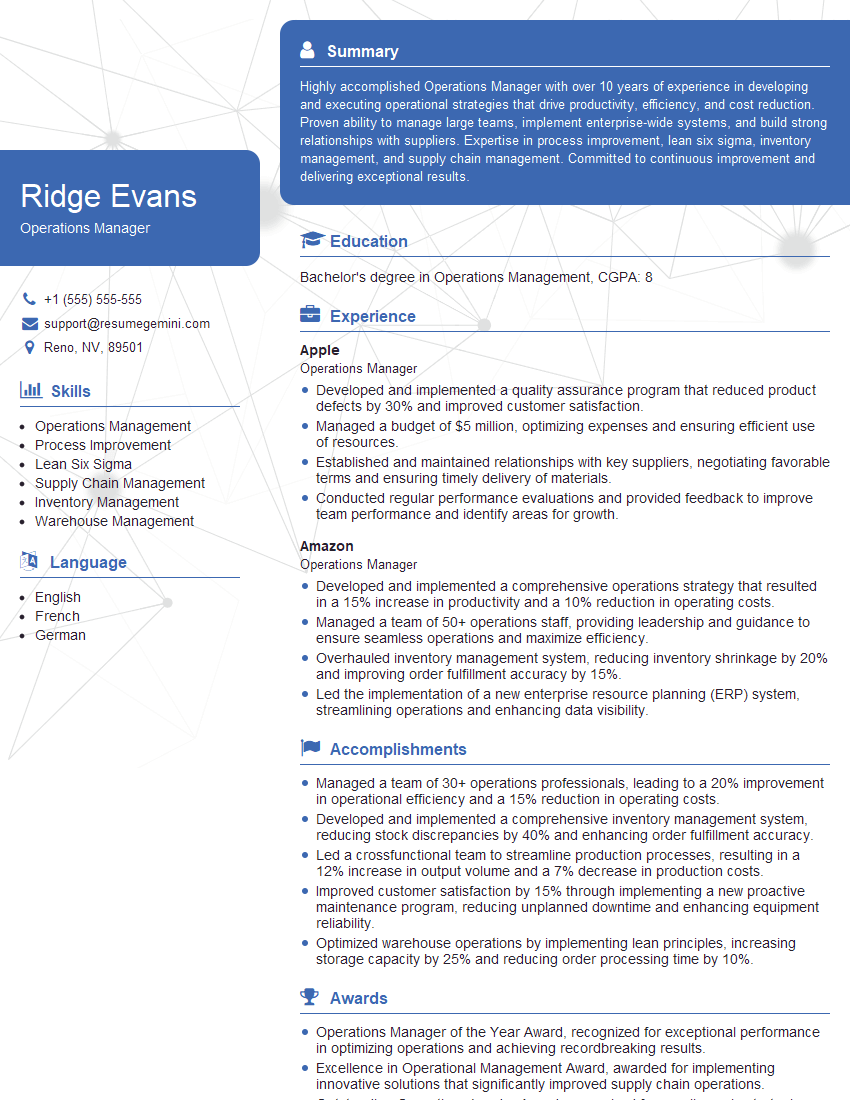
Operations Manager Resume Sample

Maintenance Supervisor Resume Sample

Construction Foreman Resume Sample

Crane Operator Resume Sample

Loader Operator Resume Sample

Site Supervisor Resume Sample

Heavy Equipment Operator Resume Sample

Backhoe Operator Resume Sample

Excavator Operator Resume Sample

Shovel Operator Resume Sample
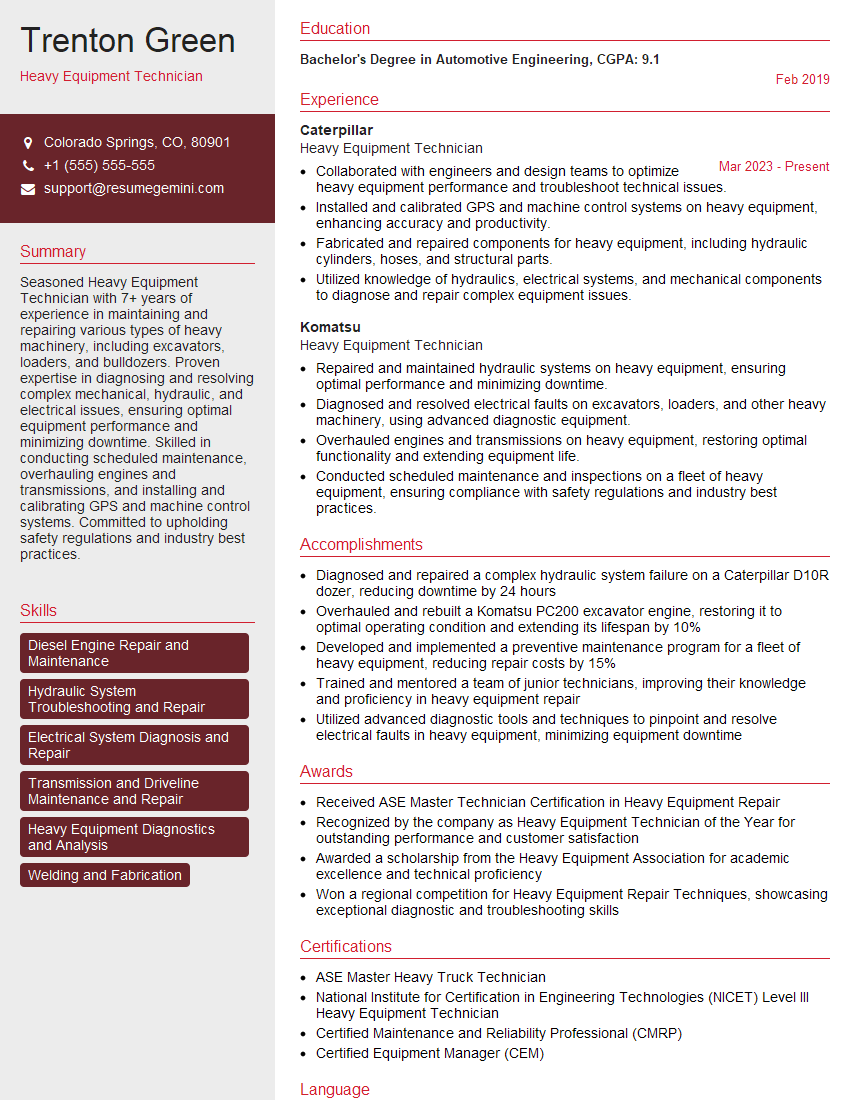
Heavy Equipment Technician Resume Sample
Explore more articles
Users Rating of Our Blogs
Share Your Experience
We value your feedback! Please rate our content and share your thoughts (optional).
What Readers Say About Our Blog
Very informative content, great job.
good