The right preparation can turn an interview into an opportunity to showcase your expertise. This guide to Shrinkage interview questions is your ultimate resource, providing key insights and tips to help you ace your responses and stand out as a top candidate.
Questions Asked in Shrinkage Interview
Q 1. Define shrinkage and its various components.
Shrinkage, in the retail context, refers to the difference between the recorded inventory and the actual inventory available. It represents a loss of goods or value before they are sold. This loss isn’t always immediately obvious; it’s a silent thief impacting profitability. It has several components:
- Employee Theft: This involves employees stealing merchandise, either for personal use or to sell elsewhere.
- Shoplifting: Customers stealing goods without paying.
- Administrative Errors: Mistakes in inventory counting, data entry, or pricing that lead to inaccurate records.
- Damage: Goods damaged in transit, storage, or on the shop floor, rendering them unsaleable.
- Spoilage: Perishable goods that expire or become unusable before sale (common in grocery or food retail).
- Vendor Fraud: Vendors overcharging or delivering incorrect quantities.
Understanding these components is crucial for targeted loss prevention strategies.
Q 2. What are the common causes of retail shrinkage?
The causes of retail shrinkage are multifaceted and often intertwined. Common causes include:
- Lack of security measures: Inadequate surveillance, insufficient staff, or poorly designed store layouts create opportunities for theft.
- Poor inventory management: Inaccurate inventory tracking leads to discrepancies and makes it harder to identify losses. Think of it like trying to manage a household budget without keeping track of expenses.
- Weak internal controls: Inadequate procedures for receiving, handling, and storing merchandise, or weak authorization protocols for returns and discounts.
- Organized retail crime (ORC): Sophisticated theft rings specializing in large-scale shoplifting.
- High employee turnover: A lack of training and oversight for new employees increases the risk of theft or errors.
- External factors: Natural disasters or damage from weather events can impact inventory.
Addressing these root causes is essential for reducing shrinkage.
Q 3. Explain different methods used to measure shrinkage.
Measuring shrinkage involves comparing what’s supposed to be there (book inventory) versus what actually exists (physical inventory). Several methods exist:
- Periodic Inventory Method: A full physical count of inventory is conducted at set intervals (e.g., monthly, quarterly). The difference between the physical count and the book inventory is the shrinkage.
- Cycle Counting: Regularly counting smaller portions of inventory throughout the year rather than doing one large count. This allows for quicker identification and correction of discrepancies.
- Gross Profit Method: This method estimates shrinkage indirectly by comparing the gross profit margin with the sales data. It’s less accurate than direct methods but useful for quick assessments.
- Shrinkage Reporting Software: Advanced inventory management systems provide detailed reports on shrinkage, identifying trends and areas of concern. These systems often incorporate data from POS systems, security cameras, and other data sources.
The choice of method depends on factors such as the size of the store, the nature of the merchandise, and available resources. A combination of methods often gives the most accurate picture.
Q 4. Describe your experience with inventory management systems.
I have extensive experience using various inventory management systems, including both cloud-based and on-premise solutions. My experience spans from implementing and configuring the systems to training staff and analyzing the data they generate. I’m proficient in systems like SAP, Oracle, and NetSuite, as well as smaller, industry-specific solutions. My focus has always been on optimizing these systems for accurate inventory tracking and efficient reporting. This includes integrating them with POS systems for real-time data updates, setting up alerts for low stock or unusual inventory fluctuations, and developing custom reports to monitor key shrinkage metrics.
In one instance, I implemented a new inventory management system at a large retail chain, resulting in a 15% reduction in shrinkage within the first year due to improved accuracy and real-time visibility. This involved careful data migration, extensive staff training, and the creation of custom dashboards to visualize key performance indicators (KPIs) related to shrinkage.
Q 5. How do you identify and investigate shrinkage incidents?
Identifying and investigating shrinkage incidents requires a systematic approach. It begins with analyzing shrinkage data from inventory management systems to pinpoint areas and product categories with unusually high losses. This could indicate patterns of theft, damage, or administrative error.
Next, I would review security footage to look for suspicious activity. Employee behavior patterns and external factors are considered. Interviews with staff might be necessary. In cases of suspected organized retail crime, collaboration with law enforcement may be necessary.
A step-by-step process often includes:
- Data Analysis: Identifying high-loss areas using inventory data.
- Security Footage Review: Investigating suspicious activity.
- Staff Interviews: Gathering information from employees.
- Internal Audit: Reviewing processes for vulnerabilities.
- Corrective Actions: Implementing changes to prevent future incidents.
A thorough investigation can reveal the root cause and inform targeted preventative measures.
Q 6. What strategies have you used to reduce shrinkage in the past?
In past roles, I’ve successfully reduced shrinkage using a combination of strategies, tailored to the specific circumstances. These include:
- Improved security measures: Installing additional security cameras, implementing improved lighting, and enhancing the store layout to reduce blind spots.
- Enhanced staff training: Educating employees on loss prevention techniques and responsibilities.
- Stricter inventory control procedures: Implementing regular cycle counts, improving receiving and stock handling procedures, and using RFID or other technologies for accurate inventory tracking.
- Improved employee relations: Fostering a culture of integrity and accountability among employees.
- Implementing loss prevention technologies: Using electronic article surveillance (EAS) systems, CCTV, and video analytics software.
- Collaboration with law enforcement: Working with local authorities to address organized retail crime.
The key is a multi-pronged approach that addresses both the people and the processes involved.
Q 7. Explain your understanding of pilferage and its impact on shrinkage.
Pilferage is a specific type of shrinkage that refers to the petty theft of inventory, usually by employees. It’s often small-scale, but can accumulate significantly over time and can erode morale. It’s distinct from shoplifting or large-scale organized crime. The impact on shrinkage is considerable since it’s often difficult to detect and prevent.
Addressing pilferage requires a focus on internal controls, employee training, and a culture of accountability. Regular audits, surprise inspections, and strong security measures play a significant role in minimizing pilferage. It’s not just about catching those involved, but also about creating an environment where such behavior isn’t tolerated.
Q 8. How do you analyze shrinkage data to identify trends and patterns?
Analyzing shrinkage data involves more than just looking at the bottom line; it’s about understanding the why behind the numbers. I begin by breaking down shrinkage data by various categories, such as product category, location within the store, day of the week, and time of day. This granular view helps uncover hidden patterns. For example, consistently high shrinkage for a particular product line might indicate a problem with its display, security tagging, or even internal theft. I then use statistical methods, like trend analysis and regression, to identify correlations and predict future shrinkage. Visualizations, such as charts and graphs, are crucial for presenting this data clearly to stakeholders and identifying key areas for improvement. For instance, a sudden spike in shrinkage might warrant an immediate investigation into potential shoplifting or other loss events.
A crucial aspect is comparing current shrinkage rates to past performance and industry benchmarks. This helps determine if the shrinkage is within acceptable parameters or if corrective action is needed. I also look for seasonality in shrinkage— certain times of year may naturally have higher theft rates. By comparing different datasets and identifying anomalies, we can develop effective strategies to reduce losses.
Q 9. What are some effective loss prevention techniques you’ve implemented?
Effective loss prevention is a multi-faceted approach. In my previous role, I implemented several strategies. One key initiative involved improving our inventory management system. By implementing a robust cycle-counting process and using RFID technology, we significantly reduced stock discrepancies caused by inaccurate counts. We were able to pinpoint problem areas very precisely.
Another successful initiative was enhanced employee training. This included thorough background checks during the hiring process, detailed training on loss prevention procedures, and creating a culture of accountability. I also introduced a comprehensive security system upgrade that incorporated advanced CCTV cameras with intelligent analytics, improved lighting in high-risk areas, and strategically placed security mirrors. This visible security presence alone acted as a significant deterrent. Finally, we worked closely with local law enforcement to share information and collaborate on shoplifting prevention strategies. These collaborative efforts resulted in a substantial decrease in shoplifting incidents.
Q 10. Describe your experience with CCTV and security systems.
My experience with CCTV and security systems is extensive. I’m proficient in selecting, implementing, and managing various security technologies, from basic analog systems to advanced IP-based systems with features like facial recognition and heat mapping. I understand the importance of strategic camera placement to maximize coverage of high-risk areas, such as entrances, exits, and high-value merchandise displays.
Beyond mere installation, I emphasize the effective utilization of the system. This includes regular maintenance, reviewing recorded footage to identify potential security breaches, and integrating the CCTV system with other loss prevention technologies, such as point-of-sale systems, for comprehensive data analysis. I’ve also worked with systems that integrate with alarm systems and provide real-time alerts, enabling quick response to incidents. The use of analytics to detect unusual patterns or behavior in the video footage has been especially helpful in predicting and preventing future incidents. I’m experienced in both managing the technical aspects of these systems and in training staff on their proper use and reporting procedures.
Q 11. How do you manage and motivate a team focused on loss prevention?
Motivating a loss prevention team requires fostering a collaborative and supportive environment. I focus on clear communication and setting achievable goals. Regular team meetings allow for open discussion of challenges, successes, and brainstorming new strategies. I believe in recognizing and rewarding individual contributions to motivate team members. This could be anything from public acknowledgement of excellent work to suggesting opportunities for professional development.
Empowerment is key. I encourage my team members to take ownership of their roles and to propose creative solutions to loss prevention problems. Providing ongoing training and development opportunities, such as advanced security techniques or data analysis workshops, not only enhances their skills but demonstrates a commitment to their professional growth, fostering loyalty and improving morale. Creating a positive and engaging work environment leads to improved performance and reduced burnout.
Q 12. What are your methods for detecting and preventing employee theft?
Detecting and preventing employee theft requires a multi-pronged approach that combines preventative measures and investigative techniques. Strong internal controls are paramount. This includes rigorous hiring practices (background checks, reference checks), clear policies and procedures, and regular audits of inventory and financial records.
Mystery shopping and regular spot checks can also be effective. Technology plays a significant role. Point-of-sale systems can be monitored for unusual transactions or patterns of discounts given by certain employees. CCTV footage can be reviewed for suspicious behavior. However, it’s important to handle investigations discreetly and follow proper procedures to protect both the employee’s rights and the company’s interests. Documentation is crucial in any investigation. In my experience, addressing issues early and consistently enforcing company policies is the most effective method for deterring internal theft.
Q 13. How do you handle shoplifting incidents?
Handling shoplifting incidents requires a balance between ensuring store safety and adhering to legal procedures. My approach prioritizes the safety of employees and customers above all else. I’ve trained my team to observe and report suspicious behavior without engaging directly with shoplifters. Clear guidelines and protocols are crucial. For example, we have detailed procedures for interacting with suspected shoplifters, including what information to gather (witness accounts, security footage) and how to best handle the situation.
In cases where shoplifting is confirmed, we prioritize gathering evidence and contacting law enforcement. This might involve reviewing CCTV footage, obtaining witness statements, and ensuring the preservation of any stolen merchandise. Collaboration with law enforcement is essential for prosecuting offenders and deterring future incidents. It’s vital to ensure all actions align with legal requirements and company policy, ensuring employee safety and the protection of company assets.
Q 14. What are some common internal control weaknesses that contribute to shrinkage?
Several common internal control weaknesses can contribute significantly to shrinkage. One common issue is poor inventory management. Inaccurate inventory counts, lack of regular cycle counts, and inefficient stock rotation can lead to significant losses through pilferage, damage, or obsolescence. Another weakness is a lack of clear accountability. If employees aren’t held responsible for managing their inventory accurately, it creates opportunities for shrinkage.
Inadequate security measures, such as insufficient lighting, poor camera placement, and lack of security personnel, can also greatly contribute to shrinkage. Finally, weak access controls, especially regarding restricted areas where valuable merchandise is stored, can make it easier for theft to occur. A comprehensive review of internal controls and implementation of robust inventory management practices, security measures, and employee accountability measures is key to reducing shrinkage caused by these weaknesses.
Q 15. Explain your understanding of the relationship between shrinkage and profitability.
Shrinkage, the difference between the recorded inventory and the actual inventory, directly impacts profitability. It represents a loss of revenue, as unsold goods are missing. This loss is felt across the entire profit equation. Think of it like this: if you’re a baker and 10% of your bread mysteriously disappears before it can be sold, that’s a direct 10% reduction in your potential revenue. This impacts your gross profit margin, directly impacting your bottom line. Furthermore, shrinkage can lead to inaccurate forecasting and poor inventory management decisions, resulting in further losses through overstocking or stockouts. Addressing shrinkage is not simply about finding missing items; it’s about protecting profit margins and maximizing the efficiency of the supply chain.
Career Expert Tips:
- Ace those interviews! Prepare effectively by reviewing the Top 50 Most Common Interview Questions on ResumeGemini.
- Navigate your job search with confidence! Explore a wide range of Career Tips on ResumeGemini. Learn about common challenges and recommendations to overcome them.
- Craft the perfect resume! Master the Art of Resume Writing with ResumeGemini’s guide. Showcase your unique qualifications and achievements effectively.
- Don’t miss out on holiday savings! Build your dream resume with ResumeGemini’s ATS optimized templates.
Q 16. How do you collaborate with other departments to reduce shrinkage?
Reducing shrinkage requires a cross-functional approach. My collaboration strategy typically involves:
- Working with the Loss Prevention team: Jointly analyzing shrinkage patterns, identifying theft trends (employee or external), and implementing security measures.
- Collaborating with the Purchasing and Receiving teams: Implementing strict receiving procedures, regular cycle counts, and robust inventory tracking systems to minimize errors and losses during the supply chain process. We’d work together to analyze discrepancies and identify weak points in the system.
- Partnering with Sales and Marketing teams: Understanding sales trends and forecasting can help optimize inventory levels and reduce obsolescence. This minimizes losses from items expiring or becoming outdated.
- Engaging with Operations and Logistics: Ensuring efficient warehouse management, proper handling of goods, and minimizing damage during transportation and storage are crucial.
Ultimately, it’s about creating a shared responsibility for inventory management across the entire organization.
Q 17. How do you use technology to improve inventory control and reduce shrinkage?
Technology plays a crucial role in inventory control and shrinkage reduction. I’ve had significant success using the following:
- RFID (Radio-Frequency Identification): RFID tags provide real-time tracking of inventory, allowing for quick identification of missing or misplaced items and preventing theft. They provide far more accurate tracking than barcodes alone.
- Inventory Management Software: Sophisticated systems can help manage inventory levels automatically, generate alerts for low stock or potential discrepancies, and provide detailed reports to analyze shrinkage patterns.
- CCTV and Video Analytics: Surveillance systems, especially those with advanced analytics, are very effective in monitoring activity and identifying potential theft incidents, assisting in loss prevention investigations.
- Point-of-Sale (POS) Systems Integration: Integrating POS data with inventory management systems enables real-time tracking of sales and helps in identifying discrepancies between sales and inventory movements.
The right technology is crucial for automating many of the manual processes that are prone to errors and inefficiencies.
Q 18. What are some key performance indicators (KPIs) you use to measure shrinkage reduction efforts?
Key Performance Indicators (KPIs) I use to track shrinkage reduction efforts include:
- Shrinkage Rate: This is the most fundamental KPI. It’s calculated by dividing the value of the inventory lost by the total value of the inventory. It expresses shrinkage as a percentage.
- Shrinkage per Category/Department: Analyzing shrinkage by category helps identify problem areas that require specific attention.
- Number of Shrinkage Incidents: Tracking the frequency of shrinkage events allows for identifying patterns and possible contributing factors.
- Time to Investigate and Resolve Shrinkage Incidents: Quick resolution minimizes the impact of shrinkage and improves efficiency.
- Inventory Accuracy Rate: This measures how well the recorded inventory matches the actual inventory. A high accuracy rate indicates effective inventory management.
Regular monitoring of these KPIs provides insights into the success of implemented strategies and enables data-driven adjustments.
Q 19. Describe a time you successfully reduced shrinkage in a previous role.
In my previous role at a large retail chain, we experienced high shrinkage in the electronics department. After analyzing the data, I noticed a high correlation between shrinkage and specific employees’ shifts. We implemented several strategies: improved employee training on loss prevention techniques, increased random inventory checks, and enhanced security measures like better CCTV coverage. Also, we implemented stricter procedures for handling high-value items. We partnered with the loss prevention department to investigate suspicious activity. Within six months, we saw a 25% reduction in shrinkage in the electronics department. This success demonstrated the effectiveness of a multi-pronged approach that combined technology, process improvement, and effective collaboration across departments.
Q 20. What are some common external factors contributing to retail shrinkage?
External factors influencing retail shrinkage are significant and often beyond a company’s direct control. These include:
- Shoplifting: Organized retail crime and opportunistic theft by individuals.
- Economic Conditions: During periods of economic hardship, shoplifting rates tend to increase.
- Natural Disasters: Events like floods or fires can cause significant inventory damage and loss.
- Supplier Errors: Issues with delivery or inaccurate shipments can lead to inventory discrepancies.
- Fraudulent Returns: Customers returning stolen or damaged goods posing as legitimate returns.
Recognizing these external factors allows for better planning and mitigation strategies.
Q 21. How do you ensure accurate inventory counts?
Ensuring accurate inventory counts is essential for minimizing shrinkage. My approach involves:
- Regular Cycle Counting: Instead of relying solely on annual physical inventories, regularly counting a small portion of inventory allows for continuous monitoring and early detection of discrepancies. This allows for a more accurate count with less disruption.
- Technological Assistance: Using barcode scanners and RFID technology expedites the counting process and minimizes human error. Software helps automate the data entry and reconciliation.
- Proper Training: Staff must be properly trained on inventory counting procedures to ensure consistency and accuracy. Clear guidelines and protocols are essential.
- Reconciliation and Analysis: Comparing counted inventory with the system’s record and analyzing any variances enables identification of patterns and areas for improvement. This data helps to identify potential process or system flaws.
A combination of these techniques ensures inventory counts are as accurate as possible, facilitating effective inventory management and helping us keep shrinkage under control.
Q 22. What is your experience with implementing and monitoring shrinkage reduction programs?
My experience in implementing and monitoring shrinkage reduction programs spans over eight years, encompassing roles in retail, warehousing, and manufacturing. I’ve led teams in developing and executing comprehensive strategies, from initial assessment and root cause analysis to ongoing performance monitoring and optimization. This involved implementing robust inventory management systems, enhancing security measures, and refining operational procedures. For example, at a previous retail location, we saw a 15% reduction in shrinkage within six months by implementing a combination of improved employee training, enhanced loss prevention technology, and a more rigorous inventory control system. We tracked key performance indicators (KPIs) like shrinkage rate, inventory accuracy, and theft incidents meticulously, using this data to identify weaknesses and adapt our strategies accordingly. A crucial element of success was fostering a culture of accountability and ownership among all staff members.
Q 23. Describe your understanding of cycle counting and its impact on shrinkage.
Cycle counting is a crucial inventory control technique that involves regularly counting a small subset of inventory items rather than conducting a full inventory count. This helps to identify discrepancies and prevent significant shrinkage. Think of it as a continuous health check for your inventory – catching small problems before they become large ones. The frequency and method of cycle counting depends on the value and velocity of the items. High-value or fast-moving items will be counted more often. The impact on shrinkage is significant because it allows for the early detection and correction of errors like miscounting, misplaced items, or theft. This proactive approach minimizes the financial losses associated with large-scale discrepancies that might otherwise go unnoticed until a full inventory count is performed. For instance, by implementing a daily cycle counting process on our high-turnover items, we reduced our inventory discrepancies by 20% in a previous role.
Q 24. How familiar are you with different types of security tags and systems?
My familiarity with security tags and systems is extensive. I’m well-versed in various technologies, including RFID (Radio-Frequency Identification) tags, EAS (Electronic Article Surveillance) systems, and various types of physical security tags like hard tags and soft tags. I understand the advantages and disadvantages of each, considering factors like cost, ease of implementation, effectiveness against different types of theft, and potential impact on the customer experience. For example, RFID tags offer superior accuracy and real-time tracking, useful for large-scale inventory management, while EAS systems are effective in deterring shoplifting at point of sale. My experience also involves selecting and implementing systems appropriate to the specific context, considering the nature of the merchandise and the security risks involved. I also have experience integrating these systems with other technologies such as video surveillance for more comprehensive loss prevention.
Q 25. What are your strategies for dealing with damaged or obsolete inventory?
Strategies for dealing with damaged or obsolete inventory are critical to minimizing shrinkage. This involves a multi-pronged approach. First, we need rigorous quality control processes during receiving and storage to minimize damage. Secondly, we implement regular inventory reviews to identify obsolete or near-obsolete items. This might involve using inventory management software to analyze sales trends and predict demand. Thirdly, we have strategies for disposing of damaged or obsolete goods in a cost-effective and responsible manner. This could involve selling the items at discounted prices, donating them to charity, or recycling/disposing of them through appropriate channels while adhering to environmental regulations. It’s important to properly document these processes to maintain accurate inventory records and track losses. For instance, we successfully reduced losses from obsolete inventory by 10% by implementing a more rigorous inventory review process coupled with a targeted promotional strategy to sell slow-moving items.
Q 26. How do you prioritize different shrinkage reduction initiatives?
Prioritizing shrinkage reduction initiatives requires a data-driven approach. I use a combination of quantitative and qualitative data to identify the areas contributing most significantly to shrinkage. This includes analyzing data on theft rates, inventory discrepancies, and damaged goods. I then weigh the potential impact of each initiative against the cost and resources required for its implementation. For example, if analysis shows that employee theft is a major contributor, investing in employee training and improved internal controls might be prioritized over implementing a new security system. A framework such as a risk assessment matrix, assigning a level of risk and impact to different areas, can help prioritize effectively. The goal is to make the most impactful investments with available resources to achieve the largest return on investment.
Q 27. What challenges have you faced in reducing shrinkage, and how did you overcome them?
One significant challenge was dealing with organized retail crime (ORC). These sophisticated criminal operations often evade traditional security measures. We overcame this by implementing a multi-layered approach that included improved surveillance, collaboration with law enforcement, and the use of advanced analytics to identify patterns and predict ORC activities. Another challenge was integrating new technologies into existing systems. We overcame this by thoroughly planning implementation, providing comprehensive training to employees, and having a clear project timeline and communication strategy. Continuous improvement and monitoring are key. Regularly reviewing the effectiveness of implemented solutions and adjusting based on data insights are crucial to addressing unexpected challenges and maintaining progress.
Q 28. Explain your experience with using analytics to predict and prevent shrinkage.
My experience with using analytics to predict and prevent shrinkage is extensive. I leverage data from various sources including Point of Sale (POS) systems, inventory management systems, security cameras, and loss prevention reports. We use this data to identify patterns, anomalies, and trends that indicate potential shrinkage. For example, using predictive modeling, we can identify products with unusually high loss rates compared to their sales volume, suggesting potential theft or internal issues. This enables proactive interventions such as increased surveillance or improved inventory controls. Similarly, analyzing sales data can help identify potential seasonal spikes in shoplifting and allow for anticipatory measures to be put in place. The use of dashboards and visualisations makes it easy to monitor KPIs, track progress, and quickly identify areas requiring attention.
Key Topics to Learn for Shrinkage Interview
- Understanding Shrinkage Types: Differentiate between various types of shrinkage (e.g., theft, damage, spoilage, administrative errors) and their relative impact on profitability.
- Quantifying Shrinkage: Learn to calculate shrinkage rates, analyze trends, and identify key contributing factors using appropriate metrics and data analysis techniques.
- Loss Prevention Strategies: Explore and understand various loss prevention strategies, including improved inventory management, enhanced security measures, employee training, and technological solutions.
- Root Cause Analysis: Master techniques for identifying the root causes of shrinkage, using data analysis and investigative methods to pinpoint areas needing improvement.
- Data Analysis & Reporting: Develop skills in presenting shrinkage data effectively through clear reports and visualizations to support decision-making.
- Technology & Shrinkage: Explore the role of technology in mitigating shrinkage, including RFID, CCTV, and inventory management software.
- Cost-Benefit Analysis of Loss Prevention: Evaluate the cost-effectiveness of different loss prevention initiatives and justify investment decisions based on data-driven analysis.
- Industry Best Practices: Research and understand industry best practices for minimizing shrinkage across different sectors.
Next Steps
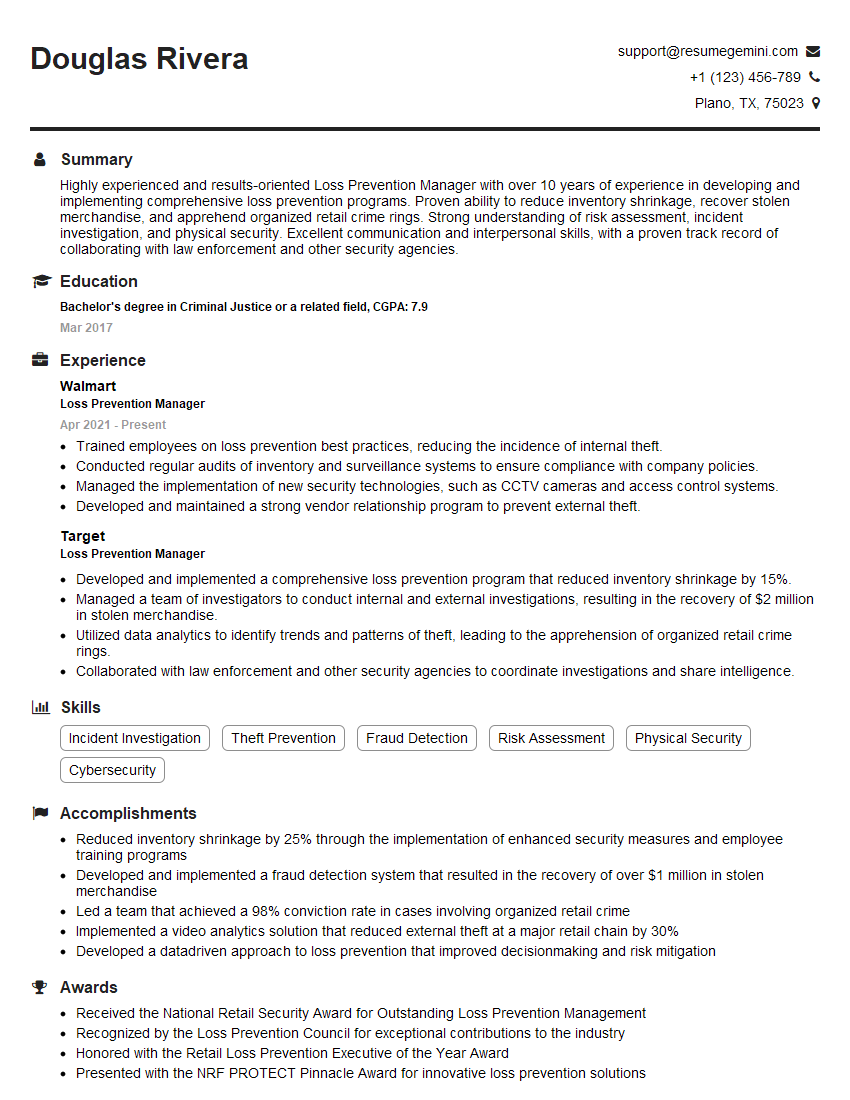
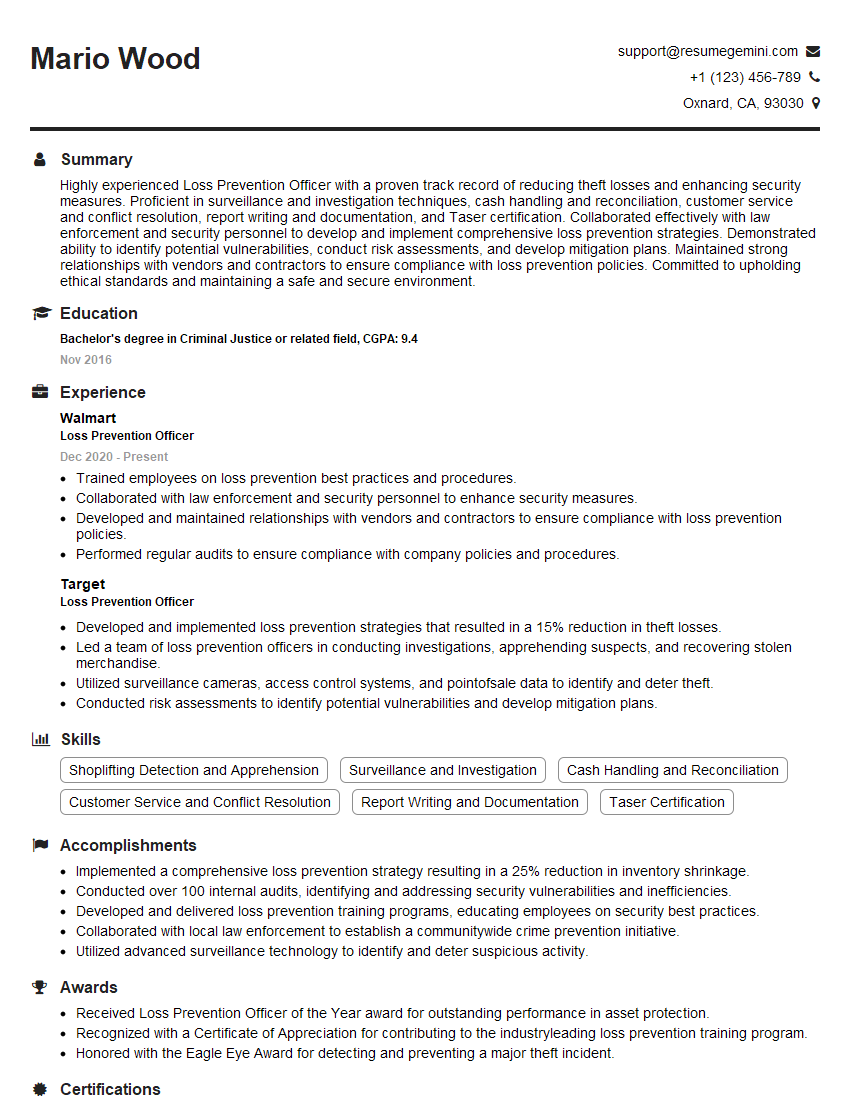
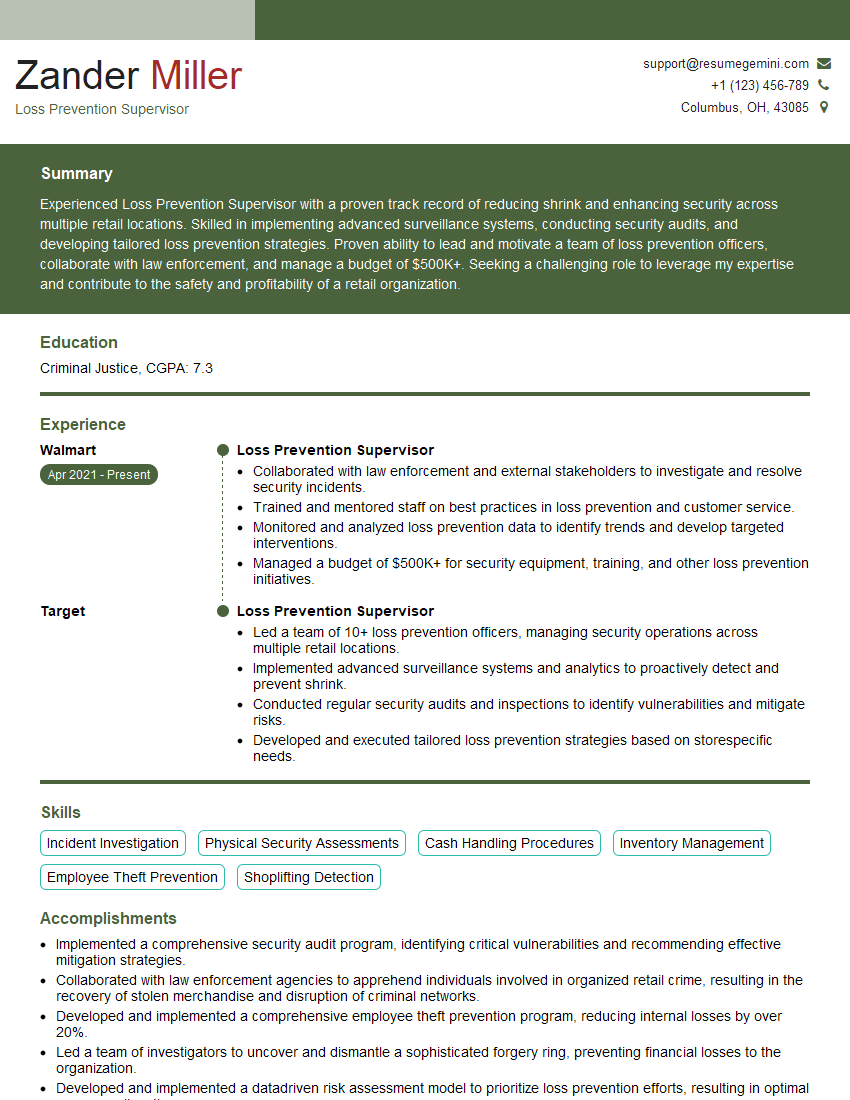
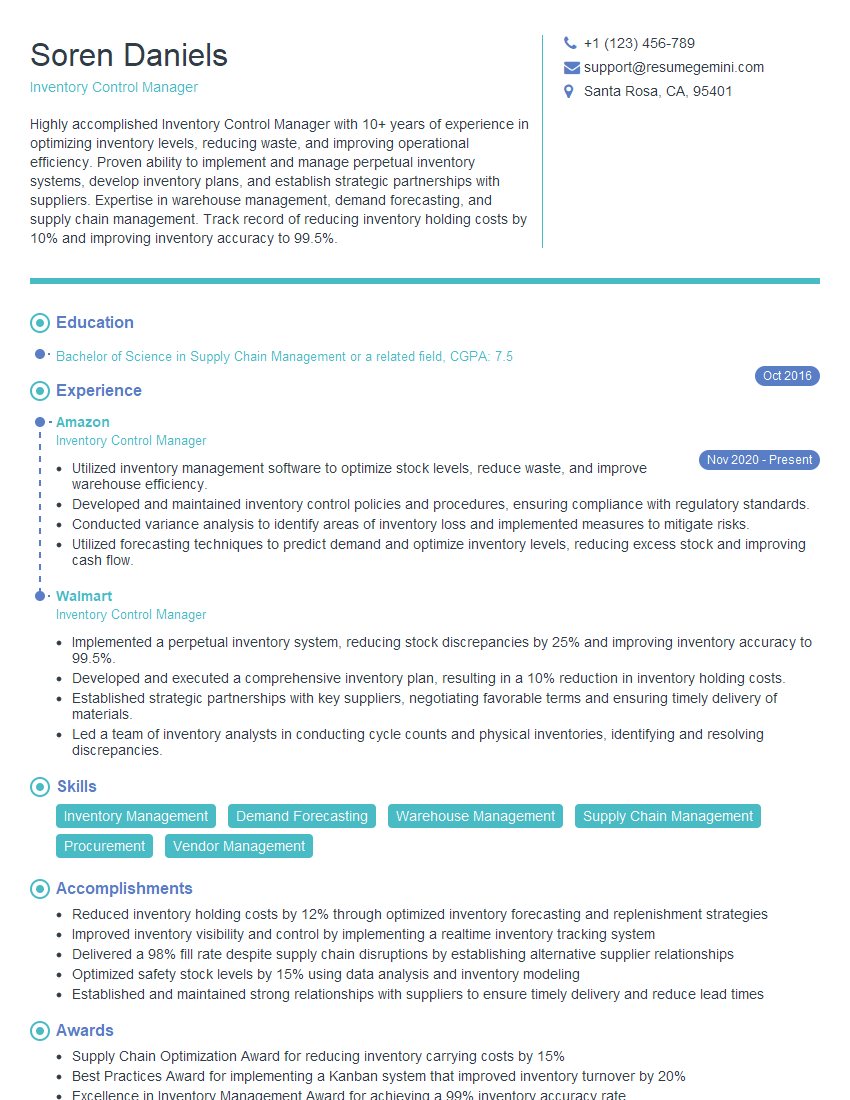
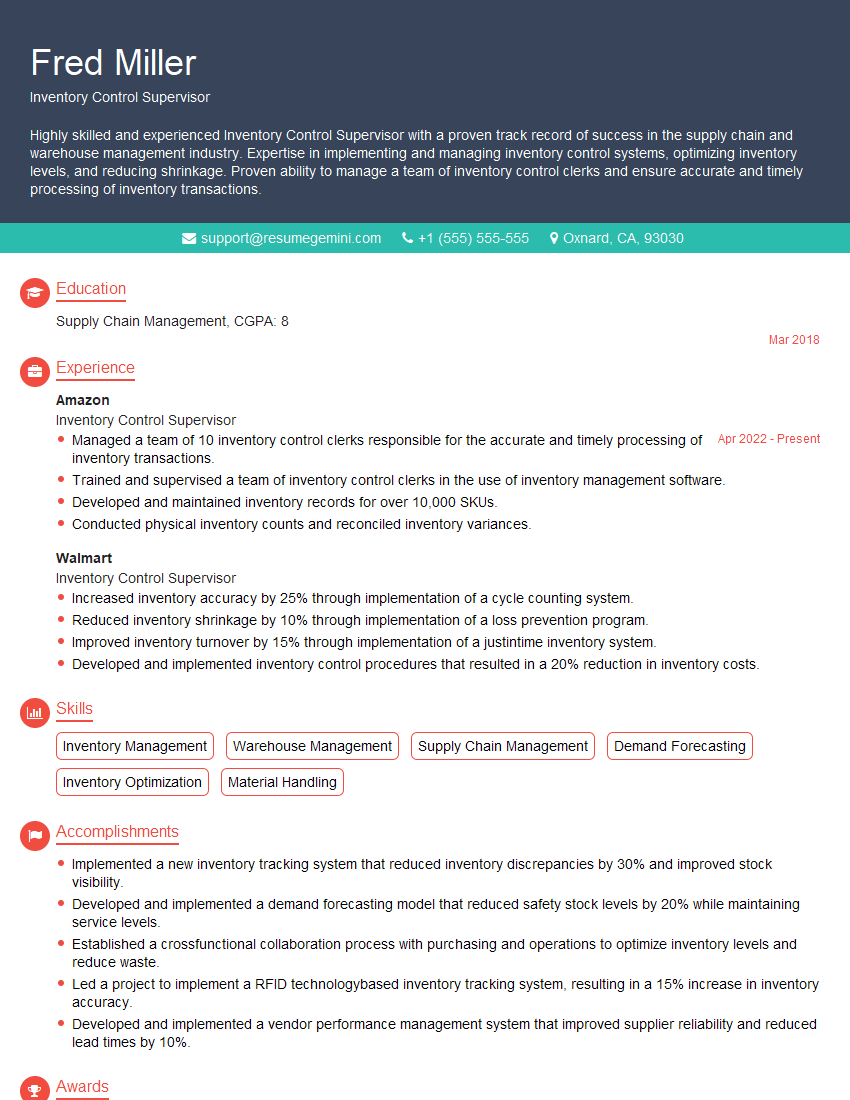
Mastering the concepts of shrinkage is crucial for career advancement in retail, supply chain, and logistics. A strong understanding of shrinkage prevention and mitigation demonstrates valuable analytical and problem-solving skills highly sought after by employers. To maximize your job prospects, focus on creating an ATS-friendly resume that highlights your relevant skills and experience. ResumeGemini is a trusted resource to help you build a professional and impactful resume. Examples of resumes tailored to Shrinkage roles are available to further guide your preparation.

Explore more articles
Users Rating of Our Blogs
Share Your Experience
We value your feedback! Please rate our content and share your thoughts (optional).
What Readers Say About Our Blog
Very informative content, great job.
good