Cracking a skill-specific interview, like one for Signage Design and Execution, requires understanding the nuances of the role. In this blog, we present the questions you’re most likely to encounter, along with insights into how to answer them effectively. Let’s ensure you’re ready to make a strong impression.
Questions Asked in Signage Design and Execution Interview
Q 1. Explain your experience with different signage materials (e.g., acrylic, aluminum, vinyl).
My experience with various signage materials is extensive, encompassing a wide range of applications based on project needs and client preferences. Let’s break down some key materials:
- Acrylic: Known for its clarity, durability, and versatility. I’ve used acrylic for everything from sleek, modern interior signage to eye-catching outdoor displays. Its ability to be cut and shaped precisely makes it ideal for intricate designs. For instance, I designed a series of illuminated acrylic menu boards for a high-end restaurant, leveraging its translucency to create a sophisticated and inviting ambiance.
- Aluminum: This material offers superior strength and weather resistance, making it a perfect choice for exterior signage. I often specify aluminum composite material (ACM) for large format signs due to its lightweight yet robust nature. Recently, I worked on a project where we needed signage that could withstand harsh coastal conditions; aluminum’s durability proved essential in that scenario.
- Vinyl: Vinyl is incredibly versatile and cost-effective. I use it frequently for vehicle wraps, window decals, and short-term promotional signage. Its flexibility allows for application to curved surfaces, and its wide range of colors and finishes offers extensive design possibilities. One project involved creating a vibrant vinyl wrap for a fleet of delivery trucks, boosting brand visibility and creating a unified image.
Material selection always involves considering factors such as budget, location, desired lifespan, and aesthetic requirements. My experience allows me to effectively advise clients on the optimal material for their specific signage needs.
Q 2. Describe your process for designing ADA-compliant signage.
Designing ADA-compliant signage is crucial for accessibility and inclusivity. My process starts with a thorough understanding of the Americans with Disabilities Act (ADA) Standards for Accessible Design. Key aspects I focus on include:
- Font Size and Style: I use clear, sans-serif fonts like Arial or Helvetica in sizes that meet ADA guidelines (generally a minimum of 1 inch high for lettering with specific requirements for spacing). I always consider contrast and readability.
- Tactile Characters: For braille signage, I ensure raised, embossed lettering is incorporated, meeting ADA specifications for both character size and spacing.
- Color Contrast: I carefully select color combinations that provide sufficient contrast between text and background for optimal visibility, particularly for individuals with low vision. This often involves using tools to check contrast ratios to meet ADA requirements.
- Placement and Height: Signage needs to be strategically placed at an appropriate height and location to ensure it’s easily accessible to everyone, taking wheelchair accessibility into account.
I employ various design software and templates to assist in adhering to the ADA standards. Throughout the design process, I consistently reference the ADA guidelines to ensure compliance.
Q 3. How do you ensure signage projects adhere to local building codes and regulations?
Adherence to local building codes and regulations is paramount in signage design and execution. My approach involves a multi-step process:
- Research and Identification: Before commencing any project, I thoroughly research and identify all applicable local building codes, zoning ordinances, and sign regulations pertaining to the project location. This may involve consulting city planning departments, reviewing local codes online, or engaging a code consultant if necessary.
- Design Integration: The design phase incorporates all code requirements from the outset. This includes considerations for sign size, height, setbacks, lighting, and material restrictions. I often create multiple design iterations to ensure compliance with all relevant regulations.
- Permitting and Approvals: I’m experienced in navigating the permit application process, preparing all necessary documentation and submitting it to the relevant authorities for review and approval. This often involves close communication with local inspectors to address any queries or concerns.
- Installation Compliance: During installation, I oversee the work to ensure strict adherence to all approved plans and building code requirements. This includes confirming sign placement, secure mounting, and adherence to all electrical and safety codes.
Understanding and complying with these regulations not only ensures legal compliance but also prevents costly delays and project rework.
Q 4. What software programs are you proficient in for signage design and production?
Proficiency in various software programs is essential for efficient and high-quality signage design and production. My skillset includes:
- Adobe Creative Suite (Photoshop, Illustrator, InDesign): These are my go-to programs for designing vector graphics, manipulating images, and creating layouts for a wide variety of signage applications. I use Illustrator heavily for creating scalable vector graphics, ensuring crisp, clear images at any size. InDesign helps with creating print-ready files for complex signage layouts.
- Adobe Acrobat Pro: For managing PDFs, creating interactive documents, and ensuring print-ready files are compliant with industry standards.
- Vectorworks: This CAD software is invaluable when working on projects requiring precise dimensions, 3D modeling, and integration with architectural designs. It’s especially helpful in planning large-scale signage installations.
- Sign-making specific software (e.g., Roland CutStudio): I’m familiar with software specific to various cutting and printing machines, enabling efficient production and minimizing errors.
My expertise in these programs allows me to create detailed, accurate, and visually compelling signage designs, ensuring a seamless transition to production.
Q 5. Describe your experience with different printing methods for signage (e.g., screen printing, digital printing).
My experience encompasses a range of printing methods, each suited to different applications and budgets:
- Screen Printing: Ideal for high-volume production of simple designs on durable materials. I’ve used it for projects requiring bold colors and a long-lasting finish, such as storefront signage or large exterior banners. While cost-effective for large runs, the setup costs can be higher for smaller quantities.
- Digital Printing: Offers unparalleled versatility and is my go-to method for most projects. It allows for intricate designs, full-color images, and variable data printing. This method is efficient for both small and large-scale projects and delivers quick turnarounds, which is often critical for time-sensitive projects. I use digital printing extensively for creating vehicle wraps, banners, and indoor/outdoor signage.
- Large Format Printing: Used for large-scale applications like billboards and banners. This usually involves high-resolution inkjet printers capable of handling wider materials. This is a common choice for high-impact outdoor advertising.
The choice of printing method is always a strategic decision that considers print quality, budget constraints, turnaround time, and the specific demands of the signage project.
Q 6. How do you manage a signage project budget and timeline?
Effective budget and timeline management is crucial for successful signage projects. My approach includes:
- Detailed Budgeting: I create a comprehensive budget that outlines all project costs, including materials, labor, permitting fees, design, printing, installation, and any potential unforeseen expenses. I work closely with clients to establish a budget that aligns with their expectations and financial limitations.
- Phased Approach: I use a phased approach to project management, breaking down the project into manageable stages with clearly defined timelines and deliverables. This facilitates better tracking of progress and allows for proactive adjustments if necessary.
- Regular Communication: Open and regular communication with clients is essential for keeping them informed about the project’s progress, addressing any issues, and making timely decisions.
- Project Management Software: I leverage project management tools to track tasks, deadlines, and resources. This helps in maintaining organization and ensuring the project stays on track.
- Contingency Planning: Building in a contingency buffer for potential delays or cost overruns is critical for mitigating risks and ensuring the project is completed successfully.
This methodical approach helps to ensure projects are delivered on time and within budget, maintaining client satisfaction.
Q 7. Explain your experience with color theory and its application to signage design.
Color theory plays a vital role in effective signage design. A strong understanding of color psychology and principles of color harmony enables me to create signage that is not only visually appealing but also effectively communicates the desired message and brand identity.
- Color Psychology: I use color psychology to evoke specific emotions and associations. For example, blue often conveys trust and stability, while red might represent urgency or excitement. The color selection is carefully considered to resonate with the target audience and the message’s purpose.
- Color Harmony: I apply principles of color harmony, such as complementary, analogous, or triadic color schemes, to create visually balanced and pleasing designs. This creates a cohesive and professional look.
- Color Contrast: Sufficient contrast between text and background is essential for readability and accessibility. I meticulously select color combinations that ensure optimal visibility, especially in high-traffic areas or in challenging lighting conditions.
- Brand Consistency: When designing signage for existing brands, I maintain brand consistency by using the company’s established color palette and guidelines. This ensures a unified and recognizable brand image.
My experience in applying color theory results in signage that is not only visually striking but also effectively communicates the intended message and strengthens brand identity.
Q 8. How do you incorporate branding guidelines into signage design?
Incorporating branding guidelines into signage design is paramount for maintaining brand consistency and maximizing visual impact. It’s more than just using the logo; it’s about translating the brand’s personality and values into the visual elements of the signage.
My approach involves a meticulous review of the client’s brand guidelines document. This document typically includes details on:
- Logo usage: Clear specifications on logo variations, minimum size, clear space, and acceptable color variations.
- Color palette: Primary, secondary, and accent colors, along with their respective hex codes or Pantone numbers for precise reproduction.
- Typography: Designated font families, weights, and sizes for headlines, body text, and other textual elements.
- Imagery and style: Brand photography style, illustration guidelines, and overall visual language.
- Voice and tone: While not directly visual, this informs the messaging and overall feel of the signage.
I then meticulously apply these guidelines throughout the design process, from initial sketches to final production files. For example, if a client has a specific Pantone color for their brand, I ensure that color is precisely matched during printing or fabrication. Any deviations are discussed and approved with the client beforehand. This ensures the signage perfectly reflects and reinforces the brand identity.
Q 9. Describe your approach to designing effective wayfinding signage systems.
Designing effective wayfinding signage systems requires a user-centric approach, prioritizing clarity, consistency, and ease of navigation. It’s about guiding people intuitively through a space.
My process begins with a thorough site analysis, mapping out the building or area and identifying key destinations. I consider factors like pedestrian flow, sightlines, and potential points of confusion. Then I develop a comprehensive signage plan, determining the type, size, location, and messaging for each sign.
Key elements of my approach include:
- Clear and concise messaging: Using simple language and avoiding jargon. Think ‘Restrooms’ instead of ‘Lavatories’.
- Consistent visual language: Maintaining a unified design style, including consistent typography, color palette, and iconography.
- Strategic placement: Positioning signs at appropriate intervals and sightlines, ensuring they are visible from a distance and easily readable.
- Hierarchical signage: Using different sizes and styles of signage to indicate levels of importance and guidance. Larger signs for major destinations, smaller signs for specific directions.
- Accessibility considerations: Adhering to ADA guidelines for font sizes, contrast ratios, and tactile signage where needed.
I often utilize digital mapping tools and prototyping to visualize the system before implementation, allowing for adjustments and refinement based on virtual walkthroughs. For example, I recently designed a wayfinding system for a large museum, using 3D modeling to simulate pedestrian routes and ensure optimal sign placement.
Q 10. How do you handle revisions and client feedback during a signage project?
Handling revisions and client feedback is a crucial part of the design process. It’s an iterative process that requires open communication and a collaborative spirit.
I establish a clear process for feedback from the outset. This usually involves:
- Regular check-ins: Scheduled meetings or calls to review progress and incorporate feedback.
- Version control: Maintaining organized versions of the design files, making it easy to track changes and revert if necessary.
- Detailed documentation: Keeping detailed records of revisions, including the reason for changes and client approvals.
- Constructive dialogue: Encouraging open communication and proactively addressing any concerns or questions.
- Presentation of options: Where possible, offering different design options to meet the client’s needs and preferences.
For example, if a client requests a change in the font, I’ll present a few alternative options along with their pros and cons, considering readability and brand consistency. I always prioritize client satisfaction while ensuring the design remains effective and visually appealing. This transparent approach fosters trust and ensures a successful project outcome.
Q 11. What are your preferred methods for prototyping signage designs?
Prototyping is essential for visualizing and refining signage designs before committing to production. My preferred methods are a combination of digital and physical prototypes.
Digital prototyping leverages software like Adobe Photoshop, Illustrator, and InDesign to create high-fidelity mockups. This allows for rapid iteration and easy adjustments based on client feedback.
Physical prototyping offers a more tangible representation of the final product. This can range from simple printouts and mockups using cardboard and foam board to more sophisticated 3D-printed models for complex signage. For example, for a curved LED sign, a 3D model helps visualize the curve and the spacing of the LEDs accurately before production. These physical prototypes are incredibly helpful for understanding scale, materials, and overall impact.
The choice of prototyping method depends on the project’s complexity and budget. Often, a combination of both approaches yields the best results, ensuring both a refined digital design and a realistic representation of the final physical product.
Q 12. Explain your experience with installing and maintaining different types of signage.
My experience spans various signage types and installation methods. I’m proficient in installing and maintaining:
- Interior signage: This includes wall-mounted signs, floor graphics, hanging signs, and point-of-sale displays. Installation often involves careful measurements, adhesive application, and securing the signs to ensure stability and longevity.
- Exterior signage: This encompasses larger-scale signage such as building facades, pylons, and monument signs. This often requires specialized equipment and knowledge of local building codes and permits.
- Digital signage: This involves the installation and maintenance of LED displays, LCD screens, and interactive kiosks, requiring expertise in electronics, networking, and content management systems.
Maintenance procedures vary depending on the signage material and location. Regular cleaning, repainting (where necessary), and ensuring proper lighting functionality are essential for maintaining the signs’ appearance and effectiveness. For digital signage, this also includes regular software updates, content refresh, and troubleshooting any technical issues. I always prioritize safety during installation and maintenance, adhering to all relevant safety guidelines and regulations.
Q 13. How familiar are you with various sign illumination methods (e.g., LED, neon)?
I’m highly familiar with various sign illumination methods, understanding their respective advantages and disadvantages. My experience encompasses:
- LED (Light Emitting Diode): LED lighting is energy-efficient, long-lasting, and offers a wide range of color options. I’m experienced in selecting the appropriate LED type (e.g., SMD, COB) and configurations to achieve the desired brightness and uniformity.
- Neon: Neon lighting provides a distinct, vibrant glow, often used for retro or eye-catching signage. However, it is less energy-efficient and more fragile than LED.
- Fluorescent: Fluorescent lighting is more energy-efficient than neon but less so than LED, and is being phased out in many applications due to mercury content.
- Halo lighting: This creates an illuminated outline around the sign, enhancing its visibility.
The choice of illumination method depends on factors like budget, desired aesthetic, energy efficiency requirements, and the signage’s location and environment. For example, for an outdoor sign exposed to harsh weather conditions, I would likely recommend LED lighting for its durability and energy efficiency.
Q 14. Describe your experience with project management software and its use in signage projects.
I’m proficient in using various project management software, integrating them seamlessly into my signage design and execution workflow. My experience includes using software like:
- Asana: For task management, collaboration, and tracking project progress.
- Trello: For visualizing workflows and managing tasks in a visual, Kanban-style board.
- Monday.com: For centralizing project information, team communication, and progress tracking.
These tools are invaluable for managing multiple projects simultaneously, tracking deadlines, assigning tasks, facilitating communication with clients and vendors, and maintaining organized project documentation. For instance, I use Asana to create detailed timelines for signage projects, assign tasks to team members (designers, fabricators, installers), and track the completion status of each task. This ensures projects are completed on time and within budget while fostering seamless collaboration.
Q 15. How do you ensure consistency and quality control throughout a signage project?
Maintaining consistency and quality control in signage projects is paramount. It’s like baking a cake – you need a precise recipe and meticulous execution. We achieve this through a multi-stage process. First, a comprehensive design brief is created, acting as our recipe. This document outlines every detail, from fonts and colors to material specifications and dimensions. Secondly, we utilize a robust digital asset management system to ensure everyone involved has access to the most up-to-date approved designs and specifications. This prevents discrepancies and ensures all elements align perfectly. Third, rigorous quality checks are implemented at each stage: design review, material sourcing, production, and installation. This could include visual inspections, quality control checklists, and even mock-ups to catch potential errors early. Finally, post-installation inspections are conducted to ensure the signage meets our standards and the client’s expectations. Imagine a restaurant chain; consistent branding is crucial. Our process guarantees that each location displays signage that’s identical in style, color, and quality, maintaining a cohesive brand identity.
Career Expert Tips:
- Ace those interviews! Prepare effectively by reviewing the Top 50 Most Common Interview Questions on ResumeGemini.
- Navigate your job search with confidence! Explore a wide range of Career Tips on ResumeGemini. Learn about common challenges and recommendations to overcome them.
- Craft the perfect resume! Master the Art of Resume Writing with ResumeGemini’s guide. Showcase your unique qualifications and achievements effectively.
- Don’t miss out on holiday savings! Build your dream resume with ResumeGemini’s ATS optimized templates.
Q 16. What are your preferred methods for sourcing signage materials and vendors?
Sourcing materials and vendors requires careful consideration. It’s about finding the right balance between quality, cost, and reliability. We typically begin by creating a shortlist of potential vendors based on reputation, experience, and their ability to meet our specific needs. This involves reviewing online portfolios, seeking recommendations, and conducting thorough due diligence. For example, if we need high-quality, durable materials for exterior signage, we’d specifically target vendors specializing in weather-resistant materials like aluminum composite or acrylic. Direct communication with vendors is critical. We provide them with detailed specifications and request samples to assess quality and color accuracy. This ensures we avoid costly mistakes and delays. We then assess their production capabilities and delivery times. Choosing the right vendor is like choosing the right ingredients for that cake. The wrong choice can ruin the whole project. Ultimately, ongoing communication and fostering strong vendor relationships are crucial for a successful project.
Q 17. How do you address potential challenges related to signage installation in challenging environments?
Challenging installation environments, such as high-rise buildings or areas with limited access, demand meticulous planning and safety protocols. Think of it as a complex puzzle that requires careful consideration. We start with a thorough site survey to identify potential obstacles – things like structural limitations, electrical lines, or safety regulations. We then develop a comprehensive installation plan that addresses these challenges. This might involve specialized equipment, such as cherry pickers or scaffolding, along with detailed safety procedures to ensure the well-being of our team. For example, installing signage on a busy highway requires permits, traffic control measures, and close coordination with local authorities. We employ experienced and certified installers who are adept at handling such situations. Safety is our absolute priority; we’d never compromise on it.
Q 18. Describe your experience with permit acquisition and compliance for signage installations.
Permit acquisition and compliance are integral parts of our process. It’s like navigating a regulatory maze, requiring patience and detailed knowledge. Before commencing any installation, we conduct thorough research to determine the specific permits required by the local authority. This involves consulting zoning regulations, building codes, and other relevant guidelines. We then prepare and submit all necessary documentation, including detailed design plans, site surveys, and safety assessments. We maintain excellent relationships with local authorities to streamline the process. We even proactively address potential issues to prevent delays. For example, if the proposed signage exceeds height restrictions, we’d work collaboratively with the council to explore alternative solutions that comply with regulations. Our experience in successfully navigating this process is a testament to our commitment to compliance and minimizing project disruptions.
Q 19. How do you balance aesthetics and functionality in signage design?
Balancing aesthetics and functionality is crucial. It’s like designing a beautiful, yet practical piece of furniture. The design should be visually appealing and capture attention, but it must also effectively communicate the intended message. We achieve this by using a combination of design principles and practical considerations. We start by clearly defining the purpose of the signage and the target audience. For example, a directional sign needs to be highly visible and easy to understand, while a corporate logo sign needs to be aesthetically pleasing and reflect the company’s brand identity. We then use appropriate materials, fonts, and colors to create a design that is both attractive and functional. Consider the use of high-contrast colors for better readability or strategically placed lighting to enhance visibility. The goal is to ensure the signage is both a visual asset and a practical tool.
Q 20. How do you ensure signage is visually appealing and effective across different demographics?
Creating visually appealing and effective signage across different demographics requires careful consideration of cultural nuances, language, and visual literacy. Imagine designing signage for a diverse city – you’d need to be sensitive to the variety of languages and cultural interpretations. We conduct thorough market research to understand the cultural background and preferences of the target demographics. We might use universal symbols alongside text, ensure multilingual support where necessary, and select fonts and colors that are culturally appropriate. We also consider the cognitive abilities of the target audience. For example, using simple, clear language and avoiding cluttered designs are important considerations. A/B testing different design elements can help determine the effectiveness of our designs and ensure optimal clarity and impact across all segments.
Q 21. Describe your experience with 3D design software and its application to signage creation.
3D design software is indispensable in our workflow. It’s like having a virtual workshop where we can build and refine our designs before physical production. We extensively use software like SketchUp, Rhino, or Blender. These tools allow us to create realistic 3D models of signage, experiment with different materials and finishes, and visualize the final product in its environment before manufacturing. This dramatically reduces errors and ensures the client has a clear understanding of the final product. For example, we can simulate how lighting will interact with the signage, adjust angles for optimal visibility, and even generate photorealistic renderings for client presentations. This process allows for improved collaboration, reduced costs associated with design revisions, and enhanced client satisfaction.
Q 22. How familiar are you with different types of digital signage technology and their applications?
My familiarity with digital signage technology is extensive. I’ve worked with a wide range of solutions, from simple LCD screens to complex LED video walls and interactive kiosks. Understanding the nuances of each technology is crucial for effective design and implementation. Let’s categorize some key types:
- LCD Screens: These are common, relatively inexpensive, and suitable for static or simple dynamic content. I’ve used these extensively in retail environments for displaying promotions.
- LED Video Walls: These offer high brightness and resolution, ideal for large-scale displays in public spaces, stadiums, or corporate lobbies. A recent project involved designing a dynamic LED wall showcasing real-time stock market data for a financial institution.
- Interactive Kiosks: These provide a touch-screen interface, allowing users to engage directly with information. I’ve designed interactive kiosks for museums, providing visitors with detailed exhibit information and wayfinding capabilities.
- Digital Signage Software Platforms: These are the brains behind the operation, managing content scheduling, playback, and remote management. I’m proficient with various platforms, including [mention specific platforms like Scala, BrightSign, etc.], allowing me to tailor the solution to the client’s needs and budget.
The application of each technology depends heavily on the specific project requirements – the location, target audience, message, and budget all play a significant role in determining the most appropriate solution.
Q 23. Explain your experience designing interactive or dynamic signage.
Designing interactive and dynamic signage requires a deep understanding of user experience (UX) and the capabilities of the chosen technology. My approach involves several key steps:
- Understanding User Needs: I begin by carefully analyzing the target audience and their needs. What information are they seeking? How can the signage improve their experience?
- Content Strategy: The content itself must be engaging and relevant. This might involve incorporating animations, videos, interactive games, or user-generated content.
- Interactive Elements: I leverage touchscreens, motion sensors, or even augmented reality (AR) technologies to create truly interactive experiences. For example, I once designed a museum kiosk that used AR to overlay 3D models of historical artifacts onto a visitor’s phone screen when they pointed it at a specific exhibit.
- Usability Testing: Before finalizing the design, rigorous usability testing is essential to ensure the signage is intuitive and effective. This might involve user interviews and A/B testing different design elements.
The result is a signage solution that’s not just visually appealing but also actively engages users and achieves the desired outcomes. For instance, interactive wayfinding kiosks can significantly improve visitor experience in a large building, while dynamic pricing displays in a retail setting can boost sales.
Q 24. How do you stay current with the latest trends and technologies in signage design and execution?
Staying current in this rapidly evolving field requires a multifaceted approach:
- Industry Publications and Websites: I regularly read trade publications and follow industry-leading websites to stay informed about the latest technologies, design trends, and best practices.
- Conferences and Trade Shows: Attending industry conferences and trade shows allows me to network with other professionals, learn about new products, and see the latest innovations in action.
- Online Courses and Webinars: I actively participate in online courses and webinars to enhance my skills and knowledge in specific areas, such as advanced animation techniques or data visualization for signage.
- Professional Organizations: Membership in professional organizations provides access to valuable resources, networking opportunities, and continuing education.
This proactive approach ensures I’m always at the forefront of the latest trends and technologies, enabling me to deliver innovative and effective signage solutions for my clients.
Q 25. What is your experience with sustainability considerations in signage design and production?
Sustainability is a core consideration in my design process. I strive to minimize the environmental impact of signage projects throughout their lifecycle, from material selection to disposal. My strategies include:
- Eco-Friendly Materials: I prioritize the use of recycled and recyclable materials, such as recycled aluminum or sustainably sourced wood, wherever possible.
- Energy-Efficient Technology: I select energy-efficient displays and lighting solutions, reducing energy consumption and operational costs. LED technology, for instance, offers significantly lower energy usage compared to traditional fluorescent lighting.
- Reduced Waste: I carefully plan the design and production process to minimize material waste. This often involves using digital prototyping and efficient manufacturing techniques.
- Long-Term Durability: Designing for longevity reduces the need for frequent replacements, minimizing the overall environmental impact. Proper material selection and robust construction are crucial here.
By incorporating these sustainable practices, I contribute to a more environmentally responsible approach to signage design and production, aligning with the growing demand for eco-conscious solutions.
Q 26. How do you handle conflicts or disagreements with clients or contractors?
Conflict resolution is a vital skill in any collaborative project. My approach is based on open communication, active listening, and a collaborative spirit. I aim to understand all perspectives before proposing solutions.
- Open Communication: I encourage open and honest communication with clients and contractors throughout the project. Regular meetings and transparent updates prevent misunderstandings from escalating.
- Active Listening: I actively listen to all parties involved, seeking to understand their concerns and perspectives before offering solutions. This demonstrates respect and builds trust.
- Collaborative Problem-Solving: I foster a collaborative environment, working with all parties to find mutually agreeable solutions. This might involve brainstorming, compromise, or seeking expert advice.
- Documentation: Maintaining detailed documentation throughout the project helps to clarify expectations and resolve disagreements efficiently.
By prioritizing communication and collaboration, I aim to resolve conflicts effectively and maintain positive working relationships with clients and contractors.
Q 27. Explain your approach to troubleshooting and resolving issues during signage installations.
Troubleshooting during signage installations requires a systematic approach and a deep understanding of the technology involved. My strategy involves:
- Systematic Diagnosis: I begin by systematically checking all aspects of the system, starting with the simplest elements (power, connections) and progressing to more complex components (software, network).
- Testing and Verification: I conduct thorough testing at each stage to identify the root cause of the problem. This might involve checking signal strength, verifying software configurations, or testing individual hardware components.
- Documentation and Record Keeping: I meticulously document all troubleshooting steps, including observations, tests conducted, and solutions implemented. This aids in future problem-solving and prevents recurrence.
- Remote Diagnostics: For many digital signage systems, remote diagnostics are possible, allowing me to troubleshoot issues remotely and minimizing downtime.
- Collaboration and Expertise: If necessary, I collaborate with other specialists or the technology provider to obtain expert support.
This methodical approach ensures that issues are resolved efficiently, minimizing disruption and ensuring client satisfaction.
Q 28. Describe a challenging signage project and how you successfully overcame the obstacles.
One challenging project involved installing a large-scale LED video wall in a busy shopping mall during peak holiday season. The biggest challenge was the tight deadline and the high foot traffic in the installation area. The limited access, combined with the complexity of the LED wall setup, posed significant logistical hurdles.
Obstacles: We faced unexpected delays due to the need for additional structural support for the heavy LED wall. The high foot traffic also made careful planning and execution crucial to ensure safety and avoid disruptions to mall operations.
Solution: To overcome these challenges, I implemented a phased installation plan, working during off-peak hours to minimize disruption. I also closely coordinated with the mall management and construction crews to ensure smooth logistics. We used specialized lifting equipment and additional safety measures to ensure the safety of the installation team and the public. Open and constant communication with the client kept them informed and minimized anxieties. Through meticulous planning and proactive problem-solving, we successfully completed the project on time and within budget, resulting in a stunning visual centerpiece for the mall.
Key Topics to Learn for Signage Design and Execution Interview
- Design Principles & Theory: Understanding principles like typography, color theory, visual hierarchy, and Gestalt principles as applied to signage. Consider how these principles impact readability and effectiveness at various distances and viewing angles.
- Material Selection & Fabrication: Knowledge of various signage materials (e.g., acrylic, aluminum, vinyl, wood) and their appropriate applications. Discuss factors like durability, weather resistance, cost-effectiveness, and installation methods.
- Production & Printing Techniques: Familiarity with different printing methods (e.g., digital printing, screen printing, large-format printing) and their suitability for various signage types and design requirements. Understanding print resolutions and color profiles is crucial.
- Regulatory Compliance & Permits: Awareness of local building codes, zoning regulations, and permitting processes related to signage installation. Discuss considerations like size restrictions, lighting requirements, and visibility standards.
- Project Management & Budgeting: Experience in managing signage projects, including timelines, budgets, client communication, and resource allocation. Demonstrating proficiency in project planning and execution is vital.
- Accessibility & Inclusivity: Understanding design considerations for accessibility, such as using clear and concise fonts, appropriate color contrast, and braille or tactile elements where needed.
- Software Proficiency: Demonstrate familiarity with relevant design software (e.g., Adobe Illustrator, Photoshop, CorelDRAW, AutoCAD) and their application in creating and preparing signage files for production.
- Problem-Solving & Troubleshooting: Be prepared to discuss instances where you’ve overcome design challenges, production issues, or client feedback. Highlight your problem-solving skills and creative solutions.
Next Steps
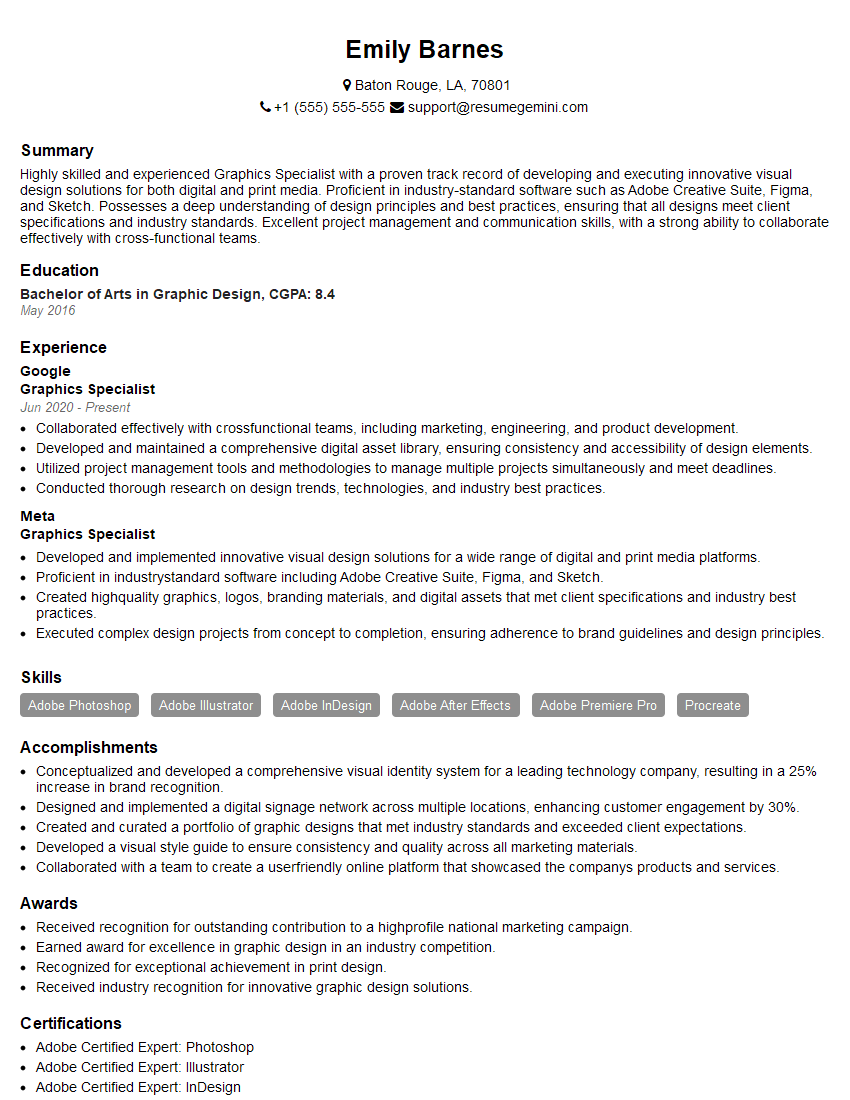
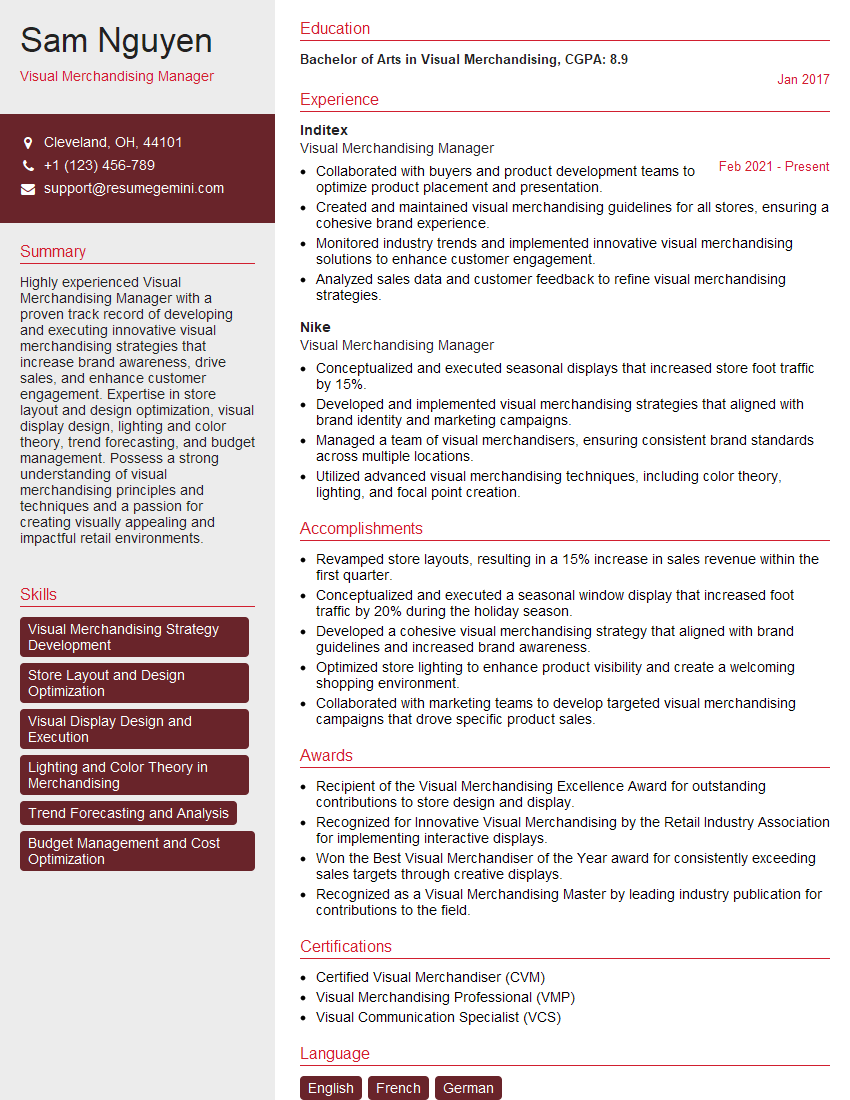
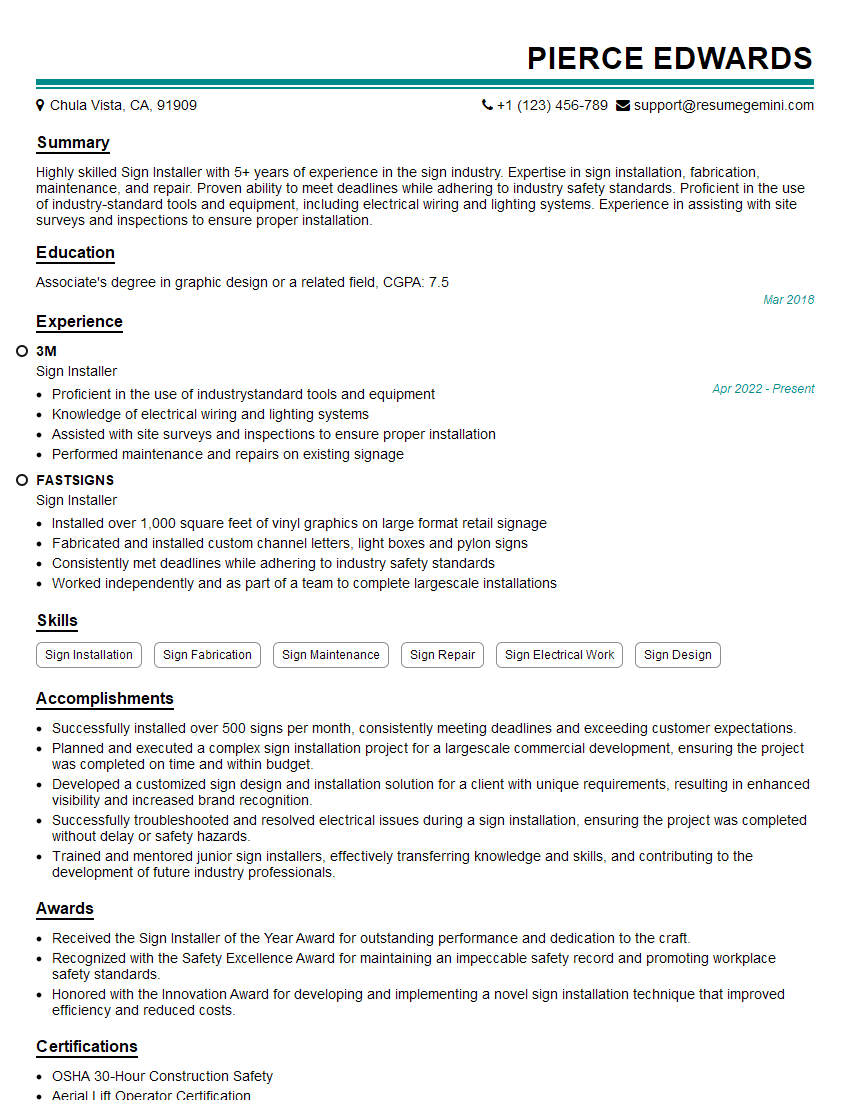
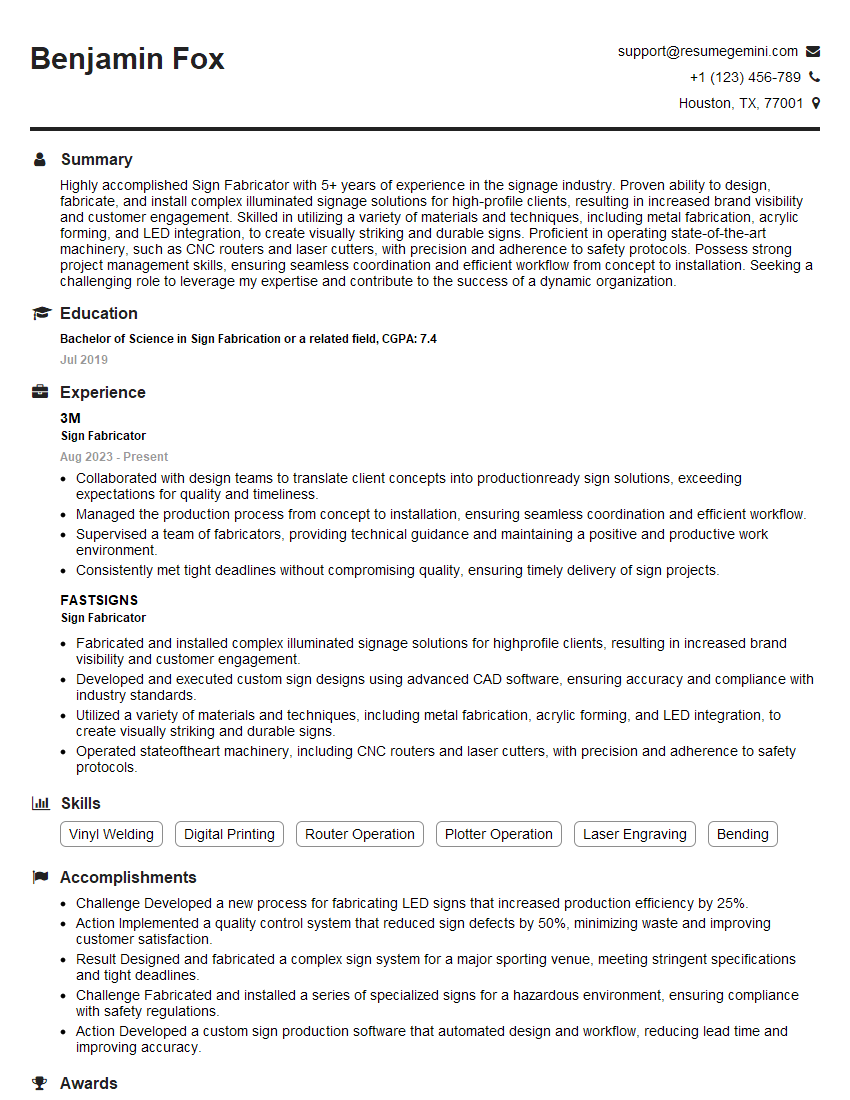
Mastering Signage Design and Execution opens doors to exciting career opportunities in a dynamic field. To maximize your job prospects, it’s essential to present your skills and experience effectively through a well-crafted resume. An ATS-friendly resume is key to getting noticed by recruiters and hiring managers. We highly recommend using ResumeGemini to build a professional and impactful resume that highlights your unique qualifications. ResumeGemini provides examples of resumes tailored to Signage Design and Execution, allowing you to showcase your skills and experience in the best possible light. Take control of your career trajectory and create the resume that lands you your dream job.
Explore more articles
Users Rating of Our Blogs
Share Your Experience
We value your feedback! Please rate our content and share your thoughts (optional).
What Readers Say About Our Blog
Attention music lovers!
Wow, All the best Sax Summer music !!!
Spotify: https://open.spotify.com/artist/6ShcdIT7rPVVaFEpgZQbUk
Apple Music: https://music.apple.com/fr/artist/jimmy-sax-black/1530501936
YouTube: https://music.youtube.com/browse/VLOLAK5uy_noClmC7abM6YpZsnySxRqt3LoalPf88No
Other Platforms and Free Downloads : https://fanlink.tv/jimmysaxblack
on google : https://www.google.com/search?q=22+AND+22+AND+22
on ChatGPT : https://chat.openai.com?q=who20jlJimmy20Black20Sax20Producer
Get back into the groove with Jimmy sax Black
Best regards,
Jimmy sax Black
www.jimmysaxblack.com
Hi I am a troller at The aquatic interview center and I suddenly went so fast in Roblox and it was gone when I reset.
Hi,
Business owners spend hours every week worrying about their website—or avoiding it because it feels overwhelming.
We’d like to take that off your plate:
$69/month. Everything handled.
Our team will:
Design a custom website—or completely overhaul your current one
Take care of hosting as an option
Handle edits and improvements—up to 60 minutes of work included every month
No setup fees, no annual commitments. Just a site that makes a strong first impression.
Find out if it’s right for you:
https://websolutionsgenius.com/awardwinningwebsites
Hello,
we currently offer a complimentary backlink and URL indexing test for search engine optimization professionals.
You can get complimentary indexing credits to test how link discovery works in practice.
No credit card is required and there is no recurring fee.
You can find details here:
https://wikipedia-backlinks.com/indexing/
Regards
NICE RESPONSE TO Q & A
hi
The aim of this message is regarding an unclaimed deposit of a deceased nationale that bears the same name as you. You are not relate to him as there are millions of people answering the names across around the world. But i will use my position to influence the release of the deposit to you for our mutual benefit.
Respond for full details and how to claim the deposit. This is 100% risk free. Send hello to my email id: lukachachibaialuka@gmail.com
Luka Chachibaialuka
Hey interviewgemini.com, just wanted to follow up on my last email.
We just launched Call the Monster, an parenting app that lets you summon friendly ‘monsters’ kids actually listen to.
We’re also running a giveaway for everyone who downloads the app. Since it’s brand new, there aren’t many users yet, which means you’ve got a much better chance of winning some great prizes.
You can check it out here: https://bit.ly/callamonsterapp
Or follow us on Instagram: https://www.instagram.com/callamonsterapp
Thanks,
Ryan
CEO – Call the Monster App
Hey interviewgemini.com, I saw your website and love your approach.
I just want this to look like spam email, but want to share something important to you. We just launched Call the Monster, a parenting app that lets you summon friendly ‘monsters’ kids actually listen to.
Parents are loving it for calming chaos before bedtime. Thought you might want to try it: https://bit.ly/callamonsterapp or just follow our fun monster lore on Instagram: https://www.instagram.com/callamonsterapp
Thanks,
Ryan
CEO – Call A Monster APP
To the interviewgemini.com Owner.
Dear interviewgemini.com Webmaster!
Hi interviewgemini.com Webmaster!
Dear interviewgemini.com Webmaster!
excellent
Hello,
We found issues with your domain’s email setup that may be sending your messages to spam or blocking them completely. InboxShield Mini shows you how to fix it in minutes — no tech skills required.
Scan your domain now for details: https://inboxshield-mini.com/
— Adam @ InboxShield Mini
support@inboxshield-mini.com
Reply STOP to unsubscribe
Hi, are you owner of interviewgemini.com? What if I told you I could help you find extra time in your schedule, reconnect with leads you didn’t even realize you missed, and bring in more “I want to work with you” conversations, without increasing your ad spend or hiring a full-time employee?
All with a flexible, budget-friendly service that could easily pay for itself. Sounds good?
Would it be nice to jump on a quick 10-minute call so I can show you exactly how we make this work?
Best,
Hapei
Marketing Director
Hey, I know you’re the owner of interviewgemini.com. I’ll be quick.
Fundraising for your business is tough and time-consuming. We make it easier by guaranteeing two private investor meetings each month, for six months. No demos, no pitch events – just direct introductions to active investors matched to your startup.
If youR17;re raising, this could help you build real momentum. Want me to send more info?
Hi, I represent an SEO company that specialises in getting you AI citations and higher rankings on Google. I’d like to offer you a 100% free SEO audit for your website. Would you be interested?
Hi, I represent an SEO company that specialises in getting you AI citations and higher rankings on Google. I’d like to offer you a 100% free SEO audit for your website. Would you be interested?