Preparation is the key to success in any interview. In this post, we’ll explore crucial Single Minute Exchange of Die (SMED) interview questions and equip you with strategies to craft impactful answers. Whether you’re a beginner or a pro, these tips will elevate your preparation.
Questions Asked in Single Minute Exchange of Die (SMED) Interview
Q 1. Define SMED and explain its core principles.
SMED, or Single Minute Exchange of Die, is a lean manufacturing methodology focused on drastically reducing the time required to change over equipment between production runs. Its core principles revolve around minimizing downtime and maximizing efficiency. This is achieved by transforming long, complex changeovers into streamlined, highly efficient processes. Think of it like a pit crew changing tires on a race car – every second counts!
- Separate Internal and External Activities: This crucial principle divides changeover tasks into those that can be done *while* the machine is running (external) and those that require the machine to be stopped (internal).
- Convert Internal to External: The primary goal is to shift as many internal activities as possible to external ones, thus minimizing downtime.
- Streamline and Simplify: Every step of the changeover process should be meticulously analyzed and simplified, eliminating unnecessary actions, and using standard tools and techniques.
- Continuous Improvement (Kaizen): SMED is not a one-time project but an ongoing process of refinement and improvement, constantly seeking to reduce changeover times further.
Q 2. Describe the difference between internal and external SMED activities.
The difference between internal and external SMED activities lies in whether they can be performed while the machine is running. Internal activities require the machine to be stopped, representing wasted time and lost production. Examples include physically removing and installing a die, adjusting machine settings, and cleaning critical components. External activities, on the other hand, can be performed while the machine is still running, significantly reducing downtime. This could include preparing tools and materials, pre-setting die adjustments, or performing preventative maintenance during a scheduled production break.
Consider a bottling plant changing from producing orange juice to apple juice. Internal activities would be disassembling the orange juice nozzle and installing the apple juice nozzle while the bottling line is stopped. External activities could be cleaning the final rinse area, preparing the apple juice concentrate, and pre-setting the filling level control during the run of the last batch of orange juice.
Q 3. Explain the 5S methodology and its role in SMED implementation.
The 5S methodology (Sort, Set in Order, Shine, Standardize, Sustain) is an integral part of successful SMED implementation. It provides the foundation for a clean, organized, and efficient work environment, which is crucial for reducing changeover times. Let’s break it down:
- Sort (Seiri): Eliminate unnecessary items from the workspace. This creates space and reduces clutter, making it easier to find and use necessary tools.
- Set in Order (Seiton): Organize remaining items so they are easily accessible. Proper storage and labeling ensures that tools and materials are readily available during the changeover.
- Shine (Seiso): Clean the workspace regularly. A clean environment reduces the risk of equipment malfunctions and improves overall safety.
- Standardize (Seiketsu): Establish procedures and standards for each step of the changeover process. This creates consistency and predictability, minimizing errors and variation.
- Sustain (Shitsuke): Maintain the 5S standards through continuous monitoring and improvement. Regular audits and employee training are essential to ensure the system remains effective.
Without 5S, the SMED process could be chaotic, with tools misplaced, areas dirty, and procedures inconsistent. 5S lays the groundwork for smoother and faster changeovers.
Q 4. How do you identify and prioritize SMED improvement opportunities?
Identifying and prioritizing SMED improvement opportunities starts with data collection. We need to accurately measure current changeover times, breaking them down into individual steps. Tools like time studies and video recording can be immensely helpful. This information is then analyzed to identify the most time-consuming steps. A Pareto chart can visually represent this data, showcasing the ‘vital few’ steps that contribute to the majority of the total changeover time. Prioritization focuses on those ‘vital few’ activities, as tackling them first will deliver the most significant improvements.
For example, if we find that cleaning the machine accounts for 60% of the total changeover time, that’s where we’ll focus our initial SMED efforts. We might explore implementing better cleaning techniques or using quick-release fittings to reduce cleaning time.
Q 5. What are some common challenges encountered during SMED implementation?
SMED implementation can face several challenges:
- Resistance to Change: Employees may resist new methods and procedures, fearing job loss or increased workload. Addressing these concerns through thorough training and clear communication is crucial.
- Lack of Management Support: Effective SMED implementation requires commitment and resources from management. Without their support, it’s unlikely to succeed.
- Inadequate Training: Proper training is essential to ensure employees understand and can execute the new procedures. Improper training can lead to errors and even safety issues.
- Insufficient Resources: Implementing SMED may require new tools, equipment, or training materials. Securing these resources in advance is critical.
- Measuring Success: Accurate measurement of changeover times is critical for tracking progress and demonstrating success. Inconsistent data collection can lead to poor decision making.
Q 6. How do you measure the effectiveness of SMED improvements?
Measuring the effectiveness of SMED improvements is straightforward: measure changeover times before and after the implementation of improvements. This comparison quantifies the reduction in downtime. Key metrics include:
- Changeover Time Reduction: This is the primary measure, showing the decrease in the total time required for changeover.
- OEE (Overall Equipment Effectiveness): This holistic measure incorporates availability, performance, and quality, reflecting the overall improvement in production efficiency.
- Production Output: Increased production after SMED implementation indicates improved efficiency.
- Defect Rate: Monitor change in defect rate to check if the streamlined process has improved quality.
- Employee Feedback: Gather feedback from operators to assess usability, safety, and satisfaction with the new processes.
These metrics should be tracked consistently to monitor progress and identify areas needing further improvement. Regularly reviewing these metrics allows for ongoing adjustments and optimization.
Q 7. Describe your experience with value stream mapping in relation to SMED.
Value Stream Mapping (VSM) is an excellent tool for identifying opportunities for SMED improvement. A VSM visually represents the entire process flow, highlighting areas of waste and inefficiency. By mapping the changeover process, we can pinpoint bottlenecks and non-value-added activities that can be eliminated or reduced. This allows us to strategically focus SMED efforts on the areas that will deliver the greatest impact.
In my experience, I’ve used VSM to identify areas where internal activities were needlessly consuming time. For instance, one project involved a packaging line where a significant portion of the changeover time was spent manually adjusting settings. The VSM clearly highlighted this bottleneck. Through SMED implementation, we were able to automate some of the adjustments, reducing the changeover time and increasing overall efficiency.
Q 8. How do you involve operators in the SMED process?
Operator involvement is crucial for successful SMED implementation. They possess invaluable knowledge about the process, identifying bottlenecks and suggesting improvements that management might overlook. Think of it like this: they’re the mechanics working on the car; they know best what needs adjusting.
- Early Engagement: Involve operators from the very beginning of the SMED project, during the initial assessment and planning phases. This helps foster a sense of ownership and buy-in.
- Active Participation: Encourage operators to participate in brainstorming sessions, kaizen events, and the actual implementation of SMED improvements. Their hands-on experience translates into practical, efficient solutions.
- Training and Skill Development: Provide thorough training on the new processes and techniques. Empowered operators are more likely to embrace change.
- Feedback Mechanisms: Establish regular feedback channels to address concerns, capture lessons learned, and ensure continuous improvement. This could be through daily briefings, suggestion boxes, or formal review meetings.
- Recognition and Rewards: Acknowledge and reward operators’ contributions to boost motivation and reinforce positive behavior. A simple ‘thank you’ goes a long way; formal recognition is even better.
For instance, in a previous project involving a packaging line, we formed a team of operators, engineers, and management. The operators played a critical role in identifying a quicker way to change the packaging film rolls, reducing downtime significantly.
Q 9. Explain your understanding of Poka-Yoke and its application in SMED.
Poka-Yoke, meaning ‘mistake-proofing’ in Japanese, is a crucial element of SMED. It prevents errors during die changes and minimizes the chances of human error causing downtime. It’s like adding safety features to a car to prevent accidents. We integrate Poka-Yoke techniques to make the die change process foolproof.
- Visual Aids: Using color-coded labels, checklists, and clearly marked locations for tools and components makes it harder to make mistakes.
- Jigs and Fixtures: Implementing jigs to guide tools into place accurately, preventing misalignments.
- Interlocks and Sensors: Mechanical or electrical interlocks ensure that steps are performed in the correct sequence and prevent the start of a process unless preceding steps are completed correctly.
- Checklists: Comprehensive checklists provide a systematic approach to ensure all steps are carried out.
For example, we implemented a Poka-Yoke system using a jig to guide the placement of a crucial component during a die change, eliminating the possibility of improper alignment. This directly resulted in zero instances of alignment issues during the implementation period.
Q 10. How do you handle resistance to change during SMED implementation?
Resistance to change is a common hurdle in SMED implementation. It stems from fear of the unknown, disruption of established routines, and perceived extra workload. Overcoming this requires a proactive and empathetic approach.
- Communication and Education: Clearly communicate the benefits of SMED to all stakeholders, showing how it will improve their work lives and the overall productivity of the facility. This alleviates fears of job losses or increased workload.
- Participation and Involvement: Involving operators and other relevant personnel in the planning and implementation stages builds ownership and reduces resistance.
- Pilot Testing: Implement SMED on a small scale initially, demonstrating its success before rolling it out more broadly. This provides tangible evidence of its benefits.
- Addressing Concerns: Actively listen to concerns and address them honestly and transparently. Work with individuals to resolve any issues and adjust the implementation plan as needed.
- Training and Support: Provide comprehensive training and ongoing support to build confidence and competence. Make sure everyone feels comfortable with the new procedures.
In one instance, we faced resistance from machine operators who feared the new process would be too complex. We conducted a pilot program, involving them directly and incorporating their suggestions. Seeing the positive results from the pilot study quickly addressed their concerns.
Q 11. What are some key metrics used to track SMED performance?
Several key metrics track SMED performance. These metrics provide insights into the effectiveness of the implemented changes and highlight areas for continuous improvement.
- Die Change Time: The most important metric – the total time taken for a die change, including both internal and external activities.
- Setup Time Reduction Percentage: This measures the percentage reduction in setup time achieved compared to the previous method.
- Overall Equipment Effectiveness (OEE): This provides a holistic measure of equipment effectiveness, considering availability, performance, and quality.
- Defect Rate: This metric monitors the quality of production after the SMED implementation. It helps identify potential issues introduced by the new process.
- Mean Time Between Failures (MTBF): Tracks equipment reliability, potentially revealing if SMED has improved or negatively affected equipment lifespan.
By monitoring these metrics, we can not only assess the success of SMED implementation but also identify areas for improvement and optimization.
Q 12. Describe a time you successfully implemented SMED in a manufacturing environment.
During a project at a food manufacturing facility, we focused on reducing the changeover time of a high-speed packaging line. Initially, the changeover took around 45 minutes, significantly impacting production output. Our team, comprising operators, engineers, and management, applied the SMED principles in a structured approach.
- Separate Internal and External Activities: We categorized setup activities as either internal (performed while the machine is running) or external (performed while the machine is stopped). This allowed us to perform many of the setup steps concurrently.
- Improve Internal Setup: We utilized Poka-Yoke techniques such as color-coded parts and streamlined tools placement to improve internal setup efficiency.
- Streamline External Setup: We standardized tooling and employed quick-change mechanisms to minimize downtime during external setup.
- Operator Training: Comprehensive training enabled the operators to perform the changeovers smoothly and quickly.
The result? We successfully reduced the changeover time from 45 minutes to under 10 minutes – a significant 78% reduction. This directly translated to increased productivity and reduced operational costs. This successful implementation also instilled a culture of continuous improvement within the team.
Q 13. What is the role of standardization in SMED?
Standardization is fundamental to maintaining the efficiency gained from SMED implementation. It ensures consistency and prevents regression to slower, less efficient methods.
- Standardized Work Instructions: Clearly defined, step-by-step instructions ensure every changeover is performed consistently.
- Standardized Tools and Equipment: Consistent tooling, easily accessible, simplifies and speeds up the process.
- Standardized Locations: Designated storage for tools and components reduces search time and improves efficiency.
- Standardized Training Programs: Standardizing training guarantees consistent knowledge and skill levels among operators.
Think of it as a recipe; standardization ensures every time you follow it, the outcome is the same high-quality product – in this case, a quick and efficient die change.
Q 14. How do you ensure the sustainability of SMED improvements after implementation?
Sustaining SMED improvements requires ongoing effort and commitment. Simply implementing the initial changes isn’t enough; a continuous improvement mindset is essential.
- Monitoring and Measurement: Regularly track key metrics to identify any slippage in performance and address emerging issues promptly.
- Continuous Improvement Activities (Kaizen): Regularly scheduled kaizen events allow for ongoing improvement of the SMED process.
- Operator Involvement: Continue to involve operators in identifying further areas for improvement and actively soliciting their feedback.
- Documentation and Knowledge Management: Maintain up-to-date documentation of the SMED process and best practices to ensure knowledge transfer and consistency.
- Leadership Support: Sustained leadership support is critical to ensure that SMED remains a priority and resources are available for continuous improvement.
Consider it like maintaining a car: you need regular maintenance checks and servicing to keep it running smoothly. Similarly, continuous effort is necessary to maintain and improve the efficiency of your SMED implementation.
Q 15. Describe your experience with different SMED techniques, such as single-point adjustments or quick-change tooling.
My experience with SMED spans various techniques, focusing on optimizing both internal and external setups. Internal setups, those performed while the machine is running, are crucial for minimizing downtime. For example, I’ve implemented single-point adjustments to reduce the number of steps needed to configure a machine. Instead of multiple adjustments requiring different tools and multiple workers, we consolidated adjustments into a single lever or digital interface, significantly reducing the changeover time. External setups, performed while the machine is stopped, benefit from quick-change tooling. I’ve overseen the design and implementation of standardized tool cartridges and fixtures for a packaging line, allowing operators to swap entire tool sets in seconds, compared to the previous method which took several minutes and required specialized tools and expertise. We achieved a 75% reduction in changeover time through this method.
Further, I’ve worked with other techniques including using standardized components, pre-setting tools externally, and implementing poka-yoke (error-proofing) to prevent mistakes during the setup process. This ensures that even less experienced operators could achieve fast and consistent changeovers.
Career Expert Tips:
- Ace those interviews! Prepare effectively by reviewing the Top 50 Most Common Interview Questions on ResumeGemini.
- Navigate your job search with confidence! Explore a wide range of Career Tips on ResumeGemini. Learn about common challenges and recommendations to overcome them.
- Craft the perfect resume! Master the Art of Resume Writing with ResumeGemini’s guide. Showcase your unique qualifications and achievements effectively.
- Don’t miss out on holiday savings! Build your dream resume with ResumeGemini’s ATS optimized templates.
Q 16. How do you balance the speed of changeover with the quality and safety of the process?
Balancing speed, quality, and safety during SMED implementation is a delicate but crucial act. It’s not simply about speed; it’s about structured speed. Think of it like a well-oiled machine – fast but precise. We achieve this using a structured approach. First, we document the entire process meticulously. This allows us to identify potential bottlenecks and areas of risk. This documentation forms the basis for streamlining the process, emphasizing safety precautions at each step.
We then incorporate safety features into the improved process. This could involve using jigs and fixtures to eliminate the need for hand adjustments in dangerous areas or installing light curtains to prevent accidental contact with moving parts. After implementing the new procedure, thorough testing and operator training are conducted to ensure both speed and safety are met before production deployment. Finally, we implement regular checks to maintain both speed and quality parameters, ensuring that our improvements do not compromise the safety or quality of the production process.
Q 17. What are some common tools and technologies used to support SMED implementation?
SMED implementation is greatly aided by various tools and technologies. These include:
- Visual Management Tools: These tools like Kanban boards and shadow boards help ensure that all necessary tools and materials are readily available and in the correct order, significantly reducing searching time during changeovers.
- Standardized Work Instructions: Detailed step-by-step instructions with pictures or videos make the process easily understandable and repeatable by all operators.
- Quick-Change Tooling: This includes specialized fixtures, cartridges, and clamping systems designed for rapid tool changes. Think of it like a Lego brick system for industrial machinery – quick connects and disconnects with minimal adjustments.
- Digital Technologies: Software solutions for process mapping, data collection, and analysis, like those found in manufacturing execution systems (MES), help to visualize the process and pinpoint areas for improvement.
- Robotics and Automation: For highly repetitive tasks or those involving heavy equipment, robotic systems can automate parts of the changeover process, further enhancing speed and safety.
Q 18. How do you manage downtime during SMED implementation?
Minimizing downtime during SMED implementation requires meticulous planning and execution. The key is to plan the implementation during scheduled downtime or off-peak hours. We conduct thorough simulations and dry runs before implementing changes on the live production line. This helps to identify and resolve potential issues beforehand, preventing costly unplanned downtime. For larger-scale projects, we may phase implementation to minimize disruptions. We might focus on improving one section of the changeover process at a time.
Furthermore, we utilize a cross-functional team involving operators, engineers, and maintenance personnel to ensure smooth transition and quick problem resolution. Open communication and clear responsibilities are vital to effectively manage any unexpected delays.
Q 19. Describe your approach to training operators on new SMED procedures.
Operator training is a cornerstone of successful SMED implementation. We utilize a multi-faceted approach. We begin with a comprehensive explanation of the new procedures. This typically includes a combination of lectures, videos, and hands-on demonstrations. We emphasize the importance of following the standardized work instructions precisely. Operators are actively involved in testing the new processes. This allows them to provide valuable feedback and build confidence in the improved methods.
Post-training, we provide ongoing support and coaching. We encourage operators to report any challenges or suggestions for further improvement. Regular performance monitoring and feedback ensure that the training’s effectiveness is sustained over time, avoiding the common mistake of training being a one-time event.
Q 20. How do you ensure safety during SMED changeovers?
Safety is paramount during SMED changeovers. We prioritize a risk assessment process before any implementation. This involves identifying potential hazards and developing preventive measures. This might include lock-out/tag-out procedures to isolate equipment, the use of personal protective equipment (PPE), and clear communication protocols amongst the team during the changeover. We also provide comprehensive safety training, ensuring operators are fully aware of the risks involved and the procedures to mitigate those risks. Regular safety audits are conducted to ensure compliance and identify areas for improvement.
Implementing poka-yoke devices to prevent errors and ensure safe operation are also a key part of our safety strategy. For instance, implementing interlocks that prevent the machine from starting before all safety guards are in place.
Q 21. How do you handle unexpected problems during SMED changeovers?
Unexpected problems during SMED changeovers are inevitable. Our approach is proactive and relies on a structured problem-solving methodology. We use a combination of techniques:
- Immediate Stop and Assessment: If a problem occurs, we immediately stop the process to prevent further issues. A quick assessment is made to determine the nature of the problem.
- Root Cause Analysis: We use tools like the 5 Whys to determine the root cause of the problem. This goes beyond just addressing the symptom and targets the underlying issue.
- Corrective Actions: Once the root cause is identified, corrective actions are implemented to prevent recurrence. This might involve revising work instructions, modifying equipment, or providing additional operator training.
- Contingency Planning: We establish contingency plans for common issues, so we’re prepared to react quickly and effectively.
Documenting these issues and the solutions is vital for continuous improvement. This creates a repository of knowledge to improve future changeovers and reduce the likelihood of similar problems recurring.
Q 22. Explain your understanding of Kaizen and its relationship to SMED.
Kaizen, meaning ‘change for the better’ in Japanese, is a philosophy that emphasizes continuous improvement through small, incremental changes. SMED, or Single Minute Exchange of Die, is a specific technique within the broader Kaizen framework. Think of Kaizen as the overarching philosophy of continuous improvement, and SMED as a powerful tool to achieve that within the context of reducing changeover times.
SMED directly contributes to Kaizen by targeting a significant source of waste: downtime during changeovers. By drastically reducing changeover times from hours to minutes, SMED frees up machine time, increases production output, and lowers costs—all core tenets of Kaizen. For example, a factory implementing Kaizen might identify long changeover times as a key area for improvement, and then employ SMED principles to systematically reduce those times.
Q 23. What are the key performance indicators (KPIs) for successful SMED implementation?
Key Performance Indicators (KPIs) for successful SMED implementation focus on measuring the reduction in changeover time and its impact on overall productivity. Here are some crucial KPIs:
- Changeover Time Reduction: This is the most fundamental KPI, measuring the difference between the before-and-after implementation of SMED. Tracking this metric ensures that the core objective of SMED is being met.
- Overall Equipment Effectiveness (OEE): As changeover time decreases, OEE—a measure of how effectively equipment is utilized—will generally increase. This KPI shows the overall impact on productivity.
- Throughput Improvement: This reflects the increased production volume resulting from reduced downtime. Measuring this demonstrates the direct financial benefits of SMED.
- Cost Savings: Calculating the reduction in labor costs, material waste, and production losses directly attributable to SMED provides a strong case for its success.
- Defect Rate: Implementing SMED often leads to improved process control, potentially resulting in lower defect rates. Tracking this KPI highlights the quality improvements.
Regular monitoring of these KPIs provides crucial feedback on the effectiveness of SMED implementation and identifies areas needing further improvement.
Q 24. How do you use data analysis to improve SMED performance?
Data analysis is critical for effective SMED implementation and continuous improvement. It helps pinpoint bottlenecks and track progress. Here’s how data analysis is used:
- Time Studies: Detailed time studies of the existing changeover process, breaking down each step and measuring its duration, identify where time is wasted.
- Value Stream Mapping: Mapping the entire changeover process helps visualize the flow and identify non-value-added activities, which are prime candidates for elimination or simplification.
- Statistical Process Control (SPC): Using SPC charts to track changeover times over time helps monitor consistency and identify any deviations from the target.
- Root Cause Analysis (RCA): When problems arise, RCA techniques like the ‘5 Whys’ method are used to find the root causes of delays or defects during changeovers. This helps target corrective actions precisely.
- Data Visualization: Using charts, graphs, and dashboards to visualize the data makes it easier to communicate results, identify trends, and understand the impact of improvements.
For example, a scatter plot might reveal a correlation between a specific tool’s location and changeover time, suggesting a simple relocation to improve efficiency.
Q 25. Explain the concept of ‘internal setup’ within the context of SMED.
Internal setup refers to those changeover activities that can be performed while the machine is still running. External setup, conversely, are actions that require the machine to be stopped. The core goal of SMED is to convert as many internal setup activities as possible.
For example, consider a packaging machine changeover. An external activity might be replacing the entire conveyor belt. An internal activity might be pre-positioning the new packaging materials while the machine continues to run with the old materials. By maximizing internal setup, downtime is significantly reduced because the machine remains productive during a portion of the changeover.
Q 26. How does SMED contribute to overall equipment effectiveness (OEE)?
SMED directly improves Overall Equipment Effectiveness (OEE) by reducing downtime. OEE is calculated by multiplying Availability, Performance, and Quality. SMED primarily affects Availability, the percentage of time the equipment is available to run. By shortening changeover times, SMED minimizes the time the equipment is not producing goods, leading to a higher Availability and therefore a higher OEE.
A higher OEE translates to increased productivity, higher output, and reduced waste. For instance, if a production line has long changeover times, its Availability suffers, negatively impacting OEE. By implementing SMED, the changeover time shrinks, leading to increased Availability and a subsequent rise in OEE.
Q 27. What are some potential limitations or drawbacks of SMED?
While SMED offers significant benefits, some limitations and drawbacks exist:
- High Initial Investment: Implementing SMED often requires upfront investment in new tools, equipment, or training.
- Resistance to Change: Employees may be resistant to adopting new methods and procedures. Thorough training and communication are crucial to mitigate this.
- Complexity of Some Processes: Some processes may be inherently complex, making it challenging to fully convert internal setup activities.
- Maintenance Requirements: The increased speed of changeovers might increase the demand for preventive maintenance to avoid breakdowns.
- Focus on Efficiency Over Safety: The drive to reduce changeover times should never compromise worker safety. Safety protocols must remain paramount.
Careful planning, training, and a commitment to continuous improvement are essential to overcome these challenges.
Q 28. How would you present SMED improvement results to management?
Presenting SMED improvement results to management requires a clear, concise, and data-driven approach. I would utilize a presentation structure similar to this:
- Executive Summary: Briefly highlight the key achievements and overall impact of SMED implementation. This includes quantifiable results such as percentage reduction in changeover time and resulting cost savings.
- Before & After Comparison: Present a detailed comparison of changeover times before and after SMED implementation using charts and graphs to visualize the improvement. This includes data on OEE improvements and throughput.
- Cost-Benefit Analysis: Quantify the cost savings achieved through reduced downtime, increased production, and lower waste. This could include ROI calculations.
- Future Plans: Outline plans for continuous improvement and further optimization of the SMED process. This demonstrates a commitment to ongoing efficiency gains.
- Q&A Session: Allow time for questions and discussions to address any concerns or uncertainties.
Using visual aids, concise language, and a focus on quantifiable results ensures management can easily grasp the value and success of the SMED implementation.
Key Topics to Learn for Single Minute Exchange of Die (SMED) Interview
- Understanding SMED Principles: Grasp the core philosophy behind SMED – minimizing downtime between production runs. Explore the difference between internal and external changeovers.
- Internal vs. External Changeover: Learn to differentiate and analyze the time spent on each type of changeover. Understand how to effectively separate and streamline both.
- 5S Methodology and SMED: Explore how 5S principles (Sort, Set in Order, Shine, Standardize, Sustain) directly contribute to a more efficient changeover process.
- Value Stream Mapping for SMED Improvement: Master the skill of mapping the current state of the changeover process to identify bottlenecks and areas for improvement.
- Kaizen and Continuous Improvement in SMED: Understand the iterative nature of SMED implementation and how continuous improvement plays a crucial role in achieving optimal results.
- Data Collection and Analysis in SMED: Learn how to collect and analyze relevant data to monitor progress, measure efficiency gains, and identify areas needing further attention.
- Problem-Solving Techniques for SMED Challenges: Develop your ability to identify and address common challenges encountered during SMED implementation, such as operator resistance or unforeseen equipment issues.
- Safety Considerations within SMED Implementation: Discuss the importance of maintaining safety standards throughout the entire SMED process.
- Technological Applications in SMED: Explore the role of automation, robotics, and other technologies in accelerating and improving the efficiency of changeover processes.
Next Steps
Mastering Single Minute Exchange of Die (SMED) significantly enhances your value in manufacturing and operations environments. Proficiency in SMED showcases your ability to optimize processes, improve efficiency, and drive cost savings – highly sought-after skills in today’s competitive job market. To increase your chances of landing your dream role, focus on crafting an ATS-friendly resume that effectively highlights your SMED expertise. ResumeGemini is a trusted resource that can help you build a powerful, professional resume that grabs the attention of recruiters. Examples of resumes tailored to Single Minute Exchange of Die (SMED) roles are available to further guide your resume-building process.

Operations Manager Resume Sample
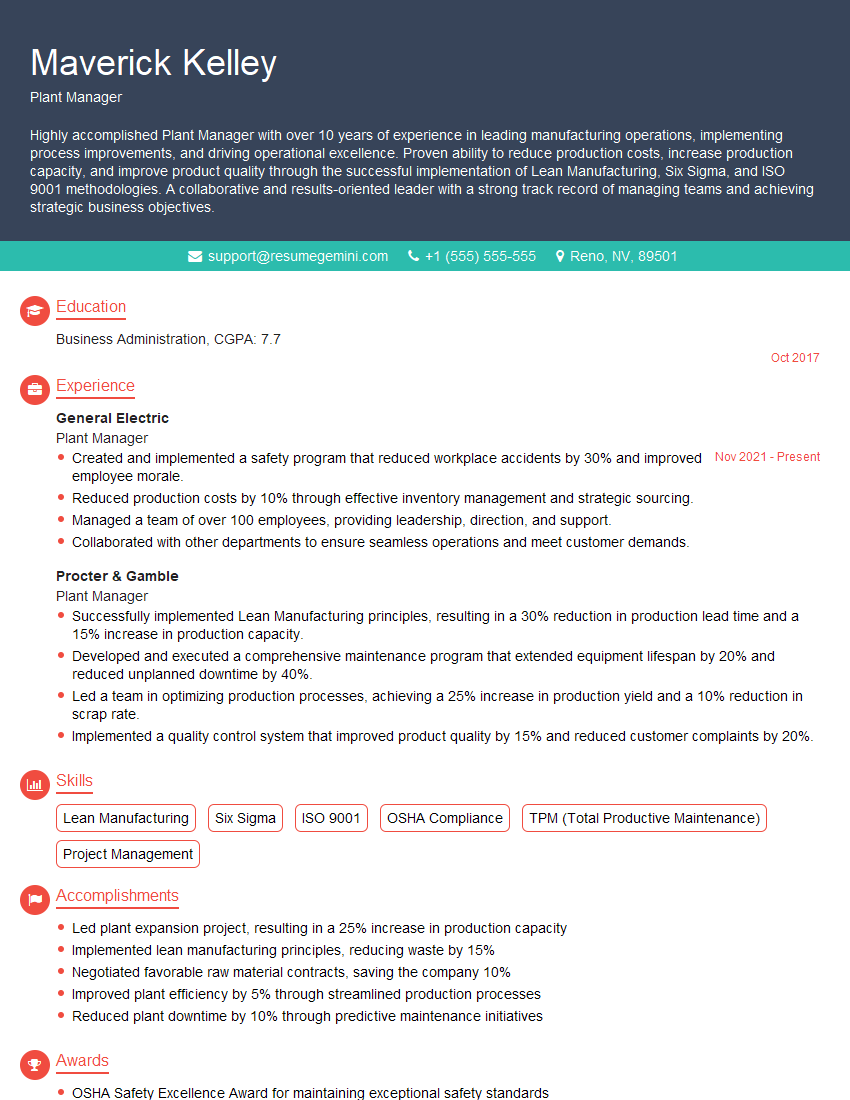
Plant Manager Resume Sample
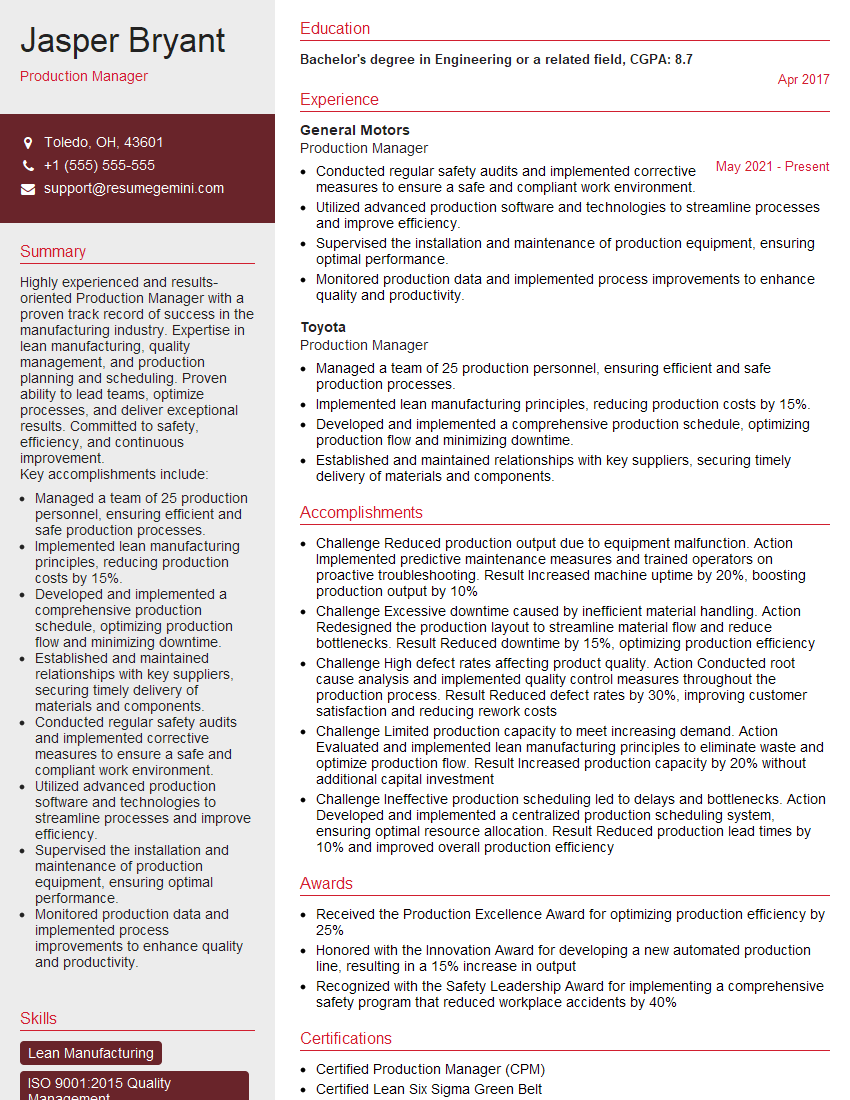
Production Manager Resume Sample
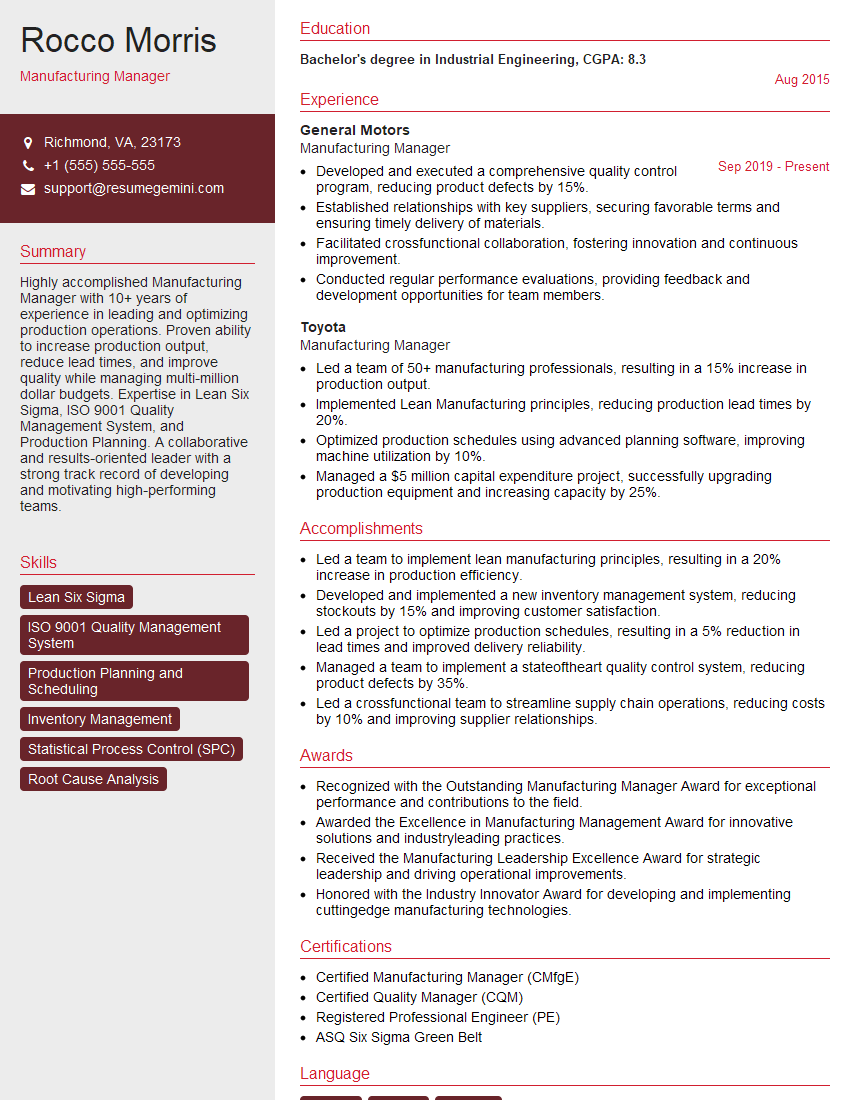
Manufacturing Manager Resume Sample

Reliability Engineer Resume Sample
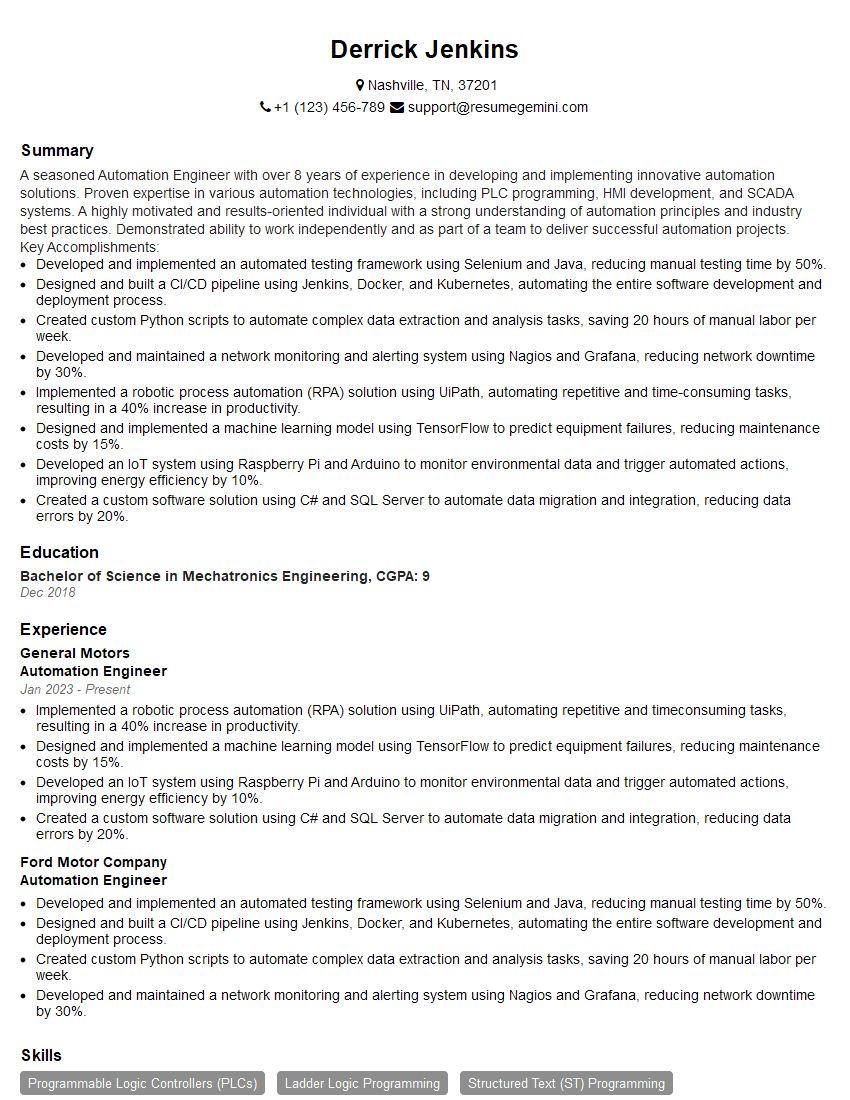
Automation Engineer Resume Sample
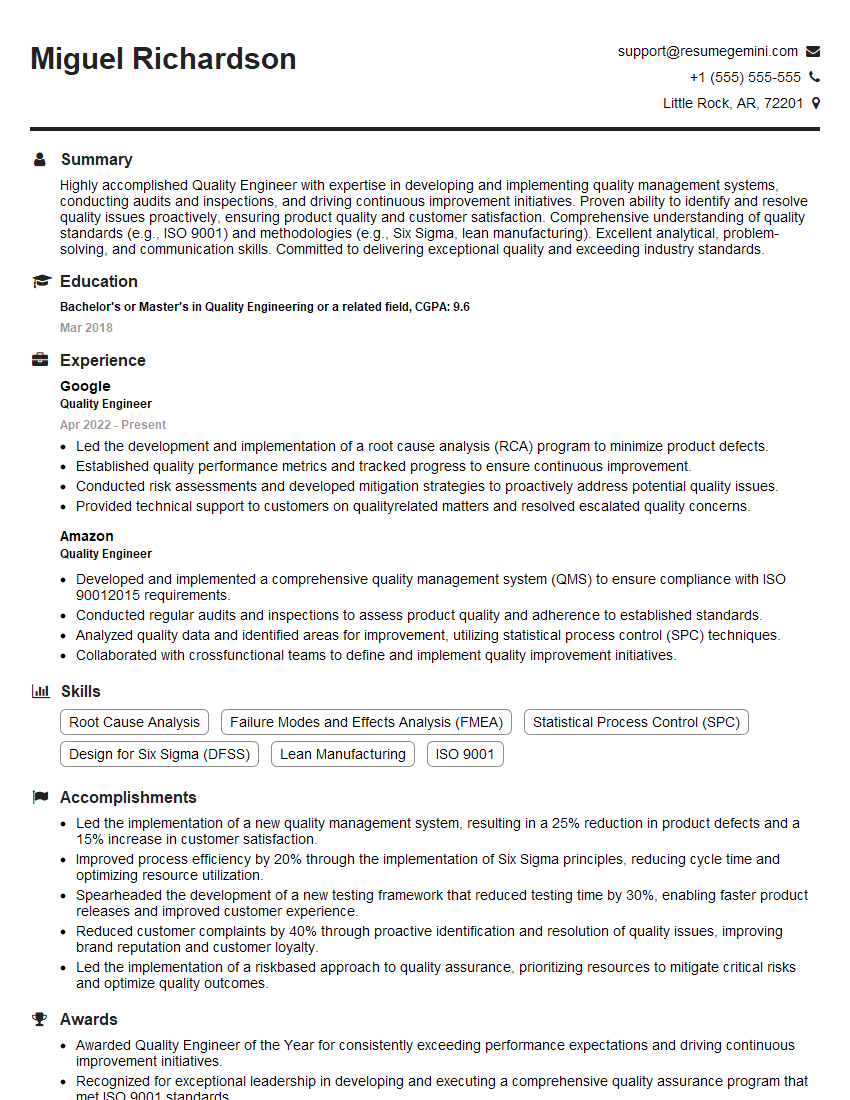
Quality Engineer Resume Sample
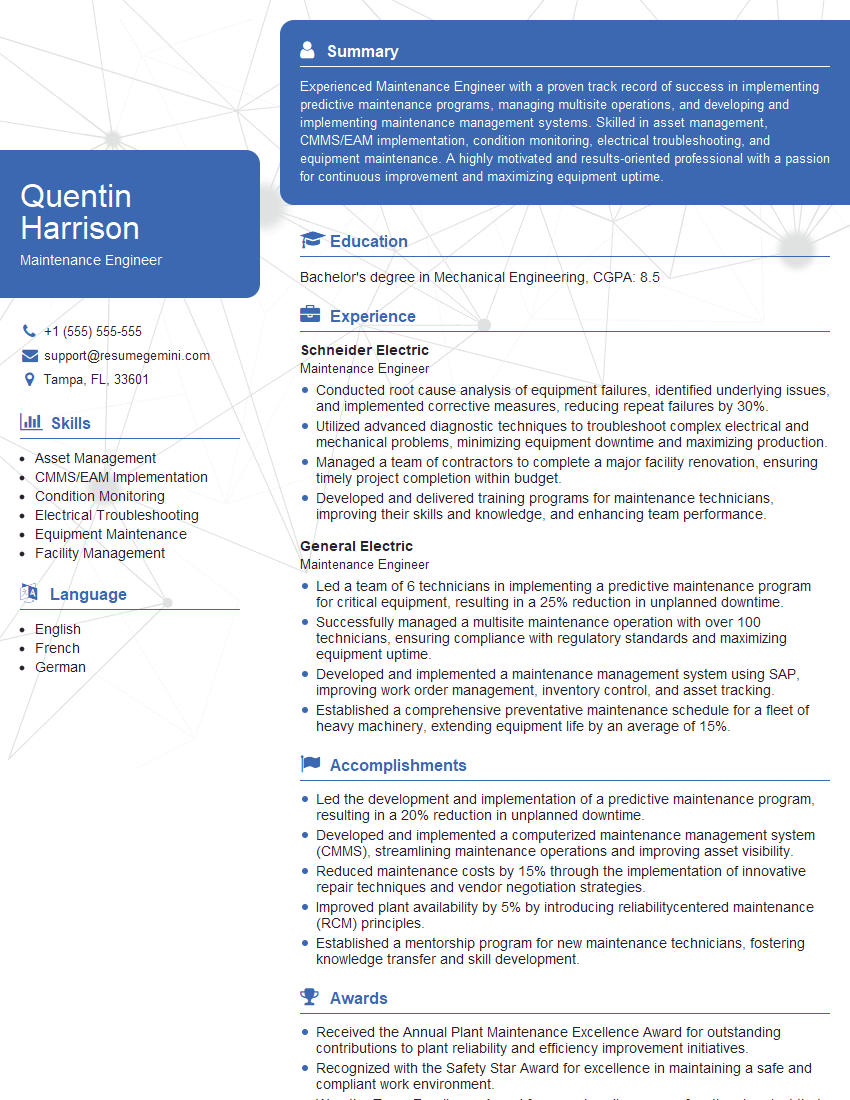
Maintenance Engineer Resume Sample
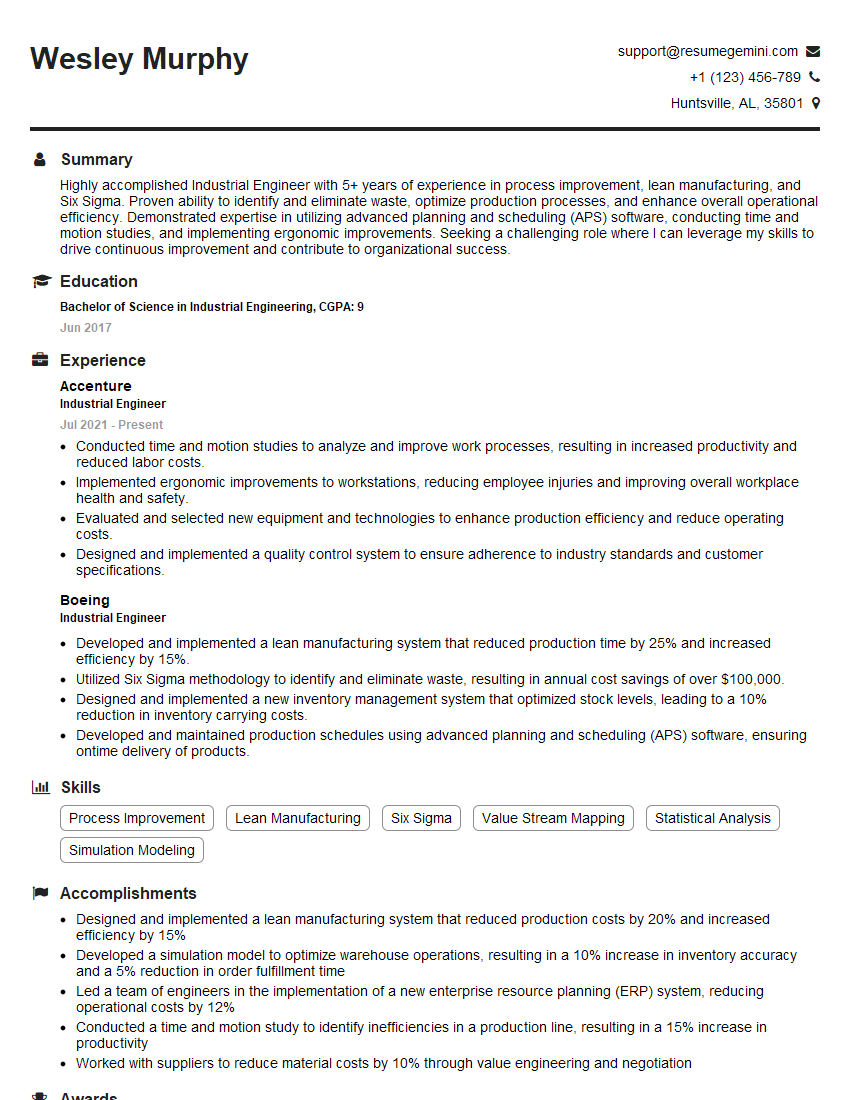
Industrial Engineer Resume Sample
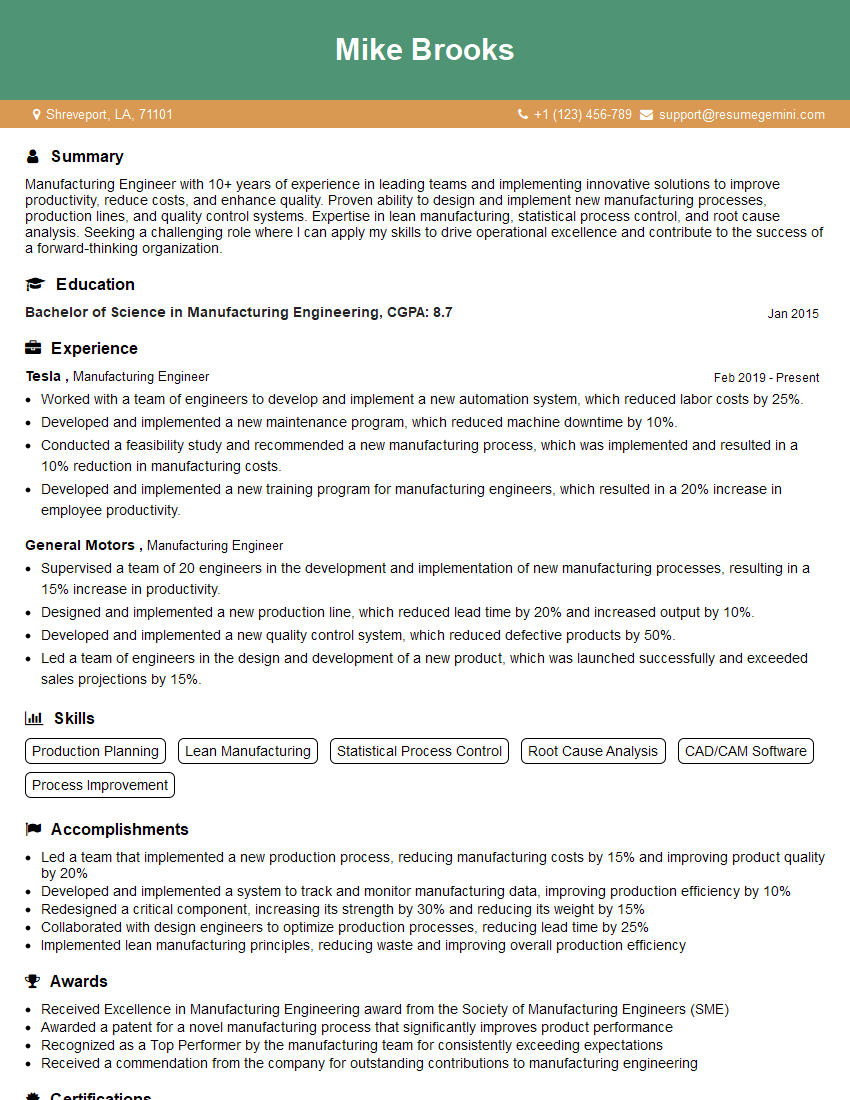
Manufacturing Engineer Resume Sample
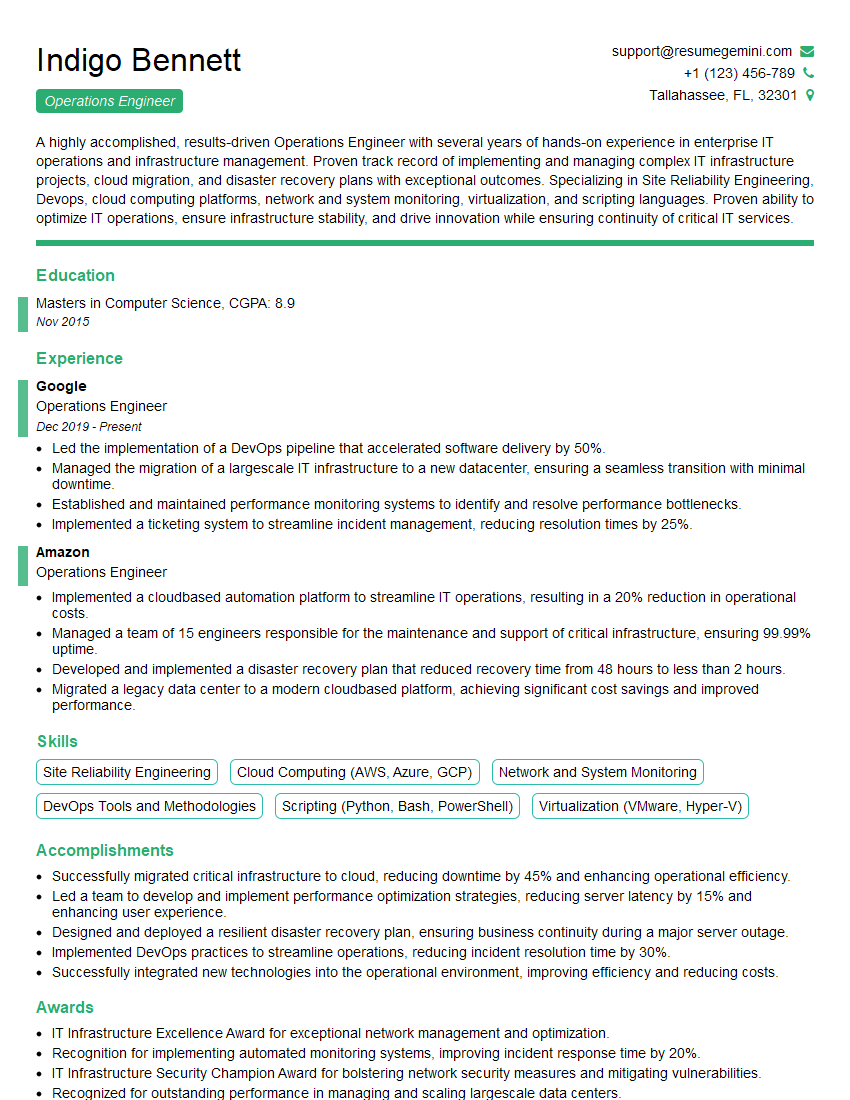
Operations Engineer Resume Sample
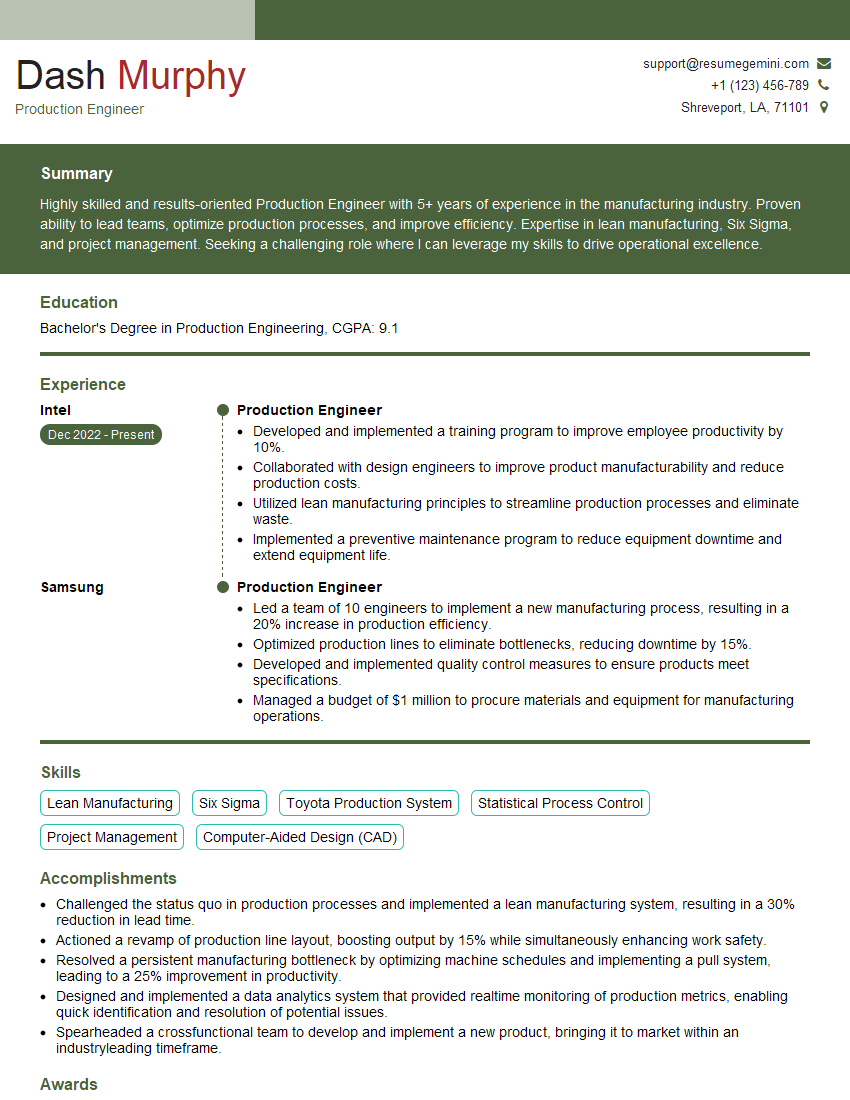
Production Engineer Resume Sample
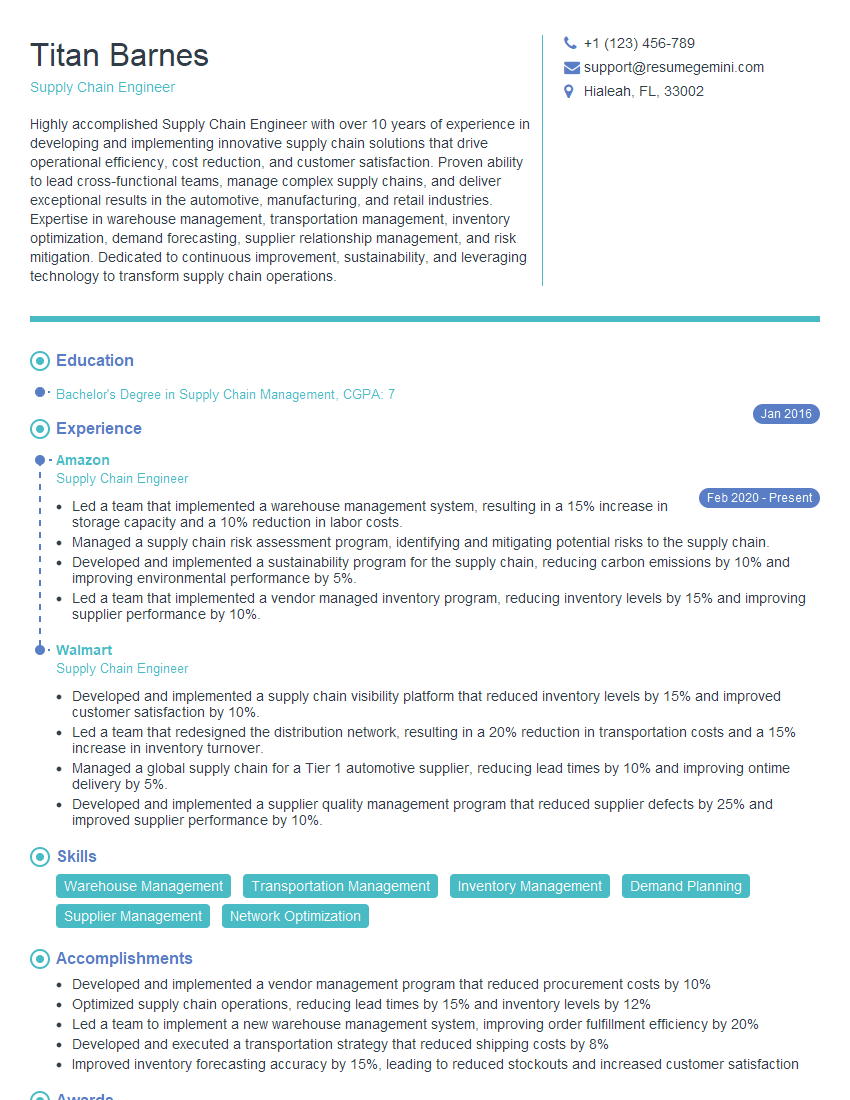
Supply Chain Engineer Resume Sample
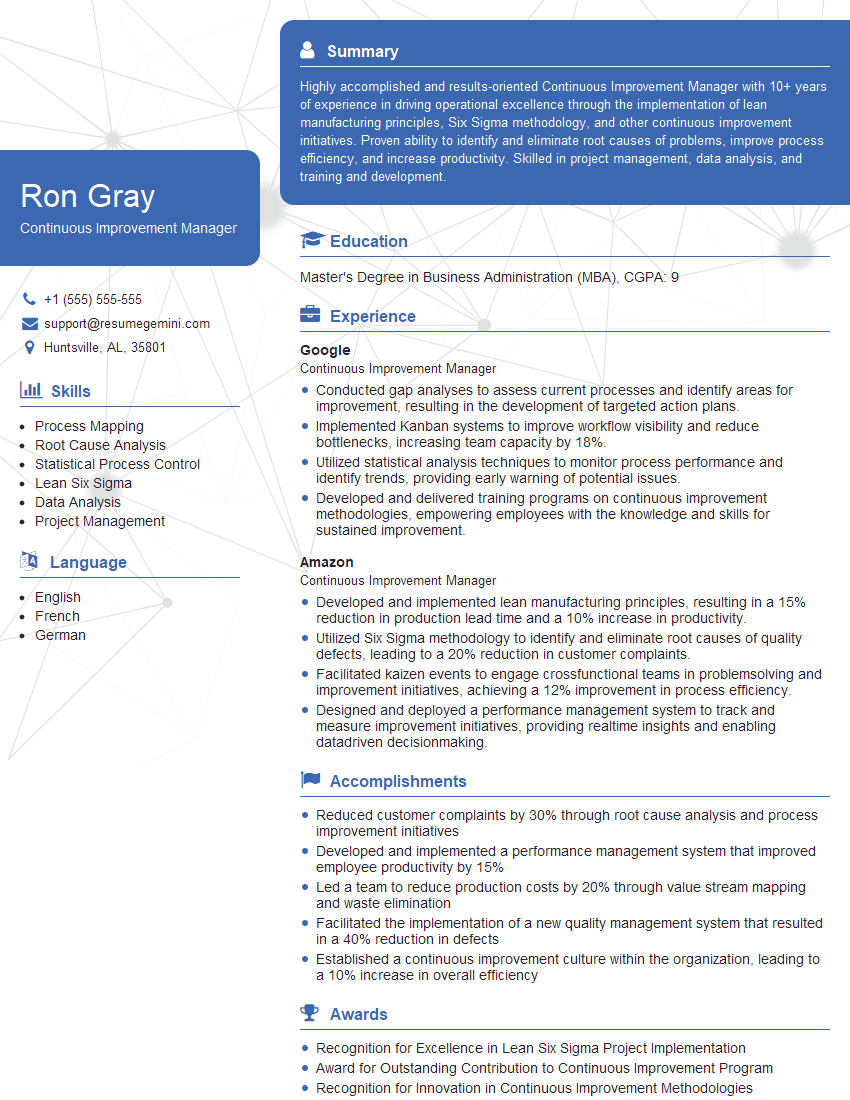
Continuous Improvement Manager Resume Sample
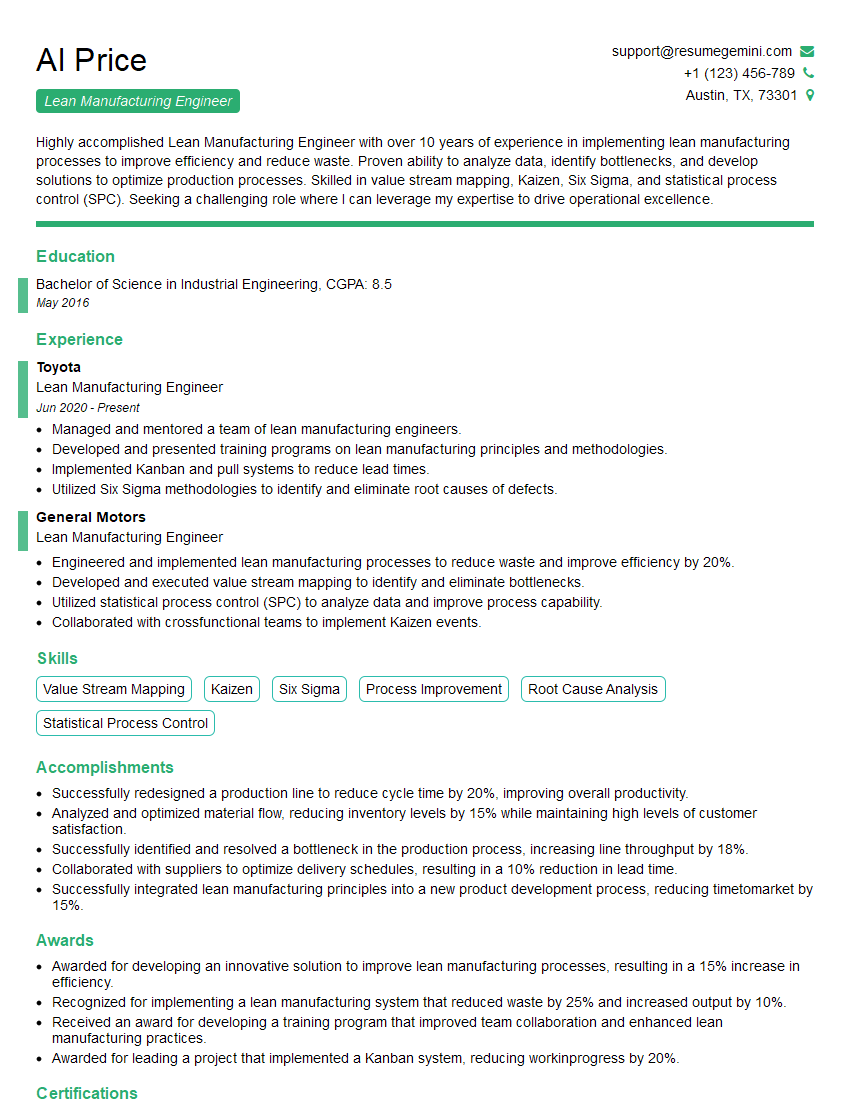
Lean Manufacturing Engineer Resume Sample
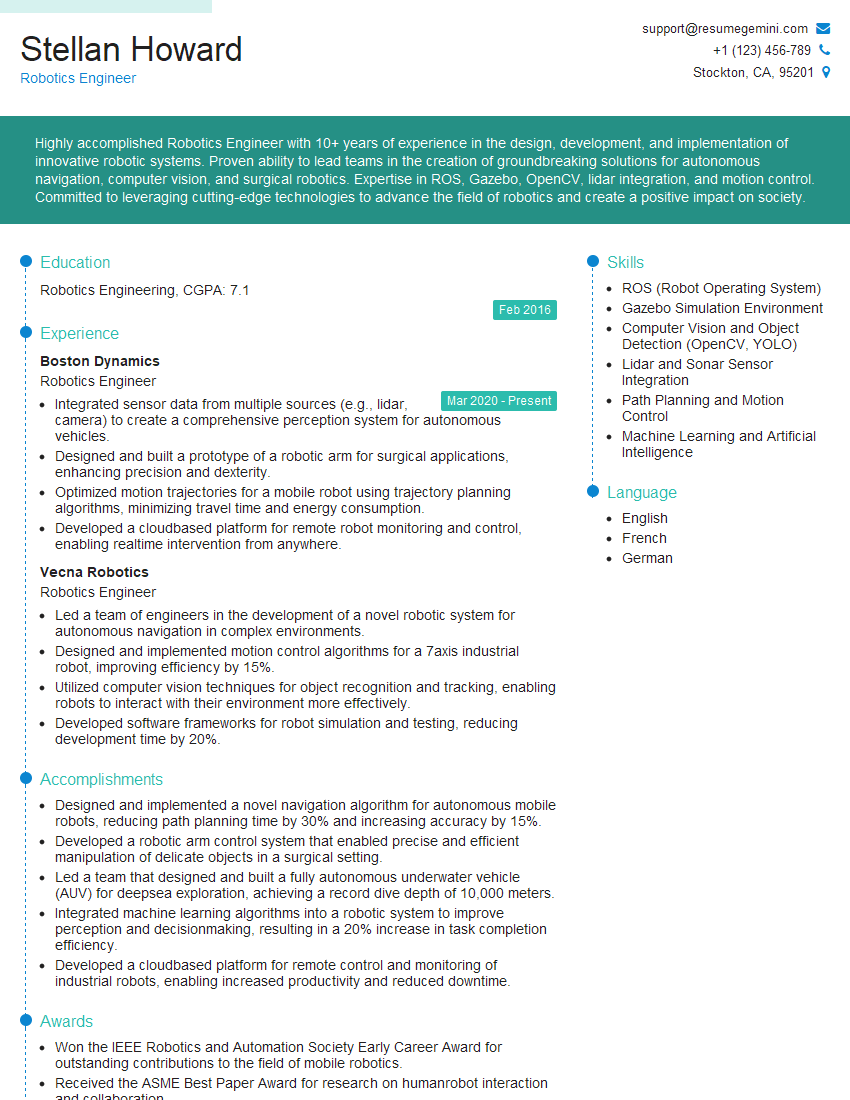
Robotics Engineer Resume Sample
- Operations Manager
- Plant Manager
- Production Manager
- Manufacturing Manager
- Reliability Engineer
- Automation Engineer
- Quality Engineer
- Maintenance Engineer
- Industrial Engineer
- Manufacturing Engineer
- Operations Engineer
- Production Engineer
- Supply Chain Engineer
- Continuous Improvement Manager
- Lean Manufacturing Engineer
- Robotics Engineer
Explore more articles
Users Rating of Our Blogs
Share Your Experience
We value your feedback! Please rate our content and share your thoughts (optional).
What Readers Say About Our Blog
Very informative content, great job.
good