Interviews are opportunities to demonstrate your expertise, and this guide is here to help you shine. Explore the essential Single Piece Flow interview questions that employers frequently ask, paired with strategies for crafting responses that set you apart from the competition.
Questions Asked in Single Piece Flow Interview
Q 1. Define Single Piece Flow (SPF) and its core principles.
Single Piece Flow (SPF) is a manufacturing methodology where individual products proceed through each production step without interruption or batching. Imagine an assembly line where each worker completes their task on a single unit before passing it to the next. This contrasts sharply with traditional batch processing where many units are worked on simultaneously at each stage. The core principles of SPF revolve around:
- Continuous Flow: Products move smoothly and continuously through the entire production process.
- Minimized Inventory: Work-in-progress (WIP) is drastically reduced, ideally to a single piece at each stage.
- Pull System: Production is triggered by actual customer demand, not forecasts, often using a Kanban system.
- Process Improvement Focus: Continuous improvement efforts target eliminating waste and bottlenecks.
- Standardized Work: Clear, standardized procedures ensure consistency and quality.
Q 2. What are the benefits and limitations of implementing SPF?
SPF offers significant advantages, including:
- Reduced Lead Times: Products are completed much faster.
- Lower Inventory Costs: Less space and capital are tied up in WIP.
- Improved Quality: Defects are identified and addressed quickly, preventing large batches of faulty products.
- Increased Flexibility: Adapting to changing customer demands becomes easier.
- Enhanced Employee Engagement: Workers have a greater sense of ownership and responsibility.
However, limitations exist:
- Higher Initial Investment: Significant process re-engineering and automation might be required.
- Requires Skilled Workforce: Workers need to be versatile and capable of handling multiple tasks.
- Vulnerability to Disruptions: A problem at one stage can halt the entire flow.
- Not Suitable for All Products: Products with long processing times or highly variable demand may not be ideal candidates.
Q 3. Describe a situation where SPF would be inappropriate.
SPF would be inappropriate for products with:
- Extremely long processing times: For example, shipbuilding or large-scale construction projects. The amount of space required to accommodate a single piece at each stage would be prohibitive.
- Highly variable demand: If demand fluctuates wildly, maintaining a continuous flow becomes very challenging. A batch system can better buffer against these fluctuations.
- Highly customized products: If every product is unique, the standardization inherent in SPF becomes difficult to implement efficiently.
- Very low-volume production: The overhead of setting up and maintaining a SPF system might outweigh the benefits for very small production runs.
Imagine trying to implement SPF for a company that custom-builds large industrial machinery – the sheer size and complexity of the product, along with infrequent orders, would make it impractical.
Q 4. How does SPF differ from batch and queue-based production?
SPF contrasts sharply with batch and queue-based production. In batch processing, large quantities of a product are processed at each stage before moving to the next. This leads to significant WIP inventory and longer lead times. Queue-based systems involve numerous queues (buffers) between processing steps. This hides problems and delays but does not solve them.
SPF, in contrast, focuses on continuous flow with minimal WIP. It’s like a relay race where each runner (worker) hands off the baton (product) immediately to the next, without any waiting. Batch processing is like having all runners complete their lap before the next starts. Queue-based is like having a huge pile of batons at each exchange point.
Q 5. Explain the role of takt time in SPF implementation.
Takt time is the heartbeat of SPF. It’s the rate at which a finished product must be completed to meet customer demand. It dictates the pace of the entire production line. A properly implemented SPF system aims to match its cycle time to takt time. If cycle time is slower than takt time, the production system can’t meet customer demand. If it’s faster, resources are wasted.
Imagine a bakery that needs to bake 100 loaves of bread per day, and has an 8-hour workday. The takt time would determine how frequently the next loaf needs to enter the oven to meet the daily target. It ensures the production system is synchronized with customer needs.
Q 6. How do you calculate takt time?
Takt time is calculated using this simple formula:
Takt Time = Available Production Time / Customer Demand For example, if you have 8 hours (480 minutes) of available production time per day and need to produce 100 units, the takt time is:
Takt Time = 480 minutes / 100 units = 4.8 minutes/unit This means a finished unit must be produced every 4.8 minutes to meet customer demand.
Q 7. How do you determine the ideal cycle time for a single-piece flow process?
The ideal cycle time in a single-piece flow process should ideally match the takt time. This ensures that the production system can meet customer demand without excess inventory or wasted capacity. Determining this requires careful analysis:
- Time Study: Conduct a detailed time study of each process step to determine the actual time taken. This identifies any bottlenecks.
- Process Improvement: Eliminate waste and improve efficiency at each step. This might involve streamlining processes, implementing automation, or improving worker skills.
- Kaizen Events: Use focused improvement events (Kaizen) to address inefficiencies systematically.
- Standardization: Ensure standardized work procedures are in place to maintain consistency and avoid variations in cycle time.
The goal is to reduce the cycle time to a level that is equal to or less than the takt time. Any discrepancy indicates areas for process improvement.
Q 8. What are the key metrics used to evaluate SPF effectiveness?
Evaluating the effectiveness of Single Piece Flow (SPF) requires a multi-faceted approach, focusing on key metrics that reflect improvements across various aspects of the process. We don’t just look at one number; we examine a constellation of indicators to get a holistic view.
- Throughput Time: This measures the total time it takes for a single piece to move through the entire process, from start to finish. A successful SPF implementation dramatically reduces this time.
- Cycle Time: This is the time it takes to complete one unit of work at a single workstation. In SPF, we strive to minimize cycle time at every stage.
- Work-in-Progress (WIP): A core principle of SPF is minimizing WIP. Low WIP indicates a smooth, efficient flow, whereas high WIP often signals bottlenecks.
- Inventory Turnover: Reduced WIP directly translates into improved inventory turnover, indicating faster sales and reduced storage costs. A higher turnover rate shows SPF’s efficiency.
- Defect Rate: SPF emphasizes quality at the source. By working on one piece at a time, defects are more easily identified and corrected immediately, resulting in a lower defect rate.
- Overall Equipment Effectiveness (OEE): This metric considers availability, performance, and quality rate of equipment. In SPF, improvements in these areas are expected due to the optimized flow.
- Lead Time: This measures the total time from order placement to delivery. SPF significantly reduces lead times by eliminating waiting and buffering.
For example, in a previous project assembling electronics, we saw throughput time decrease by 60% after implementing SPF, while simultaneously reducing our defect rate by 40%. These results clearly demonstrated the effectiveness of our approach.
Q 9. Describe your experience in implementing SPF in a manufacturing environment.
In my previous role at a medical device manufacturer, we implemented SPF for a crucial sub-assembly process. The initial process involved batch production with significant WIP and long lead times. Our team started by selecting a specific product line with relatively low complexity for the pilot project. This allowed for a more controlled implementation and provided valuable learnings before scaling up.
We began by mapping the current state value stream, identifying bottlenecks and areas for improvement. A critical step was working closely with the operators. Their expertise was vital in optimizing the workflow and identifying areas needing improvement. We utilized 5S to create a more organized and efficient workspace. We then redesigned the workstations to facilitate single-piece flow. This involved eliminating unnecessary movement, reducing wait times, and ensuring operators had everything they needed within easy reach.
We implemented Kanban to visualize work flow and control WIP. Training was crucial, ensuring operators understood the new process and embraced the changes. Regular monitoring of the metrics mentioned earlier allowed for continuous improvement. The result was a significant reduction in lead times, improved quality, and a more engaged workforce. The project’s success led to a wider SPF implementation across other product lines.
Q 10. How do you identify and eliminate bottlenecks in a single-piece flow process?
Identifying and eliminating bottlenecks in SPF requires a systematic approach. The first step involves carefully observing the process and meticulously measuring cycle times at each workstation. This helps pinpoint areas where work is accumulating or where operators are idle. Visual management tools such as Kanban boards can be invaluable in this phase.
Once bottlenecks are identified, we analyze their root causes. This often involves investigating factors like:
- Equipment Limitations: Is the equipment slow or unreliable?
- Process Design Flaws: Are there inefficient steps in the process?
- Skill Gaps: Do operators lack the necessary training or skills?
- Material Handling Issues: Are materials difficult to access or move?
- Quality Problems: Are defects causing delays?
Solutions can include:
- Investing in faster or more reliable equipment.
- Streamlining the process through value stream mapping and process improvement techniques (e.g., Kaizen).
- Providing operators with additional training or support.
- Improving material handling systems using techniques such as 5S.
- Implementing robust quality control measures to prevent defects.
For instance, in one case, a bottleneck was caused by an aging machine. After replacing the machine, the overall flow improved dramatically, reducing cycle time and WIP.
Q 11. How do you manage variability in a single-piece flow system?
Managing variability in a single-piece flow system is crucial for maintaining a smooth and efficient process. Variability can stem from various sources, such as machine breakdowns, material defects, or operator skill differences.
Strategies to mitigate variability include:
- Standardization: Developing and strictly adhering to standardized work procedures minimizes variations in the execution of tasks.
- Error-Proofing (Poka-Yoke): Implementing measures to prevent errors from occurring in the first place. This can involve using jigs, fixtures, or visual aids.
- Preventive Maintenance: Regular equipment maintenance reduces the likelihood of unexpected breakdowns, minimizing disruptions to the flow.
- Operator Training: Well-trained operators are more consistent in their work, reducing variability caused by skill differences.
- Buffering (Strategically): Small, carefully managed buffers can absorb minor variations, but excessive buffering negates the benefits of SPF. The key is to find the right balance.
- Level Scheduling: Balancing the production schedule to minimize fluctuations in demand helps prevent bottlenecks.
Imagine a bakery using SPF. To manage variability in baking time, they might use a standardized recipe, precisely calibrated ovens, and well-trained bakers. Small buffers of pre-made ingredients might be used, but overstocking would negate the benefits of the single-piece flow approach.
Q 12. Explain the concept of 5S and its relationship to SPF.
5S is a methodology for workplace organization that significantly supports Single Piece Flow. It stands for Seiri (Sort), Seiton (Set in Order), Seiso (Shine), Seiketsu (Standardize), and Shitsuke (Sustain).
- Seiri (Sort): Eliminating unnecessary items from the workspace.
- Seiton (Set in Order): Organizing remaining items for efficient access.
- Seiso (Shine): Cleaning the workspace regularly to maintain a high level of cleanliness.
- Seiketsu (Standardize): Establishing standards for maintaining cleanliness and organization.
- Shitsuke (Sustain): Maintaining the 5S system over the long term.
The relationship between 5S and SPF is synergistic. A well-organized workspace, as achieved through 5S, reduces waste, improves efficiency, and facilitates the smooth flow of single pieces. Without 5S, it’s difficult to sustain SPF; clutter and disorganization often create bottlenecks and increase the chances of errors.
For example, a poorly organized workstation in an SPF system might lead to operators wasting time searching for tools or materials, disrupting the flow. By implementing 5S, we create a more efficient and error-free environment, directly supporting SPF’s goals.
Q 13. How does Kanban support SPF implementation?
Kanban is a visual signaling system that plays a vital role in supporting SPF implementation. It helps manage the flow of work by limiting WIP and making bottlenecks visible.
In an SPF system, Kanban cards or similar visual signals indicate when a workstation needs more work or when it’s finished with its current piece. This ensures that only the necessary amount of work is in progress at any given time. This prevents overproduction, reduces waste, and makes the flow smoother.
The visual nature of Kanban allows for easy identification of bottlenecks. If a workstation consistently has a pile of completed Kanban cards, it indicates that the next workstation is slow and needs attention. This transparency promotes immediate problem-solving.
For example, in a manufacturing plant using SPF for assembling parts, Kanban cards might signal when a specific part is needed at the next workstation. The upstream workstation produces only when signaled, preventing overproduction and maintaining a balanced flow.
Q 14. What are the challenges of implementing SPF, and how do you overcome them?
Implementing SPF presents several challenges, but with careful planning and execution, these can be overcome.
- Resistance to Change: Operators accustomed to batch production may resist the changes required for SPF. Addressing this requires thorough training, clear communication, and engaging operators in the implementation process.
- High Initial Investment: Redesigning workstations, implementing new equipment, and training operators can require significant upfront investment.
- Process Complexity: SPF is particularly suitable for simpler processes. Complex products with many variations may present difficulties in implementation.
- Variability Management: As mentioned earlier, managing variability is crucial for successful SPF. This requires rigorous attention to standardization, error-proofing, and preventive maintenance.
- Measuring Success: Tracking relevant metrics and demonstrating the benefits of SPF is essential for continued support and improvement.
Overcoming these challenges requires a strong leadership commitment, a collaborative approach, and a focus on continuous improvement. Phased implementation, starting with a pilot project, is highly recommended. Careful planning, effective communication, and ongoing training are key to success. Regular monitoring of performance metrics provides feedback for continuous improvement and helps to address challenges as they arise.
Q 15. How do you ensure quality control in a single-piece flow system?
Quality control in Single Piece Flow (SPF) is proactive, not reactive. Instead of inspecting finished batches, quality is built into each step. This is achieved through several key methods:
Built-in Quality Checks at Each Workstation: Each operator is empowered and responsible for ensuring the quality of their work. Simple visual checks, using tools like checklists or standardized work instructions, are frequently performed. If a defect is detected, the process stops immediately, preventing the propagation of errors.
Poka-Yoke (Mistake-Proofing): This is crucial. We implement devices or processes that prevent mistakes from happening in the first place. For example, a jig might only allow a part to be assembled correctly, eliminating the possibility of incorrect assembly.
Visual Management: Clearly defined standards and visual cues immediately highlight any deviations from the norm. This makes quality issues easily identifiable and addressable.
Continuous Improvement (Kaizen): Regularly reviewing processes to identify and eliminate root causes of defects is critical. We use tools like 5 Whys or fishbone diagrams to drill down to the underlying problem.
Operator Skill and Training: Highly skilled operators are less likely to produce defects. Comprehensive training and ongoing skill development are essential components of maintaining quality.
For example, in a furniture manufacturing SPF line, each operator might visually inspect the wood for cracks before assembly, use a jig to ensure correct joinery, and then perform a final visual check before passing the piece to the next station. Any defect found stops the entire line until the issue is resolved.
Career Expert Tips:
- Ace those interviews! Prepare effectively by reviewing the Top 50 Most Common Interview Questions on ResumeGemini.
- Navigate your job search with confidence! Explore a wide range of Career Tips on ResumeGemini. Learn about common challenges and recommendations to overcome them.
- Craft the perfect resume! Master the Art of Resume Writing with ResumeGemini’s guide. Showcase your unique qualifications and achievements effectively.
- Don’t miss out on holiday savings! Build your dream resume with ResumeGemini’s ATS optimized templates.
Q 16. Explain the importance of employee training and engagement in SPF.
Employee training and engagement are paramount to successful SPF implementation. SPF requires a highly skilled and empowered workforce.
Comprehensive Training: Operators need thorough training on their specific tasks, as well as a good understanding of the overall process and the importance of their role in maintaining the flow. This includes training on quality checks, problem-solving techniques, and standard work procedures.
Empowerment and Ownership: Operators aren’t just cogs in a machine; they are active participants in the process. They need the authority to stop the line if a problem arises and contribute to problem-solving. This fosters a sense of ownership and responsibility.
Cross-Training: Training operators on multiple workstations allows for greater flexibility and reduces the impact of absences or equipment malfunctions.
Continuous Improvement Initiatives (Kaizen): Involving employees in continuous improvement efforts increases engagement. Their feedback is valuable in identifying areas for improvement and optimizing the process.
Feedback and Recognition: Regularly acknowledging and rewarding employee contributions fosters a positive and productive work environment.
Imagine a team assembling smartphones using SPF. Comprehensive training ensures every worker understands the intricacies of each step. Their empowered nature allows them to halt the line if a faulty component is detected, contributing to higher quality and less waste.
Q 17. How do you handle equipment failures in an SPF environment?
Equipment failures are a significant threat to the efficiency of SPF. Minimizing downtime requires a proactive approach:
Preventive Maintenance (PM): A rigorous PM schedule is essential to prevent equipment failure. This involves regular inspections, lubrication, and part replacements.
Quick Changeovers (SMED): Reducing changeover times allows for faster repair and maintenance, minimizing downtime.
Redundancy: In some cases, having backup equipment can prevent complete production halts.
Cross-training: Operators trained on multiple workstations can assist during equipment repairs or perform tasks on alternate machines, mitigating impact on production.
Problem-Solving Teams: Dedicated teams can quickly diagnose and fix equipment issues, focusing on root cause analysis and implementing solutions to prevent recurrence.
For instance, in a bakery using SPF for bread making, a well-defined PM schedule for the oven prevents unexpected breakdowns. If a malfunction still occurs, quick changeover procedures minimize downtime, and cross-trained staff can handle other tasks, such as preparing ingredients, until the oven is back online.
Q 18. How do you measure the effectiveness of an SPF implementation?
Measuring SPF effectiveness involves several key metrics:
Lead Time Reduction: A significant reduction in the time it takes to produce a finished product is a key indicator of success.
Inventory Reduction: SPF aims to minimize work-in-progress (WIP) inventory. Tracking WIP levels and comparing them to previous levels demonstrates improvement.
Defect Rate Reduction: A lower defect rate reflects improved quality and process control.
Throughput Increase: Measuring the rate at which finished goods are produced indicates overall efficiency.
Overall Equipment Effectiveness (OEE): This comprehensive metric considers availability, performance, and quality to provide a holistic view of equipment utilization.
Employee Satisfaction: Employee surveys or feedback sessions can gauge the impact of SPF on job satisfaction and morale.
For example, a manufacturing plant implementing SPF for producing automotive parts might track the lead time reduction from weeks to days, observe a significant decrease in WIP inventory, and experience a notable improvement in OEE.
Q 19. What role does visual management play in SPF?
Visual management is integral to SPF. It provides immediate feedback on the process’s status, ensuring everyone is aligned and problems are quickly detected. Examples:
Kanban Boards: Show the flow of work and identify bottlenecks.
Andon Systems: Alert operators and management to problems needing immediate attention.
Standard Work Instructions: Visual guides ensuring consistency and quality.
Floor Marking: Clearly define work areas and material flow paths.
Production Charts: Display key metrics, such as production targets and actual output.
In a hospital’s operating room, for example, visual management ensures efficient instrument and supply placement, improving surgical flow and minimizing delays. Color-coded trays for different surgical procedures would ensure immediate identification and efficient handling.
Q 20. Describe your experience with using value stream mapping in relation to SPF.
Value Stream Mapping (VSM) is a critical tool used *before* SPF implementation. It provides a clear visualization of the current state, highlighting areas of waste and inefficiency. This map guides the design of the SPF system:
Identifying Waste: VSM helps pinpoint sources of waste, such as transportation, inventory, motion, waiting, and overprocessing—all targets for elimination in SPF.
Designing the Future State: Based on the VSM analysis, we design an optimized SPF system, minimizing waste and maximizing flow.
Simulation and Optimization: Using the VSM, we can simulate different SPF configurations and choose the most efficient layout.
Tracking Improvements: After SPF implementation, we update the VSM to track progress and identify further improvement opportunities.
In a clothing manufacturing process, we might use VSM to map the current state, revealing bottlenecks in cutting and sewing. This data guides the design of an SPF system with optimized workstation layouts, reducing transportation and waiting times.
Q 21. How do you balance the need for flexibility with the efficiency of SPF?
Balancing flexibility and efficiency in SPF is a key challenge. While SPF aims for efficiency, complete rigidity can be detrimental. We achieve this balance through:
Cellular Manufacturing: Organizing workstations into cells that can handle variations in product types within a limited range enhances flexibility.
Cross-Training: Operators skilled in multiple workstations can adapt to changing demands, ensuring flexibility.
Quick Changeovers (SMED): Minimizing setup times allows for easier transitions between different products or variations.
Heijunka (Production Leveling): This technique levels out production volume and mix, reducing the need for frequent changes and maintaining consistent flow.
Modular Design: Products with interchangeable components allow for greater flexibility without sacrificing efficiency.
Consider a bakery making various bread types. Cellular manufacturing allows one cell to handle sourdough while another handles whole wheat. Cross-trained bakers can shift between cells as needed, ensuring flexibility while maintaining a smooth SPF.
Q 22. How do you incorporate preventative maintenance into an SPF system?
Preventative maintenance is crucial for maintaining the smooth flow in a Single Piece Flow (SPF) system. Downtime from equipment failure completely disrupts the carefully orchestrated process. Therefore, we integrate preventative maintenance directly into the production schedule, often using a technique called Total Productive Maintenance (TPM).
This involves:
- Scheduled Maintenance: Regular, planned maintenance activities are performed on equipment at predetermined intervals. These might include lubrication, cleaning, and part replacements, all meticulously scheduled to minimize disruption.
- Operator Involvement: Operators are trained to conduct basic preventative maintenance tasks like visual inspections and minor adjustments. This empowers them to identify potential issues early and proactively address them.
- Predictive Maintenance: Sensors and data analytics are used to predict potential equipment failures before they occur, allowing for proactive maintenance scheduling and preventing unplanned downtime. For example, vibration sensors on a machine could alert us to a bearing nearing failure.
- Standardized Procedures: Detailed procedures for maintenance tasks are documented and strictly followed to ensure consistency and reduce errors.
By strategically planning and integrating these activities, we ensure equipment reliability and maintain the continuous flow of the SPF system.
Q 23. What are some common mistakes to avoid when implementing SPF?
Implementing SPF effectively requires careful planning and execution. Common mistakes to avoid include:
- Insufficient Training: Operators must be thoroughly trained in the standardized work procedures and the importance of maintaining the flow. Lack of training leads to errors and disruptions.
- Poorly Defined Processes: Without clear, standardized processes, variations creep in, disrupting the flow. Each workstation needs precisely defined tasks and timelines.
- Ignoring Bottlenecks: Failing to identify and address bottlenecks early on will severely limit the effectiveness of the system. Careful analysis of takt time and cycle time is crucial for identifying these bottlenecks.
- Lack of Flexibility: SPF isn’t suitable for all products or environments. Forcing SPF onto a process that’s inherently unsuitable for it can lead to significant problems.
- Underestimating Change Management: Implementing SPF involves significant changes to workflows and employee responsibilities. Ignoring the human element and not adequately addressing concerns leads to resistance and low adoption.
For example, I once saw an SPF implementation fail because the operators weren’t adequately trained on the new processes. This resulted in frequent errors, which significantly slowed the line and undermined the benefits of SPF.
Q 24. How do you handle unexpected changes in demand in an SPF system?
Unexpected changes in demand require flexibility in an SPF system. Rigid adherence to the planned production schedule will fail when demand spikes or plummets. We utilize several strategies to manage this:
- Level Scheduling: This aims to smooth out production by distributing demand across the production cycle, minimizing large fluctuations in daily output.
- Inventory Buffering (Limited): A small, strategically placed buffer inventory can absorb minor demand fluctuations, preventing immediate disruptions. This should be minimized to stay true to the JIT principles behind SPF.
- Flexible Workforce: Cross-trained operators can be moved between workstations to address capacity issues depending on demand. This requires careful planning and a highly skilled workforce.
- Overtime/Reduced Hours: In cases of significant demand fluctuations, adjusting work hours can help cope with short-term surges or dips.
- Quick Changeover: Reducing the time required to switch between different product variations allows for quick adaptation to changing demands.
The key is to maintain a balance between responding to demand variations and minimizing unnecessary inventory and maintaining the fundamental principles of SPF.
Q 25. How does SPF contribute to overall operational efficiency?
SPF significantly improves operational efficiency in several ways:
- Reduced Lead Times: Products flow through the system continuously, reducing the time it takes to produce them.
- Lower Inventory Costs: With SPF, inventory is minimized, reducing storage costs and the risk of obsolescence.
- Improved Quality: Early detection of defects is facilitated by the continuous flow, making it easier and cheaper to fix problems.
- Increased Productivity: The optimized flow and reduced waste increase overall productivity.
- Enhanced Visibility: Issues and bottlenecks are easier to identify and address because of the continuous flow and limited WIP.
For instance, in a previous project, we reduced lead times by 60% and inventory costs by 40% by implementing SPF. These improvements led to a considerable increase in overall profitability.
Q 26. Describe your experience with continuous improvement methodologies related to SPF.
My experience with continuous improvement methodologies in SPF centers around Lean principles, specifically Kaizen and 5S. I’ve been involved in numerous projects where we used these methodologies to optimize SPF systems.
Kaizen, or continuous improvement, is embedded in our approach. We regularly conduct Gemba walks (observations on the shop floor) to identify areas for improvement. Small, incremental changes are implemented and their impact is closely monitored. This might involve adjusting workstation layouts, streamlining processes, or improving tooling.
5S (Sort, Set in Order, Shine, Standardize, Sustain) is essential for maintaining a well-organized and efficient work environment. This helps to prevent errors, reduce waste, and ensure that the SPF system runs smoothly.
For example, in one project, a Kaizen event identified a bottleneck in the assembly process. By rearranging the workstation layout and implementing a simple jig, we were able to reduce cycle time by 15%.
Q 27. What is your understanding of the relationship between SPF and Just-in-Time (JIT) manufacturing?
SPF and Just-in-Time (JIT) manufacturing are intrinsically linked. JIT is a philosophy aimed at producing goods only when needed, minimizing inventory and waste. SPF is a powerful implementation tool for achieving JIT goals.
SPF embodies the JIT principle by producing one piece at a time, eliminating the need for large buffer stocks between workstations. It’s a physical manifestation of the pull system within JIT, where production is driven by actual customer demand, reducing waste and improving efficiency.
In essence, JIT provides the overarching philosophy, while SPF offers a practical, highly visual method for achieving JIT’s objectives within a manufacturing environment.
Q 28. How would you explain Single Piece Flow to someone with no manufacturing experience?
Imagine an assembly line making cars. A traditional assembly line might have many cars at various stages of completion, taking up a lot of space. In Single Piece Flow (SPF), each car moves through the entire line, one step at a time, before the next car begins its journey.
Think of it like a relay race: instead of having multiple runners waiting at each stage, one runner completes the entire race before the next runner starts. This reduces waiting time, simplifies tracking, and makes it easier to spot and fix any problems.
SPF is about creating a smooth, continuous flow of work. It eliminates bottlenecks and reduces wasted time and resources by focusing on making one complete unit before moving on to the next.
Key Topics to Learn for Single Piece Flow Interview
- Definition and Core Principles: Understand the fundamental concepts of Single Piece Flow (SPF), including its goals of minimizing waste and maximizing efficiency.
- Value Stream Mapping in SPF: Learn how to identify and analyze bottlenecks in a process using value stream mapping techniques specifically within an SPF context. Practice creating efficient maps.
- 5S Methodology and its Role in SPF: Understand how 5S (Sort, Set in Order, Shine, Standardize, Sustain) contributes to a smooth and efficient single-piece flow environment. Be prepared to discuss practical applications.
- Kanban and its Implementation in SPF: Explore how Kanban systems support and visualize the flow of work in a single-piece flow process. Know how to troubleshoot common Kanban challenges within SPF.
- Cellular Manufacturing and SPF: Understand how cellular manufacturing layouts support and optimize single-piece flow processes. Be prepared to discuss the advantages and disadvantages.
- Problem-Solving Techniques in SPF: Familiarize yourself with common problems encountered in SPF implementation and the tools (e.g., root cause analysis, Kaizen events) used to address them. Be ready to explain your approach to problem-solving in a production environment.
- Metrics and KPIs for SPF: Understand the key performance indicators (KPIs) used to measure the effectiveness of a single-piece flow system. Be able to explain how to interpret and improve these metrics.
- Lean Principles and their Application to SPF: Demonstrate a strong understanding of how Single Piece Flow aligns with broader Lean Manufacturing principles. Be prepared to discuss the interconnectedness.
Next Steps
Mastering Single Piece Flow principles significantly enhances your value to any manufacturing or production-focused organization, opening doors to exciting career opportunities and higher earning potential. To maximize your job prospects, it’s crucial to create a resume that effectively highlights your skills and experience. An ATS-friendly resume is essential for getting your application noticed. We recommend using ResumeGemini to build a professional, impactful resume tailored to showcase your Single Piece Flow expertise. Examples of resumes optimized for Single Piece Flow roles are available to help guide your preparation.

Operations Manager Resume Sample
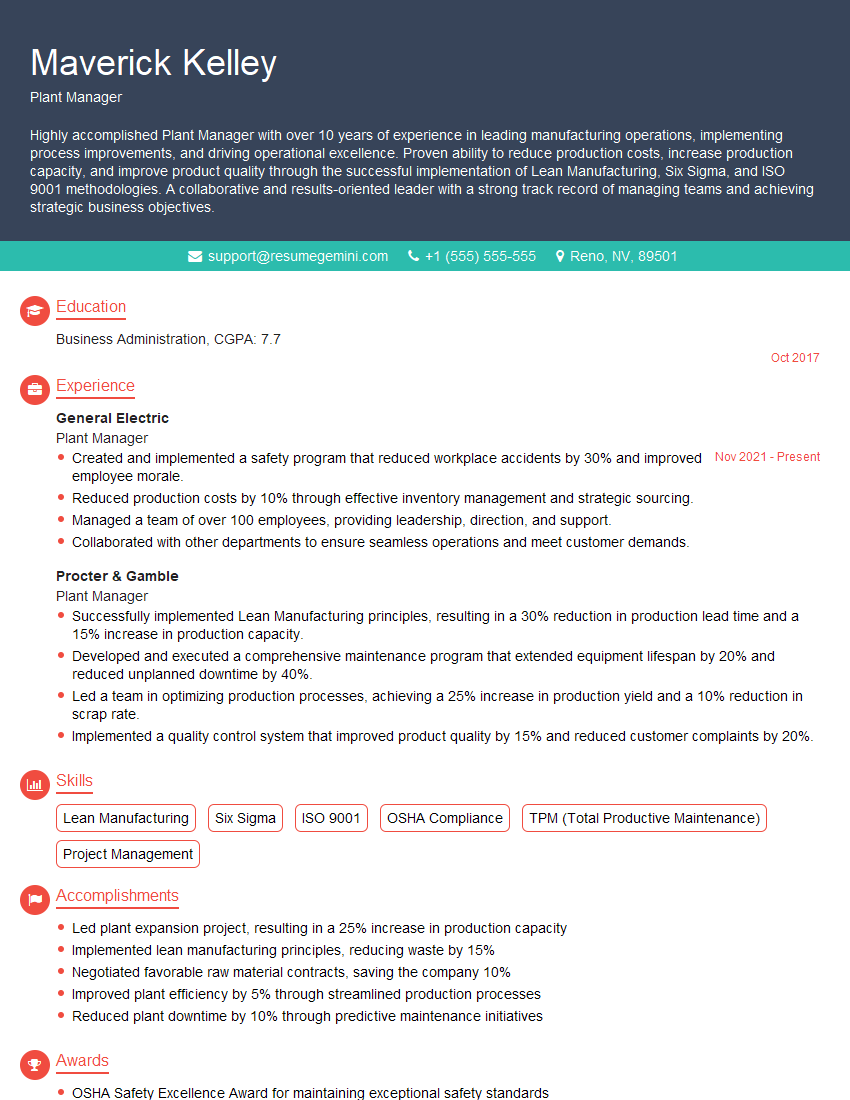
Plant Manager Resume Sample
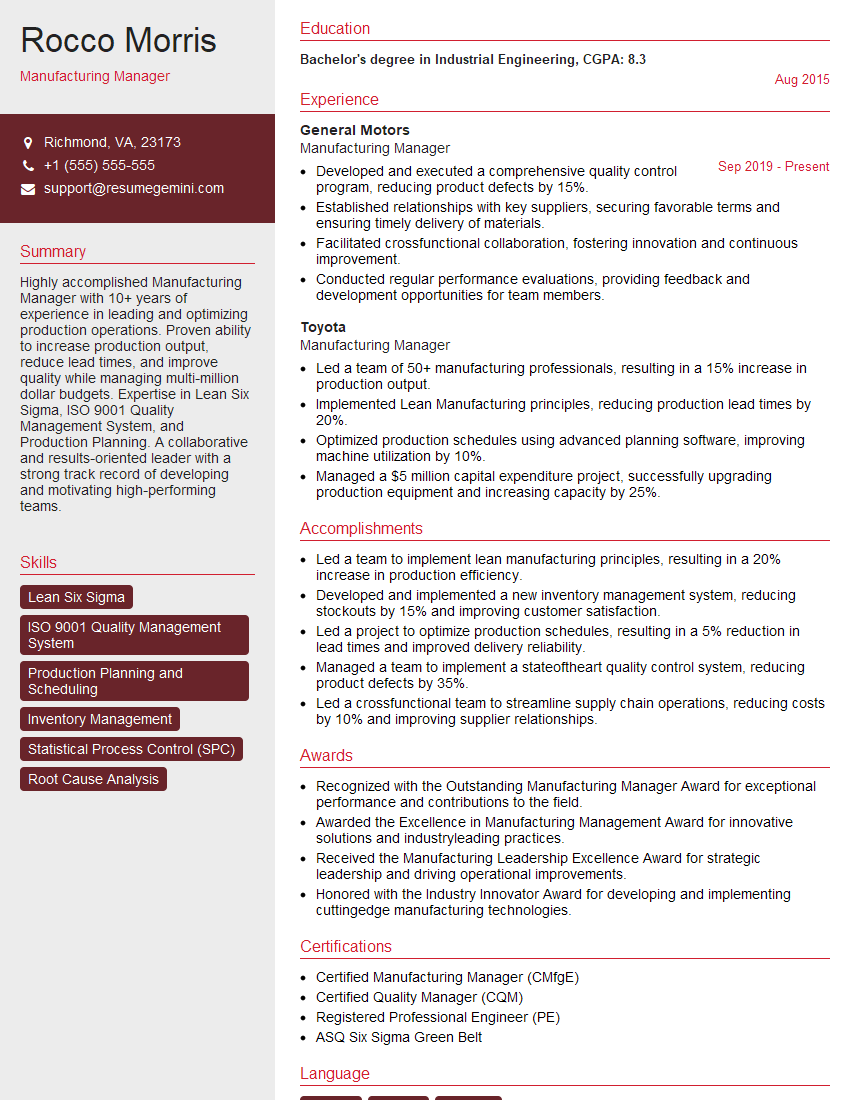
Manufacturing Manager Resume Sample
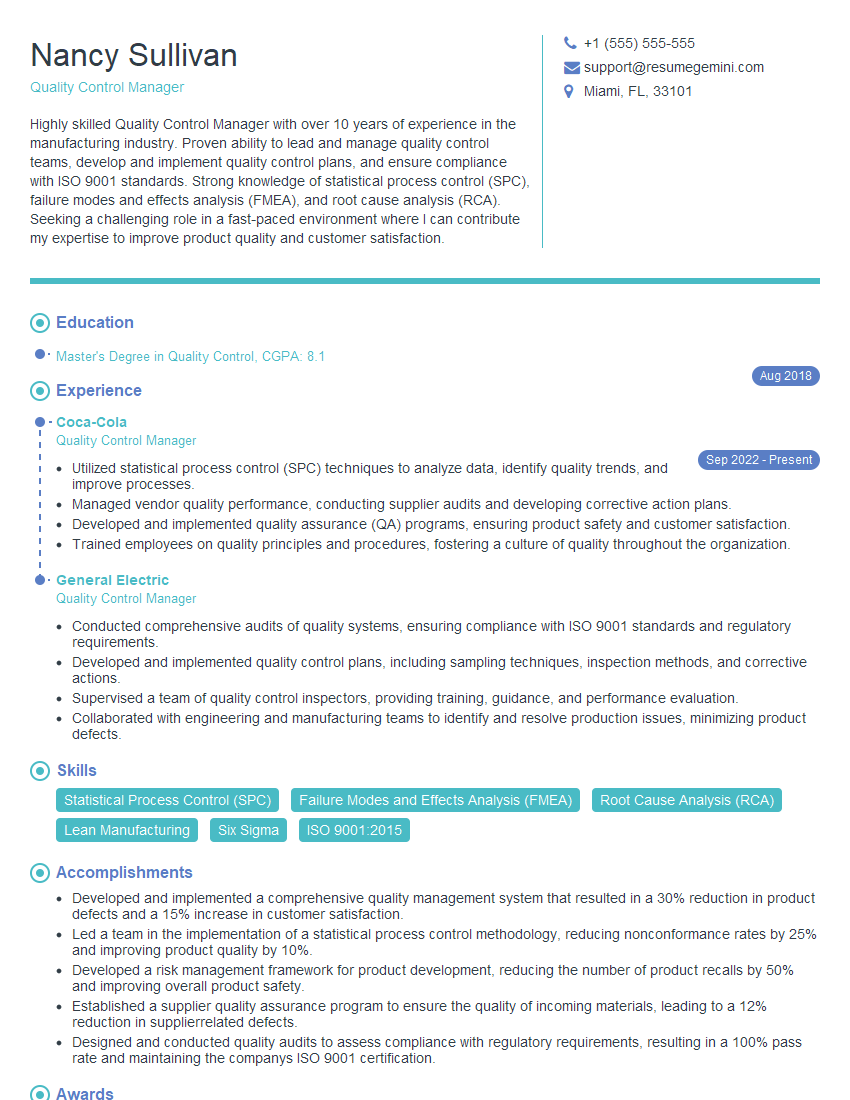
Quality Control Manager Resume Sample
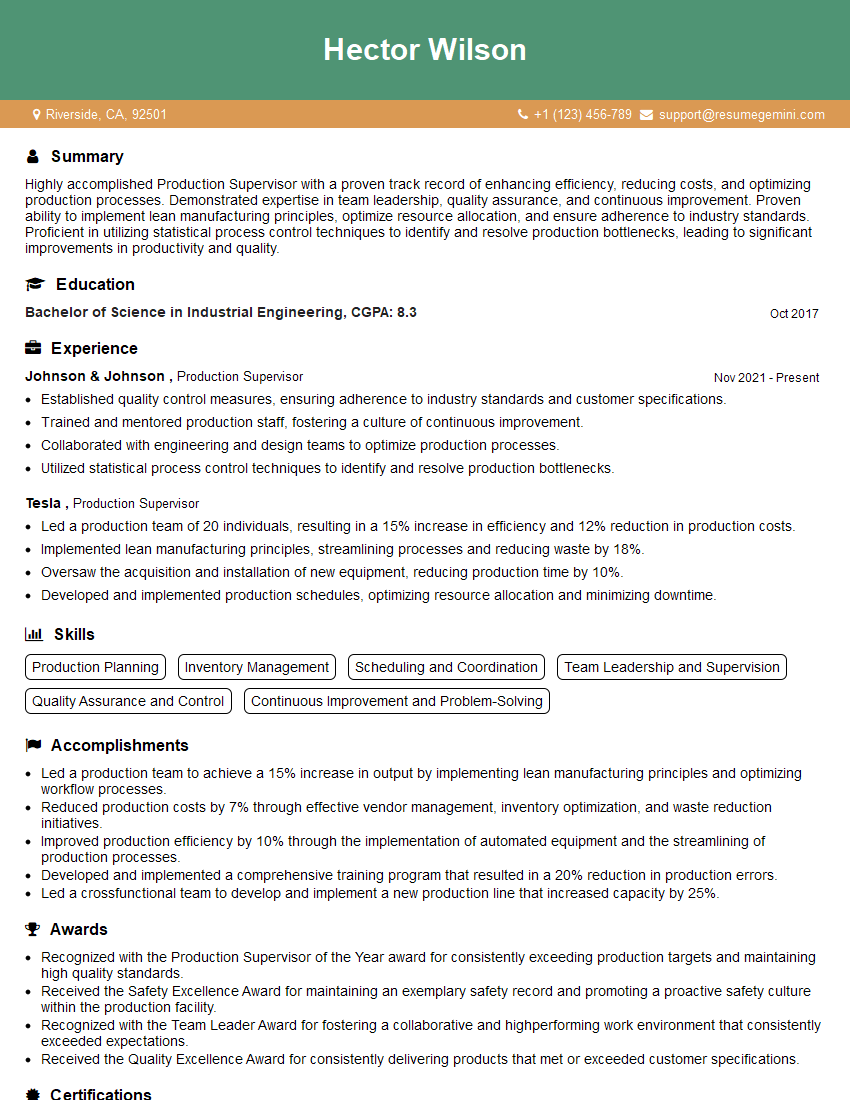
Production Supervisor Resume Sample
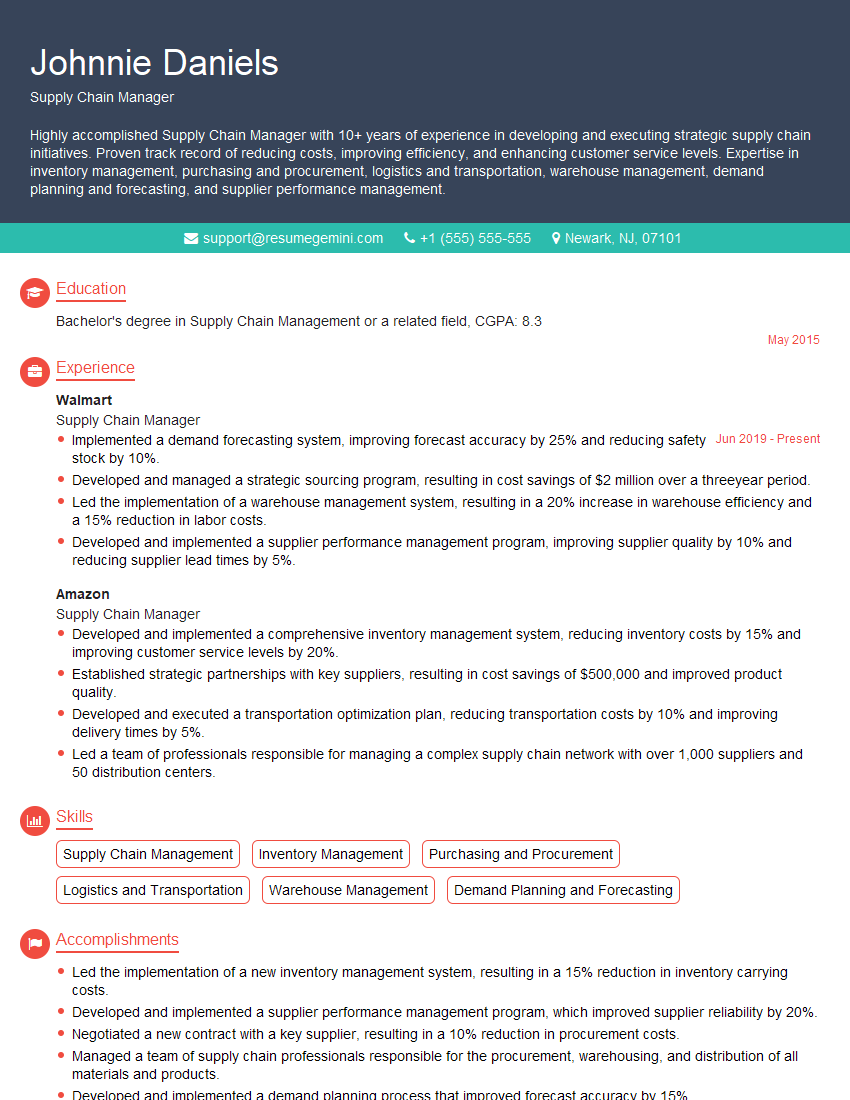
Supply Chain Manager Resume Sample
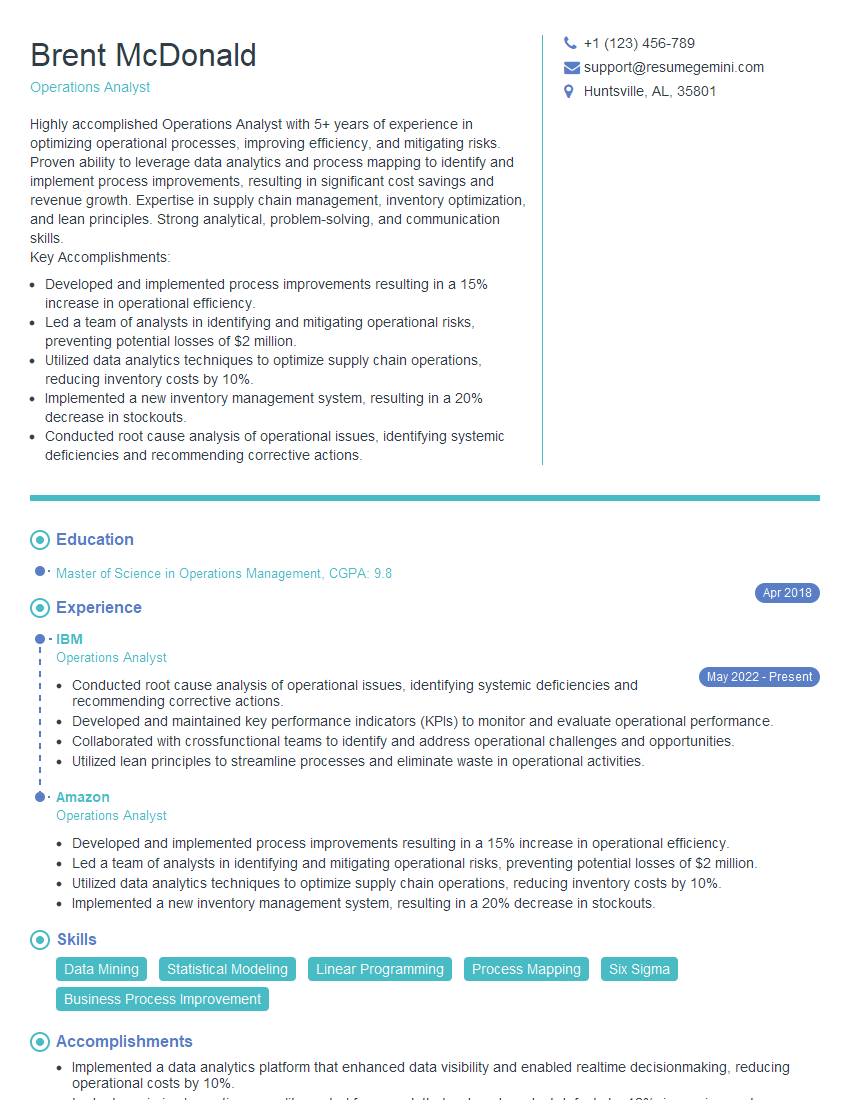
Operations Analyst Resume Sample
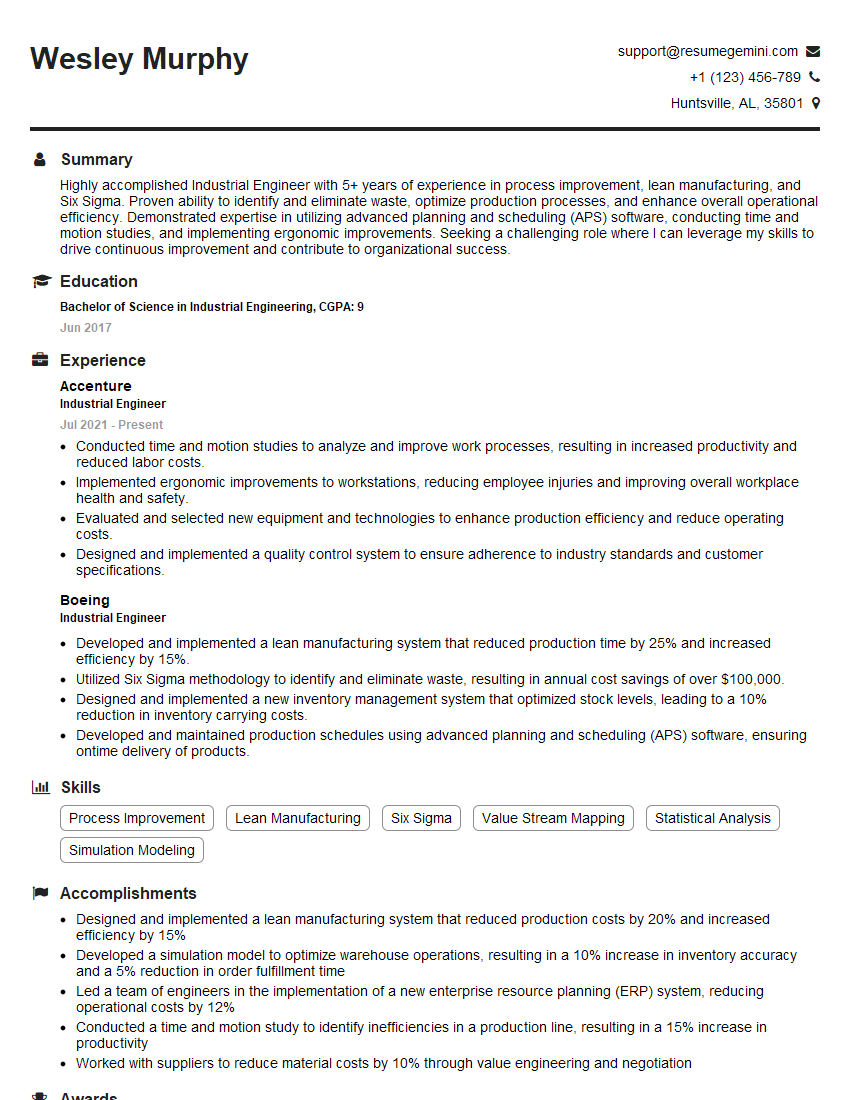
Industrial Engineer Resume Sample
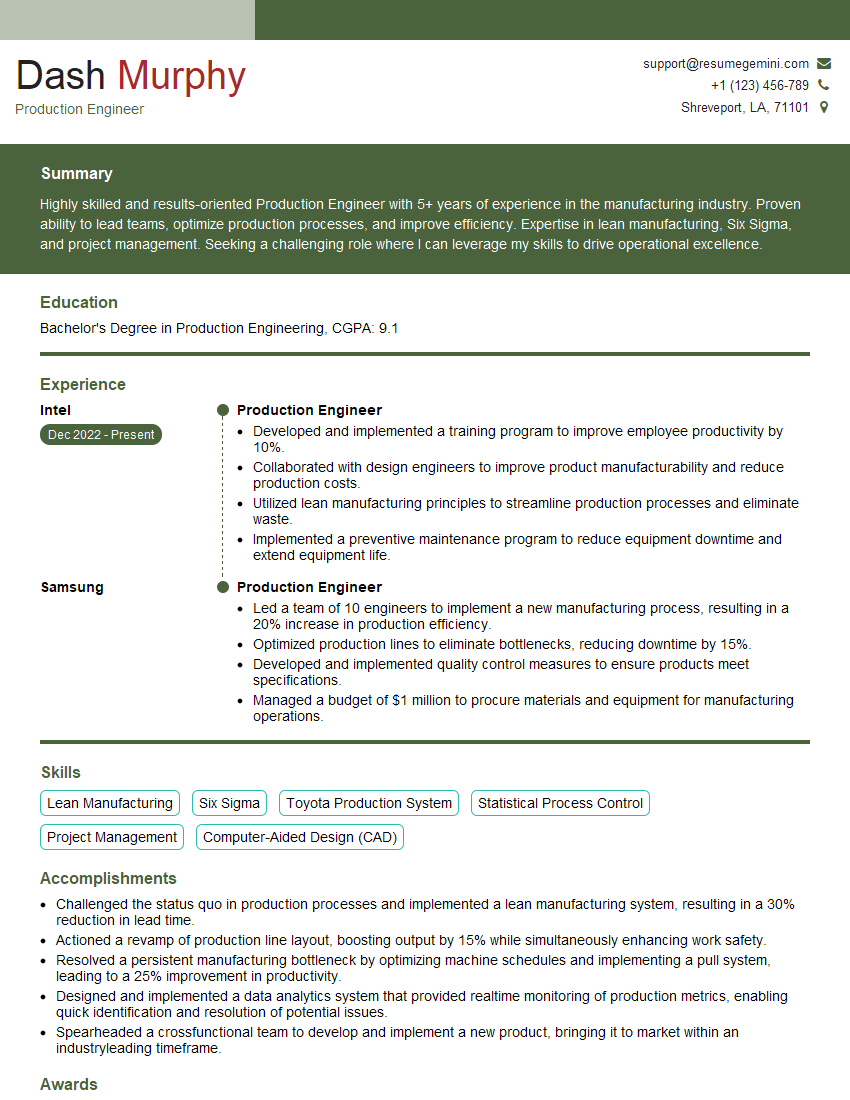
Production Engineer Resume Sample
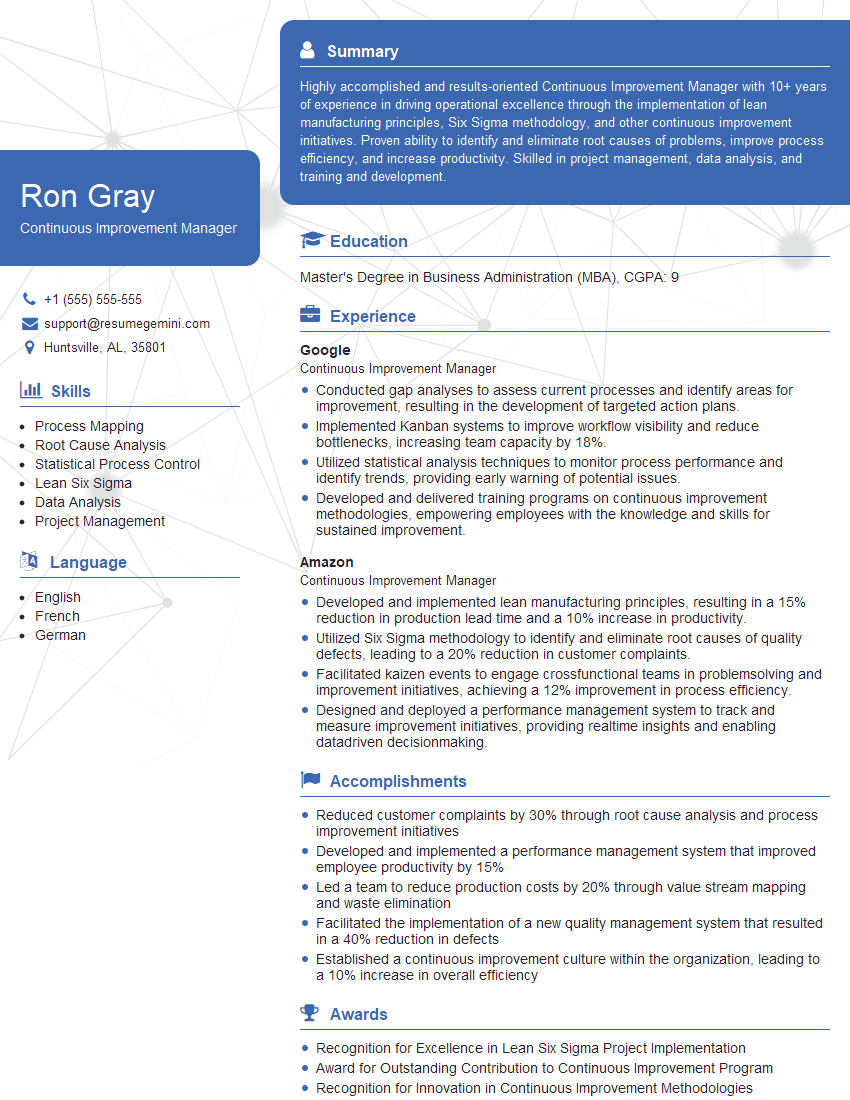
Continuous Improvement Manager Resume Sample
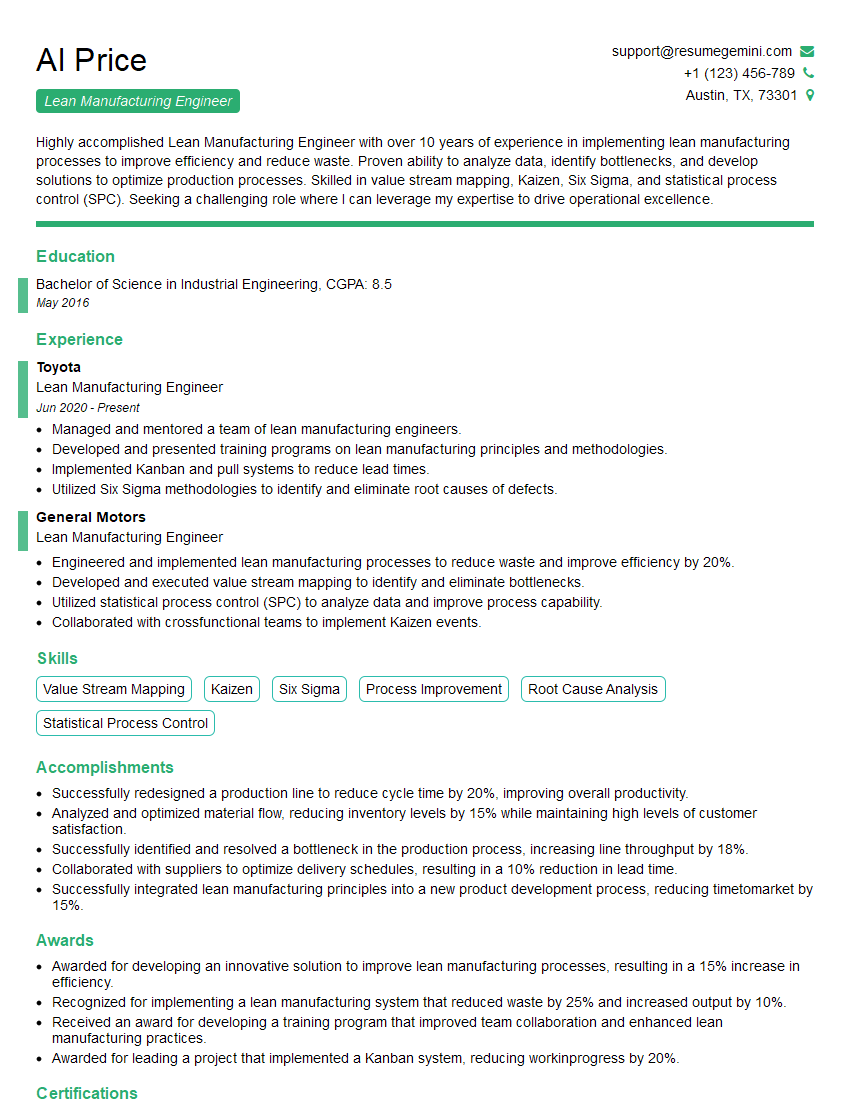
Lean Manufacturing Engineer Resume Sample
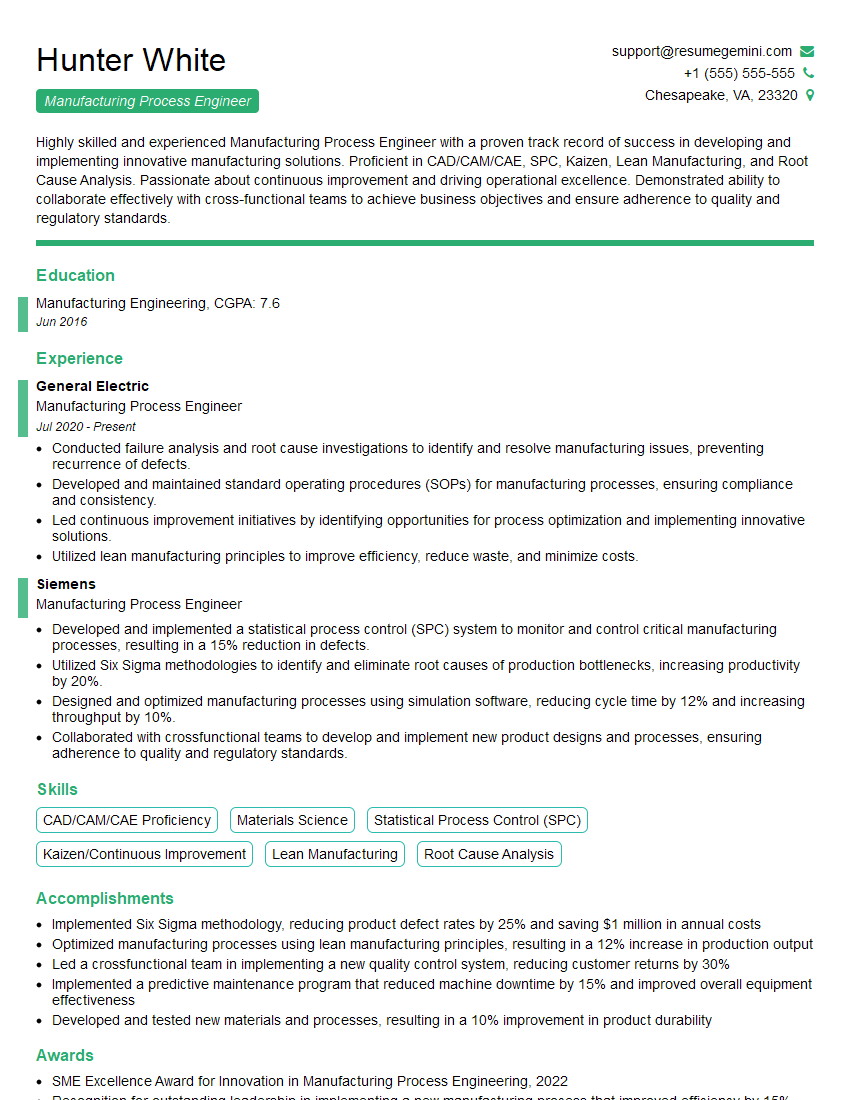
Manufacturing Process Engineer Resume Sample
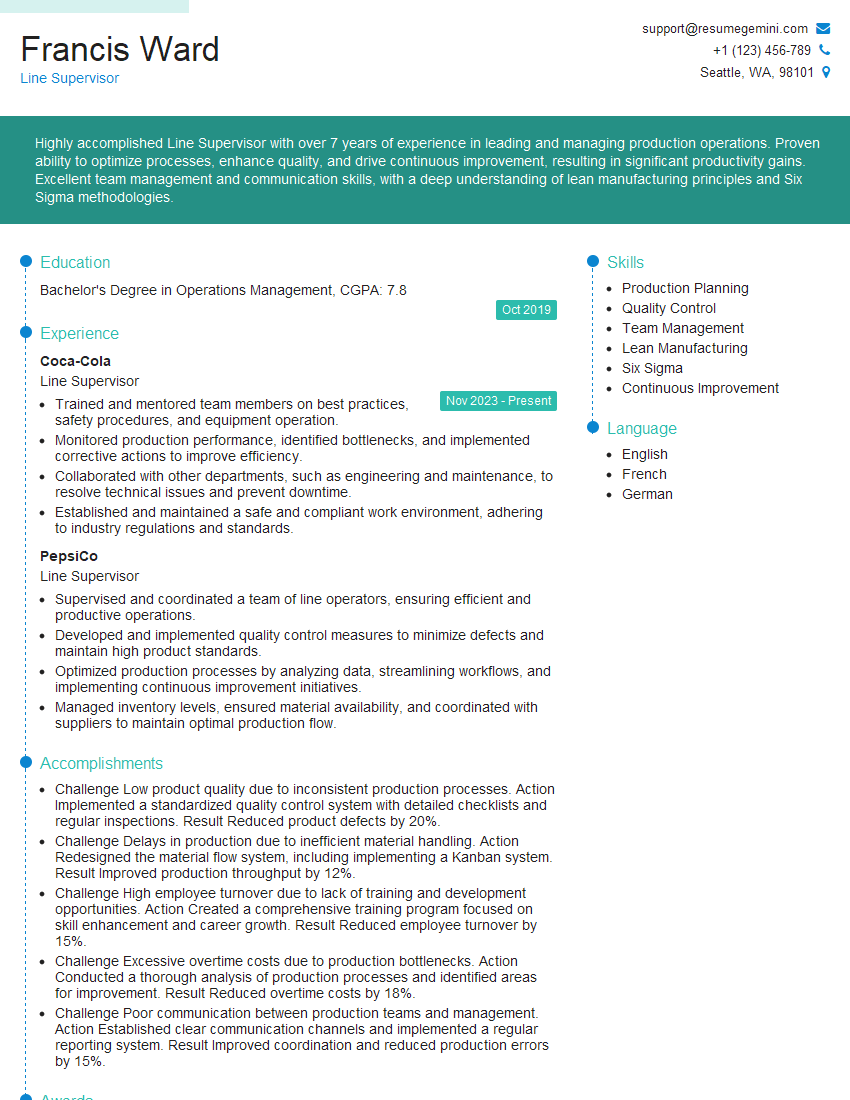
Line Supervisor Resume Sample
Explore more articles
Users Rating of Our Blogs
Share Your Experience
We value your feedback! Please rate our content and share your thoughts (optional).
What Readers Say About Our Blog
Very informative content, great job.
good