Unlock your full potential by mastering the most common Site Evaluation and Feasibility Studies interview questions. This blog offers a deep dive into the critical topics, ensuring you’re not only prepared to answer but to excel. With these insights, you’ll approach your interview with clarity and confidence.
Questions Asked in Site Evaluation and Feasibility Studies Interview
Q 1. Explain the process of conducting a site evaluation for a new manufacturing facility.
Site evaluation for a new manufacturing facility is a meticulous process that ensures the chosen location meets all operational, logistical, and regulatory requirements. It’s like choosing the perfect home – you need to consider factors beyond just the initial appeal.
- Initial Screening: We start by defining project needs (capacity, utilities, workforce access etc.) and identifying potential regions based on these. This often involves using GIS software to overlay various datasets.
- Site Reconnaissance: A team visits shortlisted sites, visually assessing topography, access roads, proximity to utilities, and surrounding land use. Think of it like a house viewing, but on a much larger scale.
- Detailed Site Investigation: This stage involves deeper dives into specific aspects. We conduct geotechnical investigations (soil testing, subsurface exploration), environmental assessments (air and water quality), and utility studies (availability and capacity of water, electricity, gas). We’d also examine zoning regulations, environmental permits, and potential risks.
- Feasibility Analysis: This combines all data gathered to determine the site’s suitability. A cost-benefit analysis is conducted, weighing the site’s advantages against the development costs and potential risks.
- Final Site Selection and Recommendation: Based on the comprehensive assessment, we present a recommendation for the most suitable site, along with a detailed report outlining the rationale and addressing any identified challenges.
Q 2. Describe your experience in performing geotechnical investigations for site suitability.
Geotechnical investigations are crucial in determining a site’s suitability for construction. I have extensive experience conducting and overseeing these investigations for various projects, including manufacturing facilities, data centers, and large-scale infrastructure projects. My work involves collaborating with geotechnical engineers to design and implement appropriate testing programs. This includes things like:
- Soil Sampling and Testing: We collect soil samples at various depths to analyze their properties like bearing capacity, shear strength, and permeability. This tells us how stable the ground is.
- Subsurface Exploration: Techniques like borehole drilling, cone penetration testing, and seismic refraction surveys help us understand the subsurface stratigraphy and identify potential issues like unstable layers or bedrock conditions.
- Foundation Design Recommendations: Based on the geotechnical data, we provide recommendations for appropriate foundation designs to ensure structural stability and safety of the facility.
For example, on a recent project, geotechnical investigations revealed an unexpectedly high water table at a proposed site. This led us to modify the foundation design, which avoided costly delays and potential structural issues later on.
Q 3. How do you assess environmental risks and compliance during site evaluation?
Environmental risk assessment is paramount. We use a phased approach, beginning with a preliminary site assessment using readily available data, such as historical land use records, environmental databases, and aerial imagery. This helps us identify potential contamination or environmental concerns.
- Phase I Environmental Site Assessment (ESA): This involves a thorough review of historical records and site reconnaissance to identify potential environmental liabilities, such as past industrial use or hazardous waste disposal.
- Phase II ESA (if needed): If Phase I reveals potential contamination, Phase II involves detailed sampling and laboratory analysis of soil, groundwater, and air to quantify the extent and nature of any contamination.
- Regulatory Compliance: We ensure the project complies with all relevant environmental regulations and permits at all stages. This includes working with environmental consultants and regulatory agencies to address any environmental concerns and obtain necessary permits.
- Risk Mitigation: If environmental risks are identified, we develop and implement mitigation plans to address these risks and minimize potential environmental impact. This might include remediation plans or specialized construction techniques.
A recent challenge involved a site with historical industrial activity. Through careful investigation and remediation planning, we ensured the project met environmental standards and obtained necessary approvals.
Q 4. What are the key factors to consider when evaluating the economic feasibility of a project?
Economic feasibility assessment is the backbone of any project. It determines whether a project is financially viable and whether it will deliver a satisfactory return on investment. Key factors I consider include:
- Capital Costs: This includes land acquisition, construction, equipment purchase, and other upfront expenses.
- Operating Costs: These are recurring expenses such as utilities, labor, maintenance, and raw materials.
- Revenue Projections: We estimate future revenue based on market demand, pricing strategies, and sales forecasts.
- Discounted Cash Flow (DCF) Analysis: This technique considers the time value of money, allowing us to compare the present value of future cash flows to the initial investment.
- Return on Investment (ROI): This measures the profitability of the project by comparing the net profit to the initial investment.
- Sensitivity Analysis: We test how changes in key variables (e.g., material costs, sales volume) will impact the project’s financial viability.
For example, we might use sensitivity analysis to show how a change in energy prices would impact the ROI of a manufacturing facility. This allows stakeholders to make informed decisions and manage potential risks.
Q 5. How do you use GIS software in site selection and analysis?
Geographic Information Systems (GIS) software is an indispensable tool in site selection and analysis. It allows us to visualize, analyze, and manage spatial data efficiently. I use GIS extensively in several ways:
- Data Integration: GIS allows us to integrate various datasets such as topography, land use, transportation networks, utilities, and environmental data. This creates a comprehensive picture of the study area.
- Spatial Analysis: We can perform various spatial analyses, such as proximity analysis (distance to roads, utilities, etc.), overlay analysis (identifying suitable areas based on multiple criteria), and suitability modeling (creating maps that rank sites based on a set of criteria).
- Visualization and Mapping: GIS allows us to create high-quality maps and visualizations that help communicate findings effectively to clients and stakeholders. We can use it to clearly depict project areas, potential sites, and relevant environmental features.
- Data Management: GIS provides a structured way to organize and manage the large volumes of data involved in site selection. This ensures data accuracy and consistency throughout the process.
For instance, in one project, we used GIS to overlay data on floodplains, transportation routes, and land availability to identify the most suitable sites for a new distribution center.
Q 6. Explain your experience in developing and presenting feasibility reports.
I have extensive experience in developing and presenting comprehensive feasibility reports. These reports are crucial in securing funding and approvals for projects. My reports are structured to be clear, concise, and persuasive, presenting the information in a way that is easily understood by both technical and non-technical audiences.
- Executive Summary: A concise overview of the project, key findings, and recommendations.
- Methodology: A detailed explanation of the site evaluation process and the data analysis techniques used.
- Site Analysis: A presentation of the results of the site investigation, including geotechnical data, environmental assessments, and utility studies.
- Feasibility Assessment: A comprehensive economic and financial analysis, including capital and operating costs, revenue projections, and ROI.
- Risk Assessment and Mitigation Strategies: Identification of potential risks and recommendations for mitigation.
- Conclusions and Recommendations: A summary of the key findings and recommendations based on the analysis.
I emphasize clear visuals like maps, charts, and tables to illustrate complex data effectively. I also tailor my presentations to the audience, ensuring that the information is accessible and relevant to their needs.
Q 7. Describe a time you had to overcome a challenge during a site evaluation process.
During a site evaluation for a large-scale solar farm project, we encountered unexpected challenges related to avian habitat. Initial environmental assessments indicated a relatively low risk, but during the detailed site survey, we discovered a migratory bird pathway directly across the proposed project area.
This posed a significant threat to project approval because harming migratory birds is heavily regulated. To overcome this challenge, we collaborated with avian biologists to conduct a detailed ornithological survey. This involved observing bird activity, documenting species, and modeling potential impacts. Based on the findings, we developed a mitigation plan that included adjusting the project layout to avoid the most sensitive areas and implementing bird deterrent measures.
This proactive approach, involving additional expertise and careful planning, ultimately led to project approval and minimized any negative environmental impact. It demonstrated the importance of thorough due diligence and the value of adapting to unexpected challenges during site evaluations.
Q 8. How do you quantify and manage risks associated with site development?
Quantifying and managing risks in site development is crucial for project success. We use a multi-pronged approach, starting with a thorough risk assessment. This involves identifying potential hazards – everything from environmental concerns like contaminated soil to logistical challenges like access restrictions and permitting delays. Each risk is then analyzed based on its likelihood and impact. We often employ a risk matrix, a simple visual tool plotting these two factors to prioritize the most critical risks.
For instance, a high likelihood of flooding with a significant impact on construction could be classified as a high-priority risk, requiring mitigation strategies such as raised foundations or robust drainage systems. We then develop contingency plans for each significant risk, outlining alternative solutions or backup strategies. These plans are continuously monitored and updated as the project progresses. Finally, we incorporate a risk register – a central document tracking identified risks, their likelihood and impact scores, the mitigation strategies in place, and responsible parties. Regular updates and reviews of this register are essential to keep the risks under control.
Q 9. What are some common pitfalls to avoid during site evaluation?
Common pitfalls in site evaluation often stem from insufficient due diligence. One major mistake is underestimating the complexity of regulatory approvals. Failing to thoroughly research zoning regulations, environmental permits, and other legal requirements can lead to significant delays and cost overruns. Another common pitfall is overlooking site-specific environmental conditions. Ignoring potential issues like contaminated soil, unstable ground, or flood zones can result in expensive remediation efforts later on.
Similarly, inadequate stakeholder engagement is a frequent issue. Neglecting to involve community members, government agencies, and other stakeholders early in the process can generate opposition and delay projects. Finally, relying solely on limited data or outdated information can lead to inaccurate assessments. Thorough site investigation using up-to-date data is essential. Imagine relying on aerial photos from 10 years ago for a project involving significant development; you might miss key changes like new infrastructure or environmental alterations.
Q 10. How do you incorporate stakeholder feedback into your site evaluation process?
Stakeholder feedback is vital for successful site evaluations. We incorporate it through various methods, starting with formal consultation meetings. We invite key stakeholders, such as local residents, community groups, and government representatives, to share their perspectives and concerns. We also utilize public forums and online surveys to gather broader feedback. These methods allow us to understand the community’s values and concerns, anticipate potential challenges, and build consensus.
Further, we ensure transparent communication throughout the process. This involves regularly updating stakeholders on our progress, addressing their concerns, and incorporating their feedback into our decisions. For instance, if feedback indicates a particular site design causes traffic congestion, we might revise the plan to alleviate that concern. Finally, we document all stakeholder interactions and feedback to ensure accountability and transparency.
Q 11. Explain your understanding of different land use regulations and their impact on site selection.
Understanding land use regulations is paramount. These regulations, including zoning ordinances, building codes, environmental protection laws, and historical preservation guidelines, significantly impact site selection. For instance, zoning regulations dictate what types of development are permitted on a given site – residential, commercial, industrial, etc. A site zoned for residential use might be unsuitable for an industrial facility.
Environmental regulations govern the protection of natural resources and the prevention of pollution. These regulations may restrict development in environmentally sensitive areas, such as wetlands or floodplains. Building codes dictate the structural requirements for buildings, influencing design and construction costs. Ignoring any of these regulations can result in project delays, fines, or even project termination. Our team always performs a comprehensive legal review of all applicable land use regulations before recommending any site.
Q 12. How do you determine the optimal site based on multiple competing criteria?
Determining the optimal site among multiple options with competing criteria requires a systematic approach. We often employ a multi-criteria decision analysis (MCDA). This involves identifying key criteria – such as cost, accessibility, proximity to utilities, environmental impact, and community acceptance – and assigning weights to each based on their relative importance. Each potential site is then scored against each criterion.
For example, we might assign higher weights to environmental impact and community acceptance in a sensitive area, while emphasizing cost and accessibility in a more industrial context. We use various techniques such as weighted scoring, Analytic Hierarchy Process (AHP), or outranking methods to aggregate the scores and rank the potential sites. This provides a clear, data-driven basis for selecting the optimal location, ensuring objectivity and transparency. Sensitivity analysis helps us check if the outcome is robust against changes in assigned weights.
Q 13. Describe your experience with cost estimation and budget management for site development.
Accurate cost estimation and budget management are critical for successful site development. Our process starts with a detailed cost breakdown structure (CBS). This systematically categorizes all project costs, including land acquisition, site preparation, infrastructure development, construction, and permitting fees. Each cost item is estimated using various methods, such as unit pricing, parametric estimation, or bottom-up approaches, depending on the level of detail available.
We incorporate contingency buffers for unforeseen expenses and potential cost escalations. Regular budget monitoring and reporting are essential throughout the project lifecycle. This ensures that spending remains aligned with the budget and allows for timely adjustments if necessary. We use project management software to track expenses, monitor progress against milestones, and identify potential cost overruns early on, allowing us to implement corrective actions.
Q 14. What are your preferred methods for data analysis in site evaluation?
Data analysis plays a crucial role in site evaluation. We utilize a combination of methods, starting with geographic information systems (GIS) for spatial analysis. GIS allows us to overlay various datasets, such as land use maps, environmental data, and infrastructure networks, to assess site suitability. For example, we can overlay floodplains and proximity to highways to identify areas with reduced risk and high accessibility. We then employ statistical analysis techniques like regression models or ANOVA to understand correlations and trends in the data.
Further, we often utilize simulation modeling to predict the impact of various site development scenarios. For instance, we might simulate traffic flow patterns or environmental impacts to understand the long-term consequences of development. Finally, data visualization tools are vital for communicating our findings effectively to stakeholders. Visualizations like maps, charts, and graphs make complex data easier to understand and help in making informed decisions.
Q 15. How do you ensure the accuracy and reliability of data used in feasibility studies?
Ensuring data accuracy and reliability in feasibility studies is paramount. It’s like building a house – you wouldn’t start without a solid foundation. We achieve this through a multi-pronged approach:
- Source Verification: We meticulously trace all data back to its original source, verifying its credibility through multiple channels. This might involve reviewing government records, conducting site surveys, interviewing stakeholders, or cross-referencing data from reputable databases.
- Data Triangulation: We rarely rely on a single data source. Instead, we collect information from various sources and compare them. Discrepancies are investigated thoroughly to identify and correct errors or inconsistencies. Think of it as comparing multiple maps to get a more accurate picture of the terrain.
- Quality Control Checks: Rigorous quality control measures are integrated throughout the data collection and analysis process. This includes regular data audits, employing statistical methods to identify outliers, and utilizing appropriate software for data validation.
- Sensitivity Analysis: We conduct sensitivity analyses to understand how changes in input data might affect the overall results. This helps assess the robustness of our conclusions and identify key uncertainties.
For example, in a feasibility study for a wind farm, we wouldn’t simply rely on a single wind speed measurement. We’d collect data from multiple weather stations over several years, analyzing historical patterns and potential variations.
Career Expert Tips:
- Ace those interviews! Prepare effectively by reviewing the Top 50 Most Common Interview Questions on ResumeGemini.
- Navigate your job search with confidence! Explore a wide range of Career Tips on ResumeGemini. Learn about common challenges and recommendations to overcome them.
- Craft the perfect resume! Master the Art of Resume Writing with ResumeGemini’s guide. Showcase your unique qualifications and achievements effectively.
- Don’t miss out on holiday savings! Build your dream resume with ResumeGemini’s ATS optimized templates.
Q 16. Explain your experience in using different project management methodologies for feasibility studies.
My experience encompasses various project management methodologies, each with its strengths for feasibility studies. I’ve successfully applied Agile, Waterfall, and a hybrid approach, adapting my methodology to the specific project needs and client preferences.
- Waterfall: Ideal for projects with clearly defined scope and minimal anticipated changes. It provides a structured, sequential approach, which can be helpful when dealing with regulatory approvals and permits.
- Agile: Better suited for projects where requirements might evolve, allowing for flexibility and iterative development. This approach is beneficial when dealing with uncertain environmental factors or changing market conditions.
- Hybrid: Often, a combination of Waterfall and Agile proves most effective. For instance, the initial phases of a feasibility study (e.g., site selection, preliminary assessments) might follow a Waterfall approach for a structured foundation, while later stages (e.g., detailed design, stakeholder engagement) can incorporate Agile principles for greater flexibility.
In one project involving a large-scale infrastructure development, we initially used a Waterfall methodology for the early stages of environmental impact assessment due to the rigid regulatory requirements. However, as the project progressed, we transitioned to an Agile approach to manage feedback from local communities and incorporate their concerns into the design.
Q 17. How do you assess the potential impact of a project on the surrounding environment?
Assessing a project’s environmental impact is crucial and requires a multidisciplinary approach. We conduct comprehensive Environmental Impact Assessments (EIAs) following established guidelines and regulations. This involves:
- Baseline Studies: We first establish a baseline understanding of the existing environment, documenting flora, fauna, water quality, air quality, and other relevant factors.
- Impact Prediction: Using various modeling techniques and expert judgment, we predict the potential impacts of the project on the environment, both positive and negative. This might involve analyzing changes in water flow, air pollution levels, habitat loss, or noise pollution.
- Mitigation Strategies: We develop and evaluate strategies to mitigate negative impacts. These might include habitat restoration, pollution control measures, or the implementation of sustainable design principles.
- Regulatory Compliance: Ensuring the project meets all relevant environmental regulations and permits is a key part of the process. This involves working closely with regulatory agencies and obtaining necessary approvals.
For example, in a proposed highway project, we would assess the potential impact on nearby wetlands, develop mitigation plans (such as constructing a wildlife crossing), and work with environmental agencies to secure all necessary permits.
Q 18. How do you handle unexpected issues or changes during a site evaluation?
Unexpected issues are inevitable in site evaluation. Our approach centers around proactive risk management and adaptive planning. We address unexpected issues through:
- Contingency Planning: We develop contingency plans to address foreseeable risks, such as delays due to weather, unexpected geological conditions, or changes in regulations. These plans detail alternative approaches and resource allocation.
- Risk Assessment & Mitigation: We regularly assess potential risks and develop strategies to mitigate them. This involves identifying potential problems early, quantifying their impact, and establishing proactive measures.
- Flexible Methodology: Employing agile methodologies allows us to adapt our plans quickly in response to unforeseen challenges. We utilize iterative approaches to refine our evaluation as new information becomes available.
- Open Communication: Maintaining open communication with all stakeholders is crucial. This allows us to quickly identify and address problems and garner support for necessary changes.
For instance, discovering contaminated soil during a site investigation would trigger our contingency plan, which would involve further investigation, remediation planning, and cost adjustments. Open communication with the client throughout this process is essential.
Q 19. Explain your experience in conducting due diligence for site acquisitions.
Due diligence for site acquisitions is a critical aspect of my work. It’s all about minimizing risk and ensuring the selected site aligns with the project’s needs. My process involves:
- Title Search and Legal Review: We conduct a thorough title search to verify ownership, identify any liens or encumbrances, and ensure the legal status of the property is clear.
- Environmental Site Assessment (ESA): This identifies any environmental hazards or contamination present on the site. This is crucial for preventing future liability and ensuring compliance with environmental regulations.
- Geotechnical Investigation: We conduct geotechnical investigations to assess the soil conditions and determine the site’s suitability for the planned development. This can involve soil sampling, drilling, and laboratory testing.
- Zoning and Land Use Regulations: We review zoning regulations and land use plans to determine if the intended use of the site is permitted and complies with all local ordinances.
- Infrastructure Assessment: We evaluate the existing infrastructure, including access to utilities (water, sewer, electricity), transportation networks, and communication systems.
In a recent acquisition, a thorough environmental site assessment revealed past industrial activity. This led us to negotiate a lower purchase price and incorporate remediation costs into the project budget, averting potential legal issues and cost overruns.
Q 20. How do you communicate complex technical information to non-technical stakeholders?
Communicating complex technical information to non-technical stakeholders requires clear, concise, and engaging communication. We avoid jargon and technical terms whenever possible. Instead, we utilize:
- Visual Aids: Charts, graphs, maps, and infographics effectively convey complex data and make it easier to understand. A picture is indeed worth a thousand words.
- Analogies and Metaphors: Using relatable analogies and metaphors helps to simplify abstract concepts and make them more accessible to a broader audience. For example, explaining complex hydrological models using simple water flow analogies.
- Storytelling: Framing technical information within a compelling narrative can enhance engagement and make information more memorable.
- Interactive Presentations: Interactive presentations encourage active participation, allowing stakeholders to ask questions and clarify any uncertainties.
- Plain Language Summaries: Creating concise plain language summaries of key findings ensures everyone understands the essentials.
In one project, I used a simple analogy of a water tower to explain the complexities of a proposed water management system to a community group. It made the concept easier to grasp and facilitated a more productive discussion.
Q 21. What are the key performance indicators (KPIs) you use to measure the success of a feasibility study?
The success of a feasibility study is measured by several key performance indicators (KPIs):
- Accuracy of Predictions: How accurately did the study predict key parameters (e.g., costs, timelines, environmental impacts)? This is evaluated by comparing initial projections to actual results, if and when the project proceeds.
- Completeness of Assessment: Did the study comprehensively address all relevant aspects, considering potential risks and uncertainties?
- Timeliness of Delivery: Was the study completed within the stipulated timeframe and budget? This reflects efficiency and project management skills.
- Stakeholder Satisfaction: Were the findings of the study well-received and understood by all stakeholders? This includes clients, regulatory agencies, and the community.
- Decision Support: Did the study provide sufficient information to inform a sound decision regarding the project’s feasibility? A successful study provides clarity and reduces uncertainties.
- Return on Investment (ROI) for the Study Itself: Did the insights gained from the feasibility study justify its cost? The study should significantly improve decision-making and potentially avoid costly mistakes.
By tracking these KPIs, we can continuously improve our methodologies and ensure the delivery of high-quality, impactful feasibility studies.
Q 22. How do you incorporate sustainability considerations into site selection and development?
Sustainability is paramount in modern site selection and development. It’s not just a trend; it’s a necessity for responsible and long-term success. We incorporate sustainability through a multi-faceted approach, considering environmental, social, and economic factors throughout the entire project lifecycle.
- Environmental Considerations: This involves analyzing the site’s ecological footprint, minimizing energy consumption (e.g., by selecting locations with access to renewable energy sources), reducing water usage, and managing waste effectively. For example, we might prioritize sites with existing green infrastructure or proximity to public transport to reduce reliance on private vehicles. We also conduct thorough environmental impact assessments to identify and mitigate potential risks.
- Social Considerations: We evaluate the site’s impact on the surrounding community, considering factors like noise pollution, traffic congestion, and visual impacts. Community engagement is crucial; we actively consult with local stakeholders to address their concerns and ensure the project aligns with community needs and values. For instance, a project near a school would require careful noise mitigation strategies.
- Economic Considerations: Sustainability also encompasses long-term economic viability. We assess the project’s cost-effectiveness, considering both initial investment and ongoing operational expenses. This includes exploring incentives for sustainable building practices and minimizing life-cycle costs. For example, using locally sourced materials reduces transportation costs and supports local businesses.
By integrating these considerations from the initial site selection phase, we ensure a sustainable and responsible development project.
Q 23. Describe your experience with different types of site investigations (e.g., Phase I, Phase II).
My experience encompasses all phases of site investigation, from preliminary assessments to detailed geotechnical studies. I’ve led and participated in numerous Phase I and Phase II Environmental Site Assessments (ESAs).
- Phase I ESA: This involves a thorough review of historical records, including property title searches, aerial photographs, and interviews with previous owners or occupants, to identify potential environmental concerns. The goal is to assess the likelihood of contamination. A recent project involved a Phase I ESA for a proposed industrial park. The historical records revealed past operations that raised concerns about potential soil contamination, necessitating a Phase II investigation.
- Phase II ESA: This is a more in-depth investigation triggered by findings in the Phase I. It involves environmental sampling (soil, groundwater, etc.) and laboratory analysis to confirm the presence and extent of any contamination. We employed this approach in the industrial park project, discovering minor soil contamination that required remediation before construction could begin. This ensured that the development adhered to environmental regulations and avoided potential legal issues.
Beyond Phase I and II, my experience includes geotechnical investigations, which assess the soil’s bearing capacity and suitability for construction, as well as hydrological studies to assess groundwater conditions and potential flooding risks. Each investigation type plays a crucial role in ensuring the safety and feasibility of a project.
Q 24. How do you ensure the timely completion of a feasibility study within budget constraints?
Timely and budget-conscious feasibility studies require meticulous planning and efficient execution. My approach involves:
- Clear Scope Definition: A detailed project scope is essential. This includes defining deliverables, timelines, and budget allocations. This upfront clarity prevents scope creep, a frequent cause of delays and budget overruns.
- Realistic Scheduling: We use project management tools (like MS Project or Primavera P6) to create realistic schedules, considering potential dependencies and risks. Regular progress monitoring ensures that any deviations are detected and addressed promptly. We utilize agile methodologies for flexibility and responsiveness to changes.
- Resource Allocation: We carefully allocate resources (personnel, equipment, etc.) to ensure efficient utilization. This includes assigning tasks to individuals based on their expertise and availability. We also monitor resource consumption to identify potential bottlenecks and make necessary adjustments.
- Risk Management: We identify and assess potential risks, developing contingency plans to mitigate their impact on the timeline and budget. Examples include unforeseen delays caused by regulatory approvals or unexpected site conditions.
By implementing these strategies, we consistently deliver feasibility studies on time and within budget, providing clients with reliable information to inform their decision-making.
Q 25. Describe your experience in collaborating with different engineering disciplines during site evaluation.
Site evaluation is a collaborative effort, requiring expertise from various engineering disciplines. My experience involves seamless integration with:
- Civil Engineers: Collaboration with civil engineers is essential for assessing site grading, drainage, and infrastructure requirements. In one project, we worked closely with civil engineers to design a sustainable stormwater management system that minimized environmental impact.
- Geotechnical Engineers: Geotechnical engineers provide crucial information on soil conditions, bearing capacity, and foundation design. Their input is vital for ensuring structural integrity and stability. We relied heavily on geotechnical data to design the foundations for a high-rise building on a challenging site.
- Environmental Engineers: Environmental engineers are key partners in assessing and mitigating environmental risks. Their expertise is critical for ensuring compliance with environmental regulations and minimizing the project’s ecological footprint. In a recent brownfield redevelopment project, environmental engineers played a crucial role in remediation efforts.
- Structural Engineers: Structural engineers ensure the design and construction of safe and durable structures. Their input is crucial in the later stages of the project, but their understanding of site conditions is vital from the beginning.
Effective communication and coordination among these disciplines are paramount for successful project delivery. We utilize collaborative platforms and regular meetings to foster effective teamwork and ensure everyone is aligned.
Q 26. How do you identify and mitigate potential conflicts of interest in site selection?
Conflicts of interest can significantly compromise the objectivity and integrity of site selection. We proactively address potential conflicts through several mechanisms:
- Transparency and Disclosure: We maintain complete transparency regarding any potential conflicts of interest, disclosing any relationships with developers, contractors, or other stakeholders that could influence our decisions. This includes disclosing any financial interests.
- Independent Review: We employ independent third-party reviews to ensure objectivity in our assessments. This can involve expert panels or peer reviews to validate our findings and conclusions.
- Ethical Guidelines: We strictly adhere to professional ethical guidelines and codes of conduct. Our commitment to objectivity and impartiality is paramount.
- Documented Decision-Making: We meticulously document all aspects of our decision-making process, including data sources, analysis methods, and rationale for selecting a particular site. This allows for scrutiny and transparency.
By employing these measures, we maintain the highest level of ethical conduct, ensuring unbiased and credible site selection recommendations.
Q 27. What software and tools are you proficient in using for site evaluation and feasibility studies?
Proficiency in various software and tools is essential for efficient site evaluation and feasibility studies. My expertise includes:
- GIS Software (ArcGIS, QGIS): For spatial data analysis, mapping, and visualization of site characteristics. I use this for analyzing site proximity to infrastructure, assessing environmental sensitivities, and visualizing potential development footprints.
- CAD Software (AutoCAD, Civil 3D): For creating and manipulating site plans, drawings, and other design elements. This is crucial for visualizing potential development layouts and infrastructure.
- Project Management Software (MS Project, Primavera P6): For scheduling, budgeting, and tracking project progress. This ensures we stay on track and within budget.
- Data Analysis Software (Excel, R, Python): For statistical analysis, data modeling, and financial forecasting. This is critical for evaluating financial feasibility and risk assessment.
- Specialized Software: Depending on the project needs, we utilize specialized software such as hydrological modeling packages (HEC-RAS) or environmental impact assessment tools.
My proficiency in these tools enables efficient data processing, analysis, and visualization, resulting in high-quality feasibility studies.
Q 28. Explain your understanding of life cycle costing in site development.
Life-cycle costing (LCC) is a crucial consideration in site development. It’s a holistic approach that considers all costs associated with a project throughout its entire lifespan, from initial acquisition to eventual demolition or decommissioning.
Unlike traditional cost analysis that focuses primarily on upfront capital costs, LCC encompasses operational costs (energy, maintenance, repairs), replacement costs (equipment, infrastructure), and even disposal costs. For example, selecting a site requiring extensive remediation will have high initial costs and potentially ongoing monitoring expenses, impacting the LCC significantly. Conversely, a site with readily available infrastructure might have lower initial costs but higher operating costs over time if the infrastructure is less efficient.
We incorporate LCC analysis into our feasibility studies to provide a comprehensive understanding of the total cost of ownership. This helps clients make informed decisions by comparing different sites and development options, considering both short-term and long-term financial implications. This holistic perspective often leads to more sustainable and economically viable solutions.
Key Topics to Learn for Site Evaluation and Feasibility Studies Interview
- Site Selection Criteria: Understand the various factors influencing site selection, including geographical considerations, environmental impact assessments, regulatory compliance, and infrastructure availability. Consider how these factors interact and impact project feasibility.
- Cost-Benefit Analysis: Master the techniques for conducting thorough cost-benefit analyses, encompassing both tangible and intangible costs and benefits. Practice applying these methods to real-world scenarios, justifying your decisions with clear reasoning.
- Risk Assessment and Mitigation: Develop expertise in identifying potential risks associated with a project site, such as geological hazards, environmental uncertainties, and regulatory changes. Learn strategies for effectively mitigating these risks and incorporating them into your feasibility study.
- Data Analysis and Interpretation: Practice analyzing various datasets – geographical, environmental, economic – to inform your site evaluation and feasibility study. Become proficient in using relevant software and tools for data visualization and interpretation.
- Report Writing and Presentation: Develop clear and concise communication skills to effectively present your findings and recommendations in a professional report. Practice structuring your reports logically and supporting your conclusions with compelling evidence.
- Sustainable Development Principles: Demonstrate your understanding of incorporating sustainable practices into site selection and feasibility studies. This includes minimizing environmental impact, promoting energy efficiency, and considering social equity.
- Stakeholder Engagement: Learn how to effectively engage with stakeholders throughout the site evaluation and feasibility study process. This includes understanding their concerns, addressing their questions, and incorporating their feedback into your analysis.
Next Steps
Mastering Site Evaluation and Feasibility Studies is crucial for career advancement in many fields, opening doors to challenging and rewarding projects. A strong foundation in these skills will significantly enhance your competitiveness in the job market. To maximize your chances of landing your dream role, focus on creating a compelling, ATS-friendly resume that highlights your skills and experience. ResumeGemini is a trusted resource that can help you build a professional and effective resume. Examples of resumes tailored to Site Evaluation and Feasibility Studies are available to guide you through the process.
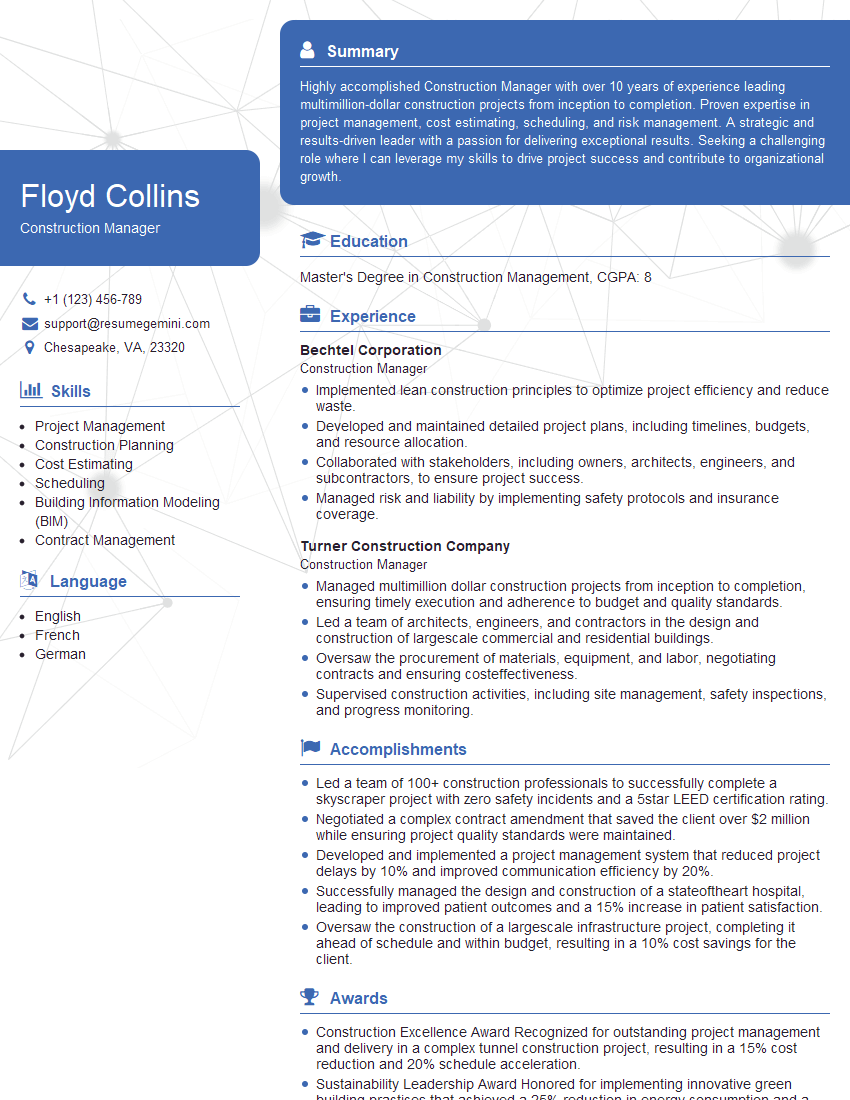
Construction Manager Resume Sample
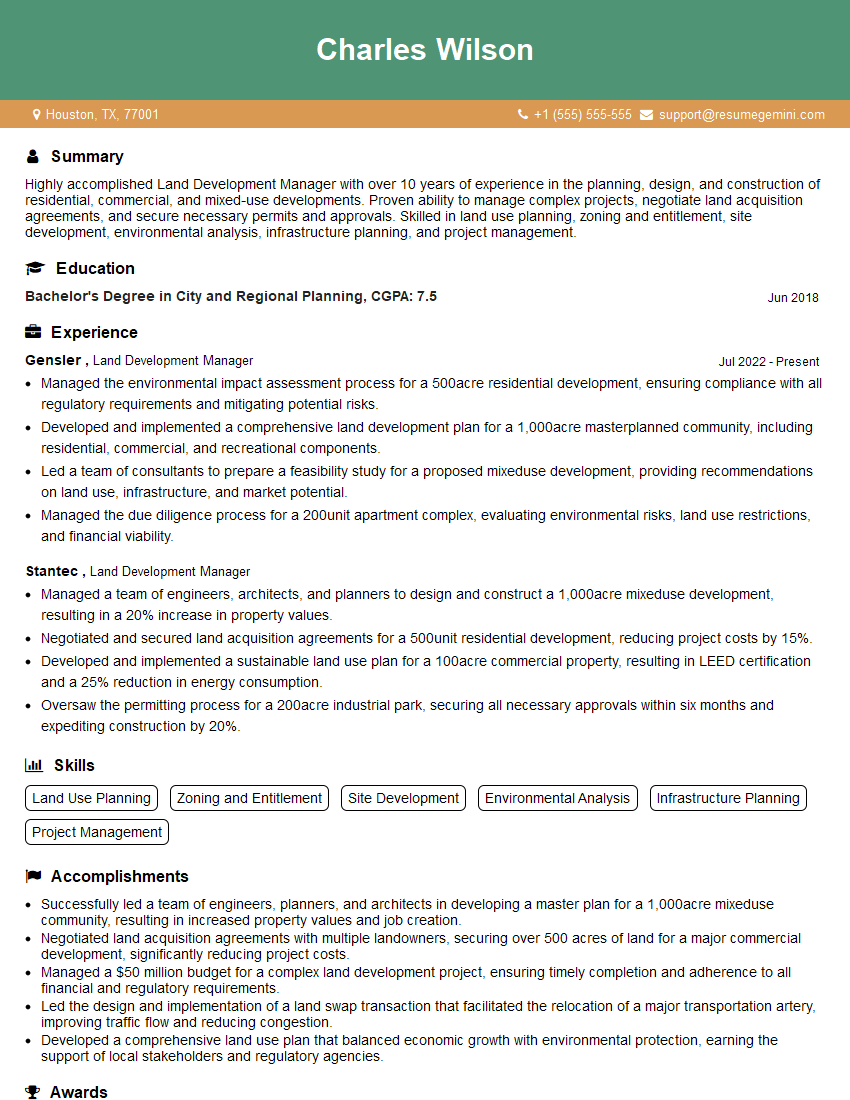
Land Development Manager Resume Sample
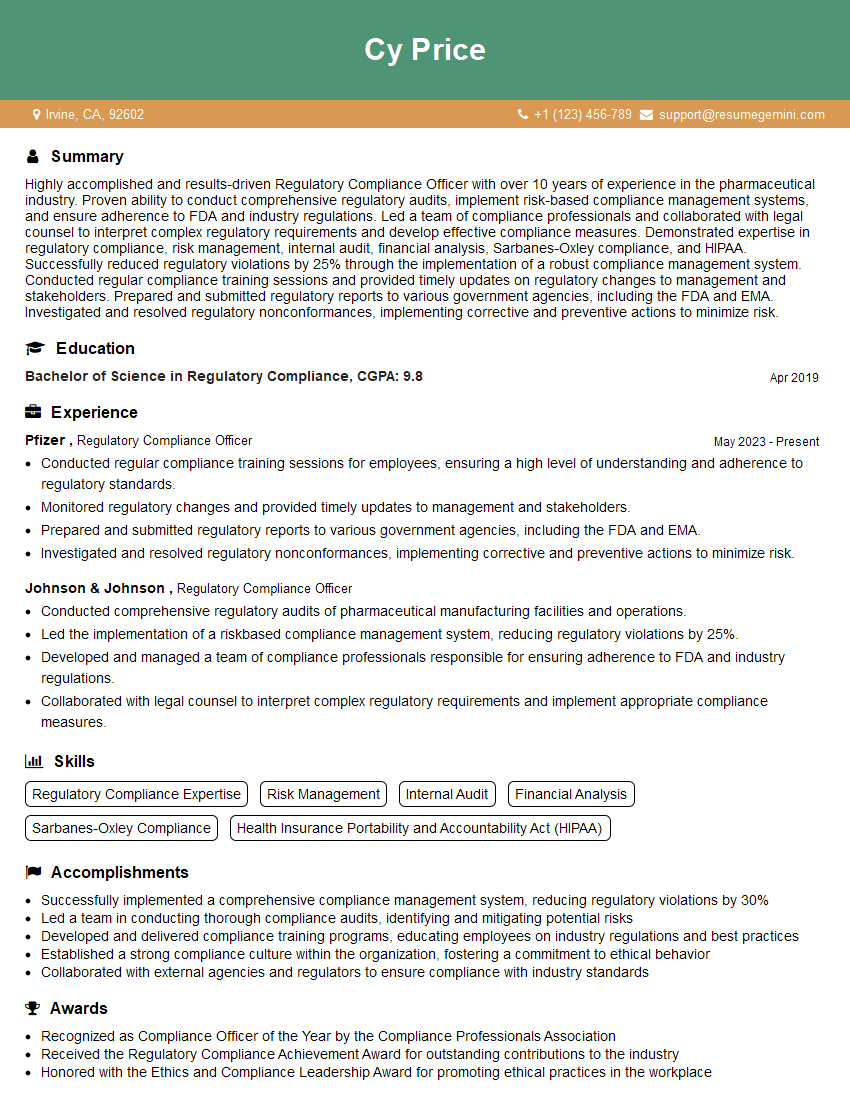
Regulatory Compliance Officer Resume Sample
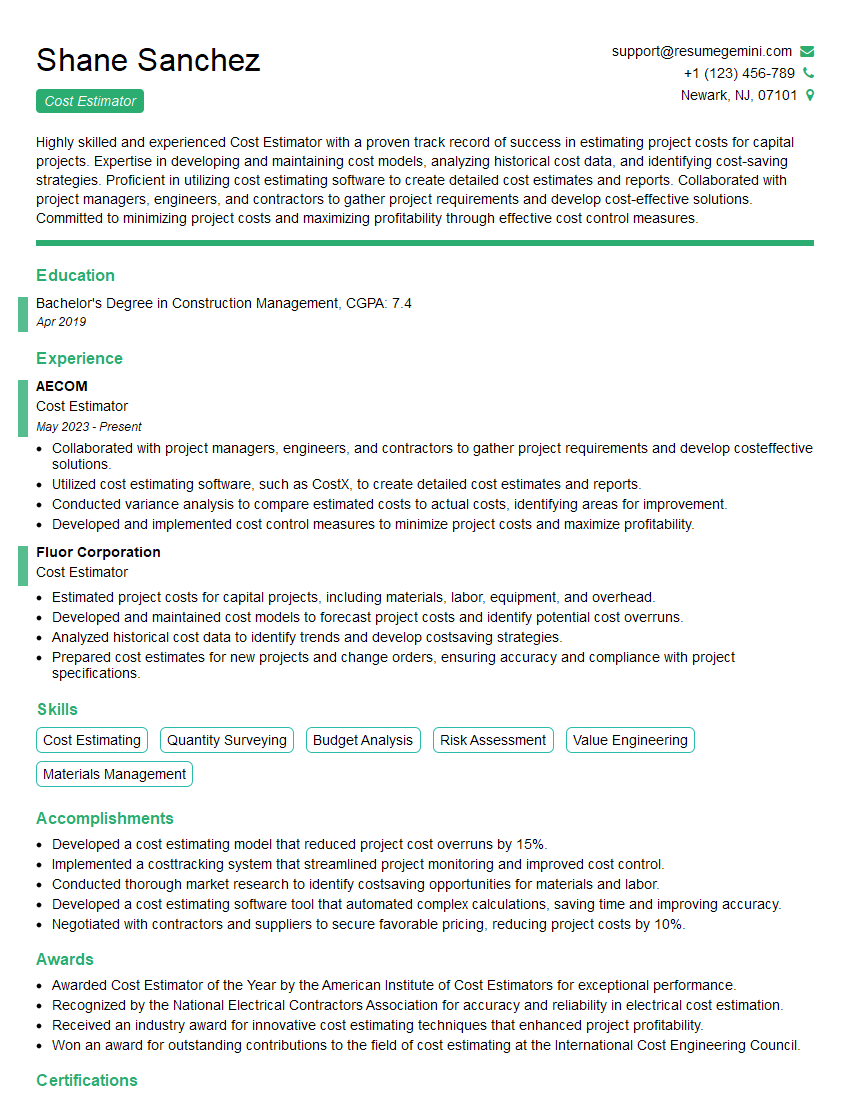
Cost Estimator Resume Sample

Sustainability Consultant Resume Sample
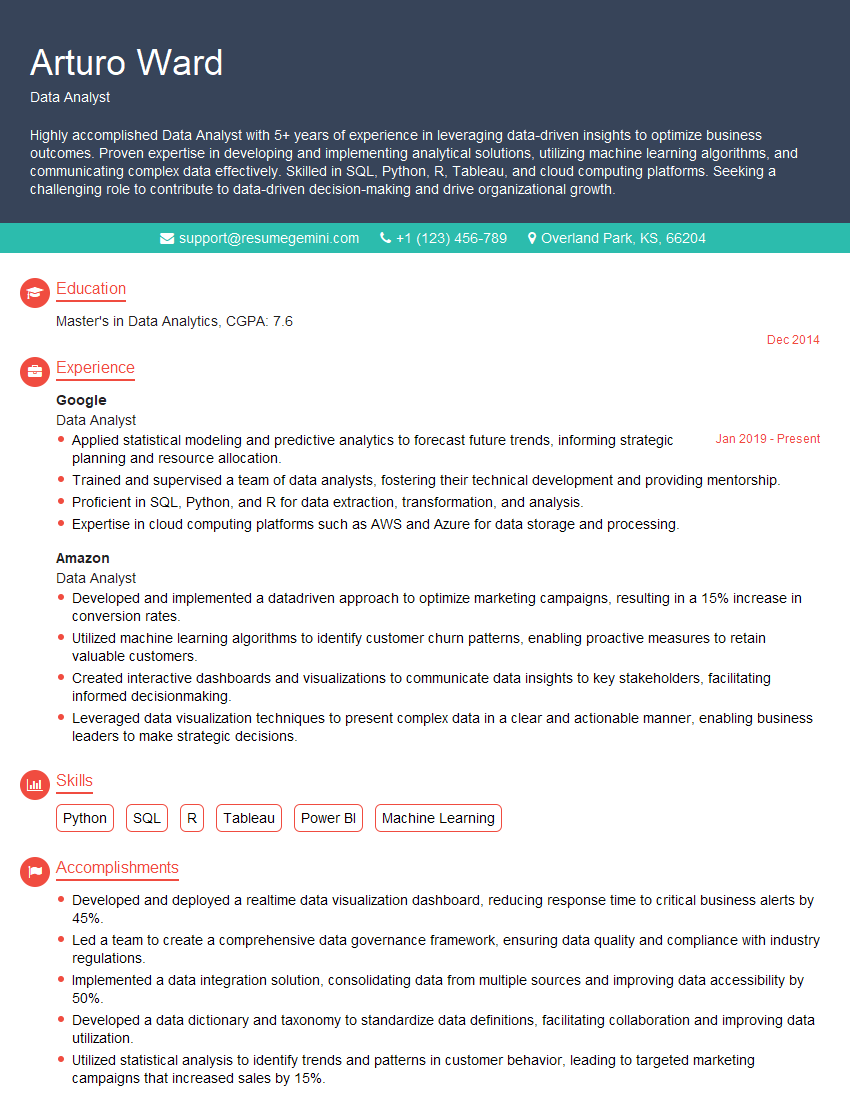
Data Analyst Resume Sample
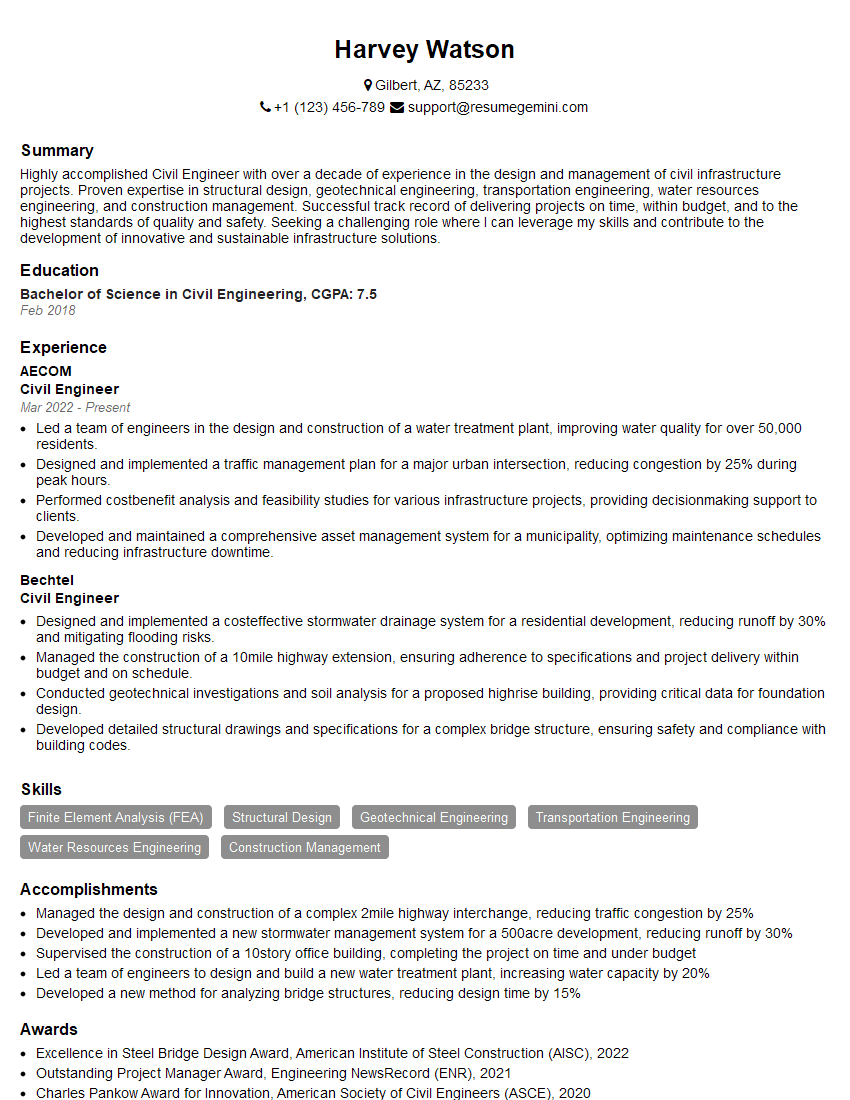
Civil Engineer Resume Sample
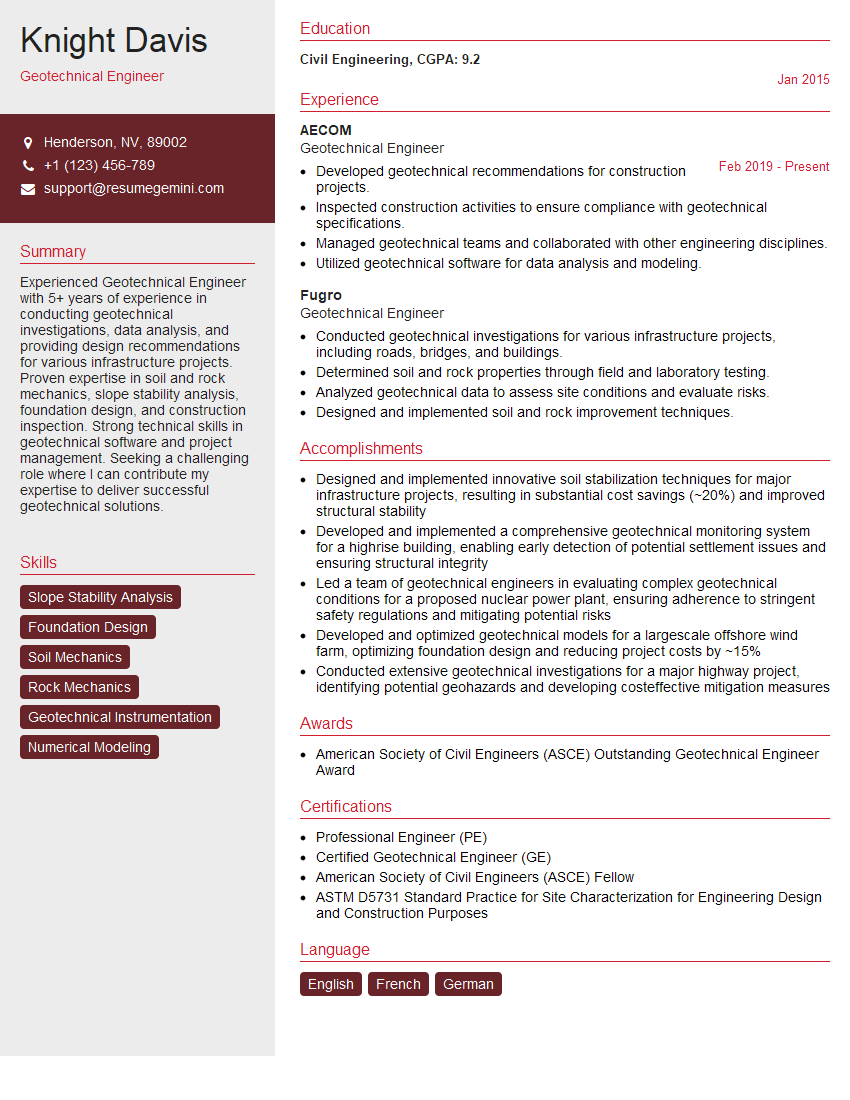
Geotechnical Engineer Resume Sample
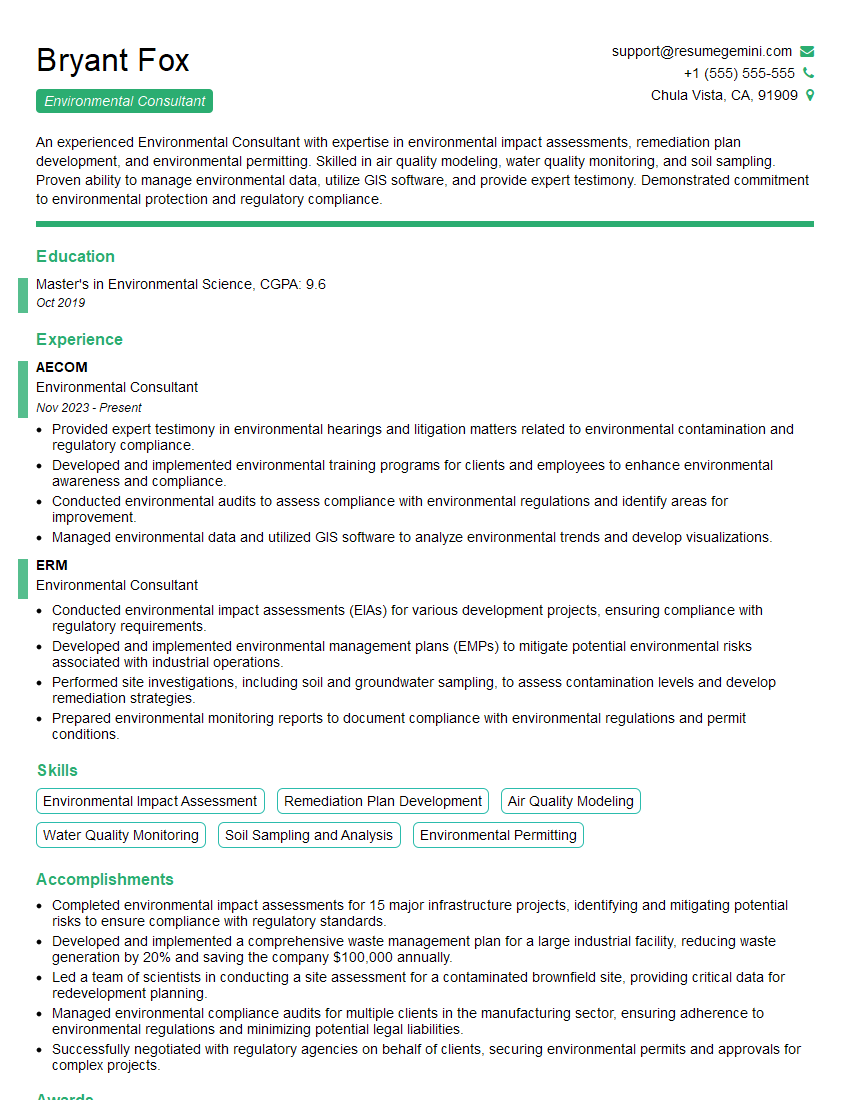
Environmental Consultant Resume Sample
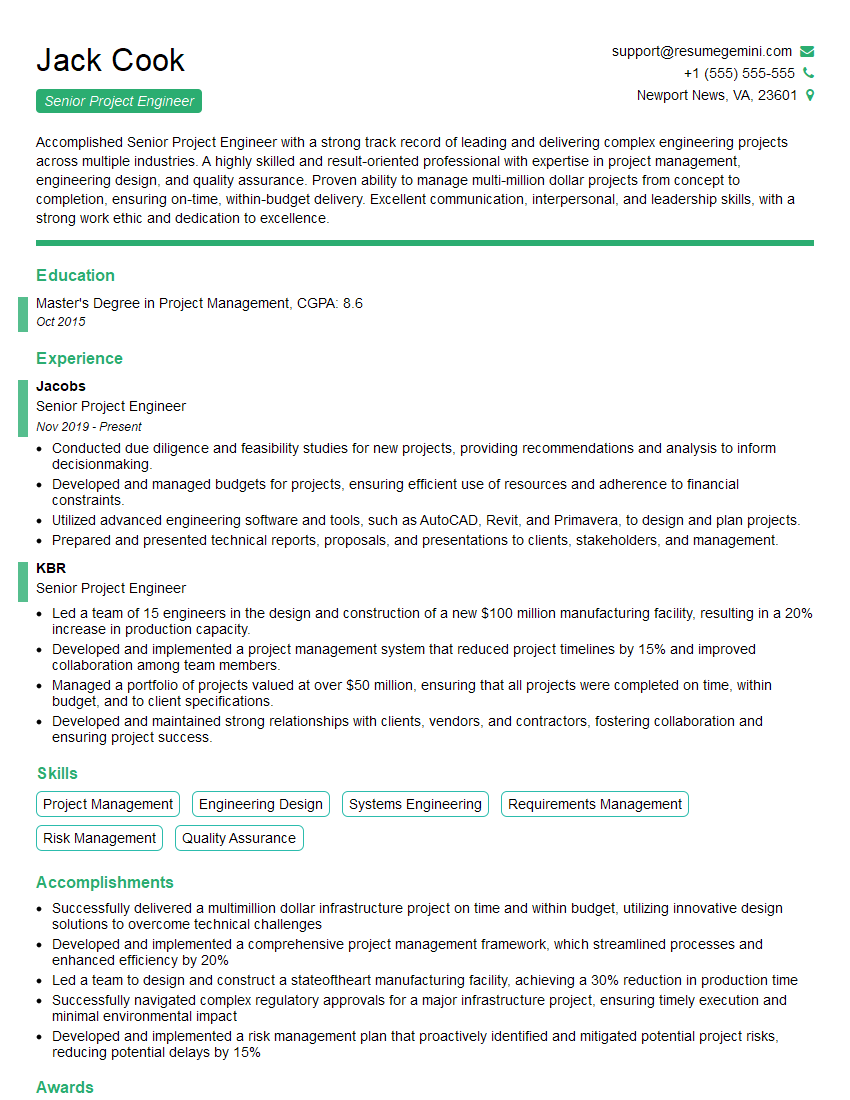
Senior Project Engineer Resume Sample
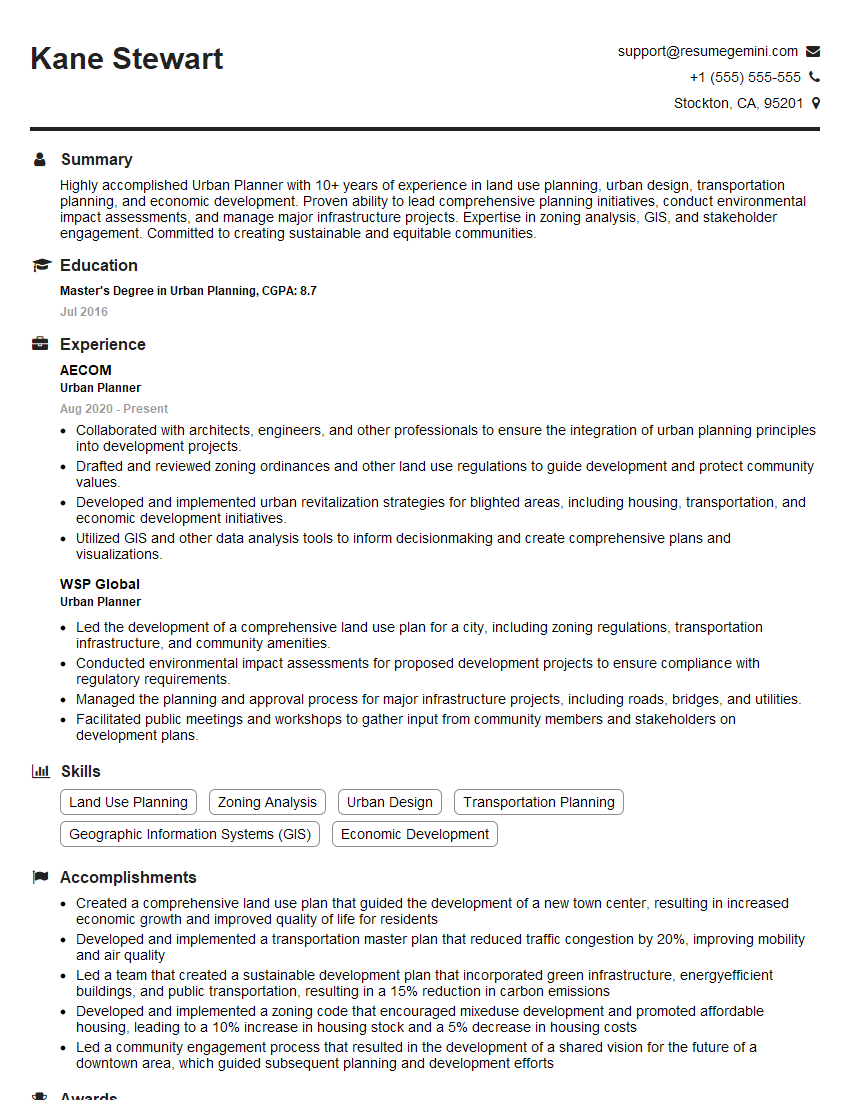
Urban Planner Resume Sample
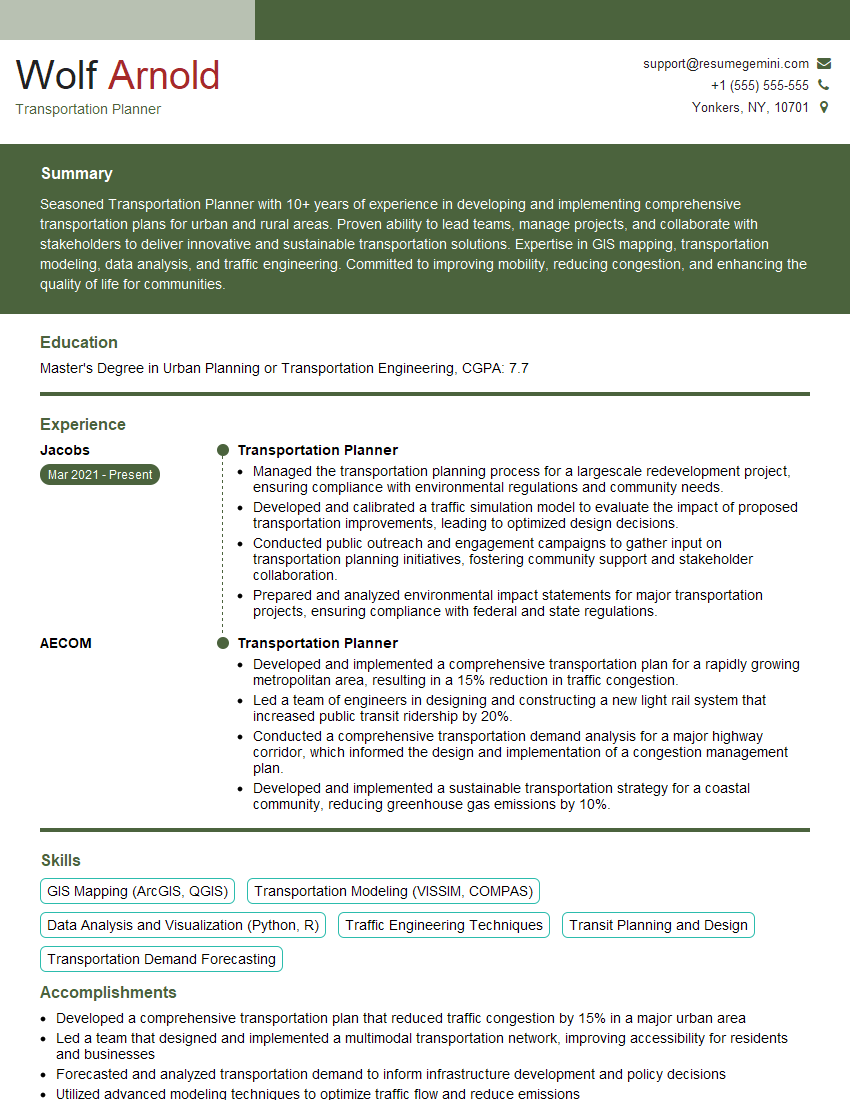
Transportation Planner Resume Sample
Explore more articles
Users Rating of Our Blogs
Share Your Experience
We value your feedback! Please rate our content and share your thoughts (optional).
What Readers Say About Our Blog
Very informative content, great job.
good