Interviews are opportunities to demonstrate your expertise, and this guide is here to help you shine. Explore the essential Situational Awareness and Analysis interview questions that employers frequently ask, paired with strategies for crafting responses that set you apart from the competition.
Questions Asked in Situational Awareness and Analysis Interview
Q 1. Describe your process for identifying and assessing potential threats in a given situation.
Identifying and assessing potential threats requires a systematic approach. I utilize a process that combines observation, analysis, and prediction. First, I gather all available information relevant to the situation, paying close attention to details that may seem insignificant initially. This includes environmental factors, human behavior, and any technological indicators.
Next, I analyze this information, looking for patterns, anomalies, and anything that deviates from the norm. This involves considering the potential consequences of each observation. For example, a seemingly innocuous increase in website traffic might be a precursor to a cyberattack, depending on the context. I also use threat modeling techniques, anticipating potential threats based on historical data, known vulnerabilities, and threat intelligence.
Finally, I assess the likelihood and potential impact of each identified threat. I use a risk matrix, weighing the probability of occurrence against the potential severity of the consequences. This allows me to prioritize my responses effectively. For instance, a high-probability, high-impact threat requires immediate attention, while a low-probability, low-impact threat may be monitored passively.
Q 2. Explain how you prioritize information when faced with multiple simultaneous events.
Prioritizing information amidst multiple simultaneous events is crucial and requires a clear framework. I employ a process based on urgency, criticality, and impact. I use a simple prioritization matrix to visually map these factors.
- Urgency: How quickly does the event require a response?
- Criticality: How vital is the information to the overall situation?
- Impact: What are the potential consequences of inaction or delayed response?
Events with high urgency, criticality, and impact are prioritized first. For example, if a critical system failure occurs simultaneously with a minor security breach, I would address the system failure immediately due to its greater immediate impact. I use tools like Kanban boards or similar visual aids to manage and track progress on multiple events simultaneously.
Q 3. How do you utilize different data sources to build a comprehensive situational picture?
Building a comprehensive situational picture demands the integration of diverse data sources. My approach involves identifying relevant sources, validating their reliability, and then fusing the data to create a holistic view. I utilize a variety of sources including:
- Human Intelligence (HUMINT): Reports from on-the-ground personnel or informants.
- Signals Intelligence (SIGINT): Intercepted communications and electronic signals.
- Open-Source Intelligence (OSINT): Publicly available information from social media, news outlets, etc.
- Geospatial Intelligence (GEOINT): Satellite imagery, maps, and geographical data.
- Measurement and Signature Intelligence (MASINT): Data from sensors and other technical means.
Data fusion is crucial. I use techniques like data correlation and triangulation to validate information from different sources and identify inconsistencies. This allows for a more accurate and comprehensive understanding than any single source could provide on its own.
Q 4. How do you handle conflicting or incomplete information when conducting situational analysis?
Conflicting or incomplete information is a common challenge in situational analysis. My approach involves a systematic process of verification, validation, and analysis. First, I attempt to verify the information by cross-referencing it with other sources. If discrepancies exist, I try to identify the source of the conflict and assess the reliability of each source.
For incomplete information, I use inductive reasoning to fill gaps, drawing on prior knowledge, patterns, and best-guess estimates. However, I always acknowledge the uncertainty inherent in these estimations and clearly communicate this uncertainty in my assessments. I regularly review and update my analysis as new information becomes available, adapting my understanding based on emerging facts. Transparency in acknowledging information gaps is crucial to avoid making decisions based on flawed assumptions.
Q 5. Describe a time you had to make a critical decision under pressure based on incomplete information. What was your process?
During a major network outage, we received conflicting reports about the root cause: some pointed to a hardware failure, others to a software glitch. Initial diagnostic tools returned inconclusive results. Under immense pressure, we had to decide whether to initiate a full system reboot, potentially causing further data loss, or to attempt targeted fixes, risking prolonged downtime.
My process was to prioritize the most likely cause based on the weight of evidence. Despite the incomplete information, we chose a staged approach: a software patch was deployed first, closely monitored. Only when this proved ineffective did we proceed with a reboot. This approach minimized the risk while addressing the critical issue. The situation taught me the value of quick iterative steps and risk mitigation strategies in high-pressure environments.
Q 6. How do you maintain situational awareness in a rapidly changing environment?
Maintaining awareness in a rapidly changing environment requires proactive measures and adaptability. I employ several strategies:
- Continuous Monitoring: I use real-time data feeds and dashboards to track key indicators. This allows me to promptly detect changes and adapt my analysis.
- Structured Information Filtering: I focus on relevant information by using predefined filters and prioritization schemes. This helps to avoid information overload.
- Regular Situation Updates: I conduct periodic reviews to re-assess the situation, identify trends, and anticipate future developments. This helps me prepare for potential shifts in the situation.
- Collaboration and Communication: I engage with team members and stakeholders to gather diverse perspectives and insights. This helps to mitigate potential biases and improve the overall accuracy of the situation assessment.
Think of it like a pilot constantly monitoring instruments and adjusting course based on weather patterns and air traffic control instructions. Constant vigilance and proactive adjustments are key.
Q 7. How do you effectively communicate your situational assessment to others?
Effective communication of situational assessments requires clarity, conciseness, and the use of appropriate channels. My approach involves:
- Structured Reporting: I use standardized templates or formats to ensure consistency and facilitate easy understanding.
- Visual Aids: I often use maps, charts, and graphs to illustrate key findings and trends, making the information more digestible.
- Targeted Communication: I tailor my communication to the audience’s needs and level of understanding. Technical details are presented to specialists, while summaries are provided to executives.
- Regular Briefings: I provide regular updates to keep stakeholders informed and answer questions. This helps to maintain a shared understanding of the situation.
Essentially, I strive to be clear, concise, and accurate, employing different methods depending on the situation and audience.
Q 8. What are the key indicators you look for when assessing risk?
Assessing risk involves identifying factors that could negatively impact objectives. I look for key indicators across several dimensions.
- Likelihood: How probable is the event? This involves considering historical data, frequency of similar events, and the presence of contributing factors. For example, a high likelihood might be indicated by frequent cyberattacks targeting similar systems.
- Impact: What are the potential consequences if the event occurs? This considers financial losses, reputational damage, legal repercussions, and operational disruptions. A high-impact event might be a major data breach resulting in significant financial penalties and loss of customer trust.
- Vulnerability: What weaknesses exist that could be exploited? This involves analyzing systems, processes, and personnel for gaps in security, outdated technology, or inadequate training. For example, a vulnerability might be an unpatched software flaw allowing malicious access.
- Threat: What are the actors or events that could exploit the vulnerabilities? This could range from natural disasters to malicious actors (hackers, competitors, disgruntled employees). A threat might be a sophisticated cyberattack group known to target organizations of similar size.
- Control Effectiveness: How well do existing safeguards mitigate the identified vulnerabilities and threats? This involves assessing the effectiveness of security measures, emergency response plans, and recovery strategies. A weakness here might be insufficient network security monitoring leading to delayed detection of intrusions.
By systematically evaluating these indicators, I can create a comprehensive risk profile and prioritize mitigation efforts.
Q 9. Describe your experience with threat modeling and risk mitigation strategies.
My experience with threat modeling involves using various methodologies, including STRIDE (Spoofing, Tampering, Repudiation, Information Disclosure, Denial of Service, Elevation of Privilege) and PASTA (Process for Attack Simulation and Threat Analysis). I’ve applied these methodologies across multiple projects, from designing secure cloud infrastructure to securing legacy systems.
Risk mitigation strategies I employ include implementing technical controls (firewalls, intrusion detection systems, encryption), administrative controls (access control lists, security policies, incident response plans), and physical controls (access badges, surveillance systems, environmental protection). I focus on a layered security approach, recognizing that no single control is foolproof.
For example, in a recent project involving a sensitive database, we used threat modeling to identify potential SQL injection vulnerabilities. We then mitigated the risk by implementing parameterized queries, input validation, and regular security audits. This layered approach provided multiple levels of protection against potential threats.
Q 10. How do you differentiate between potential threats, vulnerabilities, and risks?
The terms threat, vulnerability, and risk are often confused but represent distinct concepts within a risk management framework.
- Threat: A potential event or action that could negatively impact an asset. Think of it as the ‘what’ – what could go wrong? Example: a hacker attempting to breach a system.
- Vulnerability: A weakness in a system, process, or design that could be exploited by a threat. This is the ‘how’ – how could it go wrong? Example: an unpatched software bug allowing unauthorized access.
- Risk: The combination of threat and vulnerability, representing the likelihood and potential impact of an undesirable event. It’s the ‘why we should care’ – why does it matter? Example: The risk of a data breach due to an unpatched software bug (vulnerability) exploited by a hacker (threat).
A simple analogy: imagine a house (system). A threat is a burglar (actor), a vulnerability is an unlocked window (weakness), and the risk is the likelihood and impact of the burglar entering through the unlocked window and stealing valuables.
Q 11. How do you use data visualization tools to enhance situational awareness?
Data visualization is crucial for enhancing situational awareness. Tools like dashboards, heatmaps, and network graphs allow me to quickly digest large amounts of data and identify patterns or anomalies that might indicate emerging threats or incidents.
For example, a heatmap visualizing network traffic could reveal unusual activity from a specific IP address, signaling a potential intrusion attempt. Similarly, a dashboard displaying security event logs can highlight spikes in failed login attempts or other suspicious activities, prompting further investigation. I often use tools like Tableau or Grafana to create these visualizations, tailoring them to the specific context and needs of the situation.
Q 12. Explain your understanding of the importance of human factors in situational awareness.
Human factors are paramount in situational awareness. Cognitive biases, stress, fatigue, and communication breakdowns can significantly impair an individual’s or team’s ability to accurately perceive, understand, and respond to a situation.
For example, confirmation bias – the tendency to seek out information confirming existing beliefs – can lead analysts to overlook crucial details that contradict their initial assumptions. Stress and fatigue can impair judgment and decision-making, increasing the likelihood of errors. Effective training programs, clear communication protocols, and the use of decision support tools are crucial for mitigating these human factors and enhancing situational awareness.
Q 13. Describe your experience with using technology to enhance situational awareness.
I have extensive experience leveraging technology to enhance situational awareness. This includes using security information and event management (SIEM) systems to collect and analyze security logs from various sources, network monitoring tools (such as Wireshark) to detect network anomalies, and geographic information systems (GIS) to visualize events in a spatial context.
In one project, we integrated multiple data sources – security logs, social media feeds, and news reports – into a single situational awareness platform. This allowed us to gain a holistic view of a developing crisis and proactively respond to emerging threats. The use of AI-powered anomaly detection tools further improved our ability to identify potential issues before they escalated.
Q 14. How do you manage information overload during a crisis?
Managing information overload during a crisis requires a structured approach. This begins with prioritizing information based on its relevance and urgency. I use filters and alerts to focus on critical data streams while suppressing less important information.
Effective communication and collaboration are essential. I rely on clear communication protocols to ensure that only critical information is shared within the team, avoiding unnecessary noise. Data visualization techniques, as mentioned earlier, are crucial for quickly identifying trends and patterns in large datasets. Finally, automating routine tasks frees up cognitive resources to focus on the most critical aspects of the situation.
Think of it like a firehose – you can’t process everything at once. The key is to filter out the irrelevant, prioritize the critical, and use tools to manage the flow of information effectively. This is an iterative process, adjusting our methods as the situation develops.
Q 15. How do you incorporate feedback to refine your situational assessments?
Refining situational assessments through feedback is a crucial iterative process. It involves a continuous cycle of assessment, action, observation, and adjustment. I approach this by actively seeking feedback from multiple sources and employing a structured method to incorporate it effectively.
- Formal Feedback Mechanisms: I utilize formal after-action reports (AARs) and debriefings after significant events. These provide structured opportunities to analyze successes and failures, identifying areas needing improvement in my assessment methodologies.
- Informal Feedback Loops: I actively solicit informal feedback from colleagues, stakeholders, and even those directly affected by the situations I’ve assessed. This provides a diverse range of perspectives, often uncovering blind spots.
- Data Analysis: Post-event analysis of data collected during the situation allows for verification of the assessment’s accuracy. Discrepancies between the assessment and the actual outcome highlight areas needing adjustment in my analytical processes, potentially refining my models or identifying biases.
- Continuous Learning: I regularly review my assessments, identify areas for improvement, and incorporate best practices and lessons learned from similar situations, both within my organization and through professional development activities. This continuous learning cycle ensures ongoing improvement.
For example, during a recent crisis management exercise, post-exercise feedback highlighted a delay in identifying a critical threat. This feedback resulted in a modification of my threat detection model, prioritizing specific data points for faster identification in future scenarios.
Career Expert Tips:
- Ace those interviews! Prepare effectively by reviewing the Top 50 Most Common Interview Questions on ResumeGemini.
- Navigate your job search with confidence! Explore a wide range of Career Tips on ResumeGemini. Learn about common challenges and recommendations to overcome them.
- Craft the perfect resume! Master the Art of Resume Writing with ResumeGemini’s guide. Showcase your unique qualifications and achievements effectively.
- Don’t miss out on holiday savings! Build your dream resume with ResumeGemini’s ATS optimized templates.
Q 16. How do you determine the credibility and reliability of information sources?
Determining the credibility and reliability of information sources is paramount in situational awareness. It’s not enough to simply gather data; we must rigorously evaluate its validity. I use a multi-faceted approach:
- Source Expertise and Track Record: I assess the source’s authority, expertise, and past accuracy. A consistently reliable source commands greater credibility than a newcomer.
- Triangulation: I cross-reference information from multiple independent sources. Consistent information from diverse sources strengthens confidence in its accuracy. Discrepancies, however, raise flags requiring further investigation.
- Bias Detection: I actively look for potential biases inherent in the source’s motivation or perspective. Understanding these biases allows for a more balanced interpretation of the data.
- Data Verification: When possible, I verify information through independent means. This might involve checking against other databases, official records, or physical evidence.
- Data Corroboration: I look for corroborating evidence to support the information. Does it align with other known facts and events? Are there supporting documents or witness statements?
Imagine receiving intelligence reports about an impending cyberattack. Simply relying on one source is risky. I’d cross-reference that intelligence with threat feeds, vulnerability databases, and network monitoring data before forming a conclusion.
Q 17. What methods do you use to predict future events based on current situational awareness?
Predicting future events based on current situational awareness utilizes a combination of techniques. It’s important to remember that prediction is not about certainty but about increasing the probability of accurate foresight. My approach involves:
- Trend Analysis: Identifying patterns and trends in historical data and current observations provides insights into potential future developments. For example, an increase in cyberattacks targeting specific industries might predict a future wave of similar attacks.
- Scenario Planning: I develop multiple possible future scenarios based on varying assumptions and probabilities. This allows for preparation and response planning for a range of potential outcomes.
- Predictive Modeling: Where appropriate, I employ quantitative models that utilize historical data and known factors to predict future probabilities. This could involve machine learning algorithms or statistical forecasting methods.
- Expert Judgment: Integrating the insights of experienced professionals who understand the context and potential implications of the situation is crucial. Their experience often identifies critical factors that quantitative models might miss.
For example, predicting the spread of a disease outbreak could involve combining epidemiological models with real-time data on infection rates, travel patterns, and public health measures.
Q 18. How do you adapt your situational awareness strategies to different contexts or environments?
Adapting situational awareness strategies to different contexts requires flexibility and a deep understanding of the specific environment’s dynamics. This involves:
- Contextualizing Information: The importance and relevance of information change depending on the context. A minor event in one setting could be critical in another.
- Tailoring Data Sources: The relevant data sources vary widely depending on the environment. What’s crucial in a military operation might be irrelevant in a business setting.
- Adjusting Analytical Methods: The analytical methods used should match the situation. A quick, intuitive assessment might be sufficient in some contexts, while a detailed, methodical analysis might be required in others.
- Cultural Sensitivity: In cross-cultural environments, awareness of cultural nuances and communication styles is paramount for effective information gathering and assessment.
For example, situational awareness in a crowded urban environment requires different strategies than in a remote wilderness area. Urban environments require attention to crowd dynamics, potential infrastructure failures, and readily available communication channels, while wilderness scenarios emphasize resource management, environmental hazards, and limited communication options.
Q 19. How familiar are you with various threat intelligence platforms and tools?
I am highly familiar with a variety of threat intelligence platforms and tools. My experience encompasses both commercially available platforms like ThreatConnect, Palo Alto Networks Cortex XSOAR, and IBM QRadar, and open-source tools such as MISP (Malware Information Sharing Platform) and TheHive. My familiarity extends beyond simple data ingestion to include the development of custom integrations and the design of effective workflows for data analysis and threat hunting.
My expertise includes using these platforms to gather, analyze, and correlate threat intelligence data from various sources, including public feeds, private intelligence sources, and internal security systems. This allows for a comprehensive understanding of the threat landscape and informs our proactive security measures.
Q 20. Describe your experience with using predictive analytics for situational awareness.
My experience with predictive analytics for situational awareness is extensive. I’ve used various techniques, including machine learning algorithms (such as time series analysis and anomaly detection) to predict potential threats and disruptions. This allows for proactive mitigation strategies rather than simply reacting to incidents.
For instance, in a previous role, I developed a predictive model that identified patterns in network traffic indicating potential denial-of-service attacks. This model, combined with real-time monitoring, allowed us to preemptively mitigate several attacks before they could significantly impact our operations. The model used historical data on attack vectors, network traffic characteristics, and external threat intelligence feeds to predict the likelihood and potential impact of future attacks. The accuracy of this model significantly reduced our downtime and overall security risk.
Q 21. Explain how you identify patterns and trends in data to improve situational awareness.
Identifying patterns and trends in data is a cornerstone of effective situational awareness. This requires a combination of technical skills and critical thinking. My approach involves:
- Data Visualization: Graphical representations of data, such as charts and maps, often reveal patterns that are difficult to detect in raw data. This visual approach enhances understanding and highlights anomalies.
- Statistical Analysis: Statistical techniques are used to identify statistically significant trends and correlations within the data. This helps to separate random fluctuations from meaningful patterns.
- Data Mining Techniques: Techniques like clustering and association rule mining can reveal hidden relationships between seemingly unrelated data points. This can uncover previously unknown connections and provide valuable insights.
- Machine Learning Algorithms: Advanced machine learning algorithms can identify complex patterns and relationships in large datasets that might be missed by human analysts. These algorithms can automatically detect anomalies and predict future trends.
For example, in analyzing social media data during a crisis, we might use sentiment analysis to identify emerging concerns, map the spread of misinformation, and track public opinion. The resulting patterns could inform communication strategies and resource allocation to manage the crisis more effectively.
Q 22. How do you handle cognitive biases that could impair your situational awareness?
Cognitive biases are systematic errors in thinking that can significantly distort our perception of reality, impacting our situational awareness. To mitigate this, I employ a multi-pronged approach. First, I actively cultivate metacognition – the awareness and understanding of my own thinking processes. This involves regularly questioning my assumptions and actively seeking out alternative perspectives. For example, if I notice myself jumping to conclusions based on limited information, I consciously challenge that assumption by looking for contradictory evidence or seeking input from colleagues.
Secondly, I utilize structured analytical techniques like scenario planning and red teaming. Scenario planning forces me to consider a range of possibilities, including those that contradict my initial biases. Red teaming involves having a colleague challenge my assumptions and analysis, helping to identify blind spots I might have missed.
Finally, I maintain a commitment to continuous learning and self-improvement. Regularly reviewing case studies of past incidents where cognitive biases led to poor decision-making helps me recognize patterns and avoid similar pitfalls in the future. Think of it as a form of professional inoculation against bias.
Q 23. Describe your experience with developing and implementing situational awareness training programs.
I have extensive experience designing and implementing situational awareness training programs, tailoring them to the specific needs of various organizations. My approach focuses on a blend of theoretical knowledge and practical application. The programs typically incorporate elements such as:
- Theoretical Foundations: We begin by establishing a strong understanding of the core principles of situational awareness – perception, comprehension, projection, and action – and how these elements interact.
- Cognitive Skills Training: This includes exercises to enhance critical thinking, problem-solving, and decision-making under pressure. We use techniques such as case studies, simulations, and group discussions to address cognitive biases.
- Practical Application: Participants engage in realistic simulations, role-playing exercises, and interactive scenarios designed to challenge their ability to gather, process, and interpret information in dynamic environments.
- Technology Integration: Depending on the organization’s requirements, the program might incorporate training on using various technological tools that enhance situational awareness, such as sensor fusion systems, data visualization platforms, and communication technologies.
- Feedback and Assessment: Regular feedback and performance assessments throughout the program are crucial to identify areas for improvement and reinforce learning.
For example, in a recent program for a maritime security company, we used virtual reality simulations of potential piracy scenarios to test their ability to coordinate responses based on real-time data streams. The feedback from the participants was overwhelmingly positive, and their post-training performance showed a significant improvement in their situational awareness capabilities.
Q 24. How do you measure the effectiveness of your situational awareness strategies?
Measuring the effectiveness of situational awareness strategies requires a multifaceted approach. It’s not enough to simply ask if people *feel* more aware; we need objective metrics. I typically use a combination of methods:
- Performance-Based Measures: In training contexts, pre- and post-training assessments using simulated scenarios can gauge improvements in decision-making speed and accuracy. In operational settings, we analyze outcomes directly related to improved situational awareness, such as reduced response times to incidents or fewer errors in judgment.
- Subjective Measures: We also gather qualitative data through surveys and feedback sessions. These provide insight into participants’ self-perceived improvements in awareness and confidence.
- Data Analysis: In many cases, technological tools can provide objective data. For instance, in a cybersecurity context, reduced successful cyberattacks or faster response times to intrusions can indicate better situational awareness.
- Qualitative Feedback: Post-incident reviews can analyze what contributed to success or failure, identifying areas where situational awareness practices were effective or where improvements are needed.
By combining these approaches, we get a holistic view of effectiveness and can identify areas where the strategies need refinement or adjustment.
Q 25. Explain how you stay updated on emerging threats and technologies impacting situational awareness.
Staying updated on emerging threats and technologies is critical for maintaining effective situational awareness. My approach is proactive and multi-faceted:
- Regularly reviewing threat intelligence reports: I subscribe to reputable intelligence feeds and actively monitor open-source intelligence to stay abreast of evolving threats.
- Attending industry conferences and workshops: Networking with peers and experts allows me to learn about the latest advancements and challenges in the field.
- Maintaining a professional network: Building relationships with experts in related fields ensures access to a broader range of information and perspectives.
- Tracking emerging technologies: I actively follow research and development in areas such as artificial intelligence, machine learning, sensor technology, and data analytics, focusing on their applications to enhance situational awareness.
- Continuous learning through online courses and publications: I stay current with the latest research and best practices by participating in online courses, reading relevant publications, and following leading experts in the field.
This commitment to continuous learning ensures that my understanding of the threat landscape and the technological tools available to combat those threats remains up-to-date and relevant.
Q 26. Describe a time you failed to maintain sufficient situational awareness. What did you learn from the experience?
In a previous role, I was analyzing a complex cyber-attack. My initial assessment focused heavily on the most immediately obvious indicators of compromise, leading me to overlook subtle clues pointing to a different, more critical vulnerability. This oversight resulted in a delay in containing the attack, causing significant disruption.
The experience taught me the importance of considering the full spectrum of possibilities and resisting the tendency to anchor on initial assumptions. I learned to consciously challenge my own biases and actively seek diverse perspectives from team members with different expertise. The incident underscored the importance of methodical analysis, comprehensive data collection, and robust collaboration in maintaining sufficient situational awareness.
Q 27. How do you collaborate effectively with other analysts to build a shared understanding of the situation?
Effective collaboration is paramount to building a shared understanding of a situation. I employ several key strategies:
- Clear and concise communication: I ensure all information is communicated clearly and concisely, avoiding ambiguity and jargon. I make use of visual aids like maps and timelines to enhance understanding.
- Structured information sharing: I use shared platforms and tools that allow team members to access and update information in real-time. This promotes transparency and ensures everyone has the same data.
- Active listening and feedback: I actively listen to my colleagues’ perspectives and incorporate their insights into my analysis. I encourage open discussion and feedback to identify potential blind spots.
- Regular debriefings and meetings: We hold regular debriefings to discuss progress, share new information, and coordinate our activities. This helps to maintain a consistent and shared understanding of the evolving situation.
- Developing a common operating picture: I work with my colleagues to construct a shared visual representation of the situation, incorporating all relevant information. This serves as a focal point for analysis and discussion, ensuring everyone is on the same page.
By fostering a collaborative and communicative environment, we minimize the risk of misunderstandings and maximize the effectiveness of our collective situational awareness.
Q 28. What are some of the ethical considerations in the use of situational awareness and analysis?
Ethical considerations are paramount in the use of situational awareness and analysis. Several key ethical considerations include:
- Privacy: Collecting and analyzing data must respect individual privacy rights. We must adhere to relevant data protection laws and regulations and employ appropriate anonymization techniques where necessary.
- Bias and Discrimination: Algorithms and analytical tools can perpetuate existing biases, leading to discriminatory outcomes. We must carefully design and validate our systems to mitigate such biases and ensure fairness.
- Transparency and Accountability: The methods and reasoning behind situational awareness analyses should be transparent and auditable. We need to be accountable for our decisions and their consequences.
- Informed Consent: When collecting data on individuals, obtaining informed consent is crucial, unless legally permitted otherwise.
- Data Security: Protecting the confidentiality and integrity of data is essential. Robust security measures must be in place to prevent unauthorized access or misuse.
- Misuse of Information: Situational awareness information should not be used for unethical or illegal purposes. Clear guidelines and oversight mechanisms are needed to prevent misuse.
By carefully considering these ethical implications, we can leverage the benefits of situational awareness while upholding the highest standards of professional conduct and social responsibility.
Key Topics to Learn for Situational Awareness and Analysis Interview
- Perception and Information Gathering: Understanding how biases and limitations affect perception, and strategies for actively gathering diverse information sources.
- Data Analysis & Interpretation: Applying critical thinking to analyze complex data sets, identify patterns and trends, and draw accurate conclusions under pressure.
- Prediction and Forecasting: Developing scenarios based on available data, considering various potential outcomes, and assessing their likelihood.
- Decision-Making Under Uncertainty: Formulating effective strategies for making timely and informed decisions even when complete information is unavailable.
- Communication & Collaboration: Clearly articulating analyses, presenting findings effectively, and working collaboratively with others to achieve shared goals.
- Risk Assessment & Mitigation: Identifying potential risks, evaluating their impact, and developing strategies to mitigate negative outcomes.
- Problem Solving & Root Cause Analysis: Applying structured methodologies to diagnose problems, identify root causes, and develop effective solutions.
- Ethical Considerations: Understanding the ethical implications of decisions based on situational awareness and analysis.
Next Steps
Mastering Situational Awareness and Analysis is crucial for career advancement in many fields, demonstrating your ability to make sound judgments, solve complex problems, and contribute effectively to team success. A strong resume is your first step towards showcasing these skills. Crafting an ATS-friendly resume significantly increases your chances of getting noticed by recruiters. To help you build a compelling resume that highlights your expertise, we recommend using ResumeGemini. ResumeGemini provides a user-friendly platform to create professional resumes, and we offer examples of resumes tailored specifically to highlight Situational Awareness and Analysis skills. Take the next step towards your dream job today!
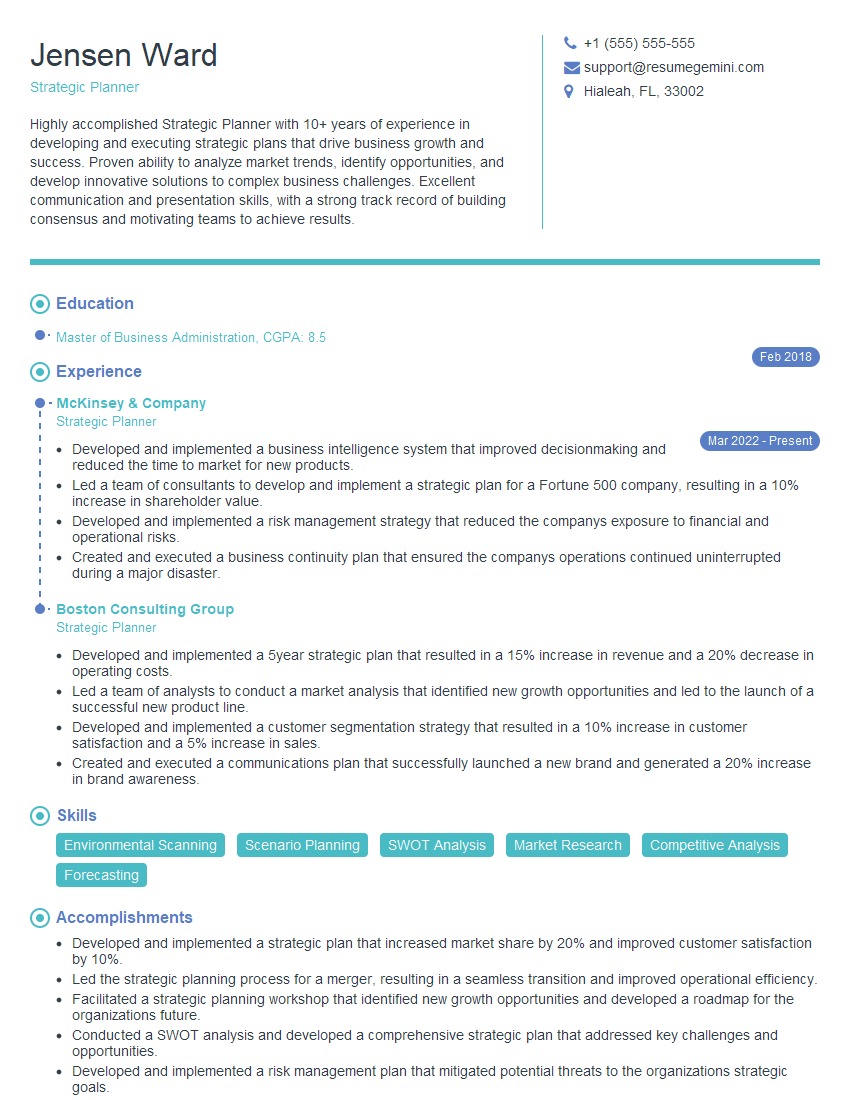
Strategic Planner Resume Sample
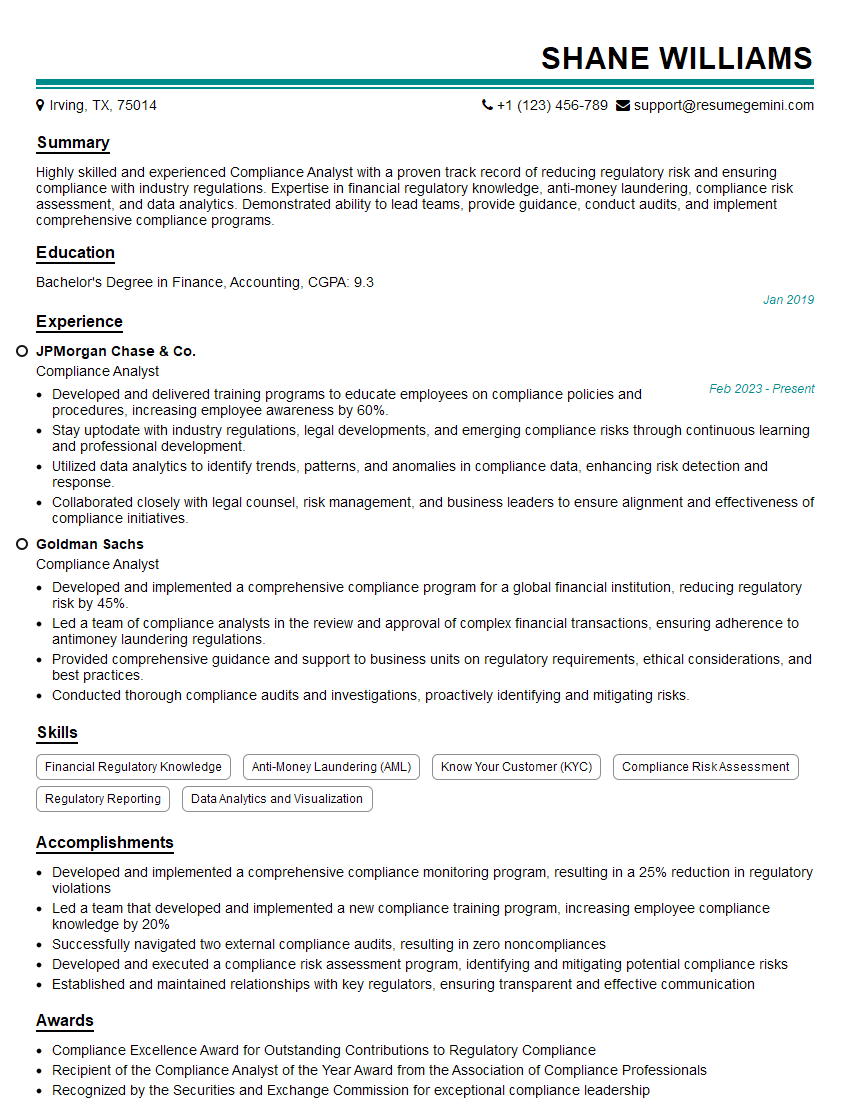
Compliance Analyst Resume Sample
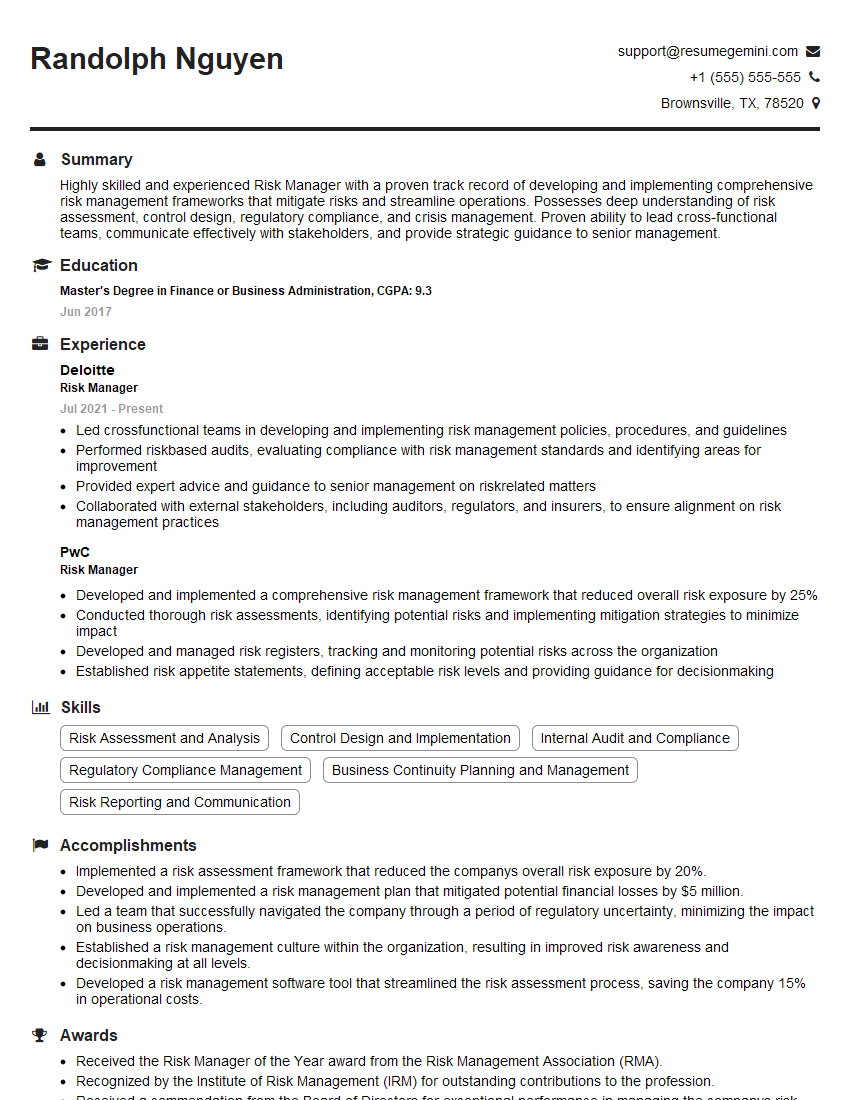
Risk Manager Resume Sample
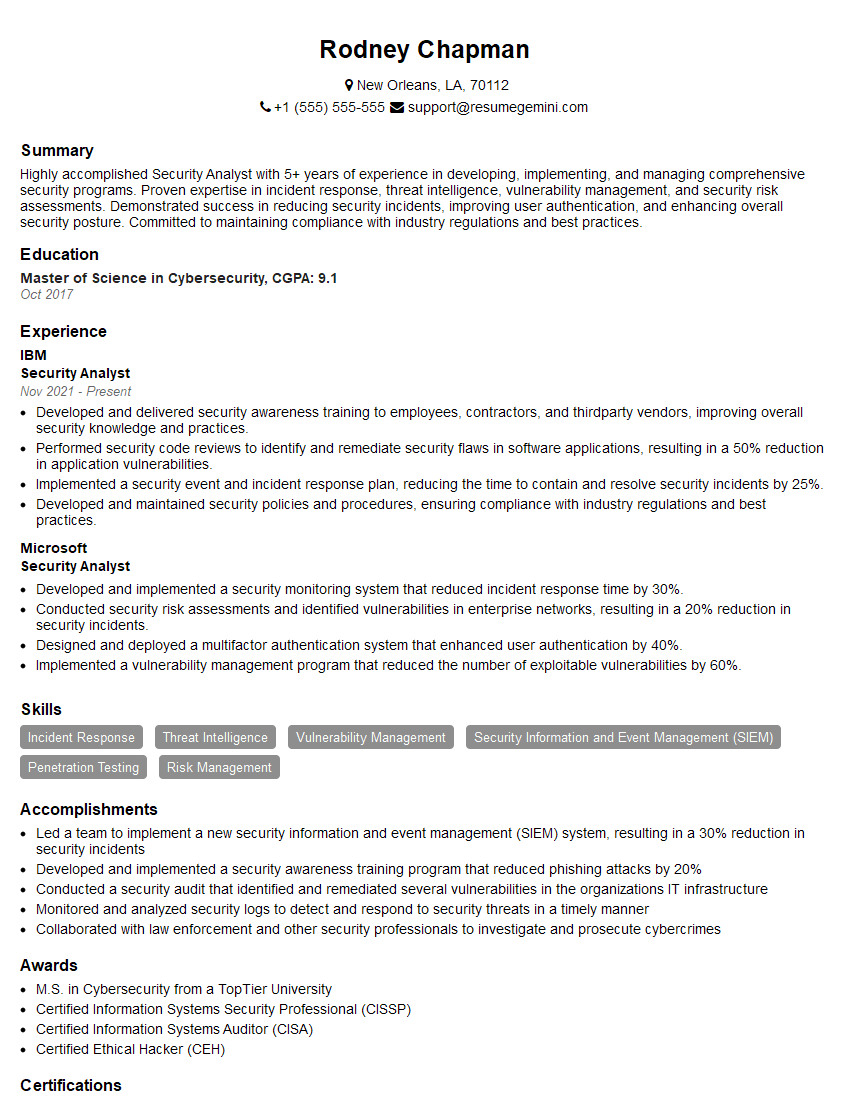
Security Analyst Resume Sample
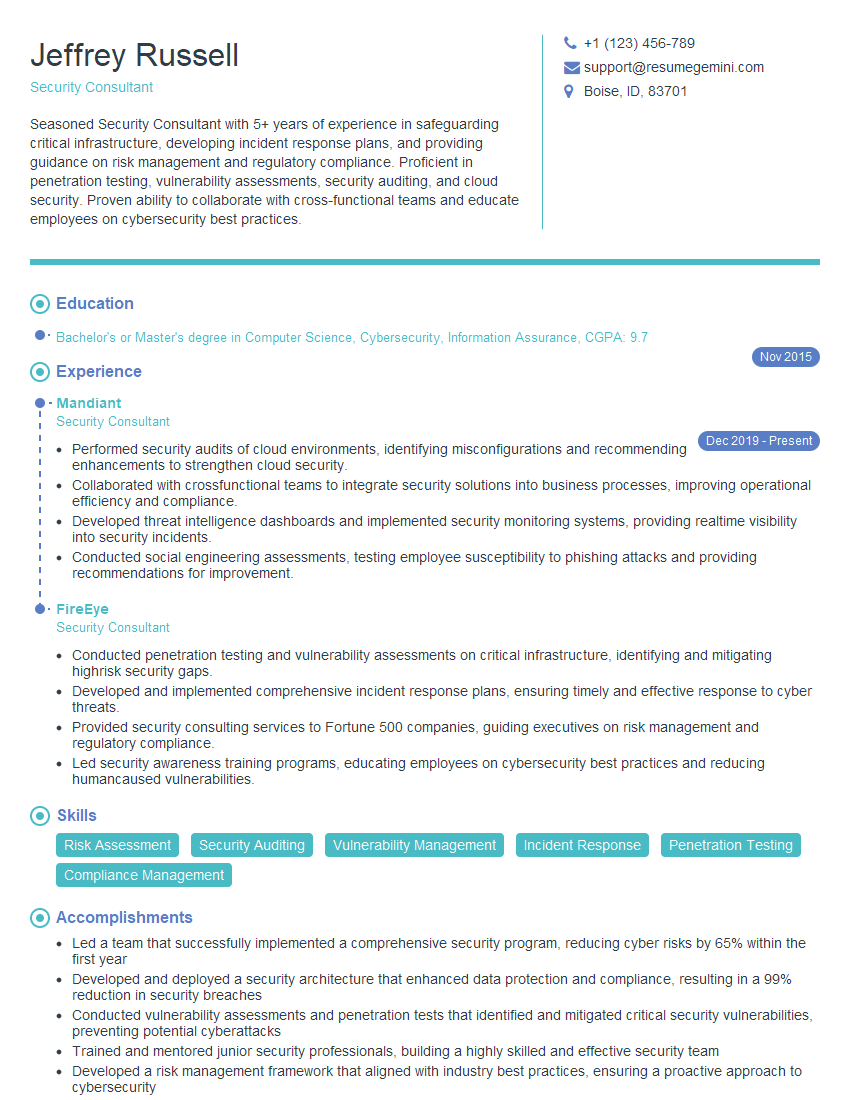
Security Consultant Resume Sample
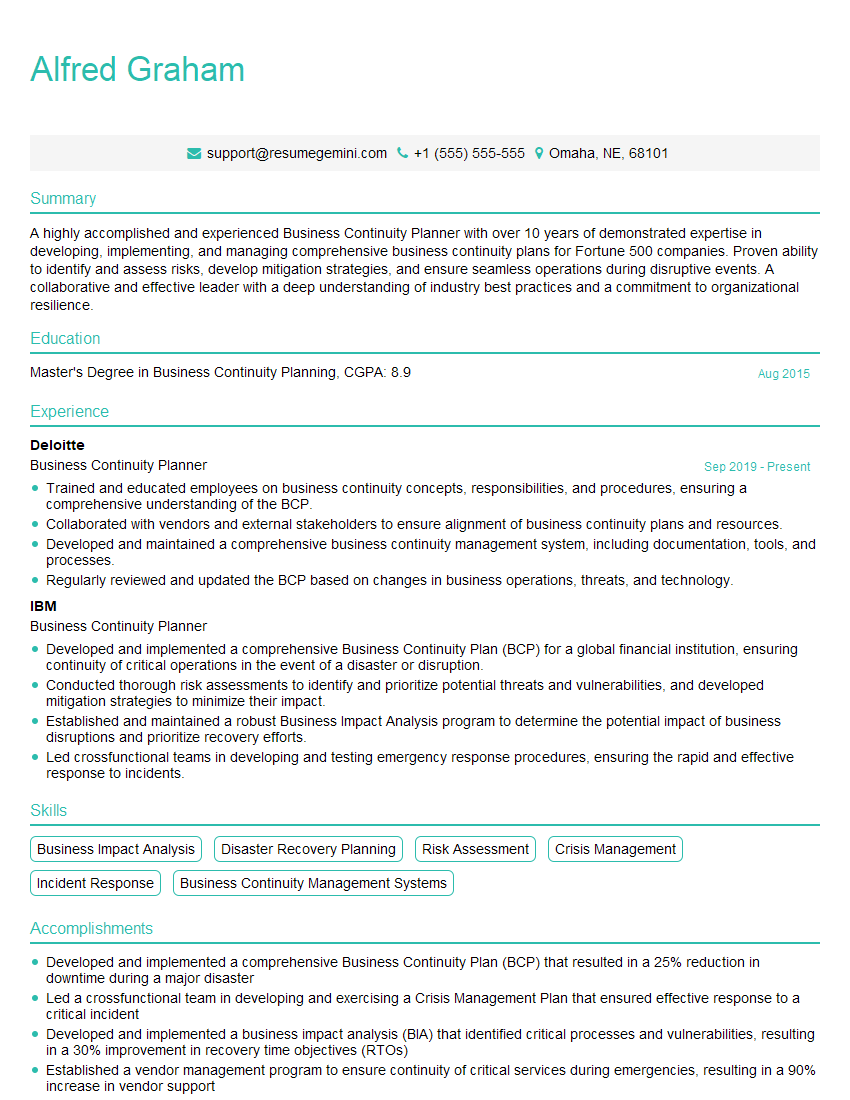
Business Continuity Planner Resume Sample
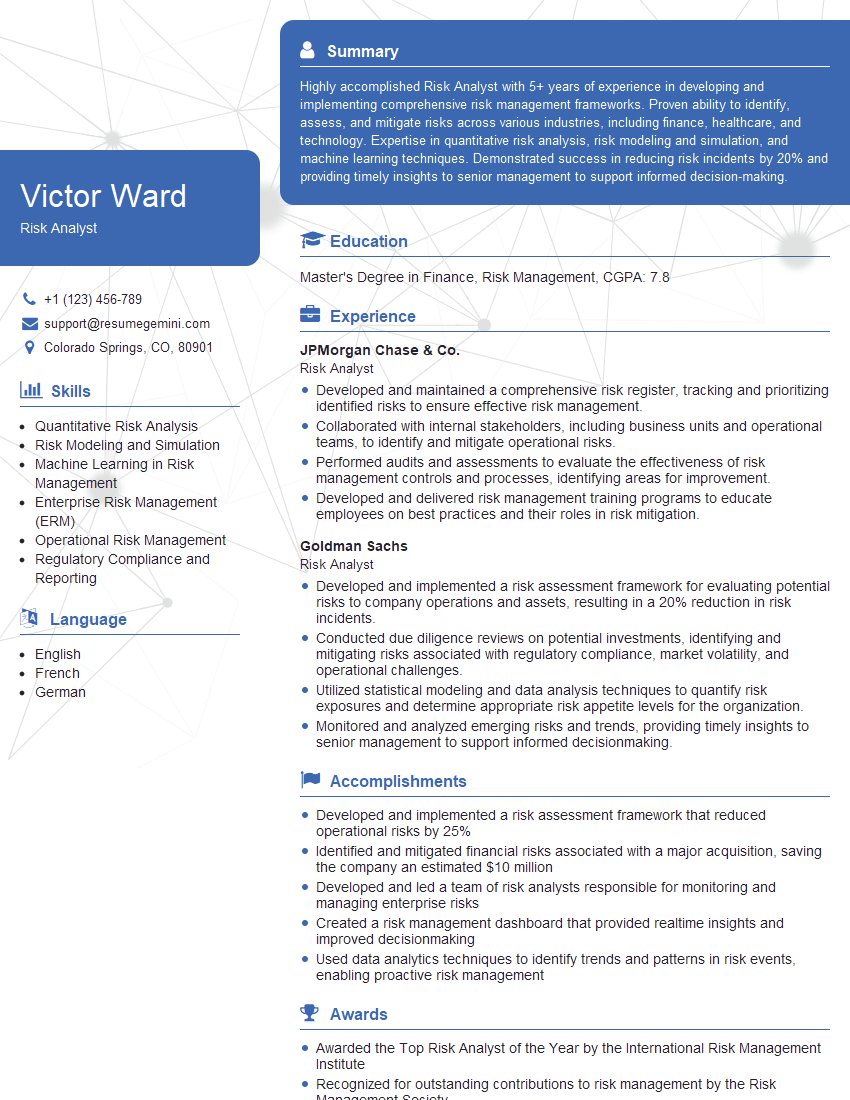
Risk Analyst Resume Sample
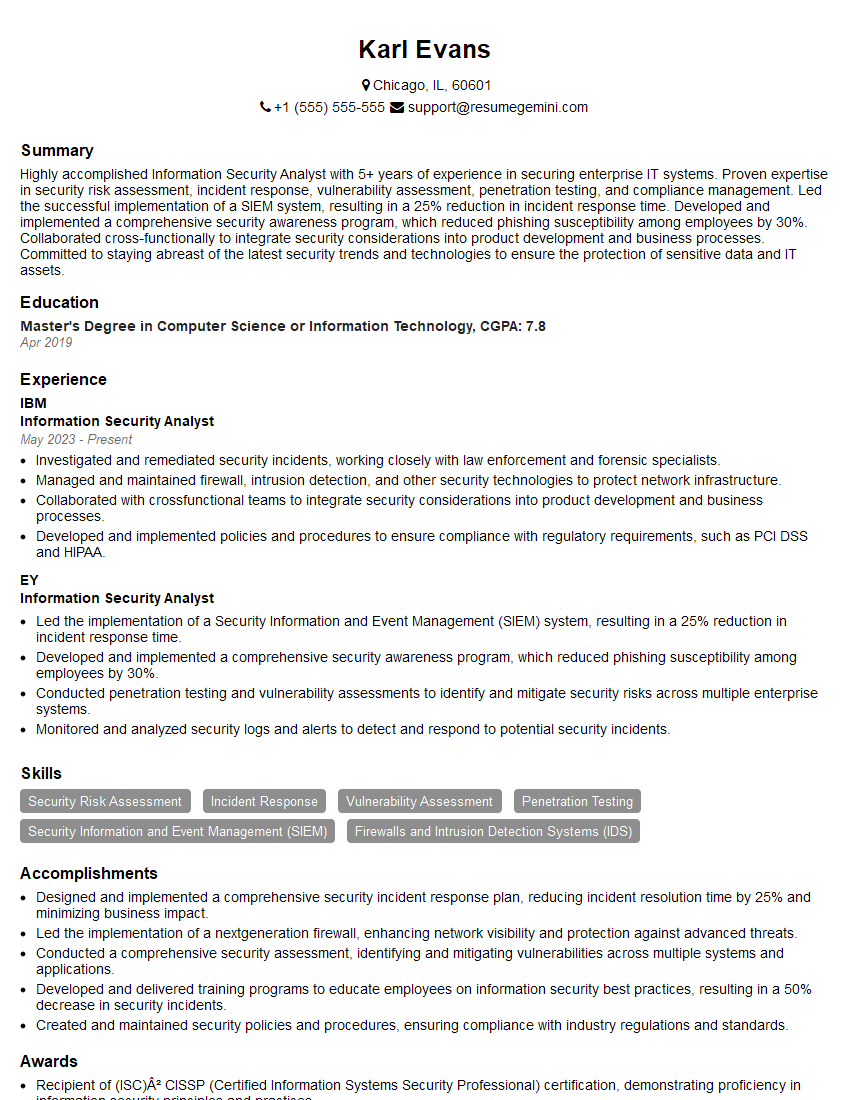
Information Security Analyst Resume Sample
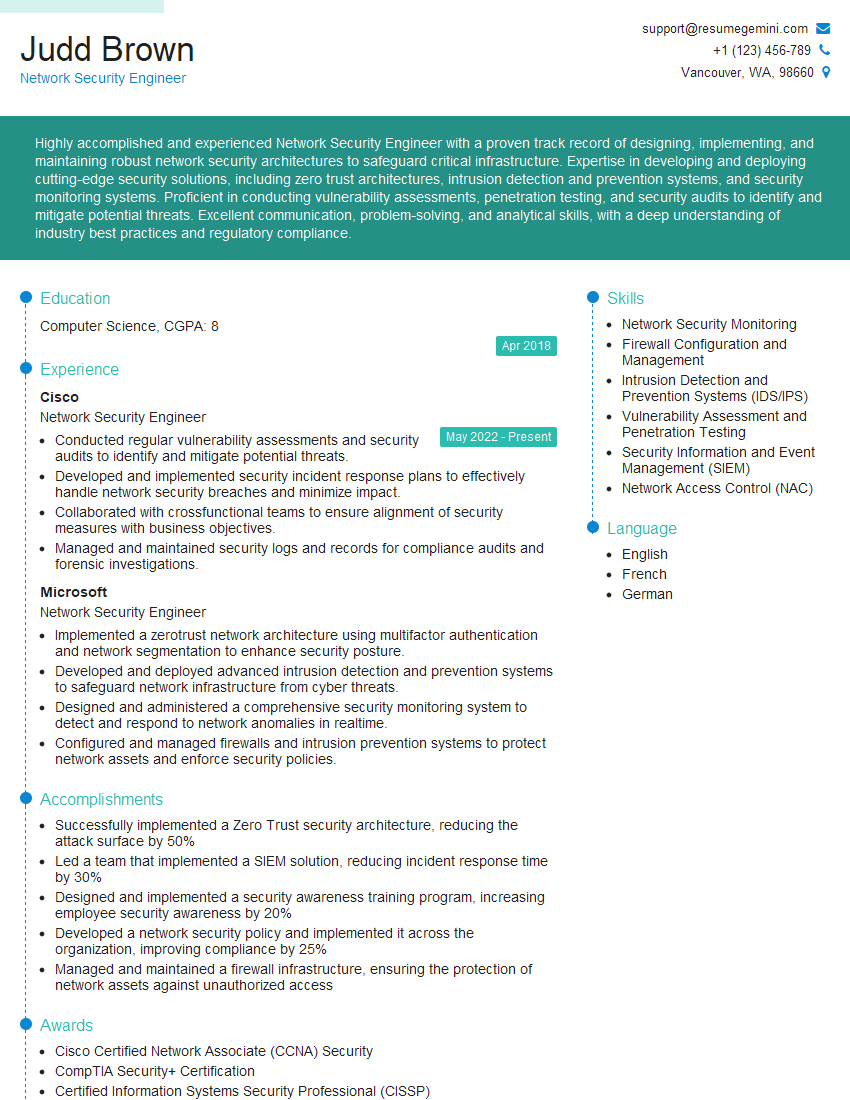
Network Security Engineer Resume Sample
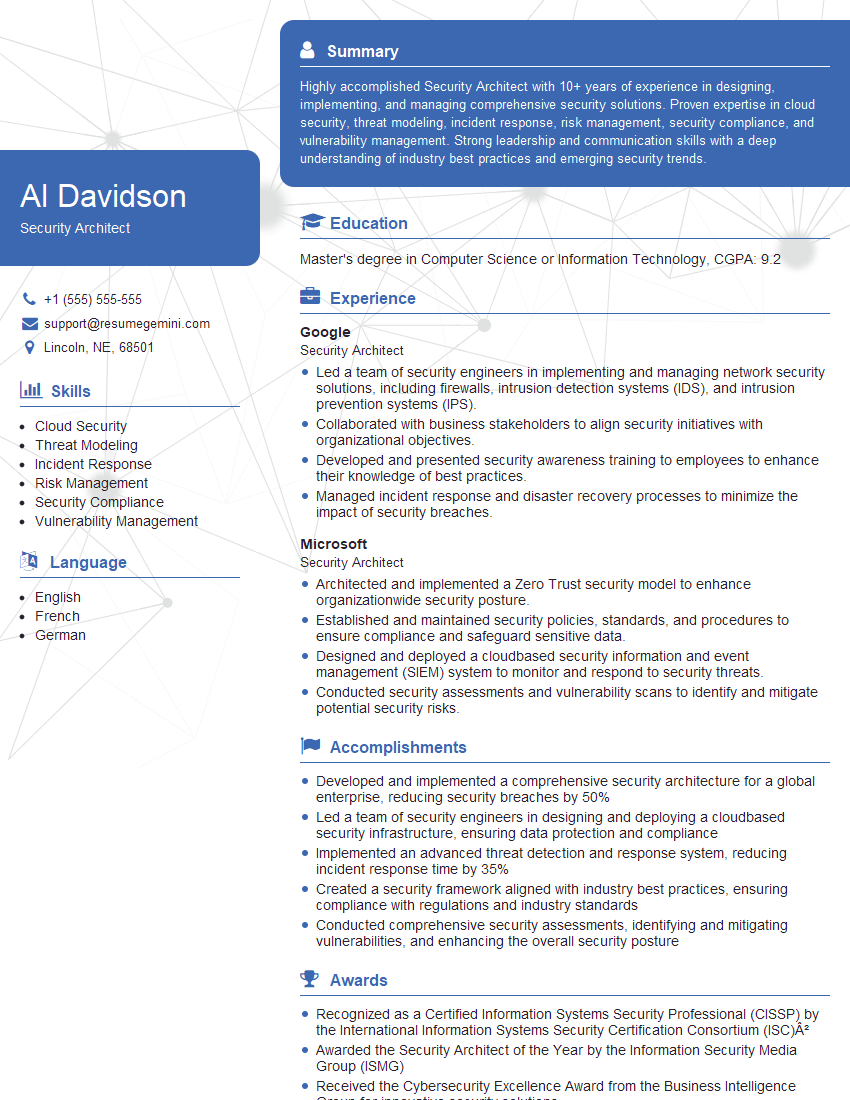
Security Architect Resume Sample
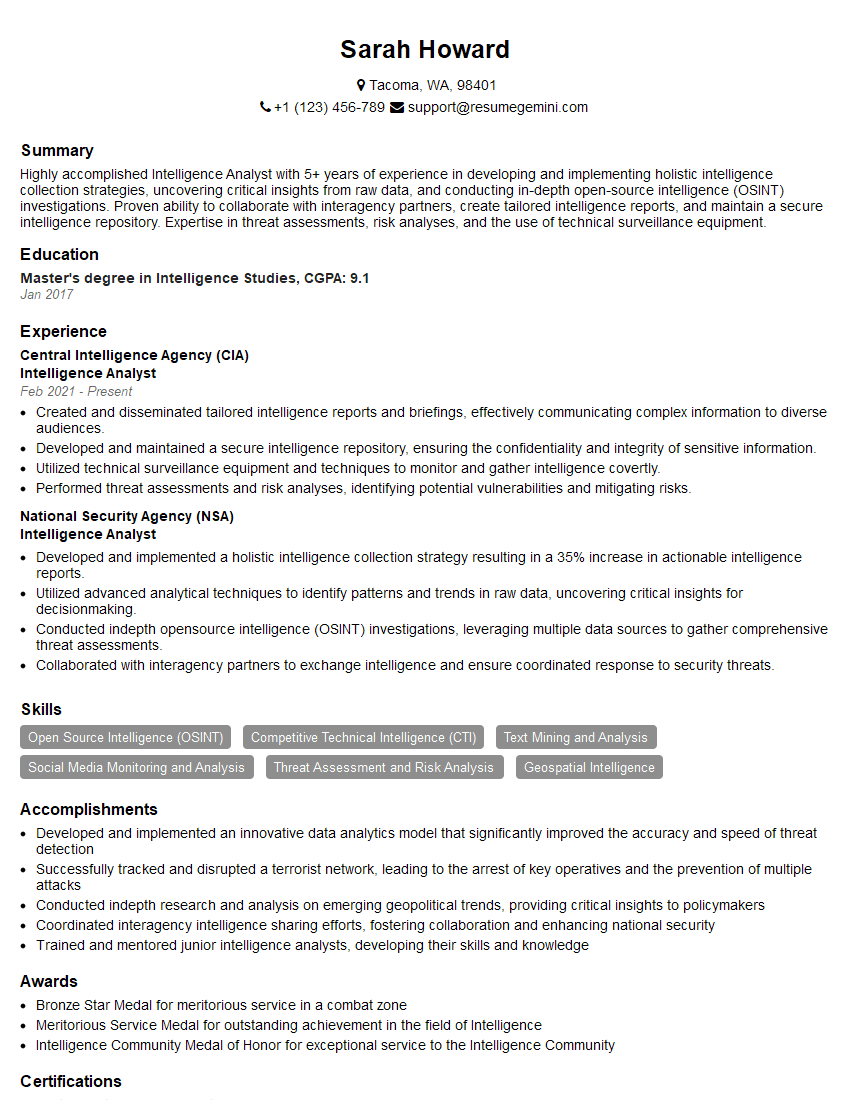
Intelligence Analyst Resume Sample
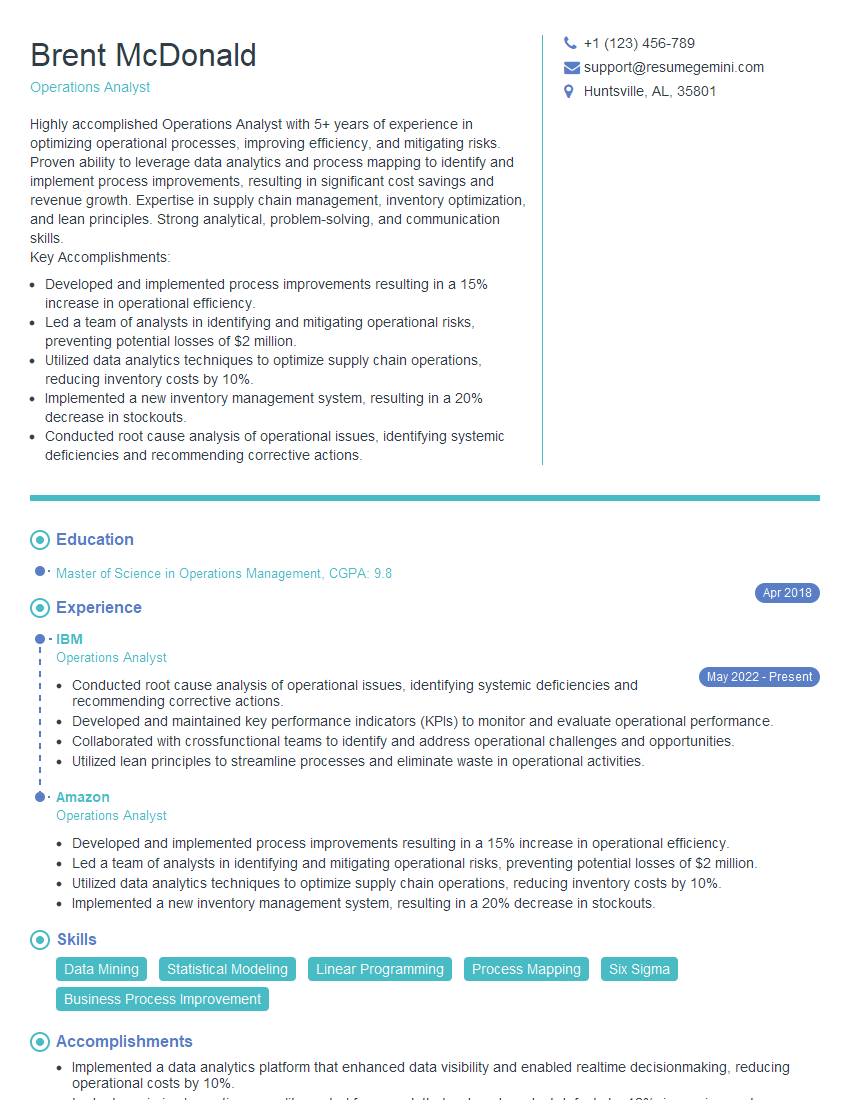
Operations Analyst Resume Sample
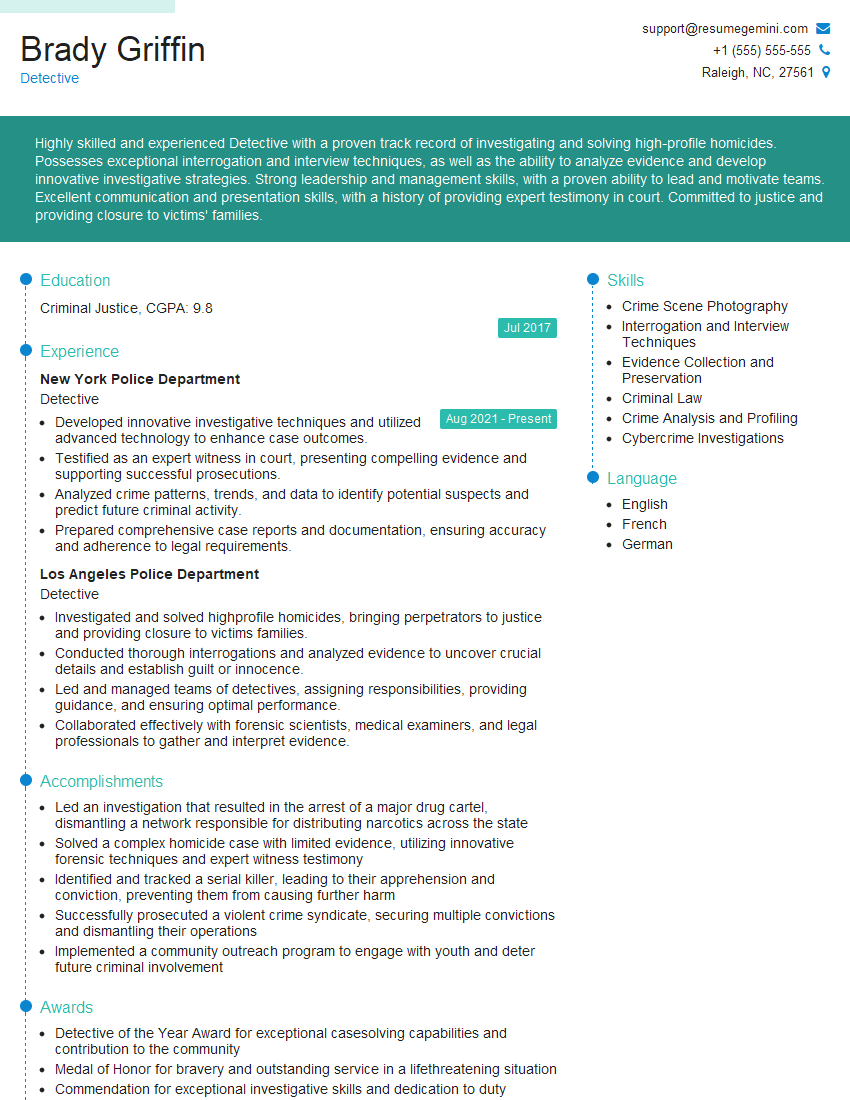
Detective Resume Sample
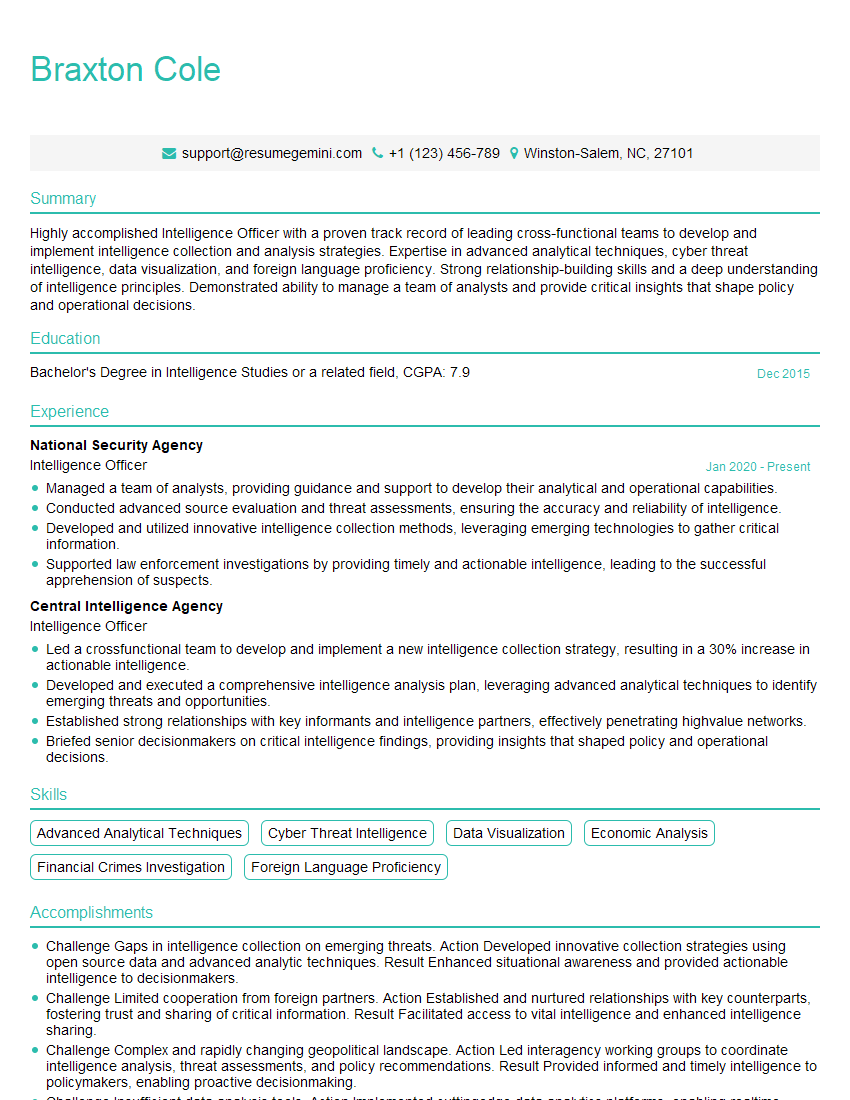
Intelligence Officer Resume Sample

IT Security Specialist Resume Sample
Explore more articles
Users Rating of Our Blogs
Share Your Experience
We value your feedback! Please rate our content and share your thoughts (optional).
What Readers Say About Our Blog
Very informative content, great job.
good