Interviews are more than just a Q&A session—they’re a chance to prove your worth. This blog dives into essential Skill in Interacting Effectively with Players, Coaches, and Spectators interview questions and expert tips to help you align your answers with what hiring managers are looking for. Start preparing to shine!
Questions Asked in Skill in Interacting Effectively with Players, Coaches, and Spectators Interview
Q 1. Describe your approach to motivating players with varying skill levels.
Motivating players across skill levels requires a nuanced approach that recognizes individual needs and aspirations. I believe in fostering a growth mindset where every player, regardless of their current abilities, feels valued and challenged.
- Individualized Goal Setting: I work with each player to establish specific, measurable, achievable, relevant, and time-bound (SMART) goals. For a novice, this might be mastering a fundamental skill; for an advanced player, it could involve refining a technique or increasing their leadership role within the team.
- Positive Reinforcement: I focus on praising effort and improvement, rather than solely focusing on results. Celebrating small victories, no matter how insignificant they may seem, boosts confidence and reinforces positive behavior. For example, I might praise a player’s improved defensive positioning even if they didn’t score a goal.
- Constructive Feedback: I provide regular feedback, both positive and constructive. When offering critique, I focus on specific behaviors that can be improved, rather than resorting to personal attacks or blanket criticism. I emphasize the ‘how’ and ‘why’ behind the feedback to promote understanding and learning.
- Differentiated Instruction: I tailor my coaching strategies to meet the specific needs of each player. This involves adjusting drills, exercises, and training intensity to ensure that everyone is challenged appropriately. For example, I might provide more support and guidance to novice players, while offering more advanced challenges to experienced players.
By implementing these strategies, I create an environment where players feel supported, motivated, and driven to reach their full potential, regardless of their starting point.
Q 2. How do you handle a conflict between a player and a coach?
Handling conflict between a player and a coach requires careful mediation and a focus on open communication. My approach emphasizes active listening, empathy, and a commitment to finding a mutually acceptable solution.
- Separate and Listen: First, I’d separate the player and coach to allow them to calm down and express their perspectives individually. I’d actively listen to both sides without interruption, focusing on understanding their feelings and concerns.
- Identify the Root Cause: Once I have a clearer understanding of the situation, I’d work to identify the root cause of the conflict. Is it a misunderstanding? A difference in coaching styles? A personality clash? Clearly defining the issue is crucial.
- Facilitate a Dialogue: I’d bring the player and coach together to facilitate a respectful dialogue. I’d encourage them to express their views calmly and listen attentively to one another. I might use reflective listening techniques to ensure understanding.
- Find a Solution: Together, we’d collaboratively work towards a mutually acceptable solution. This might involve adjusting training methods, clarifying expectations, or agreeing on a communication plan. The focus is on finding a solution that satisfies both parties and improves the team dynamic.
- Follow Up: After reaching a solution, I’d follow up with both the player and coach to ensure the agreement is working and address any lingering issues.
The key is to maintain a neutral stance, ensuring both individuals feel heard and respected, and to ultimately focus on improving team cohesion and performance.
Q 3. Explain your strategy for communicating complex game strategies to players.
Communicating complex game strategies effectively requires a multi-faceted approach that considers the players’ understanding and learning styles. I use a combination of techniques to ensure clarity and comprehension.
- Visual Aids: Diagrams, videos, and other visual aids can significantly improve understanding of complex formations or plays. For example, I might use a whiteboard to illustrate defensive strategies or show a video clip of a successful execution of a play.
- Simplified Language: I avoid technical jargon and use clear, concise language that everyone can understand. I break down complex concepts into smaller, more manageable chunks.
- Interactive Sessions: I encourage interactive sessions where players can ask questions, discuss different scenarios, and practice applying the strategies. This helps to identify any misunderstandings early on and reinforces learning.
- Role-Playing and Simulations: Role-playing and simulations allow players to practice the strategies in a safe environment, identifying potential challenges and refining their understanding. For instance, we might simulate a specific game situation to practice a particular offensive strategy.
- Repetition and Reinforcement: I repeat key concepts and provide opportunities for players to practice and reinforce their understanding. Regular reviews and quizzes can ensure retention.
By using a variety of teaching methods and adapting to the players’ learning styles, I ensure that everyone has a thorough grasp of the game plan.
Q 4. How would you manage unruly spectators during a tense game?
Managing unruly spectators requires a proactive and firm approach that prioritizes safety and maintains the integrity of the game. My strategy focuses on prevention, intervention, and escalation if necessary.
- Pre-Game Communication: Setting clear expectations for spectator behavior before the game begins is crucial. This can be done through announcements, signage, or printed materials outlining acceptable conduct.
- Visible Presence: Maintaining a visible presence near the spectator areas demonstrates authority and can deter disruptive behavior. Having security personnel readily available also provides a strong deterrent.
- Early Intervention: Addressing minor disruptions immediately, before they escalate, is key. A polite yet firm request for the spectator to refrain from disruptive behavior often suffices.
- Escalation Protocol: Having a clear escalation protocol in place is crucial. If verbal warnings are ineffective, removal of the spectator from the venue might be necessary. This should be done with the assistance of security personnel and in accordance with established procedures.
- Collaboration with Officials: Working closely with game officials to address disruptive behavior helps maintain consistency and fairness. Officials can provide support and enforce rules regarding spectator conduct.
The goal is to create a safe and respectful environment for all, while ensuring the smooth and uninterrupted flow of the game. This requires a balance of proactive measures and decisive action when needed.
Q 5. What techniques do you use to build rapport with players from diverse backgrounds?
Building rapport with players from diverse backgrounds requires cultural sensitivity, empathy, and a willingness to learn. My approach centers on creating an inclusive and respectful environment.
- Active Listening and Observation: I pay close attention to both verbal and non-verbal cues to understand individual communication styles and preferences. This involves actively listening to their perspectives and observing their body language.
- Respectful Communication: I use inclusive language and avoid making assumptions or generalizations about players based on their background. I make an effort to learn about their cultures and backgrounds.
- Shared Activities: Organizing team-building activities that promote interaction and understanding can strengthen bonds. These activities should be inclusive and cater to diverse interests.
- Individualized Approaches: Recognizing that different cultures may have varying approaches to communication, feedback, and teamwork is essential. I adapt my coaching style to meet individual needs and preferences.
- Seeking Feedback: Regularly asking for feedback on my communication and coaching style ensures that I am creating a supportive and inclusive environment for all players. This shows that I value their opinions and perspectives.
By focusing on respect, understanding, and open communication, I aim to foster a positive and inclusive team environment where every player feels valued and respected.
Q 6. How do you provide constructive feedback to players after a poor performance?
Providing constructive feedback after a poor performance requires empathy, specificity, and a focus on future improvement. My approach emphasizes a supportive and encouraging tone.
- Empathetic Listening: I begin by listening to the player’s perspective on their performance. This allows them to express their feelings and understand their own challenges.
- Specific Examples: I provide specific examples of areas where improvement is needed, focusing on observable behaviors rather than making vague or generalized statements.
- Focus on Solutions: Instead of dwelling on past mistakes, I emphasize the solutions and strategies for improvement. We work together to develop an action plan to address the identified areas of weakness.
- Positive Reinforcement: Even after a poor performance, I look for aspects that can be praised, such as effort, resilience, or specific positive actions. This helps maintain morale and a positive attitude.
- Follow-Up and Support: I follow up with the player to track progress and offer further support and guidance as needed. This demonstrates my commitment to their development and growth.
The aim is to leave the player feeling supported, motivated, and confident in their ability to improve. Constructive criticism should never be demoralizing, but rather a stepping stone towards growth.
Q 7. Describe a situation where you had to mediate a disagreement among team members.
In a previous team, a disagreement arose between two key players regarding playing strategy. One player, a veteran, felt his suggestions were being disregarded by a younger, more assertive teammate. This created tension and negatively affected team morale.
My approach was to mediate the situation by:
- Creating a Safe Space: I initiated a private meeting with both players, emphasizing the importance of open and respectful communication.
- Active Listening: I allowed each player to fully express their viewpoints without interruption, actively listening and paraphrasing to ensure understanding.
- Identifying Common Ground: I pointed out their shared goal – team success – and highlighted how their individual contributions were crucial to achieving this.
- Finding a Compromise: We collaboratively developed a strategy that incorporated both players’ suggestions, balancing experience with newer approaches. This ensured both felt valued and heard.
- Follow-Up and Monitoring: I regularly checked in with the players to ensure the new strategy was working and to address any remaining concerns. I also encouraged open communication between them.
The result was a resolution that fostered better teamwork and improved communication, ultimately contributing to a more cohesive and successful team.
Q 8. How do you adapt your communication style to different age groups?
Adapting communication to different age groups requires understanding their developmental stages and communication preferences. Younger players (e.g., under 12) benefit from simpler language, positive reinforcement, and visual aids. I use short, clear instructions, plenty of encouragement, and demonstrations. With teenagers, I incorporate more autonomy and explanation, involving them in decision-making processes. I use a more direct, but still respectful, style, focusing on strategic discussions and individual feedback. Adult players appreciate clear expectations, direct feedback, and professional communication. I might incorporate more detailed analyses of their performance and strategies.
For example, with younger players, I’d say, “Great job on that pass! Let’s try passing it a little lower next time.” With teenagers, I’d say, “Your passing was strong today, but focusing on lower passes would allow for better control and quicker plays. What strategies do you think we could employ to work on that?” With adults, I might say, “Your passing accuracy decreased slightly during the second half. We’ll review the game footage to identify any patterns and refine your technique.”
Q 9. Explain your process for addressing parental concerns about playing time or coaching decisions.
Addressing parental concerns requires empathy, open communication, and a focus on the player’s development. My process involves active listening, explaining the rationale behind decisions, and collaborating to find solutions. I begin by thanking them for their interest in their child’s development, emphasizing that we share the same goal. I then clearly explain the reasons behind the playing time or coaching decisions, referencing specific observations and the team’s overall needs. If concerns remain, I arrange a private meeting to discuss the issues thoroughly. I encourage parents to share their perspectives and concerns, and I provide specific examples and data to justify my decisions. Where possible, I’ll offer suggestions for improvement outside of game play, such as additional training or drills.
For instance, if a parent is upset about their child’s limited playing time, I might say, “I understand your concern about [child’s name]’s playing time. We’re focusing on developing a balanced team where all players get opportunities based on their skill level and the current game needs. [Child’s name] is showing great improvement in [specific skill], and their contribution is valued. Let’s discuss how they can work to further enhance this skill and secure more playing time in the future.”
Q 10. How do you maintain a positive and encouraging atmosphere during practice and games?
Maintaining a positive and encouraging atmosphere involves fostering a culture of respect, support, and continuous improvement. This requires creating a structured environment while encouraging individual expression and teamwork. I focus on positive reinforcement, constructive feedback, and opportunities for fun. During practice, I celebrate successes, both big and small. I use encouraging language and non-verbal cues to support players. I make sure practice sessions are dynamic and engaging, incorporating games and drills that encourage collaboration and skill development. During games, I emphasize sportsmanship, perseverance, and learning from both wins and losses. I provide specific, actionable feedback to motivate players. I ensure players have fun through team bonding activities, and that everyone feels valued and respected, regardless of skill level.
For example, instead of saying “You missed that shot,” I might say, “That was a great attempt! Let’s work on your aiming technique later.”
Q 11. How do you effectively communicate team goals and expectations to players?
Communicating team goals and expectations effectively requires clarity, transparency, and shared understanding. I start by involving the players in setting the goals, making them feel ownership of their team’s achievements. This can be done through team discussions, brainstorming sessions, and written goal setting exercises. Then, I break down these broader goals into smaller, achievable milestones, assigning individual roles and responsibilities. I regularly review progress and provide feedback. I use various communication methods, including team meetings, individual check-ins, and visual aids like charts or posters to keep the goals visible and accessible. Regular communication and open discussions ensure everyone is on the same page.
For instance, a team goal might be “to win the championship.” I would then break this down into smaller goals like “improving passing accuracy by 15%” or “winning 75% of our games.”
Q 12. How do you incorporate feedback from coaches and players to improve team performance?
Incorporating feedback from coaches and players is crucial for continuous improvement. I actively solicit feedback through regular meetings, surveys, and informal discussions. I create a safe and respectful environment where everyone feels comfortable sharing their thoughts and suggestions without fear of judgment. I use this feedback to analyze team performance, identify areas for improvement, and adjust training plans or strategies as necessary. I provide players with opportunities to express their own insights, and I make sure they feel heard. This fosters team cohesion and commitment to mutual improvement.
For example, if a coach suggests a new defensive strategy, I will test it in practice, gain feedback from the players, and adjust it based on their input before using it in a game. Similarly, if players mention difficulty with a certain drill, I’ll modify the drill or provide more individualized coaching.
Q 13. Describe a time you had to deal with a difficult or uncooperative coach.
In a previous coaching role, I encountered a coach who was consistently critical and dismissive of player suggestions. This negatively affected team morale and performance. To address this, I first attempted to have an open and constructive conversation, outlining the impact of his communication style on the team. I offered specific examples of how his feedback could be delivered more effectively, focusing on positive reinforcement and constructive criticism. When this proved insufficient, I escalated the issue to the higher management, documenting the situation and its effects on the team’s performance and atmosphere. This facilitated a mediated conversation where the coach could be addressed and solutions could be found. The situation ultimately improved when the coach engaged in mediation and started to adapt their approach to player interaction.
Q 14. How do you ensure all players feel included and valued within the team?
Ensuring all players feel included and valued involves creating a culture of respect, support, and belonging. This requires recognizing and appreciating individual differences and strengths. I actively promote team bonding activities outside of practice and games, organizing social events or team-building exercises to strengthen relationships and foster unity. I tailor training plans and exercises to cater to different skill levels and learning styles, ensuring that every player has opportunities to succeed. I use inclusive language, addressing players by name and using respectful communication. I actively solicit input from each player, making them feel valued contributors to the team’s success. I actively monitor dynamics within the team and take action to address any instances of exclusion or bullying.
For example, I might organize a team dinner or a volunteer event outside of sport-related activities. Or, I might create practice groups that allow players to learn from and support one another based on different skill levels.
Q 15. How would you handle a situation where a player is struggling emotionally?
Handling a struggling player requires empathy, understanding, and a tailored approach. It’s crucial to first create a safe space for open communication. I would start by privately talking to the player, actively listening to their concerns without judgment. Is it performance anxiety, a personal issue, or something else? Understanding the root cause is paramount.
Next, I’d offer support and reassurance, reminding them of their strengths and past successes. This could involve positive reinforcement, focusing on their effort rather than solely on results. If necessary, I might connect them with a sports psychologist or other appropriate professional for additional support. A structured plan might include setting smaller, achievable goals, gradually increasing the challenge as they regain confidence. For example, if a basketball player is struggling with their shots, we might focus on free throws first, then short shots, gradually increasing the distance. Always maintain open communication, checking in regularly and adjusting the plan based on their progress and feedback.
Example: In a past situation, a young swimmer was struggling with immense pressure before a major competition. By spending time listening to her anxieties, we identified a fear of failure. We worked together to adjust her training regimen, focusing on process goals (e.g., improving stroke technique) rather than outcome goals (e.g., winning the race). She eventually performed much better, proving the efficacy of addressing the underlying emotional struggles.
Career Expert Tips:
- Ace those interviews! Prepare effectively by reviewing the Top 50 Most Common Interview Questions on ResumeGemini.
- Navigate your job search with confidence! Explore a wide range of Career Tips on ResumeGemini. Learn about common challenges and recommendations to overcome them.
- Craft the perfect resume! Master the Art of Resume Writing with ResumeGemini’s guide. Showcase your unique qualifications and achievements effectively.
- Don’t miss out on holiday savings! Build your dream resume with ResumeGemini’s ATS optimized templates.
Q 16. Describe your experience managing the expectations of spectators during a high-pressure game.
Managing spectator expectations during high-pressure games involves a delicate balance between acknowledging their passion and maintaining order. It starts with proactive communication. Before the game, announcements or social media posts could set realistic expectations. For instance, highlighting the team’s efforts and progress, rather than solely focusing on winning. During the game, maintaining positive communication on the scoreboard, and through concise, enthusiastic announcements keeps the audience informed and engaged. This includes acknowledging good plays from both teams, maintaining an atmosphere of sportsmanship.
In tense moments, my strategy is to promote positivity and mutual respect. Any unruly behavior is addressed promptly and firmly but fairly, balancing maintaining order with not antagonizing spectators. Post-game, regardless of the outcome, I’d express gratitude for the spectators’ support and maintain open communication channels for feedback. This approach prevents unnecessary frustration and fosters a positive atmosphere conducive to an enjoyable sporting event.
Example: During a crucial playoff game, escalating tensions among spectators required immediate intervention. By addressing the situation calmly and respectfully, reassuring both the upset spectators and the rest of the crowd, I successfully de-escalated the situation, preventing a more significant disruption. Following a clear, well-defined protocol for handling such situations is essential to maintain order.
Q 17. How do you effectively communicate game results and statistics to the media?
Communicating game results and statistics to the media requires accuracy, professionalism, and a strategic approach. Preparation is key. I would have accurate statistics readily available, including key player performances and significant game moments. My communication would be clear, concise, and objective, avoiding overly emotional or subjective language.
I’d focus on presenting information in a way that’s easily understood by a broad audience, employing simple language and avoiding jargon. I am prepared to answer questions honestly, acknowledging both successes and shortcomings while maintaining a positive and professional demeanor. In cases of sensitive information, I would maintain discretion and avoid speculation.
Example: After a closely fought game, I ensured I had all the key statistics readily available – final score, key player points, rebounds, assists – before speaking with reporters. I focused on factual reporting, highlighting individual and team performance, avoiding overly emotional commentary, whether the team won or lost.
Q 18. What strategies do you employ to manage your own stress and emotions under pressure?
Managing my own stress and emotions under pressure requires a proactive approach, combining mental and physical strategies. My foundation is a strong, positive mental attitude. I practice mindfulness techniques, such as deep breathing exercises and meditation, to stay centered even during stressful situations. I view pressure as an opportunity to perform at my best.
Physically, maintaining a healthy lifestyle is crucial. Sufficient sleep, regular exercise, and a balanced diet contribute significantly to my resilience. I utilize stress management techniques like progressive muscle relaxation to ease physical tension, and time management to avoid feeling overwhelmed. Furthermore, I constantly work on developing self-awareness to recognize my stress triggers and adapt my coping mechanisms accordingly.
Example: Before significant games, I utilize a combination of deep breathing exercises and visualization techniques to calm my nerves and focus my energy. By remaining calm and collected, I can better support my players and team.
Q 19. How do you proactively identify and address potential conflicts within the team?
Proactively identifying and addressing potential conflicts within the team involves fostering an open and respectful team environment. This begins with establishing clear expectations and communication channels, ensuring everyone feels heard and respected. Regular team meetings, allowing for open discussion and feedback, are essential.
Active listening is key – I pay attention to both verbal and non-verbal cues. Any signs of friction are addressed promptly and privately, focusing on finding common ground and solutions through collaboration. Mediation, where needed, should be fair and impartial, focusing on resolving the issue rather than assigning blame. Reinforcing positive team dynamics and mutual respect is an ongoing process.
Example: I once noticed tension between two key players. By initiating a private conversation, I discovered a misunderstanding about their roles. Addressing this misunderstanding directly, clearly defining roles and responsibilities, helped to resolve the conflict and foster a more harmonious team dynamic.
Q 20. Explain your approach to celebrating team victories and managing losses.
Celebrating victories and managing losses requires a balanced and professional approach. Victories are celebrated with appropriate enthusiasm, emphasizing teamwork and acknowledging individual contributions. However, celebrations should remain respectful and avoid excessive displays of arrogance. The focus should be on recognizing the effort and commitment of the entire team.
Managing losses involves acknowledging disappointment without dwelling on negativity. I emphasize the learning experience, focusing on aspects of the game that can be improved. Positive reinforcement remains crucial, focusing on effort and teamwork, even in defeat. Post-game analysis and constructive feedback are important steps in learning from setbacks. Maintaining a positive and growth-oriented mindset is key.
Example: After a significant victory, we celebrated the team’s accomplishment with a team dinner, acknowledging each player’s contribution and focusing on the teamwork that led to success. Following a loss, we analyzed the game strategically, highlighting areas for improvement, and emphasizing the lessons learned. The focus was always on future improvement.
Q 21. How do you balance providing encouragement with delivering constructive criticism?
Balancing encouragement and constructive criticism is crucial for player development. Encouragement fosters confidence and motivation. I frequently praise effort, improvement, and positive attitudes. Constructive criticism, on the other hand, provides specific feedback for improvement, focusing on actionable steps. It’s always delivered privately, in a respectful and supportive manner, focusing on the action or behavior, not the player’s inherent abilities.
The key is to sandwich criticism between positive reinforcement. Start by acknowledging their strengths and effort, then provide specific feedback on areas for improvement, and finish with renewed encouragement. This approach makes the criticism less daunting, encouraging self-improvement and maintaining a positive relationship.
Example: To a player who made a few errors in a game, I started by saying, “You showed great determination and hustle out there today.” Then, I added, “However, let’s work on your positioning during those specific plays.” I finished by saying, “With a few adjustments, I’m confident you will significantly improve.” This way the feedback feels less accusatory and more helpful.
Q 22. Describe your experience working with players who have disabilities or special needs.
Working with players with disabilities or special needs requires a highly individualized approach, focusing on inclusivity and adapting strategies to meet diverse needs. It’s not about treating them differently, but about creating a supportive environment where everyone can participate and thrive.
- Assessment and Understanding: I begin by thoroughly understanding each player’s unique abilities and limitations. This involves direct communication with the player, their parents/guardians (if applicable), and any relevant healthcare professionals.
- Adaptive Strategies: I modify rules, equipment, or training methods to ensure fair and meaningful participation. For example, I might adjust the size of a playing field, modify the rules to allow for different levels of physical exertion, or use assistive devices.
- Positive Reinforcement and Encouragement: I emphasize positive reinforcement, focusing on effort and improvement rather than solely on results. Celebrating small victories and building confidence are crucial. One instance was working with a visually impaired athlete; we modified our practice drills to incorporate auditory cues, allowing them to participate fully.
- Collaboration: Close collaboration with other professionals like physical therapists, occupational therapists, or special education teachers is essential for creating a holistic and effective support system.
Q 23. How do you ensure clear and concise communication of rules and regulations to players?
Ensuring clear communication of rules and regulations is fundamental to fair play and prevents misunderstandings. I use a multi-faceted approach focusing on clarity, accessibility, and engagement.
- Multiple Communication Channels: I utilize various methods – verbal explanations, written handouts (with visual aids where appropriate), and potentially even video demonstrations – to reach all players effectively.
- Simple Language: I avoid jargon and technical terms, using simple, straightforward language that is easily understood. Explanations are concise and tailored to the player’s age and comprehension level.
- Interactive Sessions: I conduct interactive sessions, encouraging players to ask questions and clarify any doubts. This active participation ensures that players understand the rules and their implications. For instance, a quiz after a rules explanation helps reinforce understanding.
- Regular Reminders and Reinforcement: Rules and regulations are reviewed regularly, not just at the beginning of the season but throughout to ensure continued understanding and adherence.
Q 24. How would you handle a situation where a player is accused of unsporting conduct?
Accusations of unsporting conduct require a fair and impartial investigation. My approach prioritizes gathering all facts and evidence before reaching a conclusion.
- Gather Information: I would first gather information from all involved parties—witnesses, the accused player, and the person making the accusation—to obtain multiple perspectives. This needs to be done in a calm and objective manner.
- Review Evidence: Depending on the situation, evidence might include video footage, referee reports, or player statements. A thorough review is necessary.
- Apply Relevant Rules and Regulations: I would review the specific rules and regulations of the governing body and determine if the accused player’s actions violated those rules.
- Impose Consequences (if applicable): Depending on the severity of the infraction, consequences might range from a verbal warning to a suspension. The consequences must be fair and consistent with the rules.
- Educational Approach: Even with disciplinary action, I believe in using it as an educational opportunity to reinforce appropriate sportsmanship and behavior. A discussion focusing on the impact of the action on others and the spirit of the game is crucial.
Q 25. What steps do you take to prevent injuries and ensure player safety?
Preventing injuries and ensuring player safety is paramount. This involves a proactive and multifaceted approach.
- Proper Warm-up and Cool-down Routines: I emphasize the importance of proper warm-up and cool-down routines to prepare the body for activity and prevent muscle strains or other injuries.
- Safe Equipment and Facilities: I ensure that all equipment is properly maintained and safe, and that the playing facilities are in good condition and free from hazards. Regular inspections are essential.
- Appropriate Training Techniques: I teach and supervise players using appropriate training techniques, ensuring they execute drills and activities correctly to minimize risk of injury. This includes gradually increasing intensity and workload.
- First Aid and Emergency Procedures: I am trained in basic first aid and ensure that emergency procedures are in place and well-understood by all team members. Access to qualified medical personnel is crucial.
- Hydration and Nutrition: I stress the importance of hydration and proper nutrition to support optimal physical performance and reduce risk of injury. Regular water breaks during practices and games are mandatory.
Q 26. How do you foster a culture of teamwork and respect within the team environment?
Fostering a culture of teamwork and respect requires a conscious and consistent effort. It’s about building a strong team identity and instilling values that transcend the game.
- Team-Building Activities: I incorporate team-building activities, both on and off the field, to promote bonding and camaraderie amongst team members. This could range from simple trust-building exercises to more involved social events.
- Open Communication: I encourage open and honest communication within the team, creating a safe space where players feel comfortable expressing their thoughts and concerns without fear of judgment.
- Respectful Interactions: I model and reinforce respectful interactions between players, coaches, and spectators. I address any instances of disrespect promptly and firmly.
- Recognition and Appreciation: I recognize and appreciate both individual and team accomplishments, emphasizing the importance of collective effort and mutual support. This can be achieved through verbal praise, awards, or team celebrations.
- Shared Goals and Values: I involve players in setting team goals and establishing a shared set of values that emphasize teamwork, sportsmanship, and mutual respect. This encourages a sense of ownership and shared responsibility.
Q 27. Describe your experience with crisis management in a sports setting.
Crisis management in sports can involve various scenarios, from injuries to conflicts or emergencies. A prepared and decisive approach is crucial.
- Emergency Plan: A comprehensive emergency plan should be in place, outlining procedures for various situations, such as medical emergencies, severe weather, or security breaches. This plan should be regularly reviewed and updated.
- Communication Protocols: Clear and effective communication protocols should be established to ensure swift and coordinated responses during a crisis. This includes designated personnel to handle specific roles and responsibilities.
- Risk Assessment: Proactive risk assessment can help identify potential problems and develop strategies to mitigate risks before they escalate into a crisis. This could involve assessing potential hazards at the venue or considering likely scenarios.
- Calm and Deisive Action: In the midst of a crisis, maintaining composure and acting decisively is key. This involves following established protocols, delegating tasks efficiently, and prioritizing the safety and well-being of players and spectators. For example, during a severe storm, quickly and calmly evacuating players to a safe location is critical.
- Post-Incident Review: After a crisis, conducting a thorough post-incident review allows for identifying areas for improvement in future emergency response procedures. This process can help optimize the effectiveness of crisis management strategies.
Q 28. How do you measure the effectiveness of your communication strategies?
Measuring the effectiveness of communication strategies involves both qualitative and quantitative assessments.
- Player Feedback: Regularly soliciting feedback from players through surveys, informal discussions, or focus groups can provide valuable insights into the clarity and effectiveness of communication.
- Observation: Observing players’ understanding and application of rules, their behavior during training sessions and competitions, and their level of engagement can provide qualitative data.
- Performance Metrics: In certain settings, performance metrics such as improved sportsmanship ratings, reduced rule infractions, or enhanced team cohesion can be used as indicators of successful communication strategies.
- Pre- and Post-Tests: Using pre- and post-tests on rules knowledge can assess the impact of communication initiatives on understanding.
- Surveys and Questionnaires: Structured surveys or questionnaires designed to gauge player satisfaction with communication methods and clarity can provide useful data.
Key Topics to Learn for Skill in Interacting Effectively with Players, Coaches, and Spectators Interview
- Active Listening and Communication: Understanding verbal and non-verbal cues from players, coaches, and spectators to build rapport and address concerns effectively. This includes adapting your communication style to different individuals and situations.
- Conflict Resolution and Mediation: Developing strategies for addressing disagreements and conflicts calmly and professionally, fostering a positive and collaborative environment. Practical application might include resolving disputes between players or mediating disagreements between coaches and parents.
- Empathy and Emotional Intelligence: Recognizing and responding appropriately to the emotions of individuals in high-pressure situations. Understanding the emotional needs of players, the strategic pressures on coaches, and the passionate engagement of spectators is crucial.
- Building Trust and Rapport: Establishing positive relationships based on respect, honesty, and open communication. This involves demonstrating genuine interest in individuals’ perspectives and building trust over time.
- Providing Constructive Feedback: Delivering feedback in a way that is both encouraging and informative, helping individuals to learn and grow. This requires tailoring your approach to the individual’s personality and the specific situation.
- Managing Expectations: Setting realistic expectations with players, coaches, and spectators, managing disappointments, and celebrating successes appropriately. This includes effectively communicating team goals and individual roles.
- Professional Demeanor and Conduct: Maintaining a professional image and conduct at all times, representing your organization and yourself positively. This includes appropriate language, dress, and behavior in all interactions.
Next Steps
Mastering the skill of interacting effectively with players, coaches, and spectators is crucial for career advancement in many sports-related roles. It demonstrates your ability to build strong teams, resolve conflicts, and create a positive environment. To significantly boost your job prospects, crafting an ATS-friendly resume is essential. ResumeGemini is a trusted resource that can help you build a professional and impactful resume tailored to highlight your key skills. Examples of resumes specifically designed to showcase your proficiency in interacting effectively with players, coaches, and spectators are available to further assist your preparation.
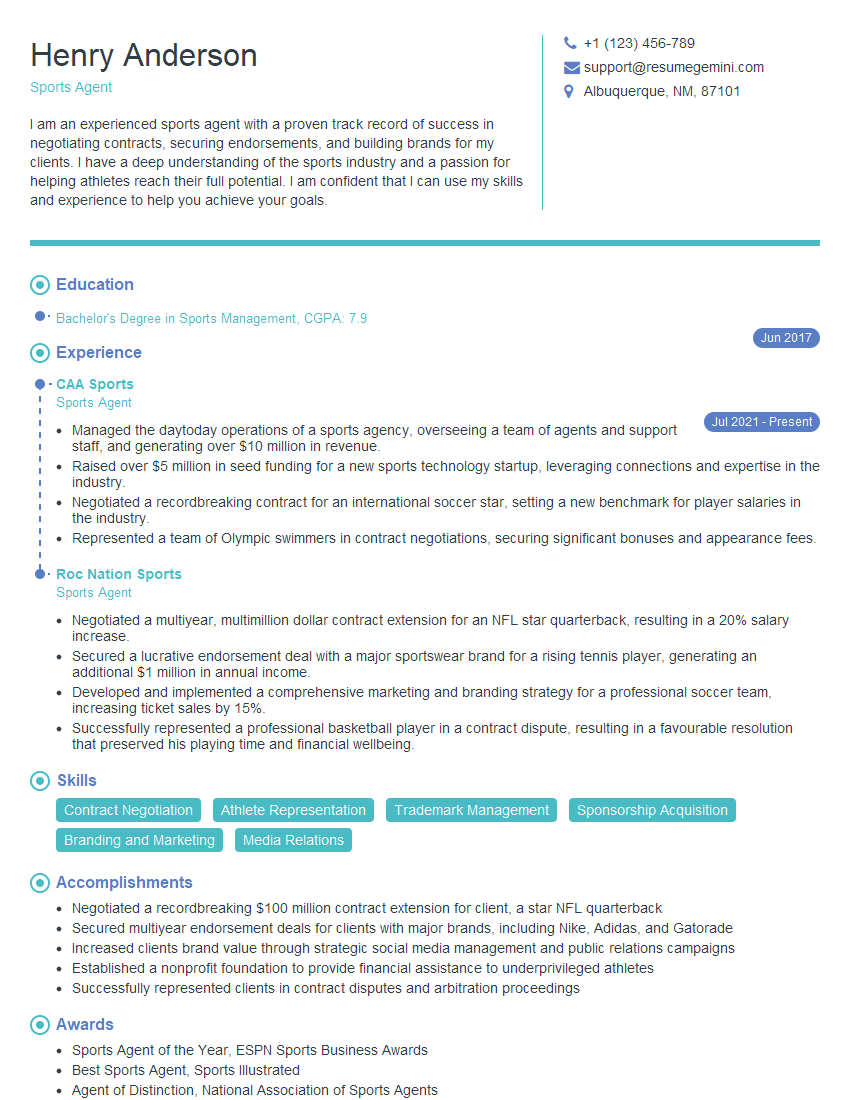
Sports Agent Resume Sample
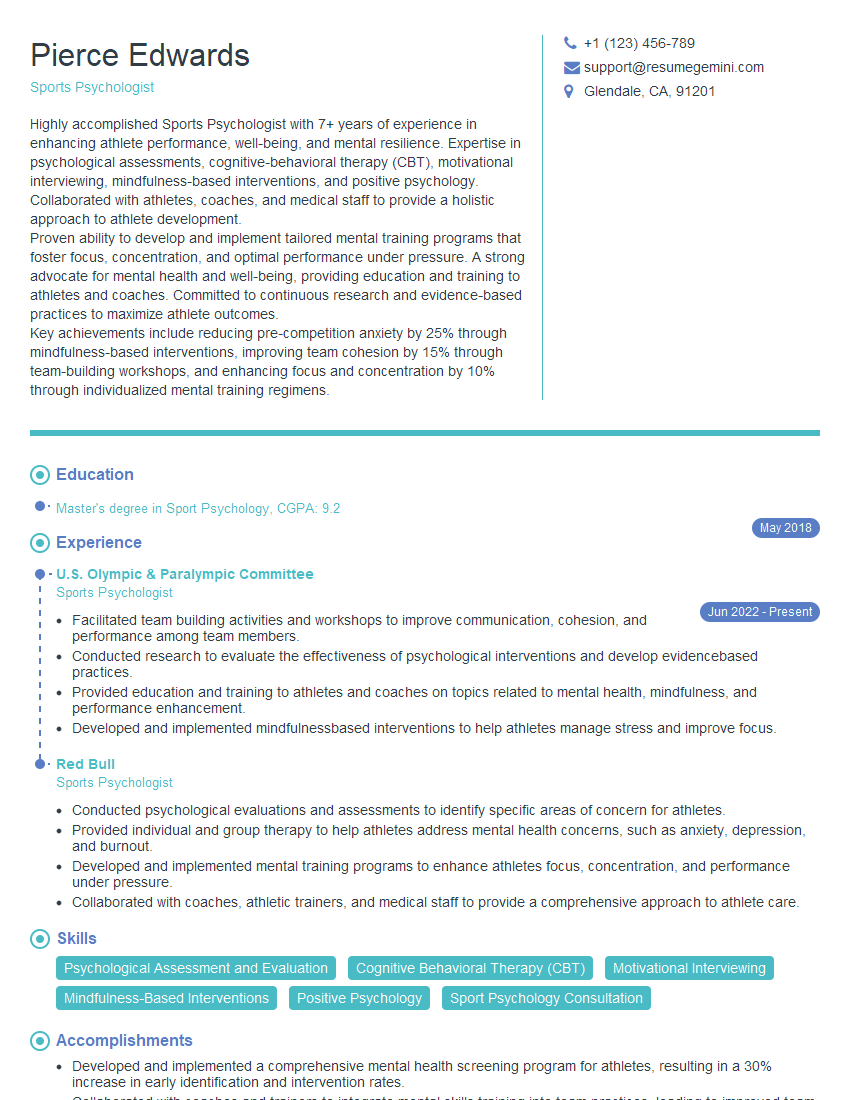
Sports Psychologist Resume Sample
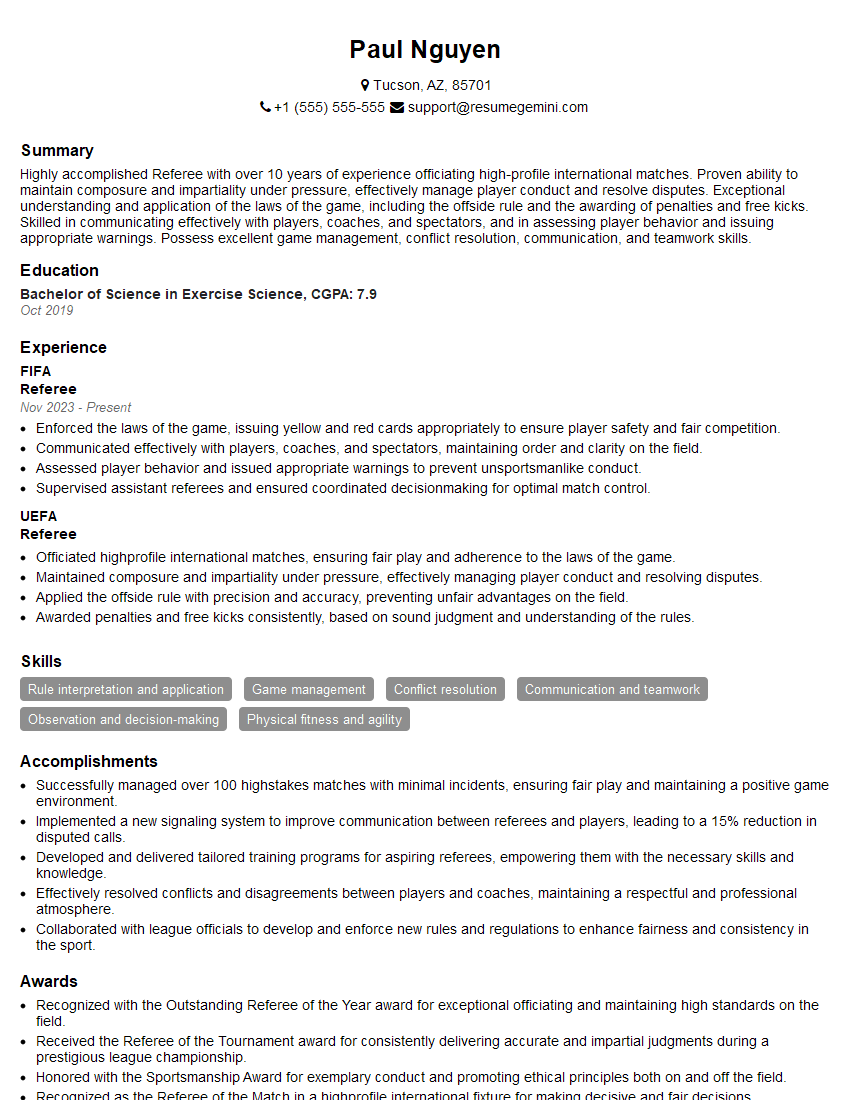
Referee Resume Sample
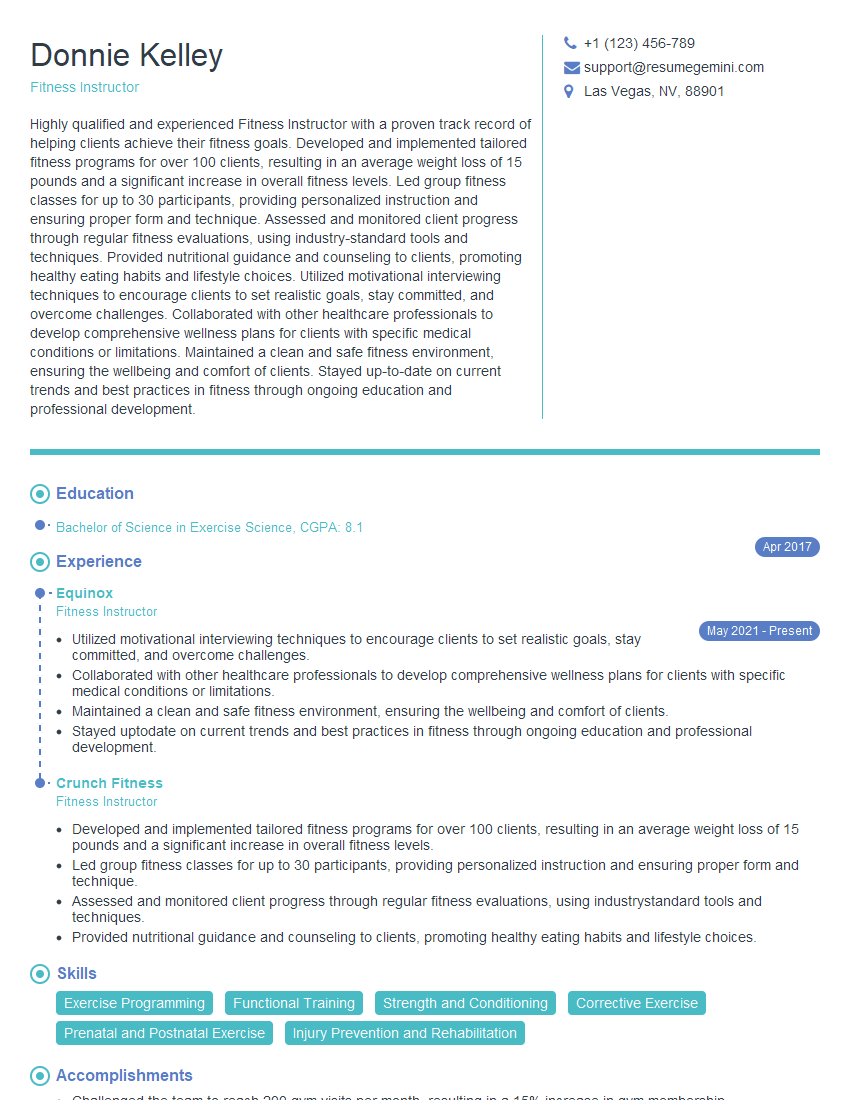
Fitness Instructor Resume Sample
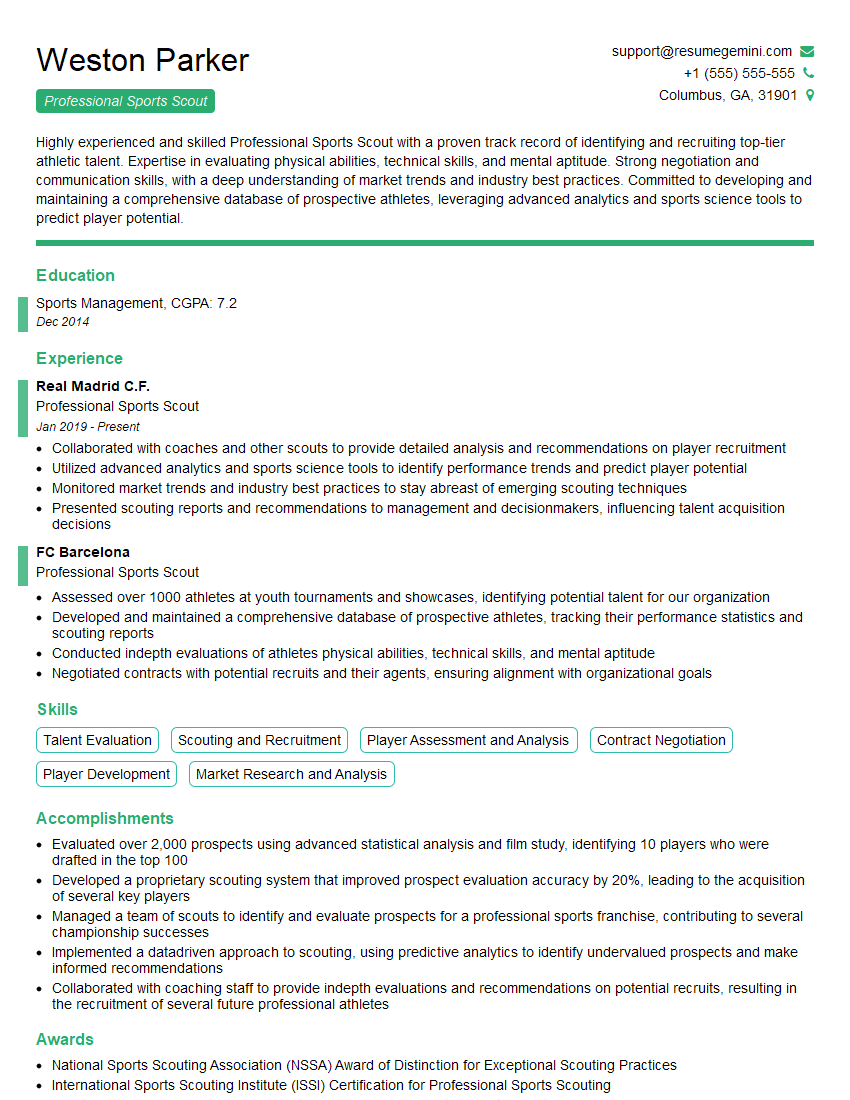
Professional Sports Scout Resume Sample
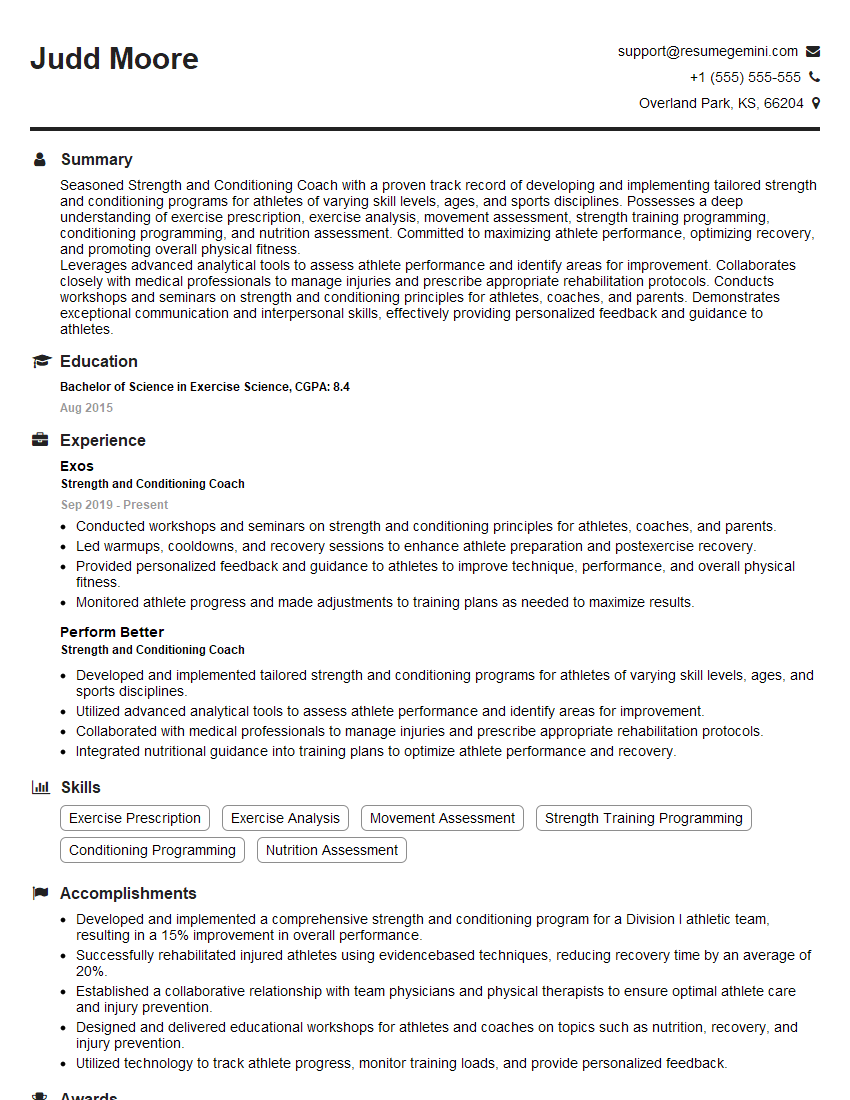
Strength and Conditioning Coach Resume Sample
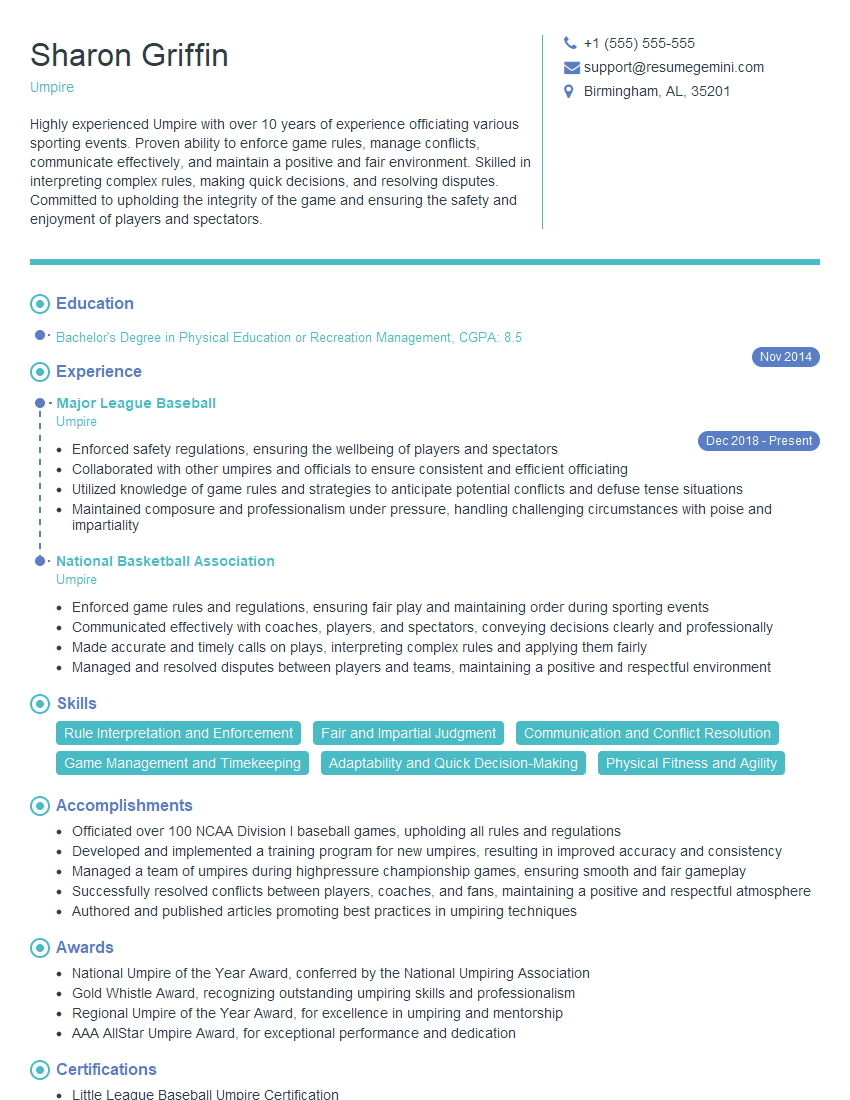
Umpire Resume Sample
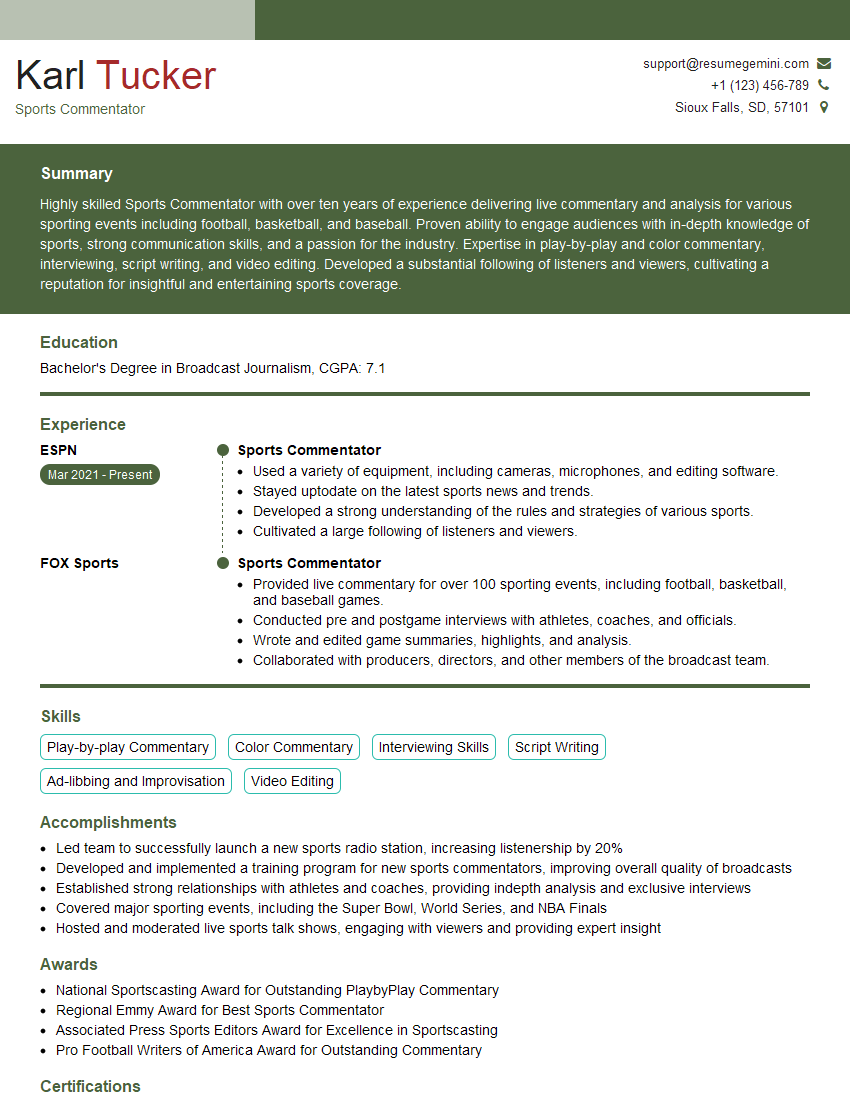
Sports Commentator Resume Sample
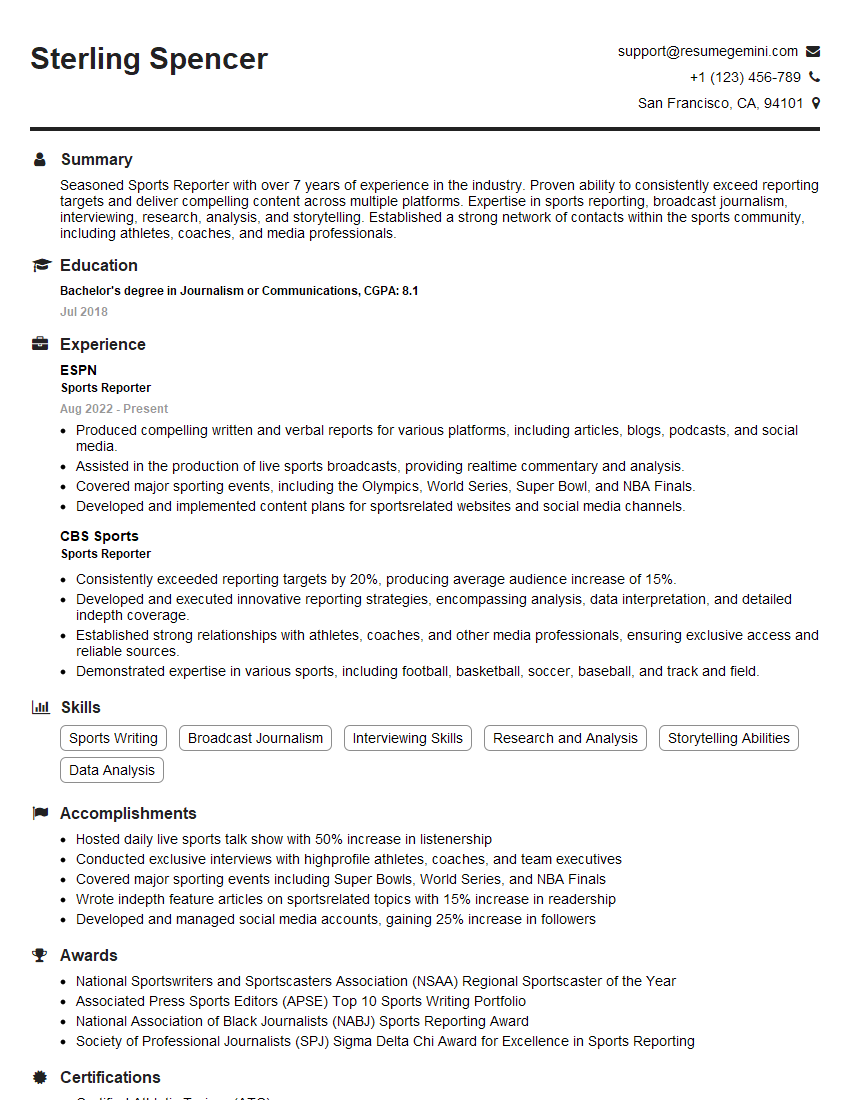
Sports Reporter Resume Sample
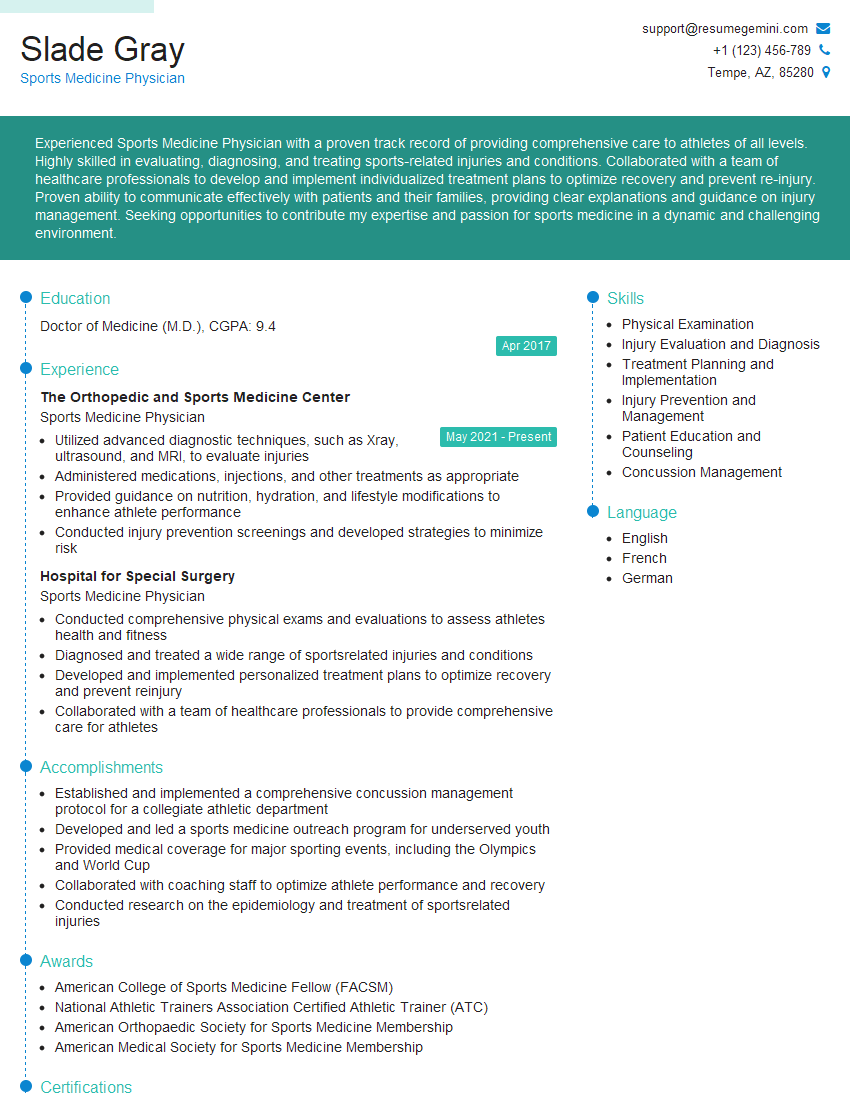
Sports Medicine Physician Resume Sample
Explore more articles
Users Rating of Our Blogs
Share Your Experience
We value your feedback! Please rate our content and share your thoughts (optional).
What Readers Say About Our Blog
Very informative content, great job.
good