Are you ready to stand out in your next interview? Understanding and preparing for Social Media and Online Branding interview questions is a game-changer. In this blog, we’ve compiled key questions and expert advice to help you showcase your skills with confidence and precision. Let’s get started on your journey to acing the interview.
Questions Asked in Social Media and Online Branding Interview
Q 1. What are the key performance indicators (KPIs) you would track for a social media campaign?
Key Performance Indicators (KPIs) are crucial for measuring the success of a social media campaign. They provide quantifiable data to assess whether your strategy is achieving its objectives. The specific KPIs will vary depending on your campaign goals, but here are some key metrics I frequently track:
- Reach and Impressions: How many unique users saw your content? This shows the breadth of your campaign’s visibility.
- Engagement: This encompasses likes, comments, shares, saves, and clicks. High engagement indicates audience interest and content resonance.
- Website Traffic: Did your social media posts drive traffic to your website? This is crucial for lead generation and sales.
- Conversions: Did your campaign result in desired actions like purchases, sign-ups, or downloads? This directly measures campaign effectiveness.
- Brand Mentions: How often is your brand being discussed on social media? This helps understand brand sentiment and reach.
- Click-Through Rate (CTR): The percentage of users who clicked on a link in your post. A high CTR signifies compelling content and strong calls to action.
- Follower Growth: Are you gaining followers organically? This demonstrates your ability to attract and retain a relevant audience.
For example, a campaign focused on lead generation might prioritize conversions and website traffic, while a brand awareness campaign would focus more on reach and impressions. Regularly monitoring these KPIs allows for data-driven optimization and ensures the campaign remains on track.
Q 2. Describe your experience with different social media platforms (e.g., Facebook, Instagram, Twitter, LinkedIn, TikTok).
I have extensive experience across various social media platforms, adapting my strategies to each platform’s unique audience and features.
- Facebook: I leverage Facebook for targeted advertising, community building through groups, and engaging with a diverse audience. I understand the nuances of Facebook’s algorithm and utilize its robust analytics tools for campaign optimization.
- Instagram: Instagram is a visual powerhouse, ideal for showcasing products, building a strong brand aesthetic, and utilizing influencer marketing. I utilize its Stories and Reels features to engage audiences with short-form video and interactive content.
- Twitter: Twitter excels at real-time engagement, news dissemination, and quick-fire brand updates. I use Twitter for quick responses, customer service, and participation in relevant conversations.
- LinkedIn: This platform is essential for professional networking and B2B marketing. I use LinkedIn for thought leadership content, lead generation, and building relationships with potential clients and partners.
- TikTok: I utilize TikTok for creative, short-form video content, capitalizing on viral trends and challenges to reach a younger, more engaged audience. Understanding the unique algorithm and utilizing trending sounds are key to success.
My experience spans creating content, managing communities, running paid advertising campaigns, and analyzing performance across all these platforms.
Q 3. How do you measure the success of a social media strategy?
Measuring the success of a social media strategy goes beyond simply looking at vanity metrics. It requires a holistic approach, aligning the metrics to the overarching business goals. I use a multi-faceted approach:
- Defining Clear Objectives: Before launching any campaign, I clearly define SMART (Specific, Measurable, Achievable, Relevant, Time-bound) goals. For example, increasing brand awareness by 20% within three months.
- KPI Tracking: As mentioned earlier, I track relevant KPIs such as reach, engagement, conversions, and website traffic. This allows for continuous monitoring and adjustments.
- Qualitative Analysis: Beyond numbers, I analyze the overall sentiment surrounding the brand. Are people talking positively about your brand? Are there recurring themes in customer feedback?
- Benchmarking: I compare performance against industry benchmarks and competitor activity to identify areas for improvement.
- A/B Testing: I conduct A/B tests on various elements (e.g., image, copy, call to action) to identify what resonates best with the target audience.
For instance, if the goal is lead generation, I would closely monitor conversion rates and website traffic from social media. If the goal is brand awareness, I’d track reach, impressions, and brand mentions.
Q 4. How do you stay updated on social media trends and algorithm changes?
Staying updated in the dynamic world of social media requires a proactive and multi-pronged approach. I utilize several methods:
- Following Industry Influencers and Publications: I follow key social media marketing experts, agencies, and publications on various platforms to stay informed about the latest trends and algorithm updates.
- Utilizing Social Media Analytics Tools: Platforms like Facebook Insights, Instagram Insights, and Twitter Analytics provide valuable data on performance and algorithm changes. I carefully analyze these reports to adjust my strategies accordingly.
- Participating in Industry Events and Webinars: Attending conferences, workshops, and webinars keeps me abreast of the latest best practices and innovations.
- Monitoring Social Media News and Blogs: Dedicated blogs and news sites dedicated to social media provide valuable updates on algorithm changes and platform updates.
Staying informed is an ongoing process. Continuous learning is essential to adapt to the ever-evolving landscape of social media.
Q 5. Explain your process for creating a social media content calendar.
Creating a social media content calendar is a crucial step in ensuring consistent and strategic content delivery. My process involves the following steps:
- Define Goals and Objectives: Clearly outline the overarching goals for the social media strategy.
- Audience Research: Understand your target audience’s preferences, interests, and online behavior. This informs content creation.
- Content Brainstorming: Generate ideas based on your target audience and goals. Consider different content formats (images, videos, stories, live streams).
- Content Creation: Develop engaging content that aligns with your brand voice and resonates with your audience.
- Scheduling and Planning: Use a social media scheduling tool to plan and schedule content in advance, ensuring consistent posting across platforms.
- Review and Optimization: Regularly review the performance of your content and adjust the calendar accordingly.
I typically use spreadsheet software or dedicated social media management tools to create and manage the calendar. This ensures efficient content planning and allows for easy tracking of progress.
Q 6. How do you handle negative comments or reviews on social media?
Handling negative comments or reviews on social media requires a swift, professional, and empathetic approach. Here’s my strategy:
- Respond Promptly: Address negative comments and reviews as soon as possible. Delayed responses can escalate the situation.
- Acknowledge and Empathize: Show understanding and acknowledge the customer’s concerns. Phrases like “I understand your frustration” can go a long way.
- Take Responsibility (If Applicable): If the criticism is valid, take ownership and apologize sincerely.
- Offer a Solution: Try to resolve the issue by offering a solution or compensation. This demonstrates a commitment to customer satisfaction.
- Move the Conversation Offline (If Necessary): If the issue is complex, offer to contact the customer directly via email or phone to discuss it privately.
- Monitor and Track: Keep an eye on the comments section and respond to any further questions or concerns.
It’s important to remain professional, avoid getting defensive, and focus on resolving the issue. Turning a negative experience into a positive one can strengthen your brand’s reputation.
Q 7. How familiar are you with social listening tools and techniques?
I am very familiar with social listening tools and techniques. Social listening involves monitoring online conversations and mentions related to your brand, industry, and competitors. It provides valuable insights into customer sentiment, brand perception, and emerging trends.
- Tools: I have experience using various social listening tools such as Brandwatch, Talkwalker, Mention, and Hootsuite Insights. These tools allow for comprehensive monitoring of various social media platforms and online news sources.
- Techniques: My social listening strategy involves identifying relevant keywords and hashtags, tracking mentions of your brand and competitors, analyzing sentiment (positive, negative, neutral), identifying influencers and key opinion leaders, and uncovering emerging trends and customer needs.
- Applications: Social listening data helps inform marketing strategies, product development, crisis management, and competitor analysis. For example, identifying negative feedback can inform product improvements, while tracking positive mentions can inspire marketing campaigns.
Social listening is not just about monitoring; it’s about actively engaging with the insights gathered to inform better decision-making.
Q 8. Describe your experience with paid social media advertising (e.g., Facebook Ads, Instagram Ads).
My experience with paid social media advertising spans several years and various platforms, primarily Facebook Ads and Instagram Ads. I’ve managed campaigns with budgets ranging from small-scale experiments to larger, multi-faceted strategies. I’m proficient in all aspects, from campaign setup and audience targeting to ad creative development and performance analysis. For instance, I recently managed a Facebook Ads campaign for a local bakery, using detailed audience targeting (demographics, interests, behavior) to reach potential customers within a 5-mile radius. We A/B tested various ad creatives to optimize click-through rates and conversion rates, ultimately resulting in a 30% increase in online orders within a month. Another successful campaign involved retargeting website visitors who hadn’t completed a purchase, significantly boosting sales conversion rates. My approach always begins with a clear understanding of the client’s goals (e.g., brand awareness, lead generation, sales), followed by meticulous campaign planning, execution, and continuous optimization based on real-time data analysis.
Q 9. How do you develop a consistent brand voice and tone across social media channels?
Maintaining a consistent brand voice and tone across social media platforms is crucial for building a recognizable and trustworthy brand identity. Think of it like having a distinct personality; it needs to be authentic and consistent across all interactions. We start by defining the brand’s personality – is it playful, sophisticated, authoritative, etc.? We then create a style guide outlining preferred language, tone, and even emoji usage. This guide informs all content creation across different platforms, ensuring a unified brand experience. For example, a luxury brand would maintain a sophisticated and formal tone across all platforms, while a tech startup might adopt a more playful and informal approach. However, the core brand values – quality, innovation, customer focus – remain consistent. To monitor consistency, we regularly review content before publishing and use social media management tools to schedule and track posts across all channels.
Q 10. How would you create a social media strategy for a new product launch?
A social media strategy for a new product launch requires a multi-phased approach. First, we identify the target audience and the platforms they frequent most. Then, we develop a content calendar focusing on building anticipation and excitement leading up to the launch. This could involve teaser posts, behind-the-scenes glimpses of the product development, and engaging contests or giveaways. The launch day itself should be a major event, with coordinated posts across all platforms highlighting key features and benefits. Post-launch, we focus on gathering customer feedback, addressing concerns, and showcasing user-generated content to foster community and build trust. For example, we might run a pre-launch influencer marketing campaign to generate buzz and then follow up with paid advertising campaigns on launch day to maximize reach. Post-launch, customer reviews and testimonials will be highlighted, and we’ll actively monitor social media conversations to respond to comments and queries promptly.
Q 11. What is your experience with social media analytics platforms (e.g., Google Analytics, Hootsuite)?
I’m highly proficient in using social media analytics platforms like Google Analytics and Hootsuite. Google Analytics provides valuable insights into website traffic driven from social media, helping us understand which platforms are most effective in driving conversions. Hootsuite, on the other hand, facilitates streamlined social media management, offering detailed analytics on individual posts and campaigns. I utilize these tools to track key performance indicators (KPIs) such as engagement rate, reach, click-through rates, and conversion rates. This data-driven approach allows us to continuously optimize our strategies, ensuring we’re maximizing our return on investment (ROI). For instance, we might identify that a particular type of content performs exceptionally well on Instagram, prompting us to adjust our content strategy to allocate more resources to that platform.
Q 12. Explain your approach to influencer marketing.
My approach to influencer marketing is strategic and data-driven. We don’t simply focus on follower count; instead, we identify influencers who genuinely align with our brand values and whose audience aligns with our target market. This ensures authenticity and avoids a disconnect between the brand message and the influencer’s audience. We meticulously select influencers based on factors such as their engagement rate, audience demographics, content style, and past collaborations. We then collaborate with them to develop creative and engaging content that feels natural and avoids a hard-sell approach. Post-campaign, we thoroughly analyze the results, measuring key metrics such as reach, engagement, and website traffic. This analysis helps us refine our influencer marketing strategy for future campaigns.
Q 13. How do you identify and target your ideal audience on social media?
Identifying and targeting the ideal audience on social media involves a multi-pronged approach. First, we define the ideal customer profile (ICP) based on demographic, psychographic, and behavioral data. We then use the robust targeting options available on different platforms (Facebook, Instagram, Twitter, etc.) to reach these individuals. This includes using detailed targeting options based on demographics, interests, behaviors, and even custom audiences created from existing customer data. We also leverage social listening tools to understand conversations happening around our brand and industry, allowing us to tailor our messaging to resonate with specific audience segments. For example, we might target a specific age group with interests in sustainable living for an eco-friendly product launch.
Q 14. How do you build and engage a community on social media?
Building and engaging a community on social media requires consistent effort and genuine interaction. It’s not just about broadcasting messages; it’s about fostering a two-way dialogue. We start by creating high-quality content that resonates with the audience’s interests. We then actively respond to comments and messages, showing that we value their opinions and feedback. We also run interactive contests and Q&A sessions to encourage participation. Building a strong community takes time and patience, but by consistently engaging with our audience and creating a space for them to connect with each other and the brand, we can foster loyalty and brand advocacy. Think of it like building a real-world community – it requires nurturing and genuine connections.
Q 15. Describe a time you had to adapt a social media strategy due to unexpected circumstances.
Adapting social media strategies is crucial for navigating the ever-changing online landscape. One instance involved a client launching a new product during a period of unexpected national unrest. Our initial, upbeat campaign clearly wouldn’t resonate with the public mood. We quickly pivoted.
First, we analyzed the prevailing sentiment on social media, monitoring relevant hashtags and listening to public conversations. Then, we shifted the tone of our messaging to one of empathy and understanding. We focused on highlighting the product’s ability to provide comfort and support during a difficult time, rather than promoting its features with typical celebratory marketing. This involved pausing scheduled posts, crafting new, more sensitive content, and engaging in supportive conversations in the comments sections. We saw a decrease in initial engagement but ultimately preserved brand reputation and fostered positive connections with our audience who appreciated the company’s sensitivity.
The key takeaway is the ability to quickly assess situations, make data-driven decisions, and adapt messaging to reflect the current environment. Flexibility and a reactive approach, guided by real-time social listening, are key to navigating unforeseen circumstances.
Career Expert Tips:
- Ace those interviews! Prepare effectively by reviewing the Top 50 Most Common Interview Questions on ResumeGemini.
- Navigate your job search with confidence! Explore a wide range of Career Tips on ResumeGemini. Learn about common challenges and recommendations to overcome them.
- Craft the perfect resume! Master the Art of Resume Writing with ResumeGemini’s guide. Showcase your unique qualifications and achievements effectively.
- Don’t miss out on holiday savings! Build your dream resume with ResumeGemini’s ATS optimized templates.
Q 16. How do you ensure brand consistency across all social media channels?
Maintaining brand consistency across social media platforms is vital for building a strong and recognizable brand identity. Think of it like a consistent visual and tonal brand identity across all your marketing materials – your logo is always the same, right? Social media should follow suit. We achieve this through several key strategies:
- Brand Style Guide: A comprehensive document outlining the brand’s voice, tone, visual elements (logo, color palette, fonts), and messaging guidelines. This acts as a central reference point for all team members.
- Centralized Content Creation: Using a single platform or team to create all social media content helps maintain a unified message and aesthetic. This prevents discrepancies in tone and style between different platforms.
- Content Calendar: A planned schedule ensures that thematically related content is consistent over time and across platforms. This approach helps in maintaining brand narrative and engagement.
- Cross-Platform Promotion: Promoting content from one platform to another reinforces brand messaging and increases reach. This might involve sharing a blog post from your website on Instagram, with an attention-grabbing image, and a link to the post.
- Regular Audits: Periodic reviews of all social media content help identify and correct inconsistencies. This ensures the brand stays on track.
Imagine a fashion brand with a sophisticated, minimalist aesthetic. Consistency means using the same color scheme and font across Instagram, Facebook, and Pinterest. The tone should be refined and elegant in all communications, whether it’s a product description or a response to a customer comment.
Q 17. What are your strategies for increasing engagement on social media?
Boosting social media engagement requires a multi-pronged approach. It’s not just about posting—it’s about creating a conversation and building a community.
- High-Quality Content: Engaging content is visually appealing, informative, and relevant to your target audience. This may include videos, infographics, interactive polls, live sessions, and user-generated content.
- Interactive Content: Ask questions, run polls, use quizzes, host Q&A sessions, and encourage comments and shares. This fosters a two-way communication flow.
- Strategic Hashtags: Utilize relevant and trending hashtags to increase the visibility of your posts. Don’t overdo it, though – a handful of well-chosen hashtags are better than a laundry list of irrelevant ones.
- Community Engagement: Respond promptly to comments, messages, and mentions. Engage in relevant conversations, and show your audience that you value their participation.
- Run Contests and Giveaways: These incentivize engagement by offering something of value in exchange for participation. Consider the relevance of these to your target audience and the value they represent.
- Collaborations and Influencer Marketing: Partnering with relevant influencers can expand your reach and introduce your brand to new audiences.
For instance, a cooking blog might use Instagram to showcase visually appealing recipes, ask followers what they’re cooking, and host live cooking demonstrations. The key is to tailor your strategy to the specific platform and your audience’s preferences.
Q 18. How do you manage multiple social media accounts simultaneously?
Managing multiple social media accounts efficiently requires a systematic approach. It’s akin to conducting an orchestra – each instrument (platform) has a unique role, yet they must harmonize.
- Social Media Management Tools: Utilize platforms like Hootsuite or Buffer to schedule and manage posts across different channels. These tools allow for centralized content creation and scheduling.
- Content Calendar: A well-organized content calendar helps visualize upcoming posts and ensures consistency across platforms. This includes content themes, posting times, and target audiences.
- Teamwork and Roles: If managing many accounts alone is impossible, define specific roles and responsibilities for each team member. This might involve assigning different platforms or content types to different people.
- Automation: Leverage automated tools for tasks such as scheduling posts, responding to common questions, and tracking analytics. This frees up time for strategic planning and engagement.
- Prioritization: Focus on the platforms where your target audience is most active. Don’t spread yourself too thin by trying to be everywhere at once.
For example, a small business might use Hootsuite to schedule posts across Facebook, Instagram, and Twitter. They might assign one team member to focus on content creation and another on community engagement.
Q 19. What is your experience with social media scheduling tools?
Social media scheduling tools are indispensable for efficient social media marketing. They allow for the planning, scheduling, and even automation of posts across various platforms. I’ve extensive experience with several leading tools.
- Hootsuite: A comprehensive platform for managing multiple social media accounts, scheduling posts, analyzing analytics, and engaging with audiences. Its robust features offer an excellent solution for managing many accounts.
- Buffer: Known for its user-friendly interface and focus on collaboration, Buffer simplifies scheduling and team management. Its ease of use makes it ideal for smaller teams.
- Sprout Social: A powerful tool with advanced features for social listening, reporting, and analytics, making it beneficial for in-depth campaign analysis and tracking ROI.
- Later: Optimized for visual platforms like Instagram, Later simplifies content planning and scheduling with a visual calendar. It is a great choice for visual-focused marketing strategies.
My experience shows that choosing the right tool depends on the specific needs of the business. A larger enterprise might benefit from Sprout Social’s advanced features, while a small business might find Buffer more user-friendly and cost-effective.
Q 20. Describe your understanding of SEO and its role in social media marketing.
SEO (Search Engine Optimization) and social media marketing are intertwined. While not directly influencing search rankings in the same way on-page SEO does, social media plays a vital role in driving traffic and brand visibility, which indirectly boosts SEO.
- Increased Brand Visibility: Social media builds brand awareness and strengthens online presence. This leads to increased brand mentions and backlinks, both positive ranking signals.
- Drive Traffic to Website: Social media posts linking to website content drive traffic, improving website ranking by demonstrating engagement and relevance. Think of it as a ‘vote of confidence’ from users.
- Improved Brand Reputation: Positive social media engagement and interactions enhance brand reputation and trustworthiness. Search engines often consider user perception, so this builds implicit positive signals.
- Keyword Research: Understanding which keywords resonate on social media can inform both social media and SEO strategies. Using similar terms ensures consistency.
- Social Signals: While the exact impact of social signals on search rankings is debated, consistent engagement on social media platforms correlates with improved rankings.
For example, a blog post shared across social media platforms will receive more traffic, increasing its visibility and potentially its ranking in search results. This demonstrates the symbiotic relationship between SEO and social media marketing.
Q 21. How do you measure the ROI of social media marketing efforts?
Measuring the ROI of social media marketing requires a strategic approach that goes beyond vanity metrics (likes, shares, etc.). A combination of quantitative and qualitative data is key.
- Website Traffic: Track website clicks from social media using UTM parameters. This identifies the number of visitors coming from social and how they convert.
- Lead Generation: Monitor leads generated through social media campaigns. This helps quantify the success of social media in nurturing potential customers.
- Sales Conversion: Track sales attributed to social media marketing efforts, quantifying return on investment directly. This proves social media’s contribution to revenue generation.
- Brand Awareness: While difficult to quantify precisely, analyzing sentiment, reach, and mentions offers insights into brand perception and awareness improvement.
- Engagement Metrics: Analyze metrics like likes, comments, shares, and retweets to understand audience engagement levels and resonance with content.
- Customer Acquisition Cost (CAC): Calculate the cost per customer acquisition through social media to evaluate cost-efficiency and return.
It’s crucial to set clear goals and metrics before launching a campaign. This might be increasing brand awareness by X% or generating Y leads. Then, comparing the achieved results against these predefined targets allows for accurate assessment of social media ROI.
Q 22. How do you collaborate with other departments (e.g., sales, customer service) to achieve marketing goals?
Effective social media marketing rarely operates in a silo. Collaboration with other departments is crucial for achieving holistic marketing goals. I approach this through proactive communication and integrated strategies.
Sales: I work closely with the sales team to align social media campaigns with sales initiatives. For example, we might promote a limited-time offer on social media, driving traffic to a dedicated landing page tracked by sales for conversion analysis. This allows us to measure the direct impact of social media on sales performance.
Customer Service: Social media is a primary channel for customer interaction. I collaborate with customer service to monitor social mentions, address customer queries promptly, and escalate complex issues to the appropriate teams. This ensures consistent brand messaging and builds trust with our audience. We might set up a shared inbox to manage customer inquiries effectively.
Product Development: I engage with product development to understand upcoming product launches and incorporate them into our social media content calendar. This creates anticipation and excitement before the official release.
By fostering open communication and sharing relevant data (sales figures, customer feedback, etc.), we create a synergistic approach where social media amplifies the efforts of other departments and contributes to overall business objectives.
Q 23. How familiar are you with social media compliance and legal considerations?
Social media compliance is paramount. I am thoroughly familiar with relevant regulations like GDPR (General Data Protection Regulation), CCPA (California Consumer Privacy Act), and FTC guidelines on advertising and endorsements. My approach includes:
Privacy Policy Compliance: Ensuring our social media activities align with our company’s privacy policy and clearly communicate data collection practices to users.
Content Moderation: Establishing clear guidelines for content creation and engagement to prevent the publication of inappropriate or unlawful material. This includes proactively monitoring comments and interactions.
Transparency and Disclosure: Strictly adhering to disclosure requirements for sponsored content, affiliate links, and endorsements to maintain transparency with our audience and avoid misleading practices. For example, using hashtags like #ad or #sponsored in relevant posts.
Data Security: Implementing measures to safeguard user data collected through social media platforms, complying with all data protection laws.
Staying updated on evolving regulations is crucial, and I regularly consult legal counsel to ensure our social media strategy remains compliant.
Q 24. Describe your experience with creating engaging social media content (e.g., videos, images, text posts).
My experience in creating engaging social media content spans various formats, focusing on a data-driven approach. I use analytics to understand audience preferences and tailor content accordingly.
Videos: I’ve produced short, impactful videos for various platforms—from behind-the-scenes glimpses to product demonstrations and engaging tutorials. I understand the importance of strong visuals, concise messaging, and a compelling call to action.
Images: High-quality, visually appealing images are fundamental. I utilize professional photography, graphic design, and editing tools to create visually consistent and engaging content across all platforms. I experiment with various styles to see what resonates best with our audience.
Text Posts: I craft concise, engaging, and informative text posts, using a variety of techniques to encourage interaction, such as posing questions, using humor, and incorporating relevant hashtags. I also adapt my writing style to match the tone and style of each platform.
A/B testing is a crucial part of my process to determine which content performs best and refine our strategy over time.
Q 25. How do you use social media to build brand awareness and loyalty?
Building brand awareness and loyalty on social media requires a strategic and consistent approach. It’s about building relationships, not just broadcasting messages.
Consistent Branding: Maintaining a consistent brand voice, visual identity, and messaging across all platforms is crucial for building recognition and trust.
Engaging Content: Creating high-quality, relevant, and shareable content that resonates with the target audience is essential to attract and retain followers.
Community Building: Actively engaging with followers through comments, replies, and direct messages fosters a sense of community and loyalty. Responding to both positive and negative feedback is critical.
Running Contests and Giveaways: These can increase engagement and attract new followers. However, these need to be well-planned and comply with all relevant legal requirements.
Influencer Marketing: Collaborating with relevant influencers can significantly expand brand reach and credibility.
Paid Social Media Advertising: Targeted advertising campaigns can help reach a wider audience and increase brand visibility.
Tracking key metrics such as follower growth, engagement rate, and website traffic allows for continuous improvement and optimization.
Q 26. What social media platforms do you personally use and why?
I personally use a variety of platforms, each for different purposes, reflecting my professional interest and understanding of their strengths.
LinkedIn: For professional networking, industry news, and staying up-to-date on marketing trends.
Twitter: For real-time updates, engaging in industry discussions, and monitoring brand mentions.
Instagram: For visual inspiration, exploring creative marketing campaigns, and understanding visual storytelling best practices.
Facebook: To observe various marketing strategies employed by different brands and gain insights into audience behaviors.
My personal usage helps me stay abreast of the ever-evolving social media landscape and provides valuable insights that I can apply to my professional work.
Q 27. How would you address a social media crisis?
Addressing a social media crisis requires a swift, transparent, and empathetic response. My approach involves a structured process:
Rapid Assessment: Quickly identify the scope and severity of the crisis, understanding the source, the audience’s reaction, and potential damage to the brand’s reputation.
Assemble a Crisis Team: Gather relevant stakeholders (PR, legal, customer service, and social media management) to coordinate a unified response.
Develop a Communication Strategy: Create a clear, consistent message addressing the situation directly, honestly, and empathetically. Acknowledge the issue, apologize if necessary, and outline steps to rectify the situation.
Monitor and Respond: Actively monitor social media mentions, engaging with concerned individuals promptly and professionally. Avoid deleting negative comments—responding constructively is crucial.
Post-Crisis Analysis: After the immediate crisis has subsided, conduct a thorough review to identify lessons learned and improve future crisis preparedness.
Transparency and authenticity are key to navigating a crisis successfully. A swift and well-coordinated response minimizes damage and builds trust with the audience.
Q 28. What are some common mistakes to avoid in social media marketing?
Many common mistakes can hinder social media marketing effectiveness. Avoiding these pitfalls is critical for success.
Ignoring Analytics: Failing to track key metrics and analyze performance data prevents informed decision-making and optimization. Regularly reviewing analytics is crucial to understand what works and what doesn’t.
Inconsistent Posting: An irregular posting schedule leads to decreased engagement and lost visibility. Establishing a consistent content calendar is vital.
Lack of a Defined Target Audience: Creating content without a clear understanding of the target audience leads to ineffective messaging and low engagement. Detailed audience personas are necessary.
Ignoring Customer Engagement: Failing to respond to comments, messages, and mentions can damage brand reputation and create a negative perception. Active engagement is key.
Using the Wrong Platform: Focusing on platforms that are not relevant to the target audience wastes resources and yields poor results. Choose the right platforms for your target demographic.
Lack of a Clear Strategy: Not having a well-defined social media strategy leads to inconsistent messaging and poor results. A well-defined strategy with clear goals and KPIs is essential.
By avoiding these common mistakes and focusing on a data-driven, strategic approach, businesses can achieve significant success in their social media marketing efforts.
Key Topics to Learn for Social Media and Online Branding Interview
- Social Media Strategy Development: Understanding the process of defining target audiences, setting measurable goals, and creating content calendars across various platforms (e.g., Facebook, Instagram, Twitter, LinkedIn, TikTok).
- Content Creation and Curation: Developing engaging and visually appealing content, including written posts, images, videos, and stories, tailored to different platforms and audience preferences. This includes understanding best practices for each platform’s algorithm.
- Community Management and Engagement: Building and nurturing online communities, responding to comments and messages promptly and professionally, and managing online reputation effectively. This involves crisis communication planning and proactive community building.
- Social Media Analytics and Reporting: Tracking key performance indicators (KPIs), analyzing data to measure campaign effectiveness, and presenting insights to stakeholders. Understanding tools like Google Analytics and platform-specific analytics dashboards is crucial.
- Paid Social Media Advertising: Creating and managing paid advertising campaigns across different social media platforms, including budget allocation, targeting, ad copywriting, and A/B testing.
- Branding and Brand Storytelling: Developing and maintaining a consistent brand voice and visual identity across all social media platforms. This includes understanding the nuances of brand storytelling and creating narratives that resonate with the target audience.
- SEO and Social Media Integration: Optimizing social media content for search engines to improve organic reach and visibility. Understanding how to leverage social media to boost SEO efforts and vice-versa.
- Crisis Management and Reputation Management: Developing strategies to handle negative feedback and online crises effectively, protecting the brand’s reputation.
- Ethical Considerations in Social Media Marketing: Understanding and adhering to best practices related to data privacy, transparency, and responsible advertising.
- Emerging Social Media Trends: Staying current with the latest trends and platform updates to maintain a competitive edge.
Next Steps
Mastering Social Media and Online Branding is crucial for career advancement in today’s digital landscape. These skills are highly sought after across various industries, offering diverse and rewarding career paths. To significantly boost your job prospects, creating a strong, ATS-friendly resume is essential. ResumeGemini can be a valuable partner in this process, providing the tools and resources to craft a professional and impactful resume that highlights your skills and experience. ResumeGemini offers examples of resumes tailored to Social Media and Online Branding roles, helping you present your qualifications effectively. Invest time in crafting a compelling resume – it’s your first impression and a key to unlocking your career potential.
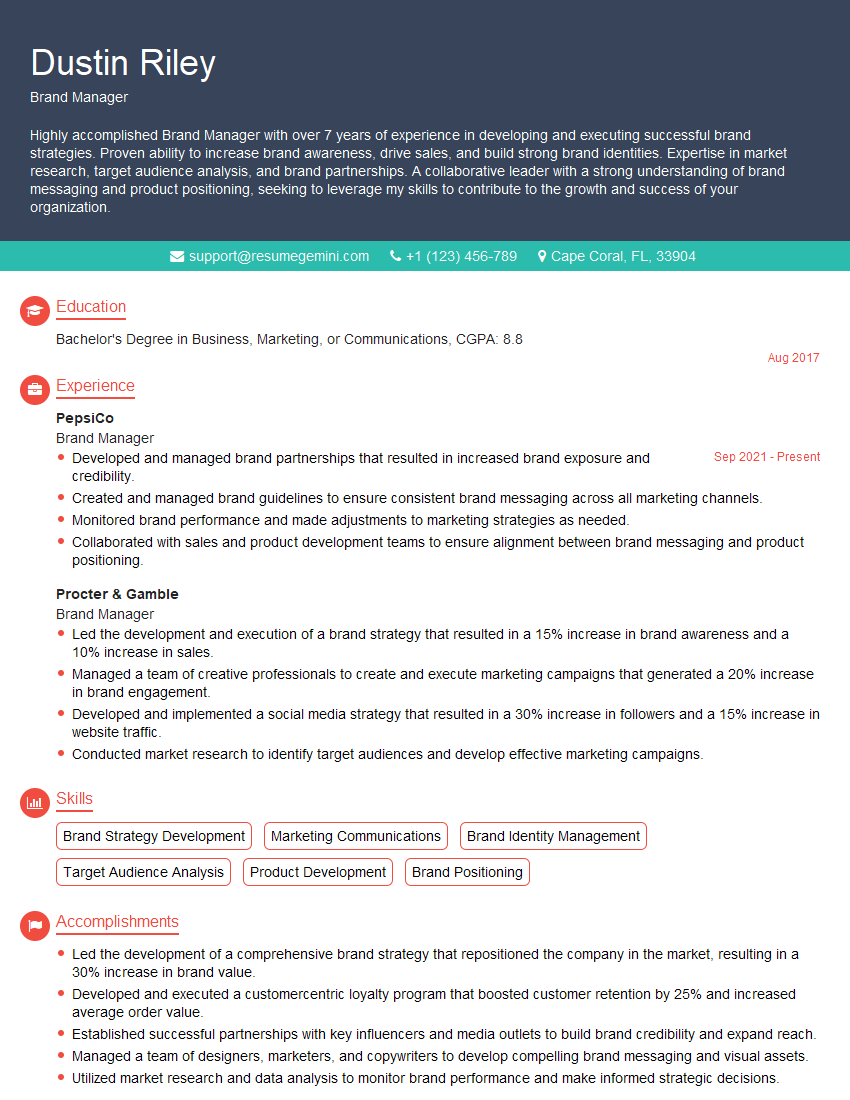
Brand Manager Resume Sample
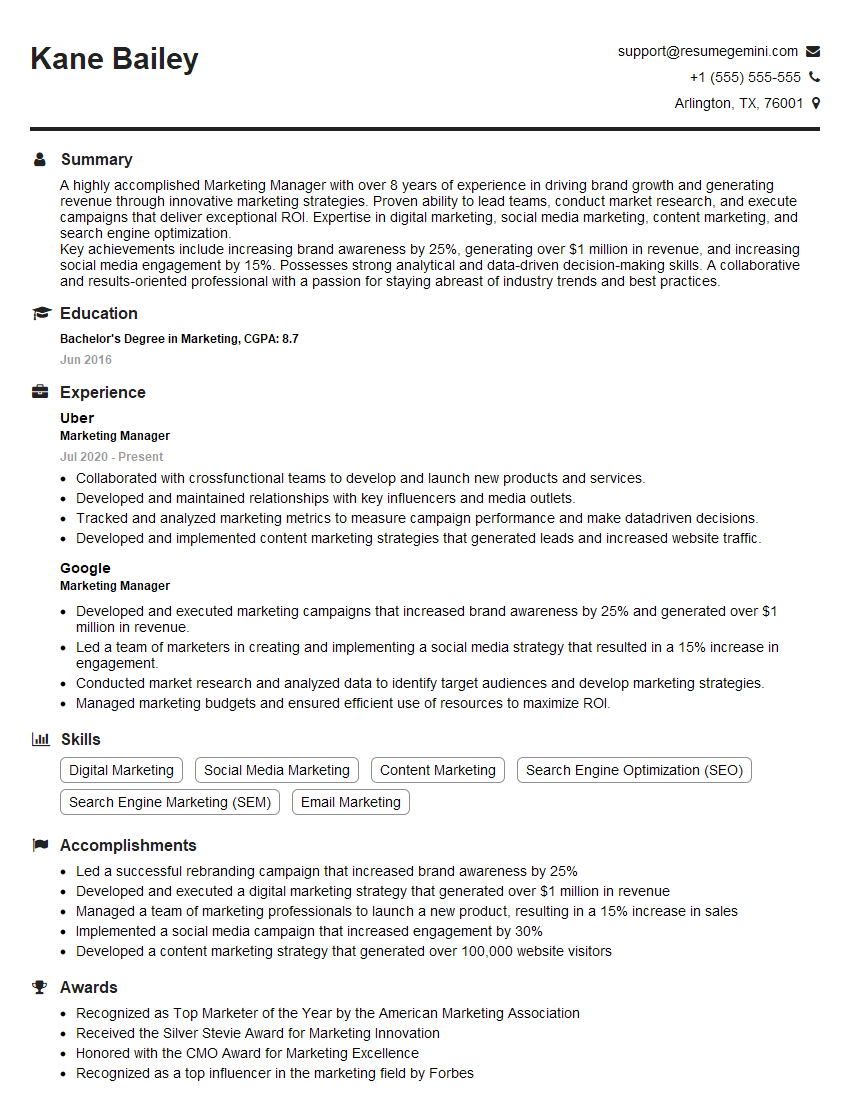
Marketing Manager Resume Sample

Marketing Communications Manager Resume Sample
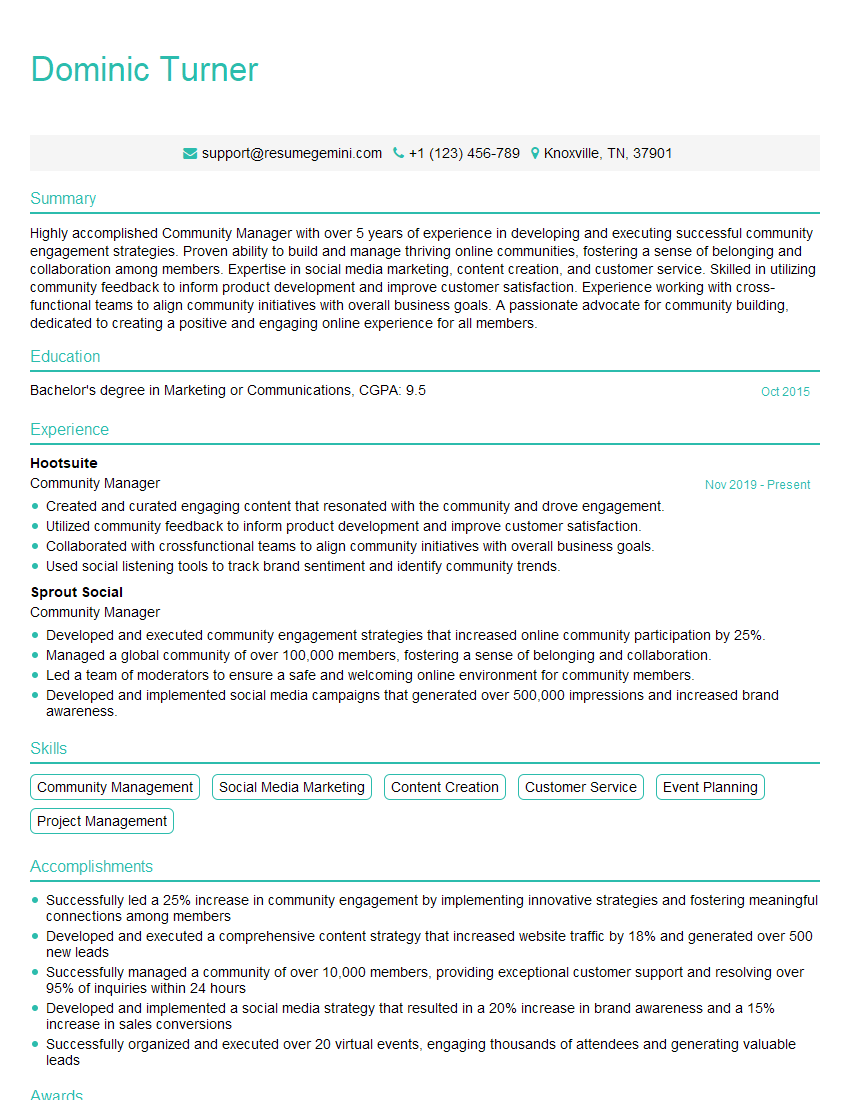
Community Manager Resume Sample

Social Media Manager Resume Sample
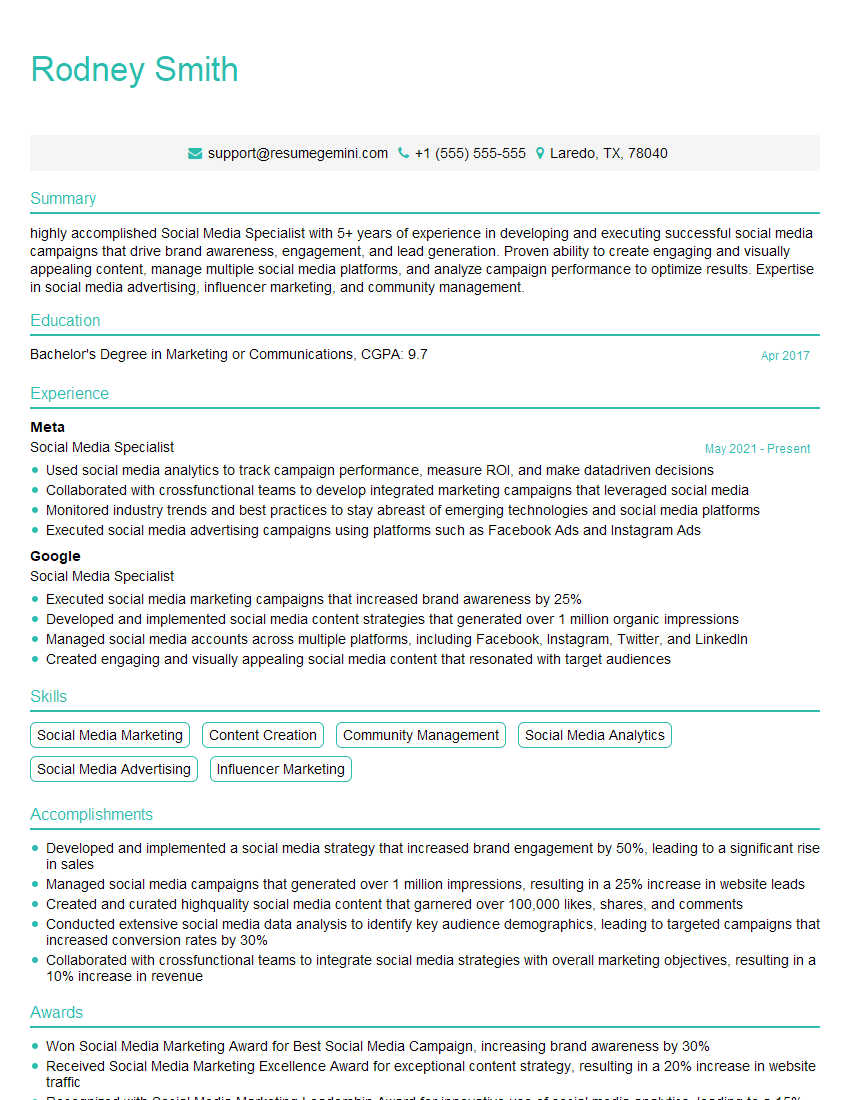
Social Media Specialist Resume Sample
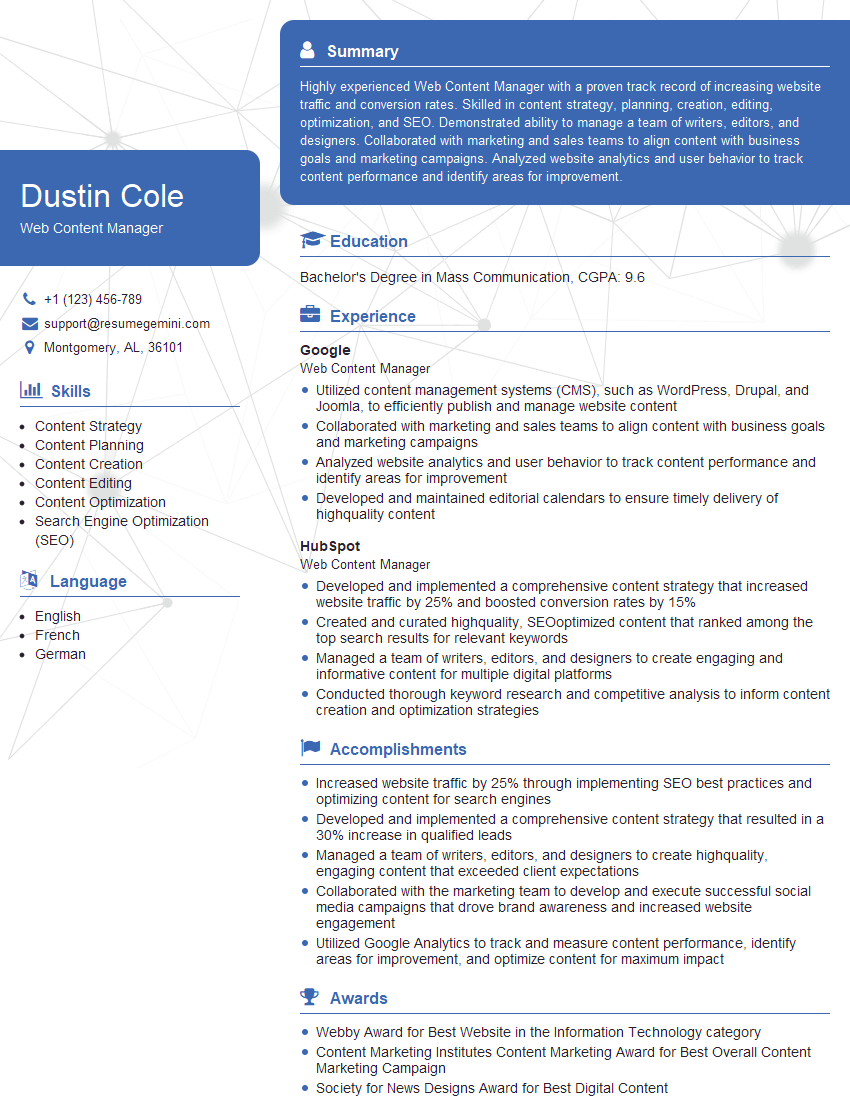
Web Content Manager Resume Sample
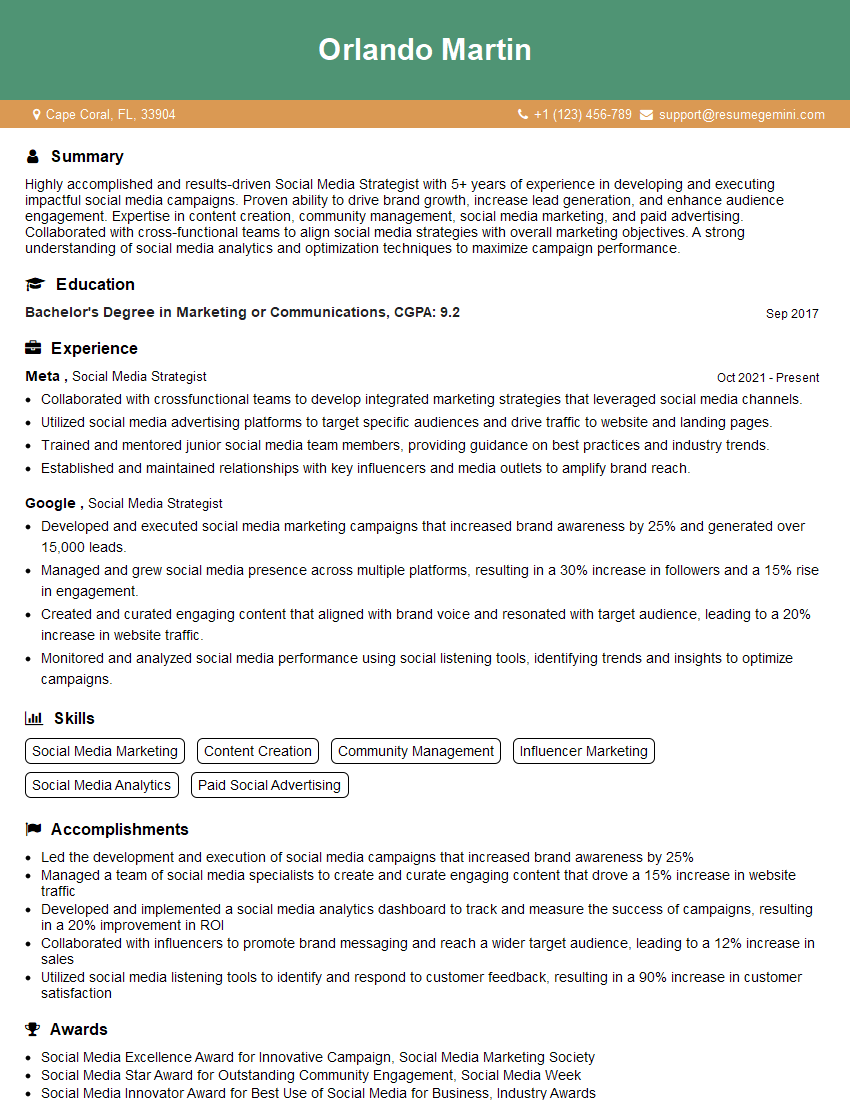
Social Media Strategist Resume Sample
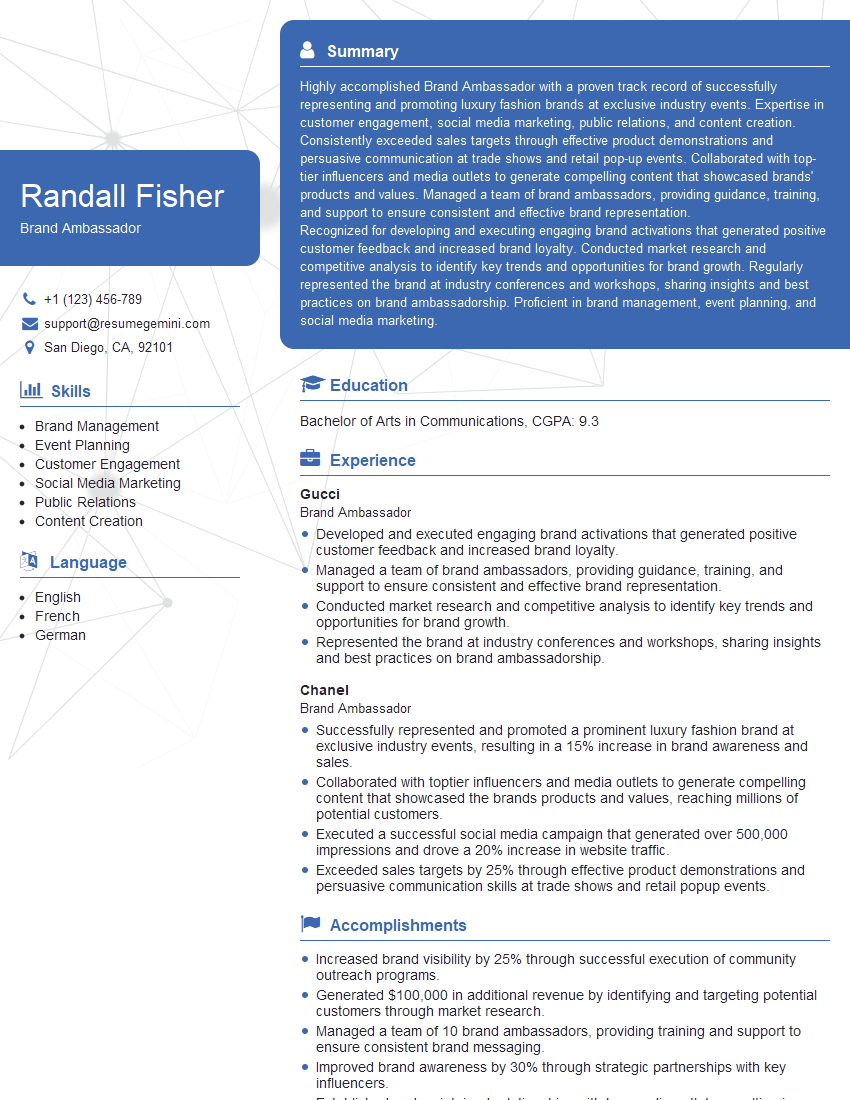
Brand Ambassador Resume Sample
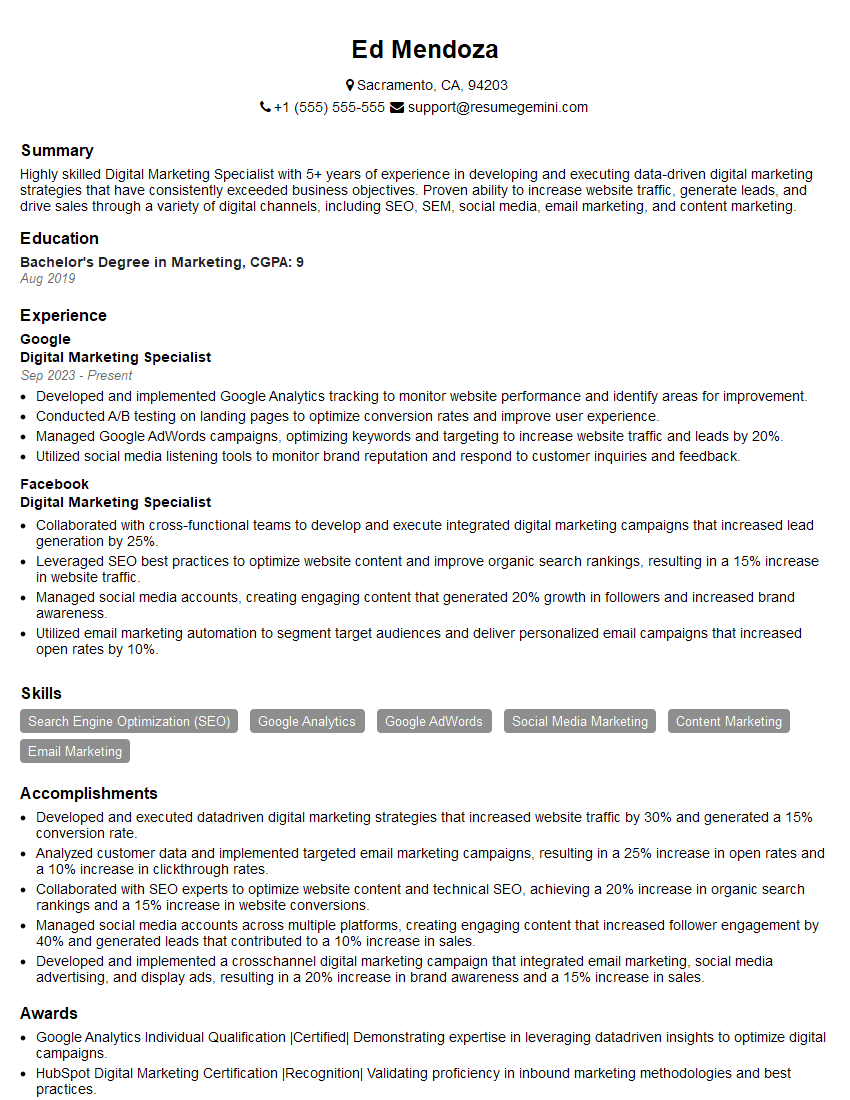
Digital Marketing Specialist Resume Sample

Content Creator Resume Sample
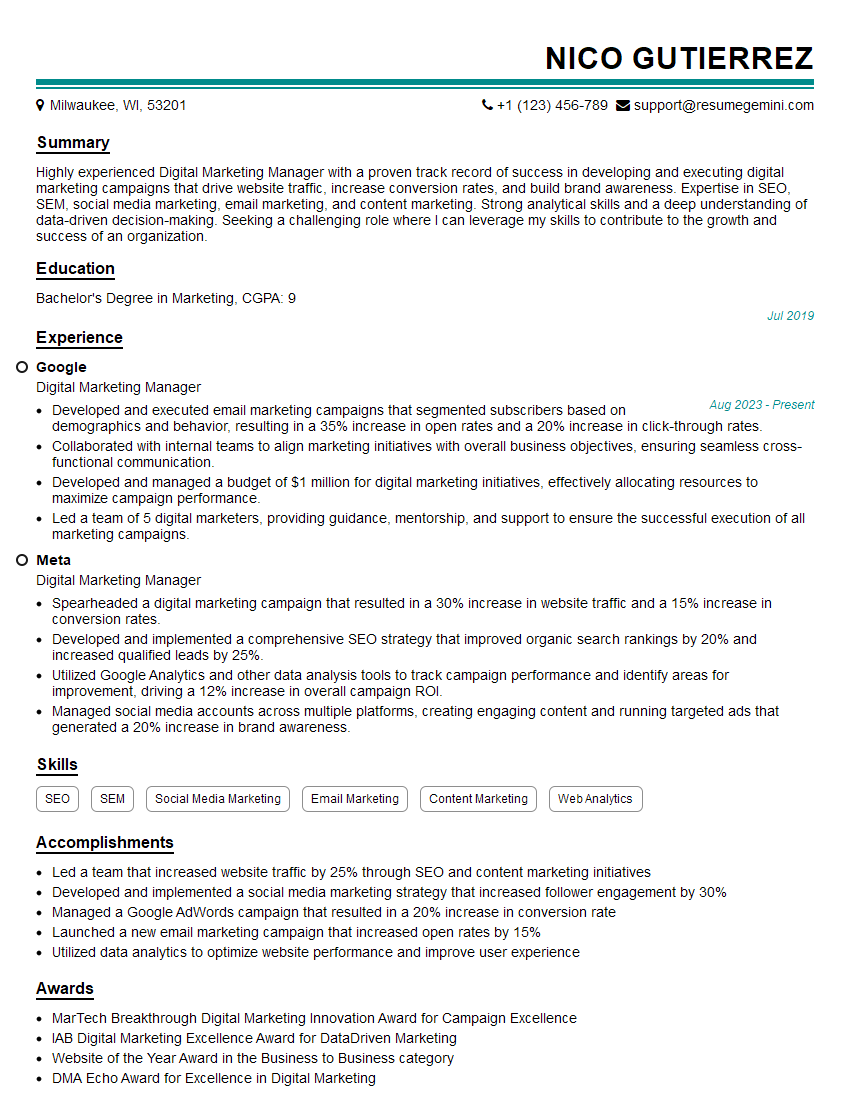
Digital Marketing Manager Resume Sample
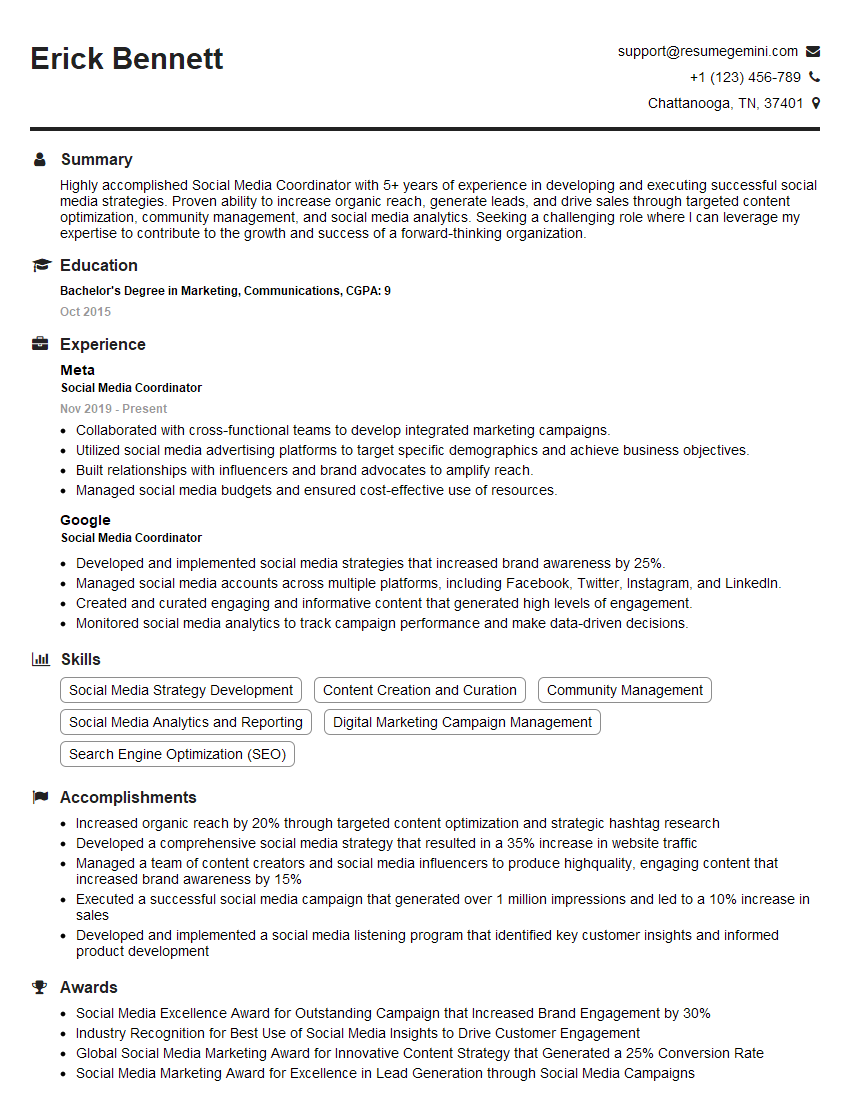
Social Media Coordinator Resume Sample
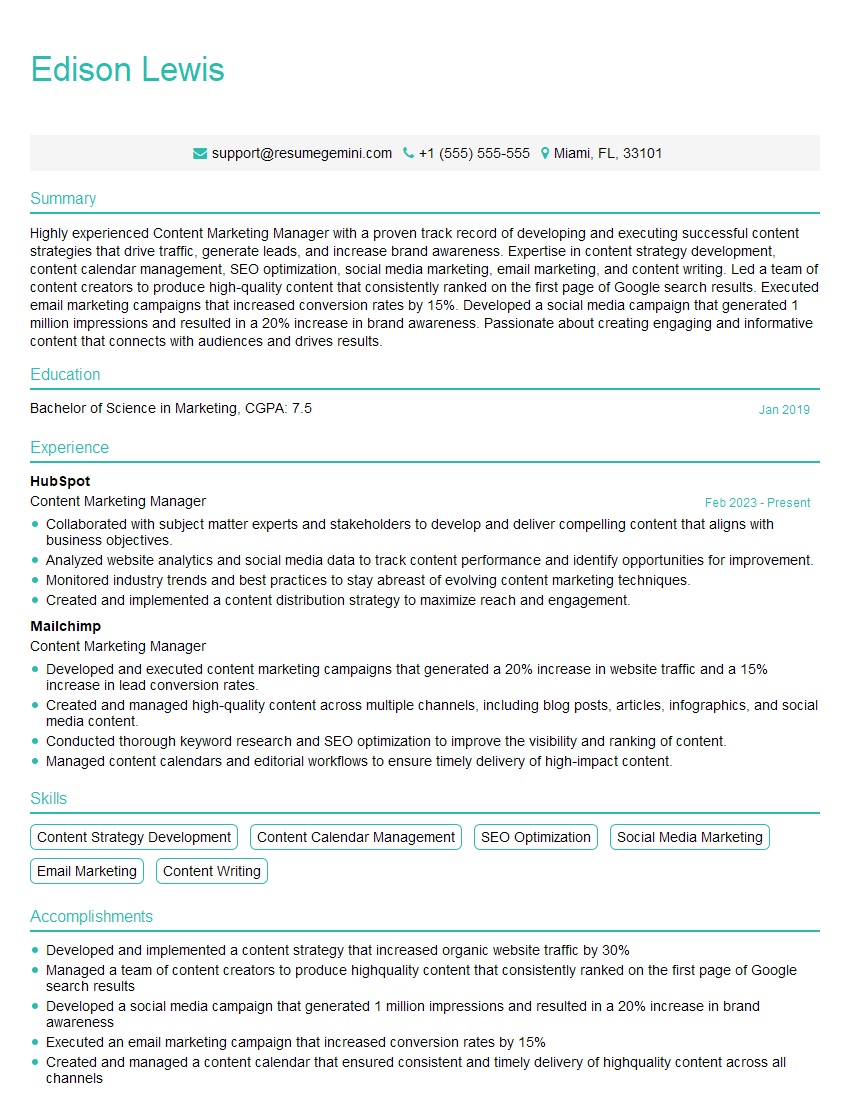
Content Marketing Manager Resume Sample

Influencer Marketing Manager Resume Sample
- Brand Manager
- Marketing Manager
- Marketing Communications Manager
- Community Manager
- Social Media Manager
- Social Media Specialist
- Web Content Manager
- Social Media Strategist
- Brand Ambassador
- Digital Marketing Specialist
- Content Creator
- Digital Marketing Manager
- Social Media Coordinator
- Content Marketing Manager
- Influencer Marketing Manager
Explore more articles
Users Rating of Our Blogs
Share Your Experience
We value your feedback! Please rate our content and share your thoughts (optional).
What Readers Say About Our Blog
Very informative content, great job.
good