Unlock your full potential by mastering the most common Social Media and Technology Integration interview questions. This blog offers a deep dive into the critical topics, ensuring you’re not only prepared to answer but to excel. With these insights, you’ll approach your interview with clarity and confidence.
Questions Asked in Social Media and Technology Integration Interview
Q 1. Explain your experience with social media analytics platforms (e.g., Google Analytics, Sprout Social).
My experience with social media analytics platforms is extensive. I’m proficient in using tools like Google Analytics, Sprout Social, and Hootsuite to gain actionable insights from social media data. Google Analytics provides a comprehensive overview of website traffic driven by social media, allowing me to track conversions and measure the effectiveness of different campaigns. Sprout Social, on the other hand, offers a more focused social media management perspective, allowing for detailed analysis of engagement metrics, sentiment analysis, and competitor benchmarking. I’m skilled in using these platforms to identify key performance indicators (KPIs), such as engagement rate, reach, and click-through rates, and translate them into strategic recommendations for improved performance. For example, I recently used Sprout Social to identify a negative sentiment trend surrounding a client’s product launch. By analyzing the comments, I was able to pinpoint the source of the concern and recommend a proactive communication strategy that successfully mitigated the negative impact.
I also regularly use the reporting functionalities of these platforms to create dashboards that visually represent key metrics and provide an at-a-glance view of social media performance. This allows for easier communication of results to clients and stakeholders, fostering transparency and trust.
Q 2. Describe your process for developing a social media strategy for a new client.
Developing a social media strategy for a new client is a meticulous process that I approach in a phased manner. It begins with a thorough understanding of the client’s business goals, target audience, and competitive landscape. This involves in-depth discussions, market research, and competitor analysis to identify opportunities and challenges. Next, I define clear, measurable, achievable, relevant, and time-bound (SMART) objectives for the social media campaign. These objectives are directly linked to the overall business goals, ensuring that our social media efforts are contributing to the bigger picture. For example, if the goal is to increase brand awareness, a SMART objective could be to increase follower count by 20% within three months.
Once the objectives are defined, I develop a content strategy that aligns with the target audience’s preferences and interests. This involves creating a content calendar that outlines the type of content, posting schedule, and platform-specific strategies. The execution phase involves implementing the strategy, closely monitoring performance, and making adjustments as needed. Finally, regular reporting and analysis ensure we stay on track, meeting the defined objectives and optimizing performance over time.
Q 3. How do you measure the ROI of social media marketing campaigns?
Measuring the ROI of social media marketing campaigns requires a multi-faceted approach. It’s not just about likes and shares, but about demonstrating the tangible impact on the bottom line. This involves tracking various metrics and correlating them to revenue generation or cost savings. For example, we can track website traffic from social media, lead generation through social media ads, and customer acquisition costs.
I use attribution modeling to understand the contribution of social media to overall sales. This means not only tracking direct conversions but also analyzing the role social media plays in driving brand awareness and nurturing leads that eventually convert. Additionally, I use tools like Google Analytics to track the customer journey from initial social media engagement to final purchase. This allows me to identify which social media activities are most effective in driving conversions. Finally, I present the ROI data in a clear and concise manner, highlighting the return on investment and demonstrating the value of social media marketing to the client.
Q 4. What social media platforms are you most proficient in, and why?
I’m most proficient in using Facebook, Instagram, LinkedIn, and Twitter. My proficiency stems from years of experience managing and analyzing campaigns across these platforms, understanding their unique algorithms and audience demographics.
Facebook offers unparalleled reach and targeting capabilities, making it ideal for brand building and lead generation. Instagram’s visual nature makes it perfect for showcasing products and building a strong brand aesthetic, particularly effective for visually-driven businesses. LinkedIn is crucial for B2B marketing, enabling targeted outreach to professionals and building thought leadership. Twitter’s real-time nature makes it ideal for crisis communication, building brand voice and quick engagement with the audience.
Q 5. Explain your understanding of social media listening and crisis management.
Social media listening is the process of monitoring online conversations and mentions related to a brand, industry, or specific topic. It involves using tools to track keywords, hashtags, and mentions across various social media platforms. This allows us to understand public perception, identify emerging trends, and gauge customer sentiment. Crisis management, on the other hand, is about proactively addressing negative situations or events that could harm a brand’s reputation. This involves identifying potential crises through social media listening, developing a crisis communication plan, and responding promptly and effectively to negative situations.
For example, imagine a company facing negative press related to a product defect. Through social media listening, we would identify the negative conversations happening online. Our crisis communication plan would involve promptly addressing the situation publicly, acknowledging the issue, providing updates on the solution, and actively engaging with concerned customers. Effective crisis management hinges on transparency, empathy, and a swift, well-coordinated response.
Q 6. How do you stay updated on the latest trends in social media and technology?
Staying updated in the ever-evolving world of social media and technology requires a multi-pronged approach. I regularly follow industry leaders and influencers on social media and through their blogs and podcasts. I also actively participate in industry conferences and webinars to learn about the latest trends and best practices. In addition to this, I subscribe to relevant newsletters and industry publications, keeping my finger on the pulse of new features and algorithm updates across different platforms. This ensures that my strategies remain relevant and effective. Furthermore, I engage in continuous learning through online courses and workshops, broadening my skill set and staying ahead of the curve.
Q 7. Describe your experience with social media advertising platforms (e.g., Facebook Ads, Google Ads).
I have significant experience managing social media advertising campaigns across various platforms, including Facebook Ads and Google Ads. My expertise encompasses campaign setup, audience targeting, ad creative development, and performance optimization. With Facebook Ads, I’m skilled in leveraging its detailed targeting options to reach specific demographics and interests. This allows for efficient ad spending and maximized return on investment. For instance, I recently ran a highly targeted Facebook Ads campaign for a local business. By focusing on a specific geographic area and demographic, we saw a significant increase in store traffic and sales.
Google Ads, on the other hand, allows for a broader reach through its search and display networks. I utilize various campaign types, including Search, Display, and YouTube ads to reach potential customers across various touchpoints. For example, a recent campaign involved using Google Search Ads to target specific keywords related to the client’s products. This resulted in highly qualified leads and increased brand visibility. I regularly monitor campaign performance using platform analytics and adjust bidding strategies and targeting criteria to improve ROI. A/B testing ad creatives is also a crucial part of my process.
Q 8. How would you integrate social media with a company’s CRM system?
Integrating social media with a company’s CRM (Customer Relationship Management) system is crucial for a holistic view of customer interactions. It allows you to connect online conversations with customer profiles, enriching your understanding of their needs and preferences. This integration facilitates personalized marketing, improved customer service, and more effective lead generation.
Here’s how it works:
- Data Synchronization: Tools and APIs enable the transfer of customer data between social media platforms (e.g., Facebook, Twitter, Instagram) and your CRM. This includes basic information like name, email, and contact details, as well as engagement data like comments, mentions, and direct messages.
- Lead Capture and Qualification: Social media posts and ads can be linked to CRM lead generation forms. This helps qualify leads based on their online behavior and engagement.
- Personalized Communication: By analyzing social media activity, you can personalize your CRM interactions. For example, if a customer mentions a product issue on Twitter, the CRM can alert support staff and provide relevant context for a more efficient resolution.
- Social Listening and Sentiment Analysis: Social media monitoring tools within the CRM can track brand mentions, identify customer sentiment, and provide insights into product perception and market trends. This information informs marketing strategies and product development.
Example: Imagine a customer complaining about a faulty product on Facebook. The integration automatically updates their CRM profile with this information, flagging it for customer support. A support agent can immediately engage, offering a personalized solution and potentially mitigating negative brand perception.
Q 9. What is your experience with social media automation tools (e.g., Hootsuite, Buffer)?
I have extensive experience with social media automation tools like Hootsuite and Buffer. These tools are invaluable for managing multiple social media accounts efficiently and effectively. They streamline content scheduling, social listening, and analytics reporting.
Hootsuite: I’ve used Hootsuite to manage client campaigns across various platforms, scheduling posts across different time zones, monitoring brand mentions and engaging with audiences in real-time. Its powerful analytics dashboards help measure campaign performance and track key metrics like reach, engagement, and click-through rates.
Buffer: Buffer’s intuitive interface simplifies content scheduling and team collaboration. I’ve utilized its features to create content calendars, collaborate with content creators, and analyze performance data. The visual scheduling interface makes it easy to plan out social media strategies for weeks or even months in advance.
Beyond scheduling, I’ve leveraged both platforms’ social listening capabilities to track mentions of our brands and competitors, allowing for proactive response management and strategic content adjustments.
Q 10. How do you handle negative comments or feedback on social media?
Handling negative comments or feedback on social media requires a prompt, professional, and empathetic response. It’s an opportunity to demonstrate your brand’s commitment to customer satisfaction and transparency.
My approach involves:
- Acknowledge the feedback promptly: Address the comment publicly and acknowledge the customer’s experience. This shows you’re listening and taking their concerns seriously.
- Empathize with the customer: Show understanding and validate their feelings. Avoid becoming defensive.
- Offer a solution or resolution: Depending on the nature of the feedback, offer a practical solution or explain the steps you’re taking to address the issue. If a direct solution can’t be offered immediately, set expectations for a timely response and keep the customer updated on progress.
- Move the conversation offline (if necessary): If the issue is complex or requires sensitive information, offer to continue the conversation privately via email or phone.
- Learn from the feedback: Analyze the negative comments to identify areas for improvement in products, services, or customer support.
Example: If a customer complains about slow shipping, I would respond publicly acknowledging the inconvenience, apologizing for the delay, and offering a tracking link and a potential discount on their next order. Then, I might follow up privately to investigate the root cause of the delay.
Q 11. Describe your experience with A/B testing on social media.
A/B testing on social media involves creating two versions of a post (or ad) and comparing their performance to determine which one is more effective. This data-driven approach helps optimize campaigns for maximum impact.
My experience includes A/B testing various elements, including:
- Image/Video: Comparing different visual styles to see which resonates better with the audience.
- Copy: Testing different headlines, calls to action, and body text to identify the most compelling messaging.
- Targeting: Comparing the performance of different audience segments to refine targeting strategies.
- Timing: Testing different posting times to determine when the audience is most engaged.
Process: I typically use the built-in A/B testing features offered by platforms like Facebook and LinkedIn Ads. I ensure that only one variable is changed at a time to isolate the impact of each element. I carefully analyze the results, focusing on metrics like engagement rate, click-through rate, and conversions, to identify the winning variation. This iterative process helps refine social media strategies continuously.
Q 12. How do you identify and target key demographics on social media?
Identifying and targeting key demographics on social media involves leveraging the powerful targeting options offered by each platform. This goes beyond basic demographics to incorporate interests, behaviors, and connections.
My approach includes:
- Utilizing Platform-Specific Targeting: Facebook, Instagram, Twitter, LinkedIn, and others offer detailed demographic targeting options, allowing you to select audiences based on age, gender, location, language, education, income, relationship status, and more.
- Interest-Based Targeting: Target users based on their expressed interests, hobbies, and pages they like. For example, if selling hiking gear, you could target individuals who follow hiking groups or pages related to outdoor activities.
- Behavioral Targeting: Target users based on their online behavior, such as website visits, app usage, and purchase history. This requires integrating social media with other data sources.
- Lookalike Audiences: Create lookalike audiences based on your existing customer data, expanding your reach to similar individuals.
- Custom Audiences: Upload your email list to create custom audiences on various platforms, allowing you to re-engage existing customers on social media.
Example: To promote a new line of organic skincare products, I’d target women aged 25-45 who have expressed interest in natural beauty products, organic food, and sustainable living, potentially using lookalike audiences based on existing customers.
Q 13. Explain your experience with content creation for different social media platforms.
Content creation for different social media platforms requires understanding the unique characteristics and audience expectations of each platform. A one-size-fits-all approach won’t work.
My experience includes creating content tailored to:
- Facebook: Longer-form posts, articles, videos, and live streams. The emphasis is on community building and engagement through comments and groups.
- Instagram: High-quality images and videos, short-form video content (Reels), engaging captions, and Stories. The focus is on visual appeal and storytelling.
- Twitter: Short, concise updates, news, links to articles, engaging in conversations, and using relevant hashtags. Speed and timeliness are key.
- LinkedIn: Professional content, articles, insights, industry news, company updates, and networking. The focus is on building a professional presence and thought leadership.
- TikTok: Short, engaging videos (under 60 seconds), trending audio, challenges, and creative storytelling. The focus is on entertainment and virality.
I adapt my content style, length, and format to suit each platform to maximize engagement and reach.
Q 14. How do you use social media to build brand awareness and engagement?
Building brand awareness and engagement on social media is a multi-faceted process involving strategic content creation, community building, and data-driven optimization.
My strategy encompasses:
- Consistent Posting Schedule: Regularly posting high-quality content keeps your audience engaged and ensures consistent brand visibility.
- Engaging Content Strategy: Create content that is valuable, informative, entertaining, or thought-provoking. Incorporate different content formats (images, videos, Stories, Reels, etc.) to keep things fresh.
- Community Building: Respond to comments and messages promptly, actively participate in relevant conversations, and foster a sense of community around your brand.
- Strategic Use of Hashtags: Employ relevant hashtags to increase the visibility of your posts and reach a wider audience.
- Paid Social Media Advertising: Utilize targeted advertising campaigns to reach specific demographics and drive traffic to your website or landing pages.
- Influencer Marketing: Collaborate with relevant influencers to promote your brand and reach a new audience.
- Monitor and Analyze Results: Regularly track key metrics like reach, engagement, website traffic, and conversions to assess the effectiveness of your strategy and make necessary adjustments.
Example: A successful campaign might involve a series of engaging Instagram posts showcasing behind-the-scenes content, followed by a paid advertising campaign targeting a specific demographic, culminating in a live Q&A session on Facebook to foster direct engagement with the audience.
Q 15. Describe your process for tracking social media campaign performance.
Tracking social media campaign performance is crucial for optimizing strategies and maximizing ROI. My process involves a multi-faceted approach, combining quantitative and qualitative data analysis.
Setting Clear KPIs: Before launching any campaign, I define specific, measurable, achievable, relevant, and time-bound (SMART) Key Performance Indicators (KPIs). These might include metrics like reach, engagement (likes, comments, shares), website clicks, lead generation, and brand mentions.
Utilizing Native Analytics: Each social media platform offers built-in analytics dashboards (e.g., Facebook Insights, Twitter Analytics, Instagram Insights). I leverage these tools to track key metrics and gain a comprehensive understanding of audience demographics, post performance, and campaign reach.
Employing Third-Party Tools: Tools like Google Analytics, Hootsuite Insights, or Sprout Social provide more advanced analytics and reporting capabilities, allowing for cross-platform comparisons and deeper analysis of campaign effectiveness. For example, I can track the source of website traffic and attribute conversions directly to specific social media campaigns.
Qualitative Analysis: I also analyze qualitative data such as comments, direct messages, and brand mentions to understand audience sentiment and identify areas for improvement. This helps gauge the emotional impact of campaigns and refine messaging.
Regular Reporting and Optimization: I generate regular reports summarizing campaign performance against established KPIs. This data drives iterative optimization, allowing us to adjust strategies based on what’s working and what’s not. For instance, if a particular type of content consistently underperforms, I’ll re-evaluate the content strategy and experiment with different formats or themes.
Career Expert Tips:
- Ace those interviews! Prepare effectively by reviewing the Top 50 Most Common Interview Questions on ResumeGemini.
- Navigate your job search with confidence! Explore a wide range of Career Tips on ResumeGemini. Learn about common challenges and recommendations to overcome them.
- Craft the perfect resume! Master the Art of Resume Writing with ResumeGemini’s guide. Showcase your unique qualifications and achievements effectively.
- Don’t miss out on holiday savings! Build your dream resume with ResumeGemini’s ATS optimized templates.
Q 16. What is your experience with influencer marketing?
Influencer marketing is a powerful tool for extending brand reach and building credibility. My experience spans identifying suitable influencers, negotiating partnerships, developing engaging content, and measuring campaign impact.
Influencer Identification and Selection: I employ a meticulous process to identify influencers whose audience aligns with our target demographic and brand values. This involves analyzing their audience engagement, content style, and overall brand reputation. I avoid solely focusing on follower count, prioritizing genuine engagement over sheer numbers.
Campaign Development and Content Creation: Collaborating with influencers, we co-create engaging content that aligns with both their audience’s interests and our brand’s messaging. This may include sponsored posts, Instagram stories, live streams, or even longer-form video content. Transparency and authenticity are crucial; sponsored posts should be clearly labeled.
Performance Measurement: I use a range of metrics to evaluate influencer marketing campaign effectiveness, including reach, engagement, website traffic, and conversions. Tracking unique URLs and branded hashtags provides valuable insights into campaign performance.
Example: For a recent B2B client, we partnered with a tech-focused influencer on LinkedIn to promote a new software platform. The campaign resulted in a significant increase in leads and a noticeable improvement in brand awareness within the target industry.
Q 17. How do you ensure brand consistency across all social media channels?
Maintaining brand consistency across all social media channels is paramount for building a strong brand identity and fostering audience recognition. This requires a strategic approach incorporating consistent elements across platforms.
Brand Style Guide: A comprehensive brand style guide is fundamental. This document details the brand’s voice, tone, visual identity (logo usage, color palettes, fonts), and messaging guidelines. It ensures everyone involved in social media management adheres to consistent branding elements.
Content Calendar: A centralized content calendar helps plan and schedule posts across all platforms, ensuring a cohesive and consistent messaging strategy. This aids in coordinating thematic consistency and prevents conflicting messages.
Cross-Platform Promotion: I utilize each platform’s unique features to promote content created for other platforms. For example, I might share a link to a YouTube video on Twitter and Facebook, extending reach and reinforcing brand messaging.
Visual Consistency: Maintaining consistent visuals—using the same logo, color scheme, and image style—across all platforms builds a strong visual identity. This ensures seamless brand recognition across various channels.
Regular Audits and Updates: I conduct regular audits of all social media channels to identify and correct any inconsistencies. The brand style guide is reviewed and updated as needed to reflect any brand evolutions.
Q 18. Explain your experience with social media community management.
Social media community management involves cultivating and engaging with a brand’s online community. My experience encompasses fostering positive interactions, addressing concerns, and building strong relationships with followers.
Active Listening and Engagement: I actively monitor social media channels for mentions of the brand, responding promptly to comments, messages, and reviews. Engagement is key to building community and demonstrating that the brand values customer interaction.
Proactive Content Creation: I create engaging content designed to spark conversations and encourage interaction. This may include polls, Q&A sessions, or behind-the-scenes glimpses into the brand’s activities.
Crisis Communication: I’m adept at managing negative feedback and addressing concerns promptly and professionally. A well-crafted response can mitigate damage and turn a negative situation into a positive one.
Community Guidelines: I establish clear community guidelines outlining acceptable behavior and expectations for interaction. This helps to maintain a positive and respectful community environment.
Identifying and Supporting Brand Advocates: I identify and nurture key community members who are passionate brand advocates. These individuals can be invaluable in shaping positive perceptions and driving brand loyalty.
Q 19. How do you handle a sudden surge in negative social media activity?
Handling a sudden surge in negative social media activity requires a swift and measured response. My approach follows a structured process:
Identify the Source and Scope: First, determine the root cause of the negative activity. Is it a specific issue, a negative review, or a broader trend? Understanding the scale and nature of the problem is crucial.
Assemble a Crisis Communication Team: Bring together a team of stakeholders (PR, marketing, customer service) to coordinate the response and ensure consistency in messaging.
Monitor and Track the Conversation: Use social listening tools to track the spread of negative sentiment and identify key influencers or individuals driving the negative conversation.
Develop a Response Strategy: Craft a response that acknowledges concerns, addresses the issue directly, and offers solutions or amends. Empathy and transparency are key.
Engage with Users: Respond directly to negative comments and messages in a timely and professional manner. Aim for empathy and understanding, offering help where possible. Avoid getting defensive or engaging in arguments.
Proactive Communication: Consider publishing a statement or blog post addressing the issue publicly. This helps maintain control of the narrative and demonstrate transparency.
Post-Crisis Analysis: After the situation is resolved, analyze the event to understand what happened and identify areas for improvement in future crisis management.
Q 20. What social media platforms do you believe are most effective for B2B marketing?
For B2B marketing, the most effective social media platforms vary depending on the target audience and industry, but some stand out consistently.
LinkedIn: LinkedIn is the undisputed leader for B2B networking and lead generation. Its professional focus makes it ideal for targeting decision-makers and professionals within specific industries.
Twitter: Twitter’s real-time nature and concise format make it effective for sharing industry news, engaging in discussions, and quickly disseminating information. It’s excellent for building brand awareness and participating in relevant conversations.
YouTube: For B2B companies offering complex products or services, YouTube allows for showcasing expertise through tutorials, webinars, and product demos. It builds trust and credibility through educational content.
Other Platforms: Platforms like Instagram and Facebook can be effective, but usually require a more targeted approach, focusing on showcasing company culture and values to build brand affinity, rather than direct lead generation.
The key to success is to choose the platforms where your target audience is most active and use them strategically to achieve your marketing objectives.
Q 21. What is your experience with social media reporting and presentation of findings?
Social media reporting and presentation of findings are crucial for demonstrating campaign ROI and influencing future strategies. My approach involves:
Data Collection and Analysis: I collate data from various sources, including native platform analytics and third-party tools. This data is then analyzed to identify trends, patterns, and key insights.
Visualizations: I utilize data visualization tools (e.g., Excel, Tableau, Google Data Studio) to create compelling charts, graphs, and infographics. Visuals make complex data more accessible and impactful.
Storytelling: Reports aren’t just about numbers; they’re about telling a story. I weave the data into a compelling narrative, highlighting key achievements, challenges overcome, and areas for improvement.
Key Performance Indicators (KPIs): I focus on reporting on the most relevant KPIs, ensuring that the findings are directly relevant to the campaign’s objectives.
Recommendations: Reports conclude with clear, actionable recommendations for future campaigns, based on the findings and analysis. This ensures the data informs future strategic decision-making.
Presentation: I tailor the presentation format to the audience. For senior management, a concise summary with key findings is sufficient, whereas for marketing teams, a more detailed analysis might be appropriate.
Q 22. Describe your understanding of the different types of social media content.
Social media content comes in many forms, each designed to engage audiences differently. Think of it like a buffet – you have various dishes (content types) to cater to different tastes.
- Text-based content: This includes posts, tweets, captions, and comments. It’s quick, versatile, and ideal for sharing updates, opinions, and quick information. For example, a tweet announcing a product launch or a Facebook post sharing a company blog article.
- Visual content: Images and videos are highly engaging. Images can convey emotions quickly, while videos offer more detailed explanations and storytelling opportunities. Think of Instagram posts featuring lifestyle shots or YouTube tutorials explaining a product’s features.
- Infographics: These visually represent data and information, making complex topics easily digestible. A great example would be an infographic showcasing the results of a company survey.
- Live videos: These foster real-time interaction, perfect for Q&A sessions, product demos, or behind-the-scenes glimpses. A live Facebook Q&A with a CEO is an effective use case.
- Stories: Short, ephemeral content (like Instagram or Snapchat Stories) adds an element of urgency and informality. They are ideal for quick updates, polls, and engaging behind-the-scenes content.
- User-generated content (UGC): This leverages content created by your audience, building trust and social proof. Think of customer reviews or testimonials shared on social media.
The key is understanding your target audience and choosing the content formats that resonate best with them.
Q 23. How do you ensure compliance with social media regulations and policies?
Social media compliance is paramount. It involves understanding and adhering to various regulations and platform policies to avoid legal issues, brand damage, and account suspension. My approach is proactive and multi-faceted:
- Know the rules: I stay updated on relevant laws (like data privacy regulations like GDPR and CCPA) and platform-specific policies. This includes understanding advertising guidelines and community standards.
- Content review process: Implementing a robust review process for all social media content before posting ensures compliance. This involves multiple team members reviewing content for accuracy, appropriateness, and legal compliance.
- Regular audits: Conducting regular audits of social media activity helps to identify and address potential compliance issues early on. This is a proactive approach, minimizing any negative impacts.
- Employee training: Training employees on social media best practices, including compliance guidelines, ensures everyone understands their responsibilities. This can involve workshops or internal documentation.
- Monitoring and response: Actively monitoring social media mentions and comments allows for prompt responses to any potential compliance concerns or negative feedback. A timely and appropriate response minimizes potential damage.
Think of it as having a safety manual for your social media activities – preventing accidents before they happen.
Q 24. Explain your experience with social media SEO (Search Engine Optimization).
Social Media SEO (Search Engine Optimization) focuses on optimizing your social media profiles and content to improve search engine visibility. It’s about making it easier for people to find your brand on search engines when searching for relevant keywords.
- Keyword research: Identifying relevant keywords related to your business and industry forms the basis of a successful social media SEO strategy. Tools like Google Keyword Planner and SEMrush are invaluable.
- Profile optimization: Optimizing your social media profiles with relevant keywords in your bio, descriptions, and names is crucial. This helps search engines understand your brand’s focus.
- Consistent branding: Maintaining consistent branding across all social media platforms improves brand recognition and trustworthiness. This is essential for building brand authority.
- High-quality content: Creating high-quality content that is valuable to your target audience and incorporates relevant keywords naturally improves visibility. Engaging content leads to increased shares and links, further boosting SEO.
- Link building: Strategically linking your social media profiles to your website and other relevant online resources boosts search rankings. This involves cross-promotion and strategic link placement.
- Hashtag strategy: Using relevant and trending hashtags increases the discoverability of your content on social media platforms and search engines. Research and careful selection of hashtags are key.
For instance, using the hashtag #SocialMediaMarketing in relevant posts could significantly boost your visibility to those searching for this topic.
Q 25. How do you integrate social media with email marketing campaigns?
Integrating social media and email marketing creates a synergistic effect, amplifying your reach and engagement. It’s like having two powerful tools working together to achieve a common goal.
- Social media promotion: Promote your email campaigns through social media posts, stories, and ads. Include clear calls to action (CTAs) directing users to subscribe to your email list.
- Email signup forms on social media: Integrate email signup forms directly into your social media pages, making it easy for users to subscribe. This can be a simple form or a link to a landing page.
- Social sharing buttons in emails: Include social sharing buttons in your emails to encourage recipients to share your content with their networks. This increases brand visibility and expands reach.
- Segmented email lists based on social media activity: Use social media data to segment your email lists, allowing you to target users with relevant content based on their interests and preferences. This increases email open and click-through rates.
- Personalization: Leverage social media data to personalize your email messages, creating a more engaging experience. This can include addressing users by name or mentioning their specific interests.
Example: You could announce an exclusive discount code in your email newsletter and then promote that email via a social media post with a link to the signup page.
Q 26. Describe your experience with social media analytics dashboards and reporting.
Social media analytics dashboards and reporting are crucial for measuring the effectiveness of your social media efforts. They provide valuable insights into your audience, content performance, and campaign success. I have extensive experience using various analytics dashboards (like those offered by Facebook, Instagram, Twitter, and Google Analytics) to track key metrics:
- Audience demographics: Understanding your audience’s age, location, gender, and interests helps tailor content for maximum impact. This informs content strategy and targeting.
- Engagement metrics: Tracking metrics like likes, comments, shares, and follower growth helps assess content performance and identify what resonates with your audience. This informs content adjustments for better performance.
- Website traffic: Analyzing website traffic driven from social media platforms shows the effectiveness of your social media campaigns in driving conversions and engagement on your website. This measures the success of marketing efforts.
- Campaign performance: Measuring the results of specific social media campaigns, including reach, engagement, and conversions, helps optimize future campaigns. Data-driven decision making improves ROI.
- Brand sentiment: Monitoring brand mentions and sentiment helps assess public perception and identify potential issues. This is crucial for managing reputation and addressing customer concerns.
I can create comprehensive reports that visualize these metrics, highlighting key trends and providing actionable recommendations.
Q 27. How would you improve the social media presence of a company with low engagement?
Improving social media engagement for a company with low interaction requires a strategic approach focused on understanding the root cause and implementing targeted solutions.
- Audience research: Conduct thorough audience research to understand their preferences, interests, and pain points. This forms the foundation for targeted content creation.
- Content audit: Analyze existing content to identify what’s working and what’s not. This includes reviewing post types, publishing frequency, and overall tone.
- Content strategy revamp: Develop a new content strategy that focuses on high-quality, engaging content aligned with your audience’s interests. This might involve incorporating more visuals, videos, or interactive content.
- Community engagement: Increase interaction by actively engaging with comments, messages, and mentions. Respond promptly and thoughtfully to foster a sense of community.
- Run contests and giveaways: Organize contests and giveaways to incentivize engagement and attract new followers. This can increase visibility and follower count.
- Collaborate with influencers: Partner with relevant influencers to reach a wider audience and increase brand awareness. Influencer marketing can significantly improve reach and engagement.
- Paid social media advertising: Consider running targeted ads to reach specific demographics and interests. Targeted ads can significantly improve visibility and engagement.
- Analyze and adapt: Continuously monitor your social media performance, track key metrics, and adjust your strategy based on the data. Data-driven decision-making is key to success.
It’s about identifying the right mix of content, engagement tactics, and paid promotion to boost interaction and build a thriving community.
Q 28. What are your thoughts on the future of social media and technology integration?
The future of social media and technology integration is incredibly exciting, with several key trends shaping the landscape:
- Increased personalization: We’ll see even more personalized experiences, with algorithms delivering highly tailored content to individual users. This will necessitate even more granular audience segmentation.
- Rise of immersive technologies: Technologies like augmented reality (AR) and virtual reality (VR) will integrate more deeply into social media, creating new ways for users to interact and engage with brands. Think virtual events and interactive product experiences.
- AI-powered tools: Artificial intelligence will play a bigger role in content creation, moderation, and audience targeting. This will increase efficiency and improve targeting accuracy.
- Decentralized social media: We may see a shift towards decentralized platforms that give users more control over their data and experiences. This addresses concerns about data privacy and control.
- Greater emphasis on community: Social media platforms will likely prioritize fostering meaningful connections and communities, moving beyond superficial interactions. This shifts the focus to fostering stronger community building.
- Integration with the metaverse: Social media will become increasingly intertwined with the metaverse, creating new opportunities for social interaction and brand engagement in virtual environments. This presents exciting new possibilities for interaction.
The key will be adapting to these changes, embracing new technologies, and focusing on creating authentic and engaging experiences for users. The future is about building meaningful connections in increasingly innovative ways.
Key Topics to Learn for Social Media and Technology Integration Interview
- Social Media Strategy & Planning: Understanding how to develop and implement effective social media strategies aligned with business goals. This includes audience analysis, content calendar creation, and key performance indicator (KPI) definition.
- Social Listening & Analytics: Mastering the art of monitoring social media conversations, analyzing data to understand audience sentiment, and using insights to inform strategy adjustments. Practical application includes using social listening tools and interpreting data reports.
- Content Creation & Curation: Developing engaging and shareable content across various platforms. This includes understanding different content formats (text, images, video), optimizing content for each platform, and curating relevant external content.
- Social Media Advertising & Paid Campaigns: Knowledge of different social media advertising platforms (e.g., Facebook Ads, LinkedIn Ads) and the ability to manage and optimize paid campaigns to achieve specific objectives. This includes understanding targeting, budgeting, and campaign measurement.
- Community Management & Engagement: Building and fostering positive relationships with online communities. This includes responding to comments and messages, addressing negative feedback, and proactively engaging with followers.
- Technology Integration & Automation: Understanding how to integrate social media with other marketing technologies (e.g., CRM, email marketing platforms) and utilizing automation tools to streamline workflows and improve efficiency. This includes familiarity with social media management tools and APIs.
- Social Media Crisis Management: Developing strategies for handling negative situations and online crises. This involves understanding the importance of rapid response, proactive communication, and damage control.
- Data Privacy and Compliance: Understanding and adhering to relevant data privacy regulations and best practices in social media management.
- Accessibility and Inclusivity in Social Media: Designing and implementing social media strategies that consider diverse audiences and promote inclusivity.
Next Steps
Mastering Social Media and Technology Integration is crucial for career advancement in today’s digital landscape. Demonstrating expertise in this area will significantly enhance your job prospects across numerous industries. To make your application stand out, focus on crafting an ATS-friendly resume that highlights your skills and accomplishments. ResumeGemini is a trusted resource to help you build a professional and impactful resume. We provide examples of resumes tailored to Social Media and Technology Integration to guide you through the process. Take advantage of these resources to present yourself effectively to potential employers.
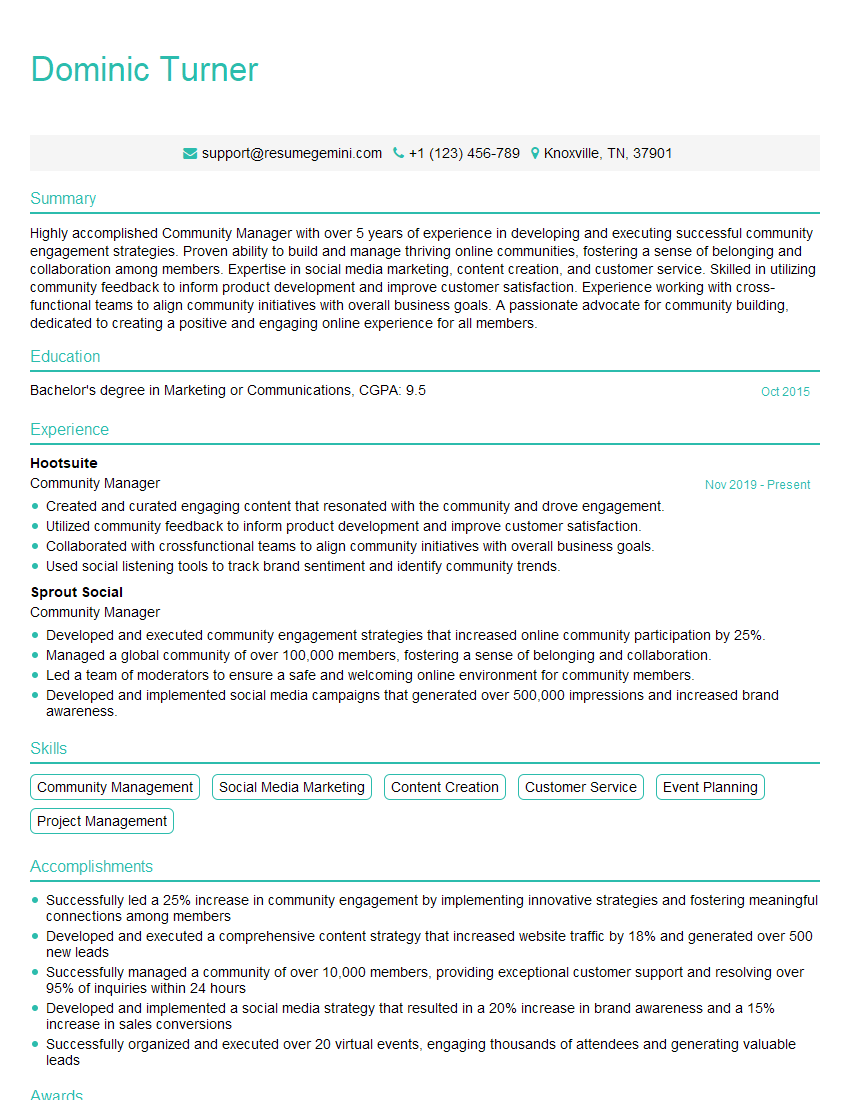
Community Manager Resume Sample

Social Media Manager Resume Sample
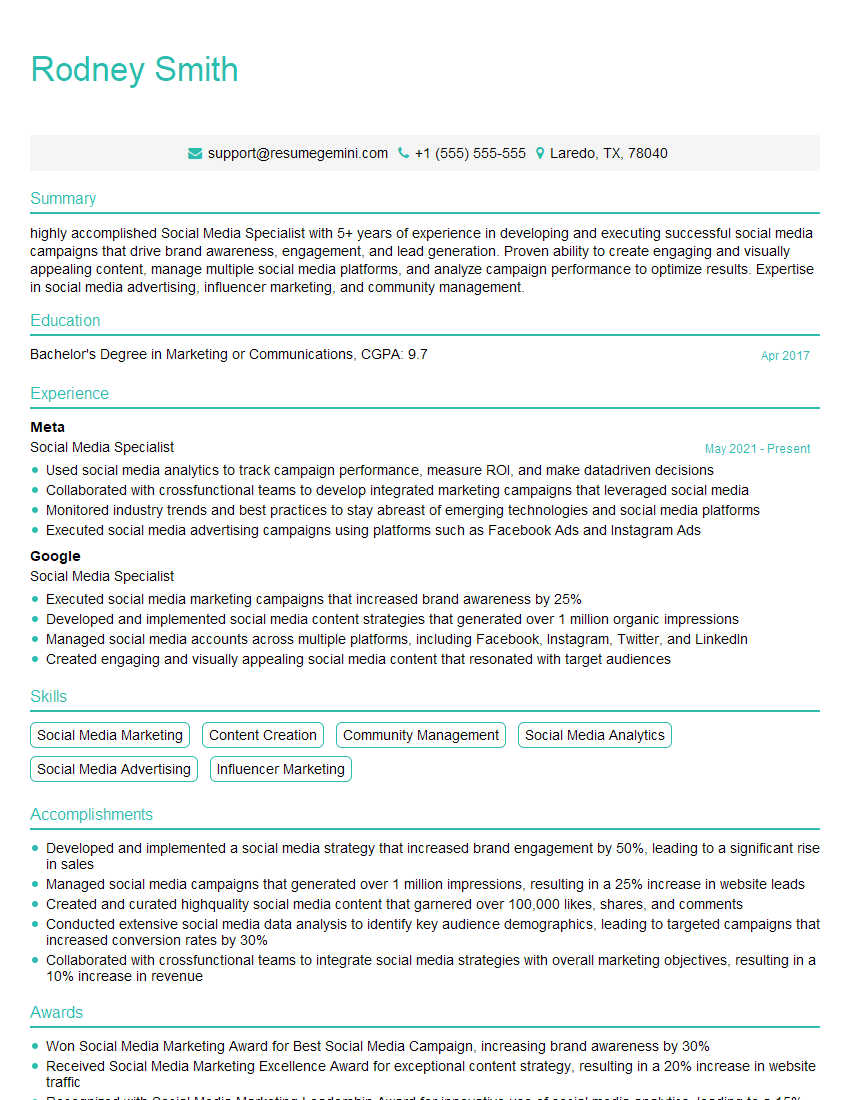
Social Media Specialist Resume Sample
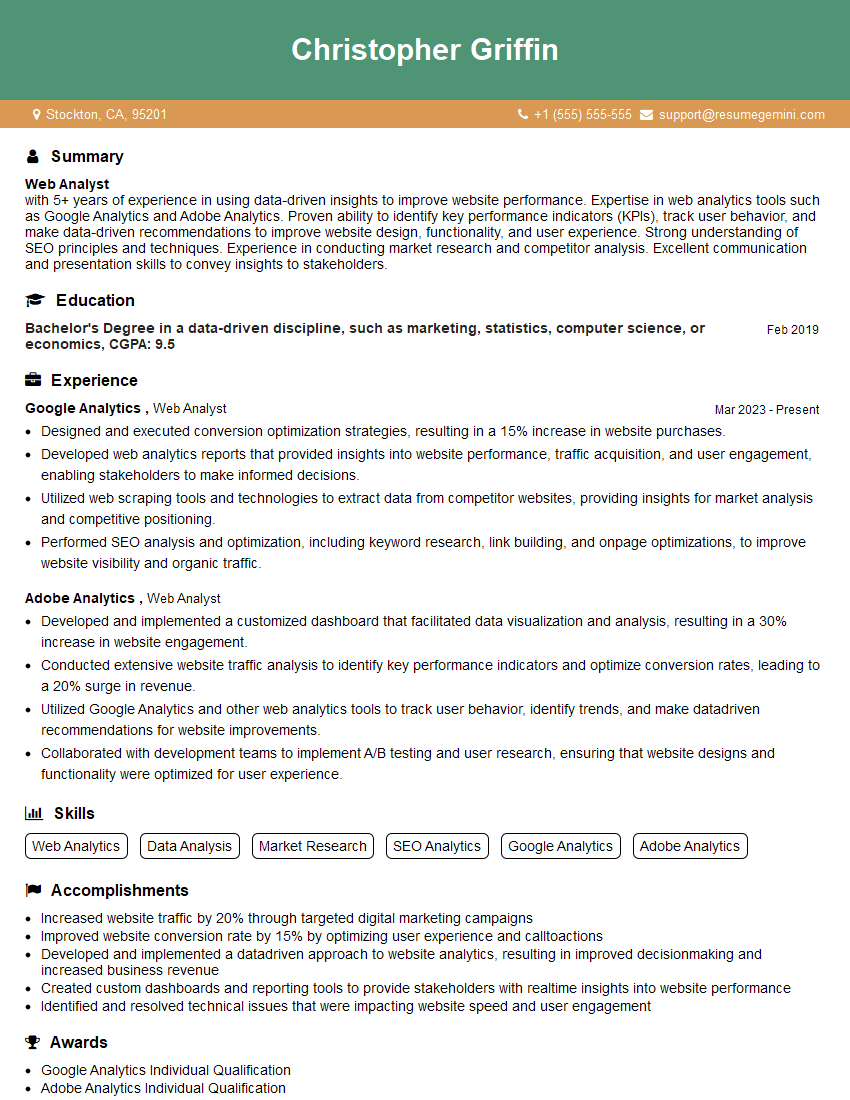
Web Analyst Resume Sample
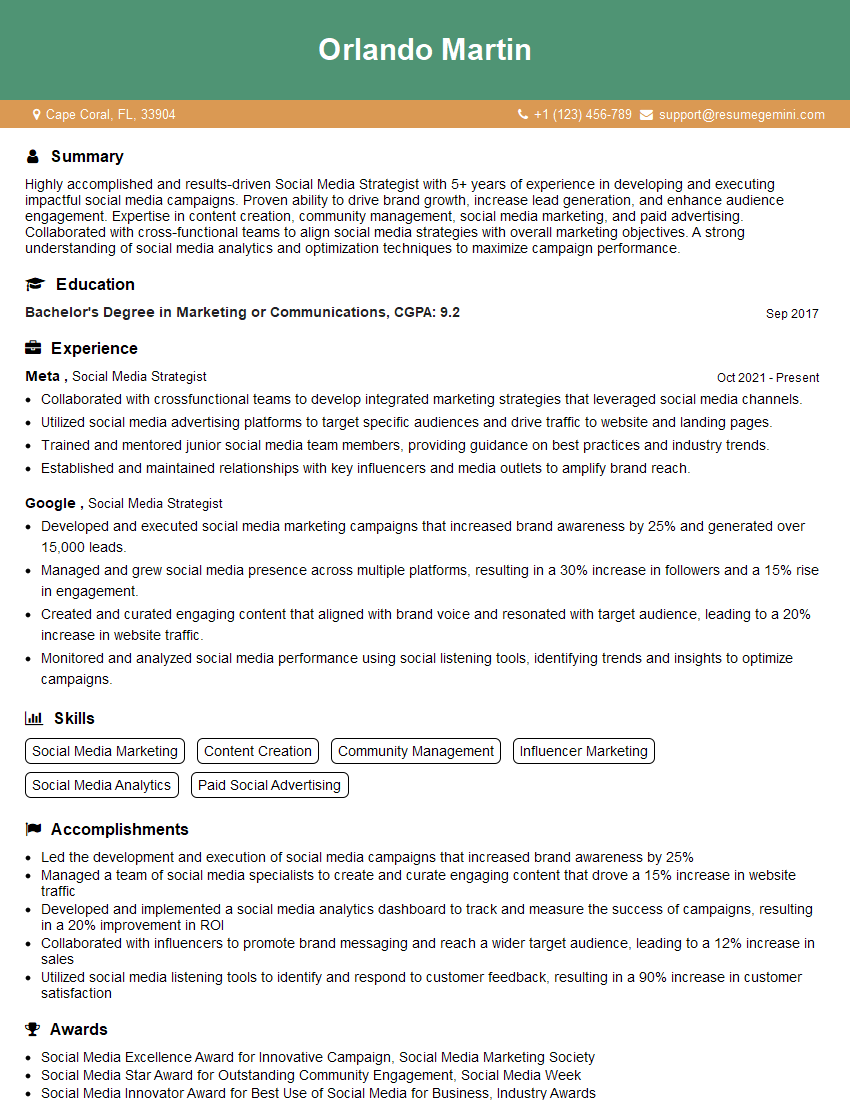
Social Media Strategist Resume Sample
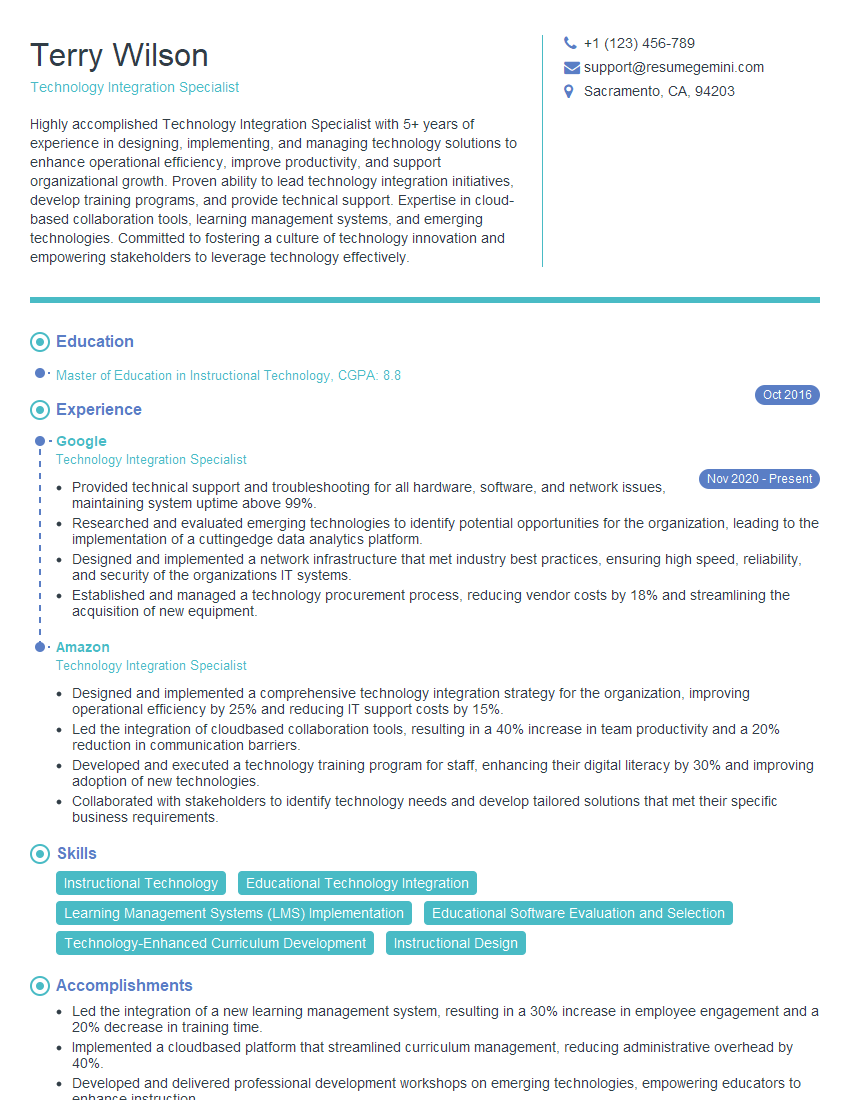
Technology Integration Specialist Resume Sample

Growth Hacker Resume Sample
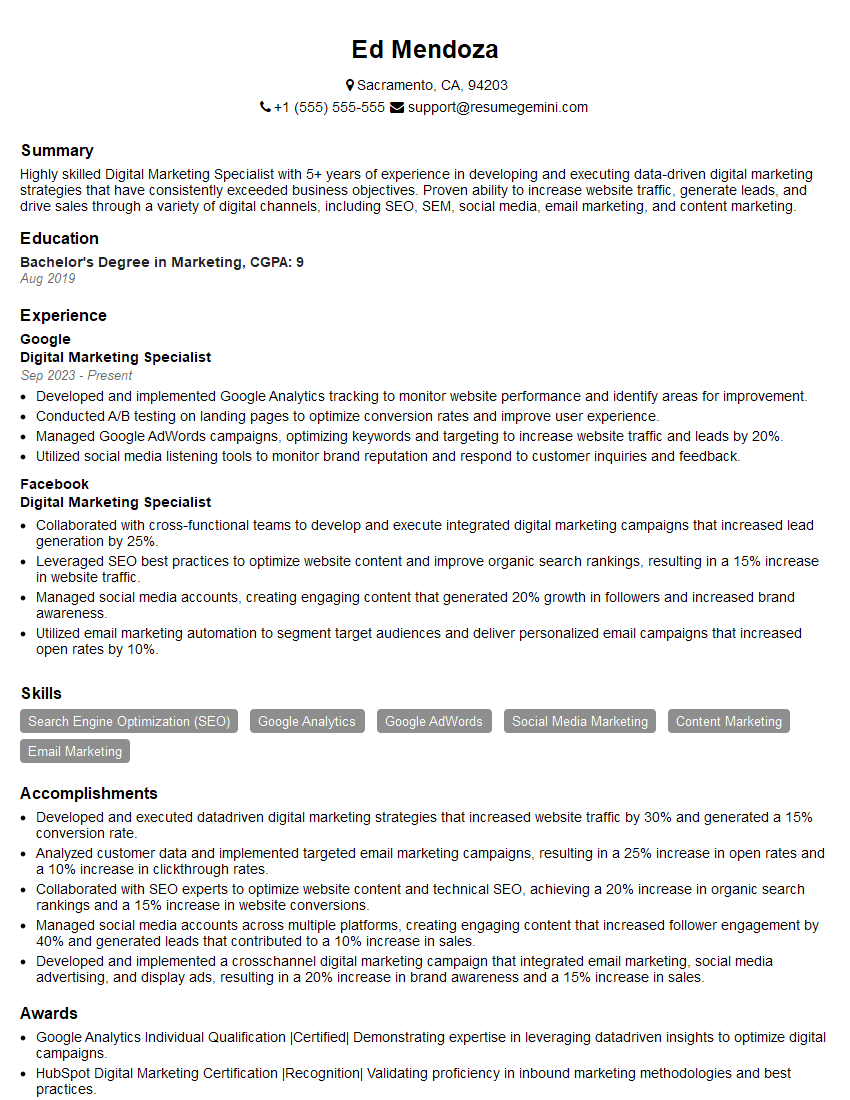
Digital Marketing Specialist Resume Sample
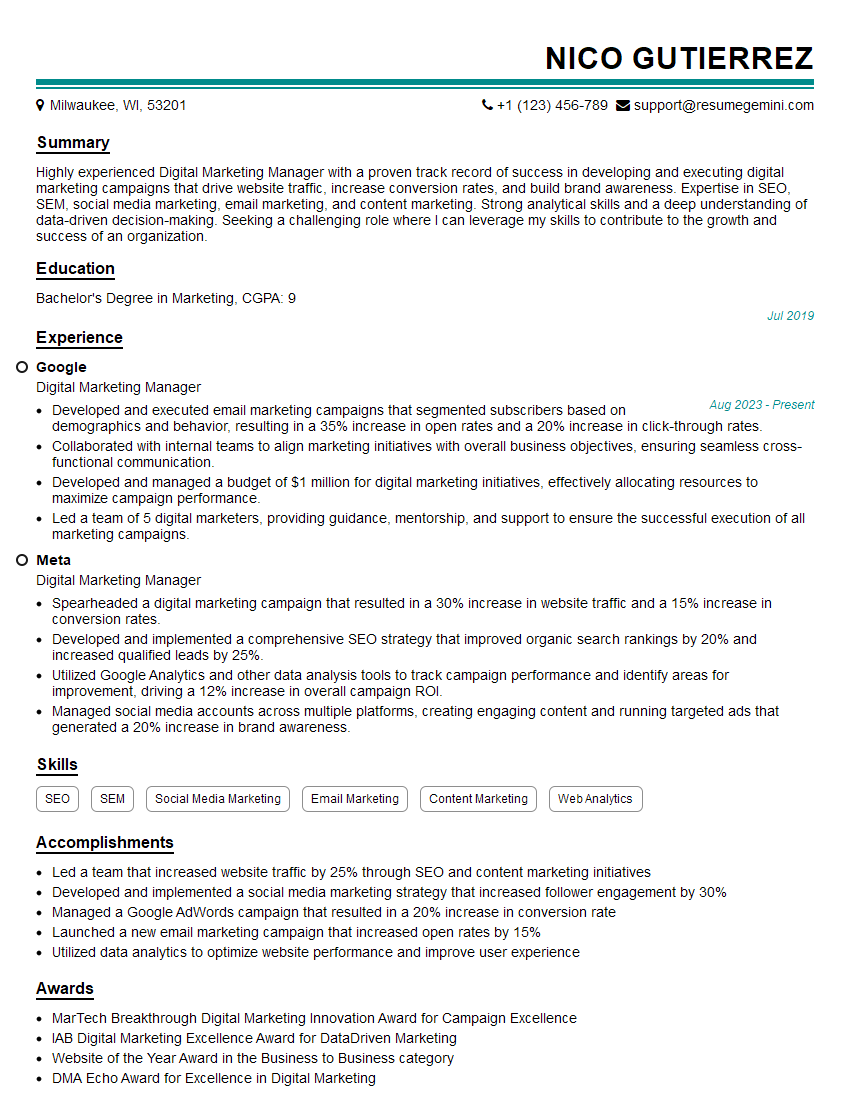
Digital Marketing Manager Resume Sample
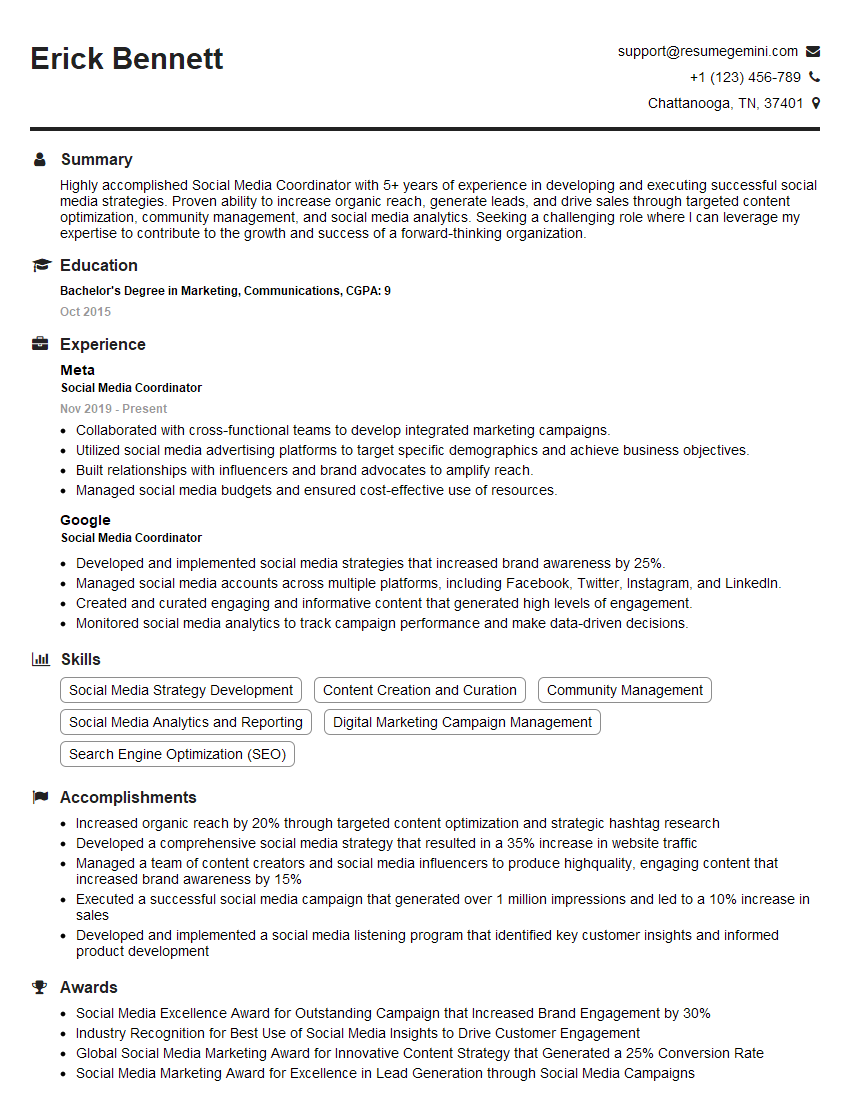
Social Media Coordinator Resume Sample
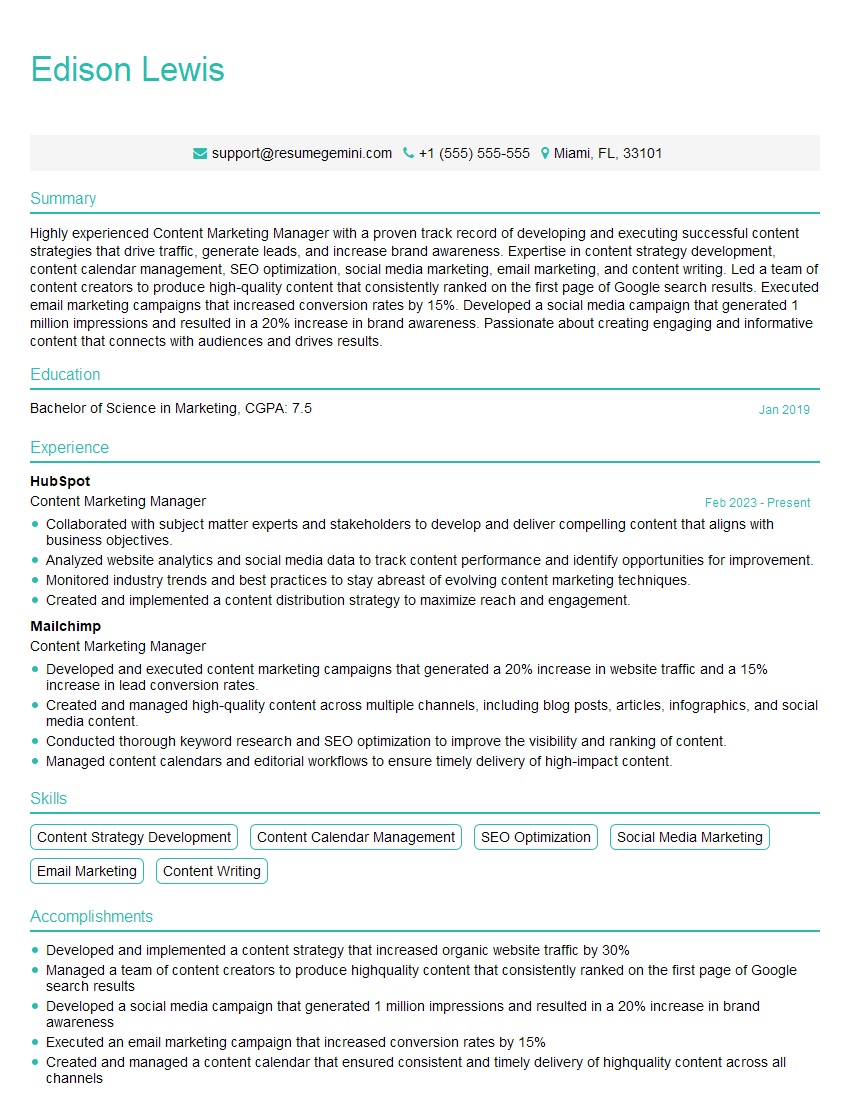
Content Marketing Manager Resume Sample

Influencer Marketing Manager Resume Sample
Explore more articles
Users Rating of Our Blogs
Share Your Experience
We value your feedback! Please rate our content and share your thoughts (optional).
What Readers Say About Our Blog
Very informative content, great job.
good