Every successful interview starts with knowing what to expect. In this blog, we’ll take you through the top Social Media Presence interview questions, breaking them down with expert tips to help you deliver impactful answers. Step into your next interview fully prepared and ready to succeed.
Questions Asked in Social Media Presence Interview
Q 1. What social media platforms are you most familiar with and why?
I’m most familiar with Facebook, Instagram, Twitter, LinkedIn, and TikTok. My proficiency stems from years of experience managing social media accounts for diverse clients across various industries. Facebook offers unparalleled reach and demographic targeting, making it ideal for broader campaigns. Instagram’s visual focus is perfect for showcasing products or building a brand’s aesthetic. Twitter’s real-time nature allows for immediate engagement and participation in trending conversations. LinkedIn is crucial for B2B marketing and professional networking. Finally, TikTok’s short-form video format is excellent for reaching younger audiences and fostering creative content.
My selection isn’t arbitrary; it’s based on their widespread usage, diverse functionalities, and the insights they offer into consumer behaviour. Each platform caters to different audience segments and communication styles, and understanding their nuances is crucial for effective social media management.
Q 2. Describe your experience with social media analytics and reporting.
My experience with social media analytics and reporting encompasses a wide range of tools and methodologies. I regularly utilize native analytics dashboards provided by platforms like Facebook Insights, Instagram Insights, and Twitter Analytics. These tools provide valuable data on metrics such as reach, engagement, website clicks, and audience demographics. Beyond native tools, I’m proficient with third-party platforms like Google Analytics, which allows for deeper website traffic analysis stemming from social media. I also have experience with social listening tools to track brand mentions and sentiment.
When creating reports, I focus on presenting key performance indicators (KPIs) in a clear, concise, and visually appealing manner, using charts and graphs to illustrate trends and progress. A typical report might include metrics like follower growth, engagement rate, website referrals, and campaign ROI. I tailor reports to the specific needs of my clients, highlighting areas for improvement and suggesting actionable strategies.
Q 3. How do you measure the success of a social media campaign?
Measuring the success of a social media campaign goes beyond simply looking at vanity metrics like likes and follower counts. A holistic approach is needed, considering both quantitative and qualitative data. Key metrics include:
- Engagement Rate: This measures how much users interact with your content (likes, comments, shares).
- Reach: The number of unique users who saw your content.
- Website Traffic: How many users clicked through from your social media posts to your website.
- Lead Generation: The number of qualified leads generated through social media campaigns.
- Sales Conversions: Tracking sales directly attributable to social media efforts.
- Brand Sentiment: Monitoring public opinion towards your brand on social media (positive, negative, neutral).
For example, if a campaign aims to increase brand awareness, reach and engagement rate would be crucial KPIs. If the goal is to drive sales, website traffic and conversions would take center stage. The success of any campaign must be measured against its predefined objectives.
Q 4. Explain your understanding of social media algorithms.
Social media algorithms are complex systems designed to curate and prioritize the content users see in their feeds. They consider many factors including:
- User Engagement: Algorithms prioritize content users frequently interact with (likes, comments, shares).
- Content Relevance: Content related to a user’s interests and past behaviour is shown more prominently.
- Timeliness: Newer content often gets higher visibility.
- Relationship with the Creator: Users frequently interacting with a specific account will likely see that account’s content more often.
- Account Quality and Authenticity: Accounts with a history of spam or violating community guidelines might have reduced visibility.
Understanding these algorithms is vital for optimizing content strategy. For example, posting at times when your target audience is most active, using relevant hashtags, and creating high-quality, engaging content can improve your chances of reaching a wider audience.
Q 5. What strategies do you use to increase engagement on social media?
Increasing social media engagement requires a multi-faceted approach. Key strategies include:
- High-Quality Content: Creating visually appealing, informative, and entertaining content that resonates with your target audience.
- Interactive Content: Utilizing polls, quizzes, Q&A sessions, and contests to encourage participation.
- Consistent Posting Schedule: Maintaining a regular posting schedule keeps your audience engaged and ensures consistent visibility.
- Strategic Use of Hashtags: Using relevant hashtags increases discoverability.
- Community Engagement: Responding promptly to comments and messages, participating in relevant conversations, and building relationships with followers.
- Paid Social Media Advertising: Leveraging targeted advertising campaigns to reach a wider audience.
- Collaborations and Influencer Marketing: Partnering with influencers to reach a new audience.
For example, running a contest asking users to share their experiences with your product can significantly boost engagement and brand awareness.
Q 6. How do you handle negative comments or feedback on social media?
Handling negative comments or feedback requires a professional and empathetic approach. The goal is to address concerns, resolve issues, and protect the brand’s reputation. My process typically involves:
- Acknowledge the Comment: Respond promptly and acknowledge the user’s concerns.
- Empathize and Apologize (if appropriate): Show understanding and offer sincere apologies if necessary.
- Address the Issue: Try to resolve the issue publicly or privately, depending on the sensitivity of the matter.
- Maintain a Professional Tone: Avoid getting into arguments or engaging in personal attacks.
- Take the Conversation Offline (if needed): If the issue requires more detailed discussion, offer to contact the user privately.
For example, if a customer expresses disappointment with a product, I might respond with something like: “We’re so sorry to hear you’re having trouble with [product]. We value your feedback and would love to help resolve this. Could you please send us a private message with more details so we can assist you?”
Q 7. Describe your experience creating and scheduling social media content.
I have extensive experience creating and scheduling social media content using a variety of tools. I’m proficient in developing engaging content across different formats, including text, images, videos, and stories. I tailor content to the specific platform and audience, ensuring consistency with brand guidelines.
For scheduling, I rely on social media management tools like Hootsuite and Buffer. These tools allow for efficient content planning and scheduling, ensuring consistent posting across multiple platforms. I often create content calendars to plan content in advance, ensuring a balanced mix of promotional and organic content. I always ensure that the content aligns with the overall marketing strategy and campaign goals.
Example content calendar entry:Date: October 26, 2024
Platform: Instagram
Time: 10:00 AM PST
Content: Image post showcasing new product launch with a caption encouraging engagement. #NewProduct #ProductLaunch #[BrandName]
Q 8. How do you identify and target your ideal audience on social media?
Identifying your ideal audience on social media is crucial for effective marketing. It’s like aiming a bow and arrow – you need to know your target to hit the bullseye. This involves understanding your customer’s demographics (age, location, gender, income), psychographics (interests, values, lifestyle), and online behavior (platforms used, content consumed).
- Demographic Targeting: Utilizing platforms’ built-in targeting options to reach specific age groups, locations, or genders. For example, on Facebook, you can target users aged 25-34 living in a specific city interested in sustainable living.
- Psychographic Targeting: This requires deeper research. Analyze your existing customer base, conduct surveys, and use social listening tools to understand their interests, values, and pain points. For example, a company selling organic skincare would target users interested in natural products, healthy lifestyles, and environmental sustainability.
- Behavioral Targeting: Targeting users based on their online activities, such as websites visited, apps used, or content they interact with. For instance, if you’re promoting a travel app, you could target users who frequently interact with travel-related content or visit travel websites.
Combining these approaches provides a comprehensive understanding of your ideal audience, allowing for precise targeting and maximizing your marketing ROI.
Q 9. What are some best practices for creating engaging social media content?
Creating engaging social media content is an art, blending creativity and strategy. Think of it as storytelling – you need a compelling narrative that resonates with your audience.
- High-Quality Visuals: Eye-catching images and videos are essential. People are visually driven; a stunning image can significantly improve engagement. Use professional-quality photos or videos whenever possible.
- Authenticity and Transparency: People connect with authenticity. Be genuine, show your brand’s personality, and don’t be afraid to show vulnerability.
- Varied Content Formats: Use a mix of formats including text posts, images, videos, stories, reels, and live streams to cater to diverse preferences.
- Interactive Content: Encourage audience participation through polls, quizzes, Q&As, and contests. This fosters community engagement and gathers valuable feedback.
- Consistent Posting Schedule: Regularly posting content keeps your audience engaged and top-of-mind. Develop a content calendar to plan and schedule your posts.
- Data-Driven Approach: Monitor analytics to understand what resonates with your audience and adjust your strategy accordingly. Identify successful content formats and topics and prioritize those in your future content plan.
For instance, instead of just posting a product image, create a short video demonstrating its use and benefits, showcasing user testimonials and incorporating humour.
Q 10. Explain your experience with paid social media advertising.
I have extensive experience in paid social media advertising across various platforms like Facebook, Instagram, Twitter, and LinkedIn. I’ve managed campaigns from concept to completion, including budget allocation, ad creative development, audience targeting, and performance analysis.
My approach involves a data-driven strategy. I begin by clearly defining campaign goals, such as increasing brand awareness, driving website traffic, or generating leads. Then, I meticulously craft target audiences based on detailed demographic, psychographic, and behavioral data. I leverage A/B testing to optimize ad creatives and bidding strategies, ensuring maximum ROI.
For example, I recently managed a LinkedIn campaign for a B2B software company. By targeting professionals in specific industries with tailored ad messaging and utilizing LinkedIn’s lead generation features, we achieved a 30% increase in qualified leads within two months.
Q 11. How do you stay up-to-date on the latest social media trends?
Staying ahead of the curve in social media requires continuous learning. I actively engage in several strategies:
- Following Industry Influencers and Publications: I regularly follow leading social media marketing experts, agencies, and publications on various platforms to stay updated on emerging trends and best practices.
- Attending Webinars and Conferences: Participating in industry events offers insights into the latest trends and strategies directly from experts.
- Using Social Media Analytics Tools: Tools like Google Trends and social media platform analytics dashboards provide insights into trending topics and content formats.
- Experimentation: I dedicate time to experimenting with new features and platforms to understand their potential and limitations.
For example, I recently experimented with using short-form video content on TikTok and Instagram Reels for a client, resulting in a significant increase in brand reach and engagement.
Q 12. What is your experience with social media listening tools?
I’m proficient in using several social media listening tools, including Brandwatch, Talkwalker, and Sprout Social. These tools enable me to monitor brand mentions, track conversations around specific keywords or topics, and analyze public sentiment. This allows for proactive identification of potential issues and opportunities. Think of it as having a sophisticated ear to the ground, constantly listening to what people are saying about your brand.
For example, by using Brandwatch to monitor online conversations surrounding a client’s product launch, we identified a potential negative narrative early on. This enabled us to proactively address concerns and prevent a full-blown crisis.
Q 13. How would you manage a crisis on social media?
Managing a social media crisis requires a swift, transparent, and empathetic response. My approach follows these steps:
- Identify and Assess the Situation: Quickly determine the nature and extent of the crisis, identifying the source and the scope of the negative sentiment.
- Assemble a Crisis Team: Form a team comprising representatives from relevant departments (PR, marketing, customer service) to coordinate the response.
- Develop a Response Strategy: Craft a clear and concise message that addresses concerns, acknowledges mistakes (if any), and outlines steps to rectify the situation.
- Engage with Stakeholders: Actively respond to comments and messages, showing empathy and providing reassurance.
- Monitor the Situation: Continuously monitor social media channels to assess the impact of the response and make adjustments as needed.
- Learn from the Experience: Conduct a post-crisis review to identify areas for improvement and prevent future crises.
In a recent crisis, a client faced negative feedback regarding a product defect. We swiftly responded with an apology, offered solutions, and highlighted steps taken to prevent recurrence. This transparent communication mitigated the damage and restored customer trust.
Q 14. Describe your experience with social media community management.
Social media community management is about fostering engagement and building relationships with your audience. It’s about creating a space where people feel heard, valued, and connected to your brand.
My experience encompasses various aspects, including:
- Content Creation and Curation: Developing engaging content tailored to the interests of the community and sharing relevant third-party content.
- Community Engagement: Actively responding to comments, messages, and reviews, fostering conversations and building relationships with community members.
- Moderation: Ensuring respectful interactions within the community, addressing negative comments appropriately, and removing spam or offensive content.
- Community Building: Organizing online and offline events, running contests and giveaways, and fostering a sense of belonging among community members.
- Data Analysis: Monitoring community engagement metrics, understanding audience preferences, and adapting strategies based on data insights.
For example, I managed a Facebook community for a non-profit organization, increasing membership by 50% in six months through consistent engagement and hosting virtual events.
Q 15. What are your preferred social media content formats (e.g., videos, images, text)?
My approach to social media content is multifaceted and data-driven. I don’t favor one format over another; instead, I tailor the content format to the platform and the audience. For example, visually-driven platforms like Instagram and Pinterest thrive on high-quality images and short, engaging videos. Platforms like LinkedIn and Twitter often benefit from concise, informative text posts and thought leadership articles. I also utilize longer-form video content (e.g., YouTube, Facebook) for deeper dives into topics or product demonstrations. Ultimately, the optimal mix is determined by analytics and audience engagement data.
- Images: High-resolution, visually appealing images are crucial for grabbing attention. I leverage professional photography and graphic design where necessary.
- Videos: Short, engaging videos are powerful tools. This includes behind-the-scenes glimpses, product tutorials, or customer testimonials.
- Text: Well-written, concise captions and posts are vital for conveying information and engaging users. This also includes longer blog posts shared on relevant platforms.
- Stories: Ephemeral content, like Instagram Stories or Facebook Stories, allows for more informal, behind-the-scenes interactions.
- Livestreams: These create a sense of community and allow for real-time engagement with followers.
Career Expert Tips:
- Ace those interviews! Prepare effectively by reviewing the Top 50 Most Common Interview Questions on ResumeGemini.
- Navigate your job search with confidence! Explore a wide range of Career Tips on ResumeGemini. Learn about common challenges and recommendations to overcome them.
- Craft the perfect resume! Master the Art of Resume Writing with ResumeGemini’s guide. Showcase your unique qualifications and achievements effectively.
- Don’t miss out on holiday savings! Build your dream resume with ResumeGemini’s ATS optimized templates.
Q 16. How do you use social media to build brand awareness?
Building brand awareness on social media involves a strategic approach that goes beyond simply posting content. It’s about creating a consistent and engaging brand identity across all platforms.
- Consistent Branding: Maintaining a consistent brand voice, visual identity (logo, colors, fonts), and messaging is essential. This helps users quickly recognize and associate your brand with certain values and qualities.
- Targeted Content: Understanding your target audience’s interests, needs, and online behavior is crucial. This allows you to create content that resonates with them and increases engagement.
- Strategic Hashtags: Utilizing relevant hashtags increases the visibility of your content to a wider audience who are searching for information related to your brand.
- Paid Advertising: Social media advertising campaigns allow for targeted reach and boosted engagement. Platforms like Facebook and Instagram offer sophisticated targeting options to reach specific demographics.
- Influencer Marketing: Collaborating with relevant influencers can significantly broaden your brand’s reach and credibility.
- Community Engagement: Actively participating in conversations, responding to comments and messages, and fostering a sense of community helps build strong relationships with your audience.
For example, a successful campaign I ran involved creating a series of short, engaging videos showcasing our product’s unique features. These were shared across various platforms, utilizing relevant hashtags and paid advertising to amplify reach. The result was a significant increase in brand awareness and website traffic.
Q 17. How do you collaborate with other teams (e.g., marketing, sales) on social media initiatives?
Collaboration is key to successful social media initiatives. I firmly believe in a cross-functional approach. My experience involves working closely with marketing, sales, and even product development teams.
- Marketing Team: I work closely with marketing to align social media strategies with broader marketing goals and campaigns. This ensures consistent messaging and a cohesive brand experience.
- Sales Team: I collaborate with sales to leverage social media for lead generation and customer relationship management. This often involves sharing sales-focused content and tracking conversion rates from social media activities.
- Product Development Team: Staying informed about upcoming product launches and features allows me to develop engaging content and prepare the audience for new releases. This helps generate excitement and anticipation.
We use project management tools to coordinate efforts, share content calendars, and track progress. Regular meetings ensure alignment and allow for open communication and feedback.
Q 18. Explain your experience with social media A/B testing.
A/B testing is integral to optimizing social media performance. It allows us to determine which content, posting times, and strategies resonate most with our audience. I regularly conduct A/B tests on various aspects of our social media campaigns.
- Image vs. Video: Testing different formats to determine which performs better in terms of engagement.
- Caption Length: Comparing engagement rates for shorter versus longer captions.
- Call-to-Action: Experimenting with different call-to-actions (CTAs) to see which drives the most conversions.
- Posting Time: Analyzing engagement rates across various posting times to identify optimal posting schedules.
- Hashtags: Testing different hashtag combinations to see which produces better reach and engagement.
I utilize the built-in A/B testing features available on various social media platforms, and I also leverage third-party analytics tools for deeper insights. The data gathered informs future content strategies, ensuring we are consistently optimizing our performance.
Q 19. How do you ensure brand consistency across all social media platforms?
Maintaining brand consistency across all platforms is critical for building a strong brand identity. This requires a carefully planned and executed strategy.
- Brand Style Guide: A comprehensive style guide outlining brand voice, tone, visual elements (logo usage, color palettes, fonts), and messaging ensures uniformity across all platforms.
- Centralized Content Calendar: A shared content calendar allows all team members to view planned posts and ensure consistency in messaging and timing across platforms.
- Cross-Platform Posting Tools: Using tools that enable scheduled and consistent posting across multiple platforms simplifies the process and helps maintain a uniform brand presence.
- Regular Audits: Periodic reviews of social media activity help identify inconsistencies and areas for improvement in maintaining brand consistency.
For instance, we utilize a shared style guide that dictates the specific color palettes, fonts, and tone of voice for all our social media content, ensuring a consistent visual and verbal identity, regardless of the platform.
Q 20. What are your thoughts on the use of social media for customer service?
Social media is an increasingly important channel for customer service. It allows for immediate interaction, public problem-solving, and the potential to turn negative experiences into positive brand advocates. However, it requires a strategic and responsive approach.
- Prompt Responses: Addressing customer inquiries and complaints promptly and professionally is crucial. Speed and efficiency are key.
- Public vs. Private Responses: Determining whether to address issues publicly or privately depends on the sensitivity of the issue and the platform’s guidelines. Public responses can showcase transparency and help other customers with similar issues.
- Dedicated Customer Service Team: A dedicated team managing social media customer service ensures efficient response times and maintains a consistent brand voice.
- Monitoring Tools: Using social listening tools helps identify and address potential issues before they escalate.
I believe in using social media for customer service to create a positive brand image, build trust, and showcase customer care. However, it’s essential to handle sensitive situations with discretion and empathy, always prioritizing the customer experience.
Q 21. Describe a time you had to adapt your social media strategy due to unexpected circumstances.
During a product launch, an unexpected negative review went viral. Our initial strategy focused on positive messaging around the product’s features. However, the negative review created a significant crisis.
We quickly adapted our strategy. First, we acknowledged the customer’s concerns publicly, expressing empathy and understanding. Then, we engaged in private communication to understand the issue and offer a solution. We also proactively reached out to other customers who had expressed similar concerns, addressing their issues individually. Finally, we produced a series of videos demonstrating the product’s proper use and addressing the issues raised in the viral review. This transparent and responsive approach turned the situation around, demonstrating our commitment to customer satisfaction and product quality.
The key takeaway was the importance of adaptability and proactive crisis management. Having a defined crisis communication plan and a process for quickly analyzing and responding to negative feedback are crucial for mitigating potential damage to a brand’s reputation.
Q 22. What social media tools are you proficient in?
I’m proficient in a wide range of social media tools, both organic and paid. My expertise spans across scheduling and analytics platforms like Hootsuite and Sprout Social, allowing me to efficiently manage multiple social media accounts and track performance. For paid advertising, I’m experienced with Facebook Ads Manager, Google Ads, and LinkedIn Campaign Manager, understanding how to optimize campaigns for various objectives, from brand awareness to lead generation. Furthermore, I’m comfortable using social listening tools like Brandwatch or Talkwalker to monitor brand mentions and understand public sentiment. Finally, I’m adept at using visual content creation tools such as Canva and Adobe Creative Suite to enhance visual appeal across platforms.
- Hootsuite/Sprout Social: Scheduling posts, monitoring mentions, team collaboration.
- Facebook/Google/LinkedIn Ads Manager: Campaign setup, targeting, budget allocation, A/B testing.
- Brandwatch/Talkwalker: Social listening, competitive analysis, sentiment analysis.
- Canva/Adobe Creative Suite: Graphic design for visual content.
Q 23. How do you track the ROI of social media marketing efforts?
Tracking ROI in social media marketing isn’t a simple task; it requires a multifaceted approach. It goes beyond simply looking at likes and shares. We need to define clear, measurable goals upfront. For example, if the goal is lead generation, we’ll track form submissions or website clicks from social media campaigns. If it’s brand awareness, we might track reach, impressions, and engagement metrics. Key Performance Indicators (KPIs) are crucial. I use a combination of platform analytics (inherent in each social media platform) and tools like Google Analytics to trace user journeys. For example, we can create custom UTM parameters in our social media links to track where traffic originates from and what actions users take on our website. By comparing the investment in social media campaigns with the resulting revenue or leads generated, we can calculate the return on investment. It’s vital to remember that attributing specific sales directly to social media can be challenging, so a holistic view encompassing all marketing efforts is necessary.
Example UTM parameter: https://www.example.com/?utm_source=facebook&utm_medium=social&utm_campaign=spring_saleQ 24. Explain your understanding of social media best practices for different platforms.
Social media best practices vary significantly depending on the platform. Think of each platform as having its own unique personality and audience.
- Facebook: Focus on building community through engaging posts, interactive content (polls, quizzes), and targeted advertising to reach specific demographics. Maintain a professional yet approachable tone.
- Instagram: Prioritize high-quality visuals and storytelling through compelling imagery and videos. Utilize Instagram Stories and Reels for engaging short-form content. Hashtags are vital for discoverability.
- Twitter: Engage in real-time conversations, participate in relevant discussions, and use Twitter’s features like polls and threads. Brevity is key, and responding quickly to mentions is crucial.
- LinkedIn: Maintain a professional profile, share industry insights and thought leadership articles, engage in relevant groups, and participate in discussions. Focus on building professional connections.
- TikTok: Embrace trending sounds and challenges, create short, catchy videos, and utilize trending hashtags. Authenticity and creativity are vital.
The key is to tailor your content and strategy to the specific platform and its user base.
Q 25. What are some ethical considerations when using social media for marketing?
Ethical considerations in social media marketing are paramount. Transparency and honesty are key. We must avoid deceptive practices such as fake followers, misleading advertisements, or manipulating user data. Protecting user privacy is crucial – we must be compliant with data protection regulations like GDPR and CCPA. We should always be mindful of the potential for misinformation and take steps to avoid spreading false or misleading content. Moreover, responsible advertising practices are essential; we must not target vulnerable groups with inappropriate content. Building trust and maintaining ethical standards are critical for long-term success and brand reputation. A good rule of thumb is to ask: Would I be comfortable having this content shared publicly and associated with my brand?
Q 26. Describe your experience with influencer marketing.
I have extensive experience in influencer marketing. My approach involves identifying influencers who align with our brand values and target audience. It’s not just about follower count; engagement rate and audience authenticity are more important. I work collaboratively with influencers to develop campaigns that are both authentic and effective. This involves clear briefing documents outlining campaign goals, target audience, deliverables, and performance metrics. I monitor campaign performance closely and provide regular feedback to the influencers to ensure the best possible results. It is critical to ensure transparency regarding sponsored content, utilizing appropriate disclosures. The key is finding a genuine synergy between the brand and the influencer, creating a campaign that benefits both parties and ultimately resonates with the audience.
For example, in a recent campaign, we collaborated with a travel blogger known for their visually stunning content and large following of adventure-seeking individuals. The campaign focused on showcasing our new range of durable backpacks and involved sponsored posts and Instagram stories showing the blogger using the backpacks during their travels.
Q 27. How do you maintain a consistent social media presence?
Maintaining a consistent social media presence involves strategic planning and execution. First, create a content calendar outlining planned posts across all platforms, ensuring a balanced mix of content formats (images, videos, stories, etc.). This calendar should be regularly reviewed and updated based on performance data and trending topics. Utilize scheduling tools to automate posting, ensuring consistent frequency and avoiding gaps in activity. Develop a clear brand voice and style guide to ensure consistent messaging across all platforms. Respond promptly to comments and messages, fostering engagement with your audience. Regularly analyze your performance to identify what’s working and what’s not, and adjust your strategy accordingly. Consistency is about both content frequency and the overall brand identity presented online.
Q 28. What is your approach to content repurposing on social media?
Content repurposing is crucial for maximizing the value of your existing content. It involves adapting existing content into different formats to reach wider audiences or engage them differently. For example, a blog post can be transformed into a series of Instagram carousel posts, short-form videos for TikTok or Reels, or even bite-sized tweets. A webinar recording could be edited into short clips for various platforms or turned into a podcast episode. A long-form video can be broken down into shorter clips with various themes. The key is to ensure the repurposed content maintains its original message and remains engaging in its new format. This approach saves time and resources while reaching a larger audience. Always ensure the content is appropriate for each platform’s specific format and audience.
Key Topics to Learn for Social Media Presence Interview
- Understanding Social Media Platforms: Go beyond basic usage. Analyze the strengths and weaknesses of different platforms (e.g., LinkedIn, Twitter, Instagram, Facebook) for professional networking and brand building. Consider their algorithms and best practices for organic reach.
- Content Strategy & Creation: Develop a strong understanding of creating engaging and relevant content. Explore various content formats (text, images, videos) and their effectiveness across different platforms. Practice crafting compelling captions and headlines.
- Community Management & Engagement: Learn about effective strategies for building and nurturing online communities. This includes responding to comments, managing crises, and fostering positive interactions with followers.
- Social Media Analytics & Reporting: Master the art of interpreting social media data. Understand key metrics (engagement, reach, conversion rates), and how to use this data to inform strategic decisions and demonstrate ROI.
- Social Listening & Brand Monitoring: Explore the importance of tracking brand mentions and conversations online. Discuss strategies for proactive reputation management and identifying potential issues.
- Social Media Advertising & Paid Campaigns: Familiarize yourself with the principles of paid social media advertising. Understand different campaign types, targeting options, and budget optimization techniques.
- Legal & Ethical Considerations: Understand the legal and ethical implications of social media usage, including privacy, copyright, and responsible content creation.
- SEO & Social Media Integration: Explore the synergy between SEO and social media marketing. Learn how to leverage social media to enhance your website’s visibility and drive organic traffic.
Next Steps
Mastering your social media presence is crucial for career advancement in today’s digital landscape. A strong online profile showcases your professional brand and expertise, opening doors to new opportunities. To maximize your job prospects, it’s essential to create an ATS-friendly resume that highlights your relevant skills and experience. ResumeGemini is a trusted resource to help you build a compelling and effective resume tailored to the demands of the job market. Examples of resumes tailored specifically to Social Media Presence roles are available to help you create a document that truly reflects your capabilities. Take the next step towards your dream career – build a remarkable resume today!

Marketing Communications Manager Resume Sample
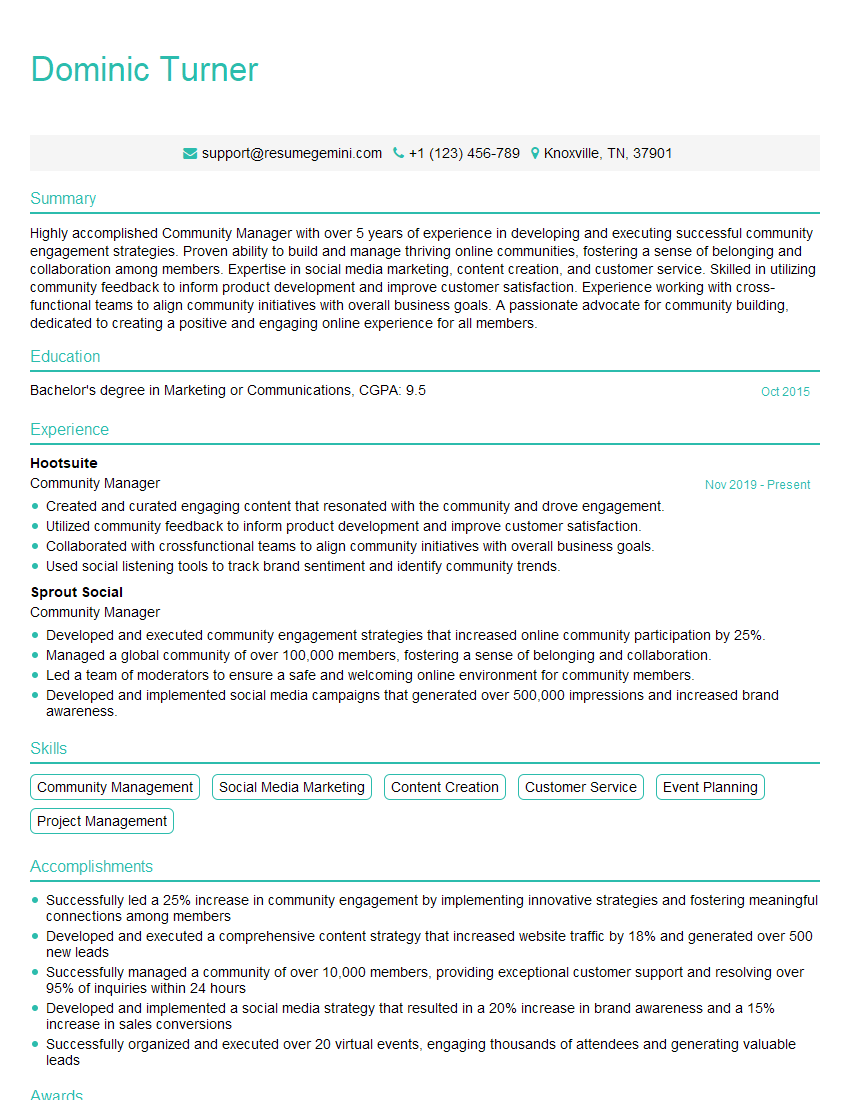
Community Manager Resume Sample

Social Media Manager Resume Sample
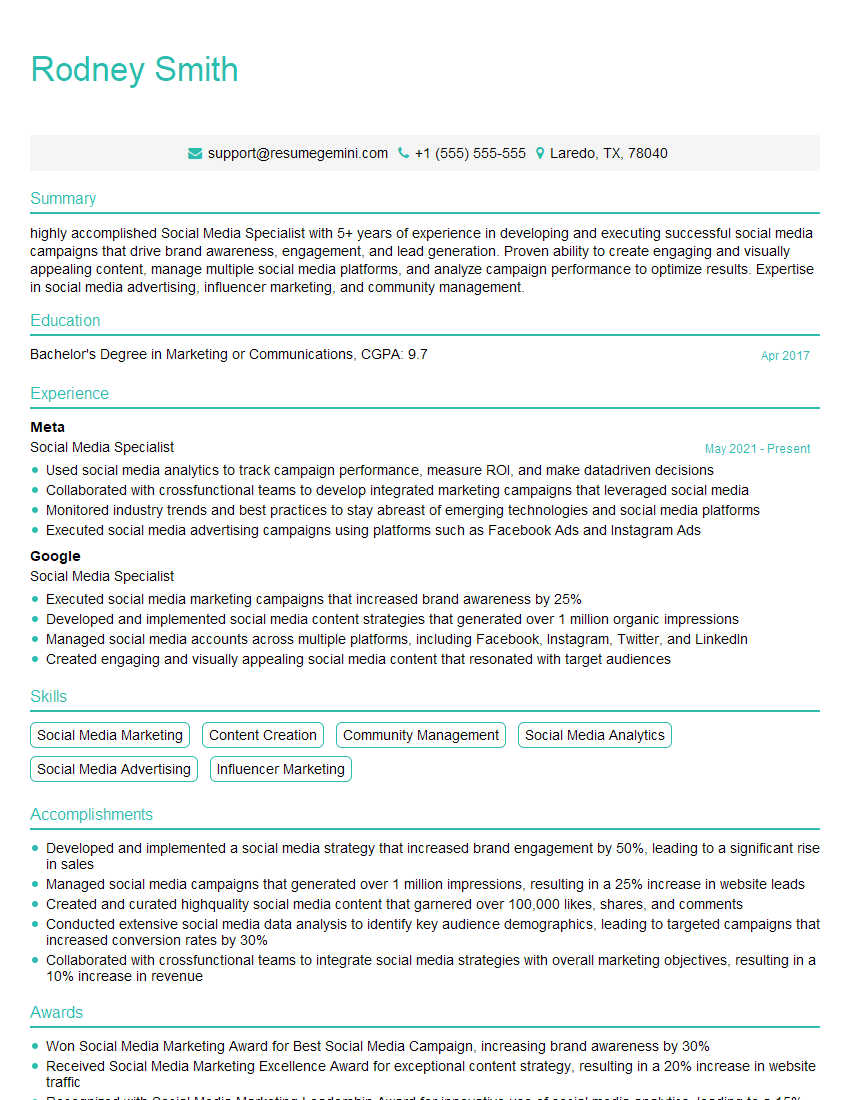
Social Media Specialist Resume Sample
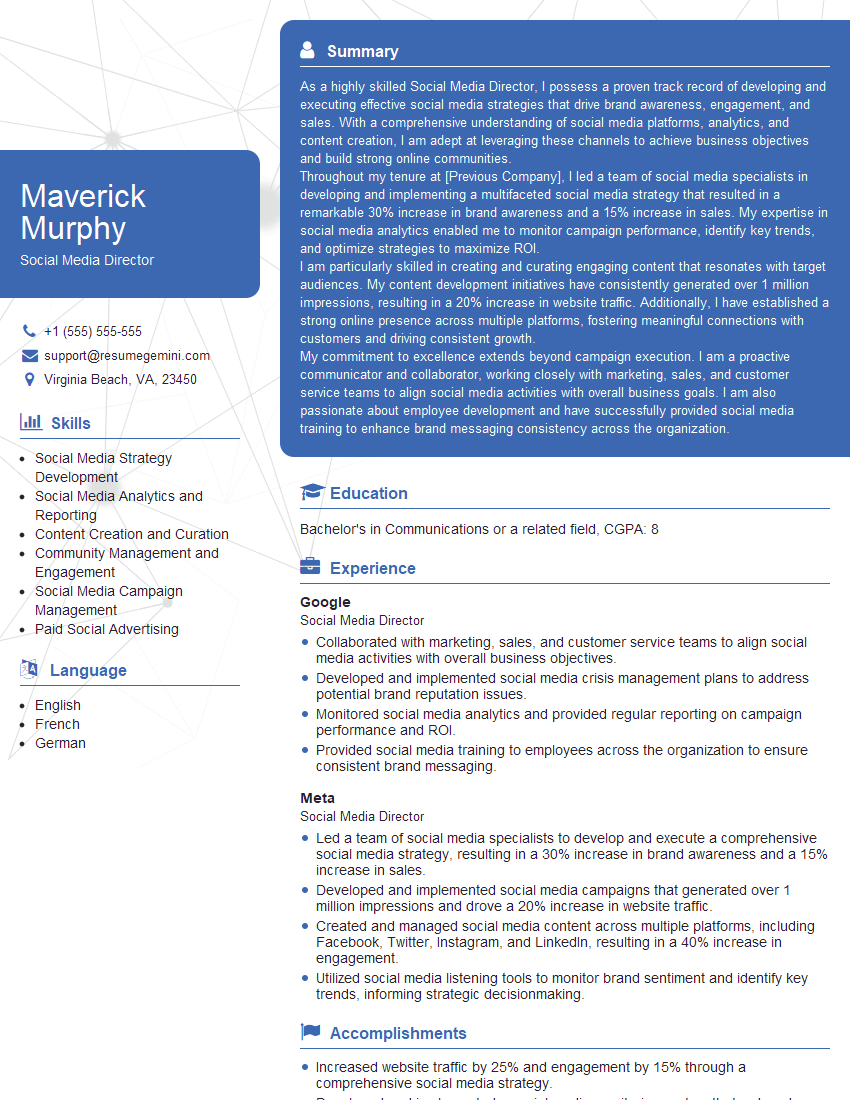
Social Media Director Resume Sample
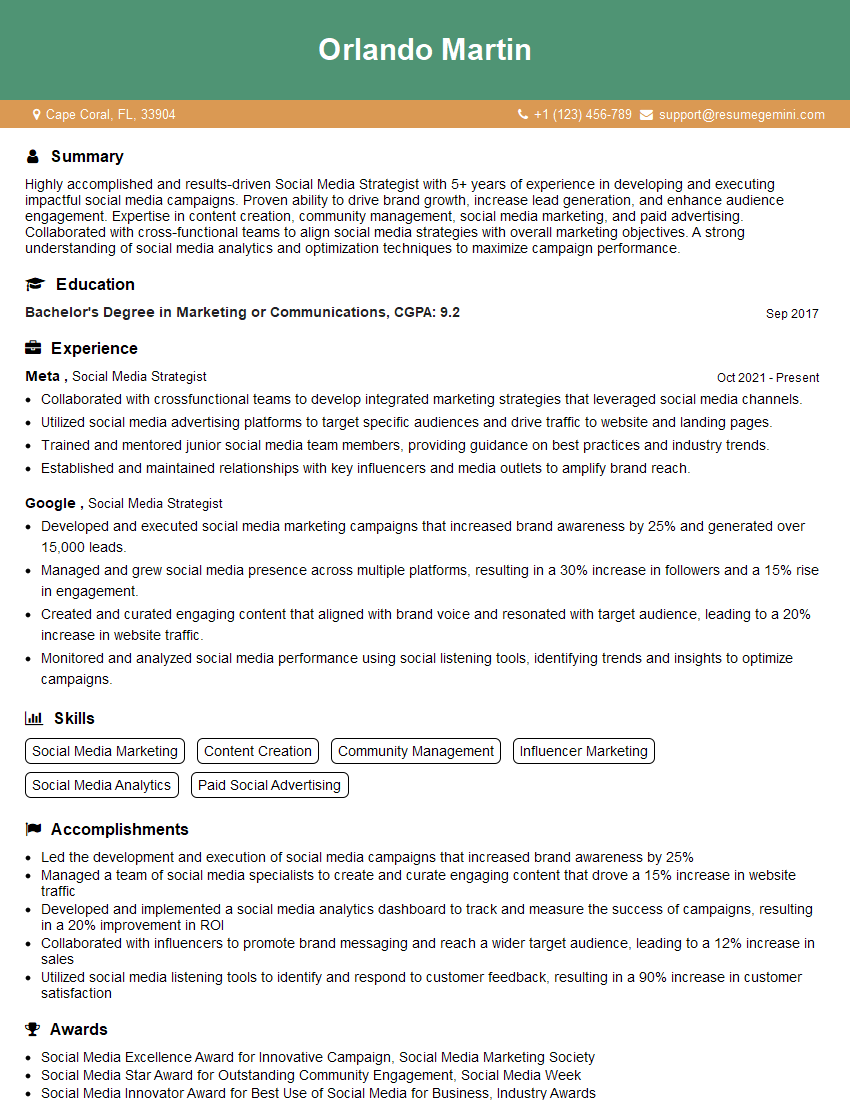
Social Media Strategist Resume Sample

Content Creator Resume Sample
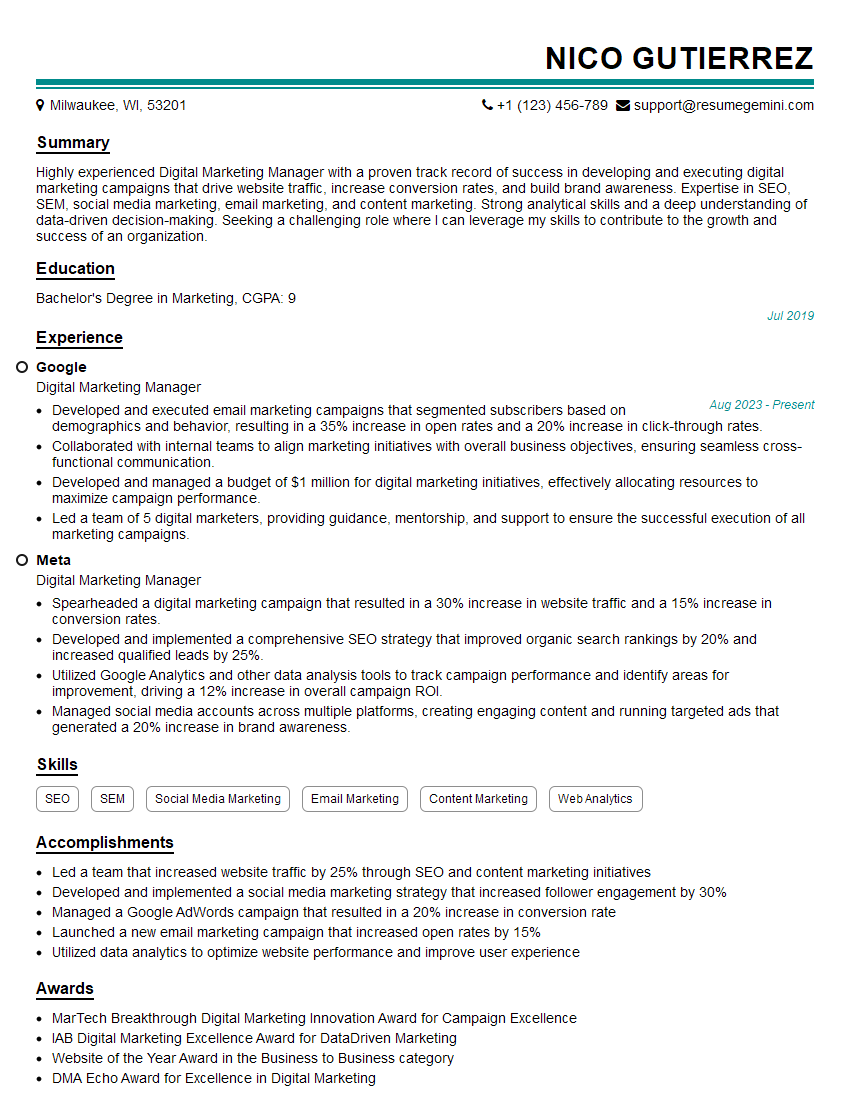
Digital Marketing Manager Resume Sample
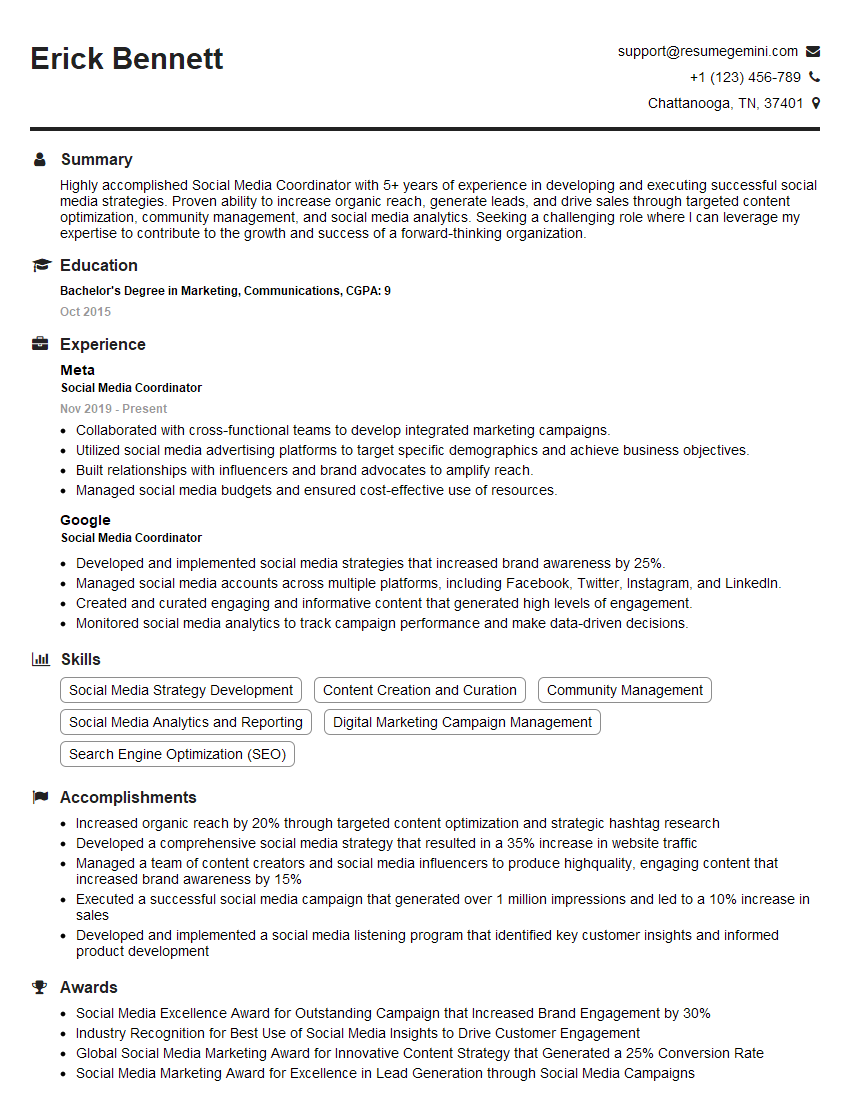
Social Media Coordinator Resume Sample

Social Media Marketing Manager Resume Sample
Explore more articles
Users Rating of Our Blogs
Share Your Experience
We value your feedback! Please rate our content and share your thoughts (optional).
What Readers Say About Our Blog
Very informative content, great job.
good