The right preparation can turn an interview into an opportunity to showcase your expertise. This guide to Socket Replacement interview questions is your ultimate resource, providing key insights and tips to help you ace your responses and stand out as a top candidate.
Questions Asked in Socket Replacement Interview
Q 1. Explain the different types of electrical sockets.
Electrical sockets come in various types, primarily differentiated by their voltage, amperage rating, and number of outlets. Let’s look at some common types:
- Standard Duplex Receptacles (120V): These are the most common outlets in homes, offering two outlets for 120-volt appliances. They come in various configurations, including grounded (three-prong) and ungrounded (two-prong) types. The grounded type is safer and strongly preferred.
- GFCI Receptacles (120V): Ground Fault Circuit Interrupters are designed for safety in damp locations like bathrooms and kitchens. They rapidly shut off power if they detect a ground fault, preventing electric shock.
- AFCI Receptacles (120V): Arc Fault Circuit Interrupters protect against electrical fires caused by arcing faults in wiring. These are increasingly common in new construction.
- Triplex Receptacles (120V): These offer three outlets in a single unit, useful in areas needing multiple devices.
- 240V Receptacles: These are used for high-power appliances like electric ranges, dryers, and water heaters. They are typically larger and have different wiring configurations than 120V outlets.
Understanding the type of socket is critical for proper replacement and ensures compatibility with your appliances.
Q 2. Describe the process of identifying a faulty socket.
Identifying a faulty socket involves a systematic approach. First, visually inspect the outlet for any obvious damage like loose wires, burn marks, or cracks in the plastic housing. A slightly warm socket might indicate a problem, but excessive heat is a serious safety hazard.
Next, test the outlets using a non-contact voltage tester. This device detects the presence of voltage without touching the live wires—a crucial safety precaution. If the tester doesn’t light up when placed near the outlet terminals, there might be a wiring problem upstream or the outlet itself might be defective.
Finally, if the voltage is present but the outlet doesn’t work, a multimeter can help pinpoint the fault. Measure the voltage across the hot and neutral terminals. If the voltage reading is close to the expected value (e.g., 120V), the fault lies within the outlet itself. If the voltage reading is low or absent, the problem is likely in the wiring.
Remember, if you’re unsure, it’s always best to consult a qualified electrician.
Q 3. What safety precautions are essential before starting socket replacement?
Safety is paramount when replacing electrical sockets. Before you start, always turn off the power to the circuit at the breaker box. Don’t just rely on switching off the light switch—this might not isolate the outlet completely. Confirm the power is off by using a non-contact voltage tester on the outlet terminals. If you’re working in a damp location, consider using insulated tools to minimize the risk of electric shock.
Also, remember to wear safety glasses to protect your eyes from debris. Consider using insulated gloves, especially if you are working with older wiring, where insulation may be deteriorated. Have a fire extinguisher nearby as a precaution against any potential electrical fires.
Q 4. How do you test for voltage before and after socket replacement?
Testing for voltage is crucial before and after socket replacement. Before you begin, use a non-contact voltage tester on the outlet terminals. This ensures the power is off at the source. After the replacement, turn the power back on at the breaker box. Then, using a non-contact tester again, verify that power has been restored to the outlet. A contact-type multimeter can also be used to accurately measure the voltage between the hot and neutral terminals. It should show a voltage close to the nominal voltage (120V in most homes). If the voltage reading is incorrect or absent, there’s still a problem in the circuit that needs to be addressed.
Q 5. What tools are required for socket replacement?
The tools needed for socket replacement are relatively simple but essential for a safe and efficient job:
- Screwdrivers: Both Phillips and flathead screwdrivers are commonly needed.
- Wire strippers/cutters: For cleanly stripping and cutting the wires.
- Voltage tester: Both non-contact and contact types are recommended.
- Multimeter: For accurate voltage measurement.
- Replacement outlet: Ensure it matches the voltage and amperage requirements.
- Wire nuts: For securely connecting the wires.
- Electrical tape (optional): For added insulation, though generally not necessary with proper wire nuts.
Having the right tools ensures a clean, safe, and efficient replacement.
Q 6. Explain the wiring configuration of a standard three-prong socket.
A standard three-prong (grounded) 120V outlet uses a simple wiring configuration:
- Black wire (HOT): Carries the 120V power. This wire is connected to the brass screw on the outlet.
- White wire (NEUTRAL): Carries the return current back to the panel. This wire is connected to the silver screw on the outlet.
- Green or bare copper wire (GROUND): Provides a path to ground for fault currents, protecting against electric shock. This wire is connected to the green screw on the outlet.
Proper grounding is essential for safety. Never connect the ground wire to any other terminal.
Q 7. How do you determine the correct gauge wire for a socket replacement?
Choosing the correct gauge wire is crucial for safety and preventing overheating. The gauge is a measure of the wire’s diameter – lower gauge numbers indicate thicker wires which can carry more current. Never use a smaller gauge wire than the existing one. If you are unsure, check the existing wire gauge. Most residential circuits use 14 AWG (American Wire Gauge) or 12 AWG wire. 12 AWG is suitable for higher amperage circuits. If in doubt, consult an electrician or check the circuit breaker’s amperage rating for the circuit you’re working on. Using a wire gauge that is too thin for the amperage rating can lead to overheating, which is a significant fire hazard.
Q 8. Describe the steps involved in replacing a standard duplex receptacle.
Replacing a standard duplex receptacle is a straightforward process, but safety is paramount. Always turn off the power at the breaker before starting any electrical work! Here’s a step-by-step guide:
- Turn off the power: Locate the breaker controlling the outlet and switch it to the OFF position. Use a voltage tester to double-check that the power is off at the outlet.
- Remove the old receptacle: Unscrew the receptacle cover plate. Then, using a screwdriver, loosen the screws holding the receptacle to the electrical box. Gently pull the receptacle out of the box.
- Identify the wires: You’ll typically see three or four wires: a black (hot), a white (neutral), and a bare copper or green (ground) wire. There might also be a second black wire for a switched outlet. Carefully note their positions—taking a picture can be helpful.
- Disconnect the wires: Loosen the screws holding the wires to the receptacle and carefully remove them. Remember which wire goes to which terminal.
- Connect the new receptacle: Attach the wires to the new receptacle, matching them to their corresponding terminals (black to brass, white to silver, ground to green). Make sure the connections are secure and the wires are not pinched.
- Push the receptacle into the box: Carefully push the receptacle back into the electrical box, ensuring it sits flush. Tighten the screws to secure it.
- Attach the cover plate: Screw on the cover plate.
- Turn the power back on: Switch the breaker back to the ON position and test the outlet to ensure it’s working correctly.
Remember, if you’re uncomfortable working with electricity, it’s always best to consult a qualified electrician.
Q 9. How do you deal with a damaged outlet box during socket replacement?
A damaged outlet box is a serious issue, as it compromises the safety and structural integrity of the electrical installation. Never attempt to install a receptacle into a damaged box. Here’s how to handle it:
- Assess the damage: Carefully examine the box for cracks, loose screws, or any other damage. If the damage is minor, like loose screws, tightening them might suffice. However, if the damage is significant (cracks, broken parts), the box needs replacement.
- Turn off the power: Always de-energize the circuit before working on any electrical component.
- Replace the box: This involves removing the old box, carefully disconnecting the wires, and installing a new, properly sized and rated box. The new box must be securely fastened to the framing member.
- Reconnect the wires: Once the new box is securely in place, carefully reconnect the wires to the receptacle.
- Install the receptacle: Proceed with installing the new receptacle as outlined in the previous answer.
Using a damaged box could lead to loose connections, fire hazards, or even electrical shock. It’s crucial to prioritize safety and replace the box if it’s damaged.
Q 10. Explain the process of grounding a socket.
Grounding a socket is critical for safety. It provides a path for fault currents to flow directly to the ground, preventing dangerous electrical shocks. The process involves connecting the ground wire (usually bare copper or green) to the ground terminal on the receptacle and to the electrical box itself. This ensures that if there’s a short circuit, the current flows to the ground instead of through a person who might be touching the appliance.
Most modern homes use a three-prong receptacle with a dedicated ground terminal. However, if you’re working with an older two-prong outlet, upgrading to a three-prong outlet and properly grounding it is highly recommended. You might need to install a ground wire to the existing electrical box, possibly running it to the main electrical panel if needed.
It’s vital to ensure a strong connection at every point, from the ground wire to the receptacle, from the receptacle to the box, and from the box to the ground path in your house’s wiring system. This connection ensures that the ground wire remains connected and will safely conduct any stray current directly to the earth.
Q 11. What are the common causes of socket failure?
Several factors can contribute to socket failure:
- Loose connections: Wires that aren’t securely fastened to the terminals can lead to intermittent power or complete failure.
- Overheating: Overloading the outlet by plugging in too many appliances can generate excessive heat, potentially melting the receptacle’s internal components.
- Physical damage: Bends, cracks, or other physical damage to the receptacle itself can cause malfunction.
- Age and wear: Over time, components can degrade, leading to increased resistance and eventual failure.
- Foreign objects: Items like insects or debris can interfere with the electrical connections inside the outlet.
- Water damage: Exposure to moisture can corrode components, resulting in electrical shorts or failures.
Regular inspection and preventative maintenance can help minimize these issues. Replacing older outlets as part of a preventative maintenance plan is a best practice.
Q 12. How do you troubleshoot a socket that isn’t working?
Troubleshooting a non-functioning socket requires a systematic approach:
- Check the breaker: Make sure the breaker hasn’t tripped.
- Test the outlet with a voltage tester: Verify whether power is reaching the outlet. If not, the problem might lie in the wiring leading to the outlet or at the breaker box.
- Check the circuit: If the outlet doesn’t have power, trace the circuit to identify potential problems in the wiring.
- Inspect the outlet: Carefully examine the receptacle for any visible damage or loose connections.
- Test the appliance: Ensure that the appliance you are plugging into is not faulty.
- Test another appliance: Try plugging a different appliance into the suspect outlet.
- Consider the wiring: If no power is detected and the breaker and appliances are fine, a more significant wiring problem may be present, and professional help may be necessary.
If the problem persists after these checks, calling a qualified electrician is the best course of action.
Q 13. Describe the differences between GFCI and AFCI protected sockets.
Both GFCI (Ground Fault Circuit Interrupter) and AFCI (Arc Fault Circuit Interrupter) outlets are safety devices that protect against electrical hazards, but they do so in different ways:
- GFCI Outlets: These protect against ground faults, which occur when electricity flows unexpectedly into the ground (often through a person). They detect imbalances in current flow between the hot and neutral wires. If a significant imbalance is detected, indicating a possible ground fault, the GFCI instantly trips, cutting off the power.
- AFCI Outlets: These protect against arc faults, which are dangerous electrical arcs that can occur in wiring due to loose connections, damaged insulation, or other problems. Arc faults can start fires. AFCIs detect the characteristic signatures of arc faults and trip to cut off the power, preventing potential fires.
GFCIs are commonly found in kitchens, bathrooms, and outdoor locations—areas where water is present and the risk of ground faults is higher. AFCIs are often required in bedrooms and other living spaces to mitigate the fire risk from arc faults.
Q 14. Explain the process of replacing a GFCI outlet.
Replacing a GFCI outlet is very similar to replacing a standard outlet, but it requires paying close attention to the GFCI’s test and reset buttons and internal wiring. Here’s how:
- Turn off the power: Always turn off the power at the breaker before starting.
- Remove the old GFCI outlet: Unscrew the cover plate and remove the GFCI outlet from the box.
- Identify the wires: Pay close attention to the line (incoming power) and load (outgoing power) wires. Many GFCI outlets have clearly labeled terminals.
- Note the wiring: Take photos or make detailed notes of the wiring configuration, especially noting which wires are connected to the line and load terminals. These terminals may be clearly marked, or not. Check the GFCI manual if you are unsure.
- Disconnect the wires: Carefully disconnect the wires from the old GFCI outlet.
- Connect the new GFCI outlet: Connect the wires to the new GFCI outlet, ensuring to match the connections to their corresponding terminals, carefully noting line vs load.
- Test the GFCI outlet: Press the TEST button; the outlet should trip. Then press the RESET button to restore power. If the outlet trips without the test button being pressed, there may be an actual ground fault in the circuit. Investigate or call an electrician.
- Secure and Test: Push the new outlet into the box, secure it, and attach the cover plate. Test again and verify that the outlet works as expected.
If you’re not comfortable working with electricity, especially GFCIs, consult a qualified electrician.
Q 15. How do you test a GFCI outlet?
Testing a GFCI (Ground Fault Circuit Interrupter) outlet is crucial for ensuring electrical safety. GFCIs protect against electrical shocks by detecting imbalances in current flow. To test one, first, make sure the power is ON to the outlet. Then:
- Press the ‘Test’ button. The outlet should trip, and the power should go out.
- Press the ‘Reset’ button. Power should be restored.
If the outlet doesn’t trip during the test or fails to reset, it’s faulty and needs replacement. This simple test saves lives by preventing potential electrocution.
Career Expert Tips:
- Ace those interviews! Prepare effectively by reviewing the Top 50 Most Common Interview Questions on ResumeGemini.
- Navigate your job search with confidence! Explore a wide range of Career Tips on ResumeGemini. Learn about common challenges and recommendations to overcome them.
- Craft the perfect resume! Master the Art of Resume Writing with ResumeGemini’s guide. Showcase your unique qualifications and achievements effectively.
- Don’t miss out on holiday savings! Build your dream resume with ResumeGemini’s ATS optimized templates.
Q 16. How do you replace a dimmer switch?
Replacing a dimmer switch is a straightforward task, but safety is paramount. Always turn off the power at the breaker before starting.
- Remove the old switch plate: Unscrew and remove the plate carefully.
- Remove the switch: Unscrew the switch from the electrical box. Take note of the wire connections before disconnecting them.
- Disconnect the wires: Carefully loosen and remove the wires from the old dimmer switch. Use a wire stripper if necessary to ensure a good connection for the new dimmer.
- Connect the new switch: Connect the wires to the new dimmer switch, matching the connections to those of the old switch. Consult the dimmer’s instructions for specific wiring details.
- Mount the new switch: Secure the new dimmer switch in the electrical box.
- Install the plate: Replace the switch plate.
- Turn the power back on: At the breaker, and test the new dimmer switch.
Remember to always double-check your wiring before turning the power back on. If you’re unsure about any step, it’s best to consult a qualified electrician.
Q 17. How do you identify and replace a faulty switch?
Identifying a faulty switch often involves a process of elimination. Does the switch not work at all? Does it work intermittently? Does it cause flickering? Once you’ve identified the symptom, you can begin to troubleshoot. A multimeter can help test the voltage at the switch. A non-functioning switch usually has no voltage to the switch or broken wires in the box.
- Turn off the power: Always turn off the power at the breaker before working on any electrical components.
- Inspect the switch: Carefully examine the switch for any visible damage or loose wires.
- Test the circuit (if necessary): Use a non-contact voltage tester to ensure power is off at the switch terminals.
- Replace the switch: If the switch is faulty, replace it with a new one, following the steps for dimmer switch replacement (Question 2).
If you’re unable to identify the issue, it is always advisable to seek professional help from a qualified electrician. This could indicate a problem with the wiring beyond the switch itself.
Q 18. What are the safety considerations for working with high voltage sockets?
Working with high-voltage sockets demands extreme caution. The primary safety concern is preventing electric shock, which can be fatal.
- Always turn off the power: Before touching any wires or components, turn off the power at the main breaker panel.
- Use insulated tools: Use tools with insulated handles to minimize the risk of shock. Never use tools with damaged insulation.
- Use personal protective equipment (PPE): This includes safety glasses, rubber gloves, and non-conductive shoes to protect you from electrical hazards.
- Never work alone: Always have someone nearby to assist in case of an emergency.
- Understand the voltage: Be certain you know the voltage level in the system and choose the appropriate tools and precautions accordingly.
Ignoring these safety measures could lead to serious injury or death. If you lack the experience or confidence to work with high-voltage sockets, it’s always best to consult a qualified electrician.
Q 19. Describe the process of replacing a three-way switch.
Replacing a three-way switch, which controls a light from two different locations, requires careful attention to wiring. Three-way switches have three terminals, making the wiring a bit more complex than a standard single-pole switch.
- Turn off the power: Turn off the power at the breaker before starting any work.
- Remove the old switches: Carefully remove both three-way switches, noting the wire colors and their connections.
- Identify the common wire: The common wire (usually black or red) connects to the same terminal on both switches.
- Identify the traveler wires: The traveler wires (usually black and red) connect between the two switches.
- Connect the new switches: Connect the wires to the new switches, matching the connections of the old switches precisely. Refer to the diagrams on the new switch for guidance.
- Secure and test: Secure the new switches, turn the power back on, and test them from both locations.
If you’re not comfortable working with three-way switches, it’s advisable to hire a qualified electrician. Incorrect wiring can lead to malfunctioning lights or even electrical hazards.
Q 20. How do you troubleshoot a flickering light switch?
A flickering light switch can be caused by a variety of issues, from loose connections to faulty wiring or even a failing light bulb.
- Check the light bulb: Start by checking if the light bulb is loose or faulty. Replacing the bulb is often a simple fix.
- Inspect the switch: Check for loose wires or burned contacts inside the switch box. Tighten any loose connections.
- Check the wiring: Inspect the wiring leading to the switch and the light fixture for any damage or loose connections.
- Check the breaker and wiring: If the problem persists, it could be an issue with the breaker or the house wiring which may require professional help.
If the flickering continues after these checks, it’s time to call a qualified electrician to diagnose and resolve the more complex issue.
Q 21. Explain the importance of using the correct type of screws in socket replacement.
Using the correct type of screws in socket replacement is essential for both safety and functionality. The screws must be the appropriate length and material to securely fasten the receptacle to the electrical box and ensure a stable electrical connection.
- Length: Too short screws won’t adequately secure the receptacle, while excessively long screws could pierce wires or damage the electrical box.
- Material: Screws made of non-conductive materials (e.g., nylon or plastic) are generally used for securing the receptacle to the electrical box to prevent accidental shorts. Metal screws are used for securing wire connections within the device.
Using the wrong screws could lead to loose connections, potential fire hazards, or even electric shocks. Always refer to the manufacturer’s instructions for the recommended screw type and size for your specific receptacle.
Q 22. How do you manage electrical waste responsibly after socket replacement?
Responsible electrical waste management after a socket replacement is crucial for environmental safety and compliance. It begins with proper disconnection and de-energization of the old socket before removal. The old socket and any associated wiring should be carefully removed and separated into different categories for recycling: plastic housings, metal components, and wiring. I always follow local regulations regarding e-waste disposal. Many municipalities offer designated recycling centers or hazardous waste collection days specifically for this kind of material. Failing to recycle properly risks environmental contamination from hazardous materials in the components. Furthermore, documentation of the waste disposal process is often required for professional work, ensuring traceability and accountability.
For instance, I recently replaced a socket in an older building. The old bakelite socket contained materials that couldn’t go in regular trash. I carefully separated the metal parts from the plastic casing and took them to our local e-waste recycling facility.
Q 23. What are the common code violations related to socket installation?
Common code violations related to socket installation often involve safety and compliance issues. These can include using incorrect gauge wiring for the amperage draw of the appliance connected to the socket, improper grounding, failure to use appropriate junction boxes, incorrect wire insulation, and lack of arc-fault circuit interrupters (AFCIs) where required (especially in bedrooms). Additionally, sockets installed in damp locations need to be of the appropriate weatherproof rating. Ignoring these standards can lead to fire hazards, electrical shocks, and equipment damage. Each location has its specific electrical code, so I always verify the current building code before beginning any project.
For example, using 14-gauge wire instead of 12-gauge on a high-amperage circuit is a violation and a fire risk. Also, failing to properly ground the socket can lead to dangerous electrical shocks.
Q 24. How do you handle unexpected wiring configurations during socket replacement?
Unexpected wiring configurations are common during socket replacement, especially in older buildings. My approach involves systematic investigation and careful documentation. I start by using a non-contact voltage tester to ensure the circuit is de-energized. Then, I carefully trace the wiring back to the circuit breaker panel to understand the circuit’s layout. I photograph and document the existing wiring configuration before making any changes. If the wiring is confusing or if I’m unsure, I consult the local electrical codes and may seek advice from experienced colleagues or electrical inspectors to ensure safe and compliant modifications.
In one project, I encountered a complex arrangement of knob-and-tube wiring. Instead of trying to work within that antiquated system, I opted to run entirely new wiring for safety and to conform to modern codes. This ensured a long-term solution and avoided any potential future problems.
Q 25. Explain the process of using a voltage tester.
A voltage tester is a critical safety tool. It allows electricians to confirm the absence of voltage in a circuit before working on it, significantly reducing the risk of electric shock. The process is straightforward: First, ensure the tester is functioning correctly by testing it against a known live circuit. Then, check the circuit to be worked on by touching the probes to the wires or terminals. A properly functioning voltage tester will indicate the presence or absence of voltage with a visual or audible signal. It’s essential to always double-check the reading and never assume the absence of voltage without testing. Different testers have slightly different operating procedures, so always refer to the manufacturer’s instructions.
Think of it like checking if a water pipe is active before working on it. You wouldn’t want to start without making sure there’s no water flowing; the voltage tester performs the same crucial safety function for electrical circuits.
Q 26. Describe your experience with different types of wiring (e.g., Romex, BX).
I have extensive experience with various wiring types. Romex (NM-B) is a common type of non-metallic sheathed cable widely used in residential construction. It’s relatively easy to work with, but requires careful attention to avoid damage to the insulation. BX cable (AC) or armored cable is more durable and often found in older buildings. It offers better protection against physical damage but can be more challenging to work with. Other types, such as aluminum wiring (though less common now due to safety concerns), require specialized handling and knowledge due to its unique characteristics. I understand the proper installation techniques and safety precautions for each type, and select the appropriate wiring based on the project requirements and local codes. The choice is often influenced by the age of the building, the type of load, and the specific code requirements.
Q 27. How do you ensure a safe and compliant socket installation?
Ensuring a safe and compliant socket installation involves meticulous attention to detail at every stage. I always start by disconnecting power to the circuit at the breaker box. Then I use a non-contact voltage tester to verify the absence of voltage at the socket location. The appropriate gauge of wiring is selected to meet the load requirements. All connections are made securely using appropriate connectors and wire nuts. The socket is correctly grounded, and the installation adheres to all relevant electrical codes and safety standards. Finally, I visually inspect the completed installation and perform a final voltage test before re-energizing the circuit.
Every step is crucial; one misstep can have significant consequences. My approach is focused on meticulous attention to detail and safety first.
Q 28. How would you handle a situation where the existing wiring is insufficient for the new socket?
If the existing wiring is insufficient for the new socket, several options exist, depending on the specifics of the situation and local codes. Upgrading the wiring to a heavier gauge is often the solution. This may involve running new wiring from the panel to the socket location, replacing existing runs entirely, or carefully splicing in a heavier gauge to the existing wiring. In some cases, it might be necessary to add a new circuit breaker to the panel. All work must be done in strict accordance with local electrical codes and safety standards. Improperly handling this can lead to overheating, fire hazards, and potential electrical failures. Consultation with an electrical inspector may be required for certain situations to ensure safe and compliant upgrades.
For example, if you are replacing an older single outlet with one that will power a large appliance, you will need to determine whether the existing circuit can handle the increased load. If not, a new circuit may need to be run to that location to accommodate the demand.
Key Topics to Learn for Socket Replacement Interview
- Understanding Socket Types and Standards: Become familiar with various socket types (e.g., ball sockets, swivel sockets, etc.), their applications, and relevant industry standards for material, dimensions, and tolerances.
- Socket Removal Techniques: Master different methods for safely removing damaged or worn sockets, considering factors like corrosion, material strength, and access limitations. Practice identifying the appropriate tools and techniques for various scenarios.
- Socket Installation Procedures: Learn best practices for installing new sockets, ensuring proper alignment, torque specifications, and prevention of damage to surrounding components. Understand the importance of lubrication and sealant application where appropriate.
- Troubleshooting Common Issues: Develop your ability to diagnose and resolve common problems encountered during socket replacement, such as stripped threads, misaligned components, or improper fitting. Consider how to prevent recurrence of these issues.
- Safety Procedures and Regulations: Familiarize yourself with relevant safety regulations and best practices for working with hand tools and power equipment. Understanding safe work practices is paramount.
- Material Selection and Compatibility: Understand the properties of different socket materials (e.g., steel, brass, plastic) and their suitability for different applications. Knowing material compatibility is crucial for long-term performance.
- Quality Control and Inspection: Learn how to effectively inspect replaced sockets for proper function and adherence to quality standards. Develop a methodical approach to inspection.
Next Steps
Mastering socket replacement skills opens doors to numerous opportunities in various industries, boosting your employability and earning potential. To maximize your chances of landing your dream job, it’s crucial to create a professional and ATS-friendly resume that effectively highlights your expertise. ResumeGemini is a trusted resource that can help you build a compelling resume showcasing your abilities. Examples of resumes tailored to the Socket Replacement field are available to guide you in crafting the perfect application. Take advantage of these resources and present yourself as the ideal candidate.
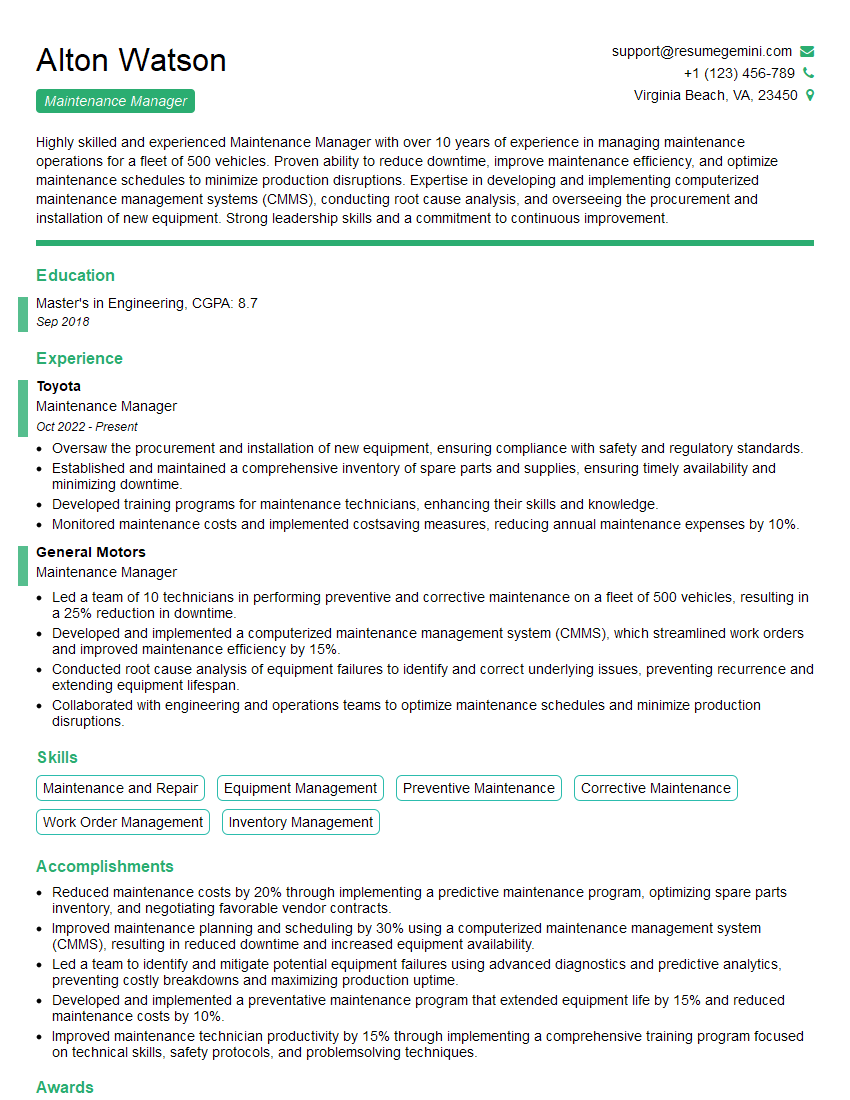
Maintenance Manager Resume Sample
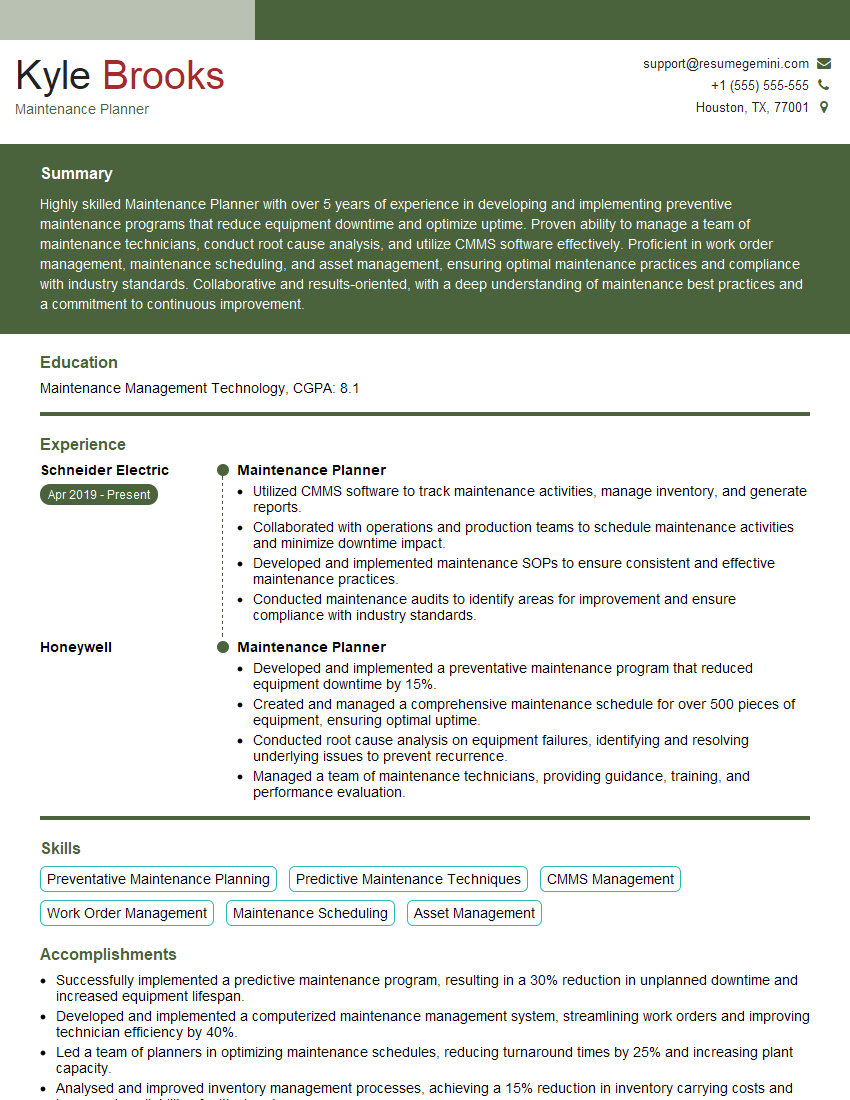
Maintenance Planner Resume Sample
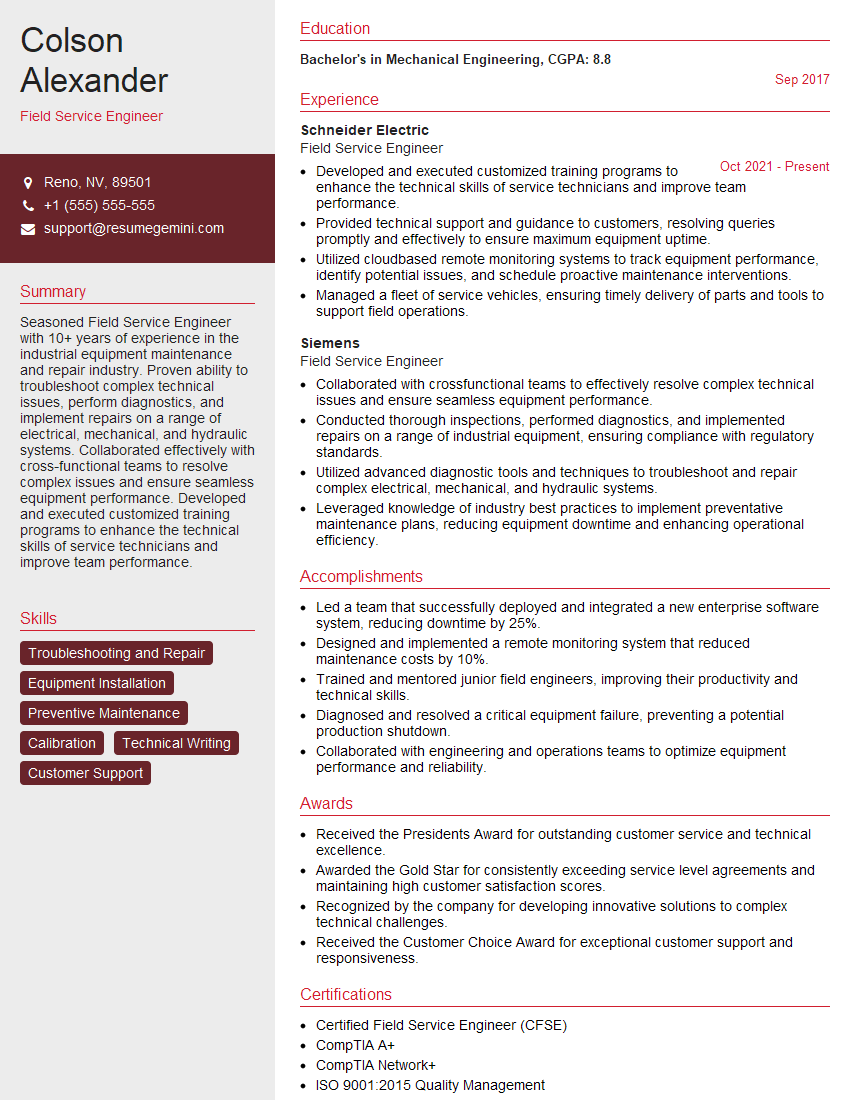
Field Service Engineer Resume Sample
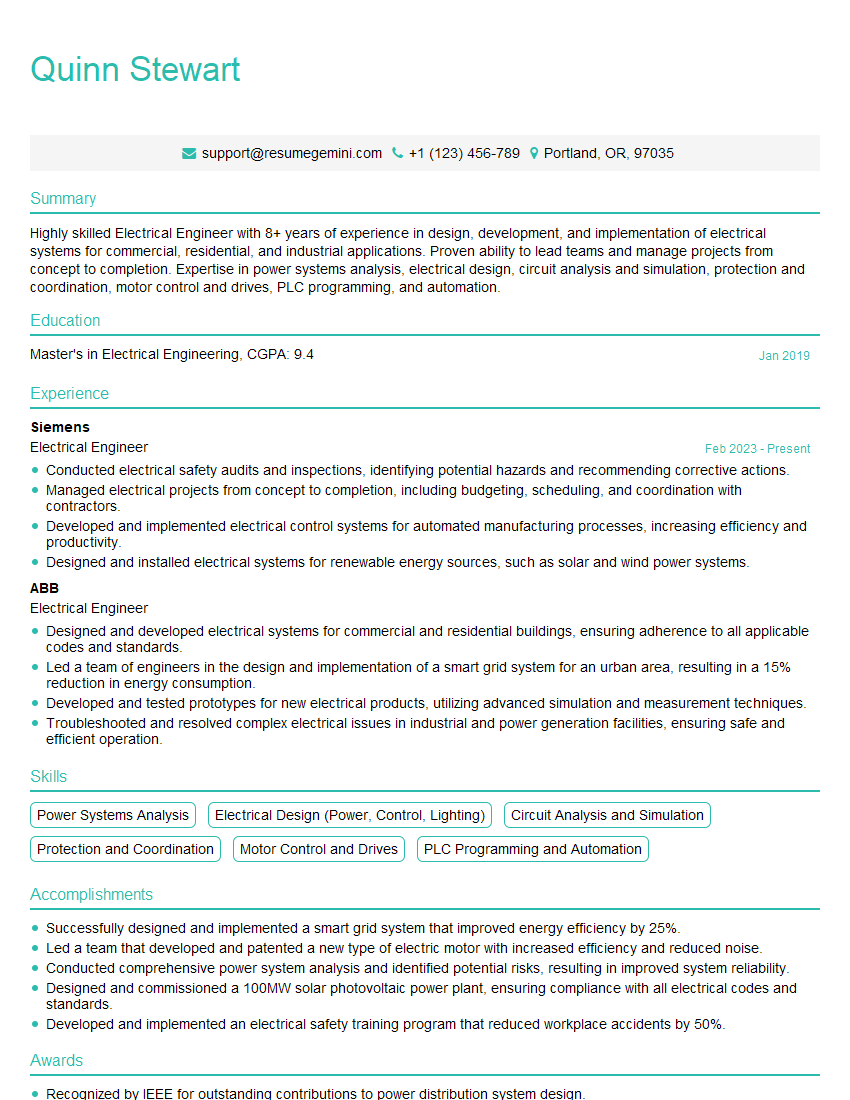
Electrical Engineer Resume Sample
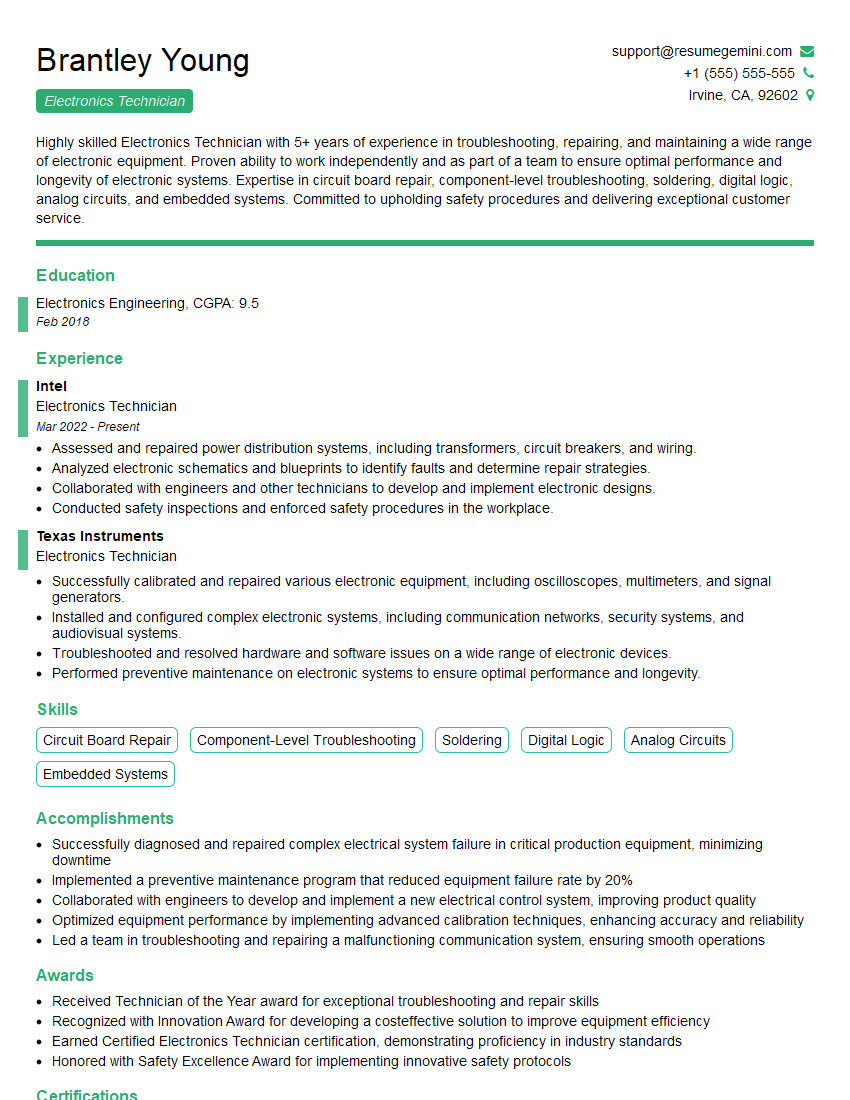
Electronics Technician Resume Sample
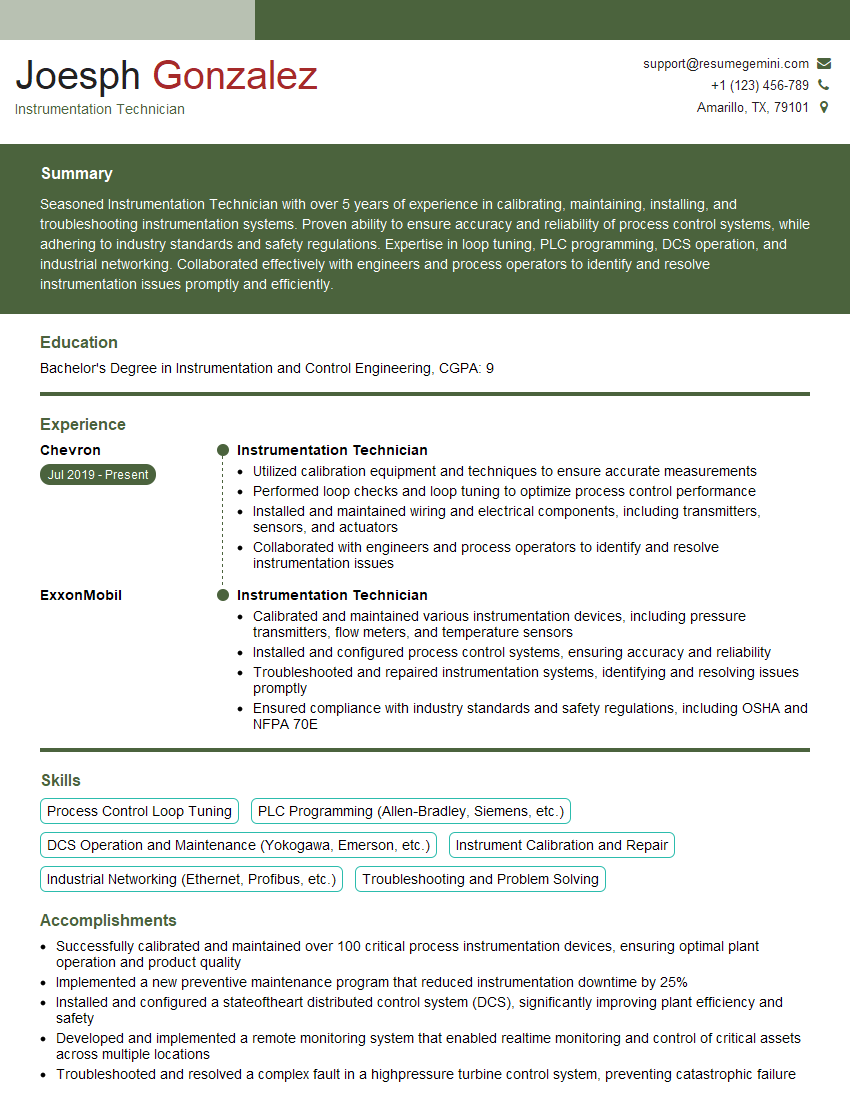
Instrumentation Technician Resume Sample
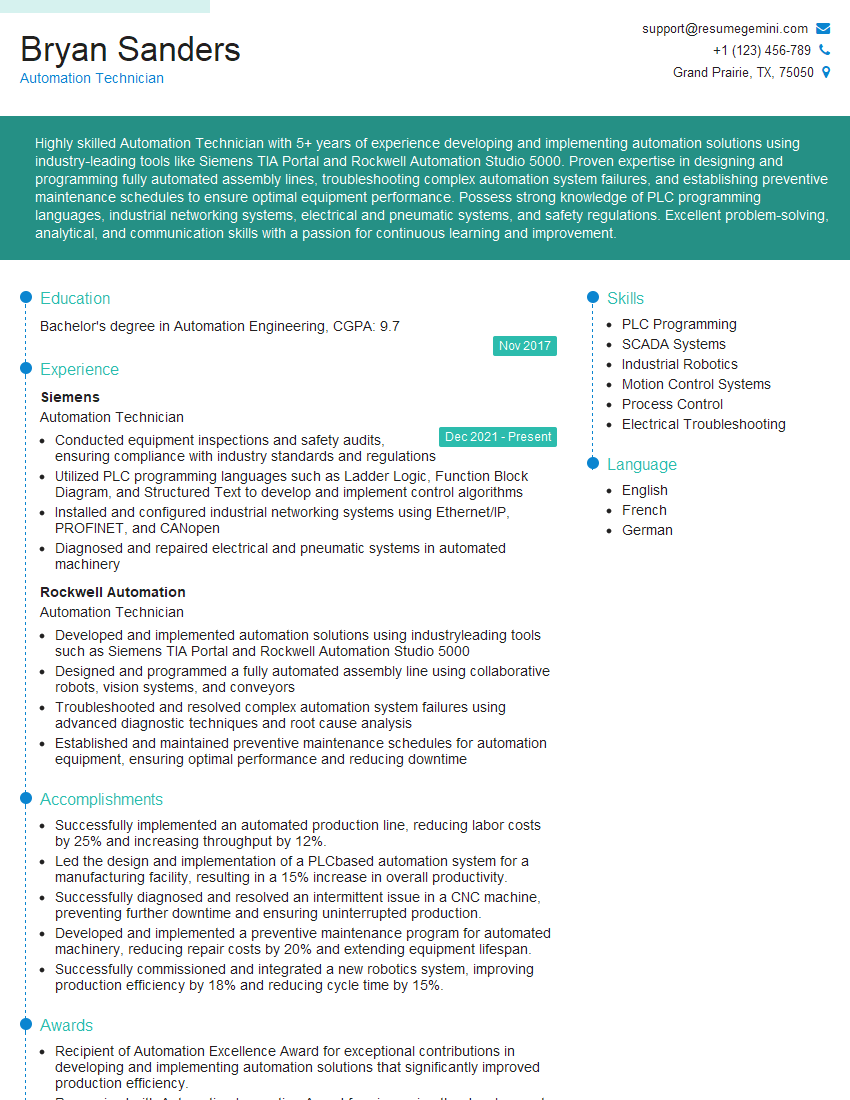
Automation Technician Resume Sample
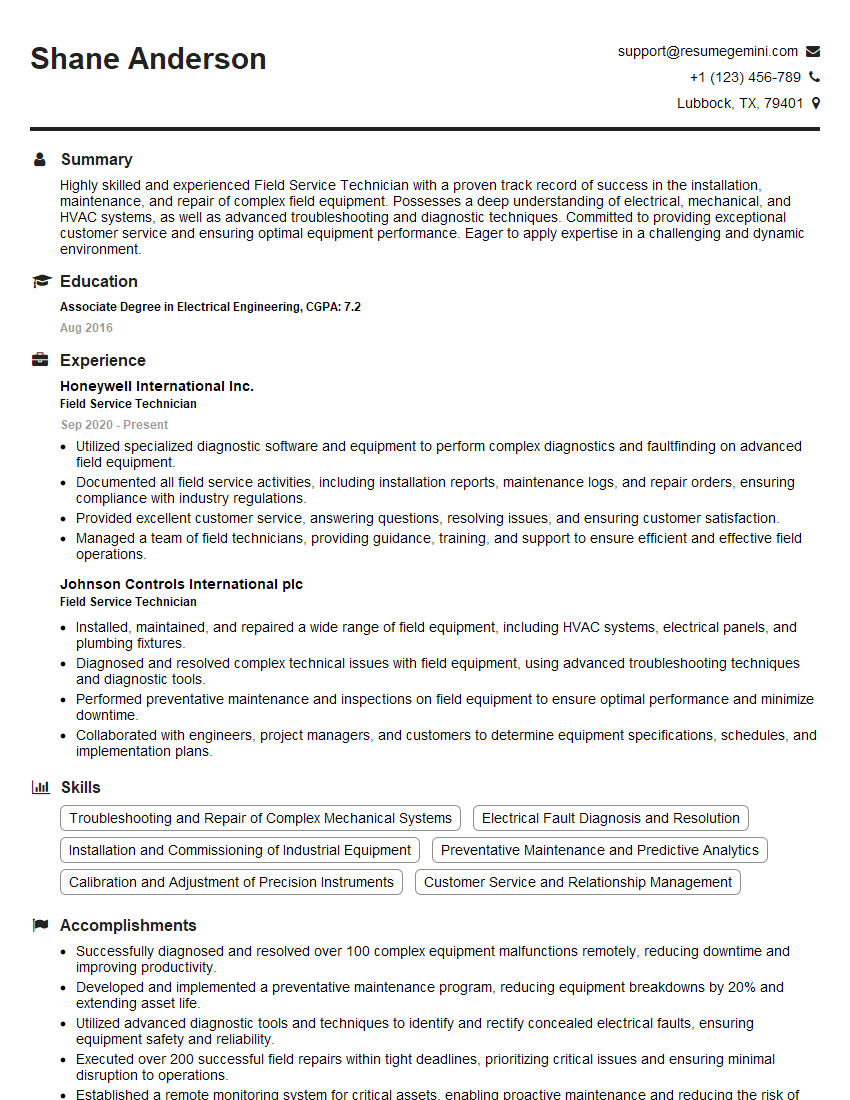
Field Service Technician Resume Sample
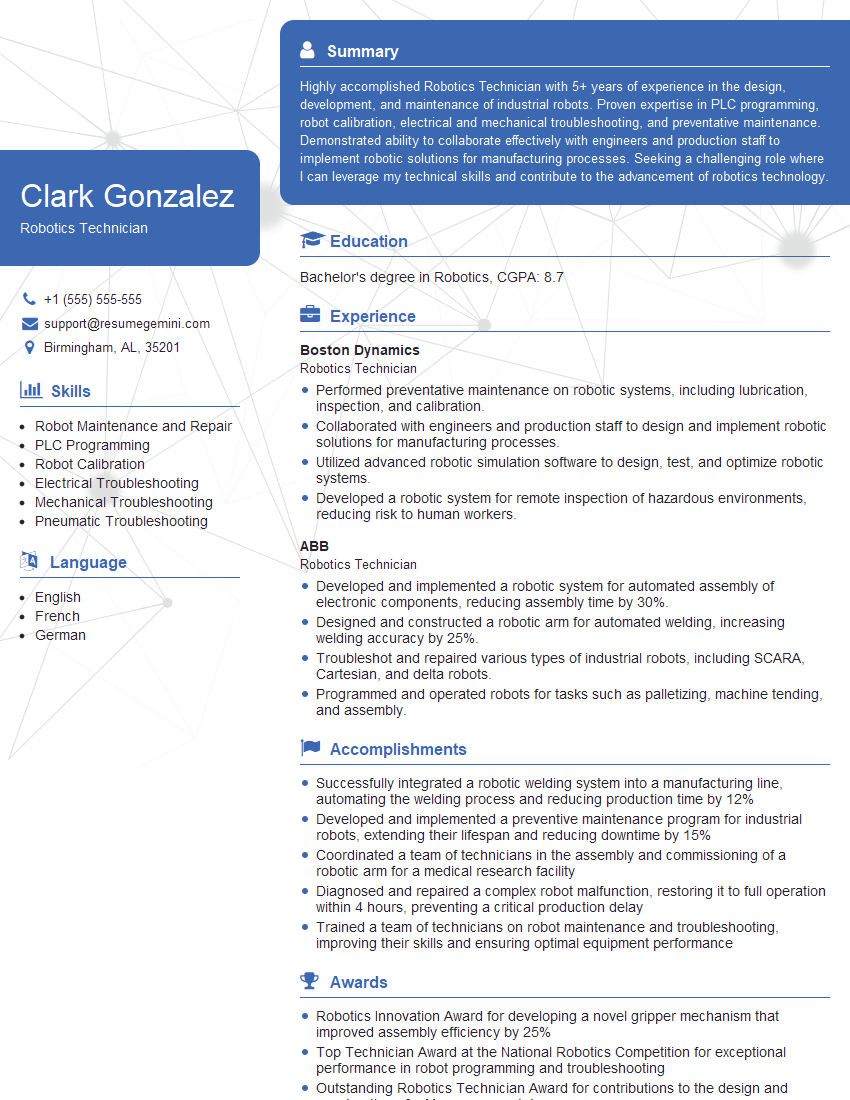
Robotics Technician Resume Sample
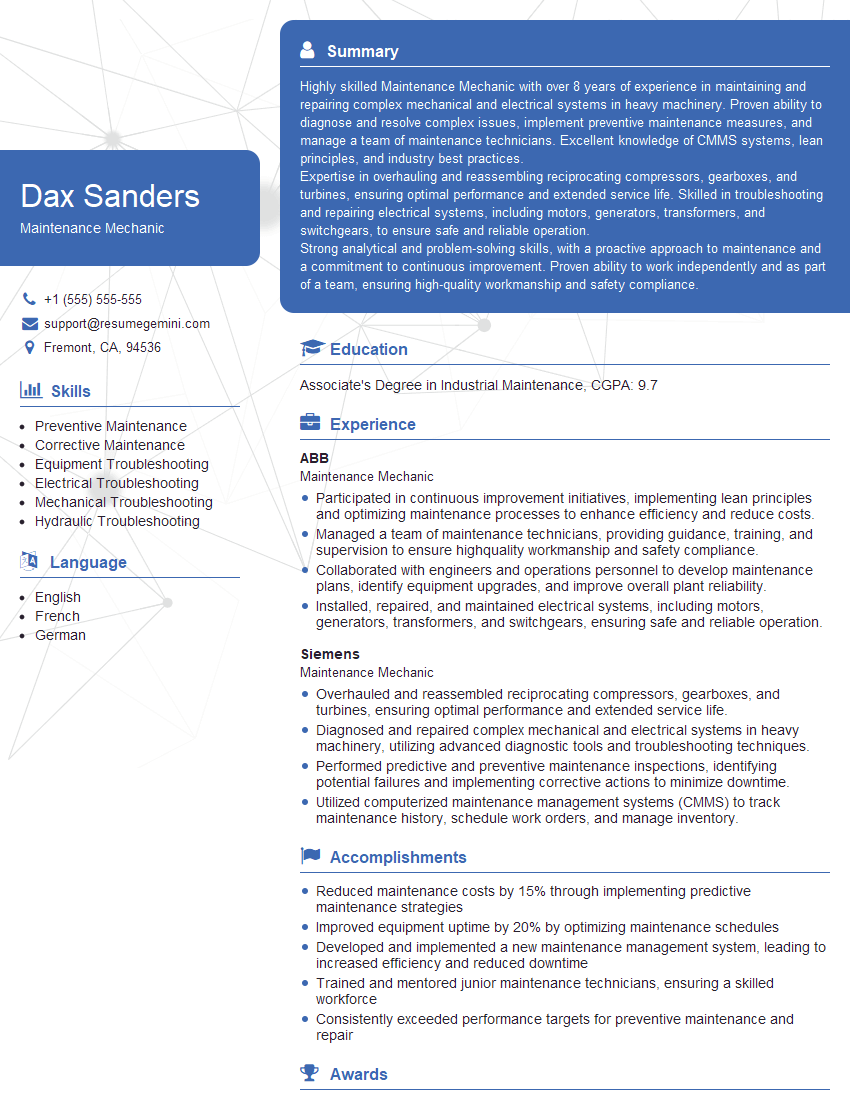
Maintenance Mechanic Resume Sample
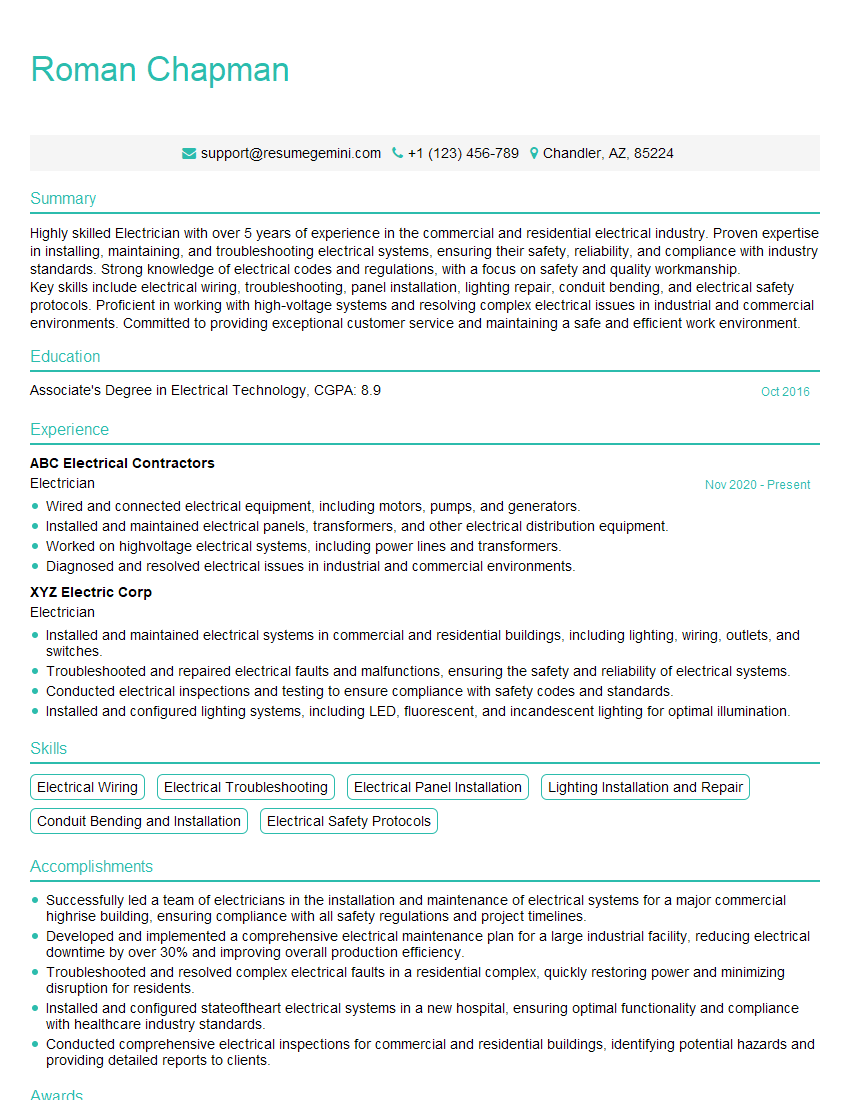
Electrician Resume Sample
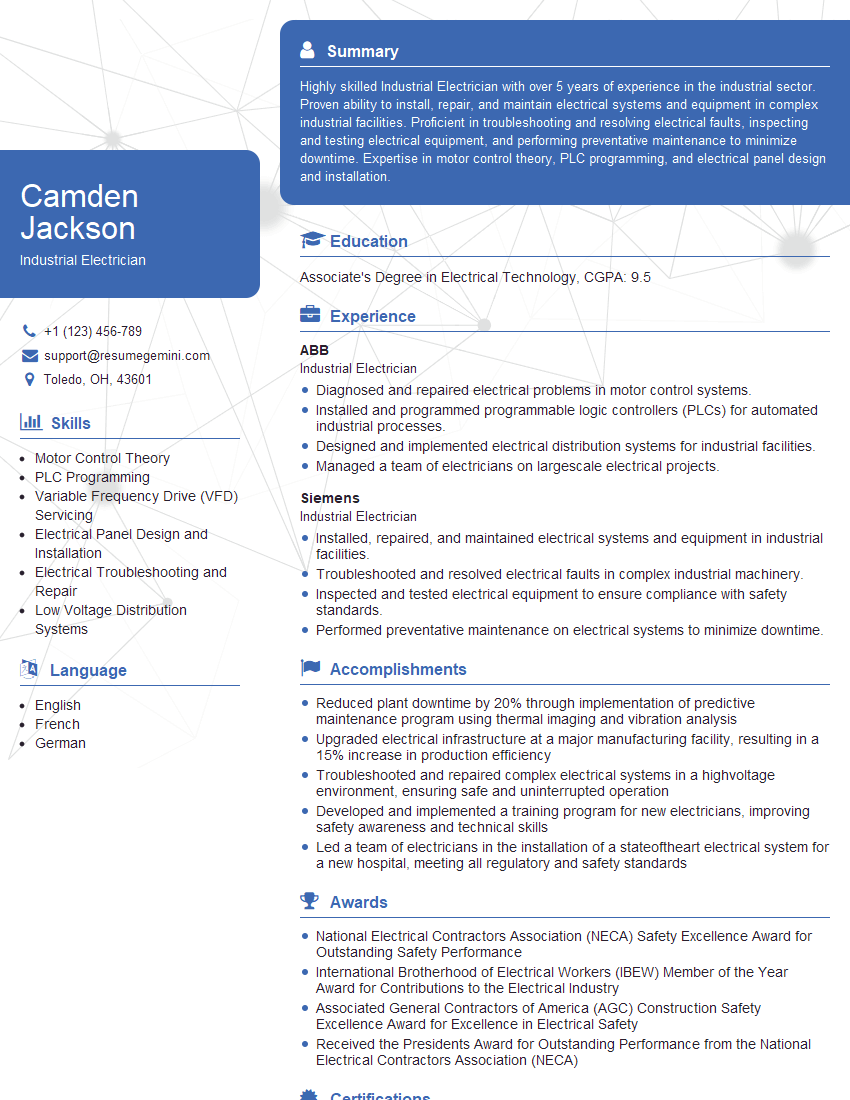
Industrial Electrician Resume Sample
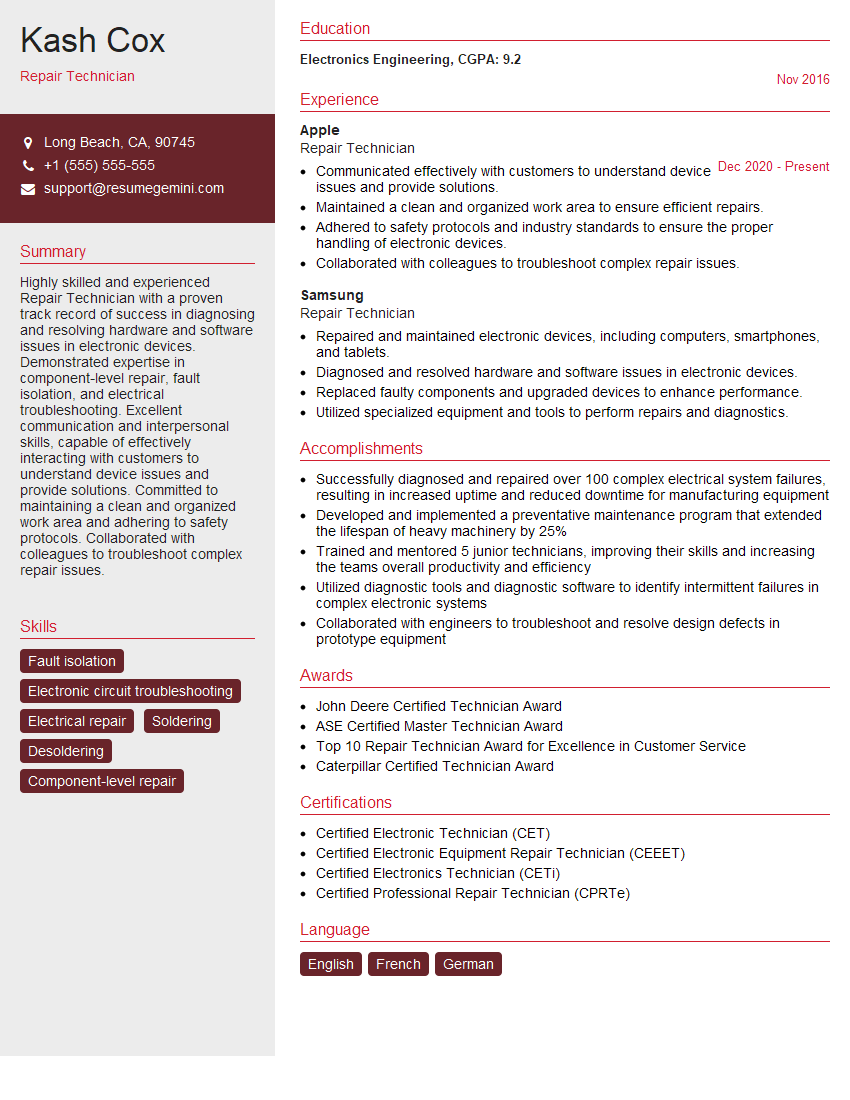
Repair Technician Resume Sample
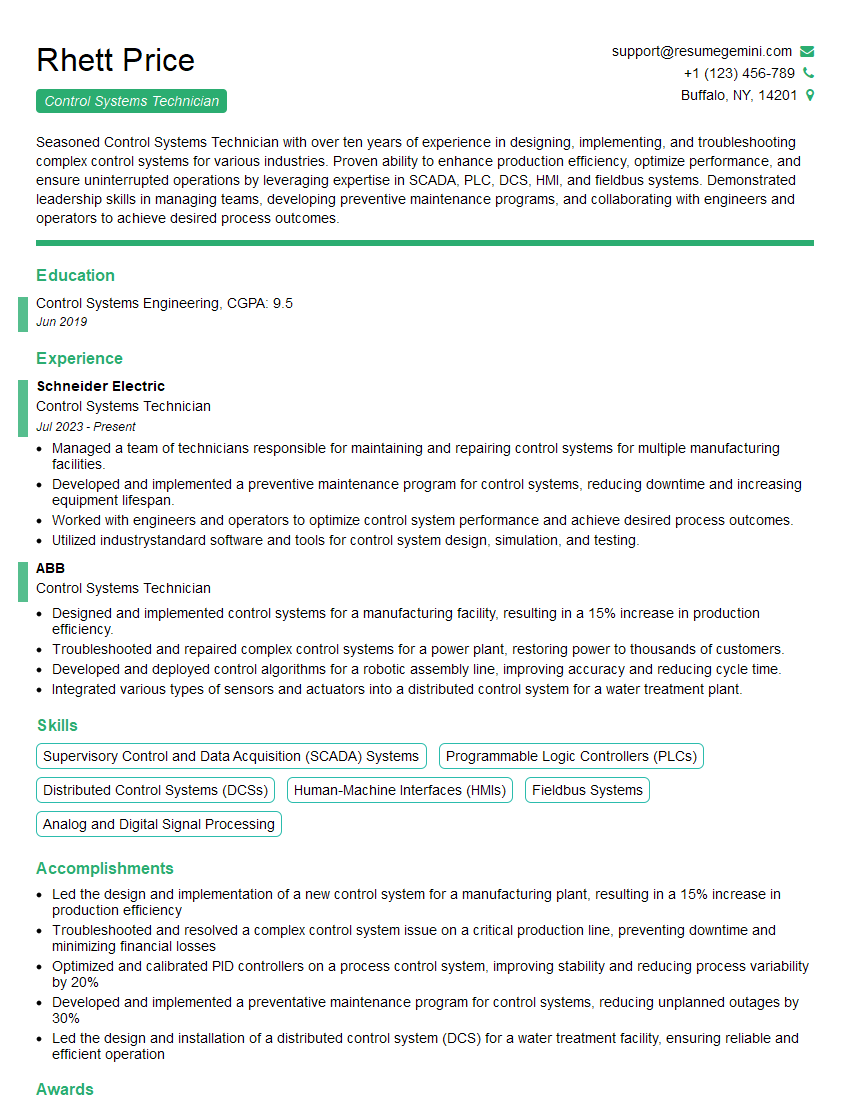
Control Systems Technician Resume Sample

Electrical Maintenance Technician Resume Sample
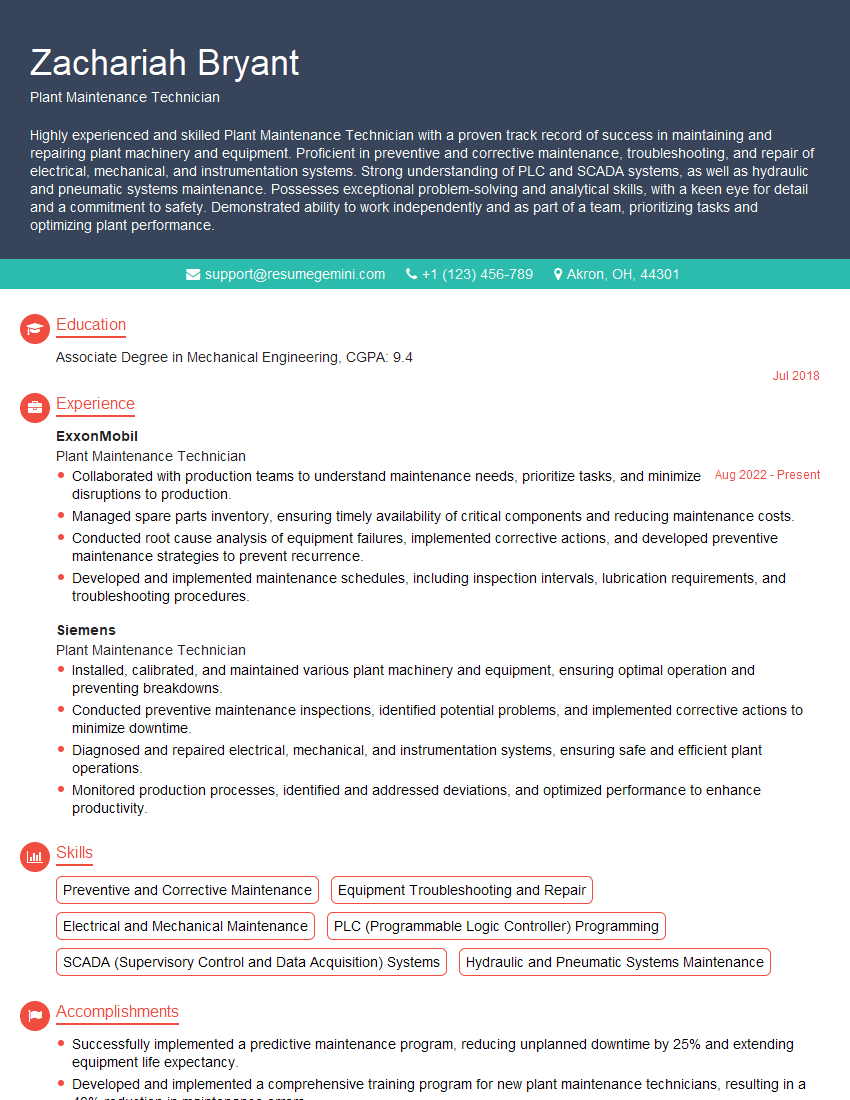
Plant Maintenance Technician Resume Sample
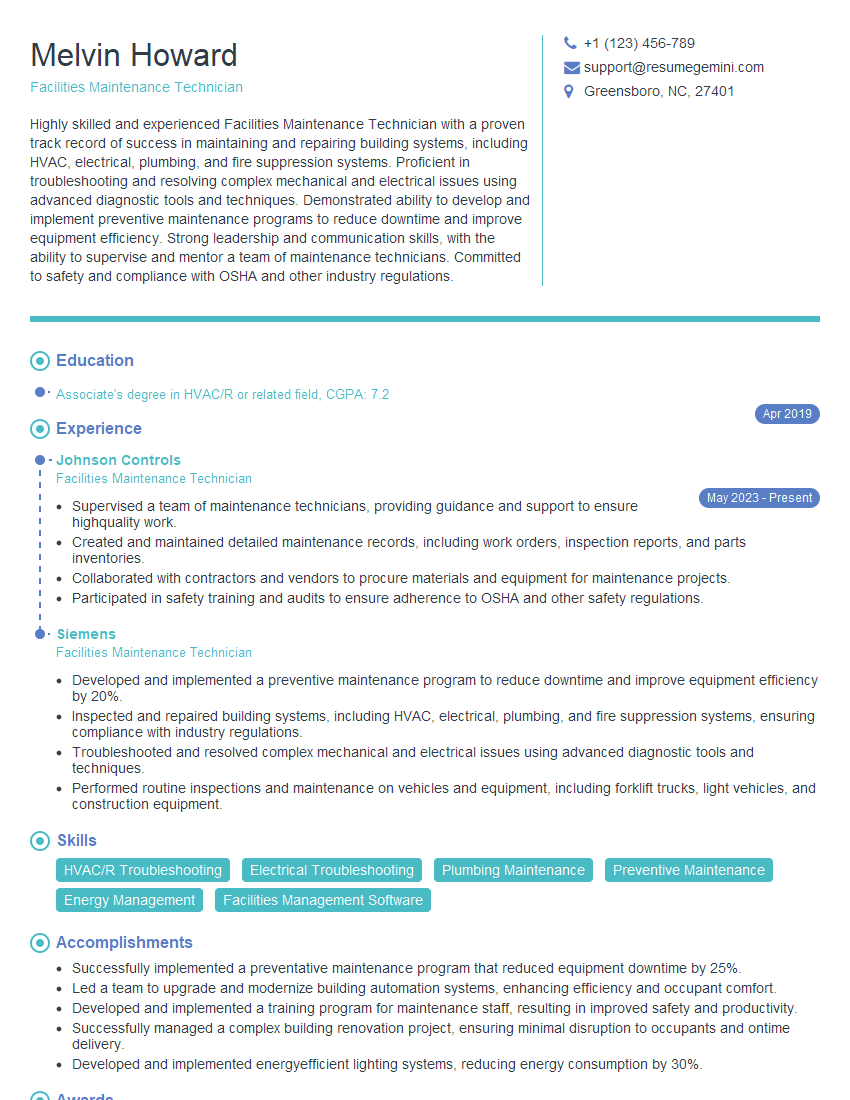
Facilities Maintenance Technician Resume Sample
- Maintenance Manager
- Maintenance Planner
- Field Service Engineer
- Electrical Engineer
- Electronics Technician
- Instrumentation Technician
- Automation Technician
- Field Service Technician
- Robotics Technician
- Maintenance Mechanic
- Electrician
- Industrial Electrician
- Repair Technician
- Control Systems Technician
- Electrical Maintenance Technician
- Plant Maintenance Technician
- Facilities Maintenance Technician
Explore more articles
Users Rating of Our Blogs
Share Your Experience
We value your feedback! Please rate our content and share your thoughts (optional).
What Readers Say About Our Blog
Very informative content, great job.
good