Every successful interview starts with knowing what to expect. In this blog, we’ll take you through the top Soil and Building Code Interpretation interview questions, breaking them down with expert tips to help you deliver impactful answers. Step into your next interview fully prepared and ready to succeed.
Questions Asked in Soil and Building Code Interpretation Interview
Q 1. Explain the difference between bearing capacity and allowable bearing pressure.
Bearing capacity and allowable bearing pressure are closely related but distinct concepts in foundation engineering. Think of it like this: bearing capacity is the maximum pressure the soil can withstand before failure, while allowable bearing pressure is the safe pressure we design our foundations to use, accounting for safety factors.
Bearing capacity (qu) is the ultimate strength of the soil. It’s determined through soil tests and empirical formulas, representing the point at which the soil will start to yield or fail under load. For example, a soil might have a bearing capacity of 100 kPa (kilopascals). This means it can theoretically support a load that generates 100 kPa pressure. However, we wouldn’t design a foundation to use this full capacity.
Allowable bearing pressure (qa) is a much more conservative value. It’s calculated by dividing the bearing capacity by a factor of safety (FS), typically ranging from 2 to 4, depending on the project’s risk profile and soil variability. Using the same example, with an FS of 3, the allowable bearing pressure would be 100 kPa / 3 = 33.3 kPa. This is the pressure we’d use in our design calculations to ensure a wide margin of safety.
Q 2. Describe the process of interpreting soil test results for foundation design.
Interpreting soil test results is crucial for safe and economical foundation design. The process involves several steps:
- Data Review: Begin by thoroughly reviewing all test data, including soil classification (e.g., clay, sand, gravel), moisture content, density, and shear strength parameters (like cohesion and angle of internal friction).
- Strength Parameter Determination: From lab tests (like triaxial or direct shear tests) we extract key strength parameters, providing quantitative measures of the soil’s ability to resist deformation and failure under stress.
- Bearing Capacity Calculation: We use these parameters, along with empirical equations (like Terzaghi’s bearing capacity equation or others based on specific soil conditions), to estimate the soil’s bearing capacity. The choice of equation depends heavily on soil type and conditions.
- Allowable Bearing Pressure Calculation: A suitable factor of safety is applied to the bearing capacity to determine the allowable bearing pressure for design. This accounts for uncertainties inherent in soil behavior and load estimations.
- Settlement Analysis: Evaluate potential foundation settlement under expected loads. Excessive settlement can lead to structural damage. This step often uses numerical analysis (such as finite element methods).
- Recommendation: Based on analysis, appropriate foundation type and dimensions are recommended. The allowable bearing pressure determines the size of the footing needed to support the building’s load without exceeding the soil’s capacity.
Q 3. What are the key factors influencing the selection of a suitable foundation type?
Selecting the right foundation type is critical for structural integrity and project success. Several key factors influence this decision:
- Soil Conditions: The most significant factor! Soil type, strength, bearing capacity, and groundwater level dictate whether shallow (spread footings, rafts) or deep (piles, caissons) foundations are suitable. Weak, compressible soils often require deep foundations.
- Load Magnitude and Distribution: Heavier loads and concentrated loads (like columns) necessitate stronger and larger foundations. Uniformly distributed loads allow for simpler foundation systems.
- Groundwater Level: High groundwater levels can reduce soil strength and increase the risk of buoyancy and uplift, influencing foundation depth and requiring special considerations.
- Building Size and Type: Large structures or those with special requirements (e.g., sensitive equipment) may demand more elaborate foundation designs.
- Site Constraints: Limited space, proximity to existing structures, and environmental regulations can restrict foundation choices. For example, working in a congested urban area might limit the use of large spread footings.
- Cost Considerations: Different foundation types have varying costs. A balance between safety, functionality, and cost-effectiveness is always sought.
Q 4. How do you determine the appropriate depth of foundation based on soil conditions?
Foundation depth is determined by a combination of factors, primarily soil conditions and structural considerations.
- Soil Bearing Capacity: A shallow foundation depth is sufficient if the soil at a relatively shallow depth possesses adequate bearing capacity. However, if the near-surface soils are weak, deeper excavation may be necessary to reach a stronger soil stratum.
- Groundwater Level: Foundations should generally extend below the groundwater level to prevent buoyancy and potential instability, especially in saturated or potentially saturated soils.
- Frost Penetration Depth: In climates experiencing freezing temperatures, foundations should extend below the frost line to prevent frost heave, which can cause damage to the structure. Frost penetration depths vary geographically and are readily available in local building codes and geotechnical data.
- Settlement Considerations: The depth can be adjusted to minimize differential settlement, particularly in soils prone to consolidation or compression under load. Deeper foundations can reduce settlement.
- Scour Protection: In areas with flowing water, foundations might need extra depth to prevent scour around the foundation elements.
Determining the appropriate depth typically involves careful analysis of geotechnical reports, site investigations, and code requirements. A qualified geotechnical engineer is essential in this process.
Q 5. What are the main components of a typical geotechnical investigation report?
A comprehensive geotechnical investigation report typically includes:
- Introduction and Project Description: Overview of the project and its goals.
- Site Description: Information on the location, topography, and existing site conditions.
- Exploration Methodology: Details of the investigation techniques used, such as borehole drilling, cone penetration testing (CPT), and sampling methods.
- Laboratory Testing Results: Results from laboratory tests on collected soil samples, including classification, strength parameters, and other relevant properties.
- In-Situ Testing Results: Data from field tests, like CPT or Standard Penetration Tests (SPT), providing in-place soil properties.
- Groundwater Information: Data on the groundwater level, its fluctuations, and its potential impact on the foundation design.
- Geotechnical Interpretations and Analysis: Interpretation of the collected data, including bearing capacity calculations, settlement estimations, and recommendations for foundation design.
- Engineering Recommendations: Specific recommendations for foundation type, size, and depth, along with considerations for soil improvement or ground stabilization if necessary.
- Limitations and Uncertainties: Statement outlining the limitations of the investigation and potential sources of uncertainty.
- Figures and Tables: Visual representations of borehole logs, soil profiles, and test results.
Q 6. Explain the significance of the International Building Code (IBC) in construction.
The International Building Code (IBC) is a model code widely adopted across the United States and parts of the world for regulating building design, construction, and safety. It’s a crucial document ensuring public safety and structural integrity.
Its significance lies in setting minimum standards for structural design, fire safety, accessibility, and other aspects of building construction. By following the IBC, engineers and builders ensure compliance with established best practices and reduce risks. The code covers a vast range of issues, including foundation design, where it specifies minimum soil bearing capacities and requirements for foundation types based on anticipated loads and site conditions. It also addresses seismic design criteria, providing guidelines for mitigating earthquake risks. Deviations from the IBC require justification and approval from authorities.
Q 7. How do you interpret building code requirements for seismic design?
Interpreting building code requirements for seismic design involves understanding the seismic zone classification of the project site and applying appropriate design procedures and techniques.
The IBC specifies seismic design categories based on the potential ground shaking intensity in a given location. This category dictates the level of seismic forces that buildings must be designed to withstand. For example, a building in a high-seismic zone will require a significantly stronger structural system compared to one in a low-seismic zone.
Interpretation involves:
- Determining Seismic Zone: Identify the seismic zone of the project based on maps and data provided in the IBC or local building codes.
- Calculating Seismic Loads: Use the IBC’s prescribed procedures to determine the seismic forces (lateral loads) acting on the building based on its size, shape, occupancy category, and seismic zone.
- Selecting Structural System: Choose a structural system capable of resisting the calculated seismic loads and maintaining stability during an earthquake. The system should be designed to accommodate inelastic behavior (deformation) to dissipate seismic energy.
- Verifying Structural Capacity: Perform structural analyses, often using computer software, to verify that the structural system can withstand the seismic loads while limiting deformation and preventing collapse. Design includes the incorporation of ductile detailing, which provides a more resilient system.
- Compliance with Code Provisions: Ensure that all aspects of the seismic design comply with the applicable code requirements.
Interpreting seismic design requires significant expertise in structural engineering and familiarity with the specific requirements of the IBC or similar codes.
Q 8. Describe your experience with different soil types and their implications for construction.
Understanding soil types is fundamental to successful construction. Different soils exhibit vastly different engineering properties, impacting foundation design, stability, and overall structural integrity. For example, sandy soils are well-drained but can be susceptible to erosion and liquefaction, while clay soils retain water, leading to high swelling and shrinking potential. Silty soils fall somewhere in between, often exhibiting characteristics of both sand and clay. I’ve worked extensively with all these soil types.
In one project, we encountered expansive clay soils. This required a specialized foundation design incorporating deep piers to transfer loads below the swelling zone and minimize differential settlement, preventing cracks in the building’s structure. Conversely, a project on sandy soil near a river necessitated careful consideration of erosion control measures during construction and foundation design that accounted for potential scour around the footings. My experience spans various projects with diverse soil conditions, enabling me to select appropriate foundation designs and mitigate potential risks.
- Sandy Soils: Well-drained, but susceptible to erosion and liquefaction.
- Clay Soils: Poorly drained, high swelling and shrinking potential.
- Silty Soils: Intermediate properties, often a mix of sand and clay.
- Gravelly Soils: Well-drained, good bearing capacity.
- Organic Soils: Low bearing capacity, high compressibility.
Q 9. How do you handle discrepancies between geotechnical recommendations and building codes?
Discrepancies between geotechnical recommendations and building codes are a common challenge. My approach involves a thorough review of both documents, considering the context and justification for each. Often, this involves detailed discussions with both the geotechnical engineer and the code official to reach a mutually acceptable solution. It’s not about simply choosing one over the other; it’s about finding the most appropriate and safe solution for the specific project.
For instance, if the geotechnical report recommends deeper foundations than required by the code, I carefully analyze the reasons. Are the soil conditions unexpectedly poor? Does the report provide sufficient justification for its recommendations based on acceptable engineering practice? If so, I will work with the design team to provide sufficient evidence to the code official to justify deviating from the code’s minimum requirements and obtain an approval of an alternative solution. My goal is always to ensure structural safety while respecting the letter and spirit of the building codes.
Q 10. Explain your understanding of soil liquefaction and its mitigation.
Soil liquefaction is a dangerous phenomenon where saturated, loose sandy or silty soils lose their strength and stiffness due to earthquake shaking, behaving like a liquid. This can lead to significant ground deformation, foundation failure, and building collapse.
Mitigation strategies focus on reducing the potential for liquefaction. These include:
- Ground improvement techniques: Methods like deep vibro-compaction, stone columns, or soil densification significantly increase the soil’s density and shear strength.
- Foundation design modifications: Deep foundations (piles or drilled shafts) transfer loads below the liquefiable layer. Alternatively, shallow foundations can be designed to accommodate the expected settlement.
- Drainage improvements: Installing drainage systems can reduce pore water pressure, making the soil less susceptible to liquefaction.
In a project located in a seismically active zone, we employed stone columns to improve the bearing capacity and reduce liquefaction potential of the loose sandy soil. This involved installing vertical columns of compacted gravel into the ground, significantly increasing the soil’s resistance to shear stresses.
Q 11. How do you ensure compliance with building codes during construction?
Ensuring building code compliance is an ongoing process throughout the construction lifecycle. This begins with a thorough review of the design documents to ensure they meet all applicable codes. During construction, regular inspections are conducted by qualified inspectors, both internally and, where required, by external building control inspectors.
These inspections involve verifying that the work is being executed according to the approved plans and specifications and that all materials meet the required standards. Any discrepancies or deviations from the approved plans must be documented, and appropriate corrective actions are implemented. Maintaining detailed records of inspections, testing results (like soil testing), and any changes made throughout the process is crucial for demonstrating compliance. This meticulous approach safeguards the project’s structural integrity and ensures its adherence to all relevant building codes and safety regulations.
Q 12. What are the common methods for ground improvement?
Several common methods exist for ground improvement, each tailored to specific soil conditions and project requirements:
- Compaction: Improving soil density through mechanical means, such as vibratory rollers or impact compactors. Effective for granular soils.
- Vibro-compaction: Using vibrating probes to densify granular soils in situ, ideal for large areas.
- Deep dynamic compaction (DDC): Dropping heavy weights from a significant height to densify loose, saturated soils.
- Stone columns: Installing vertical columns of compacted granular material to increase the bearing capacity of soft soils.
- Soil stabilization: Mixing soil with additives, such as cement, lime, or fly ash, to improve its strength and reduce its compressibility.
- Ground freezing: Freezing the soil to provide temporary support during excavation in unstable ground.
The selection of the appropriate method depends heavily on factors like soil type, project budget, and environmental considerations. For example, stone columns are ideal for improving the load-bearing capacity of weak soils while soil stabilization may be preferred when dealing with expansive clay. Each method has its pros and cons and selecting the most suitable option requires careful analysis and site-specific evaluation.
Q 13. What are the key provisions of the relevant building codes regarding foundation design?
Building codes, such as the International Building Code (IBC) or local variations, contain crucial provisions for foundation design, prioritizing safety and structural integrity. Key aspects usually include:
- Bearing capacity: Foundations must be designed to withstand the loads imposed by the structure without exceeding the soil’s bearing capacity. This involves geotechnical investigations to determine the soil’s strength characteristics.
- Settlement: The code sets limits on allowable settlement to prevent excessive differential settlement that can cause cracking and structural damage. Design should minimize and control this.
- Lateral stability: Foundations must resist lateral forces such as wind or earthquakes. This often involves detailed calculations considering soil-structure interaction.
- Drainage: Appropriate drainage systems must be implemented to prevent water accumulation around foundations, preventing excessive moisture and minimizing soil erosion.
- Specific soil conditions: Codes often address design considerations for particular soil types, such as expansive clays or liquefiable soils, requiring special design measures.
The exact provisions vary depending on the specific code and local conditions. It is critical to consult the applicable code and any relevant commentary for a complete understanding of the requirements. Non-compliance can lead to serious structural issues and legal ramifications.
Q 14. Describe your experience in reviewing construction plans for code compliance.
I have extensive experience reviewing construction plans for code compliance, encompassing a wide range of projects from residential to commercial buildings. My review process involves a systematic check against the relevant building codes, focusing on several key areas:
- Foundation design: Verification of the foundation’s adequacy based on geotechnical data, soil bearing capacity, and projected loads.
- Structural framing: Assessment of the structural elements’ capacity to resist anticipated loads, using code-specified design methods.
- Material specifications: Confirmation that all materials meet or exceed the requirements stipulated in the building codes.
- Fire safety: Verification that fire protection measures meet code requirements and minimize potential risks.
- Accessibility: Ensuring that the design complies with accessibility regulations for people with disabilities.
In one instance, I identified a discrepancy in the structural design of a high-rise building, where the specified column size was insufficient to withstand the seismic loads specified in the code. Flagging this issue early prevented potential problems during construction and ensured the project met the required safety standards. This experience highlights the critical role of code review in mitigating potential risks and achieving a safe and compliant building.
Q 15. How do you address potential conflicts between different sections of the building code?
Addressing conflicts between different sections of the building code requires a systematic approach. Building codes, while comprehensive, sometimes present seemingly contradictory requirements. The key is to understand the intent behind each section. For example, one section might prioritize fire safety, while another focuses on structural integrity. The resolution usually involves prioritizing the section that addresses the most critical safety concern. If a direct conflict exists, I would first carefully review the code’s specific wording, looking for clarifying language or exceptions. Often, the code itself provides guidance on how to address such discrepancies. If this doesn’t resolve the conflict, I’d consult the relevant code authorities or engineering standards for further interpretation and guidance. In complex cases, seeking professional opinion from a registered professional engineer or architect familiar with the particular code is crucial. The goal is always to achieve the safest and most compliant design while adhering to the spirit and intent of the building code. A thorough documentation process is essential, showing the rationale behind the chosen solution.
Career Expert Tips:
- Ace those interviews! Prepare effectively by reviewing the Top 50 Most Common Interview Questions on ResumeGemini.
- Navigate your job search with confidence! Explore a wide range of Career Tips on ResumeGemini. Learn about common challenges and recommendations to overcome them.
- Craft the perfect resume! Master the Art of Resume Writing with ResumeGemini’s guide. Showcase your unique qualifications and achievements effectively.
- Don’t miss out on holiday savings! Build your dream resume with ResumeGemini’s ATS optimized templates.
Q 16. Explain your understanding of slope stability analysis.
Slope stability analysis is the process of determining the likelihood of a slope failing. This is crucial in many construction projects, especially those involving excavations or earthworks near existing slopes. The analysis considers various factors, including the soil type, its shear strength, the angle of the slope, the presence of groundwater, and any external loads like buildings or retaining walls. A common method involves creating a factor of safety (FOS). The FOS compares the resisting forces (shear strength of soil) to the driving forces (weight of the soil and any external loads). A FOS greater than 1.5 generally indicates a stable slope, although this can vary depending on the project’s risk tolerance and local regulations. If the FOS is less than 1, the slope is considered unstable and requires remediation, such as terracing, retaining walls, or soil stabilization techniques. Software like Slope/W or GeoStudio are commonly used to perform these complex calculations. The analysis needs to consider potential seismic impacts in areas prone to earthquakes, adding another layer of complexity.
Q 17. How familiar are you with different types of retaining walls and their design considerations?
I’m familiar with several retaining wall types, each with its design considerations. These include gravity walls (relying on their own weight for stability), cantilever walls (using reinforced concrete elements), anchored walls (using anchors to resist lateral earth pressure), and mechanically stabilized earth (MSE) walls (using reinforced soil layers). The selection depends on several factors such as soil conditions, height of the wall, available space, aesthetic requirements, and cost. For example, gravity walls are simpler for low heights and stable soils, but become impractical for taller walls. Cantilever walls are cost-effective for moderate heights, while anchored walls are suitable for higher walls or limited space. MSE walls offer flexibility and can blend better with the surrounding landscape. Design considerations include proper drainage to prevent hydrostatic pressure buildup, careful consideration of soil properties (especially its bearing capacity and angle of internal friction), and adherence to relevant building codes and design standards. Detailed calculations are needed to ensure stability against overturning, sliding, and bearing capacity failures.
Q 18. Describe your experience with the use of computer software for geotechnical analysis.
I have extensive experience using geotechnical analysis software, including industry-standard programs like Plaxis, ABAQUS, and GeoStudio. These programs allow for sophisticated modeling of soil behavior under various loading conditions. I’ve used these tools for tasks such as slope stability analysis, foundation design, and settlement prediction. For instance, in a recent project involving a large excavation near a building, I utilized Plaxis 2D to model the stress changes in the surrounding soil, ensuring the stability of the existing foundations during excavation. This software enables detailed visualizations and sensitivity analysis, allowing for optimized design and risk mitigation. I’m also proficient in using software for creating detailed geotechnical reports and presenting findings to clients and stakeholders. Data input and interpretation is a critical element, so accuracy and attention to detail are paramount.
Q 19. Explain the process of conducting a site investigation for a building project.
A site investigation for a building project is a crucial first step, providing vital geotechnical information for safe and efficient design. The process typically starts with a desktop study reviewing existing maps, reports, and aerial photographs. This is followed by a site reconnaissance visit to visually assess the terrain, vegetation, and any potential hazards. The next phase involves field exploration, which could include test pits, boreholes, and in-situ testing. Test pits offer visual inspection of soil layers, while boreholes provide samples for laboratory testing. In-situ tests like Standard Penetration Tests (SPT) and Cone Penetration Tests (CPT) provide information on soil strength and density. Laboratory testing on collected samples determines the soil’s classification, strength parameters, and other relevant properties. The data gathered is used to create a detailed geotechnical report, which forms the basis for the foundation design and other aspects of the project. The scope of the investigation is tailored to the project’s scale and complexity.
Q 20. How do you interpret and apply soil classification systems (e.g., Unified Soil Classification System)?
I am proficient in interpreting and applying various soil classification systems, primarily the Unified Soil Classification System (USCS). The USCS is a widely used system that categorizes soils based on their grain size distribution and plasticity characteristics. The system uses a combination of letters to denote the soil type (e.g., ‘GC’ for silty gravel, ‘CL’ for lean clay). Understanding this classification is essential for predicting soil behavior under load. For instance, a well-graded gravel (GW) will have high bearing capacity compared to a highly plastic clay (CH). This knowledge is critical for foundation design, as the appropriate foundation type and depth depend heavily on the soil’s classification and engineering properties. I often use soil classification data to inform the selection of appropriate design parameters for geotechnical analyses. Accuracy in classification is crucial for the integrity of design and construction, and I always cross-reference findings with multiple tests and observations.
Q 21. What are the common causes of foundation failures, and how can they be prevented?
Foundation failures can stem from several causes, often preventable with proper planning and execution. Common causes include inadequate bearing capacity (the soil beneath the foundation cannot support the load), settlement (uneven sinking of the foundation), erosion (loss of soil support around the foundation), and hydrostatic pressure (water pressure building up under the foundation). Inadequate drainage can also exacerbate these issues. Prevention strategies involve comprehensive site investigations to accurately assess soil conditions and groundwater levels. Proper foundation design, considering the soil’s bearing capacity and potential settlement, is crucial. Using appropriate foundation types for different soil conditions, and ensuring adequate drainage systems around the foundation are essential. Regular monitoring of the foundation during construction and even post-construction is also vital to detect early signs of distress. For example, ensuring sufficient compaction of soil during construction minimizes settlement issues. Moreover, implementing appropriate erosion control measures, such as retaining walls or erosion blankets, protects the foundation from undermining. Proactive measures are more cost-effective than remediation after a failure.
Q 22. Describe your experience in working with regulatory agencies on code compliance issues.
Throughout my career, I’ve collaborated extensively with various regulatory agencies, including city building departments, county planning commissions, and state environmental agencies. My interactions primarily revolve around securing necessary permits, addressing code compliance concerns, and navigating the approval processes for geotechnical aspects of construction projects. This involves submitting detailed geotechnical reports, responding to agency requests for information, and attending meetings to discuss potential code conflicts or site-specific challenges. For example, I worked with the City of San Francisco’s Department of Building Inspection to obtain approval for a foundation design on a site with highly expansive clay soils, requiring a detailed analysis demonstrating compliance with their stringent seismic and foundation stability requirements. Another instance involved negotiating with a regional environmental agency regarding groundwater management on a project located near a sensitive aquifer, resulting in the implementation of a sustainable groundwater mitigation strategy.
Q 23. How do you stay updated on changes and revisions to building codes?
Staying current with building code changes is crucial. I employ a multi-faceted approach. This includes subscribing to professional organizations like the International Code Council (ICC) and attending their workshops and conferences. I actively monitor online resources, including state and local government websites and newsletters, which provide updates on adopted codes and amendments. Furthermore, I engage with continuing education courses specifically focused on code updates, which help me earn professional development hours while keeping my knowledge sharp. I also maintain a network of colleagues and industry experts who share information on code changes and interpretations. Finally, I often review relevant legal cases to stay informed about code interpretation trends and rulings.
Q 24. Explain your experience in dealing with challenging soil conditions, such as expansive clays.
Expansive clays present significant challenges in foundation design. My experience includes numerous projects where expansive clays were a primary concern. I’ve conducted extensive site investigations to assess the extent and characteristics of these soils, utilizing techniques like soil classification tests (Atterberg limits), and in-situ testing (e.g., cone penetration tests, dilatometer tests). I’ve then employed appropriate mitigation strategies, which vary depending on the project and the severity of the expansion potential. These strategies range from deep foundations (e.g., piles or drilled shafts) to shallow foundations with specialized designs incorporating features like reinforced concrete footings, engineered fills, and expansive soil stabilization techniques. For example, on a residential project in Texas, where expansive clays were prevalent, we designed a shallow foundation system with a reinforced concrete slab on grade that incorporated a geotextile layer to minimize moisture movement and reduce heave potential. This design included detailed specifications for moisture control measures to maintain the soil’s moisture content and prevent future settlement or expansion issues.
Q 25. How familiar are you with the principles of groundwater flow and its impact on foundations?
Understanding groundwater flow is essential for sound foundation design. High groundwater tables can exert significant uplift pressure on foundations, potentially compromising stability. My understanding of Darcy’s Law and its applications in predicting groundwater flow is paramount. I have experience incorporating groundwater considerations into foundation designs, taking into account factors like the hydraulic conductivity of the soil, the depth of the groundwater table, and the potential for seepage. This frequently involves working with hydrogeologists to collect data and model the groundwater flow patterns. For example, a project involving construction near a river required us to analyze potential groundwater fluctuations during flood events and design the foundation to withstand the anticipated increased hydraulic pressures. We used numerical modeling to simulate different scenarios and determine the necessary foundation depth and design parameters to ensure stability.
Q 26. What is your experience with different types of soil testing equipment and procedures?
I’m proficient in using a wide array of soil testing equipment and procedures. This includes both in-situ and laboratory testing. In-situ methods commonly employed in my work include Standard Penetration Tests (SPT), Cone Penetration Tests (CPT), and dilatometer tests (DMT). Laboratory tests commonly performed include particle size distribution analysis (sieve and hydrometer methods), Atterberg limits (liquid and plastic limits), compaction tests, and shear strength tests (direct shear, triaxial). I’m familiar with the appropriate selection of testing methods based on project requirements and soil conditions. Furthermore, I’m adept at interpreting test results and integrating them into geotechnical reports and foundation designs. For example, using CPT data, I’ve been able to rapidly assess soil stratigraphy and identify potential weak layers, saving both time and resources in complex site investigations.
Q 27. Describe a situation where you had to resolve a conflict between project requirements and building code requirements.
I once encountered a conflict between a client’s desire for a large, open basement space and the local building code’s limitations on basement excavation depth due to high groundwater levels. The client’s original design significantly exceeded the allowable depth. To resolve the conflict, I developed several alternative solutions, presenting them to the client and the building inspector. This involved a thorough cost-benefit analysis of each option. The options included modifying the basement design to comply with the code, proposing a more extensive dewatering system that would allow for deeper excavation (which would have been significantly expensive), or exploring the possibility of a variance from the code with supporting geotechnical data demonstrating that the foundation could be adequately designed at the client’s desired depth, which ended up being the accepted solution. The process involved careful negotiation, clear communication, and the presentation of well-supported engineering data to all stakeholders.
Q 28. How would you explain complex geotechnical information to a non-technical audience?
Explaining complex geotechnical information to a non-technical audience requires a clear and concise approach that avoids technical jargon whenever possible. I often use analogies and visual aids to illustrate key concepts. For instance, when explaining soil bearing capacity, I might compare it to the weight a table can support before collapsing. I would relate the strength of the soil to the materials of the table’s legs – stronger legs (stronger soil) support more weight. Similarly, when discussing groundwater issues, I might compare the soil to a sponge, highlighting how water saturates the pores and affects the soil’s stability. I focus on explaining the implications of the geotechnical findings on the project’s safety and functionality rather than dwelling on the technical details. The use of simple diagrams, charts, and photographs can effectively communicate complex data. I always answer any questions patiently and reiterate key points as needed to ensure understanding.
Key Topics to Learn for Soil and Building Code Interpretation Interview
- Soil Mechanics Fundamentals: Understanding soil properties (e.g., shear strength, consolidation, permeability), their influence on foundation design, and relevant testing methods.
- Building Codes and Regulations: Familiarity with relevant national and local building codes (e.g., IBC, local amendments), interpreting code requirements for foundations, excavations, and retaining structures.
- Geotechnical Site Investigations: Interpreting geotechnical reports, understanding soil classifications, and assessing site suitability for different building types.
- Foundation Design Principles: Applying code requirements to select appropriate foundation types (e.g., shallow, deep), designing for various soil conditions and loading scenarios.
- Practical Application: Analyzing site plans and geotechnical data to propose suitable foundation solutions, considering cost-effectiveness and code compliance.
- Problem-solving & Case Studies: Developing problem-solving skills to analyze complex geotechnical issues, and the ability to present solutions clearly and concisely, including the ability to discuss case studies demonstrating practical experience.
- Excavation and Shoring: Understanding safe excavation practices, shoring design, and slope stability analysis in accordance with building codes.
- Retaining Wall Design: Principles of retaining wall design, stability analysis, and code compliance considerations.
Next Steps
Mastering Soil and Building Code Interpretation is crucial for career advancement in the construction and engineering fields, opening doors to specialized roles and increased earning potential. A well-crafted resume is your key to unlocking these opportunities. To maximize your job prospects, focus on building an ATS-friendly resume that highlights your skills and experience effectively. ResumeGemini is a trusted resource to help you create a professional and impactful resume. We offer examples of resumes tailored specifically to Soil and Building Code Interpretation to help guide you. Take the next step in your career journey and build a winning resume today!

Quality Control Manager Resume Sample
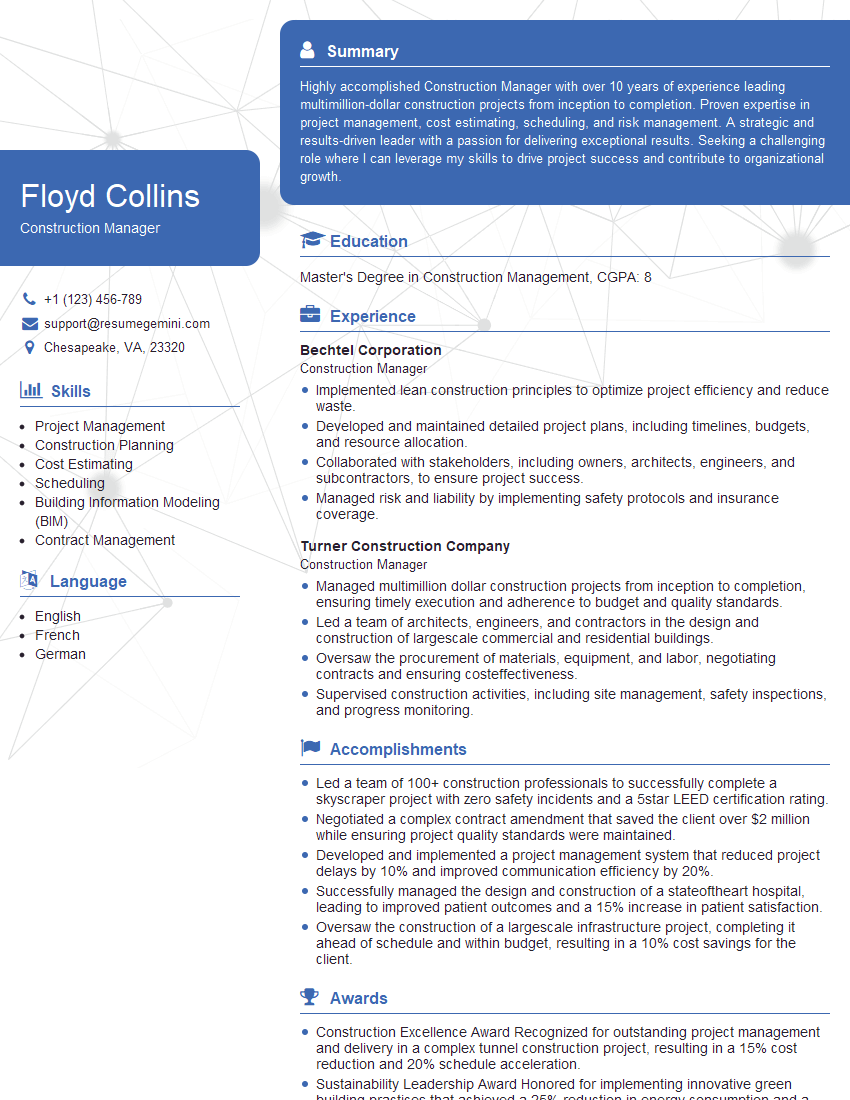
Construction Manager Resume Sample

Engineering Manager Resume Sample

Project Engineer Resume Sample

Civil Engineer Resume Sample
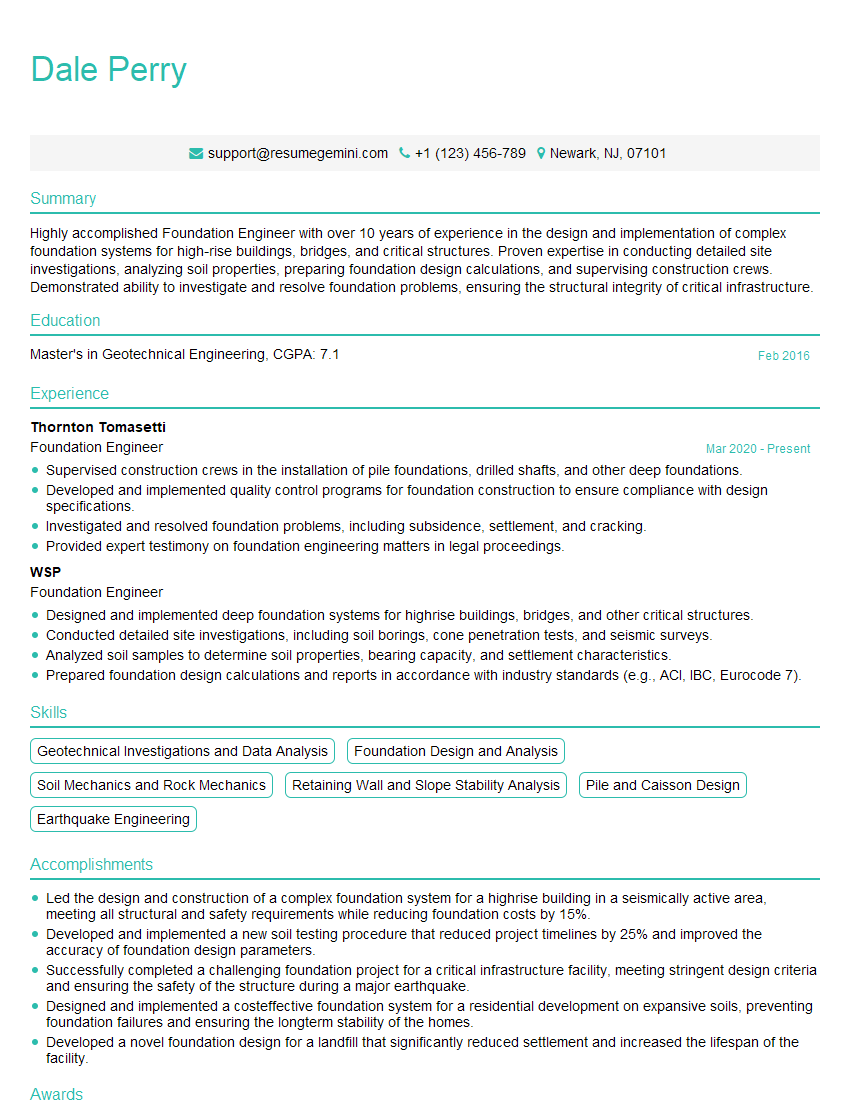
Foundation Engineer Resume Sample
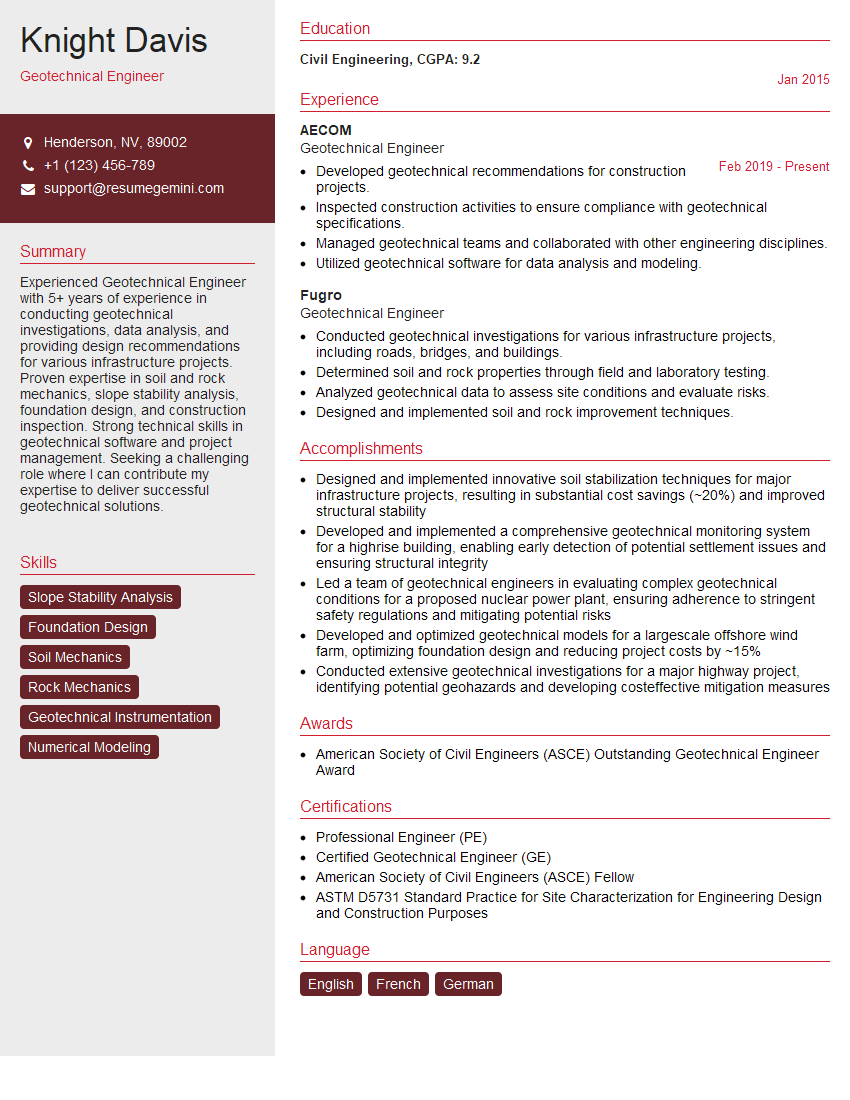
Geotechnical Engineer Resume Sample
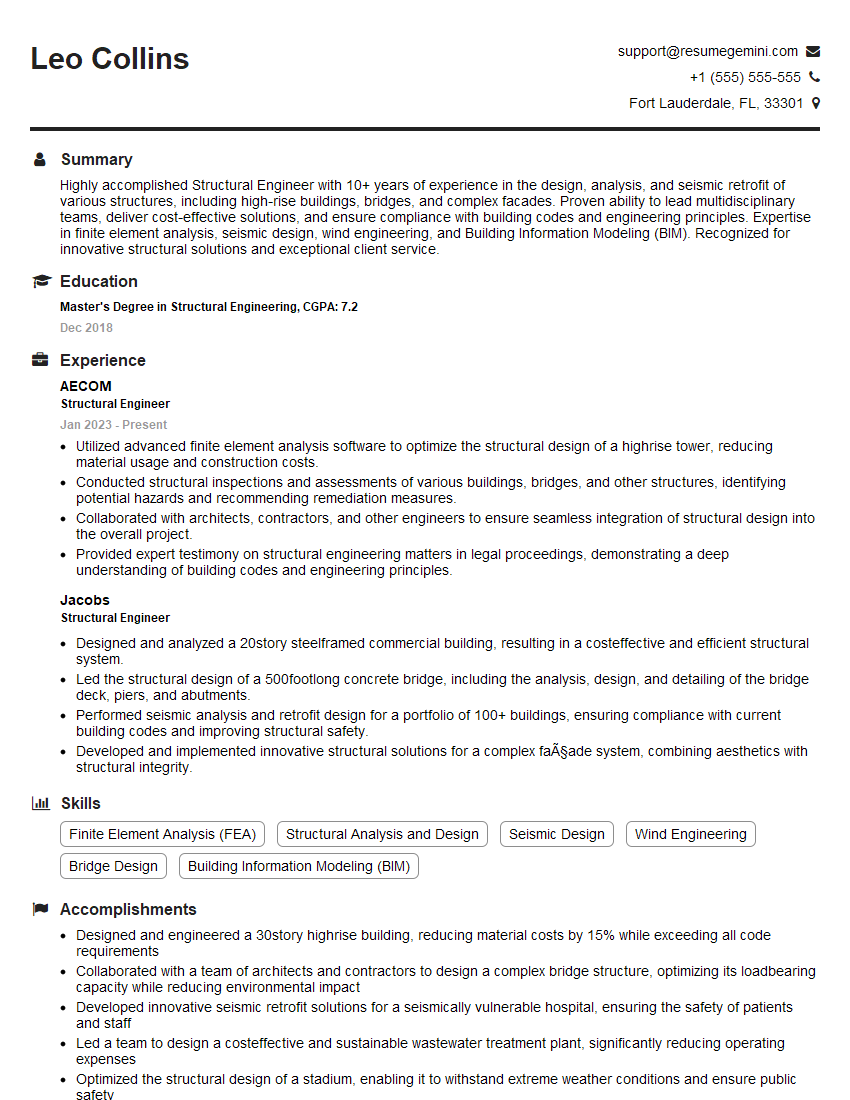
Structural Engineer Resume Sample
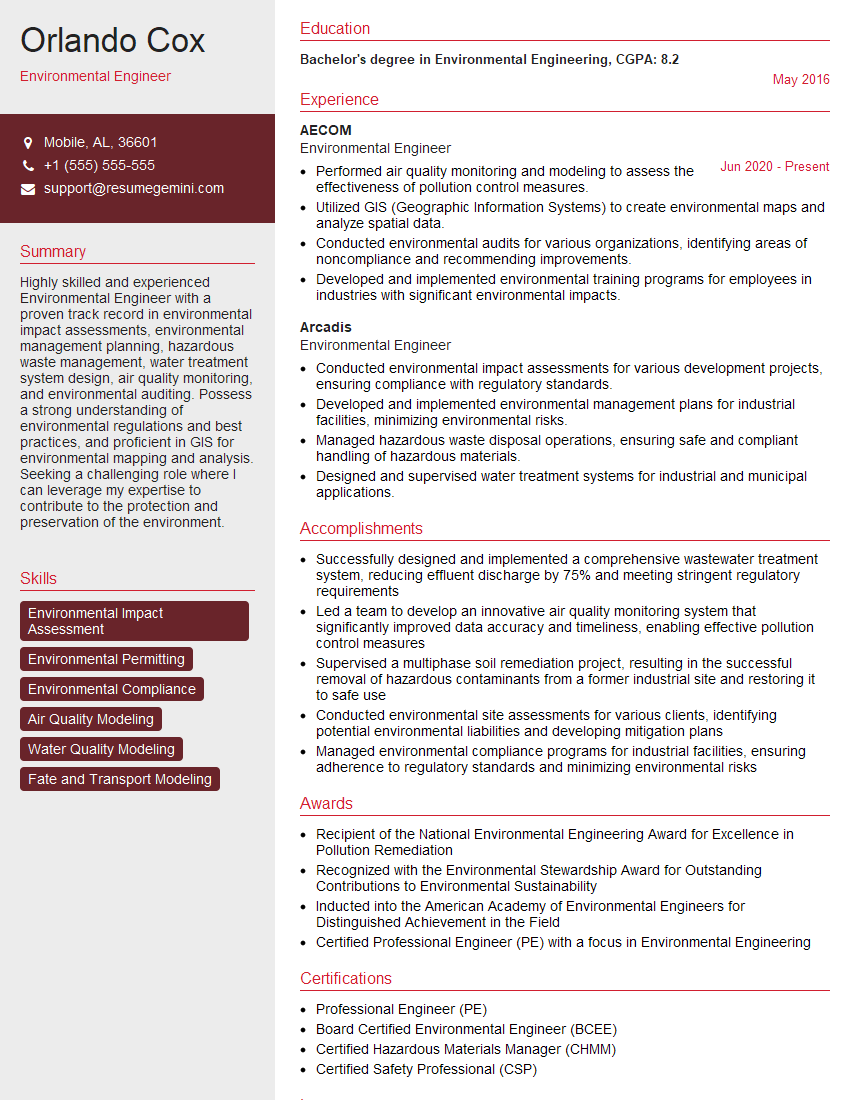
Environmental Engineer Resume Sample
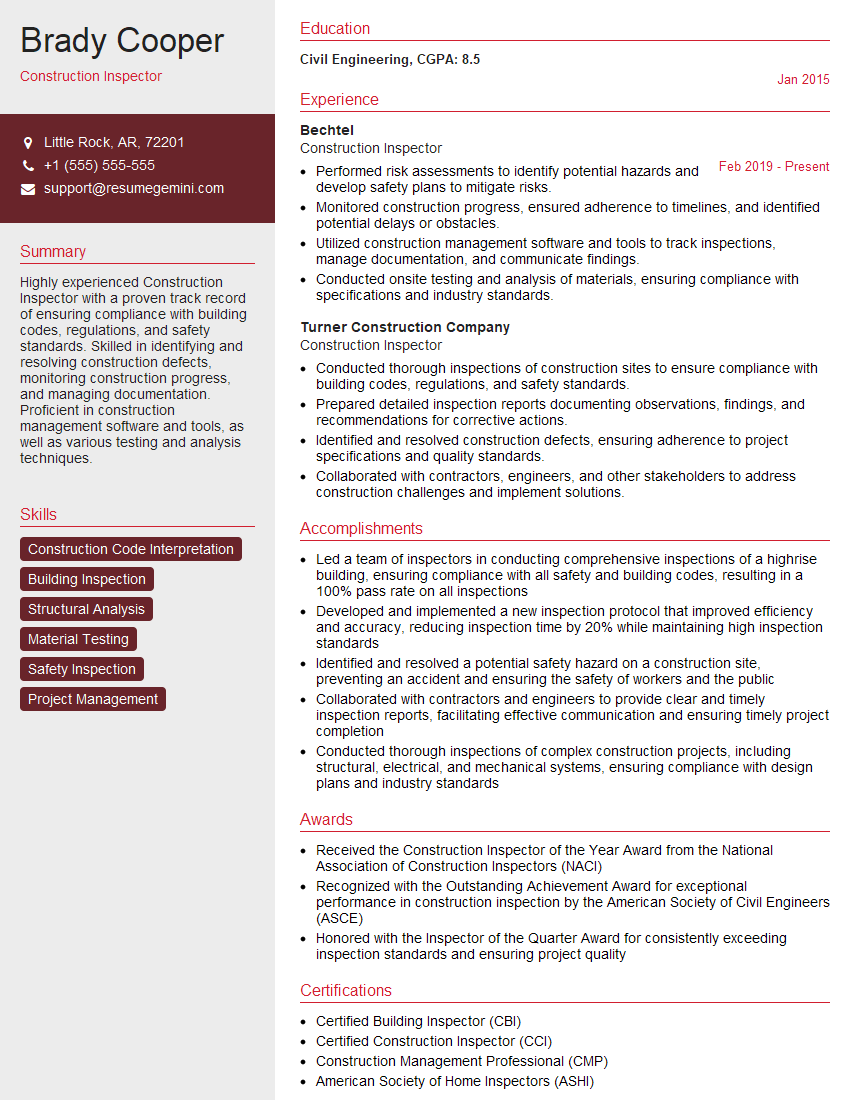
Construction Inspector Resume Sample
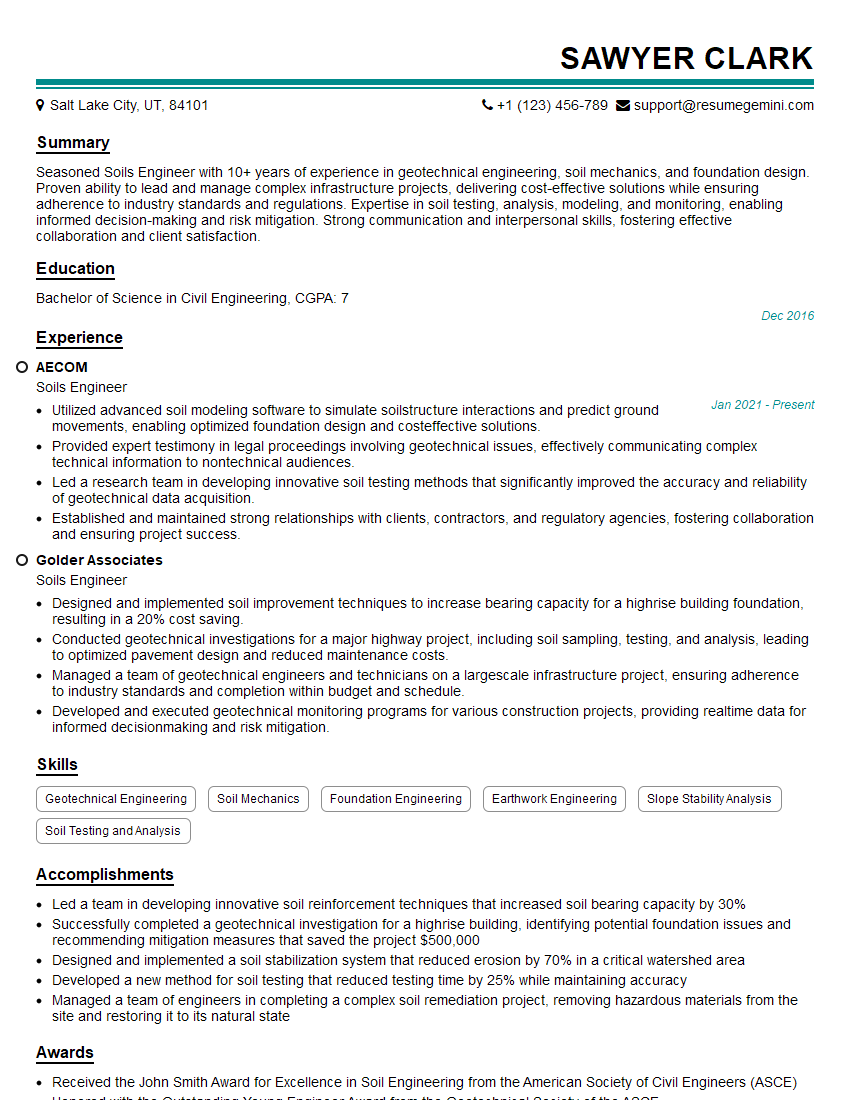
Soils Engineer Resume Sample
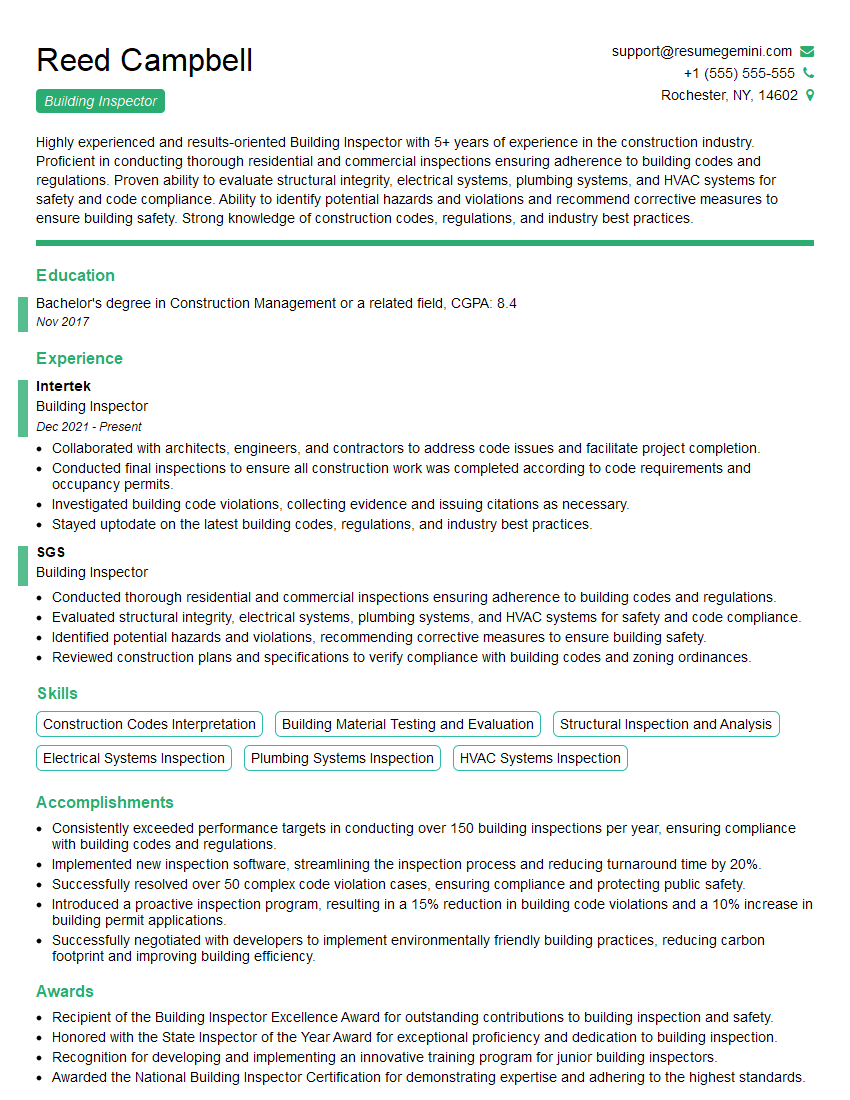
Building Inspector Resume Sample
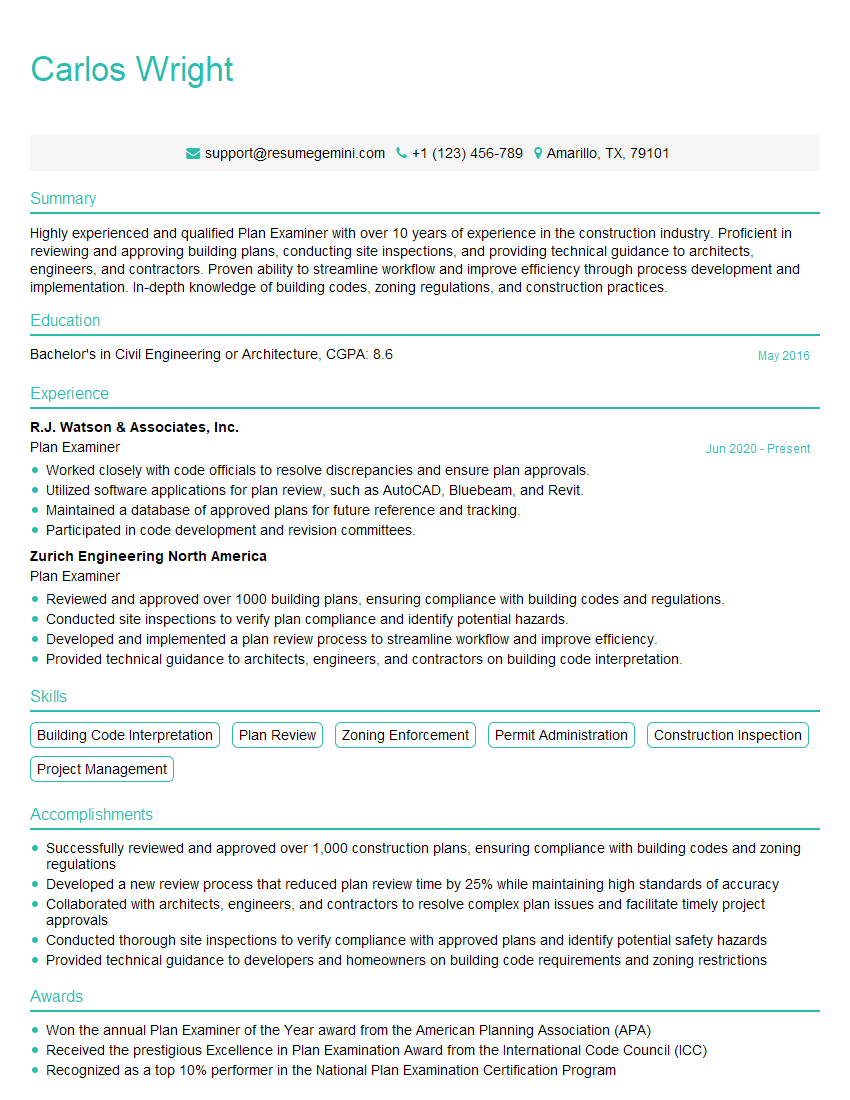
Plan Examiner Resume Sample
Explore more articles
Users Rating of Our Blogs
Share Your Experience
We value your feedback! Please rate our content and share your thoughts (optional).
What Readers Say About Our Blog
Very informative content, great job.
good