Interviews are opportunities to demonstrate your expertise, and this guide is here to help you shine. Explore the essential Soil and Plant Nutrition interview questions that employers frequently ask, paired with strategies for crafting responses that set you apart from the competition.
Questions Asked in Soil and Plant Nutrition Interview
Q 1. Explain the role of macronutrients and micronutrients in plant growth.
Macronutrients and micronutrients are essential elements plants need for healthy growth and development. Macronutrients are required in larger quantities, while micronutrients are needed in smaller amounts, but both are crucial for various metabolic processes.
- Macronutrients: These are the building blocks of plant tissues. They include Nitrogen (N), Phosphorus (P), Potassium (K), Calcium (Ca), Magnesium (Mg), and Sulfur (S). Nitrogen is vital for chlorophyll production (essential for photosynthesis), phosphorus is crucial for root development and flowering, and potassium aids in water regulation and disease resistance. Calcium contributes to cell wall strength, magnesium is a component of chlorophyll, and sulfur is involved in protein synthesis.
- Micronutrients: Although needed in smaller amounts, micronutrients are just as critical as macronutrients. Deficiencies can lead to significant growth problems. Examples include Iron (Fe), Manganese (Mn), Zinc (Zn), Boron (B), Copper (Cu), Molybdenum (Mo), and Chlorine (Cl). These elements act as catalysts in various enzyme systems, impacting photosynthesis, respiration, and other vital functions. For example, iron is critical for chlorophyll synthesis, while zinc plays a role in auxin production (a plant hormone crucial for growth).
Think of it like building a house: macronutrients are the bricks, wood, and cement—the major structural components—while micronutrients are the nails, screws, and electrical wiring—essential for functionality but needed in smaller quantities. A deficiency in either group can severely compromise the structure and function of the ‘plant house’.
Q 2. Describe the different soil textures and their impact on plant health.
Soil texture refers to the relative proportions of sand, silt, and clay particles in the soil. This significantly affects drainage, aeration, water retention, and nutrient availability, all impacting plant health.
- Sandy Soil: Predominantly sand particles. It drains quickly, resulting in poor water retention and nutrient availability. Plants grown in sandy soil may experience drought stress frequently unless irrigated frequently. However, it is generally well-aerated.
- Silty Soil: Contains a balanced mix of sand, silt, and clay particles. It generally has good drainage and water retention properties, providing a relatively favorable environment for plant growth.
- Clay Soil: High proportion of clay particles. It retains water very well but can become waterlogged and poorly aerated, leading to root suffocation and nutrient deficiencies. Drainage is slow, and the soil can become compacted easily.
- Loamy Soil: An ideal soil texture with a balanced mix of sand, silt, and clay. It offers good drainage, aeration, and water retention, creating an optimal environment for plant growth and nutrient availability.
Imagine trying to grow a plant in a sieve (sandy soil) versus a waterlogged sponge (clay soil). A loamy soil represents the ‘Goldilocks’ scenario—just the right balance for healthy plant roots to thrive.
Q 3. How do you diagnose nutrient deficiencies in plants?
Diagnosing nutrient deficiencies involves observing visual symptoms on the plant and potentially confirming it with soil and tissue testing. Visual symptoms vary depending on the deficient nutrient and the plant species.
- Visual Symptoms: Chlorosis (yellowing of leaves) is a common symptom, often associated with nitrogen, iron, and magnesium deficiencies. Necrosis (tissue death) can indicate potassium, calcium, or phosphorus deficiency. Other symptoms include stunted growth, leaf curling, and discoloration.
- Soil Testing: Helps determine the nutrient content in the soil. Low levels of specific nutrients can indicate a potential deficiency. This is a crucial first step to determine whether the deficiency is due to insufficient soil nutrients.
- Plant Tissue Analysis: This involves laboratory analysis of plant tissue samples to determine nutrient concentrations within the plant itself. It’s helpful in confirming a diagnosis suggested by visual symptoms or soil testing and provides more direct evidence of nutrient deficiencies inside the plant.
For example, if a plant shows interveinal chlorosis (yellowing between leaf veins), it may suggest an iron deficiency. However, soil testing is needed to determine if the soil itself lacks iron or if other factors are preventing uptake.
Q 4. Explain the process of soil testing and its importance in plant nutrition.
Soil testing is a crucial process in plant nutrition. It involves collecting soil samples, analyzing them in a laboratory, and interpreting the results to determine nutrient levels, pH, and other soil properties that may influence plant growth.
- Sampling: Soil samples should be collected from several locations across the field or garden to obtain a representative sample. The depth and method of sampling also depend on the specific needs.
- Laboratory Analysis: The samples are sent to a soil testing laboratory for analysis. Common tests measure levels of macronutrients (N, P, K), micronutrients, soil pH, organic matter content, and potentially other elements affecting soil health.
- Interpretation: The laboratory report provides information about the soil’s nutrient levels compared to optimal ranges for specific crops. Based on this information, recommendations are made for fertilizer application.
Soil testing allows for precise fertilizer application, reducing unnecessary fertilizer use and environmental impact. It helps prevent nutrient deficiencies, promotes optimal plant growth, and contributes to sustainable agriculture practices. Without testing, fertilizer application would be guesswork, potentially leading to imbalances or deficiencies.
Q 5. What are the different methods of fertilizer application?
Various methods exist for applying fertilizers, each with its advantages and disadvantages.
- Broadcast Application: Spreading fertilizer evenly over the entire soil surface. It’s suitable for large fields but may lead to inefficient nutrient use due to uneven distribution.
- Band Application: Placing fertilizer in narrow bands near the seed or plant rows. This improves nutrient efficiency by concentrating fertilizer where the roots can readily access it.
- Side-Dressing: Applying fertilizer along the side of rows after plants have emerged. It is useful for supplying nutrients at a later growth stage.
- Foliar Application: Spraying fertilizers directly onto the leaves. This method allows for rapid nutrient uptake but may not be as effective for supplying nutrients required in larger amounts or for providing long-term nourishment.
- Fertigation: Applying fertilizers through irrigation systems. This is a precise and efficient method but requires specialized equipment.
Choosing the appropriate method depends on the type of fertilizer, crop, soil conditions, and available resources. For example, foliar application might be ideal for quick correction of micronutrient deficiencies, whereas band application is suitable for large fields where maximizing nutrient use is key.
Q 6. Discuss the principles of sustainable soil management.
Sustainable soil management focuses on maintaining and improving soil health over the long term, balancing the needs of current agriculture with the needs of future generations. Key principles include:
- No-Till Farming: Minimizing soil disturbance reduces soil erosion, enhances soil structure, and improves water retention. This also helps preserve beneficial soil organisms.
- Crop Rotation: Alternating crops in a field helps prevent pest and disease buildup, improves soil fertility by diversifying nutrient demands, and optimizes resource utilization.
- Cover Cropping: Planting cover crops during fallow periods helps prevent soil erosion, improve soil structure, suppress weeds, and enhance nutrient cycling.
- Organic Matter Management: Incorporating organic matter (e.g., compost, manure) into the soil increases nutrient availability, improves water retention, and supports beneficial soil organisms.
- Integrated Pest Management: Utilizing multiple strategies, including biological control, to manage pests and diseases, reducing reliance on synthetic pesticides.
Sustainable soil management is not only environmentally responsible but also economically advantageous in the long run. Healthy soils contribute to higher yields, reduced input costs, and enhanced resilience to climate change.
Q 7. What are the environmental impacts of excessive fertilizer use?
Excessive fertilizer use has significant environmental impacts, including:
- Water Pollution: Excess nitrogen and phosphorus from fertilizers can run off into surface waters, causing eutrophication (excessive algal growth) which depletes oxygen and harms aquatic life. Nitrate leaching into groundwater can contaminate drinking water supplies.
- Air Pollution: Ammonia volatilization from nitrogen fertilizers contributes to air pollution and acid rain.
- Greenhouse Gas Emissions: The production and use of fertilizers release greenhouse gases, such as nitrous oxide, contributing to climate change.
- Soil Degradation: Excessive fertilizer use can acidify soils, harming soil organisms and reducing soil fertility over the long term. Salt accumulation from excessive fertilization also negatively affects plant growth.
- Biodiversity Loss: The effects of fertilizer runoff, soil acidification, and other related factors can lead to significant losses in biodiversity, both above and below ground.
Sustainable fertilizer management practices, such as soil testing, precise application methods, and the use of organic fertilizers, are crucial to mitigating the negative environmental impacts of fertilizer use.
Q 8. Explain the concept of soil pH and its influence on nutrient availability.
Soil pH refers to the measure of hydrogen ion concentration in the soil solution, expressed on a scale of 0 to 14. A pH of 7 is neutral; below 7 is acidic, and above 7 is alkaline. Soil pH significantly impacts nutrient availability because it affects the solubility and chemical forms of nutrients. For instance, many essential nutrients like phosphorus, iron, manganese, and zinc are more soluble and readily available to plants in slightly acidic to neutral conditions (pH 6.0-7.0). In contrast, at higher pH levels (alkaline), these nutrients can become less soluble, forming insoluble compounds that plants cannot absorb. Conversely, some nutrients, like molybdenum, are more available at higher pH values. Understanding your soil’s pH is crucial for effective fertilizer management. A soil test is the first step to determine the pH and tailor fertilization strategies accordingly. If the pH is too low or too high, amendments like lime (to raise pH) or elemental sulfur (to lower pH) can be used to adjust it to the optimal range for the specific crops being grown. Imagine trying to dissolve sugar in either very acidic lemon juice or very alkaline baking soda – the sugar (nutrient) dissolves better in water (a neutral pH).
Q 9. Describe the role of soil organic matter in plant nutrition.
Soil organic matter (SOM) plays a multifaceted role in plant nutrition. It’s essentially the decomposed or partially decomposed remains of plants, animals, and microorganisms. SOM acts as a slow-release fertilizer, gradually supplying essential nutrients to plants as it decomposes. It improves soil structure by enhancing water infiltration and retention, creating better aeration for root growth. Furthermore, SOM enhances the soil’s cation exchange capacity (CEC), which is its ability to hold onto positively charged nutrients, preventing their leaching and making them available for plant uptake. Think of SOM as a nutrient bank, slowly releasing its treasures to nourish plants. Healthy SOM also promotes beneficial microbial activity in the soil; these microbes help decompose organic matter and make nutrients more available to plants. This is why practices like cover cropping and composting are crucial for maintaining healthy SOM levels and, consequently, improved plant nutrition.
Q 10. How do you manage soil salinity?
Managing soil salinity, the accumulation of soluble salts in the soil, requires a multi-pronged approach. Salinity reduces water availability to plants and can directly damage plant tissues. Strategies include:
- Improved Drainage: Installing drainage systems helps leach excess salts from the soil profile.
- Irrigation Management: Using efficient irrigation techniques like drip or subsurface irrigation reduces the amount of water applied and minimizes salt accumulation. Using higher quality water (less saline) is also crucial.
- Salt-tolerant Crops: Selecting and planting crops that can tolerate higher salt concentrations minimizes the impact of salinity on yield.
- Soil Amendments: Adding organic matter can help improve soil structure and water infiltration, thereby facilitating salt leaching. Certain amendments like gypsum can also help displace sodium ions (a common contributor to salinity) from the soil.
- Regular Soil Testing: Monitoring soil salinity levels allows for timely intervention and prevents severe damage.
The specific management strategies depend on the severity of the salinity problem, the type of soil, and the crops being grown. A holistic approach, combining these techniques, is often necessary to successfully manage salinity.
Q 11. What are the different types of irrigation systems and their suitability for various crops?
Various irrigation systems exist, each with its own advantages and disadvantages. The best choice depends on factors such as crop type, climate, soil conditions, and water availability.
- Flood Irrigation: Water is applied directly to the soil surface, flooding the field. Suitable for level fields and crops tolerant to standing water, but inefficient and can lead to runoff and soil erosion.
- Furrow Irrigation: Water flows through furrows (small channels) between crop rows. More efficient than flood irrigation, but still prone to water loss through runoff and evaporation.
- Drip Irrigation: Water is applied directly to the plant roots through a network of tubes and emitters. Very efficient, minimizes water waste and runoff, ideal for many crops but can be expensive to install.
- Sprinkler Irrigation: Water is sprayed onto the field through sprinklers. Suitable for various crops and soil conditions but more susceptible to water loss through evaporation and wind drift.
- Subsurface Drip Irrigation (SDI): Similar to drip irrigation but with emitters placed below the soil surface. Very efficient, minimizes evaporation losses and weed growth, ideal for crops sensitive to water stress. But installation can be complex.
For example, flood irrigation might be suitable for rice cultivation, while drip irrigation is ideal for high-value crops like tomatoes or berries due to its precision and efficiency.
Q 12. Explain the concept of nutrient cycling in the soil.
Nutrient cycling describes the continuous movement and transformation of nutrients within the soil-plant-atmosphere system. It’s a complex process involving several key steps:
- Mineralization: Organic forms of nutrients (in SOM) are converted into inorganic forms accessible to plants by decomposers (bacteria and fungi).
- Immobilization: Microorganisms take up inorganic nutrients from the soil, converting them back into organic forms within their biomass.
- Uptake: Plants absorb inorganic nutrients through their roots.
- Return to soil: Nutrients are released back to the soil through plant decomposition and other processes (like leaf litter fall).
- Leaching: Nutrients are lost from the soil profile through drainage.
Understanding nutrient cycling helps us manage soil fertility sustainably. Practices like cover cropping, crop rotation, and the incorporation of organic matter enhance nutrient cycling, reducing the need for synthetic fertilizers and promoting soil health. It’s a natural, cyclical process that keeps vital nutrients in the soil available for plants.
Q 13. How do you manage soil erosion?
Soil erosion, the detachment and movement of soil particles by wind or water, is a significant problem. Effective management strategies include:
- Contour Farming: Planting crops along the contours of the land, reducing the speed of water runoff.
- Terracing: Creating level platforms on slopes to reduce water runoff and erosion.
- Cover Cropping: Planting cover crops during fallow periods protects the soil from erosion by wind and water.
- No-Till Farming: Minimizing soil disturbance during planting reduces soil erosion.
- Windbreaks: Planting trees or shrubs to reduce wind speed and erosion.
- Crop Rotation: Including deep-rooted crops in the rotation improves soil structure and reduces erosion.
- Conservation Tillage: Using reduced tillage methods to minimize soil disturbance.
The specific management techniques depend on factors like slope, rainfall intensity, and wind conditions. Often, a combination of these strategies provides the most effective control. For example, contour farming and cover cropping can be highly effective on sloping lands susceptible to water erosion.
Q 14. What are the symptoms of common nutrient deficiencies in various plant species?
Nutrient deficiency symptoms vary depending on the nutrient involved and the plant species. Here are some common examples:
- Nitrogen (N): Stunted growth, chlorosis (yellowing) of older leaves, often starting at the tips and progressing towards the base.
- Phosphorus (P): Dark green or purplish coloration of leaves, stunted growth, delayed maturity.
- Potassium (K): Marginal leaf burn or chlorosis (yellowing or browning of leaf edges), weak stems, susceptibility to disease.
- Iron (Fe): Interveinal chlorosis (yellowing between leaf veins), common in alkaline soils.
- Zinc (Zn): Small leaves, shortened internodes (distance between leaf nodes), often seen as a rosette pattern.
- Magnesium (Mg): Chlorosis between leaf veins, particularly in older leaves.
For example, nitrogen deficiency in corn plants results in pale, yellowish leaves, while potassium deficiency manifests as scorched leaf margins. Accurate diagnosis requires careful observation of symptoms, coupled with soil and tissue testing to confirm nutrient deficiencies. Remember that symptoms can sometimes overlap; therefore, a thorough analysis is crucial for correct diagnosis and remedial measures.
Q 15. Discuss the interaction between soil microbes and plant nutrition.
Soil microbes play a crucial role in plant nutrition, acting as a bridge between the soil and the plant. They influence nutrient availability in several ways.
- Nutrient cycling: Microbes decompose organic matter, releasing essential nutrients like nitrogen, phosphorus, and potassium back into the soil in forms plants can absorb. Think of them as nature’s recyclers! For example, nitrogen-fixing bacteria convert atmospheric nitrogen into a usable form for plants, a process vital for plant growth.
- Nutrient solubilization: Some microbes release enzymes that dissolve insoluble nutrients, making them accessible to plant roots. For instance, phosphorus is often bound to soil particles, but phosphorus-solubilizing bacteria can free it up.
- Mycorrhizal associations: Mycorrhizal fungi form symbiotic relationships with plant roots, dramatically increasing the surface area for nutrient and water uptake. This is particularly important for phosphorus uptake. Imagine the fungi extending the plant’s root system many times over!
- Disease suppression: Beneficial microbes can protect plants from pathogens, preventing nutrient loss due to disease. A healthy soil microbiome is a strong defense against plant diseases, safeguarding the plant’s ability to absorb nutrients effectively.
Understanding these interactions is key to sustainable agriculture. Practices like cover cropping and reduced tillage promote a diverse and healthy soil microbiome, ultimately enhancing plant nutrition and overall soil health.
Career Expert Tips:
- Ace those interviews! Prepare effectively by reviewing the Top 50 Most Common Interview Questions on ResumeGemini.
- Navigate your job search with confidence! Explore a wide range of Career Tips on ResumeGemini. Learn about common challenges and recommendations to overcome them.
- Craft the perfect resume! Master the Art of Resume Writing with ResumeGemini’s guide. Showcase your unique qualifications and achievements effectively.
- Don’t miss out on holiday savings! Build your dream resume with ResumeGemini’s ATS optimized templates.
Q 16. Explain the importance of water management in plant nutrition.
Water is essential for plant nutrition because it acts as a solvent, transporting nutrients from the soil to the plant. Proper water management is crucial for several reasons:
- Nutrient uptake: Water is the medium through which nutrients dissolve and are transported from the soil to the roots. Insufficient water leads to nutrient deficiencies, even if the nutrients are present in the soil.
- Enzyme activity: Many enzyme reactions within the plant, necessary for nutrient metabolism and utilization, require water to function optimally.
- Nutrient availability: Water availability influences the chemical forms of nutrients in the soil, affecting their solubility and plant uptake. For example, excessive water can lead to nutrient leaching, while insufficient water can reduce nutrient availability.
- Photosynthesis: Water is a critical component of photosynthesis, the process by which plants produce energy and carbohydrates, which are then used for growth and nutrient uptake.
Efficient irrigation techniques, such as drip irrigation, can optimize water use and nutrient delivery to plants, minimizing nutrient loss and maximizing yield. Poor water management, on the other hand, can lead to nutrient deficiencies, reduced growth, and yield losses. Think of it like this: a plant needs the right amount of water to effectively ‘drink’ its nutrients from the soil.
Q 17. How do you assess soil health?
Assessing soil health involves evaluating its physical, chemical, and biological properties. It’s not just about nutrient levels but the overall ecosystem functioning.
- Physical assessment: This includes evaluating soil texture (sand, silt, clay), structure (aggregation), water holding capacity, and drainage. Simple tests like feeling the soil’s texture and observing drainage patterns provide initial insights. More sophisticated techniques may involve using a penetrometer to assess soil compaction.
- Chemical assessment: This involves analyzing the soil’s pH, nutrient levels (N, P, K, etc.), organic matter content, and salinity. Soil testing laboratories provide this service using standardized methods.
- Biological assessment: This focuses on the soil’s microbial community, including bacteria, fungi, and other organisms. Techniques include measuring microbial biomass, enzyme activity, and the diversity of microbial communities. It can involve direct observation under a microscope or advanced molecular methods.
A holistic approach combining these aspects is crucial. For example, healthy soil typically has good aggregation, high organic matter, a balanced nutrient profile, and a diverse microbial community. By monitoring these indicators over time, farmers can effectively manage soil health and improve plant nutrition.
Q 18. Describe the different types of soil amendments and their applications.
Soil amendments improve soil properties and enhance plant growth. They can be organic or inorganic.
- Organic amendments: These include compost, manure, cover crops, and biochar. They improve soil structure, water holding capacity, and nutrient availability. Compost, for instance, adds organic matter, improving soil fertility and microbial activity. Manure provides nutrients and improves soil structure. Cover crops improve soil health by preventing erosion and adding organic matter.
- Inorganic amendments: These are primarily fertilizers providing specific nutrients like nitrogen, phosphorus, and potassium. Inorganic fertilizers provide a readily available source of nutrients but may not improve soil health in the same way as organic amendments. Examples include urea (nitrogen), triple superphosphate (phosphorus), and muriate of potash (potassium).
The choice of amendment depends on the specific soil needs and the desired outcome. For instance, sandy soils might benefit from organic amendments to improve water retention, while nutrient-deficient soils may require inorganic fertilizers to address specific nutrient limitations. A balanced approach, integrating both organic and inorganic amendments, often yields the best results.
Q 19. What are the challenges of precision agriculture in soil and plant nutrition?
Precision agriculture aims to optimize resource use, including fertilizers, by applying inputs based on site-specific needs. However, several challenges exist:
- High initial investment costs: Precision agriculture requires specialized equipment (GPS, sensors, data management systems) and software, making it expensive for small-scale farmers.
- Data management and analysis: Collecting and interpreting the vast amounts of data generated requires expertise and sophisticated software. Data accuracy is crucial for decision making and any errors can significantly impact results.
- Variable soil and environmental conditions: Soil properties and environmental factors can change rapidly, making it challenging to create consistently accurate maps and prescriptions. Weather events can drastically alter conditions, requiring quick adjustments.
- Sensor limitations: Sensors may not always accurately reflect the actual nutrient status of the plant or soil. Environmental factors can interfere with sensor readings.
Overcoming these challenges requires advancements in sensor technology, improved data management techniques, accessible software, and affordable equipment to ensure wider adoption of precision agriculture practices. Collaboration and knowledge sharing are also essential.
Q 20. Explain the use of remote sensing in assessing plant nutrient status.
Remote sensing utilizes sensors on satellites, airplanes, or drones to collect data about crops and soil. This data can be analyzed to assess plant nutrient status.
- Spectral reflectance: Different plant nutrient levels affect the way plants reflect light at various wavelengths. Sensors measure this spectral reflectance, and specific wavelengths are correlated with nutrient deficiencies. For example, nitrogen deficiency often leads to a decrease in chlorophyll, resulting in lower reflectance in the green wavelengths.
- Multispectral and hyperspectral imagery: Multispectral sensors measure reflectance in several discrete wavelengths, while hyperspectral sensors measure reflectance across a continuous spectrum. Hyperspectral imaging provides more detailed information and can detect subtle changes in plant health indicators related to nutrient status.
- Data analysis: Sophisticated algorithms and software are used to process the remote sensing data and create maps showing the spatial distribution of nutrient deficiencies or excesses. These maps can guide site-specific fertilizer applications.
Remote sensing offers a rapid, cost-effective way to assess plant nutrient status over large areas, complementing traditional soil and plant tissue sampling methods. It facilitates timely interventions, allowing farmers to address nutrient deficiencies before they significantly impact crop yields.
Q 21. Discuss the role of mycorrhizae in plant nutrient uptake.
Mycorrhizae are symbiotic fungi that form associations with plant roots. They play a crucial role in enhancing plant nutrient uptake, particularly phosphorus.
- Increased surface area: Mycorrhizal fungi extend the plant’s root system dramatically, greatly increasing the surface area available for nutrient and water absorption from the soil. Imagine the fungi acting as tiny extensions of the plant’s root system, exploring a much larger volume of soil.
- Phosphorus uptake: Mycorrhizae are particularly effective at solubilizing and absorbing phosphorus from the soil, a nutrient often unavailable to plants in its bound forms. They efficiently transfer phosphorus to the plant, improving phosphorus nutrition.
- Other nutrient uptake: While most effective for phosphorus, mycorrhizae also facilitate the uptake of other nutrients like nitrogen, potassium, and micronutrients. They act as a natural nutrient transporter.
- Improved drought tolerance: Mycorrhizae improve plant water uptake, enhancing drought tolerance. This indirect effect also improves nutrient uptake as water acts as the solvent for nutrient transport.
Promoting mycorrhizal colonization through sustainable soil management practices is crucial for improving plant nutrition. Techniques like avoiding excessive tillage and using organic amendments enhance mycorrhizal growth and activity. These fungi are a vital part of a healthy soil ecosystem.
Q 22. How do you interpret soil test results?
Interpreting soil test results involves more than just looking at the numbers; it requires understanding the context. A soil test provides a snapshot of the nutrient levels (like nitrogen, phosphorus, potassium, etc.), pH, and organic matter content in your soil. Think of it as a health check-up for your soil. You wouldn’t just look at a blood test result without understanding what the different values mean, right?
Here’s a step-by-step approach:
- Understand the units: Soil test reports use various units (ppm, lbs/acre, kg/ha). Familiarize yourself with the units used in your report.
- Compare to critical levels: Your report will usually provide critical levels or ranges for each nutrient. These ranges indicate the minimum nutrient concentrations needed for optimal plant growth. Values below these ranges suggest potential deficiencies, while excessively high values might indicate toxicities or imbalances.
- Consider soil texture and organic matter: The soil’s physical properties influence nutrient availability. Sandy soils, for example, have lower nutrient retention than clay soils. High organic matter improves nutrient availability and overall soil health.
- Assess nutrient ratios: Look at the balance among nutrients. An imbalance (e.g., high nitrogen but low potassium) can limit plant growth even if individual levels aren’t severely deficient.
- Consult with an expert: While the report provides valuable information, consulting with a soil scientist or agronomist helps you interpret the results in the context of your specific crops, climate, and management practices. They can offer tailored recommendations.
Example: A soil test shows low phosphorus (P) levels and a slightly acidic pH. This indicates the need for phosphorus fertilization, potentially along with liming to raise the pH and improve P availability.
Q 23. What are the best practices for managing nitrogen fertilizer to minimize environmental impact?
Nitrogen (N) is crucial for plant growth, but its mismanagement leads to significant environmental problems, including water pollution (eutrophication) and greenhouse gas emissions (nitrous oxide). Effective N management requires a holistic approach focusing on minimizing losses and maximizing uptake by plants.
Best practices include:
- Soil testing: Determine the existing N levels and adjust fertilizer application accordingly. Avoid over-fertilization.
- Split application: Apply N in smaller amounts at different growth stages, rather than a single large application. This ensures N is available when plants need it most and reduces losses through leaching or volatilization.
- Use efficient N fertilizers: Choose slow-release or controlled-release fertilizers, which minimize N losses and enhance nutrient use efficiency. Urea, for example, has a high potential for ammonia volatilization.
- Cover crops: Planting cover crops can improve soil health, increase organic matter, and reduce N leaching. Some cover crops actively fix atmospheric N into the soil.
- Precision agriculture: Utilize technology like variable rate fertilization to apply N based on the specific needs of different areas within a field, optimizing application and minimizing environmental impact.
- Integrated pest management: Healthy crops are more efficient at nutrient uptake. Effective pest and disease management minimizes losses due to crop damage.
Example: Instead of applying 100 kg N/ha at once, a split application might involve applying 30 kg/ha before planting, 40 kg/ha at mid-season, and 30 kg/ha later.
Q 24. Explain the concept of nutrient use efficiency.
Nutrient use efficiency (NUE) refers to how effectively plants utilize applied nutrients for growth and yield. It’s a crucial concept for sustainable agriculture, aiming to maximize crop production while minimizing fertilizer inputs and environmental impact. Imagine it as the ‘bang for your buck’ when it comes to fertilizer.
NUE encompasses two main components:
- Nutrient uptake efficiency (NUpE): The plant’s ability to absorb nutrients from the soil.
- Nutrient utilization efficiency (NUtE): The plant’s ability to convert the absorbed nutrients into biomass (leaves, stems, roots, and fruits).
Improving NUE involves optimizing various factors, including selecting nutrient-efficient crop varieties, improving soil health, employing precision agriculture techniques, and utilizing nutrient management strategies.
Example: Two farmers apply the same amount of nitrogen fertilizer. Farmer A’s crops show better growth and yield, indicating higher NUE due to better soil conditions and/or plant variety.
Q 25. Discuss the factors influencing nutrient uptake by plants.
Nutrient uptake by plants is a complex process influenced by a multitude of factors:
- Nutrient availability in the soil: The concentration and forms of nutrients in the soil solution, influenced by pH, organic matter, and soil texture.
- Plant factors: The plant’s genetic makeup (some varieties are more efficient nutrient absorbers), root system development, and growth stage.
- Environmental factors: Temperature, moisture, light, and oxygen availability in the soil significantly affect nutrient uptake. Water stress, for instance, can impair nutrient transport.
- Soil microorganisms: Beneficial soil microbes (like mycorrhizae) enhance nutrient uptake by increasing the surface area for nutrient absorption.
- Soil pH: The soil pH affects the solubility and availability of various nutrients. For example, phosphorus availability is reduced under acidic conditions.
- Nutrient interactions: The uptake of one nutrient can influence the uptake of others. For example, excessive potassium can reduce magnesium uptake.
Example: In drought conditions, plant roots may struggle to absorb sufficient nutrients, even if the soil contains adequate nutrient levels. This highlights the interplay of environmental and plant factors in nutrient uptake.
Q 26. What are the challenges associated with using organic fertilizers?
Organic fertilizers, derived from natural sources like compost, manure, and seaweed, offer several benefits, but they also present challenges:
- Nutrient variability: The nutrient content of organic fertilizers can vary significantly depending on the source material and composting process. This makes precise nutrient management more difficult compared to synthetic fertilizers with consistent nutrient composition.
- Slow nutrient release: Organic fertilizers release nutrients more slowly than synthetic fertilizers. This can be advantageous in terms of preventing nutrient leaching but might result in slower plant growth, particularly during critical growth stages.
- Potential for contamination: Organic fertilizers can carry pathogens, weed seeds, or heavy metals if not properly managed. This poses a risk to crop health and soil quality.
- Cost and availability: Organic fertilizers can be more expensive and less readily available than synthetic fertilizers, especially in certain regions.
- Storage and handling: Proper storage and handling are crucial to prevent nutrient losses and maintain quality. Compost, for example, can lose nitrogen through volatilization if not stored correctly.
Example: A farmer using composted manure might experience slower initial growth but potentially improved long-term soil health compared to a farmer solely relying on synthetic fertilizers. However, the farmer using manure needs to carefully manage the application to avoid contamination risks.
Q 27. How do you address nutrient imbalances in the soil?
Addressing nutrient imbalances involves a multi-pronged approach that focuses on both correcting the imbalance and preventing its recurrence.
Steps to address nutrient imbalances:
- Accurate diagnosis: Conduct thorough soil testing to identify specific nutrient deficiencies or excesses.
- Targeted fertilization: Apply fertilizers containing the deficient nutrients. For example, if potassium (K) is low, apply a potassium-rich fertilizer.
- Soil amendments: Use soil amendments like lime to raise pH if necessary, improving the availability of certain nutrients. Gypsum can help improve soil structure and nutrient availability.
- Crop rotation: Implementing diverse crop rotations can improve soil health and nutrient balance over time. Legumes, for instance, fix atmospheric nitrogen, benefiting subsequent crops.
- Organic matter management: Increasing organic matter content through the application of compost, manure, or cover crops improves nutrient retention and availability.
- Adjust irrigation practices: Avoid over-irrigation, which can lead to leaching of nutrients. Efficient irrigation practices can improve nutrient uptake by plants.
Example: If a soil test reveals a high level of sodium (Na) and low levels of calcium (Ca), applying gypsum (calcium sulfate) can help displace the sodium and improve calcium availability, addressing the imbalance.
Q 28. Describe the use of biostimulants in improving plant nutrition.
Biostimulants are substances that, when applied to plants, enhance nutrition uptake, improve stress tolerance, and stimulate growth. Unlike fertilizers which provide nutrients, biostimulants improve the plant’s ability to access and utilize available nutrients. Think of them as enhancing the plant’s digestive system.
Mechanisms of action:
- Improved nutrient uptake: Biostimulants can enhance root development, making it easier for plants to absorb nutrients from the soil. Some biostimulants promote the activity of beneficial soil microbes, further improving nutrient availability.
- Enhanced stress tolerance: Biostimulants can help plants better cope with environmental stresses such as drought, salinity, or extreme temperatures. This indirect effect enhances the plant’s ability to efficiently utilize available nutrients.
- Improved photosynthesis and metabolism: Some biostimulants can stimulate plant metabolic processes, leading to improved photosynthesis and overall growth.
Examples of biostimulants: Seaweed extracts, humic and fulvic acids, amino acids, and beneficial microorganisms. These are applied through various methods, including foliar sprays or soil drenching.
Example: Applying a seaweed extract biostimulant to drought-stressed plants may improve their nutrient uptake and enhance their resilience to water stress, leading to better overall growth even under limiting conditions.
Key Topics to Learn for Soil and Plant Nutrition Interview
- Soil Chemistry: Understanding soil pH, cation exchange capacity (CEC), nutrient availability, and buffering capacity. Practical application: Diagnosing nutrient deficiencies based on soil test results.
- Nutrient Uptake and Transport: Mechanisms of nutrient uptake by plant roots, translocation within the plant, and factors influencing these processes. Practical application: Designing fertilization strategies to maximize nutrient use efficiency.
- Essential Plant Nutrients: Roles of macronutrients (N, P, K, Ca, Mg, S) and micronutrients (Fe, Mn, Zn, Cu, B, Mo, Cl) in plant growth and development. Practical application: Identifying nutrient deficiency symptoms in plants and recommending corrective measures.
- Fertilization Strategies: Principles of fertilizer application, including timing, placement, and rate. Practical application: Developing site-specific nutrient management plans.
- Soil Health and Sustainability: Importance of soil organic matter, microbial communities, and sustainable soil management practices. Practical application: Implementing strategies to improve soil health and reduce environmental impacts of fertilization.
- Plant Analysis and Diagnostics: Interpreting plant tissue analysis data to diagnose nutrient deficiencies and excesses. Practical application: Using diagnostic tools to optimize fertilization programs.
- Advanced Topics (for technical interviews): Nutrient cycling, isotopic tracing, plant-microbe interactions related to nutrient acquisition, modeling nutrient uptake and transport.
Next Steps
Mastering Soil and Plant Nutrition opens doors to rewarding careers in agriculture, environmental science, and research. A strong understanding of these principles is crucial for success in roles requiring expertise in crop production, sustainable agriculture, and environmental management. To significantly boost your job prospects, create an ATS-friendly resume that highlights your skills and experience effectively. ResumeGemini is a trusted resource that can help you build a professional resume tailored to your specific needs. Examples of resumes tailored to Soil and Plant Nutrition are available to guide you. Invest in crafting a compelling resume; it’s your first impression on potential employers.

Farm Manager Resume Sample

Greenhouse Manager Resume Sample

Nursery Manager Resume Sample

Agronomist Resume Sample

Plant Physiologist Resume Sample

Soil Scientist Resume Sample

Soil Conservationist Resume Sample

Agricultural Researcher Resume Sample

Agricultural Technician Resume Sample
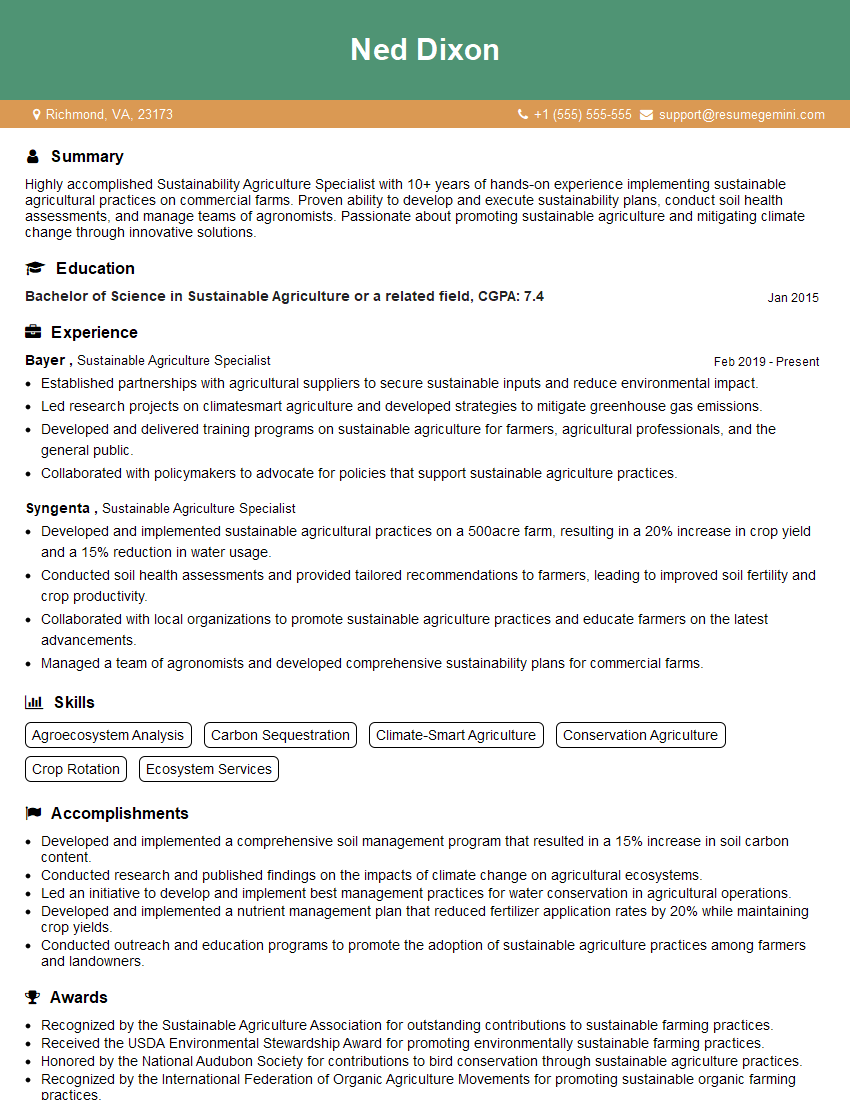
Sustainable Agriculture Specialist Resume Sample

Precision Agriculture Specialist Resume Sample

Soil Fertility Specialist Resume Sample
Explore more articles
Users Rating of Our Blogs
Share Your Experience
We value your feedback! Please rate our content and share your thoughts (optional).
What Readers Say About Our Blog
Attention music lovers!
Wow, All the best Sax Summer music !!!
Spotify: https://open.spotify.com/artist/6ShcdIT7rPVVaFEpgZQbUk
Apple Music: https://music.apple.com/fr/artist/jimmy-sax-black/1530501936
YouTube: https://music.youtube.com/browse/VLOLAK5uy_noClmC7abM6YpZsnySxRqt3LoalPf88No
Other Platforms and Free Downloads : https://fanlink.tv/jimmysaxblack
on google : https://www.google.com/search?q=22+AND+22+AND+22
on ChatGPT : https://chat.openai.com?q=who20jlJimmy20Black20Sax20Producer
Get back into the groove with Jimmy sax Black
Best regards,
Jimmy sax Black
www.jimmysaxblack.com
Hi I am a troller at The aquatic interview center and I suddenly went so fast in Roblox and it was gone when I reset.
Hi,
Business owners spend hours every week worrying about their website—or avoiding it because it feels overwhelming.
We’d like to take that off your plate:
$69/month. Everything handled.
Our team will:
Design a custom website—or completely overhaul your current one
Take care of hosting as an option
Handle edits and improvements—up to 60 minutes of work included every month
No setup fees, no annual commitments. Just a site that makes a strong first impression.
Find out if it’s right for you:
https://websolutionsgenius.com/awardwinningwebsites
Hello,
we currently offer a complimentary backlink and URL indexing test for search engine optimization professionals.
You can get complimentary indexing credits to test how link discovery works in practice.
No credit card is required and there is no recurring fee.
You can find details here:
https://wikipedia-backlinks.com/indexing/
Regards
NICE RESPONSE TO Q & A
hi
The aim of this message is regarding an unclaimed deposit of a deceased nationale that bears the same name as you. You are not relate to him as there are millions of people answering the names across around the world. But i will use my position to influence the release of the deposit to you for our mutual benefit.
Respond for full details and how to claim the deposit. This is 100% risk free. Send hello to my email id: lukachachibaialuka@gmail.com
Luka Chachibaialuka
Hey interviewgemini.com, just wanted to follow up on my last email.
We just launched Call the Monster, an parenting app that lets you summon friendly ‘monsters’ kids actually listen to.
We’re also running a giveaway for everyone who downloads the app. Since it’s brand new, there aren’t many users yet, which means you’ve got a much better chance of winning some great prizes.
You can check it out here: https://bit.ly/callamonsterapp
Or follow us on Instagram: https://www.instagram.com/callamonsterapp
Thanks,
Ryan
CEO – Call the Monster App
Hey interviewgemini.com, I saw your website and love your approach.
I just want this to look like spam email, but want to share something important to you. We just launched Call the Monster, a parenting app that lets you summon friendly ‘monsters’ kids actually listen to.
Parents are loving it for calming chaos before bedtime. Thought you might want to try it: https://bit.ly/callamonsterapp or just follow our fun monster lore on Instagram: https://www.instagram.com/callamonsterapp
Thanks,
Ryan
CEO – Call A Monster APP
To the interviewgemini.com Owner.
Dear interviewgemini.com Webmaster!
Hi interviewgemini.com Webmaster!
Dear interviewgemini.com Webmaster!
excellent
Hello,
We found issues with your domain’s email setup that may be sending your messages to spam or blocking them completely. InboxShield Mini shows you how to fix it in minutes — no tech skills required.
Scan your domain now for details: https://inboxshield-mini.com/
— Adam @ InboxShield Mini
support@inboxshield-mini.com
Reply STOP to unsubscribe
Hi, are you owner of interviewgemini.com? What if I told you I could help you find extra time in your schedule, reconnect with leads you didn’t even realize you missed, and bring in more “I want to work with you” conversations, without increasing your ad spend or hiring a full-time employee?
All with a flexible, budget-friendly service that could easily pay for itself. Sounds good?
Would it be nice to jump on a quick 10-minute call so I can show you exactly how we make this work?
Best,
Hapei
Marketing Director
Hey, I know you’re the owner of interviewgemini.com. I’ll be quick.
Fundraising for your business is tough and time-consuming. We make it easier by guaranteeing two private investor meetings each month, for six months. No demos, no pitch events – just direct introductions to active investors matched to your startup.
If youR17;re raising, this could help you build real momentum. Want me to send more info?
Hi, I represent an SEO company that specialises in getting you AI citations and higher rankings on Google. I’d like to offer you a 100% free SEO audit for your website. Would you be interested?
Hi, I represent an SEO company that specialises in getting you AI citations and higher rankings on Google. I’d like to offer you a 100% free SEO audit for your website. Would you be interested?