Preparation is the key to success in any interview. In this post, we’ll explore crucial Soldering and Mechanical Assembly interview questions and equip you with strategies to craft impactful answers. Whether you’re a beginner or a pro, these tips will elevate your preparation.
Questions Asked in Soldering and Mechanical Assembly Interview
Q 1. What types of soldering techniques are you proficient in?
I’m proficient in several soldering techniques, adapting my approach to the specific components and application. These include:
- Through-hole soldering: This classic method involves soldering components with leads that pass through the printed circuit board (PCB). I’m experienced with various techniques, including hand soldering with different iron types and using specialized equipment like wave soldering for high-volume production.
- Surface mount technology (SMT) soldering: I’m skilled in various SMT soldering techniques including using hot air rework stations for reflow soldering, which involves melting solder paste to simultaneously join multiple surface mount components. I also frequently use manual soldering techniques such as iron soldering for smaller or more delicate SMT components.
- Soldering with different solder types: I’m familiar with different solder alloys, such as lead-free solder (SnPb) and leaded solder (Sn63Pb37), understanding their melting points and properties for optimal joint quality.
My experience encompasses both manual soldering for prototyping and repair, and automated soldering for larger-scale production runs. I can adjust my technique depending on the materials, component size, and required precision.
Q 2. Explain the difference between through-hole and surface mount technology (SMT).
Through-hole technology (THT) and surface mount technology (SMT) represent two distinct approaches to component placement and soldering on a PCB. Think of it like building with LEGOs: THT is like using larger bricks with visible studs, while SMT uses smaller, flat bricks that sit flush on the surface.
- Through-hole technology (THT): Components in THT have leads that extend through the PCB, with solder connecting the leads to pads on both sides of the board. This offers mechanical strength and is often easier for beginners to solder, but it makes for a bulkier design and is less efficient for high-density PCBs.
- Surface mount technology (SMT): SMT components have flat, solderable pads on their underside and attach directly to the surface of the PCB. This allows for higher component density, smaller device size, and better signal performance due to reduced trace lengths. However, SMT soldering demands more precision and specialized equipment.
The choice between THT and SMT depends on factors such as the design requirements, production volume, and cost considerations. Many modern devices use a combination of both technologies.
Q 3. Describe your experience with various soldering irons and their applications.
My experience spans various soldering irons, each suited for different applications. The ideal iron depends on the size and type of component being soldered.
- Pencil soldering irons: These are versatile and commonly used for general-purpose through-hole and small SMT components. I’ve extensively used these irons with different wattage settings to control heat input based on the size and material of the component. A 25W iron is common for many applications, but I can also adjust according to the job.
- Soldering stations: These offer precise temperature control and are crucial for delicate SMT work. I’ve used stations with various iron tips, allowing for optimized heat transfer to different components, preventing damage during the soldering process.
- Hot air rework stations: Essential for reflow soldering of SMT components, these allow for even heat distribution across multiple components. I’m proficient in selecting appropriate airflow and temperature profiles for various applications. Experience with various nozzle sizes also allows me to target components and solder efficiently.
In choosing an iron, I carefully consider factors like wattage, temperature control, tip size, and ergonomics for optimal soldering quality and operator comfort. I’ve found that investing in good quality tools significantly increases efficiency and reduces the risk of solder defects.
Q 4. How do you identify and prevent solder bridges?
Solder bridges, or unwanted solder connections between adjacent pads, are a common soldering defect. Identifying them requires keen observation. Magnification (a microscope or magnifying glass) is very helpful for spotting these minute connections, especially in densely populated PCBs.
Prevention involves several strategies:
- Proper solder application technique: Applying the solder to the pad and not across multiple pads prevents bridging. Good posture, use of proper lighting, and magnification all help.
- Using appropriate solder quantity: Too much solder greatly increases the likelihood of bridging. Use only the minimum necessary amount.
- Maintaining clean working area: Dust, debris, and flux residue can contribute to bridging. Clean your workspace and PCB regularly.
- Appropriate flux use: The right flux helps in soldering, and the wrong flux (or too much) can cause problems.
- Proper temperature control: Incorrect iron temperature can lead to uneven solder flow, which increases the chances of bridges.
For repairing solder bridges, I carefully use a solder braid or wick to absorb the excess solder, followed by a visual inspection to ensure the bridge is completely removed. Then the proper solder joints are re-done.
Q 5. What are the common causes of cold solder joints and how do you rectify them?
Cold solder joints are weak, dull-looking connections that often result from insufficient heat or improper technique. They don’t provide a good electrical or mechanical connection, leading to intermittent failures or complete component malfunction.
Common causes include:
- Insufficient heat: The solder doesn’t melt properly, resulting in a poor bond.
- Poor component placement: Components not seated correctly before soldering result in poor contact.
- Contaminated surfaces: Oxidation or residue on the components or PCB prevents proper solder wetting.
- Incorrect solder type or amount: Using an inappropriate solder alloy or applying too little solder can create cold joints.
Rectifying cold solder joints: The first step is to identify and remove the faulty joint using solder wick. The component then needs to be reheated to the correct temperature and then resoldered using correct technique. If this doesn’t work, the component might need to be replaced. I always thoroughly inspect the repaired joint to ensure a strong, shiny, and properly formed connection is made.
Q 6. Explain the importance of flux in soldering.
Flux plays a crucial role in soldering by acting as a cleaning agent and a wetting agent. Think of it as a helper that improves the quality of the connection. It’s essential for achieving strong, reliable solder joints.
- Cleaning: Flux removes oxides and contaminants from the metal surfaces (the component lead and PCB pad), allowing for better solder wetting. This ensures that the solder adheres properly and creates a strong bond.
- Wetting: Flux helps the molten solder flow smoothly and evenly onto the surfaces, ensuring complete coverage and a robust connection. This prevents air bubbles from forming during soldering and ensures the solder wets both the components to create a reliable joint.
Different types of flux exist, each suitable for different applications. Choosing the right flux is important; some leave residues that need to be cleaned after soldering while others are designed to be no-clean.
Q 7. What safety precautions do you follow while soldering?
Safety is paramount during soldering. I always follow these precautions:
- Ventilation: Soldering fumes can be harmful, so I always work in a well-ventilated area or use a fume extractor.
- Eye protection: Safety glasses or a face shield protects against solder splatter or fumes.
- Heat protection: I use appropriate heat-resistant gloves and clothing to protect against burns.
- Fire safety: I ensure flammable materials are kept away from the workspace.
- Proper grounding: Grounding prevents static electricity, which can damage components.
- Work surface cleanliness: A clean workspace prevents accidents and makes for easier and more efficient work.
- Handling of potentially hazardous materials: I handle lead-containing solders responsibly and carefully dispose of hazardous materials according to appropriate regulations.
I regularly review safety procedures and stay updated on best practices to ensure a safe working environment. The goal is to make certain the soldering process remains hazard free for both myself and the environment.
Q 8. How do you inspect soldered joints for quality?
Inspecting soldered joints for quality is crucial for ensuring the reliability and longevity of any electronic assembly. It involves a multi-pronged approach combining visual inspection with sometimes more advanced techniques.
Visual Inspection: This is the first and often most important step. I look for several key characteristics:
- Full Coverage: The solder should completely wet both the lead and the pad, creating a smooth, concave meniscus (a slightly curved surface).
- Proper Joint Shape: The joint should be smooth and consistent, without icicles (long, thin strands of solder) or excessive solder bridging between adjacent pads.
- Color: The solder should have a consistent, bright, metallic sheen. Dullness or discoloration can indicate oxidation or contamination.
- Absence of Cracks or Voids: Cracks in the solder joint are a critical failure point. Voids indicate poor wetting and weakness in the connection.
Advanced Inspection Techniques: For higher reliability applications, I might use:
- X-Ray Inspection: This allows for visualization of internal defects within the solder joint, such as voids that are not visible on the surface.
- Microscopy: A microscope can magnify the joint to inspect for micro-cracks or other subtle defects.
- Automated Optical Inspection (AOI): AOI systems use cameras and software to automatically inspect solder joints for defects, dramatically increasing inspection speed and consistency.
Example: In a recent project assembling a high-reliability circuit board, I detected a small void in a critical solder joint during X-ray inspection, preventing a potential field failure.
Q 9. Describe your experience with different types of mechanical fasteners.
My experience with mechanical fasteners spans a wide range, encompassing various types suitable for different applications and materials. The choice of fastener depends on factors such as the strength required, the materials being joined, the assembly environment, and cost considerations.
- Screws: From small machine screws in delicate electronics to large, high-strength bolts in structural applications, I have extensive experience selecting and using different screw types (e.g., self-tapping, machine, wood screws) and drive types (Phillips, Torx, etc.).
- Bolts and Nuts: I’m proficient in using various bolt and nut configurations, including those with washers and lock washers to prevent loosening.
- Rivets: Rivets are ideal for permanent joining, and I have experience using both solid and blind rivets in various applications, selecting the right rivet size and type for the specific materials and required strength.
- Snap-Fit and Press-Fit Components: These provide a quick and economical joining method, often used in plastic enclosures or other non-metallic components. Proper design and tooling are critical for ensuring a reliable press fit.
- Welding (indirectly related): While not strictly a mechanical fastener, I have some experience with techniques like resistance welding, which can create strong permanent joints. This often complements mechanical assemblies.
Example: In one project, we used a combination of screws and snap-fit components to assemble a plastic enclosure, minimizing cost while maintaining structural integrity.
Q 10. What are the common tools and equipment used in mechanical assembly?
The tools and equipment used in mechanical assembly vary depending on the complexity of the assembly and the types of components involved. However, some common tools and equipment include:
- Hand Tools: Screwdrivers (various types), wrenches (socket, open-end, adjustable), pliers (needle-nose, slip-joint), hex keys (Allen wrenches), hammers, punches, etc.
- Power Tools: Electric or pneumatic screwdrivers, impact wrenches, drills, rivet guns, etc. These dramatically increase efficiency and consistency, especially in high-volume assembly.
- Measuring Instruments: Calipers, micrometers, rulers, and levels are crucial for ensuring accuracy and precision. Digital measuring instruments are preferred for their speed and accuracy.
- Jigs and Fixtures: These specialized tools help guide the assembly process and ensure consistent results (discussed further in another answer).
- Specialized Tools: Depending on the specific assembly, additional specialized tools may be required, such as crimpers, heat guns, or specialized torque wrenches.
Example: In a recent project involving the assembly of a complex electronic device, we utilized a combination of hand tools for delicate assembly tasks and an automated screw-driving system for higher-volume tasks.
Q 11. How do you ensure accuracy and precision during assembly?
Accuracy and precision are paramount in mechanical assembly. Errors can lead to malfunction, reduced performance, or even safety hazards. Several techniques ensure both are maintained throughout the process:
- Use of Precise Measuring Instruments: Regular calibration and use of high-quality instruments are crucial.
- Jigs and Fixtures: These provide consistent positioning and alignment of components (discussed further in another answer).
- Process Documentation and Work Instructions: Clear, concise work instructions are essential, along with detailed drawings and specifications.
- Quality Control Checks: Periodic checks at different stages of assembly help to identify and correct errors early in the process.
- Proper Training: Technicians must be well-trained in assembly procedures and the proper use of tools and equipment.
- Statistical Process Control (SPC): Monitoring key process parameters using statistical methods helps to identify and address sources of variation.
Example: To ensure precision in the assembly of a delicate optical instrument, we used custom-designed jigs and fixtures that precisely positioned components, and implemented a rigorous inspection protocol to ensure parts were within tolerance.
Q 12. Describe your experience with different types of assembly jigs and fixtures.
Assembly jigs and fixtures are specialized tools designed to hold parts in a precise orientation and guide the assembly process. They significantly improve accuracy, consistency, and efficiency, especially in high-volume manufacturing.
- Simple Jigs: May consist of simple blocks, clamps, or plates to hold parts in place.
- Complex Fixtures: Often involve multiple components, potentially including pneumatic or hydraulic actuation for precise part positioning.
- Dedicated Fixtures: Built specifically for a particular product or assembly process.
- Universal Fixtures: More adaptable and can be used for a wider range of products with minor modifications.
Example: In a past project assembling circuit boards, we used a custom fixture that held the board securely and guided the placement of surface mount components during the soldering process. This significantly reduced assembly time and errors.
Another Example: For assembling a complex mechanical device with many small, intricate parts, we used a multi-station fixture that sequentially guided the assembly of each part, minimizing the likelihood of errors and improving consistency across assembled units.
Q 13. How do you handle assembly errors or defects?
Handling assembly errors or defects requires a systematic approach that balances speed and quality. The first step is to identify the root cause of the error, and then take corrective action.
- Identify the Defect: Thoroughly inspect the assembled unit to pinpoint the exact location and nature of the error.
- Root Cause Analysis: Determine the underlying reason for the error. Was it due to a faulty component, improper assembly procedure, or operator error? Tools such as a 5 Whys analysis can be very useful here.
- Corrective Action: Based on the root cause, implement corrective measures. This might involve replacing a faulty component, retraining personnel, improving assembly procedures, or modifying jigs and fixtures.
- Preventive Measures: Implement measures to prevent similar errors from occurring in the future. This might include improved quality control checks, enhanced training, or process redesign.
- Documentation: Thoroughly document the error, the root cause analysis, and the corrective and preventive actions taken. This information helps to improve future processes.
Example: In one instance, we found several units with a loose screw. Analysis revealed an issue with the torque wrench calibration. After recalibration and operator retraining, the problem was resolved. We also implemented a more robust quality control check to verify torque values in subsequent assemblies.
Q 14. Explain the importance of following assembly instructions.
Following assembly instructions is not just a matter of procedure; it’s fundamental to safety, product quality, and efficiency. Deviation from instructions can lead to disastrous results.
- Ensuring Correct Procedure: Instructions outline the correct sequence and methods for assembling components. Incorrect assembly may lead to malfunction, damage to components, or even safety hazards.
- Maintaining Consistency and Quality: Clear instructions guarantee consistent quality across multiple units. Following instructions makes quality control more manageable and reduces variability.
- Optimizing Efficiency: Well-written instructions often include tips and tricks to optimize the assembly process, saving time and resources.
- Preventing Accidents: Many assembly processes involve handling of delicate components or power tools. Instructions often include safety guidelines, reducing the risk of injuries.
- Warranty Compliance: Non-compliance with assembly instructions may invalidate warranties and place the manufacturer at risk.
Example: Improper assembly of a power tool could lead to its malfunctioning, causing injury to the user. Clearly defined assembly instructions with safety precautions are crucial to prevent such situations.
Q 15. What is your experience with quality control procedures in assembly?
Quality control in assembly is paramount for ensuring product reliability and meeting customer specifications. My experience encompasses a multi-faceted approach, starting with pre-assembly checks of components for defects and proper labeling. This includes visual inspection, utilizing calibrated measurement tools (e.g., calipers, micrometers) to verify dimensions, and functional testing where applicable (e.g., testing a component’s electrical characteristics). During the assembly process, I meticulously follow documented procedures, employing in-process checks at critical stages—for example, after soldering a critical connection, I perform a continuity test to confirm a solid joint. Finally, post-assembly inspection involves thorough visual examination for any solder defects (cold joints, bridges, insufficient solder), mechanical flaws (loose parts, misalignments), and cosmetic imperfections. This often involves using magnification tools and specialized testing equipment depending on the product’s complexity. I also actively participate in root cause analysis when defects are found, documenting findings and contributing to corrective actions to prevent recurrence. For instance, if consistent solder bridging occurs, I’d investigate factors like solder paste application technique, temperature profile of the reflow oven, or component placement accuracy.
Career Expert Tips:
- Ace those interviews! Prepare effectively by reviewing the Top 50 Most Common Interview Questions on ResumeGemini.
- Navigate your job search with confidence! Explore a wide range of Career Tips on ResumeGemini. Learn about common challenges and recommendations to overcome them.
- Craft the perfect resume! Master the Art of Resume Writing with ResumeGemini’s guide. Showcase your unique qualifications and achievements effectively.
- Don’t miss out on holiday savings! Build your dream resume with ResumeGemini’s ATS optimized templates.
Q 16. Describe your experience with automated assembly equipment.
My experience with automated assembly equipment is extensive, ranging from pick-and-place machines for surface mount components to automated optical inspection (AOI) systems and reflow ovens. I’m proficient in operating and maintaining various types of pick-and-place machines, understanding the programming and setup necessary for optimal component placement accuracy and speed. For instance, I’ve worked with machines capable of handling high-density boards with fine-pitch components, requiring precise calibration and regular nozzle maintenance. AOI systems are integral in my workflow for detecting defects early, preventing costly rework. I’m familiar with interpreting AOI reports and adjusting machine parameters to improve detection accuracy. Furthermore, I understand the principles of reflow soldering and the importance of optimizing the temperature profile to achieve high-quality solder joints while preventing damage to components. This involves adjusting parameters such as preheating temperature, peak temperature, and cooling rate based on component specifications and solder paste characteristics. My experience also extends to troubleshooting automated equipment malfunctions and performing preventative maintenance to minimize downtime.
Q 17. How do you handle ESD (Electrostatic Discharge) concerns during assembly?
ESD (Electrostatic Discharge) prevention is crucial to avoid damaging sensitive electronic components. My approach integrates multiple layers of protection. This begins with the use of ESD-safe workstations, including conductive work mats, wrist straps connected to a grounded point, and anti-static clothing. I always ensure proper grounding before commencing any assembly work. When handling sensitive components, I utilize ESD-safe packaging and containers, following best practices for their storage and retrieval. Components are only removed from their packaging immediately before use. Furthermore, I am trained in the proper techniques for handling components to minimize electrostatic buildup, avoiding sudden movements or contact with non-conductive surfaces. Regular calibration and testing of ESD equipment, including wrist straps and mats, are essential parts of my workflow. In addition, we utilize ionizing air guns near sensitive components during assembly to neutralize any built-up static charge. Finally, meticulous documentation helps to ensure adherence to ESD control procedures and track any incidents or near misses.
Q 18. What are the common challenges faced in soldering and assembly?
Soldering and assembly present numerous challenges. Common soldering issues include cold solder joints (weak connections due to insufficient heat), solder bridges (unintentional solder connections between adjacent components), and excessive solder (excessive solder material that may cause shorts or impede functionality). Mechanical assembly challenges include component misalignment, loose connections due to improper fastening, and damage to components during handling. Other difficulties include managing variations in component tolerances, ensuring consistent assembly processes, and dealing with limited space on complex PCBs. For example, when working with very fine-pitch components, achieving clean and reliable solder joints can be particularly challenging, necessitating specialized techniques and equipment. Poorly managed thermal profiles during reflow soldering can easily cause damage to temperature-sensitive components, which highlights the importance of precise process control and monitoring.
Q 19. How do you troubleshoot problems during assembly?
Troubleshooting during assembly is a systematic process. I begin with a careful visual inspection, using magnification tools when necessary, to identify the source of the problem. This is followed by functional testing to confirm the nature of the defect and isolate the affected area. For instance, if a circuit doesn’t power on, I might use a multimeter to check for continuity and voltage levels at various points in the circuit. Documentation, such as assembly procedures and schematics, are crucial resources. If a problem persists, I’ll consult with colleagues or reference technical documentation for guidance. I prioritize rework only when appropriate, always ensuring that rework doesn’t introduce further defects. Throughout this process, meticulous documentation of my findings, including the troubleshooting steps taken and the solutions implemented, is vital for continuous improvement and future problem avoidance. When multiple attempts at troubleshooting fail, a more systematic approach, such as the ‘5 Whys’ technique, is used to determine the root cause of the problem.
Q 20. Describe your experience with different types of adhesives.
My experience with adhesives is diverse, encompassing various types depending on the application. I’ve worked with cyanoacrylate (super glue) for quick-setting bonds in applications requiring high strength and rapid curing. However, its brittleness and limited heat resistance need careful consideration. Epoxy adhesives offer superior strength, durability, and resistance to chemicals and heat, ideal for applications requiring structural integrity and environmental stability. I am also experienced with UV-curable adhesives, which are particularly useful in automated assembly processes, providing precise control over the curing process through UV light exposure. Furthermore, I’ve utilized thermally conductive adhesives to secure heat sinks to components, ensuring efficient heat dissipation. The selection of the correct adhesive depends on many factors, such as the materials being bonded, the required bond strength, environmental conditions, and the desired curing method. For example, in applications requiring high-temperature operation, an epoxy designed for high-temperature applications would be essential.
Q 21. What are your preferred methods for cleaning after soldering?
Cleaning after soldering is crucial for removing flux residues which can cause corrosion and reliability issues. My preferred methods depend on the type of flux used. For water-soluble fluxes, thorough cleaning with deionized water is usually sufficient, followed by thorough drying with compressed air or nitrogen. For no-clean fluxes, while designed to leave minimal residue, I often use isopropyl alcohol (IPA) to remove any visible residue, followed by careful drying. IPA is highly effective at dissolving flux residues but requires careful handling and proper disposal. In more complex assemblies, ultrasonic cleaning can be highly effective at removing flux residue from intricate areas. Regardless of the cleaning method, the process requires meticulous care to avoid damage to sensitive components. Post-cleaning inspection under magnification is often necessary to verify complete residue removal. The cleaning method is always documented and chosen based on the specific flux used and the sensitivity of the components. Choosing a wrong cleaning method can lead to damage and corrosion issues.
Q 22. How do you manage your time effectively during assembly tasks?
Effective time management in assembly is crucial for meeting deadlines and maintaining quality. My approach involves a multi-pronged strategy. First, I meticulously review assembly instructions and blueprints beforehand, identifying potential bottlenecks or challenges. This preemptive planning allows me to allocate time efficiently. Secondly, I utilize techniques like Kanban or similar visual management systems to track progress and prioritize tasks. This keeps me organized and focused. Thirdly, I break down large assembly tasks into smaller, manageable sub-tasks. This allows for better progress tracking and reduces the feeling of being overwhelmed. Finally, I maintain a clean and organized workspace to minimize wasted time searching for tools or components. Think of it like a well-oiled machine – every part working smoothly contributes to overall efficiency.
Q 23. What are the various types of solder used and their applications?
Solder comes in various types, each suited for specific applications. The most common are:
- Lead-based solder: Historically prevalent, containing lead and tin (e.g., 60/40 Sn/Pb), it offers excellent wetting properties and ease of use. However, its toxicity restricts its application in consumer electronics.
- Lead-free solder: Environmentally friendly alternatives, typically containing tin, silver, and copper (e.g., SAC305 – 96.5Sn/3.0Ag/0.5Cu). They require higher melting temperatures and more careful control to achieve good joints.
- Rosin-core solder: Contains a rosin flux that helps clean the surfaces to be joined, facilitating better solder flow. Ideal for general-purpose electronics assembly.
- Water-soluble solder: Uses a water-soluble flux, beneficial when cleaning is critical or for applications sensitive to rosin residue. This type is crucial in medical devices or high-reliability systems.
The choice of solder depends on factors like the application’s regulatory requirements (e.g., RoHS compliance for lead-free), the thermal profile of the components, and the desired joint strength and reliability. For instance, a high-reliability application might call for lead-free solder with a specific composition and flux type, whereas prototyping might involve lead-based solder for its ease of use.
Q 24. How do you maintain your tools and equipment?
Maintaining soldering irons, tweezers, and other tools is paramount for quality and safety. My routine includes:
- Regular cleaning: After each use, I clean the soldering iron tip with a wet sponge to remove residue and oxidation. For more stubborn deposits, I use a brass wire brush. Tweezers are cleaned with isopropyl alcohol and a lint-free cloth.
- Proper storage: Tools are stored in designated places, preventing damage and loss. Soldering iron tips are protected with a tip cleaner to prevent oxidation.
- Preventative maintenance: Regular inspection for wear and tear; worn or damaged tools are promptly replaced. For example, I check soldering iron tips for pitting or damage, replacing them before they significantly impact the quality of solder joints.
- Calibration (where applicable): Temperature-controlled soldering stations are regularly calibrated to ensure accuracy, especially when working with temperature-sensitive components.
A well-maintained toolset minimizes rework, enhances the quality of work, and ensures the longevity of the equipment, ultimately increasing efficiency.
Q 25. Explain your understanding of IPC standards related to soldering.
IPC (Institute for Printed Circuits) standards provide globally recognized guidelines for electronics assembly. My understanding encompasses key standards like IPC-A-610 (Acceptability of Electronic Assemblies) and IPC-J-STD-001 (Requirements for Soldered Electrical and Electronic Assemblies). IPC-A-610 defines the criteria for assessing the quality of soldered joints based on visual inspection, specifying acceptable and unacceptable characteristics, such as insufficient solder, bridging, or cold joints. IPC-J-STD-001, on the other hand, outlines detailed procedures for soldering, including pre- and post-soldering processes, and acceptable soldering techniques. These standards are critical in ensuring consistent, high-quality assemblies that meet both functional and reliability requirements. I regularly refer to these standards in my work to guarantee adherence to best practices.
Q 26. Describe a situation where you had to solve a complex assembly problem.
In one project, we were assembling a complex sensor array with extremely fine pitch surface mount devices (SMDs). Initial attempts resulted in multiple shorts between closely spaced components due to solder bridging. To solve this, we implemented a multi-faceted approach. First, we switched to a finer gauge solder, reducing the amount of solder used per joint. Second, we employed a low-residue, no-clean flux to improve solder flow and minimize the risk of bridging. Third, we adjusted the soldering iron temperature and time to optimize the reflow process, avoiding excessive heat that could lead to component damage or bridging. Finally, we implemented a rigorous inspection process using a microscope to identify and rectify any minor defects immediately. Through this systematic troubleshooting, we successfully assembled the sensor array, meeting the strict performance specifications. This experience underscored the importance of methodical problem-solving and adaptation based on the specific challenges of the assembly.
Q 27. What is your experience with different types of rework techniques?
My rework experience includes various techniques depending on the situation. These include:
- Hot air rework: Using a hot air station to remove surface mount components. This is effective for larger components or when multiple components need to be removed from a board.
- Soldering iron rework: Using a soldering iron to remove through-hole components or smaller surface mount components. Precision and control are essential to avoid damaging surrounding components.
- Laser rework: A precise method for removing components without damaging nearby components. Ideal for delicate high-density assemblies.
- Manual rework: Using a combination of tools and techniques to carefully remove and replace components without damaging the PCB or adjacent parts.
The selection of the appropriate technique is crucial and depends on factors such as the component type, board density, and the sensitivity of surrounding components. The goal is to minimize damage during the rework process and restore the assembly to its original functionality.
Q 28. How do you prioritize tasks in a high-pressure assembly environment?
In high-pressure assembly environments, prioritization is critical. I follow a structured approach based on urgency, importance, and dependencies. My strategy includes:
- Urgency/Importance Matrix: Categorizing tasks based on urgency and importance (e.g., urgent and important, important but not urgent, etc.). This helps focus on critical tasks first.
- Dependency Mapping: Identifying tasks that are dependent on others, to ensure a logical sequencing of work. This prevents delays caused by waiting for other tasks to be completed.
- Visual Management: Using Kanban boards or similar systems to visualize the workflow and progress. This helps to quickly identify and address bottlenecks.
- Communication: Open and proactive communication with team members to ensure everyone is aware of priorities and potential roadblocks.
This system enables efficient management of multiple tasks, while maintaining focus on meeting deadlines and avoiding errors. Think of it like an air traffic controller directing planes – clear communication and prioritization are essential for smooth and safe operation.
Key Topics to Learn for Soldering and Mechanical Assembly Interview
- Soldering Techniques: Understanding different soldering methods (e.g., surface mount, through-hole), types of solder, flux application, and troubleshooting common soldering defects like cold joints and bridging.
- Component Handling and Placement: Proper handling of delicate electronic components to prevent damage, understanding component identification markings, and efficient techniques for placement during assembly.
- Mechanical Assembly Principles: Knowledge of fasteners (screws, nuts, bolts, rivets), tolerances, jigs and fixtures, and assembly procedures for various mechanical components.
- Quality Control and Inspection: Implementing quality control measures throughout the assembly process, performing visual inspections, using measuring tools (e.g., calipers, micrometers), and identifying defects.
- Safety Procedures: Understanding and adhering to safety regulations in the workplace, proper use of personal protective equipment (PPE), and handling of hazardous materials.
- Reading Schematics and Blueprints: Interpreting electronic schematics and mechanical blueprints to understand component placement and assembly instructions.
- Troubleshooting and Problem Solving: Developing systematic approaches to identify and resolve assembly issues, using diagnostic tools and techniques to isolate problems.
- IPC Standards (if applicable): Familiarity with relevant IPC standards for soldering and assembly, demonstrating a commitment to quality and best practices.
Next Steps
Mastering soldering and mechanical assembly opens doors to diverse and rewarding careers in electronics manufacturing, aerospace, automotive, and many other high-tech industries. These skills are highly sought after, and demonstrating proficiency will significantly boost your job prospects. To make the most of your search, creating an ATS-friendly resume is crucial. A well-crafted resume increases your chances of getting noticed by recruiters and landing interviews.
ResumeGemini is a trusted resource to help you build a professional and impactful resume. We offer tools and resources to create a document that effectively highlights your skills and experience. Take advantage of our examples of resumes tailored to Soldering and Mechanical Assembly to inspire and guide your own resume creation. Let ResumeGemini help you present your qualifications in the best possible light!
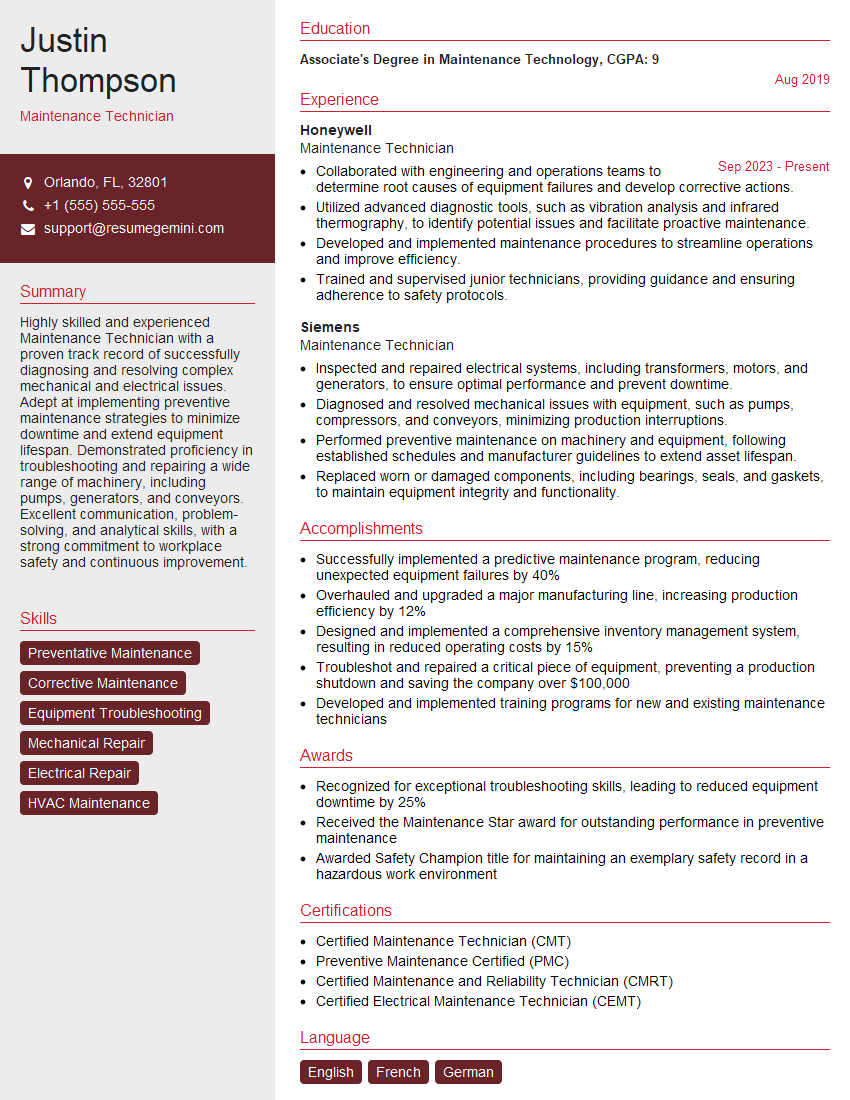
Maintenance Technician Resume Sample
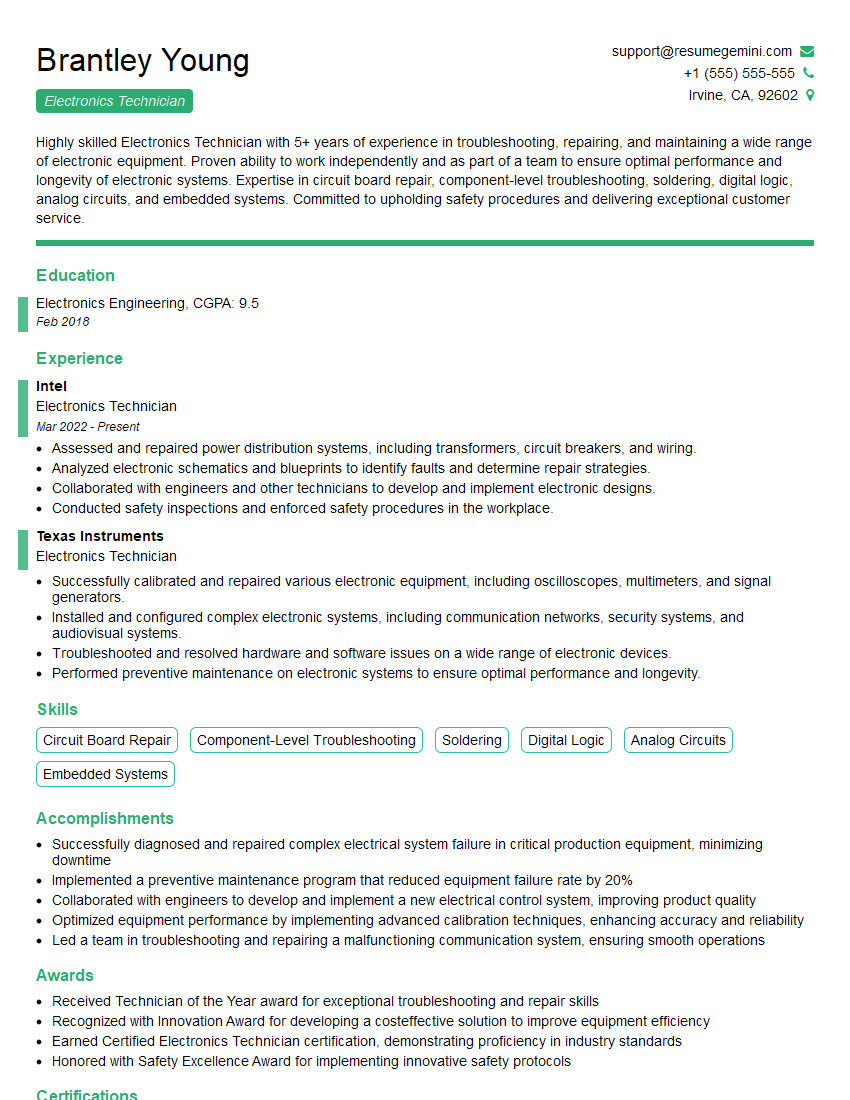
Electronics Technician Resume Sample
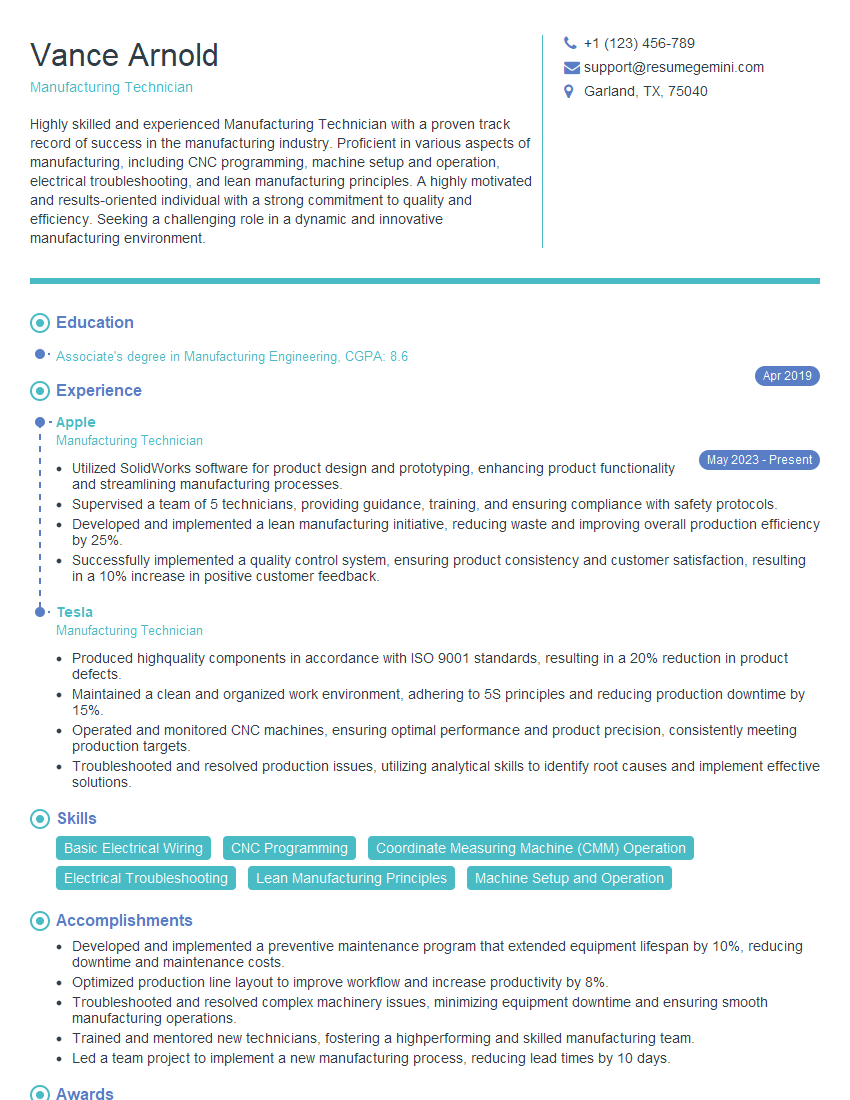
Manufacturing Technician Resume Sample
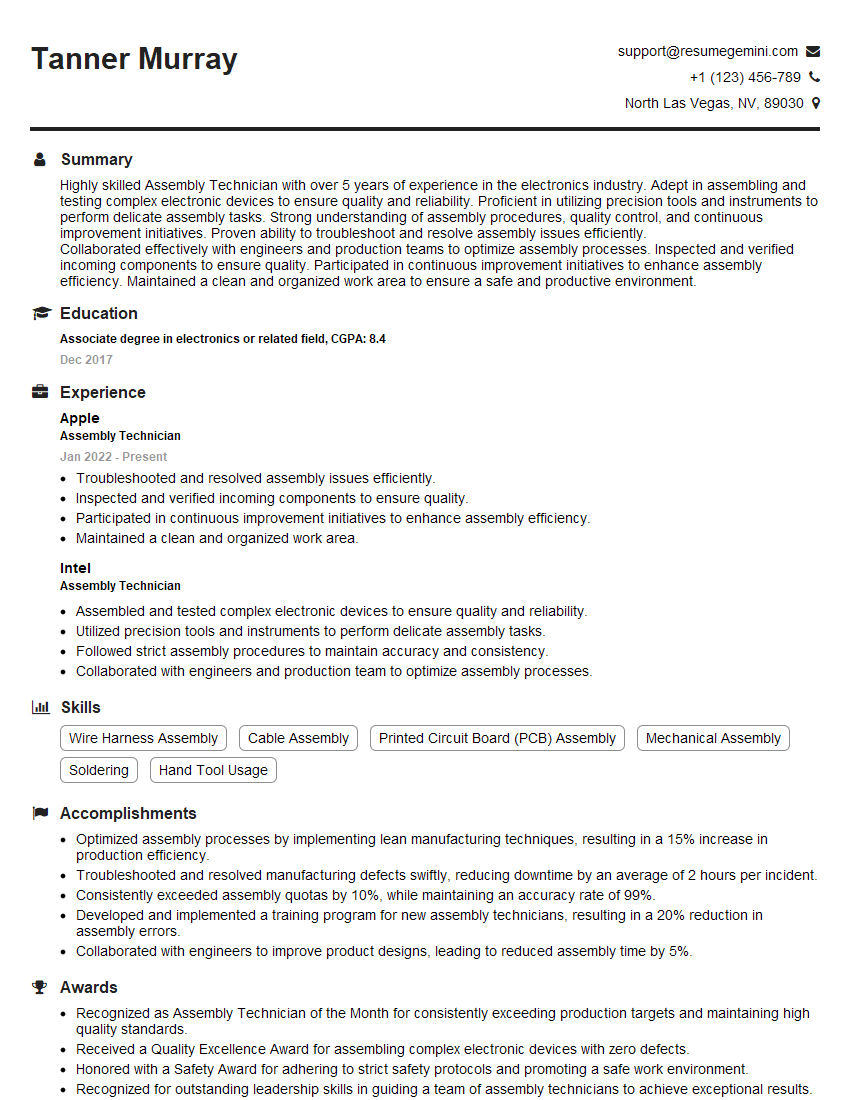
Assembly Technician Resume Sample
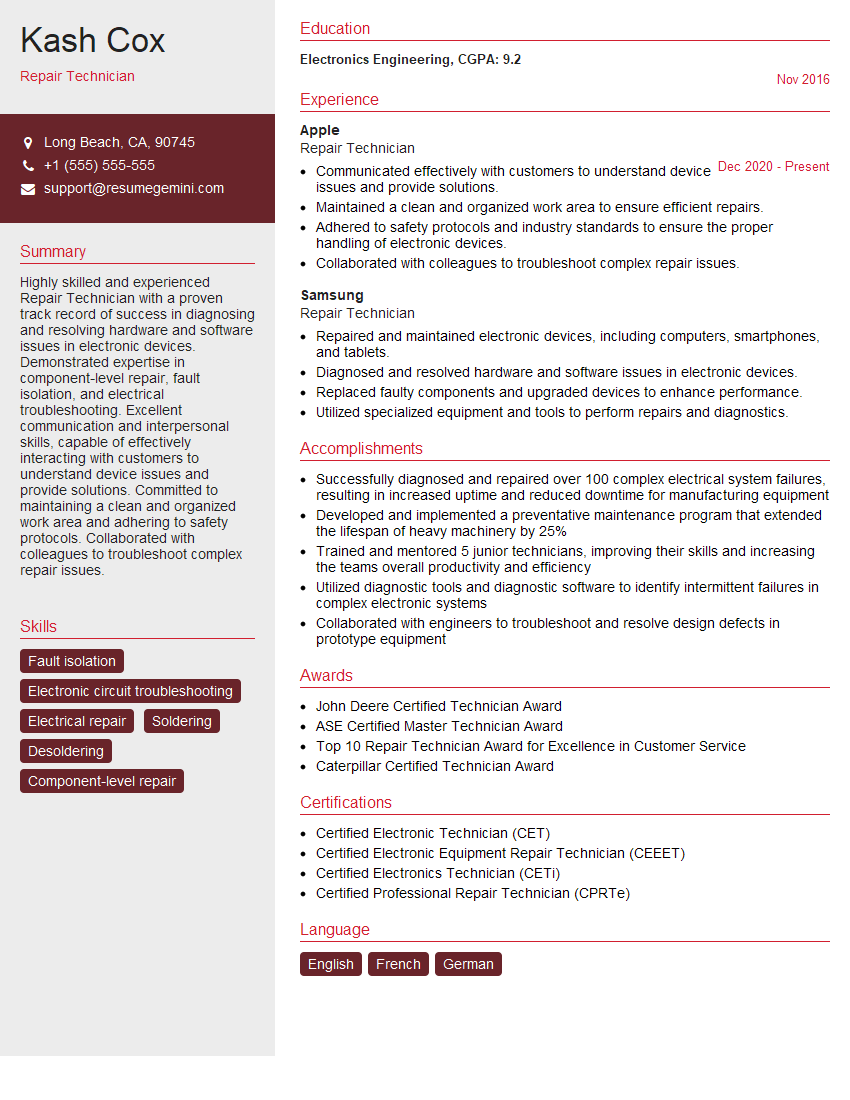
Repair Technician Resume Sample

Aerospace Assembler Resume Sample
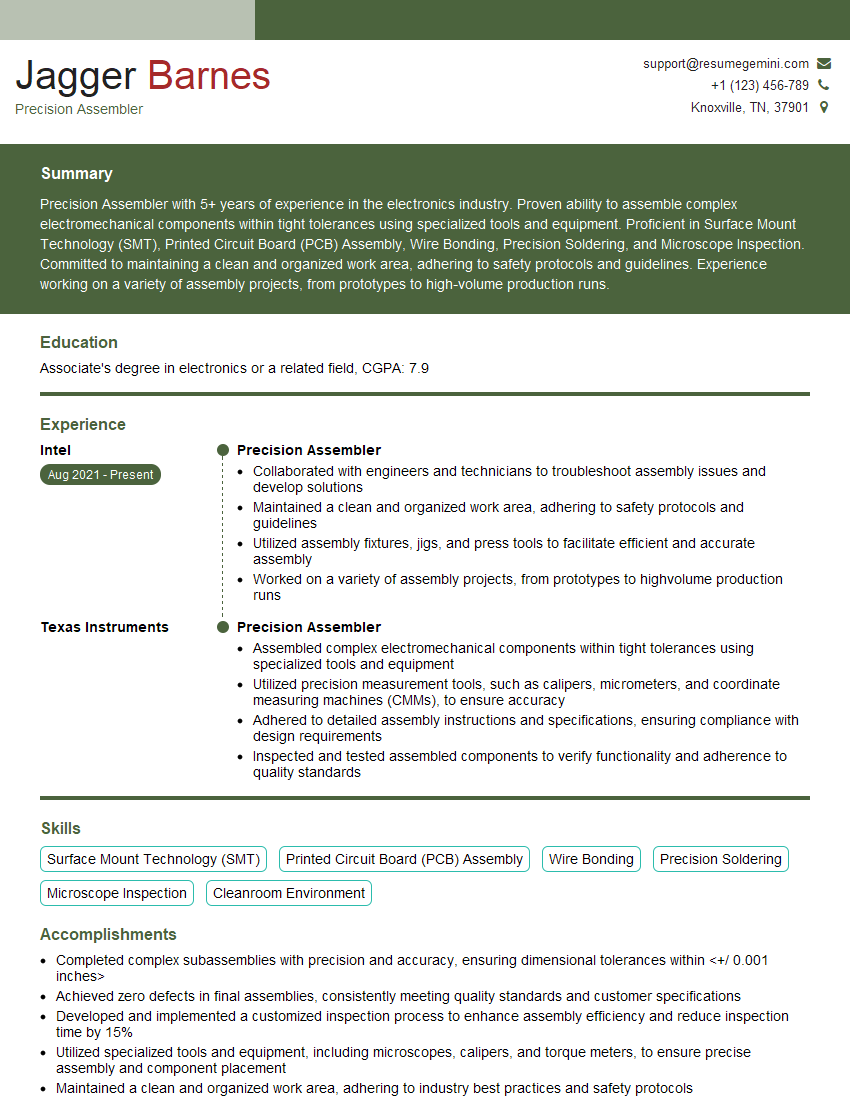
Precision Assembler Resume Sample
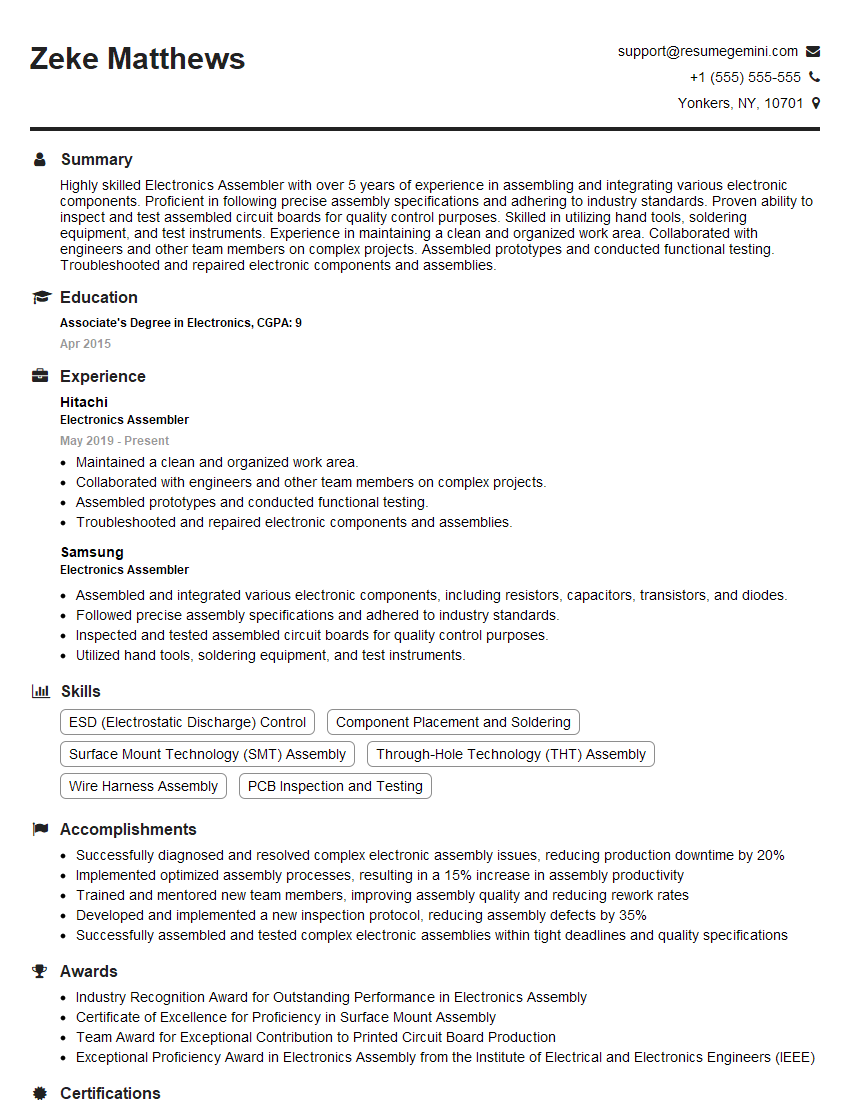
Electronics Assembler Resume Sample
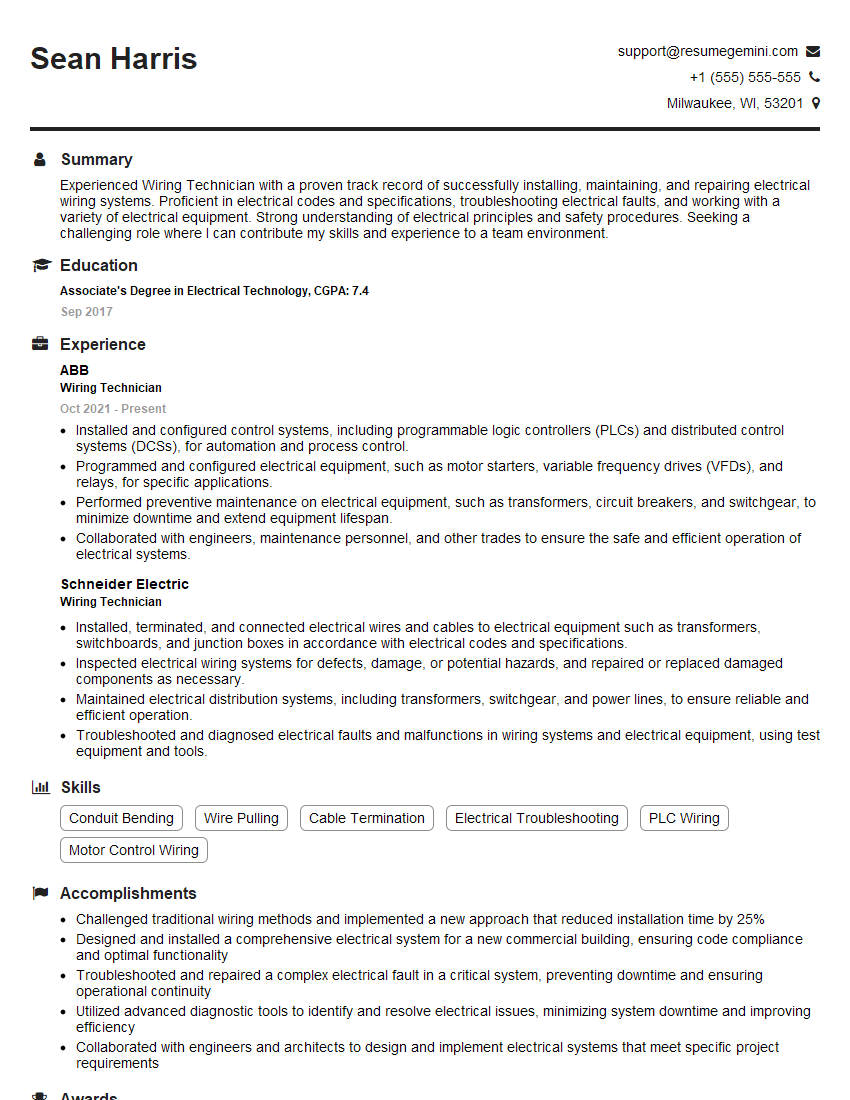
Wiring Technician Resume Sample
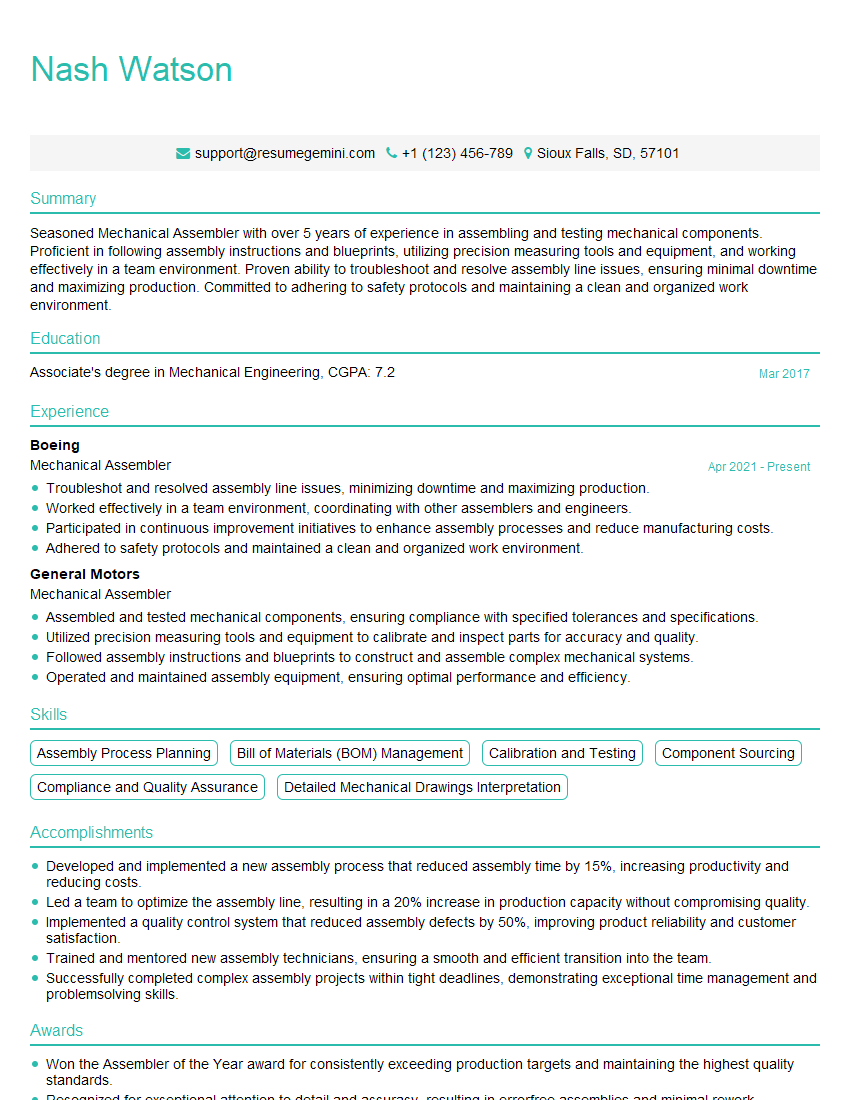
Mechanical Assembler Resume Sample
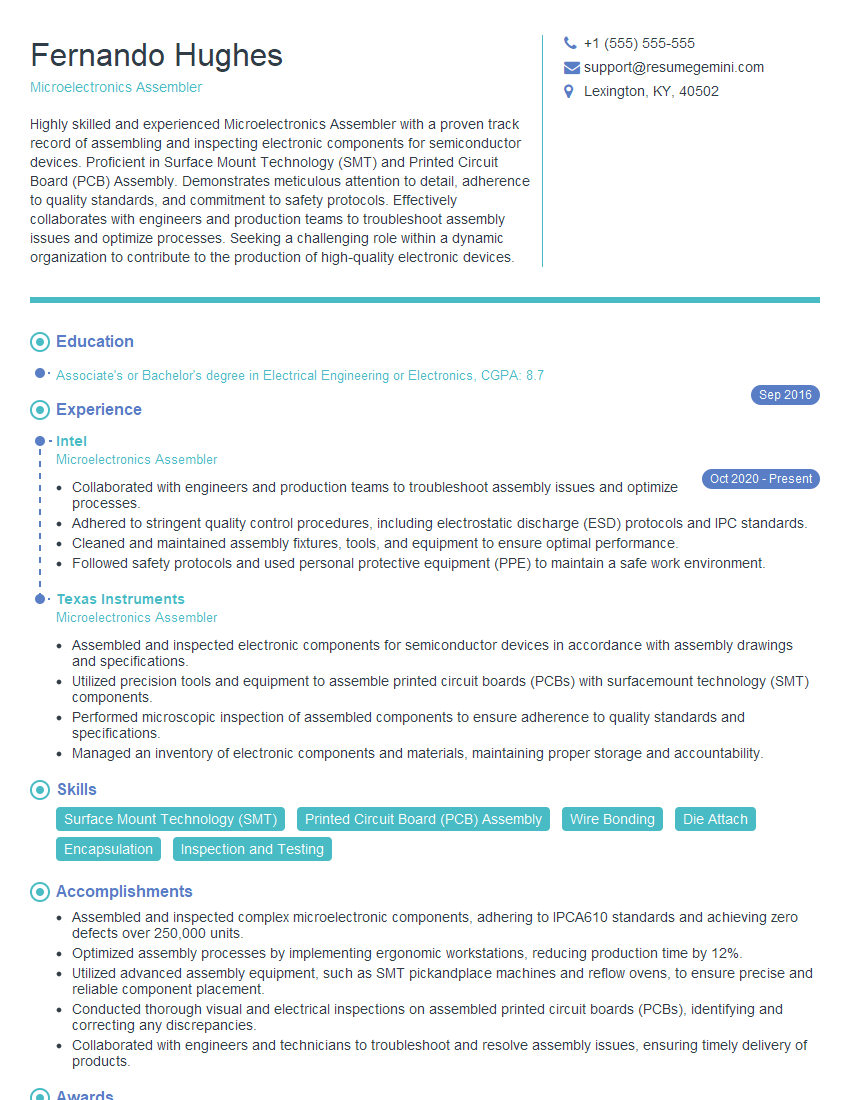
Microelectronics Assembler Resume Sample
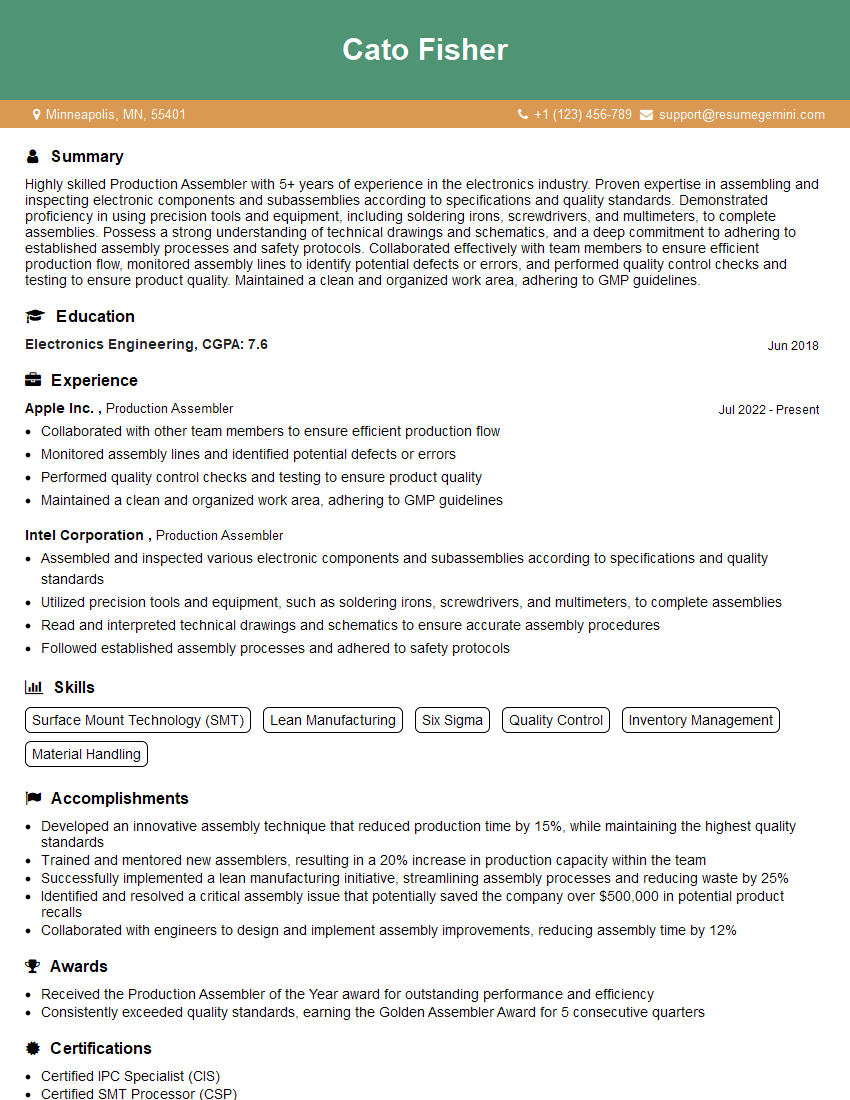
Production Assembler Resume Sample
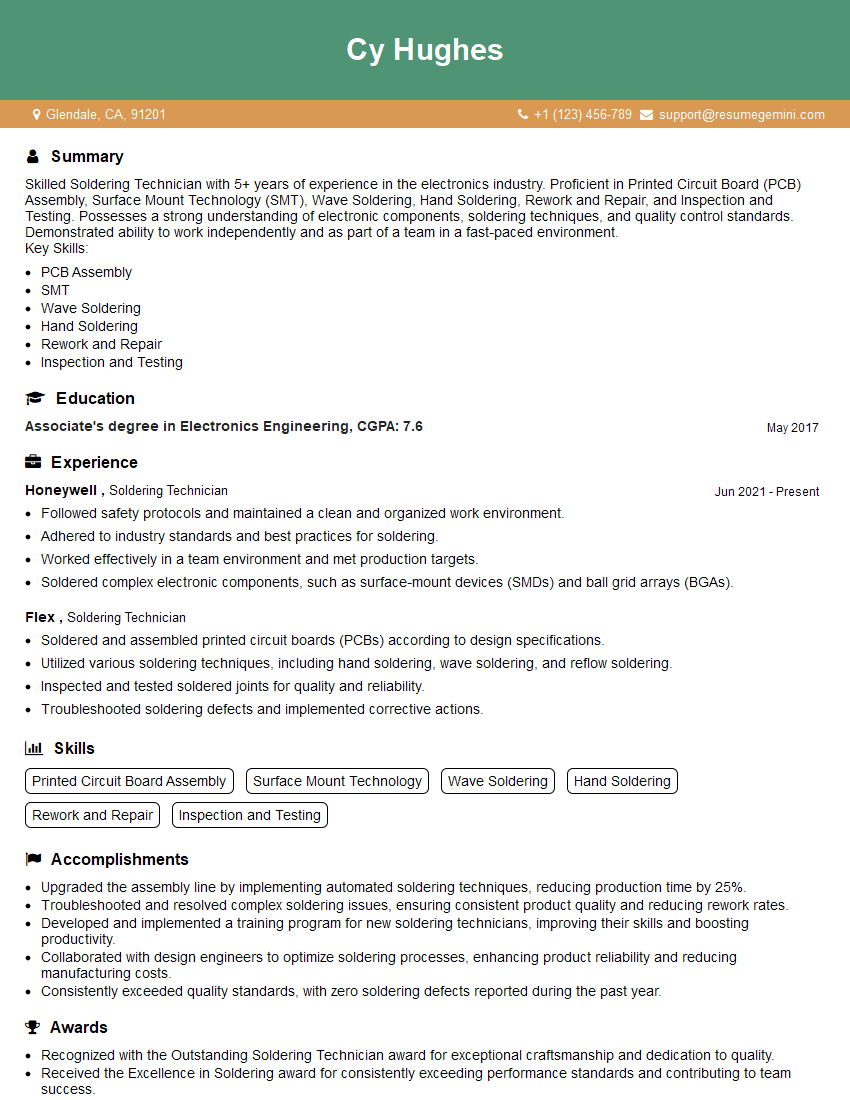
Soldering Technician Resume Sample
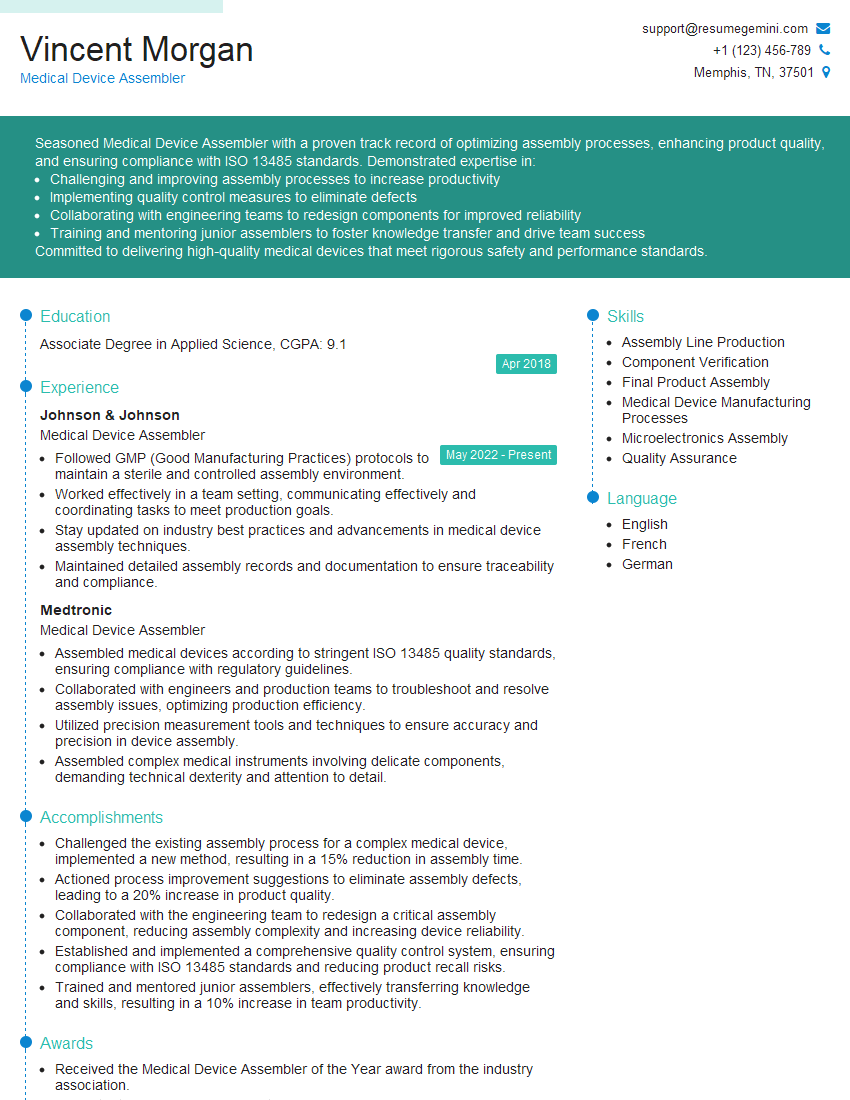
Medical Device Assembler Resume Sample
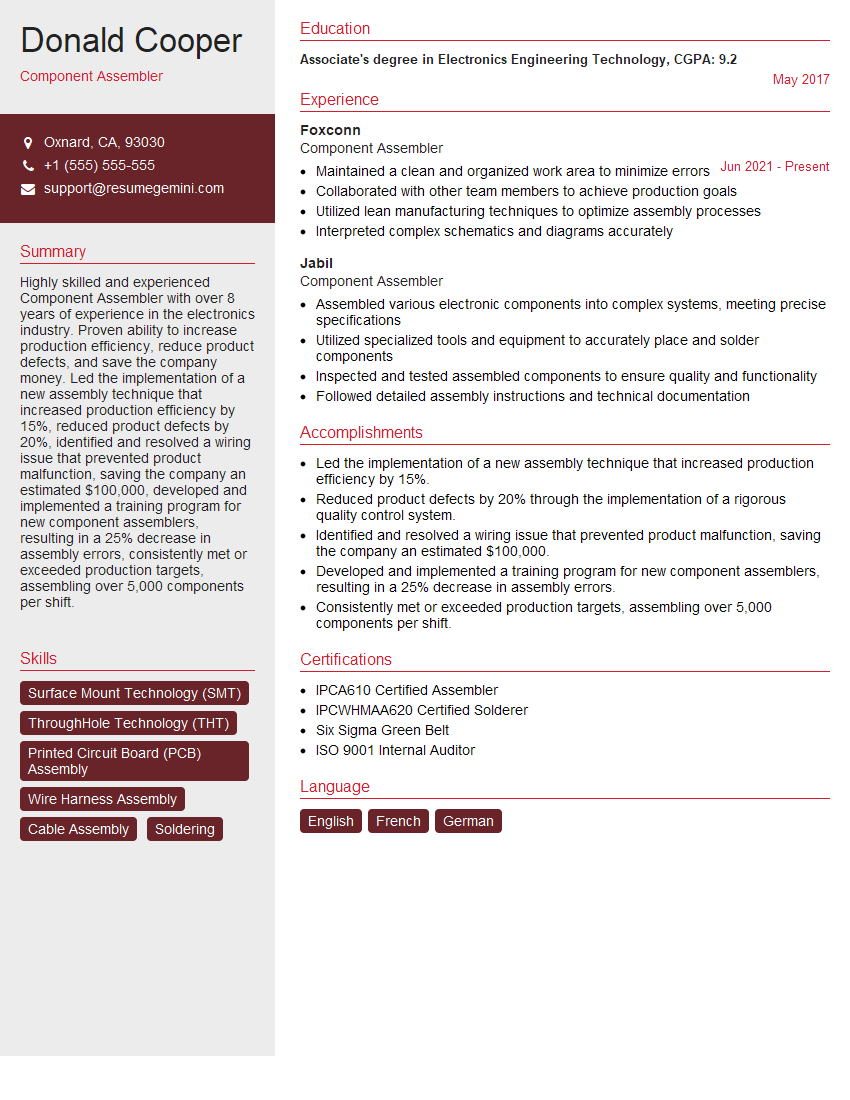
Component Assembler Resume Sample
- Maintenance Technician
- Electronics Technician
- Manufacturing Technician
- Assembly Technician
- Repair Technician
- Aerospace Assembler
- Precision Assembler
- Electronics Assembler
- Wiring Technician
- Mechanical Assembler
- Microelectronics Assembler
- Production Assembler
- Soldering Technician
- Medical Device Assembler
- Component Assembler
Explore more articles
Users Rating of Our Blogs
Share Your Experience
We value your feedback! Please rate our content and share your thoughts (optional).
What Readers Say About Our Blog
Very informative content, great job.
good