Feeling uncertain about what to expect in your upcoming interview? We’ve got you covered! This blog highlights the most important Sourcing and Candidate Acquisition interview questions and provides actionable advice to help you stand out as the ideal candidate. Let’s pave the way for your success.
Questions Asked in Sourcing and Candidate Acquisition Interview
Q 1. Explain your sourcing strategy for a highly specialized role.
Sourcing for a highly specialized role requires a multifaceted strategy that goes beyond simply posting a job description. It demands a deep understanding of the niche and a proactive approach to identifying passive candidates. My strategy starts with clearly defining the role’s requirements, including not just the technical skills but also the soft skills and cultural fit. This allows me to create a highly targeted search.
Next, I leverage multiple channels. This includes using advanced Boolean searches on platforms like LinkedIn to identify individuals with the precise skills and experience. I also actively engage with industry-specific forums, professional organizations, and relevant online communities to identify potential candidates who may not be actively looking for jobs. Networking is crucial; I often reach out to my network and leverage my contacts to discover hidden talent. Finally, I utilize specialized recruitment databases and might even consider attending industry conferences to connect with potential candidates directly. Think of it like searching for a rare collectible – you need to explore multiple avenues and be persistent.
For example, when sourcing for a Senior AI Ethicist, I wouldn’t rely solely on generic job boards. Instead, I’d focus on professional groups dedicated to AI ethics, research papers in the field, and attend relevant conferences. This approach significantly increases the chances of finding candidates with the required level of expertise and experience.
Q 2. What Boolean search strings have you successfully used?
Boolean search strings are essential for efficient candidate sourcing. They allow me to filter search results precisely based on specific keywords and criteria. The key is combining operators like AND, OR, and NOT effectively to refine searches.
For example, to find experienced Java developers with knowledge of Spring Boot in San Francisco, I’d use a string like this: ("Java" OR "Java Developer") AND ("Spring Boot" OR "Spring Framework") AND "San Francisco" AND "Senior". This string ensures that the results include profiles containing the primary keywords, while the AND operator ensures all conditions are met. Using parentheses helps manage operator precedence.
Another effective string I’ve used to source data scientists is: ("Data Scientist" OR "Machine Learning Engineer") AND ("Python" OR "R") AND (("TensorFlow" OR "PyTorch") AND "Deep Learning"). This efficiently filters out candidates lacking essential tools or skills.
I constantly refine my Boolean strings based on the results and my understanding of the role’s requirements, ensuring the highest quality of results.
Q 3. Describe your experience with Applicant Tracking Systems (ATS).
Applicant Tracking Systems (ATS) are integral to the recruitment process. My experience spans several systems, including Taleo, Workday, and Greenhouse. I’m proficient in using ATS to manage the entire candidate lifecycle, from initial application to offer stage.
I’m adept at creating job postings optimized for ATS parsing, ensuring that keywords are appropriately incorporated to increase visibility and improve search results. I utilize the ATS’s reporting features to track key metrics like time-to-hire and cost-per-hire, allowing for continuous improvement of the recruitment strategy. I also leverage the ATS to manage candidate communication, schedule interviews, and track candidate feedback. I consider ATS as a powerful tool to streamline and optimize the recruitment process.
For example, I’ve used Greenhouse’s reporting functionality to identify bottlenecks in our hiring process, helping us refine our strategy to reduce time-to-hire. Understanding how specific ATSs work is essential to efficiently leverage their features.
Q 4. How do you prioritize candidates based on various criteria?
Prioritizing candidates involves a structured approach based on a scoring system. I typically use a weighted scoring matrix to evaluate candidates against essential criteria. These criteria are established based on the job description and can include skills, experience, education, cultural fit, and salary expectations. Each criterion receives a weight based on its importance to the role.
For example, for a software engineering role, I might assign higher weights to technical skills and experience, while cultural fit and communication skills would have lower weights. I then assign a score for each candidate based on how well they meet each criterion. The candidate with the highest overall score moves to the top of the priority list. This approach ensures objectivity and avoids bias in the selection process.
It’s crucial to document this process. This ensures transparency and allows for regular review and optimization. By clearly outlining the weighted criteria, we can explain our candidate ranking decisions to hiring managers and candidates alike.
Q 5. What metrics do you use to measure the effectiveness of your sourcing efforts?
Measuring the effectiveness of sourcing is crucial to demonstrate ROI and make data-driven improvements. I use several key metrics:
- Time-to-fill: The time it takes to fill a vacant position. A shorter time-to-fill indicates efficient sourcing.
- Cost-per-hire: The total cost of recruiting a candidate, divided by the number of hires. A lower cost-per-hire signifies cost-effectiveness.
- Source of hire: Identifying where successful hires originated helps optimize channel investments.
- Quality of hire: Measured by performance reviews and employee retention rates. High quality of hire shows the effectiveness of the selection process.
- Applicant-to-interview ratio: Reflects the effectiveness of candidate screening and outreach.
Regularly monitoring these metrics allows me to adjust my sourcing strategy to maximize efficiency and the quality of candidates. For example, if a particular sourcing channel consistently produces low-quality hires, I’ll either refine my approach for that channel or reduce investment in it and allocate resources to more productive channels.
Q 6. How do you handle a situation where your pipeline is unexpectedly dry?
An unexpectedly dry pipeline requires immediate action. My response involves a multi-pronged approach:
- Re-evaluate the job description and requirements: Is the role clearly defined? Are the requirements too restrictive? Sometimes, slightly adjusting the requirements can open up new pools of candidates.
- Expand sourcing channels: Explore new avenues, including niche job boards, professional networking events, and employee referral programs. Sometimes, a fresh approach is all it takes.
- Network strategically: Engage with recruiters, industry experts, and contacts in your network to leverage their knowledge and connections.
- Consider alternative recruitment strategies: Explore options like executive search firms or contract-to-hire arrangements.
- Improve the employer brand: Make sure your company’s reputation and culture are attractive to potential candidates. A strong employer brand attracts passive talent.
Analyzing the reasons for the dry pipeline is essential. Is there a lack of qualified candidates, insufficient outreach, or a problem with the company’s employer brand? Addressing the root cause is key to preventing future pipeline droughts.
Q 7. Describe your experience with different sourcing channels (LinkedIn, Indeed, etc.).
I have extensive experience across various sourcing channels, each with its own strengths and weaknesses. LinkedIn remains a powerful platform for professional networking and sourcing, especially for experienced candidates. Its advanced search capabilities and ability to directly connect with individuals make it incredibly effective. However, it requires a strategic approach to avoid wasting time and resources.
Indeed and other job boards are valuable for reaching a broader audience, particularly for entry-level or more generic roles. However, they often attract a higher volume of less-qualified applications, requiring robust screening processes.
Beyond these, I utilize niche job boards, industry-specific forums, professional organizations, and social media groups to target specific skill sets and industries. For example, for technical roles, I frequently use Stack Overflow and GitHub to identify candidates with a strong coding background and contributions to open-source projects. For creative roles, platforms like Behance and Dribbble are highly valuable. It’s about selecting the right channel for the right role and tailoring your approach for each.
Ultimately, success depends on a balanced and adaptable approach, constantly evaluating the effectiveness of each channel and adjusting my strategy accordingly.
Q 8. What is your approach to passive candidate outreach?
My approach to passive candidate outreach is highly strategic and personalized. It’s not about blasting generic emails; it’s about building genuine connections. I start by identifying ideal candidates through various channels like LinkedIn, professional organizations, and industry events. I then meticulously research each individual, understanding their career aspirations and professional background. This research allows me to craft a highly targeted and personalized message, highlighting how the opportunity aligns with their goals and showcasing the unique value proposition of the role and the company. I avoid generic templates and focus on demonstrating a sincere interest in their career trajectory. Finally, I always follow up appropriately, demonstrating persistence without being intrusive.
For example, instead of a generic email, I might write something like: “Hi [Candidate Name], I came across your profile on LinkedIn and was incredibly impressed by your work on [Specific Project]. Your experience in [Specific Skill] aligns perfectly with a critical role we have at [Company Name], specifically focused on [Specific Responsibility]. Would you be open to a brief 15-minute conversation to explore this opportunity further?”
Q 9. How do you build and maintain a strong network of candidates?
Building and maintaining a strong network is an ongoing process, not a one-time task. I actively cultivate relationships through multiple avenues. This includes attending industry conferences and networking events, participating in online forums and groups related to my recruitment niche, and consistently engaging with individuals on LinkedIn. I focus on building genuine relationships, not just collecting contacts. I regularly share valuable industry insights and connect people within my network, fostering a sense of community. Furthermore, I actively stay updated on industry trends and developments to maintain relevant conversations. I also maintain a CRM system to effectively manage my network, ensuring timely and personalized communication.
Think of it like gardening – you need to consistently nurture your plants (connections) with proper attention and care. Regular follow-ups, thoughtful conversations, and offering value are key to fostering strong, long-lasting relationships.
Q 10. How do you assess candidate quality quickly and efficiently?
Quickly and efficiently assessing candidate quality involves a multi-faceted approach that goes beyond simply reviewing resumes. I use a combination of techniques. Initially, I scan resumes for key skills and experience, filtering out those who clearly don’t meet the minimum requirements. Then, I utilize screening questions, either via phone or email, to assess communication skills, cultural fit, and enthusiasm for the opportunity. For more advanced roles, I may incorporate skills assessments or short coding challenges to evaluate practical abilities. Finally, I rely heavily on behavioral interview questions to gauge experience and predict future performance. This structured approach allows me to identify top-tier candidates quickly and efficiently, saving both time and resources.
For instance, instead of asking, “Tell me about your experience,” I might ask, “Describe a time you failed. What did you learn from it?” This reveals much more about a candidate’s self-awareness and problem-solving skills than a generic resume review.
Q 11. How do you manage and track candidates throughout the recruitment process?
Tracking candidates is critical for a smooth recruitment process. I leverage an Applicant Tracking System (ATS) to manage all candidate information centrally. This allows me to easily track applications, communication history, interview schedules, and feedback from each stage. I regularly update the system with notes from every interaction, ensuring a comprehensive record of each candidate’s journey. This not only helps maintain organization but also facilitates efficient communication and reporting. The ATS allows for automated email sequences, ensuring timely updates to candidates, and allows for generating reports that provide valuable insights into recruitment efficiency.
Using an ATS is like having a central command center for your recruitment efforts. It helps maintain transparency and efficiency, preventing crucial information from slipping through the cracks.
Q 12. Describe your experience using social media for sourcing.
Social media, particularly LinkedIn, is an indispensable tool for my sourcing efforts. I actively search for candidates based on specific keywords, skills, and experience. I also engage with relevant industry groups and participate in discussions, subtly showcasing my expertise and the opportunities I’m recruiting for. Beyond LinkedIn, platforms like Twitter and even niche online communities can be valuable sources of passive candidates. My strategy is to create engaging content and participate in relevant conversations, building a professional brand that attracts top talent. I also use LinkedIn Recruiter to utilize Boolean search strings to target highly specific profiles based on extensive criteria. This helps me refine my search and uncover hidden gems.
For example, a Boolean search string like ("Project Management" OR "Agile Methodology") AND ("Software Development" OR "Engineering") AND location:("San Francisco" OR "Bay Area") would yield highly targeted results on LinkedIn Recruiter.
Q 13. How do you handle candidates who are not a good fit?
Handling candidates who aren’t a good fit requires tact and professionalism. My approach is always to provide constructive and honest feedback, explaining why they weren’t selected. I emphasize the importance of the specific skills or experience needed for this particular role and try to offer suggestions for improving their chances in future applications. I maintain a positive and encouraging tone, even when delivering potentially disappointing news. This approach not only strengthens my professional reputation but also fosters a positive candidate experience. I may also maintain their contact information for future opportunities, if appropriate.
Remember, a respectful and honest rejection can sometimes turn a disappointed candidate into a future advocate for your company.
Q 14. How do you maintain a positive relationship with hiring managers?
Maintaining a positive relationship with hiring managers is paramount to successful recruitment. I prioritize clear and consistent communication, providing regular updates on the progress of the search, proactively addressing any concerns, and presenting candidates in a structured and informative manner. I also actively solicit feedback throughout the process, adjusting my strategy based on their input. Proactive communication and a collaborative approach are key to building trust and ensuring a mutually successful partnership. I aim to be a valuable partner, not just a recruiter providing a list of candidates.
Regular check-ins, proactive problem-solving, and open communication are essential for cultivating a strong and productive relationship with hiring managers.
Q 15. What are your salary negotiation strategies?
Salary negotiation is a crucial skill for both the candidate and the recruiter. My strategy focuses on a collaborative approach, aiming for a win-win outcome. Before entering negotiations, I thoroughly research industry salary benchmarks using resources like Glassdoor and Salary.com, considering the candidate’s experience, skills, and the specific role requirements. I also consider the company’s budget and overall compensation package, looking beyond just base salary to include bonuses, benefits, and stock options.
During the negotiation, I focus on clearly articulating the candidate’s value proposition, highlighting their achievements and contributions. I present a well-reasoned justification for their requested salary, supported by data and examples. I actively listen to the employer’s perspective, understanding their constraints and priorities. I’m prepared to offer flexible approaches, such as negotiating other aspects of the compensation package if the salary is a sticking point. Ultimately, I strive for a fair and mutually beneficial agreement, ensuring both parties feel valued and satisfied.
Career Expert Tips:
- Ace those interviews! Prepare effectively by reviewing the Top 50 Most Common Interview Questions on ResumeGemini.
- Navigate your job search with confidence! Explore a wide range of Career Tips on ResumeGemini. Learn about common challenges and recommendations to overcome them.
- Craft the perfect resume! Master the Art of Resume Writing with ResumeGemini’s guide. Showcase your unique qualifications and achievements effectively.
- Don’t miss out on holiday savings! Build your dream resume with ResumeGemini’s ATS optimized templates.
Q 16. How do you adapt your sourcing strategies for different roles and industries?
Adapting sourcing strategies is key to success. My approach depends heavily on the role’s seniority, industry, and required skillset. For highly specialized roles like data scientists or cybersecurity experts, I leverage niche platforms and professional networks like LinkedIn Recruiter, specialized job boards, and even attending industry conferences.
For entry-level positions, I might prioritize campus recruiting, partnerships with universities, or utilize general job boards like Indeed. In industries with strong professional associations, I actively engage with these groups, attending events and connecting with members. The key is to understand the specific talent pool and tailor my approach accordingly. For example, sourcing for a marketing role might involve using platforms like Instagram or TikTok to reach passive candidates, while a traditional manufacturing role may benefit more from referrals and local job boards.
Q 17. Describe a time you had to overcome a challenging sourcing obstacle.
Once, I was tasked with finding a highly specialized software engineer with expertise in a niche programming language. The challenge was that this language wasn’t widely used, resulting in a very limited talent pool. Traditional job boards yielded minimal results.
To overcome this, I employed a multi-pronged strategy. First, I thoroughly researched open-source projects and online communities related to this language. I identified key contributors and reached out to them directly via LinkedIn and email. Second, I partnered with a specialized recruitment agency that had experience in this niche area. Finally, I expanded my search geographically, considering remote work options to broaden the candidate pool. This combined approach proved successful, leading to several qualified candidates.
Q 18. What is your experience with diversity and inclusion in recruiting?
Diversity and inclusion are paramount in my recruiting philosophy. I believe a diverse workforce leads to better innovation and problem-solving. My approach involves several key strategies. Firstly, I actively seek out candidates from underrepresented groups through targeted outreach on platforms and networks focused on diversity. I use inclusive language in job descriptions to avoid bias and ensure a welcoming environment for all applicants.
Secondly, I collaborate with diversity and inclusion groups within the company and the broader community. I’m committed to ongoing professional development to learn best practices for inclusive recruiting and unconscious bias training. Finally, I ensure our interview processes are fair, objective, and structured, mitigating the risk of implicit bias. We use standardized interview questions and blind resume reviews whenever appropriate to ensure an unbiased evaluation.
Q 19. How familiar are you with various sourcing tools and technologies?
I’m proficient in using a wide array of sourcing tools and technologies, including LinkedIn Recruiter, Indeed, Glassdoor, specialized job boards (e.g., Dice for tech), Applicant Tracking Systems (ATS) like Taleo and Workday, and various Boolean search techniques. I also utilize social media platforms like Twitter and LinkedIn for targeted outreach. My experience extends to using Chrome extensions for enhanced search capabilities and various CRM systems to manage candidate interactions effectively. I constantly evaluate and adapt my technology usage based on the evolving needs and the best practices within the industry. For example, I’m exploring AI-powered sourcing tools to enhance efficiency and improve candidate discovery.
Q 20. How do you evaluate the success of a specific recruiting campaign?
Evaluating a recruiting campaign’s success requires a multifaceted approach. I use key performance indicators (KPIs) to measure effectiveness. These include the cost per hire (CPH), time-to-fill (TTF), quality of hire (measured by employee retention and performance), and the diversity of the hired candidates. For example, if the CPH is exceptionally high, it indicates inefficiency and requires analysis of sourcing strategies and costs. A long TTF might suggest limitations in the candidate pool or inefficient processes.
Beyond these quantitative metrics, I also consider qualitative factors, such as candidate feedback on their experience and the overall effectiveness of the recruitment strategy in attracting qualified applicants. This allows for a comprehensive evaluation and helps identify areas for improvement in future campaigns.
Q 21. What is your understanding of candidate experience?
Candidate experience is paramount. It’s the overall perception a candidate has of their interactions with the company throughout the recruitment process, from initial contact to the offer stage. A positive candidate experience leads to a higher likelihood of acceptance, brand advocacy, and improved employer reputation. A negative experience can damage the company’s brand and create significant recruitment challenges.
To ensure a positive experience, I focus on timely communication, clear and concise information, respectful interactions, and prompt feedback at each stage. This involves using applicant tracking systems (ATS) to keep candidates informed of the progress of their applications, providing regular updates, and maintaining professionalism throughout the process. Gathering feedback after each interview stage allows for continuous improvement and helps shape better practices.
Q 22. How do you ensure data privacy and compliance during sourcing?
Data privacy and compliance are paramount in sourcing. My approach is multifaceted and begins with understanding and adhering to all relevant regulations like GDPR, CCPA, etc. This involves careful selection of sourcing tools and platforms that prioritize data security. For example, I avoid using tools that don’t offer robust encryption and data deletion capabilities. Secondly, I obtain explicit consent before collecting and processing any candidate data. This consent is clearly documented and easily accessible to candidates. Thirdly, I ensure all data is securely stored and only accessed by authorized personnel. Regular security audits and training on data protection best practices are also crucial. Lastly, I maintain transparent data handling policies, clearly outlining how candidate information is used, stored, and protected. This fosters trust and ensures compliance.
Q 23. Explain your process for identifying and engaging top talent.
Identifying and engaging top talent requires a multi-pronged strategy. It begins with a deep understanding of the job requirements and the ideal candidate profile. Then, I leverage various sourcing channels, including professional networking sites like LinkedIn, niche job boards, industry events, and employee referrals. I utilize Boolean search strings to refine my searches on platforms like LinkedIn Recruiter, ensuring I’m targeting the most relevant profiles. For example, to find a senior data scientist with experience in Python and machine learning, I might use a search string like "Senior Data Scientist" AND (Python OR R) AND "Machine Learning". Once potential candidates are identified, I personalize my outreach, highlighting the specific aspects of the role and company that align with their career aspirations. I avoid generic messages; instead, I tailor each message to the individual’s experience and interests. This personal touch significantly improves engagement rates.
Q 24. What are your preferred methods for screening resumes?
My resume screening process is highly efficient and effective. I start by quickly scanning for keywords and quantifiable achievements to assess if the candidate’s experience aligns with the job description. This initial screening helps eliminate candidates who clearly don’t meet the basic requirements. Then, I delve deeper into the details, paying close attention to the consistency and clarity of the information provided. I look for evidence of career progression, quantifiable results (e.g., increased sales by X%), and a clear narrative that demonstrates the candidate’s skills and accomplishments. I also assess the candidate’s communication skills based on the resume’s writing style and grammar. Any red flags, like inconsistencies or gaps in employment history, are flagged for further investigation during the interview process. This structured approach ensures that I focus my time and energy on candidates who are most likely to be successful.
Q 25. How do you handle multiple competing priorities?
Handling multiple competing priorities effectively requires strong organizational skills and a structured approach. I utilize project management tools like Trello or Asana to track all my tasks and deadlines, ensuring visibility and accountability. I prioritize tasks based on urgency and importance, using methods like the Eisenhower Matrix (urgent/important). I also break down large projects into smaller, manageable tasks, making them less overwhelming. Regularly reviewing my to-do list and adjusting priorities as needed is crucial. Open communication with stakeholders is key to managing expectations and ensuring everyone is on the same page. Finally, I avoid multitasking and focus on completing one task at a time to maintain quality and prevent errors. This structured and communicative approach helps me stay organized and efficient even under pressure.
Q 26. Describe your experience with various interview techniques.
I have extensive experience using a variety of interview techniques, adapting my approach based on the role and the candidate. For example, I often use behavioral interview questions, like “Tell me about a time you failed,” to assess a candidate’s problem-solving skills and self-awareness. I also use situational interview questions, presenting hypothetical scenarios to gauge their decision-making process. Technical interviews are tailored to the specific skills required for the role, incorporating coding challenges or problem-solving exercises. I incorporate structured interviews to ensure consistency and fairness in the evaluation process. The final stage often includes a cultural fit interview, where the candidate interacts with team members to assess their interpersonal skills and alignment with the company culture. Furthermore, I leverage different interview formats, such as phone screenings, video interviews, and in-person interviews, to accommodate candidate preferences and efficiently manage the process.
Q 27. How do you stay updated on industry trends and best practices?
Staying updated on industry trends and best practices is essential in this dynamic field. I regularly read industry publications like SHRM and ERE.net, attend webinars and conferences, and actively participate in online communities and professional networks. I also follow influential thought leaders and recruiters on platforms like LinkedIn and Twitter. Furthermore, I participate in professional development courses and workshops to hone my skills and learn about new technologies and methodologies. Analyzing recruitment metrics and benchmarking against industry standards allows me to identify areas for improvement and implement best practices in my own approach. Continuous learning is key to staying ahead of the curve and ensuring I’m delivering the highest quality service.
Q 28. What is your experience working within a team environment?
I thrive in team environments and believe in the power of collaboration. My past experiences have involved working closely with hiring managers, recruiters, and HR professionals to achieve shared recruitment goals. I value open communication, actively contributing ideas and offering support to team members. I believe in constructive feedback and actively seek input from colleagues. I also excel in coordinating with different teams and stakeholders to ensure a seamless recruitment process. I’m comfortable taking on leadership roles within teams and delegating tasks efficiently. My collaborative approach has led to successful recruitment campaigns and positive team dynamics. For example, in a previous role, I played a key role in developing and implementing a new talent acquisition strategy that resulted in a significant reduction in time-to-hire and an increase in quality of hire.
Key Topics to Learn for Sourcing and Candidate Acquisition Interview
- Sourcing Strategies: Understanding various sourcing channels (e.g., LinkedIn Recruiter, Boolean search, job boards, networking) and their effective application for different roles and industries. Consider the pros and cons of each method and how to choose the best approach.
- Candidate Relationship Management (CRM): Learn how to effectively manage candidate pipelines, track interactions, and nurture relationships throughout the recruitment process. Discuss the importance of a well-organized system for candidate communication and follow-up.
- Boolean Search Techniques: Master the art of crafting effective Boolean search strings to identify passive candidates on platforms like LinkedIn. Practice refining your searches to improve accuracy and efficiency.
- Applicant Tracking Systems (ATS): Understand how ATS work and how to optimize resumes and applications for ATS compatibility to ensure they are successfully screened. This includes keyword optimization and formatting best practices.
- Diversity and Inclusion in Sourcing: Explore strategies for building diverse candidate pipelines and ensuring equitable representation throughout the recruitment process. This involves understanding unconscious bias and implementing proactive strategies for inclusive hiring.
- Metrics and Analytics: Learn how to track key metrics (e.g., time-to-fill, cost-per-hire, source of hire) to measure the effectiveness of your sourcing efforts and demonstrate your value to the organization. Understand how to interpret data and make data-driven decisions.
- Legal and Compliance: Understand relevant employment laws and regulations, ensuring compliance with equal opportunity and non-discrimination principles in your sourcing and candidate selection activities.
- Interviewing and Selection: While the primary focus is on sourcing, you should also demonstrate an understanding of the subsequent steps, including the process of screening candidates and conducting effective initial interviews.
Next Steps
Mastering Sourcing and Candidate Acquisition is crucial for a successful career in recruitment, opening doors to leadership roles and greater influence on hiring strategies. A strong understanding of these skills demonstrates your value to any organization and allows you to contribute significantly to their talent acquisition success. Creating an ATS-friendly resume is paramount to even getting your foot in the door. To maximize your chances, build a compelling and keyword-rich resume using ResumeGemini. ResumeGemini offers a trusted platform and provides examples of resumes tailored specifically to Sourcing and Candidate Acquisition roles to help you stand out from the competition. Invest the time in crafting a professional resume; it’s your first impression with potential employers.
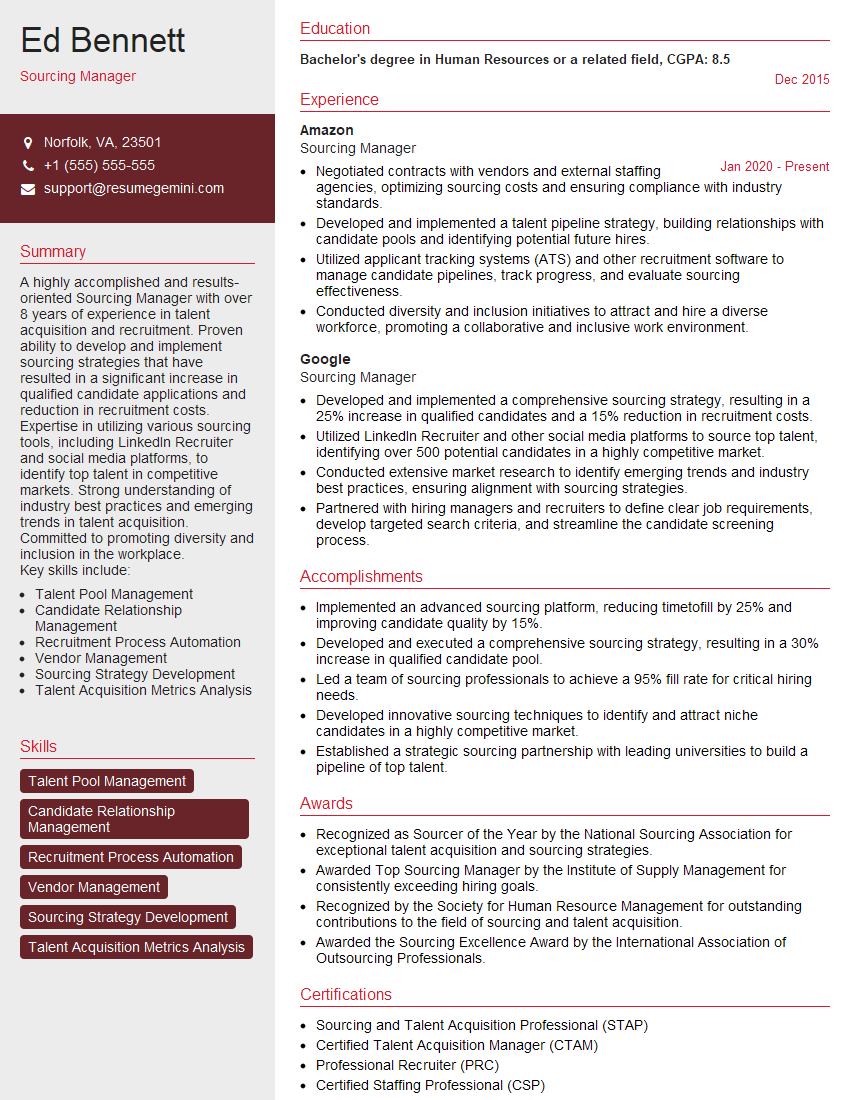
Sourcing Manager Resume Sample

Sourcing Specialist Resume Sample
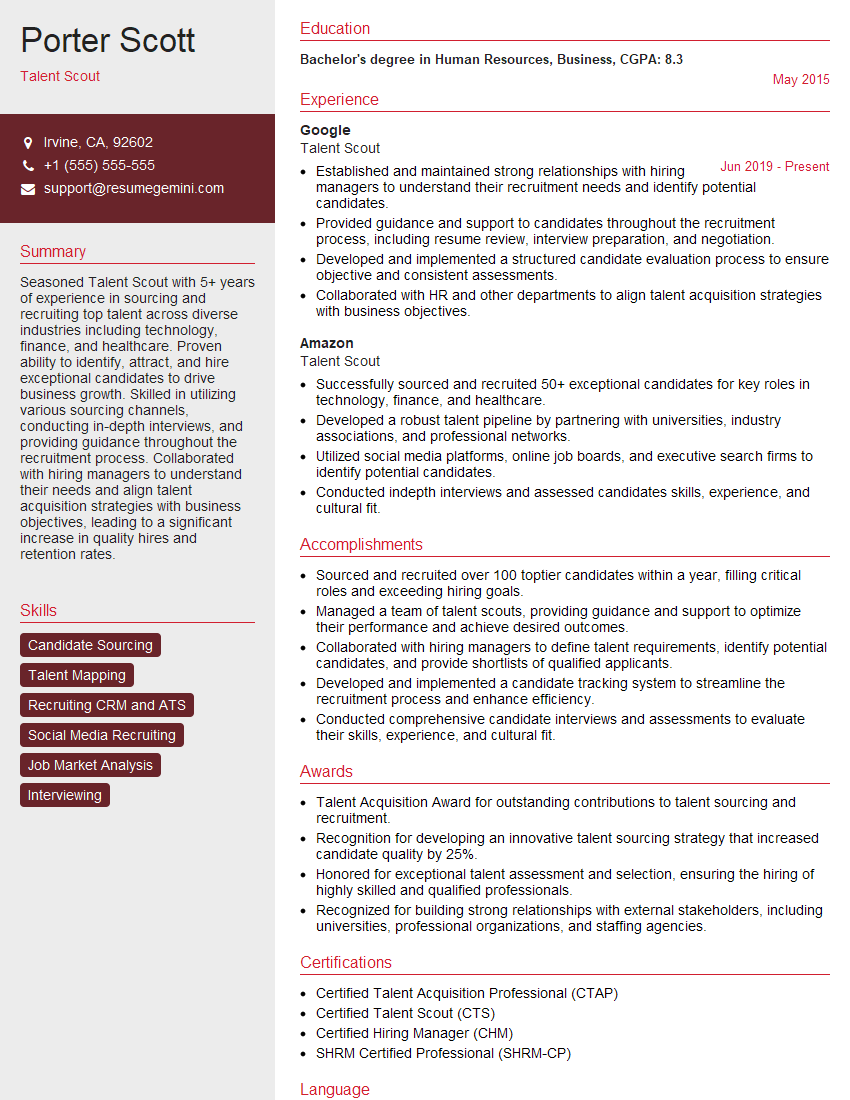
Talent Scout Resume Sample
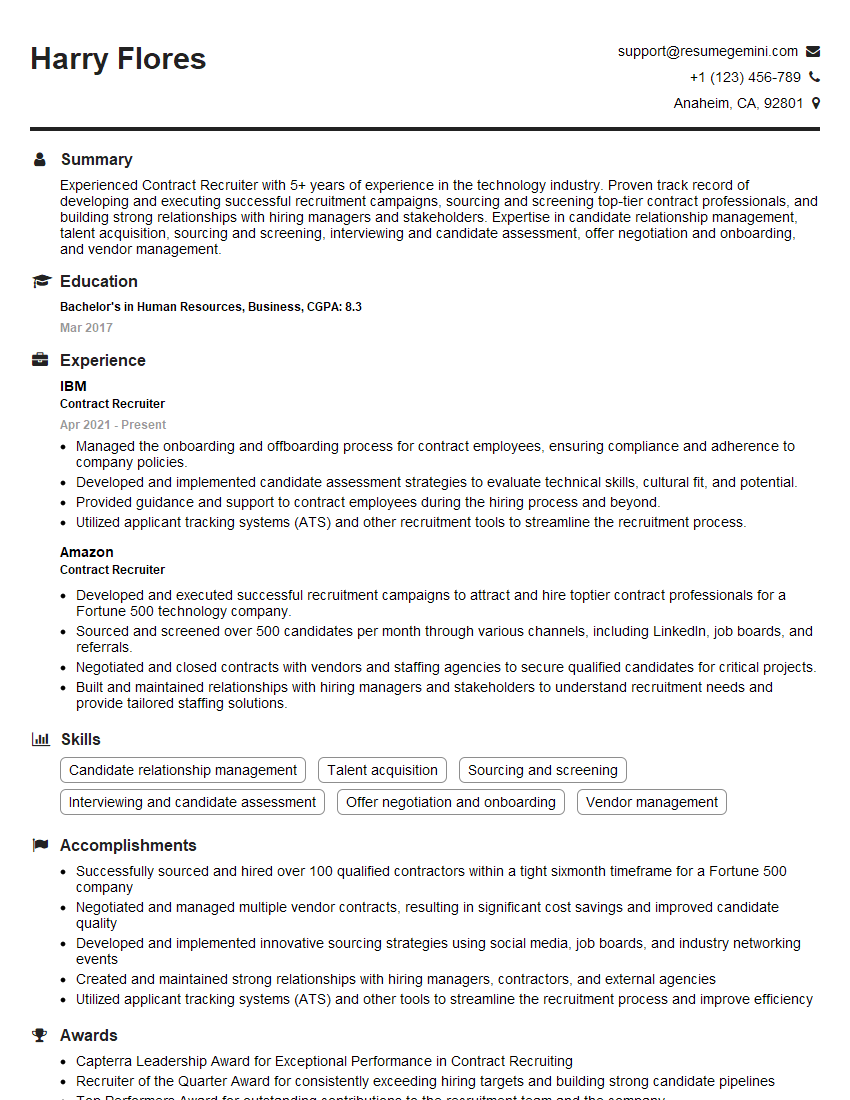
Contract Recruiter Resume Sample
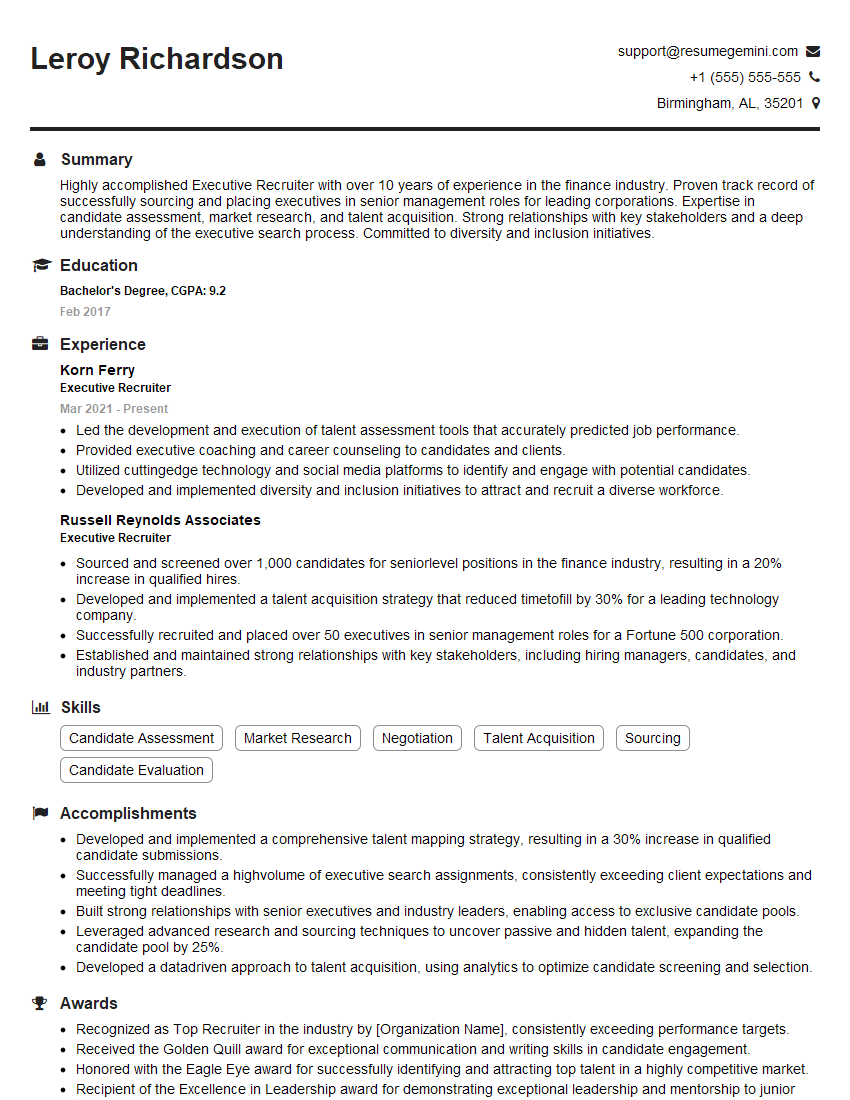
Executive Recruiter Resume Sample
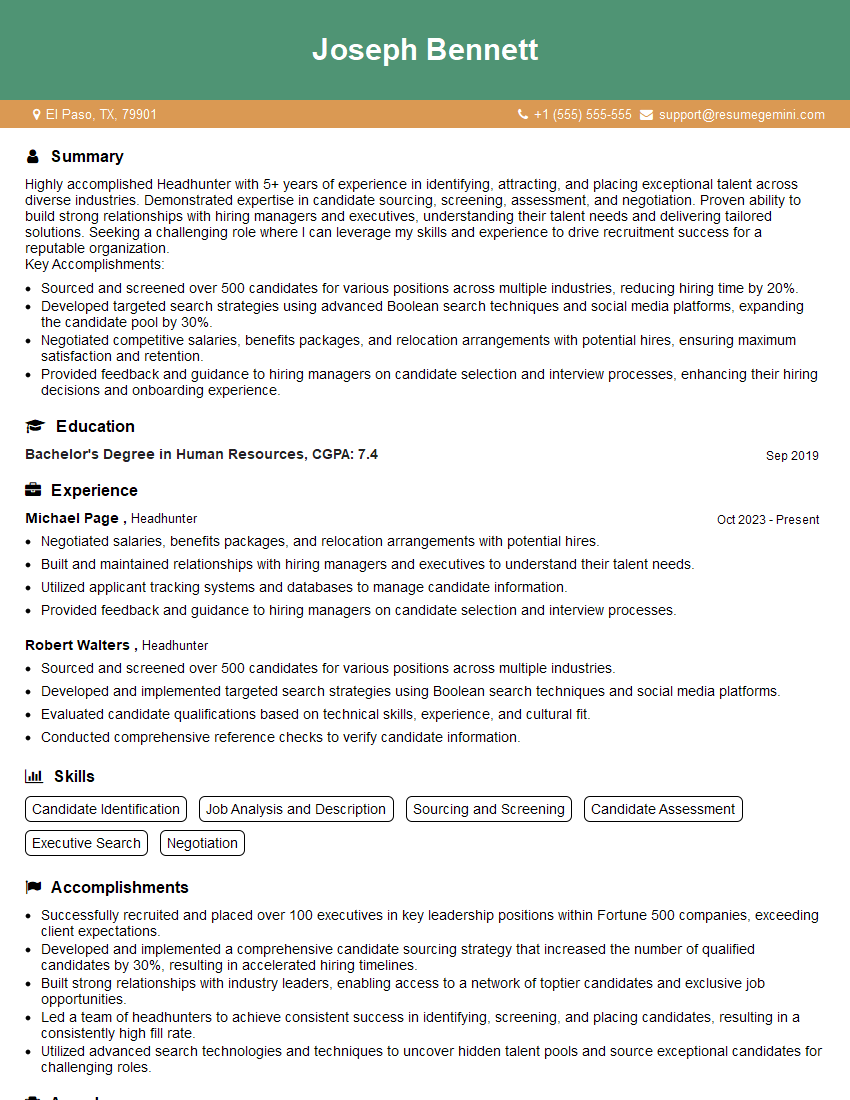
Headhunter Resume Sample
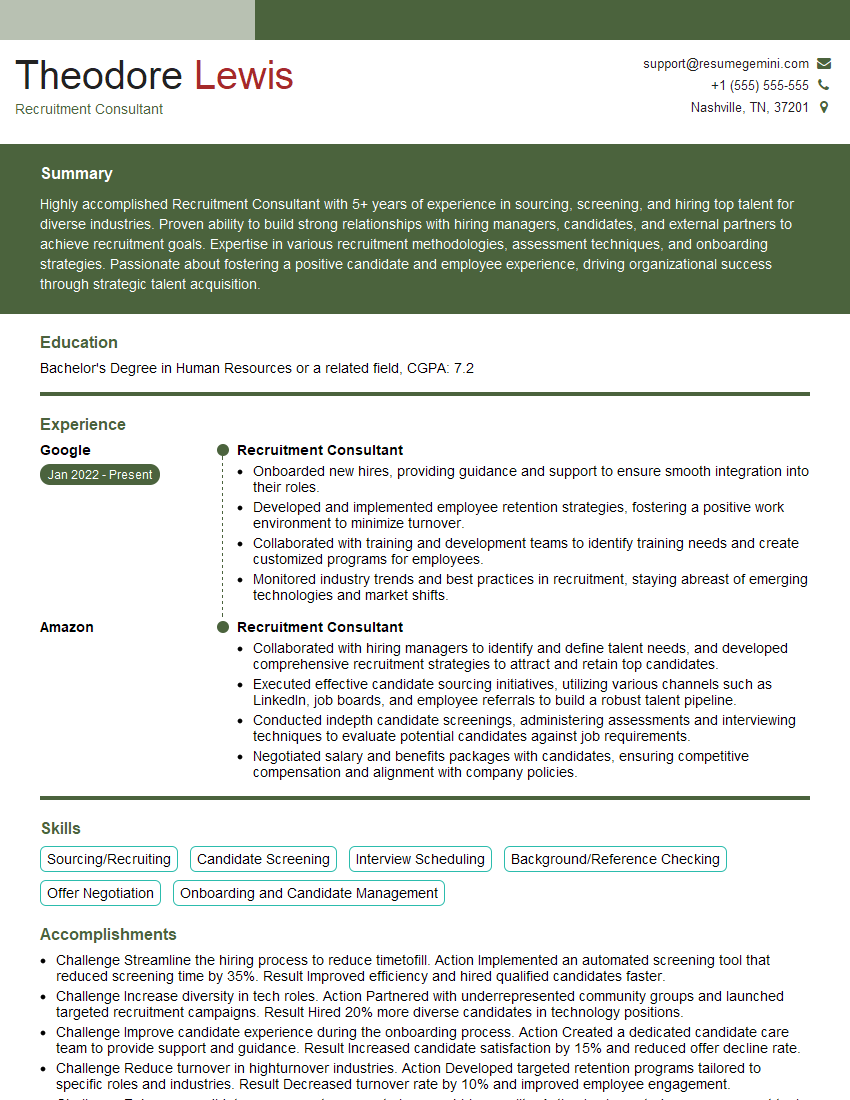
Recruitment Consultant Resume Sample
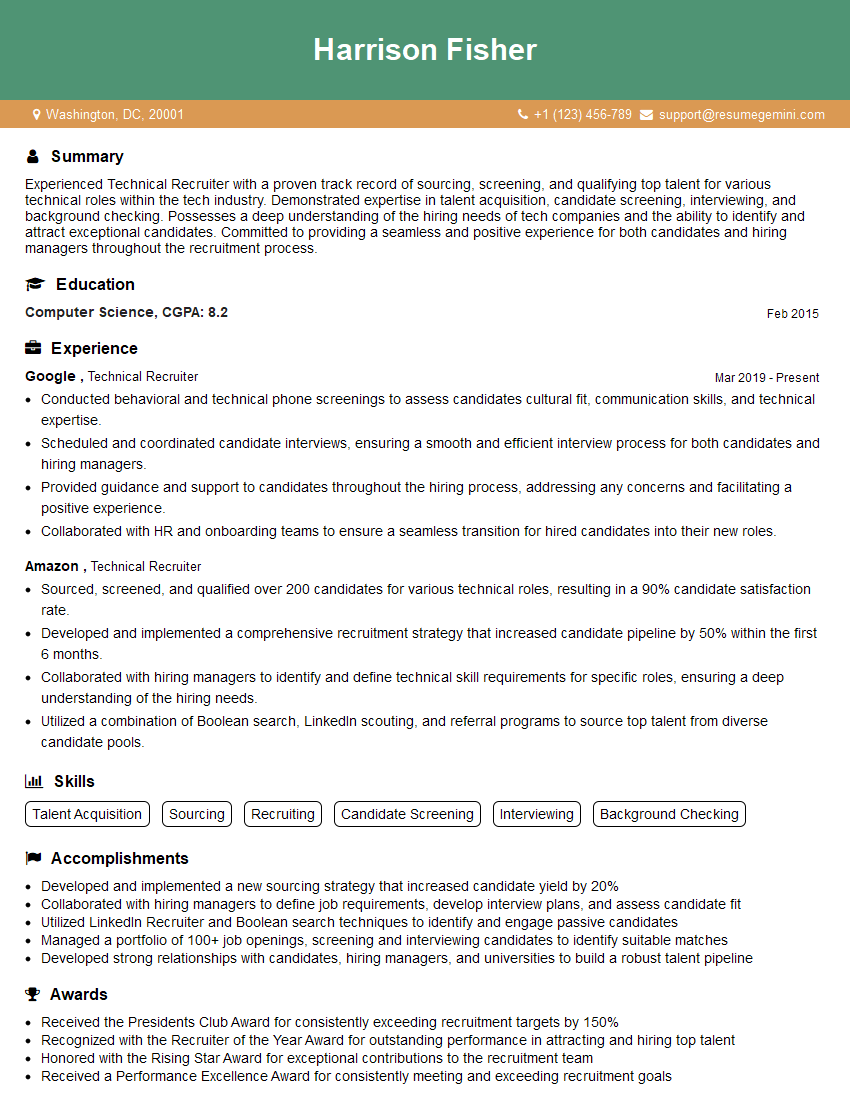
Technical Recruiter Resume Sample
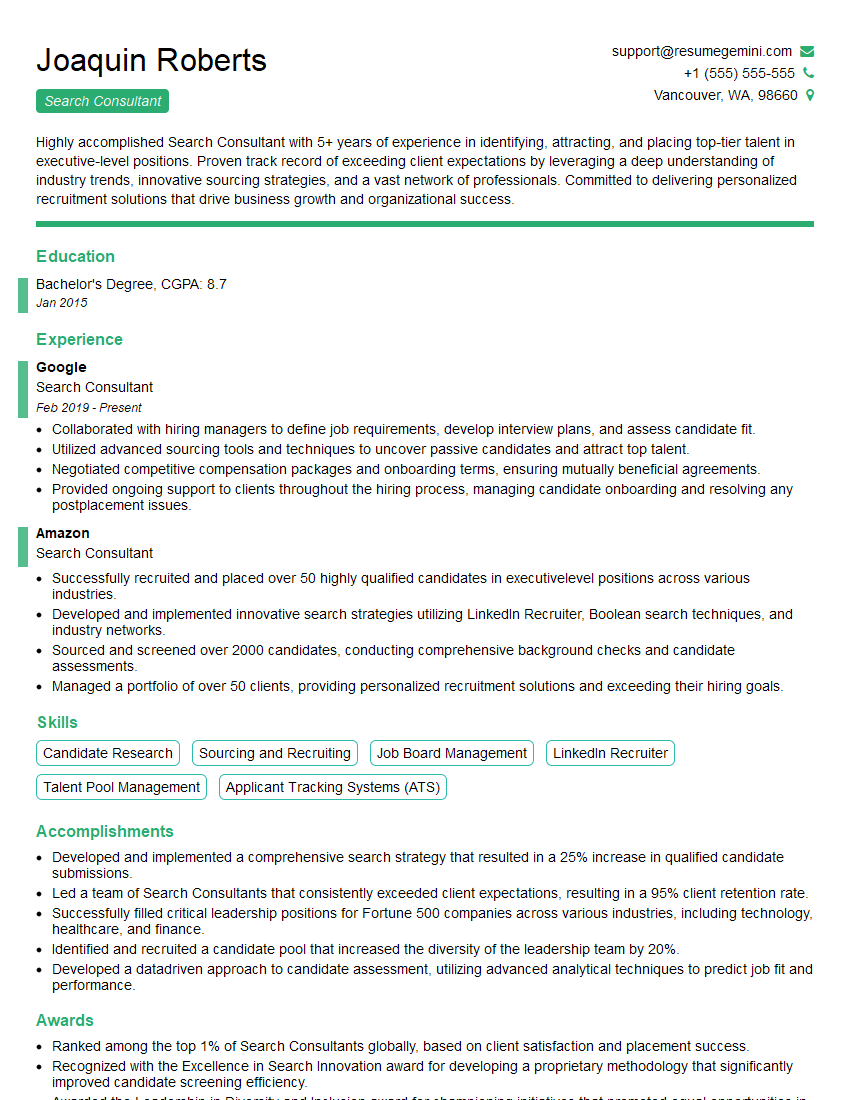
Search Consultant Resume Sample
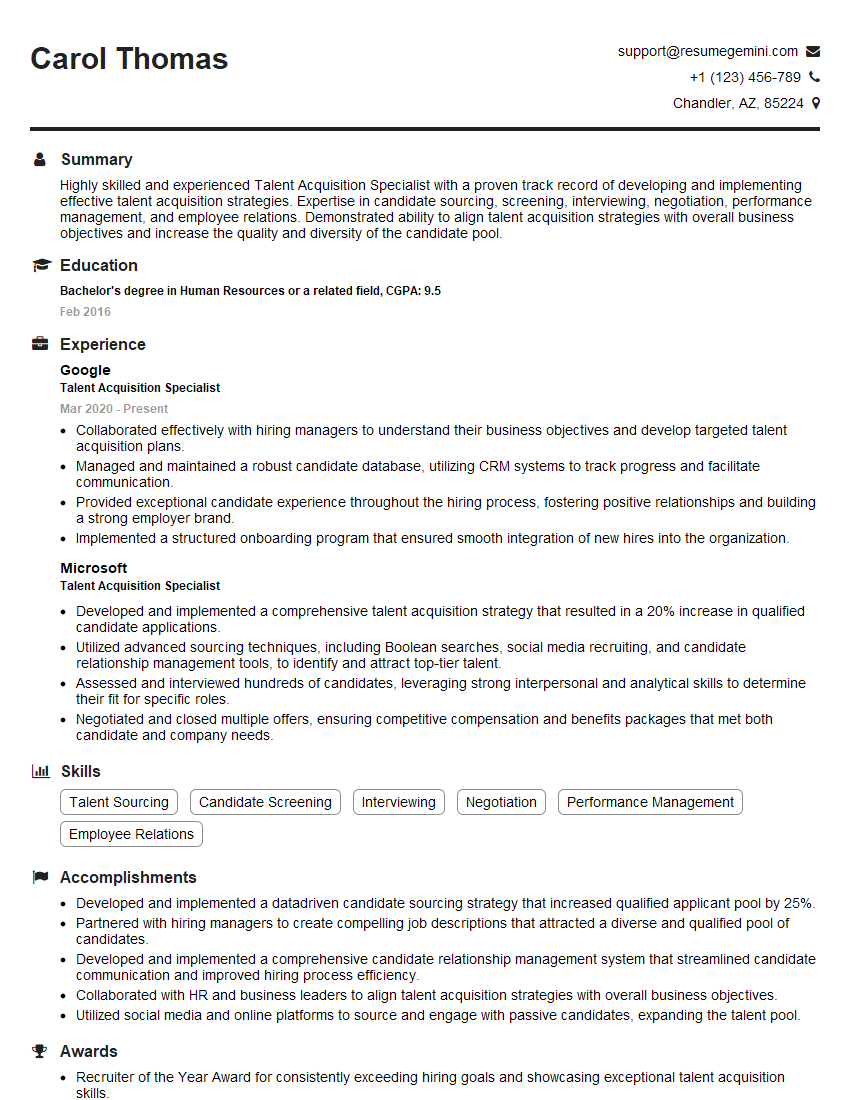
Talent Acquisition Specialist Resume Sample
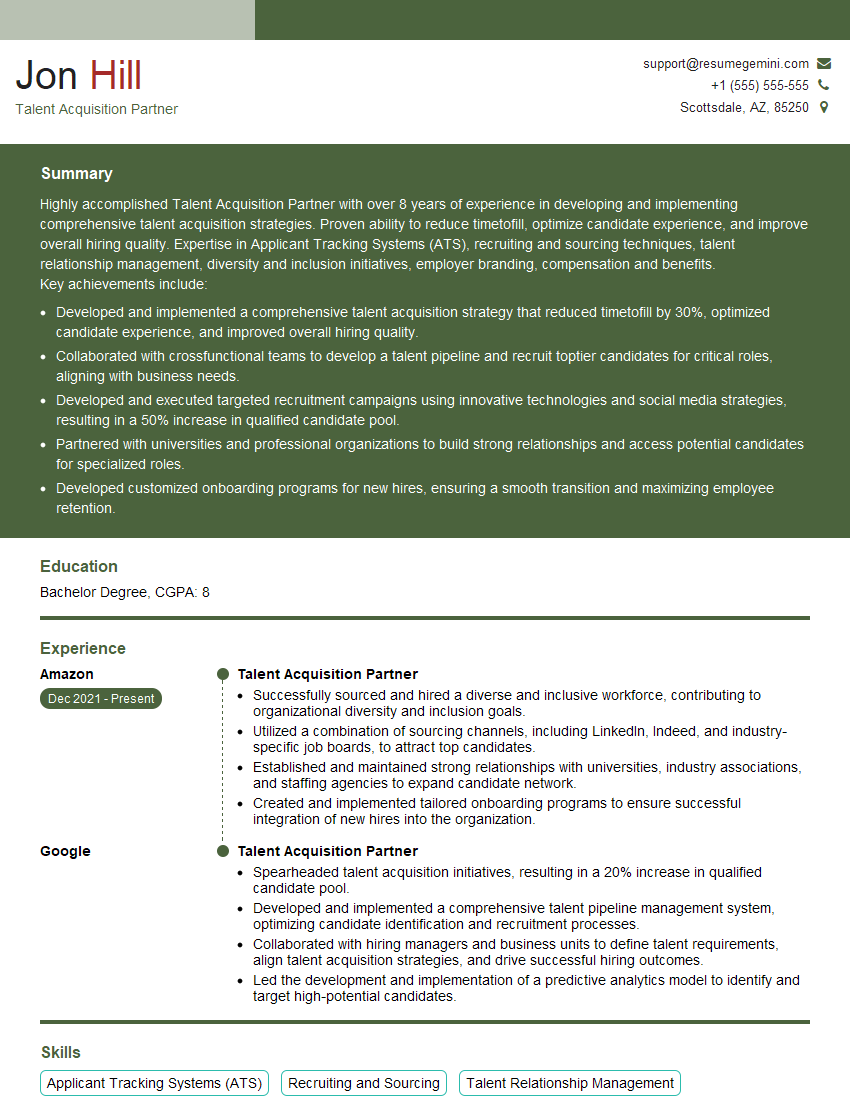
Talent Acquisition Partner Resume Sample
Explore more articles
Users Rating of Our Blogs
Share Your Experience
We value your feedback! Please rate our content and share your thoughts (optional).
What Readers Say About Our Blog
Very informative content, great job.
good