Every successful interview starts with knowing what to expect. In this blog, we’ll take you through the top Sow Weaning Management interview questions, breaking them down with expert tips to help you deliver impactful answers. Step into your next interview fully prepared and ready to succeed.
Questions Asked in Sow Weaning Management Interview
Q 1. Describe your experience in optimizing sow weaning protocols.
Optimizing sow weaning protocols involves a holistic approach focusing on minimizing stress for both sows and piglets, leading to improved health and productivity. My experience encompasses implementing and refining various strategies, from adjusting weaning age to optimizing nutrition and environment. For instance, I’ve worked on farms where shifting the weaning age from 21 days to 28 days, coupled with improved pre-weaning nutrition, resulted in a significant reduction in post-weaning mortality and improved average daily gain (ADG). Another key aspect has been the implementation of controlled-environment barns, which allows for better temperature and humidity management, reducing the stress associated with weaning.
I also have extensive experience in implementing protocols such as early introduction of creep feed to piglets, which helps them transition smoothly to solid food. This early exposure prepares their digestive system and significantly reduces the impact of abrupt weaning. Furthermore, I’ve helped farms incorporate better management of the sow’s health in the pre-weaning period. By carefully monitoring and treating any health issues proactively, we are able to significantly reduce the negative consequences on the piglets during and post-weaning.
Q 2. What are the key indicators of successful sow weaning?
Successful sow weaning is characterized by several key indicators. These include:
- Low piglet mortality: A mortality rate of below 5% post-weaning is generally considered a good target. Higher rates often signal underlying issues.
- High piglet growth rates: Healthy piglets should exhibit consistent weight gain after weaning, reflecting proper nutrition and minimal stress.
- Reduced incidence of disease: Successful weaning programs minimize the risk of infections and digestive problems commonly seen in piglets post-weaning.
- Good sow health: The sow’s condition after weaning should show no significant signs of stress or illness. A quick return to estrus is also a positive indicator.
- Efficient feed conversion ratio: Piglets should be effectively converting the feed they consume into growth. Monitoring feed conversion rates allows for fine-tuning of the nutritional program.
Monitoring these indicators provides valuable insights into the effectiveness of the weaning protocol and guides further improvements. For example, persistently high mortality rates might necessitate reviewing aspects such as hygiene protocols, environmental control, or feed formulation.
Q 3. Explain your approach to minimizing piglet mortality during weaning.
Minimizing piglet mortality during weaning requires a multi-pronged approach that addresses several critical factors. We can think of this approach like building a strong foundation for a house – if one element is weak, the whole structure suffers.
- Improved Hygiene: Strict biosecurity measures to prevent the introduction and spread of pathogens are crucial. This includes regular disinfection of facilities, proper waste disposal, and strict hygiene practices among farm workers.
- Optimal Nutrition: Providing high-quality creep feed before and after weaning ensures adequate nutrient intake, supporting the piglets’ immune systems and growth.
- Stress Reduction: Minimizing stress during the weaning process is crucial. This includes gradual weaning, ensuring a comfortable environment in the post-weaning facility, and minimizing handling stress.
- Prophylactic Treatments: Administering appropriate medication, such as antibiotics or iron injections, based on veterinary advice, can help prevent disease outbreaks.
- Monitoring and Early Intervention: Regular monitoring of piglet health, including observation for clinical signs of illness, allows for early intervention and prompt treatment of any sick piglets.
For example, we might implement a vaccination program to protect against common piglet diseases, or we might adjust the temperature in the post-weaning facility to provide more thermal comfort. Early intervention is key, as addressing minor issues before they escalate significantly reduces mortality.
Q 4. How do you manage the transition from sow milk to solid feed?
The transition from sow milk to solid feed is a crucial step, and a gradual approach is usually the most effective. Think of it like slowly introducing new foods to a human baby – an abrupt change can cause digestive upset.
- Creep Feeding: Introduce creep feed (a highly palatable feed designed for piglets) several days before weaning. This allows piglets to gradually learn to eat solid food and adjust their digestive systems.
- Feed Formulation: Creep feed should be highly digestible and nutrient-rich, tailored to piglets’ specific nutritional requirements. It often contains higher levels of protein and energy than grower diets.
- Gradual Weaning: Instead of abrupt separation, gradually reduce the time piglets have access to the sow, allowing them to continue feeding from the sow for part of the day while also eating creep feed.
- Palatability and Accessibility: Ensure creep feed is easily accessible, palatable and attractive to piglets. Clean, accessible feeders are essential.
- Monitoring Feed Intake: Closely monitor feed intake during the transition to ensure piglets are consuming sufficient quantities.
By making the transition smooth and ensuring adequate nutrition, we reduce the risk of digestive upset and growth retardation. I’ve seen farms where implementing these simple strategies has resulted in improved ADG and reduced mortality.
Q 5. What strategies do you employ to ensure optimal piglet growth post-weaning?
Optimal piglet growth post-weaning hinges on several interconnected factors:
- High-Quality Feed: Providing a balanced, high-quality diet tailored to piglets’ age and growth stage is crucial. This requires a precise formulation considering protein, energy, vitamins and minerals.
- Consistent Feeding Schedule: A consistent feeding schedule ensures regular nutrient intake, promoting consistent growth. Ad-libitum feeding (allowing piglets to eat as much as they want) is often recommended in the post-weaning period.
- Health Management: Continuous monitoring of piglet health and prompt treatment of any health problems are essential. Prevention is key, which means keeping the environment clean and monitoring for any signs of illness.
- Environmental Control: Maintaining a comfortable environment, with appropriate temperature, humidity, and ventilation, minimizes stress and optimizes growth.
- Minimizing Stress: Reducing stress factors such as overcrowding, sudden changes in environment, and rough handling significantly improves growth rates.
For example, I’ve observed significant improvements in growth rates by simply adjusting the temperature in the barn, improving ventilation, and introducing enrichment to reduce boredom.
Q 6. How do you monitor and address sow health issues post-weaning?
Post-weaning sow health management is vital for maintaining reproductive efficiency and overall herd health. It’s crucial to monitor for several potential issues.
- Mastitis, Metritis, Agalactia (MMA) Syndrome: This is a common postpartum condition. Regular monitoring for signs like swollen or inflamed udder, fever, and reduced milk production is key. Early detection and treatment are critical.
- Reproductive Tract Infections (RTIs): RTIs can delay return to estrus and reduce fertility. Monitoring for signs like vaginal discharge and behavioral changes is essential. Treatment may involve antibiotics or other therapies.
- Other Health Issues: Other potential health concerns include lameness, skin lesions, and respiratory problems. Regular monitoring and appropriate treatment prevent these issues from impacting the sow’s productivity.
- Nutritional Management: Providing balanced nutrition is crucial for sow recovery. This ensures they receive adequate nutrients for milk production and a quick return to estrus.
- Hygiene Protocols: Maintaining high levels of hygiene post-weaning helps prevent infection and promotes healing.
By implementing a proactive monitoring program and readily addressing any issues that arise, we can minimize the negative impacts on future reproductive cycles and maintain a healthy productive sow herd.
Q 7. Explain your understanding of different weaning strategies (e.g., abrupt, gradual).
Different weaning strategies offer varying advantages and disadvantages. The best approach depends on several factors, including the farm’s resources, piglet health, and overall management goals.
- Abrupt Weaning: In this method, piglets are suddenly separated from the sow at a predetermined age, typically 21-28 days. While efficient, it can be stressful for both piglets and sows, potentially leading to higher mortality and growth retardation. It’s vital to mitigate stress with meticulous planning and provision of suitable alternatives.
- Gradual Weaning: This approach involves a slow separation of piglets from the sow over several days. Piglets gradually reduce their time with the sow while being increasingly exposed to creep feed. This method is less stressful and generally results in improved piglet health and growth, although it requires more management time.
- Step-Down Weaning: A variation of gradual weaning, this strategy involves moving piglets to a new location close to the sow for a few days before completely separating them. It reduces the impact of the change in environment by allowing adaptation before full weaning.
I’ve seen farms successfully use abrupt weaning with effective stress reduction strategies, achieving low mortality and excellent growth. Others have embraced gradual weaning to prioritize piglet welfare, resulting in improved overall performance. The selection of the optimal weaning strategy should always be guided by a thorough evaluation of the farm’s circumstances and priorities.
Q 8. What are the common health challenges faced during the weaning period, and how do you manage them?
The weaning period is a critical transition for piglets, marked by significant physiological and environmental changes, making them susceptible to various health challenges. Common issues include:
- Scours (diarrhea): Often caused by E. coli, Salmonella, or rotavirus. This leads to dehydration, weight loss, and potentially death.
- Respiratory diseases: Mycoplasma hyopneumoniae and Porcine respiratory and reproductive syndrome virus (PRRSV) are common culprits, causing pneumonia and reduced growth.
- Colibacillosis: E. coli infections can manifest as septicemia (blood poisoning) or localized infections.
- Nutritional deficiencies: Lack of essential nutrients like iron, zinc, and vitamins can hinder growth and immunity.
Management involves a multi-pronged approach:
- Probiotics and prebiotics: These improve gut health and help establish beneficial gut microbiota, reducing the risk of scours.
- Vaccination: Vaccination against common respiratory and enteric pathogens is crucial.
- Hygiene: Strict hygiene protocols, including cleaning and disinfection of facilities, are paramount in preventing disease spread.
- Antibiotics (judiciously): Antibiotics should only be used under veterinary guidance to treat clinical infections, and antimicrobial stewardship programs should be implemented to prevent the development of resistant bacteria.
- Early identification and treatment: Regular monitoring of piglets for signs of illness, prompt treatment, and segregation of sick animals are vital.
For example, in one farm, implementing a strict hygiene protocol alongside a probiotic supplementation program reduced the incidence of scours by 40% within a year. This shows a direct correlation between good management and healthier piglets.
Q 9. Describe your experience with different weaning diets and their impact on piglet performance.
My experience encompasses a range of weaning diets, each with a distinct impact on piglet performance. I’ve worked with:
- Creep feed: A starter diet offered to piglets alongside the sow’s milk. It helps piglets transition to solid food gradually and improves weaning weight. It’s particularly important for piglets with smaller birth weights and slower growth.
- Phase-feeding: Using different diets formulated to meet the changing nutritional requirements of piglets as they grow. Phase-feeding ensures optimal nutrient utilization and maximizes growth rates. We usually have at least three phases: pre-starter, starter and grower.
- Dry diets: These are typically meal-based or pelleted diets that are readily available and easy to manage. They can be formulated to contain specific ingredients like high-quality protein sources and prebiotics to enhance nutrient absorption and gut health.
- Wet diets: These diets involve mixing dry feed with water or whey to improve palatability, especially in the initial stages post-weaning. This can be beneficial for promoting feed intake during the stressful weaning period.
The impact on piglet performance depends on diet composition and quality. High-quality protein sources, digestible carbohydrates, and balanced levels of vitamins and minerals are crucial. For instance, a farm using phase-feeding saw a 15% improvement in average daily gain (ADG) compared to those using a single diet. This underlines the importance of meeting the evolving nutritional needs of piglets.
Q 10. How do you identify and address nutritional deficiencies in weaned piglets?
Identifying nutritional deficiencies in weaned piglets often requires a multifaceted approach. We start with clinical observation:
- Clinical signs: Poor growth, rough hair coat, pale skin, and weakness are all indicative of potential deficiencies.
- Feed intake: Reduced feed intake can point towards palatability issues or nutrient imbalances in the diet.
Laboratory tests are crucial for confirmation:
- Blood analysis: Measuring serum levels of iron, zinc, and various vitamins can identify specific deficiencies. A complete blood count can assess general health.
- Fecal analysis: Can reveal signs of malabsorption and parasitic infections, potentially contributing to nutritional deficiencies.
Addressing deficiencies depends on the identified issue:
- Supplementation: Iron injections are commonly administered to prevent iron deficiency anemia. Oral supplementation of vitamins and minerals is often necessary.
- Diet reformulation: Adjusting the diet’s composition to increase the levels of deficient nutrients is crucial for long-term correction.
- Gut health improvement: Addressing gut health issues (e.g., through probiotics or prebiotics) can enhance nutrient absorption.
For example, in a case of widespread anemia, we adjusted the diet to include more iron-rich ingredients and implemented an injection program for a week, resulting in significant improvement in piglet health and growth within a month.
Q 11. What is your experience with implementing biosecurity measures during weaning?
Biosecurity during weaning is critical in preventing disease outbreaks. My experience includes implementing the following measures:
- Strict hygiene protocols: Thorough cleaning and disinfection of all facilities between batches using appropriate disinfectants, along with pest control measures (rodents and flies).
- All-in/all-out (AIAO) system: Emptying, cleaning, and disinfecting the entire unit between batches is essential to break disease cycles. This prevents transmission to subsequent batches.
- Controlled access: Restricting access to piglets’ areas to essential personnel only. This minimizes the risk of carrying pathogens into the barns.
- Foot baths: Providing foot baths with disinfectant solutions at the barn entrances helps prevent the spread of pathogens by personnel.
- Quarantine: New arrivals (sows or piglets) should be quarantined before integration into the main population to ensure they are free of infection.
- Health monitoring: Regular observation for signs of illness and prompt diagnosis and treatment is essential for early disease management.
In a farm I consulted, implementing a stricter AIAO system and employee training on hygiene protocols reduced mortality rates due to infectious diseases by 25% within a year.
Q 12. How do you manage the weaning environment to minimize stress on piglets?
Minimizing stress during weaning is key for optimal piglet performance. This is achieved through environmental management:
- Comfortable temperature: Providing a consistent, warm environment (ideally around 30-32°C in the initial days post-weaning) is crucial, as piglets are more vulnerable to hypothermia after separation from their mothers.
- Adequate ventilation: Well-ventilated barns ensure good air quality and prevent respiratory problems. However, ensure the system does not create drafts.
- Appropriate space allowance: Sufficient space per piglet reduces competition and aggression. Overcrowding is a major stress factor.
- Stimulation: Providing enrichment activities like toys or straw can reduce boredom and behavioral problems.
- Gradual transition: Moving piglets to the weaner pen gradually in small groups can reduce the stress of abrupt changes.
- Proper lighting: Maintaining appropriate lighting levels can help regulate piglet behavior and activity.
For example, a farm that implemented a gradual transition program, combined with improved ventilation and temperature control, observed a 10% increase in average daily weight gain in weaned piglets.
Q 13. Describe your experience with record-keeping and data analysis related to sow weaning.
Record-keeping and data analysis are fundamental for optimizing sow weaning management. My approach involves:
- Detailed records: Maintaining accurate records on sow parity, litter size, birth weights, weaning weights, mortality rates, morbidity rates (diseases), feed intake, and feed conversion ratio.
- Production parameters: Monitoring key performance indicators (KPIs) like pre-weaning mortality, average daily gain (ADG), and weaning-to-market time helps to identify areas for improvement.
- Data analysis tools: Utilizing spreadsheet software (Excel) or dedicated farm management software for data analysis. This can help identify trends and patterns.
- Regular monitoring: Regularly reviewing data allows us to identify and troubleshoot issues promptly.
For instance, through data analysis, we once detected a correlation between higher mortality rates and a specific batch of feed, which led to a switch to another supplier.
Q 14. How do you assess and improve the overall efficiency of the weaning process?
Assessing and improving weaning efficiency involves a continuous cycle of monitoring, analysis, and implementation.
- Benchmarking: Comparing performance against industry standards and best practices helps identify areas for improvement.
- Cost analysis: Analyzing the costs associated with feed, labor, medication, and mortality rates helps optimize resource allocation.
- Process improvement: Identifying bottlenecks in the weaning process (e.g., slow feed intake, high mortality) and implementing improvements (e.g., diet changes, hygiene improvements).
- Training and education: Training staff on best practices in sow and piglet management is essential for consistent, high-quality care.
- Continuous learning: Staying up to date on the latest research and best practices in sow and piglet management is essential for improvement. This includes attending workshops and conferences.
For example, implementing a new weaning protocol in a farm, including improved biosecurity measures, reduced mortality by 15% and increased ADG by 10%, ultimately improving the overall efficiency of the weaning process. This illustrates the importance of continuous refinement.
Q 15. What are your strategies for managing piglet behavior during weaning?
Managing piglet behavior during weaning is crucial for minimizing stress and maximizing their post-weaning performance. Weaning is a significant disruption, akin to a child leaving home for the first time. Piglets experience separation anxiety from their mothers, a change in environment, and new social dynamics with unfamiliar pen mates. My strategies focus on minimizing these stressors.
- Environmental Enrichment: Providing ample space, comfortable bedding, and stimulating elements like toys or chewable objects helps divert attention from stress and encourages natural behaviors like exploration and play. This is analogous to giving a child a new toy to ease their transition to a new home.
- Gradual Weaning: Instead of abrupt separation, I advocate for a gradual weaning process where piglets are slowly introduced to creep feed and have reduced access to the sow over several days. This allows them to adapt more smoothly to solid food and independence. Think of it like slowly weaning a child off of a bottle.
- Positive Reinforcement: Using positive reinforcement training techniques to associate the weaning environment with positive experiences, like offering palatable food at specific locations, can encourage exploration and reduce fear responses. It’s like rewarding a child for trying new things.
- Proper Grouping: Carefully grouping piglets of similar size and temperament minimizes aggression and competition. This helps prevent injury and ensures all piglets get adequate access to feed and water. It’s like ensuring everyone in a new class has a friend.
Career Expert Tips:
- Ace those interviews! Prepare effectively by reviewing the Top 50 Most Common Interview Questions on ResumeGemini.
- Navigate your job search with confidence! Explore a wide range of Career Tips on ResumeGemini. Learn about common challenges and recommendations to overcome them.
- Craft the perfect resume! Master the Art of Resume Writing with ResumeGemini’s guide. Showcase your unique qualifications and achievements effectively.
- Don’t miss out on holiday savings! Build your dream resume with ResumeGemini’s ATS optimized templates.
Q 16. How do you handle weaning-related issues such as diarrhea or scours?
Weaning-related diarrhea, or scours, is a significant concern, leading to dehydration, reduced growth, and even mortality. My approach is multifaceted and focuses on prevention and rapid intervention.
- Probiotics and Prebiotics: Administering probiotics (live microorganisms) and prebiotics (food for beneficial bacteria) before and after weaning helps establish a healthy gut microbiota. This strengthens the piglets’ natural defenses against pathogens.
- High-Quality Feed: Providing a highly digestible and nutrient-rich creep feed, formulated specifically for the weaning period, ensures optimal gut health and prevents digestive upsets. It’s like giving a child nutritious food to support their growth.
- Hygiene: Maintaining impeccable hygiene in the weaning facilities is crucial. Regular cleaning and disinfection prevent the spread of pathogens, which is paramount in reducing the incidence of diarrhea. This is similar to maintaining cleanliness in a child’s living space.
- Rapid Treatment: For piglets displaying clinical signs of scours, prompt veterinary intervention is essential. This might include administering oral rehydration solutions, anti-diarrheal medications, or antibiotics, depending on the diagnosis.
Early identification and prompt treatment are key to minimizing the impact of scours on piglet health and growth.
Q 17. Describe your experience with weaning technologies and equipment.
I have extensive experience with various weaning technologies and equipment, focusing on those that enhance animal welfare and productivity.
- Automatic Feeders: These systems provide precise feed delivery, optimizing feed intake and reducing waste. They also allow for individual piglet monitoring, facilitating early detection of health issues.
- Automated Water Systems: These systems ensure consistent access to fresh, clean water, essential for hydration and overall health, especially during the stressful weaning period.
- Creep Feeders: These specialized feeders allow piglets access to feed while preventing sow interference. Different designs cater to varying ages and sizes.
- Electronic Sow Identification Systems: These systems help track sow lactation performance and assist with management decisions regarding the weaning timeline. They ensure only suitable piglets are weaned.
Selecting and implementing the right technology depends on several factors, including farm size, budget, and management goals. A successful system should improve animal welfare and improve productivity.
Q 18. Explain your understanding of the impact of genetics on piglet weaning success.
Genetics play a pivotal role in weaning success. Piglet resilience to weaning stress, gut health, and overall growth rate are all heritable traits. Selecting breeding stock with superior genetic merit for these traits leads to improved weaning outcomes.
- Improved Disease Resistance: Genetically superior piglets exhibit greater resistance to common diseases, significantly reducing mortality and morbidity during the weaning period.
- Enhanced Gut Health: Some genetic lines display better gut integrity, making them less susceptible to digestive disturbances common during weaning.
- Faster Growth Rates: Piglets with improved growth genetics compensate for weaning stress more quickly, resulting in faster recovery and improved post-weaning performance.
Genetic improvement programs focused on improving these traits are crucial for the long-term success of any piglet weaning strategy.
Q 19. How do you collaborate with other farm staff to ensure a smooth weaning process?
Collaboration is key to a smooth weaning process. I foster open communication and teamwork among farm staff, ensuring everyone is informed and committed to the same goals.
- Regular Meetings: Conducting regular meetings to discuss weaning procedures, challenges, and any adjustments needed to the plan ensures everyone is on the same page.
- Clear Protocols: Implementing clear and consistent protocols for all aspects of weaning, from piglet handling to hygiene, reduces errors and inconsistencies.
- Training and Education: Providing thorough training on best practices in piglet handling, feed management, and disease prevention enables everyone to perform their roles effectively.
- Open Communication Channels: Encouraging open communication where staff members can readily raise concerns or suggest improvements is crucial for problem-solving and continuous improvement.
A well-coordinated team increases efficiency and significantly reduces stress on both the piglets and the staff.
Q 20. What are the key performance indicators (KPIs) you track during the weaning period?
Several Key Performance Indicators (KPIs) are tracked during weaning to assess the success of our strategies.
- Pre-weaning Mortality: The number of piglets that die before weaning. A low mortality rate signifies a healthy and robust piglet population.
- Weaning Weight: The average weight of piglets at weaning. A heavier weaning weight indicates better growth and overall health.
- Post-weaning Mortality: The number of piglets that die after weaning. This is a crucial indicator of the weaning process’s effectiveness.
- Average Daily Gain (ADG) Post-weaning: The average daily weight gain of piglets after weaning. A high ADG indicates a successful transition to the post-weaning phase.
- Days to Market: Time from weaning to reaching market weight. This is an indicator of overall efficiency.
- Incidence of Diarrhea: The percentage of piglets experiencing diarrhea during or after weaning. A low incidence is indicative of effective disease prevention strategies.
Regular monitoring of these KPIs allows for early identification of problems, enabling prompt corrective actions and continuous improvement in our weaning strategies.
Q 21. How do you adapt weaning strategies to different breeds of pigs?
Weaning strategies must be adapted to suit different pig breeds, recognizing their unique physiological characteristics and responses to stress. For example, some breeds are more susceptible to diarrhea than others, requiring more intensive management strategies. Similarly, some breeds might demonstrate different growth rates and responses to various feed formulations.
- Breed-Specific Nutrition: Formulating feed rations tailored to the specific nutritional requirements of different breeds is crucial. This ensures optimal gut health and growth performance.
- Stress Management Protocols: Tailoring stress management protocols to the breed’s inherent temperament is necessary. Some breeds are more sensitive to environmental changes than others.
- Disease Prevention Strategies: Disease prevention strategies should reflect breed-specific susceptibility to common pathogens. For example, specific breeds might require preventative vaccination against prevalent diseases.
Understanding the inherent characteristics of different pig breeds enables us to create customized strategies that maximize their performance and minimize the negative impact of the weaning process.
Q 22. How do you handle emergencies or unexpected challenges during the weaning period?
Emergency preparedness is paramount in sow weaning management. Unexpected challenges, such as a sudden surge in piglet mortality or a significant drop in milk production, demand immediate action. My approach involves a three-pronged strategy: proactive monitoring, rapid response protocols, and post-incident analysis.
Proactive Monitoring: This includes daily checks of piglet health, weight, and sow behavior. We utilize automated systems like temperature monitoring and activity sensors that alert us to anomalies. This allows us to catch problems early, before they escalate into crises. For example, a sudden drop in sow activity could indicate illness, which we address before it significantly impacts her piglets’ weaning weight.
Rapid Response Protocols: We have predefined protocols for common emergencies like diarrhea outbreaks, sudden sow deaths, or significant drops in piglet weight. These protocols detail the steps to take, including immediate isolation of affected animals, veterinary consultation, treatment plans, and adjustments to the feeding and housing strategies. A clear chain of command ensures that decisions are made efficiently and consistently.
Post-Incident Analysis: After any emergency, we conduct a thorough review to identify the root cause and prevent future occurrences. This involves data analysis from our monitoring systems, consultation with veterinarians, and a discussion with the farm staff. This process improves our protocols and our overall preparedness.
Q 23. Describe your experience with training staff on proper weaning techniques.
Training staff on proper weaning techniques is crucial for successful sow management and animal welfare. My approach is multifaceted and emphasizes both theoretical knowledge and practical skills. It involves a combination of classroom training, hands-on experience, and ongoing mentorship.
Classroom Training: We use interactive presentations and videos to cover topics like optimal weaning ages, signs of illness in piglets, proper hygiene practices, and safe handling techniques. We also discuss the importance of record-keeping and data analysis to track progress and identify areas for improvement.
Hands-on Experience: We use a structured mentorship program where experienced staff supervise newer staff during weaning procedures. This allows for practical learning and immediate feedback, ensuring consistency and best practices are followed. For example, we’ll closely monitor a new staff member’s ability to gently restrain a piglet during vaccination or observe their technique for preparing colostrum replacements.
Ongoing Mentorship: This isn’t a one-time training event. We provide ongoing support and feedback, using regular meetings and observation to address any questions or concerns. We also encourage staff to participate in industry conferences and workshops to stay up-to-date on the latest best practices.
Q 24. How do you integrate animal welfare considerations into your weaning management plan?
Animal welfare is a core principle in my weaning management plan. It’s not just about producing healthy pigs, but doing so in a way that minimizes stress and ensures a high quality of life for both sows and piglets. We integrate animal welfare considerations at every stage.
Pre-weaning Care: We focus on ensuring the sows are comfortable and healthy through proper nutrition, comfortable housing, and appropriate environmental control. This leads to healthier piglets and a smoother weaning transition. We use enrichment strategies, like providing stimulating toys, to ensure sow mental well-being.
Weaning Process: We utilize a gradual weaning approach to minimize stress. This might involve reducing the amount of time the piglets spend with the sow over several days before complete separation. We also pay close attention to the piglets’ post-weaning environment, providing them with a comfortable, warm space with readily accessible feed and water.
Post-weaning monitoring: We carefully monitor the piglets’ health and welfare after weaning, checking for any signs of stress, illness, or injury. We’ll look for indicators such as reduced activity, dehydration, or poor appetite. We work closely with our veterinarian to implement appropriate interventions.
Q 25. What are the economic factors influencing your decisions related to sow weaning?
Economic factors heavily influence sow weaning decisions. The goal is to balance optimizing piglet health and growth with minimizing costs. Key factors include:
Weaning age: Earlier weaning can increase sow productivity, but may negatively impact piglet health and mortality if not managed carefully. We analyze data on piglet survival, growth rates, and feed conversion ratios to determine the optimal weaning age for our specific circumstances.
Feed costs: The cost of feed for both sows and piglets is a significant expense. We carefully select diets based on nutritional value and cost-effectiveness. We also utilize technologies to optimize feed efficiency and reduce waste.
Labor costs: Labor is another major cost component. We streamline our weaning processes to minimize labor requirements while maintaining high standards of animal welfare. This includes the use of automated systems for feeding and monitoring.
Mortality rates: High mortality rates translate directly to economic losses. Our management strategies prioritize minimizing pre and post-weaning mortality through good hygiene, vaccination programs and proactive health management.
Q 26. Describe your approach to continuous improvement in sow weaning management.
Continuous improvement in sow weaning management is an ongoing process. We utilize a data-driven approach that focuses on identifying areas for improvement and implementing evidence-based solutions.
Data Collection and Analysis: We routinely collect data on key performance indicators (KPIs) such as piglet mortality rates, weaning weights, sow reproductive performance, and feed conversion ratios. We use this data to track trends, identify problem areas, and measure the effectiveness of interventions.
Benchmarking: We regularly benchmark our performance against industry best practices and other successful farms. This helps us identify areas where we can improve and adopt successful strategies.
Regular Review Meetings: We conduct regular meetings with our staff to discuss our progress, identify challenges, and brainstorm solutions. This fosters a culture of continuous improvement and allows everyone to contribute their insights.
Technological Advancements: We actively explore and adopt new technologies to improve our efficiency and effectiveness. This may include things like automated feeding systems, precision livestock farming technologies, or improved disease diagnostics.
Q 27. How do you stay up-to-date with the latest advancements in sow weaning technology and practices?
Staying current with advancements in sow weaning technology and practices requires a multi-pronged approach. I actively engage in several strategies to ensure my knowledge remains up-to-date.
Professional Organizations: I actively participate in professional organizations such as the American Association of Swine Veterinarians and attend conferences and workshops to network with colleagues and learn about the latest research and developments. This includes staying abreast of new research published in peer-reviewed journals.
Industry Publications and Journals: I regularly read industry publications and journals to stay informed about the latest trends and technologies. This helps me identify promising new techniques or products that might improve our operations.
Vendor Interactions: I maintain close relationships with vendors of animal health products, feed suppliers, and equipment manufacturers. This allows me to stay informed about new products and technologies and evaluate their suitability for our farm.
Continuing Education: I consistently pursue continuing education opportunities, including online courses and webinars, to stay updated on the latest scientific advances in pig production and animal welfare.
Key Topics to Learn for Sow Weaning Management Interview
- Sow Physiology and Reproductive Health: Understanding the physiological changes sows undergo during weaning and their impact on subsequent reproductive cycles. This includes recognizing signs of illness and stress.
- Weaning Strategies and Protocols: Familiarize yourself with various weaning methods (e.g., abrupt, gradual), their pros and cons, and their impact on piglet health and sow performance. Be prepared to discuss implementation and adjustments based on specific farm conditions.
- Piglet Management Post-Weaning: Know the critical aspects of piglet care immediately after weaning, including nutrition, disease prevention, and environmental control to minimize mortality and maximize growth.
- Sow Health and Nutrition Post-Weaning: Understand the nutritional requirements of sows during the post-weaning period to support successful rebreeding and lactation in subsequent cycles. This includes understanding the role of feed formulation and management.
- Disease Prevention and Biosecurity: Discuss strategies for minimizing the risk of disease transmission during and after weaning, including vaccination protocols, hygiene practices, and overall biosecurity measures.
- Data Analysis and Record Keeping: Explain the importance of accurate record-keeping in sow weaning management, including performance indicators, and how data analysis can inform management decisions to improve efficiency and profitability.
- Problem-Solving and Troubleshooting: Be ready to discuss common challenges in sow weaning management (e.g., poor milk production, high piglet mortality) and how you would approach diagnosing and resolving them. Showcase your analytical and decision-making skills.
- Welfare Considerations: Demonstrate an understanding of ethical considerations and best practices for ensuring sow and piglet welfare throughout the weaning process.
Next Steps
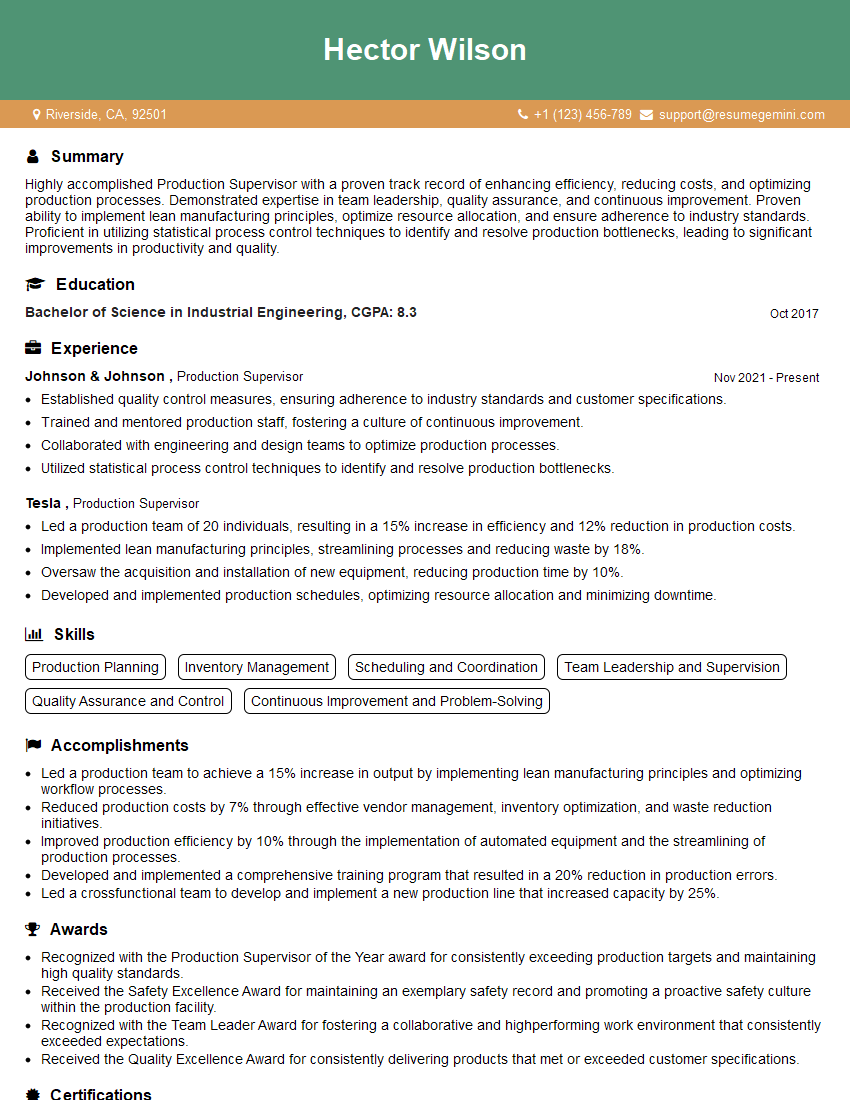
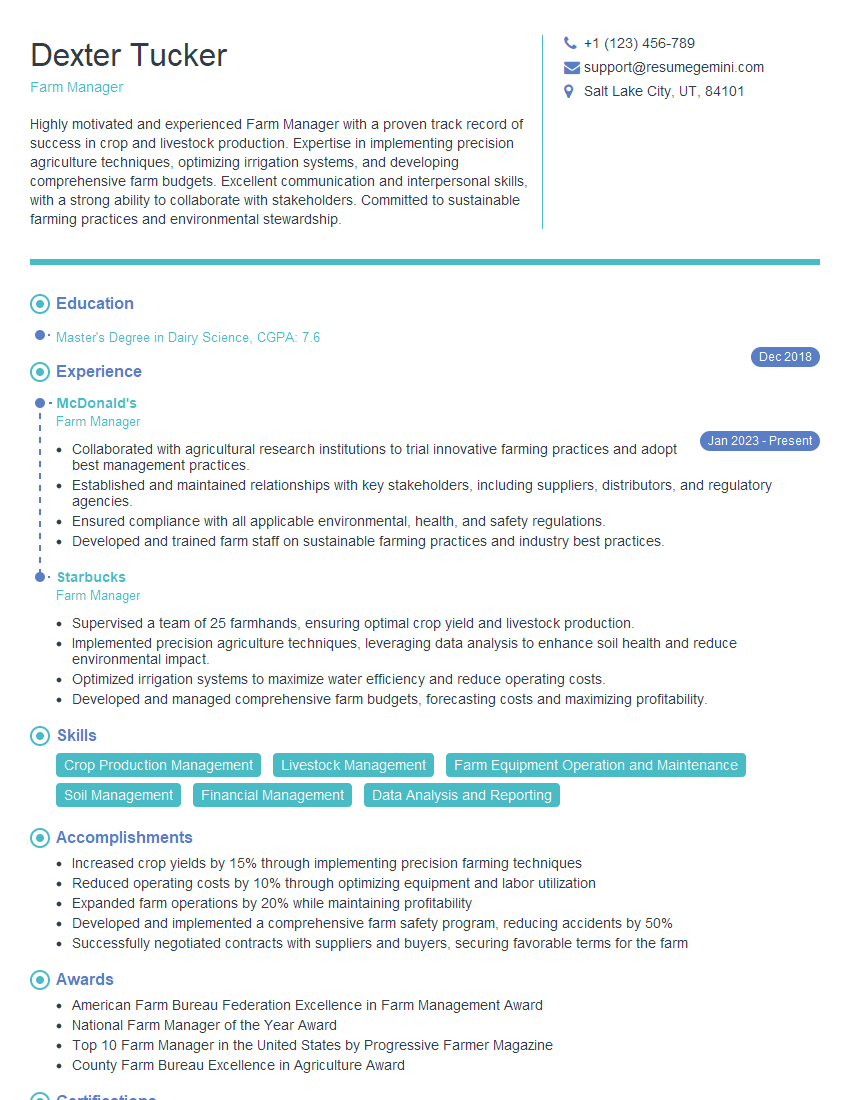
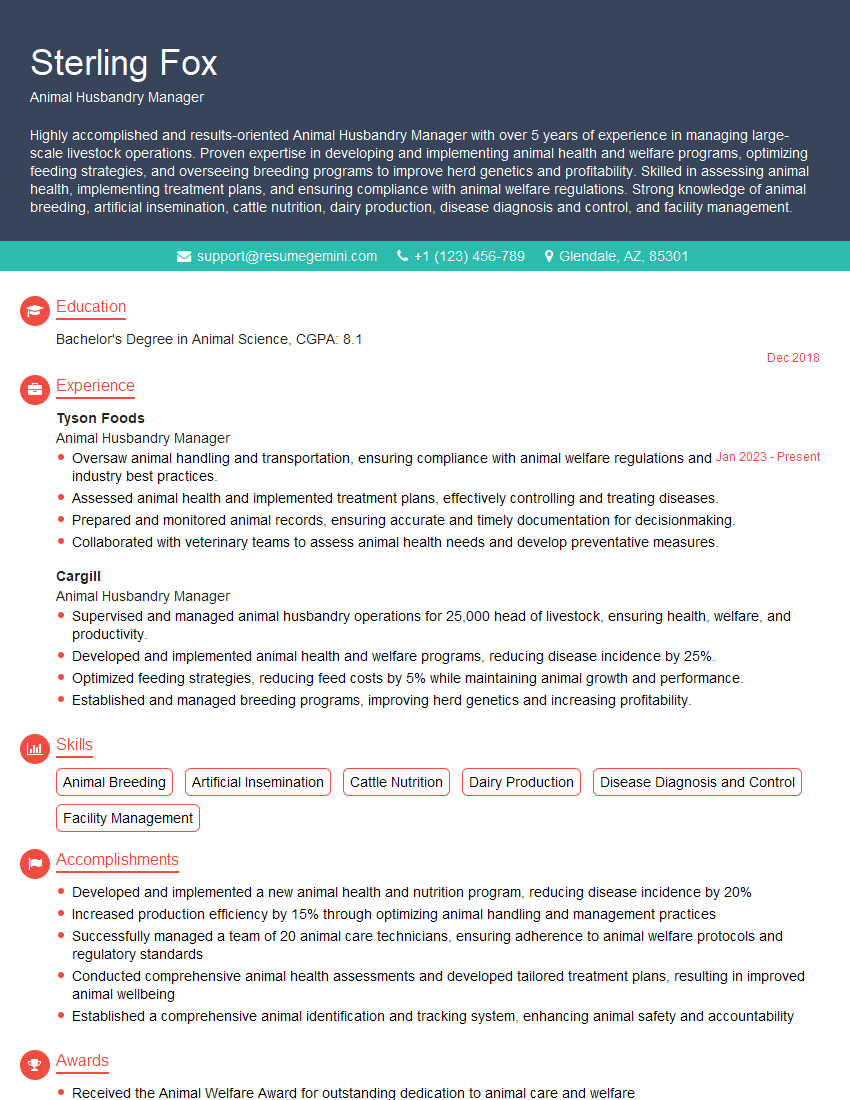
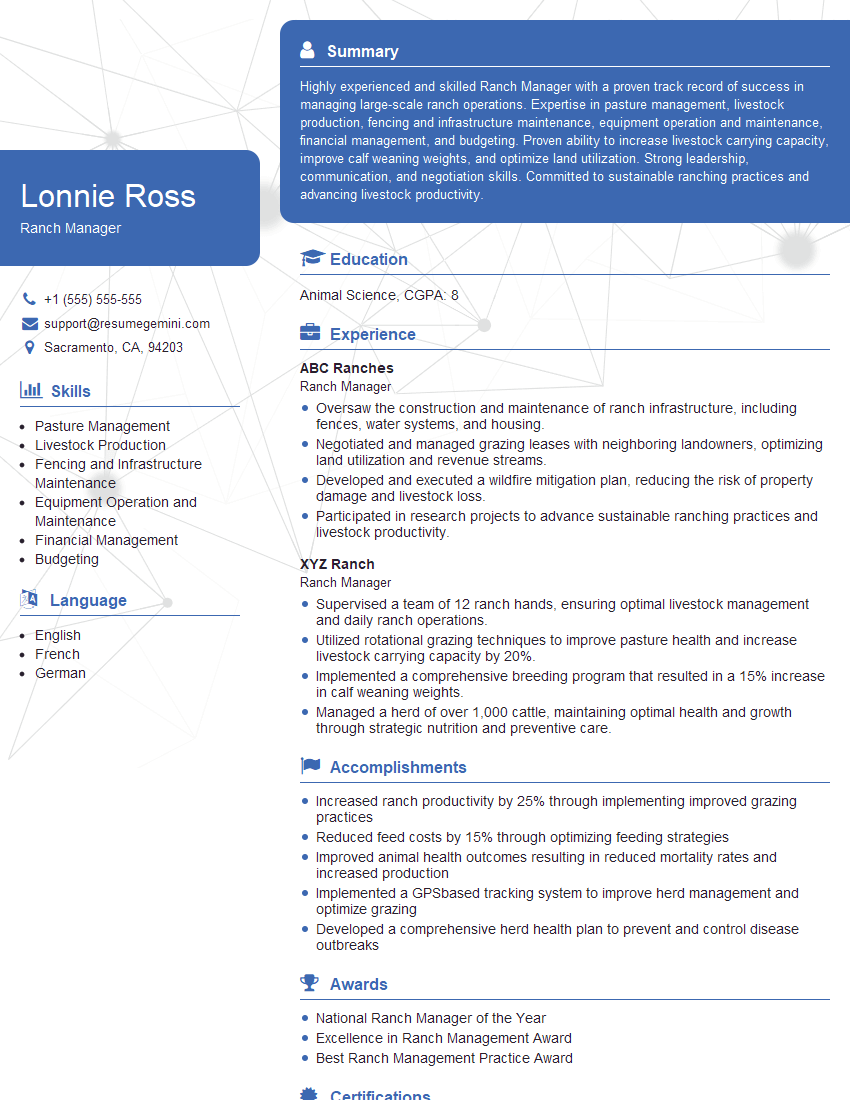
Mastering Sow Weaning Management is crucial for advancement in the swine industry. It demonstrates a deep understanding of animal welfare, production efficiency, and profitability. To maximize your job prospects, create an ATS-friendly resume that highlights your skills and experience effectively. ResumeGemini is a trusted resource to help you build a professional and impactful resume. They provide examples of resumes tailored to Sow Weaning Management to guide your process. Invest the time to craft a strong resume – it’s your first impression on potential employers.
Explore more articles
Users Rating of Our Blogs
Share Your Experience
We value your feedback! Please rate our content and share your thoughts (optional).
What Readers Say About Our Blog
Very informative content, great job.
good