Interviews are opportunities to demonstrate your expertise, and this guide is here to help you shine. Explore the essential Spacecraft Manufacturing interview questions that employers frequently ask, paired with strategies for crafting responses that set you apart from the competition.
Questions Asked in Spacecraft Manufacturing Interview
Q 1. Explain the difference between additive and subtractive manufacturing techniques in spacecraft construction.
Spacecraft manufacturing utilizes both additive and subtractive manufacturing techniques, each with its strengths and weaknesses. Subtractive manufacturing, also known as machining, starts with a larger block of material and removes material to create the desired shape. Think of sculpting a statue from a block of marble – you’re subtracting material to reveal the form. This is traditional in aerospace, often used for metallic parts requiring high precision. Additive manufacturing, or 3D printing, builds the object layer by layer from a digital design. It’s like building with LEGOs, adding material to create the final form. This allows for complex geometries and lightweight designs that are difficult or impossible to achieve with subtractive methods.
Example: A traditional subtractive approach might involve milling a titanium alloy block to create a spacecraft bracket. An additive approach could use selective laser melting (SLM) to create the same bracket directly from titanium powder, potentially reducing material waste and enabling intricate internal structures for weight savings.
The choice between these techniques depends on factors such as material properties, complexity of the part, production volume, cost, and required precision. Often, a hybrid approach is used, combining both methods for optimal results.
Q 2. Describe your experience with composite materials used in spacecraft structures.
My experience with composite materials in spacecraft structures is extensive. I’ve worked on projects utilizing carbon fiber reinforced polymers (CFRP), aramid fiber reinforced polymers (AFRP), and various hybrid composites. These materials are crucial for building lightweight yet incredibly strong spacecraft components. CFRP, for example, offers a high strength-to-weight ratio, making it ideal for structural elements like pressure vessels and solar array booms. AFRP, with its excellent ballistic tolerance, might be preferred for shielding applications. The selection process considers factors such as the required stiffness, strength, thermal properties, and resistance to radiation and extreme temperature fluctuations in space.
Example: In one project, we used a CFRP composite for the main structural frame of a small satellite. This allowed us to significantly reduce the overall mass, leading to lower launch costs and higher payload capacity. We carefully considered the fiber orientation during manufacturing to optimize strength in critical load-bearing areas. Careful layup and curing processes were employed to ensure the desired mechanical and thermal properties were met. Extensive testing, including tensile, compression, and fatigue testing, was conducted to verify the performance of the composite structure.
Q 3. How do you ensure the cleanliness and sterility of spacecraft components during manufacturing?
Maintaining cleanliness and sterility is paramount in spacecraft manufacturing to prevent contamination that could compromise mission success. Contamination can range from simple dust particles affecting sensitive optical systems to microbial contamination affecting experiments in planetary exploration missions. We employ a multi-layered approach:
- Cleanroom Environment: Manufacturing takes place in cleanrooms with strictly controlled environments, classified by the number of particles per cubic meter of air. Personnel wear cleanroom suits to minimize particle shedding.
- Material Selection: We choose materials that are inherently clean and resistant to contamination. Outgassing tests are routinely performed to verify the materials don’t release harmful substances into the spacecraft environment.
- Cleaning Procedures: Components undergo rigorous cleaning procedures using specialized solvents and techniques. Ultrasonic cleaning and ion bombardment are commonly used to remove microscopic particles.
- Sterilization Techniques: For missions involving planetary protection, stringent sterilization methods, such as dry heat sterilization or gaseous sterilization with ethylene oxide, are implemented to eliminate microbial contamination.
- Packaging and Handling: Components are carefully packaged and handled to prevent recontamination after cleaning.
Example: Before launch, every component for a Mars lander undergoes a rigorous sterilization process to prevent introducing terrestrial life to Mars. This process includes detailed documentation, traceability of every component, and post-sterilization biological assays to confirm the effectiveness of the process.
Q 4. What are the key considerations for designing a spacecraft for launch and deployment?
Designing a spacecraft for launch and deployment involves numerous considerations. The launch phase is characterized by extreme g-forces, vibrations, and acoustic loads. Deployment involves precise maneuvers and often the unfolding of large structures in the harsh environment of space. Here are key aspects:
- Structural Integrity: The spacecraft must withstand the extreme stresses of launch. This requires robust structural design, often incorporating advanced materials and FEA (Finite Element Analysis) for stress analysis.
- Thermal Management: The spacecraft must survive significant temperature variations during launch and space operations. Thermal control systems, including insulation, radiators, and heaters, are crucial.
- Shock and Vibration Isolation: Shock absorbers and vibration dampeners protect sensitive instruments from harsh launch conditions.
- Deployment Mechanisms: Deployment mechanisms must be reliable, efficient, and able to function flawlessly in space. Redundancy is often built-in to handle potential failures.
- Separation and Staging: If the spacecraft consists of multiple stages (e.g., a rocket), the separation process must be precisely controlled to prevent damage or collision.
Example: The intricate deployment sequence of a large space telescope involves multiple steps: fairing separation, solar array deployment, antenna deployment, and the precise unfolding of the telescope’s primary mirror. Each step requires thorough testing and analysis to ensure a successful deployment in space.
Q 5. Explain the role of Finite Element Analysis (FEA) in spacecraft structural design.
Finite Element Analysis (FEA) is an indispensable tool in spacecraft structural design. It’s a computational method used to predict the behavior of a structure under various loading conditions, including launch loads, thermal stresses, and operational forces. FEA divides a complex structure into numerous smaller elements, allowing engineers to analyze stress, strain, displacement, and other parameters within each element.
How it works: The engineer creates a 3D model of the spacecraft using CAD software. This model is then imported into FEA software, which automatically divides it into elements. Loads and boundary conditions (constraints) are applied to the model, and the software solves the resulting equations to determine the structural response. The results, typically visualized through color-coded stress and displacement maps, provide critical insights into the structural integrity of the design.
Benefits: FEA allows for the identification of potential weak points in the design before manufacturing, leading to weight reduction, improved reliability, and cost savings by reducing the need for expensive physical prototypes and testing.
Example: FEA was used to analyze the stress distribution within the launch vehicle adapter that connects the spacecraft to the rocket. By simulating launch loads, we identified areas of high stress and implemented design modifications to improve structural margins and prevent catastrophic failure.
Q 6. Discuss your experience with different types of spacecraft propulsion systems.
My experience encompasses various spacecraft propulsion systems, each suited for different mission requirements. These include:
- Chemical Propulsion: This is the most common type, utilizing chemical reactions to generate thrust. Examples include solid rocket motors (SRMs), liquid rocket engines (LREs), and hybrid rocket engines. SRMs provide high thrust for short durations, ideal for launch vehicles, while LREs offer more precise control and throttling, suitable for orbital maneuvers and trajectory adjustments.
- Electric Propulsion: Electric propulsion systems, such as ion thrusters and Hall-effect thrusters, use electricity to accelerate propellant, offering higher specific impulse (fuel efficiency) than chemical systems. This makes them ideal for long-duration missions where fuel efficiency is crucial.
- Solar Sails: Solar sails utilize the pressure of sunlight to propel spacecraft. This technology requires large, lightweight sails and is particularly suitable for interstellar missions or missions to high-inclination orbits.
Example: For a deep-space exploration mission, we chose electric propulsion due to its high specific impulse, enabling the spacecraft to reach its destination using less propellant. This reduced the overall spacecraft mass, lowering launch costs and increasing the science payload.
Q 7. How do you manage tolerances and dimensional accuracy in spacecraft manufacturing?
Managing tolerances and dimensional accuracy is critical in spacecraft manufacturing because even small discrepancies can lead to significant problems during operation. We employ several strategies:
- Precise Manufacturing Processes: We utilize high-precision manufacturing techniques such as Computer Numerical Control (CNC) machining, laser cutting, and 3D printing, all with stringent quality control measures.
- Dimensional Inspection: Rigorous inspection procedures are in place, using coordinate measuring machines (CMMs) and other advanced metrology tools to verify that components meet specified tolerances. This includes both dimensional and geometric checks.
- Geometric Dimensioning and Tolerancing (GD&T): GD&T is used to specify tolerances on drawings, ensuring clear communication between engineers and manufacturers about acceptable variations in size and form. This minimizes ambiguity and prevents misunderstandings.
- Assembly Procedures: Precise assembly procedures, often involving specialized fixturing and tooling, minimize errors during integration.
- Design for Manufacturing (DFM): We consider manufacturability and tolerance stack-up early in the design process. This helps to minimize the complexity of manufacturing and reduces the potential for errors.
Example: In assembling a satellite’s communication antenna, tolerances on the alignment of components are extremely tight. Using specialized jigs and fixtures, we ensure precise alignment within fractions of a millimeter to maintain optimal communication performance.
Q 8. Describe your experience with testing and qualification of spacecraft components.
Testing and qualification of spacecraft components is a rigorous process ensuring they meet stringent performance, reliability, and safety requirements for the harsh conditions of space. This involves a multi-stage approach, beginning with component-level testing, followed by subsystem integration and testing, and culminating in full spacecraft environmental testing.
Component-level testing might include material analysis, vibration testing to simulate launch loads, thermal vacuum testing to assess performance in the extreme temperatures and vacuum of space, and radiation testing to evaluate the effects of ionizing radiation. For example, solar panels undergo rigorous testing to ensure they can withstand micrometeoroid impacts and continue generating power.
Subsystem integration and testing verifies the compatibility and proper function of multiple components working together. This often involves functional testing, where the various subsystems are tested together to simulate real-world operation. Imagine testing the communication system – we’d verify the antenna can receive and transmit data effectively with the onboard computer and transmitter.
Full spacecraft environmental testing subjects the entire assembled spacecraft to a simulated space environment. This could involve vibration testing to simulate launch, acoustic testing to replicate the noise of a rocket launch, thermal vacuum testing, and electromagnetic interference (EMI) testing. These tests mimic extreme conditions to identify and rectify potential issues before launch. A successful pass through all these stages provides a high degree of confidence in the spacecraft’s functionality and reliability.
Q 9. What are the common failure modes in spacecraft structures and how can they be mitigated?
Spacecraft structures face numerous challenges, leading to several common failure modes. These failures can be broadly categorized into structural fatigue, buckling, fracture, and impact damage.
- Structural fatigue: Repeated stress cycles during launch and in-orbit operations can cause fatigue cracks and eventual failure. Think of repeatedly bending a paperclip – it will eventually break. This is mitigated by using high-strength, fatigue-resistant materials like titanium alloys and careful design to minimize stress concentrations.
- Buckling: Excessive compressive loads can cause thin-walled structures to buckle, leading to loss of structural integrity. Imagine stepping on a soda can – it crumples. This can be prevented through optimized structural design, using stiffeners, and selecting materials with high stiffness.
- Fracture: Brittle materials can experience sudden catastrophic failure under stress. This is mitigated by selecting ductile materials, implementing robust quality control, and designing with safety factors to account for unexpected loads.
- Impact damage: Collisions with micrometeoroids or space debris can cause significant damage. This is mitigated using shielding materials, designing redundancy into the structure, and utilizing advanced materials with high impact resistance.
The mitigation strategies often involve a combination of material selection, robust design, and thorough testing procedures.
Q 10. Explain your understanding of thermal control systems in spacecraft.
Thermal control systems are crucial for maintaining the operating temperature of spacecraft components within their specified ranges. Space presents extreme temperature variations – extreme cold in shadow and intense heat in sunlight. The system manages heat flow to prevent overheating or freezing.
These systems typically use a combination of passive and active techniques. Passive techniques include:
- Insulation: Multi-layer insulation (MLI) blankets minimize heat transfer.
- Thermal coatings: Special coatings reflect or absorb solar radiation.
- Heat pipes: These passively transport heat from hot components to radiators.
Active techniques involve:
- Heaters: Electrical heaters maintain temperature in cold environments.
- Radiators: Large surfaces radiate heat away from the spacecraft.
- Louvers: These adjustable shutters control the amount of radiation emitted.
Designing an effective thermal control system requires detailed thermal modeling and analysis to predict temperature distributions under various operating conditions. For instance, a Mars lander requires a system that can withstand the extreme temperature swings between the Martian day and night.
Q 11. How do you ensure the reliability and redundancy of spacecraft systems?
Reliability and redundancy are paramount in spacecraft design, as failures can have catastrophic consequences. We achieve this through careful design, robust testing, and the implementation of backup systems.
Design for Reliability focuses on using high-quality components, employing robust manufacturing processes, and incorporating design margins that account for variations in material properties and operating conditions.
Redundancy means incorporating multiple systems capable of performing the same function. If one system fails, another takes over seamlessly. This can be implemented at various levels – from having multiple processors in the onboard computer to including backup communication systems. For example, a spacecraft might have two independent reaction wheels to control its orientation; if one fails, the other can still maintain control. This is like having a spare tire in your car.
Fault tolerance goes a step further by designing systems that can continue to function even with some component failures. This often involves sophisticated software and hardware mechanisms for detecting and recovering from errors.
Q 12. Describe your experience with integrating various spacecraft subsystems.
Integrating various spacecraft subsystems is a complex process requiring meticulous planning and execution. It’s akin to assembling a highly intricate puzzle, where each piece (subsystem) must fit perfectly with the others and function as a cohesive unit.
The process typically involves several stages:
- Interface definition: Defining precise mechanical, electrical, and software interfaces between subsystems is critical. This ensures compatibility and prevents conflicts.
- Subsystem testing: Individual subsystems are tested rigorously to ensure they meet their specifications before integration.
- Integration testing: Subsystems are integrated incrementally, and tests are conducted at each stage to verify proper operation and identify any conflicts or issues. This may involve the integration of the power system, then the communication system, and then the attitude control system, and so on.
- System-level testing: Once all subsystems are integrated, the complete spacecraft undergoes comprehensive testing to ensure all systems work together seamlessly.
Throughout the integration process, rigorous documentation and configuration management are vital to track changes and maintain traceability.
Q 13. What are the key challenges in managing the supply chain for spacecraft manufacturing?
Managing the supply chain for spacecraft manufacturing presents unique challenges due to the high reliability and long lead times required for components. The space environment is unforgiving, meaning components need to be of the highest quality.
Key challenges include:
- Long lead times: Some specialized components can take years to procure.
- High reliability requirements: Components must meet extremely stringent quality and reliability standards, often requiring extensive testing and qualification.
- Limited suppliers: Many specialized components are sourced from a limited number of suppliers, creating potential risks if a supplier experiences delays or issues.
- Cost control: Spacecraft manufacturing is inherently expensive, necessitating careful management of procurement costs.
- Obsolescence management: Electronic components, in particular, have short lifecycles, requiring careful planning to prevent obsolescence.
Effective supply chain management requires close collaboration with suppliers, rigorous quality control, and proactive risk mitigation strategies, such as having backup suppliers for critical components.
Q 14. Explain your familiarity with industry standards and certifications relevant to spacecraft manufacturing (e.g., AS9100).
I am intimately familiar with industry standards and certifications relevant to spacecraft manufacturing, particularly AS9100. AS9100 is the international standard for quality management systems in the aerospace industry. It builds upon ISO 9001 but incorporates specific requirements relevant to aerospace manufacturing, including requirements for process control, traceability, and risk management.
Compliance with AS9100 is essential for demonstrating the quality and reliability of spacecraft components and systems to customers and regulatory bodies. This involves implementing a quality management system (QMS) that meets the standard’s requirements, and undergoing regular audits to verify compliance. Beyond AS9100, other relevant standards include those related to specific components or systems, like those from SAE International (e.g., standards for electrical connectors) and industry-specific specifications issued by government agencies like NASA.
Adherence to these standards is not merely a compliance exercise; it’s fundamental to building confidence in the safety and reliability of spacecraft, crucial considering the high stakes involved in space missions.
Q 15. How do you handle design changes and deviations during spacecraft manufacturing?
Design changes in spacecraft manufacturing are inevitable, driven by factors like new data, improved technology, or even unforeseen challenges. Handling them effectively requires a structured approach. We typically use a Configuration Management System (CMS) which tracks all changes meticulously. This system uses a change request process. Any deviation, no matter how small, must be formally proposed, reviewed by a team of engineers, and approved. This review considers the impact on cost, schedule, and, most critically, the spacecraft’s functionality and safety. For example, if a new material with improved radiation shielding is identified, a change request would be initiated. This request outlines the proposed change, its justification, impact assessments, and a detailed implementation plan. After approval, the CMS updates the design documentation, and all affected teams are notified. Throughout the process, rigorous testing and verification steps are included to ensure the change doesn’t negatively affect other spacecraft systems. We also utilize a robust version control system for all design files and documentation, allowing us to easily revert to earlier versions if necessary.
Career Expert Tips:
- Ace those interviews! Prepare effectively by reviewing the Top 50 Most Common Interview Questions on ResumeGemini.
- Navigate your job search with confidence! Explore a wide range of Career Tips on ResumeGemini. Learn about common challenges and recommendations to overcome them.
- Craft the perfect resume! Master the Art of Resume Writing with ResumeGemini’s guide. Showcase your unique qualifications and achievements effectively.
- Don’t miss out on holiday savings! Build your dream resume with ResumeGemini’s ATS optimized templates.
Q 16. Describe your experience with risk management in spacecraft manufacturing.
Risk management is paramount in spacecraft manufacturing, where failures can be catastrophic and incredibly expensive. We employ a formal risk assessment process throughout the entire lifecycle, from initial design to launch. This involves identifying potential hazards, analyzing their likelihood and severity, and developing mitigation strategies. A Failure Modes and Effects Analysis (FMEA) is a key tool, systematically identifying potential failure modes for each component and subsystem. This involves assigning probabilities and severity ratings to guide mitigation efforts. For instance, identifying a potential risk of component failure due to extreme temperature variations during launch would involve using thermal blankets, designing for thermal stresses, and including redundant systems as a mitigation strategy. Risk registers are meticulously maintained and regularly reviewed by dedicated teams. We also conduct regular design reviews, involving experts from different disciplines to challenge assumptions and uncover potential risks. This proactive approach ensures that potential problems are identified and addressed early, reducing the chance of costly delays and failures.
Q 17. How do you ensure the quality and traceability of materials used in spacecraft construction?
Ensuring material quality and traceability is critical for mission success. We use a rigorous system involving material certification, detailed documentation, and robust tracking throughout the entire supply chain. Each material batch receives a unique identification number, and its properties are verified against stringent specifications. This involves extensive testing, including mechanical properties testing, chemical analysis, and radiation testing, depending on the material’s intended use. For example, titanium alloys used in structural components are meticulously tested for tensile strength, yield strength, and fatigue resistance. We maintain a comprehensive database that records the complete history of each material, from its source to its integration into the spacecraft. This database, including documentation like certificates of compliance and test reports, provides complete traceability, making it possible to track any material back to its origin and verify its properties. This detailed traceability is crucial for addressing potential issues and performing root cause analysis in case of failures.
Q 18. Explain your understanding of different types of joining techniques used in spacecraft assembly.
Spacecraft assembly employs various joining techniques, each chosen based on factors like material compatibility, strength requirements, and the environment. Some common techniques include:
- Welding: Used for joining metals, particularly in high-stress applications. Different types, such as electron beam welding, are chosen based on material properties and required precision.
- Bolting and Fastening: A versatile method for joining various materials, but requires careful consideration of thread locking compounds and vibration dampening measures to ensure reliability in the harsh space environment.
- Adhesives: Used for lightweight components and applications where minimal stress is present, requiring careful selection based on outgassing properties and temperature resistance.
- Brazing: A joining method used for metals where high strength and leak tightness are required, especially in fluid systems.
- Diffusion Bonding: A solid-state welding process that produces strong, reliable joints ideal for high-temperature applications.
The choice of technique is always carefully evaluated for each application, considering factors such as stress concentrations, thermal expansion, and the potential for outgassing. For example, we might use electron beam welding for critical structural members due to its strength and ability to create leak-tight joints, while adhesives might be employed for joining insulation materials.
Q 19. Describe your experience with automated assembly and robotics in spacecraft manufacturing.
Automated assembly and robotics are increasingly vital in spacecraft manufacturing, offering benefits in precision, repeatability, and efficiency. We use robotic arms for tasks like precise component placement, welding, and even inspection. This automation improves consistency and reduces human error, crucial in the demanding precision of spacecraft construction. For instance, robotic arms can accurately position and weld delicate solar array components with higher consistency than manual processes. We also use computer-aided manufacturing (CAM) software to program these robots, and advanced vision systems that allow for real-time quality control. This helps to detect defects during the assembly process, minimizing the risk of failures later. However, it’s important to note that human expertise remains critical, particularly in areas requiring complex problem-solving and adaptation to unforeseen circumstances. Our approach is a combination of human oversight and robot assistance, allowing us to benefit from the speed and precision of automation while retaining the adaptability of human engineers.
Q 20. How do you manage the manufacturing schedule and budget for a spacecraft project?
Managing a spacecraft manufacturing schedule and budget requires a robust project management approach. We use earned value management (EVM) to track progress against the planned schedule and budget. This involves breaking down the project into smaller, manageable work packages, each with a defined scope, cost, and schedule. We monitor progress on each work package regularly, comparing the actual cost and schedule against the planned values. This allows us to identify potential problems early and take corrective action. For instance, a delay in the delivery of a critical component would trigger a replanning exercise, potentially involving adjustments to other work packages or re-allocation of resources. We also use sophisticated software tools for scheduling and resource allocation, like MS Project or Primavera P6, that facilitate scenario planning and ‘what-if’ analyses to predict and handle potential disruptions. Regular reviews with stakeholders, including cost and schedule reports, maintain transparency and accountability.
Q 21. Explain your familiarity with different types of spacecraft testing (e.g., vibration, thermal vacuum).
Spacecraft testing is rigorous and multi-faceted, designed to ensure the spacecraft’s ability to withstand the harsh conditions of space. We use a variety of tests, including:
- Vibration Testing: Simulates the launch vibrations to identify potential structural weaknesses. This involves subjecting the spacecraft to sinusoidal and random vibrations at various frequencies and amplitudes.
- Thermal Vacuum Testing: Mimics the extreme temperature variations and vacuum conditions of space. This involves placing the spacecraft in a chamber that simulates the vacuum of space while cycling the temperature between extremes.
- Acoustic Testing: Subjects the spacecraft to high-intensity sound levels to simulate the noise of rocket launch.
- EMI/EMC Testing: Evaluates the spacecraft’s susceptibility to and emission of electromagnetic interference.
- Radiation Testing: Exposes spacecraft components to radiation to evaluate their resistance to the radiation environment of space.
Each test is carefully planned and executed to ensure its relevance to the mission profile. Test results are meticulously documented and analyzed to ensure compliance with requirements and identify potential areas for improvement. These rigorous tests are essential for ensuring the reliability and longevity of the spacecraft in its intended operational environment.
Q 22. Describe your experience with troubleshooting manufacturing problems and implementing corrective actions.
Troubleshooting in spacecraft manufacturing demands a systematic approach. It’s not just about fixing a problem; it’s about understanding the root cause to prevent recurrence. My experience involves utilizing a combination of techniques, including root cause analysis (RCA) methodologies like the ‘5 Whys’ and fault tree analysis. For instance, during the construction of a communication satellite, we experienced unexpected vibrations during testing. Using the ‘5 Whys,’ we traced the issue to a faulty damper improperly installed during assembly. Corrective actions included retraining assembly technicians on proper installation procedures, implementing stricter quality control checks, and introducing vibration testing at each assembly stage. Beyond this, we also leveraged data analytics on past failures to identify recurring patterns and proactively address potential problems before they arose. This proactive approach significantly reduced manufacturing defects and improved overall product reliability.
Q 23. What are the key considerations for designing a spacecraft for a specific mission?
Designing a spacecraft for a specific mission requires a holistic approach, considering numerous interdependent factors. First, the mission objectives dictate the spacecraft’s functionality, determining the payload, communication systems, and power requirements. For example, a Mars rover needs robust radiation shielding, a long-life power source, and sophisticated robotic mobility systems, unlike a geostationary communication satellite which primarily needs high-power transmitters and precise orbital positioning. Second, the target environment is crucial. Spacecraft destined for deep space will face extreme temperature fluctuations and radiation levels, necessitating specialized materials and thermal control systems. Third, launch vehicle constraints influence the spacecraft’s size, weight, and shape, while budget and timeline greatly impact material selection and design complexity. All these factors must be carefully considered and optimized simultaneously using trade studies to ensure mission success while remaining within the imposed boundaries.
Q 24. How do you ensure compliance with environmental regulations during spacecraft manufacturing?
Environmental compliance in spacecraft manufacturing is paramount, demanding rigorous adherence to regulations concerning hazardous materials, waste disposal, and emissions. We adhere strictly to regulations like RoHS (Restriction of Hazardous Substances) and REACH (Registration, Evaluation, Authorisation and Restriction of Chemicals) in the European Union, and equivalent regulations in other regions. This involves careful material selection, substituting hazardous components with safer alternatives where possible. For example, we’ve replaced lead-based solder with lead-free alternatives. We also meticulously manage waste generation through recycling and proper disposal pathways. Regular environmental audits and thorough documentation ensure continuous compliance. Furthermore, we proactively engage with environmental agencies and participate in industry initiatives to promote best practices in sustainable spacecraft manufacturing.
Q 25. Explain your experience with working with different materials and their properties (e.g., aluminum alloys, titanium, carbon fiber).
My experience encompasses a wide range of spacecraft materials, each with unique properties and applications. Aluminum alloys are frequently used for their lightweight nature and high strength-to-weight ratio, often forming the structural backbone of the spacecraft. However, their susceptibility to fatigue must be carefully addressed in design. Titanium alloys offer superior strength and corrosion resistance, particularly in harsh environments, making them ideal for critical components. Carbon fiber composites, though expensive, provide exceptional strength and stiffness, crucial for lightweight structures, antennas, and solar panels. Selecting materials involves a careful balance of strength, weight, cost, and thermal properties, taking into account the specific environmental conditions and mission requirements. I routinely utilize Finite Element Analysis (FEA) to model and optimize the structural performance of the chosen materials for each specific application.
Q 26. Describe your understanding of the importance of documentation and traceability in spacecraft manufacturing.
Documentation and traceability are foundational in spacecraft manufacturing, ensuring quality, accountability, and regulatory compliance. Every component, from raw materials to finished products, is meticulously tracked throughout its lifecycle using a robust tracking system. This includes serial numbers, manufacturing dates, test results, and modifications. Detailed design drawings, assembly procedures, and test reports are stored in a centralized database, accessible to all relevant personnel. This rigorous system is not only crucial for identifying the source of any potential issues but also demonstrates compliance with international standards and customer specifications. In essence, it forms the backbone of product assurance and allows us to reconstruct the entire manufacturing history of any given spacecraft component, should the need arise.
Q 27. How do you balance cost, schedule, and performance in spacecraft manufacturing?
Balancing cost, schedule, and performance is a constant challenge in spacecraft manufacturing, demanding a sophisticated approach. It often involves making difficult trade-offs, with each factor influencing the others. For example, selecting higher-performance but more expensive materials might shorten the schedule but impact the overall budget. We use Earned Value Management (EVM) techniques to track progress, costs, and schedule adherence, allowing for early identification of potential problems. Risk assessment is critical, identifying areas where potential cost overruns or schedule slips are most likely to occur. Mitigation plans are developed to address these risks, often involving alternative strategies or contingency plans. Through careful planning, rigorous monitoring, and proactive risk management, we strive to deliver high-performance spacecraft within budget and on schedule.
Q 28. Explain your approach to continuous improvement in spacecraft manufacturing processes.
Continuous improvement is integrated into our manufacturing processes through a commitment to Lean principles and Six Sigma methodologies. We regularly analyze manufacturing data to identify areas for process optimization, reducing waste, and improving efficiency. This includes streamlining assembly procedures, improving material handling, and reducing lead times. We actively encourage employee involvement through Kaizen events, fostering a culture of continuous improvement where suggestions are sought and implemented. Data-driven decision-making is central to our approach, allowing us to objectively measure the impact of changes and ensure ongoing progress. Regular process audits and performance reviews help monitor these improvements, ensuring we continuously strive for excellence in spacecraft manufacturing. The ultimate goal is to produce higher quality spacecraft, faster and more cost-effectively, which ultimately leads to increased mission success.
Key Topics to Learn for Spacecraft Manufacturing Interview
- Materials Science & Engineering: Understanding material properties crucial for spacecraft (e.g., lightweight yet strong alloys, radiation resistance, thermal management). Practical application: Justifying material selection for a specific spacecraft component based on mission requirements.
- Manufacturing Processes: Familiarity with techniques like welding (TIG, laser), machining, additive manufacturing (3D printing), and assembly processes specific to spacecraft construction. Practical application: Describing the advantages and limitations of different manufacturing methods for a given application, considering cost, precision, and time constraints.
- Quality Control & Assurance: Deep understanding of stringent quality standards in aerospace manufacturing, including non-destructive testing (NDT) methods and defect detection. Practical application: Explaining how to implement a robust QC plan to minimize defects and ensure mission success.
- Cleanroom Environments & Contamination Control: Knowledge of cleanroom protocols and procedures to prevent contamination of sensitive spacecraft components. Practical application: Detailing the steps involved in maintaining a Class 100 cleanroom environment during assembly.
- Spacecraft Subsystems: Basic understanding of various spacecraft subsystems (e.g., propulsion, power systems, communication systems, thermal control) and their manufacturing considerations. Practical application: Analyzing the manufacturing challenges associated with a particular subsystem and proposing potential solutions.
- Testing & Verification: Knowledge of environmental testing (vibration, thermal vacuum, shock) and functional testing of spacecraft components and the entire system. Practical application: Explaining the rationale behind various testing procedures and how they ensure the reliability and performance of the spacecraft.
- Project Management & Teamwork: Demonstrating experience in collaborative environments, adhering to schedules, and managing resources effectively within a manufacturing setting. Practical application: Describing your role and contributions in a past project, highlighting your ability to work effectively in a team.
Next Steps
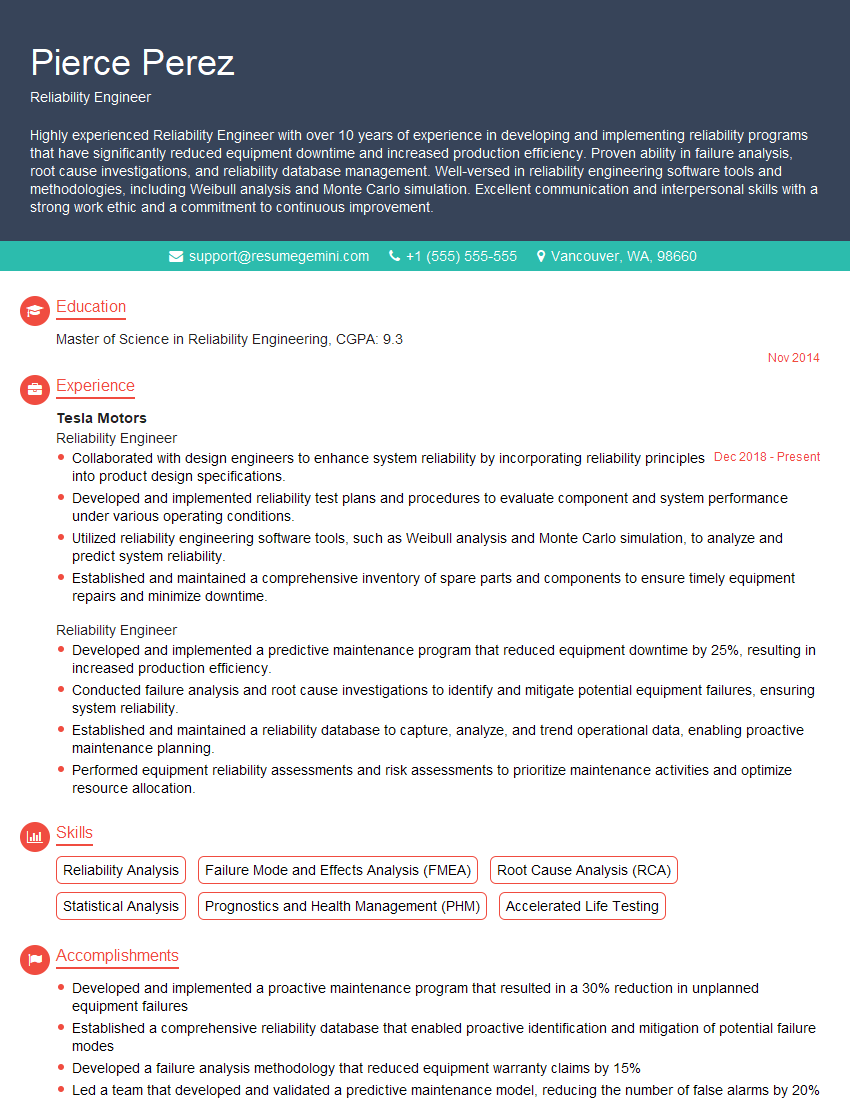
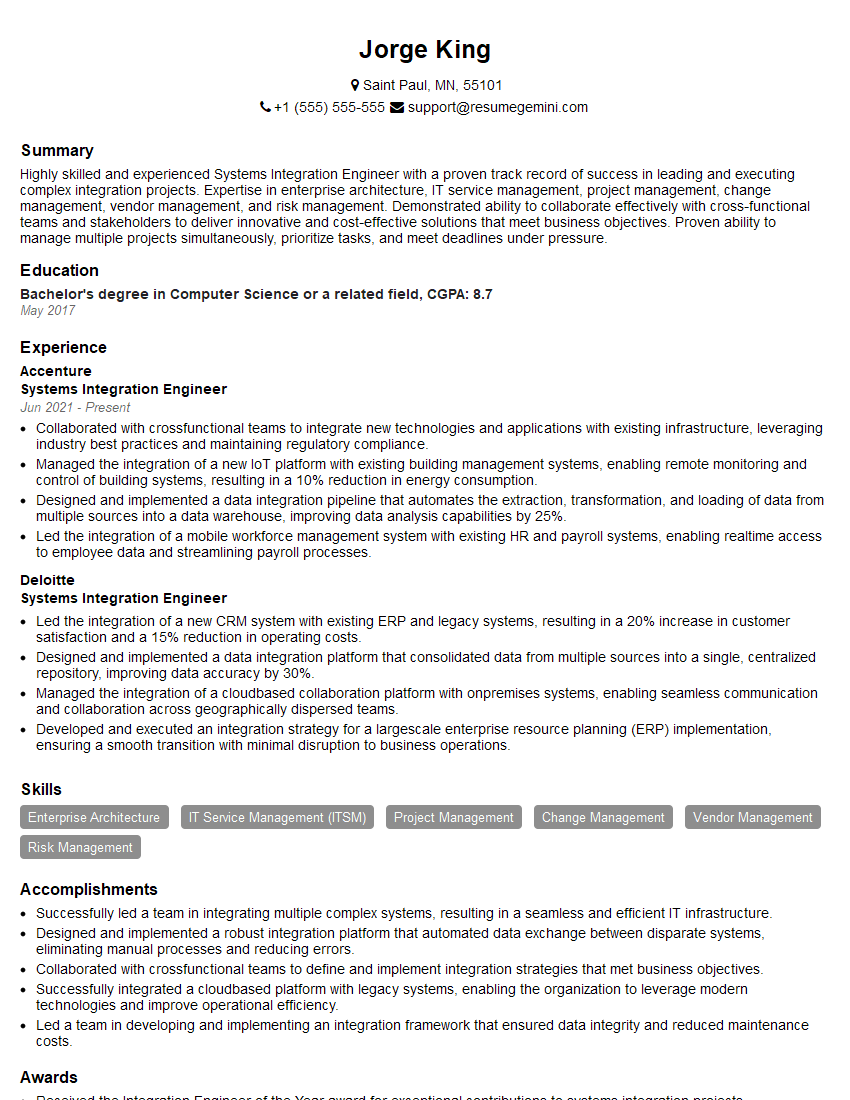
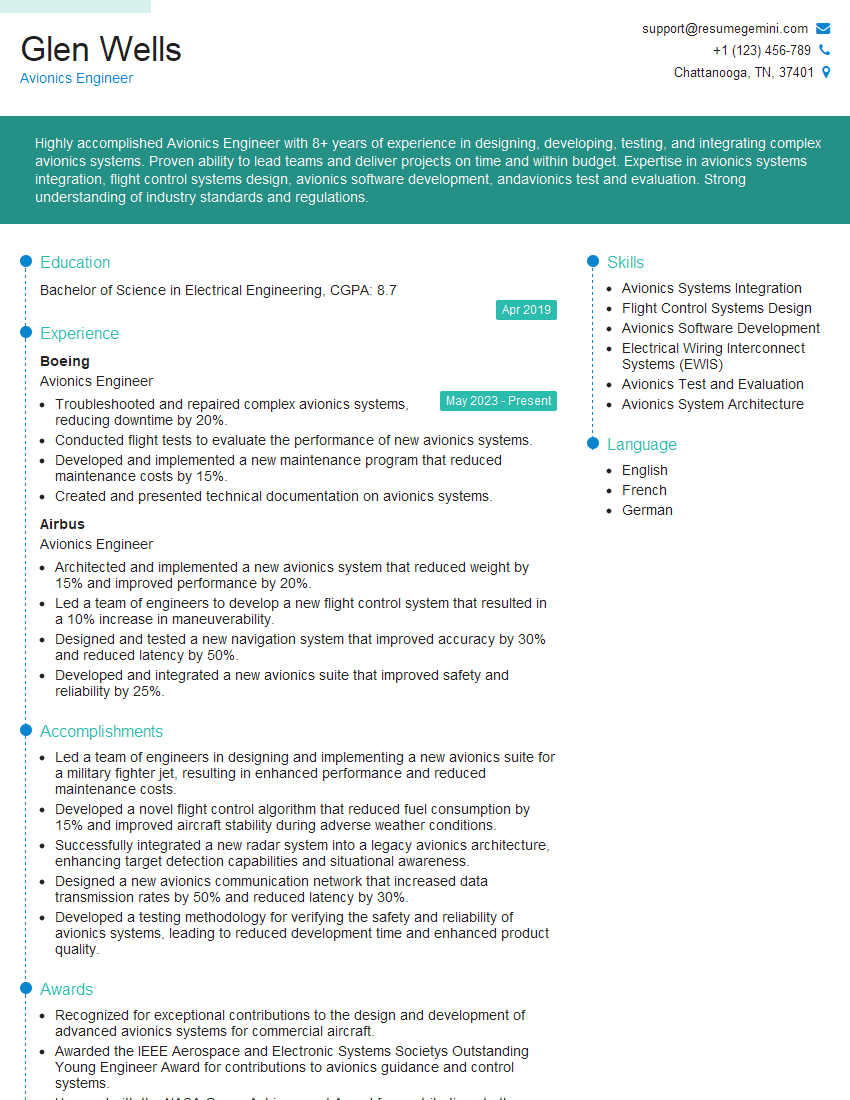
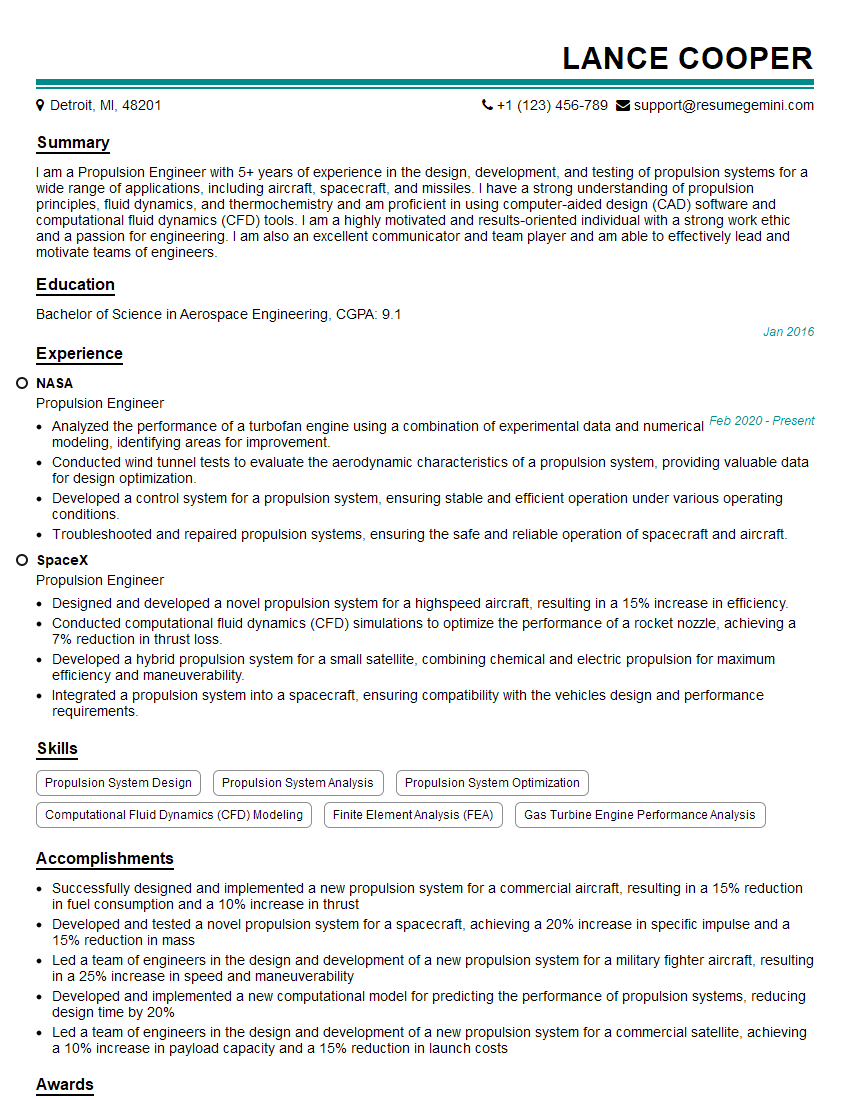
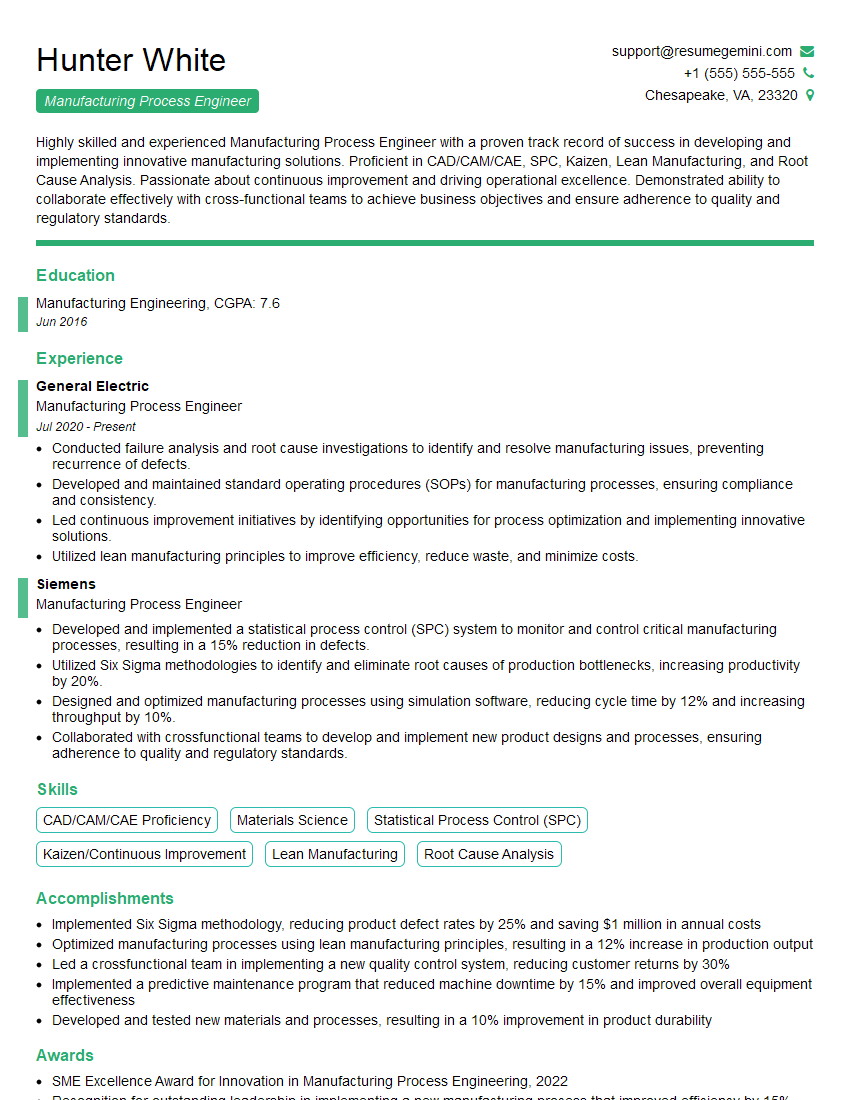
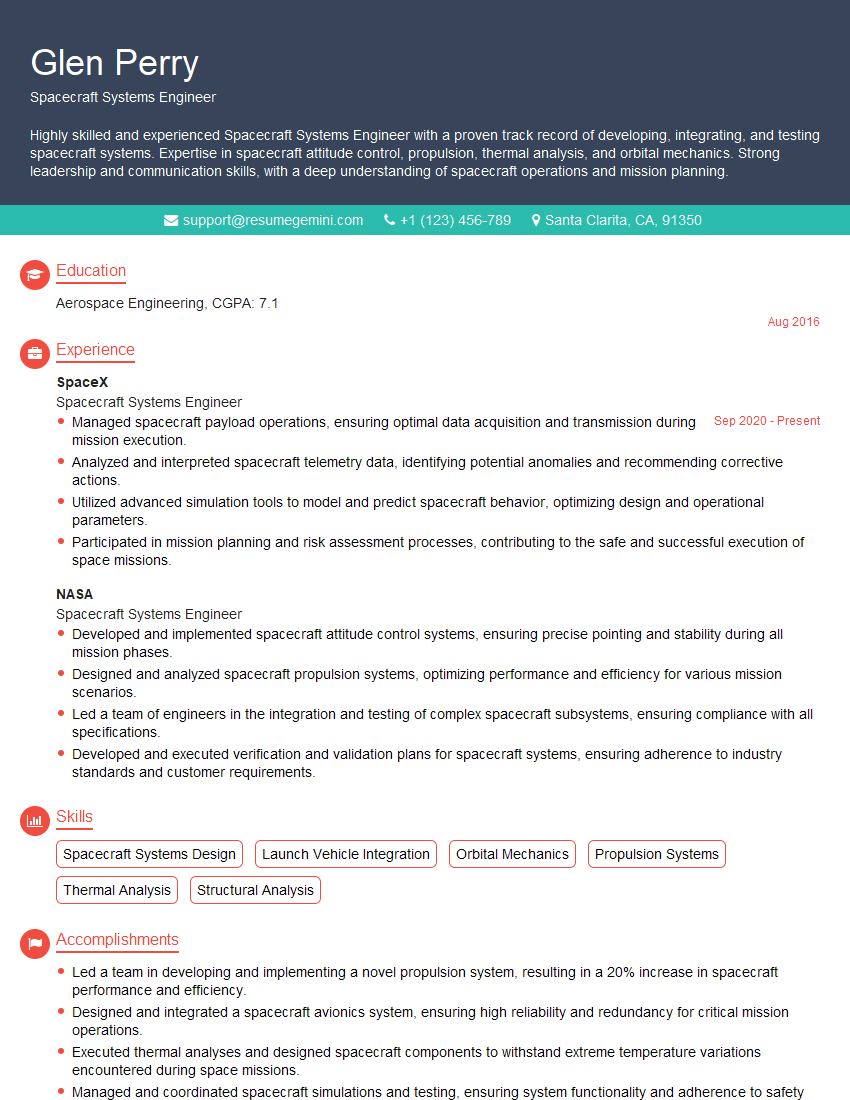
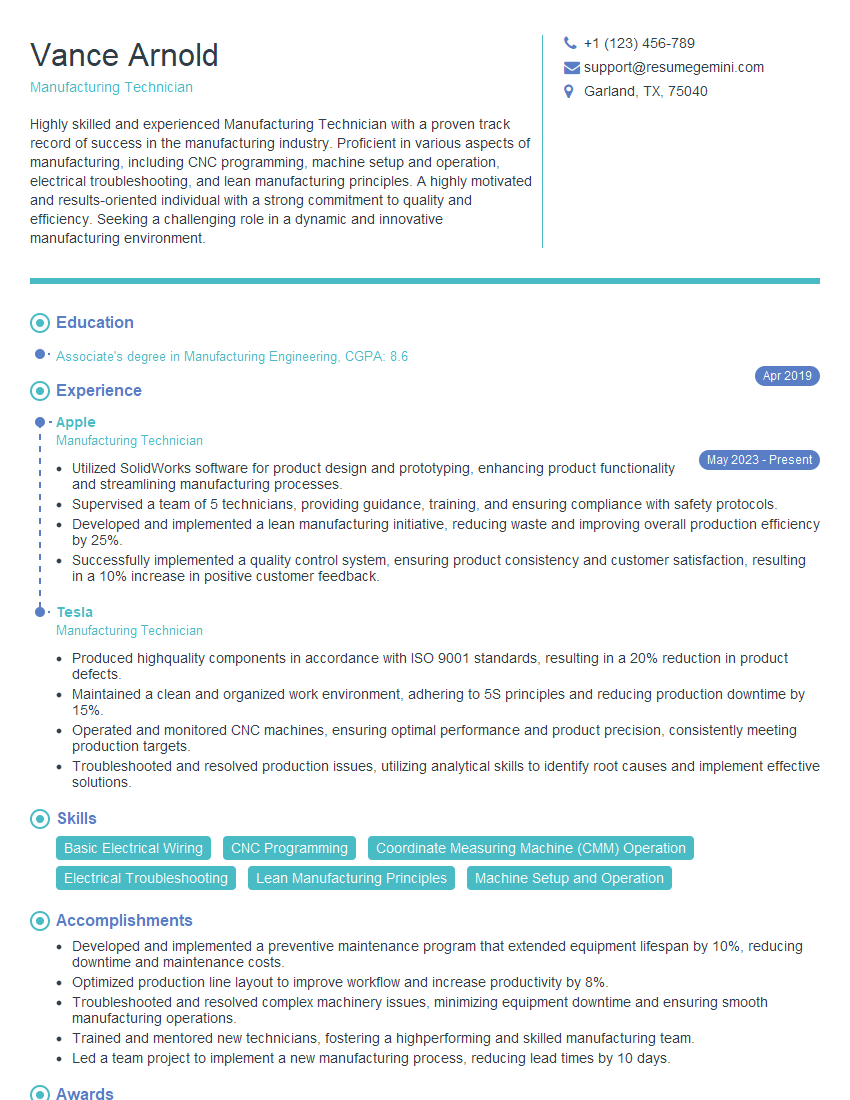
Mastering spacecraft manufacturing opens doors to a rewarding career in a cutting-edge industry, offering opportunities for innovation and contributing to space exploration. To significantly enhance your job prospects, creating an ATS-friendly resume is crucial. ResumeGemini is a trusted resource to help you build a professional and effective resume that highlights your skills and experience. We provide examples of resumes tailored to the Spacecraft Manufacturing field to guide you in crafting a compelling document that will get noticed by recruiters.
Explore more articles
Users Rating of Our Blogs
Share Your Experience
We value your feedback! Please rate our content and share your thoughts (optional).
What Readers Say About Our Blog
Very informative content, great job.
good