Cracking a skill-specific interview, like one for Special Handling, requires understanding the nuances of the role. In this blog, we present the questions you’re most likely to encounter, along with insights into how to answer them effectively. Let’s ensure you’re ready to make a strong impression.
Questions Asked in Special Handling Interview
Q 1. Describe your experience with various special handling requirements, such as temperature-sensitive goods or hazardous materials.
My experience with special handling encompasses a wide range of requirements, primarily focusing on temperature-sensitive goods and hazardous materials. For temperature-sensitive products, like pharmaceuticals or certain food items, I’ve managed the entire cold chain, ensuring consistent temperature control from origin to delivery. This includes selecting appropriate packaging, utilizing temperature-controlled transportation (such as refrigerated trucks or containers with GPS tracking and alarm systems), and meticulously documenting temperature readings throughout the process. For hazardous materials, my expertise includes proper classification according to regulations (like IATA or DOT), selecting compliant packaging, and adhering to strict handling procedures to prevent accidents or environmental contamination. I’ve handled everything from flammable liquids to corrosive chemicals, always prioritizing safety and compliance.
For example, I once oversaw the shipment of a highly sensitive biological sample requiring a precise temperature range of 2-8°C. We used a specialized container with a temperature monitoring device, real-time tracking, and multiple backup power sources to ensure its integrity. For hazardous materials, I’ve worked with teams to successfully ship lithium batteries, requiring specific packaging, labeling and documentation in accordance with IATA regulations to meet stringent air safety requirements.
Q 2. Explain your understanding of IATA regulations for dangerous goods.
My understanding of IATA (International Air Transport Association) regulations for dangerous goods is comprehensive. I’m well-versed in the regulations concerning the safe transportation of hazardous materials by air. This includes understanding the classification of dangerous goods using the UN hazard classes and sub-classes, proper packaging instructions, marking and labeling requirements, and the documentation needed for shipping, including the preparation of the Shipper’s Declaration for Dangerous Goods. I know that non-compliance can result in significant fines, delays, and even safety incidents. The IATA Dangerous Goods Regulations are regularly updated, and I stay current with these changes through regular training and access to the latest publications.
A key aspect of IATA compliance is the proper classification of goods. For instance, lithium batteries are a common item, but their classification depends on factors like the battery’s watt-hour rating and whether they are installed in equipment. This detail determines the packaging type and documentation needed. Incorrect classification can lead to serious consequences. I always ensure that shipments are meticulously documented, meeting all requirements for air waybills, labels, and accompanying documents.
Q 3. How do you prioritize shipments with conflicting special handling needs?
Prioritizing shipments with conflicting special handling needs requires a systematic approach. I use a risk-based prioritization framework that considers several factors. Firstly, the urgency of each shipment: time-sensitive deliveries take precedence. Secondly, the sensitivity of the goods: those with a higher risk of damage or spoilage are given priority. Finally, I consider the potential consequences of non-compliance. Hazardous materials, for instance, often require higher priority to minimize risk. In cases of severe conflict, I communicate openly with all stakeholders, including shippers and recipients, to find a mutually acceptable solution that prioritizes safety and minimizes disruptions.
For example, I once had a shipment of temperature-sensitive vaccines and a shipment of flammable chemicals scheduled for the same transport route. Due to the higher risk associated with the chemicals, we prioritized their shipment to ensure proper handling and compliance with all safety regulations, coordinating the vaccine shipment for a later, equally safe transport time.
Q 4. What methods do you use to track and document special handling procedures?
Tracking and documenting special handling procedures are crucial for ensuring accountability and compliance. I utilize a combination of methods: Firstly, I employ a robust Transportation Management System (TMS) to track shipments in real-time, monitoring temperature, location, and other relevant parameters. This system generates automated alerts for deviations from the predefined parameters. Secondly, I maintain detailed physical records for each shipment, including packing lists, temperature logs, and special handling instructions. These documents are stored securely and are readily accessible for audits or investigations. Thirdly, I use barcodes and RFID tags to track individual packages or pallets throughout the supply chain, providing an accurate and efficient tracing system. All records are maintained according to company policy and relevant regulations.
Q 5. Describe your experience with implementing and maintaining special handling procedures.
Implementing and maintaining special handling procedures involve creating detailed Standard Operating Procedures (SOPs), providing comprehensive training to staff, and regularly auditing processes to identify areas for improvement. My approach includes selecting appropriate technologies and resources to support these procedures. This involves the regular review and updating of procedures based on industry best practices, regulatory changes, and lessons learned from past experiences. The goal is to ensure consistency, accuracy, and safety across all operations. For example, after an incident involving a temperature excursion, I reviewed the process to identify the weaknesses and implemented improved temperature monitoring and control measures, enhancing our SOPs for similar future shipments. This ensures a continuous improvement cycle, promoting safety and efficiency.
Q 6. How do you ensure the safety and security of goods requiring special handling?
Ensuring the safety and security of goods requiring special handling is paramount. This involves a multi-faceted approach: secure storage facilities with environmental controls (temperature, humidity, etc.), using tamper-evident packaging to prevent unauthorized access or tampering, selecting secure transportation methods with GPS tracking and alarm systems, and implementing robust security protocols to control access to goods and information. We also incorporate security measures such as CCTV surveillance in our facilities and employ trained personnel to handle high-value or sensitive items. Thorough risk assessments are conducted before each shipment to identify and mitigate potential threats.
For instance, when handling valuable pharmaceuticals, we utilize high-security transportation services with armed escorts for critical shipments to prevent theft or diversion. We also use specialized containers that incorporate GPS tracking and temperature monitoring to ensure the integrity of the shipment throughout its journey.
Q 7. What is your experience with using specialized equipment for handling delicate or oversized items?
My experience with specialized equipment for handling delicate or oversized items is extensive. I’ve worked with various types of equipment, including forklifts with specialized attachments for handling palletized goods, cranes for oversized and heavy items, vacuum lifters for delicate objects, and climate-controlled vehicles and containers for temperature-sensitive items. I’m also familiar with the safety procedures and regulations associated with these tools, ensuring their proper use and maintenance. Prior to handling any item, a thorough risk assessment is done to understand the item’s unique characteristics and select the appropriate equipment and handling technique. We also train our staff in the safe and efficient use of this equipment to prevent accidents and damage.
For example, in one instance, we had to move a large, fragile piece of art. We used a specialized vacuum lifter to carefully lift and transport it, preventing any damage during the process. For oversized shipments, we carefully planned routes and employed heavy-lift equipment to ensure that all transportation was carried out safely and effectively. Every step was meticulously documented to support safety and efficiency in handling the item.
Q 8. How do you handle discrepancies in documentation related to special handling requirements?
Discrepancies in special handling documentation are a serious concern, potentially leading to damage, delays, or even safety hazards. My approach involves a systematic process. First, I carefully review the conflicting documentation, identifying the specific points of disagreement. Then, I trace the origin of each document to understand the context and potential sources of error. This often involves checking the original request, the subsequent processing steps, and any communication logs. If the discrepancy involves a critical parameter like temperature or handling instructions, I immediately escalate the issue to the relevant stakeholders (e.g., the shipper, receiver, and transportation provider) to establish the correct information through collaborative problem-solving. I meticulously document every step of the discrepancy resolution process, ensuring that a clear and accurate record exists for future reference and auditing purposes. A clear chain of communication and a commitment to verification is paramount. For example, if a shipping manifest indicates a different temperature requirement than the product’s datasheet, I’d contact both the shipper and the receiver to confirm the correct temperature, and subsequently update all documentation to reflect this.
Q 9. Describe a time you had to troubleshoot a problem related to special handling.
During a shipment of temperature-sensitive pharmaceuticals, we encountered a delay due to a sudden, unexpected blizzard. The initial transport plan relied on a specific road route, which became impassable. I immediately engaged in troubleshooting. My first step was to assess the current temperature of the shipment using the real-time tracking data from the temperature-monitoring devices. This confirmed that the product was still within the acceptable temperature range. Next, I explored alternative transport options, considering air freight as a backup. I contacted multiple air freight carriers, negotiating rates and timelines to ensure minimal delay. We successfully rerouted the shipment via air, ensuring the products remained safe and delivery was only slightly delayed. This experience underscored the importance of having contingency plans for unforeseen circumstances and the value of real-time monitoring technology in special handling situations.
Q 10. What is your experience with different types of packaging for special handling needs?
My experience encompasses a wide range of packaging solutions designed for various special handling needs. This includes insulated containers with temperature-controlled capabilities (e.g., for pharmaceuticals and biological samples), shock-absorbing packaging (for fragile electronics and equipment), specialized containers for hazardous materials (with appropriate labeling and containment features), and custom-designed packaging that addresses unique product requirements. I’m familiar with various materials such as expanded polystyrene (EPS), polyurethane foam, corrugated cardboard, and specialized plastics that meet specific regulatory standards. For instance, when dealing with hazardous materials, I ensure that the packaging meets the criteria outlined in the relevant regulations (e.g., DOT, IATA). For temperature-sensitive goods, I’m experienced in selecting packaging that maintains temperature stability for the duration of the shipment, considering the ambient temperature, travel time, and the product’s sensitivity. Selecting the right packaging is critical to prevent product damage, leaks, or safety incidents.
Q 11. How do you stay updated on changes in regulations and best practices for special handling?
Staying abreast of changes in regulations and best practices is crucial in special handling. My approach is multifaceted. I actively subscribe to industry publications and newsletters related to logistics, transportation, and regulatory compliance. I also attend industry conferences and webinars to learn about emerging trends and new technologies. Furthermore, I maintain close relationships with regulatory bodies and actively monitor their websites for updates and policy changes. I regularly review and update our company’s internal standard operating procedures (SOPs) to ensure alignment with the most current best practices and regulatory requirements. For example, I follow the updates to the IATA Dangerous Goods Regulations for air shipments and the DOT regulations for ground shipments, as well as changes related to temperature-sensitive goods outlined in various guidelines.
Q 12. How do you communicate special handling requirements to other team members?
Clear and effective communication is fundamental to ensuring proper special handling. My approach involves using a combination of methods tailored to the audience and situation. For initial communication of requirements, I use concise and well-structured documentation including detailed handling instructions, specifications, and relevant regulatory information. I also utilize visual aids, such as diagrams or videos, to clarify complex procedures or unique requirements. For on-site communication, I prioritize face-to-face training and demonstrations to ensure that team members can correctly execute the handling procedures. I emphasize the importance of documenting any questions, observations, or challenges throughout the process. I also use electronic methods like email updates to confirm instructions and maintain a clear audit trail. Regular refresher training keeps everyone up-to-date with changes in procedures or regulations. This ensures everyone understands their roles and responsibilities.
Q 13. Describe your experience with different modes of transportation and their impact on special handling.
My experience spans various modes of transportation, each posing unique challenges regarding special handling. Road transportation allows for flexibility but is more vulnerable to environmental conditions and potential delays. Air freight offers speed but necessitates careful consideration of altitude and pressure changes, which can affect temperature-sensitive goods. Sea freight presents issues regarding longer transit times, increased risk of damage, and the need for robust packaging. Each mode demands a tailored approach. For example, temperature-controlled containers are essential for air and sea freight of pharmaceuticals, whereas shock-absorbing packaging may be sufficient for road transport of less-sensitive goods. I incorporate factors like transit times, environmental conditions, and the specific vulnerabilities of the product when choosing the appropriate mode and taking into account additional handling requirements for each.
Q 14. How do you manage the costs associated with special handling procedures?
Managing the costs associated with special handling requires a balanced approach that prioritizes safety and efficiency. I start by carefully evaluating the specific requirements of each shipment, considering the nature of the goods, transportation mode, and necessary resources. This initial assessment allows me to identify the most cost-effective solutions without compromising safety or regulatory compliance. I proactively explore different vendors and service providers, comparing quotes and services to find the best value. I also look for opportunities for cost optimization, such as consolidating shipments or negotiating bulk discounts. We utilize technology like route optimization software to minimize transportation expenses. Thorough planning and careful selection of providers are key to managing expenses effectively, and I make sure all costs are accurately tracked and reported. We also look for ways to continuously improve efficiency without sacrificing quality or safety.
Q 15. What is your experience with auditing special handling processes?
Auditing special handling processes involves a systematic review to ensure compliance with regulations, safety protocols, and efficiency standards. My experience encompasses a multi-faceted approach. This includes reviewing documentation such as Standard Operating Procedures (SOPs), tracking data (temperature logs, handling records), conducting physical inspections of storage areas and equipment, and interviewing personnel involved in the handling process. For example, I once audited a pharmaceutical warehouse, identifying a gap in their cold chain management which was promptly addressed, preventing potential spoilage of temperature-sensitive medication. The audit report detailed findings, provided recommendations for improvement, and assessed the effectiveness of existing controls. I leverage established auditing frameworks like ISO 9001 and relevant industry-specific guidelines to ensure a comprehensive and thorough assessment.
Career Expert Tips:
- Ace those interviews! Prepare effectively by reviewing the Top 50 Most Common Interview Questions on ResumeGemini.
- Navigate your job search with confidence! Explore a wide range of Career Tips on ResumeGemini. Learn about common challenges and recommendations to overcome them.
- Craft the perfect resume! Master the Art of Resume Writing with ResumeGemini’s guide. Showcase your unique qualifications and achievements effectively.
- Don’t miss out on holiday savings! Build your dream resume with ResumeGemini’s ATS optimized templates.
Q 16. How do you balance efficiency and safety when handling goods requiring special handling?
Balancing efficiency and safety in special handling is paramount. It’s not about choosing one over the other but rather integrating them seamlessly. Think of it like a tightrope walk – you need both balance and speed. To achieve this, we must prioritize process optimization, investing in appropriate automation where feasible. For example, automated guided vehicles (AGVs) can reduce manual handling of hazardous materials, minimizing risks. Simultaneously, we implement stringent safety protocols, such as double-checking procedures, providing comprehensive training to staff, and utilizing appropriate Personal Protective Equipment (PPE). Regular safety reviews and risk assessments are crucial to proactively identify and mitigate potential hazards. Documentation is vital, providing a clear audit trail and evidence of compliance. A well-defined SOP minimizes errors while reinforcing safety measures. Ultimately, a culture of safety, where employees are empowered to speak up about concerns, is the most important component.
Q 17. Explain your understanding of various types of labels and markings used for special handling.
My understanding of special handling labels and markings is extensive. These are crucial for clear communication, preventing accidents and ensuring goods are handled correctly. Different labels indicate various hazards, including:
- Danger labels: Indicate immediate and serious hazards, such as flammability (e.g., a flame symbol), toxicity (e.g., a skull and crossbones), or corrosivity (e.g., a corrosive symbol).
- Warning labels: Highlight hazards that could cause harm but are less severe than dangers. They might signify irritants, health hazards, or environmental dangers.
- Caution labels: Indicate less severe hazards that might cause minor injury or damage. These frequently relate to handling precautions or specific instructions.
- Specific handling labels: These labels provide specialized instructions, such as “fragile,” “keep dry,” “this side up,” or “handle with care.” They often complement the hazard symbols.
Furthermore, markings such as UN numbers (for hazardous materials) and batch numbers provide vital traceability information. Properly adhering to the Globally Harmonized System of Classification and Labelling of Chemicals (GHS) is critical in ensuring consistent and internationally recognized labelling. Inconsistencies can lead to misinterpretations and accidents; therefore, clear and standardized labeling is essential.
Q 18. How do you identify potential hazards associated with special handling procedures?
Identifying potential hazards associated with special handling procedures requires a proactive and systematic approach. This involves a detailed hazard analysis, considering various factors. We utilize techniques like Job Safety Analysis (JSA) and HAZOP (Hazard and Operability Study) to systematically identify potential hazards throughout the entire handling process. This includes assessing risks associated with the goods themselves (e.g., flammability, toxicity), the handling environment (e.g., temperature, humidity), and the handling equipment (e.g., forklift malfunctions, lifting injuries). We also factor in human factors such as fatigue, training levels, and communication breakdowns. For instance, in a project involving radioactive materials, a detailed hazard analysis revealed the need for specialized shielding and radiation monitoring equipment to protect personnel. This proactive identification and mitigation of hazards are critical in preventing accidents and ensuring safety.
Q 19. Describe your experience with investigating and reporting incidents related to special handling.
Investigating and reporting incidents related to special handling requires a meticulous approach. My experience includes conducting thorough root cause analyses using tools like the 5 Whys and fishbone diagrams. This process helps to determine the underlying causes of an incident, rather than just the immediate symptoms. For instance, an incident involving a damaged shipment of temperature-sensitive goods might initially seem like a handling error. However, a thorough investigation could reveal a malfunctioning refrigeration unit as the root cause. The investigation includes gathering evidence, interviewing witnesses, reviewing documentation, and analyzing data. The findings are documented in a detailed report, which includes the sequence of events, contributing factors, root causes, and recommendations for corrective and preventive actions. The reporting process adheres to all relevant regulations and internal procedures. The goal is not just to assign blame, but to learn from mistakes and prevent similar incidents from recurring.
Q 20. What is your proficiency in using relevant software or systems for tracking special handling?
I’m proficient in using various software and systems for tracking special handling, including Warehouse Management Systems (WMS), Transportation Management Systems (TMS), and specialized software for tracking temperature-sensitive goods. WMS, for example, allows us to track the location and status of goods, ensuring adherence to storage requirements. TMS facilitates tracking shipments, ensuring that goods requiring special handling are transported under appropriate conditions. Specialized software with real-time temperature monitoring and alerting capabilities is critical for products sensitive to temperature fluctuations. I’m also adept at using spreadsheets and databases to manage inventory, generate reports, and track key performance indicators (KPIs). This combination of tools ensures complete visibility of the handling process, enabling us to react quickly to potential issues and maintain efficiency and compliance.
Q 21. How do you manage inventory of goods requiring special handling?
Managing inventory of goods requiring special handling involves more than just counting items. It demands a system that considers the unique needs of each product. This includes dedicated storage areas with controlled environmental conditions (e.g., temperature, humidity), clear labeling and identification systems, first-in, first-out (FIFO) inventory management to minimize spoilage or degradation, and regular inventory checks to ensure accuracy. Real-time tracking systems, either through barcode scanning or RFID tags, provide continuous visibility and help to prevent stockouts or expiry. For example, managing the inventory of a pharmaceutical product requiring refrigeration necessitates meticulous temperature monitoring, recording, and regular equipment maintenance to ensure the integrity of the product. Regular audits and reconciliation processes confirm accuracy and identify any discrepancies promptly. This proactive approach ensures that goods are handled appropriately and available when needed, while minimizing waste and preventing losses.
Q 22. How do you ensure the proper documentation for customs and import/export procedures for special handling?
Ensuring proper documentation for customs and import/export procedures for special handling is paramount to smooth and compliant operations. It’s like providing a detailed roadmap for your shipment’s journey. This involves meticulous record-keeping, beginning with a comprehensive understanding of the specific goods being shipped and their unique requirements.
- Detailed Cargo Manifest: This document precisely lists every item, including its description, quantity, weight, dimensions, and any special handling instructions (e.g., temperature-sensitive, fragile, hazardous). Inconsistencies here can lead to delays or rejection.
- Certificates and Permits: Depending on the nature of the goods and their destination, various certificates (e.g., phytosanitary certificates for plants, health certificates for animals) and import/export permits might be required. These must be accurately prepared and included with the shipment documentation.
- Packing Lists: A detailed packing list specifying the contents of each package, its weight, and dimensions, is essential. This aids customs officials in verifying the cargo against the manifest.
- Commercial Invoice: This invoice provides details of the transaction, including the seller and buyer information, the description of goods, their value, and the terms of sale. Accuracy is crucial for customs valuation.
- Bill of Lading (or Air Waybill): This crucial document serves as a contract of carriage between the shipper and the carrier, detailing the shipment’s origin, destination, and handling instructions. Any discrepancies can lead to disputes.
I utilize a digital documentation system with automated checks to minimize errors and ensure compliance. For instance, if a shipment requires temperature control, the system automatically flags the need for a temperature monitoring report to be included. A final review process is always conducted before submission to catch any potential oversights.
Q 23. Explain your understanding of insurance and liability considerations related to special handling.
Insurance and liability in special handling are critical. Think of it as a safety net protecting against unforeseen events. Special handling often involves higher risks due to the fragility, perishability, or hazardous nature of the goods. Therefore, appropriate insurance coverage is essential.
- Cargo Insurance: This covers loss or damage to goods during transit, encompassing various risks like theft, accidents, and natural disasters. The level of coverage (e.g., All Risks, Institute Cargo Clauses) depends on the shipment’s value and risk profile. For special handling, ‘All Risks’ is frequently preferred.
- Liability Insurance: This protects the handler from potential claims resulting from damage or loss due to negligence or errors during handling. This is vital in case of accidents or mishandling leading to financial losses for the client.
- Third-Party Liability: This covers potential liability to third parties, for example, if a hazardous material spill occurs during transit and causes damage to property or injury to individuals.
The selection of insurance policies requires a careful assessment of the risks involved and the value of the goods. I work closely with insurance brokers to ensure optimal coverage tailored to the specifics of each shipment. Clear contractual agreements with clients define liability and responsibility, minimizing the chance of disputes.
Q 24. How do you handle customer inquiries or complaints related to special handling?
Handling customer inquiries and complaints is a crucial aspect of special handling. It’s about building trust and demonstrating our commitment to service excellence. I follow a structured approach to address customer concerns effectively.
- Prompt Acknowledgment: I immediately acknowledge the inquiry or complaint, assuring the customer that their concern is important and will be addressed promptly.
- Thorough Investigation: I carefully investigate the issue, gathering all relevant information from the customer, our internal records, and relevant parties involved in the shipment’s journey. This often includes reviewing tracking data, documentation, and communicating with transport partners.
- Transparent Communication: I keep the customer updated on the investigation’s progress, providing regular updates and explanations. Honesty and transparency are essential, even if the situation involves identifying a potential mistake.
- Resolution and Follow-up: Once the cause of the issue is identified, I work towards a fair and equitable resolution. This may involve reimbursement, replacement of goods, or other forms of compensation. I always follow up to ensure the customer is satisfied with the resolution.
For example, a customer once complained about a delay in their temperature-sensitive pharmaceuticals. I tracked the shipment, identified a minor equipment malfunction at a transfer point, and offered a partial refund and expedited delivery of a replacement shipment. The proactive communication and swift resolution maintained a positive client relationship.
Q 25. Describe your experience working with different types of clients and their specific special handling needs.
My experience spans a diverse range of clients, each with unique special handling requirements. This diversity has broadened my expertise and adaptability.
- Pharmaceutical Companies: These clients require stringent temperature control and chain-of-custody documentation for pharmaceuticals and other sensitive medical products. Meeting regulatory compliance is paramount.
- High-Value Art Dealers: Handling valuable artwork demands specialized packaging, secure transport, and meticulous documentation to prevent damage or theft. Insurance is a critical aspect here.
- Electronics Manufacturers: Their shipments of delicate electronic components require anti-static packaging and careful handling to prevent damage from static electricity.
- Research Institutions: Shipping scientific equipment or biological samples demands strict adherence to safety regulations and specific temperature or handling protocols.
The key to success is tailoring our approach to each client’s specific needs. This requires careful consultation and understanding of their unique requirements, including industry-specific regulations and their risk tolerance.
Q 26. How would you handle a situation where a shipment arrives damaged due to inadequate special handling?
A shipment arriving damaged due to inadequate special handling requires a methodical response. It’s a situation where proactive damage control and client communication are paramount.
- Immediate Assessment: Upon arrival, I thoroughly document the damage using photos and videos, noting the extent of the damage and any potential causes. This provides concrete evidence for claims.
- Notification of All Parties: I immediately notify the client and the carrier, providing them with the damage documentation. This transparency prevents misunderstandings.
- Claims Process Initiation: I initiate a claim with the carrier’s insurance or our own, providing all necessary supporting documentation, including the original shipping documents, damage report, and any photos/videos.
- Client Communication: I maintain open communication with the client throughout the claims process, providing regular updates and keeping them informed of the progress and expected timeline for resolution.
- Root Cause Analysis: A thorough root cause analysis is conducted to determine the reason for the damage. This could involve reviewing the handling procedures, packaging quality, or the carrier’s handling practices. The findings inform improvements to prevent future occurrences.
- Resolution: The claim is pursued vigorously to achieve a fair and timely resolution. This may involve negotiation with the carrier’s insurance or seeking legal counsel if necessary. Depending on the outcome, the client might receive compensation, a replacement shipment, or a combination of both.
The goal is to minimize the impact of the damage on the client and to implement corrective measures to prevent future incidents. Transparency, proactive communication, and a systematic approach are key.
Q 27. Describe your experience with training others on special handling procedures.
Training others on special handling procedures is critical for maintaining consistent quality and safety. I use a multi-faceted approach that combines theoretical knowledge and practical application.
- Classroom Training: I conduct classroom sessions covering the theoretical aspects of special handling, including different types of special handling needs, regulatory compliance, and safety protocols. I often use presentations, videos, and interactive exercises.
- On-the-Job Training: I provide hands-on training where individuals practice handling various types of shipments under supervision. This allows for immediate feedback and correction.
- Case Studies and Simulations: I use real-life case studies and simulations to help trainees learn from past experiences and prepare for potential challenges. This develops problem-solving skills.
- Documentation and Quizzes: I provide comprehensive training materials, including manuals and checklists, and conduct quizzes to assess comprehension and retention.
- Ongoing Mentoring: I provide ongoing support and mentorship, regularly checking in with trainees to answer questions, provide guidance, and ensure continued competency.
I believe in continuous learning and improvement. Regular refresher training ensures that everyone stays up-to-date with the latest procedures and best practices.
Q 28. How do you assess the risk associated with different special handling procedures?
Assessing risk in special handling is crucial for mitigating potential problems. It’s about anticipating potential issues and taking preventative measures. I use a risk assessment framework that considers several key factors.
- Nature of the Goods: The inherent fragility, perishability, or hazardous nature of the goods significantly impacts risk. Fragile items require more careful handling than robust ones; temperature-sensitive goods need precise climate control.
- Transportation Method: The chosen mode of transport (air, sea, road) introduces different risk profiles. Air freight might be faster but more susceptible to damage during handling, while sea freight is slower but generally less prone to shocks.
- Distance and Duration: Longer distances and transit times increase the chances of damage or loss due to handling, weather conditions, or potential delays.
- Environmental Factors: Temperature fluctuations, humidity, and exposure to sunlight can damage certain goods. These factors need careful consideration.
- Handling Procedures: The chosen handling procedures themselves introduce risk. Inadequate packaging, improper loading, and insufficient training can lead to damage or accidents.
Based on this assessment, I develop a risk mitigation plan that includes selecting the right packaging, choosing appropriate transport methods, implementing specific handling procedures, and securing adequate insurance coverage. Regular review of the risk assessment and mitigation plan is essential, especially with changing circumstances or newly identified risks.
Key Topics to Learn for Special Handling Interview
- Understanding Special Handling Regulations: Grasp the diverse regulations governing special handling materials (hazardous materials, temperature-sensitive goods, fragile items, etc.) and their implications for logistics and transportation.
- Practical Application of Handling Procedures: Learn about the practical application of these regulations, including proper packaging, labeling, storage, and transportation methods for various special handling categories. Consider real-world scenarios and how you would address challenges.
- Documentation and Traceability: Master the importance of meticulous documentation and traceability throughout the entire special handling process. Understand how to maintain accurate records and manage potential discrepancies.
- Safety Protocols and Risk Management: Develop a strong understanding of the safety protocols and risk management strategies associated with handling special materials. Be prepared to discuss risk assessment and mitigation techniques.
- Technology and Special Handling: Explore the role of technology in improving efficiency and safety in special handling, such as tracking systems, automated handling equipment, and data analysis for process optimization.
- Problem-Solving and Decision-Making: Practice problem-solving skills related to special handling challenges. Be ready to discuss scenarios requiring quick thinking and effective decision-making under pressure, prioritizing safety and compliance.
- Communication and Collaboration: Effective communication is crucial. Be prepared to discuss how you would collaborate with teams, clients, and other stakeholders to ensure the safe and efficient handling of special materials.
Next Steps
Mastering Special Handling opens doors to exciting career opportunities in logistics, supply chain management, and related fields. It demonstrates a commitment to safety, precision, and regulatory compliance, highly valued by employers. To maximize your job prospects, creating an ATS-friendly resume is essential. ResumeGemini is a trusted resource that can help you build a professional and impactful resume designed to get noticed. Examples of resumes tailored to Special Handling are available within ResumeGemini to guide you.

Operations Manager Resume Sample
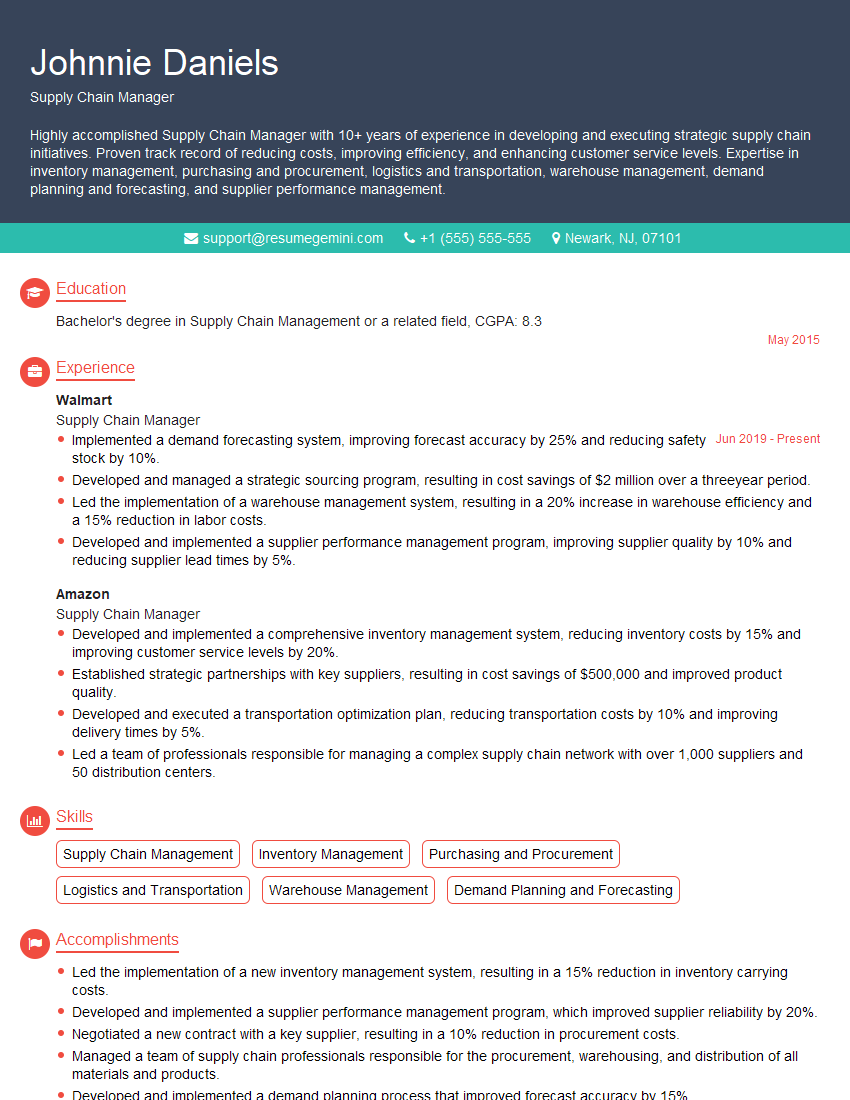
Supply Chain Manager Resume Sample
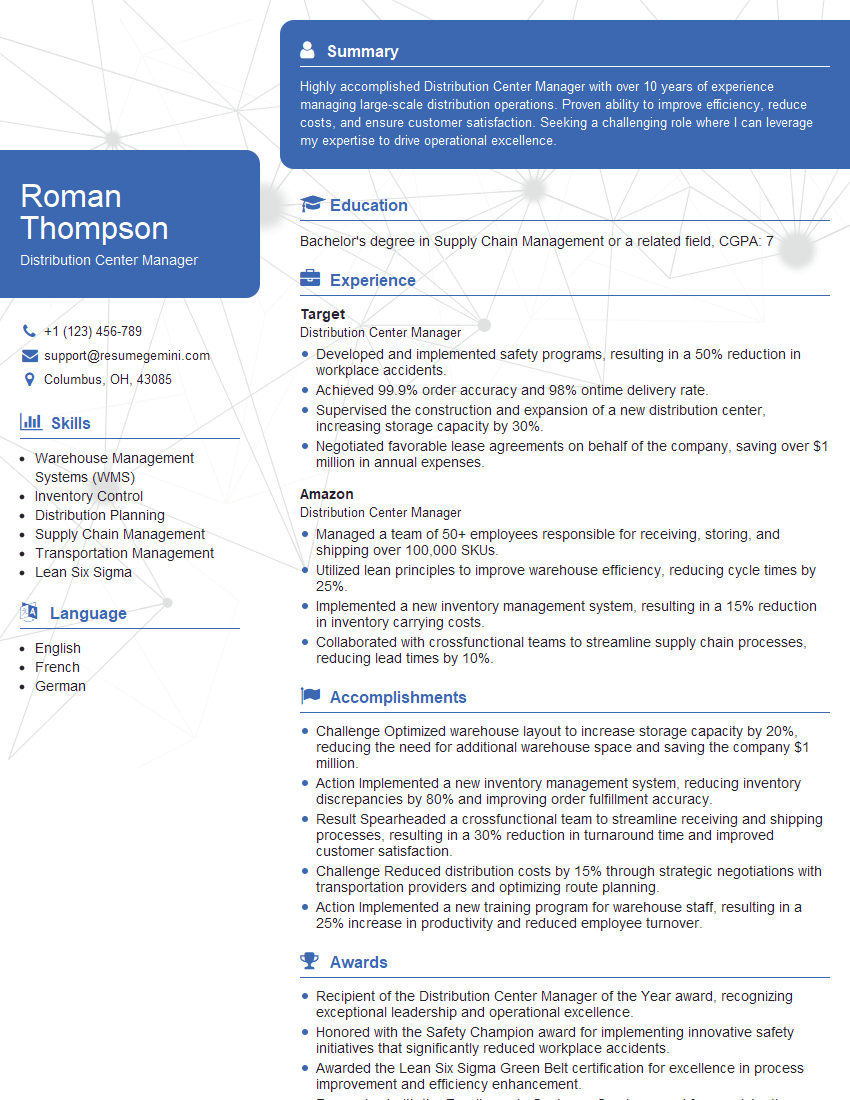
Distribution Center Manager Resume Sample
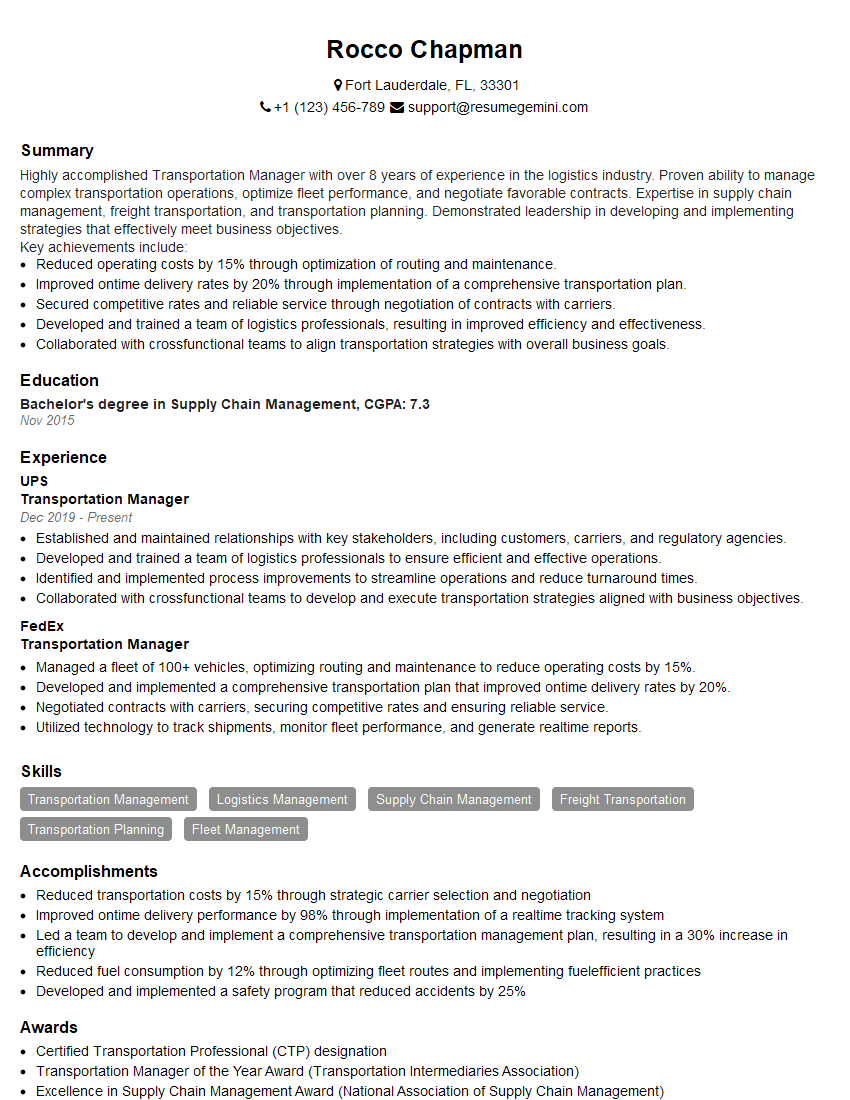
Transportation Manager Resume Sample
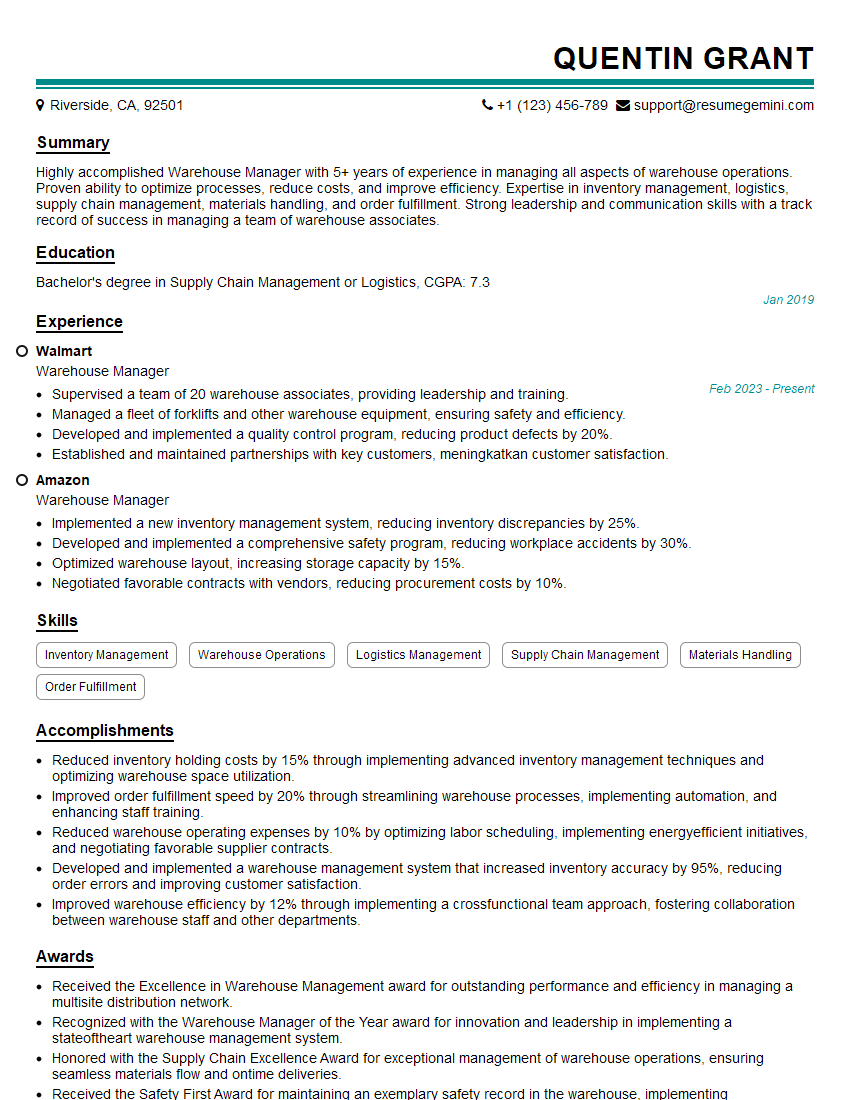
Warehouse Manager Resume Sample
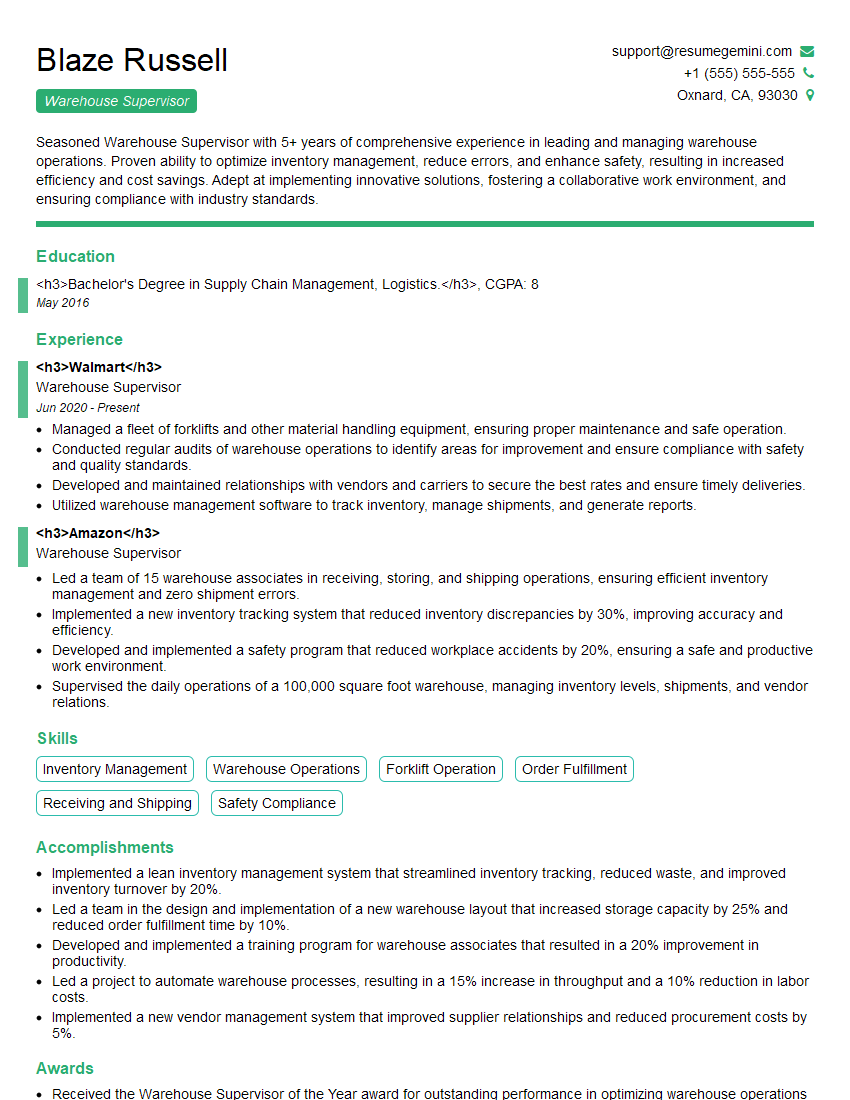
Warehouse Supervisor Resume Sample
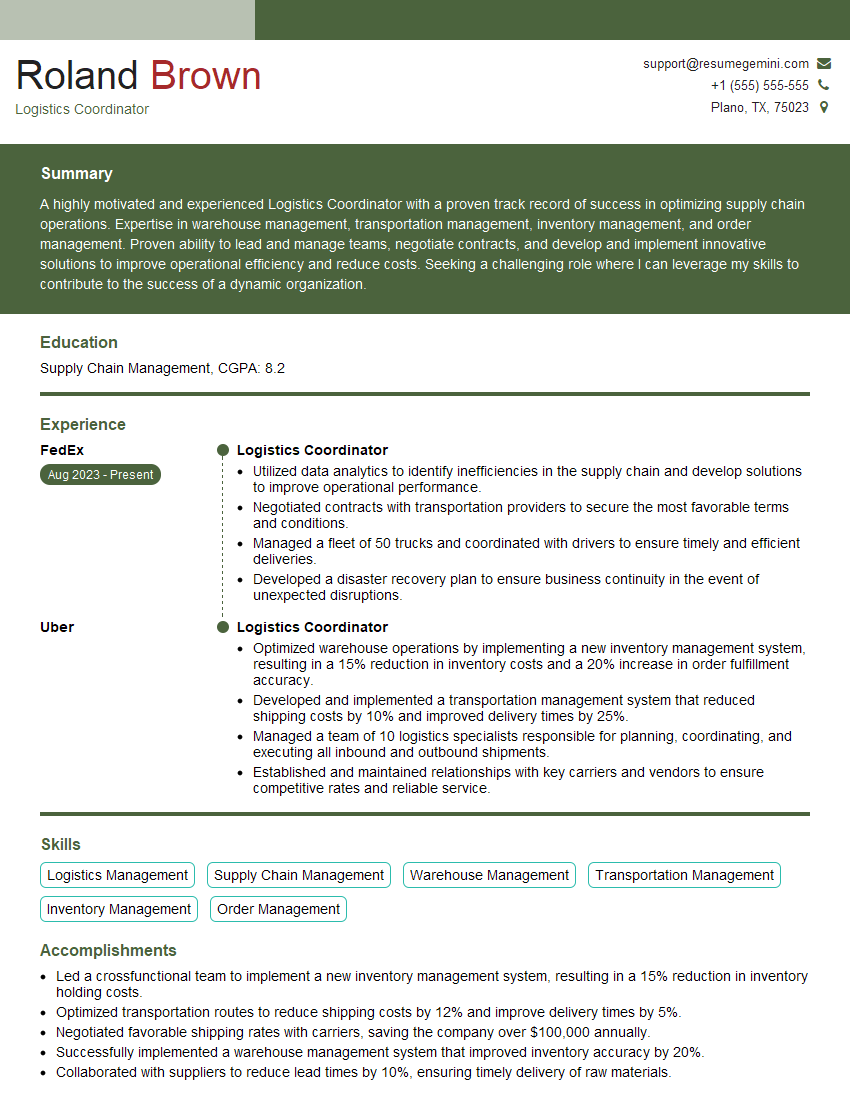
Logistics Coordinator Resume Sample
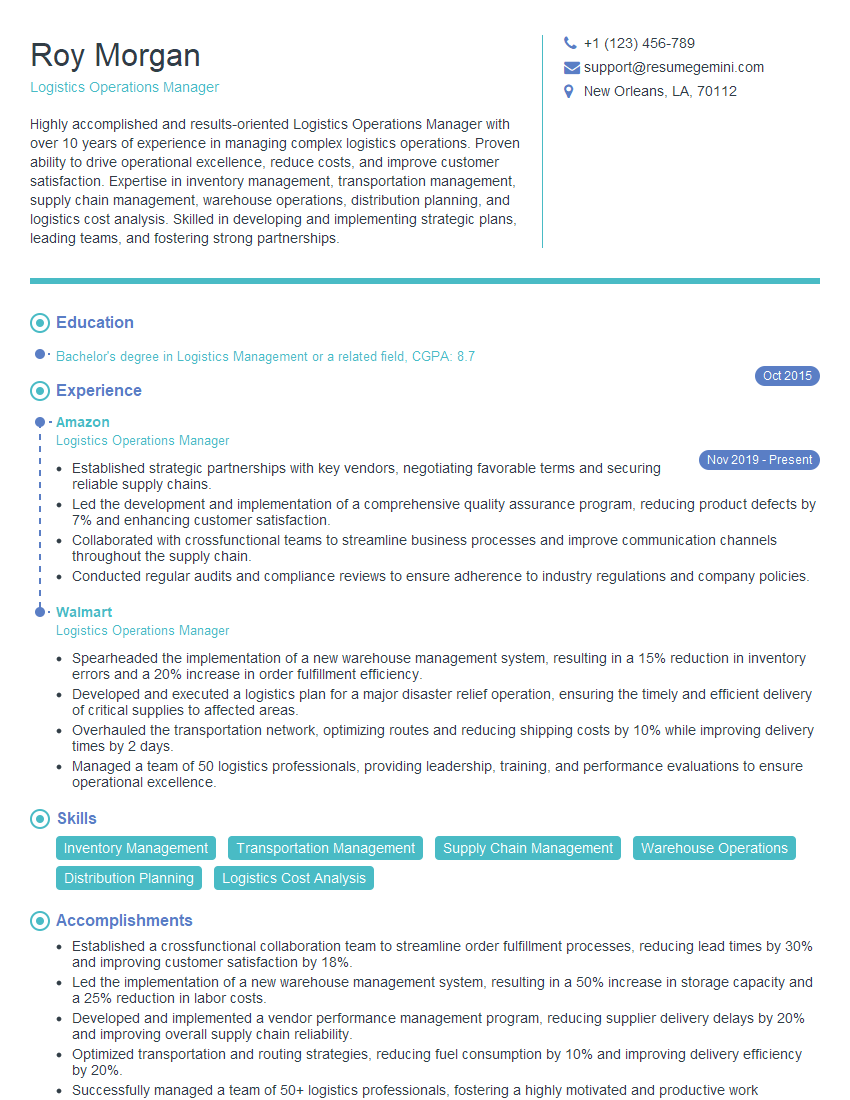
Logistics Operations Manager Resume Sample
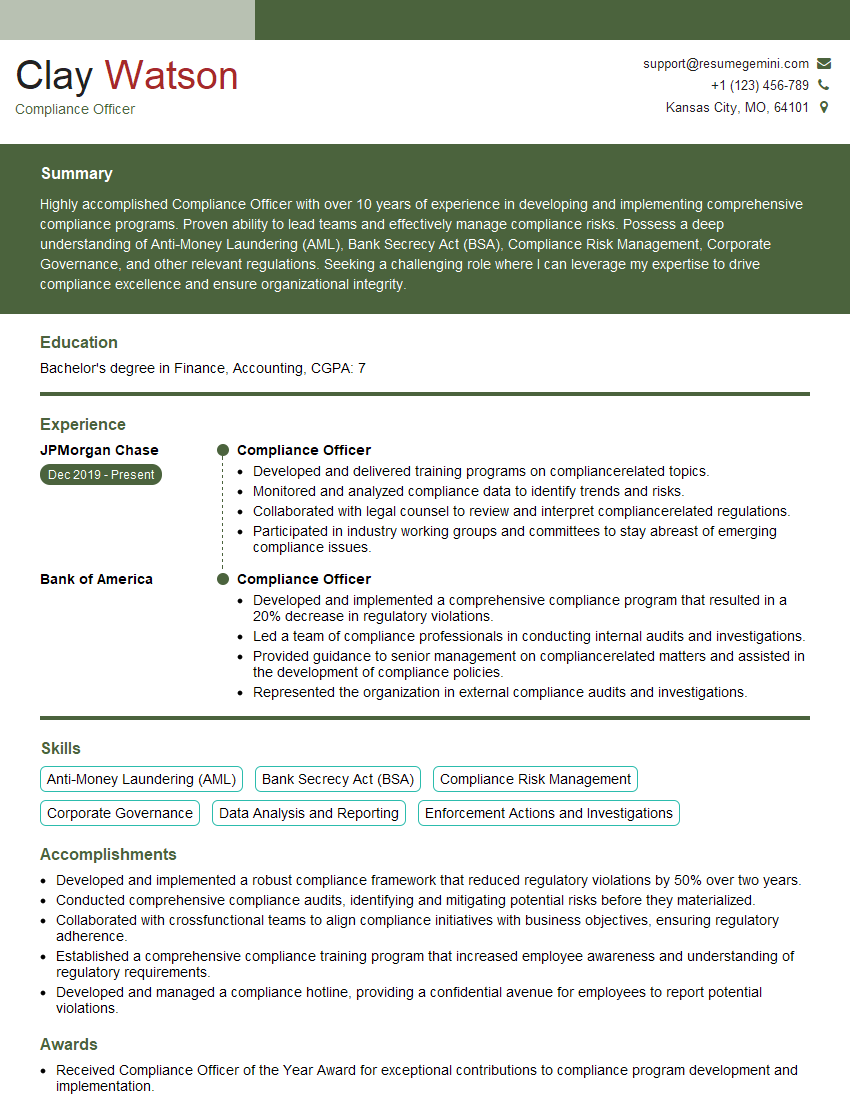
Compliance Officer Resume Sample
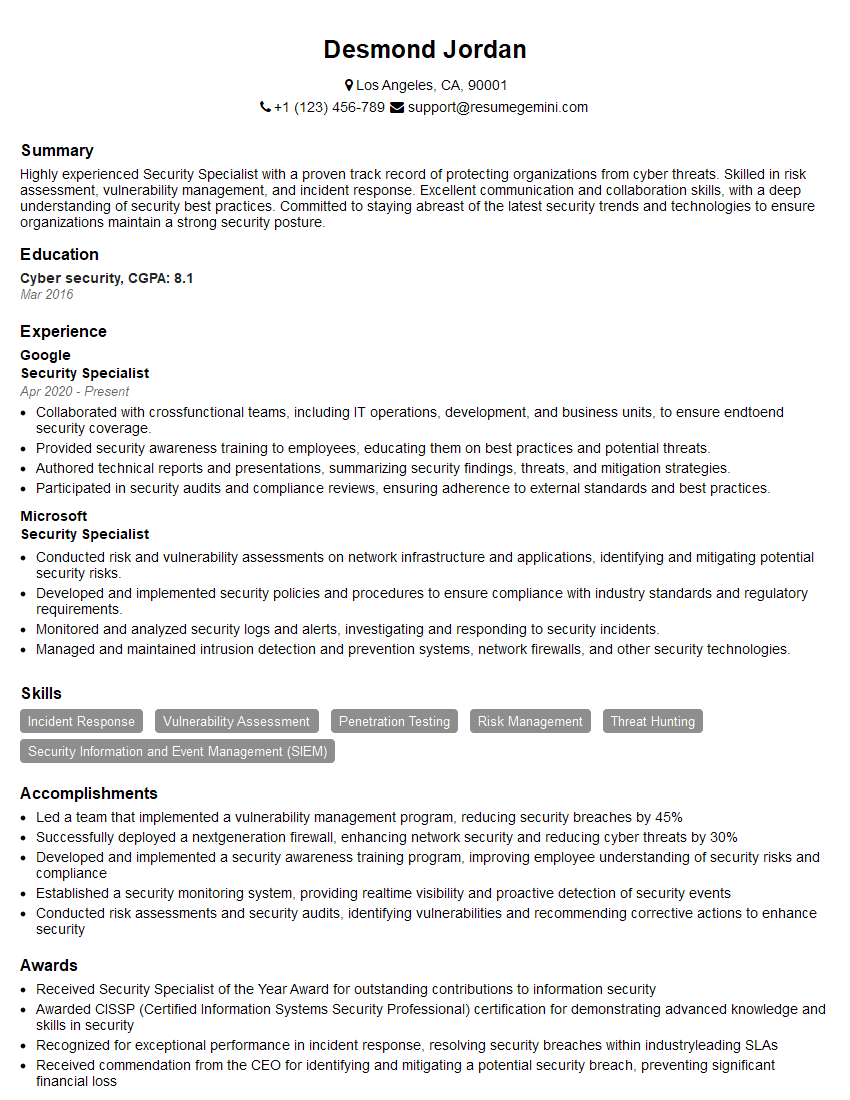
Security Specialist Resume Sample
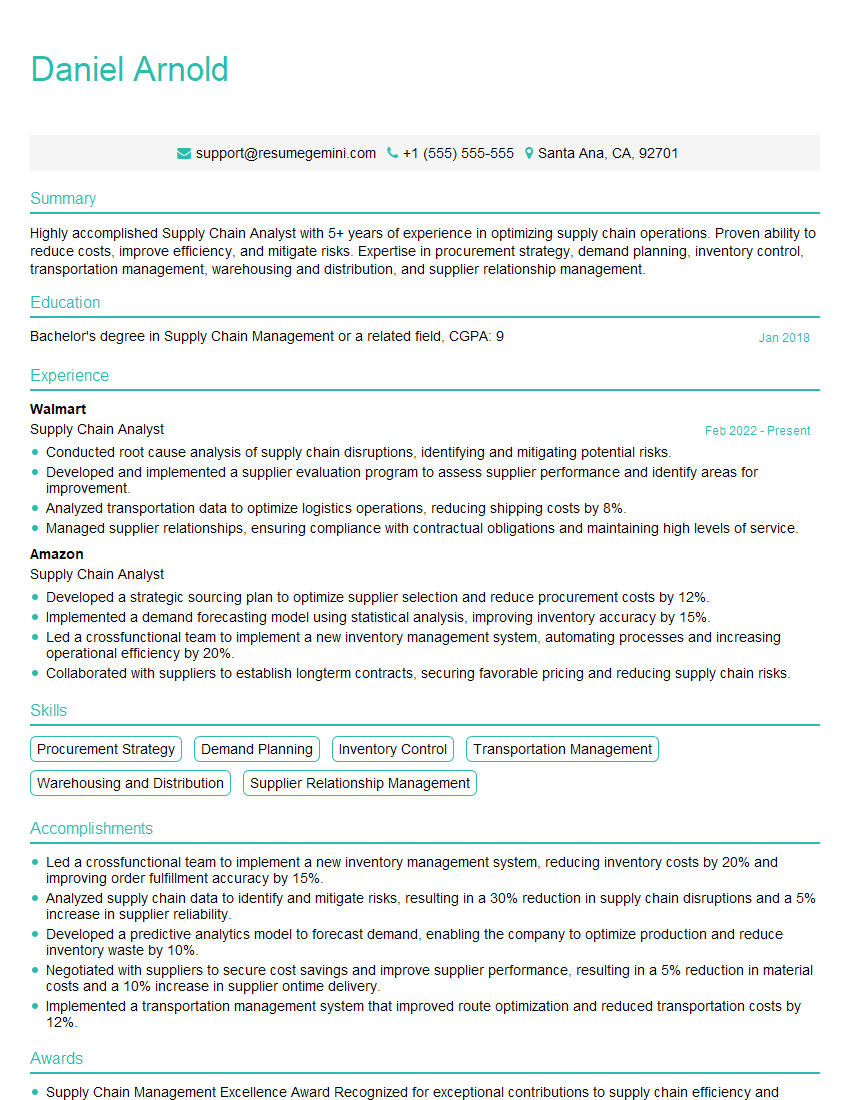
Supply Chain Analyst Resume Sample
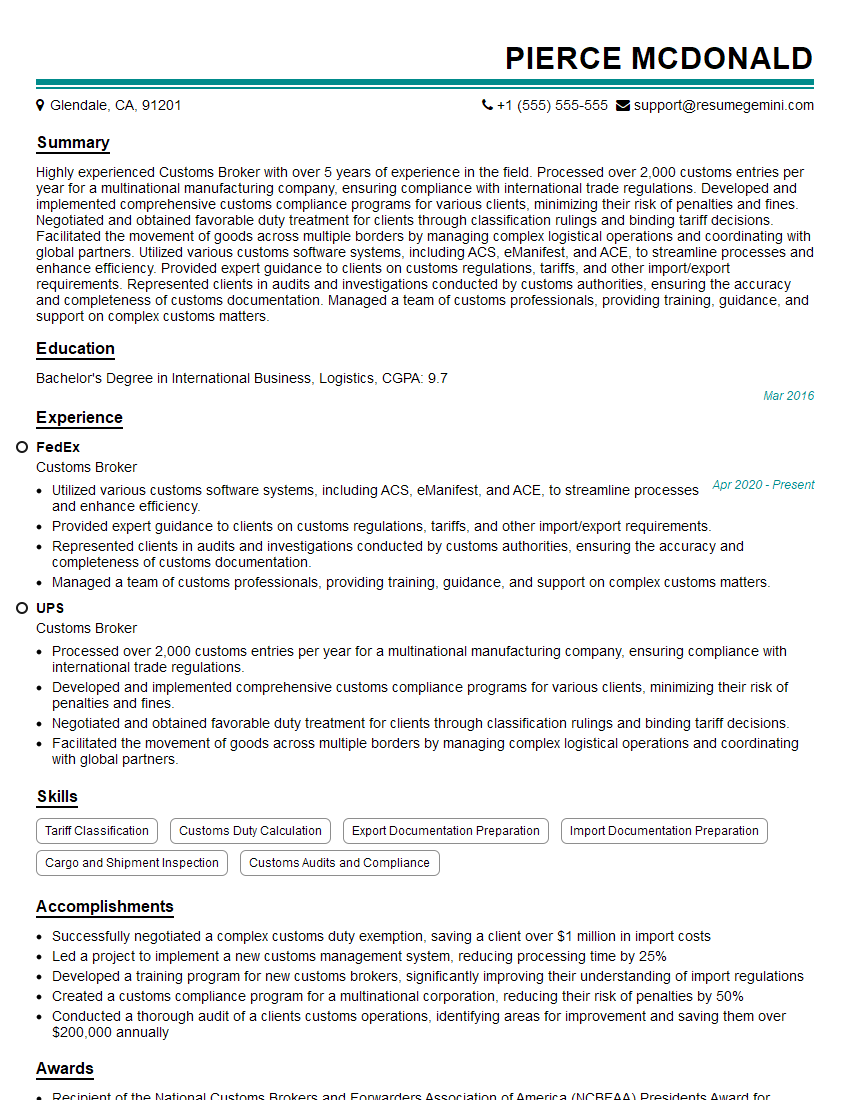
Customs Broker Resume Sample
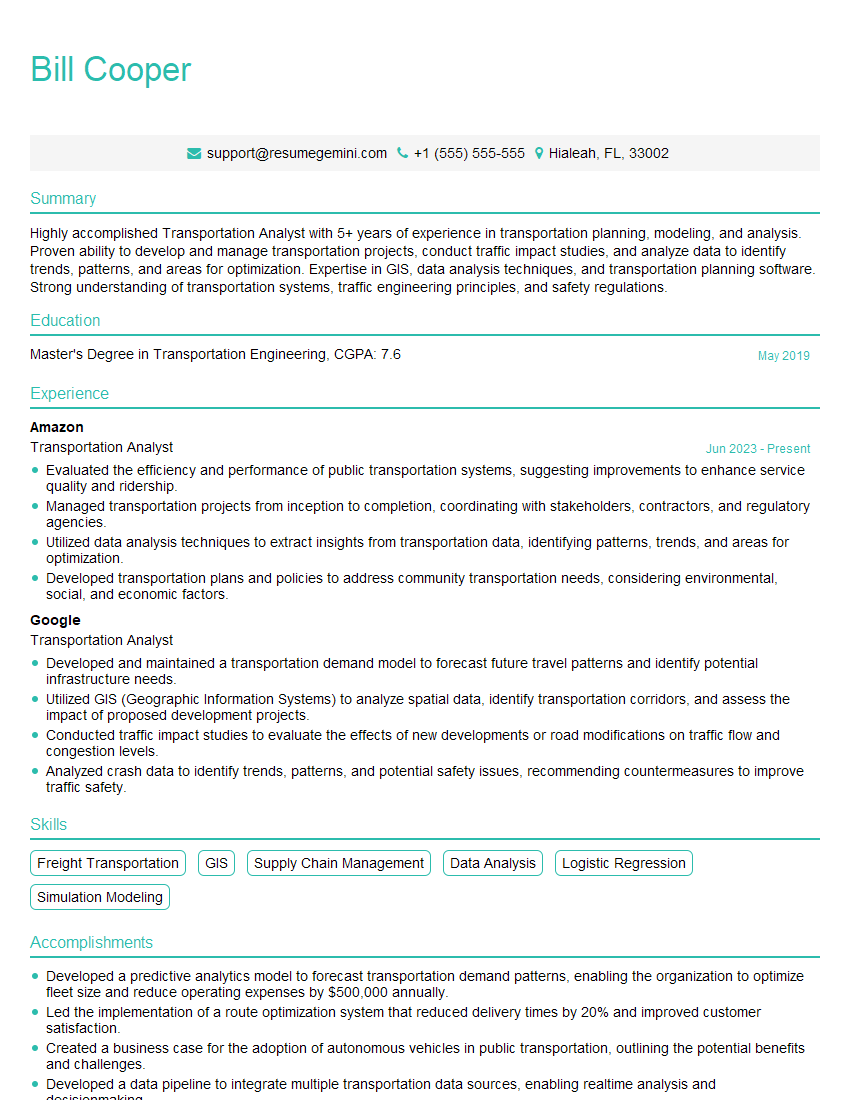
Transportation Analyst Resume Sample
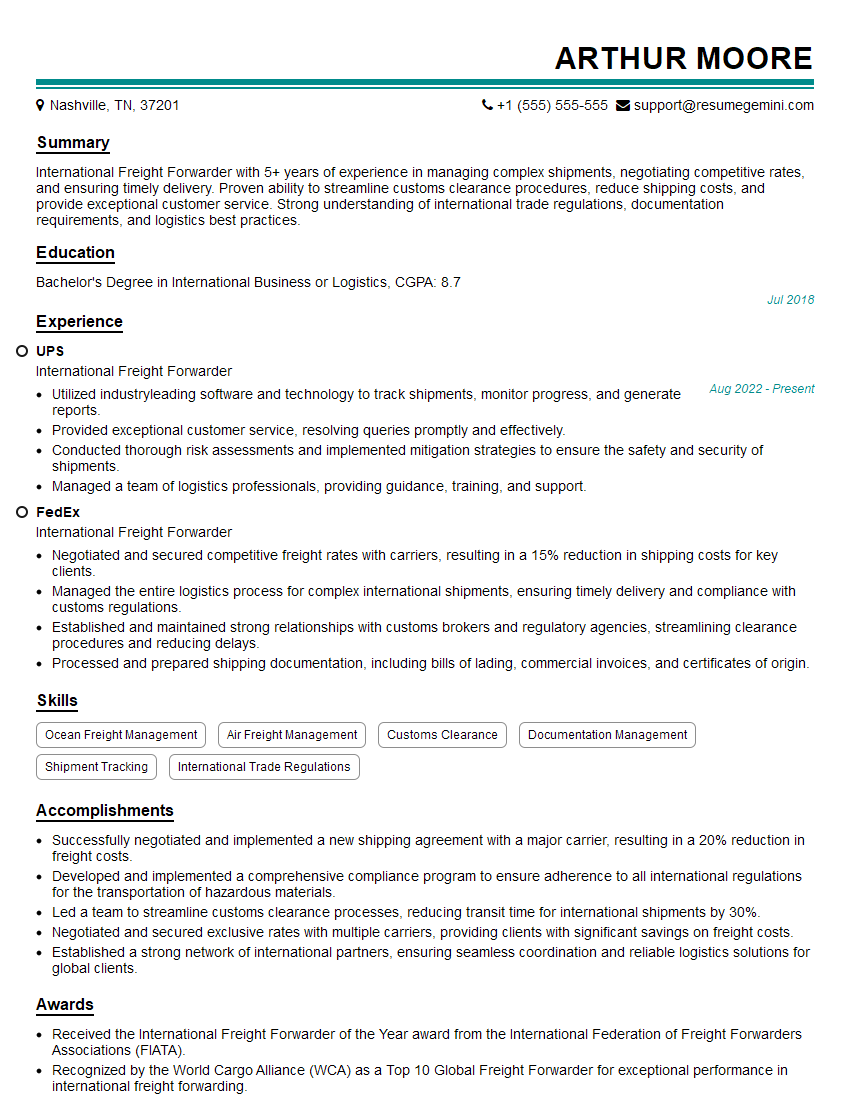
International Freight Forwarder Resume Sample
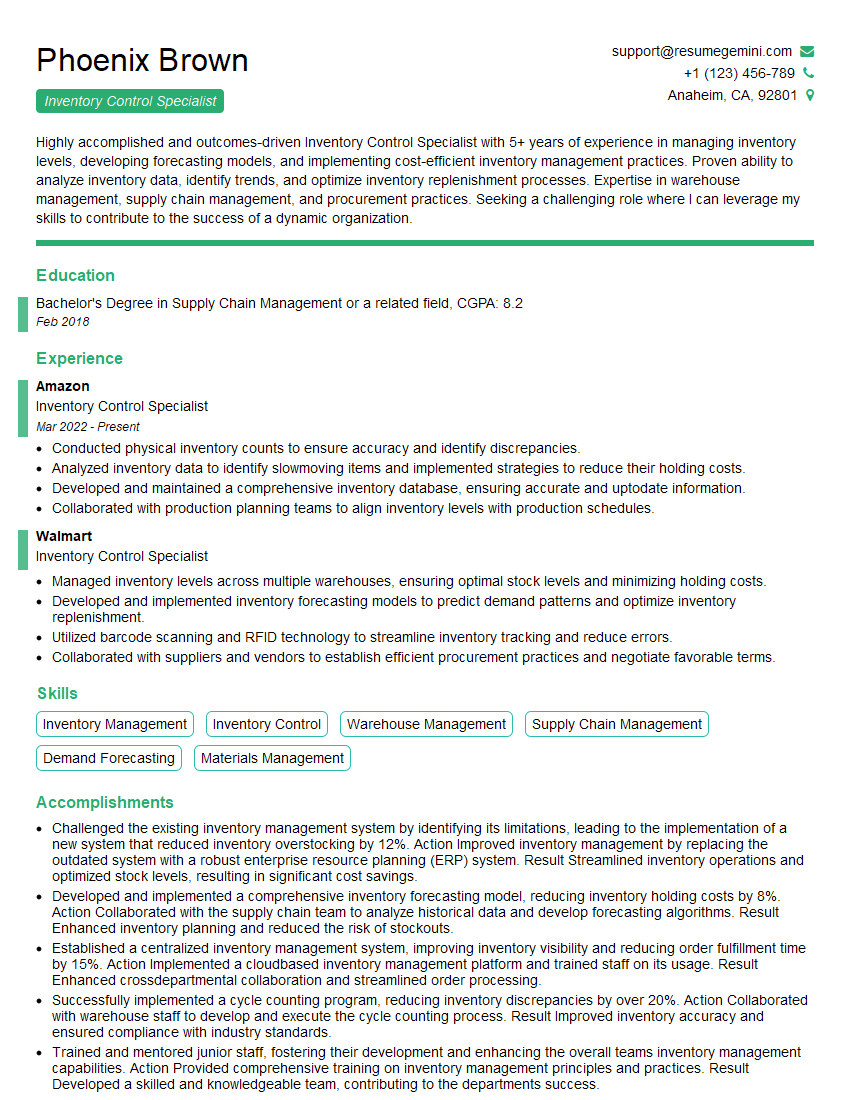
Inventory Control Specialist Resume Sample

Shipping and Receiving Clerk Resume Sample
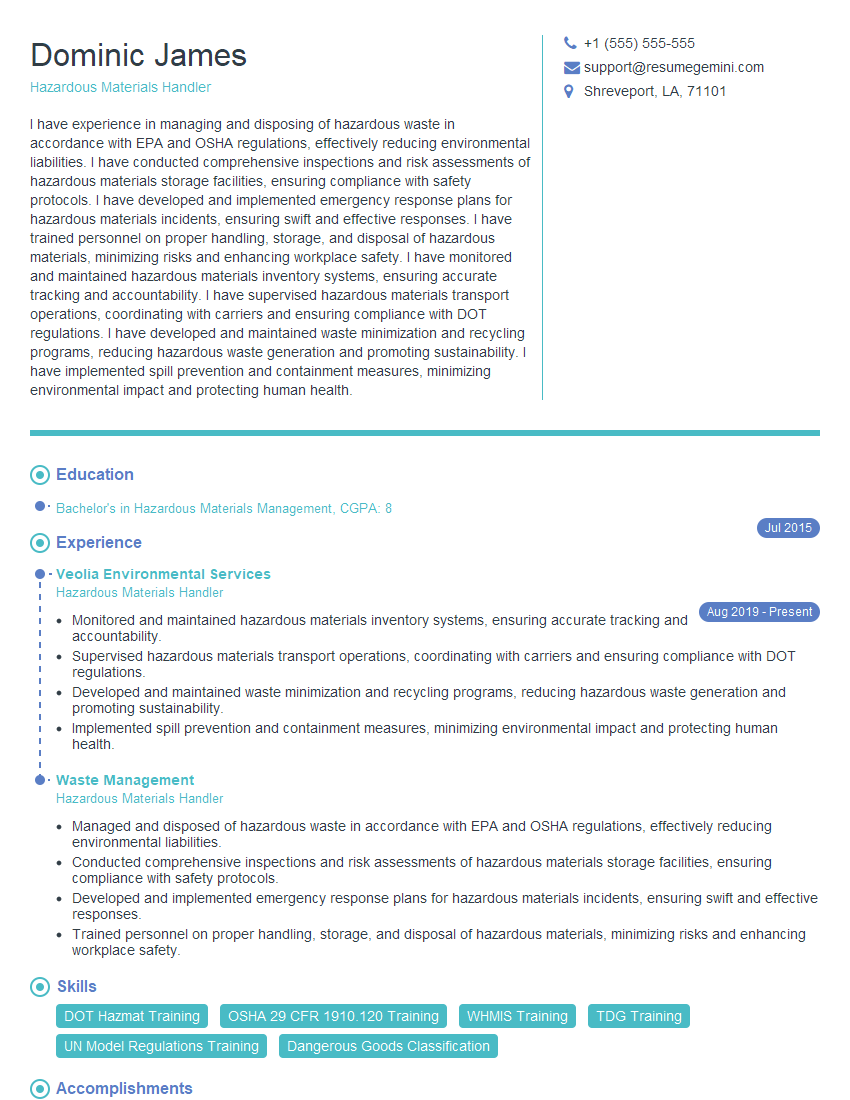
Hazardous Materials Handler Resume Sample
- Operations Manager
- Supply Chain Manager
- Distribution Center Manager
- Transportation Manager
- Warehouse Manager
- Warehouse Supervisor
- Logistics Coordinator
- Logistics Operations Manager
- Compliance Officer
- Security Specialist
- Supply Chain Analyst
- Customs Broker
- Transportation Analyst
- International Freight Forwarder
- Inventory Control Specialist
- Shipping and Receiving Clerk
- Hazardous Materials Handler
Explore more articles
Users Rating of Our Blogs
Share Your Experience
We value your feedback! Please rate our content and share your thoughts (optional).
What Readers Say About Our Blog
Very informative content, great job.
good