Interviews are more than just a Q&A session—they’re a chance to prove your worth. This blog dives into essential Specialized Diets interview questions and expert tips to help you align your answers with what hiring managers are looking for. Start preparing to shine!
Questions Asked in Specialized Diets Interview
Q 1. What are the key differences between a gluten-free and a grain-free diet?
While both gluten-free and grain-free diets restrict certain foods, they differ significantly. A gluten-free diet eliminates gluten, a protein found in wheat, barley, and rye. This is crucial for individuals with celiac disease or gluten sensitivity. Think of it as removing a specific component from a larger group. A grain-free diet, on the other hand, eliminates all grains, including gluten-containing grains and others like rice, corn, and oats. This is a much broader restriction. It’s like removing the entire category of grains. Someone could be gluten-free but still consume rice, while someone on a grain-free diet avoids both.
For example, a gluten-free diet might include rice pasta, but a grain-free diet would exclude it. A gluten-free bread made with gluten-free flour blends is acceptable on a gluten-free diet but not on a grain-free diet because the flour might contain rice or other grains. The key difference lies in the scope of restriction: specific protein versus entire food category.
Q 2. Explain the nutritional considerations for a patient with celiac disease.
Nutritional considerations for a celiac patient center around avoiding gluten while ensuring adequate nutrient intake. Because gluten-containing foods often contribute to important nutrients, careful planning is essential. The diet must be meticulously followed to prevent damage to the small intestine and avoid nutritional deficiencies. A registered dietitian plays a vital role in guiding the patient.
- Nutrient deficiencies to watch for: Iron, folate, calcium, vitamin B12, and vitamin D deficiencies are common. This is because gluten-free alternatives may not be naturally fortified with these vitamins and minerals.
- Strategies to address nutrient deficiencies: Include a variety of gluten-free foods rich in these nutrients. This might include fortified gluten-free cereals, leafy greens, beans, and lean meats. Supplementation may be necessary in some cases, under a doctor’s guidance.
- Focus on a balanced diet: Emphasize whole grains (gluten-free, of course!), fruits, vegetables, lean protein, and healthy fats. This ensures a wide range of nutrients.
- Read labels carefully: Hidden gluten sources in processed foods can be problematic. Look out for things like malt vinegar or flavorings containing wheat derivatives.
For instance, a patient might need to choose iron-rich foods like lentils or spinach to compensate for the potential decrease in iron absorption due to the damage the gluten had caused to the intestinal lining, something that heals with strict adherence to the diet.
Q 3. Describe the dietary management of type 1 diabetes.
Dietary management of type 1 diabetes is centered around consistent carbohydrate intake, blood glucose monitoring, and insulin administration. It’s not about eliminating carbohydrates but about carefully managing their consumption to maintain stable blood sugar levels.
- Carbohydrate Counting: Learning to count carbohydrates in meals and snacks is crucial. This allows for accurate insulin dosing.
- Meal Timing and Consistency: Regular meal and snack times help maintain blood sugar levels more predictably. This reduces the risk of significant highs or lows.
- Balanced Meals: Include a combination of carbohydrates, proteins, and healthy fats in every meal. This helps slow down carbohydrate absorption and prevent blood sugar spikes.
- Blood Glucose Monitoring: Regular monitoring helps patients understand how their blood sugar responds to different foods and amounts of insulin. This allows for adjustments in diet and insulin therapy.
- Working with a Registered Dietitian: Professional guidance is essential for creating an individualized meal plan. It helps adapt dietary strategies to the patient’s lifestyle and health needs.
A practical example: A patient might learn that a serving of pasta provides approximately 15 grams of carbohydrates and adjust their insulin dose accordingly. Understanding these interactions is key to successful management.
Q 4. How would you counsel a patient on a low-sodium diet?
Counseling a patient on a low-sodium diet involves educating them about the importance of reducing sodium intake, identifying hidden sources of sodium, and suggesting low-sodium alternatives.
- Education: Explain the link between high sodium intake and hypertension, heart disease, and kidney problems. Make it relatable by emphasizing how reducing sodium can improve overall health and prevent serious health issues.
- Hidden Sodium: Discuss hidden sources of sodium in processed foods, canned goods, and restaurant meals. Encourage reading food labels carefully to compare sodium content. Point out that even seemingly healthy options can be surprisingly high in sodium.
- Low-Sodium Alternatives: Suggest using fresh herbs and spices to flavor food instead of salt. Encourage the use of low-sodium or no-salt-added products. Explore options like using lemon juice, garlic, or onion powder to add flavor.
- Gradual Reduction: Encourage a gradual reduction in sodium intake to help the patient adapt to the change in taste. This prevents taste shock and increases adherence.
- Meal Planning: Help the patient plan low-sodium meals and snacks. Provide examples of recipes and menu suggestions. Provide resources such as cookbooks or websites focused on low sodium cooking. Involve family members in the change to promote success.
For example, instead of recommending a complete cessation of all salt, we might suggest reducing sodium gradually, perhaps by a quarter teaspoon each week, while exploring flavorful alternatives to enhance their meals.
Q 5. What are the potential risks and benefits of a ketogenic diet?
The ketogenic diet, characterized by very low carbohydrate, moderate protein, and high-fat intake, has potential benefits and risks.
- Potential Benefits: Weight loss, improved blood sugar control in some individuals with type 2 diabetes, and potential benefits for some neurological conditions (though more research is needed). The weight loss is often attributed to ketosis, the metabolic state where the body burns fat for energy.
- Potential Risks: Nutrient deficiencies (if not carefully planned), constipation, keto flu (initial side effects like fatigue and nausea), kidney stones (especially in those with pre-existing kidney issues), and increased risk of cardiovascular disease in the long term (due to high saturated fat intake if not carefully managed). Additionally, the restrictive nature can be unsustainable for many.
It’s crucial to emphasize that the ketogenic diet is not a one-size-fits-all approach and should be undertaken under the guidance of a healthcare professional. Monitoring nutrient intake, kidney function, and cardiovascular health is essential. For example, a ketogenic diet without sufficient intake of electrolytes could be dangerous, while careful monitoring of blood glucose is needed for diabetic individuals following the diet.
Q 6. Outline a sample meal plan for a patient with renal disease.
A sample meal plan for a patient with renal disease needs to be individualized based on the severity of the disease and the patient’s specific needs. This is not a one-size-fits-all solution; it requires professional input from a nephrologist and registered dietitian.
Example (consult with healthcare providers before implementing):
- Breakfast: Oatmeal (made with low-potassium milk), berries, a small serving of unsalted nuts.
- Lunch: Salad with grilled chicken or fish (lean protein source), plenty of vegetables (limit potassium-rich ones), and a small amount of olive oil.
- Dinner: Baked salmon, steamed green beans, and a small portion of brown rice (if potassium levels allow).
- Snacks: Unsalted apples, a small amount of unsalted almonds or other unsalted nuts, or a low-potassium fruit.
Important Considerations: This plan emphasizes limiting phosphorus, potassium, sodium, and protein as needed, depending on the individual’s condition. Fluid intake might also need to be restricted. The amounts of each food will be determined by lab results and physician guidance. This is not an exhaustive plan and professional guidance is absolutely necessary.
Q 7. How do you assess a patient’s nutritional status?
Assessing a patient’s nutritional status involves a multi-faceted approach combining several methods.
- Anthropometric Measurements: This includes measuring height, weight, Body Mass Index (BMI), waist circumference, and evaluating body composition. These provide an objective assessment of body size and proportion.
- Biochemical Data: Blood tests (such as albumin, prealbumin, hemoglobin, and complete blood count) and urine tests provide insights into nutrient levels and organ function.
- Dietary Assessment: This involves gathering information about food intake through methods like 24-hour dietary recall, food frequency questionnaires, or food records. This identifies dietary patterns and potential nutritional deficiencies or excesses.
- Clinical Assessment: Physical examination, looking for signs of malnutrition like edema, muscle wasting, or skin changes. It also involves checking for any relevant medical conditions which can affect nutrition. A complete medical history is important in assessing risk factors.
- Functional Assessment: Evaluation of activities of daily living (ADLs) such as eating, swallowing, shopping for groceries, and preparing food. This checks for any functional limitations affecting nutrition. For instance, difficulty swallowing could indicate a need for modified food textures.
Using these methods in conjunction, along with a patient interview providing information on appetite, food preferences, and any relevant medications or health conditions, creates a holistic picture of the patient’s nutritional status. It allows us to create a personalized plan for any identified problems.
Q 8. What are the common nutritional deficiencies associated with veganism?
Well-planned vegan diets can be perfectly healthy, but some nutritional deficiencies are more common if careful attention isn’t paid to food choices. The most common deficiencies include:
- Vitamin B12: B12 is primarily found in animal products. Vegans must supplement or consume fortified foods like nutritional yeast to avoid deficiency, which can lead to anemia and nerve damage.
- Vitamin D: Sunlight is a primary source of vitamin D, but vegans may have limited exposure or live in areas with less sunlight. Supplementation or consuming fortified foods is often recommended.
- Omega-3 Fatty Acids: While plant-based omega-3s (ALA) are available in flaxseeds and chia seeds, the body doesn’t efficiently convert ALA to EPA and DHA, the forms found in fatty fish. Vegans may benefit from consuming algae-based supplements which provide EPA and DHA directly.
- Iron: Iron from plant-based sources (non-heme iron) is less readily absorbed than iron from animal products (heme iron). Pairing plant-based iron sources with vitamin C-rich foods enhances absorption. Vegans may also need to monitor their iron levels.
- Calcium: Dairy is a major source of calcium, but vegans can obtain it from leafy greens, fortified plant milks, and tofu. Adequate intake is crucial for bone health.
- Iodine: Iodine deficiency is rare in many parts of the world, but vegans should ensure sufficient intake through iodized salt or other fortified foods.
It’s important to emphasize that these deficiencies are preventable with careful planning and supplementation where necessary. A registered dietitian can help develop a personalized vegan meal plan to ensure all nutritional needs are met.
Q 9. Describe the role of fiber in the diet.
Fiber is an indigestible carbohydrate found in plants. It plays a crucial role in maintaining digestive health and overall well-being. There are two main types: soluble and insoluble.
- Soluble fiber dissolves in water, forming a gel-like substance that can help lower cholesterol and regulate blood sugar levels. Examples include oats, barley, apples, and citrus fruits.
- Insoluble fiber doesn’t dissolve in water and adds bulk to the stool, promoting regular bowel movements and preventing constipation. Examples include wheat bran, whole grains, and vegetables.
Adequate fiber intake is associated with a reduced risk of several health problems, including heart disease, type 2 diabetes, and certain types of cancer. It also promotes satiety, which can aid in weight management. A diet lacking in fiber can lead to constipation, digestive discomfort, and increased risk of chronic diseases. A general guideline is to aim for 25-30 grams of fiber per day, obtained from a variety of fruits, vegetables, and whole grains.
Q 10. Explain the importance of hydration in various health conditions.
Hydration, or maintaining adequate fluid intake, is fundamental to overall health and plays a vital role in numerous bodily functions. Its importance is magnified in various health conditions:
- Kidney Disease: Proper hydration is crucial for kidney function. Adequate fluid intake helps flush out waste products and prevents kidney stones.
- Heart Failure: Maintaining proper fluid balance is crucial to prevent fluid overload, which can strain the heart.
- Diabetes: Hydration helps regulate blood sugar levels and prevents dehydration, a common complication of diabetes.
- Fever and Illness: During illness, fluid loss increases, making adequate hydration essential for recovery. Dehydration can worsen symptoms.
- Constipation: Adequate water intake softens stools, promoting easier bowel movements.
- Exercise: Fluid loss through sweat needs to be replenished to maintain performance and prevent dehydration.
The recommended daily fluid intake varies depending on individual factors, including activity level and climate. However, paying attention to thirst cues and ensuring adequate fluid intake throughout the day is crucial for overall health and management of various conditions. Water is the best choice, but other fluids like unsweetened tea and fruit juice can also contribute.
Q 11. Discuss the impact of food allergies and intolerances on dietary planning.
Food allergies and intolerances significantly impact dietary planning. A food allergy is an immune response, potentially life-threatening, while an intolerance involves digestive discomfort without an immune response. Dietary management requires careful consideration:
- Accurate Diagnosis: Correct identification of allergens or intolerances through allergy testing or elimination diets is crucial.
- Strict Avoidance: Complete avoidance of trigger foods is essential for allergies. Even trace amounts can cause severe reactions.
- Label Reading: Carefully reading food labels is vital to identify hidden allergens.
- Cross-Contamination Prevention: Preventing cross-contamination in food preparation is critical, especially for those with severe allergies.
- Alternative Foods: Identifying suitable substitutes for restricted foods is necessary to ensure nutritional adequacy.
- Emergency Plan: Individuals with severe allergies need an emergency plan, including access to epinephrine (EpiPen).
Dietitians specializing in allergies and intolerances play a key role in developing personalized dietary plans that meet nutritional needs while ensuring safety and avoiding trigger foods. This often involves working closely with allergists and other healthcare professionals.
Q 12. How would you manage a patient’s weight loss goals?
Managing a patient’s weight loss goals requires a holistic approach. It’s not simply about calorie restriction; it’s about sustainable lifestyle changes. My approach involves:
- Assessment: A thorough assessment of the patient’s current diet, activity level, medical history, and psychological factors is crucial.
- Realistic Goals: Setting gradual, achievable goals (e.g., 1-2 pounds per week) is more sustainable than rapid weight loss.
- Balanced Diet: A balanced diet emphasizing whole, unprocessed foods, fruits, vegetables, lean proteins, and whole grains is essential.
- Portion Control: Learning to manage portion sizes is crucial for managing calorie intake.
- Regular Exercise: Incorporating regular physical activity (at least 150 minutes of moderate-intensity exercise per week) is vital.
- Behavior Modification: Addressing underlying eating behaviors and habits, such as emotional eating, is often necessary.
- Support System: Encouraging a support system of family and friends or joining a weight loss group can provide motivation and accountability.
Regular monitoring and adjustments are essential. The process should be personalized and collaborative, with ongoing support from healthcare professionals.
Q 13. What are the considerations for feeding tubes and enteral nutrition?
Feeding tubes and enteral nutrition provide nourishment directly to the gastrointestinal tract when oral intake is insufficient or impossible. Considerations include:
- Type of Feeding Tube: The choice of feeding tube (nasogastric, nasoduodenal, gastrostomy, jejunostomy) depends on the patient’s condition and the duration of enteral nutrition.
- Formula Selection: The choice of enteral formula depends on the patient’s nutritional needs, tolerance, and medical conditions. Formulas can be standard, polymeric, elemental, or specialized for specific needs.
- Administration: Enteral nutrition can be administered continuously or intermittently, depending on the patient’s tolerance and medical status.
- Monitoring: Regular monitoring of the patient’s weight, electrolyte levels, and gastrointestinal tolerance is essential.
- Complications: Potential complications include tube displacement, infection, diarrhea, and aspiration. Careful attention to proper technique and hygiene is vital.
- Transition to Oral Intake: When possible, a gradual transition to oral intake is planned and monitored to ensure safe and successful weaning from enteral nutrition.
Enteral nutrition requires close collaboration between healthcare professionals, including dietitians, nurses, and physicians, to ensure safe and effective delivery of nutrients. Each patient requires a carefully personalized plan.
Q 14. Explain the dietary guidelines for athletes.
Dietary guidelines for athletes focus on optimizing energy availability, promoting muscle growth and repair, and enhancing performance. Key considerations include:
- Macronutrient Balance: A balance of carbohydrates, proteins, and fats is crucial. Carbohydrates provide energy, proteins support muscle growth and repair, and fats provide essential fatty acids and energy.
- Hydration: Adequate hydration is critical, especially during and after training.
- Timing of Meals: Strategic meal timing, particularly carbohydrate intake before, during, and after exercise, is essential to optimize performance.
- Micronutrients: Sufficient intake of vitamins and minerals is necessary to support overall health and performance.
- Individual Needs: Dietary needs vary significantly depending on the type of sport, training intensity, and individual factors such as body composition and metabolic rate.
- Supplementation: Some athletes may benefit from supplementation, but it should be used cautiously and under the guidance of a registered dietitian or sports medicine professional.
A registered dietitian specializing in sports nutrition can help develop a personalized dietary plan that supports an athlete’s training goals and overall health. This plan may need to be adjusted based on training cycles and performance changes.
Q 15. What is the role of a dietitian in managing dysphagia?
A dietitian plays a crucial role in managing dysphagia, a swallowing disorder. This involves a multi-faceted approach focusing on nutritional adequacy and safety.
- Assessment: We conduct thorough assessments, including a detailed medical history, observation of swallowing abilities, and potentially using instrumental techniques (e.g., videofluoroscopy) to identify the specific swallowing difficulties. This helps determine the level of diet modification needed.
- Diet Modification: Based on the assessment, we create a tailored diet plan, which might range from pureed foods to thickened liquids or modified textures, following established guidelines (e.g., National Dysphagia Diet). The goal is to provide adequate nutrition while minimizing aspiration risk (food entering the airway).
- Nutritional Counseling: We provide comprehensive education to the patient and their caregivers on safe food preparation, appropriate consistencies, and strategies for improving swallowing function. This includes positioning techniques and compensatory strategies during meals.
- Monitoring and Adjustment: We regularly monitor the patient’s progress, weight, and nutritional status. The diet plan is adjusted as needed, based on the patient’s response and any changes in their swallowing ability.
For example, a patient with mild dysphagia might require only thickened liquids, while someone with severe dysphagia might need a pureed diet or even enteral nutrition (feeding tube).
Career Expert Tips:
- Ace those interviews! Prepare effectively by reviewing the Top 50 Most Common Interview Questions on ResumeGemini.
- Navigate your job search with confidence! Explore a wide range of Career Tips on ResumeGemini. Learn about common challenges and recommendations to overcome them.
- Craft the perfect resume! Master the Art of Resume Writing with ResumeGemini’s guide. Showcase your unique qualifications and achievements effectively.
- Don’t miss out on holiday savings! Build your dream resume with ResumeGemini’s ATS optimized templates.
Q 16. Describe the process of creating a personalized nutrition plan.
Creating a personalized nutrition plan is a collaborative process. It starts with a comprehensive assessment, including gathering detailed information about the individual’s health status, dietary habits, lifestyle, preferences, and cultural background. This involves:
- Nutritional Needs Assessment: We determine the individual’s energy requirements (calories), macronutrient needs (protein, carbohydrates, fats), micronutrient requirements (vitamins and minerals), and hydration needs, considering their age, activity level, medical conditions, and any medications.
- Dietary History: We gather information about their usual food intake, including portion sizes, frequency, and food preferences. We may use food frequency questionnaires or 24-hour dietary recalls.
- Anthropometric Measurements: We measure height, weight, and body mass index (BMI) to assess nutritional status. Other measurements, like waist circumference, might be included.
- Biochemical Data: We review relevant lab results, such as blood tests, which can provide insights into nutrient deficiencies or imbalances.
- Planning and Goal Setting: Together with the patient, we establish realistic, measurable, achievable, relevant, and time-bound (SMART) goals for their diet. This might include weight management, improved blood sugar control, or increased intake of specific nutrients.
- Menu Planning and Recipe Modification: We create a personalized meal plan with delicious and culturally appropriate recipes, taking into account any dietary restrictions or preferences. Recipes might be modified to meet specific needs.
- Follow-up and Monitoring: Regular monitoring is crucial to assess progress, address any challenges, and make adjustments to the plan as needed.
For instance, a vegetarian athlete will require a different plan than a person with diabetes. Each plan is unique and evolves with the individual’s changing needs.
Q 17. How do you educate patients about healthy eating habits?
Educating patients about healthy eating habits is an ongoing process that requires a patient-centered approach. Methods include:
- Interactive Sessions: We use interactive sessions, incorporating visuals like food models and handouts. This allows for personalized discussions and addressing individual concerns.
- Cooking Demonstrations: Practical cooking demonstrations help patients learn how to prepare healthy meals at home. This increases confidence and motivation.
- Tailored Resources: We provide customized resources such as recipe books, websites, and apps relevant to their needs and interests. These resources can be accessed at their convenience.
- Motivational Interviewing: This technique focuses on identifying the patient’s intrinsic motivation for change and exploring their readiness for change, rather than dictating dietary changes.
- Goal Setting and Feedback: We encourage patients to set achievable goals and provide regular feedback on their progress to maintain motivation. This empowers them to take ownership of their health.
For example, for a patient struggling with portion control, we might use visual aids to demonstrate appropriate serving sizes and discuss strategies to manage cravings.
Q 18. What are some common challenges in implementing specialized diets?
Implementing specialized diets presents numerous challenges:
- Adherence: Patients may find it difficult to adhere to restrictive diets long-term, due to factors like taste preferences, social situations, cost, and accessibility of food. This is especially true with highly restrictive diets like elimination diets.
- Nutrient Deficiencies: Restrictive diets may lead to nutrient deficiencies if not carefully planned. For instance, vegan diets may require supplementation of vitamin B12.
- Social and Cultural Barriers: Diets may conflict with cultural food traditions or social gatherings, making adherence difficult.
- Cost and Access: Specialized foods can be expensive and not readily accessible in all locations.
- Time Commitment: Preparing specialized meals often requires more time and effort than typical cooking.
- Adverse Effects: Some diets may cause gastrointestinal discomfort or other adverse effects.
Addressing these challenges requires careful planning, education, and ongoing support from the dietitian.
Q 19. How do you address patient resistance to dietary changes?
Patient resistance to dietary changes is common. Addressing this requires empathy, understanding, and a collaborative approach:
- Active Listening and Empathy: We actively listen to patients’ concerns and validate their feelings. This builds trust and rapport.
- Shared Decision-Making: We involve patients in the decision-making process, empowering them to feel in control of their health. The plan should not be imposed, but collaboratively designed.
- Addressing Barriers: We identify and address any barriers preventing adherence, such as cost, access, or lack of knowledge. We look for practical solutions, working around obstacles rather than ignoring them.
- Small, Gradual Changes: Instead of drastic changes, we recommend small, incremental modifications. This makes the transition easier and more sustainable.
- Positive Reinforcement and Support: We praise positive behaviours and provide encouragement to maintain motivation.
- Seeking Collaboration: In some cases, involving family or friends in the process can provide added support and improve adherence.
For instance, if a patient dislikes vegetables, we might explore creative ways to incorporate them into their diet, rather than simply insisting they eat them.
Q 20. What are the ethical considerations in providing nutrition counseling?
Ethical considerations in nutrition counseling are paramount:
- Confidentiality: We maintain strict confidentiality regarding patient information.
- Informed Consent: We ensure patients understand the recommendations, potential risks and benefits, and have the autonomy to make choices aligned with their values.
- Competence: We practice within our scope of competence and refer to specialists if needed.
- Objectivity: We provide unbiased advice, avoiding conflicts of interest and promoting evidence-based practices.
- Cultural Sensitivity: We respect cultural and religious dietary practices.
- Fairness and Justice: We strive to provide equitable access to nutrition services, regardless of socioeconomic status or other factors.
It is unethical to promote a particular product or diet without a strong scientific basis and transparency about potential conflicts of interest.
Q 21. How do you stay up-to-date on the latest research in nutrition?
Staying updated on the latest research is essential. This is achieved through:
- Professional Journals: We regularly read peer-reviewed journals such as the Journal of the Academy of Nutrition and Dietetics and The American Journal of Clinical Nutrition.
- Professional Organizations: We maintain memberships in professional organizations (e.g., Academy of Nutrition and Dietetics) that provide access to continuing education opportunities and updates.
- Conferences and Workshops: Attending conferences and workshops allows for networking and learning from experts in the field.
- Online Resources: We utilize credible online resources such as government health websites and reputable nutrition organizations.
- Critical Appraisal of Research: We develop skills in critically appraising research studies to identify reliable and relevant information.
Continuous learning ensures that our practice remains evidence-based and benefits our patients.
Q 22. Explain the difference between macronutrients and micronutrients.
Macronutrients and micronutrients are both essential components of a balanced diet, but they differ significantly in their function and the amounts needed. Macronutrients are the energy-providing nutrients we need in large quantities: carbohydrates, proteins, and fats. They provide calories and fuel our bodies. Micronutrients, on the other hand, are vitamins and minerals required in smaller amounts. They don’t provide energy directly but are crucial for various metabolic processes, supporting enzyme function and overall health.
- Macronutrients: Think of these as the building blocks of your body and the primary energy sources. Carbohydrates provide quick energy, proteins build and repair tissues, and fats provide sustained energy and are vital for hormone production and cell function.
- Micronutrients: These are the essential catalysts and regulators. Vitamins like Vitamin C boost immunity, while minerals like iron support oxygen transport in the blood. A deficiency in micronutrients can lead to various health issues even if macronutrient intake is adequate.
For example, a diet high in carbohydrates (macronutrient) without sufficient Vitamin D (micronutrient) can lead to weakened bones despite having enough calories.
Q 23. What is the glycemic index and how does it affect dietary choices?
The glycemic index (GI) is a ranking system for carbohydrate-containing foods based on how quickly they raise blood sugar levels after eating. Foods with a high GI cause a rapid spike in blood glucose, while low-GI foods lead to a slower, more gradual increase. This affects dietary choices because managing blood sugar is crucial for overall health, particularly for individuals with diabetes or insulin resistance.
For example, white bread has a high GI, meaning it causes a rapid rise in blood sugar. On the other hand, whole-grain bread has a lower GI, resulting in a more stable blood sugar level. In dietary planning, we prioritize low-GI foods to prevent blood sugar fluctuations and promote better metabolic health. Consider a patient with type 2 diabetes; choosing low-GI foods like oatmeal over sugary cereals is vital to manage their condition effectively.
Q 24. Describe the role of probiotics and prebiotics in gut health.
Probiotics and prebiotics are both beneficial for gut health, but they work in different ways. Probiotics are live microorganisms (like bacteria and yeasts) that, when consumed in adequate amounts, confer a health benefit to the host. They essentially add beneficial bacteria to your gut microbiome. Prebiotics, on the other hand, are non-digestible food ingredients that selectively stimulate the growth and/or activity of beneficial bacteria in the gut. They act as ‘food’ for the probiotics.
- Probiotics: Think of these as the beneficial bacteria themselves, like the helpful residents of your gut. Yogurt with live and active cultures is a common source.
- Prebiotics: These are the nutrients that feed those beneficial bacteria, helping them thrive. Foods rich in prebiotics include onions, garlic, and bananas.
A synergistic approach, incorporating both probiotics and prebiotics in your diet, is ideal for optimal gut health. This can improve digestion, boost immunity, and even influence mental well-being. For instance, a patient with irritable bowel syndrome (IBS) may benefit significantly from a diet rich in both prebiotics and probiotics to restore gut balance.
Q 25. How do you incorporate cultural considerations into dietary planning?
Cultural considerations are paramount in dietary planning. A successful dietary plan respects and incorporates the patient’s cultural background, food preferences, and traditions. Ignoring these aspects can lead to non-compliance and hinder the effectiveness of the plan.
For example, when working with a patient of Hispanic descent, I would incorporate traditional foods like beans, rice, and corn tortillas, adapting recipes to meet their dietary needs while honoring their cultural heritage. Similarly, when working with a patient of Asian descent, I might incorporate rice noodles, tofu, and other culturally relevant foods. Effective communication and understanding are key – actively listening to the patient’s preferences and concerns helps build trust and ensure adherence to the plan. I strive to create a diet that is both healthy and culturally appropriate, emphasizing sustainability and enjoyment.
Q 26. What software or tools do you utilize for nutritional assessment and planning?
I utilize a variety of software and tools for nutritional assessment and planning. This includes Electronic Health Records (EHR) systems for patient data, specialized nutritional analysis software such as Nutritics or Esha Research to analyze dietary intake and create meal plans, and recipe management software to help patients track their food and create recipes that fit their diet. I also use apps such as MyFitnessPal or Cronometer to help patients track their food intake and ensure they’re meeting their daily nutritional goals. These tools help me provide personalized and effective dietary plans, and aid in monitoring progress and making adjustments as needed.
Q 27. How would you handle a patient who is non-compliant with their diet plan?
Non-compliance with a diet plan is common and requires a sensitive, patient-centered approach. I wouldn’t immediately blame the patient. Instead, I would investigate the reasons behind the non-compliance. This often involves open communication, empathetic listening, and collaborative problem-solving.
My approach involves:
- Identifying barriers: Are there financial constraints? Are the recipes too complex? Are there taste preferences not being met? Is there a lack of social support?
- Modifying the plan: Based on the identified barriers, I would adjust the plan, making it more practical, affordable, and enjoyable. This might involve simplifying recipes, substituting ingredients, or incorporating culturally relevant foods.
- Providing support: Ongoing support and regular follow-up are crucial. This could include providing cooking demonstrations, connecting the patient with support groups, or using technology (like apps) to facilitate tracking and communication.
- Celebrating small victories: Recognizing and celebrating even small successes helps build the patient’s confidence and motivation.
For example, if a patient consistently misses their vegetable intake, I might suggest easy ways to incorporate them into their existing meals, rather than adding extra work to their day. It’s about making sustainable changes, not drastic ones.
Q 28. Explain your experience with different types of medical nutrition therapy (MNT).
My experience encompasses various types of Medical Nutrition Therapy (MNT), including:
- Diabetes management: Developing and implementing carbohydrate-controlled meal plans to manage blood glucose levels, educating patients on healthy eating habits, and monitoring their progress.
- Cardiovascular disease management: Creating low-sodium, low-saturated fat diets to reduce risk factors for heart disease, advising patients on healthy fats and cholesterol management.
- Gastrointestinal disorders: Designing diets for managing conditions like IBS, Crohn’s disease, and celiac disease, often involving elimination diets, the introduction of specific foods, and addressing digestive issues.
- Weight management: Creating balanced calorie-controlled diets tailored to individual needs and goals, providing guidance on portion control, and promoting sustainable lifestyle changes.
- Oncology nutrition: Addressing the nutritional needs of cancer patients during treatment, including managing side effects, maximizing nutrient intake, and promoting overall well-being.
In each case, I emphasize a holistic approach, considering not only the medical condition but also the patient’s individual preferences, cultural background, and lifestyle factors to create an effective and sustainable plan.
Key Topics to Learn for Specialized Diets Interview
- Dietary Needs & Restrictions: Understanding various dietary restrictions like allergies (e.g., dairy, gluten, soy), intolerances, and medical conditions (e.g., diabetes, celiac disease) requiring specialized diets.
- Nutrient Requirements: Analyzing the unique nutrient needs of individuals following specialized diets, ensuring adequate intake of essential vitamins, minerals, and macronutrients.
- Meal Planning & Preparation: Developing and implementing tailored meal plans, considering taste preferences, cultural background, and practical constraints. This includes understanding portion control and appropriate food substitutions.
- Practical Application: Case studies involving the creation of specialized diets for different client profiles (e.g., athletes, pregnant women, elderly individuals). Demonstrating understanding of the ethical considerations involved in dietary counseling.
- Recipe Formulation: Creating and adapting recipes to meet specific dietary needs, while maintaining nutritional balance and palatability. This includes calculating macronutrient and micronutrient profiles.
- Client Communication & Education: Effectively communicating dietary recommendations and providing nutritional education to clients, fostering understanding and adherence to the prescribed diet.
- Legal & Ethical Considerations: Familiarity with regulations and ethical guidelines related to dietary advice and the health professional’s role in providing specialized dietary guidance.
- Food Safety & Hygiene: Understanding safe food handling practices, preventing contamination, and ensuring the safe preparation and storage of specialized foods.
- Technological Applications: Familiarity with relevant software and technology used for dietary analysis, meal planning, and client management.
Next Steps
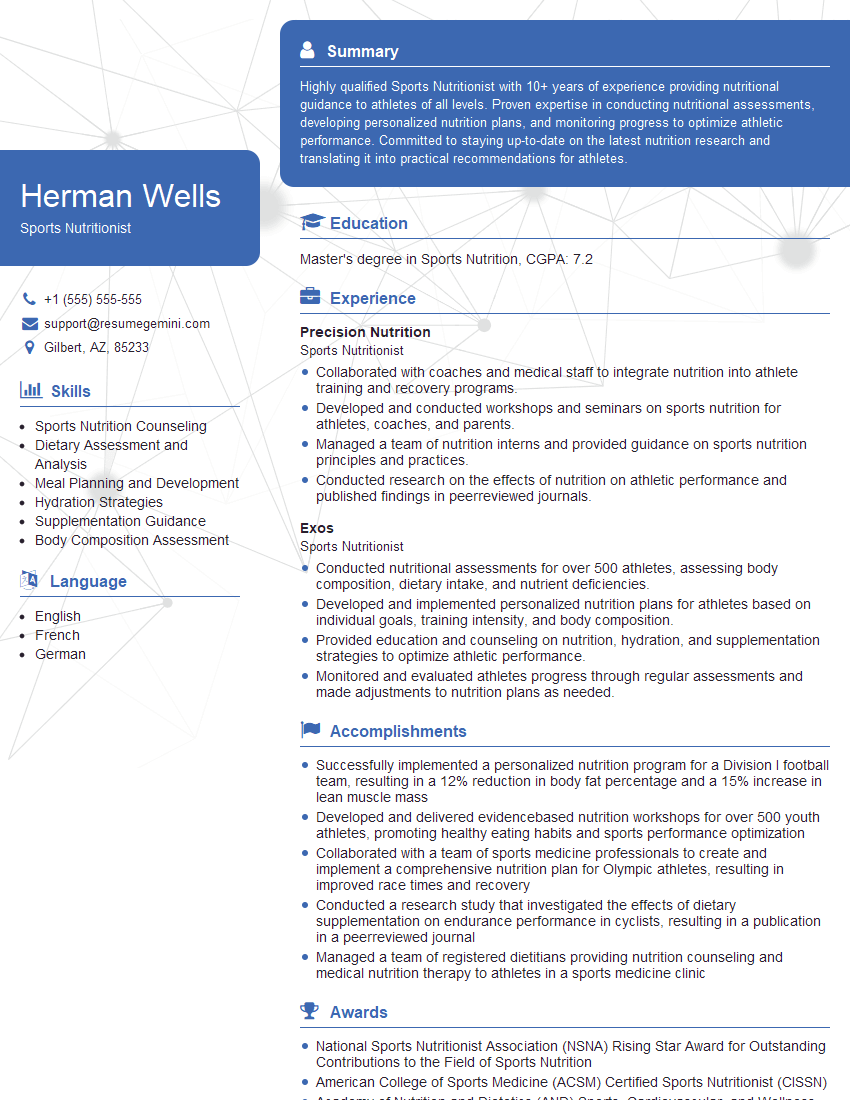
Mastering specialized diets significantly enhances your career prospects in nutrition, dietetics, and related fields. A strong understanding of this area opens doors to rewarding roles with increased responsibility and earning potential. To maximize your chances of landing your dream job, focus on creating an ATS-friendly resume that effectively showcases your skills and experience. ResumeGemini is a trusted resource that can help you build a professional and impactful resume. We provide examples of resumes tailored to the Specialized Diets field, helping you present your qualifications in the best possible light. Invest time in crafting a compelling resume—it’s your first impression on potential employers.
Explore more articles
Users Rating of Our Blogs
Share Your Experience
We value your feedback! Please rate our content and share your thoughts (optional).
What Readers Say About Our Blog
Hello,
we currently offer a complimentary backlink and URL indexing test for search engine optimization professionals.
You can get complimentary indexing credits to test how link discovery works in practice.
No credit card is required and there is no recurring fee.
You can find details here:
https://wikipedia-backlinks.com/indexing/
Regards
NICE RESPONSE TO Q & A
hi
The aim of this message is regarding an unclaimed deposit of a deceased nationale that bears the same name as you. You are not relate to him as there are millions of people answering the names across around the world. But i will use my position to influence the release of the deposit to you for our mutual benefit.
Respond for full details and how to claim the deposit. This is 100% risk free. Send hello to my email id: [email protected]
Luka Chachibaialuka
Hey interviewgemini.com, just wanted to follow up on my last email.
We just launched Call the Monster, an parenting app that lets you summon friendly ‘monsters’ kids actually listen to.
We’re also running a giveaway for everyone who downloads the app. Since it’s brand new, there aren’t many users yet, which means you’ve got a much better chance of winning some great prizes.
You can check it out here: https://bit.ly/callamonsterapp
Or follow us on Instagram: https://www.instagram.com/callamonsterapp
Thanks,
Ryan
CEO – Call the Monster App
Hey interviewgemini.com, I saw your website and love your approach.
I just want this to look like spam email, but want to share something important to you. We just launched Call the Monster, a parenting app that lets you summon friendly ‘monsters’ kids actually listen to.
Parents are loving it for calming chaos before bedtime. Thought you might want to try it: https://bit.ly/callamonsterapp or just follow our fun monster lore on Instagram: https://www.instagram.com/callamonsterapp
Thanks,
Ryan
CEO – Call A Monster APP
To the interviewgemini.com Owner.
Dear interviewgemini.com Webmaster!
Hi interviewgemini.com Webmaster!
Dear interviewgemini.com Webmaster!
excellent
Hello,
We found issues with your domain’s email setup that may be sending your messages to spam or blocking them completely. InboxShield Mini shows you how to fix it in minutes — no tech skills required.
Scan your domain now for details: https://inboxshield-mini.com/
— Adam @ InboxShield Mini
Reply STOP to unsubscribe
Hi, are you owner of interviewgemini.com? What if I told you I could help you find extra time in your schedule, reconnect with leads you didn’t even realize you missed, and bring in more “I want to work with you” conversations, without increasing your ad spend or hiring a full-time employee?
All with a flexible, budget-friendly service that could easily pay for itself. Sounds good?
Would it be nice to jump on a quick 10-minute call so I can show you exactly how we make this work?
Best,
Hapei
Marketing Director
Hey, I know you’re the owner of interviewgemini.com. I’ll be quick.
Fundraising for your business is tough and time-consuming. We make it easier by guaranteeing two private investor meetings each month, for six months. No demos, no pitch events – just direct introductions to active investors matched to your startup.
If youR17;re raising, this could help you build real momentum. Want me to send more info?
Hi, I represent an SEO company that specialises in getting you AI citations and higher rankings on Google. I’d like to offer you a 100% free SEO audit for your website. Would you be interested?
Hi, I represent an SEO company that specialises in getting you AI citations and higher rankings on Google. I’d like to offer you a 100% free SEO audit for your website. Would you be interested?
good