The thought of an interview can be nerve-wracking, but the right preparation can make all the difference. Explore this comprehensive guide to Sports Broadcasting interview questions and gain the confidence you need to showcase your abilities and secure the role.
Questions Asked in Sports Broadcasting Interview
Q 1. Explain your experience with different types of sports broadcasting (e.g., live events, studio shows, pre-recorded segments).
My experience in sports broadcasting spans a wide range of formats, encompassing the dynamism of live events, the controlled environment of studio shows, and the meticulous pre-production of pre-recorded segments. Live events, such as a crucial game seven of a playoff series, demand split-second decision-making and seamless coordination with the production team. The energy is palpable, and the pressure is immense, requiring rapid adaptation to unforeseen circumstances like injuries or sudden rule changes. Studio shows, in contrast, provide a more structured environment, allowing for deeper analysis and insightful commentary. I’ve been involved in pre-game, halftime, and post-game shows, where the focus is on delivering insightful commentary, expert analysis, and engaging audience interaction. Pre-recorded segments offer a different set of challenges; they require meticulous planning, precise execution, and a keen eye for detail to ensure the final product is polished and informative. I’ve worked on features, highlight reels, and player interviews, mastering techniques like seamless editing and compelling storytelling.
- Live Event Example: Covering a sudden downpour during a baseball game, smoothly transitioning to analysis and studio shots while addressing the weather delay.
- Studio Show Example: Leading a panel discussion on controversial referee calls, presenting different perspectives in a respectful yet engaging manner.
- Pre-recorded Segment Example: Producing a feature piece on the history of a sports team, incorporating archival footage, player interviews, and compelling narration.
Q 2. Describe your experience with various broadcast equipment and technologies.
My proficiency extends across a wide spectrum of broadcast equipment and technologies. I’m comfortable operating cameras (including robotic cameras), audio mixers, teleprompters, and character generators. I have extensive experience with various video editing software, including Avid Media Composer and Adobe Premiere Pro, and am adept at using graphics packages like Vizrt and ChyronHego to enhance visual storytelling. My experience also includes working with various audio recording equipment, such as lavalier microphones and boom microphones, ensuring crisp and clear audio capture. Beyond the traditional equipment, I’m familiar with the latest innovations in broadcasting technology, such as IP-based workflows, virtual studios, and cloud-based production platforms. Understanding these technologies is vital for optimizing broadcast quality and efficiency.
For example, I’ve worked extensively with IP-based video switching, which allowed for remote control of cameras and graphics from different locations, enabling greater flexibility and cost savings during outside broadcasts.
Q 3. How do you manage your time effectively during a live broadcast?
Effective time management during a live broadcast is paramount. It’s akin to conducting a complex orchestra. My approach relies heavily on pre-planning and collaboration. Before the broadcast, I meticulously review the rundown, ensuring I’m familiar with the sequence of segments, interview subjects, and any potential contingencies. During the broadcast, I maintain a clear understanding of the time remaining for each segment, employing visual cues such as on-screen clocks and producer signals. Effective communication with the production team is critical – we use concise, pre-determined signals to adjust pacing or handle unexpected situations. Prioritizing information and focusing on the most crucial elements helps maintain efficiency. This is where experience truly shines – knowing when to summarize, when to elaborate, and when to defer to other team members is key to seamless execution.
Q 4. What is your process for preparing for a live sports event?
Preparing for a live sports event is a multi-stage process that starts well before the event itself. It begins with thorough research – I delve into the teams’ statistics, recent performance, player profiles, and key storylines. This ensures I can provide informed commentary and context to the audience. I also review previous broadcasts to understand the typical flow and highlight any recurring issues or potential challenges. Next, I familiarize myself with the broadcast schedule, segment lengths, and responsibilities. This collaborative aspect is crucial, involving discussions with the production team, analysts, and other commentators to coordinate our coverage. I then create a personal notes sheet with key data points and potential discussion topics, but avoiding rote memorization. This allows for organic conversation rather than a scripted reading. Finally, I finalize the look of the broadcast using provided graphics and video clips.
Q 5. How do you adapt to unexpected events or changes in a live broadcast?
Adaptability is a defining skill in live sports broadcasting. Unexpected events are inevitable – player injuries, controversial calls, technical glitches. My approach is based on quick thinking, clear communication, and a reliance on my team. The key is to stay calm, assess the situation quickly, and communicate the change effectively to the team. If there’s a technical problem, it’s crucial to work with the engineering team for a swift resolution, perhaps transitioning to a backup plan, or filling the time with relevant commentary or analysis. If there’s a sudden development in the game, like a significant injury, I need to relay factual information accurately and sensitively, while maintaining the audience’s engagement. A flexible and prepared mindset, along with the ability to trust your team is vital to navigating unforeseen circumstances. For example, during a live soccer game, if a player was sent off, we would quickly adapt the commentary and focus more on game strategy and tactical implications, involving experts for more insightful analysis.
Q 6. How do you maintain a professional demeanor under pressure?
Maintaining a professional demeanor under pressure is a critical skill for broadcasters. It’s all about managing my internal state. I prepare myself mentally and emotionally, focusing on deep breathing and visualization techniques to manage any anxiety. This allows me to concentrate on delivering clear, concise, and factual information to viewers, even when confronted with unexpected challenges. Even when faced with a stressful situation, I aim to communicate effectively, staying calm and composed, relying on the skills and experience that have developed over time. Trusting my instincts and maintaining a positive and professional attitude are crucial. I focus on positive self-talk, reminding myself of past successes and my ability to navigate demanding situations.
Q 7. Describe your experience working with a team in a fast-paced environment.
My experience working within a sports broadcasting team has been instrumental to my success. In this fast-paced environment, teamwork is essential for smooth operation. We’re a cohesive unit, each member responsible for a specific role but all working towards a common goal. Effective communication is paramount – from pre-planning meetings to real-time cues during the broadcast. This collaboration extends across all departments including production, engineering, graphics and talent. For instance, if a technical issue arises, seamless communication between the director and engineers is crucial, and we have developed a system where we know the cues and processes to address problems quickly and smoothly. This collaborative effort creates a fluid, dynamic process, allowing us to produce a high-quality broadcast even under pressure. It’s similar to a well-oiled machine, with each part working in harmony to deliver a seamless and engaging broadcast.
Q 8. What software or tools are you proficient in for sports broadcasting?
My proficiency in sports broadcasting software spans a wide range of tools, crucial for delivering a seamless and engaging broadcast. I’m highly skilled in using video editing software like Adobe Premiere Pro and Avid Media Composer for assembling highlights, creating packages, and ensuring smooth transitions. For graphics and lower thirds, I’m adept at Adobe After Effects and ChyronHego, which allow for real-time graphics insertion and customization. My audio expertise involves mastering Audacity for sound editing and mixing, and I’m familiar with various broadcast automation systems like Grass Valley Ignite for scheduling and playout. Furthermore, I’m comfortable using sports-specific replay systems, allowing for slow-motion analysis and instant replays, vital for enhancing the viewer experience.
For example, during a recent broadcast of a college basketball game, I used Premiere Pro to assemble a highlight reel of the game’s most exciting moments, including key plays and impressive shots. I then used After Effects to create engaging graphics that displayed player statistics and game information in real-time. The seamless integration of these tools resulted in a high-quality, viewer-friendly broadcast.
Q 9. How do you ensure the accuracy and clarity of your on-air presentation?
Accuracy and clarity are paramount in sports broadcasting. To ensure these, I employ a multi-pronged approach. First, thorough pre-broadcast research is essential. This includes studying game statistics, team rosters, player profiles, and any relevant news or storylines. This groundwork ensures I can provide insightful commentary and accurate information on-air. Secondly, I meticulously fact-check all information before presenting it. I rely on reputable sources and double-check statistics and facts with colleagues or official sources to avoid errors. Thirdly, I maintain clear and concise communication, using simple language that is easily understood by the audience. I practice delivering my lines naturally, avoiding jargon unless necessary, and always making sure that my statements are free of ambiguity. Finally, I continuously seek feedback from directors, producers, and other colleagues to identify areas where I can improve my clarity and precision.
For instance, during a live game, a statistic may be presented incorrectly on the screen. My preparation allows me to immediately recognize the discrepancy, correct it verbally to the audience, and signal the control room for an immediate on-screen correction, maintaining credibility and viewers’ trust.
Q 10. Explain your knowledge of sports rules and regulations.
My knowledge of sports rules and regulations is extensive and spans various disciplines. I possess a deep understanding of the rules governing popular sports like basketball, football, baseball, and soccer. This includes nuanced knowledge of specific infractions, officiating procedures, and the interpretation of rule changes. My knowledge isn’t just theoretical; it’s gained through years of watching, analyzing, and discussing games at both amateur and professional levels. I’ve also invested in staying current with rule updates and amendments, ensuring I’m always well-informed. This understanding allows me to provide insightful commentary and analysis, clarify complex situations, and educate viewers on the intricacies of the game.
For example, in a recent baseball game broadcast, I was able to explain a controversial call involving a close play at the plate by referencing the specific rule in question and its practical implications. This not only provided clarity to the viewers but also demonstrated my expertise in the sport.
Q 11. Describe your experience in interviewing athletes and coaches.
I have extensive experience interviewing athletes and coaches, both in pre-recorded settings and live on-air. My approach is centered on building rapport and establishing trust. I begin by creating a relaxed and comfortable atmosphere, which helps interviewees feel at ease and encourages them to be open and honest. Before the interview, I conduct thorough research on the individual, studying their career highlights, challenges faced, and any relevant news or controversies. This allows me to formulate insightful and relevant questions that go beyond the superficial. During the interview, I listen attentively, ask follow-up questions based on their responses, and remain flexible and adaptable to the flow of the conversation. I also focus on asking open-ended questions, encouraging detailed and insightful answers rather than simple ‘yes’ or ‘no’ responses. Finally, post-interview, I review the footage to ensure accuracy and smooth editing.
In a recent interview with a newly drafted NFL player, my research revealed his personal journey and obstacles he’d overcome. This insight allowed me to craft questions that explored those aspects, leading to a compelling and humanizing interview that resonated with the audience, showcasing more than just athletic prowess.
Q 12. How do you handle criticism or feedback on your performance?
Criticism and feedback are invaluable tools for growth in any field, including sports broadcasting. I welcome both constructive criticism and negative feedback as opportunities for improvement. My approach is to listen carefully, analyze the feedback objectively, and identify actionable steps to enhance my performance. I don’t take criticism personally but view it as an assessment of my work. I seek clarification if needed and engage in open discussions to understand the concerns. This feedback is then incorporated into future broadcasts, leading to refinements in my presentation style, commentary, and overall performance. The goal is continuous learning and improvement, constantly adapting to become a better broadcaster.
For instance, if a director suggests my pacing is too fast, I’ll consciously slow down my delivery during practice sessions, focusing on clearer pronunciation and deliberate pauses to maintain audience engagement. The process is iterative and driven by the desire for consistent improvement.
Q 13. What strategies do you use to engage your audience during a broadcast?
Engaging the audience during a broadcast requires a dynamic approach. I utilize a combination of strategies to keep viewers captivated. Firstly, I maintain a lively and enthusiastic tone, expressing genuine excitement for the game. Secondly, I incorporate storytelling techniques, weaving narratives that highlight the human elements of the sport and the athletes. Thirdly, I utilize humor appropriately, injecting wit and levity into the broadcast where suitable without being disrespectful or detracting from the game. Fourthly, I encourage audience interaction by responding to social media comments and questions, making the broadcast more interactive. Fifthly, I ensure a good mix of commentary, analysis, highlights, and interviews, maintaining a balanced and engaging flow. Finally, I anticipate crucial moments in the game and prepare insightful commentary ahead of time, adding depth and analysis for the viewers.
For example, during a low-scoring game, I might highlight individual player performances or compelling backstories to maintain viewer interest, showcasing the human aspect of competition even when the overall score lacks drama.
Q 14. Describe your experience with different microphone techniques.
My experience with microphone techniques is broad, encompassing various types and applications. I’m proficient in using lavalier microphones (for close-up interviews and on-field reporting), boom microphones (for capturing ambient sound and capturing multiple speakers), and headset microphones (for studio use and commentary). I understand the importance of proper microphone placement, ensuring optimal sound quality and minimizing unwanted noise. I’m also knowledgeable about different microphone polar patterns (e.g., cardioid, omnidirectional) and how to select the most appropriate type for each situation. Furthermore, I’m experienced in using wireless microphone systems and troubleshooting potential issues with audio levels and signal interference. Consistent monitoring of audio levels is key to preventing feedback and delivering a clear, crisp broadcast.
For instance, during a field interview, a lavalier microphone might be best suited due to the need for hands-free mobility and close proximity to the interviewee, preventing any unnecessary sound disruptions. For a panel discussion in a studio setting, however, headset microphones would be more suitable ensuring consistent audio and quality for each speaker.
Q 15. How do you contribute to a positive team dynamic in a broadcast setting?
A positive team dynamic in broadcasting is crucial for a seamless and engaging show. I contribute by fostering open communication, actively listening to my colleagues’ ideas, and offering constructive feedback. I believe in collaborative storytelling, where everyone’s expertise is valued. For instance, during a pre-game show, I’ll make sure the analyst, play-by-play commentator, and sideline reporter are all on the same page regarding the key storylines and talking points. This prevents repetition and ensures a smooth flow of information. I also prioritize mutual respect and support; a supportive environment allows individuals to perform at their best and take creative risks. If a colleague is struggling with a segment, I’ll offer assistance and encouragement. Finally, celebrating successes – both big and small – strengthens team bonds and fosters a sense of shared accomplishment.
Career Expert Tips:
- Ace those interviews! Prepare effectively by reviewing the Top 50 Most Common Interview Questions on ResumeGemini.
- Navigate your job search with confidence! Explore a wide range of Career Tips on ResumeGemini. Learn about common challenges and recommendations to overcome them.
- Craft the perfect resume! Master the Art of Resume Writing with ResumeGemini’s guide. Showcase your unique qualifications and achievements effectively.
- Don’t miss out on holiday savings! Build your dream resume with ResumeGemini’s ATS optimized templates.
Q 16. What are your strengths and weaknesses as a sports broadcaster?
My greatest strength is my ability to connect with the audience. I can adapt my style to different sporting events and audiences, maintaining an engaging and informative tone. I have a knack for finding the human interest stories within the game, making the broadcast more relatable. For example, I once interviewed a player whose personal journey resonated deeply with viewers.
However, like everyone, I have areas for improvement. One weakness I’m actively working on is concisely summarizing complex tactical information for a broader audience. Sometimes, in the heat of the moment, my explanations can become overly detailed. I’m addressing this by practicing my concise delivery and actively seeking feedback from colleagues and supervisors on the clarity of my commentary.
Q 17. How do you stay up-to-date on current events in the sports industry?
Staying current in the sports industry is paramount. My approach is multifaceted. I subscribe to several reputable sports news outlets – both print and digital – and follow key journalists and analysts on social media. I regularly listen to sports podcasts, which offer in-depth analysis and insights beyond the headlines. Attending industry events and conferences allows for networking and learning about emerging trends. I also make it a point to engage directly with athletes and coaches through interviews, gaining firsthand perspective. Furthermore, I diligently track statistics and game data to maintain an up-to-date understanding of team performance and individual player achievements. This helps me provide context and insightful analysis during broadcasts.
Q 18. What is your preferred style of broadcasting (play-by-play, color commentary, etc.)?
While I enjoy all aspects of broadcasting, my preferred style is play-by-play commentary. I find the challenge of narrating the live action in a compelling and informative way incredibly rewarding. The rapid pace and dynamic nature of the role require quick thinking, adaptability, and a deep understanding of the game. However, I also greatly appreciate the opportunity to incorporate elements of color commentary, providing analysis and context to enhance the viewer’s understanding and enjoyment. A good play-by-play commentator is more than just a narrator; they are a storyteller, bringing the game to life for the audience. I thrive on that responsibility.
Q 19. How do you incorporate social media into your broadcasting workflow?
Social media plays a vital role in modern sports broadcasting. I use platforms like Twitter and Instagram to interact with viewers in real-time during broadcasts, creating a two-way conversation. I actively engage with questions, comments, and feedback, fostering a sense of community around the broadcast. Before the event, I use social media to promote the broadcast and engage in pre-game discussions. During the broadcast, I might share highlights, statistics, or interesting facts relevant to what is happening on the field/court. I also monitor social media for breaking news or trending topics that could impact the broadcast. It’s essential, however, to maintain a professional demeanor and to be mindful of any potentially sensitive content.
Q 20. Describe your experience with live streaming platforms.
I have extensive experience with various live streaming platforms, including Twitch, YouTube Live, and Facebook Live. My understanding goes beyond simply using the platforms; I grasp their unique features, audience demographics, and best practices for streaming high-quality sports content. I’m proficient in setting up professional-grade streaming setups, ensuring optimal audio and video quality. I know how to manage chat interactions effectively, providing a positive viewing experience. This includes moderating comments and addressing viewer questions or concerns in a timely and professional manner. My understanding of streaming analytics allows me to track viewership, engagement, and audience demographics, which is crucial for optimizing broadcast performance.
Q 21. How do you handle technical difficulties during a live broadcast?
Technical difficulties are an inevitable part of live broadcasting. My approach is proactive and relies on thorough preparation and quick thinking. Before the broadcast, I conduct a comprehensive technical check to identify and resolve any potential issues. During the broadcast, I maintain constant communication with the technical crew. If a problem arises, I have a pre-determined set of solutions to try, including fallback options. If the problem persists, I smoothly transition to a backup plan, minimizing any disruption to the viewers. For example, if the primary camera fails, we quickly switch to a secondary camera. If the audio cuts out, I can seamlessly transition to a pre-recorded segment or use an alternative audio source. Maintaining a calm and professional demeanor is essential to reassure viewers and my colleagues.
Q 22. What are your salary expectations?
My salary expectations are commensurate with my experience and skillset in sports broadcasting, considering the specific role and responsibilities. I’ve researched industry standards and salary ranges for similar positions, taking into account factors like location, company size, and the complexity of the broadcast operations involved. I’m open to a discussion about compensation that reflects a mutually beneficial agreement.
Q 23. Describe a situation where you had to overcome a significant challenge in a broadcast.
During a live broadcast of a major championship game, a severe thunderstorm unexpectedly hit the stadium. The power went out, plunging the venue and our broadcast into darkness. We had only a few seconds to react before the feed went black. My immediate response was to switch to our backup generator and initiate our emergency broadcast protocol, which included communicating calmly with the on-air talent to transition to a pre-recorded segment about the game’s history. Simultaneously, I coordinated with the technical team to troubleshoot the power outage and restore the live feed as quickly as possible. We successfully minimized viewer disruption and brought the broadcast back online within five minutes, preventing major reputational damage to the channel. The success was a result of thorough planning, a well-drilled team, and quick thinking under pressure.
Q 24. How do you balance objectivity and personal opinion in your broadcasts?
Maintaining objectivity is paramount in sports broadcasting. My personal opinions must never overshadow the facts of the game or the athletes’ performances. I strive for balanced commentary by presenting multiple perspectives and focusing on factual analysis. While I can express excitement or enthusiasm for a particular moment, I ensure my words are descriptive rather than judgmental. For instance, instead of saying ‘that was a terrible call,’ I might say, ‘the referee’s decision was highly contested by the team’s coaching staff,’ allowing viewers to form their own opinions based on the facts. This approach reinforces trust and impartiality, keeping the broadcast credible and engaging for a broad audience.
Q 25. Describe your experience with remote broadcasting.
I have extensive experience with remote broadcasting, encompassing various technologies and workflows. I’m proficient in using remote production tools like SkypeTX, LiveU, and Teradek, and comfortable managing remote crews and contributors. I’ve successfully delivered high-quality broadcasts from diverse locations, adapting to challenging network conditions and maintaining seamless communication with studio personnel. For example, during a pandemic, I managed a fully remote production of a major sporting event, ensuring consistent quality and minimizing production delays. The challenges were significant, involving coordination across multiple time zones, quality control of remote feeds, and maintaining communication among geographically dispersed teams. However, thorough preparation and the use of reliable remote production technologies allowed us to successfully complete the broadcast.
Q 26. What are your career goals in sports broadcasting?
My career goals center on becoming a leading figure in sports broadcasting. I aim to progress towards hosting and producing high-profile events, potentially for a major network. I’m eager to develop my skills in storytelling and to use my expertise to create engaging and informative broadcasts. I’m also keen to contribute to the innovation and advancement of broadcast technologies. This might involve exploring virtual reality applications in sports broadcasting or refining existing remote production workflows to improve efficiency and quality. Ultimately, I want to leave a lasting impact on the industry by contributing to the production of compelling and insightful sports content.
Q 27. How do you ensure the quality of audio and video during a broadcast?
Ensuring high-quality audio and video is crucial for any broadcast. This involves meticulous pre-production planning and careful execution during the live event. Before a broadcast, we conduct thorough equipment checks, including microphones, cameras, and transmission systems. During the event, we use sophisticated audio mixers and video switchers to manage and enhance the quality of the incoming signals. We also employ skilled audio engineers and camera operators who monitor the audio and video levels continuously, making adjustments to maintain optimal clarity and visual appeal. Regular calibration of equipment and rigorous quality control measures, coupled with the expertise of skilled professionals, ensure the delivery of a polished and technically sound broadcast. Using redundancy in equipment and backup systems are also crucial in mitigating issues that might affect the broadcast quality.
Q 28. What is your understanding of broadcast regulations and compliance?
I have a comprehensive understanding of broadcast regulations and compliance. I’m familiar with the relevant laws and guidelines pertaining to copyright, defamation, and equal opportunities. I am acutely aware of the importance of obtaining the necessary licenses and permissions for broadcasting events and using copyrighted material. I understand the responsibilities related to impartiality and the potential consequences of non-compliance. For example, I know that any opinions or commentary must be appropriately contextualized and not construed as biased or promoting discriminatory attitudes. Furthermore, I’m familiar with media ethics codes and responsible for adhering to those standards to ensure the ethical production of broadcasts.
Key Topics to Learn for Your Sports Broadcasting Interview
- Game Production Fundamentals: Understanding the roles within a broadcast team (director, producer, commentators, etc.), the technical aspects of live production (switching, replays, graphics), and the workflow from pre-production planning to post-production analysis.
- Commentary & Storytelling: Developing engaging commentary styles, mastering the art of storytelling through play-by-play descriptions, crafting compelling narratives around athletes and teams, and adapting to different sporting events.
- Technical Proficiency: Familiarity with broadcast equipment (cameras, microphones, audio mixers, character generators), understanding basic video editing techniques, and demonstrating a grasp of relevant software (e.g., video editing suites, graphics packages).
- Interviewing Techniques: Preparing insightful questions for athletes, coaches, and other stakeholders, conducting effective on-camera interviews, managing interview time constraints, and eliciting engaging responses.
- Sports Journalism & Analysis: Researching and understanding the nuances of different sports, integrating relevant statistics and data into commentary, analyzing game strategies and outcomes, and offering informed opinions.
- Social Media & Digital Engagement: Leveraging social media platforms to engage with audiences, understanding digital broadcast platforms and trends, and using social media analytics to improve broadcast strategies.
- Problem-Solving in Live Environments: Demonstrating the ability to think quickly on your feet, adapt to unexpected events (technical malfunctions, game changes), and maintain professionalism under pressure.
Next Steps
A successful career in Sports Broadcasting offers dynamic opportunities to combine your passion for sports with your communication skills. To stand out, creating a compelling and ATS-friendly resume is crucial. This ensures your application gets noticed by recruiters and hiring managers. ResumeGemini is a trusted resource that can help you build a professional, impactful resume tailored to the specifics of this exciting field. We provide examples of Sports Broadcasting resumes to guide you through the process, helping you effectively showcase your skills and experience.
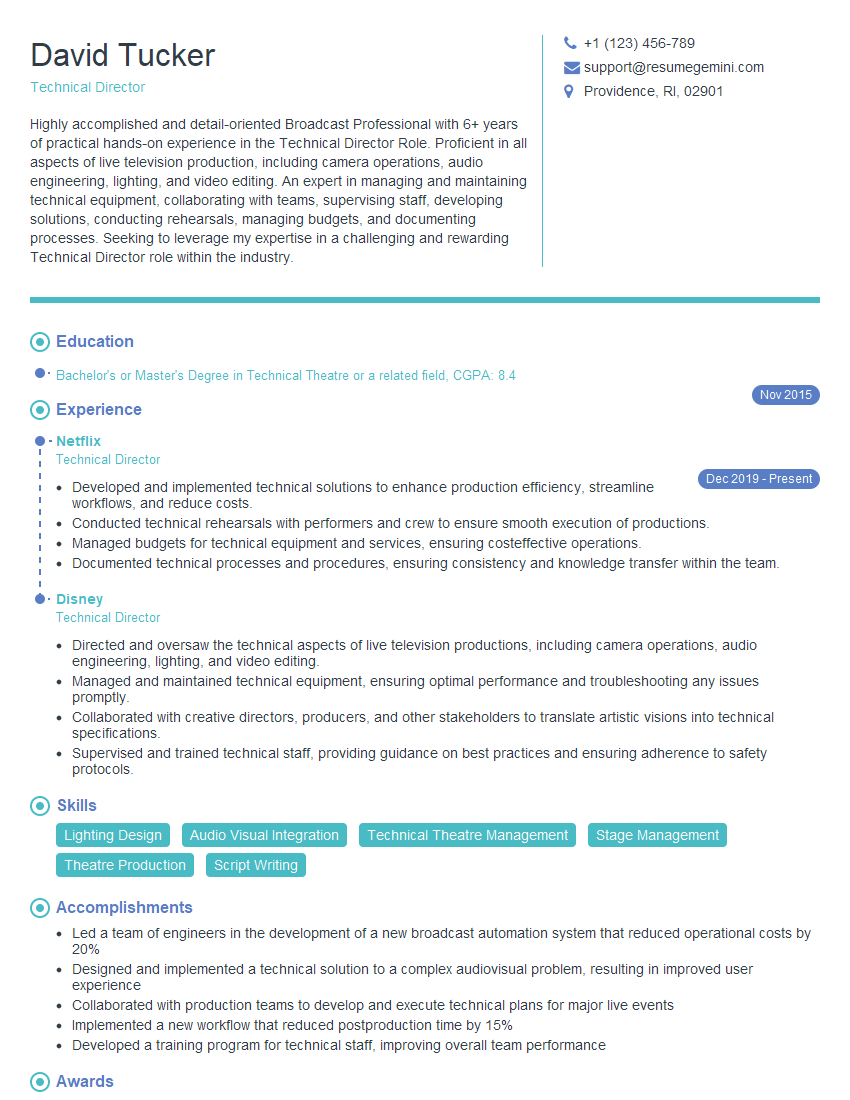
Technical Director Resume Sample
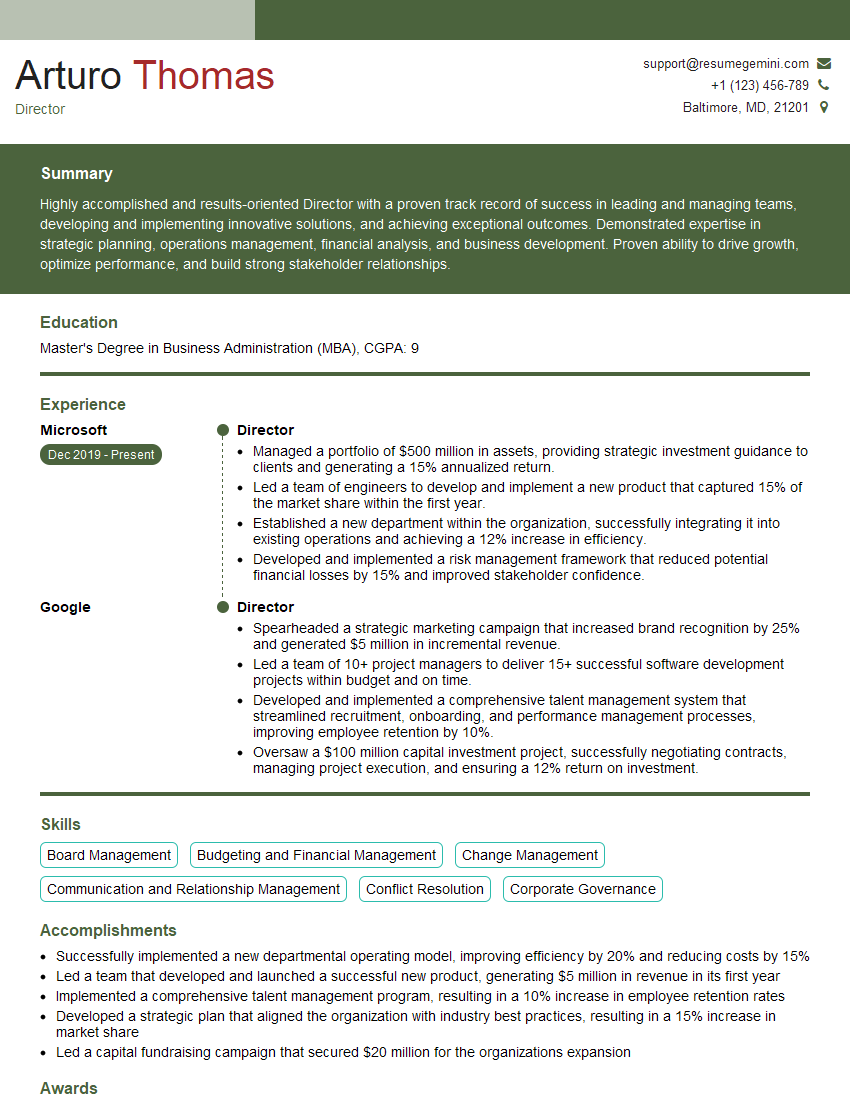
Director Resume Sample
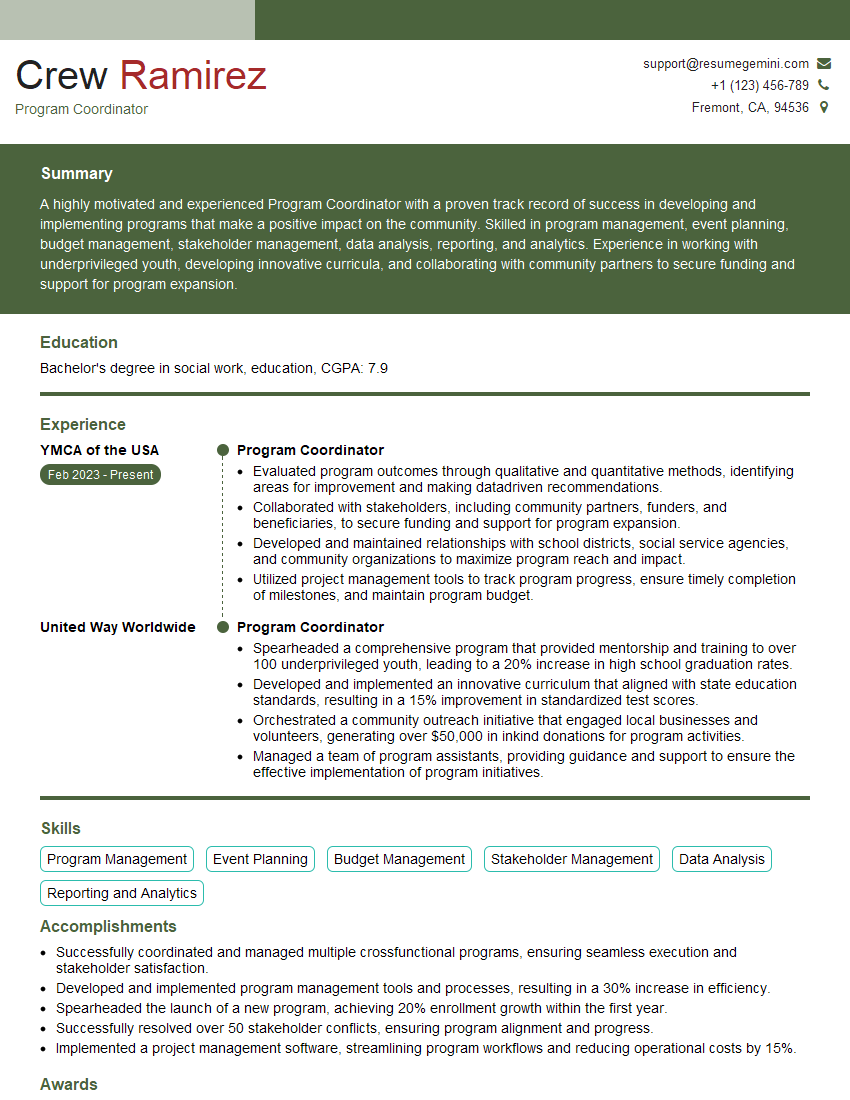
Program Coordinator Resume Sample
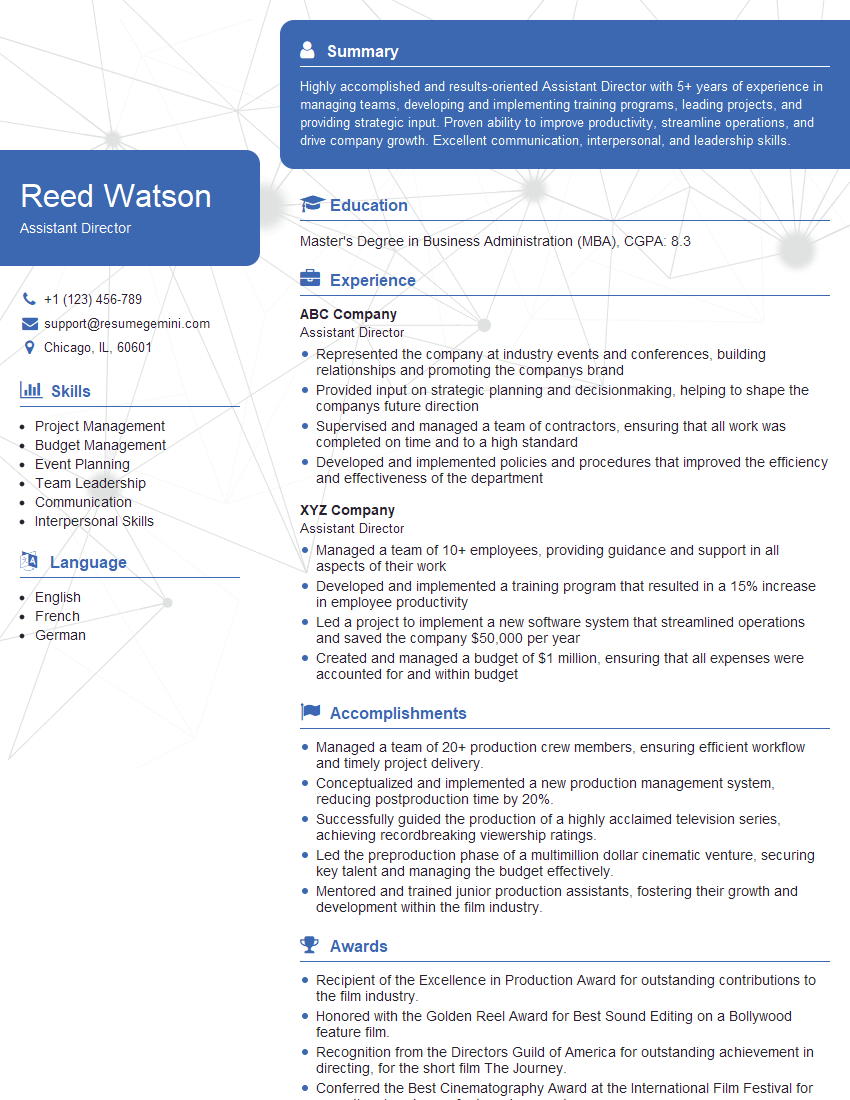
Assistant Director Resume Sample
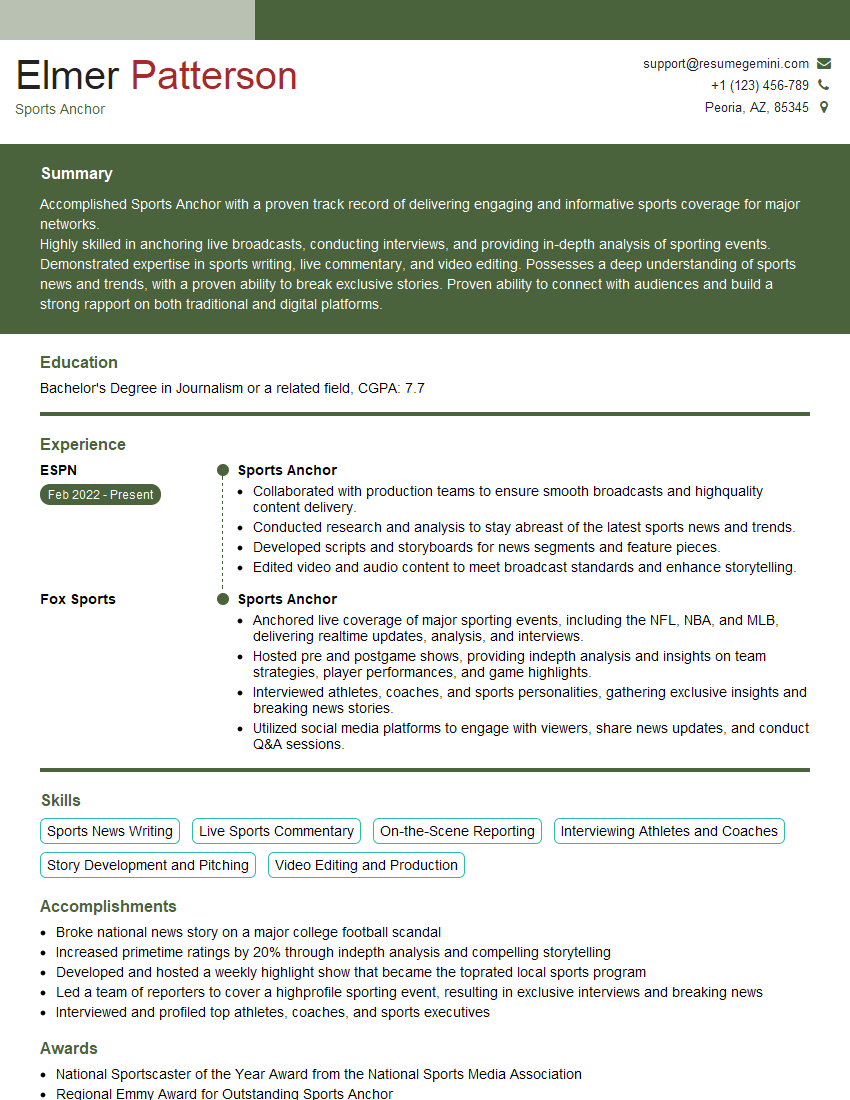
Sports Anchor Resume Sample
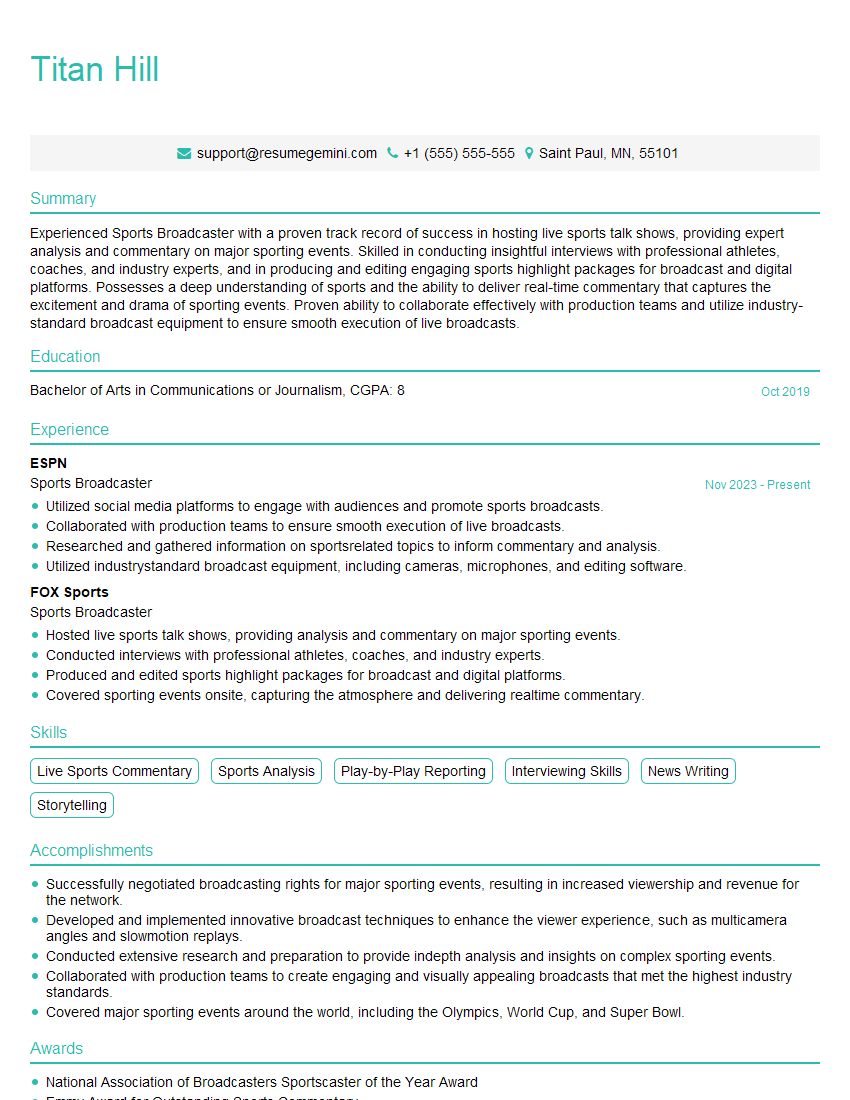
Sports Broadcaster Resume Sample
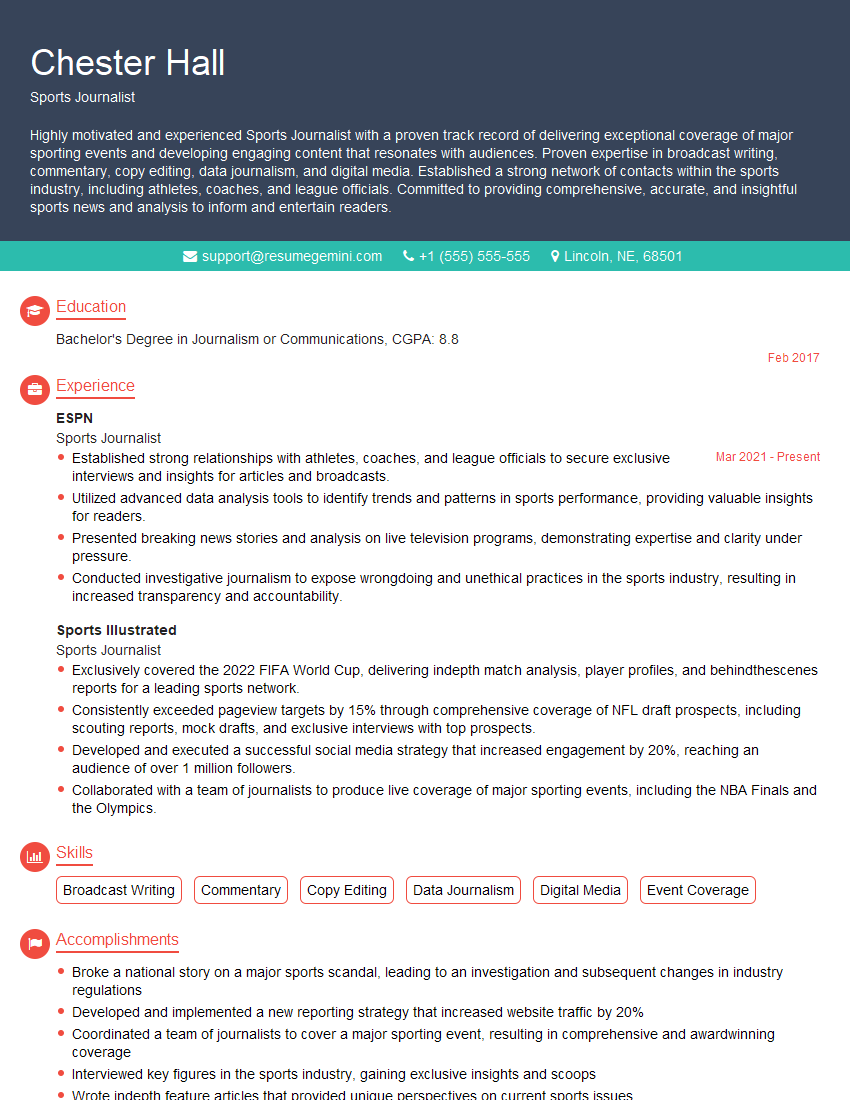
Sports Journalist Resume Sample
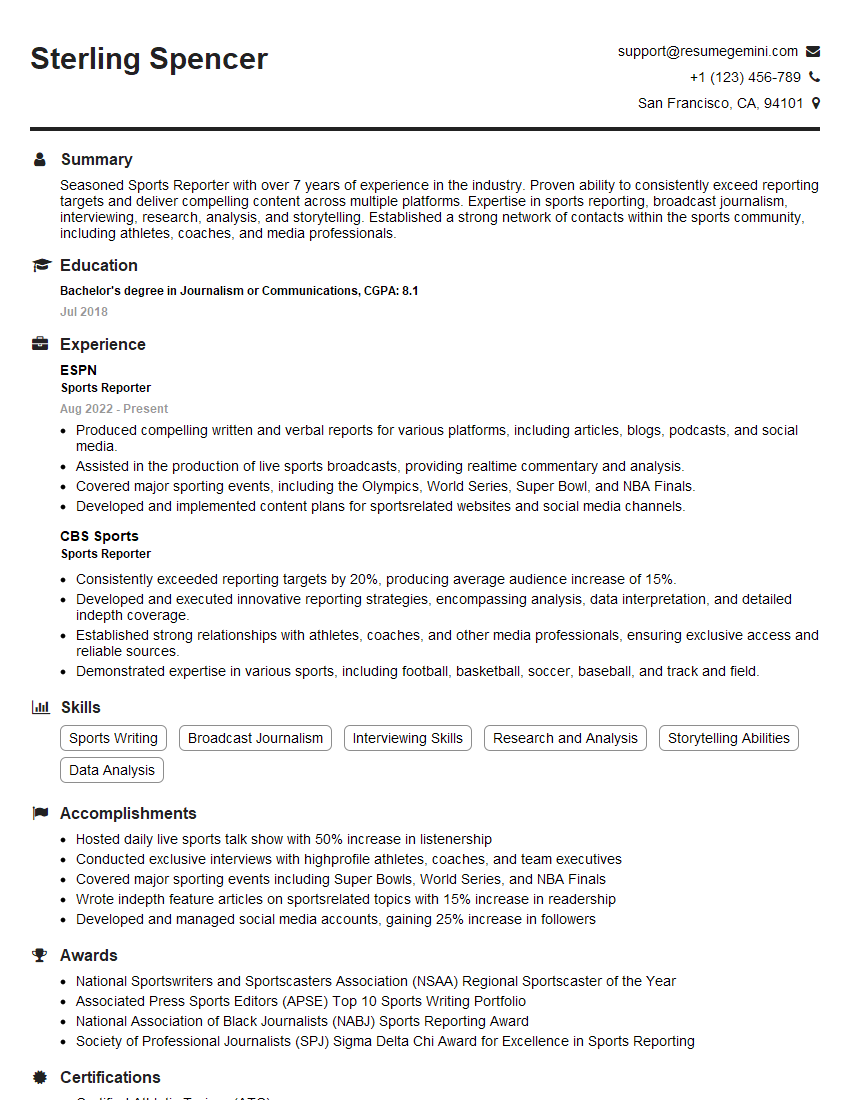
Sports Reporter Resume Sample
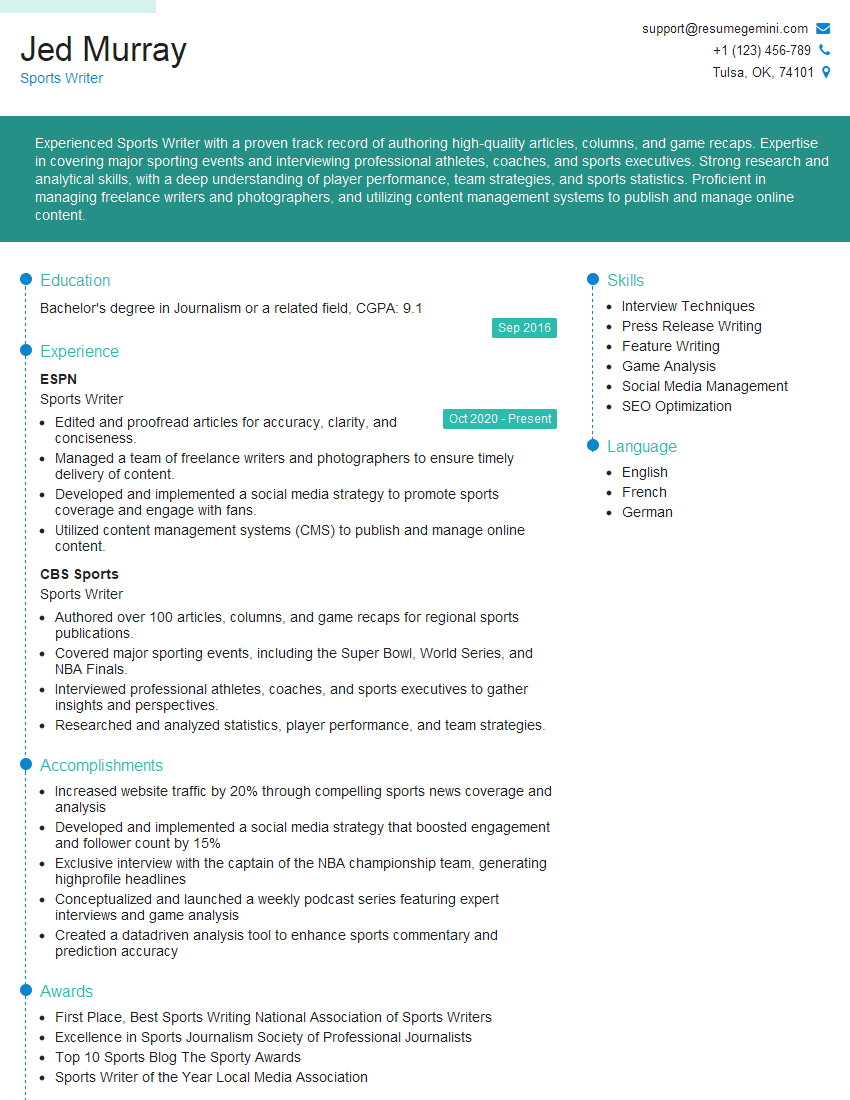
Sports Writer Resume Sample
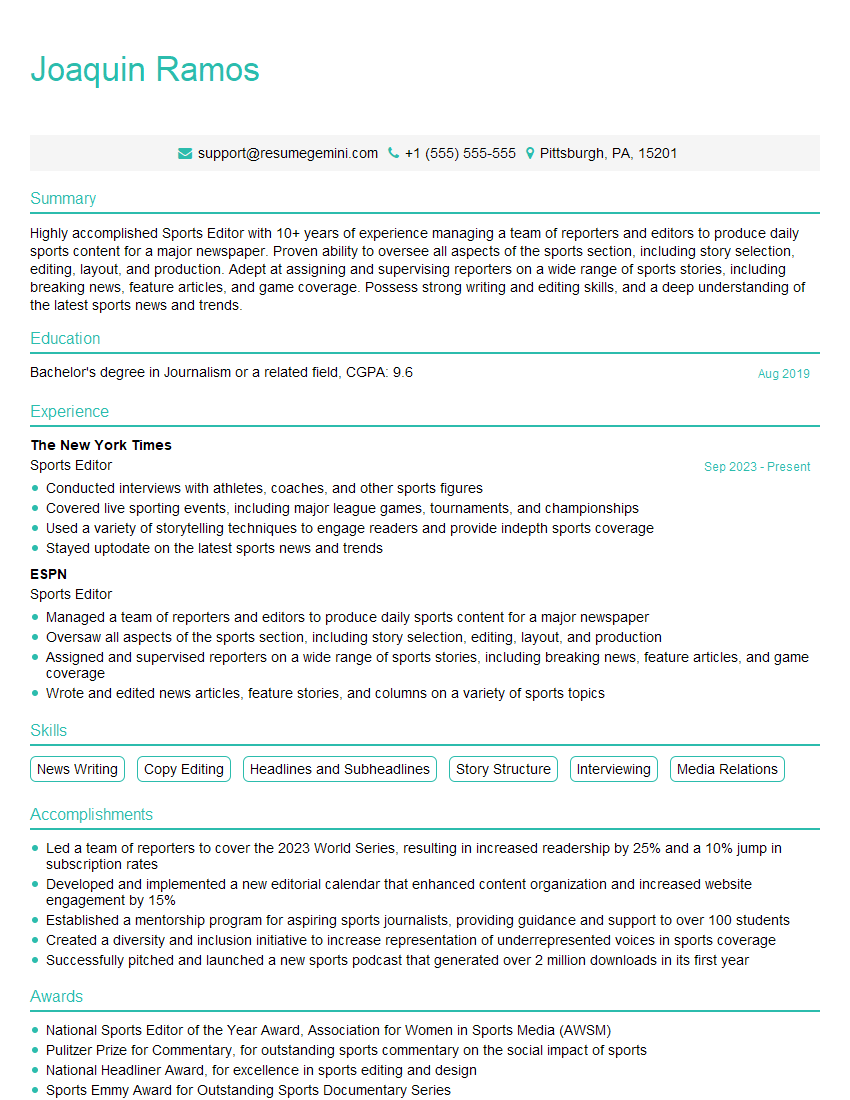
Sports Editor Resume Sample
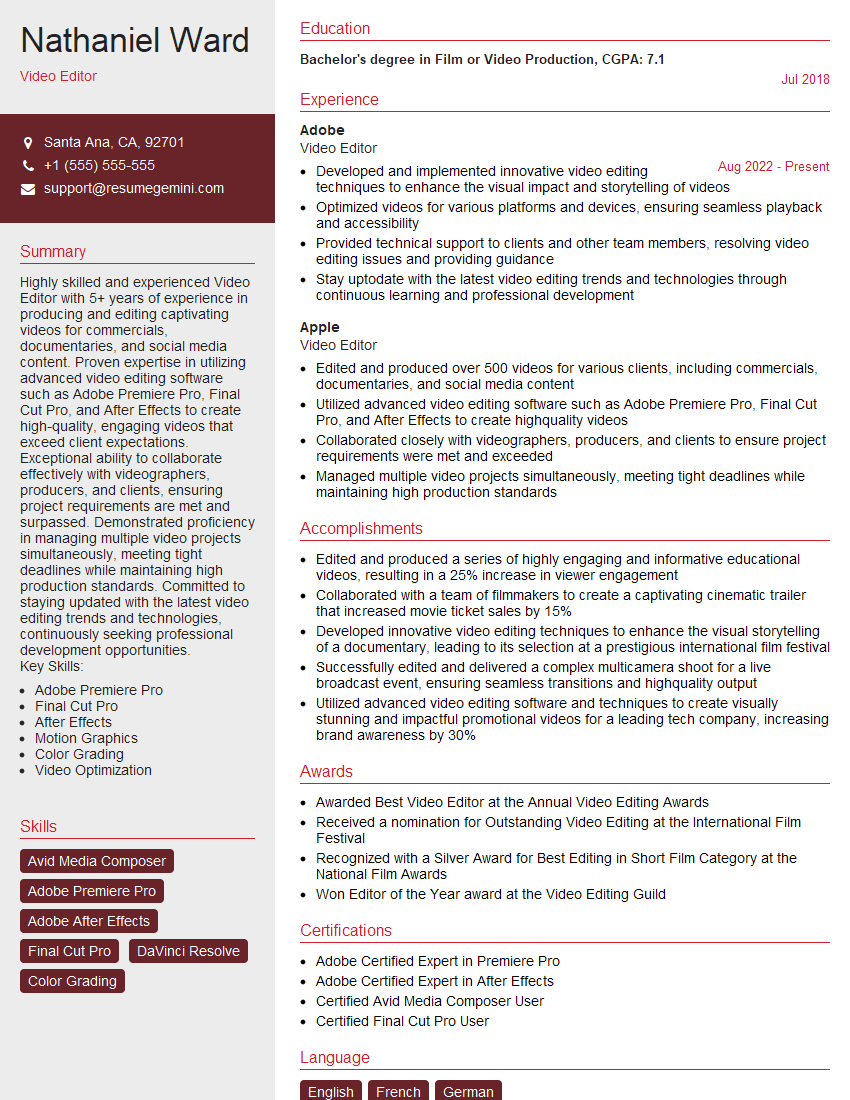
Video Editor Resume Sample
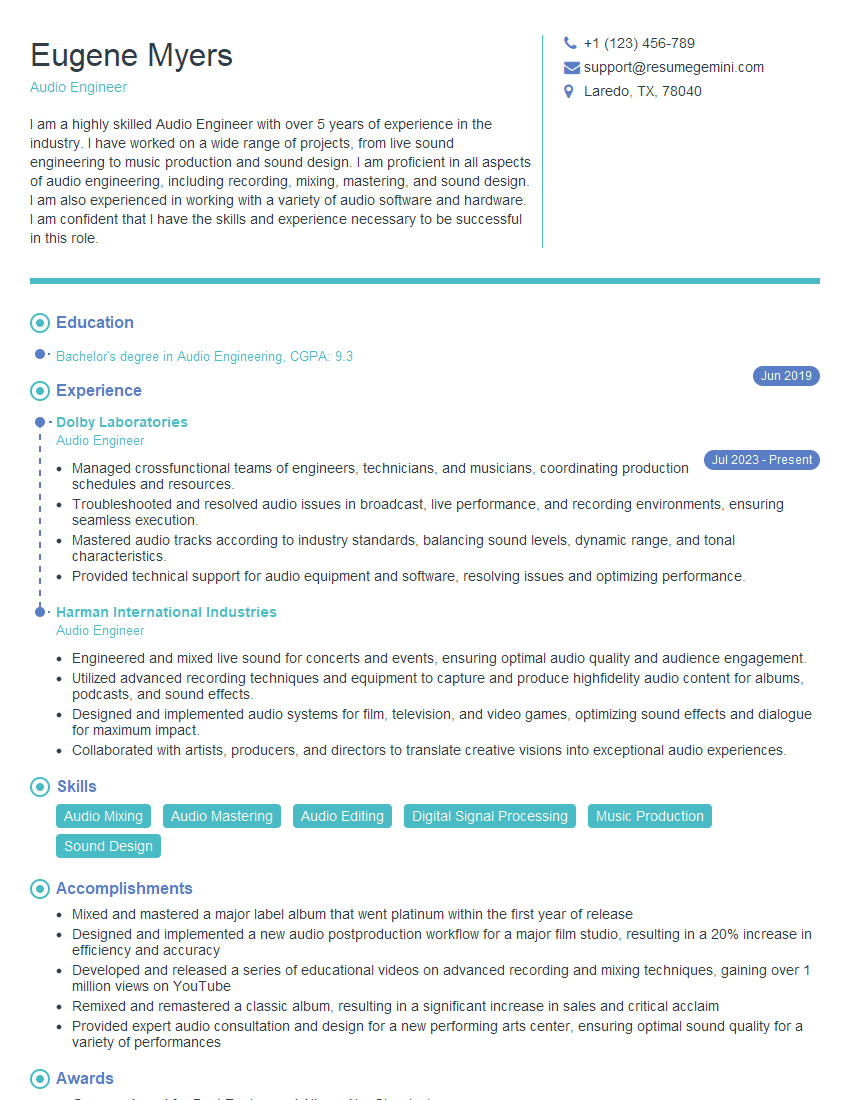
Audio Engineer Resume Sample
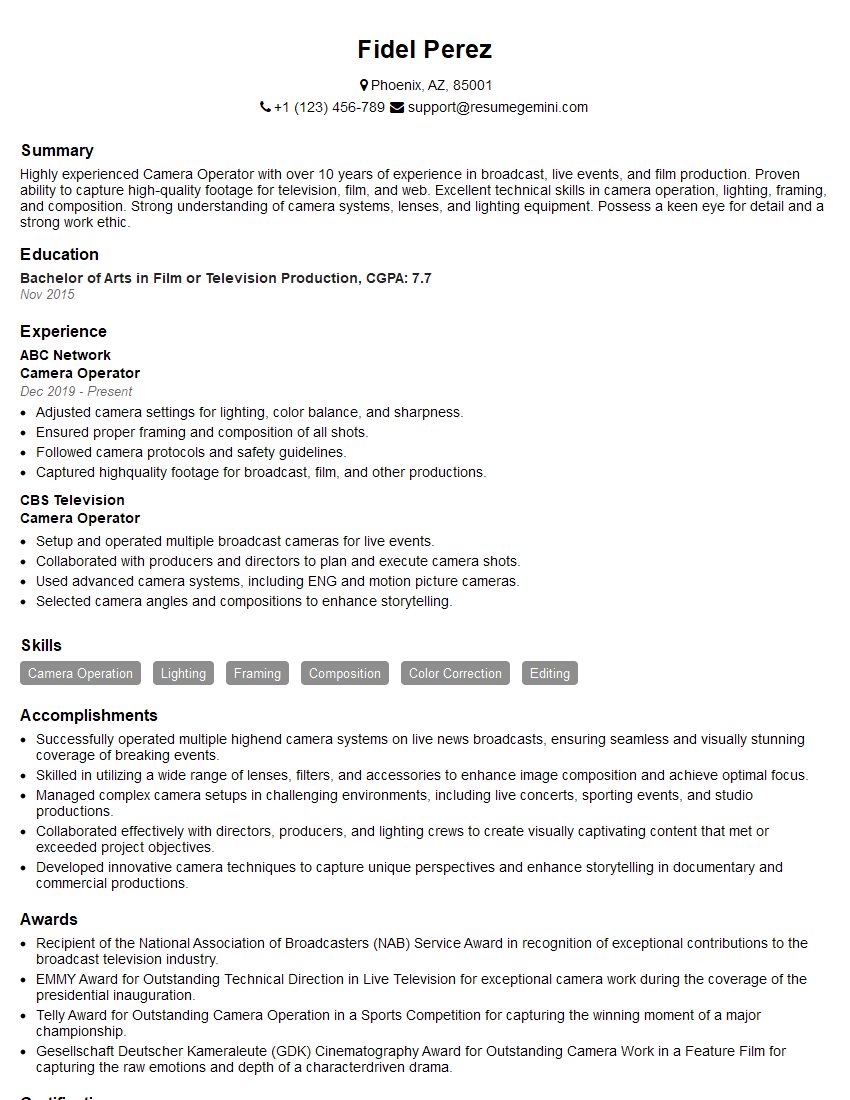
Camera Operator Resume Sample
Explore more articles
Users Rating of Our Blogs
Share Your Experience
We value your feedback! Please rate our content and share your thoughts (optional).
What Readers Say About Our Blog
Very informative content, great job.
good