Interviews are opportunities to demonstrate your expertise, and this guide is here to help you shine. Explore the essential Stability and Load Calculations interview questions that employers frequently ask, paired with strategies for crafting responses that set you apart from the competition.
Questions Asked in Stability and Load Calculations Interview
Q 1. Explain the difference between static and dynamic loading.
The key difference between static and dynamic loading lies in how the load is applied to a structure. Static loading involves forces that are applied slowly and remain constant over time, allowing the structure to reach equilibrium before any significant changes in load occur. Think of the weight of a building’s roof – a constant, unchanging force. Dynamic loading, on the other hand, involves forces that change rapidly or are applied suddenly, causing the structure to vibrate or oscillate. Examples include earthquake forces, wind gusts, or the impact from a falling object. The analysis of dynamic loads is far more complex than that of static loads because it requires consideration of the structure’s mass, stiffness, and damping characteristics.
Imagine a simple bridge: a steadily increasing weight of vehicles represents static loading; a sudden impact from a truck collision represents dynamic loading. The former is relatively straightforward to calculate; the latter demands more intricate calculations factoring in inertial forces and time-dependent effects.
Q 2. Describe various methods for determining the load bearing capacity of a structure.
Determining a structure’s load-bearing capacity involves various methods, depending on the complexity of the structure and the available resources. Some common methods include:
- Analytical Methods: These involve using mathematical equations and engineering principles to calculate stresses and strains within the structure. They are suitable for relatively simple structures with well-defined geometries and material properties. This often involves calculating bending moments, shear forces, and axial forces.
- Empirical Methods: Based on experimental data and observations from similar structures, these methods provide approximate estimates of load-bearing capacity. This might involve using established design codes or factors derived from historical data for structures of similar size and materials.
- Finite Element Analysis (FEA): A powerful numerical method that divides the structure into smaller elements to analyze stress and strain distribution under various load scenarios. It’s particularly useful for complex geometries and non-linear material behavior. (Further detail on FEA is provided in answer 7)
- Experimental Testing: Physical testing on scaled models or actual structures to determine their load-bearing capacity. This method provides accurate results but can be expensive and time-consuming. Examples include load tests on bridges and columns.
The choice of method depends on factors like the project budget, time constraints, complexity of the structure, and required accuracy.
Q 3. What are the key factors influencing the stability of a structure?
Several factors influence a structure’s stability. These factors interact, making the overall stability complex. Key aspects include:
- Geometry and Configuration: The shape, size, and arrangement of structural elements significantly affect stability. A tall, slender structure is inherently less stable than a short, squat one.
- Material Properties: The strength, stiffness, and ductility of the materials used directly influence the structure’s ability to withstand loads and maintain its equilibrium.
- Support Conditions: The type and location of supports (e.g., fixed, pinned, roller) dramatically affect the structural response to loads. A well-supported structure is more stable.
- Load Distribution: How loads are distributed throughout the structure is crucial. Uniformly distributed loads generally create more stable configurations than concentrated loads.
- Environmental Factors: Wind, snow, earthquakes, and temperature changes can significantly impact stability. These dynamic loads must be carefully considered.
- Construction Quality: Proper construction techniques and adherence to design specifications are essential for ensuring structural stability.
For example, a poorly designed high-rise building with inadequate bracing would be vulnerable to wind loads and might exhibit instability, whereas a robustly designed and constructed structure with well-distributed load transfer could easily withstand these loads.
Q 4. Explain the concept of factor of safety and its importance.
The factor of safety (FOS) is a crucial concept in structural engineering. It’s the ratio of the ultimate load a structure can withstand (its strength) to the expected maximum load it will experience (its design load).
FOS = Ultimate Load / Design Load
A higher FOS indicates a greater margin of safety. It accounts for uncertainties in material properties, load estimation, analysis methods, and construction tolerances. For example, a FOS of 2 means the structure is designed to withstand twice the expected load before failure. The specific FOS values depend on various factors, including the importance of the structure, the consequences of failure, and the material used. For critical structures, such as bridges and hospitals, significantly higher FOS values are mandated to ensure public safety.
Imagine designing a bridge. You’ll likely use a higher FOS than for a small shed since bridge failure would have far more severe consequences.
Q 5. How do you account for wind load in structural design?
Accounting for wind load in structural design is critical, especially for tall buildings and long-span structures. Wind loads are dynamic and vary based on several factors including:
- Wind speed: Higher wind speeds lead to higher loads. This is usually obtained from local meteorological data and building codes.
- Building height and shape: Tall, slender structures experience significantly higher wind loads than shorter, more compact structures. The shape of the structure (aerodynamics) plays a big role.
- Terrain roughness: The surrounding landscape affects wind speed and turbulence. Open areas experience higher wind speeds than urban areas.
- Exposure factors: These factors account for the variations in wind speed and turbulence due to the building’s location and environment.
Wind loads are determined using specialized wind engineering software or using formulas provided in building codes like ASCE 7. These calculations help to determine the magnitude and direction of wind forces acting on the structure. The structure is then designed to withstand these forces using appropriate structural elements, bracing systems, and detailing to prevent wind-induced instability or failure.
Q 6. What are the common failure modes in structural elements?
Structural elements can fail through various modes, each related to how the material responds to excessive stress or strain:
- Tensile Failure: Occurs when a member is subjected to excessive tensile stress, leading to elongation and eventual fracture. Think of a wire snapping under tension.
- Compressive Failure: Happens when a member is subjected to excessive compressive stress, leading to buckling or crushing. Imagine a column collapsing under its own weight.
- Shear Failure: Occurs when the stresses within a member exceed its shear strength, causing it to slide or break along a plane parallel to the applied force. This is common in beams.
- Torsional Failure: Involves failure due to twisting forces that exceed the torsional strength of a member. This can be seen in shafts or axles.
- Flexural Failure (Bending): Failure caused by bending stresses exceeding the material’s flexural strength. This is a very common failure mode in beams.
- Fatigue Failure: Occurs due to repeated cyclical loading, even if the load is below the material’s ultimate strength. Microscopic cracks gradually propagate, eventually leading to failure.
Understanding these failure modes is crucial in designing structures that are safe and robust. Designers must ensure that the stresses in each element remain below acceptable limits for each failure mode.
Q 7. Explain the principles of finite element analysis (FEA).
Finite Element Analysis (FEA) is a powerful computational method used to analyze complex structural systems. It works by dividing the structure into a large number of small, interconnected elements (finite elements). Each element has a defined geometry, material properties, and load conditions. The behavior of each element is then analyzed individually using mathematical equations, and the results are combined to predict the overall behavior of the structure.
The process generally involves these steps:
- Preprocessing: Creating a geometric model of the structure, defining material properties, applying boundary conditions (supports), and specifying loads.
- Solving: Using a computer program to solve the system of equations governing the behavior of each element. This step involves significant computational power.
- Postprocessing: Analyzing the results to obtain information on stresses, strains, displacements, and other relevant parameters. This often involves visual representation using color contour plots or deformed shapes.
FEA is incredibly versatile and can handle complex geometries, material nonlinearities, and various load conditions. It’s widely used in various engineering fields to design and analyze structures, predict their behavior under different conditions, and optimize their design for strength and efficiency. While powerful, its accuracy depends on the quality of the model and the assumptions made.
Q 8. What are the limitations of FEA?
Finite Element Analysis (FEA) is a powerful tool, but it’s crucial to understand its limitations. It’s based on simplifying complex structures into a mesh of smaller, simpler elements, and the accuracy of the results directly depends on the quality of this mesh and the assumptions made in the model. Think of it like building a Lego model of a car – the more detailed the Lego pieces and how accurately they represent the car’s components, the better the model reflects reality. However, even the most detailed model can’t perfectly replicate the real thing.
- Mesh Dependence: The accuracy of FEA is highly dependent on the mesh density. A coarser mesh will provide less accurate results, particularly in areas with high stress concentrations, whereas a very fine mesh increases computational time significantly, often without significant gain in accuracy.
- Material Model Assumptions: FEA relies on constitutive models (mathematical descriptions of material behavior) that are often simplifications of reality. Linear elastic material behavior, for example, is commonly used for simplicity, but it may not accurately reflect the behavior of materials under complex loading conditions, especially at high stress levels.
- Boundary Conditions: The accuracy of FEA is also influenced by the accuracy of the boundary conditions specified. These conditions represent how the structure interacts with its environment. Inaccurate boundary conditions lead to inaccurate results. For example, if the support conditions for a beam are simplified or incorrectly estimated, the calculated deflection and stress values will be wrong.
- Software Limitations: The software itself might have limitations, such as numerical errors or algorithms that are not suitable for specific problem types.
- Geometric Simplifications: Complex geometries may require significant simplification during the model creation, introducing errors into the analysis.
In summary, while FEA is a valuable tool, it’s essential to understand its limitations and use engineering judgment to interpret the results, always considering potential sources of error.
Q 9. How do you validate FEA results?
Validating FEA results is critical to ensure their reliability. This involves comparing FEA predictions with experimental data or established analytical solutions. Think of it as testing your Lego car model – you want to make sure it behaves similarly to a real car under different conditions.
- Experimental Validation: This is the most reliable method. It involves conducting physical tests on a prototype or similar structure. Examples include strain gauge measurements on a physical component or load testing an entire structure. The FEA results are then compared to the experimental measurements to evaluate the accuracy of the analysis.
- Analytical Validation: For simpler structures, analytical solutions might be available. These solutions are derived using established engineering formulas. Comparing FEA results to these solutions provides a benchmark for accuracy. For instance, comparing the deflection of a simply supported beam under a concentrated load calculated with FEA against the solution from classical beam theory.
- Benchmarking: Comparing results against established benchmark problems or solutions from other FEA analyses can provide insights into the accuracy and reliability of your model and approach.
- Mesh Convergence Studies: A crucial step is performing mesh convergence studies to assess the influence of mesh density on the results. By progressively refining the mesh and observing the convergence of the results, we can ensure that the solution is not significantly influenced by the mesh size.
The degree of correlation between FEA predictions and validation data determines the confidence in the FEA results. Discrepancies need careful investigation and may necessitate model refinements or further experimental work.
Q 10. Describe your experience with different types of structural analysis software.
My experience encompasses a variety of structural analysis software, including ANSYS, ABAQUS, and SAP2000. Each has its own strengths and weaknesses, making it suitable for different types of problems. ANSYS excels in its versatility and advanced capabilities, particularly in non-linear analysis. I’ve used it extensively for complex simulations involving plasticity and large deformations. ABAQUS provides exceptional capabilities for advanced material models and detailed component analysis. I’ve leveraged its strengths in modeling composite materials and failure analysis. SAP2000 is particularly efficient for building analysis and design, providing intuitive tools for modeling and analyzing structures like buildings and bridges. My selection of software depends heavily on the specific project requirements and the complexity of the structural model.
For instance, during a project involving the analysis of a high-rise building, I utilized SAP2000’s efficient workflow for creating the structural model and running the analysis. For a more specialized project involving a component made from a novel composite material, I opted for ABAQUS’s advanced material modeling capabilities.
Q 11. Explain your experience with different load combinations.
Experience with load combinations is fundamental in structural engineering. Load combinations represent different scenarios of loads acting simultaneously on a structure. This includes dead loads (the weight of the structure itself), live loads (occupancy loads, furniture, etc.), wind loads, seismic loads, snow loads, and many others. Ignoring potential load combinations can significantly underestimate structural demands and compromise safety.
I’ve worked extensively with load combinations defined in various building codes, such as ASCE 7 and Eurocodes. These codes provide specific load combinations to consider, often based on statistical probability of various load events occurring simultaneously. For instance, a common load combination might involve the dead load plus a significant portion of the live load and wind load.
My experience includes determining appropriate load combinations, calculating the resulting stresses and deflections, and ensuring that the structure can adequately resist these combined loads. I use software such as SAP2000 and ANSYS that automatically account for defined code-specified load combinations, simplifying the process significantly.
Q 12. How do you handle uncertainties in load estimations?
Uncertainties in load estimations are inherent in structural engineering. Loads can vary significantly due to factors like variations in material properties, unexpected usage, and environmental effects. For example, predicting the exact amount of snow accumulation on a roof can be challenging due to variations in weather patterns.
I handle these uncertainties using a combination of techniques including:
- Probabilistic Methods: These methods use statistical approaches to incorporate the variability of loads. For instance, performing probabilistic analyses can give you a range of possible structural responses, allowing for more robust designs to accommodate various load scenarios.
- Load Factors: Building codes usually incorporate load factors (safety factors) in their load combinations. These factors account for uncertainties in load estimations. Essentially, they inflate the design loads, creating a safety margin.
- Sensitivity Analyses: These studies investigate the impact of uncertainties in input parameters (loads, material properties, etc.) on the structural response. This helps in identifying critical parameters and the sensitivity of the design to these uncertainties. This allows for more targeted efforts to reduce those uncertainties that have the biggest impact on the final design.
- Partial Safety Factors: Codes utilize partial safety factors for materials and loads, accounting for different uncertainties in each domain.
By employing these strategies, we can create designs that are not only compliant but also sufficiently robust to accommodate expected and unexpected load variations.
Q 13. Describe your experience with soil mechanics and its influence on structural stability.
Soil mechanics plays a vital role in structural stability, particularly for foundations. The interaction between the structure and the soil significantly impacts the structural response and long-term stability. Consider a house built on unstable soil – it’s more prone to settling, tilting, or even collapse compared to a house built on solid bedrock.
My experience includes performing soil-structure interaction analyses using specialized FEA techniques and software. I use soil parameters obtained from geotechnical investigations to define the soil’s properties in the FEA model. This allows us to simulate the soil’s response to structural loads and determine the resulting settlements, stresses, and potential instability issues.
For example, during the design of a bridge pier, we used a coupled soil-structure analysis to account for the soil’s stiffness and its influence on the stress distribution within the pier. Such considerations are critical for designing foundations that can safely carry the structural loads and avoid problems such as excessive settlement or failure due to soil liquefaction.
Q 14. Explain the importance of code compliance in stability and load calculations.
Code compliance is paramount in stability and load calculations. Building codes and standards provide minimum requirements for structural safety, ensuring that structures can withstand expected loads and maintain stability throughout their service life. Ignoring code requirements can lead to dangerous and even catastrophic failures.
My work always adheres to relevant building codes like ASCE 7 (for the US) or Eurocodes (for Europe), ensuring that the design loads, analysis methods, and design checks are compliant with all regulations. This includes understanding the specific requirements for different types of structures and load scenarios. For example, the design of a high-rise building will require more stringent compliance checks against seismic and wind loads than a small residential structure.
Compliance involves more than just meeting minimum requirements; it necessitates proper documentation and reporting to demonstrate that the design and analysis fully meet the code specifications. Failing to meet code compliance can lead to legal issues, project delays, and, most importantly, compromise the safety of the structure and its occupants.
Q 15. How do you account for seismic loads in your calculations?
Seismic loads, forces generated by earthquakes, are crucial considerations in structural design. We account for them using seismic analysis, which involves determining the potential ground motion at the site and applying it to a structural model. This model, usually created using specialized software, simulates the building’s response to these forces. The analysis calculates the resulting forces on various structural elements – columns, beams, walls, and foundations.
The process involves several steps:
- Site-specific seismic hazard analysis: This determines the probability of different levels of ground shaking at the project location, considering factors like geological conditions and proximity to active faults.
- Structural modeling: A detailed 3D model of the structure is developed, incorporating material properties and geometric details.
- Response spectrum analysis or time-history analysis: These methods are employed to determine the dynamic response of the structure to the seismic excitation. Response spectrum analysis is more common for its efficiency, while time-history analysis offers a more detailed insight into the structure’s behavior.
- Design for seismic forces: The calculated seismic forces are then used to design structural elements to ensure adequate strength and ductility. Ductility is crucial; it allows the structure to deform under seismic loads without collapsing. We often incorporate design details like ductile detailing of connections and moment-resisting frames to enhance ductility.
For example, in designing a high-rise building in an earthquake-prone zone, we might use base isolation systems – essentially, placing the building on bearings that decouple it from the ground motion – or employ special damping devices to reduce the building’s response to seismic waves. The choice of design approach always depends on the specific site conditions, building type, and seismic hazard level.
Career Expert Tips:
- Ace those interviews! Prepare effectively by reviewing the Top 50 Most Common Interview Questions on ResumeGemini.
- Navigate your job search with confidence! Explore a wide range of Career Tips on ResumeGemini. Learn about common challenges and recommendations to overcome them.
- Craft the perfect resume! Master the Art of Resume Writing with ResumeGemini’s guide. Showcase your unique qualifications and achievements effectively.
- Don’t miss out on holiday savings! Build your dream resume with ResumeGemini’s ATS optimized templates.
Q 16. Explain the concept of buckling and its prevention.
Buckling is a sudden and often catastrophic structural failure mode that occurs in slender compression members. Imagine a soda straw; if you push on it hard enough from both ends, it won’t simply crush, it will bend dramatically and fail. That’s buckling.
It happens when the compressive load exceeds the critical buckling load, causing the member to deflect laterally. The critical buckling load depends on several factors:
- Member’s length: Longer members buckle more easily.
- Member’s cross-sectional shape and area: Members with a larger area and a more robust shape have higher resistance to buckling.
- Material properties: The Young’s modulus (a measure of stiffness) of the material significantly affects the buckling capacity.
Buckling prevention strategies involve:
- Increasing the cross-sectional area: Using wider or thicker members increases the moment of inertia, resisting buckling. Think of using a thicker straw.
- Using bracing: Adding bracing elements to a structure provides lateral support, preventing buckling. This is like adding external support to the straw to prevent bending.
- Employing stiffeners: These are elements added to the member to increase its stiffness and resistance to buckling. Imagine reinforcing the straw with thin wires.
- Selecting appropriate materials: High-strength materials with high yield strength will delay buckling.
In practice, we use various design codes (like AISC or Eurocode) that provide formulas and guidance to determine the critical buckling load and ensure our designs are safe. We frequently utilize software programs to analyze buckling behavior and optimize the design.
Q 17. How do you assess the stability of a retaining wall?
Assessing the stability of a retaining wall involves analyzing its resistance to several forces that can cause failure:
- Earth pressure: The lateral pressure exerted by the soil retained by the wall.
- Water pressure: The pressure from water behind the wall (if applicable).
- Surcharge loads: Loads from structures or materials placed on the soil behind the wall.
- Seismic loads (if applicable): Forces due to earthquakes.
The analysis typically considers the following:
- Overturning: Checking if the moments causing overturning exceed the resisting moments provided by the wall’s weight and soil pressure.
- Sliding: Ensuring the frictional resistance between the wall and its foundation prevents sliding.
- Bearing capacity: Verifying that the pressure exerted by the wall’s base on the soil does not exceed the soil’s bearing capacity, preventing soil failure.
- Settlement: Evaluating the potential for differential settlement, which can lead to wall cracking and instability.
We use limit state design principles to ensure the wall’s safety. This involves calculating factors of safety against various failure modes and using appropriate soil parameters obtained from geotechnical investigations. Software tools are widely used to analyze these various factors and ensure that the wall has sufficient stability.
For example, in designing a retaining wall for a highway, we’d conduct detailed soil tests to determine the appropriate parameters for earth pressure calculations. We would incorporate sufficient reinforcement to provide tensile strength to resist cracking. We might also use geogrids or soil nailing to improve stability and reduce the overall size of the wall.
Q 18. Describe your approach to designing a foundation for a high-rise building.
Designing a foundation for a high-rise building is a complex undertaking that requires a multi-disciplinary approach, involving geotechnical engineers, structural engineers, and other specialists. The process begins with a thorough site investigation to understand the soil conditions and determine the appropriate foundation type. High-rise buildings often necessitate deep foundations due to the substantial loads.
My approach generally involves the following steps:
- Geotechnical investigation: This involves conducting soil borings, laboratory testing, and in-situ tests to determine soil stratigraphy, strength, and compressibility. This informs the selection of the foundation type.
- Foundation type selection: Common options for high-rises include pile foundations (driven piles, bored piles, etc.), caissons, or mat foundations. The choice depends on the soil conditions, load capacity requirements, and project constraints. For exceptionally challenging soil conditions, we might consider specialized solutions such as soil improvement techniques.
- Foundation design: Once the foundation type is selected, the design involves calculating the required dimensions and reinforcement to carry the building’s loads safely. This includes analyzing the load distribution, bearing capacity, settlement, and stability under various load conditions (dead load, live load, wind load, seismic load).
- Analysis and modeling: Sophisticated finite element analysis software is often used to model the interaction between the foundation and the soil, ensuring accurate load distribution and settlement predictions.
- Construction monitoring: During construction, close monitoring is essential to ensure that the foundation is installed as designed and that the settlement and other parameters remain within acceptable limits.
For instance, when designing the foundation for a 50-story skyscraper, we might opt for a combination of pile and mat foundations. Piles would transfer the significant load to deeper, stronger soil layers, while the mat foundation provides lateral stability and distributes the load more evenly. Detailed analysis would be crucial to ensure minimal settlement and prevent damage to the structure.
Q 19. How do you ensure the stability of a bridge structure?
Ensuring the stability of a bridge structure requires a meticulous design process, encompassing various aspects of structural engineering, geotechnical engineering, and materials science. The design must account for the dynamic nature of live loads (vehicles, pedestrians) and environmental factors (wind, temperature changes, seismic activity).
Key considerations include:
- Load analysis: Accurate determination of all loads acting on the bridge, including dead load (weight of the bridge itself), live load (traffic), and environmental loads.
- Structural analysis: Determining the stresses and deflections in the bridge structure under various load combinations. This is often performed using sophisticated software tools such as finite element analysis.
- Material selection: Choosing appropriate materials (concrete, steel, composite materials) with sufficient strength and durability to withstand the expected loads and environmental conditions.
- Structural detailing: Designing the bridge elements (beams, columns, girders, foundations) to ensure efficient load transfer and stability. Details such as connections and reinforcement play a critical role in overall stability.
- Geotechnical considerations: Understanding soil conditions at the bridge site to design suitable foundations that can support the bridge’s load without excessive settlement or instability.
- Seismic design (if applicable): In earthquake-prone areas, designing the bridge to withstand seismic loads is crucial. This involves incorporating seismic detailing and potentially using seismic isolation techniques.
For example, in designing a long-span cable-stayed bridge, we would need to carefully analyze the cable tensions, stresses in the deck, and pylon stability under various loading conditions. We would employ advanced computational models to predict the bridge’s behavior and optimize its design for both strength and aesthetics.
Q 20. Explain your experience with the design of steel structures.
My experience with steel structure design spans over [Number] years, encompassing a wide range of projects, from small industrial buildings to large-scale commercial structures. I’m proficient in using various steel design codes (like AISC and Eurocode) and software packages for structural analysis and design (e.g., [List software used]).
My expertise includes:
- Design of various steel members: Beams, columns, trusses, and bracing systems. I’m experienced in selecting optimal sections based on strength, stability, and cost-effectiveness.
- Connection design: Designing efficient and reliable connections between steel members, including bolted, welded, and other types of connections. Proper connection design is critical for the overall structural performance.
- Stability analysis: Performing detailed stability analyses to ensure the structural stability of the steel frame under different loading conditions, considering issues such as buckling and lateral-torsional buckling.
- Finite element analysis (FEA): Utilizing FEA software for complex structural analyses, including non-linear analyses where necessary.
- Detailing and drawings: Preparing detailed construction drawings for fabrication and erection.
For example, I recently worked on a project involving the design of a large industrial warehouse. I was responsible for selecting the steel sections, designing the connections, and performing the stability analysis. I used advanced software to optimize the design and ensure it met all the required codes and standards.
Q 21. Explain your experience with the design of concrete structures.
My experience with concrete structures includes [Number] years of involvement in diverse projects, ranging from residential buildings to complex infrastructure works. I’m familiar with ACI (American Concrete Institute) and other relevant codes for concrete design and construction.
My key areas of expertise are:
- Concrete mix design: Determining the appropriate proportions of cement, aggregates, and water to achieve the desired strength, workability, and durability characteristics.
- Reinforced concrete design: Designing reinforced concrete members (beams, columns, slabs, foundations) to withstand the specified loads, ensuring adequate reinforcement to control cracking and prevent failure. This involves detailed analysis of bending moments, shear forces, and axial loads.
- Prestressed concrete design: Designing prestressed concrete members that utilize prestressing steel to enhance their strength and reduce cracking. This involves complex calculations to determine the required prestressing force.
- Analysis and modeling: Utilizing appropriate software tools to analyze the structural behavior of concrete elements, particularly focusing on crack control, deflections, and ultimate strength capacity.
- Concrete detailing: Preparing detailed drawings illustrating reinforcement placement, dimensions, and other essential aspects for the construction of concrete elements.
For example, a significant project involved designing the foundation for a large bridge. It required careful consideration of soil conditions, loading requirements, and durability to ensure the foundation’s stability and longevity. Proper detailing of the reinforcement was crucial to prevent cracking and ensure the structural integrity of the foundation over time.
Q 22. How do you interpret and utilize structural analysis reports?
Interpreting structural analysis reports involves a thorough understanding of engineering principles and the specific software used. I begin by checking the report’s assumptions, methodologies, and limitations. It’s crucial to verify that the model accurately represents the real-world structure, including geometry, materials, and support conditions. Then, I focus on key outputs like:
- Internal Forces: Examining bending moments, shear forces, and axial forces in different structural members to assess if they’re within acceptable limits.
- Deflections: Analyzing displacements to ensure they comply with allowable limits set by codes and standards. Excessive deflection can indicate structural weakness or serviceability issues.
- Stress and Strain: Evaluating stress levels in different materials and comparing them to material strength. This helps determine if any components are overstressed.
- Reactions: Verifying that support reactions are realistic and that the structure is stable under the applied loads.
For example, if a report shows unusually high bending moments in a beam, I’d investigate whether the load assumptions were conservative, if the beam’s section is adequate, or if there might be an issue with the support conditions. The report’s recommendations are critically evaluated before implementation.
Q 23. How do you identify potential structural weaknesses?
Identifying potential structural weaknesses involves a multi-pronged approach combining theoretical analysis with practical observation. I typically use the following methods:
- Visual Inspection: This includes looking for cracks, corrosion, deterioration, and any signs of damage or distress in the structure’s elements.
- Review of Design Drawings and Specifications: Checking for design flaws, omissions, or inconsistencies between design and construction.
- Analysis of Existing Load Conditions: Comparing current loads against the design loads. Changes in usage or environmental factors can lead to increased stresses.
- Review of Previous Structural Reports: Studying past inspection reports to identify any recurring problems or trends.
- Non-destructive testing (NDT): Utilizing NDT methods like ultrasonic testing or ground-penetrating radar to assess the structural integrity of elements without causing damage.
For instance, observing significant cracking in a concrete column suggests potential weakening due to overloading, inadequate reinforcement, or foundation settlement. These visual cues trigger a more in-depth investigation using analysis and potentially NDT techniques.
Q 24. Explain your experience with load path analysis.
Load path analysis is crucial for understanding how loads transfer through a structure from their point of application to the foundation. It’s like tracing the flow of water in a network of pipes. My experience includes utilizing various techniques to visually represent and quantify this load transfer. This often involves:
- 2D/3D Modelling Software: Utilizing software like SAP2000 or ETABS to create detailed models for simulating load flow and visualizing the internal forces in various structural elements.
- Influence Lines: Employing influence lines to determine the maximum values of internal forces or reactions caused by moving loads. This is commonly used in bridge design.
- Simplified Analysis Techniques: For simpler structures, I use simplified analytical methods to track the load flow and understand the behavior of the structural system.
In a recent project involving a multi-story building, load path analysis helped us identify that a newly added floor caused unexpected high shear stresses in an existing column, requiring reinforcement and redesign of the support system.
Q 25. How do you conduct a structural audit?
A structural audit is a systematic assessment of a structure’s condition, performance, and compliance with applicable codes and regulations. It involves a comprehensive investigation covering:
- Review of Design Documents: Checking the original design for compliance with relevant standards and any potential flaws.
- Visual Inspection: Conducting a thorough visual inspection to identify any visible damage or deterioration.
- Testing and Investigation: Depending on findings, I might recommend or conduct non-destructive tests or more invasive investigations to determine the severity of any detected issues.
- Load Analysis: Evaluating the current loading conditions against design capacity, using analytical or computational methods.
- Report and Recommendations: Preparing a comprehensive report summarizing findings, conclusions, and recommendations for repair, strengthening, or remediation.
For example, I recently conducted an audit of an older warehouse. The inspection revealed signs of significant corrosion in the steel columns. Further investigation using ultrasonic testing confirmed the extent of the damage and allowed us to develop a cost-effective repair plan.
Q 26. What are the common safety standards related to structural stability?
Common safety standards related to structural stability vary depending on location and the type of structure. However, many standards are internationally recognized and form the basis of national regulations. Some key standards include:
- ASCE 7: (American Society of Civil Engineers) This provides minimum design loads and associated criteria for buildings and other structures.
- Eurocode: A set of harmonized standards used in many European countries.
- ACI 318: (American Concrete Institute) Addresses the design and construction of concrete structures.
- AISC 360: (American Institute of Steel Construction) Covers the design and construction of steel structures.
These standards define acceptable stress levels, deflection limits, and safety factors, ensuring that structures can withstand anticipated loads and environmental conditions with an acceptable margin of safety. Adherence to these codes is paramount for ensuring structural integrity and minimizing risks.
Q 27. Explain your experience with different material properties and their influence on stability.
Different materials possess unique properties that significantly influence structural stability. My experience encompasses working with various materials, each with its strengths and weaknesses:
- Steel: High strength-to-weight ratio, good ductility (ability to deform before failure), but susceptible to corrosion.
- Concrete: High compressive strength, but relatively low tensile strength (requires reinforcement with steel), susceptible to cracking under tension.
- Timber: Renewable resource, good strength-to-weight ratio for some species, but susceptible to decay and insect infestation.
- Composite Materials: Offer tailored properties by combining different materials (e.g., fiber-reinforced polymers). They often possess high strength-to-weight ratios but can be expensive.
Understanding these material properties is vital for designing structurally sound and efficient systems. For example, designing a high-rise building requires utilizing high-strength steel or composite materials to minimize the weight and size of structural members.
Q 28. Describe a challenging stability and load calculation project you worked on and how you overcame its difficulties.
One challenging project involved the strengthening of an existing bridge structure exhibiting significant deterioration due to years of exposure to harsh environmental conditions. The bridge was located in a remote area, making access and material transport difficult. The initial assessment revealed significant corrosion in the steel girders and cracking in the concrete deck.
The difficulty lay in finding a solution that was both cost-effective and minimally disruptive to traffic flow. We used advanced 3D modeling to analyze the existing structure and simulate various strengthening options. Ultimately, we recommended a combination of strengthening techniques, including the use of fiber-reinforced polymers (FRP) to reinforce the corroded girders and epoxy injection to repair cracks in the concrete deck. This approach minimized the need for major structural replacements, thereby reducing the cost and disruption. The project’s success hinged on meticulous planning, close collaboration with contractors, and a deep understanding of the available strengthening methods and their limitations under the specific constraints of the project.
Key Topics to Learn for Stability and Load Calculations Interview
- Fundamental Principles of Statics and Dynamics: Understanding equilibrium, forces, moments, and their application in structural analysis.
- Load Types and Distribution: Analyzing different types of loads (dead, live, wind, seismic) and their impact on structures. Practical application includes understanding load combinations and load paths.
- Structural Analysis Techniques: Mastering methods like method of joints, method of sections, and influence lines for determining internal forces and reactions.
- Stability Analysis: Exploring concepts of buckling, stability criteria, and factors affecting structural stability. Practical application includes understanding safety factors and design considerations.
- Material Properties and Behavior: Understanding stress-strain relationships, material strengths, and how material properties influence load calculations and stability.
- Finite Element Analysis (FEA) Fundamentals: Understanding the basic principles of FEA and its application in complex structural analysis. This includes meshing, boundary conditions, and result interpretation.
- Code Compliance and Design Standards: Familiarity with relevant building codes and design standards for structural calculations and stability assessments.
- Software Proficiency: Demonstrating working knowledge of relevant engineering software used for stability and load calculations (e.g., SAP2000, ETABS, etc.).
- Problem-Solving and Critical Thinking: Ability to approach complex structural problems methodically, apply appropriate analysis techniques, and interpret results effectively.
Next Steps
Mastering Stability and Load Calculations is crucial for career advancement in structural engineering and related fields. A strong understanding of these principles demonstrates your competence and problem-solving abilities, leading to exciting opportunities. To enhance your job prospects, crafting a compelling and ATS-friendly resume is essential. ResumeGemini offers a powerful platform to build a professional and effective resume that showcases your skills and experience. Examples of resumes tailored specifically to highlight expertise in Stability and Load Calculations are available through ResumeGemini to help you get started.

Engineering Manager Resume Sample

Principal Engineer Resume Sample

Project Engineer Resume Sample
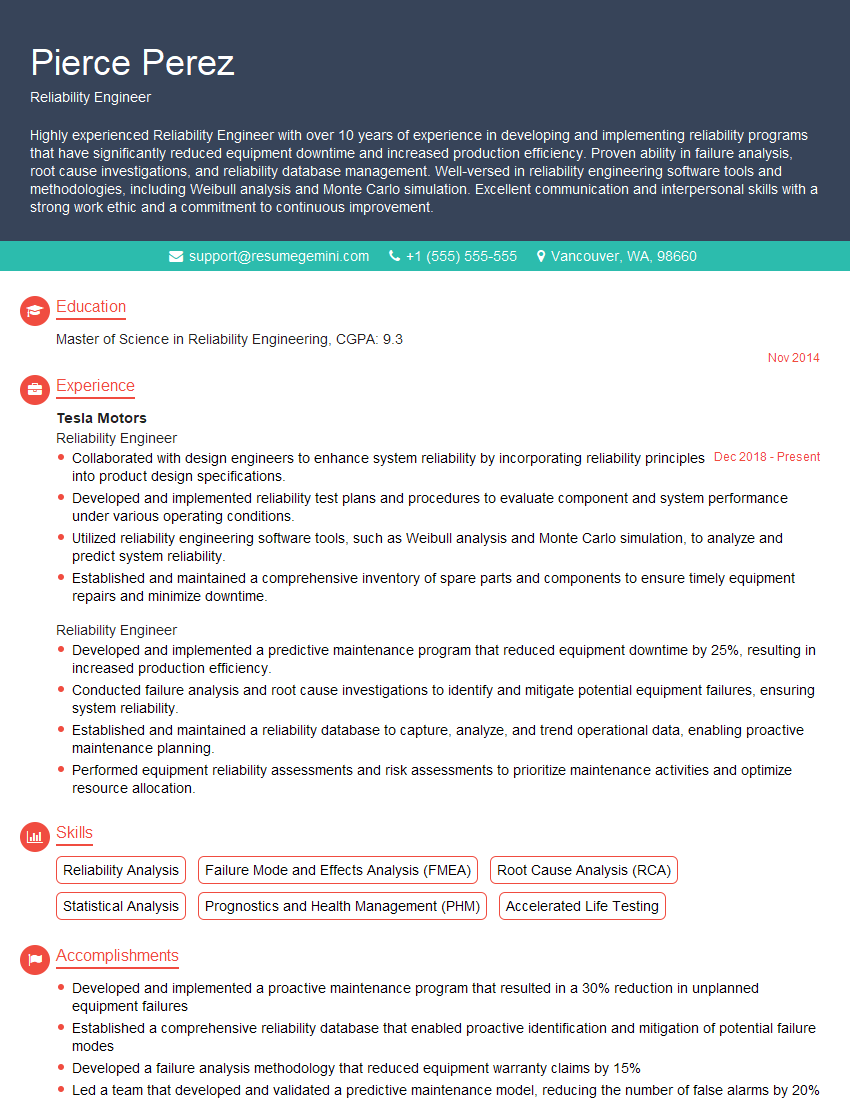
Reliability Engineer Resume Sample
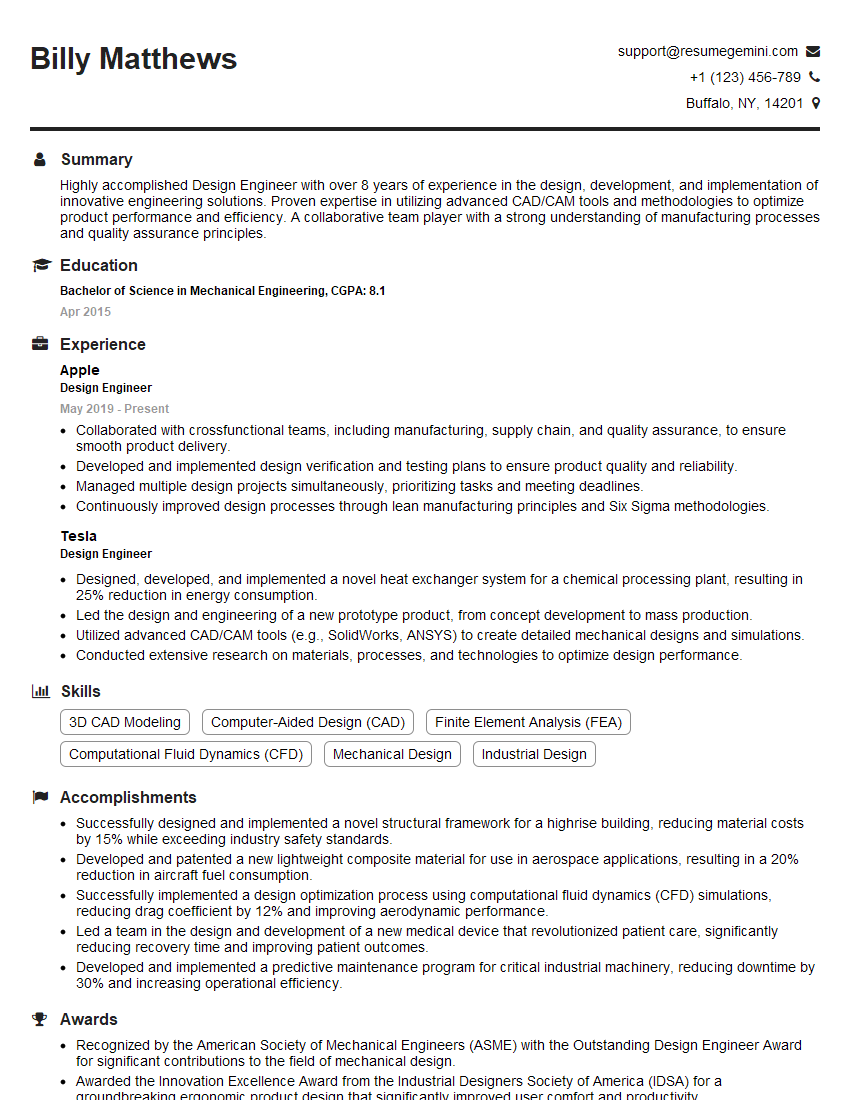
Design Engineer Resume Sample

Aerospace Engineer Resume Sample

Research Engineer Resume Sample

Civil Engineer Resume Sample

Geotechnical Engineer Resume Sample
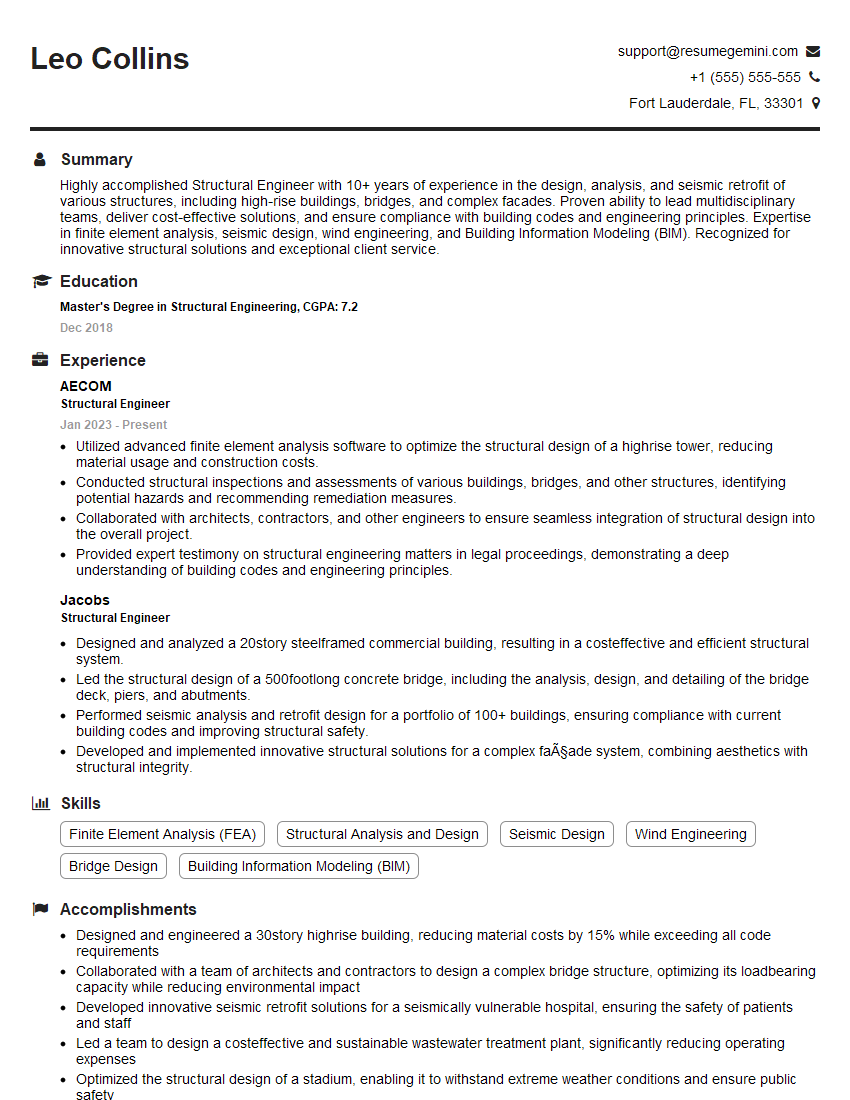
Structural Engineer Resume Sample

Safety Engineer Resume Sample
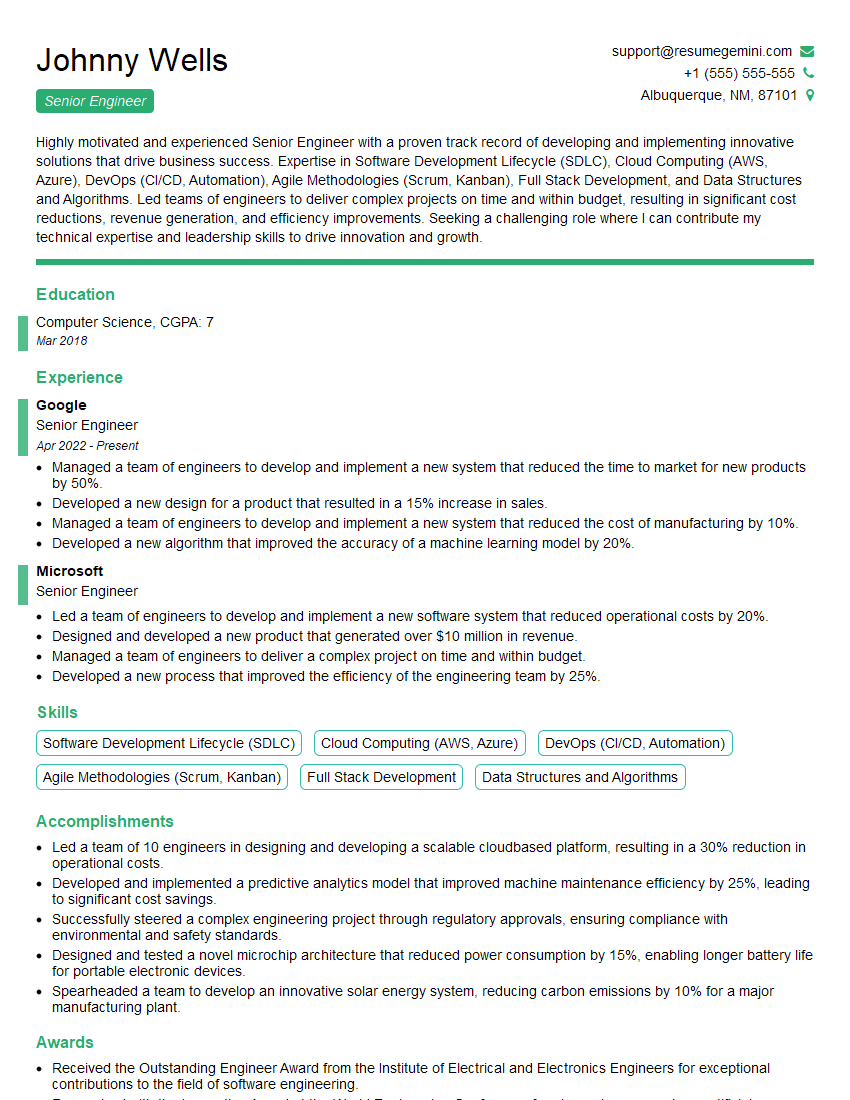
Senior Engineer Resume Sample
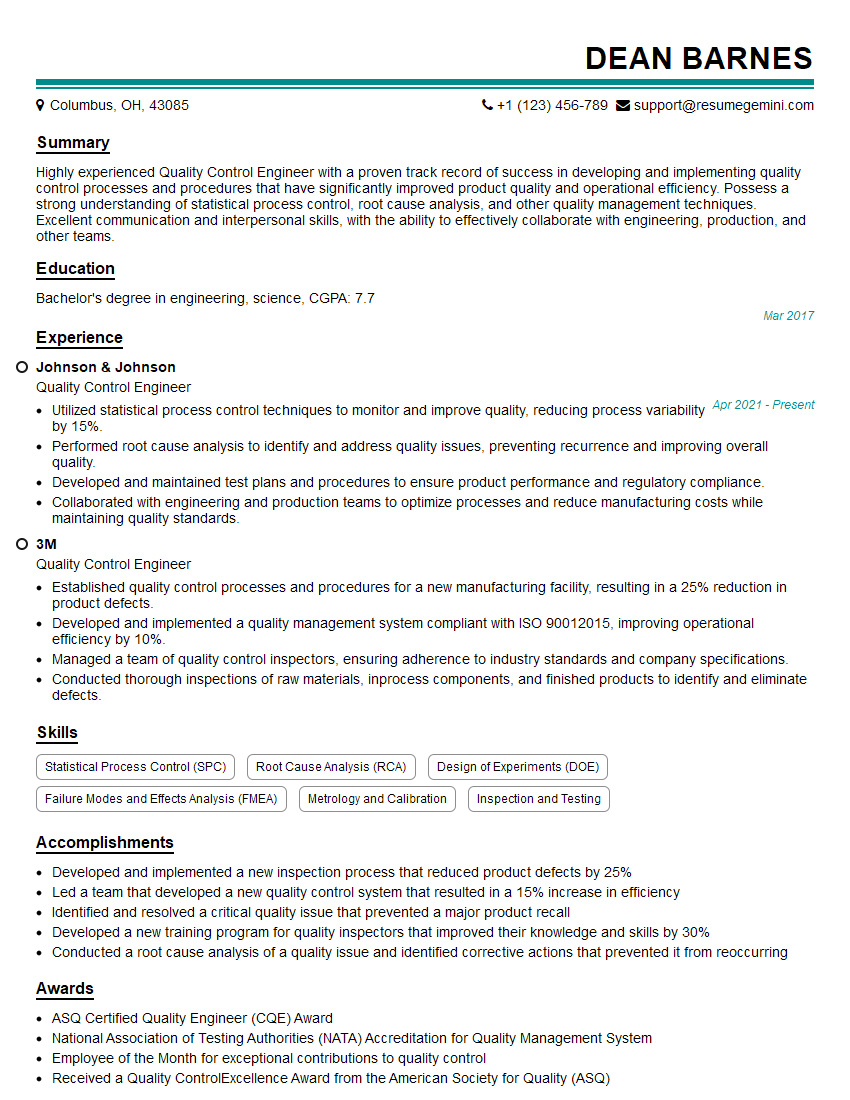
Quality Control Engineer Resume Sample
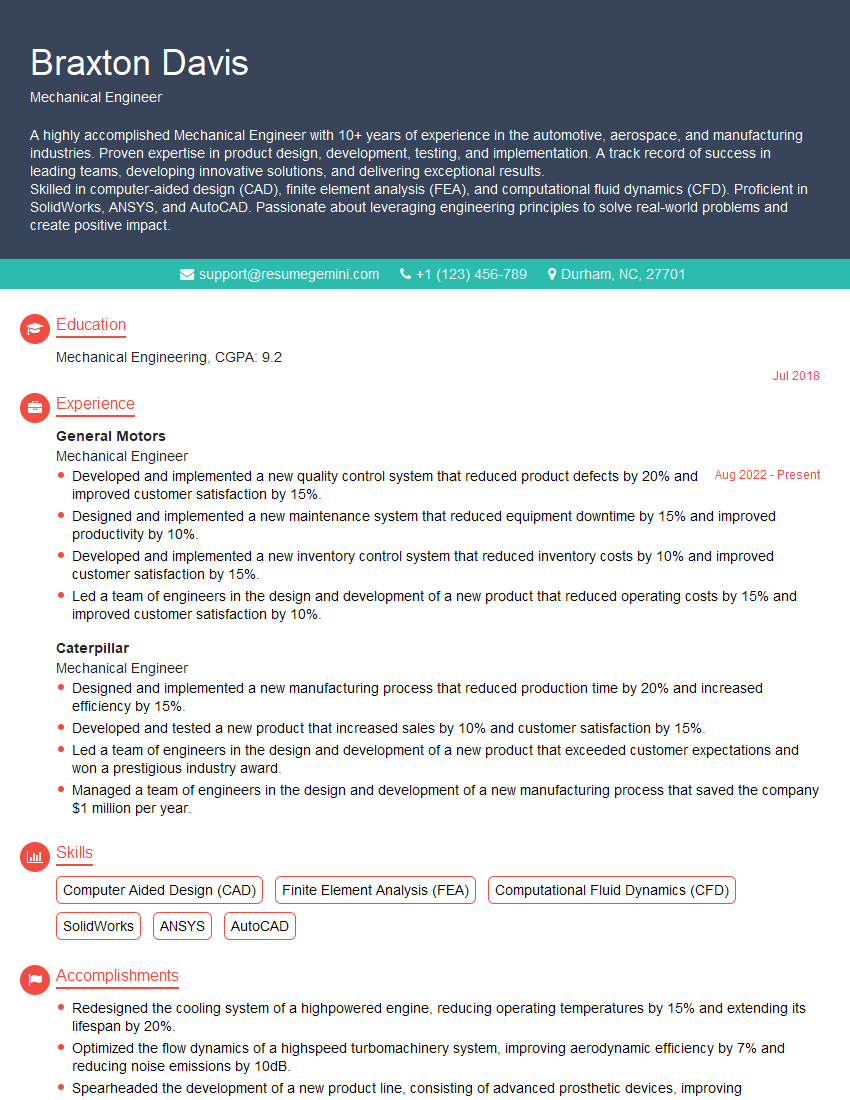
Mechanical Engineer Resume Sample
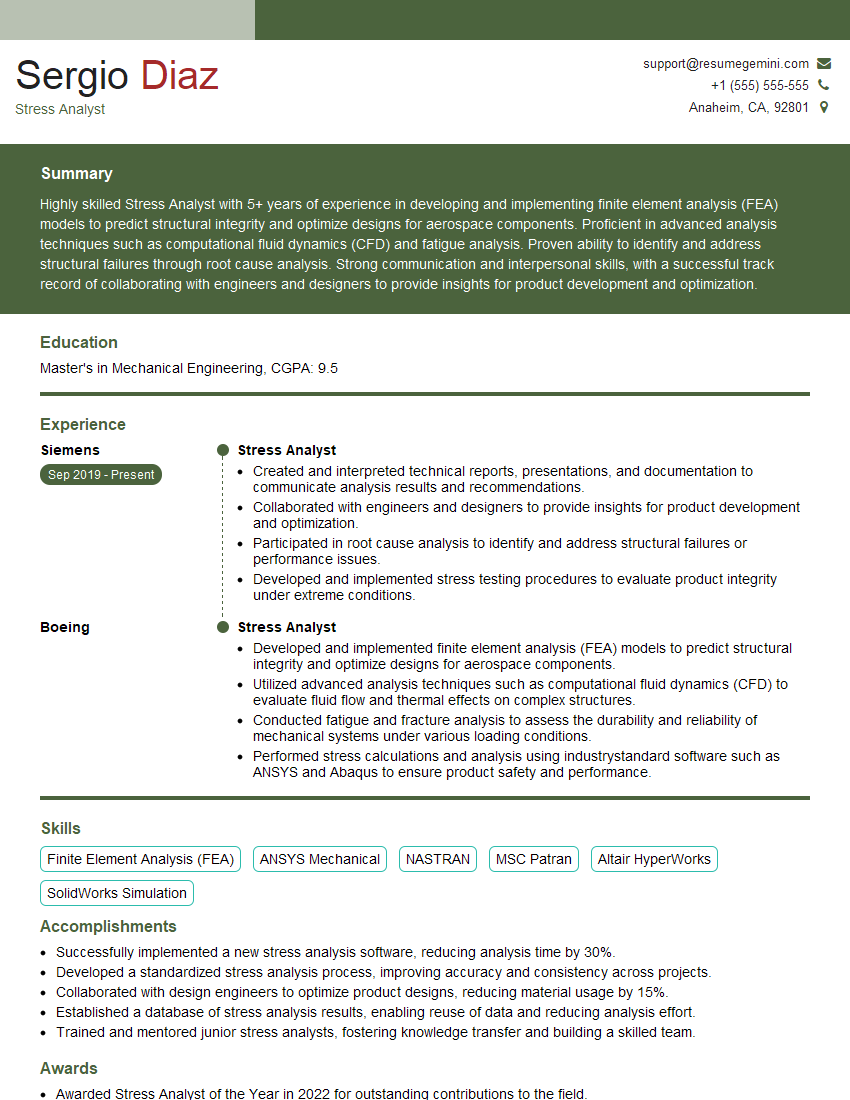
Stress Analyst Resume Sample

Seismic Engineer Resume Sample
Explore more articles
Users Rating of Our Blogs
Share Your Experience
We value your feedback! Please rate our content and share your thoughts (optional).
What Readers Say About Our Blog
Very informative content, great job.
good