Are you ready to stand out in your next interview? Understanding and preparing for Stable Management and Horse Care interview questions is a game-changer. In this blog, we’ve compiled key questions and expert advice to help you showcase your skills with confidence and precision. Let’s get started on your journey to acing the interview.
Questions Asked in Stable Management and Horse Care Interview
Q 1. Describe your experience with equine first aid and emergency procedures.
Equine first aid and emergency procedures are paramount in stable management. My experience encompasses a wide range of scenarios, from minor injuries like cuts and abrasions to more serious emergencies such as colic, lacerations, and fractures. I’m proficient in assessing the situation, providing immediate care, and contacting veterinary professionals promptly.
- Wound Care: I’m skilled in cleaning and bandaging wounds, applying appropriate antiseptic solutions, and recognizing signs of infection. For example, a deep puncture wound requires immediate veterinary attention, whereas a superficial scrape can often be managed with cleaning and a bandage.
- Colic Management: Recognizing the signs of colic – pawing, rolling, kicking at the abdomen – is critical. My approach involves close observation, providing a quiet environment, and contacting the vet immediately. I know the importance of not giving the horse food or water until instructed by the veterinarian.
- Fracture Care: Fractures are life-threatening. Immediate immobilization is key, using appropriate splints and padding until the vet arrives. Keeping the horse calm and minimizing movement is vital.
- CPR (Cardiopulmonary Resuscitation): I am certified in equine CPR, understanding the unique techniques and challenges involved in performing CPR on a large animal.
My experience also includes administering medications as directed by a veterinarian, such as pain relievers or anti-inflammatories in emergency situations, always adhering to strict protocols.
Q 2. Explain your knowledge of different equine breeds and their specific care requirements.
Understanding different equine breeds and their specific needs is crucial for optimal care. Each breed has unique characteristics affecting their health, temperament, and exercise requirements.
- Thoroughbreds: Known for their athleticism, they require intensive exercise programs and careful monitoring for injuries. Their high-strung nature needs a calm and consistent approach.
- Quarter Horses: These muscular horses are often used for working purposes, needing appropriate conditioning and hoof care. They tend to be more docile, but their size and strength require safe handling techniques.
- Arabians: These elegant horses have distinct metabolic needs and can be prone to certain health conditions. Careful feeding and hydration management is vital.
- Ponies: Ponies, despite their smaller size, need adapted care. Their conformation and potential susceptibility to certain conditions require specific attention.
For example, feeding a Thoroughbred the same diet as a draft horse would be detrimental. Thoroughbreds require a diet higher in carbohydrates to fuel their high energy levels, whereas a draft horse needs a diet higher in fiber for sustained energy. Understanding these nuances is essential for tailoring care to each breed’s unique demands.
Q 3. How do you manage a stable’s daily routine, including feeding, mucking stalls, and grooming?
Managing a stable’s daily routine involves a systematic approach to ensure the well-being of the horses and the efficiency of the operation. It requires meticulous organization and attention to detail.
- Feeding: This involves preparing and distributing feed according to each horse’s individual dietary needs, considering breed, age, work level, and any specific health conditions. I always ensure clean and sanitized feeding equipment to prevent bacterial contamination.
- Mucking Stalls: This crucial task involves removing manure and soiled bedding, maintaining a clean and dry environment. Regular stall cleaning is essential for preventing health issues like respiratory problems and infections. I utilize appropriate waste disposal methods.
- Grooming: Daily grooming is essential for maintaining the horse’s coat, identifying any skin issues or injuries, and promoting bonding. I utilize various tools, from brushes and combs to hoof picks, performing a thorough grooming routine for each horse, paying close attention to detail.
A typical day involves a set schedule, starting with feeding, followed by mucking stalls, grooming, and then any other tasks such as turnout, exercise, or veterinary appointments. This routine maintains cleanliness, minimizes stress, and optimizes the health of the horses.
Q 4. Detail your experience with various types of equine tack and equipment.
My experience with equine tack and equipment is extensive. I’m familiar with a variety of saddles (English, Western, etc.), bridles, halters, bits, and other riding equipment. I understand the importance of proper fit and maintenance to ensure both rider and horse safety and comfort.
- Saddles: I can assess the fit of different saddles, recognizing signs of poor fit such as pressure points or saddle slippage. I know how to adjust girths and cinches properly.
- Bridles: I understand the different types of bits and their impact on a horse’s mouth. I can properly fit a bridle and adjust the reins for safety and control.
- Halters and Leads: I’m proficient in using various types of halters and lead ropes for safe handling.
- Other Equipment: I’m familiar with other equipment like boots, bandages, protective leg wear and their appropriate use.
For instance, using a bit that is too harsh can lead to discomfort and even injury for the horse. I always ensure the tack is correctly fitted and maintained to prevent injury or discomfort.
Q 5. How do you identify and address common equine health issues?
Identifying and addressing common equine health issues requires a keen eye for detail and a thorough understanding of equine anatomy and physiology. Early detection is key to effective treatment.
- Lameness: I can assess lameness by observing the horse’s gait, noting any limping, stiffness, or reluctance to move. I would then report it to the veterinarian for diagnosis and treatment.
- Colic: As mentioned previously, recognizing the signs of colic is crucial. This ranges from mild discomfort to severe pain requiring immediate veterinary attention.
- Respiratory Issues: I can identify signs like coughing, nasal discharge, or increased respiratory rate and alert the veterinarian immediately.
- Parasite Infestations: Regular fecal examinations are essential for early detection of parasites. I’m familiar with various deworming protocols and their implementation.
For example, a subtle change in gait might indicate early signs of lameness, which, if ignored, can lead to more serious complications. My approach focuses on proactive monitoring and prompt reporting to the veterinarian.
Q 6. What is your approach to managing difficult or aggressive horses?
Managing difficult or aggressive horses requires patience, understanding, and a calm, assertive approach. It’s crucial to identify the root cause of the behavior and address it with appropriate management techniques.
- Understanding the Cause: Aggression can stem from pain, fear, lack of training, or previous negative experiences. Identifying the root cause is crucial.
- Positive Reinforcement: I focus on positive reinforcement training techniques, rewarding desired behaviors and gently redirecting unwanted actions. Consistency is key.
- Safe Handling Procedures: I utilize appropriate handling techniques such as using a halter and lead rope correctly, maintaining a safe distance, and avoiding sudden movements that could startle the horse.
- Professional Help: In cases of severe aggression, I don’t hesitate to seek professional help from an equine behaviorist or experienced trainer.
For instance, a horse exhibiting aggression during grooming might be experiencing pain in a specific area. Gentle, careful handling and addressing the pain could resolve the issue. Otherwise, a professional might be needed for behavioural modification.
Q 7. Explain your experience with equine hoof care and farrier interactions.
Equine hoof care is essential for the horse’s overall health and soundness. My experience includes regular hoof cleaning, monitoring for any abnormalities, and close collaboration with farriers.
- Hoof Cleaning: I perform daily hoof cleaning, removing dirt, debris, and stones to prevent infection and discomfort. I’m familiar with the anatomy of the hoof and can identify potential issues like cracks or abscesses.
- Farrier Interaction: I schedule and coordinate regular farrier visits, ensuring the horse’s hooves are trimmed and shod appropriately. I communicate effectively with the farrier regarding any concerns about the horse’s hooves.
- Abnormality Identification: I am able to identify signs of hoof problems such as lameness, abnormal hoof growth, or thrush and report these promptly to the farrier for assessment and treatment.
For example, neglecting hoof care can lead to lameness, abscesses, and other serious hoof problems. Regular cleaning and professional farrier care are essential for maintaining healthy hooves and ensuring the horse’s soundness.
Q 8. How do you ensure the safety and well-being of horses under your care?
Ensuring the safety and well-being of horses is paramount. It’s a holistic approach encompassing proactive measures and vigilant observation. This starts with a secure environment: well-maintained fences, safe paddocks free of hazards like protruding objects or toxic plants, and properly secured stalls to prevent escapes or injuries from self-mutilation. Regular inspections are crucial – checking fences, gates, and equipment daily. Beyond the physical environment, we must understand individual horse behavior. Horses are social creatures; their temperament, age and past experiences affect their interactions. Appropriate group housing with compatible individuals is essential. Aggressive or anxious horses might need individual stalls or more space. We employ a proactive approach to addressing any issues by regularly assessing each horse’s behavior, health, and demeanor. For example, a sudden change in appetite or behavior is a serious sign that necessitates immediate veterinary assessment. Finally, staff training is key. Everyone involved must be educated on safe handling techniques, emergency procedures, and recognizing signs of illness or injury.
Q 9. Describe your experience with preventative health measures for horses.
Preventative health care is the cornerstone of responsible horse management. This begins with a comprehensive vaccination program tailored to the horse’s age, location, and risk factors. Common vaccines include those against tetanus, influenza, rhinopneumonitis, and West Nile Virus. Regular dental checkups are crucial as dental problems are very common, affecting eating, digestion, and overall health. The farrier also plays a key role in preventative care; regular hoof trims and shoeing maintain soundness and prevent lameness. Parasite control, through appropriate deworming strategies, is vital and is usually determined by fecal egg counts (FEC) to individualize and prevent over-medication. A good nutrition plan will also boost their immune systems. Finally, routine physical exams by a veterinarian allow for early detection of health issues, enabling prompt intervention and treatment. I’ve personally implemented these measures in several stables, significantly reducing the incidence of illness and veterinary costs. For example, I reduced the incidence of strangles by employing a strict biosecurity protocol including hygiene, quarantining new horses, and disinfection of equipment.
Q 10. How do you handle equine parasite control and preventative medication?
Equine parasite control is complex and requires a strategic approach. Simply put, blindly using dewormers is outdated and harmful. Instead, we employ a targeted deworming strategy based on fecal egg counts (FEC). This test measures the number of parasite eggs in the horse’s manure, giving us a precise indication of the type and intensity of infection. This approach allows us to deworm only when necessary, minimizing the risk of parasite resistance and reducing the environmental impact of deworming. We use a rotational deworming program, alternating between different classes of dewormers to further combat resistance. Preventative medications, such as fly repellents and topical treatments for parasites like lice and mites, are part of a comprehensive strategy. Proper pasture management, including rotational grazing, also contributes significantly to parasite control by interrupting the parasite life cycle. I’ve seen firsthand the positive effect of FEC-based deworming on the health and productivity of horses while minimizing the use of chemical medications.
Q 11. What is your experience with breeding, foaling, and neonatal care?
My experience in breeding, foaling, and neonatal care spans over 15 years. I’ve overseen numerous breeding cycles, from mare preparation and artificial insemination to natural cover. I have extensive experience in managing mares during pregnancy, including dietary adjustments and regular monitoring for pregnancy complications. Foaling is a critical time, and I am proficient in assisting with normal foaling procedures as well as recognizing and managing dystocia (difficult birth). Neonatal care includes ensuring the foal nurses and receiving colostrum, the crucial first milk providing vital antibodies. I carefully monitor the foal’s vital signs, such as heart rate, respiration rate, and temperature, and maintain a clean and safe environment, particularly focusing on sanitation to minimize the risk of infection in this vulnerable stage. Early identification of any health problems is crucial for positive outcomes. For example, I once managed a mare with a complicated pregnancy requiring 24-hour supervision and ultimately hand-reared her foal following a premature birth due to placental complications. This experience instilled in me the importance of meticulous attention to detail and rapid response to potential problems during this period.
Q 12. How would you manage a situation where a horse is injured or becomes ill?
Responding to a horse injury or illness requires a calm, efficient, and systematic approach. First aid is administered while simultaneously contacting the veterinarian. This includes assessing the extent of the injury, controlling bleeding, and stabilizing the horse, as needed. Moving an injured horse incorrectly can exacerbate an already serious injury, so this is a high priority. Depending on the situation, this might mean securing the horse in a safe and stable position until the vet arrives or requiring specialized equipment such as a stretcher. Clear, concise communication with the vet is crucial, providing them with relevant information about the incident, the horse’s history, and any observations. Once the vet arrives, I fully cooperate with their instructions, administering medications or treatments as directed. Post-injury or illness care may involve specialized diets, medication administration, wound cleaning, and bandaging, all done under veterinary guidance. Maintaining accurate records is crucial for monitoring the horse’s progress and facilitating communication with the veterinarian and owner. For example, I once managed a horse with a severe colic. The immediate response, which included early administration of pain relief, followed by prompt veterinary care including surgery, resulted in its recovery. The key was teamwork and prompt action.
Q 13. Explain your understanding of equine nutrition and feeding plans.
Equine nutrition is fundamental to a horse’s health and performance. It’s not just about providing enough food; it’s about providing the right balance of nutrients. A feeding plan should be tailored to the individual horse’s needs considering its age, breed, activity level, and body condition. This typically involves a balanced diet including high-quality hay (the foundation of any equine diet), grain (if needed to supplement energy), and appropriate supplements. We assess the horse’s body condition score regularly, a visual assessment used to evaluate fat reserves to adjust feeding accordingly. Providing clean, fresh water at all times is essential. Overfeeding or feeding inappropriate rations can lead to health problems such as laminitis, obesity, or colic. A thorough understanding of digestive physiology and nutrient requirements helps create a well-balanced plan. I’ve implemented and monitored custom feeding plans for numerous horses, resulting in improved body condition, improved coat quality, and enhanced performance. For example, I successfully helped a horse that was losing weight and energy due to dental issues by creating a tailored diet of softer food until its dental work was completed.
Q 14. How do you create and maintain a clean and sanitary stable environment?
Maintaining a clean and sanitary stable environment is essential for preventing disease and promoting equine well-being. This involves a daily cleaning routine including mucking out stalls, removing manure and soiled bedding. Regular disinfection of surfaces, especially water troughs and feed bins, is crucial. Proper ventilation is necessary to prevent the build-up of harmful gases like ammonia. Bedding should be clean, dry, and absorbent, regularly replaced to maintain cleanliness and comfort. Fly control strategies, such as fly traps and appropriate insecticides, are used effectively to minimize the spread of disease. I emphasize biosecurity protocols to prevent the introduction and spread of disease. This includes disinfecting all equipment that enters the stable and quarantining new horses to prevent the spread of contagious illnesses. A well-maintained and clean stable is more than just aesthetically pleasing; it is essential for the health and well-being of the horses in our care. For instance, I developed and implemented a strict cleaning protocol in a previous stable, reducing the incidence of respiratory illnesses by over 40%.
Q 15. What is your experience with training horses or handling young horses?
My experience with training and handling young horses spans over 15 years. I’ve worked with everything from weanlings to yearlings, focusing on foundational training – groundwork, desensitization, and early introduction to tack. My approach emphasizes positive reinforcement and building trust. For example, with a particularly nervous young horse, I spent weeks simply building a relationship through grooming and gentle handling before even attempting to put a halter on. This patient approach is key to preventing behavioral issues later. I’ve also assisted in the breaking and starting of numerous horses, always prioritizing their safety and well-being. Success for me isn’t just about achieving a specific riding skill, but about creating a confident and willing partner.
Career Expert Tips:
- Ace those interviews! Prepare effectively by reviewing the Top 50 Most Common Interview Questions on ResumeGemini.
- Navigate your job search with confidence! Explore a wide range of Career Tips on ResumeGemini. Learn about common challenges and recommendations to overcome them.
- Craft the perfect resume! Master the Art of Resume Writing with ResumeGemini’s guide. Showcase your unique qualifications and achievements effectively.
- Don’t miss out on holiday savings! Build your dream resume with ResumeGemini’s ATS optimized templates.
Q 16. How do you manage staff or volunteers within a stable environment?
Managing staff and volunteers requires clear communication, delegation, and a supportive team environment. I create detailed job descriptions, outlining expectations and responsibilities for each role. Regular team meetings are essential for addressing concerns, sharing information, and ensuring everyone is on the same page. For volunteers, I provide thorough training and mentorship, fostering a sense of ownership and contribution. I use a combination of positive feedback and constructive criticism to motivate individuals and resolve conflicts effectively. For instance, if a volunteer struggles with a specific task, I offer personalized guidance and additional training rather than simply criticizing their performance. This collaborative approach builds a strong and efficient team.
Q 17. Describe your record-keeping procedures for horse health and stable maintenance.
My record-keeping is meticulous and digitally organized. I use a dedicated software program to track each horse’s health records, including vaccinations, deworming schedules, farrier visits, veterinary treatments, and any notable behavioral changes. This data is easily searchable and allows me to identify potential health issues promptly. For stable maintenance, I maintain a separate log of all cleaning tasks, repairs, equipment checks, and preventative maintenance schedules. This system allows for proactive management, minimizing risks and maximizing efficiency. For example, I can easily track when a particular stall needs its bedding changed or when a piece of equipment needs servicing, preventing costly breakdowns or health issues.
Q 18. How do you manage the budgets and resources of a stable?
Stable budget management involves careful planning and consistent monitoring. I begin with a detailed budget outlining all anticipated income and expenses, categorizing them for clarity. This includes feed costs, veterinary care, farrier bills, labor costs, utilities, and maintenance. Regular review of actual expenses against the budget allows for timely adjustments. Seeking competitive pricing for supplies, negotiating contracts, and optimizing staffing levels all contribute to financial efficiency. For example, I might explore bulk-buying feed to reduce costs or find a more cost-effective farrier service without compromising quality.
Q 19. Explain your knowledge of equine lameness and common causes.
Equine lameness refers to pain or discomfort in a horse’s limbs, affecting its gait and performance. Common causes include:
- Hoof problems: Abscesses, thrush, cracks, and improper shoeing.
- Joint issues: Osteoarthritis, inflammation, and injuries like sprains or fractures.
- Musculoskeletal problems: Muscle strains, tendonitis, and ligament injuries.
- Neurological issues: Nerve damage can lead to lameness.
Q 20. Describe your methods for ensuring safe and efficient handling of horses.
Safe and efficient horse handling relies on understanding equine behavior and employing appropriate techniques. This includes using proper haltering and leading techniques, maintaining a safe distance, and avoiding sudden movements. When working with multiple horses, maintaining a calm and controlled environment is crucial. Before handling any horse, I assess its temperament and potential risks. I always use appropriate safety equipment such as gloves and protective footwear. Regularly reviewing and reinforcing safe handling practices with all staff and volunteers is essential to avoid accidents and injuries. For example, when leading a horse, I always walk on the horse’s left side and keep a loose but secure hold on the lead rope.
Q 21. What is your experience with different types of horse housing and bedding?
My experience encompasses various horse housing options, including individual stalls, group paddocks, and pasture boarding. The choice depends on factors such as the horse’s temperament, herd dynamics, and the available resources. Stall bedding is equally important; I’m familiar with different types, such as straw, shavings, and rubber mats, each having its pros and cons regarding absorbency, cost, and ease of cleaning. Straw is cost-effective but less absorbent, while shavings provide excellent absorbency but can be dusty. Rubber mats provide excellent floor protection and are easy to clean, often used in conjunction with other bedding materials. The selection always prioritizes the horse’s comfort, hygiene, and health.
Q 22. How do you handle conflicts or disagreements with clients or other staff?
Handling conflicts involves clear communication and a focus on finding solutions that benefit everyone involved. I believe in proactive conflict resolution, addressing issues directly and respectfully. For example, if a client is unhappy with a service, I’d listen empathetically, understand their concerns, and then offer a practical solution. This might involve adjusting their horse’s care plan, offering a partial refund, or clarifying a misunderstanding. Similarly, with staff disagreements, I would encourage open dialogue, focusing on the issue rather than personalities. Mediation, if needed, would be a neutral approach ensuring everyone feels heard and valued. The goal is always to maintain a positive working environment and preserve client trust.
Q 23. What is your experience with equine transport and trailering?
My experience with equine transport encompasses over ten years of loading, securing, and transporting horses in various trailers, ranging from small two-horse trailers to larger gooseneck models. I’m proficient in ensuring safe and comfortable travel for horses, considering factors such as appropriate trailer size, proper ventilation, adequate bedding, and secure tie-down methods. I’ve handled both routine transports to local shows and longer-distance hauls, always prioritizing the horses’ well-being and adhering to safety regulations. This includes pre-trip inspections of the trailer and regular checks during travel to prevent accidents and address any issues promptly. For example, I’ve developed my own system for load-balancing in large trailers to help prevent shifts during travel.
Q 24. Explain your understanding of different types of horse fencing.
Several fencing types cater to different needs and budgets. Electric tape or wire is economical and effective, especially for temporary setups or containing smaller areas. However, it requires regular maintenance to ensure consistent power. Wood post and rail fences provide a strong, visually appealing barrier, offering both safety and durability, but can be more expensive to install. Wire mesh fencing, typically used for paddocks, offers greater visibility than wood and is sturdy, but requires a solid foundation to prevent sagging. High tensile wire is used for larger properties and is often the most durable option, but is less visually appealing and requires specialized tools for installation. The choice depends on factors such as budget, terrain, horse temperament, and the intended use of the enclosure. I’d assess the site, considering the horses’ needs and the property’s characteristics before selecting the most appropriate fencing type.
Q 25. How do you evaluate and address problems with horse behavior?
Evaluating and addressing horse behavior problems requires careful observation, understanding of equine body language, and a systematic approach. I begin by observing the horse in various situations to pinpoint specific behaviors. Is it aggression, fear, anxiety, or a learned habit? Once the problem is defined, I’d investigate potential underlying causes—pain, nutritional deficiencies, poor training, or environmental factors. My strategies range from positive reinforcement training methods to adjustments in the horse’s environment or management. For instance, a horse exhibiting cribbing might benefit from a diet change, providing more forage or engaging in chewing toys to satisfy its oral fixation. I collaborate with equine veterinarians and behaviorists if necessary to tackle complex cases and ensure the horse’s welfare.
Q 26. Describe your experience with implementing and adhering to biosecurity protocols.
Biosecurity is crucial for preventing disease outbreaks. My experience includes implementing and strictly adhering to protocols in multiple stable settings. This involves quarantine procedures for new arrivals, regular cleaning and disinfection of stalls and equipment, vaccination schedules, and meticulous record-keeping. I ensure staff adheres to hygiene practices such as handwashing and wearing protective gear when necessary. We closely monitor horses for any signs of illness and promptly inform the veterinarian for immediate attention. My goal is to create a disease-free environment by following best practices and proactively addressing potential risks, preventing the spread of contagious diseases and ensuring the health and safety of all horses under my care. Detailed biosecurity plans are essential, and regular reviews ensure their effectiveness. For example, during an outbreak of equine influenza in a neighboring stable, our rigorous protocols prevented any spread to our facility.
Q 27. What are your strengths and weaknesses as a stable manager?
My strengths include strong leadership, excellent communication, and a deep understanding of equine care. I’m highly organized, detail-oriented, and capable of managing multiple tasks simultaneously while maintaining a calm and efficient working environment. I value teamwork and foster collaboration among staff. My weakness is sometimes overcommitting myself, leading to potential burnout. I’m working on delegating tasks more effectively to avoid this. I believe that acknowledging this weakness and implementing strategies for improvement is a testament to my personal and professional growth.
Q 28. Where do you see yourself in five years regarding your equine career?
In five years, I see myself as a highly skilled and experienced stable manager, potentially leading a larger operation or taking on a managerial role in a reputable equestrian facility. I envision myself mentoring other professionals and contributing further to the equine industry by sharing my expertise through workshops or publications. Continuous learning and professional development are crucial to maintain proficiency in this dynamic field. Ultimately, I aim to contribute to a safer and more efficient equine environment, ensuring the well-being of horses and the success of the equine industry as a whole.
Key Topics to Learn for Stable Management and Horse Care Interview
- Equine Health and Welfare: Understanding common equine diseases, preventative care, recognizing signs of illness or injury, and basic first aid procedures. Practical application: Describing your experience with administering medication, wound care, or parasite control.
- Stable Management Practices: Daily routines including feeding, watering, mucking stalls, grooming, and maintaining a clean and safe stable environment. Practical application: Explaining your approach to organizing workload, managing multiple horses, and prioritizing tasks.
- Equine Nutrition and Feeding: Knowledge of different feed types, nutritional requirements based on age, breed, and workload, and recognizing signs of nutritional deficiencies. Practical application: Discussing your experience with formulating feed rations or managing specific dietary needs.
- Handling and Restraint Techniques: Safe and effective methods for handling horses, including leading, tying, and using appropriate restraint techniques for various procedures. Practical application: Demonstrating understanding of horse behavior and how to react in different situations.
- Facility Maintenance and Safety: Understanding the importance of regular maintenance of fences, stalls, equipment, and ensuring a safe environment for both horses and staff. Practical application: Describing your experience with preventative maintenance or addressing safety hazards.
- Record Keeping and Communication: Maintaining accurate records of horse health, feeding schedules, treatments, and communicating effectively with clients, veterinarians, and fellow stable staff. Practical application: Explaining your approach to clear and concise record-keeping and communication protocols.
Next Steps
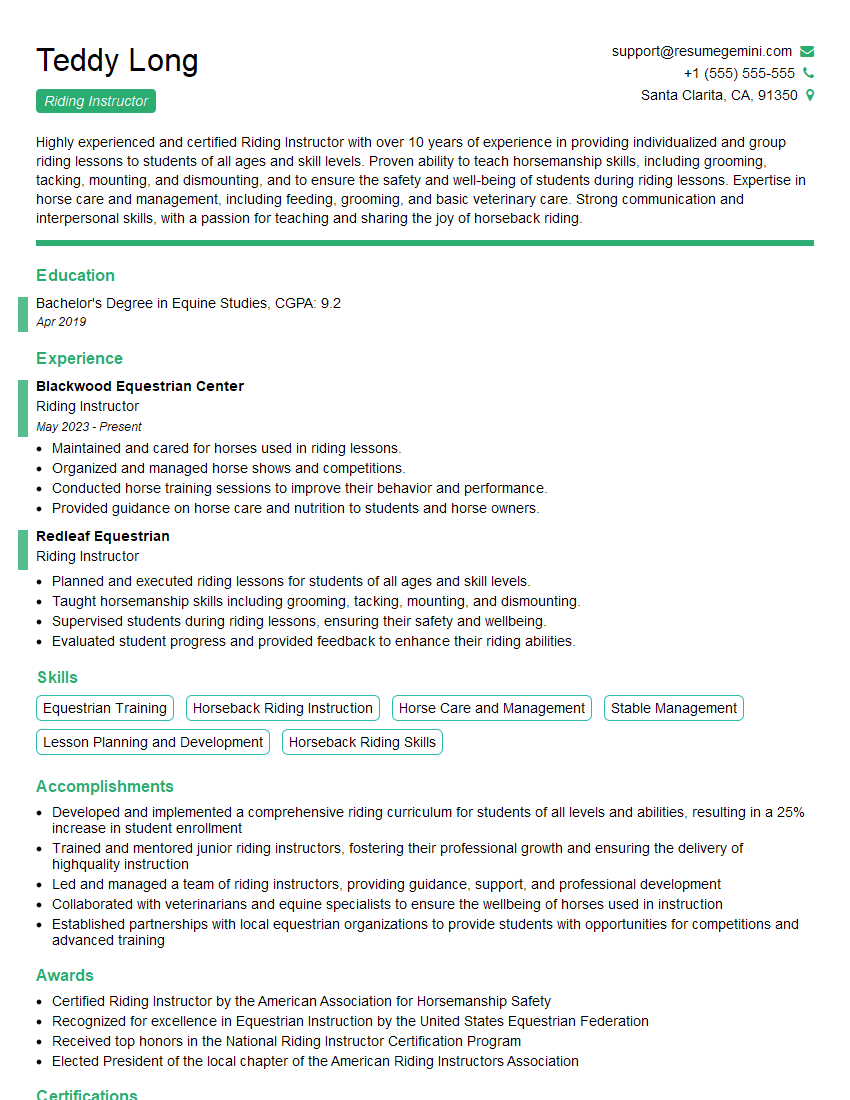
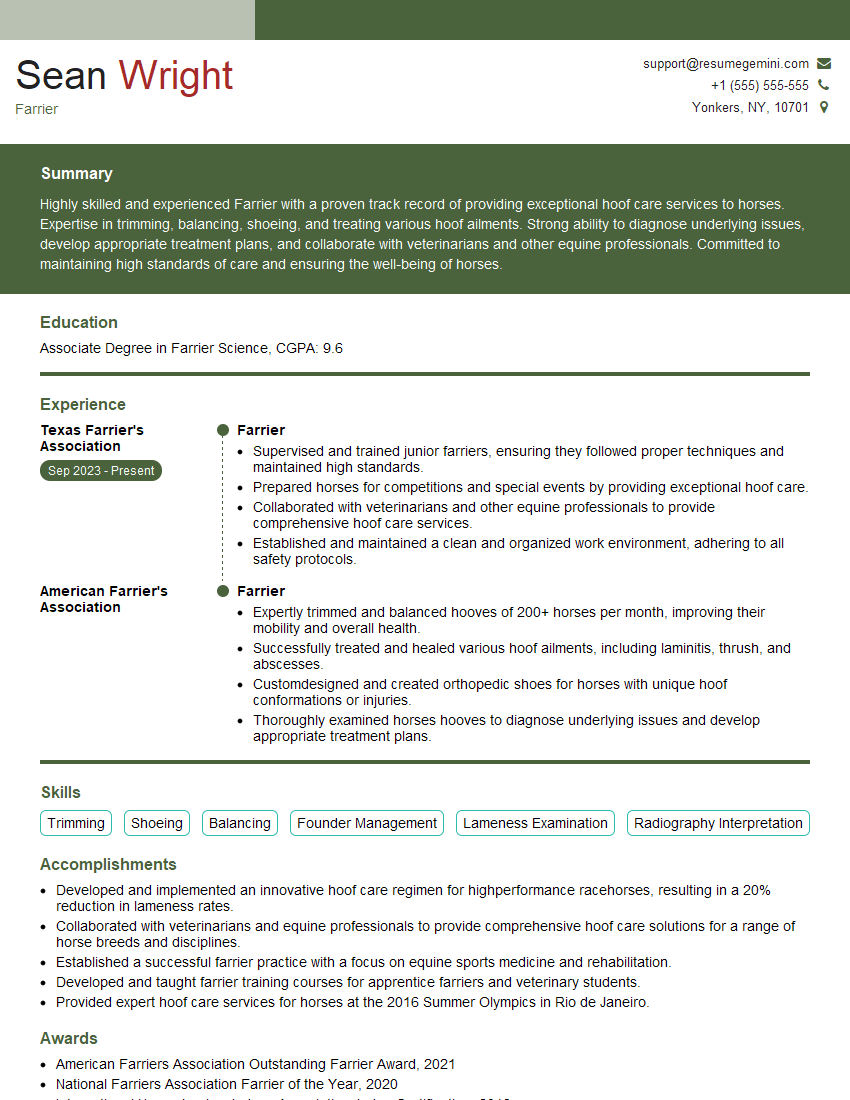
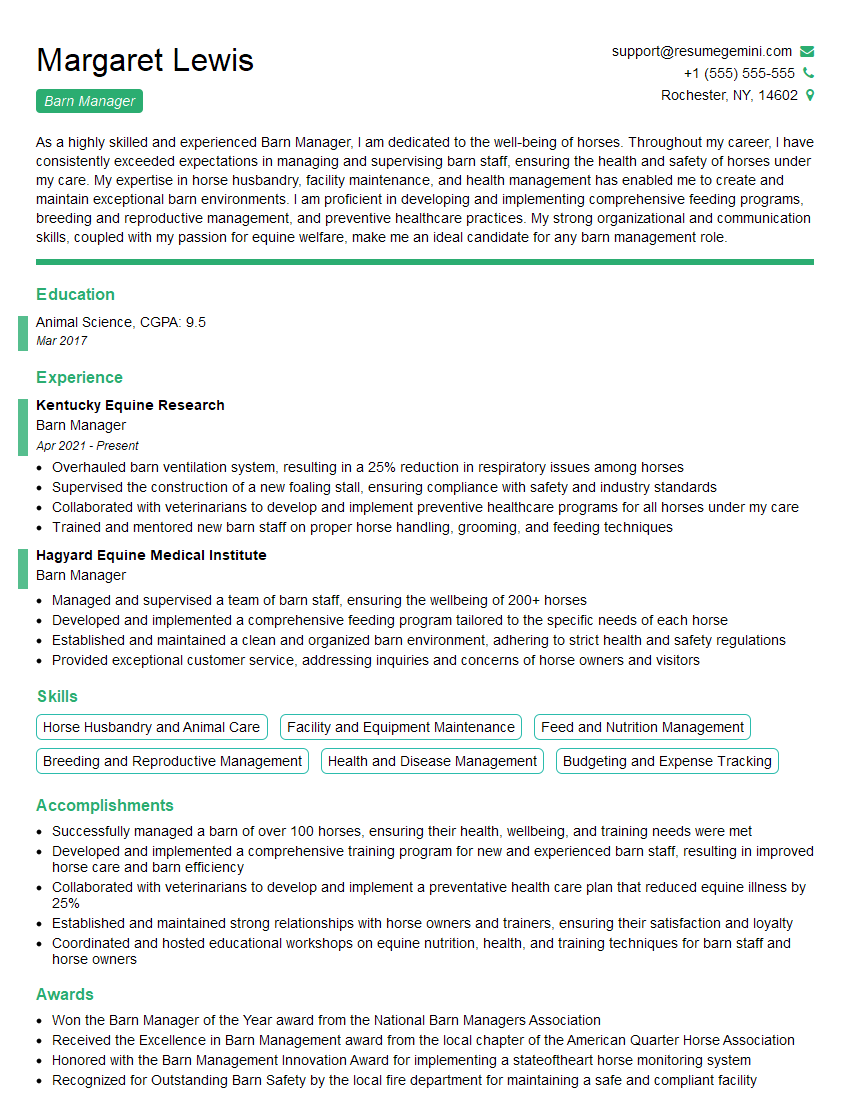
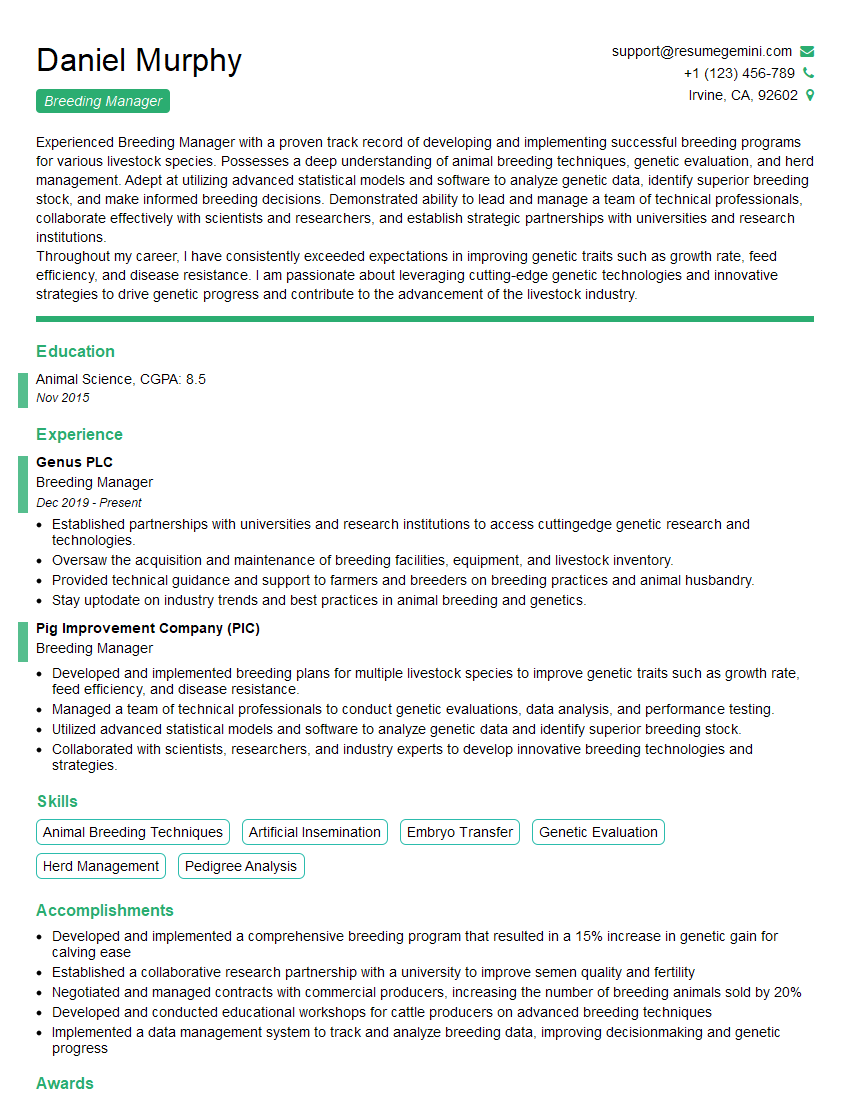
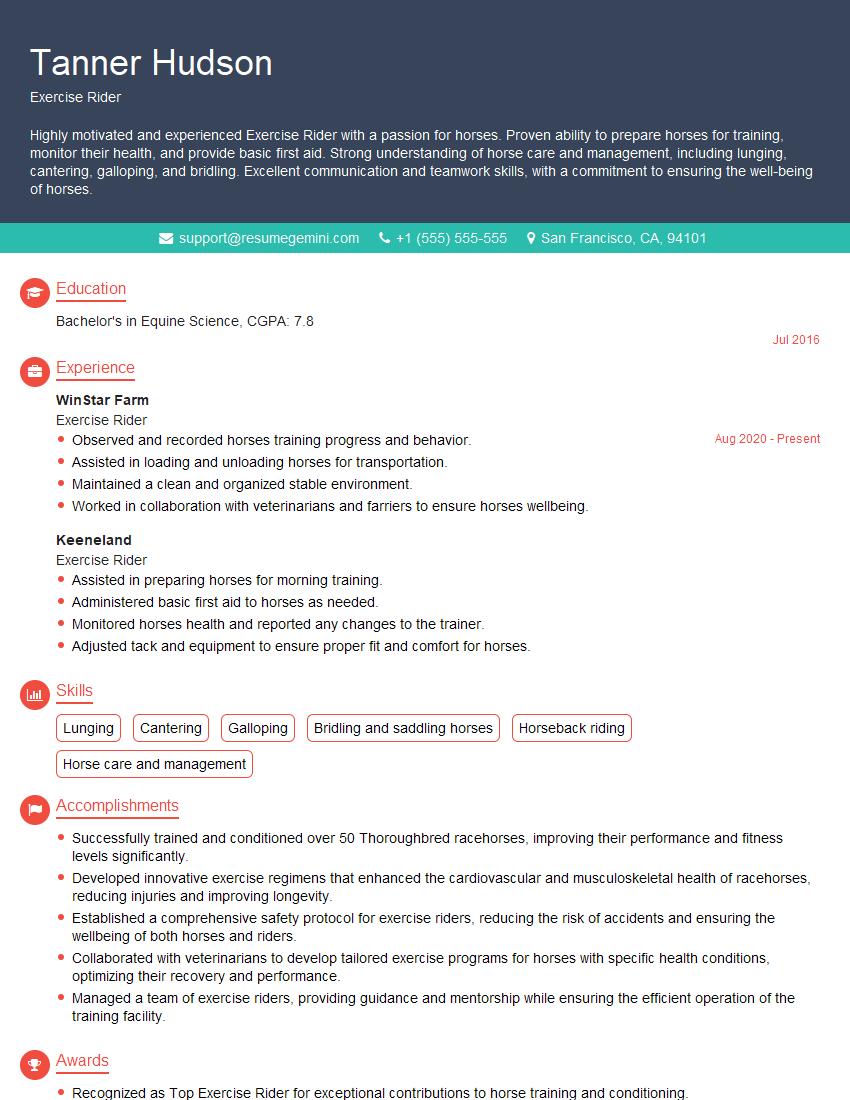
Mastering Stable Management and Horse Care is crucial for career advancement in the equine industry, opening doors to specialized roles and leadership opportunities. A well-crafted resume is your key to unlocking these prospects. Creating an ATS-friendly resume is essential for getting your application noticed by employers. ResumeGemini is a trusted resource to help you build a professional and impactful resume that showcases your skills and experience effectively. Examples of resumes tailored to Stable Management and Horse Care are provided to help guide you. Take advantage of these resources to present yourself as the ideal candidate!


Explore more articles
Users Rating of Our Blogs
Share Your Experience
We value your feedback! Please rate our content and share your thoughts (optional).
What Readers Say About Our Blog
Very informative content, great job.
good