The right preparation can turn an interview into an opportunity to showcase your expertise. This guide to Stage Setup and Tear Down interview questions is your ultimate resource, providing key insights and tips to help you ace your responses and stand out as a top candidate.
Questions Asked in Stage Setup and Tear Down Interview
Q 1. Describe your experience with rigging procedures and safety protocols.
Rigging is a critical aspect of stage setup, involving the hanging and securing of lights, sound equipment, and other elements from above. My experience encompasses a wide range of rigging techniques, from simple counterweight systems to more complex motorized rigging. Safety is paramount. Before any rigging activity, I meticulously inspect all equipment for wear and tear, ensuring all components are properly rated for the load. We always adhere to a strict system of checks and double-checks, employing a ‘spotter’ system where one crew member guides the operation, another assists, and a third observes to ensure safety. We utilize load-rated shackles, wire rope clips, and other safety-rated equipment, and meticulously document every step of the rigging process. For instance, on a recent production, we used a detailed rigging plot which included weight calculations for each point, ensuring the load was evenly distributed across the grid.
We follow strict safety protocols, including mandatory training on proper rigging techniques, regular safety meetings to reinforce procedures, and always employing the correct Personal Protective Equipment (PPE) such as harnesses and safety helmets when working at heights. This preventative approach has been essential in ensuring the safety of myself and the crew across many productions.
Q 2. What types of stage equipment are you proficient in using?
My proficiency extends across a wide range of stage equipment, including:
- Trusses: I’m experienced in assembling, rigging, and securing various types of trusses, from square to circular, and utilizing different connection methods.
- Lighting Equipment: This includes conventional lighting instruments (fresnels, ellipsoidal reflectors, PAR cans), moving lights (LED, discharge), and various lighting control consoles.
- Sound Equipment: I’m familiar with setting up and connecting speakers, microphones, mixers, and other audio equipment. This includes understanding sound system configurations and signal flow.
- Staging Platforms: I can assemble and dismantle various types of staging platforms, including aluminum and wooden constructions.
- Drapes and Backdrops: My experience encompasses hanging and securing drapes and backdrops of different materials and sizes, understanding the techniques required for seamless transitions and effects.
- Power Distribution: I have experience working safely with power distribution, including the connection and disconnection of multi-circuit power and proper grounding techniques.
This diverse skill set allows me to contribute effectively to various aspects of the production, both creatively and logistically.
Q 3. Explain the process of setting up and dismantling a stage for a theatrical production.
Setting up a stage for a theatrical production involves a structured, multi-stage process, beginning with a thorough review of the production’s design specifications. This includes the stage plot, lighting plot, and sound plot.
- Stage Construction: This begins with laying down the stage floor (if necessary), constructing the stage itself using platforms or other structural elements. This often involves careful leveling and securing for stability.
- Rigging: Next, we install the rigging system, hanging the lights and other equipment as specified in the lighting plot. This includes carefully calculating weight distribution and ensuring all connections are secure.
- Sound System Setup: This involves setting up speakers, microphones, and the mixing console, ensuring proper sound balance and coverage.
- Lighting Setup: We then proceed to install and focus the lighting instruments according to the lighting plot. This is a meticulous process requiring precise alignment and intensity control.
- Set Construction and Dressing: Finally, the scenery, props, and other elements of the set are installed, ensuring their placement aligns with the director’s vision.
Dismantling follows a reverse order, ensuring all steps are taken safely and methodically to protect the equipment and prevent injury. A crucial part of this process is proper cable management, preventing tangles and accidental damage. Every piece of equipment is carefully inspected and stored for future use.
Q 4. How do you ensure the safety of crew members during stage setup and teardown?
Crew safety is my top priority. We accomplish this through a combination of:
- Pre-production Planning: Thorough planning, including risk assessments for each stage of setup and teardown. This involves identifying potential hazards and creating mitigation plans.
- Proper Training: Ensuring every crew member receives training on safe working practices, including proper lifting techniques, use of equipment, and hazard recognition.
- Safety Meetings: Conducting regular safety meetings to reinforce safety procedures, discuss potential hazards, and address any concerns.
- PPE: Requiring all crew members to use appropriate personal protective equipment (PPE), such as safety helmets, gloves, safety shoes, and harnesses when working at heights.
- Spotter System: Employing a spotter system during critical tasks like rigging, ensuring someone always monitors and guides the operation.
- Clear Communication: Establishing clear communication channels to ensure every crew member understands their roles and responsibilities and can report any concerns without hesitation.
Following these strategies, we prioritize prevention above all else, aiming for zero incidents on every project. A safe work environment is a productive one.
Q 5. Describe your experience with different types of stage lighting equipment.
My experience encompasses a wide range of stage lighting equipment, including:
- Incandescent Fixtures: Fresnels, ellipsoidal reflectors (LEOs), PAR cans, and other traditional incandescent instruments.
- LED Fixtures: A variety of LED profiles, washes, and effects units, appreciating their energy efficiency and color-mixing capabilities.
- Discharge Fixtures: Moving head lights employing discharge lamps (HMI, MSR, etc.), understanding their powerful output and complex control systems.
- Lighting Control Consoles: Proficiency in operating various lighting consoles, from simple manual boards to sophisticated computerized systems. This includes programming cues and managing the lighting design throughout the show.
I am also well-versed in different lighting techniques such as color mixing, gobo projection, and other special effects, constantly striving to achieve the desired aesthetic and functional goals for each production.
Q 6. How do you troubleshoot problems that arise during stage setup or teardown?
Troubleshooting is an integral part of stage setup and teardown. My approach is systematic, focusing on identifying the root cause rather than simply treating symptoms.
- Identify the Problem: First, precisely define the problem. Is it a lighting issue? A sound problem? A structural problem? Gather as much information as possible from the crew and relevant documentation.
- Isolate the Source: Through a process of elimination, try to isolate the source of the problem. For example, if there’s a lighting issue, check the power supply, connections, and the instrument itself.
- Check Connections: Loose connections are a common source of problems. Examine all cables, power cords, and other connections carefully.
- Consult Documentation: Refer to the relevant schematics, plots, and manuals for guidance.
- Seek Assistance: If the problem proves difficult to resolve, don’t hesitate to seek assistance from colleagues with expertise in the specific area.
Recently, we encountered a power surge during a lighting test. By systematically checking the power distribution system and isolating the faulty circuit breaker, we quickly resolved the issue, preventing significant delays in the production schedule.
Q 7. What is your experience with different types of stage flooring?
I have experience with several types of stage flooring, each with its own advantages and disadvantages:
- Plywood: A common and relatively inexpensive option, offering a solid and stable surface. However, it can be heavy and prone to warping over time.
- Aluminum Staging Platforms: Lightweight and sturdy, these are ideal for quick setups and dismantles. They offer excellent stability and can be configured in various shapes and sizes.
- Dance Floor: Specialized flooring designed for dance and movement, usually featuring a smooth, non-slip surface. This is often used for productions that incorporate a significant amount of dance or movement.
- Carpet: Used to cover existing floors or enhance the aesthetic appeal of the stage, requiring proper anchoring to prevent tripping hazards.
The choice of stage flooring depends on factors such as the type of production, budget, and the need for specific properties such as sound dampening or dance-friendliness. Selecting the appropriate flooring is crucial for ensuring both safety and the successful execution of the performance.
Q 8. What are your strategies for efficient stage setup and teardown?
Efficient stage setup and teardown hinge on meticulous planning and a well-coordinated team. My strategy begins with a thorough review of the event’s technical rider, which details all equipment requirements and specifications. This allows me to create a detailed setup plan, including a prioritized task list and a timeline, factoring in potential delays. I then assign roles and responsibilities to team members based on their expertise, ensuring everyone understands their tasks and how they contribute to the overall efficiency. We utilize a checklist system, both digital and physical, to track progress and ensure nothing is overlooked. Finally, a post-event debrief is crucial for identifying areas for improvement in our procedures for future events.
For example, on a recent large-scale concert setup, we divided the team into smaller, specialized groups: audio, lighting, video, and staging. Each group had a designated lead, and a master checklist ensured communication and coordination between groups. This resulted in a setup that was completed 30 minutes ahead of schedule.
Q 9. How do you prioritize tasks during a time-sensitive stage setup or teardown?
Prioritization during time-sensitive setups and teardowns is paramount. I employ a critical path method, identifying tasks that are essential and those that can be delayed without significantly impacting the overall timeline. This usually involves prioritizing tasks that create dependencies for others – for instance, laying down power cables and setting up the main power distribution before other equipment can be connected. We then use a Kanban board or similar visual management tool to track task progress in real-time, enabling us to quickly identify and address bottlenecks. Critical tasks are clearly marked and given precedence. Communication is key; constant updates among team members are crucial to ensure everyone’s aware of the current status and potential delays.
Imagine a situation where we’re setting up for a theatre performance with a strict curtain time. The stage lighting needs to be tested before the actors can perform their run-throughs. This lighting setup becomes a high-priority task, even if other elements like the backdrop or set props can be completed later.
Q 10. What software or tools do you use for stage design or planning?
For stage design and planning, I rely on a combination of software tools. Vectorworks is a favorite for its robust capabilities in 3D modeling, allowing me to create detailed visualizations of the stage setup, including lighting plots, and sound system placements. This ensures everyone has a clear understanding of the final look and functionality. AutoCAD is also valuable for creating precise floor plans and documenting cable runs. We utilize project management software like Asana or Trello to maintain a digital repository of all design documents, schematics, and team communication. This centralized system is essential for seamless collaboration and record-keeping.
Q 11. How do you handle unexpected problems or equipment malfunctions?
Unexpected problems are inevitable in live events. My approach involves a structured problem-solving process. First, we assess the situation quickly and calmly, identifying the root cause of the malfunction. This may involve checking connections, power supply, or consulting the equipment’s manual. We have a comprehensive inventory of spare parts and equipment readily available to mitigate issues. If the problem is beyond our immediate expertise, we have a network of trusted technicians we can contact for assistance. Clear communication with the client and event management is essential to manage expectations and inform them of the resolution plan.
For instance, if a lighting fixture fails mid-setup, we’ll immediately assess the damage. If repairable, we’ll fix it; otherwise, we have a backup fixture ready. We then update the lighting director and work collaboratively on a solution, perhaps adjusting the lighting design slightly to compensate.
Q 12. Describe your experience with audio setup and troubleshooting.
My experience with audio setup and troubleshooting is extensive. I’m proficient in setting up and configuring various sound systems, from small PA systems to large-scale concert rigs. My skills encompass microphone placement, mixing console operation, EQ, compression, and delay settings. I’m adept at troubleshooting audio issues such as feedback, distortion, and signal loss, utilizing testing equipment like multimeters and signal generators to isolate problems. I understand the importance of proper impedance matching and the use of signal processors like equalizers and compressors to ensure optimal sound quality. I’m also experienced with digital audio workstations (DAWs) for sound reinforcement and recording.
In one instance, a feedback loop emerged just before a corporate presentation. Through careful listening and adjustments to the microphone gain and EQ settings on the mixer, I quickly identified the culprit – a microphone positioned too close to a speaker. Slight adjustments resolved the issue promptly, preventing the presentation from being affected.
Q 13. What are your preferred methods for cable management during stage setup?
Proper cable management is crucial for safety and efficiency. My preferred method involves using cable ties, Velcro straps, and labeled cable markers to organize cables neatly and systematically. We employ a color-coding system to identify different cable types, simplifying troubleshooting. For larger installations, we use cable trays and conduits to keep cables off the floor and prevent tripping hazards. All cables are labeled clearly with their destination and function, making future modifications and troubleshooting significantly easier. This also ensures that the setup is aesthetically pleasing and avoids a cluttered appearance.
For instance, during a multi-day festival setup, we implemented a cable management system that organized all audio and lighting cables using color-coded trays and labels. This significantly reduced setup time for subsequent days and minimized potential confusion.
Q 14. Explain your understanding of weight distribution and load bearing in stage setup.
Understanding weight distribution and load-bearing capacity is fundamental for safe and stable stage setups. I carefully assess the weight of all equipment and ensure that it’s evenly distributed across the stage platform or flooring, avoiding overloading any single point. We consult the stage’s load-bearing specifications, ensuring that the total weight doesn’t exceed the structural limits. This involves utilizing appropriate support structures, like trusses and scaffolding, to distribute weight effectively. I also factor in audience weight distribution if the stage is elevated or has overhangs. Safety is paramount; all structures are properly braced and secured to prevent collapse.
For a recent outdoor concert, we used detailed weight calculations and a load distribution plan to ensure that the heavy sound system and lighting rigs were safely supported on the stage structure, preventing overloading and ensuring structural stability even under the expected audience load.
Q 15. How do you ensure compliance with health and safety regulations during stage setup and teardown?
Health and safety is paramount in stage setup and teardown. My approach is proactive, starting with a thorough risk assessment before any work begins. This involves identifying potential hazards like uneven surfaces, electrical risks, and working at heights. We then implement control measures, such as using appropriate PPE (Personal Protective Equipment) – hard hats, safety boots, high-visibility vests – and ensuring all equipment is properly inspected and maintained. For example, before using any lifting equipment, we conduct thorough checks and ensure everyone involved understands its safe operation. We also implement a robust system of communication, using clear hand signals and verbal instructions, especially in noisy environments. Regular safety briefings are conducted to reinforce procedures and address any concerns. Finally, we meticulously follow all relevant regulations and guidelines set by organizations like OSHA (Occupational Safety and Health Administration) or equivalent local bodies, maintaining detailed records of our safety procedures and any incidents.
A specific example from a recent event involved a complex rigging setup. Before commencing, we created a detailed safety plan outlining each step, designating responsible personnel for each task, and specifying the use of appropriate fall protection equipment for all workers at height. This proactive approach ensured a safe and efficient rigging process.
Career Expert Tips:
- Ace those interviews! Prepare effectively by reviewing the Top 50 Most Common Interview Questions on ResumeGemini.
- Navigate your job search with confidence! Explore a wide range of Career Tips on ResumeGemini. Learn about common challenges and recommendations to overcome them.
- Craft the perfect resume! Master the Art of Resume Writing with ResumeGemini’s guide. Showcase your unique qualifications and achievements effectively.
- Don’t miss out on holiday savings! Build your dream resume with ResumeGemini’s ATS optimized templates.
Q 16. Describe your experience with different types of stage curtains and drapes.
My experience encompasses a wide range of stage curtains and drapes, from lightweight voiles used for creating soft, diffused light to heavy, fire-retardant velvets for masking or creating dramatic backdrops. I’m proficient in handling various types including:
- Grand Drapes: These are the main curtains that often hang at the front of the stage, typically heavier fabrics designed for durability and impact.
- Legs: Curtains that hang on the sides of the stage, used for masking wings or changing scenery.
- Borders: Horizontal curtains hung above the stage to mask lighting equipment or to enhance the visual appearance.
- Cyclorama: A large, curved backdrop often used to project images or create a seamless sky effect. These often require specific setup considerations due to their size and shape.
I’m familiar with the installation of tracks, motorized systems, and manual operation methods for each type. Understanding the different fabrics and their specific care requirements is crucial for ensuring the longevity of these important elements.
For instance, I’ve worked with delicate silk-like materials requiring careful handling during both setup and teardown, preventing snags or tears. Conversely, I’ve also worked with heavy, fire-resistant fabrics that demanded more robust rigging techniques and safety precautions.
Q 17. What is your experience with working at height safety procedures?
Working at height is a significant part of stage setup, particularly when rigging lights, sound equipment, or large stage elements. My experience includes rigorous training in fall protection procedures. This includes the proper use of harnesses, lanyards, and safety nets. I’m fully aware of the importance of conducting thorough risk assessments before undertaking any work at height, identifying potential hazards like unstable scaffolding or the absence of adequate guardrails. I strictly adhere to all relevant safety regulations and always ensure that appropriate rescue plans are in place. Before commencing any work at height, we conduct a comprehensive toolbox talk outlining safety procedures and potential hazards. This is crucial to ensure the safety and wellbeing of the entire team.
One project involved hanging several heavy light fixtures from a high truss. We implemented a detailed safety plan, using a designated supervisor to oversee the entire process and ensure every team member was correctly harnessed and using the appropriate safety equipment. We also employed a spotter to alert us to any potential hazards.
Q 18. How do you coordinate your work with other crew members?
Coordination is key in stage setup and teardown. Effective communication is crucial to maintaining a safe and efficient workflow. I utilize a variety of methods to coordinate my work with other crew members, including:
- Pre-production meetings: These meetings allow us to review the setup plan, assign roles and responsibilities, and discuss potential challenges.
- Clear communication channels: Using two-way radios or designated signal systems to ensure real-time communication, particularly during the busy phases of setup and teardown.
- Detailed checklists: Providing a structured approach to tasks, ensuring that nothing is overlooked.
- Regular check-ins: Brief, frequent communication ensures that everyone is on track and addresses any emerging issues quickly.
For example, during a recent show, we used a colour-coded system to identify different tasks and areas of responsibility. This visual system made it clear who was responsible for what, minimizing confusion and increasing efficiency.
Q 19. Describe your experience with different types of stage platforms and risers.
My experience with stage platforms and risers includes various types, from simple, portable platforms for smaller events to large, complex multi-level structures for large-scale productions. I’m familiar with the construction and assembly of various materials, including wood, steel, and aluminum. I understand the importance of ensuring stability and weight distribution. I am also experienced in the safe construction, leveling, and securing of platforms according to relevant safety standards. This includes understanding the weight limits of each platform and ensuring that they are correctly load-bearing. I’m also proficient in working with different types of locking mechanisms and ensuring that they’re correctly engaged before allowing anyone onto the platforms.
I’ve worked with both pre-fabricated and custom-built structures. One recent project involved creating a complex three-level riser system. We meticulously calculated the weight load for each level and employed additional support structures to ensure the stability of the entire construction.
Q 20. How do you manage inventory and equipment storage?
Effective inventory management is essential for smooth stage setup and teardown. I utilize a combination of methods to track and manage equipment:
- Detailed inventory lists: These lists are meticulously maintained, including the quantity, condition, and location of each item.
- Regular stock checks: These checks ensure accuracy and identify any missing or damaged equipment.
- Labeled storage systems: Clear, concise labeling of storage units ensures easy access to equipment and simplifies the restocking process.
- Digital inventory management systems: Utilizing software to track equipment, enabling efficient inventory control and reducing the risk of loss or damage.
We maintain a dedicated storage area, ensuring equipment is appropriately protected from dust, moisture, and damage. A robust system of check-in and check-out procedures ensures accountability.
Q 21. What is your experience with creating and implementing a stage setup plan?
Creating and implementing a stage setup plan is a crucial part of my role. This process begins with a detailed understanding of the event requirements, including the stage dimensions, the type of performance, the required equipment, and the available resources. I use this information to create a comprehensive plan that outlines every aspect of the setup, including:
- Detailed diagrams: These visually represent the stage layout, the placement of equipment, and the location of various elements.
- Task assignments: Clearly defining responsibilities for each team member.
- Timelines: Establishing realistic schedules for each phase of the setup process.
- Contingency plans: Addressing potential issues and outlining solutions to minimise disruption.
The plan then undergoes a review process with the relevant stakeholders (clients, production manager, etc.) to ensure it aligns with their vision. Following the approved plan meticulously during execution minimizes problems and ensures efficiency. For example, in a recent theatre production, our detailed plan, including specific timelines for each stage element, ensured the setup was completed smoothly and efficiently, allowing for ample time for rehearsals before the show.
Q 22. How do you handle communication and collaboration challenges?
Effective communication and collaboration are paramount in stage setup and teardown. Think of a stage production like a finely tuned orchestra – every section needs to be in sync. I approach this through a multi-pronged strategy. Firstly, I prioritize clear and consistent communication – using daily briefings, detailed task assignments, and a shared online platform (like a project management tool) to keep everyone informed. This ensures that everyone knows their responsibilities, deadlines, and any potential challenges. Secondly, I foster a collaborative environment, encouraging open communication and problem-solving as a team. For instance, if we encounter a scheduling conflict, I facilitate open discussion to find the best solution for the overall project, ensuring all team members’ input is heard and valued. Finally, I lead by example, proactively addressing issues and demonstrating a positive and respectful attitude to cultivate a productive team dynamic. This ensures smoother workflows and prevents misunderstandings from derailing the project.
Q 23. Describe your experience with pre-show checks and post-show breakdown procedures.
Pre-show checks and post-show breakdown are critical for a seamless production. My pre-show checks are rigorous and methodical. They begin with verifying all equipment is functioning correctly – lights, sound, rigging – and ensuring all set pieces are in place and secure. This often involves a walk-through with the production manager and stage manager to identify any potential issues. We use checklists tailored to the specific production to ensure comprehensive coverage. Following the show, the post-show breakdown is equally meticulous. This begins with a careful deconstruction of the set, ensuring all components are safely and correctly disassembled. We then pack all equipment and props according to established procedures, ensuring nothing gets damaged or misplaced. This process includes a final sweep of the stage area to ensure it’s left clean and safe for the venue crew. We meticulously document all aspects of the setup and teardown, including any issues encountered and solutions employed, which is invaluable for future productions. For example, if a specific prop proved problematic to dismantle, that information is documented to streamline the process next time.
Q 24. What are your methods for ensuring proper ventilation during stage setup?
Proper ventilation is crucial for the safety and comfort of both the crew and the audience. My methods involve a multi-faceted approach. First, I thoroughly assess the venue’s existing ventilation system before the setup begins. This involves verifying the location and capacity of ventilation points. Then, based on the size of the set and the number of people working in the space, I might supplement the existing system with additional fans or air circulation units. These are strategically placed to maximize airflow and prevent heat buildup, particularly around areas with significant heat sources such as lighting equipment. Additionally, I ensure that all ventilation systems are used safely and in compliance with all safety regulations, preventing potential hazards such as tripping hazards. For example, if working in a confined space, I would employ smaller, portable fans to avoid creating hazardous air currents.
Q 25. How familiar are you with various types of stage scenery and props?
My experience encompasses a wide range of stage scenery and props, from traditional theatrical sets to modern, multimedia installations. I’m familiar with various materials, including wood, metal, fabric, and plastics. I understand the construction techniques for different types of sets – from simple flats to complex three-dimensional structures. My experience extends to working with a variety of props, ranging from small hand-held items to large, intricate pieces. I’m also knowledgeable about the safe handling and usage of each, including the proper techniques for assembling, disassembling, and storing them. For example, I understand the weight limits of different types of rigging and the appropriate safety precautions for handling potentially fragile or heavy props. This diverse experience helps me adapt quickly to the demands of any production.
Q 26. Describe your experience with power distribution and electrical safety on stage.
Power distribution and electrical safety are non-negotiable aspects of stage work. I have extensive experience working with various power distribution systems, from simple single-phase circuits to complex three-phase systems. My approach always prioritizes safety. This includes a thorough inspection of all cables, connectors, and power sources before any equipment is powered up. I meticulously check for damaged cords, loose connections, and any other potential hazards. We use clearly marked and color-coded circuits to prevent confusion and accidental short circuits. I also ensure that all electrical work complies with relevant safety regulations and that all crew members are properly trained in electrical safety procedures. For instance, we always employ Ground Fault Circuit Interrupters (GFCIs) to protect against electrical shocks and employ lockout/tagout procedures when working on live circuits.
Q 27. How do you maintain a clean and organized workspace during and after stage setup?
Maintaining a clean and organized workspace is crucial for efficiency and safety. Before we even begin setup, we establish a clear plan for organizing tools, equipment, and materials. This often includes designated storage areas and labeled containers. During the setup process, we maintain a systematic approach, putting away tools and materials as soon as they are no longer needed. This prevents clutter and reduces the risk of accidents. Regularly, we take short breaks to tidy up and ensure the area remains free of trip hazards and other potential dangers. Following the teardown, a thorough cleaning is mandatory. This includes sweeping and mopping the floor, disposing of waste materials responsibly, and returning all equipment and tools to their designated storage locations. We document the cleanup process with photographs to ensure that the venue is left exactly as it was found.
Q 28. How do you adapt to changing schedules or unexpected events during stage setup and teardown?
Adaptability is key in this field. I’ve dealt with numerous schedule changes and unexpected events, from sudden equipment malfunctions to last-minute set changes. My strategy is to remain calm, assess the situation quickly, and prioritize solutions. This involves actively communicating with the production team and the venue management to find alternative solutions that minimize disruption. If, for example, a piece of equipment fails, we have backup options ready and established communication protocols to quickly source replacement parts or equipment. My experience in troubleshooting allows me to identify potential problems and develop contingency plans. This proactive approach helps prevent minor issues from escalating into major problems, ensuring that the production remains on track as much as possible, even when facing unexpected challenges.
Key Topics to Learn for Stage Setup and Tear Down Interview
- Safety Procedures: Understanding and adhering to all relevant safety regulations and protocols for handling equipment and materials. This includes risk assessment, proper lifting techniques, and emergency procedures.
- Equipment Knowledge: Demonstrating familiarity with various stage equipment, including lighting rigs, sound systems, staging platforms, rigging hardware, and related technologies. Practical application includes knowing how to safely assemble, connect, and operate this equipment.
- Workflow and Efficiency: Understanding efficient setup and teardown procedures to minimize downtime and maximize productivity. This includes planning and organization skills, team coordination, and the ability to adapt to changing circumstances.
- Troubleshooting: Demonstrating the ability to identify and resolve common technical issues during setup and teardown. This requires practical problem-solving skills and the ability to think critically under pressure.
- Cable Management and Organization: Understanding best practices for organizing cables and equipment to prevent damage, tripping hazards, and improve overall workflow efficiency. This includes proper labeling and storage techniques.
- Load In/Load Out Procedures: Familiarity with the logistics of transporting and handling equipment, including loading and unloading trucks, securing equipment during transit, and coordinating with other crew members.
- Venue Specific Requirements: Understanding how venue-specific limitations (e.g., weight restrictions, power limitations, access points) impact setup and teardown strategies. This includes adaptability and the ability to work within constraints.
- Post-Show Clean Up: Understanding the importance of thorough cleaning and restoration of the venue to its pre-event condition. This demonstrates professionalism and respect for the venue.
Next Steps
Mastering stage setup and teardown is crucial for career advancement in the events industry. It demonstrates essential skills like teamwork, problem-solving, and technical proficiency, all highly valued by employers. To significantly improve your job prospects, create an ATS-friendly resume that highlights your abilities. We strongly recommend using ResumeGemini, a trusted resource for building professional resumes. ResumeGemini provides examples of resumes tailored to Stage Setup and Tear Down roles to help you showcase your skills effectively.
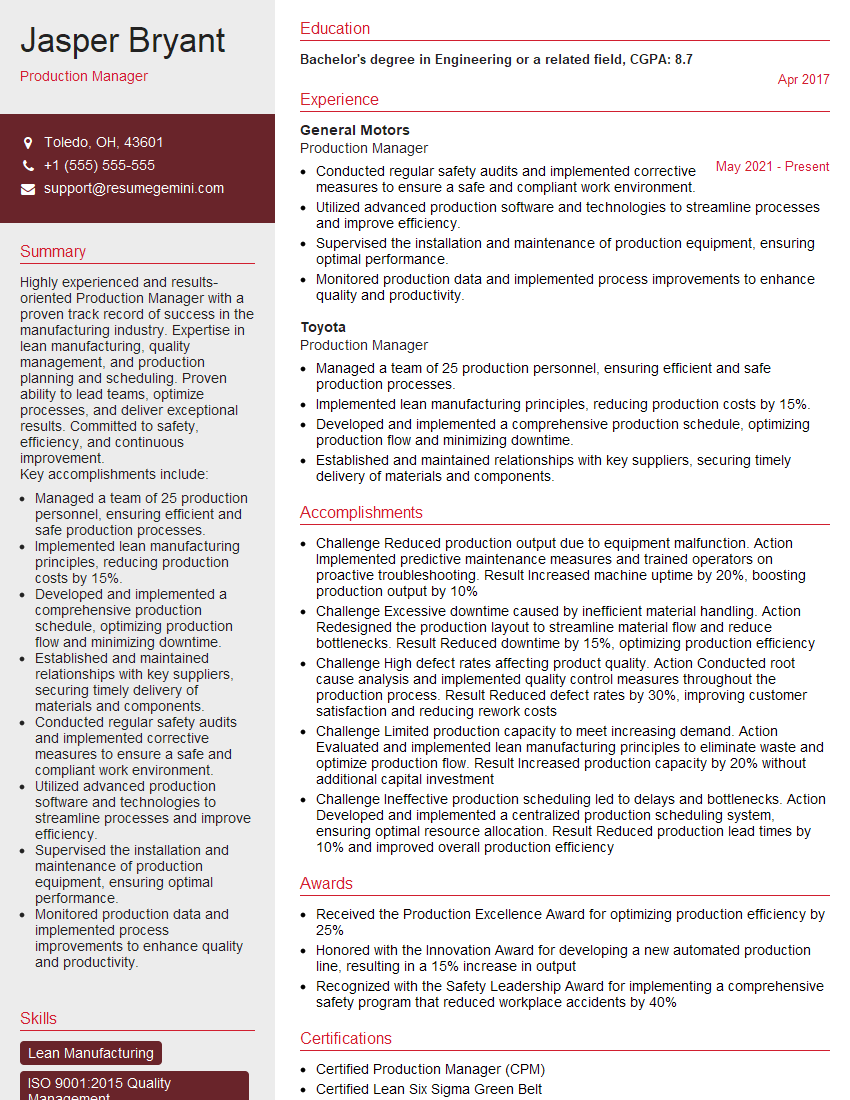
Production Manager Resume Sample
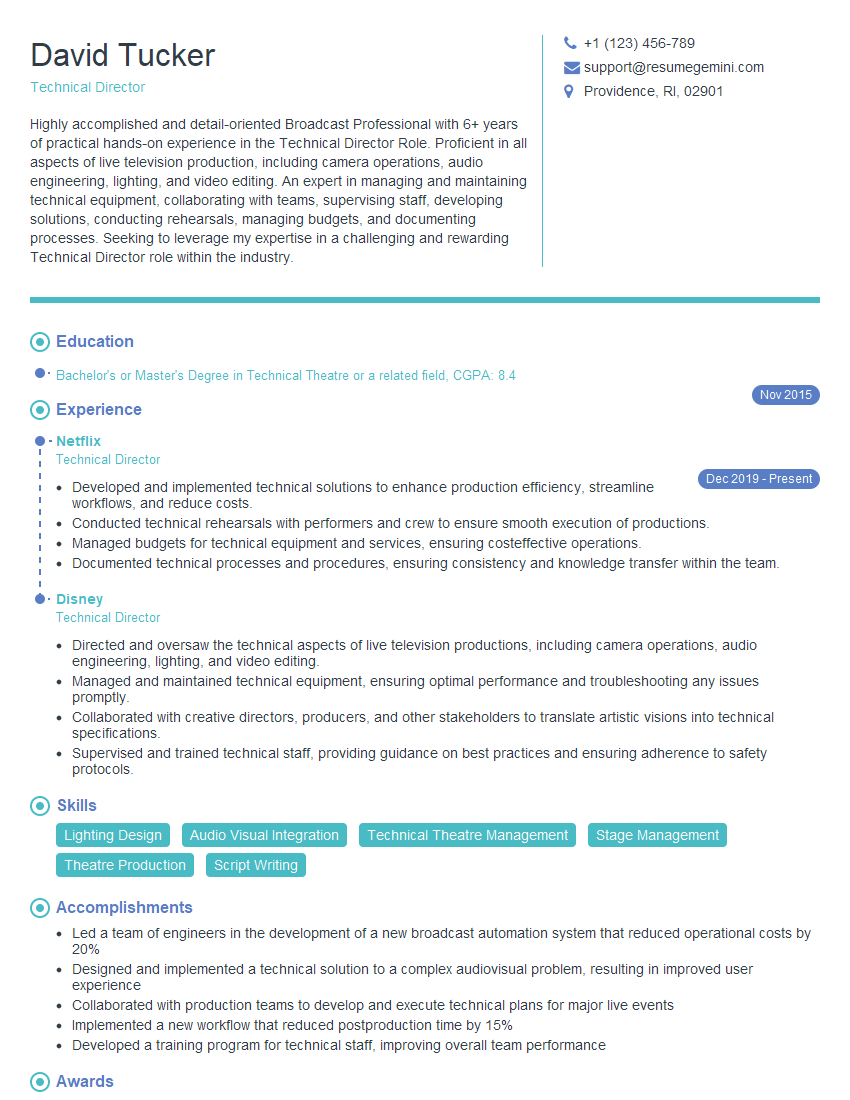
Technical Director Resume Sample
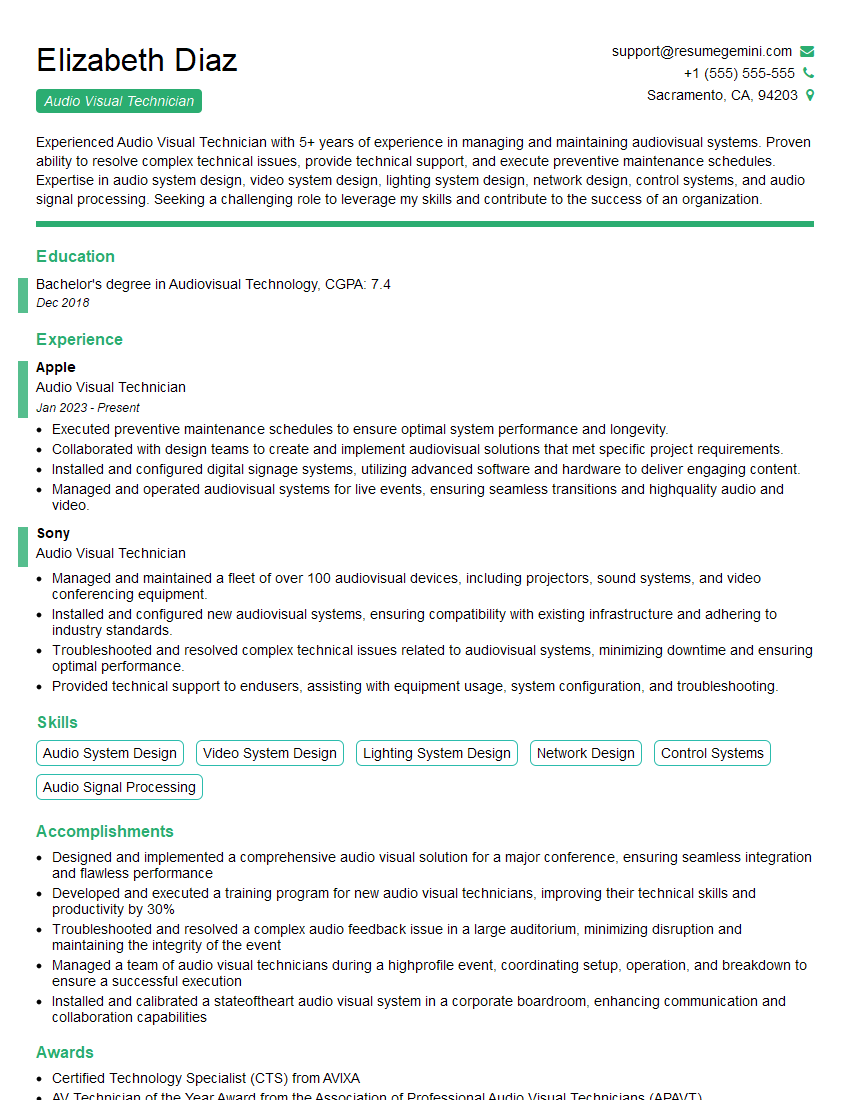
Audio Visual Technician Resume Sample
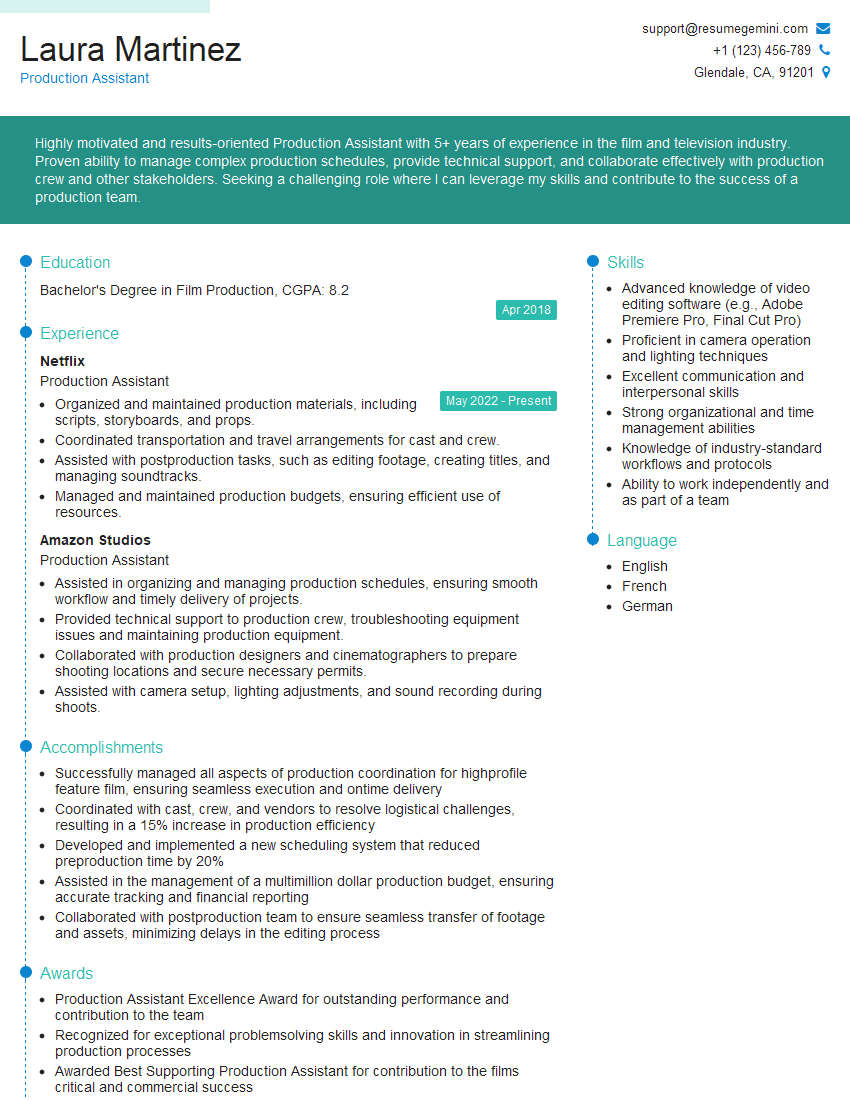
Production Assistant Resume Sample
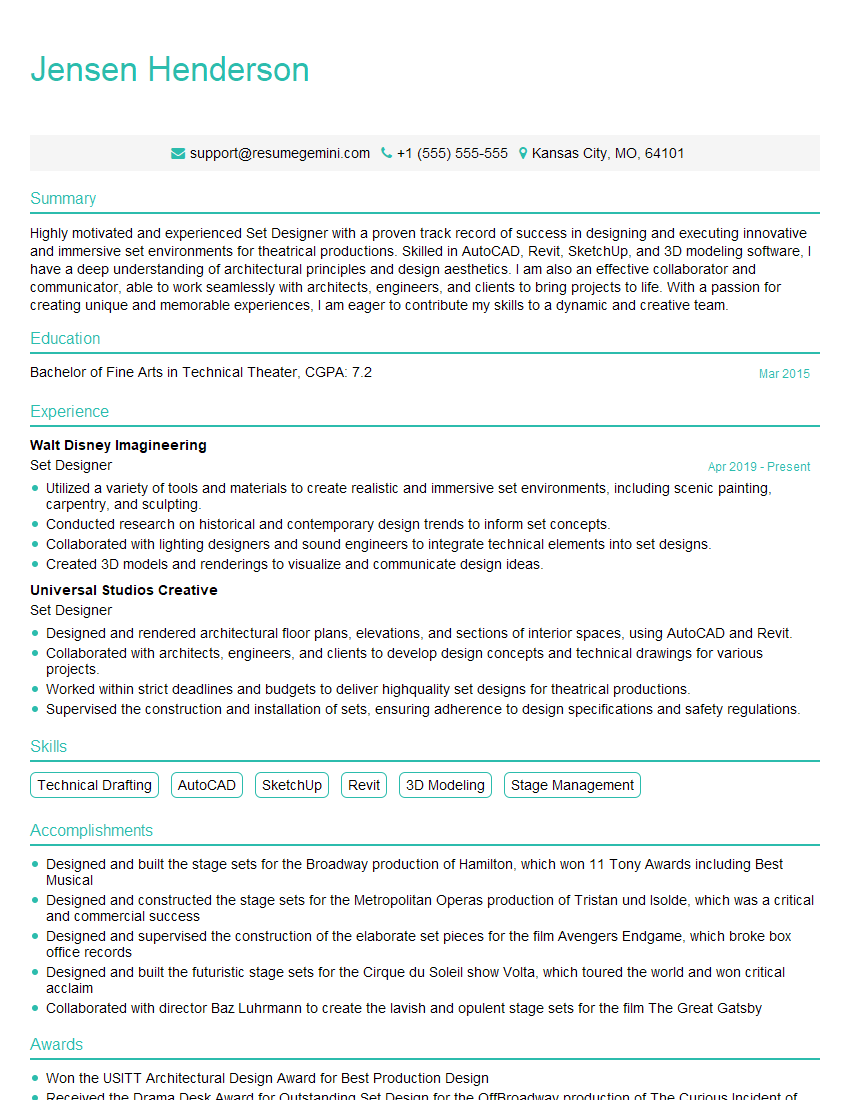
Set Designer Resume Sample
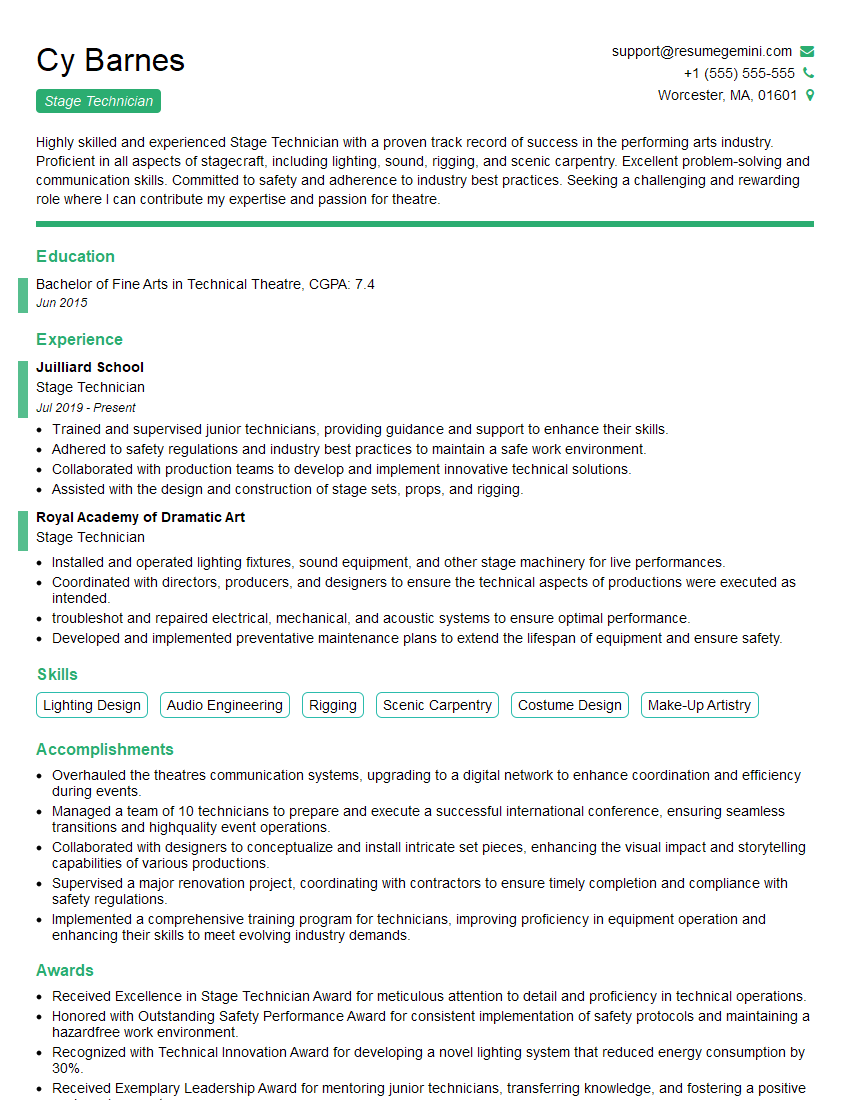
Stage Technician Resume Sample
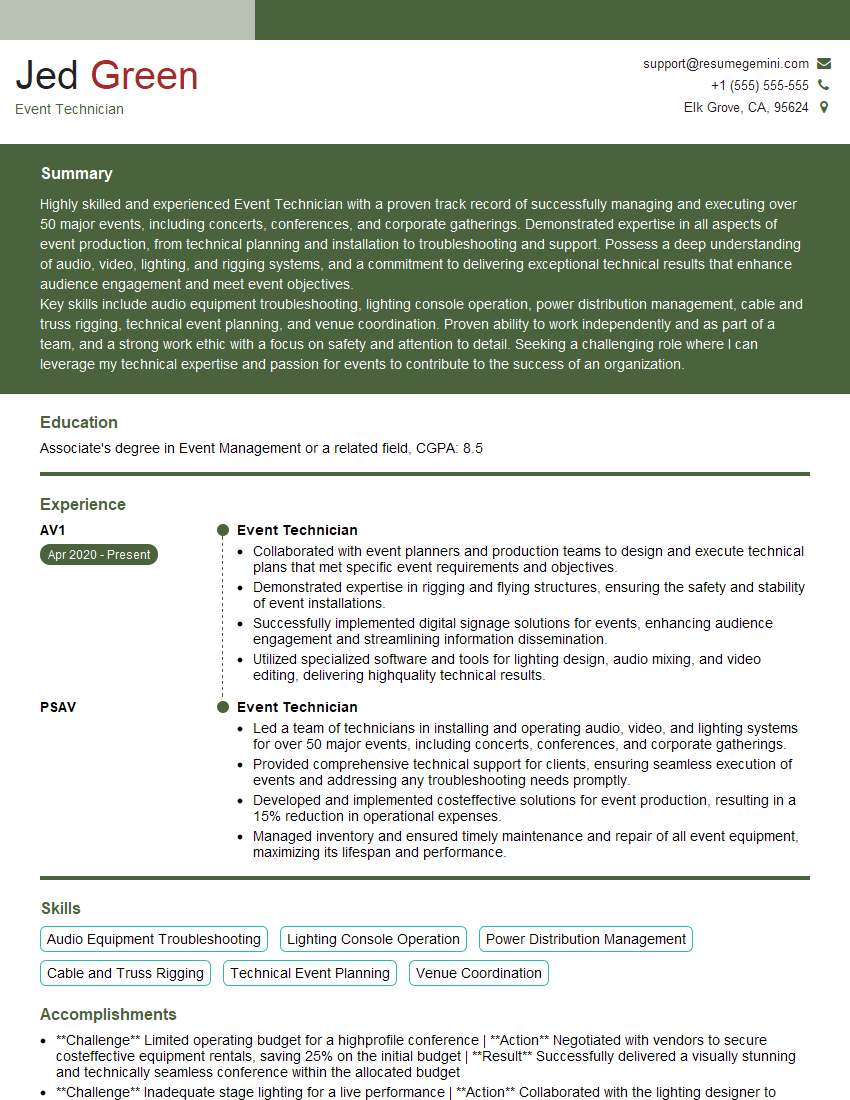
Event Technician Resume Sample
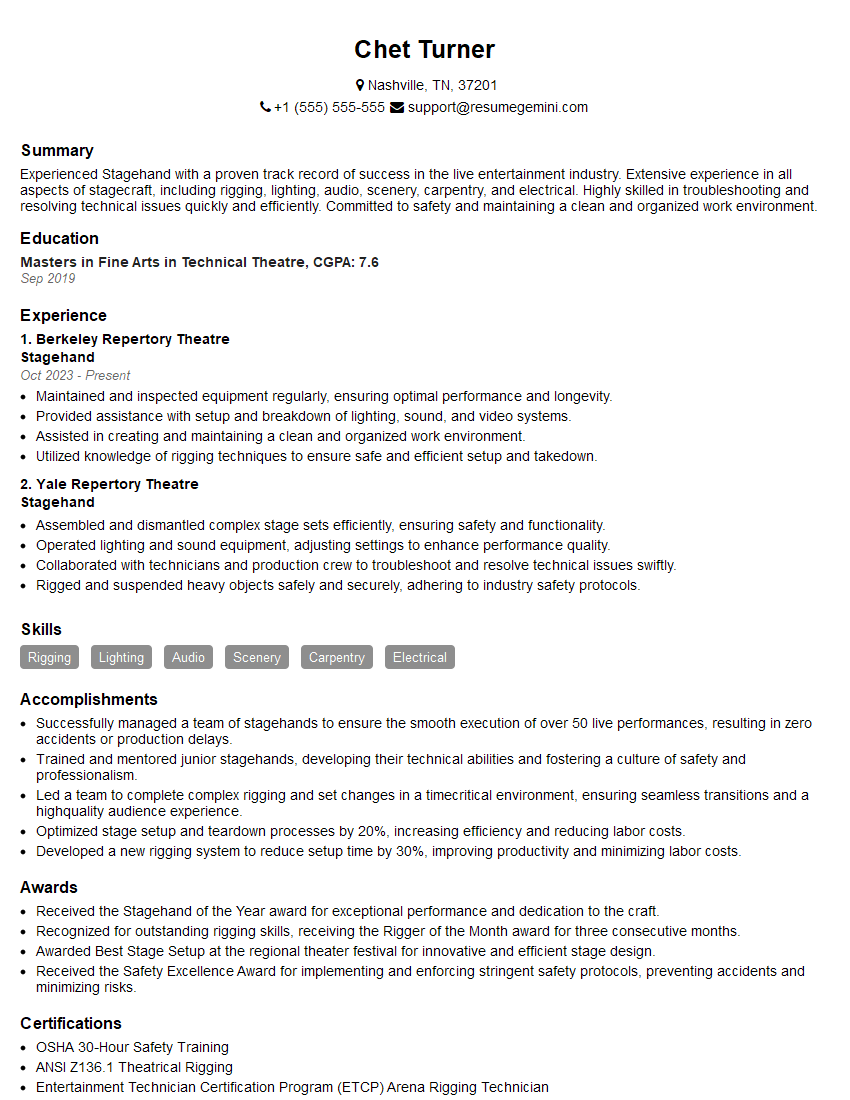
Stagehand Resume Sample
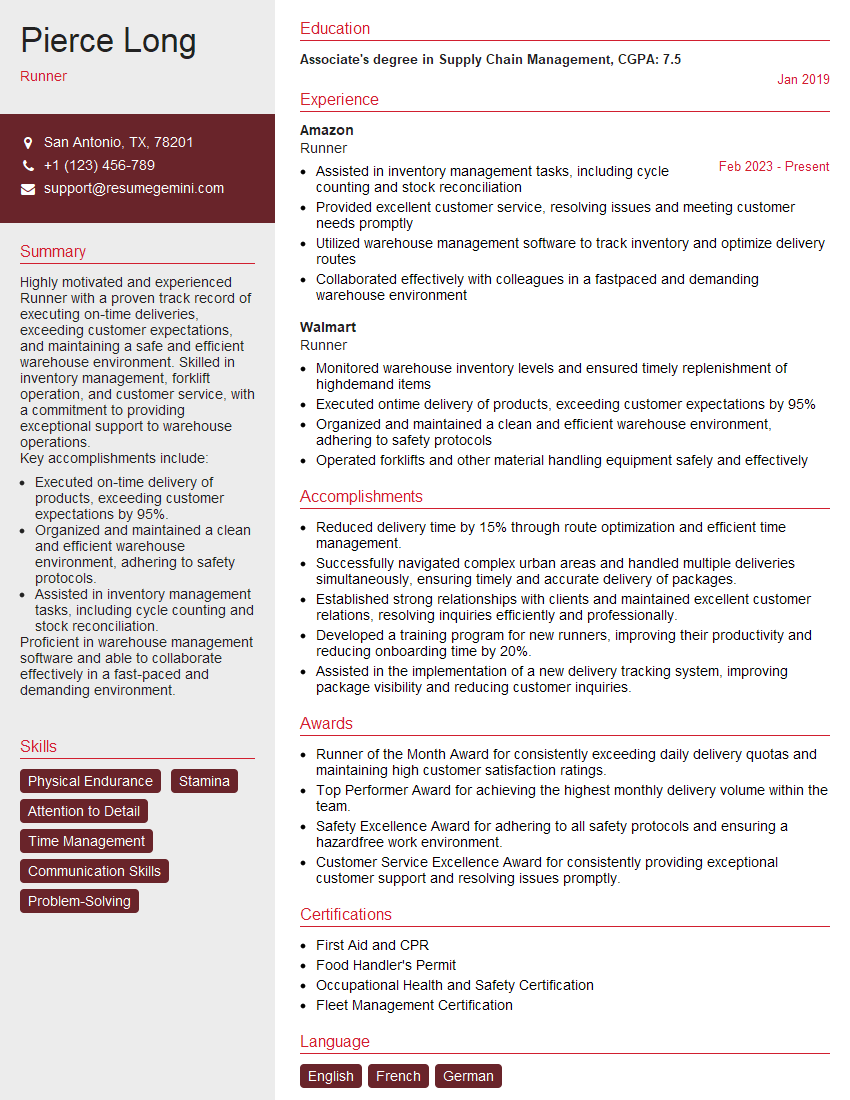
Runner Resume Sample
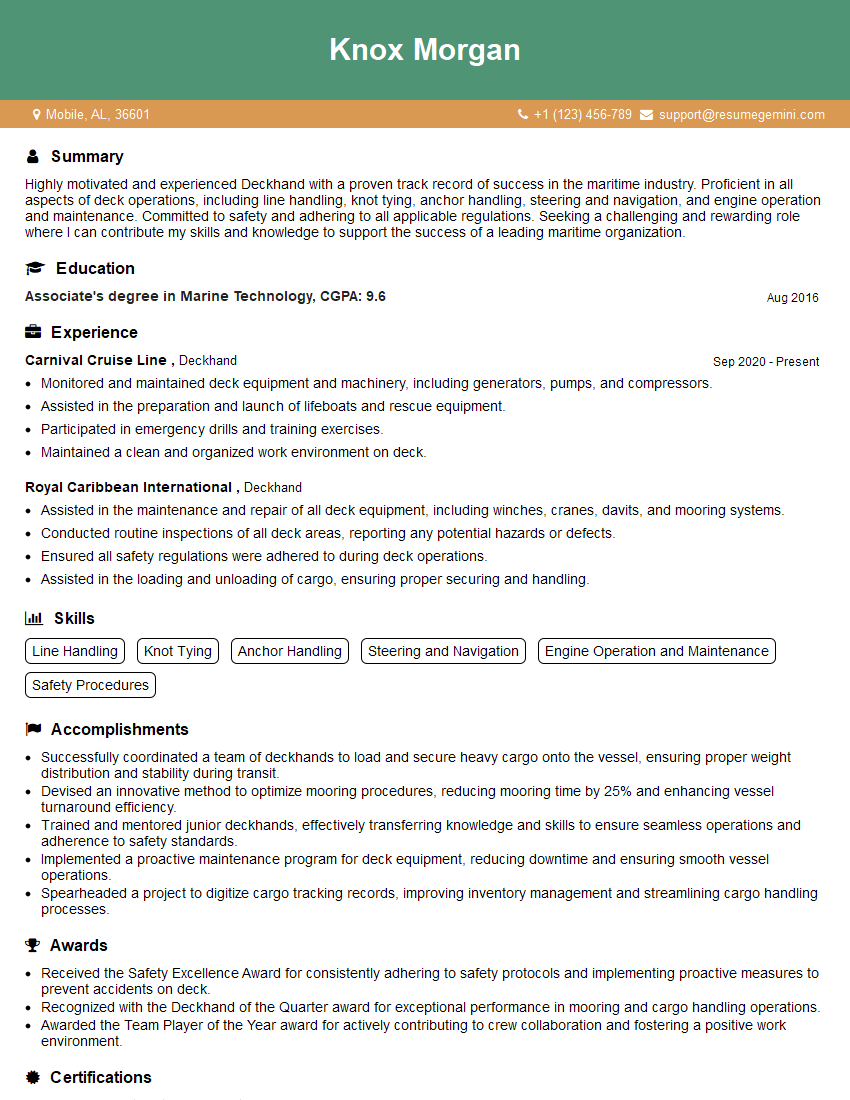
Deckhand Resume Sample
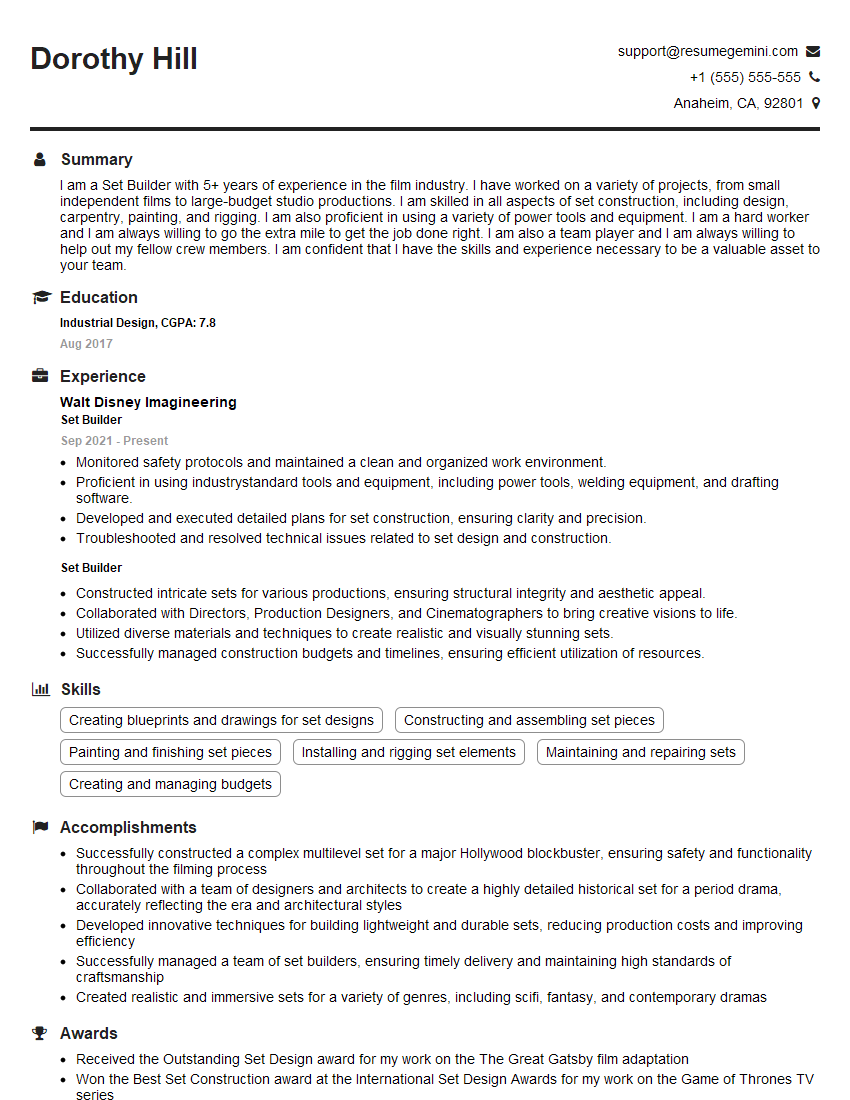
Set Builder Resume Sample
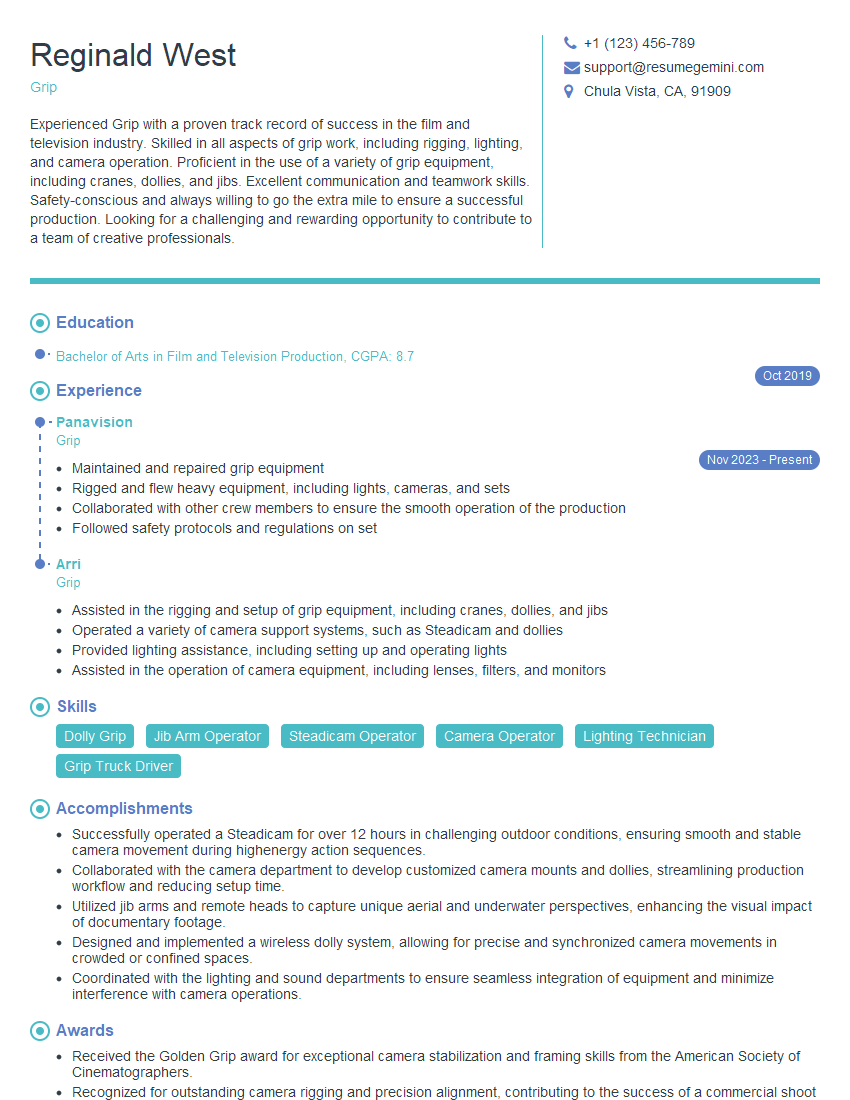
Grip Resume Sample
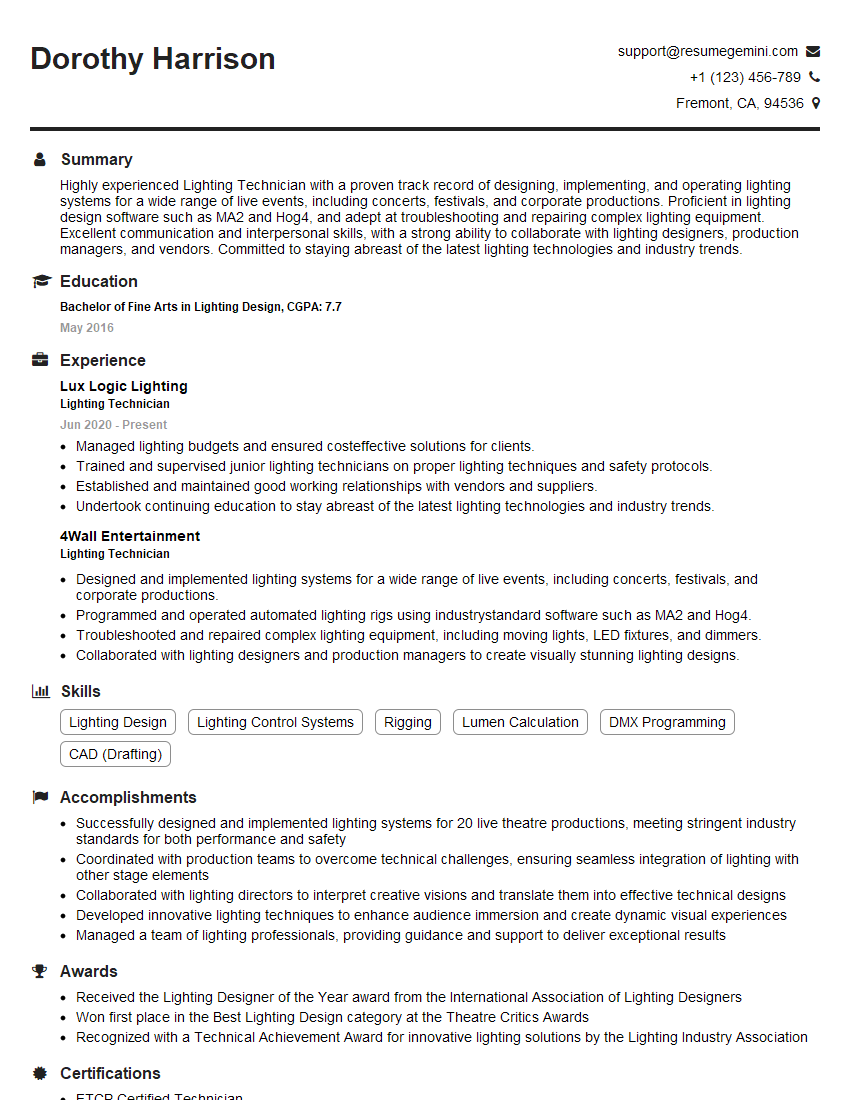
Lighting Technician Resume Sample
Explore more articles
Users Rating of Our Blogs
Share Your Experience
We value your feedback! Please rate our content and share your thoughts (optional).
What Readers Say About Our Blog
Very informative content, great job.
good