Feeling uncertain about what to expect in your upcoming interview? We’ve got you covered! This blog highlights the most important Staging interview questions and provides actionable advice to help you stand out as the ideal candidate. Let’s pave the way for your success.
Questions Asked in Staging Interview
Q 1. Describe your experience with different staging software.
My experience with staging software spans several platforms, each with its strengths and weaknesses. I’m proficient in Vectorworks, a powerful CAD-based program ideal for complex set designs and precise measurements. Its ability to generate detailed renderings and documentation is invaluable. I also have extensive experience with AutoCad, particularly useful for creating precise technical drawings and collaborating with architects or construction teams. For simpler projects or quick mockups, I utilize SketchUp, appreciating its intuitive interface and 3D modeling capabilities. Finally, I’m familiar with show control software like QLab, which is essential for coordinating lighting, sound, and other technical elements during a performance. Each software choice depends on the specific needs of the production; a large-scale musical might require Vectorworks for intricate set designs, while a smaller theatre piece might be perfectly suited to SketchUp’s ease of use.
Q 2. Explain your process for creating a stage plot.
Creating a stage plot is a meticulous process requiring careful planning and collaboration. It begins with a thorough reading of the script to understand the action, location, and movement of actors. Next, I discuss the director’s vision to ensure the stage design supports the overall artistic intent. I then determine the placement of set pieces, considering sightlines, actor movement, and the flow of the scene. I carefully note the position and type of all props, furniture, and special effects equipment. This information is translated into a detailed drawing, usually using CAD software, clearly indicating the dimensions of the stage, the placement of all elements, and their relationships to each other. Crucially, I include important details such as electrical outlets, lighting positions, and access points for the crew. Finally, I review the plot with the director, technical director, and other key personnel to ensure everyone is on the same page and address any potential issues before the production begins. Think of it like creating a blueprint for the stage, ensuring everything fits together perfectly.
Q 3. How do you manage multiple priorities during a production?
Managing multiple priorities during a production is a crucial skill. I employ a prioritized task list, breaking down large tasks into smaller, manageable steps. This allows for efficient time management and prevents feeling overwhelmed. I use project management tools to track progress and deadlines, assigning responsibilities to team members. Regular communication is essential; daily meetings with the production team help identify potential bottlenecks or issues early. I also prioritize tasks based on their urgency and impact on the overall production schedule. For example, ensuring the set is built on time takes precedence over fine-tuning a minor prop detail. Flexibility is key; unexpected issues arise, and I’m prepared to adapt my schedule and priorities to address them effectively. During a particularly hectic production of ‘Hamlet’, we faced a last-minute set piece malfunction. By quickly prioritizing the repair and delegating tasks efficiently, we successfully averted a significant delay.
Q 4. What are some common challenges in staging, and how do you overcome them?
Common staging challenges include time constraints, budget limitations, and unexpected technical issues. Time pressure is often mitigated through meticulous planning and scheduling. Budget constraints require creative solutions, like repurposing existing materials or finding cost-effective alternatives. For example, instead of buying new furniture, we might source similar items from a local prop house or even create them ourselves. Technical issues are dealt with proactively through regular equipment checks and having backup plans in place. During a recent production, a lighting fixture malfunctioned just before the show. Because we had a spare fixture and a crew member familiar with its operation, we replaced it quickly and without disrupting the performance. Problem-solving is essential, requiring quick thinking, resourcefulness, and collaboration with the entire team.
Q 5. Describe your experience with lighting and sound cues.
My experience with lighting and sound cues is extensive. I work closely with the lighting and sound designers to ensure cues are timed precisely and integrated seamlessly with the action on stage. I understand the technical aspects of both systems, including the operation of consoles and the programming of cues. I can interpret and implement cue sheets, ensuring that the lighting and sound enhance the storytelling and emotional impact of the performance. For example, in a recent production of ‘A Midsummer Night’s Dream’, I worked with the designers to create a gradual shift in lighting to mirror the transition from daylight to twilight, enhancing the magical atmosphere. This involves understanding not just the technical aspects of the cues but also the artistic intent behind them.
Q 6. How do you ensure clear communication with the production team?
Clear communication is paramount in staging. I facilitate regular meetings, using a combination of in-person discussions and digital communication tools like email and project management software. I make sure meeting minutes are documented and distributed to ensure everyone is informed. Open communication channels encourage team members to voice concerns or propose solutions. I maintain a collaborative environment where feedback is welcomed and respected. I use visual aids like sketches and diagrams to clarify complex ideas and ensure everyone has a shared understanding of the production’s goals. Active listening and clear, concise instructions are essential to prevent misunderstandings and maintain a smooth workflow. Transparent communication builds trust and fosters a productive team spirit.
Q 7. Explain your understanding of stage safety protocols.
Stage safety is my top priority. I’m thoroughly familiar with all relevant safety regulations and protocols. Before each production, I conduct thorough risk assessments to identify potential hazards, such as trip hazards from cables, unstable set pieces, or inadequate lighting. I ensure that all equipment is properly inspected and maintained, adhering to industry standards. The crew receives comprehensive safety briefings, covering emergency procedures and the safe use of equipment. Proper signage is implemented to warn of potential dangers. I maintain a clean and organized workspace to minimize the risk of accidents. A safe working environment is crucial not only for legal compliance but also for creating a positive and productive working atmosphere. I view safety not as a constraint but as an integral part of a successful production. The well-being of my team and the audience is non-negotiable.
Q 8. How do you handle unexpected technical issues during a performance?
Handling unexpected technical issues during a performance requires a calm, decisive approach and a proactive mindset. My strategy involves a combination of preparation, quick thinking, and effective communication.
Preparedness: Before any performance, I conduct thorough tech rehearsals that include simulated malfunctions. This allows the team to practice problem-solving and develop contingency plans. For example, we might rehearse a lighting cue failure and how the show continues smoothly using alternative lighting solutions.
Quick Thinking: During a performance, if something goes wrong (e.g., a microphone cuts out), my priority is damage control. I quickly assess the situation, determine the cause (if possible), and communicate with the appropriate technicians to rectify the issue. For instance, if a prop breaks, we might have a backup ready or swiftly improvise a solution that doesn’t disrupt the flow of the show.
Effective Communication: Clear and concise communication is crucial. Using a pre-determined communication system (e.g., headsets), I’ll update the stage manager, actors, and other crew members about the issue and its resolution progress. This ensures everyone is informed and can adapt accordingly.
Prioritization: I prioritize maintaining the flow of the performance over fixing the problem immediately if it doesn’t severely impact the audience experience. Small issues might be addressed later, between scenes.
The key is to stay calm and focused. Panic will only exacerbate the situation. A prepared team working together efficiently can handle almost any technical hiccup.
Q 9. What is your experience with different types of stage rigging?
My experience encompasses various types of stage rigging, from simple counterweight systems to more complex automated systems. I’m proficient in:
Counterweight Systems: I’m skilled in the safe and efficient operation of traditional counterweight systems, including the proper use of sandbags, ropes, and pulleys. I understand the importance of regular inspections and maintenance to ensure safety and reliability.
Motorized Systems: I’m familiar with various motorized rigging systems, such as chain hoists and automated fly systems. This includes understanding their control mechanisms, safety features, and troubleshooting procedures. I also have experience with programming and operating these systems for complex scenic changes.
Lifting and Suspension Techniques: I have hands-on experience with various methods of lifting and suspending sets, props, and lighting equipment, ensuring structural integrity and safety. I understand the importance of load calculations and weight distribution.
Rigging Safety: Rigging safety is paramount. I’m adept at risk assessment and adhering to all safety regulations and best practices. I’ve completed relevant training and certifications to ensure I’m competent in handling rigging equipment responsibly.
Throughout my career, I’ve worked on productions ranging from small-scale theatre productions to large-scale musical theatre, which provided ample opportunity to refine my skills with a variety of rigging techniques.
Q 10. Describe your experience with budgeting and resource allocation in staging.
Budgeting and resource allocation are critical aspects of staging. My approach involves a detailed breakdown of costs and a careful prioritization of resources. I begin with a thorough understanding of the production’s scope and artistic vision.
Detailed Budgeting: I create a comprehensive budget encompassing all aspects of the production, including set construction, costumes, lighting, sound, props, personnel, and rental equipment. This includes contingency planning for unforeseen expenses.
Resource Prioritization: Based on the budget, I carefully prioritize resource allocation, ensuring that funds are spent effectively to maximize the impact of the production. This often involves negotiating with vendors to secure the best prices.
Value Engineering: I identify opportunities for cost savings without compromising the artistic vision. For example, I might explore using readily available materials instead of custom-made ones or finding cost-effective alternatives to high-end equipment.
Tracking and Reporting: I maintain meticulous records of all expenses and provide regular budget reports to stakeholders, ensuring transparency and accountability.
For example, on a recent production with a limited budget, I successfully negotiated discounts on lighting equipment rentals and sourced cost-effective materials for set construction. This enabled us to deliver a visually stunning production within the allocated budget.
Q 11. Explain your process for creating a rehearsal schedule.
Creating a rehearsal schedule is a crucial step in ensuring a smooth production. My process involves collaboration with the director and consideration of various factors.
Collaboration with Director: I work closely with the director to understand their vision for the production and the specific needs of each scene. This includes identifying key moments, technical requirements, and any potential challenges.
Timeline Definition: I determine a realistic timeline based on the length of the play, complexity of the technical elements, and the number of rehearsals available. I consider factors like actor availability and potential conflicts.
Prioritization: I prioritize rehearsal time based on the complexity of the scenes and technical requirements. For example, scenes with complex lighting or stage movements might require more rehearsal time.
Flexibility: I build in flexibility to account for unforeseen circumstances and adapt to the production’s evolving needs. Regular check-ins with the director and actors ensure the schedule remains relevant.
I often use a digital calendar or project management software to create and share the schedule. This promotes transparency and ensures everyone remains informed.
Q 12. How do you work with actors and directors to achieve the desired aesthetic?
Collaborating with actors and directors to achieve the desired aesthetic requires open communication, mutual respect, and a shared vision. My approach centers on active listening and creative problem-solving.
Open Communication: I foster a collaborative environment where actors and directors feel comfortable sharing their ideas and concerns. This involves regular meetings and open discussions about the creative aspects of the production.
Active Listening: I actively listen to the director’s vision and the actors’ feedback, considering their input in design and technical decisions. This helps ensure the staging complements their performance effectively.
Creative Problem Solving: I work with the director and actors to find solutions to any challenges that may arise during rehearsals. For instance, if an actor has a difficulty with a specific movement, we might explore alternative blocking or adjust the set design to accommodate their needs.
Technical Expertise: I use my technical expertise to enhance the creative vision by providing solutions to help translate the director’s vision into reality. This ensures the technical elements support and enhance the performance, rather than detracting from it.
For example, on a recent production, an actor expressed concern about a specific prop that they felt didn’t fit their character. By working collaboratively, we found an alternative prop that better matched the character and the production’s overall aesthetic.
Q 13. How do you ensure the smooth flow of a performance?
Ensuring a smooth performance flow requires meticulous planning, clear communication, and a well-rehearsed team. My approach involves multiple layers of preparation and coordination.
Detailed Run-Throughs: We conduct multiple run-throughs, gradually incorporating technical elements, to identify and address potential issues before the actual performance. This includes checking cues, timings, and transitions between scenes.
Clear Communication: I establish clear communication channels among all team members, using headsets or a designated communication system to ensure seamless coordination during the performance. This prevents miscommunication and ensures everyone is on the same page.
Cue Sheets and Timelines: Precise cue sheets and timelines are developed and distributed to all relevant personnel, ensuring everyone understands their responsibilities and the timing of various elements.
Contingency Planning: A robust contingency plan is developed to address potential issues, such as unexpected technical malfunctions, actor absences, or changes in the performance schedule. This allows for swift and effective responses to unforeseen events.
The smooth flow is like a well-oiled machine. Each member knows their role, communicates effectively, and anticipates possible problems – allowing the show to run seamlessly.
Q 14. Describe your experience with prop handling and management.
Prop handling and management are essential for a successful production. My experience includes:
Prop Inventory and Tracking: I maintain a detailed inventory of all props, including their condition and location. This system ensures that all props are accounted for and readily available when needed.
Prop Acquisition and Construction: I source and acquire props, either by purchasing, renting, or constructing them, depending on the production’s budget and requirements. I often collaborate with set designers and prop masters to create unique and visually appealing props.
Prop Storage and Maintenance: I establish a secure storage system for props to prevent damage or loss. I ensure the props are properly maintained and repaired as needed to maintain their quality and functionality.
Prop Placement and Handling: During rehearsals and performances, I ensure props are placed correctly and handled carefully to avoid damage or accidents. I brief the actors on proper handling and usage of the props.
Effective prop management is a detail-oriented task. A missing prop can derail a scene, so precision and organisation are key to a successful production.
Q 15. How do you troubleshoot problems with audio equipment?
Troubleshooting audio problems requires a systematic approach. I begin by identifying the specific issue – is there no sound, distortion, feedback, or a low signal? Then, I work through a process of elimination.
- Check the obvious: Are the devices powered on? Are cables securely connected? Is the volume turned up? This often solves simple issues. I once spent 20 minutes looking for a phantom power issue before realizing the microphone was simply muted.
- Signal Path Analysis: I trace the audio signal from source (microphone, instrument, etc.) to output (speakers, recording device). This involves checking each component and connection in the chain. For example, I’ll check microphone levels, mixer settings, amplifier gain, and speaker impedance.
- Testing individual components: If a specific component is suspected, I’ll isolate it and test it independently using a known working source and destination. For example, replacing a suspected faulty microphone cable with a known good one will quickly identify the problem.
- Using test equipment: Depending on the complexity, I use tools like multimeters to check cable continuity and signal levels, oscilloscopes to identify signal issues, and spectrum analyzers to identify frequency-related problems.
- Consult documentation: Manufacturer’s manuals and schematics are invaluable resources. Sometimes a seemingly complex problem is simply a misconfiguration described in the manual.
Ultimately, a combination of methodical investigation and a deep understanding of audio systems allows for efficient troubleshooting.
Career Expert Tips:
- Ace those interviews! Prepare effectively by reviewing the Top 50 Most Common Interview Questions on ResumeGemini.
- Navigate your job search with confidence! Explore a wide range of Career Tips on ResumeGemini. Learn about common challenges and recommendations to overcome them.
- Craft the perfect resume! Master the Art of Resume Writing with ResumeGemini’s guide. Showcase your unique qualifications and achievements effectively.
- Don’t miss out on holiday savings! Build your dream resume with ResumeGemini’s ATS optimized templates.
Q 16. How do you troubleshoot problems with lighting equipment?
Troubleshooting lighting problems involves understanding the electrical system, fixture operation, and the control mechanisms (dimmer packs, consoles).
- Safety First: Always ensure power is disconnected before handling any electrical components. Never work on live equipment unless you are qualified and have taken appropriate safety precautions.
- Visual Inspection: Begin with a careful visual inspection of the entire lighting system, checking for loose connections, damaged cables, blown bulbs, or faulty fixtures.
- Check Power: Verify that power is reaching the lighting circuits. Check breakers, fuses, and power distribution panels. I once spent an hour searching for a fault only to find a tripped breaker.
- Test Individual Fixtures: If a specific fixture isn’t working, test it separately to isolate whether the problem is the fixture itself or its connection to the system.
- Control System Diagnosis: If the issue involves dimmer packs or a lighting console, check the settings, programming, and patching. Sometimes a simple patch error can cause a whole section of lights to fail.
- Specialized Tools: Multimeters are essential for testing voltages and continuity. Specialized lighting testers can also help diagnose problems in circuits and fixtures.
Troubleshooting lighting is a safety-critical task that demands meticulous attention to detail and a thorough understanding of electrical safety.
Q 17. What is your experience with video integration in live productions?
I have extensive experience integrating video into live productions, from simple presentations to complex multi-camera setups. This includes working with various video sources, switchers, projectors, and LED screens.
- Source Management: I’m proficient in managing video sources, including cameras, computers, media servers, and playback devices, ensuring they are properly configured and synchronized.
- Switcher Operation: I’m experienced in operating video switchers, handling transitions, effects, and overlays to create dynamic visual presentations.
- Signal Routing: I understand video signal routing and distribution, using converters and splitters to manage different video formats and resolutions.
- Display Technologies: I’ve worked with a variety of display technologies, including projectors, LED screens, and plasma displays, understanding their capabilities and limitations.
- Integration with other systems: I know how to seamlessly integrate video with audio, lighting, and other production elements to achieve a unified and cohesive show.
For example, on a recent corporate event, I integrated live camera feeds with pre-recorded video clips and PowerPoint presentations, using a multi-camera switcher and a large LED screen to create an engaging and dynamic presentation.
Q 18. How familiar are you with various stage configurations (thrust, proscenium, etc.)?
I’m very familiar with various stage configurations. Understanding the stage setup is crucial for effective planning and execution of a production.
- Proscenium Arch: The traditional setup with the audience facing a single stage, offering a clear separation between performers and spectators. This is ideal for traditional plays and musicals.
- Thrust Stage: A stage that extends into the audience on three sides, creating a more intimate connection. This requires careful consideration of sightlines and sound reinforcement.
- Arena Stage (or Theatre-in-the-Round): The stage is surrounded by the audience on all sides, resulting in a very close and immersive experience. This presents challenges in terms of backstage access and set design.
- Traverse Stage: The stage extends into the audience on two opposite sides, allowing for flexible set design and audience interaction.
- Environmental Stage: The stage is integrated into the performance space, often blurring the lines between stage and audience. This requires creative thinking and adaptability.
My experience includes working in all these configurations, adapting my approach to the specific requirements of each.
Q 19. Describe your experience working with union stagehands.
I have a positive and collaborative working relationship with union stagehands. I understand the importance of adhering to union regulations and respecting their expertise and experience.
- Respectful Communication: I maintain open and respectful communication with stagehands, valuing their input and ensuring they feel heard and respected.
- Clear Instructions: I provide clear and concise instructions, ensuring that everyone understands their roles and responsibilities.
- Safety First: I prioritize safety, ensuring stagehands follow safe work practices and are equipped with necessary safety gear.
- Collaboration: I work collaboratively with stagehands, treating them as partners in the production process.
- Professionalism: I always maintain a professional demeanor and show respect for their union rules and working conditions.
A strong working relationship with stagehands contributes significantly to the success of any production. My approach fosters trust and a productive environment.
Q 20. How do you maintain a positive and productive work environment?
Maintaining a positive and productive work environment is paramount for success in staging. This requires proactive leadership and a collaborative spirit.
- Open Communication: I foster open communication among team members, encouraging feedback and addressing concerns promptly.
- Teamwork: I emphasize teamwork and collaboration, recognizing that success depends on collective effort. I actively include team members in the decision making process when appropriate.
- Respectful Interactions: I ensure that interactions are respectful and professional, fostering a supportive and inclusive environment.
- Clear Expectations: I set clear expectations for roles and responsibilities, ensuring that everyone understands their contribution to the overall goals.
- Problem-Solving: I address conflicts and problems proactively and constructively, seeking solutions that benefit everyone involved.
- Celebration of Success: Acknowledging and appreciating accomplishments builds morale and strengthens the team.
For example, on a recent challenging production, I actively involved team members in problem-solving, and celebrated successes along the way. This collaborative approach not only resolved difficulties but also fostered a strong sense of camaraderie and accomplishment.
Q 21. How do you prioritize tasks when under pressure?
Prioritizing tasks under pressure requires a structured approach that balances urgency and importance.
- Identify Critical Tasks: I start by clearly identifying the tasks that are essential for the show’s success and have the most immediate deadlines. These are my top priorities.
- Time Allocation: I allocate time realistically to each task, considering potential delays and unexpected issues. Buffer time is essential.
- Delegation: I delegate tasks effectively, assigning responsibilities to team members who have the necessary skills and experience.
- Break Down Large Tasks: I break down large, complex tasks into smaller, manageable units, making the workload less daunting and easier to track progress on.
- Communication: I maintain open communication with the team, keeping everyone informed of progress and any changes in priorities.
- Flexibility: Under pressure, I am flexible and adapt to changing circumstances. I’m not afraid to re-prioritize if necessary.
During a particularly demanding technical rehearsal, I used this framework to ensure that crucial tasks like sound checks and lighting cues were addressed first. Effective delegation allowed the entire team to function efficiently even under time constraints.
Q 22. Explain your experience with different types of stage materials.
My experience encompasses a wide range of stage materials, from the basics to specialized items. Understanding their properties and limitations is crucial for successful staging.
Wood: I’m proficient in working with various wood types – plywood, lumber, and dimensional lumber – for building sets, platforms, and props. I understand the importance of selecting the right type for strength, weight, and the desired aesthetic. For example, plywood is great for curved surfaces, while dimensional lumber provides excellent strength for supporting heavy structures.
Metals: I’m skilled in using steel, aluminum, and other metals for creating robust structures, especially for rigging and support systems. Safety is paramount here; I always ensure proper welding techniques and secure fastenings.
Plastics: Various plastics, including PVC, acrylic, and ABS, are frequently used for creating lightweight and durable props and set pieces. I’m familiar with their properties and limitations, choosing the right type depending on the need for flexibility, transparency, or impact resistance.
Fabrics: From lightweight muslin for drops to heavy-duty canvas for backdrops, my experience includes selecting and working with various fabrics. I understand the importance of fire-retardant treatments and proper draping techniques.
Paints and Finishes: I’m experienced in applying various paints and finishes to achieve specific textures and colors, considering factors like durability, weather resistance, and stage lighting effects. For instance, using a matte finish can prevent unwanted glare under stage lights.
Q 23. What safety measures do you take when working with heavy equipment?
Safety is my top priority when working with heavy equipment. I meticulously follow all safety protocols and regulations. This includes:
Pre-operation checks: Always inspecting equipment for any damage or malfunction before use. This includes checking for loose bolts, damaged cables, or hydraulic leaks.
Proper training and certification: I hold the necessary certifications to operate the specific heavy equipment I use. This ensures I understand the operation and safety procedures.
Personal protective equipment (PPE): Always wearing appropriate PPE, such as hard hats, safety glasses, gloves, and steel-toed boots. This protects me from potential hazards.
Safe operating procedures: Following all established operating procedures. This might include using spotters, implementing traffic control measures, and maintaining a safe working distance.
Regular maintenance: Ensuring equipment undergoes regular maintenance checks and servicing. This helps prevent malfunctions and accidents.
For instance, when using a forklift to move heavy scenery, I always ensure a spotter is present to guide me, and I conduct a thorough inspection of the forklift before each use. I would never overload the forklift beyond its rated capacity.
Q 24. How familiar are you with different types of theatrical styles?
My familiarity with theatrical styles is extensive. I’ve worked on productions spanning various genres, which has allowed me to adapt my staging techniques accordingly.
Classical Theatre: I understand the formality and traditional staging techniques associated with Greek tragedy, Shakespearean plays, and other classical works. This might involve using more traditional set designs and emphasizing the importance of dialogue and acting.
Modern Theatre: I’m adept at creating minimalist or abstract sets for modern productions, using lighting and sound design to create atmosphere and mood. This often requires a more flexible and experimental approach to staging.
Musical Theatre: I understand the need for quick scene changes, dynamic staging, and integration of choreography and musical elements. This often involves using complex set pieces that can be easily moved or transformed.
Avant-Garde Theatre: I am familiar with unconventional staging techniques and experimentation with space, incorporating audience interaction and non-traditional theatrical elements.
This broad experience allows me to adapt my approach to any production, ensuring the staging complements the director’s vision and the overall style of the play.
Q 25. How do you manage conflicts between different departments?
Conflict resolution is a vital skill in a collaborative environment like theatre. My approach focuses on clear communication and finding mutually beneficial solutions.
Open communication: I encourage open and honest communication between all departments. This helps prevent misunderstandings and address concerns proactively.
Active listening: I make a conscious effort to actively listen to everyone’s perspective, understanding their concerns and needs.
Mediation: If a conflict arises, I act as a mediator, facilitating a discussion to find a solution that satisfies all parties. This might involve compromise and prioritization of tasks.
Documentation: I maintain clear documentation of agreements and decisions to avoid future misunderstandings.
Escalation: If I can’t resolve the conflict independently, I escalate the issue to the appropriate level of management.
For example, if there’s a clash between the set design and lighting design teams, I will facilitate a meeting where both teams can discuss their needs and find a compromise that works aesthetically and technically.
Q 26. Describe a time you had to make a quick decision under pressure.
During a recent production, a critical set piece was damaged just hours before the opening night. This required a quick, decisive solution.
I assessed the damage, which was significant enough to compromise the scene’s integrity. Instead of panicking, I quickly assembled the team and we brainstormed alternative solutions. We decided to use a reserve set piece, which was less visually appealing but functional. The team worked tirelessly to modify it, repainting and making minor structural adjustments. We managed to complete the alteration just before curtain. Though not ideal, we prevented the show from being cancelled and successfully delivered a near-flawless performance.
This situation highlighted the importance of:
- Maintaining a calm demeanor under pressure.
- Thinking creatively and finding workable alternatives.
- Efficiently delegating tasks and empowering the team.
Q 27. How do you adapt to changes in the production schedule?
Adapting to changes in the production schedule is a common occurrence in theatre. I maintain flexibility and use a proactive approach.
Communication: Staying informed about any changes, communicating with relevant departments, and discussing the impact on my work.
Prioritization: Re-prioritizing tasks based on the revised timeline, focusing on the most crucial elements first.
Flexibility: Being flexible and willing to adjust my schedule and workload to meet the revised deadlines.
Problem-solving: Proactively identifying potential challenges and finding solutions to minimize disruptions.
Resource management: Optimizing the use of resources, including materials and personnel, to meet the new schedule.
For example, if a scene is cut from the script, I would immediately adjust the set design to accommodate the change, perhaps repurposing existing elements rather than starting from scratch. This ensures efficient use of resources and time.
Q 28. Explain your understanding of copyright and licensing related to stage productions.
Understanding copyright and licensing is essential for any stage production. I’m aware that using copyrighted material—music, scripts, designs, etc.—without proper licensing can lead to legal repercussions.
Script rights: Obtaining the necessary performance rights from the copyright holder or a licensing agency for the chosen play.
Music rights: Securing performance licenses for any music used in the production, both for songs and background scores, ensuring adherence to licensing terms.
Design rights: Respecting design copyrights and obtaining permissions for using pre-existing designs or adaptations of existing works.
Public domain works: Knowing the difference between copyrighted and public domain materials, utilizing public domain works to avoid licensing fees where appropriate.
Licensing agreements: Carefully reviewing and understanding the terms and conditions of all licensing agreements, including fees, permitted uses, and restrictions.
For example, if we want to use a specific song in a musical, I would ensure we obtain a performance license from the copyright holder, such as the music publisher, which would specify the permissible number of performances and other conditions.
Key Topics to Learn for Staging Interview
- Environment Setup and Configuration: Understanding different staging environments (development, testing, staging), configuration management tools, and deployment processes.
- Data Management in Staging: Strategies for populating staging environments with realistic data, including data masking and anonymization techniques, and handling sensitive information.
- Testing and Quality Assurance in Staging: Implementing various testing methodologies (unit, integration, system, user acceptance testing) within a staging environment to identify and resolve bugs before production release.
- Version Control and Branching Strategies: Understanding Git workflows and branching strategies for managing code changes within a staging environment, ensuring collaboration and efficient code integration.
- Infrastructure as Code (IaC): Familiarity with tools like Terraform or CloudFormation for managing and automating the provisioning of staging environments.
- Deployment Strategies and Pipelines: Understanding different deployment strategies (blue/green, canary, rolling updates) and the use of CI/CD pipelines to automate the deployment process to staging.
- Monitoring and Logging in Staging: Implementing monitoring and logging solutions to track the performance and health of the staging environment and identify potential issues.
- Security Considerations in Staging: Understanding security best practices for staging environments, including access control, vulnerability scanning, and penetration testing.
- Troubleshooting and Problem Solving: Developing effective debugging and problem-solving skills to resolve issues that arise during the staging process.
Next Steps
Mastering staging is crucial for career advancement in software development and related fields. A strong understanding of staging processes demonstrates your ability to contribute to a robust and reliable software delivery pipeline. To increase your job prospects, invest time in crafting an ATS-friendly resume that effectively highlights your skills and experience. ResumeGemini is a trusted resource that can help you build a professional and impactful resume. Examples of resumes tailored to Staging are available to help guide you. Take this opportunity to showcase your expertise and land your dream role!
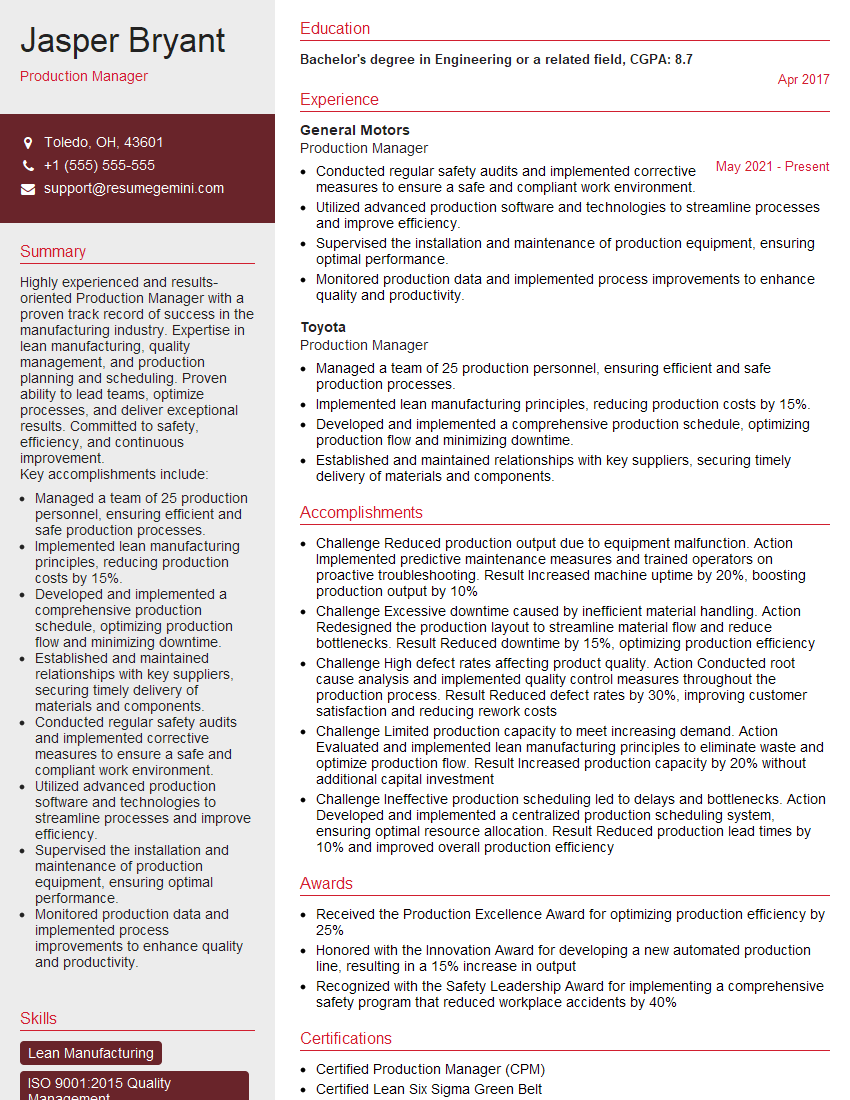
Production Manager Resume Sample
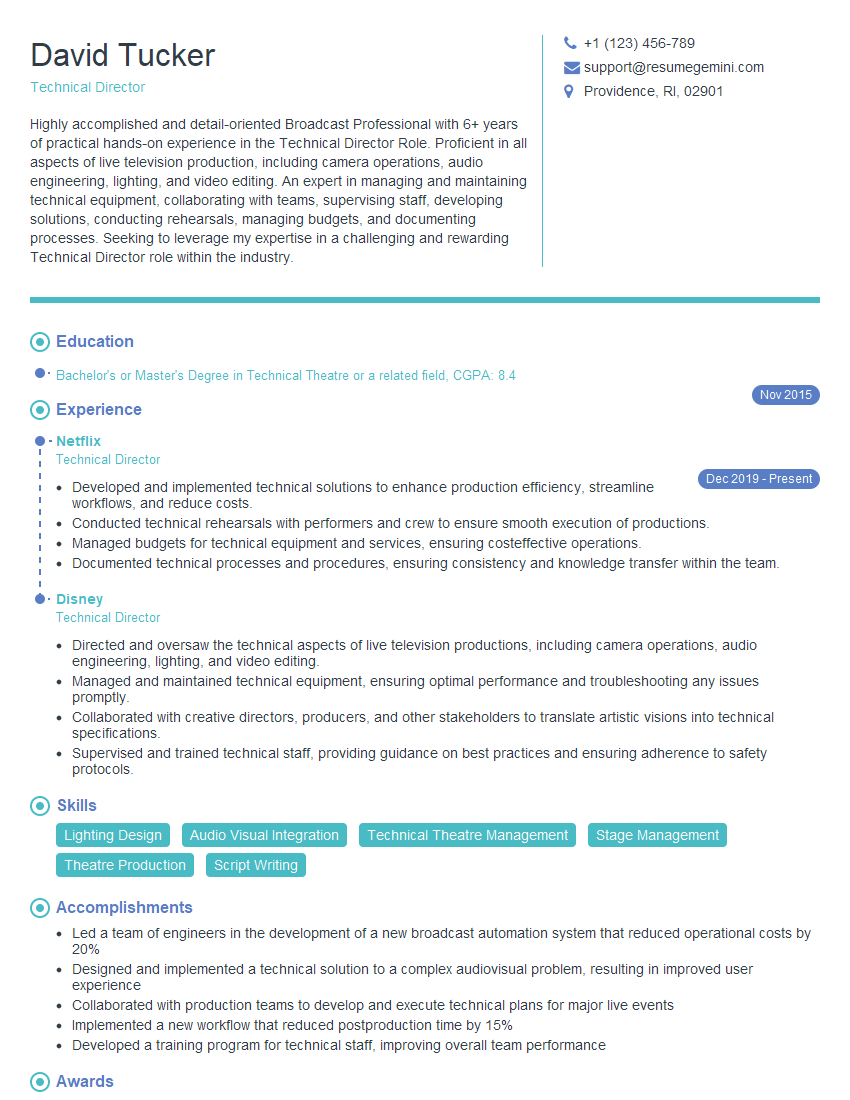
Technical Director Resume Sample
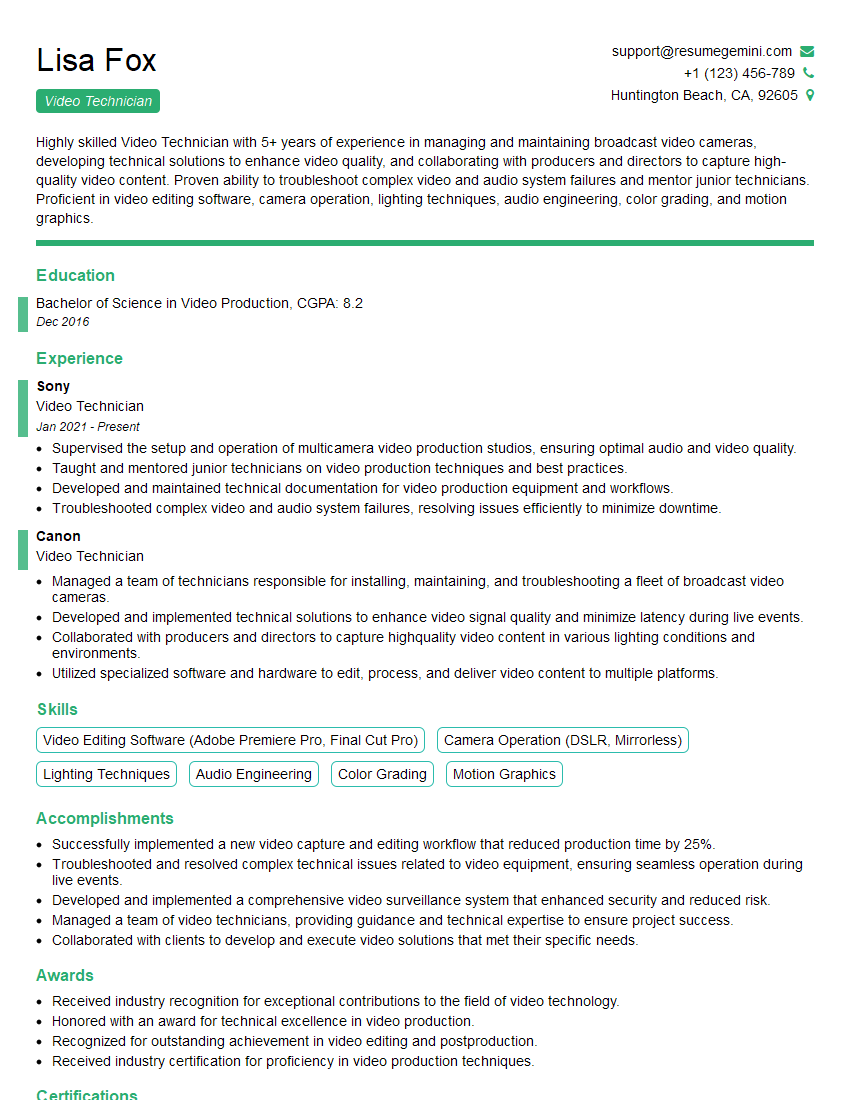
Video Technician Resume Sample
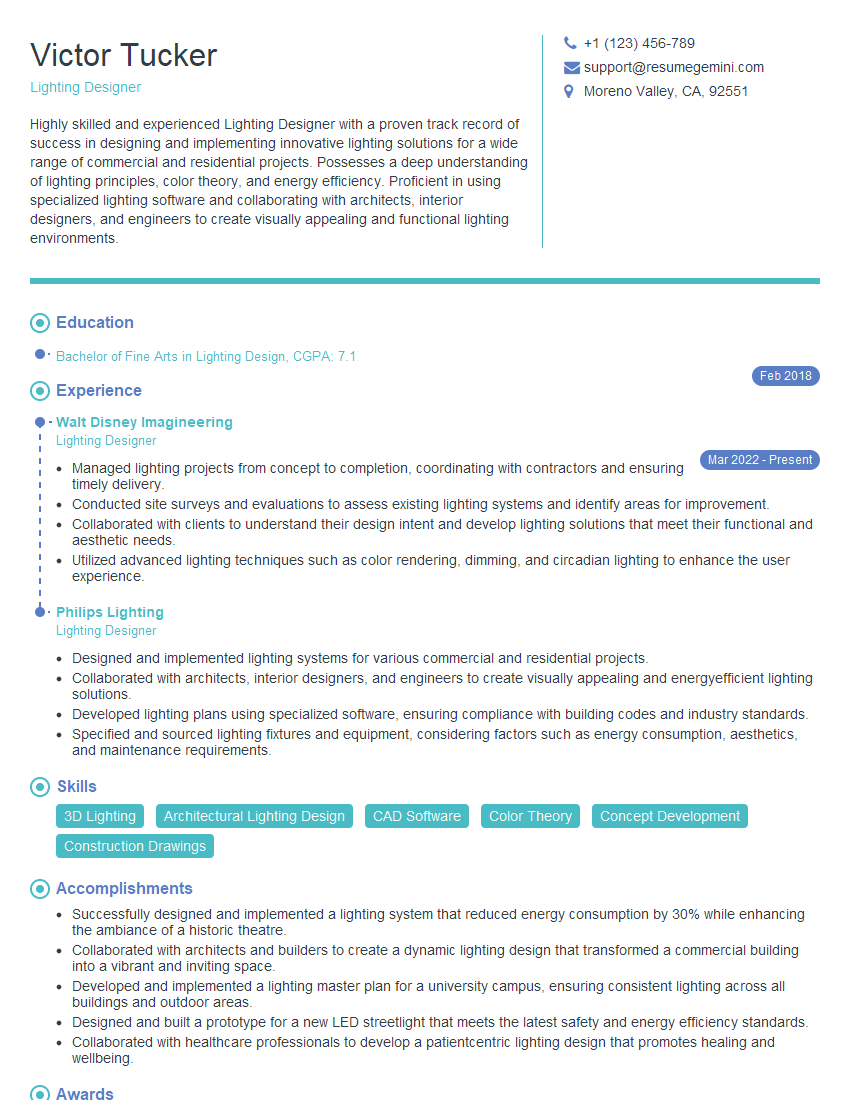
Lighting Designer Resume Sample
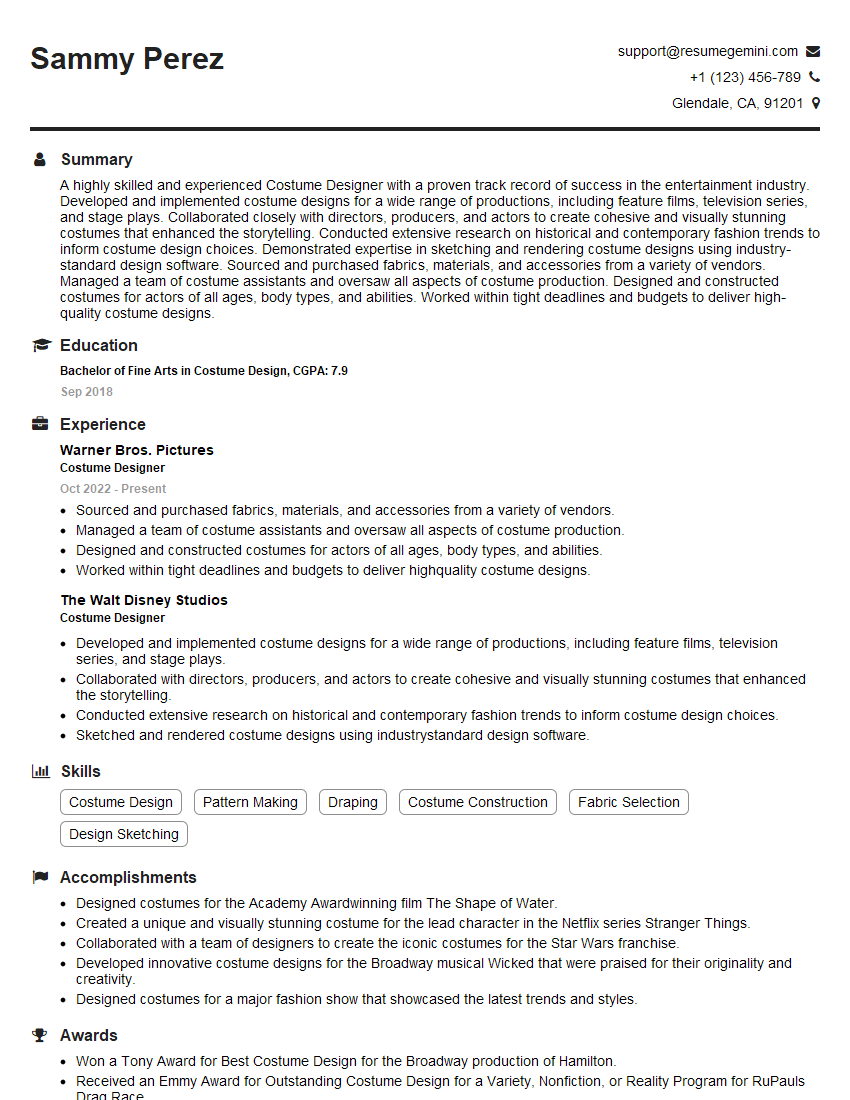
Costume Designer Resume Sample
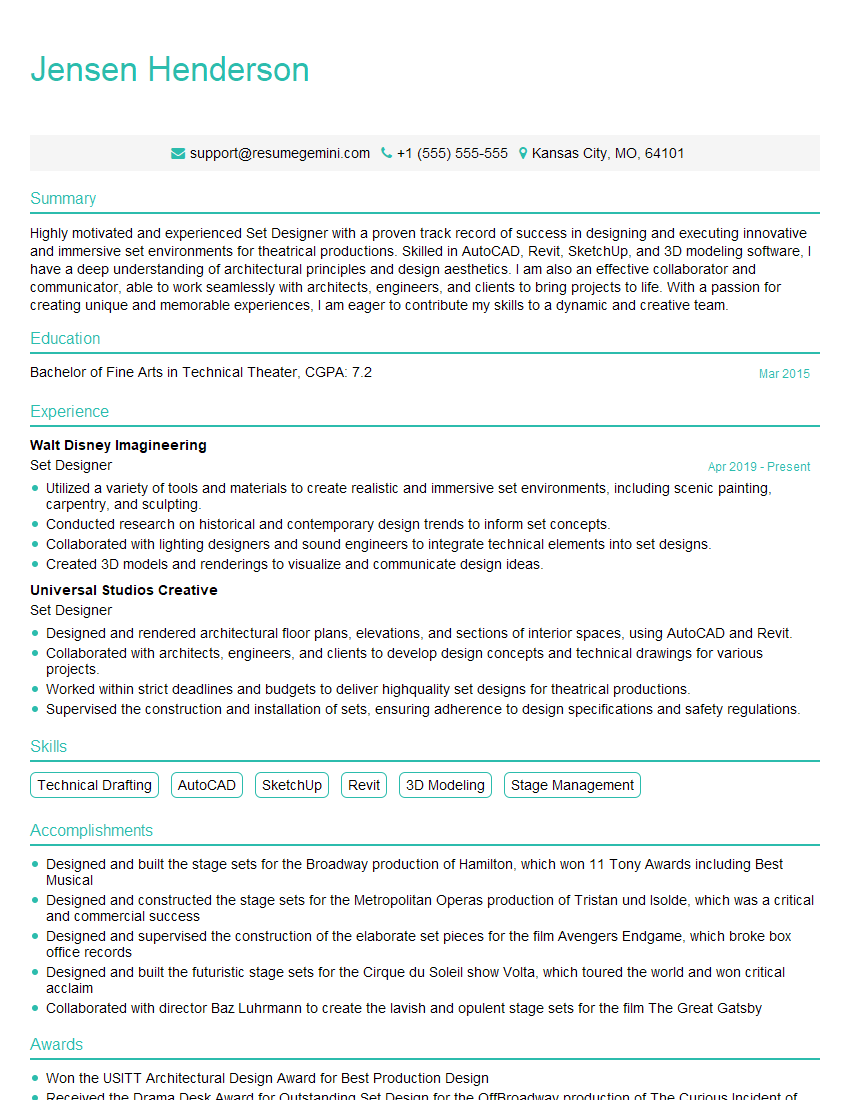
Set Designer Resume Sample
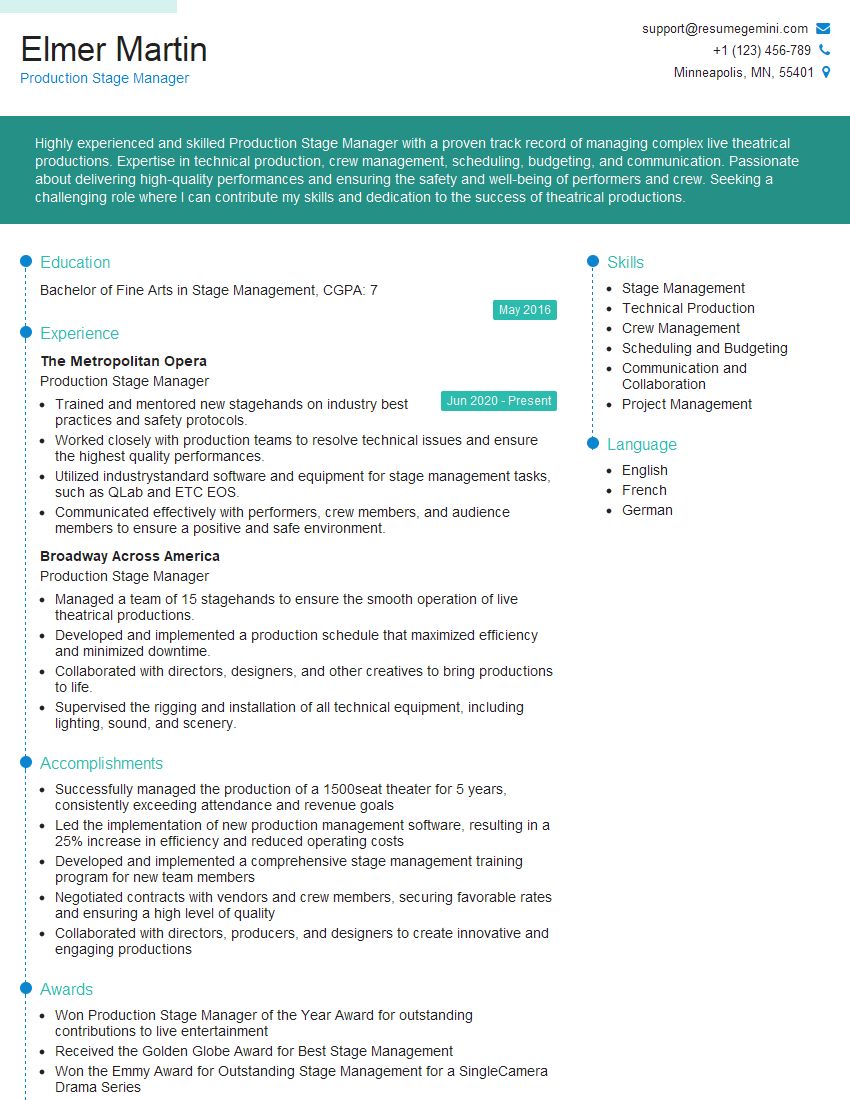
Production Stage Manager Resume Sample
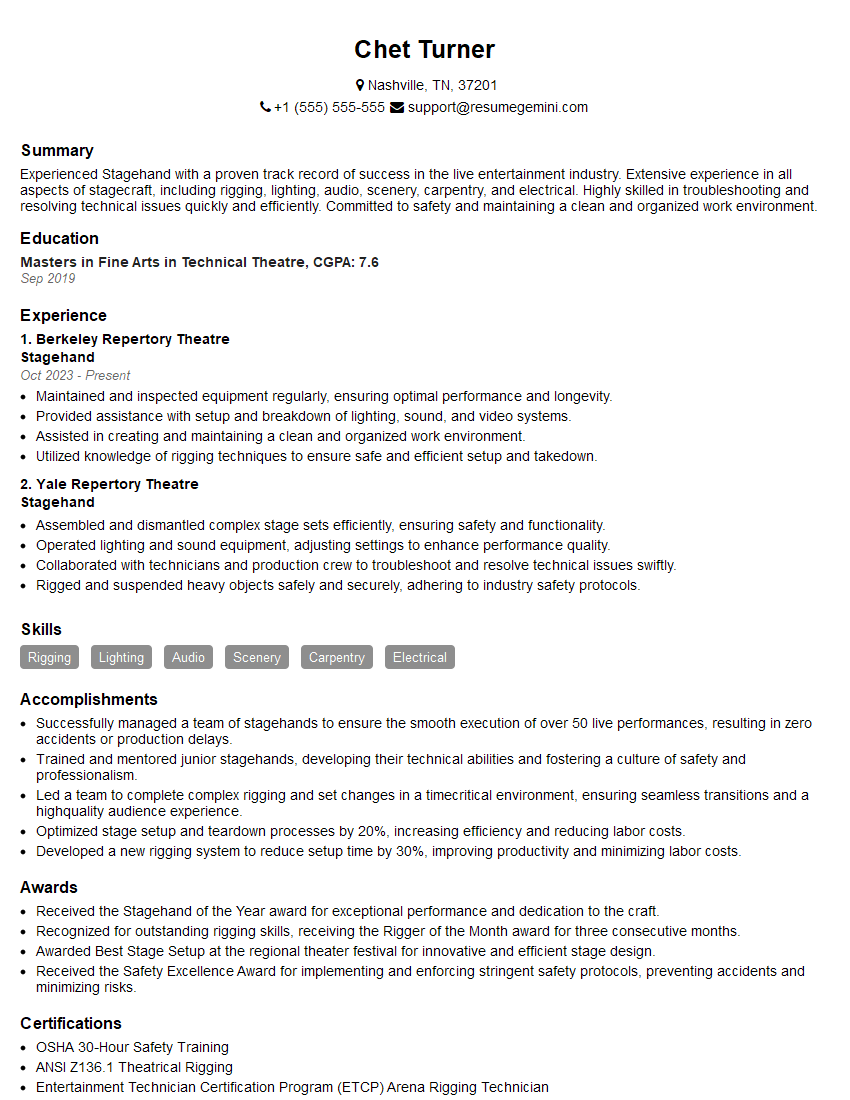
Stagehand Resume Sample
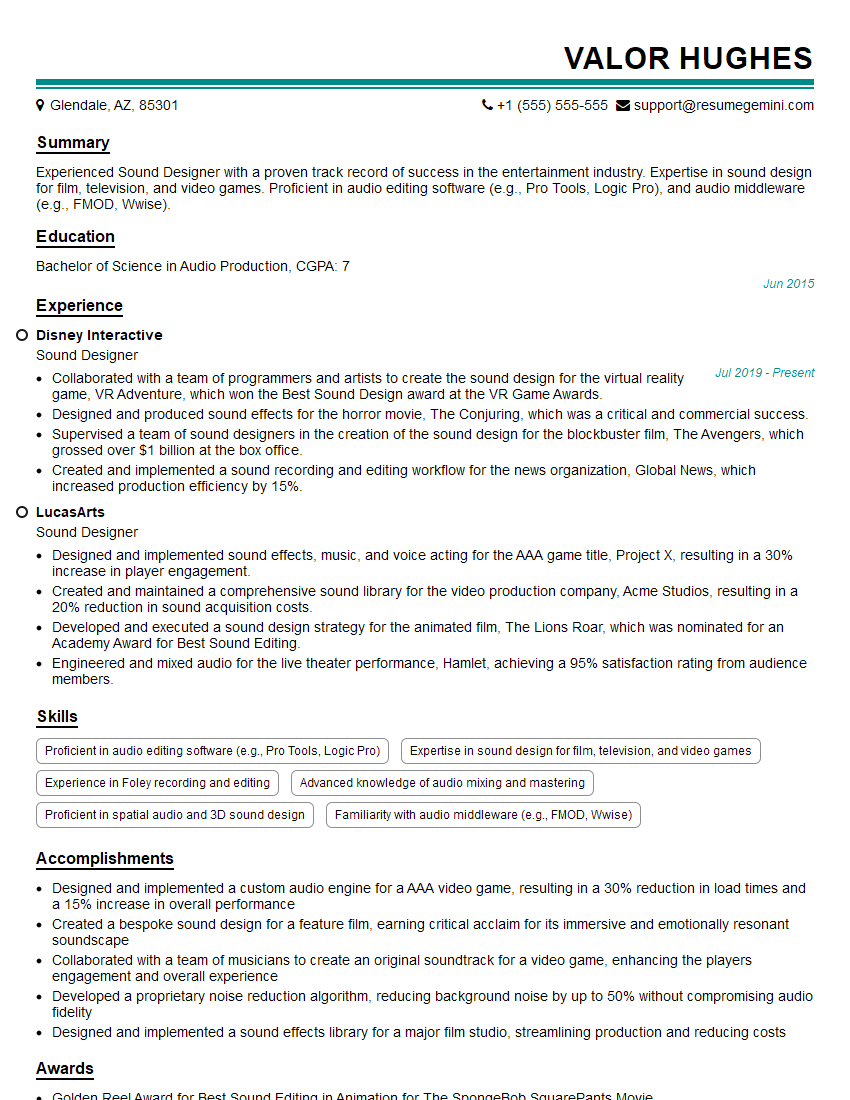
Sound Designer Resume Sample
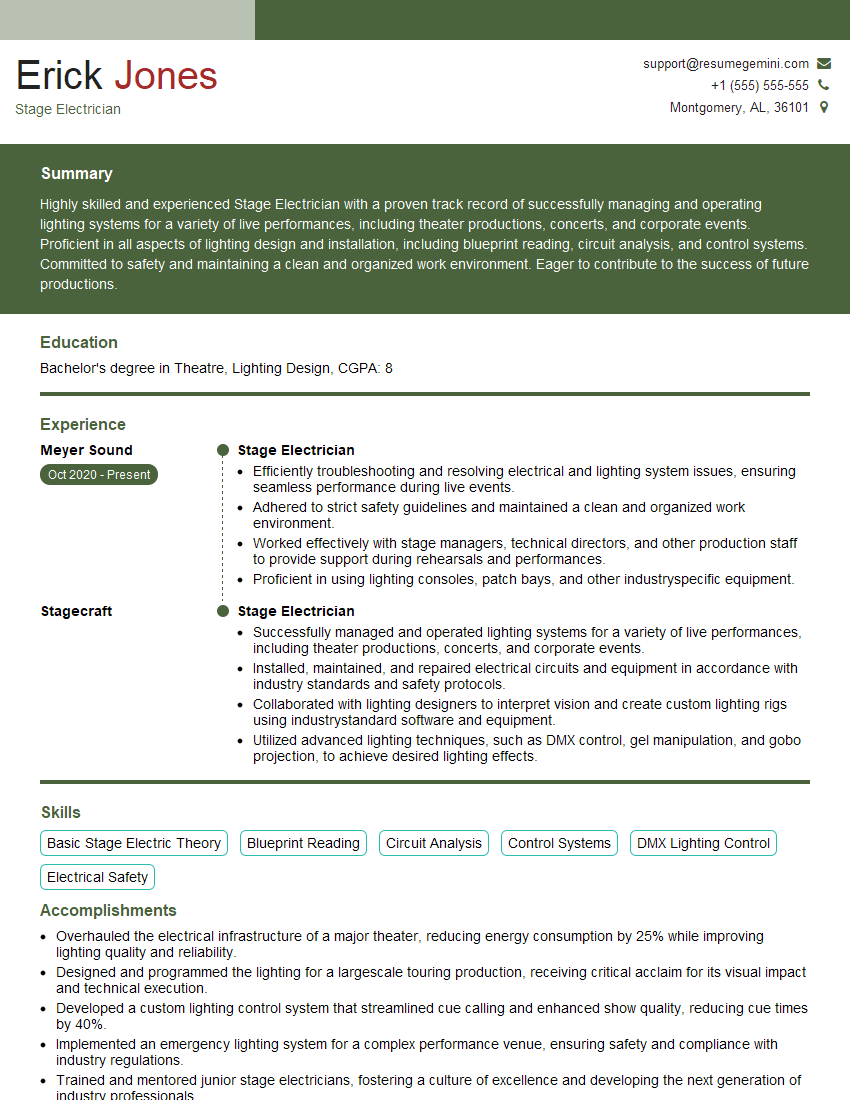
Stage Electrician Resume Sample
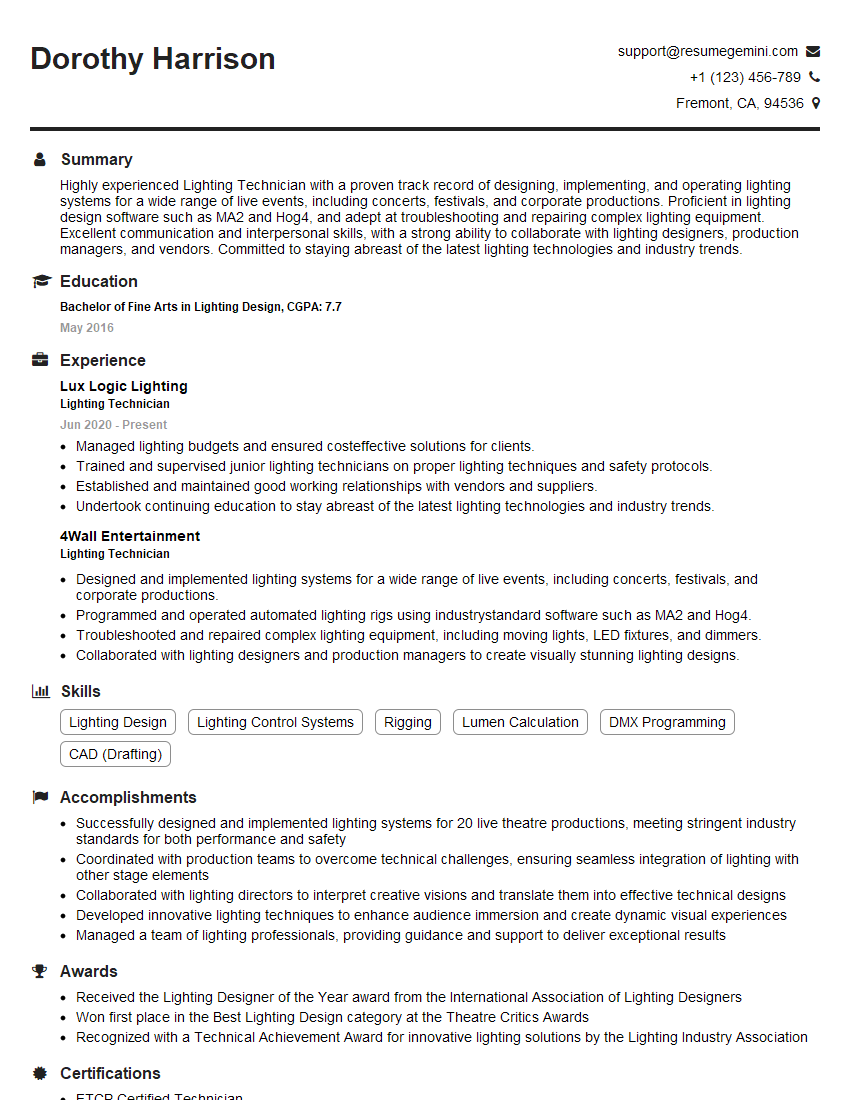
Lighting Technician Resume Sample
Explore more articles
Users Rating of Our Blogs
Share Your Experience
We value your feedback! Please rate our content and share your thoughts (optional).
What Readers Say About Our Blog
Very informative content, great job.
good