Are you ready to stand out in your next interview? Understanding and preparing for Steel Inspection and Evaluation interview questions is a game-changer. In this blog, we’ve compiled key questions and expert advice to help you showcase your skills with confidence and precision. Let’s get started on your journey to acing the interview.
Questions Asked in Steel Inspection and Evaluation Interview
Q 1. Explain the different types of steel and their applications.
Steel is categorized based on its chemical composition, manufacturing process, and properties. Understanding these categories is crucial for selecting the right steel for a specific application. Let’s explore some common types:
- Carbon Steel: This is the most basic type, primarily composed of iron and carbon. The carbon content determines its strength and hardness. Low-carbon steel (mild steel) is ductile and easily weldable, used in construction and automotive parts. High-carbon steel is stronger and harder but less ductile, suitable for tools and springs.
- Alloy Steel: These steels contain alloying elements like chromium, nickel, molybdenum, and manganese, enhancing specific properties like strength, corrosion resistance, or hardenability. Examples include stainless steel (high chromium content for corrosion resistance, used in kitchenware and medical instruments), high-strength low-alloy (HSLA) steel (improved strength and weldability, used in bridges and pipelines), and tool steels (high hardness and wear resistance, used in cutting tools).
- Stainless Steel: A subset of alloy steel, renowned for its corrosion resistance. Different grades exist, like austenitic (non-magnetic, excellent corrosion resistance), ferritic (magnetic, good corrosion resistance), and martensitic (magnetic, hardenable). Their applications range from cutlery to chemical processing equipment.
- Cast Steel: Produced by pouring molten steel into molds, resulting in complex shapes. It’s commonly used in heavy-duty applications like machine parts and large castings.
The choice of steel depends heavily on the application’s demands. For example, a bridge requires high-strength steel with good weldability, while a surgical instrument necessitates corrosion-resistant stainless steel.
Q 2. Describe the various NDT methods used in steel inspection.
Non-destructive testing (NDT) is crucial for evaluating steel components without causing damage. Several methods are employed:
- Visual Inspection (VT): The simplest method, involving visual examination for surface flaws like cracks, corrosion, or deformation. It’s often the first step in any inspection.
- Magnetic Particle Inspection (MPI): Used to detect surface and near-surface discontinuities in ferromagnetic materials. A magnetic field is induced, and magnetic particles are applied to reveal flaws by disrupting the magnetic flux lines.
- Liquid Penetrant Inspection (LPI): This method detects surface-breaking flaws by applying a penetrant, a developer, and then inspecting for indications where the penetrant has seeped into the cracks.
- Ultrasonic Testing (UT): Uses high-frequency sound waves to detect internal flaws. The sound waves reflect off discontinuities, providing information about their size, location, and orientation.
- Radiographic Testing (RT): Employs X-rays or gamma rays to penetrate the material and create an image on a film or digital detector. This method is effective for detecting internal flaws like porosity, inclusions, and cracks.
- Eddy Current Testing (ECT): Uses electromagnetic induction to detect surface and near-surface flaws in conductive materials. It’s particularly useful for detecting cracks and corrosion in tubing and wires.
The choice of NDT method depends on the type of steel, the expected flaw type, and the accessibility of the component.
Q 3. What are the limitations of each NDT method?
Each NDT method has limitations:
- VT: Limited to surface flaws, requires good access, and subjective interpretation.
- MPI: Only works on ferromagnetic materials, surface preparation is crucial, and may not detect deep flaws.
- LPI: Only detects surface-breaking flaws, surface cleanliness is essential, and may not be suitable for porous materials.
- UT: Requires skilled operators, access to the test surface is needed, and the interpretation can be complex, particularly in complex geometries.
- RT: Radiation safety precautions are necessary, dense materials can obscure flaws, and it can be time-consuming and expensive.
- ECT: Limited to conductive materials, surface conditions can affect the results, and depth penetration is limited.
Understanding these limitations is vital for selecting the appropriate NDT methods and interpreting the results accurately.
Q 4. How do you interpret radiographic images?
Interpreting radiographic images requires experience and training. Radiographers look for variations in density that indicate flaws. Darker areas on the film (or brighter areas on a digital image) represent less dense areas, which might be voids or cracks. Lighter areas indicate denser regions, potentially indicating areas of increased material thickness or inclusions.
The interpretation involves comparing the image to radiographic standards and considering the material’s thickness and composition. Factors like flaw size, shape, location, and orientation are all taken into account. It’s essential to identify the type of defect present (e.g., porosity, slag inclusion, crack) and its severity to assess its impact on structural integrity.
A crucial aspect is understanding the geometry of the weld and the potential for geometric unsharpness, which can mask defects.
Q 5. Explain the process of ultrasonic testing.
Ultrasonic testing (UT) utilizes high-frequency sound waves (typically above 20 kHz) to detect internal flaws in materials. A transducer transmits ultrasonic waves into the material. These waves propagate through the material and reflect (echo) back when they encounter an interface, such as a flaw. The reflected waves are received by the same or a separate transducer and processed to display a waveform on an oscilloscope screen or a digital display.
The process typically involves:
- Couplant Application: A couplant (e.g., water, gel) is applied to the test surface to facilitate the transmission of ultrasonic waves between the transducer and the material.
- Transducer Selection: The appropriate transducer frequency and type (contact, immersion, etc.) are selected based on the material thickness and the type of flaw being sought.
- Wave Propagation: Ultrasonic waves are transmitted into the material and propagate through it.
- Signal Reception: Reflected waves from discontinuities or the backwall of the material are received by the transducer.
- Data Analysis: The received signals are displayed on an oscilloscope or a digital display, and the operator analyzes them to identify and characterize flaws.
UT offers several advantages, including high sensitivity, the ability to detect deep flaws, and the potential for quantitative flaw sizing. However, it requires skilled operators and careful calibration to achieve reliable results.
Q 6. How do you identify and classify different types of welding defects?
Welding defects are categorized based on their origin, shape, and location. Some common welding defects include:
- Porosity: Small, gas-filled holes within the weld metal. They can reduce strength and fatigue resistance.
- Inclusions: Non-metallic materials like slag or oxides trapped within the weld. They can act as stress concentrators and weaken the weld.
- Cracks: Breaks in the weld metal, which are very serious defects and can lead to catastrophic failure. They can be caused by stresses during welding or cooling.
- Undercuts: Grooves melted into the base metal adjacent to the weld. They reduce the effective weld area and can cause stress concentrations.
- Lack of Fusion: A failure of the weld metal to properly fuse with the base metal. This can create a weak point in the weld.
- Lack of Penetration: The weld metal does not penetrate completely to the root of the joint. This reduces the weld’s strength and leaves a weak section.
- Overlap: Excess weld metal that extends beyond the edges of the joint. It can cause stress concentrations.
Classification of these defects typically uses visual assessment based on their appearance in radiographs, or ultrasonic scans, or other NDT methods. The size, shape, and location of the defect determine its severity.
Q 7. What are the acceptance criteria for welding defects according to relevant codes (e.g., AWS D1.1)?
Acceptance criteria for welding defects are defined in various welding codes, such as AWS D1.1 (Structural Welding Code – Steel). These codes specify allowable defect sizes and types based on the weld’s location, importance, and the intended service conditions.
The criteria are often expressed in terms of maximum allowable defect size (length, depth, and height), or the number and distribution of defects in a given weld length. The severity of a defect is determined by a combination of factors, including its size, shape, location, and type. For instance, a small crack in a critical region might be considered unacceptable, whereas multiple small pores in a less critical area might be acceptable.
AWS D1.1, and similar codes, present tables and figures that provide detailed acceptance criteria. These criteria are not universally applicable and should always be carefully reviewed in conjunction with the specific project requirements and engineering judgment. The application of the code often requires expert interpretation and often involves considerations for the intended service life of the weldment.
It’s crucial to consult the relevant welding code and standards for the specific project to determine the appropriate acceptance criteria. Failure to adhere to these criteria can have significant safety and economic consequences.
Q 8. Describe the process of visual inspection of steel structures.
Visual inspection is the cornerstone of steel structure evaluation. It’s a systematic, non-destructive examination using the naked eye, sometimes aided by magnification tools like magnifying glasses or boroscopes, to detect surface defects and anomalies. Think of it like a thorough visual examination of a patient by a doctor—close observation is key.
The process involves carefully examining all accessible surfaces of the steel structure for signs of damage. This includes looking for:
- Corrosion: Rust, pitting, scaling, or discoloration.
- Cracking: Fatigue cracks, weld cracks, or other fractures.
- Deformation: Bending, buckling, or other changes in shape.
- Damage from impacts: Dents, gouges, or other signs of physical damage.
- Weld defects: Poor welds, lack of fusion, or undercutting.
- Signs of deterioration in coatings and protective layers: Blistering, peeling, or cracking of paint or other protective coatings.
The inspector documents their observations, noting the location, size, and type of any defects. For example, I once discovered a network of fatigue cracks in a bridge support during a visual inspection, leading to immediate repairs and preventing a potential catastrophic failure.
Q 9. How do you assess corrosion damage in steel structures?
Assessing corrosion damage involves more than just spotting rust. It requires determining the extent and severity of the damage. We utilize several methods:
- Visual Assessment: Determining the type, extent, and severity of corrosion (e.g., uniform corrosion, pitting, crevice corrosion). A simple visual assessment might reveal surface rust, but further investigation might be necessary to determine depth.
- Measurement of Corrosion Depth: Using tools like a calibrated depth gauge or ultrasonic testing (UT) to measure the depth of pitting or corrosion. This helps establish the remaining structural capacity.
- Photography and Documentation: Detailed photographic documentation is crucial to record the findings for future reference and analysis.
- Material Testing (if necessary): Sometimes, samples need to be taken for laboratory analysis (e.g., chemical composition, mechanical properties). This provides a quantitative assessment to supplement the visual inspection.
For example, during an inspection of an offshore platform, we found significant pitting corrosion in a critical support member. Using ultrasonic testing, we determined the depth of the pitting and assessed the remaining wall thickness to judge if it could still bear the required load. This helped us recommend whether repairs or replacement were necessary.
Q 10. What are the common causes of corrosion in steel?
Corrosion in steel is a complex process, but it fundamentally boils down to electrochemical reactions. The common causes can be broadly categorized as:
- Environmental Factors: Exposure to moisture (rain, humidity), oxygen, and various chemicals (e.g., salts, acids) is a major driver of corrosion. Think of the rust you see on a car left in the rain—that’s atmospheric corrosion in action.
- Electrochemical Reactions: Dissimilar metals in contact (galvanic corrosion) can accelerate the corrosion process. For example, if you have steel connected to copper in a moist environment, the steel will corrode more rapidly.
- Stress: Stress corrosion cracking can occur when steel is under stress and exposed to a corrosive environment. This is a serious concern and often requires advanced non-destructive testing (NDT) methods to detect.
- Stray Currents: Electrical currents straying from nearby sources can accelerate corrosion. This is common near electrified railways.
- Microbiological Factors: Certain microorganisms can contribute to corrosion processes, particularly in environments with stagnant water.
Understanding these causes is vital for implementing effective corrosion protection strategies. It’s like understanding the sources of a disease to cure it properly.
Q 11. Explain different methods of corrosion protection.
Corrosion protection is crucial for extending the lifespan of steel structures. Many effective methods exist:
- Protective Coatings: Paints, galvanizing (hot-dip or electro-galvanizing), zinc-rich primers, and other coatings act as a barrier between the steel and the environment.
- Corrosion Inhibitors: These chemicals are added to the environment to slow down the corrosion process. They’re often used in closed systems like pipelines.
- Cathodic Protection: This is an electrochemical method where a sacrificial anode (e.g., zinc or magnesium) or an impressed current is used to protect the steel structure. It is very common in underwater structures.
- Design Considerations: Proper design, including avoiding stagnant water areas, ensuring good drainage, and using appropriate materials, can minimize corrosion risks.
- Regular Inspection and Maintenance: Regular inspections help detect corrosion early, allowing for timely intervention and repairs.
The choice of corrosion protection method depends on factors like the environment, the type of steel, and the cost considerations. For example, a bridge might use a combination of protective coatings and cathodic protection, while buried pipelines often rely primarily on cathodic protection.
Q 12. What are the safety precautions you take during steel inspection?
Safety is paramount during steel inspection. We strictly adhere to safety protocols including:
- Fall Protection: Working at heights requires harnesses, lifelines, and other fall protection equipment. A fall from a height can be fatal, so this is non-negotiable.
- Personal Protective Equipment (PPE): Hard hats, safety glasses, gloves, and high-visibility clothing are always worn. This protects against impacts, chemicals, and falls of debris.
- Confined Space Entry Procedures: If inspecting confined spaces (e.g., tanks, vessels), we follow strict procedures to ensure adequate ventilation, and the presence of an attendant.
- Traffic Control: When inspecting structures near roadways or railways, traffic control measures are implemented to protect both the inspectors and the public.
- Hazard Awareness: Before beginning any inspection, the inspector performs a thorough site survey to identify potential hazards like energized equipment, hazardous materials, and unstable structures.
I’ve seen firsthand the importance of safety protocols—once a colleague slipped while inspecting a high-rise building. His harness saved his life. Safety is never a compromise.
Q 13. How do you document your inspection findings?
Thorough documentation is crucial for effective steel inspection. We typically use a combination of methods:
- Inspection Report: A formal report detailing the inspection date, location, scope, methodology, findings, and recommendations. This report is often tailored to specific clients or projects.
- Photographs and Videos: Detailed visual documentation of defects, their locations, and their sizes are essential for clarity and future reference.
- Sketches and Drawings: Hand-drawn sketches or annotated drawings can be helpful to illustrate the location and extent of damage, especially when describing complex defects.
- Digital Data: Data from NDT techniques like ultrasonic testing or magnetic particle inspection are stored digitally, often linked to the location on the structure via GPS coordinates.
- Database Management: Sometimes we utilize dedicated software or databases to store and manage all inspection data, enabling efficient retrieval and analysis.
Imagine trying to recall a complex defect without pictures or accurate notes. Clear documentation ensures that the findings are unambiguous and can be used for planning maintenance or repairs.
Q 14. What are your experiences with different steel inspection codes and standards (e.g., ASME, ASTM)?
My experience encompasses a broad range of steel inspection codes and standards, including ASME (American Society of Mechanical Engineers) and ASTM (American Society for Testing and Materials) standards. I am familiar with several key standards, such as:
- ASME Section VIII, Division 1: Rules for the construction of pressure vessels. I frequently use this for the inspection of pressure vessels, tanks, and similar equipment.
- ASME B31.1: Power Piping. This is critical for inspecting piping systems in power generation facilities.
- ASTM A123: Standard Practice for Testing for the Notch Toughness of Steel.
- ASTM A370: Standard Test Methods and Definitions for Mechanical Testing of Steel Products.
- Various AWS (American Welding Society) codes: For evaluating welds and welding procedures.
These standards guide the inspection process, defining acceptable limits for defects, testing procedures, and reporting requirements. The selection of the applicable standard depends on the type of structure, its intended use, and relevant regulations. A deep understanding of these standards is essential for providing accurate and reliable inspection reports and ensuring safety and compliance.
Q 15. Explain your understanding of material specifications (e.g., A36, A572)?
Material specifications, like A36 and A572, are essentially recipes for steel. They define the chemical composition, mechanical properties (tensile strength, yield strength, ductility), and sometimes even the manufacturing process. Think of them as standardized blueprints ensuring consistent quality and performance. A36 is a common, general-purpose structural steel, known for its weldability and affordability. A572, on the other hand, represents a higher-strength, low-alloy steel often used in structures demanding greater load-bearing capacity. These specifications are crucial for engineers and inspectors because they dictate acceptable ranges for various properties. For example, an A36 steel sample must fall within a specified yield strength range; otherwise, it wouldn’t meet the specification and could compromise structural integrity. During an inspection, verifying that the steel meets its specified grade is paramount.
In practice, material certifications (mill certificates) accompany steel deliveries, confirming that the material meets the specified grade. I would meticulously check these certifications to verify compliance. If the material doesn’t have proper certification or if the certifications indicate that the steel doesn’t meet the specified properties, that would be cause for a major discrepancy to be handled immediately.
Career Expert Tips:
- Ace those interviews! Prepare effectively by reviewing the Top 50 Most Common Interview Questions on ResumeGemini.
- Navigate your job search with confidence! Explore a wide range of Career Tips on ResumeGemini. Learn about common challenges and recommendations to overcome them.
- Craft the perfect resume! Master the Art of Resume Writing with ResumeGemini’s guide. Showcase your unique qualifications and achievements effectively.
- Don’t miss out on holiday savings! Build your dream resume with ResumeGemini’s ATS optimized templates.
Q 16. How do you handle discrepancies found during the inspection process?
Handling discrepancies during inspection is a systematic process requiring careful documentation and communication. My approach involves the following steps:
- Immediate Documentation: I thoroughly document the discrepancy, including location, type, extent, and photographic evidence. Accurate record-keeping is essential for traceability and future analysis.
- Notification: I immediately inform the relevant project stakeholders, including the fabrication shop foreman, project engineer, and quality control manager. Open and clear communication is key to resolving issues efficiently.
- Severity Assessment: I assess the severity of the discrepancy, considering its potential impact on the overall structural integrity and safety. Minor discrepancies might be addressed through corrective actions on-site, while major ones might require more extensive investigation and potentially rework or material replacement.
- Root Cause Analysis: I work collaboratively to determine the root cause of the discrepancy. This may involve reviewing fabrication procedures, material test reports, or even consulting with metallurgical experts.
- Corrective and Preventative Actions: Based on the root cause analysis, we define corrective actions to address the immediate problem and preventative actions to avoid similar issues in the future. This may involve adjusting fabrication procedures, implementing better quality control measures, or refining material sourcing practices.
- Formal Report: Finally, I prepare a detailed report summarizing the discrepancy, the investigation, corrective actions taken, and preventative measures implemented. This report becomes part of the project’s overall quality control documentation.
For example, if I find significant weld defects during inspection, I would immediately document them, notify the welding supervisor, and recommend a course of action, such as re-welding or repair. The severity of the defect would influence the chosen action—a small porosity might be acceptable after evaluation, whereas a large crack would necessitate immediate attention.
Q 17. How familiar are you with using inspection reports and software?
I’m proficient in using various inspection reports and software. My experience includes using software for creating detailed inspection reports, including data entry, generating visual representations of defects, and compiling comprehensive documentation. I’m comfortable using various platforms for managing data efficiently and presenting it in user-friendly formats. This includes familiarization with industry-standard software for generating reports and managing data related to inspections.
Examples of software I have experience with include [List Specific Software/Platforms if you have any, e.g., specific inspection management systems or CAD software for reviewing drawings]. Beyond software, I’m highly experienced with creating and interpreting various types of inspection reports, including those based on check lists, detailed reports documenting any deficiencies and their resolution, and reports required for regulatory compliance.
Q 18. Describe your experience with different types of steel fabrication processes.
My experience encompasses a wide range of steel fabrication processes. This includes:
- Welding: I’m familiar with various welding processes, including shielded metal arc welding (SMAW), gas metal arc welding (GMAW), gas tungsten arc welding (GTAW), and others, and can identify common welding defects such as porosity, cracks, and incomplete fusion. I am adept at understanding and identifying the root cause of welding defects. For example, I can assess whether a weld defect is due to incorrect welding parameters, improper joint preparation, or sub-standard base material.
- Cutting and Shaping: I understand the principles and potential defects associated with processes like flame cutting, plasma cutting, and laser cutting. I can assess the quality of cuts and identify issues such as excessive bevel, edge burn, and warping.
- Rolling and Forming: I have a strong understanding of how rolling and forming processes can affect the steel’s properties and can identify potential defects like surface imperfections and dimensional inaccuracies.
- Heat Treatment: I understand the importance of heat treatment in achieving the desired mechanical properties and can assess the quality of heat-treated components. I am aware that improper heat treatment can lead to reduced strength, brittleness, or other issues.
This experience allows me to effectively assess the quality of fabricated steel components and identify potential issues stemming from the fabrication process itself.
Q 19. How do you manage your time effectively during inspections of large projects?
Managing time effectively during large project inspections is crucial. My strategy involves:
- Detailed Planning: Before commencing the inspection, I meticulously review the project plans, drawings, and specifications. This allows me to create a well-structured inspection plan that outlines tasks, timelines, and resource allocation.
- Prioritization: I prioritize inspection tasks based on their potential impact on safety and structural integrity. Critical areas, such as welds in primary load-bearing members, receive higher priority than less critical aspects. I create a well-defined schedule. If there is a specific area that needs more attention, it is highlighted in the plan.
- Teamwork: For large projects, I often collaborate with a team of inspectors. Assigning tasks based on each inspector’s expertise allows for efficient use of time.
- Regular Communication: Consistent communication with the project team keeps everyone updated on the progress, any identified issues, and potential delays.
- Use of Technology: I leverage technology, such as mobile devices and inspection software, to streamline data collection and reporting. This eliminates the delays associated with manual data entry and improves accuracy.
In practice, I might allocate specific time slots for reviewing welding, another for examining bolt connections, and so on. This systematic approach helps to ensure that the inspection is comprehensive and done in a timely manner.
Q 20. How do you prioritize different inspection tasks?
Prioritizing inspection tasks is a critical skill, particularly in large projects. My approach considers several factors:
- Safety: Tasks related to safety-critical components, such as load-bearing structures or pressure vessels, are always prioritized. These elements have the highest potential risk if compromised.
- Severity of Potential Failure: I assess the potential consequences of failure for each component. A failure in a secondary support system is less critical than one in a primary support.
- Criticality of the Project: Time sensitivity of the project influences task prioritization. Components needed for early project stages will be given more attention.
- Accessibility: Difficult-to-reach areas might require more time and careful planning, hence they need advance planning. I incorporate that in my prioritization.
- Complexity: Highly complex components or processes may require more time and attention than simpler ones. Detailed procedures may be necessary.
For instance, I would prioritize inspecting welds in a main structural beam over the inspection of a handrail because the failure of the beam would have far more severe consequences.
Q 21. Explain your experience with quality control procedures.
My experience with quality control procedures is extensive. I’m familiar with various quality management systems, including ISO 9001. I understand the importance of implementing quality control checks at every stage of a project, from material selection and fabrication to final inspection. This involves:
- Material Verification: Ensuring that all materials used comply with specified requirements by verifying material certifications, performing visual inspections, and potentially conducting on-site tests.
- Process Control: Monitoring fabrication processes such as welding, cutting, and heat treatment to ensure adherence to established procedures. This often involves reviewing welding procedure specifications (WPS), observing welding operations, and performing non-destructive testing (NDT).
- Inspection and Testing: Performing thorough inspections and tests, including visual inspection, NDT methods (such as ultrasonic testing (UT), magnetic particle testing (MT), and radiographic testing (RT)), and dimensional checks. These tests evaluate the material’s structural properties and detect flaws or defects.
- Documentation: Maintaining comprehensive documentation of all inspection and testing activities, including detailed reports, photographs, and test results. A well-documented trail is essential.
- Corrective Actions: Taking appropriate corrective and preventive actions to address any identified non-conformances.
I’ve been involved in projects where meticulous quality control ensured that the final product met the highest standards. For example, on one project, our rigorous inspection process uncovered a minor welding defect early on, preventing a potential catastrophic failure in the final structure.
Q 22. Describe your understanding of risk assessment in steel inspection.
Risk assessment in steel inspection is a systematic process of identifying, analyzing, and evaluating potential hazards associated with steel structures. It’s crucial for ensuring safety and preventing catastrophic failures. We use a combination of methods to assess risk, including visual inspection, non-destructive testing (NDT) techniques, and historical data analysis.
For example, a bridge inspection might involve assessing the risk of corrosion, fatigue cracking, or impact damage. We’d consider factors like the age of the bridge, environmental conditions (e.g., salt spray, temperature fluctuations), traffic load, and past maintenance records. Each identified hazard is then analyzed to determine its likelihood and potential severity, allowing us to prioritize inspection efforts and recommend appropriate mitigation strategies.
This process often involves a scoring system or risk matrix that helps quantify the overall risk level. High-risk areas identified through the assessment require more detailed investigation and potentially immediate remediation.
Q 23. How do you communicate technical information to non-technical audiences?
Communicating technical information to non-technical audiences requires clear, concise language and effective visualization. I avoid jargon and use analogies or real-world examples to illustrate complex concepts. For instance, when explaining corrosion, I might compare it to rust on a car, making the process easily understandable.
I often use visual aids such as diagrams, charts, and photographs to explain findings. A picture of a crack, for example, is much more effective than a lengthy written description. I tailor my communication style to the audience; a presentation to a board of directors will differ greatly from a conversation with a construction worker.
In addition, I emphasize the implications of the findings in terms of safety and cost, focusing on the ‘so what?’ of the technical details to ensure the audience grasps the importance of the information.
Q 24. What are your experiences with using various measuring tools and equipment?
My experience encompasses a wide range of measuring tools and equipment used in steel inspection. This includes:
- Visual Inspection Tools: Magnifying glasses, borescopes, and endoscopes for detailed examination of hard-to-reach areas.
- Non-Destructive Testing (NDT) Equipment: Ultrasonic testing (UT) equipment for detecting internal flaws, magnetic particle testing (MT) for surface and near-surface cracks, liquid penetrant testing (PT) for surface discontinuities, and radiographic testing (RT) for internal flaws.
- Dimensional Measurement Tools: Calipers, micrometers, and laser distance meters for precise measurements of dimensions and deformation.
- Hardness Testing Equipment: Brinell, Rockwell, and Vickers hardness testers to determine the material’s resistance to indentation.
- Data Acquisition Systems: Software and hardware for collecting, organizing, and analyzing data from NDT equipment, improving efficiency and accuracy of inspection results.
I’m proficient in operating and interpreting data from all these tools, ensuring accurate and reliable inspection results.
Q 25. Describe a challenging steel inspection situation you faced and how you resolved it.
During a recent inspection of a large industrial building’s steel frame, we discovered significant corrosion in a critical support column concealed behind cladding. Initial visual inspection had revealed only minor surface rust. The challenge was to determine the extent of the corrosion without damaging the cladding, which would have been costly and disruptive.
We decided to employ phased array ultrasonic testing (PAUT), a sophisticated NDT technique that allows for detailed internal inspection with minimal surface preparation. PAUT provided a comprehensive picture of the corrosion’s depth and extent. This enabled us to accurately assess the structural integrity and recommend a targeted repair strategy, which focused on the affected area, minimizing downtime and repair costs.
The successful resolution demonstrated the importance of employing advanced NDT techniques when faced with complex inspection challenges and the benefits of a methodical and adaptive approach.
Q 26. How do you stay updated on the latest developments in steel inspection techniques?
Staying current in steel inspection requires continuous learning. I actively participate in professional organizations like the American Society for Nondestructive Testing (ASNT) and attend industry conferences and workshops to learn about new techniques and technologies.
I regularly review industry publications, journals, and online resources such as engineering databases and research papers. This allows me to stay informed about advancements in NDT methods, materials science, and structural analysis. I also actively engage in continuing education courses to maintain my certifications and enhance my expertise in specific areas like advanced NDT techniques or corrosion management.
Q 27. What are your salary expectations?
My salary expectations are commensurate with my experience and expertise in the field of steel inspection and evaluation. Considering my qualifications and the market rate for professionals with my skill set, I am targeting a salary range of [Insert Salary Range Here]. I am open to discussing this further based on the specifics of the role and benefits package offered.
Key Topics to Learn for Steel Inspection and Evaluation Interview
- Visual Inspection Techniques: Mastering the art of identifying surface defects like cracks, corrosion, pitting, and deformation. Understanding the limitations and applications of different visual inspection tools.
- Non-Destructive Testing (NDT) Methods: Gaining a comprehensive understanding of techniques like ultrasonic testing (UT), radiographic testing (RT), magnetic particle testing (MT), and liquid penetrant testing (PT). This includes knowing the principles, applications, limitations, and interpretation of results for each method.
- Steel Metallurgy and Properties: Developing a strong understanding of different steel grades, their mechanical properties (yield strength, tensile strength, ductility), and how these properties relate to inspection and evaluation criteria.
- Welding Inspection: Familiarizing yourself with common welding defects, their causes, and their impact on structural integrity. Understanding relevant welding codes and standards.
- Corrosion Mechanisms and Mitigation: Learning about different types of corrosion (e.g., uniform, pitting, crevice), their causes, and effective mitigation strategies. This includes understanding the role of environmental factors.
- Code and Standard Compliance: Familiarizing yourself with relevant codes and standards (e.g., ASME, ASTM, API) used in steel inspection and evaluation. Understanding how these standards guide inspection procedures and acceptance criteria.
- Data Analysis and Reporting: Developing skills in documenting inspection findings, analyzing data, and preparing comprehensive reports that clearly communicate inspection results and recommendations.
- Problem-Solving and Critical Thinking: Practicing your ability to analyze complex situations, identify potential problems, and propose effective solutions. This includes understanding the potential consequences of defects and developing appropriate repair or mitigation strategies.
- Safety Procedures and Regulations: Understanding and adhering to relevant safety regulations and procedures in the workplace. This is crucial for ensuring personal safety and the safety of others.
Next Steps
Mastering Steel Inspection and Evaluation opens doors to exciting career opportunities with significant growth potential within the construction, manufacturing, and energy sectors. To maximize your chances of landing your dream job, creating an ATS-friendly resume is crucial. ResumeGemini is a trusted resource that can help you build a professional and impactful resume that highlights your skills and experience effectively. Examples of resumes tailored to Steel Inspection and Evaluation are available to help guide your resume creation process, ensuring your application stands out from the competition.

Quality Assurance Manager Resume Sample
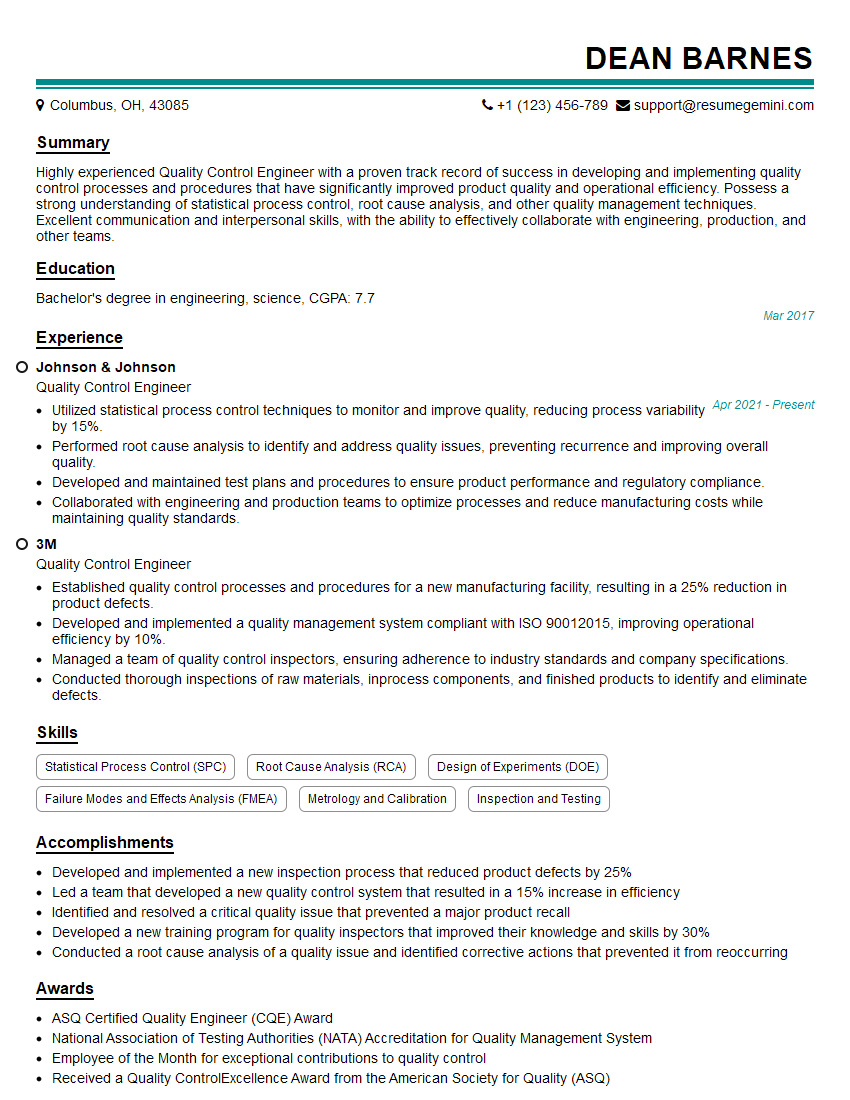
Quality Control Engineer Resume Sample
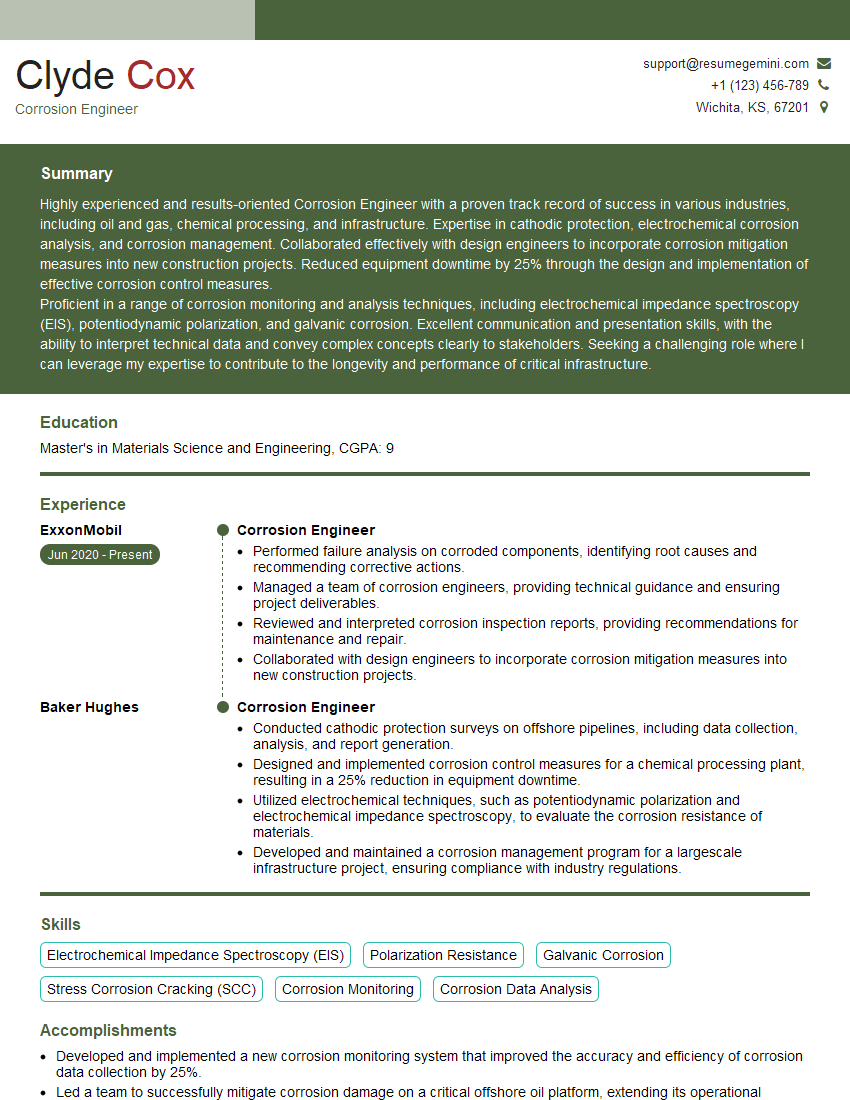
Corrosion Engineer Resume Sample

Materials Engineer Resume Sample
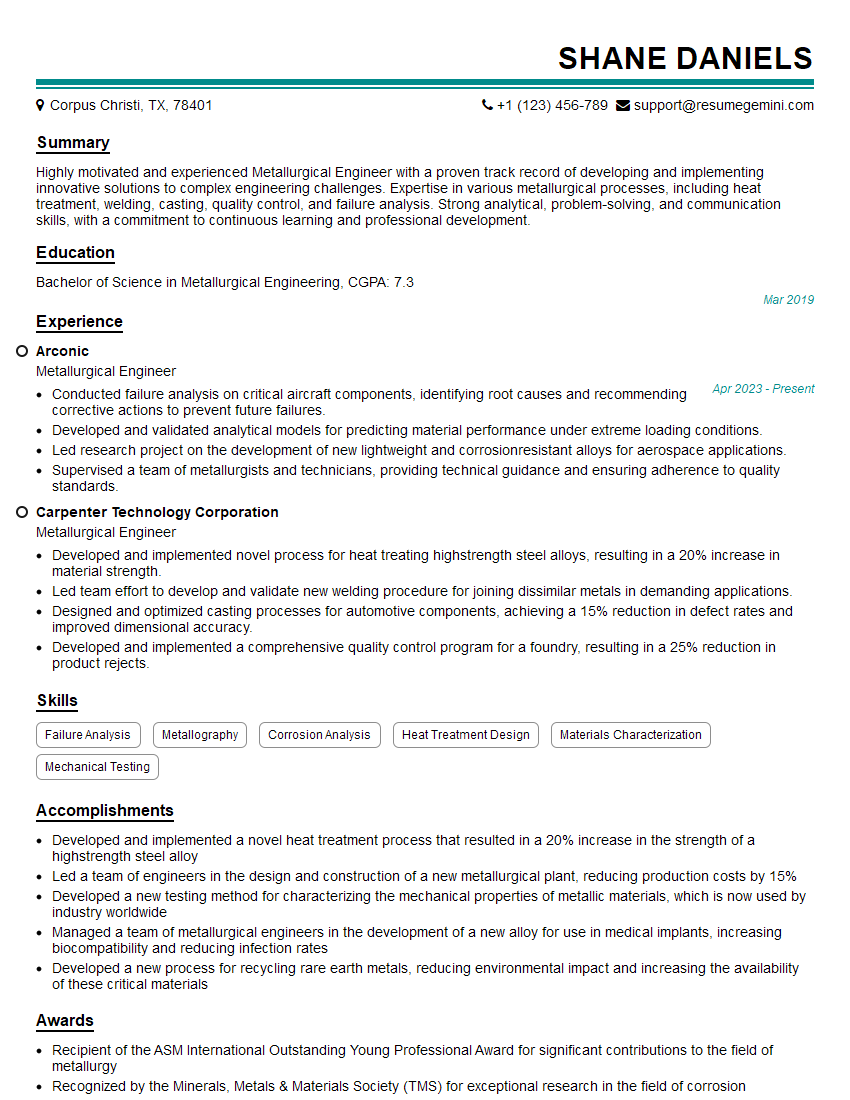
Metallurgical Engineer Resume Sample
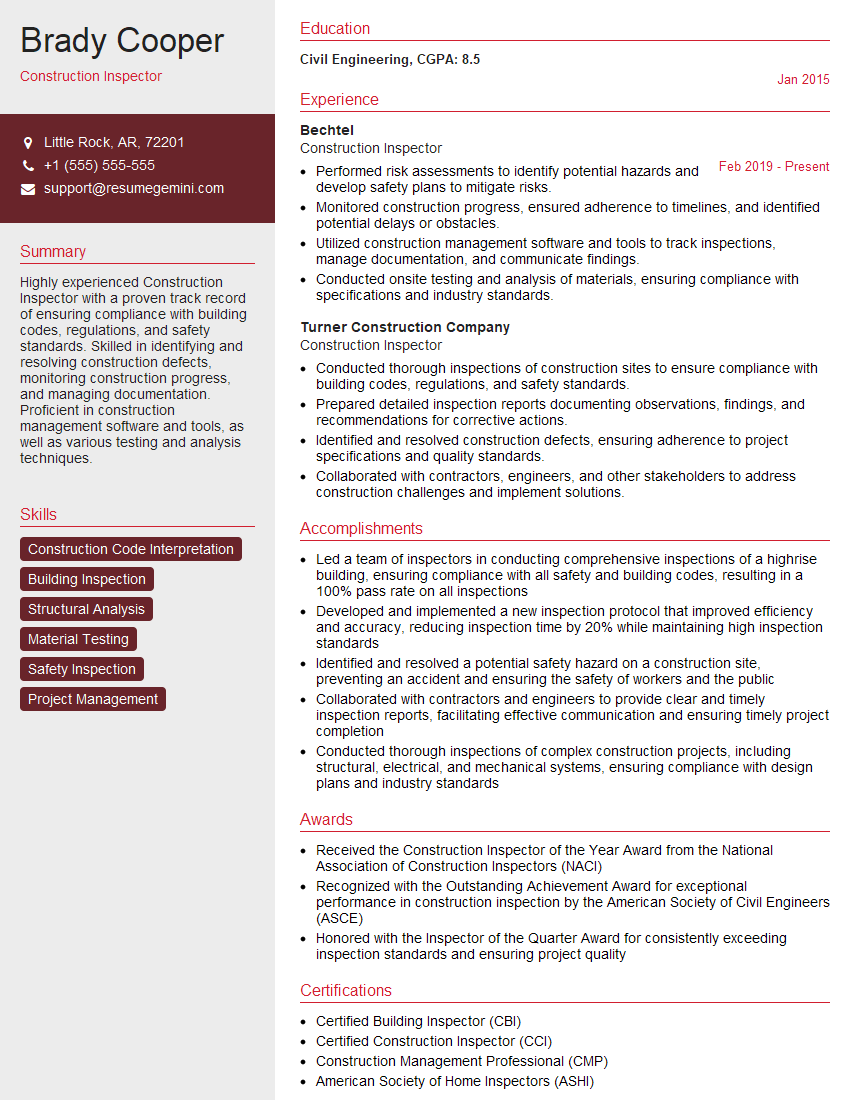
Construction Inspector Resume Sample
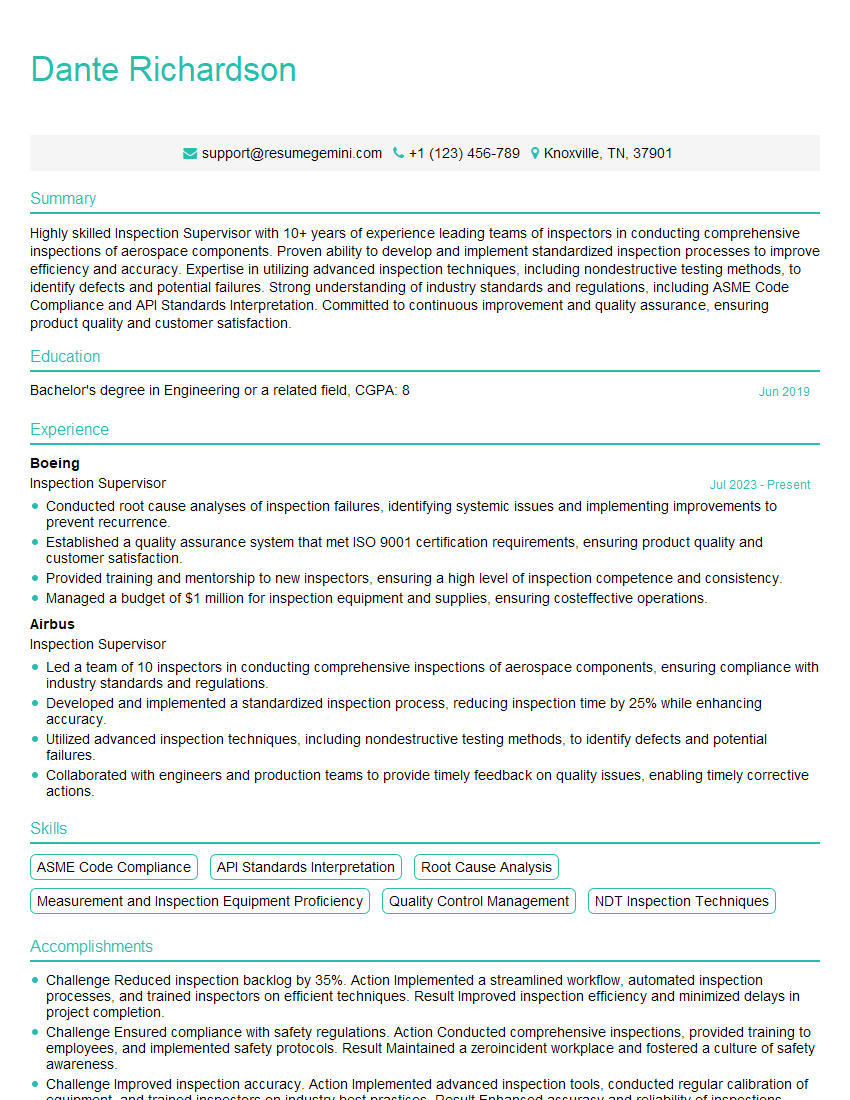
Inspection Supervisor Resume Sample

Quality Control Inspector Resume Sample
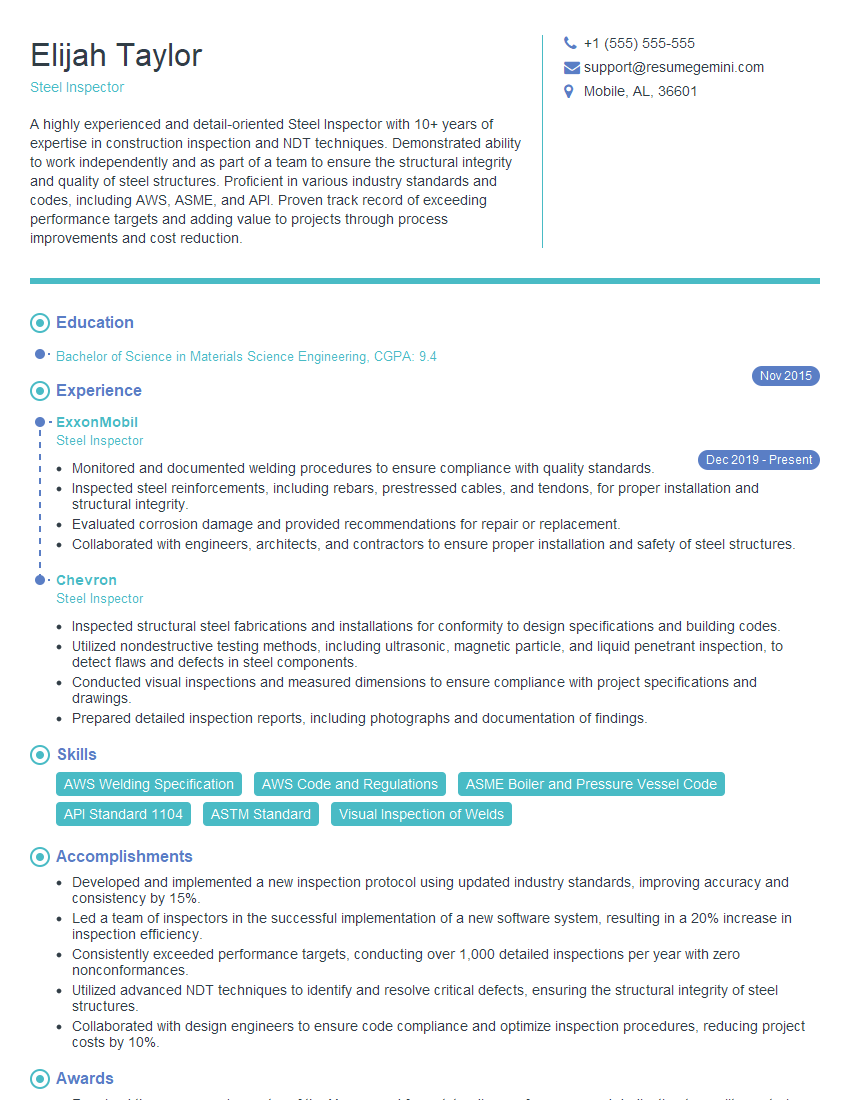
Steel Inspector Resume Sample
Explore more articles
Users Rating of Our Blogs
Share Your Experience
We value your feedback! Please rate our content and share your thoughts (optional).
What Readers Say About Our Blog
Very informative content, great job.
good