Interviews are opportunities to demonstrate your expertise, and this guide is here to help you shine. Explore the essential Stitch Type Selection interview questions that employers frequently ask, paired with strategies for crafting responses that set you apart from the competition.
Questions Asked in Stitch Type Selection Interview
Q 1. What are the five most common stitch types used in garment construction?
Five of the most common stitch types in garment construction are the straight stitch, zigzag stitch, overlock stitch (serger stitch), lockstitch, and blind stitch. Each offers unique properties and is suited for different applications.
- Straight Stitch: The simplest stitch, ideal for seams requiring strength and a clean finish.
- Zigzag Stitch: Used for finishing edges to prevent fraying and for decorative purposes.
- Overlock Stitch: A versatile stitch that cuts, sews, and finishes edges simultaneously, providing excellent durability and preventing fraying; commonly used in knit fabrics.
- Lockstitch: A highly durable stitch widely used in sewing machines for its strength and neat appearance. It’s a workhorse stitch for many garment components.
- Blind Stitch: Used for neat, almost invisible seams, typically found in hems and joining lightweight fabrics.
Q 2. Explain the difference between a lockstitch and a chainstitch.
The key difference between a lockstitch and a chainstitch lies in how the stitches are formed and their resulting strength. A lockstitch is created by interlacing two threads—one from the needle and one from the bobbin—in a secure, interlocking pattern. This creates a very strong, durable seam, resistant to unraveling. Think of it like tightly woven threads creating an almost knot-like structure.
A chainstitch, on the other hand, is formed by a series of loops of a single thread. The thread loops catch onto each other, forming a chain-like structure. This stitch is less durable and more prone to unraveling than a lockstitch. It’s often used for decorative stitching or in situations where a weaker seam is acceptable.
Imagine a chain versus a tightly woven fabric: the chain (chainstitch) is easy to break, while the woven fabric (lockstitch) is very resistant to tearing.
Q 3. When would you choose a zigzag stitch over a straight stitch?
You’d choose a zigzag stitch over a straight stitch primarily when edge finishing or working with stretchy fabrics is necessary. A straight stitch is strong but can easily unravel from the edges. A zigzag stitch creates a more secure edge by weaving the stitches back and forth over the fabric’s raw edge, preventing fraying. This is essential for preventing unraveling, especially in woven fabrics.
Additionally, a zigzag stitch provides flexibility when sewing stretchy materials like knits, because it allows the seam to stretch and recover without breaking. A straight stitch would likely break under this stress. For example, consider sewing a neckline with a stretchy fabric—a zigzag stitch would prevent the seam from breaking when the garment is pulled and stretched.
Q 4. Describe the properties of a blind stitch and its applications.
A blind stitch is designed to create nearly invisible seams, primarily used for hemming and joining lightweight fabrics. The stitch creates small, almost imperceptible stitches on the right side of the fabric while forming a more pronounced stitch on the wrong side.
Its properties include its invisibility and suitability for delicate fabrics, where a visible seam would be undesirable. Applications include hemming trousers, skirts, or dresses, attaching facing to garments, and joining lightweight fabrics where a discreet join is important. The goal is to create a seam that’s practically undetectable from the front.
Q 5. What stitch type is best for seams requiring high durability and strength?
For seams demanding high durability and strength, the lockstitch is the best choice. Its interlocking thread structure creates a robust and resilient seam that can withstand significant stress and strain. This makes it ideal for areas of the garment that experience high levels of wear and tear, such as stress points in trousers or seams in outerwear.
The strength of the lockstitch is far superior to chainstitches or other less secure stitches in high-stress areas. It’s why it’s the most common stitch used in durable garments.
Q 6. How does stitch density affect the durability of a garment?
Stitch density directly impacts a garment’s durability. Higher stitch density, meaning more stitches per inch, leads to a stronger and more durable seam. This is because a closer stitch spacing creates a more tightly woven fabric, offering greater resistance to tearing and unraveling.
Conversely, a lower stitch density results in a weaker and more vulnerable seam that is more prone to damage. While lower density saves thread, it compromises the longevity of the garment. The balance between cost-efficiency and durability is a key consideration when determining stitch density.
Q 7. What factors influence the selection of a specific stitch type for a particular fabric?
Several factors influence stitch type selection for a particular fabric. These include:
- Fabric type: Knit fabrics often require more flexible stitches like zigzag or overlock to accommodate their stretch. Woven fabrics, being less stretchy, usually benefit from stronger stitches like lockstitches or straight stitches.
- Fabric weight: Heavier fabrics may need stronger stitches and a higher stitch density to hold the seam together. Lighter fabrics may only require a lighter stitch.
- Garment type: A garment intended for active wear will require stronger seams than a dress, influencing stitch choice and density.
- Seam type: A visible seam may need an aesthetically pleasing stitch, whereas a hidden seam may require a blind stitch.
- Desired durability: The garment’s intended life span and the stress it’ll undergo directly impact stitch selection. A garment intended for frequent wear needs superior stitching.
Careful consideration of these factors ensures the selected stitch provides optimal strength, appearance, and durability, ensuring a high-quality garment.
Q 8. Explain the importance of proper tension in stitch formation.
Proper tension is the cornerstone of beautiful and durable stitch formation. Think of it like this: too loose, and your stitches are weak and prone to unraveling; too tight, and you risk breaking the needle, damaging the fabric, or creating puckers and distortions. The ideal tension ensures the upper and lower threads interlock perfectly, creating a strong, even stitch that lies flat against the fabric. This is achieved through a delicate balance of several factors, including the type of fabric, the stitch type itself, and the machine’s settings. For instance, delicate fabrics like silk require a much lighter tension than heavy denim. Incorrect tension can lead to skipped stitches, broken threads, uneven stitch length, and overall poor seam quality.
Q 9. How do different needle types impact stitch quality?
The needle is the critical tool that delivers the thread to the fabric. Different needle types are designed to handle varying fabric weights and structures. For example, a ballpoint needle is specifically designed for knit fabrics; its rounded tip prevents piercing the delicate yarns, which would cause runs and ladders. Sharp needles, on the other hand, are ideal for woven fabrics like cotton or linen. Using the wrong needle type can lead to damaged fabric, broken needles, or poor stitch quality. Imagine trying to sew thick denim with a fine needle designed for silk – it simply won’t work! The needle’s size also matters; a larger needle is necessary for heavier fabrics to ensure proper penetration and stitch formation.
Q 10. What are the consequences of incorrect stitch selection?
Incorrect stitch selection can have far-reaching consequences, significantly impacting the garment’s durability, appearance, and overall quality. Choosing a stitch inappropriate for the fabric can lead to broken stitches, puckering, or even fabric damage. For example, using a straight stitch on a stretchy fabric will result in a seam that breaks easily as the fabric stretches and moves. Similarly, using a decorative stitch on a seam requiring high strength will compromise the garment’s structural integrity. The wrong stitch choice can lead to costly rework, customer dissatisfaction, and damage to a brand’s reputation. It’s crucial to carefully consider the fabric type, its intended use, and the desired aesthetic when selecting a stitch.
Q 11. Describe the various types of seams and their corresponding stitch types.
Different seams call for different stitch types, optimizing both strength and aesthetics. A simple straight stitch (000) is excellent for strong seams in woven fabrics, like those found in trousers or shirts. A zig-zag stitch (001) is preferred for stretchy fabrics as it provides elasticity to the seam, preventing it from breaking under stress. Overlock or serger stitches are ideal for finishing seams, preventing fraying and creating a professional look. For decorative purposes, there are many other stitch options available. For example, a blind stitch is perfect for hems as it’s nearly invisible. In short, selecting the appropriate seam type and corresponding stitch type is crucial for creating a well-made garment.
- Seam Type: Plain Seam
- Suitable Stitch Type: Straight Stitch
- Seam Type: French Seam
- Suitable Stitch Type: Straight Stitch (multiple passes)
- Seam Type: Flat-Felled Seam
- Suitable Stitch Type: Straight Stitch
Q 12. How would you select an appropriate stitch for a stretch fabric?
Selecting the right stitch for a stretch fabric requires prioritizing elasticity and durability. The best choice is often a stretch stitch, or a zig-zag stitch with a wider stitch width and shorter stitch length. These stitches allow the fabric to stretch and move without compromising the seam’s integrity. A simple straight stitch will break under stress. The key is to choose a stitch that flexes and stretches with the fabric, preventing the seam from tearing or bursting.
Consider the following factors when selecting a stretch stitch: the specific fabric’s elasticity; the intended use of the garment; and the desired seam finish.
Q 13. What stitch types are suitable for delicate fabrics?
Delicate fabrics like silk, chiffon, or lace require gentle handling. Stitches should be small, fine, and ideally use a needle with a sharp or ballpoint tip to avoid damaging the threads. A straight stitch with a very fine needle is acceptable for light seams, but for more delicate fabrics, a zig-zag stitch or a specialized needle and stitch designed for fine fabrics might be best. Using a walking foot can improve feeding and stitching of delicate fabrics, reducing the risk of puckers or stretching.
Avoid heavy stitches or needles on delicate fabrics, as they are more likely to pierce and damage the material.
Q 14. How does stitch type affect the drape and appearance of a garment?
Stitch type significantly affects a garment’s drape and appearance. A straight stitch creates a clean, crisp look but can feel stiff on certain fabrics. A zig-zag stitch adds flexibility and allows for more movement, which is better suited for stretchy fabrics. Decorative stitches create visual interest, adding texture and style. However, heavily textured stitches may negatively impact the drape, potentially making the garment feel bulky or stiff. The stitch type should be carefully chosen to complement the fabric’s weight, drape, and desired aesthetic of the finished garment. For instance, a fine, barely visible stitch on a flowing silk fabric would contribute to the elegant drape, whereas a larger stitch could create undesirable puckering.
Q 15. Explain the difference between a felling stitch and a topstitch.
Felling stitches and topstitches, while both used for seams, serve distinct purposes and have different aesthetic appearances. A felling stitch is a hidden stitch used to neatly join two fabric edges, creating a flat, inconspicuous seam. Think of it as the ‘invisible’ seam, often found in tailored garments where clean lines are paramount. It’s a functional stitch, prioritizing strength and a smooth finish rather than visual impact. Examples include joining seam allowances in French seams or securing linings.
A topstitch, conversely, is a decorative stitch visible on the garment’s surface. It’s often used to reinforce seams, add embellishment, or create a design element. Topstitching can be straight, zig-zag, or follow more complex patterns, offering both functionality and a stylish finish. You’ll frequently see topstitching on jeans pockets, shirt collars, or along decorative seams of outerwear.
The key difference lies in visibility and purpose: felling stitches are hidden and prioritize strength and neatness, while topstitches are visible and contribute to both strength and aesthetics.
Career Expert Tips:
- Ace those interviews! Prepare effectively by reviewing the Top 50 Most Common Interview Questions on ResumeGemini.
- Navigate your job search with confidence! Explore a wide range of Career Tips on ResumeGemini. Learn about common challenges and recommendations to overcome them.
- Craft the perfect resume! Master the Art of Resume Writing with ResumeGemini’s guide. Showcase your unique qualifications and achievements effectively.
- Don’t miss out on holiday savings! Build your dream resume with ResumeGemini’s ATS optimized templates.
Q 16. Describe the process of selecting stitch types for a new garment design.
Selecting stitch types for a new garment design is a crucial step that influences the garment’s durability, appearance, and cost. The process involves considering several factors:
- Fabric type: Delicate fabrics like silk require finer stitches to avoid damage, while durable fabrics like denim can handle stronger, heavier stitches.
- Garment style and function: A formal dress might call for elegant, subtle stitches, while a work uniform might necessitate robust, durable stitching.
- Stress points: Areas under significant stress (e.g., seams in trousers or shoulder seams in jackets) need stronger stitches like lockstitch or chain stitch.
- Aesthetic considerations: The overall design aesthetic dictates the visibility and type of stitching. Decorative topstitching can complement the design, while inconspicuous seams are preferred in some garments.
- Production capabilities: The chosen stitch type must be compatible with the sewing machines and available skill sets within the production facility.
For example, designing a tailored blazer requires selecting strong felling stitches for inner seams and elegant topstitches for visible seams. Conversely, designing a pair of jeans requires considering durable stitches like lockstitches for the main seams and potentially decorative topstitches for added visual appeal. This decision-making process ensures the garment is both functional and aesthetically pleasing.
Q 17. How do you troubleshoot stitch-related issues during production?
Troubleshooting stitch-related issues during production requires a systematic approach. It starts with careful observation and identification of the problem:
- Stitch quality: Is the stitch inconsistent (e.g., skipped stitches, loops, uneven tension)? This often indicates needle problems, incorrect thread tension, or improper stitch length settings.
- Seam strength: Are seams breaking easily? This points to inappropriate stitch type selection for the fabric or insufficient stitch density.
- Needle breakage: Frequent needle breakage might suggest using the wrong needle type for the fabric or improper needle insertion.
Once the problem is identified, the solution often involves:
- Inspecting and replacing the needle: Ensure the correct needle size and type are used for the fabric.
- Adjusting the machine settings: Check and adjust stitch length, stitch width, tension, and presser foot pressure.
- Checking the thread: Verify thread quality, correct threading, and consistent tension.
- Evaluating fabric properties: Ensure the fabric is suitable for the chosen stitch type and needle.
- Machine maintenance: Regular cleaning and lubrication of the machine is crucial to prevent malfunction.
A methodical approach focusing on these steps often pinpoints the cause and allows for effective resolution.
Q 18. What safety precautions should be taken when operating sewing machines?
Safety is paramount when operating sewing machines. Key precautions include:
- Proper machine setup: Ensure the machine is stable and free of obstructions. Check for loose parts and secure them.
- Using safety guards: Utilize all safety guards and covers provided with the machine.
- Keeping fingers away from the needle area: Never place fingers near the needle while the machine is operating. Guide fabric using appropriate tools.
- Using correct needles and threads: Using incorrect needles or threads can lead to breakage and injury.
- Wearing appropriate clothing: Avoid loose clothing or jewelry that could get caught in the machine.
- Regular maintenance: Regularly clean and lubricate the machine to prevent malfunctions and potential injuries.
- Following the manufacturer’s instructions: Always consult the manufacturer’s guidelines for operation and maintenance.
By consistently following these safety measures, the risk of accidents and injuries during sewing machine operation can be significantly minimized.
Q 19. How does stitch type affect the cost of garment production?
The stitch type significantly impacts the cost of garment production. Complex stitches, decorative stitches, or stitches requiring specialized machines or skilled labor increase production time and, consequently, cost. For instance, using a blind hem stitch might be more time-consuming than a simple straight stitch, thereby adding to labor costs. Similarly, intricate embroidery stitches add significant expense. Conversely, simpler stitches like straight stitches or lockstitches are more economical due to their efficiency and fewer machine adjustments required. The choice of stitch type, therefore, is a balance between aesthetic requirements, durability needs, and cost-effectiveness.
Q 20. What are the advantages and disadvantages of using different stitch types?
Various stitch types offer unique advantages and disadvantages. For example:
- Lockstitch (301): Advantages: Strong, versatile, widely used. Disadvantages: Can be visible depending on thread and fabric.
- Chainstitch (401): Advantages: Fast, stretchy, suitable for knit fabrics. Disadvantages: Less strong than lockstitch, easily unravels if a stitch breaks.
- Overlock stitch (504): Advantages: Creates a neat, finished edge, prevents fraying. Disadvantages: More complex to set up, requires specialized equipment.
- Blind hem stitch: Advantages: Creates an almost invisible hem. Disadvantages: Relatively slow, requires precise machine adjustment.
The ideal stitch type is selected based on the specific requirements of the garment. Considerations include desired strength, aesthetics, fabric type, and the availability of equipment and skills. The choice represents a trade-off between these factors.
Q 21. What are some industry standards for stitch types in garment manufacturing?
Industry standards for stitch types are crucial for consistency and quality control in garment manufacturing. While there’s no single global standard, organizations like the International Organization for Standardization (ISO) and individual national standards bodies provide guidelines. Commonly used standards classify stitches based on their construction (e.g., lockstitch, chainstitch) and often use numbering systems to identify them (e.g., 301 for lockstitch, 401 for chainstitch). These numbers facilitate communication between designers, manufacturers, and quality control personnel. The choice of stitch type is often specified in technical design specifications and production documents, ensuring that manufacturers understand the required stitch and can effectively implement quality control checks. Adherence to these standards guarantees consistency and reliability in the final product.
Q 22. How do you ensure consistent stitch quality throughout production?
Maintaining consistent stitch quality throughout production is paramount for delivering high-quality garments. It’s a multi-faceted process that begins with meticulous machine maintenance. Regular cleaning, lubrication, and timely repairs are essential. Think of it like maintaining a finely tuned engine – neglecting it leads to poor performance.
Beyond machine care, consistent thread tension is crucial. Improper tension leads to puckering, skipped stitches, or broken threads. We use tension gauges to regularly check and adjust tension on each machine, ensuring uniformity across all production runs. We also pay close attention to stitch length, utilizing pre-programmed settings for each fabric type to achieve the ideal balance between strength and aesthetics. Finally, operator training plays a pivotal role. Experienced operators with a keen eye for detail can identify and rectify minor inconsistencies before they escalate into major quality issues. A comprehensive quality control system, involving regular inspections throughout the process, helps catch any remaining inconsistencies.
Q 23. What techniques can be used to improve stitch durability?
Improving stitch durability involves a combination of techniques focusing on both stitch selection and material properties. First, selecting the appropriate stitch type for the garment’s intended use is vital. A strong, secure stitch, like a lockstitch, is preferable for areas experiencing high stress, such as seams on outerwear. Using a reinforcing stitch, like a backstitch, at the beginning and end of each seam adds extra durability. The choice of needle and thread is also crucial. Using a needle appropriate for the fabric weight prevents damage and ensures proper penetration. Stronger thread, such as high-tenacity nylon or polyester, enhances seam strength. Finally, understanding fabric properties allows for the selection of suitable stitch parameters. A heavier fabric might require a longer stitch length for sufficient penetration, whereas a lightweight fabric may require a shorter stitch for improved appearance and reduced fabric damage.
Think of it as building a bridge – using stronger materials and appropriate engineering techniques are essential for long-term durability.
Q 24. Describe your experience in troubleshooting faulty stitching on different sewing machines.
Troubleshooting faulty stitching requires a systematic approach. I start by identifying the type of fault – are the stitches uneven, are they skipping, or is the thread breaking? Then, I analyze the machine itself: Is the needle properly inserted and sharp? Is the tension correctly adjusted? Is the bobbin properly wound and installed? For instance, inconsistent stitching often points towards a tension issue, requiring careful adjustment of both the upper and lower tensions. Skipped stitches can indicate a faulty needle, a blunt needle, or even damaged feed dogs needing servicing. Thread breakage can result from improper tension, a damaged thread guide, or simply using a thread that’s not suited to the machine or fabric. Over the years, I’ve worked with various sewing machines, from simple single-needle machines to advanced industrial models, developing proficiency in diagnosing and rectifying issues across different machine types. Experience has taught me that observation, coupled with systematic troubleshooting, is essential in resolving these problems quickly and effectively.
Q 25. How do you determine the appropriate thread type for a given stitch and fabric?
Choosing the right thread is fundamental to stitch quality and garment durability. The fabric dictates the thread weight; a heavier fabric requires a thicker thread to avoid snapping, while a lightweight fabric needs a finer thread to prevent puckering. The thread’s fiber content also matters. Natural fibers like cotton are softer but might not be as strong as synthetic fibers like polyester or nylon, especially for high-stress seams. The stitch type also influences thread selection. A decorative stitch, for example, might allow for a more textured or colorful thread, while a functional stitch prioritizes strength and durability. I always consult a thread chart, matching the fabric weight, stitch type, and intended use to select the most appropriate thread.
For instance, a delicate silk blouse would benefit from a fine silk or rayon thread, ensuring a smooth finish without damaging the fabric. In contrast, a durable denim jacket would utilize a robust polyester thread to withstand wear and tear.
Q 26. What is the importance of understanding different stitch lengths?
Stitch length significantly affects both the aesthetic appeal and the strength of a seam. A shorter stitch length, typically between 10-12 stitches per inch, creates a denser seam that is stronger and more durable, ideal for areas prone to stress. However, too short a stitch length can make the fabric puckered or difficult to sew on some machines. Conversely, a longer stitch length, around 8-10 stitches per inch, is often used for lighter-weight fabrics or decorative seams where strength isn’t paramount. A too-long stitch length, however, may make the seam weaker and less durable. Consider it like connecting bricks in a wall: closer spacing (short stitch length) makes a sturdier wall, while larger gaps (long stitch length) make it weaker. The ideal stitch length is determined by factors like fabric type, stitch type, and the garment’s intended function. Experimentation and experience help find the optimum balance.
Q 27. How does the selection of stitch type influence the overall aesthetics of a garment?
The choice of stitch type directly influences the overall aesthetics of a garment. A simple straight stitch is clean and functional, suitable for many garments, but lacks visual interest. In contrast, zigzag stitches can add durability to seams and prevent fraying, while also offering a more textured look. Decorative stitches, including various patterns and embroideries, can significantly enhance the garment’s visual appeal. They create accents or details that add a personalized touch and highlight design elements. The right stitch selection can elevate a garment from basic to stunning, seamlessly merging function with beauty. For instance, using a decorative stitch as an accent on a cuff or collar instantly enhances the garment’s visual appeal.
Q 28. Can you explain the use of decorative stitches in garment construction?
Decorative stitches transcend mere functionality, serving as design elements that elevate a garment’s aesthetic appeal. They are often used to add visual interest to seams, hems, or even as standalone design features, adding intricate patterns or textures to the garment. Think of them as the jewelry of sewing! Decorative stitches can range from simple zigzag variations to highly complex embroidered patterns, adding unique visual details like monograms or artistic flourishes. They are particularly effective in enhancing the look of certain garments like children’s clothing, bridal wear, and even high-end fashion apparel where unique details are key to creating a memorable and individual style. For example, a decorative stitch used along the hem of a dress can create an elegant and intricate finish, whereas a contrasting stitch on a pocket flap can add a fun, quirky detail.
Key Topics to Learn for Stitch Type Selection Interview
- Understanding Stitch Types: Familiarize yourself with various stitch types (e.g., chain stitch, running stitch, backstitch, satin stitch), their properties, and appropriate applications.
- Fabric Considerations: Learn how fabric weight, weave, and composition influence stitch selection for optimal results. Consider factors like drape and desired finished look.
- Machine vs. Hand Stitching: Understand the differences in stitch selection based on the chosen method (machine or hand) and the capabilities of each.
- Stitch Tension and Adjustment: Master the art of adjusting stitch tension for different fabrics and stitch types to achieve even and consistent results. Know how to troubleshoot common tension issues.
- Stitch Selection for Specific Garments/Projects: Practice applying your knowledge by selecting appropriate stitches for various garment construction techniques (e.g., seams, hems, closures). Think about different garment types and their unique needs.
- Troubleshooting and Problem Solving: Develop your ability to identify and solve common stitching problems such as skipped stitches, broken needles, or uneven tension. Practice diagnosing and rectifying these situations.
- Stitch Anatomy and Terminology: Gain a solid understanding of stitch terminology and the components of various stitch types. This will help with clear communication during the interview.
- Practical Application and Case Studies: Explore real-world examples of stitch selection in different projects. Consider analyzing the stitches used in specific garments and justifying the choices made.
Next Steps
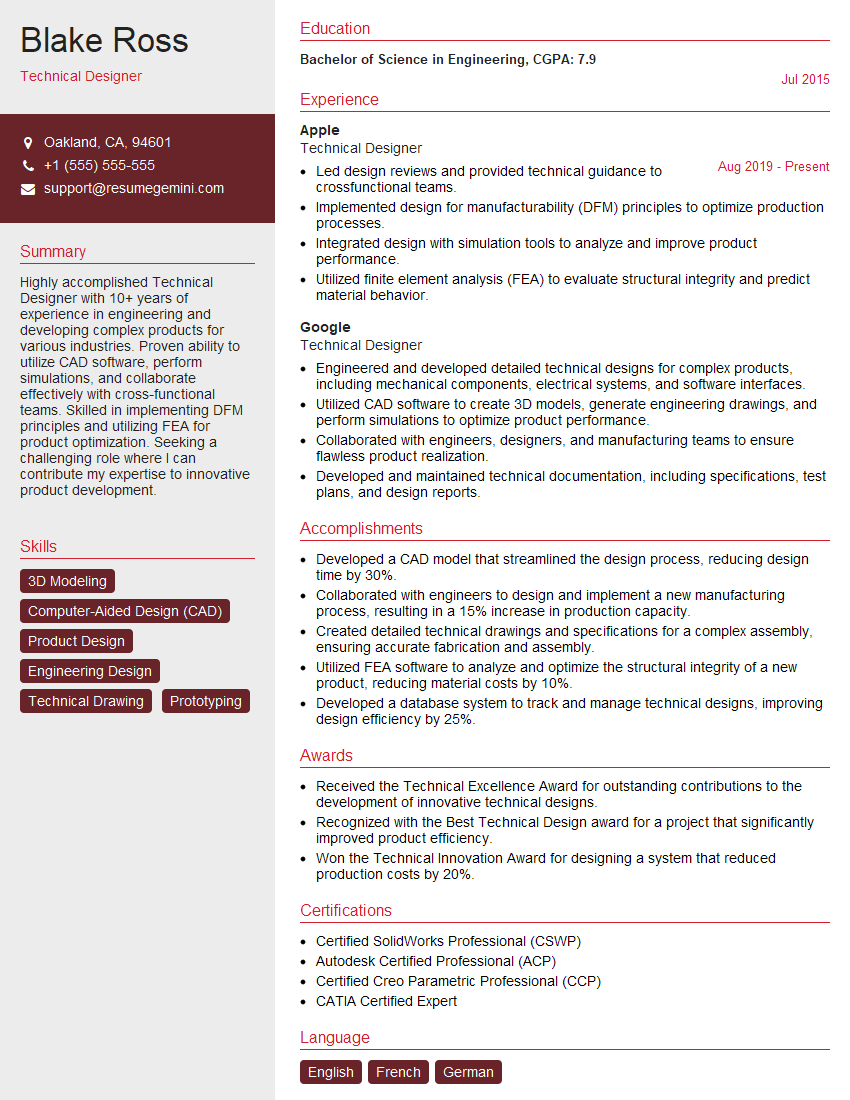
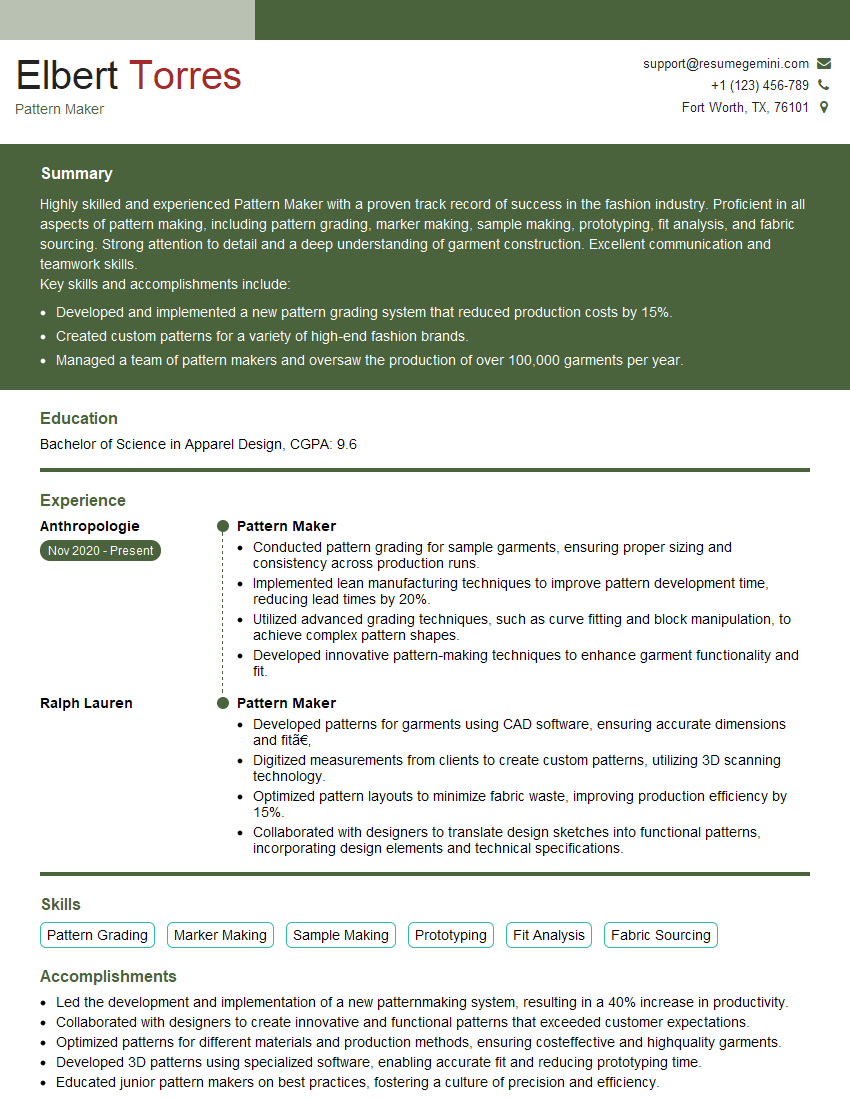
Mastering stitch type selection is crucial for demonstrating a strong foundation in sewing and garment construction, significantly enhancing your career prospects in the fashion and textile industries. To stand out, create an ATS-friendly resume that effectively highlights your skills and experience. ResumeGemini is a trusted resource to help you build a professional and impactful resume that will grab the attention of recruiters. Examples of resumes tailored to Stitch Type Selection are available, showcasing how to present your skills effectively. Take advantage of these resources to boost your job search success.



Explore more articles
Users Rating of Our Blogs
Share Your Experience
We value your feedback! Please rate our content and share your thoughts (optional).
What Readers Say About Our Blog
Very informative content, great job.
good