Unlock your full potential by mastering the most common Store Planning interview questions. This blog offers a deep dive into the critical topics, ensuring you’re not only prepared to answer but to excel. With these insights, you’ll approach your interview with clarity and confidence.
Questions Asked in Store Planning Interview
Q 1. Describe your experience with different store layout types (grid, free-flow, etc.).
My experience encompasses a wide range of store layout types, each designed to optimize customer experience and sales. The grid layout, for example, is highly structured with aisles intersecting at right angles. This layout is efficient for large stores like supermarkets, maximizing space utilization and ease of navigation. However, it can feel somewhat impersonal. In contrast, the free-flow layout is more open and less structured, creating a more inviting and less regimented shopping environment. This is often preferred for boutiques or high-end retailers where a more curated experience is desired. I’ve also worked with loop layouts, which encourage customers to traverse the entire store, increasing exposure to products. Finally, I’ve designed stores using a herringbone layout, a variation of the grid, that offers a more dynamic and visually interesting flow while still maintaining efficiency.
Each layout presents its own challenges and benefits. The grid layout’s simplicity can be its strength and weakness; while highly efficient, it lacks the visual appeal of a free-flow layout. The free-flow approach can sometimes lead to customer confusion or missed products if not carefully planned. My approach involves selecting the optimal layout based on the retailer’s brand, target market, product assortment, and square footage.
Q 2. How do you balance aesthetics with functionality in store planning?
Balancing aesthetics and functionality is crucial in store planning. It’s not just about creating a visually appealing space; it’s about creating an environment that encourages sales and a positive customer experience. I approach this by considering the overall brand identity and translating it into the physical space. For example, a luxury brand might require sophisticated materials and a minimalist design, while a playful brand might benefit from bright colours and unique fixtures. Functionality is incorporated by ensuring efficient flow, clear sightlines, ample space for browsing, and strategic placement of key products and displays. I often use mood boards and 3D renderings to visualize the interplay of aesthetics and functionality, allowing clients to see how the design will work in practice before construction begins. Think of it like baking a cake: aesthetics is the frosting, beautiful and appealing, but functionality—the structure and ingredients—ensures the cake is enjoyable to eat and structurally sound.
Q 3. Explain your process for creating a store floor plan.
My process for creating a store floor plan is methodical and iterative. It starts with a deep understanding of the client’s needs and objectives, including their target market, brand identity, and sales goals. Next, I conduct a thorough site analysis, considering factors like square footage, entrances, exits, structural limitations, and existing utilities. This is followed by the development of several conceptual floor plans, exploring different layout options and product placements. Then, I use software to create detailed 3D models and renderings, allowing for comprehensive visualization and refinement. Throughout the process, I collaborate closely with the client, incorporating their feedback and adjusting the design as needed. This iterative process ensures the final floor plan meets the client’s needs while optimizing functionality and aesthetics. The final step involves creating detailed construction documents for the contractors.
Q 4. What software are you proficient in for store planning (e.g., AutoCAD, SketchUp)?
I am proficient in several store planning software packages, including AutoCAD, SketchUp, and V-Ray. AutoCAD is excellent for precision drawing and detailed technical specifications, while SketchUp allows for quick prototyping and 3D modeling. V-Ray is crucial for generating photorealistic renderings, which are essential for client presentations and visualizing the final design. I also have experience using other design and visualization software such as Photoshop and InDesign for creating marketing and presentation materials.
Q 5. How do you incorporate customer flow and traffic patterns into your designs?
Incorporating customer flow and traffic patterns is paramount to successful store design. I achieve this through careful placement of entrances, exits, and key product displays. I utilize heat mapping techniques and customer journey mapping to understand how customers move through a space. This data helps me identify potential bottlenecks and areas of low traffic, allowing me to optimize the layout for maximum product visibility and customer engagement. For example, high-demand items are typically placed in areas with high traffic to maximize impulse buys. Conversely, I might place slower-moving items in less trafficked areas, freeing up prime space for higher-turnover products. I might also incorporate visual cues, such as signage and strategically placed furniture, to guide customers through the store and highlight key product categories.
Q 6. How do you manage projects with tight deadlines and budget constraints?
Managing projects with tight deadlines and budget constraints requires meticulous planning and efficient execution. I prioritize clear communication with all stakeholders, establishing realistic timelines and budgets from the outset. I utilize project management software to track progress, manage tasks, and ensure deadlines are met. I also focus on efficient resource allocation, using readily available materials and optimizing design choices to minimize costs. Furthermore, I’m adept at identifying potential risks and developing mitigation strategies to avoid delays or cost overruns. Experience has taught me to be flexible and adaptable; sometimes, minor adjustments to the initial design can dramatically impact cost and time without sacrificing the overall aesthetic or functionality of the store.
Q 7. Describe your experience with space planning for different retail formats.
My experience extends to various retail formats, including supermarkets, boutiques, department stores, pop-up shops, and even online retail experiences. Each format presents unique challenges and opportunities. For supermarkets, space optimization and efficient product placement are critical. Boutiques require a more curated and aesthetically pleasing environment. Department stores need to balance a wide range of product categories while maintaining clear navigation. Pop-up shops necessitate quick turnaround times and cost-effective solutions. Even for online retail, space planning principles still apply, though in a virtual context; planning the website’s layout and user journey in an intuitive and engaging way is crucial. My approach always prioritizes the unique needs and constraints of each retail format, ensuring the design effectively serves its purpose.
Q 8. How do you handle changes in design requirements during a project?
Handling design changes is crucial in store planning. It requires flexibility, clear communication, and a structured approach. My process begins with understanding the reason for the change – is it due to budget constraints, shifting market trends, or new product lines? Once understood, I assess the impact on the existing design. This might involve reviewing timelines, adjusting the budget, and re-evaluating the overall store layout. For example, if a new, larger product line necessitates more shelf space, I’d explore options like reconfiguring existing shelving units or adjusting the flow of customer traffic to accommodate it. I always involve stakeholders early in the process, presenting alternative solutions and outlining the implications of each choice. This collaborative process ensures everyone is on the same page and the project stays on track. We then document the changes formally, updating plans, specifications, and the project schedule accordingly. Effective change management prevents costly rework and ensures the final design meets both the client’s evolving needs and the project’s constraints.
Q 9. What strategies do you use to optimize shelf space and product placement?
Optimizing shelf space and product placement is about maximizing sales and enhancing the customer experience. I use a multifaceted strategy. Firstly, I analyze sales data to understand product performance and popularity. This data dictates where high-demand items should be placed – ideally at eye level and in high-traffic areas. Secondly, I consider planograms, which are schematic diagrams of shelf layouts. These are meticulously designed to optimize space, considering factors like product size, packaging, and brand visibility. Thirdly, I apply principles of visual merchandising (discussed further in question 4) to create appealing displays and guide customer flow. For instance, grouping related products together, strategically using promotional signage, and creating attractive endcaps significantly impact sales. Finally, regular audits and sales analysis allow us to fine-tune product placement based on real-time performance, adjusting locations and quantities based on consumer behavior. For example, a seasonal item might require a prominent position during the relevant period and then be relocated later.
Q 10. How do you ensure ADA compliance in your store designs?
ADA (Americans with Disabilities Act) compliance is paramount in store design. It’s not just about meeting legal requirements; it’s about creating a welcoming and accessible environment for all customers. My approach begins with a thorough understanding of the ADA standards regarding accessibility, including wheelchair accessibility, appropriate aisle widths, accessible restrooms, and signage. I integrate these standards into the design from the very beginning, not as an afterthought. This involves ensuring adequate clearances in aisles (at least 36 inches), providing ramps with appropriate slopes and landings, installing accessible restrooms that meet specific dimensions, and using clear and accessible signage (braille and large print). I also incorporate features like lowered counters, grab bars in restrooms, and automatic doors where appropriate. Collaboration with accessibility consultants is crucial to ensure the design not only meets but exceeds compliance standards. Regular checks throughout the construction process are also necessary to maintain quality and accuracy in the implementation of these features.
Q 11. Explain your understanding of visual merchandising principles.
Visual merchandising is the art and science of presenting products in a way that entices customers to buy. It goes beyond simply stocking shelves; it’s about creating a story and experience. Key principles include creating strong visual focal points using lighting, color, and display techniques. Think of an eye-catching endcap display showcasing a new product line. Another principle is thoughtful product grouping, organizing related items together to simplify the shopping experience. For example, placing all baking supplies in one area makes it easier for customers to find what they need. Effective signage plays a crucial role, clearly guiding customers and highlighting promotions or new arrivals. Finally, maintaining a clean, organized, and visually appealing store creates a positive shopping experience. Consistency in branding and visual identity across the store further strengthens brand recognition and reinforces the overall message. We consider all these aspects when designing a store, ensuring the environment is both functional and aesthetically pleasing.
Q 12. How do you collaborate with other departments (e.g., marketing, construction)?
Collaboration is essential in store planning. I actively engage with marketing, construction, and other relevant departments throughout the project lifecycle. With marketing, I discuss promotional strategies, product placement, and branding elements to integrate marketing campaigns seamlessly into the store design. With the construction team, I ensure the design is buildable, adhering to building codes and the project budget. Regular meetings, shared documents (using platforms like BIM), and open communication channels are crucial for maintaining a clear understanding of everyone’s responsibilities and potential conflicts. For instance, I might work with the construction team to determine the feasibility of installing a specific lighting design, considering factors like cost and structural limitations. This collaborative approach minimizes misunderstandings and ensures the final design is cohesive and functional.
Q 13. How do you measure the success of a store design?
Measuring the success of a store design involves both qualitative and quantitative data. Quantitative metrics include sales figures per square foot, customer traffic patterns (analyzed through footfall data and heat maps), conversion rates, and inventory turnover. These metrics provide a clear indication of the design’s efficiency in driving sales and optimizing space utilization. Qualitative feedback is equally important, gathered through customer surveys, observations, and store staff input. This helps understand the customer experience, identify areas needing improvement (like navigation or product visibility), and measure overall customer satisfaction. We compare post-design sales and customer feedback data with pre-design data to accurately assess the impact of the new store design. A comprehensive evaluation using both quantitative and qualitative data provides a holistic understanding of the success of the store design.
Q 14. Describe your experience with 3D modeling and rendering for store designs.
I have extensive experience using 3D modeling and rendering software, primarily SketchUp and V-Ray. These tools allow me to create realistic visualizations of store designs, enhancing client communication and facilitating informed decision-making. 3D modeling enables me to explore various layouts, test different product placements, and experiment with lighting and materials before construction begins. This minimizes costly errors during the construction phase. V-Ray rendering produces high-quality visuals, showing clients exactly how the store will look and feel. These renderings can be incorporated into presentations, brochures, and marketing materials, significantly improving client engagement. For instance, by presenting multiple 3D renderings showcasing different shelving arrangements, we can easily demonstrate the impact of layout on visual appeal and product visibility. This iterative process ensures the client is fully involved and satisfied with the final design. The ability to create walk-through virtual tours further enhances the client experience, allowing them to ‘experience’ the design before construction.
Q 15. How do you handle unexpected challenges during a store renovation?
Handling unexpected challenges during a store renovation requires a proactive and adaptable approach. My strategy centers around meticulous planning, open communication, and contingency planning. For example, during a recent renovation, we discovered unexpected plumbing issues behind a wall. Instead of panicking, we immediately convened a meeting with the contractors, the client, and our team. We assessed the situation, evaluated the impact on the timeline and budget, and explored alternative solutions. We chose a revised plumbing layout that minimized disruption, kept the project on schedule (though slightly delayed), and stayed within the agreed-upon budget by negotiating material costs with the supplier. This involved transparent communication with the client, keeping them informed every step of the way. Ultimately, we successfully navigated the challenge, maintaining a positive client relationship and delivering a high-quality result.
More generally, I build contingency into the project timeline and budget from the outset. This involves allocating a percentage of the overall budget and schedule to unforeseen circumstances. This proactive approach significantly reduces the impact of unexpected challenges.
- Meticulous Planning: Detailed blueprints, material specifications, and thorough site surveys minimize surprises.
- Open Communication: Maintaining constant communication with contractors, clients, and the project team ensures quick response to problems.
- Contingency Planning: Allocating time and resources to address unexpected issues avoids major delays and cost overruns.
Career Expert Tips:
- Ace those interviews! Prepare effectively by reviewing the Top 50 Most Common Interview Questions on ResumeGemini.
- Navigate your job search with confidence! Explore a wide range of Career Tips on ResumeGemini. Learn about common challenges and recommendations to overcome them.
- Craft the perfect resume! Master the Art of Resume Writing with ResumeGemini’s guide. Showcase your unique qualifications and achievements effectively.
- Don’t miss out on holiday savings! Build your dream resume with ResumeGemini’s ATS optimized templates.
Q 16. What are your strategies for maximizing sales per square foot?
Maximizing sales per square foot (SPSF) requires a strategic approach to store layout, merchandising, and customer experience. It’s about making the most of every inch of space. Think of it like maximizing yield in a garden – every plant needs its optimal placement for maximum growth. In retail, every product needs the optimal placement for maximum sales.
- Strategic Product Placement: High-demand items should be prominently displayed in high-traffic areas. Impulse-buy items are strategically placed near checkouts.
- Effective Space Planning: Wide aisles facilitate easy navigation, reducing customer frustration. Clear sightlines allow customers to easily see the entire store.
- Visual Merchandising: Eye-catching displays and well-lit showcases draw customers to products. Signage clearly indicates product locations and promotions.
- Data-Driven Decisions: Analyzing sales data helps identify high-performing and low-performing areas, enabling adjustments to product placement and store layout. Heatmaps of customer traffic flow within the store give valuable insights into customer movement and purchasing behaviors.
- Efficient Inventory Management: Avoid overstocking or out-of-stock situations. Proper inventory management ensures products are always available and properly displayed.
For instance, in a clothing store, we might position trending items near the entrance to immediately capture customer attention, while placing complementary accessories nearby to encourage add-on purchases. Analyzing sales data helps us refine this strategy over time.
Q 17. How do you incorporate sustainability into your store planning process?
Sustainability is increasingly vital in store planning, impacting both the environment and brand image. I integrate sustainability considerations throughout the entire process, from initial concept to final construction and ongoing operations.
- Sustainable Materials: Utilizing recycled and reclaimed materials in construction and fixtures reduces environmental impact. This could include using bamboo flooring, recycled metal shelving, or sustainably sourced wood.
- Energy-Efficient Design: Incorporating energy-efficient lighting (LEDs), HVAC systems, and insulation minimizes energy consumption and lowers operating costs. Natural light maximization can significantly reduce reliance on electric lighting.
- Waste Reduction: Minimizing waste during construction and throughout the store’s lifecycle is key. This could involve choosing low-VOC paints and using modular fixtures that can be easily rearranged or reused.
- Water Conservation: Implementing low-flow fixtures and water-efficient landscaping reduce water usage.
- Local Sourcing: Prioritizing locally sourced materials and contractors reduces transportation emissions and supports the local economy.
For example, in a recent project, we used reclaimed wood for the shelving units, installed energy-efficient lighting, and implemented a rainwater harvesting system for landscaping. These choices not only reduced the project’s environmental footprint, but also enhanced its appeal to environmentally conscious customers.
Q 18. Describe your experience with different types of retail fixtures.
My experience encompasses a wide range of retail fixtures, each suited to different retail environments and product types. I understand the functional and aesthetic aspects of each type and how they contribute to the overall shopping experience.
- Gondola Shelving: Highly versatile, ideal for displaying a large variety of products. I understand the importance of optimizing shelf placement for product visibility and accessibility.
- Wall Units: Excellent for maximizing vertical space and showcasing specific product lines or brands. Careful consideration of height and placement is essential for creating a visually appealing and effective display.
- Display Cases: Perfect for showcasing high-value items or fragile products. Different types of display cases (e.g., glass, acrylic, wooden) offer distinct aesthetic and security features.
- Freestanding Displays: Used to create focal points and highlight promotional items. These can be customized for specific campaigns or product launches.
- Checkout Counters: Functionally important and should be designed for efficiency and ease of use for both staff and customers. I consider ergonomics and workflow in their design.
I’ve worked with various materials, including wood, metal, acrylic, and laminate, considering durability, aesthetics, and cost-effectiveness when selecting fixtures for specific projects.
Q 19. How do you conduct site surveys and analyze space requirements?
Site surveys and space requirement analysis are crucial for successful store planning. It’s like creating a blueprint for a house – you need to know the dimensions and layout of the land before you begin building.
My process involves:
- On-Site Measurement: Precisely measuring the space, including dimensions, ceiling height, column placement, and existing fixtures.
- Building Codes and Regulations: Reviewing local building codes and regulations to ensure compliance with safety and accessibility standards.
- Accessibility Compliance: Ensuring the design meets accessibility standards for customers with disabilities, including ADA compliance in the US.
- Traffic Flow Analysis: Identifying optimal traffic flow patterns to minimize congestion and maximize customer movement through the store. This often involves creating mockups and using customer flow simulation software.
- Space Allocation: Allocating appropriate space for different departments, product categories, and customer services based on sales data and business requirements.
- Technical Drawings & 3D Modeling: Creating detailed technical drawings and/or 3D models to visualize the store layout and to communicate the design effectively to clients and contractors.
I use specialized software to create detailed floor plans, 3D renderings, and simulations, enabling informed decision-making and precise space planning.
Q 20. What are your preferred methods for presenting design concepts to clients?
Presenting design concepts effectively requires a multi-faceted approach, tailored to the client’s preferences and communication style. I strive to make the presentation clear, engaging, and persuasive.
- Visual Presentations: Using high-quality 3D renderings, floor plans, and photorealistic visualizations to give clients a clear understanding of the design. These visual aids help clients visualize the final product and offer the opportunity to make changes and provide feedback before construction begins.
- Interactive Mockups: Creating interactive digital mockups allowing clients to virtually ‘walk through’ the store and experience the space. This immersive approach facilitates understanding and engagement.
- Detailed Documentation: Providing detailed specifications and documentation, including material selections, fixture details, and lighting plans, giving clients a comprehensive understanding of the design and costs.
- Presentations tailored to the client: Understanding the client’s business needs and their vision for the store is critical. Tailoring the presentation to address their priorities ensures that the message resonates with them.
- Interactive Feedback Sessions: Providing opportunities for clients to provide feedback, ask questions, and participate in the design process. This collaborative approach leads to a more satisfying outcome for everyone.
I’ve found that a combination of visual aids, clear explanations, and interactive sessions consistently leads to successful client presentations and project approvals.
Q 21. Explain your experience with budgeting and cost estimation for store projects.
Budgeting and cost estimation are crucial aspects of store planning. Accuracy is key to successful project management. It’s like planning a vacation – you need to know how much you can spend before you start booking flights and hotels.
My approach involves:
- Detailed Cost Breakdown: Creating a detailed breakdown of all project costs, including materials, labor, permits, and contingencies. I utilize specialized software to accurately estimate and track costs.
- Value Engineering: Identifying potential cost savings without compromising the design or quality. This could involve exploring alternative materials or construction methods.
- Regular Monitoring and Reporting: Closely monitoring expenses throughout the project and providing regular reports to the client. This transparency builds trust and ensures the project remains within budget.
- Contingency Planning: Allocating a percentage of the budget to address unexpected costs or delays. This reduces the risk of cost overruns.
- Negotiation with Vendors: Negotiating favorable prices with contractors and suppliers to optimize costs.
Through meticulous planning, proactive cost management, and transparent communication, I ensure projects are delivered on time and within budget.
Q 22. How do you incorporate technology (e.g., digital signage) into store designs?
Incorporating technology like digital signage into store designs is crucial for enhancing the customer experience and boosting sales. It’s not just about slapping screens on the walls; it’s about strategic placement and content.
My approach involves a multi-step process: First, I assess the store’s layout and customer flow to identify optimal locations for digital displays. High-traffic areas near entrances, checkout counters, or product displays are ideal. Second, I consider the type of content to be displayed. This could range from promotional offers and product information to interactive games and personalized recommendations based on customer data. Third, I ensure seamless integration with the overall store design, choosing display sizes, styles, and resolutions that complement the aesthetic. For example, in a high-end boutique, sleek, minimalist displays would be preferred, while a vibrant, playful design might work better for a children’s clothing store.
Finally, I ensure the technology is user-friendly and reliable. This includes easy content management systems and robust technical support. A poorly functioning system can be a major distraction and detract from the customer experience.
Example: In a recent project for a sporting goods retailer, we used large interactive screens near the entrance to showcase new product arrivals and personalized recommendations based on customer profiles collected through loyalty programs. Smaller screens in specific product sections provided detailed information and customer reviews, significantly boosting sales conversion rates.
Q 23. How do you manage stakeholder expectations during a store planning project?
Managing stakeholder expectations is paramount in store planning. It requires proactive communication, clear documentation, and a collaborative approach. I begin by establishing a shared vision and objectives at the outset of the project. This involves engaging all stakeholders – from executives and marketing teams to operations and visual merchandising – to clearly define the project’s goals, budget, and timeline. Regular meetings and updates keep everyone informed of progress, challenges, and any necessary adjustments.
I utilize tools like project management software (e.g., Asana, Trello) to track progress, assign tasks, and manage deadlines. This transparency keeps everyone informed and prevents misunderstandings. Furthermore, I ensure that all stakeholders have the opportunity to provide feedback and input throughout the design process. This prevents surprises and allows for adjustments based on their concerns. Finally, I create detailed presentations and reports summarizing the project’s progress and demonstrating how it meets the initial objectives. This fosters a sense of ownership and buy-in from all parties involved.
Example: In one instance, the marketing team initially wanted a large, central display that clashed with the store’s overall design. By presenting alternative solutions that still met their promotional needs while maintaining aesthetic harmony, I successfully managed their expectations and delivered a cohesive design.
Q 24. Describe a time you had to resolve a conflict related to store design.
During a project for a high-end jewelry store, the architect and the visual merchandising team clashed over the placement of display cases. The architect prioritized the flow and aesthetics of the overall space, while the visual merchandising team focused on maximizing product visibility and creating a specific shopping experience. The conflict threatened the project’s timeline and threatened to compromise the final design.
To resolve this, I facilitated a series of meetings where both teams presented their perspectives and concerns. I acted as a mediator, helping them find common ground. We conducted a mock-up of the space using 3D modeling software, allowing them to visualize and test different scenarios. Through compromise and collaboration, we found a solution that satisfied both parties. The display cases were strategically placed to enhance product visibility, while still maintaining the overall aesthetic coherence of the store design.
The key to resolving this conflict was open communication, compromise, and a willingness to find creative solutions that benefited both parties. This experience reinforced the importance of collaborative problem-solving in store planning projects.
Q 25. How do you stay up-to-date with current trends in store design and retail technology?
Staying abreast of current trends in store design and retail technology requires a multi-pronged approach. I regularly attend industry conferences and trade shows, such as the NRF Big Show or EuroShop, to network with other professionals and learn about the latest innovations. I subscribe to relevant industry publications and online resources, such as Retail Dive, Retail Week, and various design blogs and magazines, to stay informed about emerging trends.
Additionally, I actively participate in online communities and forums to engage with other professionals and exchange ideas. I also conduct regular market research, visiting different retail stores to observe firsthand how different companies are incorporating new technologies and design concepts. This hands-on approach allows me to gain a practical understanding of how trends translate into real-world applications. Finally, I invest in continuing education, taking courses and workshops to enhance my skills in areas such as 3D modeling, space planning software, and the latest retail technologies.
Q 26. What is your approach to incorporating branding into store design?
Incorporating branding into store design isn’t merely about adding a logo here and there; it’s about creating a holistic brand experience that resonates with the customer. I start by thoroughly understanding the brand’s identity, values, and target audience. This involves analyzing the brand’s existing marketing materials, visual guidelines, and brand voice to understand its core message and aesthetic.
Next, I translate these elements into the physical space. This involves selecting materials, colors, lighting, and fixtures that reflect the brand’s personality and values. For instance, a minimalist, Scandinavian brand would require a clean, airy space with natural materials, while a rustic, vintage brand might utilize reclaimed wood and vintage lighting fixtures. Every element – from signage and displays to the music and scent – should reinforce the brand’s message and create a consistent brand experience.
Example: For a sustainable clothing brand, we used reclaimed wood and eco-friendly materials, incorporating natural light and plants to create a calming, nature-inspired atmosphere. This reinforced the brand’s commitment to environmental responsibility and appealed to its target audience.
Q 27. Explain your understanding of building codes and regulations related to retail spaces.
Understanding building codes and regulations is essential for ensuring the safety and legality of a retail space. My understanding encompasses a range of codes, including those related to fire safety, accessibility, occupancy limits, and structural integrity. I’m familiar with the International Building Code (IBC) and other relevant local, state, and national regulations.
Before commencing any design, I conduct a thorough site analysis to understand the existing conditions and any limitations imposed by the building codes. This includes checking for zoning regulations, accessibility requirements (ADA compliance in the US), and fire safety codes, including the placement of emergency exits and fire suppression systems. I collaborate closely with architects, engineers, and local authorities to ensure that the design complies with all relevant codes and obtain the necessary permits. Failing to comply can lead to delays, costly revisions, and legal repercussions.
Example: In a recent project, we had to adjust the placement of a staircase due to fire safety regulations requiring a specific distance from other exits. Early identification and collaboration with the building inspector prevented significant delays and cost overruns.
Q 28. How do you balance the needs of the business with the customer experience?
Balancing business needs and customer experience is a core principle in successful store planning. It’s not a zero-sum game; they’re inherently linked. A design that prioritizes business efficiency at the expense of the customer experience will ultimately fail. Conversely, a design focused solely on customer experience without considering business objectives won’t be sustainable.
My approach involves a thorough understanding of both. For business needs, I analyze sales data, inventory management strategies, and operational requirements to create a space that maximizes efficiency. This might include optimizing product placement for impulse buys or designing efficient checkout areas. For customer experience, I consider factors such as store layout, wayfinding, lighting, atmosphere, and overall aesthetic to create a welcoming and enjoyable shopping environment.
Example: For a grocery store, we designed a layout that strategically placed high-demand items throughout the store, encouraging customers to browse other sections. This increased impulse purchases while simultaneously making navigation intuitive. This combined business efficiency with enhanced customer experience.
Key Topics to Learn for Store Planning Interview
- Space Planning & Design: Understanding principles of space optimization, flow, and customer experience. Practical application: Analyzing floor plans to maximize product visibility and sales.
- Visual Merchandising: Creating visually appealing and effective displays to drive sales. Practical application: Developing strategies for product placement and promotional displays.
- Store Layout & Fixture Selection: Choosing appropriate fixtures and layout to optimize product presentation and customer movement. Practical application: Evaluating different fixture options for their impact on sales and customer experience.
- Planograms & Schematics: Creating and interpreting planograms and store schematics. Practical application: Using planograms to predict sales and optimize inventory levels.
- Technology in Store Planning: Utilizing software and technology for space planning, design, and analysis. Practical application: Proficiency in relevant software like AutoCAD or similar tools.
- Budgeting & Resource Allocation: Understanding the financial aspects of store planning and managing budgets effectively. Practical application: Developing cost-effective solutions while maintaining high standards of design and functionality.
- Data Analysis & Reporting: Using data to inform store planning decisions and track performance. Practical application: Analyzing sales data to optimize store layout and product placement.
- Project Management & Collaboration: Working effectively with cross-functional teams to deliver projects on time and within budget. Practical application: Experience managing complex projects involving multiple stakeholders.
Next Steps
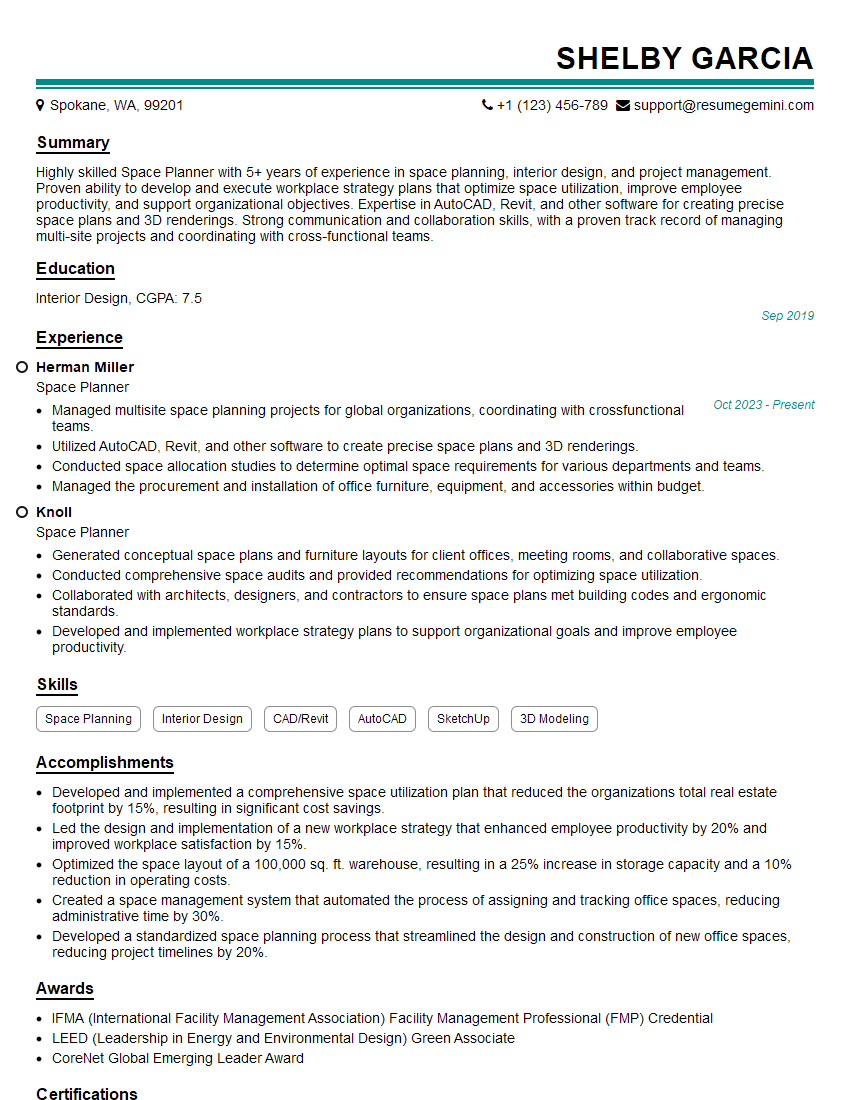
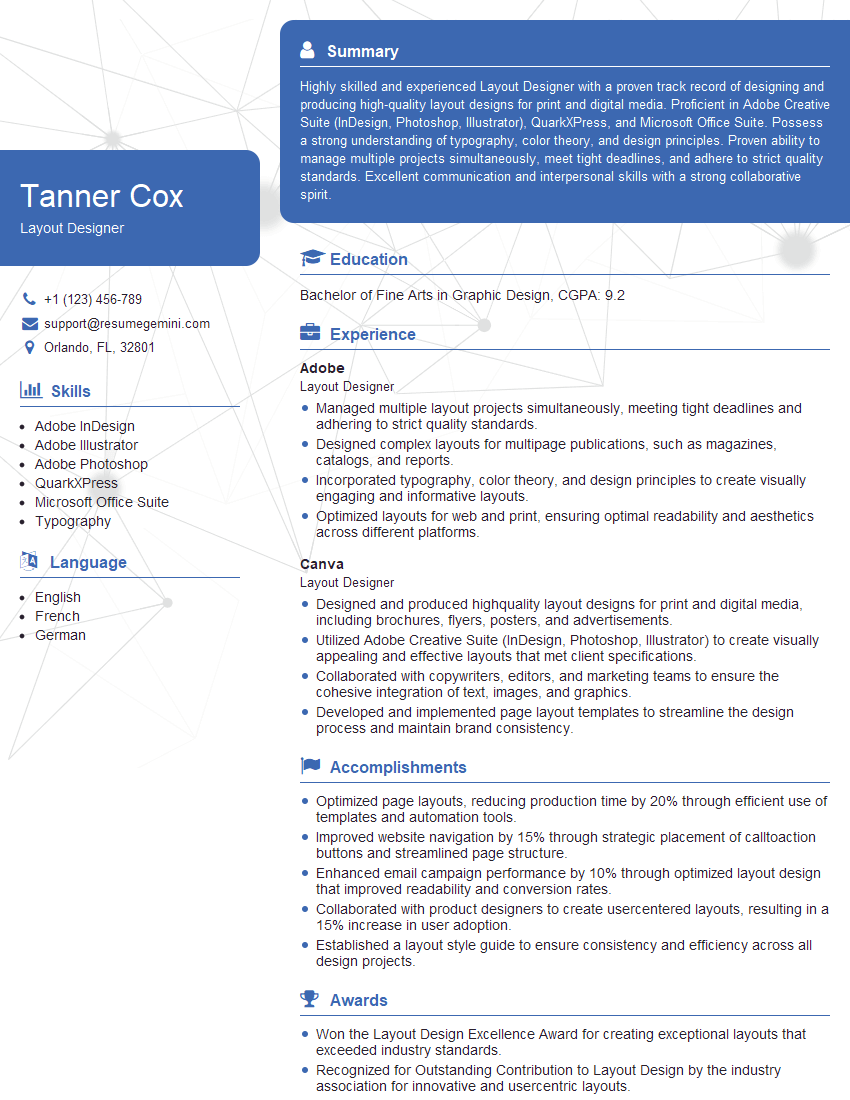
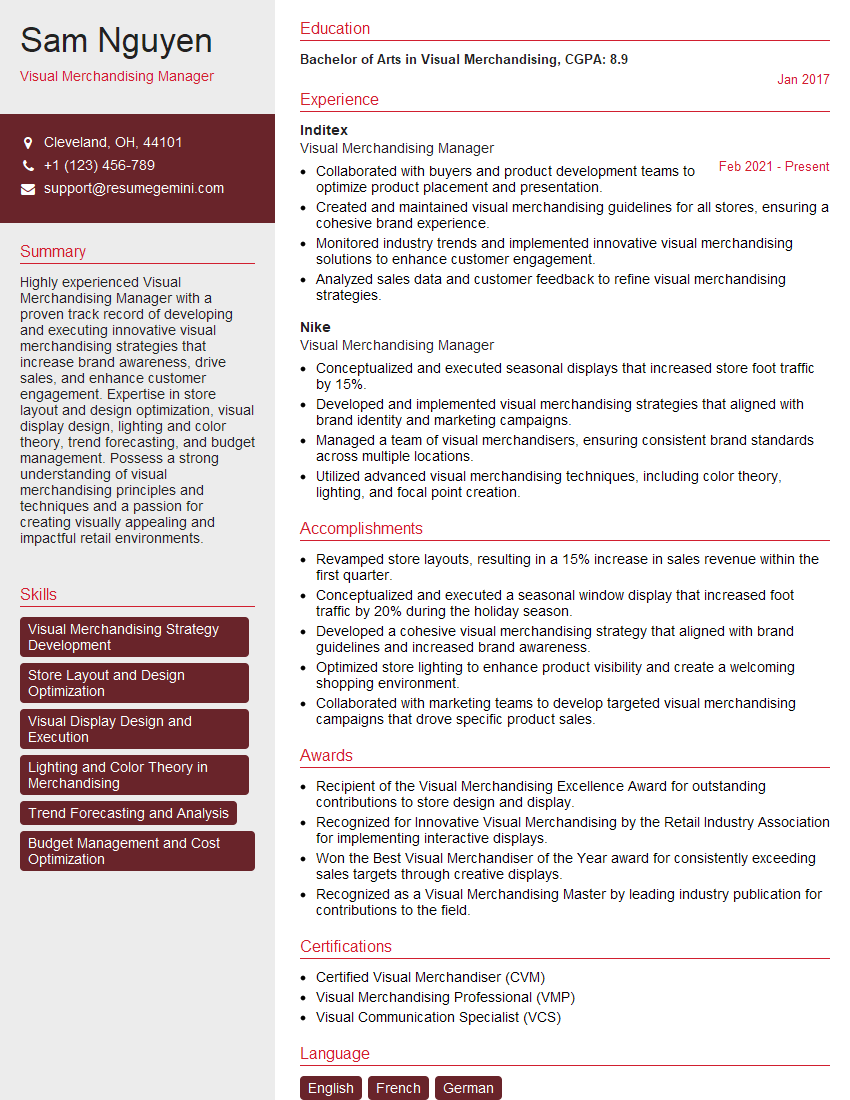
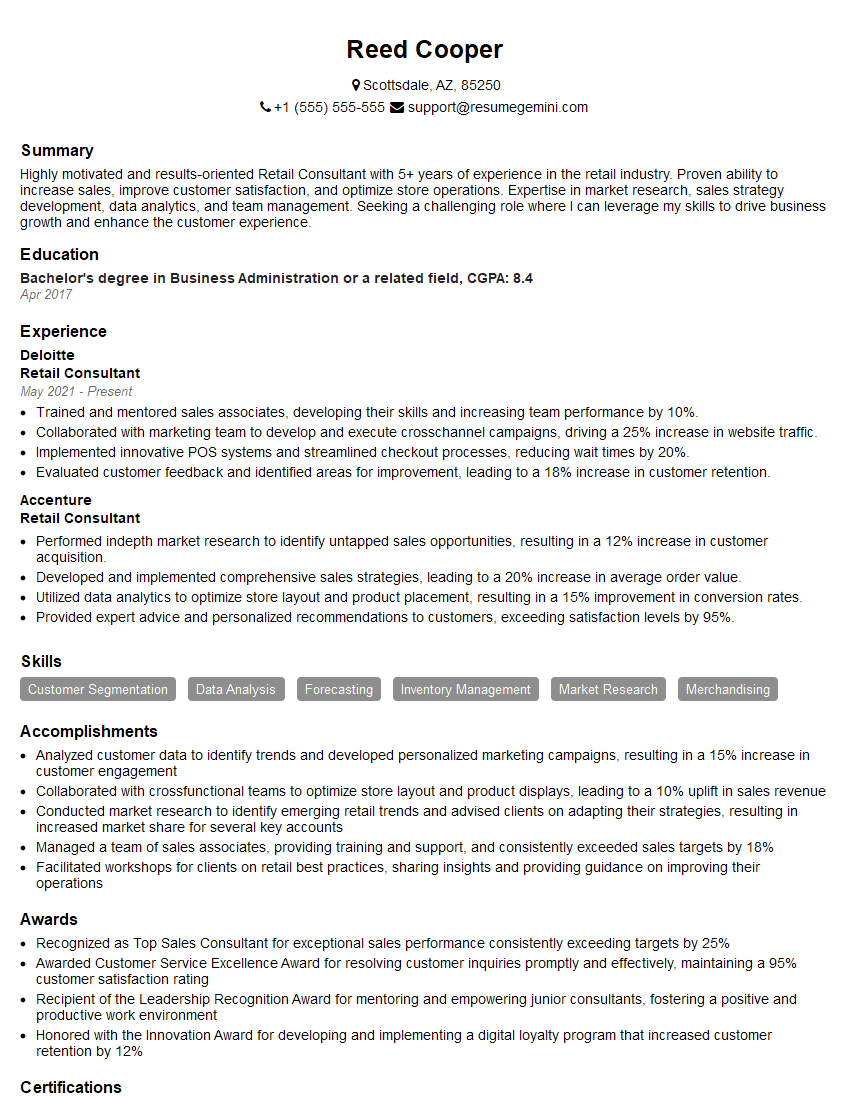
Mastering Store Planning opens doors to exciting career advancements, offering opportunities for leadership and creative problem-solving within the retail industry. To significantly boost your job prospects, crafting an ATS-friendly resume is crucial. This ensures your qualifications are effectively communicated to hiring managers and applicant tracking systems. We highly recommend using ResumeGemini to build a professional and impactful resume tailored to highlight your Store Planning expertise. Examples of resumes specifically designed for Store Planning roles are available to guide you.
Explore more articles
Users Rating of Our Blogs
Share Your Experience
We value your feedback! Please rate our content and share your thoughts (optional).
What Readers Say About Our Blog
good