Every successful interview starts with knowing what to expect. In this blog, we’ll take you through the top Strong communication and interpersonal skills for collaborating effectively with directors, producers, and other team members. interview questions, breaking them down with expert tips to help you deliver impactful answers. Step into your next interview fully prepared and ready to succeed.
Questions Asked in Strong communication and interpersonal skills for collaborating effectively with directors, producers, and other team members. Interview
Q 1. Describe your experience working with diverse teams on tight deadlines.
Working effectively with diverse teams under pressure requires a proactive and organized approach. My experience involves coordinating teams of up to 15 individuals, encompassing designers, developers, writers, and marketing specialists, often with overlapping responsibilities. On a recent project developing a mobile application with a three-month deadline, we utilized Agile methodologies with daily stand-ups and sprint reviews. This allowed for clear communication, continuous monitoring of progress, and swift adaptation to emerging challenges. Open communication channels, such as a dedicated project management platform and regular team meetings, were key to maintaining transparency and ensuring everyone stayed informed and on track.
For example, when a crucial design element was delayed, we immediately held a brainstorming session with the designer and developers to find an alternative solution. This collaborative approach prevented project delays and ensured the final product met the client’s expectations. Another key element was recognizing individual strengths and delegating tasks accordingly. Empowering team members to take ownership of their work fostered a sense of responsibility and ensured efficient task completion.
Q 2. How do you handle conflicting priorities from multiple directors or producers?
Conflicting priorities from multiple stakeholders are inevitable in a fast-paced creative environment. My approach prioritizes clear communication and collaborative prioritization. I initiate discussions with all involved parties to understand the context and urgency of each request. I use a prioritization matrix, ranking tasks based on factors such as deadlines, impact on the overall project, and stakeholder importance. This process creates transparency and allows for a data-driven decision-making process, rather than relying solely on personal opinions or power dynamics.
For instance, if a director wants a specific scene completed before the producer requests a different scene, I would outline the pros and cons of completing each request first and involve both stakeholders in the decision-making process. This shows respect for both their inputs while establishing a rational basis for deciding the task order.
Q 3. Explain your process for resolving conflicts within a team.
Resolving team conflicts requires a structured approach emphasizing empathy and constructive dialogue. My first step involves creating a safe space for open communication. This often involves a private meeting with the involved individuals, where I encourage them to express their perspectives without interruption. I actively listen to understand the root cause of the conflict, focusing on identifying the underlying issues rather than solely focusing on the surface-level disagreement.
Next, I facilitate a collaborative problem-solving session. We brainstorm potential solutions together, evaluating each option’s feasibility and impact. The goal is to reach a mutually agreeable solution that addresses everyone’s concerns. If a solution remains elusive, I may need to mediate, offering suggestions or making a decision based on the project’s needs and the overall team dynamic. Documentation is essential, recording the agreed-upon resolution and any associated action items. Finally, I follow up to ensure the solution is effective and the conflict doesn’t resurface.
Q 4. How do you communicate complex technical information to non-technical team members?
Communicating complex technical information to a non-technical audience requires simplifying the language and using clear, visual aids. I avoid jargon and technical terms whenever possible, opting for plain language analogies and metaphors to explain concepts. Visualizations, such as diagrams, charts, and even short video explanations, can significantly enhance understanding.
For example, when explaining the complexities of a database architecture to marketing team members, I would use a simple analogy like a library cataloguing system. Each table represents a different category of books (data), while the relationships between tables represent how different categories are linked (data relationships). This simple analogy, coupled with a visual diagram, made the concept much easier to grasp.
Q 5. Give an example of a time you had to negotiate with a difficult stakeholder.
In a previous project, a key stakeholder insisted on incorporating a feature that was technically challenging and would significantly delay the project timeline. I approached the negotiation by first actively listening to their reasons and understanding their concerns. I then presented a counter-proposal, outlining the technical challenges and the potential risks of implementing the feature as initially proposed.
I offered alternative solutions that addressed their concerns while mitigating the risks, such as developing a simplified version of the feature or prioritizing it for a later release. By presenting data-backed evidence, I was able to effectively communicate the consequences of their initial request and demonstrate the feasibility of my alternatives. Ultimately, we reached a compromise that satisfied the stakeholder’s needs without compromising the project’s timeline or quality. This involved strong negotiation skills and presenting my arguments in a way that respected their perspective.
Q 6. How do you ensure everyone on your team feels heard and valued?
Creating a culture where every team member feels heard and valued is a continuous process that begins with actively promoting open communication. I regularly conduct one-on-one meetings with team members to discuss their progress, concerns, and ideas. I create opportunities for informal feedback through team-building activities and informal discussions. During team meetings, I ensure everyone has a chance to speak and that their contributions are acknowledged and valued. I actively listen to their feedback, valuing their opinions, even if I don’t always agree with them.
Recognizing individual achievements and contributions is equally crucial. Publicly acknowledging successes during team meetings or sending individual thank-you notes reinforces a culture of appreciation. I also regularly solicit feedback on team processes and dynamics to continuously improve our collaboration and ensure everyone feels comfortable expressing their opinions.
Q 7. Describe your approach to giving and receiving constructive criticism.
Constructive criticism is crucial for growth and improvement. My approach involves providing feedback that is specific, actionable, and focused on the work, not the person. I frame my feedback positively, focusing on what can be improved rather than dwelling on mistakes. I also use the “sandwich” method: starting with positive reinforcement, then delivering the constructive criticism, and finally ending with another positive note.
When receiving criticism, I listen attentively without interrupting. I ask clarifying questions to fully understand the feedback. I thank the person for their input, acknowledging its value in my professional growth. I reflect on the feedback and use it to improve my performance, communicating any implemented changes to the person who provided the criticism. This shows I value their feedback and that I am actively working to improve.
Q 8. How do you maintain positive communication during stressful production periods?
Maintaining positive communication during stressful production periods is crucial for project success. It’s about proactively managing expectations, fostering empathy, and employing clear, concise communication strategies.
- Over-communication is key: I make sure everyone is informed of any changes or challenges, even seemingly small ones. This prevents misunderstandings and reduces anxiety caused by information gaps.
- Regular check-ins: I schedule brief, daily or bi-daily check-ins to address immediate concerns, track progress, and maintain open dialogue. This creates a sense of shared responsibility and collaboration.
- Empathetic listening: Stress can lead to emotional responses. I prioritize active listening to understand team members’ perspectives, validate their feelings, and ensure everyone feels heard. This fosters trust and strengthens team cohesion.
- Celebrate small wins: Acknowledging milestones, no matter how small, reinforces team spirit and keeps morale high, especially during challenging times. This helps alleviate pressure and maintain a positive work environment.
- Utilize appropriate communication channels: Depending on the urgency and sensitivity of the information, I utilize the most appropriate channel—a quick message for updates, a meeting for complex discussions, or an email for formal documentation.
For example, during a particularly tight deadline on a recent documentary, I implemented daily stand-up meetings to quickly address roadblocks and keep everyone informed. This ensured transparency and avoided potential conflicts resulting from miscommunication.
Q 9. How do you proactively identify and address potential communication breakdowns?
Proactively identifying and addressing potential communication breakdowns involves understanding the team’s dynamics and anticipating potential challenges. It’s a proactive approach that prevents problems rather than reacting to them.
- Regular communication audits: I conduct regular reviews of our communication processes, seeking feedback from team members to identify areas for improvement.
- Define roles and responsibilities clearly: Clear roles and responsibilities minimise confusion about who is responsible for what, thus reducing the risk of miscommunication.
- Establish clear communication protocols: Setting guidelines on how and when to communicate—e.g., using specific channels for different types of information—reduces ambiguity and improves efficiency.
- Utilize visual aids and documentation: Visual aids like project timelines, flowcharts, or shared documents enhance understanding and reduce reliance on verbal communication, which can be prone to misinterpretations.
- Foster a culture of open feedback: Encourage team members to voice concerns or suggest improvements to communication strategies. This creates a safe space for identifying and addressing potential issues early on.
In a previous project, I noticed a lack of clarity regarding the revision process for scripts. By implementing a standardized revision tracking system using project management software, we were able to eliminate confusion and significantly improve the efficiency of the review process.
Q 10. Describe your experience using project management software to facilitate team communication.
I have extensive experience utilizing project management software, such as Asana, Trello, and Monday.com, to streamline team communication and enhance collaboration. These tools are invaluable for centralizing information, tracking progress, and fostering transparency.
- Centralized Communication: The software allows for a single source of truth for project information, avoiding scattered emails and reducing the chances of missed updates.
- Task Assignment and Tracking: I leverage the task management features to assign tasks clearly, set deadlines, and monitor progress. Team members can provide updates directly within the platform, improving visibility and accountability.
- File Sharing and Version Control: The built-in file sharing capabilities with version control ensures everyone is working with the latest versions of documents, eliminating confusion and streamlining workflow.
- Real-time Collaboration: Many platforms offer features like chat functionalities or comment sections within tasks which encourage real-time communication and collaboration.
- Reporting and Analytics: The software helps generate reports that provide insights into project progress, enabling me to identify potential bottlenecks or communication issues early.
For example, in a recent commercial production, using Asana allowed us to manage revisions of the storyboard, script, and marketing materials efficiently. The comment features within tasks facilitated direct feedback and ensured all stakeholders were on the same page.
Q 11. How do you adapt your communication style to different personalities and communication preferences?
Adapting my communication style is paramount for effective collaboration. I believe in understanding individual communication preferences and tailoring my approach accordingly.
- Active Listening & Observation: I start by actively listening to how each team member communicates – their tone, language, and preferred methods. This includes observing their body language and reactions.
- Identifying Communication Styles: I identify whether individuals are visual, auditory, or kinesthetic learners and adapt my communication accordingly – using visuals for visual learners, clear explanations for auditory learners, and hands-on activities for kinesthetic learners.
- Direct vs. Indirect Communication: I am mindful of whether a person prefers direct or indirect communication and tailor my approach accordingly. Direct communicators appreciate concise, to-the-point messages, while indirect communicators may prefer a more nuanced and considerate approach.
- Written vs. Verbal Communication: I recognize that some prefer written communication for complex or detailed information, while others find verbal communication more efficient for quick updates or informal discussions.
- Flexibility and Openness: I maintain a flexible and open approach, adjusting my style based on context and individual needs, demonstrating respect and understanding for their communication preferences.
For instance, when working with a director who preferred concise, visual communication, I ensured all updates and presentations included clear visuals and bullet points instead of lengthy explanations.
Q 12. Explain your process for delegating tasks and providing clear instructions.
My process for delegating tasks and providing clear instructions involves a structured approach to ensure clarity, accountability, and efficient task completion.
- Task Definition: I clearly define the task, outlining the objective, scope, and desired outcome. This includes specific deadlines and expected deliverables.
- Skill Matching: I carefully consider the skills and experience of each team member when assigning tasks, ensuring the right person is assigned to the right job.
- Resource Allocation: I provide necessary resources, tools, and information needed to complete the task successfully. This includes access to relevant documents, software, and support.
- Clear Instructions: I provide clear, concise instructions, using simple language and avoiding jargon whenever possible. I also offer examples or visual aids when necessary.
- Open Communication Channels: I establish open communication channels for the team member to ask questions, provide updates, and seek clarification. This encourages a collaborative environment.
- Regular Check-ins: I schedule regular check-ins to monitor progress, provide support, and address any challenges the team member may encounter.
- Feedback and Recognition: I provide constructive feedback throughout the process and acknowledge their contributions upon completion.
For example, when delegating the creation of a marketing video, I provided the team member with a detailed storyboard, script, brand guidelines, access to stock footage, and scheduled weekly check-ins to review progress and offer guidance.
Q 13. How do you measure the effectiveness of your team communication?
Measuring the effectiveness of team communication is crucial for continuous improvement. I use a combination of qualitative and quantitative methods to assess communication efficacy.
- Project Completion Rate: On-time and within-budget project completion indicates efficient communication and coordination.
- Team Satisfaction Surveys: Regularly gathering feedback from team members on their communication experiences identifies areas needing improvement.
- Project Post-Mortems: Reviewing the communication strategies used throughout the project highlights successful approaches and areas for refinement.
- Error Rate: A low error rate, particularly errors resulting from miscommunication, suggests effective communication strategies.
- Team Morale: High team morale and a positive work environment are often indicators of good communication and collaboration.
- Communication Channel Usage Analysis: Tracking the frequency and effectiveness of different communication channels (e.g., email, instant messaging, meetings) reveals optimal methods for specific tasks.
For instance, after a particularly successful project, I used a team survey to gather feedback on what communication aspects worked well and what could be improved in future projects. This feedback helped us refine our strategies.
Q 14. Have you ever had to mediate a disagreement between team members? How did you handle it?
Yes, I have mediated disagreements between team members. My approach is based on active listening, empathy, and finding a mutually agreeable solution.
- Facilitate a calm and neutral environment: I create a safe space for all parties to express their concerns without interruption or judgment.
- Active Listening: I actively listen to each person’s perspective, ensuring everyone feels heard and understood. This helps diffuse tension and create a sense of validation.
- Identify the root cause: I strive to understand the underlying cause of the conflict, avoiding getting sidetracked by emotions or superficial issues.
- Focus on Solutions: I guide the conversation toward finding mutually acceptable solutions, focusing on collaboration and compromise.
- Document Agreements: Once a resolution is reached, I document the agreement to provide clarity and avoid future misunderstandings.
- Follow-up: I follow up with the involved parties to ensure the agreed-upon solutions are implemented and to check for any further issues.
In one instance, a disagreement arose between a graphic designer and a writer over the design of a marketing material. By facilitating a discussion where each party explained their perspectives, we identified a misunderstanding regarding the target audience. By clarifying the project objectives and collaborating on a new design, we resolved the conflict and produced a final product that satisfied both parties.
Q 15. How do you ensure all team members are aligned on project goals and objectives?
Ensuring team alignment on project goals and objectives requires a proactive and multifaceted approach. It’s not enough to simply announce the goals; you need to foster a shared understanding and commitment.
Kick-off Meetings: I begin with a comprehensive kick-off meeting where I clearly articulate the project’s vision, goals, and objectives, using visual aids like mind maps or project timelines to enhance understanding. This allows for immediate clarification and question-and-answer sessions.
Collaborative Goal Setting: Whenever possible, I involve team members in the process of defining goals. This fosters a sense of ownership and ensures buy-in from the outset. We brainstorm together, identifying potential challenges and collaboratively devising solutions.
Regular Check-ins and Progress Reports: Throughout the project, I conduct regular meetings and provide updates. This allows for early detection of any misalignments. I also use project management tools to track progress and ensure everyone is on the same page.
Open Communication Channels: I encourage open and honest communication through various channels – emails, instant messaging, and in-person discussions – to address any concerns or ambiguities promptly.
Documentation: Maintaining clear and concise documentation of project goals, objectives, and decisions ensures everyone has access to the same information, even if they weren’t present at every meeting.
Career Expert Tips:
- Ace those interviews! Prepare effectively by reviewing the Top 50 Most Common Interview Questions on ResumeGemini.
- Navigate your job search with confidence! Explore a wide range of Career Tips on ResumeGemini. Learn about common challenges and recommendations to overcome them.
- Craft the perfect resume! Master the Art of Resume Writing with ResumeGemini’s guide. Showcase your unique qualifications and achievements effectively.
- Don’t miss out on holiday savings! Build your dream resume with ResumeGemini’s ATS optimized templates.
Q 16. How do you build and maintain strong working relationships with team members?
Building and maintaining strong working relationships is crucial for effective collaboration. It’s about creating a positive and supportive team environment. I focus on:
Active Listening: I make a conscious effort to actively listen to my team members’ perspectives and concerns. This demonstrates respect and fosters trust.
Empathy and Understanding: I try to understand individual working styles and preferences and adapt my communication accordingly. Everyone has different needs and communication styles.
Clear and Respectful Communication: I always communicate clearly and respectfully, avoiding jargon and ensuring everyone understands the message. I also give and receive constructive criticism effectively.
Team Building Activities: I believe in fostering a sense of camaraderie through team-building activities, both formal and informal. This can be something as simple as a virtual coffee break or a team lunch.
Recognition and Appreciation: I readily acknowledge and appreciate the contributions of each team member, highlighting their successes and strengths. This boosts morale and motivates the team.
Conflict Resolution: I proactively address conflicts through open communication and compromise, ensuring everyone feels heard and valued.
Q 17. Describe a situation where you had to overcome a communication barrier.
In a previous project, we faced a significant communication barrier when a key stakeholder in a different time zone consistently missed our regularly scheduled video conferences. This led to misunderstandings and delays.
To overcome this, we implemented several strategies:
Flexible Scheduling: We adjusted our meeting times to accommodate the stakeholder’s availability, offering multiple options.
Asynchronous Communication: We started using project management software extensively for task assignment, progress updates, and file sharing, minimizing reliance on live meetings.
Detailed Meeting Summaries and Action Items: After each meeting, we circulated detailed summaries with clear action items to ensure everyone was informed, regardless of their attendance.
Direct and Frequent Communication: I made an effort to directly communicate with the stakeholder more often via email and instant messaging to ensure any misunderstandings were quickly addressed.
By implementing these changes, we successfully bridged the communication gap and the project stayed on track.
Q 18. How do you utilize feedback to improve your communication and collaboration skills?
Feedback is invaluable for improving communication and collaboration. I actively seek feedback from various sources and use it constructively.
360-Degree Feedback: I regularly solicit feedback from my colleagues, supervisors, and even clients. This provides a well-rounded perspective on my communication style and areas for improvement.
Self-Reflection: After each project or significant interaction, I take time to reflect on my performance, identifying strengths and weaknesses in my communication approach.
Actionable Steps: I don’t just passively receive feedback; I actively analyze it to identify concrete steps I can take to improve. For example, if I receive feedback that I am not clear enough, I will work on structuring my messages more effectively and using simpler language.
Continuous Learning: I actively seek out opportunities to learn new communication techniques and strategies through workshops, online courses, and books.
Q 19. How do you ensure clarity and consistency in communication across different departments?
Clarity and consistency in communication across departments require a structured approach. It’s essential to:
Establish Clear Communication Protocols: Define preferred communication channels (email for formal communication, instant messaging for quick updates, meetings for complex discussions) for different situations and departments.
Centralized Communication Hub: Utilize a centralized platform (e.g., project management software, shared drive) to store project documents, meeting minutes, and important announcements, ensuring everyone has access to the same information.
Regular Cross-Departmental Meetings: Schedule regular meetings between different departments to foster collaboration and address any inconsistencies in communication or understanding.
Communication Style Guide: Developing a company-wide communication style guide can establish consistent tone, style, and terminology across all departments.
Training and Workshops: Conducting training sessions on effective communication and collaboration can enhance the skillset of employees across different departments.
Q 20. How do you use different communication methods (e.g., email, meetings, instant messaging) effectively?
Different communication methods serve different purposes. I use them strategically:
Email: For formal communication, distributing documents, conveying complex information requiring a record, and sending out updates.
Meetings: For brainstorming, complex problem-solving, collaborative decision-making, and team building. I structure meetings effectively, including a clear agenda and desired outcomes.
Instant Messaging: For quick questions, urgent updates, and informal discussions. I’m mindful of using instant messaging appropriately, not overusing it for lengthy conversations.
Project Management Software: To track tasks, monitor progress, share files, and facilitate collaboration. This ensures transparency and accountability.
Phone Calls: For quick discussions requiring immediate feedback or clarification, where a personal touch is valuable.
The key is to choose the method most appropriate for the context and audience.
Q 21. Describe a time you had to deliver bad news to a team. How did you approach it?
Delivering bad news is never easy, but it’s crucial to do it with empathy and professionalism. I remember having to inform the team that a key feature of our software wouldn’t make the launch deadline.
My approach involved:
Preparing thoroughly: I carefully crafted my message, anticipating potential questions and concerns. I gathered all relevant facts and data.
Choosing the right time and place: I scheduled a private meeting with the team to deliver the news in a controlled environment, ensuring privacy and minimizing distractions.
Direct and honest communication: I was upfront and honest about the situation, avoiding jargon or euphemisms. I clearly explained the reasons for the delay and the impact it would have.
Empathy and understanding: I acknowledged the team’s potential disappointment and frustration. I actively listened to their concerns and addressed them openly and honestly.
Presenting a solution: I didn’t just present the problem; I presented a revised plan with a new deadline and outlined the steps being taken to mitigate the impact of the delay.
Follow-up: I followed up with the team regularly, providing updates and keeping them informed of the progress.
While the news was disappointing, my approach helped minimize negative impact and maintain team morale.
Q 22. How do you handle situations where team members are not meeting expectations?
Addressing underperformance starts with a proactive, empathetic approach. I believe in open and honest communication. First, I’d schedule a private meeting with the team member, focusing on specific instances where expectations weren’t met. I’d avoid accusatory language, instead framing the conversation around understanding the challenges they might be facing. This could involve questions like, ‘What obstacles did you encounter on this project?’, or ‘Are there any resources I can provide to help you succeed?’
Next, I’d collaboratively create an action plan, outlining clear, measurable, achievable, relevant, and time-bound (SMART) goals. This plan should involve regular check-ins to monitor progress and provide ongoing support. Finally, I’d document everything, ensuring fairness and clarity for all involved. If the issues persist despite support, more formal disciplinary measures may be necessary, but this would be a last resort.
For example, on a recent project, a junior editor was struggling to meet deadlines. Through open dialogue, we discovered they were overwhelmed by the workload. We adjusted their assignments, provided additional training, and paired them with a senior editor for mentorship. This resulted in a significant improvement in their performance.
Q 23. How do you foster a culture of open communication and transparency on your team?
Building a culture of open communication requires consistent effort and a commitment to transparency from the top down. I initiate this by actively soliciting feedback from all team members, creating a safe space for them to share their ideas and concerns without fear of judgment. This includes regular team meetings, both formal and informal, where everyone has an opportunity to contribute.
Transparency is equally important. I make sure everyone understands project goals, deadlines, and individual responsibilities. This eliminates ambiguity and fosters trust. For instance, I regularly share project updates, challenges, and successes with the whole team, using tools like project management software to maintain visibility into progress. I also prioritize using clear and accessible language, ensuring everyone feels included and informed.
Furthermore, I lead by example, demonstrating open communication in my interactions with everyone. I’m always approachable, encouraging questions, and promptly addressing concerns. This creates a cascade effect, where open communication becomes the norm, not the exception.
Q 24. Describe a time you had to adapt your communication style to a specific cultural context.
While working on an international film project with a predominantly Japanese crew, I realized my direct, Western communication style wasn’t resonating effectively. Initially, I focused on clearly outlining tasks and deadlines, which felt efficient to me, but led to some misunderstandings and hesitation from the crew.
I quickly adjusted my approach, incorporating more indirect communication and focusing on building rapport before addressing task-specific details. I started meetings by engaging in small talk and demonstrating respect for their customs and hierarchy. I also started using more visual aids and less direct language. For example, instead of stating a deadline as a command, I’d frame it as a collaborative target, emphasizing the collective goal. This subtle shift fostered trust and led to a much smoother collaborative process.
Q 25. How do you stay organized and manage communication effectively during complex projects?
Managing communication during complex projects requires a structured approach. I use project management software, such as Asana or Trello, to track tasks, deadlines, and communication threads. This centralizes all information, making it accessible to everyone and preventing crucial updates from getting lost.
Beyond digital tools, regular team meetings are crucial. These meetings aren’t solely for problem-solving, but also for reinforcing communication and ensuring everyone is aligned. Clear agendas and concise minutes ensure that everyone remains informed and accountable. I also encourage the use of specific communication channels for different aspects of the project. For example, a dedicated channel for creative feedback and another for logistical updates.
Finally, I utilize various communication methods like email, instant messaging, and video conferencing, tailoring my approach to the specific need and audience. For instance, quick updates might be relayed via instant messaging, while more in-depth discussions require video conferencing.
Q 26. How do you ensure confidentiality when handling sensitive information?
Confidentiality is paramount, particularly in the film industry where sensitive information is commonplace. I adhere strictly to confidentiality agreements and only share information on a need-to-know basis. This means carefully considering who needs access to specific data and providing it only through secure channels.
For example, when dealing with financial information or script details, I utilize password-protected documents and secure communication platforms. I always prioritize data encryption and minimize the number of people with access to sensitive information. If dealing with exceptionally sensitive information, I might even opt for physical document storage and secure, in-person communication.
Beyond technical measures, fostering a culture of trust within the team is also crucial. Openly communicating the importance of confidentiality and the potential consequences of breaches helps reinforce this commitment from everyone.
Q 27. Describe your experience with facilitating team meetings and brainstorming sessions.
I have extensive experience facilitating both team meetings and brainstorming sessions, and I approach both with a structured yet flexible framework. For meetings, I ensure a clear agenda is distributed beforehand, with allocated time for each item. This keeps the discussion focused and prevents unnecessary digressions. I actively encourage participation from everyone, using techniques like round-robin discussions to ensure that every voice is heard.
Brainstorming sessions require a different approach. I create a relaxed and non-judgmental atmosphere, where team members feel comfortable sharing even the most unconventional ideas. I use visual aids like whiteboards or mind maps to help structure the ideas generated. Techniques like ‘brainwriting’ (writing ideas individually before sharing) or ‘mind mapping’ are also useful to encourage broader participation and diverse thinking.
After each session, I summarize key decisions and action items, distributing them to everyone involved. This ensures that everyone is on the same page and that the session’s outcomes are effectively implemented.
Q 28. How do you ensure that communication remains concise and effective, even under pressure?
Maintaining concise and effective communication under pressure requires discipline and a structured approach. I prioritize active listening and clear articulation. Before responding, I take a moment to understand the crux of the issue and formulate a concise response that directly addresses the concern. I avoid jargon and use simple, straightforward language that everyone can readily grasp.
I also practice using visual aids and bullet points to convey complex information efficiently. For instance, during a crisis, I wouldn’t rely on lengthy emails, instead opting for a brief, impactful summary delivered through a quick video message or a concise bullet-point list. I also leverage the right communication tools to ensure the message reaches the right audience quickly.
Regular practice and mindful communication techniques, coupled with the ability to prioritize information under pressure, are crucial for this skill.
Key Topics to Learn for Strong Communication & Interpersonal Skills Interview
- Active Listening & Feedback: Understanding the nuances of communication, providing constructive criticism, and effectively incorporating feedback from directors, producers, and team members.
- Clear & Concise Communication: Articulating ideas clearly and efficiently, both verbally and in writing, adapting communication style to different audiences (e.g., directors vs. junior team members).
- Collaboration & Teamwork: Demonstrating your ability to work effectively within a team, contributing positively, resolving conflicts constructively, and sharing credit appropriately.
- Nonverbal Communication: Understanding and utilizing body language, tone, and facial expressions to enhance communication and build rapport.
- Conflict Resolution: Approaches to resolving disagreements professionally and respectfully, finding common ground, and maintaining positive working relationships.
- Professionalism & Etiquette: Maintaining a professional demeanor, respecting deadlines, and adhering to workplace protocols.
- Adaptability & Flexibility: Demonstrating the ability to adjust communication style and approach based on the situation and individual needs.
- Empathy & Emotional Intelligence: Understanding and responding appropriately to the emotions and perspectives of others, building trust and strong working relationships.
- Problem-Solving in a Team Environment: Contributing to brainstorming sessions, proposing solutions, and collaborating effectively to overcome challenges.
Next Steps
Mastering strong communication and interpersonal skills is crucial for career advancement in any collaborative environment. These skills are highly valued by directors, producers, and all team members, leading to greater success, increased responsibilities, and enhanced career prospects. To amplify your job search, create an ATS-friendly resume that highlights these vital skills. ResumeGemini is a trusted resource to help you build a professional resume that effectively showcases your abilities. Examples of resumes tailored to emphasize strong communication and interpersonal skills are available to guide you.
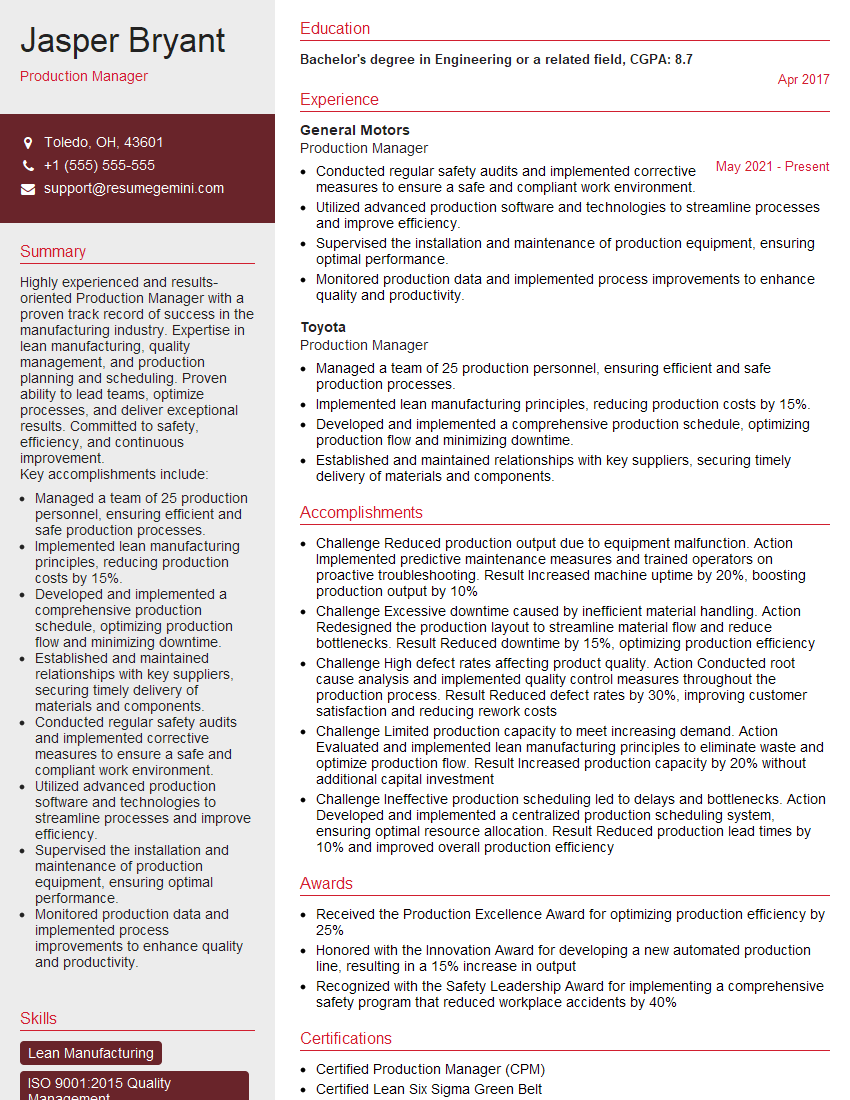
Production Manager Resume Sample
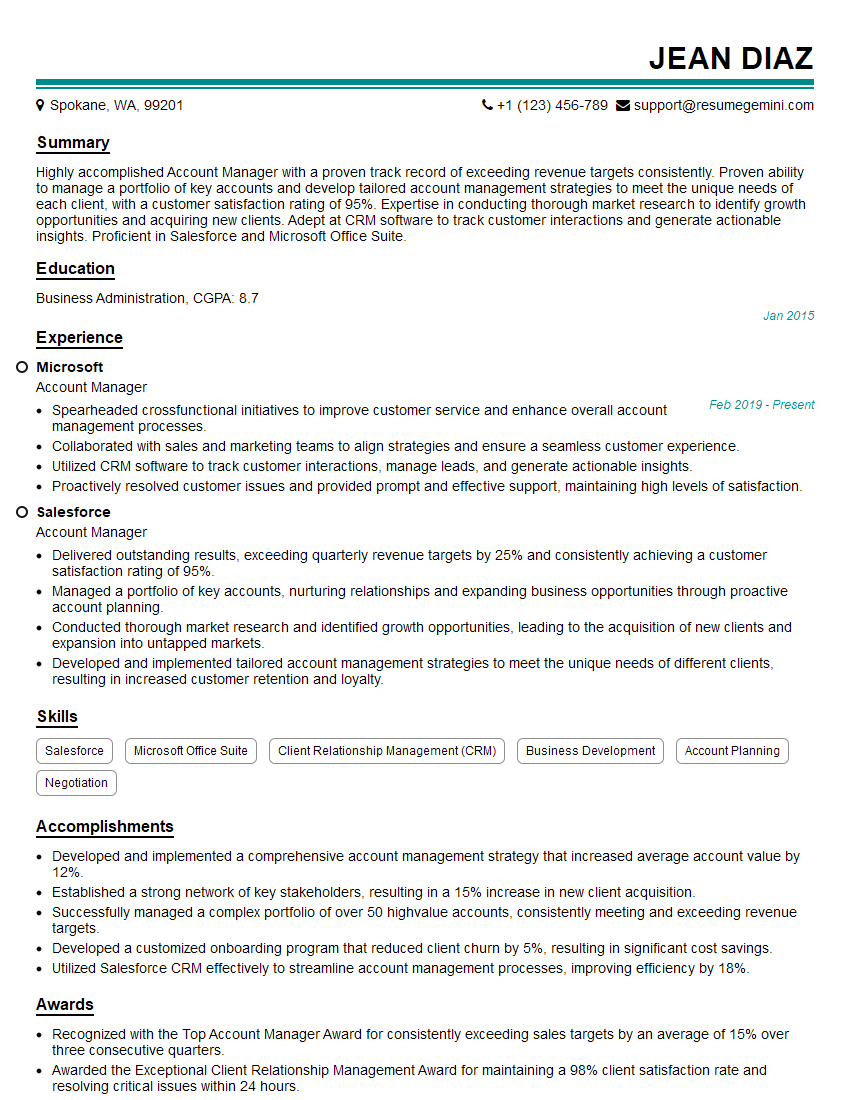
Account Manager Resume Sample
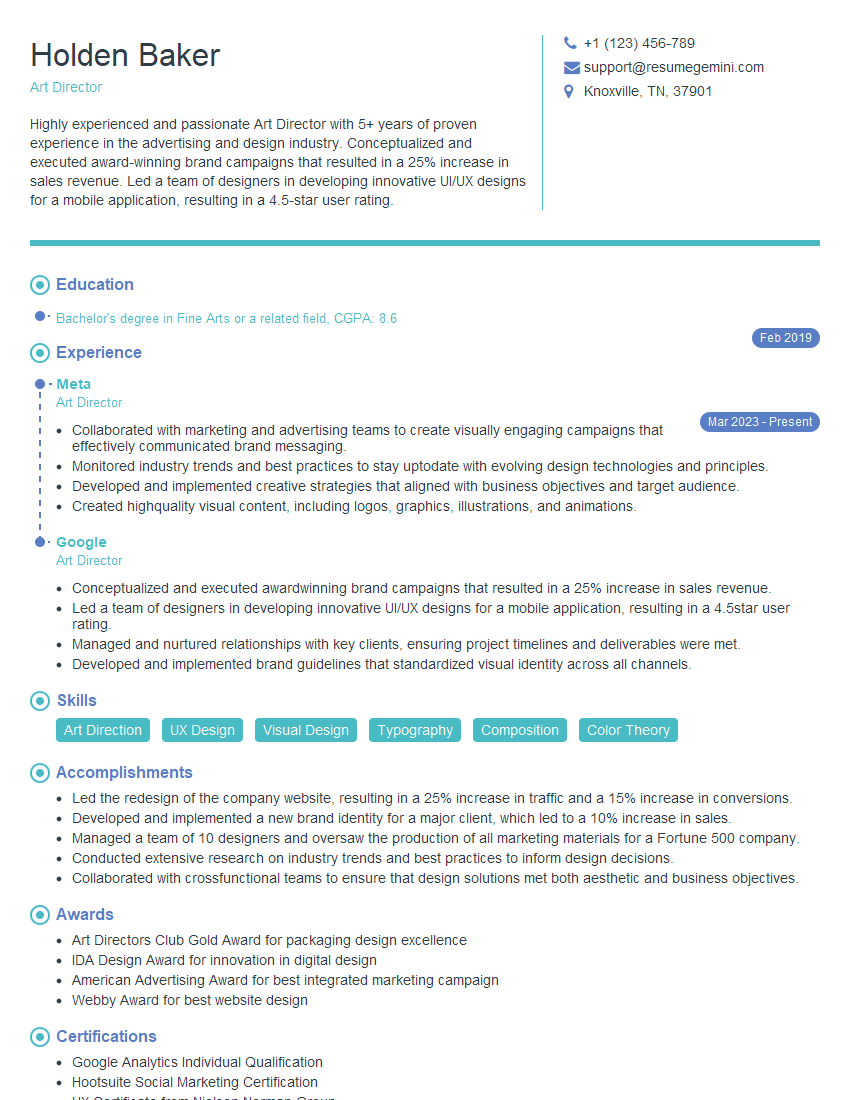
Art Director Resume Sample

Creative Director Resume Sample
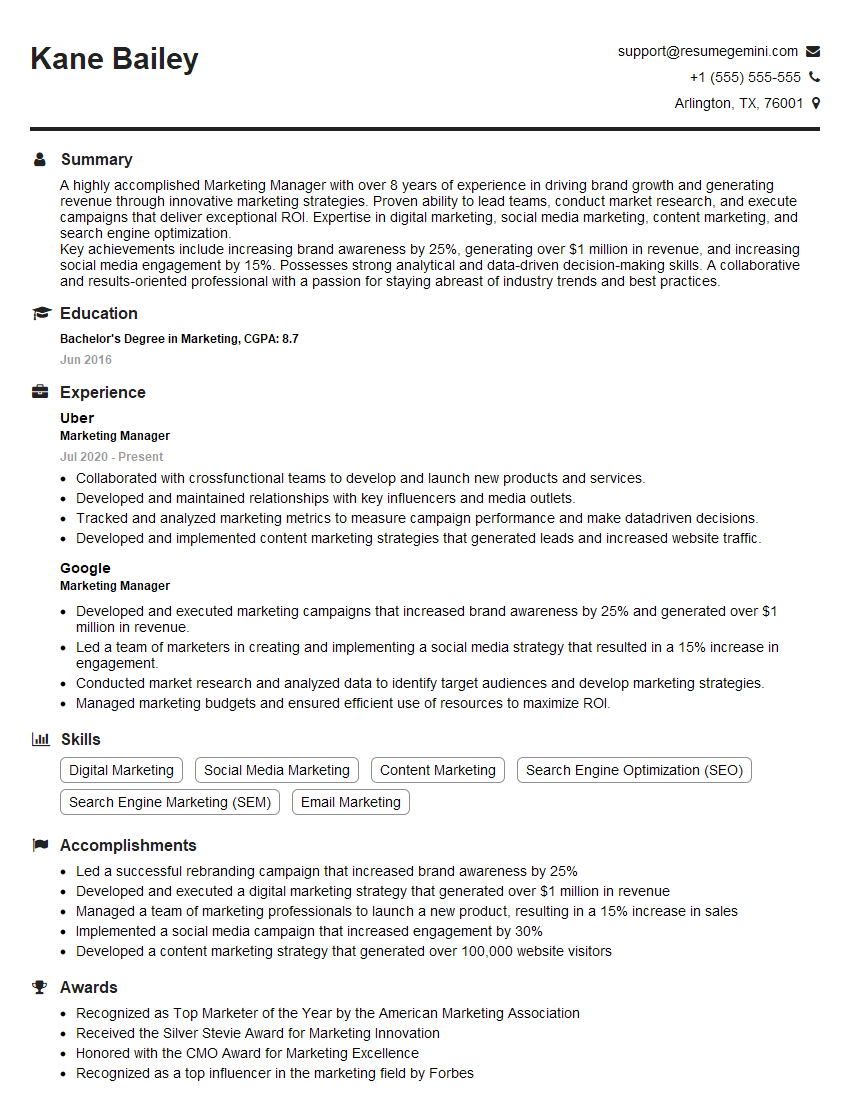
Marketing Manager Resume Sample

Communications Manager Resume Sample

Production Coordinator Resume Sample
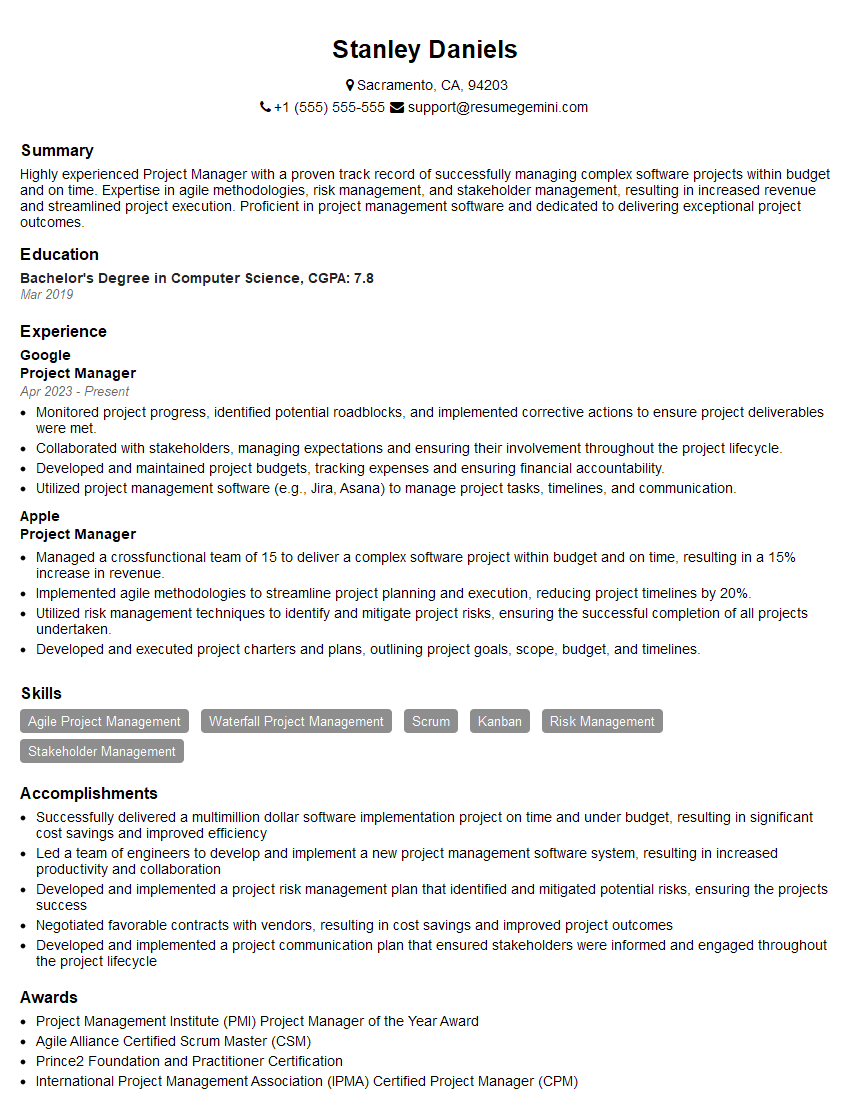
Project Manager Resume Sample
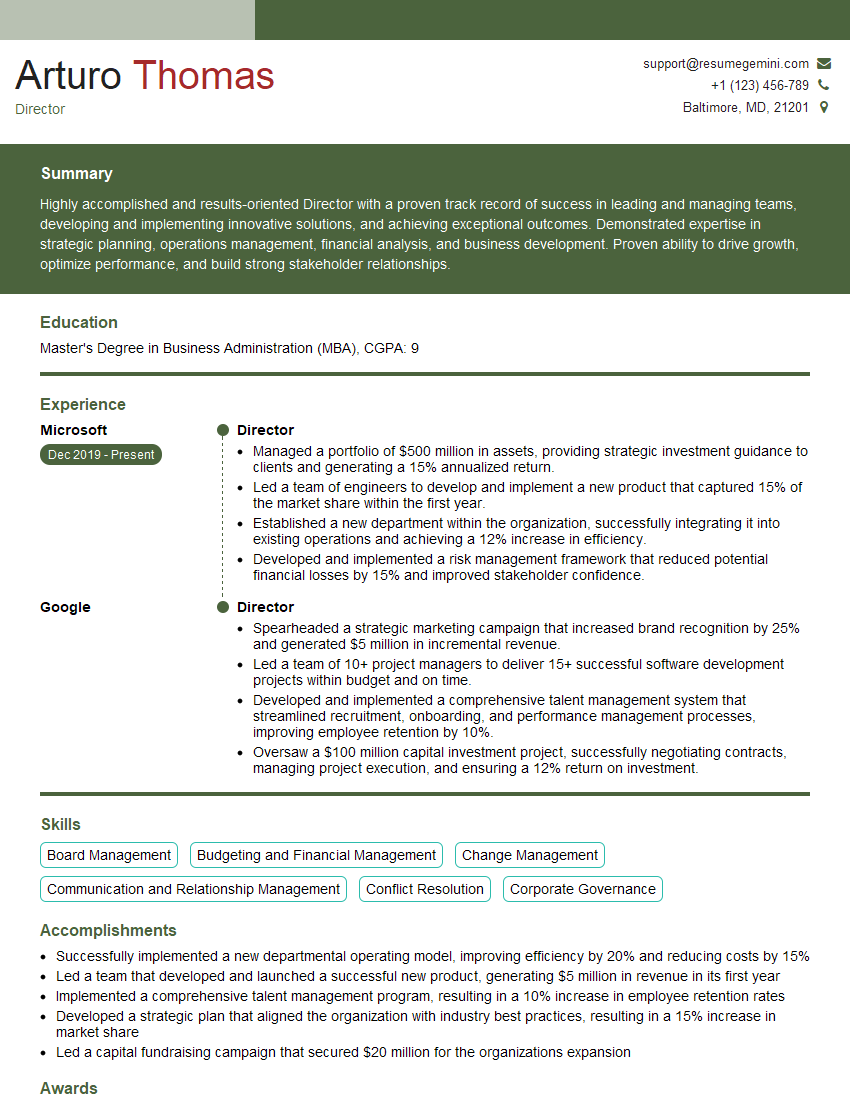
Director Resume Sample
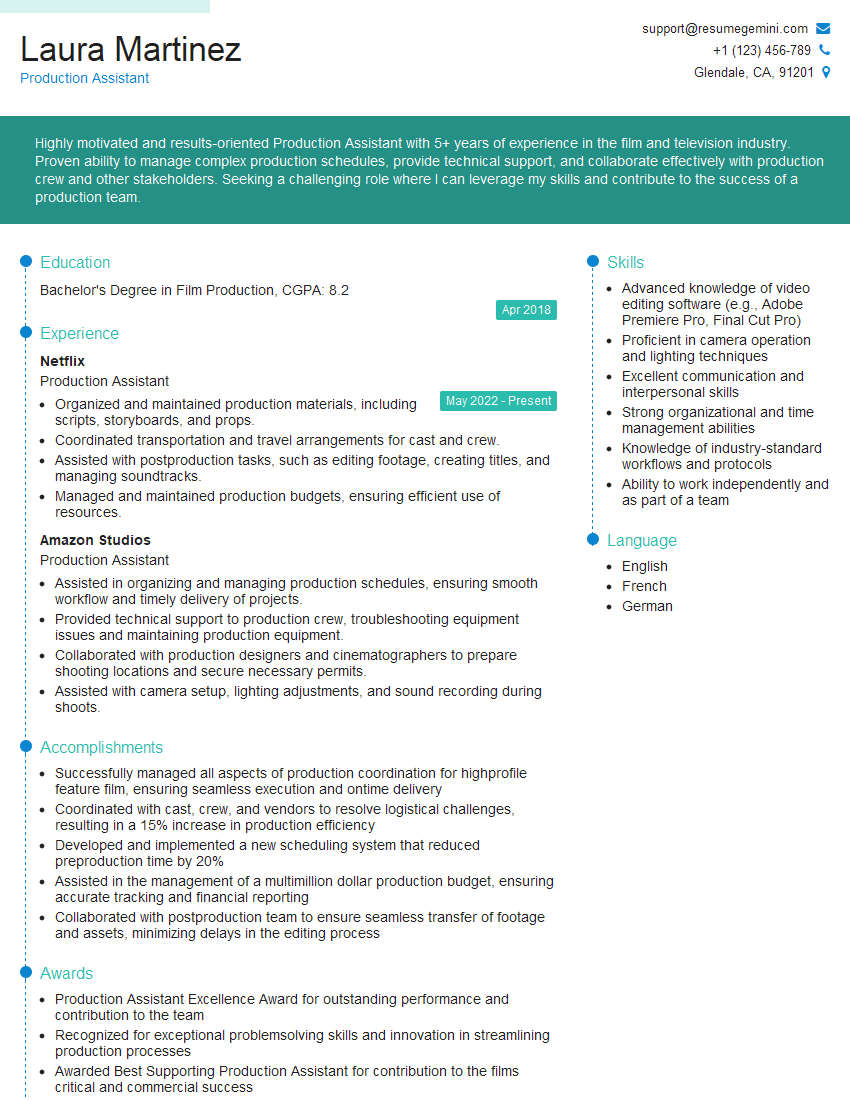
Production Assistant Resume Sample
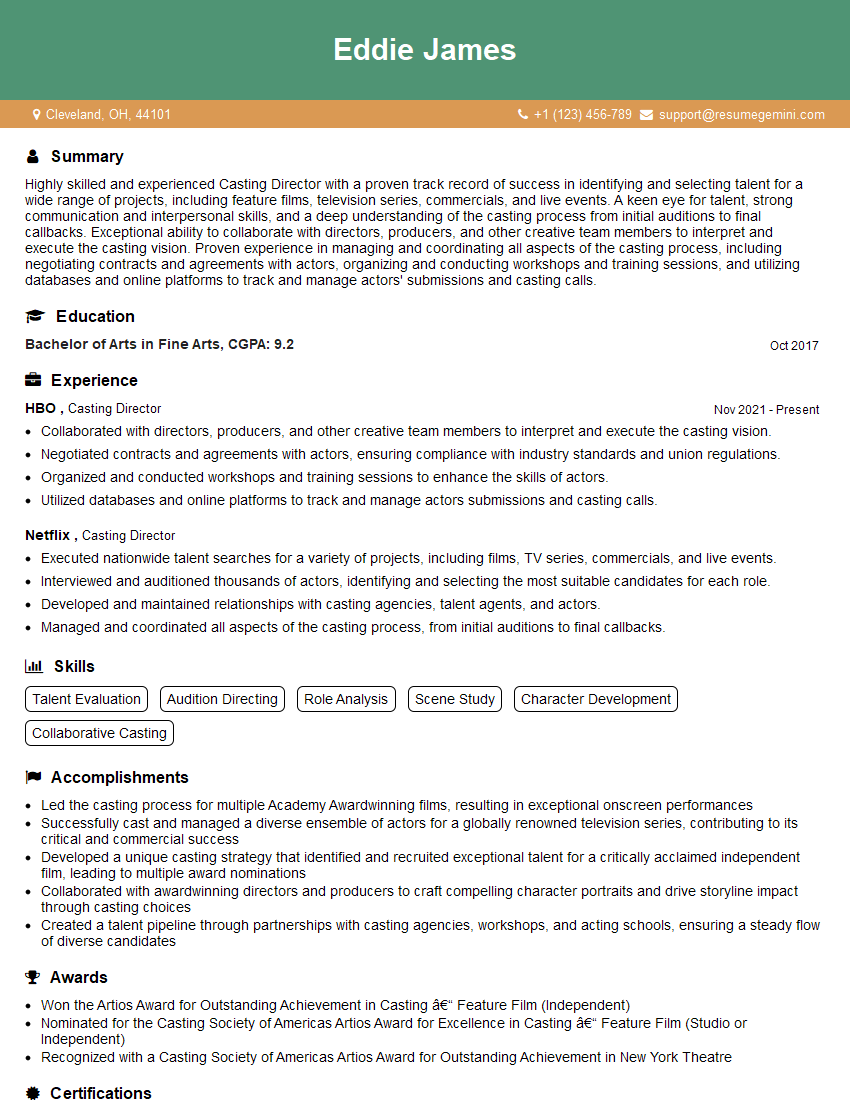
Casting Director Resume Sample
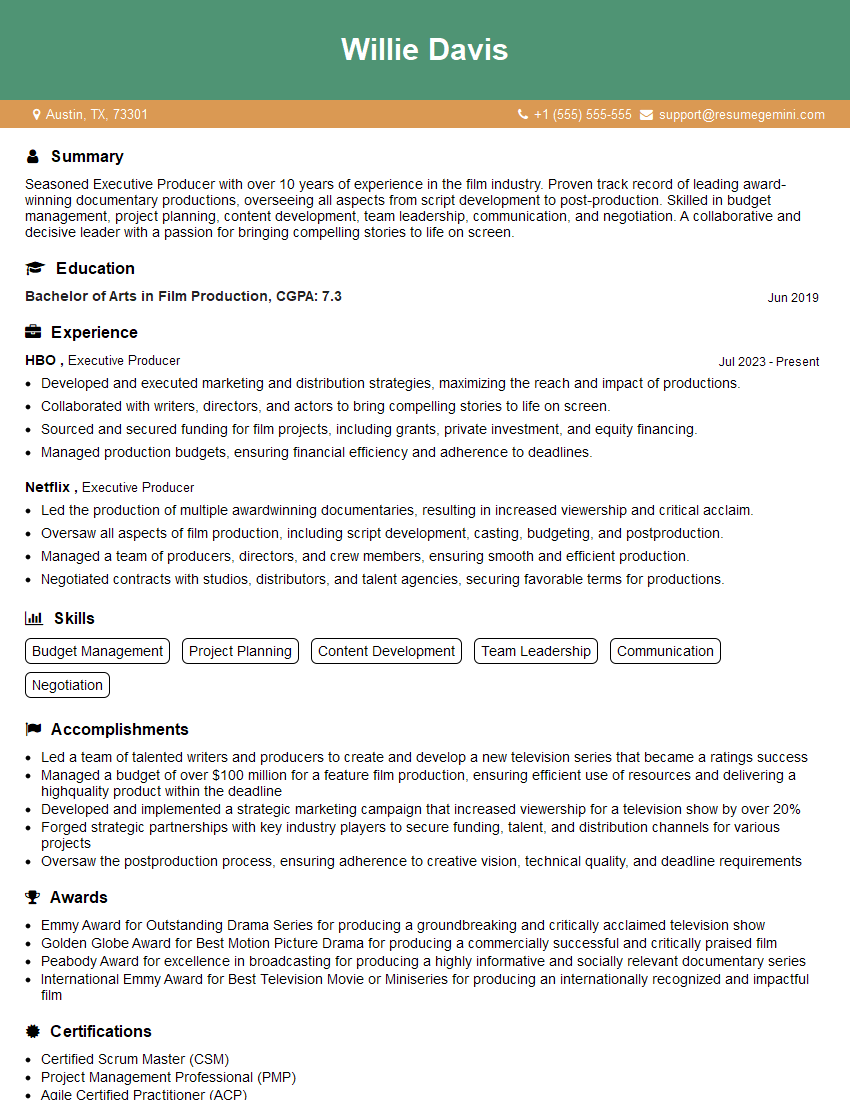
Executive Producer Resume Sample
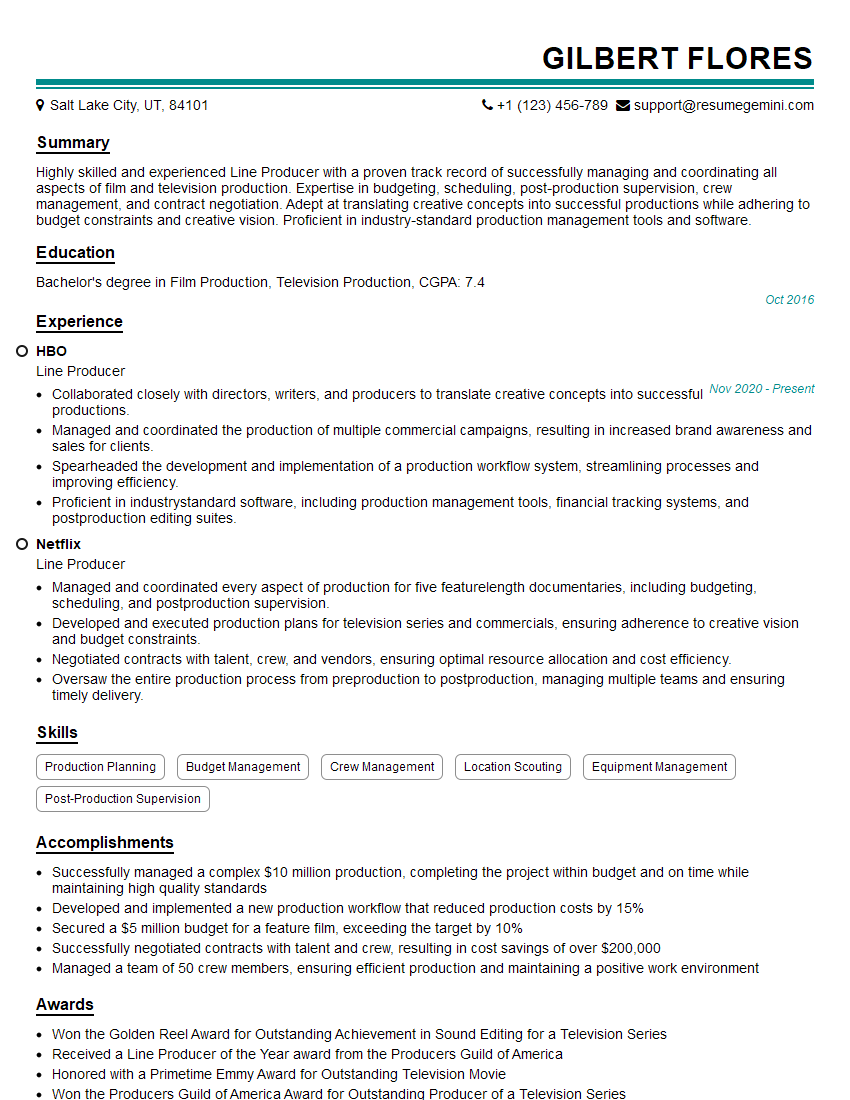
Line Producer Resume Sample
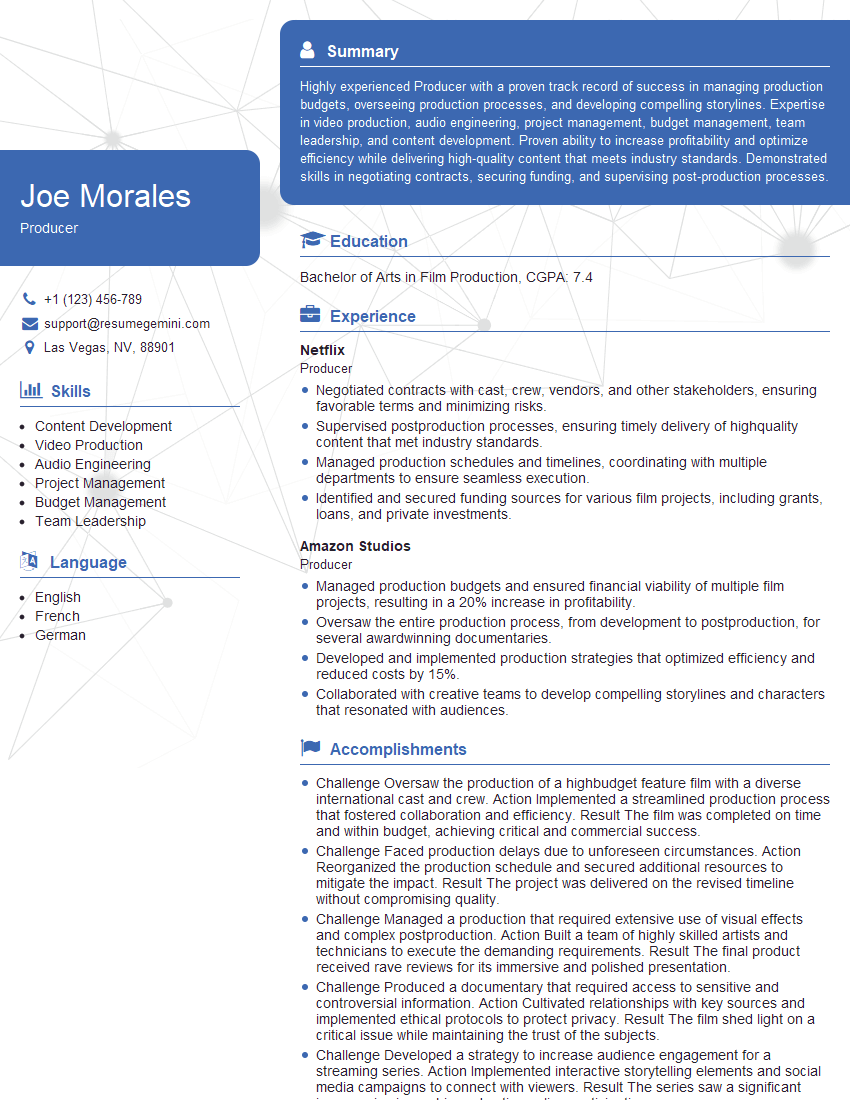
Producer Resume Sample
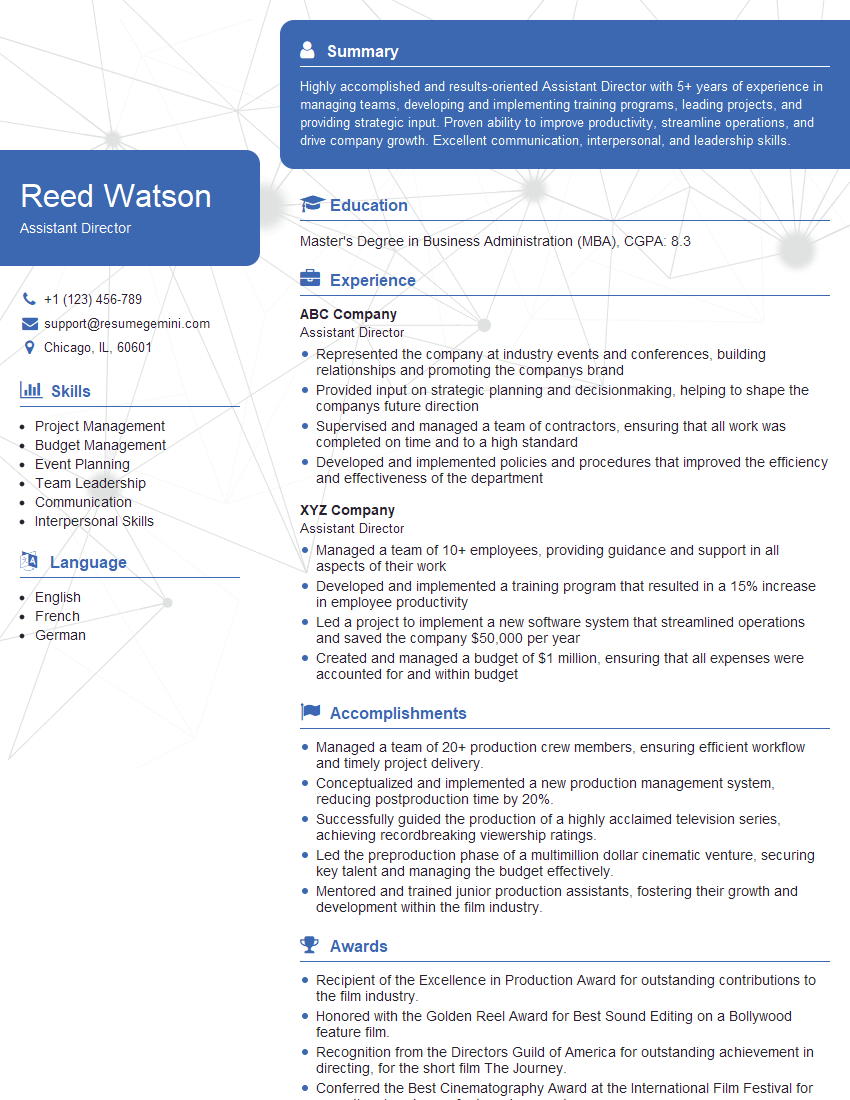
Assistant Director Resume Sample
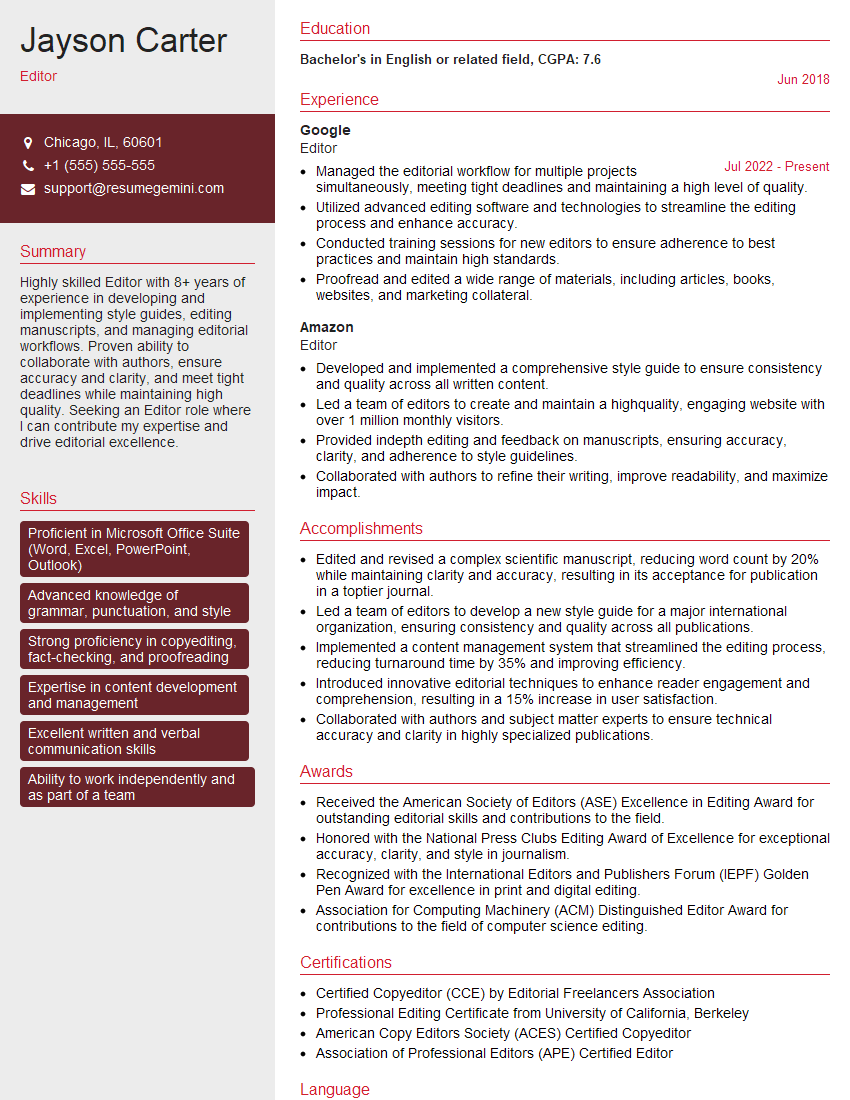
Editor Resume Sample
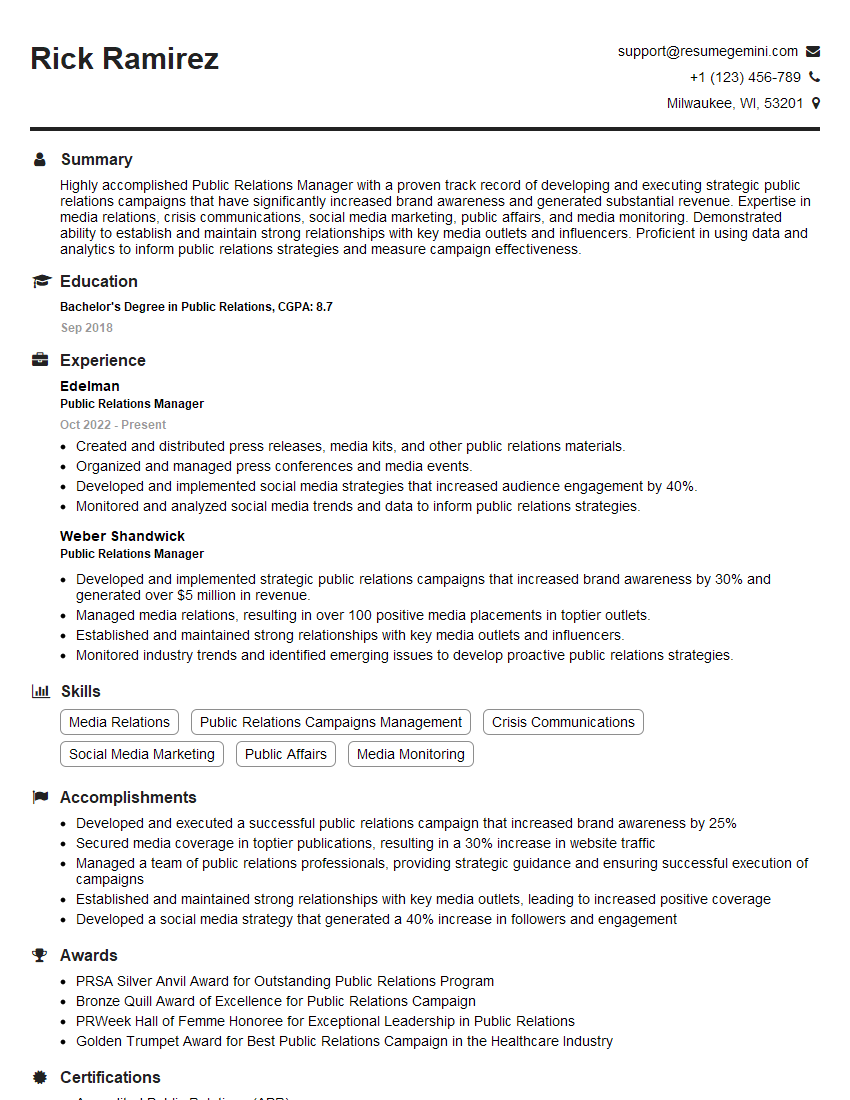
Public Relations Manager Resume Sample
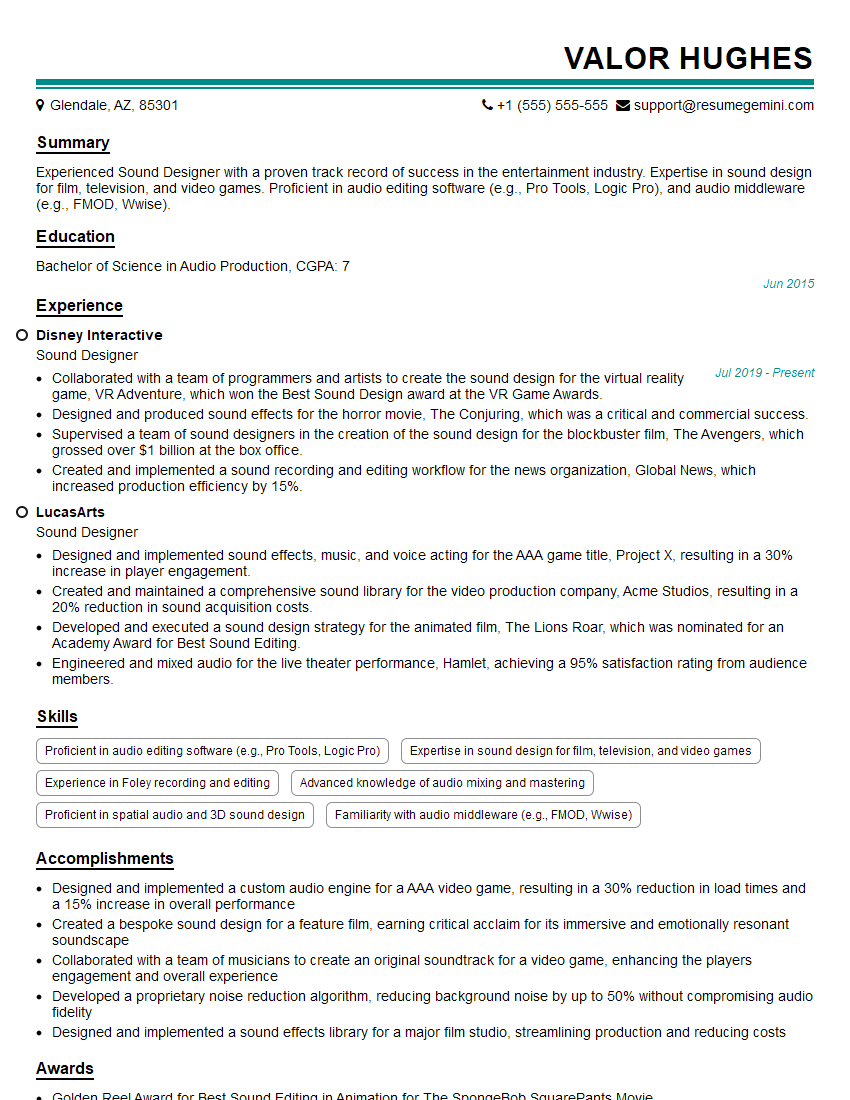
Sound Designer Resume Sample
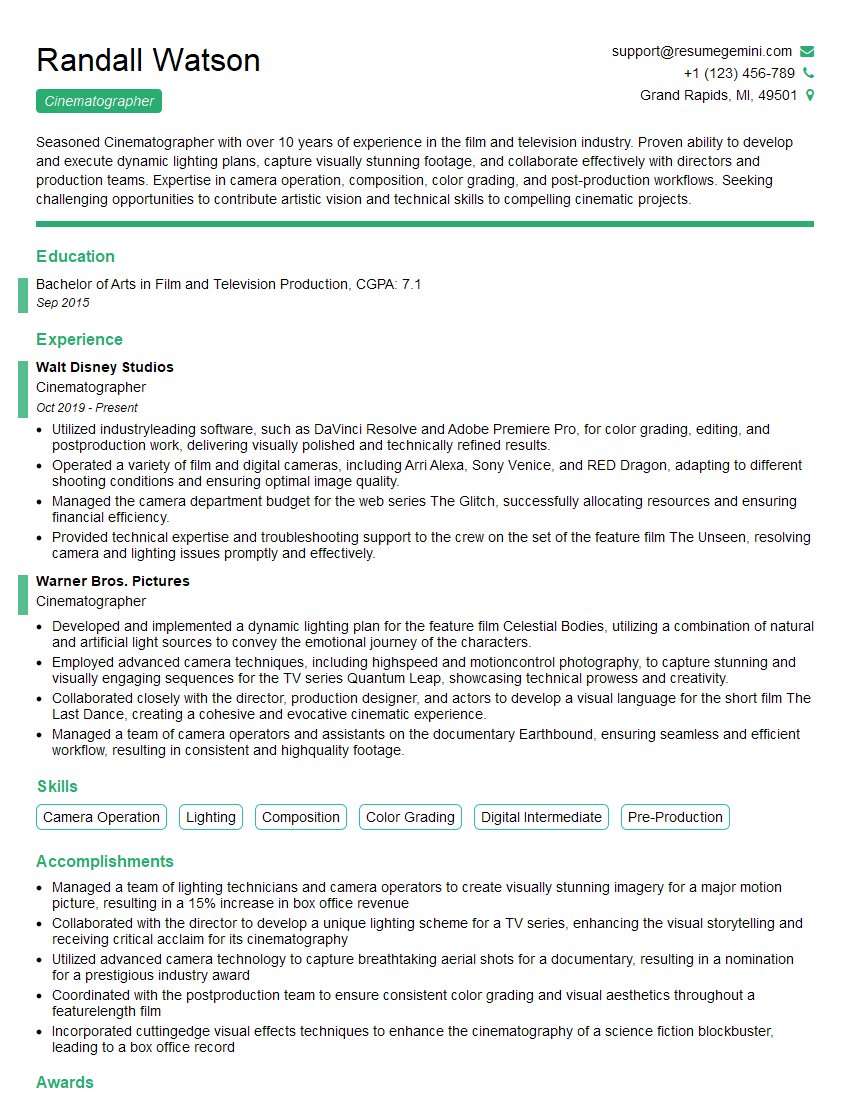
Cinematographer Resume Sample
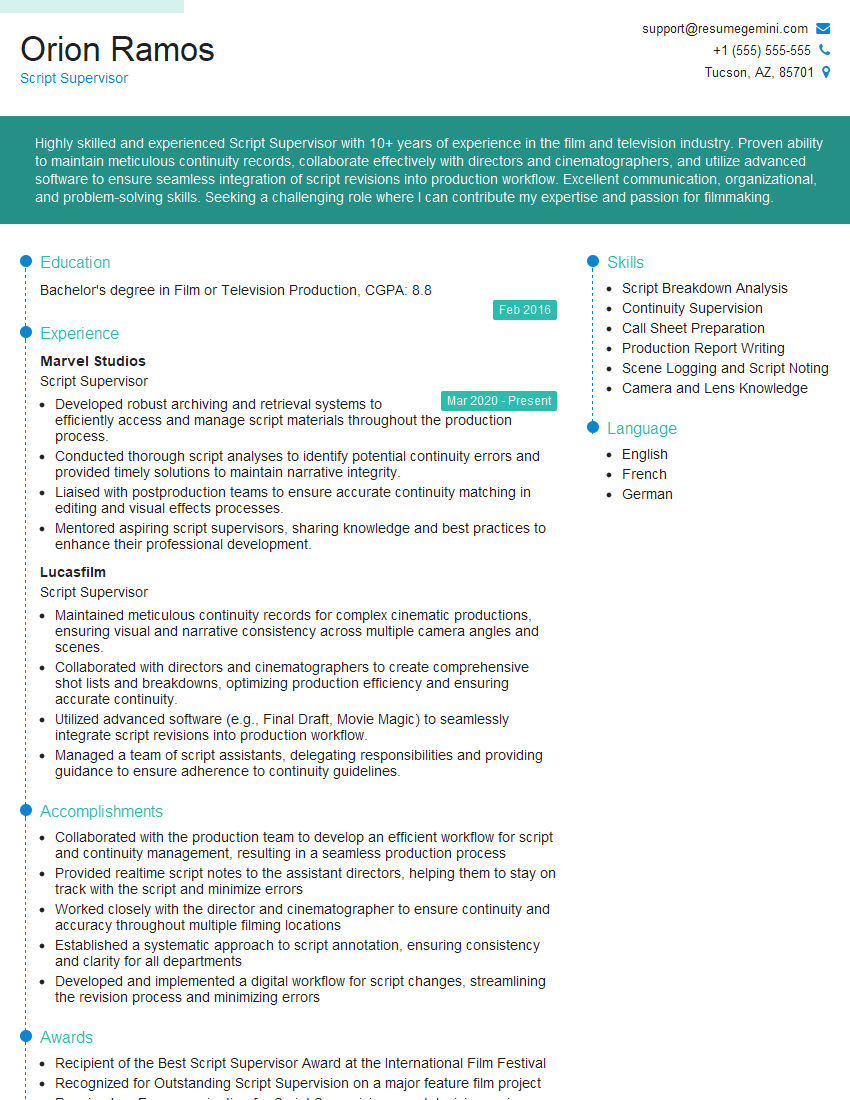
Script Supervisor Resume Sample
- Production Manager
- Account Manager
- Art Director
- Creative Director
- Marketing Manager
- Communications Manager
- Production Coordinator
- Project Manager
- Director
- Production Assistant
- Casting Director
- Executive Producer
- Line Producer
- Producer
- Assistant Director
- Editor
- Public Relations Manager
- Sound Designer
- Cinematographer
- Script Supervisor
Explore more articles
Users Rating of Our Blogs
Share Your Experience
We value your feedback! Please rate our content and share your thoughts (optional).
What Readers Say About Our Blog
Very informative content, great job.
good