Every successful interview starts with knowing what to expect. In this blog, we’ll take you through the top Strong interpersonal and negotiation skills interview questions, breaking them down with expert tips to help you deliver impactful answers. Step into your next interview fully prepared and ready to succeed.
Questions Asked in Strong interpersonal and negotiation skills Interview
Q 1. Describe a situation where you had to persuade someone to see your point of view.
Persuasion is about understanding the other person’s perspective and finding common ground, not forcing your viewpoint. In a previous project, our team was strongly advocating for a new software solution, while the marketing department favored a more traditional approach. They felt the new solution was too risky and would disrupt established processes. Instead of directly arguing, I started by acknowledging their concerns. I presented data demonstrating the potential ROI of the new software, addressing their risk concerns with a phased implementation plan that minimized disruption. I also highlighted how the new solution would improve efficiency and align with their long-term marketing goals. By focusing on mutual benefits and addressing their specific worries, I was able to persuade them to support the new software.
Q 2. How do you build rapport with someone you’ve just met?
Building rapport is about creating a connection. I begin by actively listening, showing genuine interest in what the other person is saying. I use open-ended questions to encourage them to share their thoughts and perspectives. Finding common ground, even something seemingly small, like a shared interest or experience, can significantly help to build trust. Nonverbal cues, such as maintaining eye contact, smiling, and mirroring their body language (subtly!), can also contribute to a positive first impression. It’s about creating a sense of mutual respect and understanding from the very beginning. For example, if I meet someone at a networking event and we discover a shared passion for sustainable practices, that immediately creates a bond, opening the door for further conversation and collaboration.
Q 3. Explain your approach to resolving conflict in a team setting.
My approach to resolving team conflicts is collaborative and focused on finding solutions that work for everyone. First, I ensure a safe and neutral space for open communication. I encourage each party to express their perspectives without interruption. Once everyone has been heard, I work to identify the root cause of the conflict, separating the issue from the personalities involved. This often involves active listening and asking clarifying questions to ensure mutual understanding. Then, we collaboratively brainstorm solutions, focusing on finding options that address the needs of all team members. Finally, we agree on a plan of action and establish clear timelines and accountability. For example, if a disagreement arises between designers and developers about project deadlines, I would facilitate a meeting to discuss each party’s constraints and priorities. By working together, we might discover a solution like adjusting the project scope or re-allocating resources.
Q 4. How do you handle a negotiation where the other party is being aggressive?
Handling aggressive negotiators requires maintaining composure and professionalism. I focus on remaining calm and respectful, even when faced with aggressive tactics. I acknowledge their feelings and concerns but firmly reiterate my position and the reasons behind it. I use active listening to understand their motivations, looking for potential areas of compromise. If the aggression persists, I might suggest a brief pause to allow everyone to calm down. Sometimes, it’s necessary to bring in a mediator to ensure a fair and productive discussion. It’s crucial to avoid escalating the situation and to firmly but politely stand your ground. For instance, if someone is employing aggressive tactics like personal attacks, I might respond by saying something like, “I understand you’re feeling frustrated, and I want to address your concerns, but let’s keep the discussion focused on the facts.”
Q 5. Give an example of a time you had to compromise to reach an agreement.
In a previous negotiation involving a vendor for a large-scale project, we initially had a significant disagreement on the pricing structure. They were insistent on a fixed-price contract, while we preferred a time-and-materials approach to account for potential unforeseen complexities. Both options had merits and drawbacks. To reach an agreement, we compromised by adopting a hybrid approach. We agreed on a fixed price for the initial core functionality but included a clearly defined and pre-agreed upon additional cost structure for extra features or complexities. This compromise satisfied both parties’ needs and ensured the project’s success while mitigating risks for both sides.
Q 6. Describe your strategy for active listening during a negotiation.
My active listening strategy during negotiations focuses on truly understanding the other party’s perspective, not just waiting for my turn to speak. I use verbal and nonverbal cues to show engagement, such as nodding, maintaining eye contact, and summarizing their points to ensure understanding. I avoid interrupting and focus on listening empathetically. I ask clarifying questions to delve deeper into their concerns and interests, ensuring I fully grasp their reasoning. This helps me identify areas of potential agreement and build rapport. I also pay close attention to their tone and body language, which often provides valuable insights into their underlying needs and motivations. For instance, I might say, “So, if I understand correctly, your main concern is the timeline?” to ensure I’ve correctly understood their point before responding.
Q 7. How do you identify the needs and interests of the other party in a negotiation?
Identifying the other party’s needs and interests is fundamental to successful negotiation. I approach this by asking open-ended questions that go beyond surface-level concerns. I aim to understand their underlying motivations, their priorities, and what they hope to achieve from the negotiation. I look for clues in their language, their body language, and their behavior. I try to establish a conversational tone to create a comfortable environment where they feel safe sharing their true concerns. Often, the stated needs are different from their underlying interests. For example, a company may state that their need is a low price, but their underlying interest might be to ensure the quality of the product. Recognizing that difference allows me to tailor my approach to find mutually beneficial solutions.
Q 8. What techniques do you use to manage difficult conversations?
Managing difficult conversations requires a structured approach focusing on empathy, active listening, and clear communication. I begin by ensuring a private and comfortable setting, minimizing distractions. Then, I employ active listening techniques – truly hearing and understanding the other person’s perspective before responding. This often involves paraphrasing their points to confirm understanding: “So, if I understand correctly, you’re feeling frustrated because…”
Next, I focus on identifying the core issue, separating emotions from facts. It’s crucial to acknowledge their feelings, even if I don’t agree with their perspective. For example, I might say, “I understand your frustration; this situation is indeed challenging.” Finally, I work collaboratively to find mutually acceptable solutions, focusing on shared goals rather than assigning blame.
For instance, in a previous project, a team member was deeply upset about a deadline change. Instead of getting defensive, I listened to their concerns, validated their feelings, and then collaboratively explored alternative solutions, adjusting task assignments and timelines to meet their needs while still meeting project goals. This led to a much more productive and positive outcome than a confrontational approach would have.
Q 9. How do you determine a fair outcome in a negotiation?
Determining a fair outcome hinges on understanding the interests, not just the positions, of all parties involved. A position is what someone says they want; an interest is the underlying need or desire driving that position. I use a principled negotiation approach, focusing on objective criteria rather than subjective opinions or pressure tactics. This might involve market data, industry standards, precedent, or even a fair coin flip, depending on the context.
For example, in negotiating a contract, instead of solely focusing on the price, I examine factors like market rates for similar services, the client’s budget constraints, and the value I’m providing. This allows me to propose a price that’s fair to both parties, while still ensuring profitability for my organization. This transparency fosters trust and improves the chances of a mutually agreeable outcome. A fair outcome isn’t always a 50/50 split; it’s about each side feeling they’ve been treated equitably given the circumstances.
Q 10. How do you handle objections during a negotiation?
Objections are opportunities to further understand the other party’s concerns and strengthen the negotiation. I address objections calmly and directly, acknowledging their validity before responding. Instead of dismissing them, I ask clarifying questions to gain a better understanding of the root cause. For example, if a client objects to the price, I might ask, “What aspects of the pricing seem concerning to you?” This opens a dialogue rather than creating a defensive posture.
Once I understand their concern, I address it with factual information, evidence, or alternative solutions. I might offer a modified proposal or highlight the value of my offering to counter their concerns. If the objection is unresolvable, I acknowledge the difference in perspective respectfully, and explore alternative approaches or whether the negotiation should continue.
In a past negotiation involving software licensing, a client objected to the implementation timeline. Instead of arguing, I explored their underlying needs – they needed the system up and running for a specific event. By proposing a phased rollout with priority features delivered first, we addressed their concerns while still staying within budget and meeting the core requirements.
Q 11. Describe your experience with different negotiation styles (e.g., competitive, collaborative).
I’m comfortable employing various negotiation styles depending on the context and the other party’s approach. A competitive style, focused on achieving my own objectives, is suitable in certain situations, such as auctions or securing the best possible deal in a competitive market. However, it can damage long-term relationships.
I much prefer and more frequently use a collaborative style, prioritizing building rapport and finding mutually beneficial solutions. This approach is essential for maintaining strong relationships and achieving sustainable outcomes. It involves actively listening, understanding the other party’s needs, and working together to create value. Even in competitive situations, incorporating elements of collaboration can yield better overall results by fostering trust and willingness to compromise.
For example, when negotiating a joint venture, a collaborative approach was crucial. Open communication, shared information, and a focus on shared goals resulted in a successful partnership that benefited all parties involved. Conversely, in a real estate negotiation, a more competitive stance was initially necessary to secure a favorable offer, but I still aimed for a respectful and reasonable outcome.
Q 12. How do you prepare for a high-stakes negotiation?
Preparing for a high-stakes negotiation involves meticulous planning and research. This starts with clearly defining my goals and objectives, understanding my best alternative to a negotiated agreement (BATNA), and assessing the other party’s likely goals and BATNA. I thoroughly research the other party’s history, their reputation, and their past negotiation strategies. This includes understanding their key decision-makers, their organizational culture, and any relevant external factors that might influence the outcome.
I create a detailed negotiation plan, including potential scenarios and responses, anticipating potential challenges and objections. This involves practicing my delivery and preparing supporting evidence, data, and persuasive arguments. Finally, I assemble my team, ensuring everyone is clear on the goals, roles, and responsibilities. A well-rehearsed team fosters confidence and increases the chances of a successful negotiation.
In a crucial contract negotiation for a major client, thorough preparation was paramount. We anticipated potential objections and developed detailed responses supported by market analysis and client testimonials. This meticulous planning allowed us to navigate unexpected challenges smoothly and secure a highly favorable agreement.
Q 13. What is your approach to creating a win-win outcome in a negotiation?
My approach to creating a win-win outcome focuses on expanding the pie rather than dividing it. Instead of viewing the negotiation as a zero-sum game, I look for opportunities to create value for both sides. This involves identifying shared interests and exploring creative solutions that address both parties’ needs. Active listening, understanding underlying interests, and open communication are crucial elements of this process.
For example, in negotiating a supplier contract, we explored opportunities for collaboration beyond pricing. By optimizing their delivery schedule to align with our production cycle, we reduced our inventory costs, while they benefited from increased order predictability and reduced transportation expenses. This collaborative approach resulted in a win-win outcome, exceeding initial expectations for both parties.
Q 14. How do you build trust with the other party in a negotiation?
Building trust is fundamental to successful negotiation. I start by demonstrating integrity and honesty in my dealings. This means being transparent and forthright in my communication, avoiding deceptive tactics, and keeping my commitments. I also actively listen to understand the other party’s perspective, showing genuine empathy and respect for their concerns.
Building rapport is also essential. This involves finding common ground, creating a positive atmosphere, and engaging in small talk to establish a personal connection. Showing that I value their time and perspective fosters mutual respect. In addition, I strive to be reliable and consistent in my actions, reinforcing trust over time. Transparency in my own motivations and considerations further solidifies a feeling of mutual understanding and goodwill.
In a recent negotiation, building trust was paramount. By being upfront about our limitations and proactively addressing the other party’s concerns, we established a strong foundation of mutual respect, which led to a successful and collaborative outcome exceeding initial expectations.
Q 15. How do you deal with emotional responses during a negotiation?
Negotiations can be emotionally charged, and recognizing and managing those emotions – both my own and the other party’s – is crucial. I approach this by actively practicing emotional intelligence. This involves:
Self-awareness: Identifying my own emotional triggers and biases. If I feel frustrated, I acknowledge it and take a moment to center myself before responding.
Empathy: Understanding the other party’s perspective and emotions. I actively listen to their concerns, even if I don’t agree, to identify the underlying emotional needs driving their position.
Regulation: Managing my emotional response. This might involve taking a short break, reframing my thoughts, or using calming techniques like deep breaths.
Responding, not reacting: Instead of immediately responding to emotional outbursts, I pause to understand the root cause and then craft a thoughtful, measured reply.
For example, in a recent negotiation, the other party became visibly frustrated when I presented a counter-offer. Instead of reacting defensively, I acknowledged their feelings, saying something like, ‘I understand your frustration. This was a tough decision for us as well, and let’s work together to find a solution that works for both sides.’ This helped de-escalate the situation and allowed us to find common ground.
Career Expert Tips:
- Ace those interviews! Prepare effectively by reviewing the Top 50 Most Common Interview Questions on ResumeGemini.
- Navigate your job search with confidence! Explore a wide range of Career Tips on ResumeGemini. Learn about common challenges and recommendations to overcome them.
- Craft the perfect resume! Master the Art of Resume Writing with ResumeGemini’s guide. Showcase your unique qualifications and achievements effectively.
- Don’t miss out on holiday savings! Build your dream resume with ResumeGemini’s ATS optimized templates.
Q 16. How do you evaluate the success of a negotiation?
Evaluating the success of a negotiation goes beyond simply getting the best deal. I consider a negotiation successful when:
Mutual Gain: Both parties feel they have achieved a positive outcome, even if it’s not exactly what they initially wanted. It’s about finding a win-win situation.
Strong Relationship: The negotiation has strengthened, or at least not damaged, the relationship with the other party. Long-term relationships are often more valuable than short-term gains.
Alignment with Objectives: The final agreement aligns with my pre-negotiation goals and objectives. I assess if the key priorities were met.
Ethical Conduct: The negotiation process was conducted ethically and transparently. Integrity is paramount.
I use a post-negotiation review process where I analyze what worked, what could have been improved, and how the outcome impacts my future strategies.
Q 17. Describe a time you had to deal with a difficult personality.
I once had to negotiate a contract with a client known for being abrasive and highly demanding. He frequently interrupted, dismissed my ideas, and used aggressive tactics. My approach was to:
Maintain composure: I didn’t let his behavior affect me. I remained calm and professional throughout the process.
Active listening: I listened carefully to his concerns, even when they were expressed in a confrontational manner. This showed him I was taking his needs seriously.
Focus on shared goals: I repeatedly redirected the conversation back to our shared objectives. This helped to de-escalate the situation and move us towards a common goal.
Strategic concessions: I strategically made small concessions to show my willingness to collaborate, but only when it didn’t compromise my key interests.
While the negotiation was challenging, we eventually reached an agreement that satisfied both parties. The key was to understand his underlying motivations and to manage the interaction strategically, while preserving mutual respect.
Q 18. How do you handle pressure during a negotiation?
Pressure during negotiations is inevitable. My strategies for handling pressure include:
Preparation: Thorough preparation is my first line of defense. Knowing my priorities, alternatives, and the other party’s potential positions significantly reduces anxiety and improves confidence.
Time Management: I manage time effectively to avoid rushing decisions. Deadlines are respected but not allowed to dictate poor choices.
Strategic Breaks: Taking short breaks to clear my head and regain focus helps to prevent impulsive decisions under stress.
Confidence: Believing in my skills and preparation helps me maintain composure and effectively navigate challenging situations.
If pressure tactics are used, I address them directly and professionally, focusing on facts and mutual benefit rather than emotional responses.
Q 19. How do you adapt your communication style to different individuals?
Adapting my communication style is essential for effective negotiation. I analyze the individual’s communication style by observing their:
Verbal and Nonverbal Cues: Do they speak directly or indirectly? Are they formal or informal? What are their body language cues?
Personality: Are they analytical or intuitive? Are they collaborative or competitive?
Cultural Background: Understanding cultural differences in communication is crucial for effective cross-cultural negotiations.
I adjust accordingly; for example, with a more direct and analytical individual, I’ll use concise, data-driven arguments. With someone more relationship-oriented, I’ll emphasize building rapport and finding collaborative solutions. Flexibility and sensitivity are key.
Q 20. How do you assess the credibility of information received during a negotiation?
Assessing the credibility of information is critical. My approach includes:
Source Verification: I independently verify information from multiple sources whenever possible. This reduces reliance on a single, potentially biased, source.
Fact-Checking: I cross-reference data with reliable sources, paying attention to the data’s origin and potential biases.
Contextual Analysis: I consider the context in which information is presented. Understanding the motivations of the source is essential.
Questioning and Clarification: I actively ask clarifying questions to understand the basis of the information and identify potential inconsistencies.
If I’m unsure of the credibility, I acknowledge the uncertainty and proceed cautiously, avoiding reliance on questionable information in my decision-making.
Q 21. How do you manage expectations during a negotiation?
Managing expectations is fundamental to a successful negotiation. This involves:
Clear Communication: Clearly outlining my expectations and understanding the other party’s expectations from the outset is essential.
Realistic Goals: Setting realistic and achievable goals helps prevent disappointment and maintain a positive negotiating posture.
Transparency: Openly communicating potential challenges or limitations contributes to mutual understanding and trust.
Flexibility: Being willing to adjust expectations based on new information or unforeseen circumstances maintains a constructive dialogue.
I regularly check in with the other party to ensure their expectations are being met, and I adjust my approach as needed to maintain a collaborative spirit and reach a mutually acceptable outcome.
Q 22. Describe a time you had to make a difficult decision that involved interpersonal skills.
Difficult decisions involving interpersonal skills often require navigating conflicting priorities and sensitivities. One instance involved a team project where a key member consistently missed deadlines, impacting the entire group’s progress. Simply reprimanding them would have damaged morale. Instead, I initiated a private conversation, actively listening to their perspective. I discovered personal challenges were affecting their work. We collaboratively established a revised timeline with smaller, more manageable milestones and agreed on support systems. This solution required empathy, active listening, and clear communication – all crucial interpersonal skills. The project eventually succeeded, and the team member’s performance improved significantly.
Q 23. How do you balance your own needs and interests with those of the other party in a negotiation?
Balancing one’s needs with the other party’s requires a principled negotiation approach. It’s not about compromise for compromise’s sake, but finding solutions that meet the core interests of all involved. I utilize a collaborative, interest-based negotiation style. This means focusing on understanding the why behind each party’s stated positions, identifying underlying needs and concerns. For example, in a salary negotiation, focusing solely on the numerical figure misses the point. Understanding their needs (job security, career advancement, work-life balance) allows for creative solutions that might involve a slightly lower salary but with better benefits or opportunities.
Q 24. How do you utilize body language effectively during a negotiation?
Body language is a powerful, often unconscious, communication tool. In negotiations, I use it strategically, but subtly. Maintaining open and inviting posture – uncrossed arms, relaxed shoulders – conveys openness and approachability. Mirroring the other party’s body language (subtly!) can build rapport, creating a sense of trust and connection. However, I avoid mimicking overly aggressively. Eye contact is key – maintaining a consistent, yet not overly intense, gaze demonstrates engagement and sincerity. Finally, paying attention to my own body language helps me stay self-aware and adjust my approach as needed.
Q 25. How do you identify and overcome potential biases in a negotiation?
Identifying and overcoming biases requires constant self-reflection and awareness. We all have unconscious biases. To mitigate this, I employ several strategies: Firstly, I actively listen to understand the other party’s perspective, avoiding premature judgments. Secondly, I challenge my own assumptions. Asking myself, ‘What evidence supports this belief?’ often reveals flawed logic. Thirdly, I actively seek diverse perspectives. This can involve including different team members in the negotiation or seeking external advice. Finally, documenting the negotiation process helps to objectively evaluate my actions and identify any potential biases that may have influenced decisions.
Q 26. How do you document and track progress during a negotiation?
Thorough documentation is crucial for successful negotiations. I maintain detailed notes throughout the process, including: initial proposals, counter-offers, agreed-upon terms, and any significant discussions. I typically use a structured format – either a spreadsheet or a dedicated negotiation management software – that allows easy tracking of progress. This documentation is not just for record-keeping; it also serves as a useful reference point for reviewing past discussions, identifying potential sticking points, and preparing for future meetings. A clear audit trail is essential, especially in complex or long-drawn-out negotiations.
Q 27. What is your strategy for closing a negotiation?
My closing strategy is less about forceful persuasion and more about collaborative confirmation. Once we’ve reached a mutually acceptable agreement, I summarize the key terms to ensure clarity and understanding. I then seek explicit confirmation from the other party, ensuring they’re comfortable and confident with the final agreement. I approach the closing as a collaborative effort, reviewing the agreed terms one last time and confirming all points are understood and accepted by both parties. Finally, I outline next steps and timelines for implementation. This ensures a smooth transition and a positive conclusion.
Q 28. Describe a negotiation where you had to overcome significant challenges.
A particularly challenging negotiation involved securing a crucial partnership with a company known for its tough bargaining. Initial discussions were tense, with significant differences in expectations. The challenge wasn’t just about the financial terms; it also involved aligning conflicting business philosophies and operational structures. To overcome this, I focused on building a strong rapport with their key negotiators. I presented our collaboration not just as a business deal but as a mutually beneficial opportunity. I showcased how our strengths complemented theirs and proposed a phased approach, starting with smaller, less risky projects to build trust and demonstrate the potential for long-term success. This approach eventually led to a successful partnership, exceeding initial expectations.
Key Topics to Learn for Strong Interpersonal and Negotiation Skills Interviews
- Active Listening and Empathy: Understanding perspectives beyond your own. Practical application: Practice reflecting back what you hear to ensure comprehension and build rapport.
- Building Rapport and Trust: Establishing a connection to foster collaboration. Practical application: Identify common ground and shared goals to build trust early in interactions.
- Effective Communication (Verbal & Nonverbal): Conveying your message clearly and confidently. Practical application: Practice your delivery; consider body language, tone, and word choice.
- Negotiation Strategies: Exploring win-win solutions and understanding different negotiation styles. Practical application: Prepare for potential compromises and alternative solutions before entering a negotiation.
- Conflict Resolution: Addressing disagreements constructively and finding mutually acceptable solutions. Practical application: Learn different conflict resolution models and practice applying them in simulated scenarios.
- Persuasion and Influence: Articulating your viewpoint effectively and influencing others. Practical application: Practice framing your arguments logically and appealing to the needs and interests of the other party.
- Managing Expectations: Setting realistic goals and communicating them clearly. Practical application: Practice clear and concise communication of expectations to avoid misunderstandings.
Next Steps
Mastering strong interpersonal and negotiation skills is crucial for career advancement. These skills are highly valued across all industries and are key to building strong relationships, leading teams, and achieving your professional goals. To significantly increase your job prospects, creating a compelling and ATS-friendly resume is essential. ResumeGemini offers a trusted platform to build a professional resume that highlights your skills effectively. We provide examples of resumes tailored to showcasing strong interpersonal and negotiation skills to help you create a document that truly captures your abilities and experience.
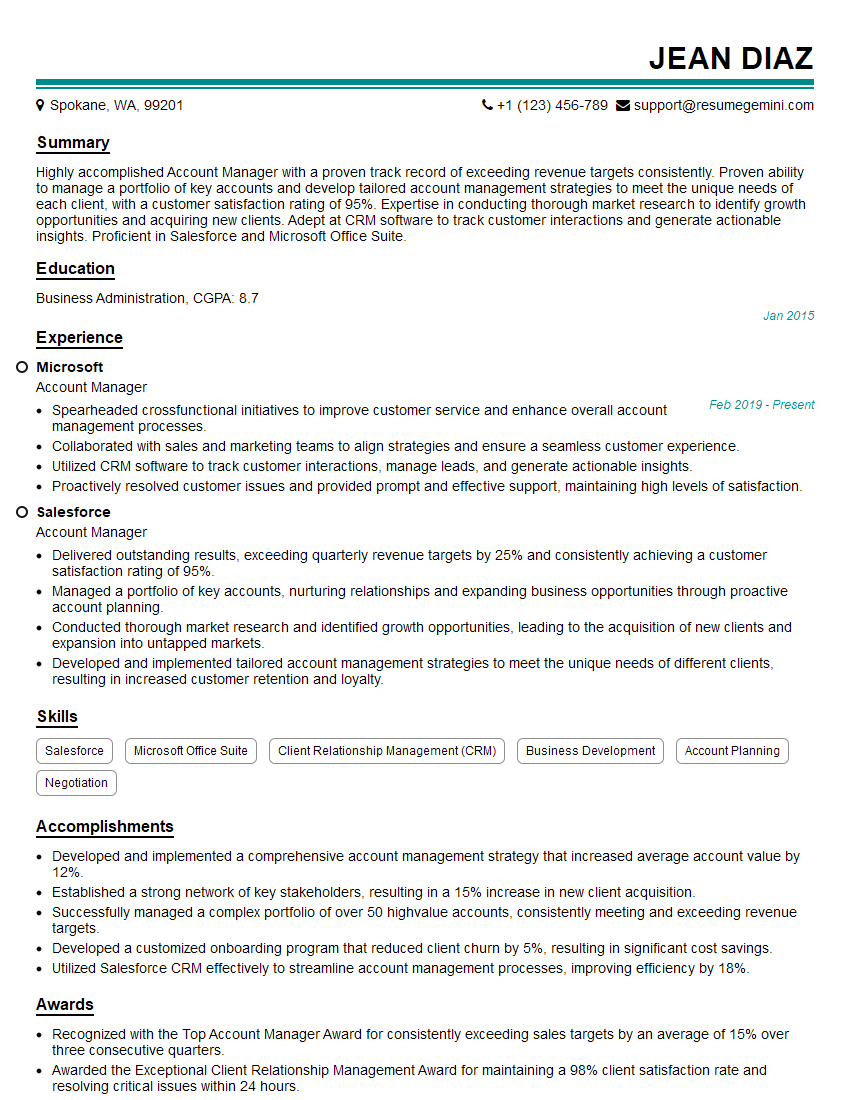
Account Manager Resume Sample
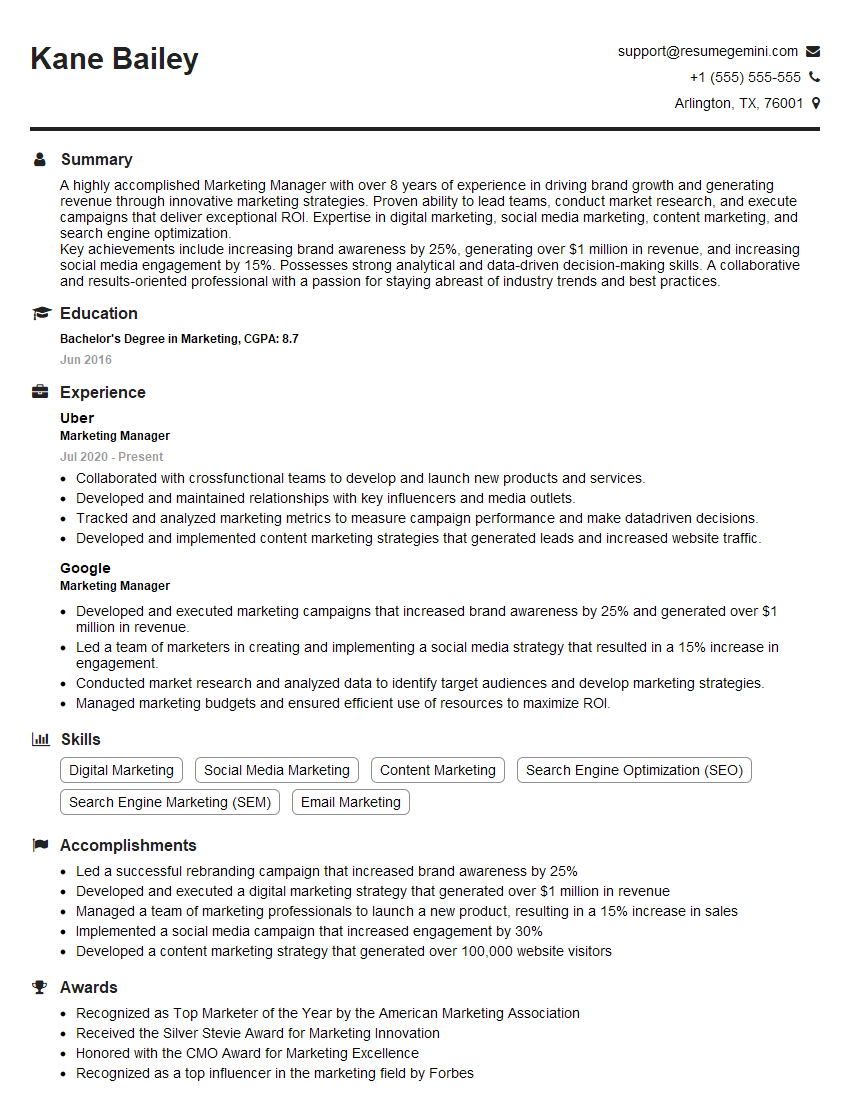
Marketing Manager Resume Sample
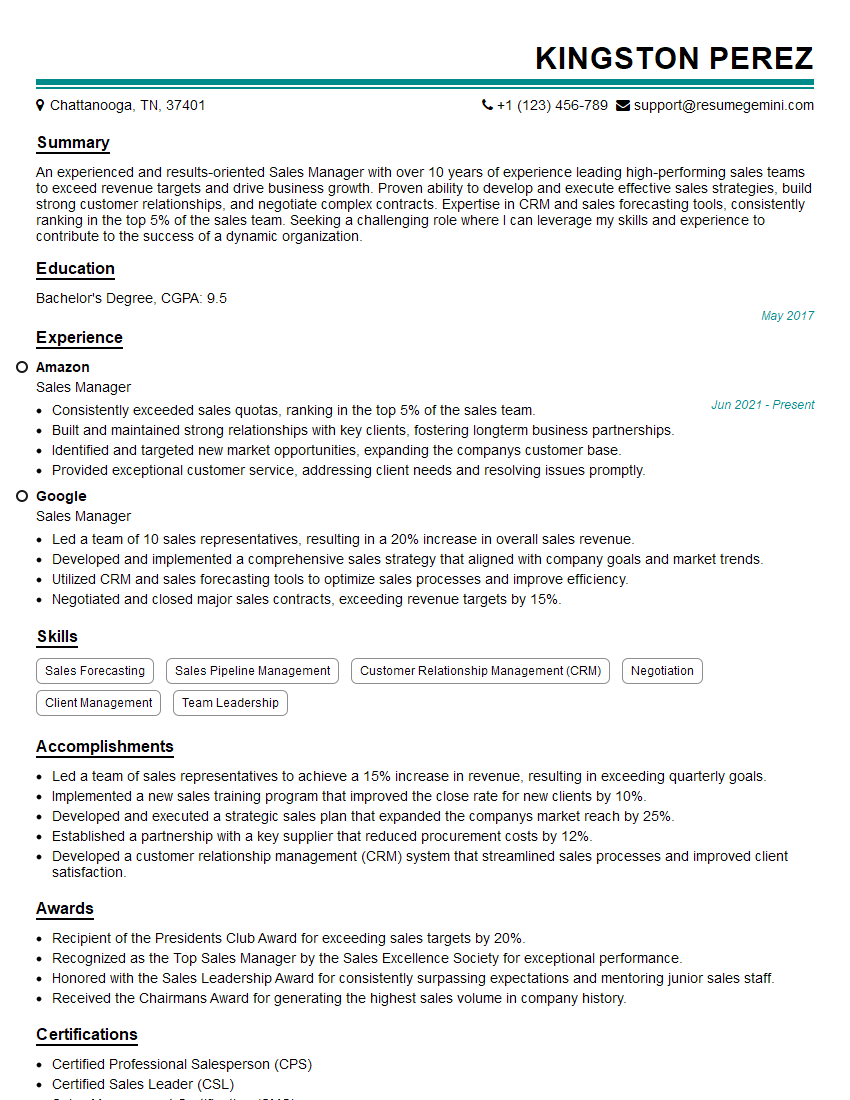
Sales Manager Resume Sample
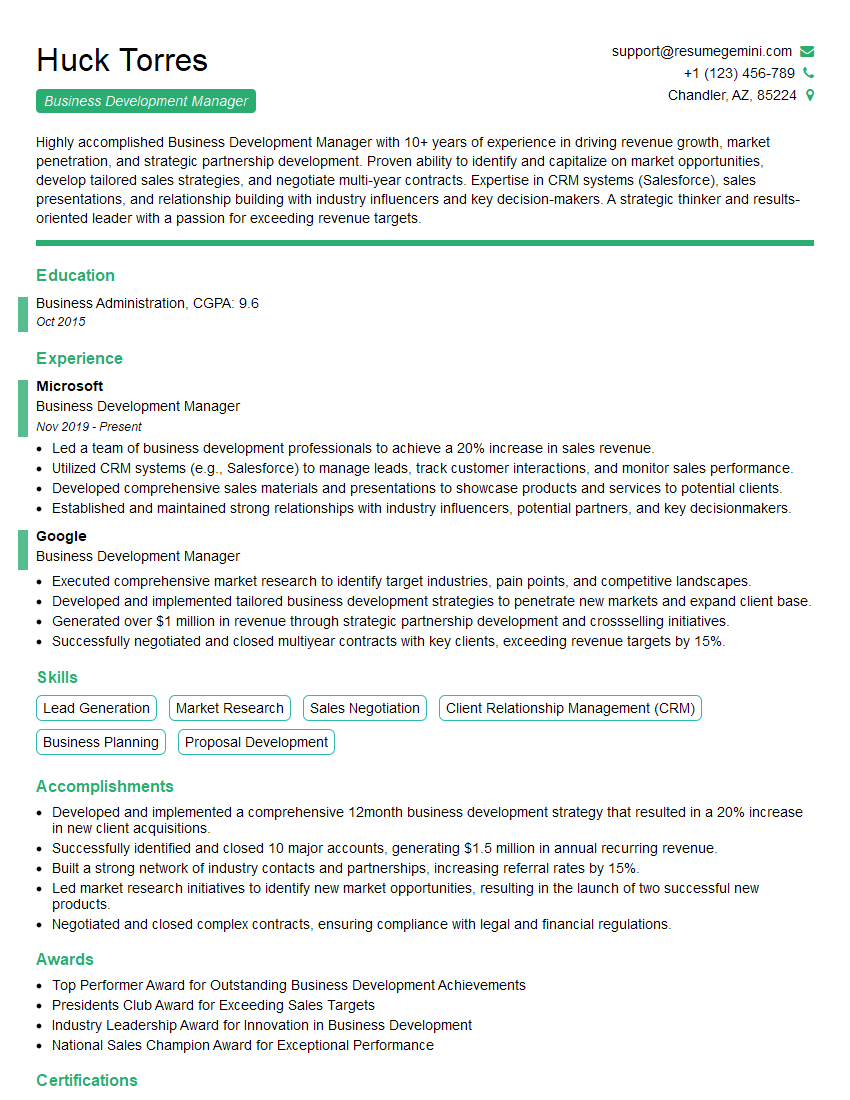
Business Development Manager Resume Sample
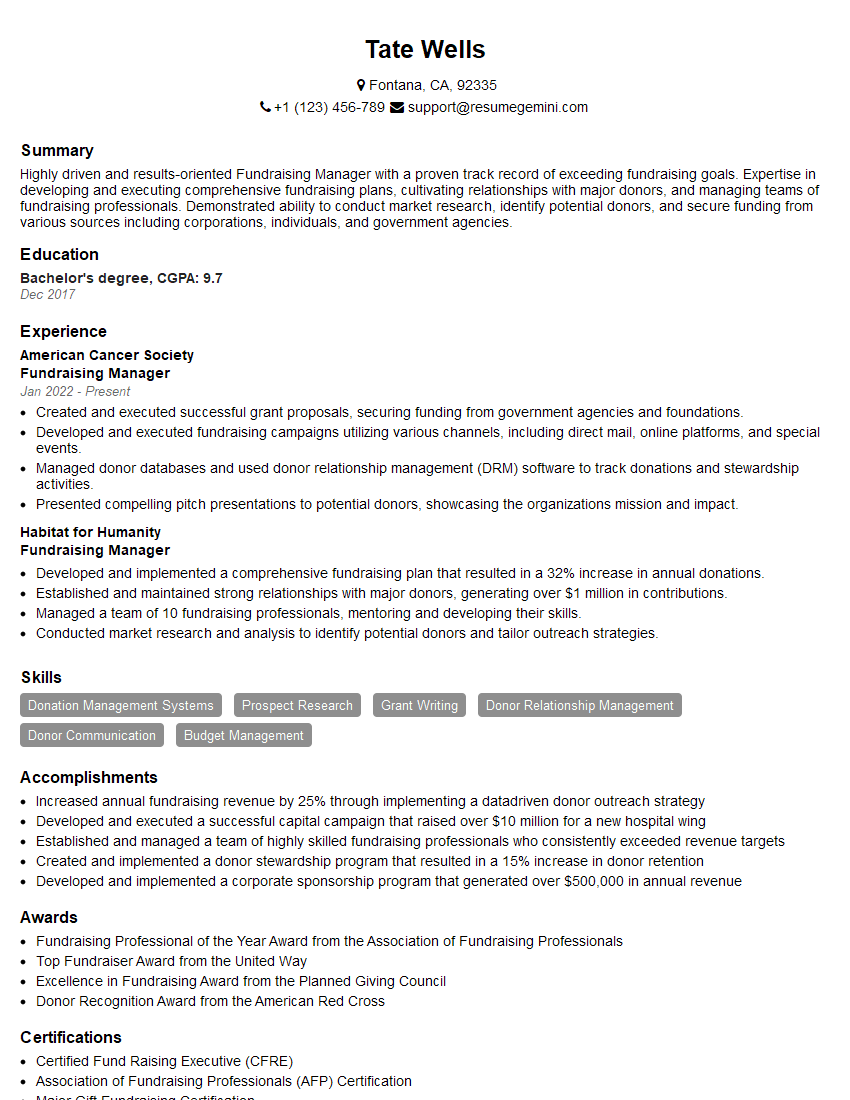
Fundraising Manager Resume Sample
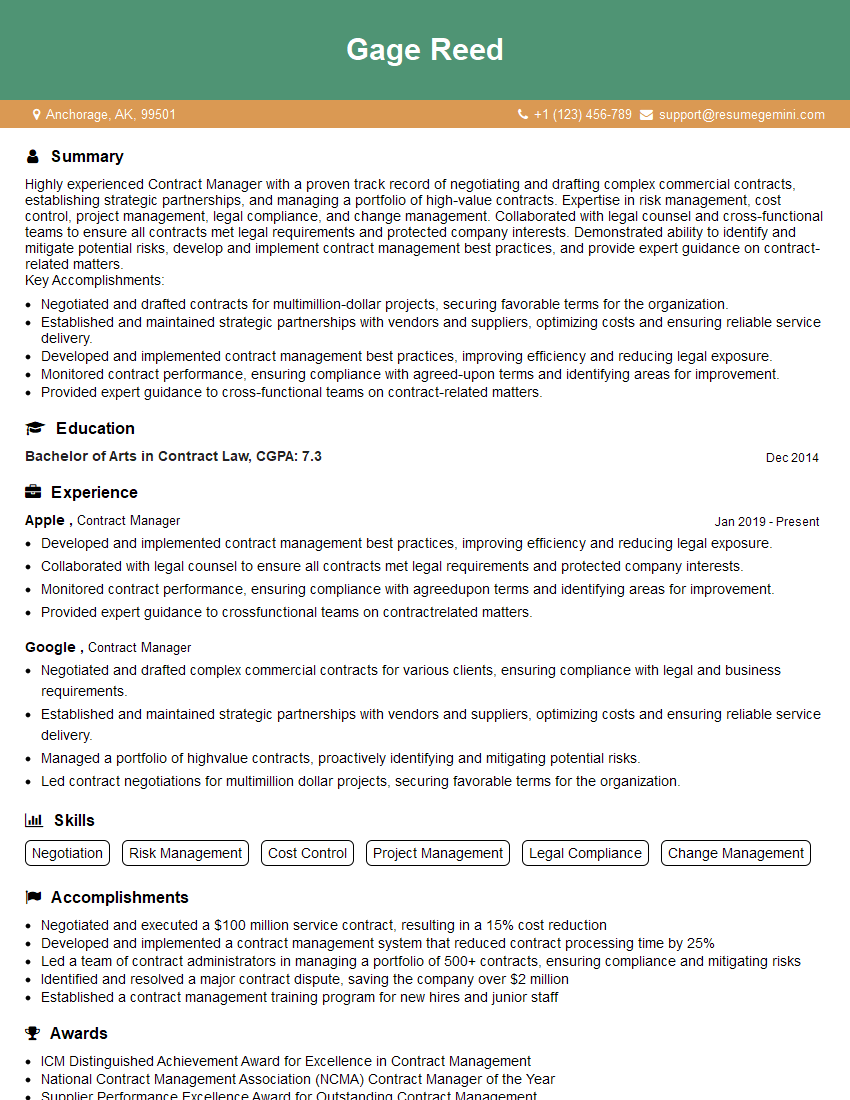
Contract Manager Resume Sample

Procurement Manager Resume Sample
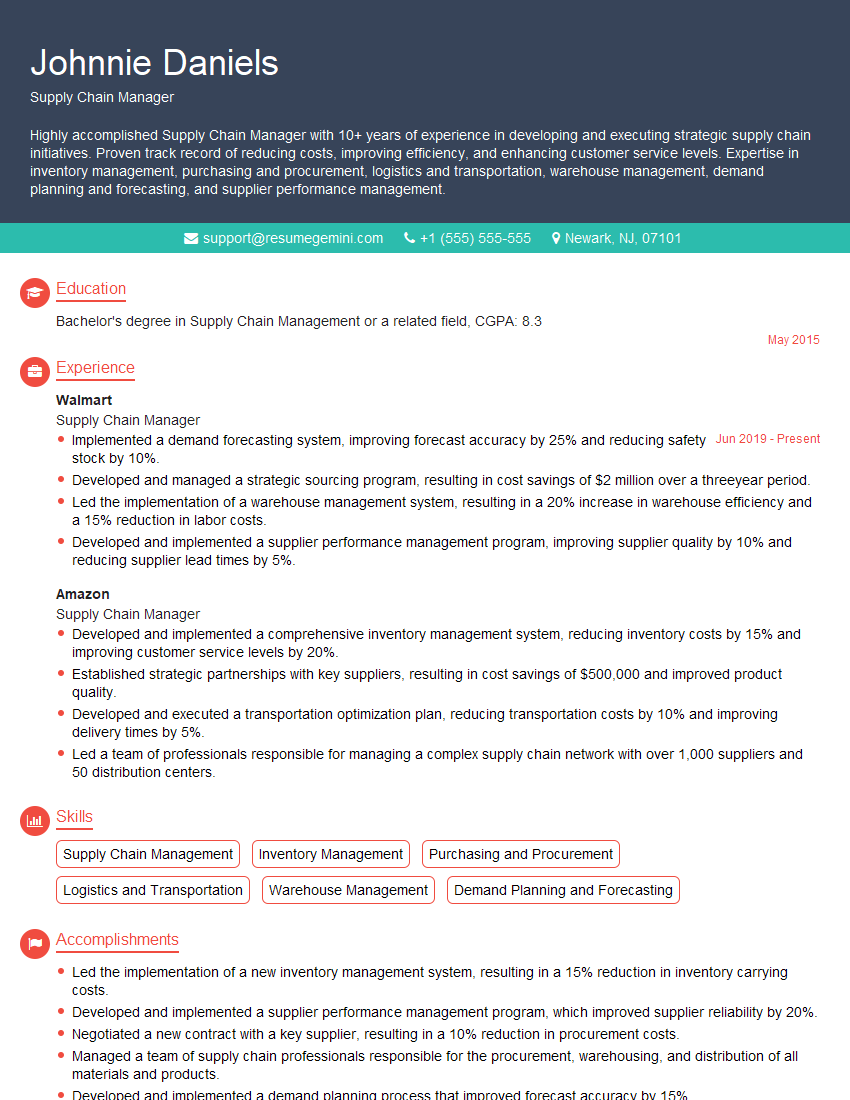
Supply Chain Manager Resume Sample
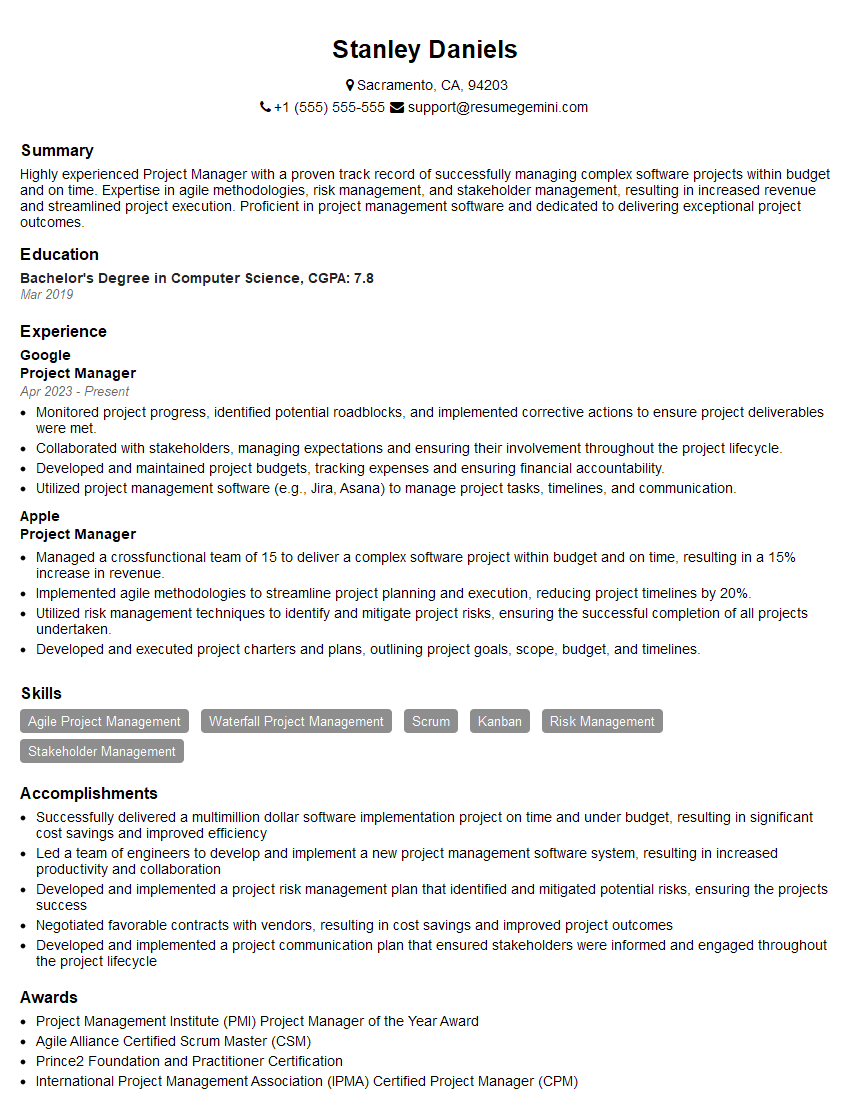
Project Manager Resume Sample
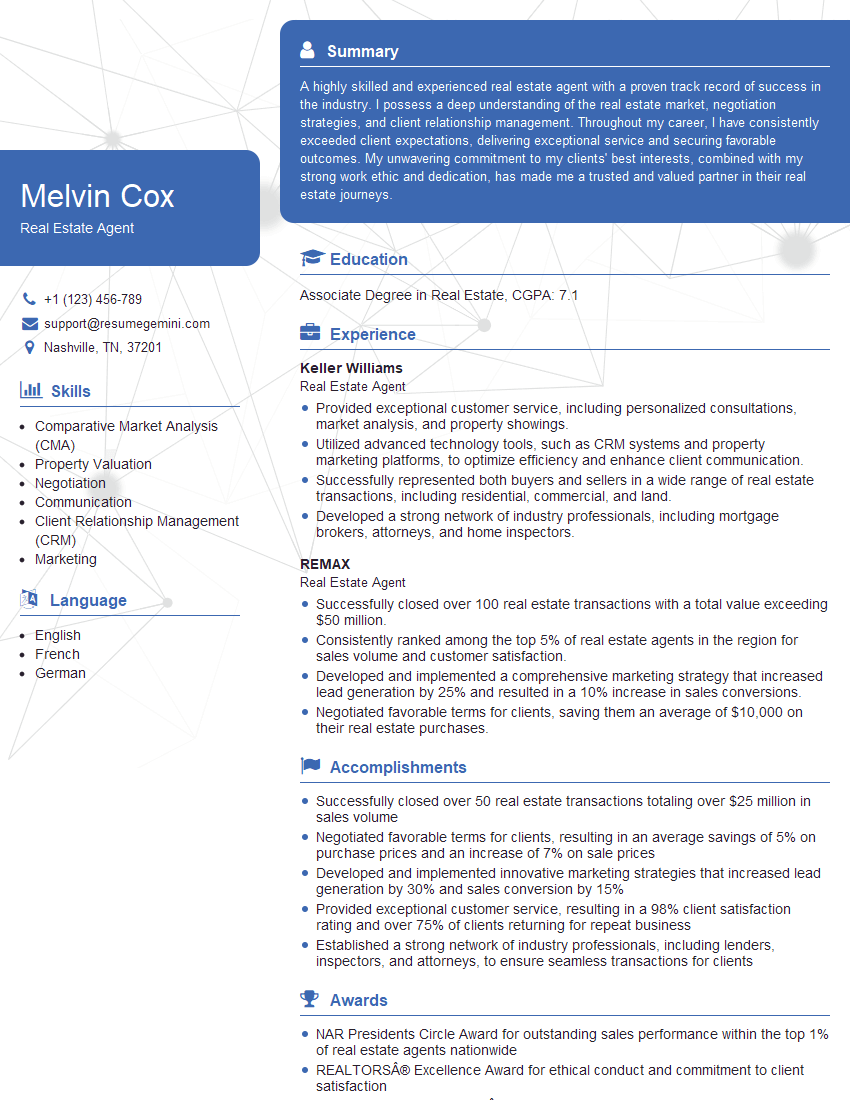
Real Estate Agent Resume Sample
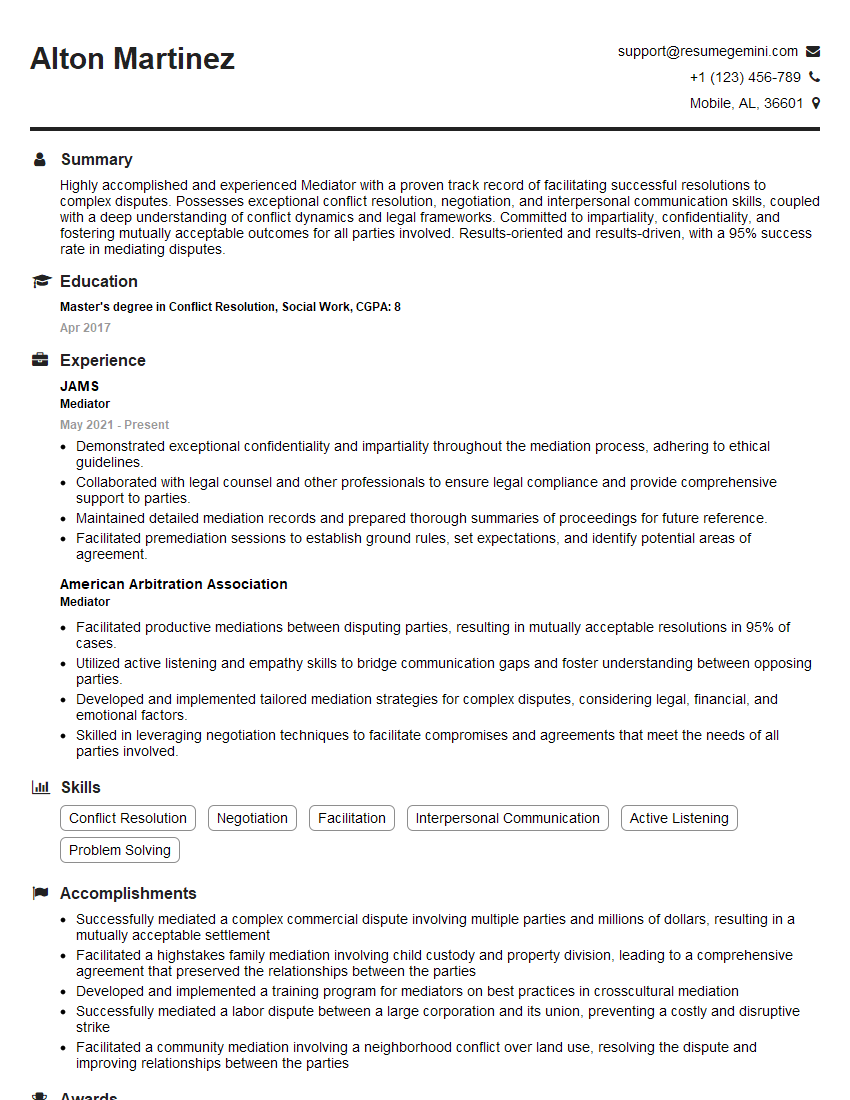
Mediator Resume Sample
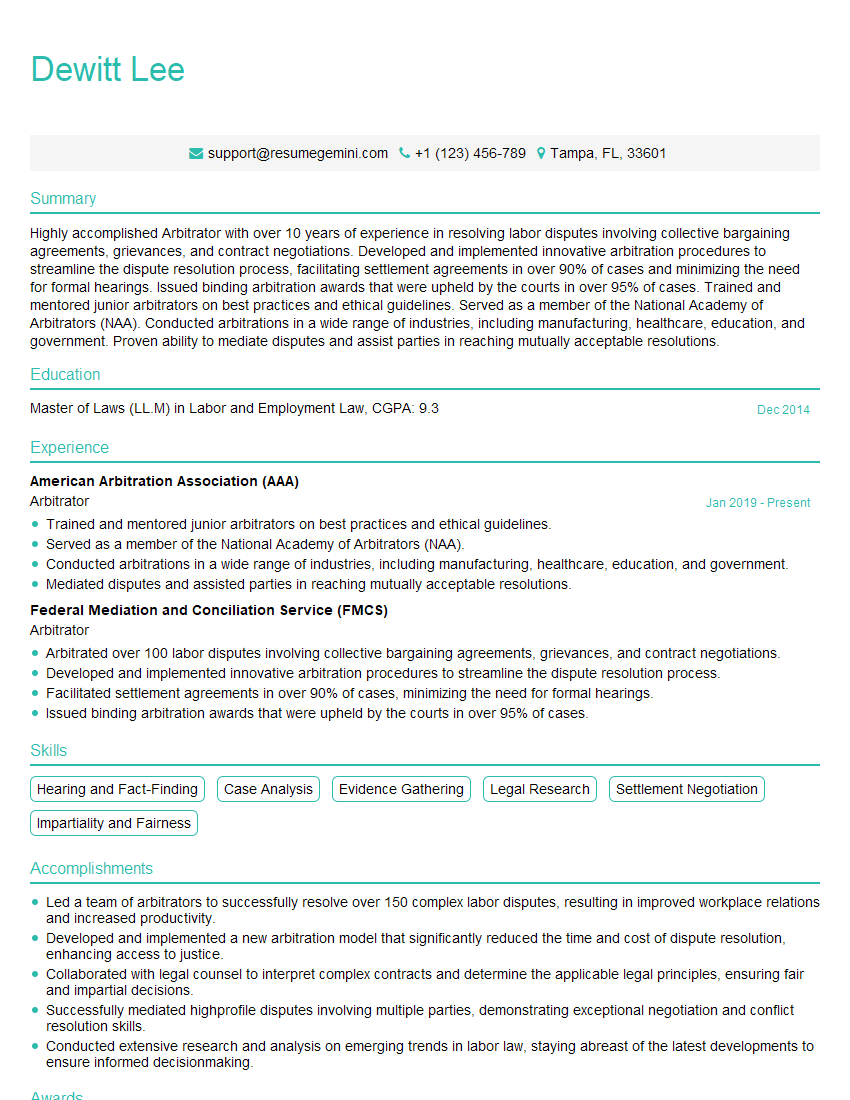
Arbitrator Resume Sample
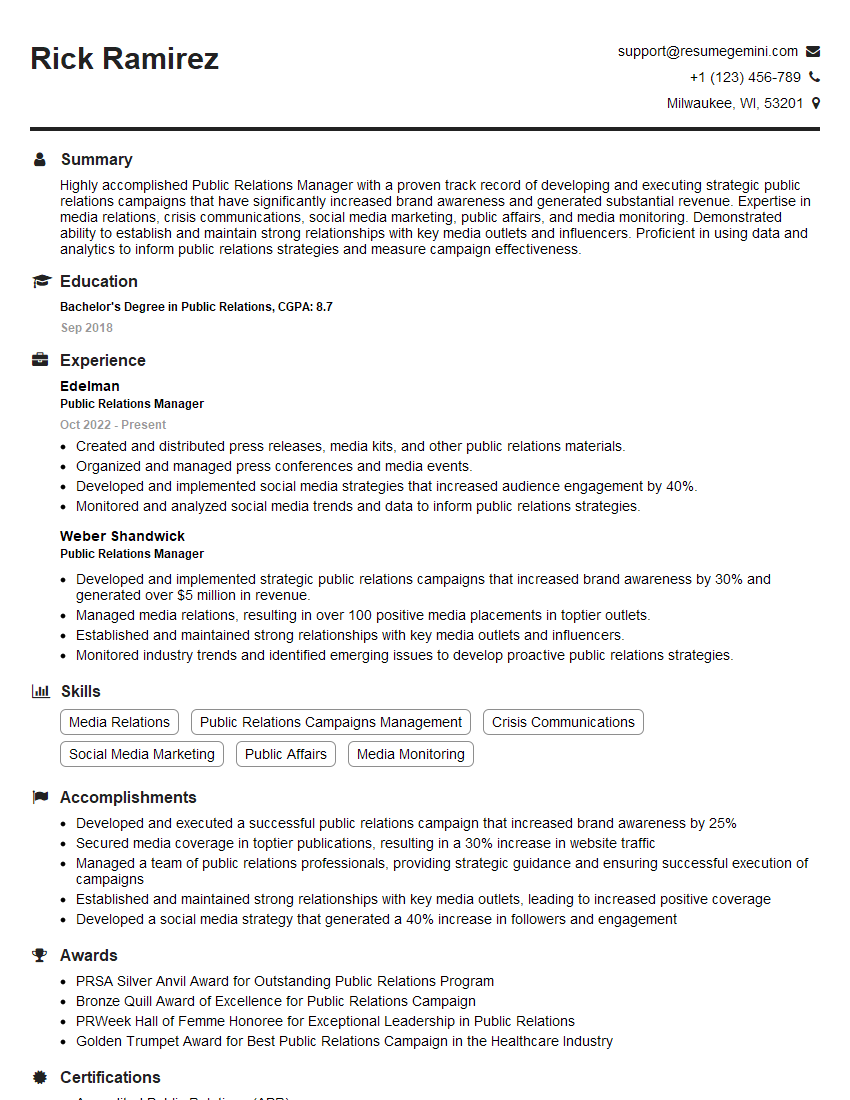
Public Relations Manager Resume Sample
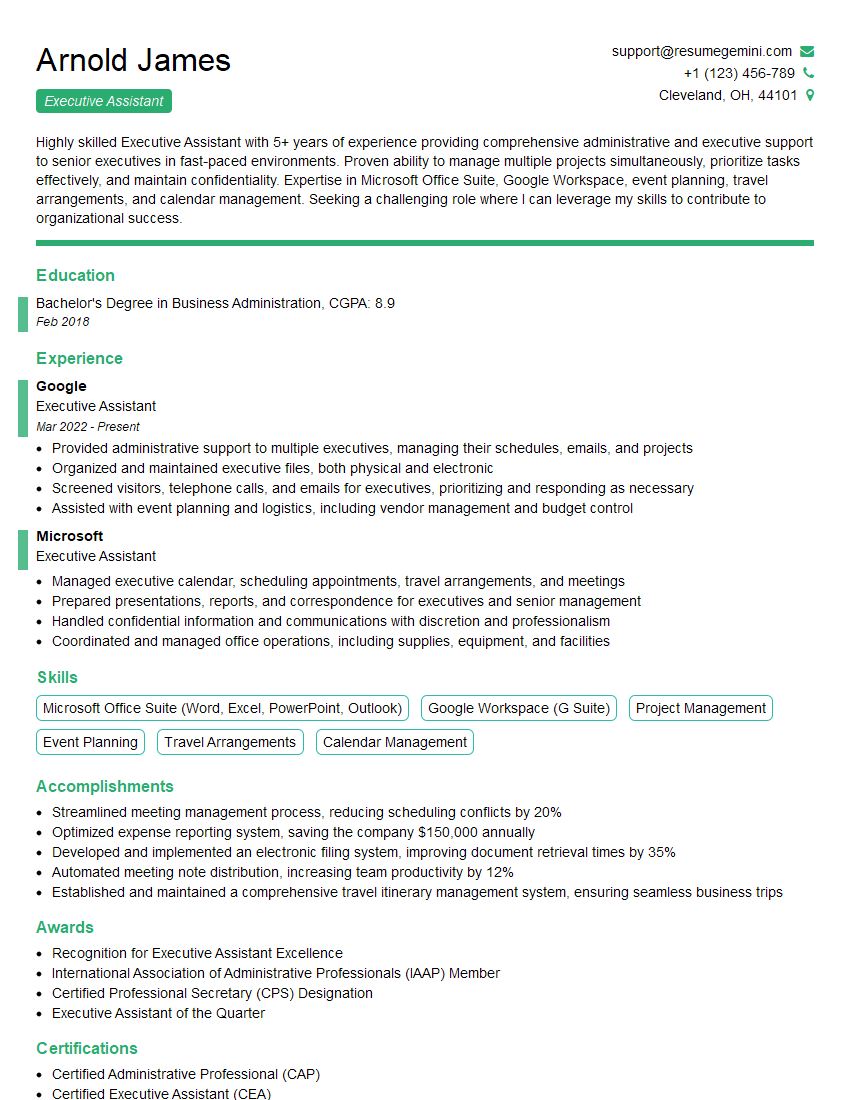
Executive Assistant Resume Sample
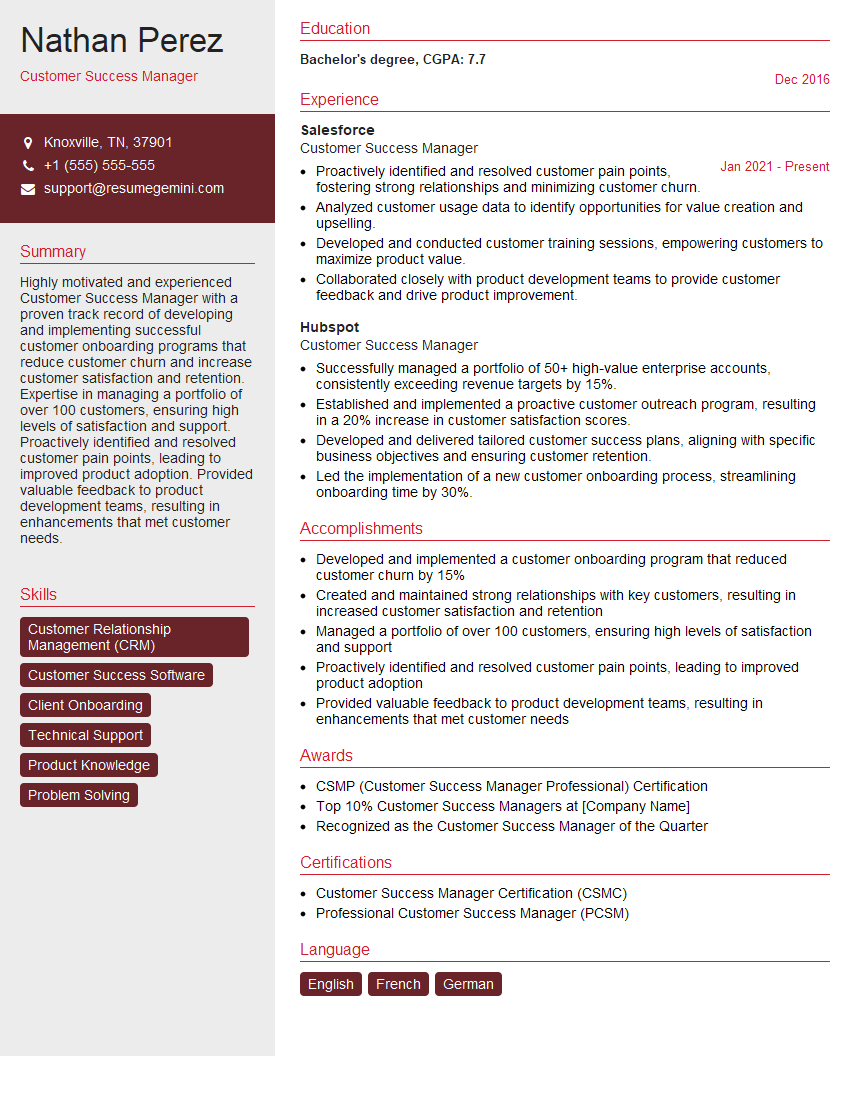
Customer Success Manager Resume Sample
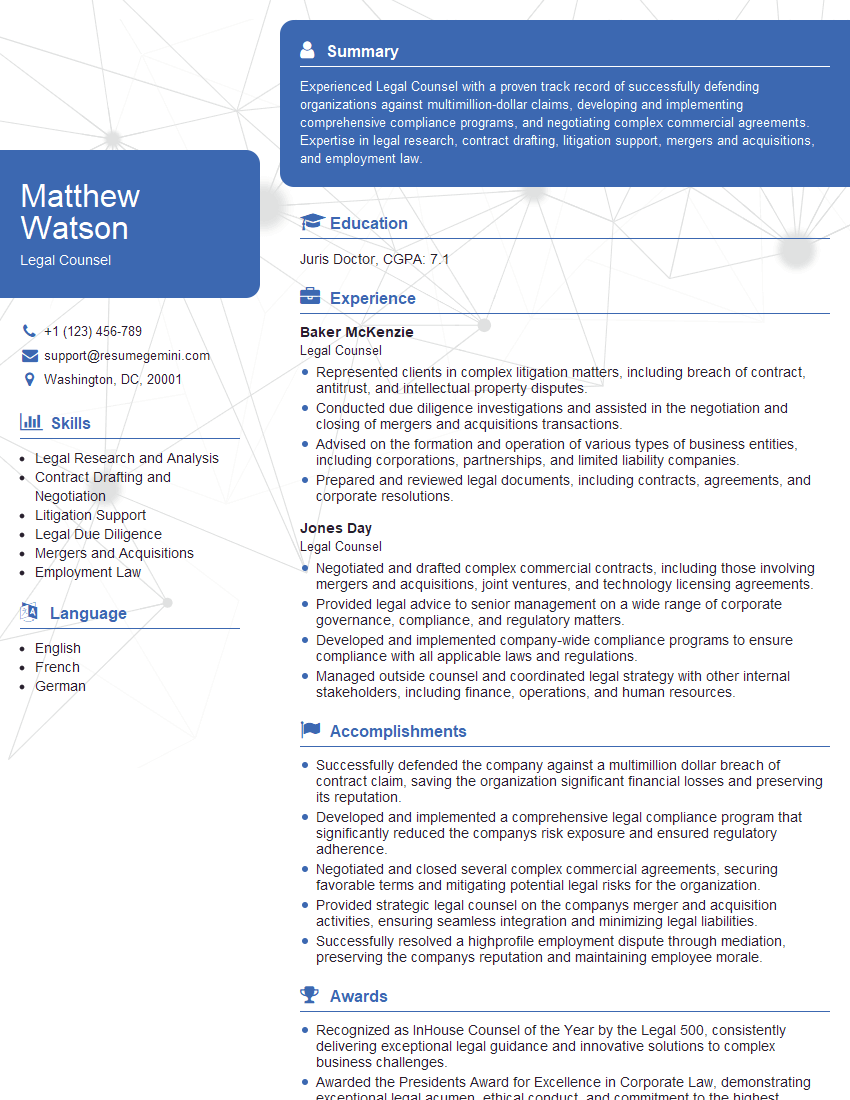
Legal Counsel Resume Sample
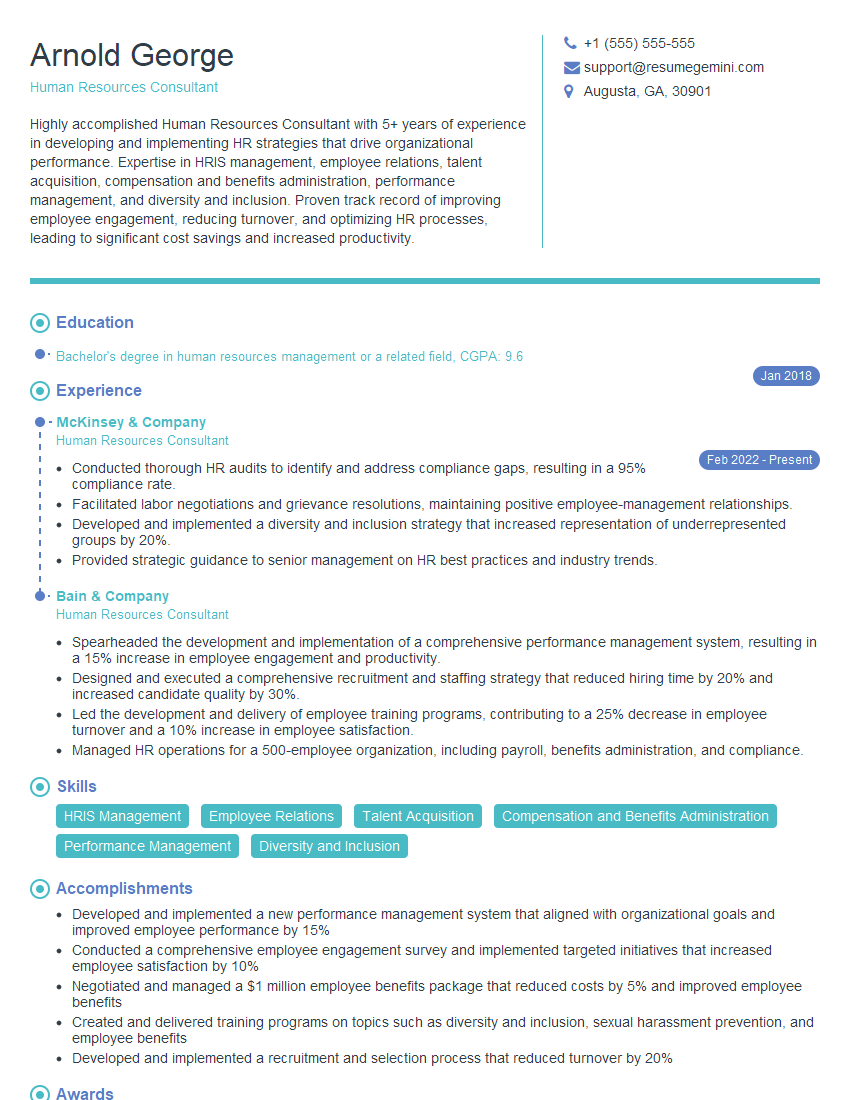
Human Resources Consultant Resume Sample
- Account Manager
- Marketing Manager
- Sales Manager
- Business Development Manager
- Fundraising Manager
- Contract Manager
- Procurement Manager
- Supply Chain Manager
- Project Manager
- Real Estate Agent
- Mediator
- Arbitrator
- Public Relations Manager
- Executive Assistant
- Customer Success Manager
- Legal Counsel
- Human Resources Consultant
Explore more articles
Users Rating of Our Blogs
Share Your Experience
We value your feedback! Please rate our content and share your thoughts (optional).
What Readers Say About Our Blog
Very informative content, great job.
good