Cracking a skill-specific interview, like one for Strong ProblemSolving Skills, requires understanding the nuances of the role. In this blog, we present the questions you’re most likely to encounter, along with insights into how to answer them effectively. Let’s ensure you’re ready to make a strong impression.
Questions Asked in Strong ProblemSolving Skills Interview
Q 1. Describe your approach to tackling a complex problem.
My approach to tackling complex problems is systematic and iterative, employing a structured methodology. I begin by clearly defining the problem, ensuring I understand all its facets. This involves gathering information from various sources, asking clarifying questions, and analyzing the problem statement thoroughly. Next, I brainstorm potential solutions, considering various perspectives and approaches. This phase often involves mind-mapping or using other visual tools to explore different avenues. I then evaluate the feasibility and potential impact of each solution, considering factors such as cost, time, resources, and potential risks. The chosen solution undergoes rigorous testing and refinement, with iterations based on feedback and results. Finally, I document the entire process, including the problem definition, solution chosen, implementation steps, and results, to facilitate learning and future problem-solving.
For example, if faced with a significant drop in website traffic, I wouldn’t just jump to conclusions. I’d first gather data on traffic sources, bounce rates, keyword rankings, and recent site changes. I’d then brainstorm possible causes (technical issues, SEO problems, changes in algorithm, competitor activity, etc.), research each possibility, and implement targeted solutions, monitoring the impact of each change. This iterative process allows for continuous improvement and ensures I find the most effective solution.
Q 2. How do you prioritize tasks when faced with multiple competing priorities?
Prioritizing tasks with competing priorities requires a strategic approach. I utilize a framework that combines urgency and importance. The Eisenhower Matrix (Urgent/Important) is a useful tool here. Tasks are categorized into four quadrants: Urgent and Important (Do First), Important but Not Urgent (Schedule), Urgent but Not Important (Delegate), and Neither Urgent nor Important (Eliminate). This helps me focus on the most critical tasks while effectively managing my time and delegating where appropriate. Additionally, I consider the dependencies between tasks, ensuring that critical path items are prioritized to prevent bottlenecks. I also factor in deadlines and resource availability to create a realistic and achievable schedule. Regularly reviewing and adjusting priorities based on new information is also crucial.
For instance, if I have a critical deadline looming alongside several other projects, I would prioritize the urgent and important deadline-driven task first. Tasks that contribute to long-term goals (important but not urgent) might be scheduled for later, while less impactful tasks (urgent but not important) could be delegated to team members, or eliminated altogether if possible.
Q 3. Explain a time you had to solve a problem with limited information.
In a previous role, we experienced a sudden and significant decline in our software application’s performance. The initial information was limited; we only knew the system was slow and user complaints were mounting. We lacked detailed error logs and performance metrics. My approach was to systematically gather data from various sources. I started by interviewing users to understand the specific issues they were facing, attempting to reproduce the problem myself, and then checking server logs for any clues. I used available monitoring tools to gather performance data, focusing on areas where performance was noticeably degraded. Gradually, by piecing together the scattered information, I identified a bottleneck in the database query process caused by a recent software update. This was then rectified, resulting in a significant performance improvement.
This experience highlighted the importance of thorough data gathering, creative problem-solving with limited data, and the value of collaboration to overcome challenges in ambiguous situations.
Q 4. Describe a situation where you had to overcome an unexpected obstacle.
During a large-scale project implementation, we faced an unexpected obstacle: a key vendor failed to deliver critical components on time. This threatened the entire project timeline. To overcome this, I quickly convened a team meeting to assess the impact and brainstorm solutions. We explored alternative vendors, re-evaluated project scope to minimize dependency on the missing components, and implemented a work-around using existing resources, even if it was less efficient. We also proactively communicated the delay and mitigation plan to stakeholders, ensuring transparency and managing expectations. While the delay caused some disruption, the proactive problem-solving prevented a much larger catastrophe. This taught me the importance of contingency planning and open communication during challenging situations.
Q 5. How do you identify the root cause of a problem?
Identifying the root cause of a problem often involves using a systematic approach like the “5 Whys” technique. This involves repeatedly asking “why” to drill down to the fundamental cause. Beyond the 5 Whys, I also use other techniques like fishbone diagrams (Ishikawa diagrams) to visually map out potential contributing factors. These methods help to move beyond superficial symptoms and uncover the underlying issues. Data analysis is crucial; examining logs, metrics, and other data sources provides valuable insights into the problem’s origin. It’s vital to avoid jumping to conclusions and to thoroughly investigate all possible causes before settling on a root cause. Testing proposed solutions also helps validate the identified root cause. If the solution addresses the problem, then the root cause diagnosis is likely correct.
For example, if a website is experiencing slow load times, the initial observation might be “slow load times.” Applying the 5 Whys: Why are the load times slow? (Too many images). Why are there too many images? (Poor image optimization). Why is the image optimization poor? (Lack of training for developers). Why was there a lack of training? (Insufficient budget). The root cause might be insufficient budget allocated for training, leading to poor image optimization practices causing slow load times.
Q 6. What techniques do you use to break down complex problems into smaller, manageable parts?
Breaking down complex problems involves several techniques. One effective method is the Work Breakdown Structure (WBS). This involves hierarchically decomposing the problem into smaller, manageable tasks. Each task can then be assigned to individuals or teams, making it easier to track progress and manage the overall project. Another useful approach is using the divide-and-conquer strategy. This involves splitting the problem into independent sub-problems, solving each sub-problem individually, and then combining the solutions to solve the original problem. The use of flowcharts or process diagrams can help visualize the problem and its component parts, which further simplifies the task of breaking down complex problems into smaller, more manageable chunks.
Imagine developing a new mobile application. Using a WBS, you might break it down into modules such as user interface design, database design, backend development, testing, and deployment. Each module can then be further subdivided into smaller, more manageable tasks.
Q 7. How do you approach problem-solving when working in a team?
My approach to problem-solving in a team environment is collaborative and inclusive. I believe in fostering open communication and creating a safe space for all team members to contribute their ideas and perspectives. We employ brainstorming sessions to generate a wide range of solutions. I encourage active listening and constructive feedback, ensuring everyone feels heard and valued. We collaboratively analyze and evaluate the potential solutions, considering the strengths and weaknesses of each approach. The decision-making process is transparent and involves consensus-building, aiming for a solution that is supported by the majority of the team. Finally, clear roles and responsibilities are assigned for the implementation phase, promoting accountability and efficient execution.
For example, when addressing a team-wide issue, I would facilitate a brainstorming session to gather everyone’s ideas. We would use a structured approach to evaluate solutions, perhaps scoring them based on criteria like feasibility, cost, and impact. This fosters a sense of shared ownership and commitment, leading to a more effective solution and improved team cohesion.
Q 8. Describe your process for evaluating potential solutions to a problem.
My process for evaluating potential solutions is a structured approach that prioritizes both creativity and rigor. I begin by clearly defining the problem, ensuring I understand its root cause and potential impacts. Then, I brainstorm a range of potential solutions, encouraging diverse perspectives and avoiding premature judgment. This brainstorming phase is crucial for generating innovative options. Next, I evaluate each solution against predefined criteria, such as feasibility, cost-effectiveness, potential risks, and alignment with overall goals. This often involves creating a decision matrix to visually compare options. I consider both quantitative data (e.g., cost analysis) and qualitative factors (e.g., stakeholder impact). Finally, I select the solution that best balances effectiveness, practicality, and risk mitigation. This selection isn’t always about picking the ‘perfect’ solution but rather the ‘best fit’ given constraints and priorities.
For example, when tackling a software bug, I might brainstorm solutions ranging from quick fixes to complete code refactoring. My evaluation would then compare the time needed for implementation, the likelihood of introducing new bugs, and the long-term maintainability of each approach before selecting the most suitable option.
Q 9. How do you measure the effectiveness of your problem-solving efforts?
Measuring the effectiveness of my problem-solving efforts relies on a multi-faceted approach. Firstly, I establish clear, measurable goals at the outset. This ensures that I have specific benchmarks against which to assess success. These metrics are tailored to the problem at hand. For instance, if the problem is to reduce customer support tickets, the metric might be the percentage reduction in tickets within a specific timeframe. Secondly, I collect both qualitative and quantitative data to track progress. Quantitative data includes metrics like cost savings, time reduction, or improvement in performance indicators. Qualitative data is obtained through feedback from stakeholders, user surveys, or observations of the system’s performance after implementing a solution. Finally, I conduct a post-mortem analysis after the problem is resolved. This involves reviewing the entire process, identifying areas for improvement, and documenting lessons learned for future problem-solving endeavors. This iterative process of measurement and reflection allows for continuous refinement of my problem-solving skills and approaches.
Q 10. Explain a time you had to make a difficult decision under pressure.
During a major system upgrade, we encountered an unexpected critical failure just hours before the scheduled launch. The pressure was immense, as a delay would have significant financial and reputational consequences. We had to decide whether to proceed with the launch, potentially risking further issues, or delay, incurring substantial costs. My approach involved gathering the team, quickly analyzing the root cause of the failure, and evaluating the risks of each option. We weighed the immediate problems of a delayed launch against the long-term risks of a flawed release. After a thorough risk assessment, we opted for a controlled, phased rollout to a smaller subset of users, allowing us to monitor the system’s performance and address any emerging problems before a full release. This measured approach mitigated the risk and ultimately ensured a successful launch, proving that decisive action under pressure, supported by careful analysis, could lead to positive outcomes.
Q 11. How do you handle setbacks or failures in the problem-solving process?
Setbacks and failures are inevitable in problem-solving. My response to them is guided by a few key principles. First, I avoid assigning blame and focus instead on understanding the root cause of the failure. This often involves a thorough retrospective analysis, similar to the post-mortem discussed earlier. Next, I break down the complex problem into smaller, manageable components to identify where things went wrong. I then evaluate the available options and decide whether to adjust my approach, try a different solution, or even abandon the current strategy if it’s clearly not working. Learning from failures is crucial. I document lessons learned, and integrate these insights into my future problem-solving strategies. For example, a failed project might reveal weaknesses in my planning process or the need for improved communication within the team. This iterative process of learning from mistakes allows for continuous growth and improvement.
Q 12. Describe a time you had to adapt your approach to solving a problem.
I once faced a project where the initial approach, based on a predictive modeling technique, wasn’t delivering accurate results. After careful analysis, it became clear that the underlying assumptions of the model were not valid in the real-world context. Instead of persisting with a failing strategy, I adapted my approach by incorporating feedback loops and iterative testing. This involved gathering more data, refining the model based on real-time observations, and adjusting the parameters as needed. The shift to an adaptive, iterative approach, which involved continuous monitoring and adjustment, ultimately yielded much better results and demonstrated the importance of flexibility and responsiveness in the problem-solving process.
Q 13. How do you ensure accuracy and precision in your problem-solving?
Ensuring accuracy and precision in problem-solving involves several key steps. First, I rigorously verify all data and assumptions used in the analysis. This involves cross-checking information from multiple sources and using appropriate validation techniques. Secondly, I utilize tools and techniques that help minimize errors. This could involve using automated testing, double-checking calculations, or employing peer reviews to validate my work. Thirdly, I document my process thoroughly, including the assumptions, methodology, and results. This detailed documentation not only helps maintain accuracy but also allows for easier review and replication by others. It provides an audit trail for my work, ensuring accountability and transparency. For instance, in a data analysis project, I would meticulously document the data cleaning steps, the statistical methods used, and any limitations of the analysis.
Q 14. How do you balance speed and thoroughness in problem-solving?
Balancing speed and thoroughness is a constant challenge in problem-solving. My approach is to prioritize understanding the context and urgency of the problem. For urgent issues requiring immediate action, I focus on rapid prototyping and iterative solutions, prioritizing speed while maintaining sufficient rigor to avoid major pitfalls. I might use heuristics or simplification techniques to quickly get a viable solution in place. However, for complex problems where thoroughness is paramount, I invest the necessary time in detailed analysis and planning, even if it delays the immediate solution. The key is to adopt a flexible approach, choosing the appropriate level of thoroughness based on the specific circumstances. Sometimes a quick, imperfect solution is better than no solution at all, while other times, the cost of a rushed solution outweighs the time investment in a more rigorous approach. It’s about making informed judgments based on the situation.
Q 15. How do you stay organized and manage your time effectively when tackling a complex problem?
Tackling complex problems requires a structured approach to organization and time management. Think of it like building a house – you wouldn’t start laying bricks without a blueprint. My strategy involves a multi-step process:
- Problem Decomposition: I break down the large problem into smaller, more manageable sub-problems. This makes the overall task less daunting and allows for focused effort. For example, if the problem is ‘increase website conversion rates,’ I’d break it down into analyzing user behavior, optimizing the landing page, improving call-to-action buttons, and A/B testing different approaches.
- Prioritization: Using methods like the Eisenhower Matrix (urgent/important), I prioritize these sub-problems based on their impact and urgency. Addressing the most impactful sub-problems first yields the quickest results.
- Task Scheduling: I utilize project management tools like Trello or Asana to schedule tasks, set deadlines, and track progress. This ensures I allocate sufficient time to each sub-problem and avoid getting bogged down in less critical aspects.
- Regular Review & Adjustment: Regularly reviewing progress against the schedule helps identify potential bottlenecks or roadblocks early on. This allows for course correction and prevents delays.
This structured approach ensures that I remain organized, allocate time effectively, and ultimately deliver solutions in a timely manner.
Career Expert Tips:
- Ace those interviews! Prepare effectively by reviewing the Top 50 Most Common Interview Questions on ResumeGemini.
- Navigate your job search with confidence! Explore a wide range of Career Tips on ResumeGemini. Learn about common challenges and recommendations to overcome them.
- Craft the perfect resume! Master the Art of Resume Writing with ResumeGemini’s guide. Showcase your unique qualifications and achievements effectively.
- Don’t miss out on holiday savings! Build your dream resume with ResumeGemini’s ATS optimized templates.
Q 16. Describe your experience using data analysis to inform your problem-solving.
Data analysis is fundamental to my problem-solving approach. It’s like having a detective’s magnifying glass, allowing me to delve deeper into the ‘why’ behind the problem. In a previous project involving customer churn, I used data analysis to pinpoint the key drivers.
First, I collected data from various sources – CRM systems, customer surveys, website analytics. Then, I used SQL to clean and prepare the data, followed by statistical analysis (using tools like R or Python) to identify correlations between customer characteristics (demographics, purchase history, etc.) and churn. I discovered a strong correlation between lack of recent engagement and churn. This data-driven insight allowed us to design targeted retention strategies focused on re-engaging inactive customers, leading to a significant reduction in churn.
Q 17. How do you utilize critical thinking in your problem-solving approach?
Critical thinking is the cornerstone of effective problem-solving. It’s about going beyond surface-level observations and questioning assumptions. I approach problem-solving using a structured critical thinking framework:
- Problem Definition: Clearly and concisely defining the problem is paramount. Ambiguity leads to ineffective solutions. I often use the ‘5 Whys’ technique to drill down to the root cause.
- Information Gathering: I gather relevant data and information from multiple sources to avoid bias and ensure a holistic understanding.
- Analysis & Evaluation: I analyze the gathered information, identifying patterns, contradictions, and potential biases. I evaluate the validity and reliability of the information before drawing conclusions.
- Solution Generation & Evaluation: I brainstorm multiple potential solutions, critically evaluating each based on its feasibility, effectiveness, and potential consequences.
- Decision Making & Implementation: Based on the critical evaluation, I select the optimal solution and develop a plan for its implementation, considering potential risks and mitigation strategies.
This systematic approach ensures that my solutions are well-reasoned, effective, and address the root cause of the problem.
Q 18. How do you leverage your creativity to solve problems?
Creativity is often overlooked in problem-solving, but it’s crucial for generating innovative and effective solutions. It’s about thinking outside the box and exploring unconventional approaches. I encourage creative problem-solving by:
- Brainstorming: I utilize brainstorming sessions, often with diverse team members, to generate a wide range of ideas, even those that initially seem impractical.
- Mind Mapping: Mind mapping helps visualize connections between ideas and facilitates the exploration of different perspectives.
- Lateral Thinking: I consciously try to approach problems from unexpected angles, challenging assumptions and exploring alternative viewpoints.
- Analogies & Metaphors: Using analogies and metaphors can help unlock new insights and generate creative solutions by connecting the problem to seemingly unrelated domains.
For example, when faced with a complex scheduling conflict, I might use a visual analogy like a puzzle to rearrange tasks and find a workable solution.
Q 19. How do you ensure your problem-solving solutions are both effective and efficient?
Balancing effectiveness and efficiency is key to successful problem-solving. An effective solution addresses the core problem, while an efficient solution achieves this with minimal resources and time. I achieve this balance through:
- Prioritization & Focus: I prioritize the most impactful aspects of the problem first, ensuring that efforts are directed towards achieving the greatest return.
- Resource Optimization: I carefully consider the available resources (time, budget, personnel) and optimize their allocation to maximize efficiency.
- Process Improvement: Continuously evaluating and improving the problem-solving process itself helps streamline future efforts and enhances efficiency.
- Measuring Outcomes: After implementing a solution, I carefully measure its effectiveness against predefined metrics. This provides valuable feedback for future improvements.
For example, in a project involving process optimization, I implemented a new workflow that reduced processing time by 30% without compromising the quality of the output.
Q 20. How do you identify and mitigate potential risks associated with your solutions?
Risk mitigation is a critical component of my problem-solving approach. Identifying and addressing potential risks proactively prevents unexpected issues and ensures the success of the solution. My approach involves:
- Risk Identification: I systematically identify potential risks associated with each stage of the problem-solving process, considering technical, logistical, and human factors.
- Risk Assessment: I assess the likelihood and impact of each identified risk, prioritizing those with higher probability and severity.
- Risk Mitigation Strategies: For each high-priority risk, I develop specific mitigation strategies, such as contingency plans, backup solutions, or risk transfer mechanisms.
- Monitoring & Control: I continuously monitor the implementation of the solution, watching for potential risks. If a risk materializes, I implement the predefined mitigation strategies.
For instance, in a software development project, I identified the risk of database failure. To mitigate this, we implemented regular backups, data redundancy, and disaster recovery procedures.
Q 21. Describe your experience with using different problem-solving methodologies (e.g., Six Sigma, Lean).
I have experience applying various problem-solving methodologies, each with its own strengths and applications.
- Six Sigma: I’ve used Six Sigma’s DMAIC (Define, Measure, Analyze, Improve, Control) methodology in projects focused on process optimization and defect reduction. Its data-driven approach helps identify and eliminate variations in processes, leading to significant improvements in efficiency and quality.
- Lean: Lean principles, focused on eliminating waste and maximizing value, have been invaluable in streamlining workflows and improving overall efficiency. I’ve implemented Lean methodologies in projects involving process mapping and value stream analysis, leading to reduced lead times and improved customer satisfaction.
The choice of methodology depends on the specific nature of the problem and the organizational context. Sometimes, a hybrid approach, combining elements of different methodologies, is the most effective.
Q 22. How do you communicate complex technical problems to non-technical audiences?
Communicating complex technical issues to non-technical audiences requires translating technical jargon into plain language and focusing on the impact, not the intricate details. I use analogies and metaphors to bridge the gap. For example, explaining a database issue might involve comparing it to a library’s card catalog system – if the catalog is broken, you can’t find the books (data), regardless of how sophisticated the library itself is.
My approach involves:
- Identifying the core problem: What’s the bottom-line impact? For instance, instead of saying “the API is experiencing latency,” I’d say “users are experiencing slow loading times.”
- Using visuals: Charts, diagrams, and simple illustrations can effectively communicate complex relationships.
- Avoiding jargon: I replace technical terms with everyday language or provide simple explanations. For instance, I’d explain ‘algorithm’ as a set of instructions a computer follows, rather than using the technical definition.
- Focusing on the ‘why’: Explaining the reasons behind the problem helps people understand its significance and the need for a solution.
- Iterative feedback: I always check for understanding and adjust my explanation based on the audience’s questions and responses.
For example, when explaining a network outage to executives, I’d focus on the business impact (lost revenue, customer dissatisfaction) rather than the technical details of the network infrastructure failure.
Q 23. How do you learn from past mistakes and improve your problem-solving skills?
Learning from mistakes is crucial for improving problem-solving skills. My approach involves a structured post-mortem analysis, focusing on understanding the root cause, not just the symptoms. I use a framework similar to the 5 Whys technique to drill down to the fundamental issue. This helps prevent similar mistakes in the future. I also actively seek feedback from colleagues and mentors to gain different perspectives.
For instance, if I made a coding error resulting in a system crash, I wouldn’t just fix the bug; I’d analyze:
- What went wrong? (The code produced an unexpected output).
- Why did it go wrong? (I misinterpreted a function’s parameters).
- Why did I misinterpret them? (The documentation was unclear, and I didn’t seek clarification).
- Why wasn’t the documentation clear? (Insufficient testing and review).
- Why wasn’t there sufficient testing and review? (Lack of time and prioritization).
This helps me identify systemic issues, like unclear documentation or insufficient testing, which I can address proactively. I document these learnings, adding them to a personal knowledge base, and share them with the team to enhance collective learning and prevent similar incidents.
Q 24. How do you deal with ambiguous or incomplete information when solving a problem?
Dealing with ambiguous or incomplete information requires a systematic approach. I start by clarifying what information is missing and what assumptions are necessary. I then break down the problem into smaller, more manageable parts. I also explore various potential solutions, considering the range of possible outcomes based on different assumptions.
For example, if tasked with optimizing a website’s performance without complete data on user behavior, I’d:
- Identify missing data: What user demographics, browsing patterns, or device types are unknown?
- Formulate hypotheses: Based on existing data and industry benchmarks, I’d develop reasonable assumptions about the missing information.
- Prioritize solutions: I’d focus on solutions that are robust even with incomplete data. For example, I might start with low-hanging fruit, such as optimizing images or caching strategies, which can generally improve performance irrespective of specific user behaviors.
- Implement and monitor: I would implement changes iteratively, monitoring their impact to validate my assumptions and refine the approach.
- Seek additional information: I would actively seek out additional data through A/B testing, user surveys, or analytics tools to reduce ambiguity.
It’s crucial to acknowledge the uncertainty and document the assumptions made. This ensures transparency and allows for adjustments as more information becomes available.
Q 25. Describe your experience with using analytical tools to solve problems.
I have extensive experience utilizing various analytical tools to solve problems, ranging from SQL and spreadsheet software to specialized data visualization and statistical analysis tools. For instance, I’ve used SQL to query large databases to identify trends and patterns in user behavior, helping me pinpoint areas for improvement in application design.
In a recent project, we used Python with libraries like Pandas and Matplotlib to analyze sales data. We identified a seasonal trend impacting sales and used that analysis to forecast future sales and optimize inventory management. import pandas as pd; data = pd.read_csv('sales_data.csv'); # Example Python code for data analysis.
My experience also extends to using statistical tools to analyze A/B test results, ensuring statistically significant changes before implementing them widely. I’m proficient in interpreting statistical significance and drawing actionable conclusions from data analyses. The selection of the appropriate tool always depends on the nature of the problem and the available data.
Q 26. How do you handle conflict when working with others to solve a problem?
Conflict is inevitable in collaborative problem-solving. My approach prioritizes open communication and respectful dialogue. I actively listen to all perspectives, seeking to understand the underlying concerns rather than just the stated positions. I facilitate discussions, encouraging constructive criticism and brainstorming solutions that address everyone’s needs.
If a disagreement persists, I employ techniques like:
- Mediation: I help conflicting parties find common ground by focusing on shared goals and objectives.
- Compromise: Finding solutions that incorporate elements from different proposals.
- Escalation (when necessary): If internal resolution fails, I escalate the issue to a relevant manager or decision-maker, presenting all perspectives fairly.
The key is to de-escalate tension and transform conflict into an opportunity for creative problem-solving and team growth. Focusing on mutual respect and the shared objective ensures that conflict doesn’t derail the project.
Q 27. Explain a situation where you had to troubleshoot a technical problem.
In a previous role, we experienced a critical system failure affecting our e-commerce platform. Initially, the error messages were cryptic and provided little insight into the root cause. My troubleshooting started with isolating the problem – identifying which specific component failed and when. Using log files and system monitoring tools, we pinpointed the issue to a database connection failure.
We followed this process:
- Gather information: We collected error logs, network monitoring data, and user reports.
- Formulate hypotheses: We considered possibilities like a database server outage, network connectivity issues, or a coding error within our application.
- Test hypotheses: We checked database server status, network connectivity, and reviewed recent code deployments.
- Isolate the cause: We discovered that a recent database schema change had introduced a conflict, causing connection failures under high load.
- Implement a fix: We rolled back the schema change and implemented temporary mitigation strategies to prevent future occurrences.
- Post-mortem analysis: We reviewed the incident to identify improvements in our monitoring, testing, and deployment processes to prevent future similar issues.
The experience emphasized the importance of robust monitoring, thorough testing, and a methodical approach to troubleshooting.
Q 28. Describe a time you had to use your problem-solving skills to improve a process.
In my previous role, our team’s software deployment process was slow, inefficient, and prone to errors. Manual steps, lack of automation, and insufficient testing led to delays and production issues. I used my problem-solving skills to improve this process.
My approach involved:
- Analyze the current process: I mapped out the steps involved in the current deployment process to identify bottlenecks and inefficiencies.
- Identify improvement areas: We identified excessive manual steps, lack of automated testing, and a poor version control system as major issues.
- Propose solutions: We proposed solutions such as implementing a Continuous Integration/Continuous Deployment (CI/CD) pipeline, automating testing, and improving our version control practices.
- Implement changes: We implemented the proposed changes, including setting up a CI/CD pipeline using Jenkins, integrating automated tests, and migrating to Git for version control.
- Monitor results: Post-implementation, we monitored deployment frequency, error rates, and overall deployment time. We observed significant improvements in efficiency, reducing deployment time by 75% and drastically reducing errors.
This project demonstrated the value of a systematic approach to process improvement, combining analysis, planning, execution, and monitoring to achieve significant efficiency gains.
Key Topics to Learn for Strong Problem-Solving Skills Interview
- Identifying the Core Problem: Learn to dissect complex situations, separating symptoms from root causes. Practice defining problems clearly and concisely.
- Strategic Thinking & Planning: Develop your ability to devise multiple solutions, evaluate their feasibility, and select the optimal approach. Consider time constraints and resource limitations.
- Analytical Skills & Data Interpretation: Master the art of analyzing information, identifying patterns, and drawing logical conclusions. Practice working with data sets and interpreting results.
- Creative Problem Solving: Explore techniques for thinking outside the box and generating innovative solutions. Embrace brainstorming and lateral thinking methodologies.
- Decision-Making & Risk Assessment: Learn to make informed decisions under pressure, weighing potential risks and rewards. Practice articulating your decision-making process clearly.
- Implementation & Evaluation: Understand how to effectively implement your chosen solution and critically evaluate its success. Track results and iterate as needed.
- Communication & Collaboration: Practice explaining your problem-solving process and collaborating effectively with others. Clearly communicate your findings and recommendations.
Next Steps
Mastering strong problem-solving skills is paramount for career advancement. Employers highly value individuals who can navigate challenges effectively and contribute innovative solutions. To significantly boost your job prospects, it’s crucial to create a compelling, ATS-friendly resume that showcases these abilities. ResumeGemini is a trusted resource to help you build a professional and impactful resume that highlights your problem-solving expertise. We offer examples of resumes tailored to emphasize strong problem-solving skills, helping you present your capabilities effectively to potential employers.

Operations Manager Resume Sample
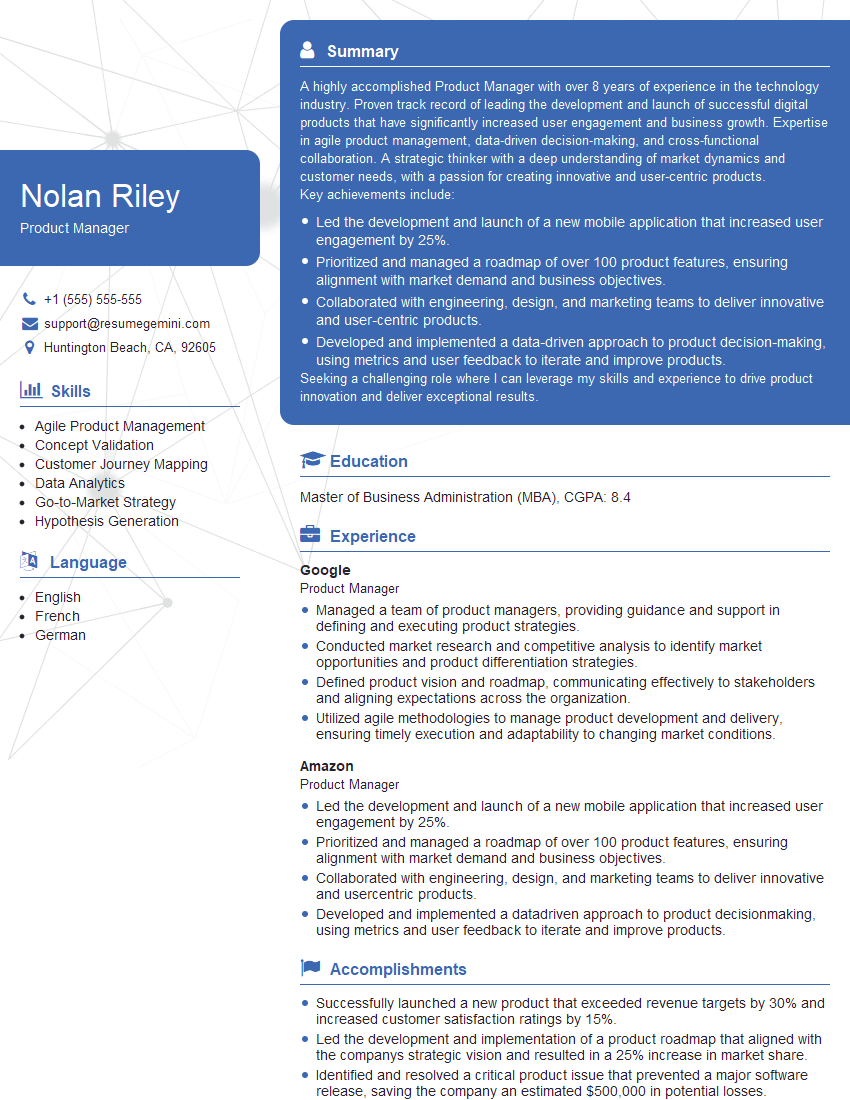
Product Manager Resume Sample

Project Manager Resume Sample
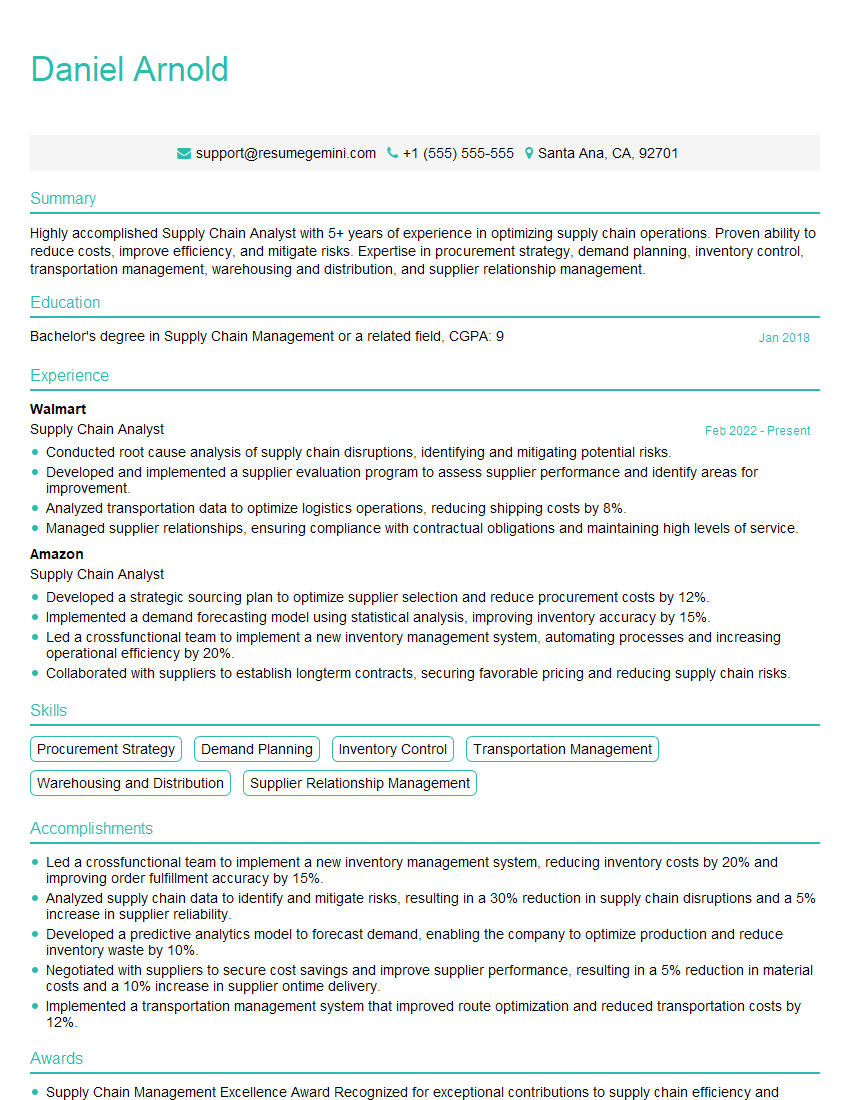
Supply Chain Analyst Resume Sample

Business Analyst Resume Sample
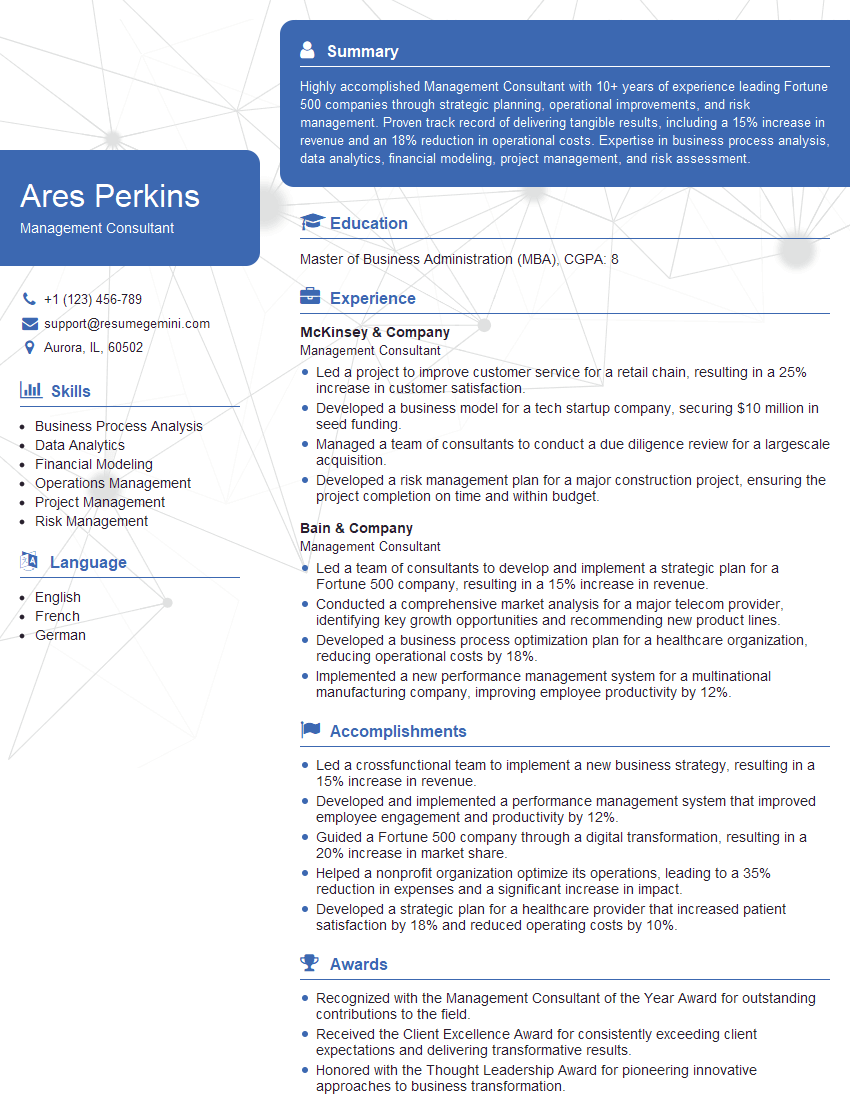
Management Consultant Resume Sample
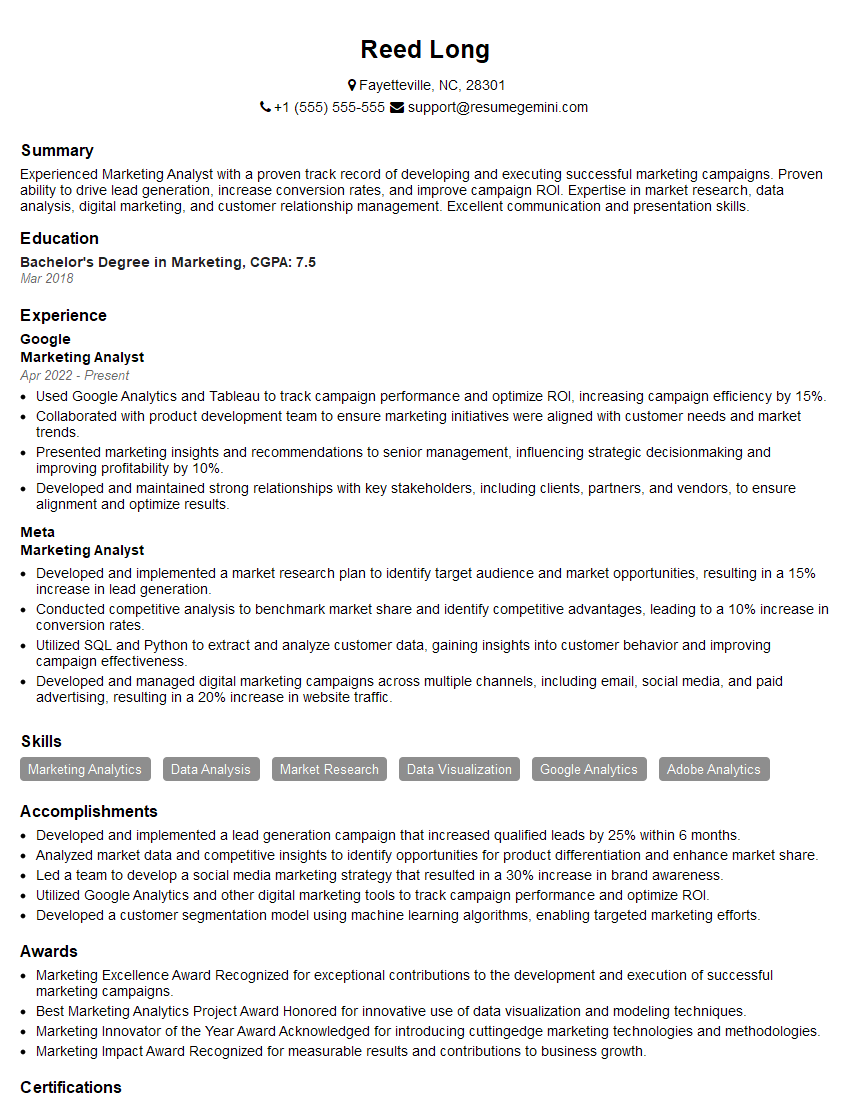
Marketing Analyst Resume Sample
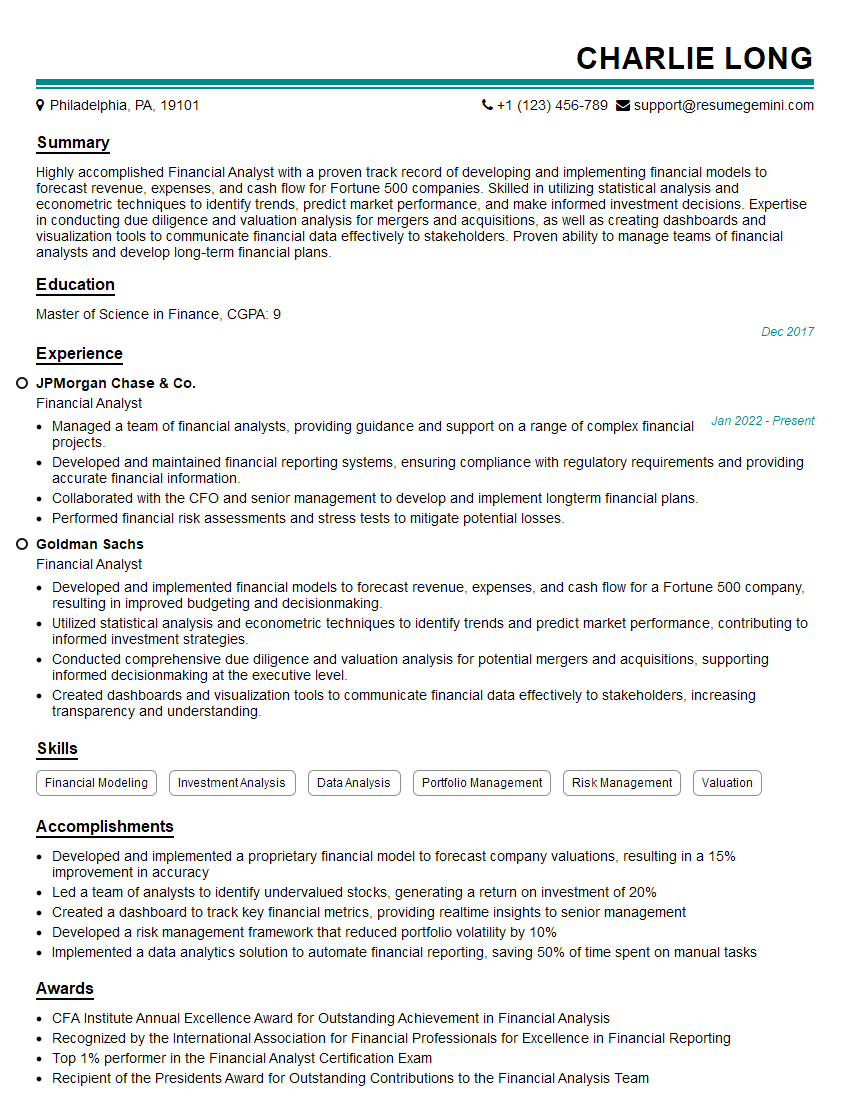
Financial Analyst Resume Sample
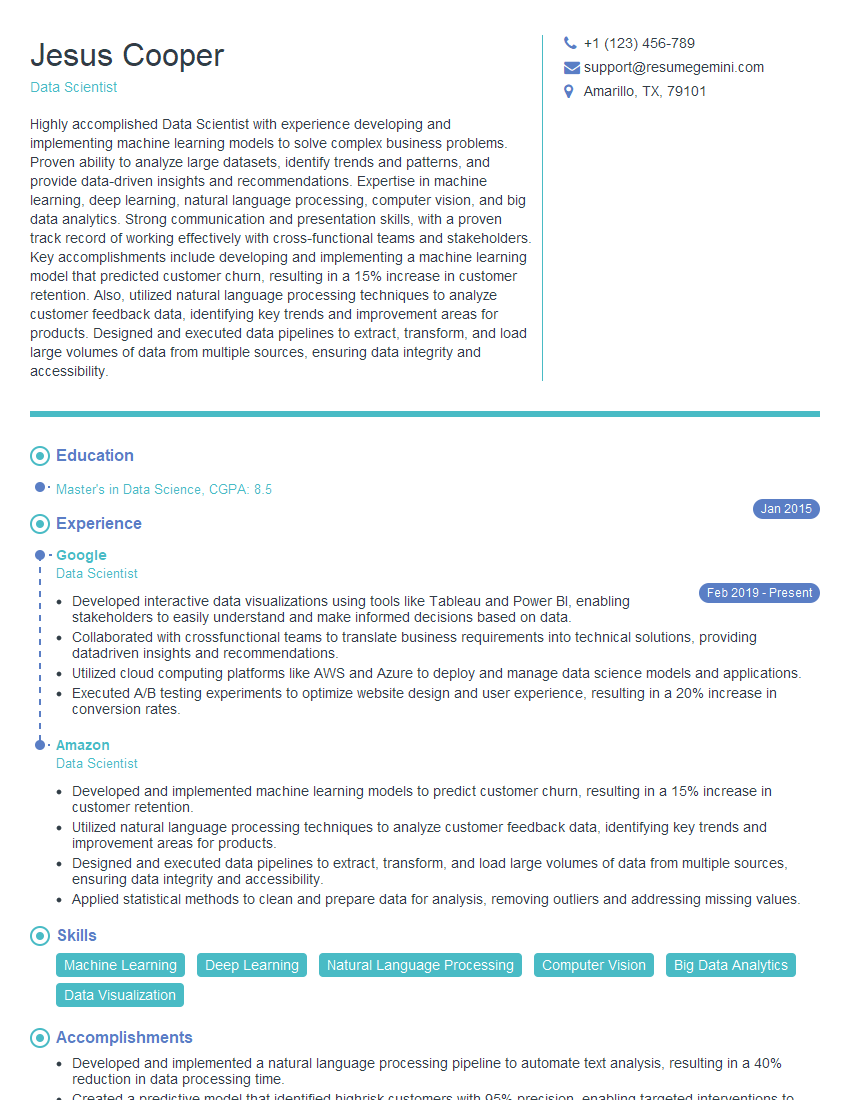
Data Scientist Resume Sample
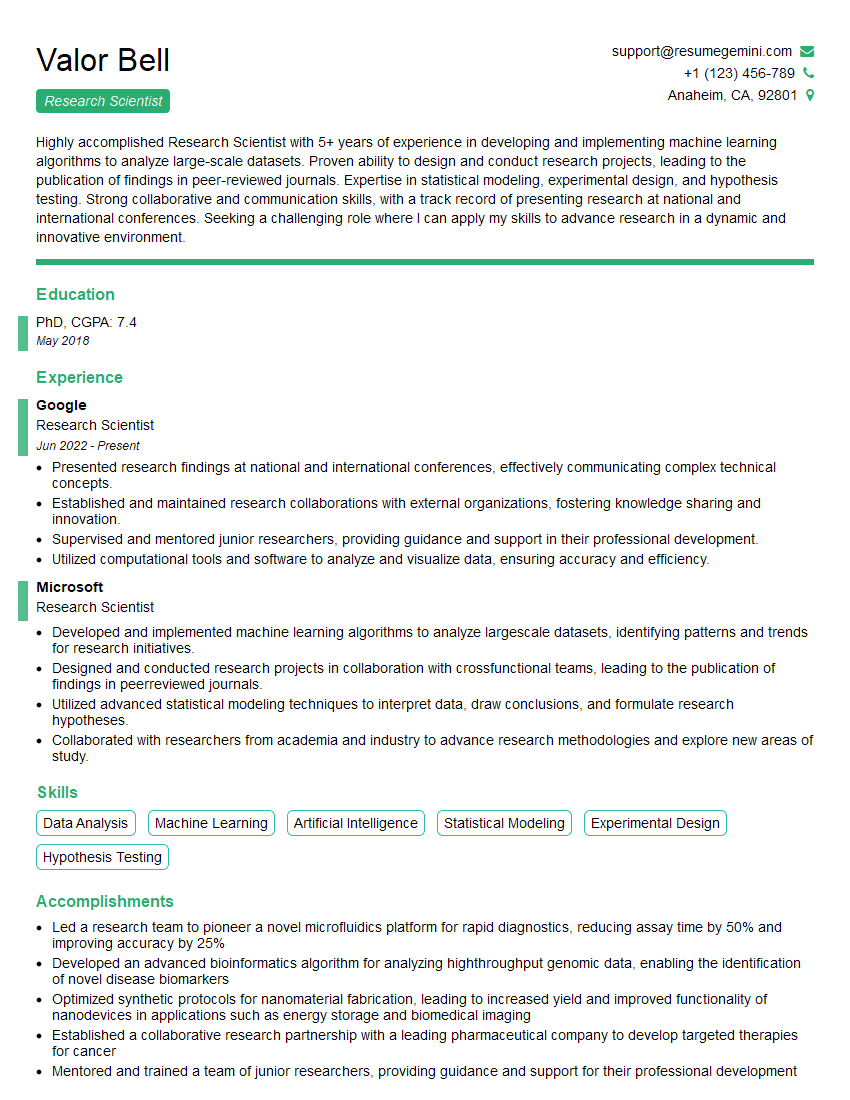
Research Scientist Resume Sample
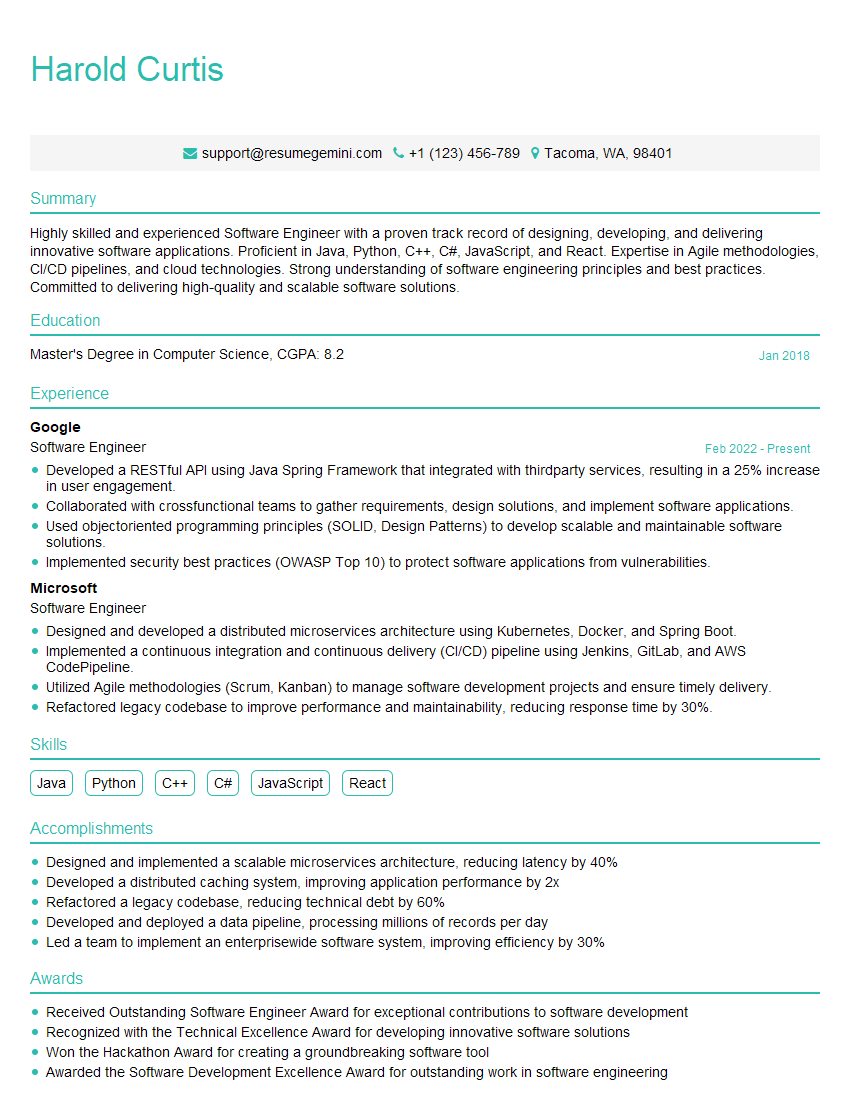
Software Engineer Resume Sample
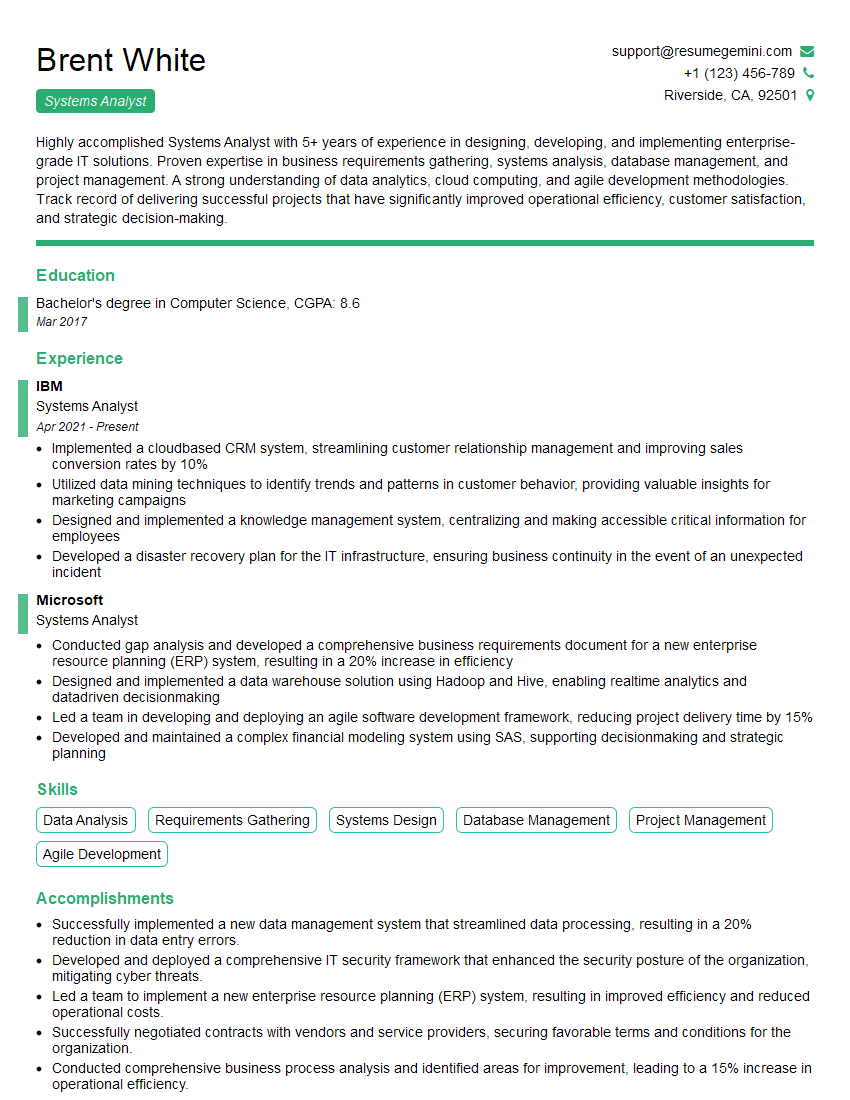
Systems Analyst Resume Sample
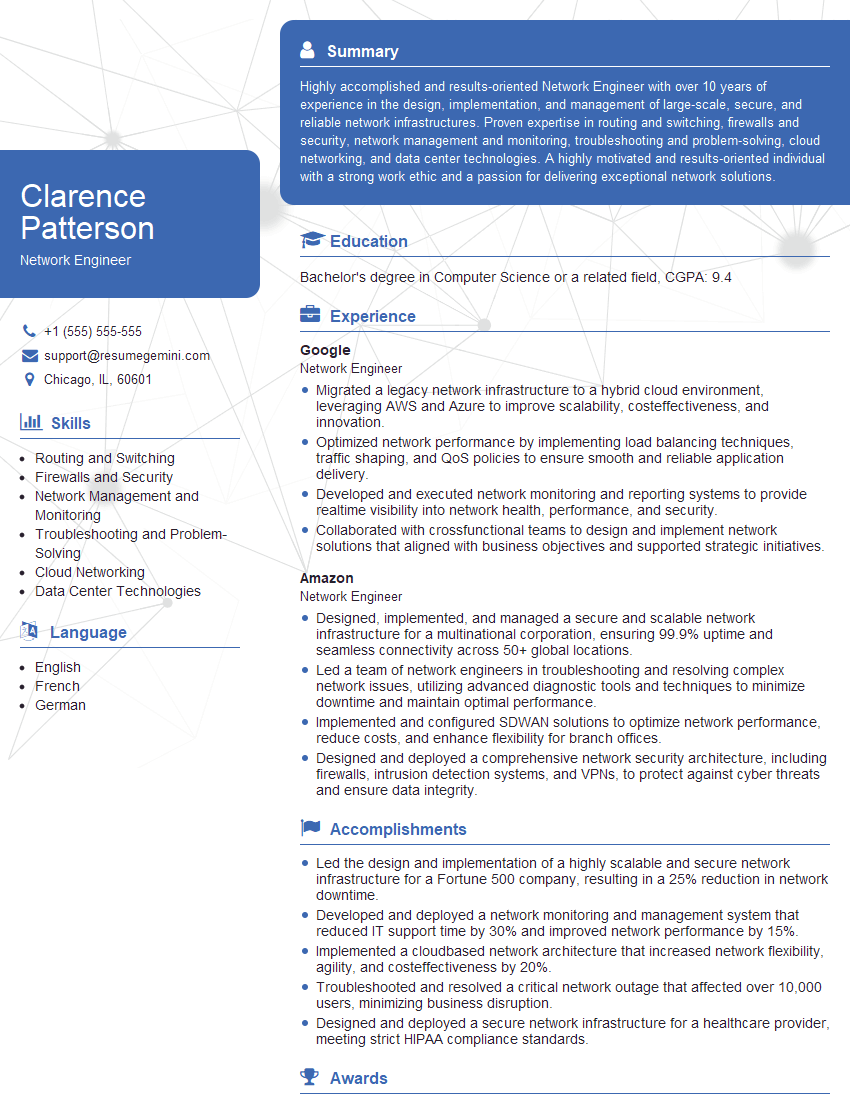
Network Engineer Resume Sample
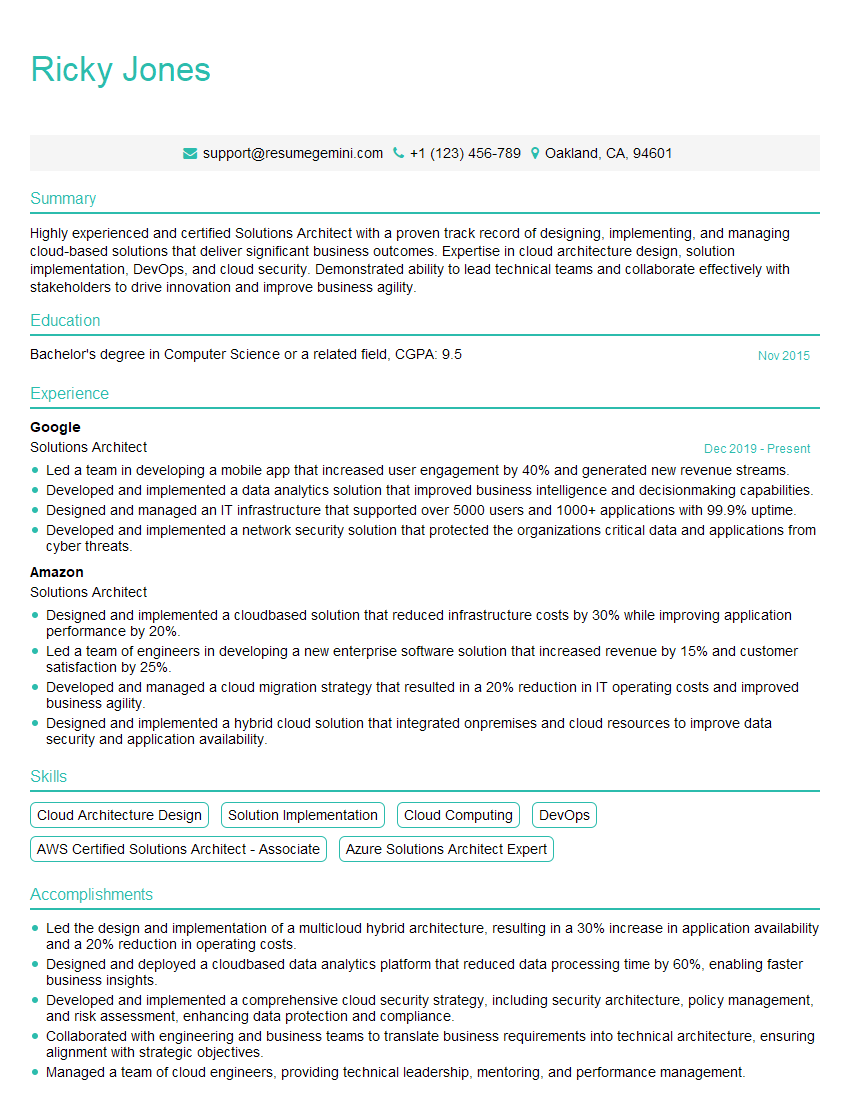
Solutions Architect Resume Sample
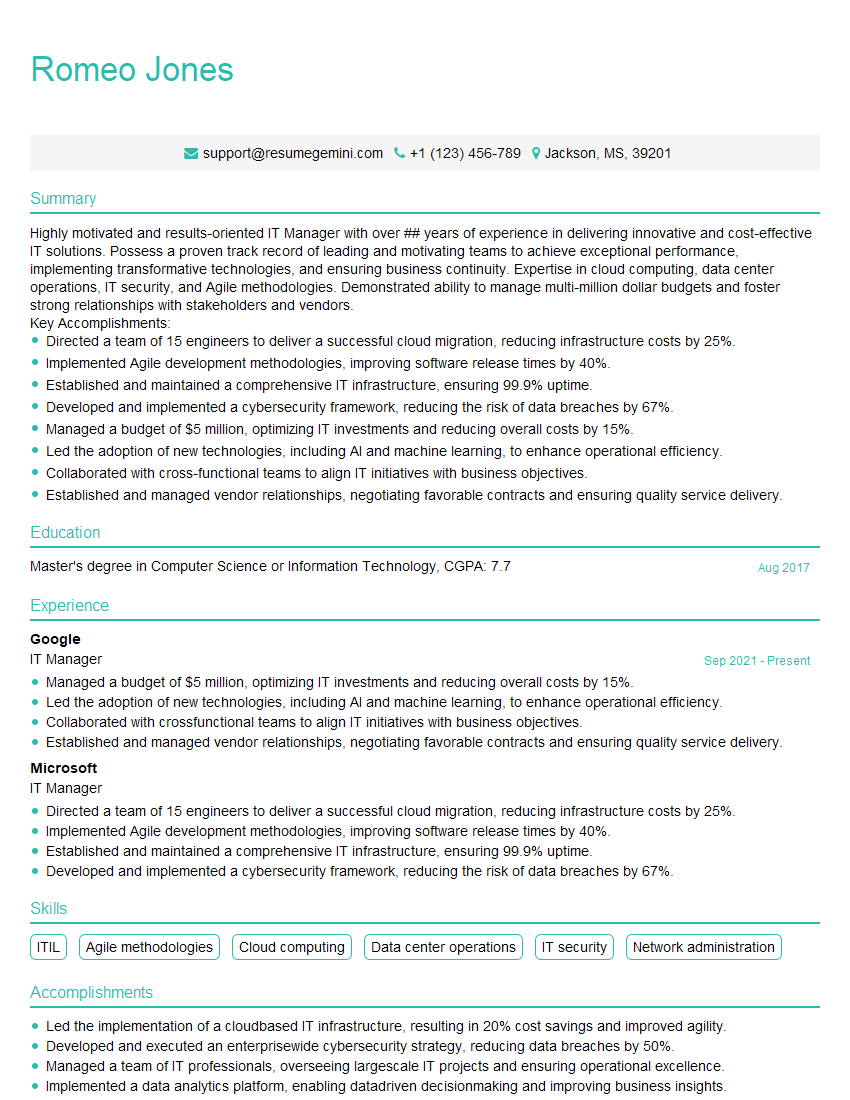
IT Manager Resume Sample
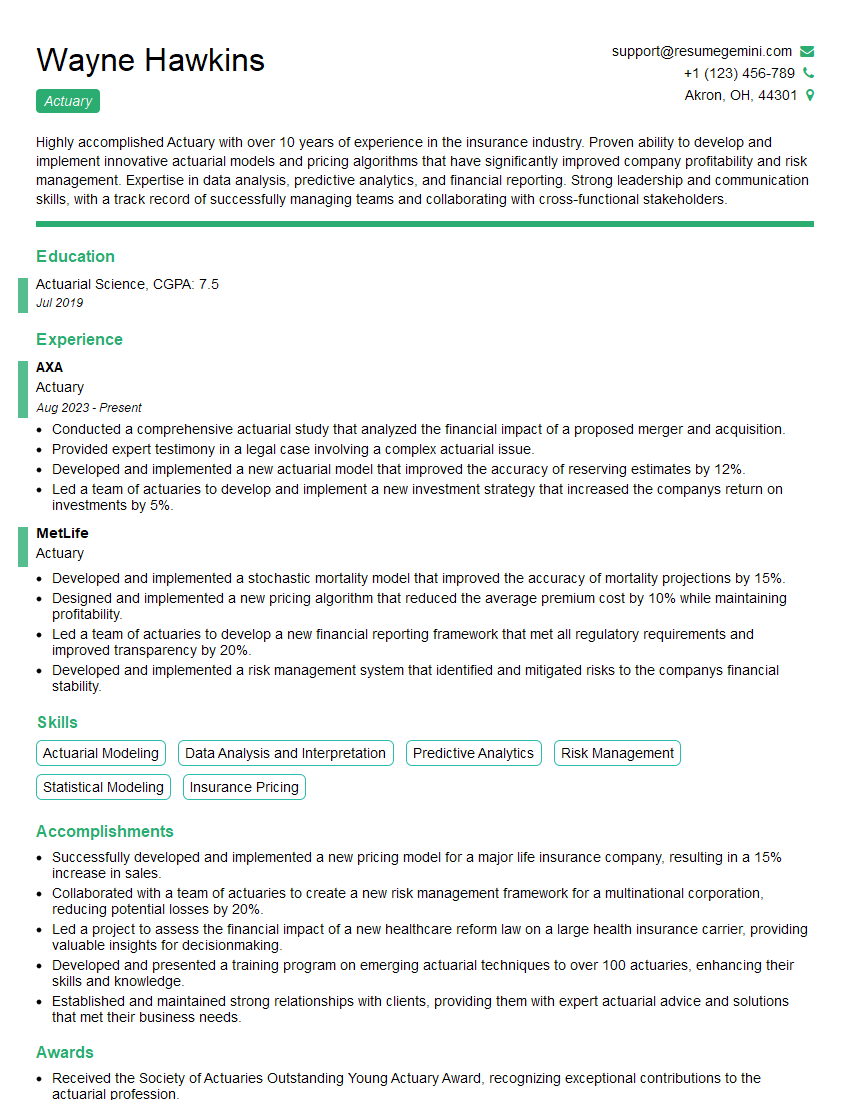
Actuary Resume Sample
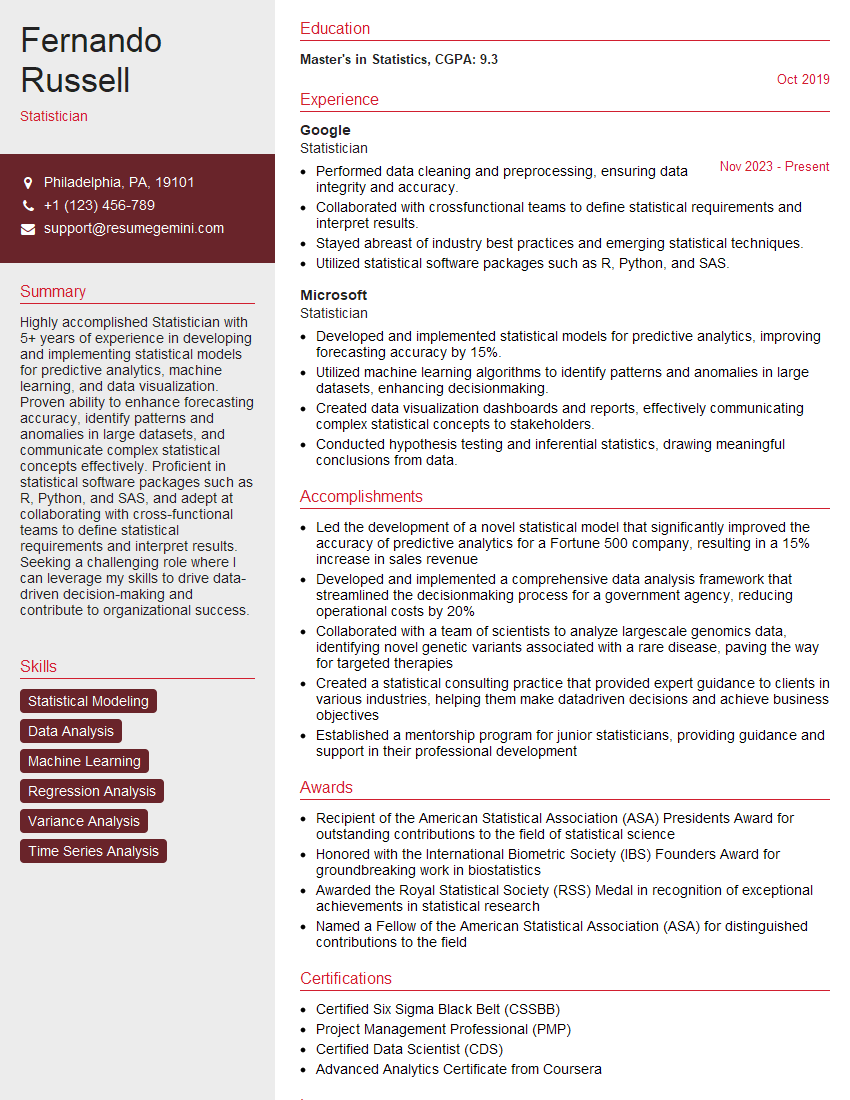
Statistician Resume Sample
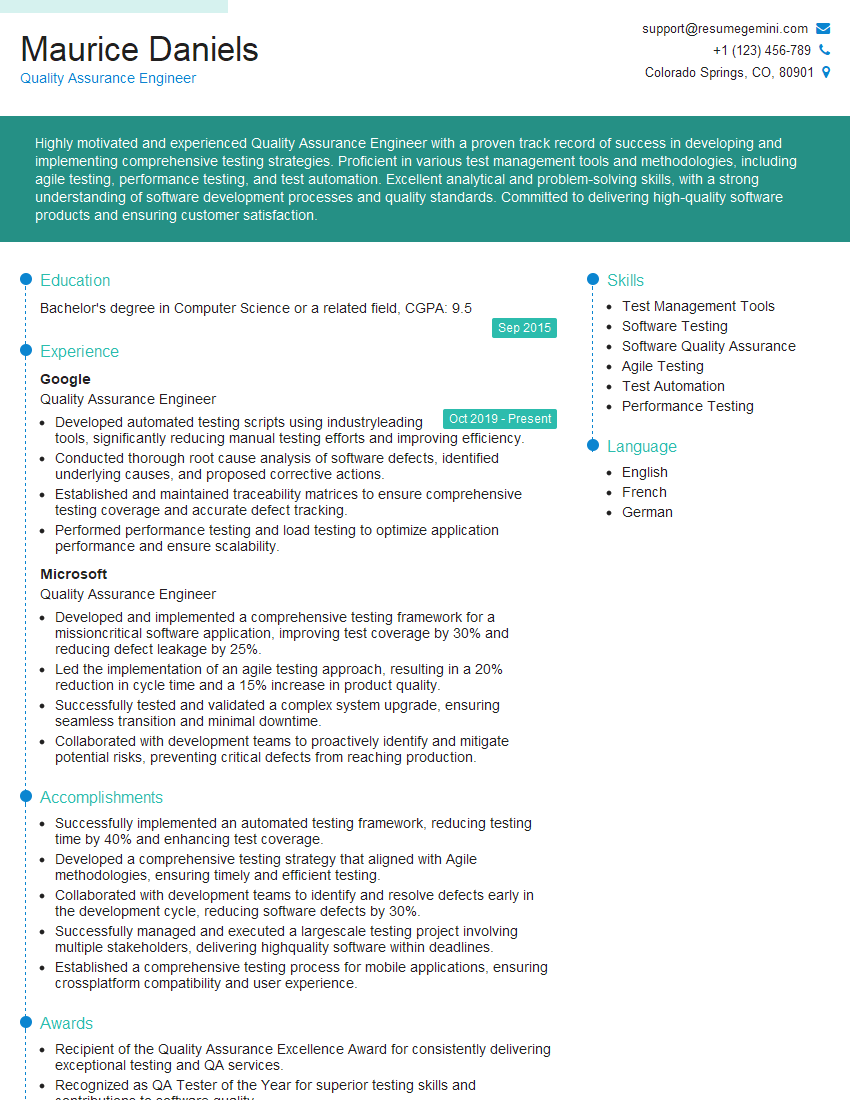
Quality Assurance Engineer Resume Sample
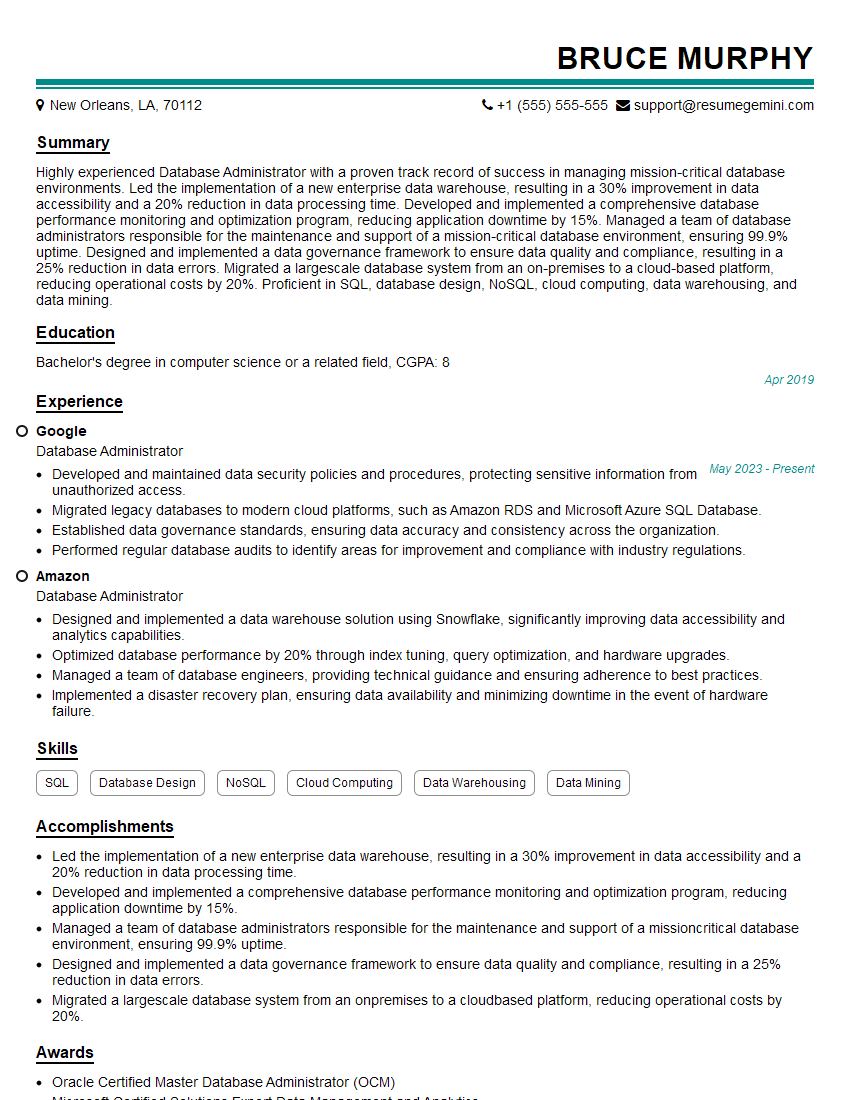
Database Administrator Resume Sample
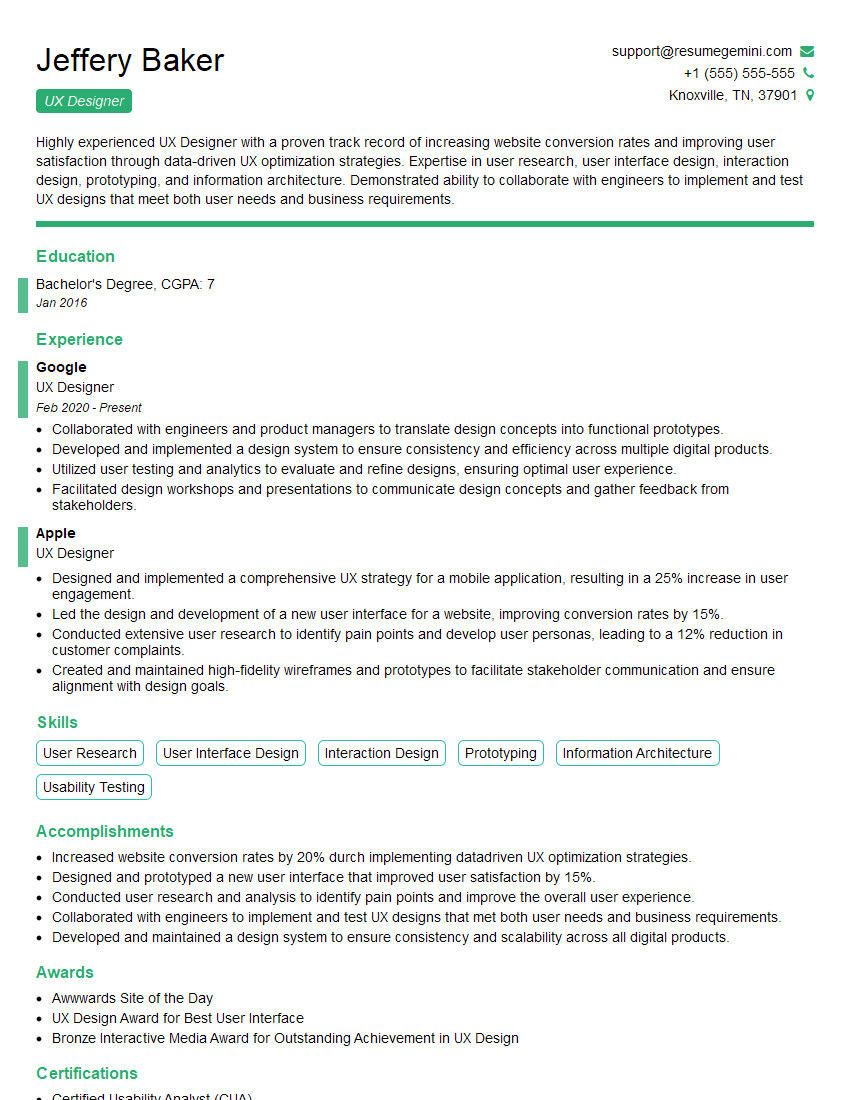
UX Designer Resume Sample
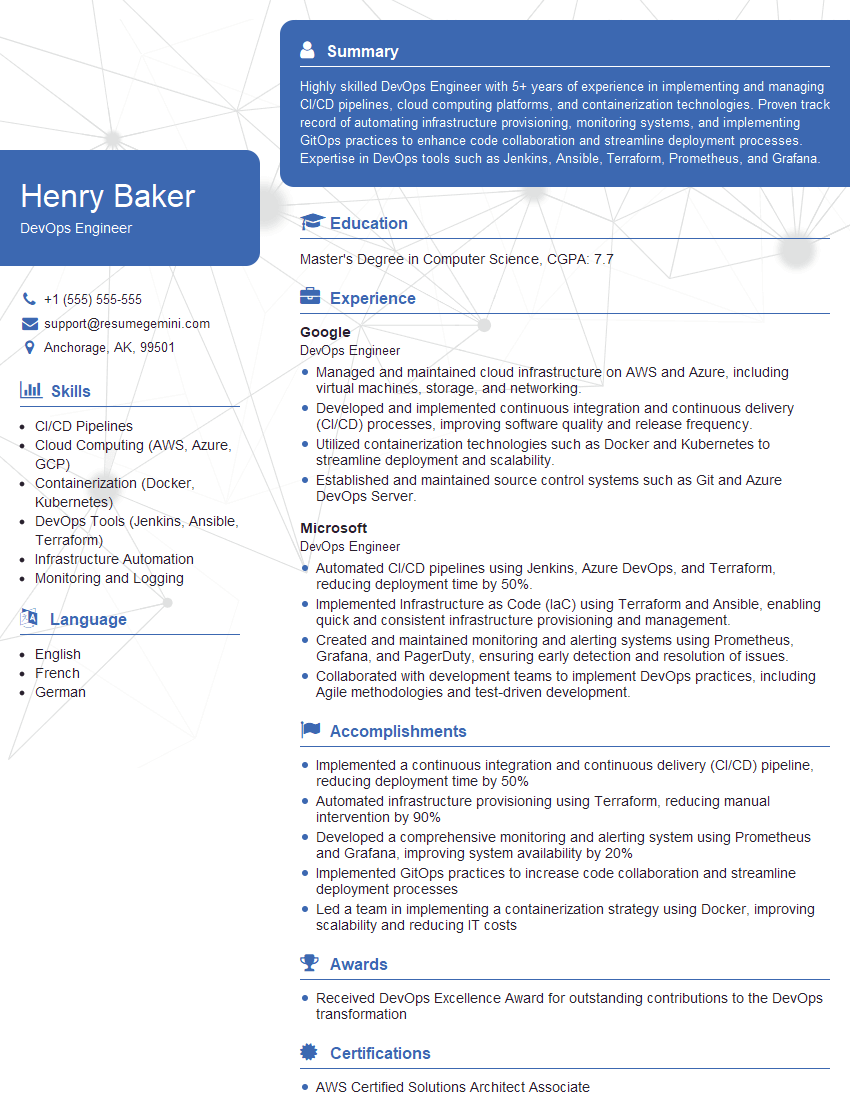
DevOps Engineer Resume Sample
- Operations Manager
- Product Manager
- Project Manager
- Supply Chain Analyst
- Business Analyst
- Management Consultant
- Marketing Analyst
- Financial Analyst
- Data Scientist
- Research Scientist
- Software Engineer
- Systems Analyst
- Network Engineer
- Solutions Architect
- IT Manager
- Actuary
- Statistician
- Quality Assurance Engineer
- Database Administrator
- UX Designer
- DevOps Engineer
Explore more articles
Users Rating of Our Blogs
Share Your Experience
We value your feedback! Please rate our content and share your thoughts (optional).
What Readers Say About Our Blog
Very informative content, great job.
good