Are you ready to stand out in your next interview? Understanding and preparing for Strong Work Ethic and Commitment to Success interview questions is a game-changer. In this blog, we’ve compiled key questions and expert advice to help you showcase your skills with confidence and precision. Let’s get started on your journey to acing the interview.
Questions Asked in Strong Work Ethic and Commitment to Success Interview
Q 1. Describe a time you had to work long hours to meet a deadline. What was the outcome?
Meeting tight deadlines often requires extended work hours. It’s about understanding the criticality of the project and committing the necessary time and effort. For instance, during my time at [Previous Company Name], we were launching a new product with an extremely aggressive timeline. The initial launch date was just six weeks away, and we were significantly behind schedule on the software integration. To rectify this, I volunteered to lead a team, working late into the evenings and often on weekends for three weeks straight. We utilized agile methodologies, breaking down the integration into smaller, manageable tasks. This allowed for continuous progress monitoring and rapid problem-solving. The outcome? We not only met the deadline but also exceeded expectations, launching the product successfully and receiving positive feedback from stakeholders.
This experience highlighted the importance of proactive planning, effective teamwork, and a willingness to go the extra mile. While long hours are sometimes necessary, efficient work habits are crucial to avoid burnout and maintain quality.
Q 2. How do you prioritize tasks when faced with multiple competing deadlines?
Prioritizing tasks with competing deadlines involves a strategic approach that blends urgency and importance. I typically employ the Eisenhower Matrix (Urgent/Important), which helps categorize tasks effectively. Urgent and Important tasks get immediate attention; Important but Not Urgent tasks are scheduled; Urgent but Not Important tasks are delegated or eliminated if possible; and Not Urgent and Not Important tasks are simply removed. This matrix is not static; regular review and adjustment are key to adapting to changing priorities.
For example, if I had a high-priority presentation due tomorrow and a longer-term project with a deadline next week, the presentation would take precedence. I’d break down the longer-term project into smaller, manageable tasks and schedule them around the presentation, ensuring I allocate sufficient time for each while maintaining a realistic schedule.
Q 3. Describe your approach to handling setbacks or unexpected challenges at work.
Setbacks are inevitable, and how you react to them defines your resilience. My approach involves a structured problem-solving process: First, I acknowledge the setback and avoid emotional reactions. Then, I analyze the root cause – what went wrong, and why? This often involves seeking input from colleagues. Next, I brainstorm solutions, considering various approaches and their potential consequences. Finally, I implement the chosen solution, monitor its effectiveness, and learn from the experience. This process allows me to turn challenges into learning opportunities.
For instance, a project I was leading faced a significant technical challenge. Instead of panicking, I calmly analyzed the issue, consulted with the development team, and explored various solutions. We ended up adapting an alternative technology, which ultimately led to a more robust and efficient solution. This setback unexpectedly improved the final product.
Q 4. How do you stay motivated and focused on long-term goals?
Maintaining motivation and focus on long-term goals requires a proactive approach. I break down large goals into smaller, achievable milestones. Each milestone provides a sense of accomplishment, fueling my motivation. Regularly reviewing my progress and celebrating successes reinforces my commitment. Furthermore, I seek out mentors and colleagues for support and accountability. Open communication and collaboration are vital in sustaining motivation, especially during challenging periods.
Visualization is also a powerful tool. I regularly visualize the successful completion of my long-term goals, which strengthens my resolve and commitment. This mental rehearsal keeps me focused even when facing obstacles.
Q 5. Give an example of a time you went above and beyond your job description.
Going above and beyond often involves identifying opportunities to contribute beyond the defined scope of my role. During my previous role, we were facing a critical staffing shortage in the customer support department. Although my role was primarily in project management, I volunteered to help with customer inquiries during peak hours. I quickly learned the support system and provided assistance, easing the workload on the existing team and ensuring customers received timely support. This demonstrated my commitment to the company’s success and strengthened my relationships with colleagues.
This experience not only helped alleviate a critical situation but also provided me with valuable insight into the customer experience, improving my project management skills by adding a deeper understanding of user needs.
Q 6. How do you handle constructive criticism?
Constructive criticism is invaluable for professional growth. I approach it with an open mind, actively listening and seeking to understand the feedback’s context and rationale. I ask clarifying questions to ensure I fully grasp the points raised. I then reflect on the feedback, identifying areas for improvement and developing action plans to address the identified shortcomings. I don’t take criticism personally but view it as an opportunity to enhance my skills and performance. Expressing gratitude for the feedback, regardless of its nature, demonstrates professionalism and a willingness to learn.
Q 7. Describe a time you had to work with a difficult colleague. How did you manage the situation?
Working with difficult colleagues requires tact and diplomacy. I focus on fostering open and respectful communication. I try to understand their perspective and concerns, seeking common ground wherever possible. I address conflicts directly but professionally, focusing on behavior rather than personality. If direct communication doesn’t resolve the issue, I escalate the matter to a supervisor, ensuring objectivity and fairness. The goal is to maintain a professional working relationship while addressing any disruptive behavior effectively.
For example, I once worked with a colleague who had a very different work style. Instead of letting the differences create conflict, I took the time to understand his approach, finding areas of collaboration. We agreed on clear responsibilities and communication protocols, which significantly improved our teamwork. While we didn’t become close friends, we were able to successfully complete several projects together.
Q 8. How do you measure your own success?
Success, for me, isn’t solely defined by quantifiable achievements like promotions or financial gains, although those are certainly positive indicators. Instead, I measure success by a combination of factors: the quality of my work, the positive impact I’ve had on my team and the organization, and the continuous growth and learning I experience.
For example, successfully navigating a complex project that initially seemed insurmountable, leading to a positive outcome for the company and my team, is a significant success for me. Equally important is mastering a new skill or improving an existing one, demonstrating my commitment to continuous professional development. It’s about consistently exceeding expectations and striving for excellence in all aspects of my work.
Q 9. How do you adapt to changing priorities and deadlines?
Adaptability is crucial in today’s dynamic work environment. When priorities shift or deadlines change, I follow a structured approach. First, I prioritize tasks based on urgency and importance using methods like the Eisenhower Matrix (Urgent/Important). This helps me focus on what needs immediate attention and what can be delegated or rescheduled.
Second, I proactively communicate with my team and manager about the changes, ensuring everyone is aligned and aware of the adjustments needed. This open communication prevents misunderstandings and allows for collaborative problem-solving. Finally, I remain flexible and willing to adjust my plans as needed, understanding that change is an inevitable part of the professional landscape.
For instance, if a critical project deadline is unexpectedly moved forward, I immediately reassess my workload, re-prioritize tasks, and potentially seek additional support to meet the new timeline. The key is to react promptly and efficiently while maintaining clear communication throughout the process.
Q 10. Describe a time you learned from a mistake at work.
In a previous role, I underestimated the time required for a crucial data analysis task. I assumed I could complete it within the allotted timeframe, but unforeseen complexities emerged. This resulted in a delayed report, which impacted subsequent project stages.
From this experience, I learned the importance of thorough planning and realistic time estimation. Now, before undertaking any complex task, I break it down into smaller, more manageable sub-tasks and meticulously estimate the time needed for each, including buffer time for unforeseen issues. I also incorporate regular check-ins and progress evaluations to ensure I’m on track and can adjust my approach as needed. This proactive approach helps to prevent similar issues from occurring in the future.
Q 11. How do you handle pressure and stress?
Handling pressure and stress is about maintaining a proactive and balanced approach. I use several strategies to mitigate stress. First, I prioritize proper time management and organization. This proactive approach reduces last-minute rushes and associated stress. Second, I engage in regular physical activity and mindfulness techniques. These help to clear my head and improve my focus.
Third, I practice effective communication. Openly discussing challenges with my team and manager allows for collaborative problem-solving and reduces feelings of isolation. Finally, I recognize the importance of taking breaks and stepping away from work when needed. This prevents burnout and allows me to return with renewed energy and focus. For example, a short walk or meditation session can significantly improve my ability to manage stressful situations effectively.
Q 12. What steps do you take to ensure accuracy and attention to detail in your work?
Accuracy and attention to detail are paramount in my work. I utilize several methods to ensure both. First, I use checklists and templates to standardize my processes, ensuring consistency and minimizing the likelihood of errors. Second, I perform thorough quality checks at each stage of a project. This involves reviewing my work for inconsistencies, inaccuracies, and omissions.
Third, I actively seek feedback from colleagues and supervisors to identify potential oversights. Cross-checking data with multiple sources and utilizing software tools for validation are also critical components of my process. For instance, when creating financial reports, I always double-check calculations and reconcile figures with the source data to eliminate the possibility of errors. Continuous self-assessment and a commitment to precision form the bedrock of my approach to achieving accuracy and attention to detail.
Q 13. Describe a time you had to work independently on a project. What were the results?
I recently worked independently on developing a new training module for our company’s onboarding program. This involved researching industry best practices, designing the curriculum, creating the training materials, and conducting pilot testing.
Working independently required strong self-discipline and proactive communication. I established clear goals and a timeline upfront, regularly documenting my progress and seeking feedback at crucial milestones. The outcome was a well-received training module that successfully improved the onboarding experience for new employees and led to a more efficient training process, a significant improvement from previous methods.
Q 14. How do you organize your work to maximize efficiency and productivity?
To maximize efficiency and productivity, I utilize several organizational techniques. I start with prioritizing tasks based on urgency and importance, employing tools like the Eisenhower Matrix. Then, I break down larger tasks into smaller, manageable sub-tasks to improve focus and avoid feeling overwhelmed.
I use project management tools like Trello or Asana to track progress and deadlines. This allows for better visualization of tasks and efficient resource allocation. Regular time blocking helps me allocate specific time slots for particular tasks, promoting focused work and reducing distractions. Finally, I review my workflow regularly to identify areas for improvement and adapt my approach as needed to optimize my work process for maximum efficiency.
Q 15. How do you stay updated on industry trends and best practices?
Staying current in any field is crucial, especially one as dynamic as technology or business. My approach is multifaceted. I actively subscribe to industry-leading publications like the Harvard Business Review and Forbes, focusing on articles related to productivity, leadership, and strategic management. I also participate in online communities and forums, engaging in discussions and learning from the shared experiences of other professionals. Attending webinars, conferences, and workshops provides valuable insights into the latest trends and methodologies. Finally, I make a point of networking with peers and mentors within my field, leveraging their expertise and diverse perspectives. This combination of active reading, online engagement, and networking ensures I’m always informed and ahead of the curve.
Career Expert Tips:
- Ace those interviews! Prepare effectively by reviewing the Top 50 Most Common Interview Questions on ResumeGemini.
- Navigate your job search with confidence! Explore a wide range of Career Tips on ResumeGemini. Learn about common challenges and recommendations to overcome them.
- Craft the perfect resume! Master the Art of Resume Writing with ResumeGemini’s guide. Showcase your unique qualifications and achievements effectively.
- Don’t miss out on holiday savings! Build your dream resume with ResumeGemini’s ATS optimized templates.
Q 16. Describe your process for identifying and solving problems at work.
My problem-solving process is systematic and data-driven. It begins with clearly defining the problem, gathering all relevant information, and identifying its root cause, not just the symptoms. I utilize tools like root cause analysis (RCA) diagrams to visually map out contributing factors. Once the root cause is identified, I brainstorm potential solutions, evaluating their feasibility and potential impact. This often involves collaboration with colleagues to leverage diverse perspectives. After selecting the optimal solution, I implement it, closely monitoring its effectiveness. I document the entire process, including the problem definition, solutions considered, and the final outcome, allowing me to learn from past experiences and improve future problem-solving efforts. For example, when facing a project delay, instead of simply rushing to meet the deadline, I would investigate the cause (e.g., resource constraints, unforeseen technical challenges). Only after identifying the cause, would I create a revised plan, addressing the root problem.
Q 17. How do you balance work and personal life?
Work-life balance is a constant juggling act, but one I manage effectively through proactive planning and disciplined prioritization. I use a digital calendar to schedule both work and personal commitments, ensuring adequate time is allocated for family, friends, and personal pursuits. I also set boundaries: I avoid checking work emails after a certain hour unless absolutely necessary and dedicate specific times for relaxation and rejuvenation. This could include regular exercise, pursuing hobbies, or simply unwinding with a book. I find that this structured approach not only improves my work performance but also enhances my overall well-being and prevents burnout. It’s about consciously making time for what matters most, both professionally and personally.
Q 18. What are your career goals, and how do you plan to achieve them?
My career goals are centered around continuous growth and impactful contribution. I aim to become a recognized leader in my field, mentoring others and shaping industry best practices. To achieve this, I’m focusing on developing advanced skills through specialized training and pursuing relevant certifications. I also actively seek out challenging projects and leadership opportunities, showcasing my ability to manage complex situations and deliver exceptional results. Networking and building strong professional relationships are key to expanding my knowledge base and opening doors to new opportunities. I see my career not as a linear progression but as a journey of constant learning and development, each step bringing me closer to my long-term goals. For instance, obtaining a project management certification will be a significant milestone on my path to leadership.
Q 19. How do you contribute to a positive and productive work environment?
I contribute to a positive and productive work environment through active collaboration, open communication, and a supportive attitude. I actively participate in team meetings, offering constructive feedback and readily sharing my expertise. I believe in fostering a culture of mutual respect and encouragement, helping colleagues whenever possible and celebrating successes together. I also prioritize clear and timely communication, ensuring everyone is informed and aligned on goals and objectives. I believe a positive and supportive environment is essential for peak performance and maintain a proactive role in cultivating one. A specific example would be organizing team-building activities to strengthen relationships and boost morale.
Q 20. How do you handle situations where you disagree with your manager or colleagues?
Disagreements are inevitable in any collaborative setting. My approach involves respectful and professional communication. I begin by actively listening to understand the other person’s perspective, even if I don’t initially agree. I then clearly and calmly explain my own viewpoint, focusing on facts and data to support my position. I prioritize finding common ground and exploring solutions that address everyone’s concerns. If the disagreement persists, I seek a neutral mediator to facilitate a constructive dialogue. The goal is always to resolve the issue professionally and collaboratively, preserving the working relationship.
Q 21. Describe a time you had to make a difficult decision at work. What was the process?
In a previous role, I had to decide whether to prioritize a high-profile project with a tight deadline or address a critical bug in our flagship software. Both were urgent, but neglecting either could have significant negative consequences. My process involved carefully weighing the risks and benefits of each option. I analyzed the potential impact of delays on both projects, consulting with my team and manager to gather diverse perspectives. We developed a risk assessment matrix to quantify the potential impact of each scenario. Based on this analysis, we prioritized fixing the critical bug first due to its potential for widespread disruption. We then implemented a revised plan for the high-profile project, communicating transparently with stakeholders about the shift in priorities. The decision, though difficult, ensured the stability of the system while minimizing the impact on the other project.
Q 22. What are your strengths and weaknesses in terms of work ethic?
My greatest strength in terms of work ethic is my unwavering dedication and commitment to exceeding expectations. I consistently go the extra mile, proactively seeking out challenges and opportunities for growth. I thrive in demanding environments and find satisfaction in delivering high-quality work, even under pressure. A weakness, however, is my tendency to be overly critical of myself. While this drive for perfection ensures high standards, I’m actively working on balancing this with self-compassion and recognizing that striving for excellence doesn’t require constant self-flagellation. I’m learning to celebrate milestones and acknowledge my accomplishments, which helps prevent burnout and maintains a healthy perspective.
Q 23. How do you maintain your enthusiasm and motivation over the long term?
Maintaining long-term enthusiasm requires a multifaceted approach. Firstly, I find setting SMART goals – Specific, Measurable, Achievable, Relevant, and Time-bound – crucial. Breaking down large tasks into smaller, manageable steps provides a sense of accomplishment along the way, fueling motivation. Secondly, I prioritize continuous learning and seek out opportunities to expand my skillset. This prevents stagnation and keeps the work engaging. Finally, I actively cultivate a supportive network of colleagues and mentors, fostering collaboration and shared enthusiasm. Regular breaks and self-care are also essential to prevent burnout and maintain a sustainable level of motivation. Think of it like running a marathon; you need consistent pacing, regular refueling, and a strong support system to reach the finish line.
Q 24. Describe a time you demonstrated initiative and took ownership of a project.
In a previous role, we were tasked with improving our client onboarding process. While the initial plan was fairly standard, I noticed a significant bottleneck in the documentation phase. Taking initiative, I volunteered to redesign the entire onboarding documentation, creating a more user-friendly and streamlined system. This involved extensive research, interviewing colleagues and clients, and utilizing a new diagramming software to improve clarity. The result was a 30% reduction in onboarding time and a significant improvement in client satisfaction. I took full ownership of the project, from initial assessment to final implementation, demonstrating my commitment to problem-solving and process improvement.
Q 25. How do you measure your progress towards your goals?
I measure my progress towards goals using a combination of quantitative and qualitative methods. For quantitative metrics, I set specific, measurable targets, such as increasing sales by 15% or reducing project completion time by 10%. I track my progress regularly using spreadsheets and project management software, allowing for adjustments as needed. Qualitative measurements, however, are equally important. This includes regular self-reflection, seeking feedback from colleagues and supervisors, and analyzing the impact of my work on the overall team objectives. A combination of both approaches provides a holistic view of my progress and effectiveness.
Q 26. How do you deal with feelings of frustration or burnout?
Frustration and burnout are inevitable in any demanding role. My strategy involves a multi-pronged approach. Firstly, I identify the root cause of the frustration – is it a specific task, a lack of resources, or a broader issue? Once identified, I actively seek solutions; this could involve asking for help, re-prioritizing tasks, or adjusting my work style. Secondly, I prioritize self-care. This includes regular exercise, sufficient sleep, and engaging in activities outside of work that provide relaxation and rejuvenation. Finally, if the frustration persists, I’m not afraid to seek professional guidance or communicate my concerns to my supervisor. Ignoring these feelings can be detrimental, so proactive management is key.
Q 27. What strategies do you use to improve your skills and knowledge?
I employ a diverse range of strategies to enhance my skills and knowledge. This includes formal training courses, online certifications, and attending industry conferences. I actively participate in workshops and seminars, and consistently read industry publications and research papers. Furthermore, I seek out mentorship opportunities and actively engage with colleagues, exchanging knowledge and best practices. I also actively embrace challenges and seek opportunities to learn from mistakes. Continuous learning is an ongoing commitment, and I view it as an integral part of professional growth.
Q 28. Describe your ideal work environment.
My ideal work environment fosters collaboration, innovation, and mutual respect. It’s a place where open communication is encouraged, and diverse perspectives are valued. I thrive in a structured yet flexible setting that allows for both independent work and team-based projects. Access to cutting-edge resources and technologies is essential, as is a supportive management team that provides both guidance and autonomy. Essentially, an environment that promotes continuous learning, recognizes achievements, and values a strong work-life balance is paramount to my success and well-being.
Key Topics to Learn for Strong Work Ethic and Commitment to Success Interview
- Defining Your Work Ethic: Articulate your understanding of a strong work ethic, going beyond simply “hard work.” Consider elements like dedication, responsibility, and proactive problem-solving.
- Demonstrating Commitment: Provide concrete examples from past experiences illustrating your commitment to projects and goals, even in the face of challenges. Focus on outcomes and quantifiable results.
- Time Management & Prioritization: Explain how you manage your time effectively, particularly when juggling multiple tasks or deadlines. Showcase your ability to prioritize effectively and meet expectations.
- Adaptability and Resilience: Describe your ability to adapt to changing circumstances, learn from setbacks, and maintain a positive attitude under pressure. Provide examples of overcoming obstacles.
- Teamwork and Collaboration: Highlight your contributions to team projects, emphasizing your collaborative skills and ability to work effectively with others towards shared goals.
- Continuous Learning and Improvement: Discuss your proactive approach to skill development and your commitment to continuous learning. Show how you seek feedback and use it to improve performance.
- Goal Setting and Achievement: Illustrate your ability to set ambitious yet achievable goals, and explain your strategies for achieving them. Use the STAR method (Situation, Task, Action, Result) to structure your answers.
Next Steps
Mastering the art of showcasing a strong work ethic and commitment to success is crucial for career advancement. It demonstrates to potential employers your reliability and potential for long-term contribution. To significantly increase your job prospects, it’s essential to create a resume that effectively highlights these qualities to Applicant Tracking Systems (ATS). ResumeGemini is a trusted resource to help you build a professional and ATS-friendly resume that effectively communicates your skills and experience. We provide examples of resumes tailored to emphasize a strong work ethic and commitment to success to help you get started.
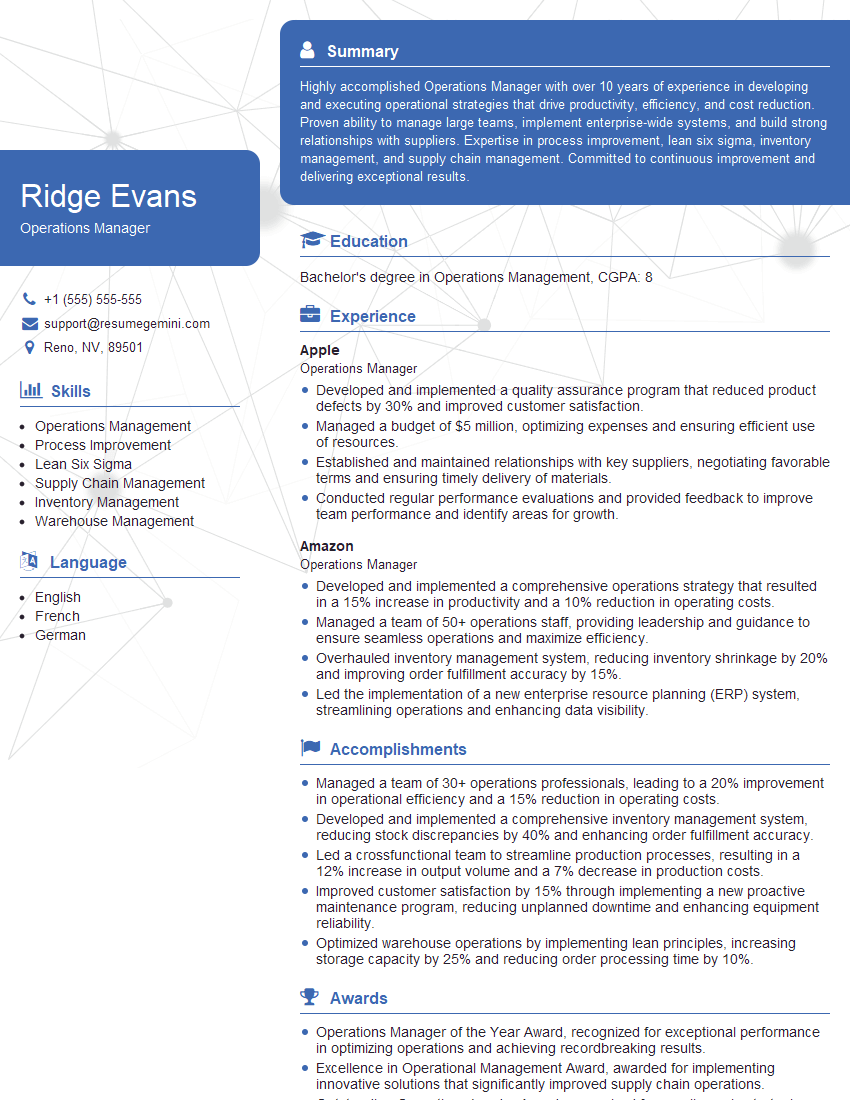
Operations Manager Resume Sample
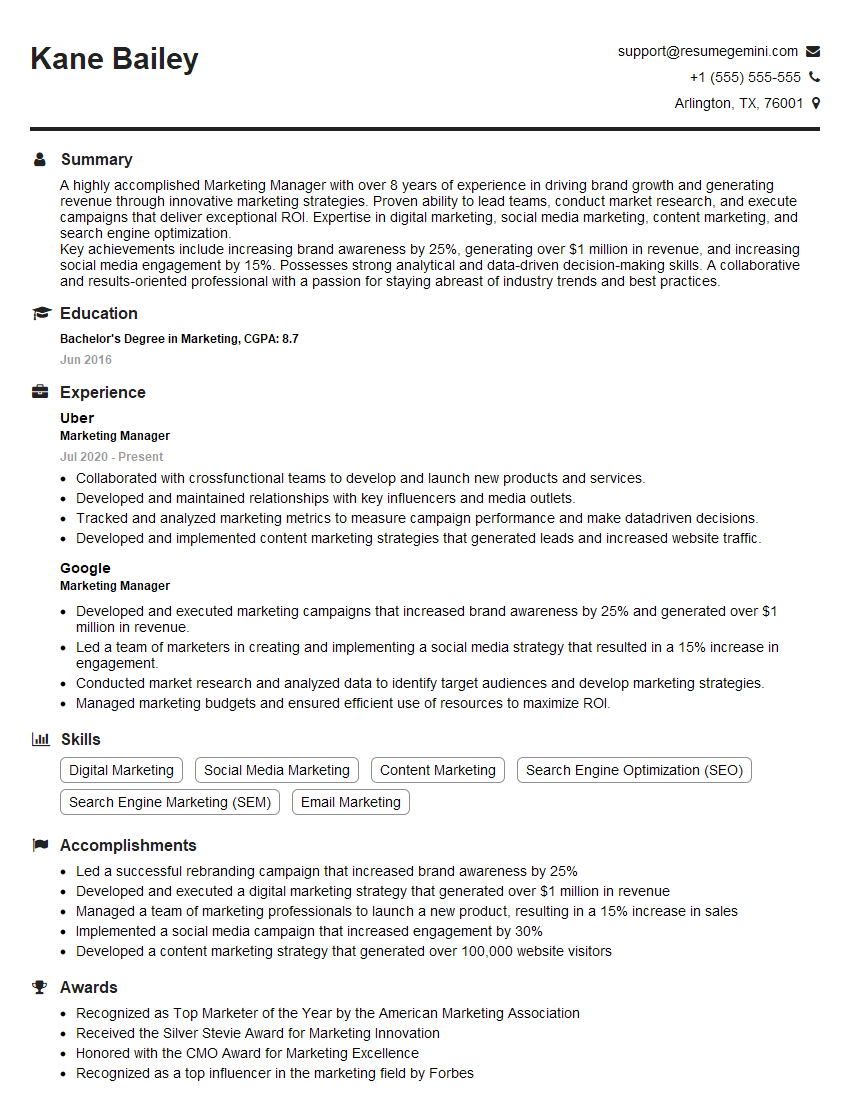
Marketing Manager Resume Sample
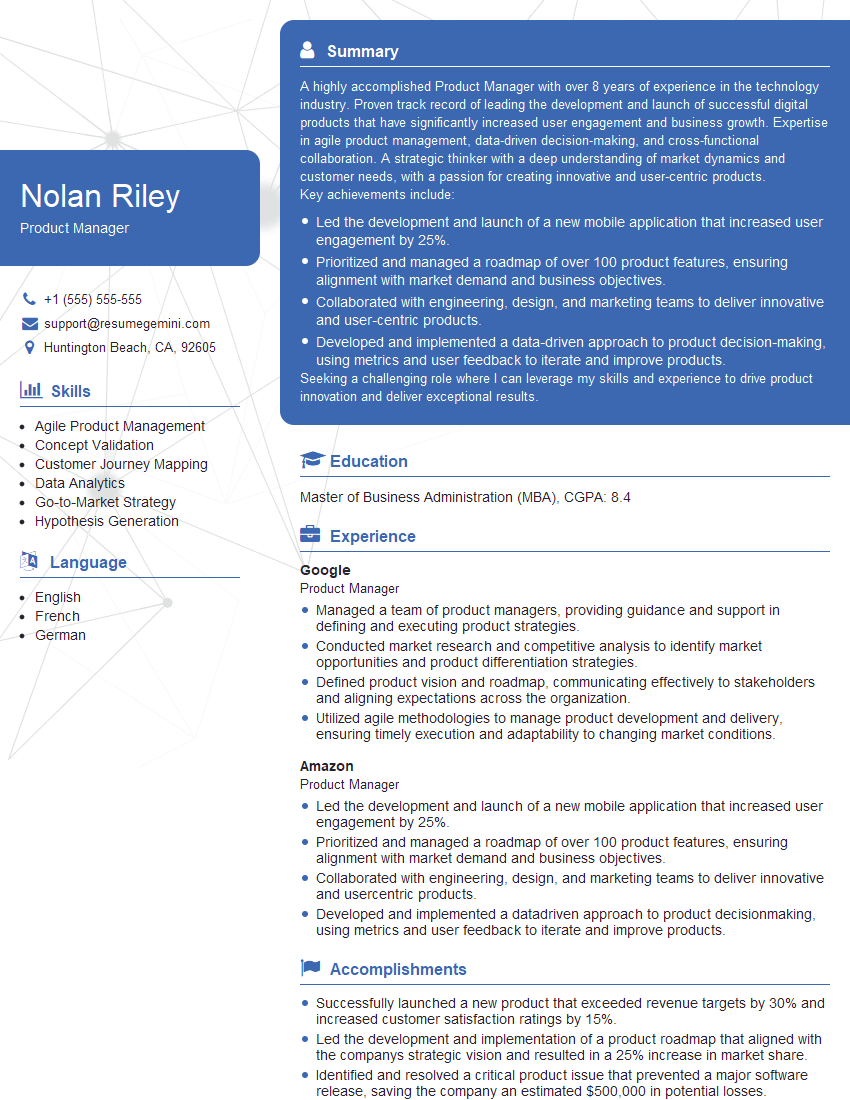
Product Manager Resume Sample
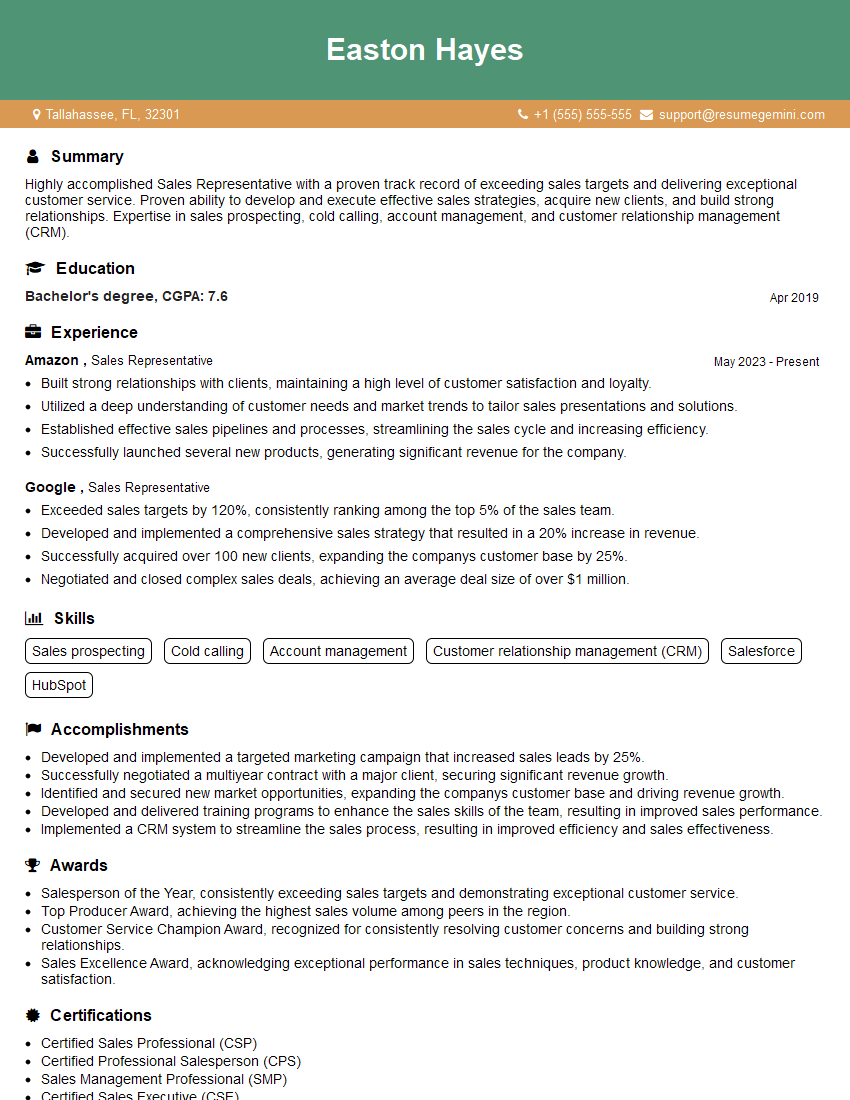
Sales Representative Resume Sample

Customer Service Manager Resume Sample
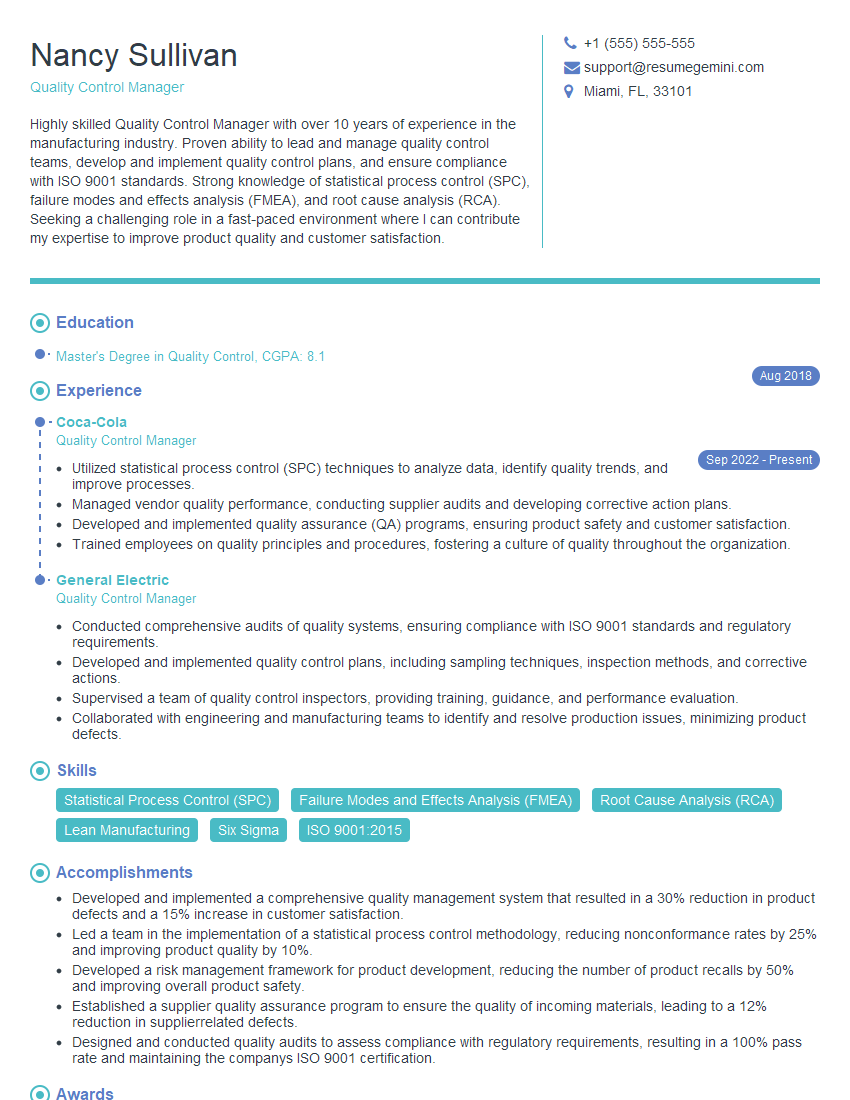
Quality Control Manager Resume Sample
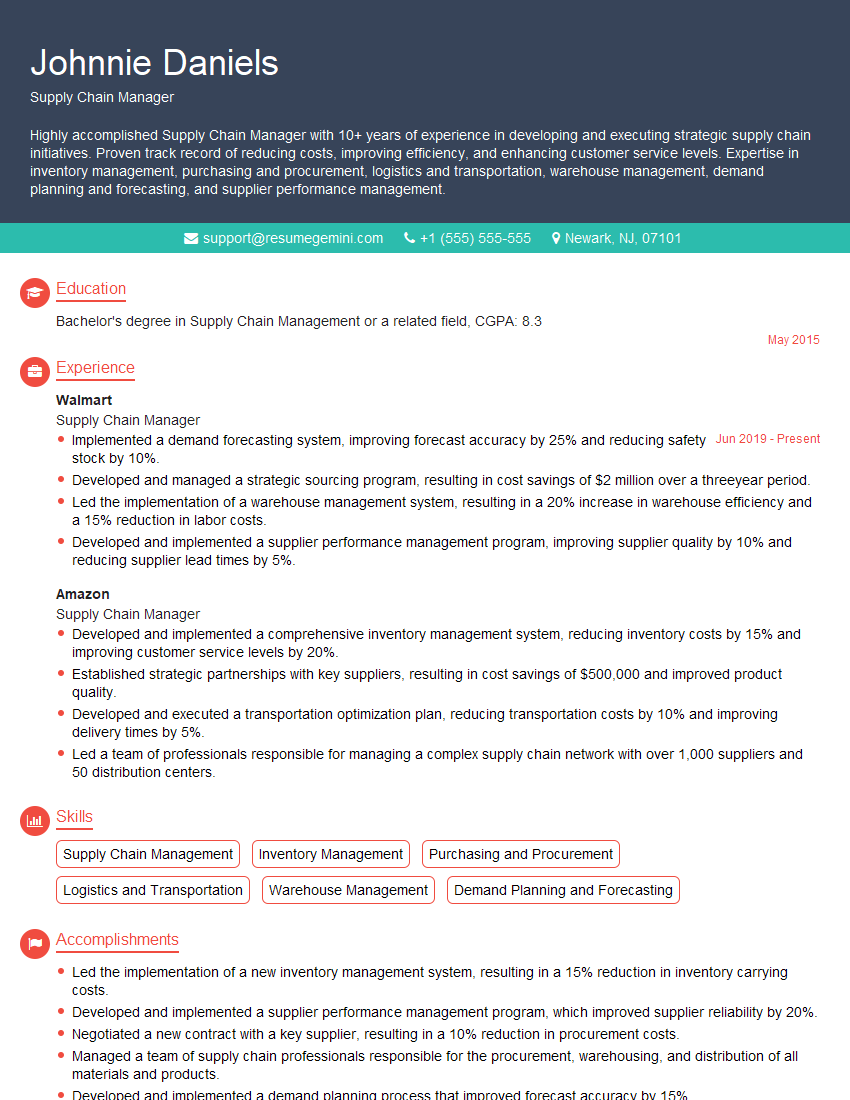
Supply Chain Manager Resume Sample
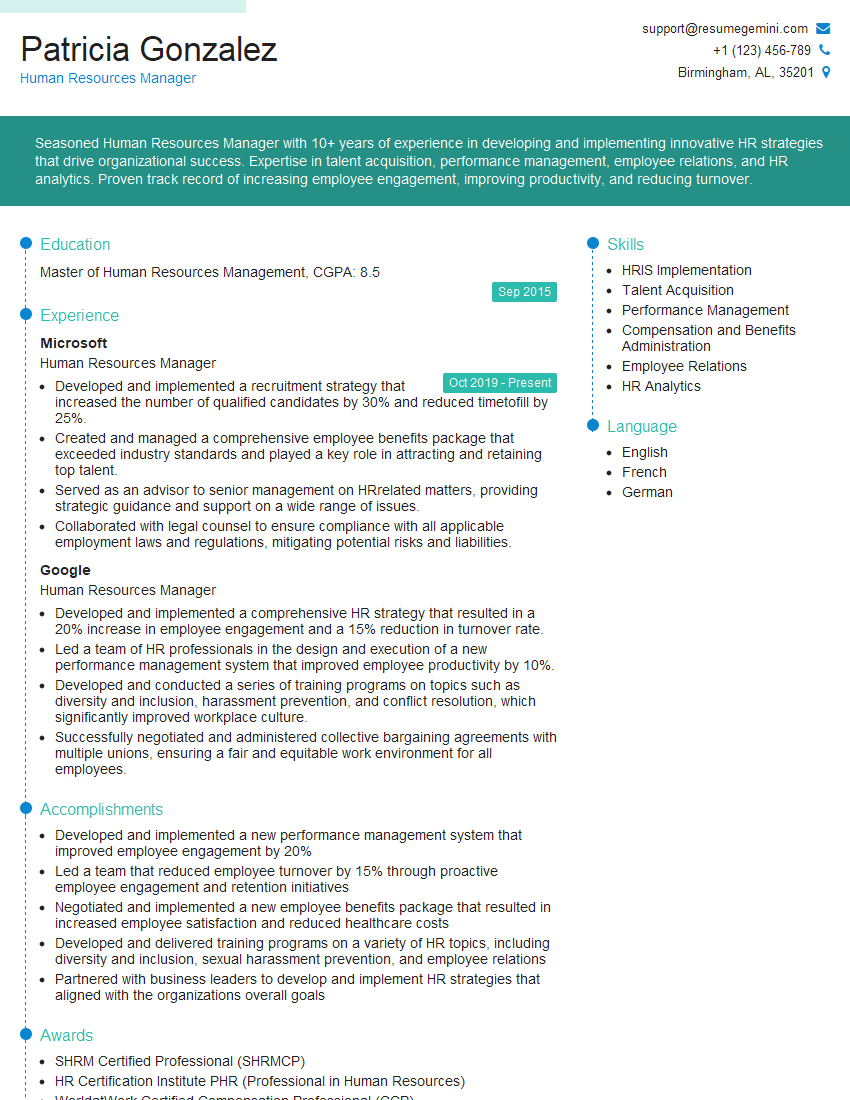
Human Resources Manager Resume Sample
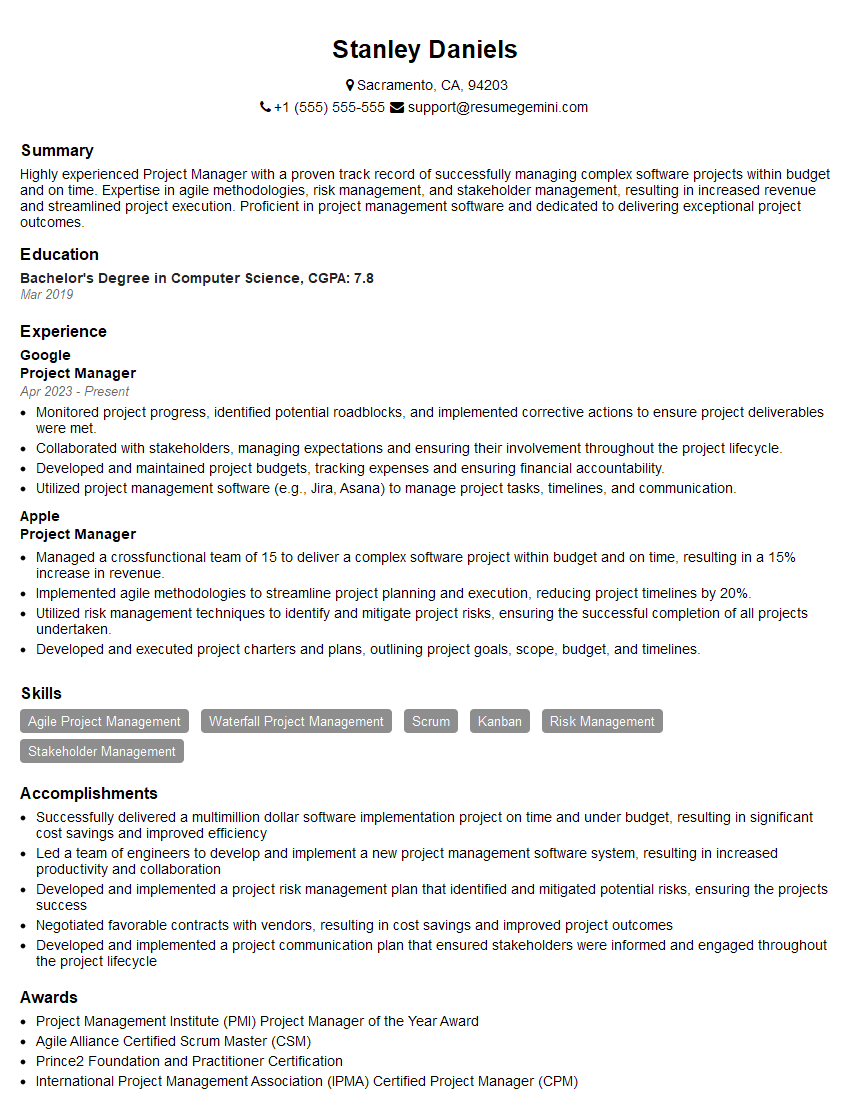
Project Manager Resume Sample
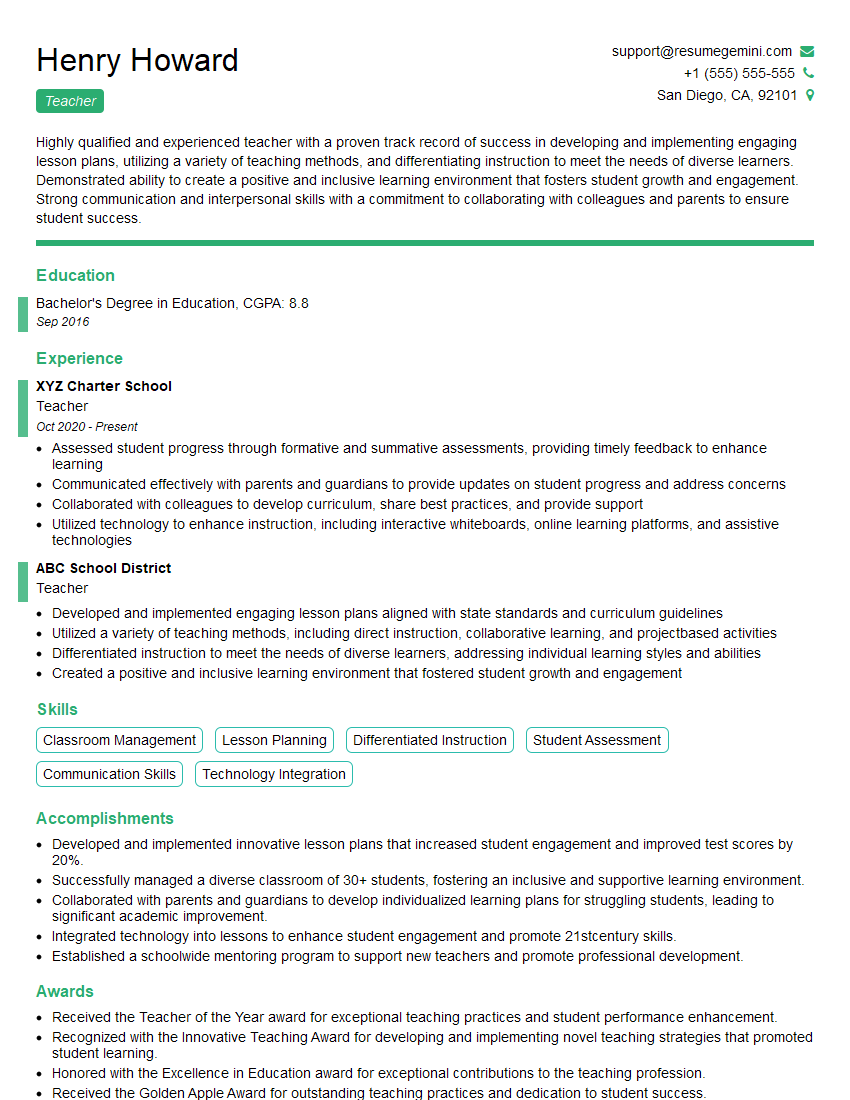
Teacher Resume Sample
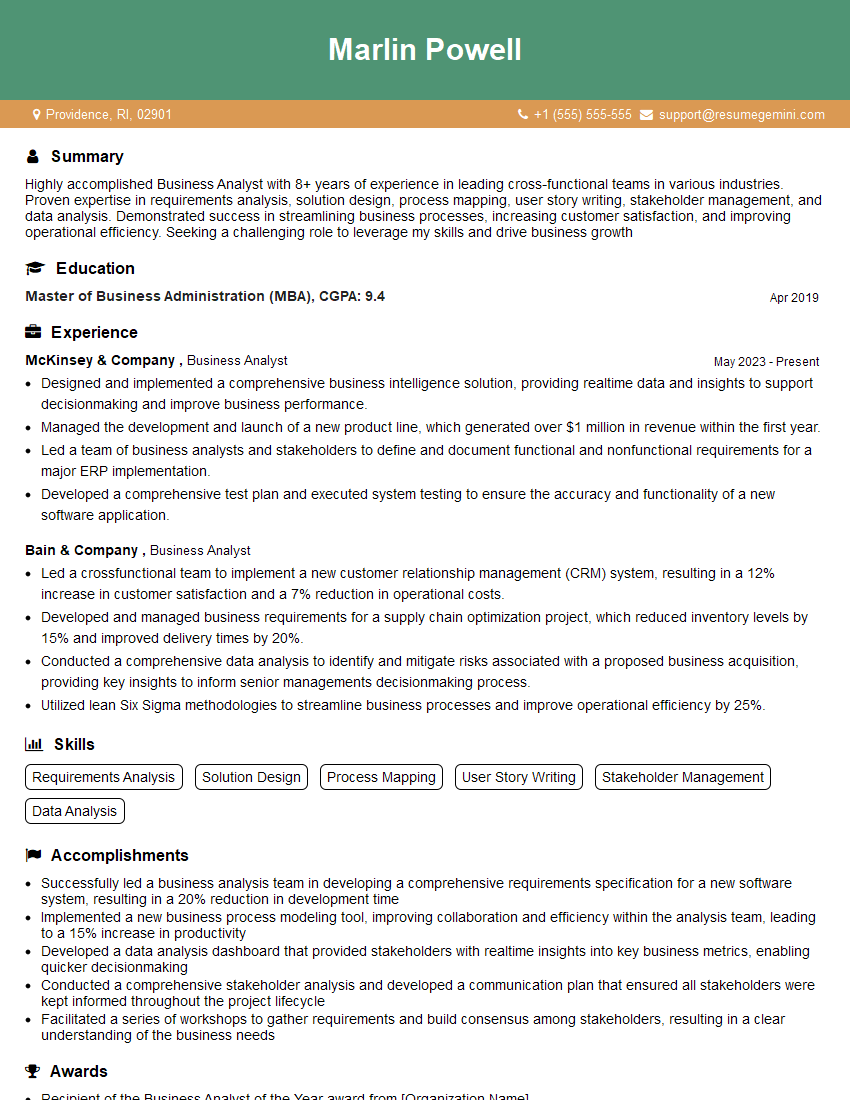
Business Analyst Resume Sample
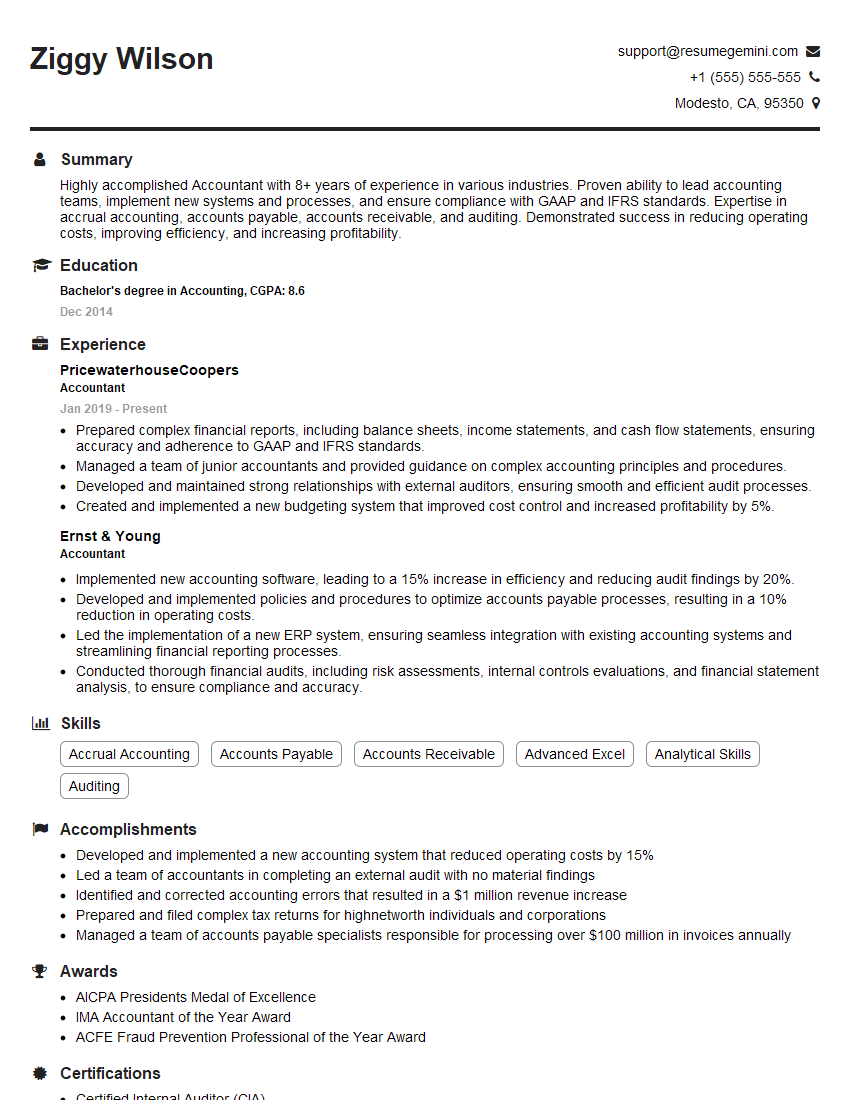
Accountant Resume Sample
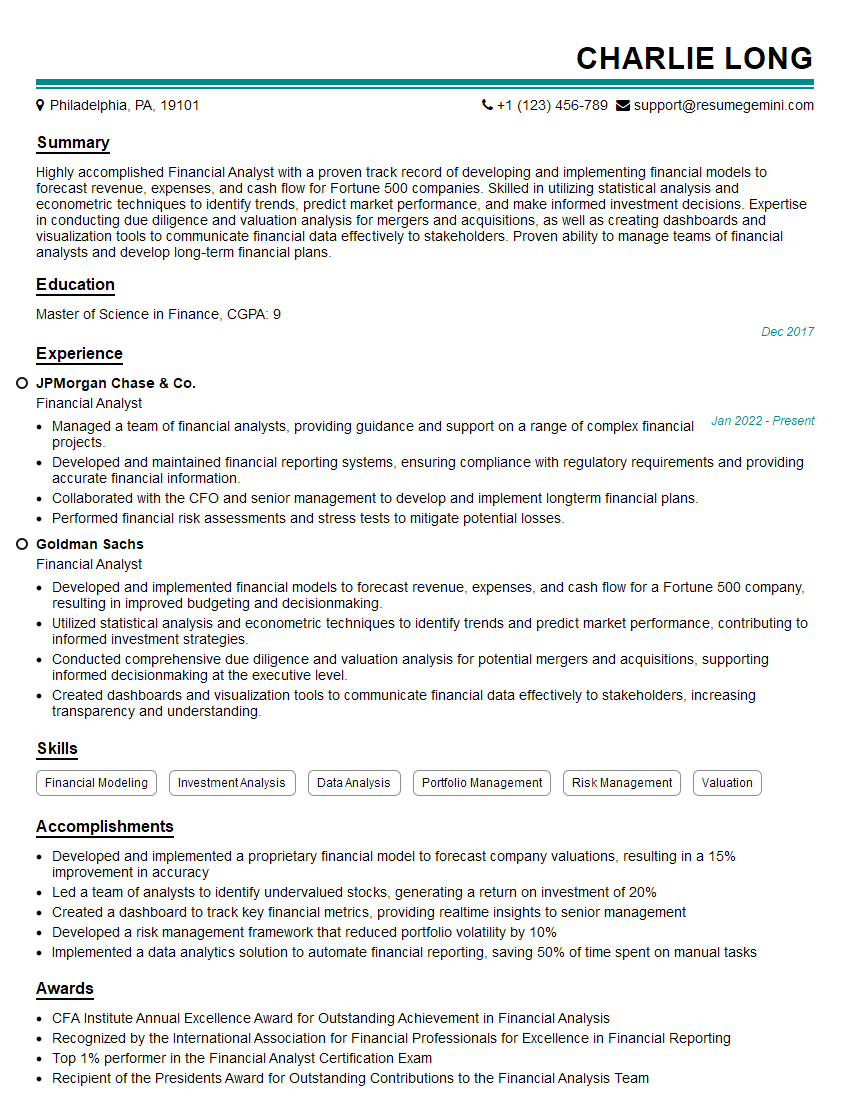
Financial Analyst Resume Sample
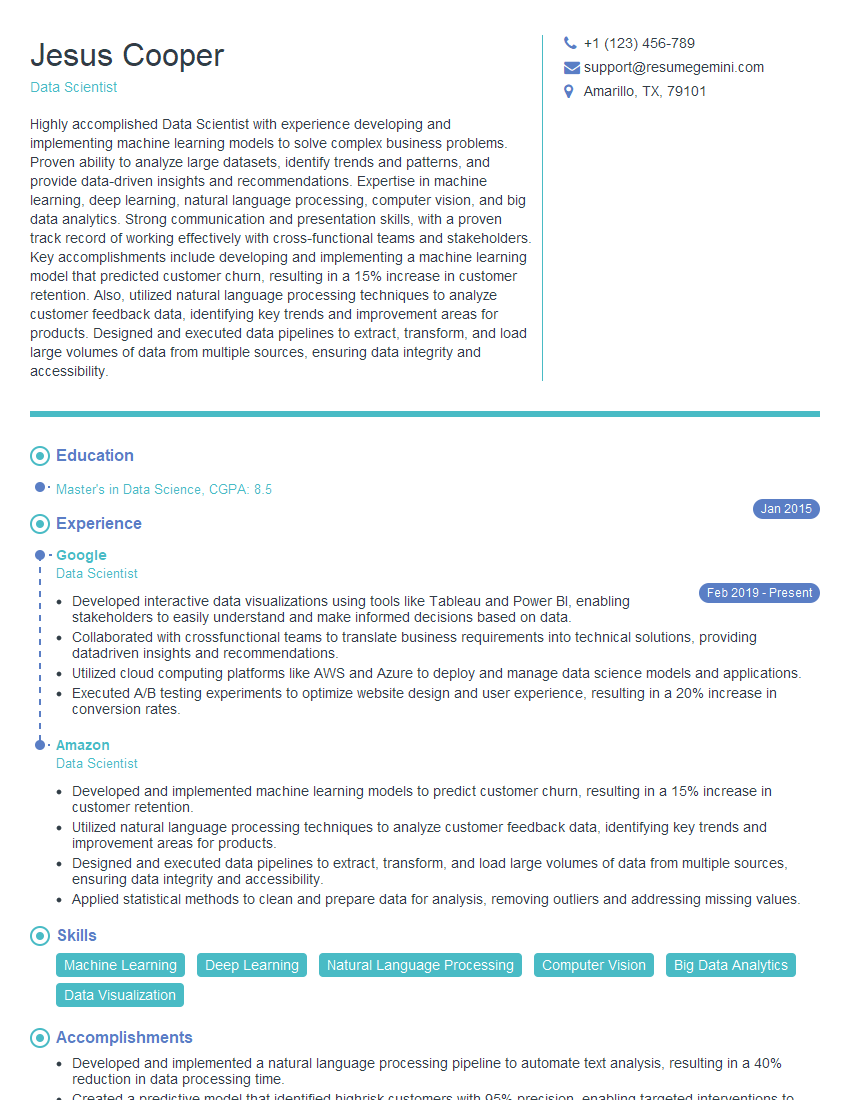
Data Scientist Resume Sample
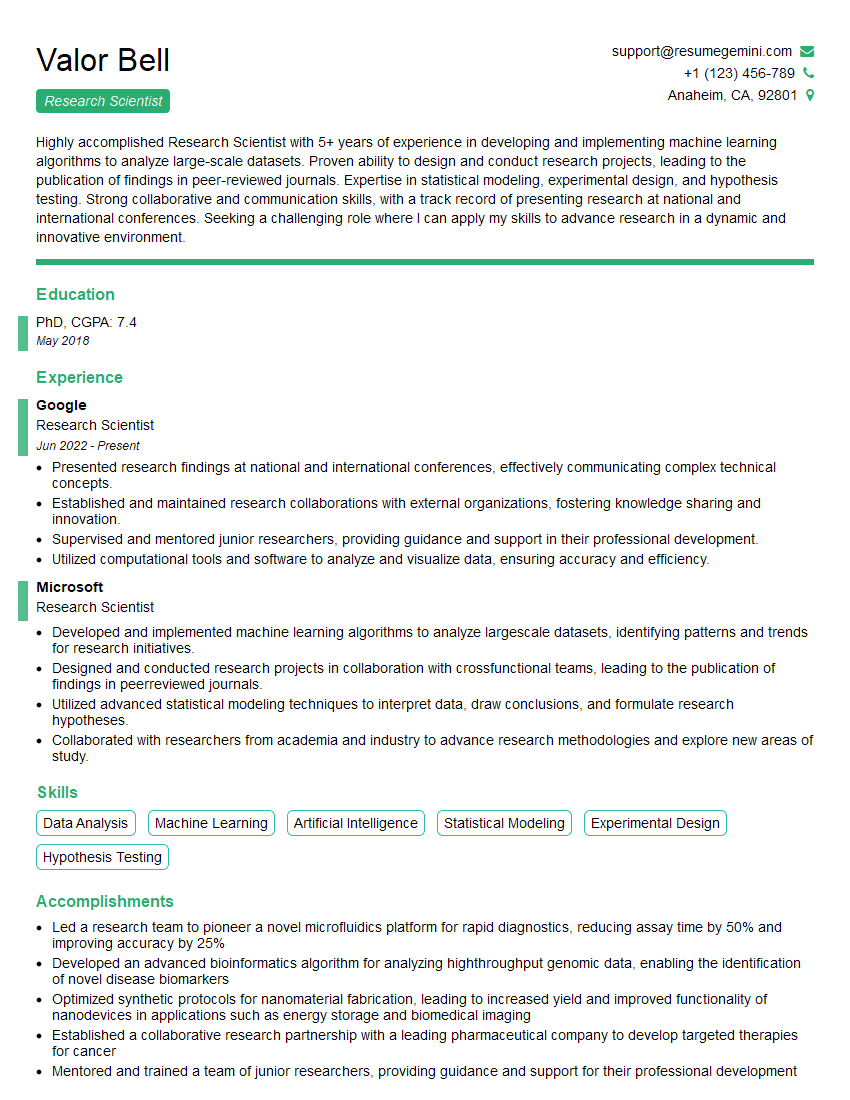
Research Scientist Resume Sample
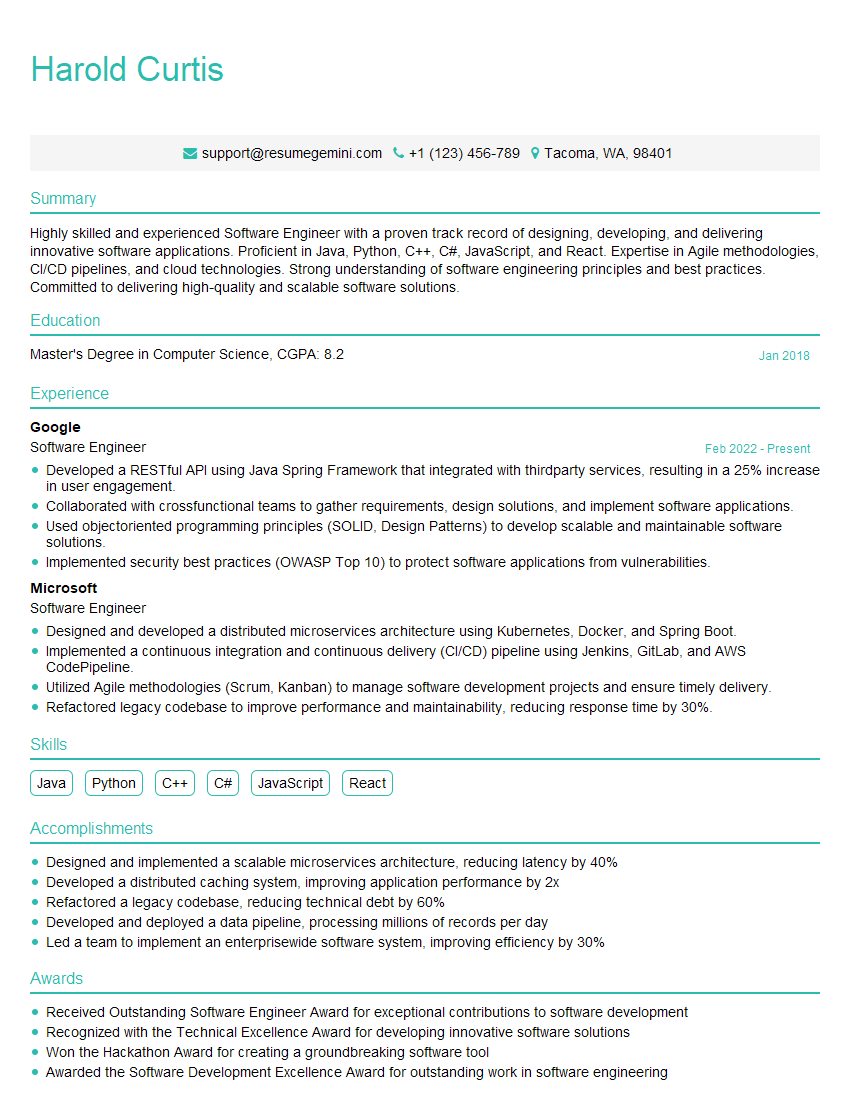
Software Engineer Resume Sample
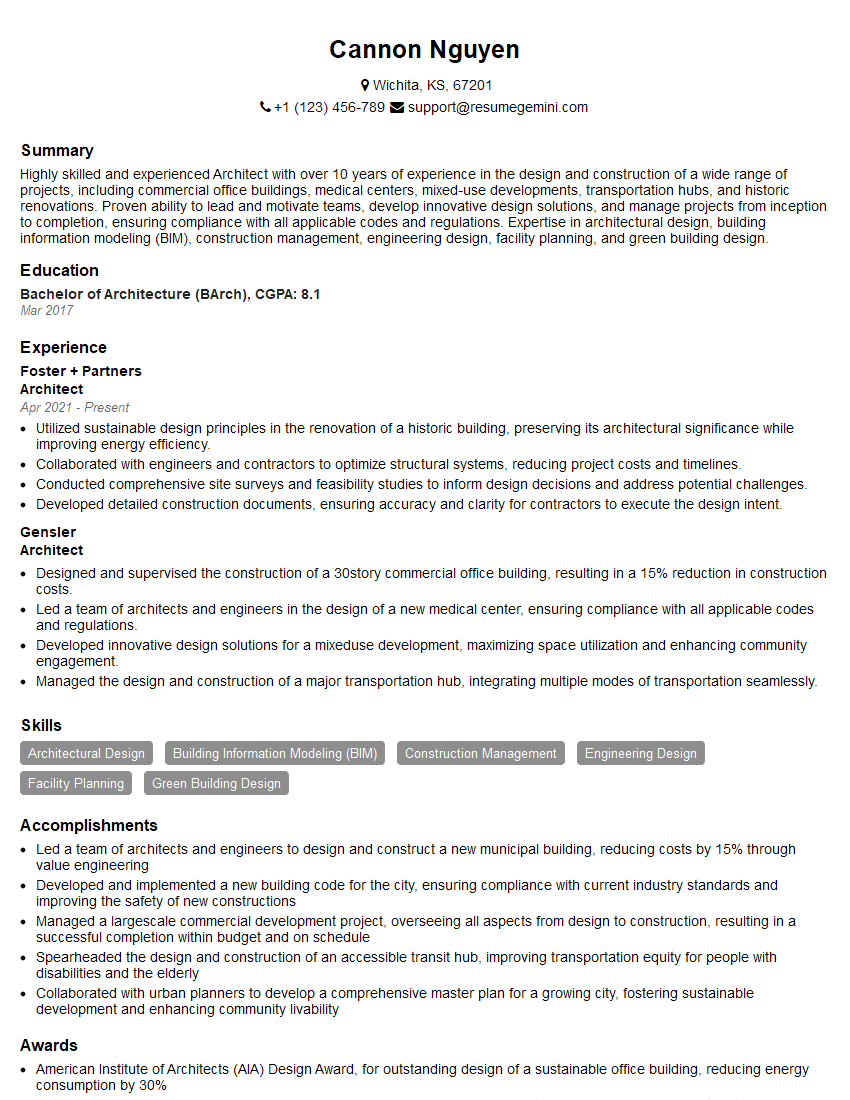
Architect Resume Sample
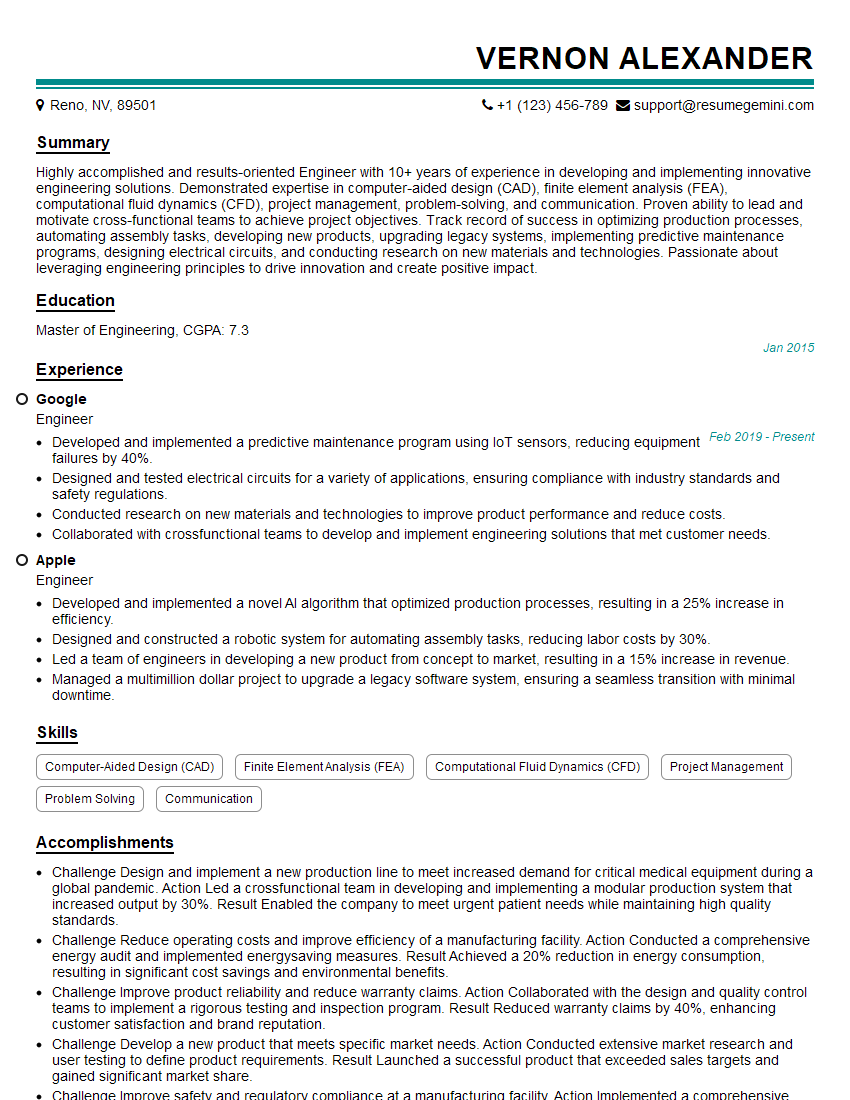
Engineer Resume Sample
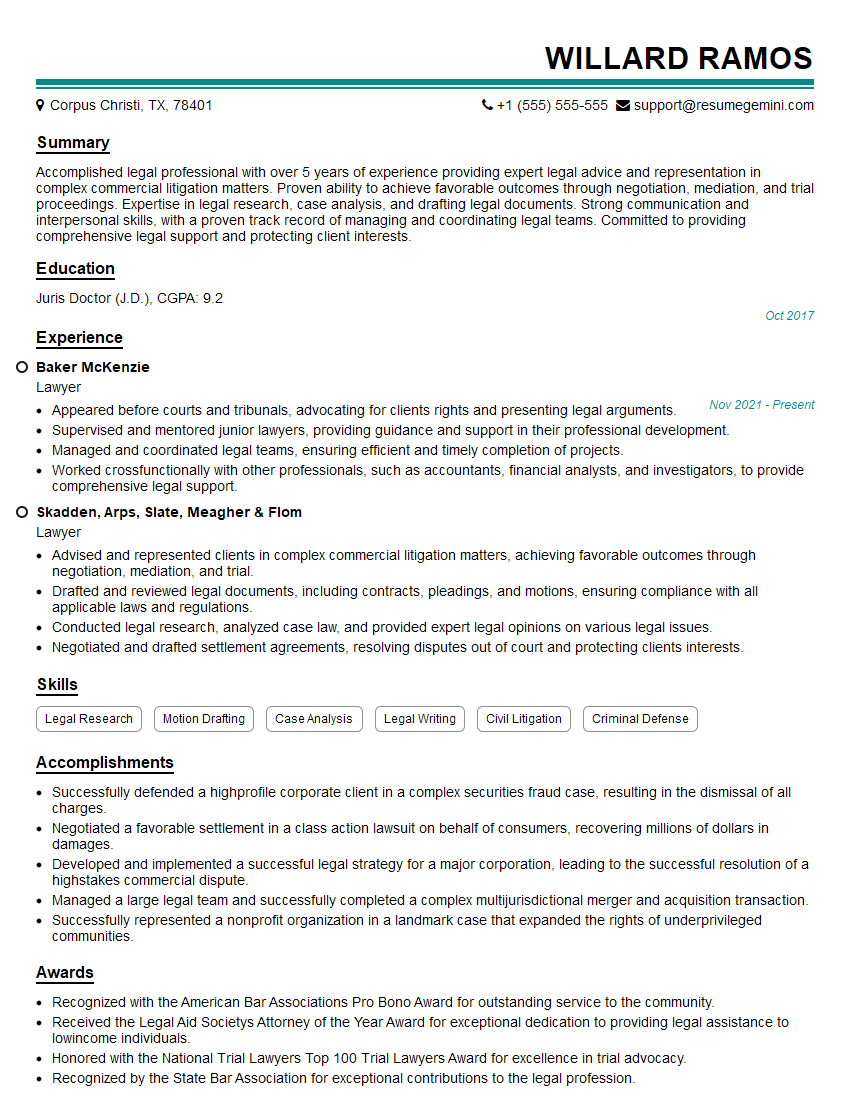
Lawyer Resume Sample

Technical Writer Resume Sample
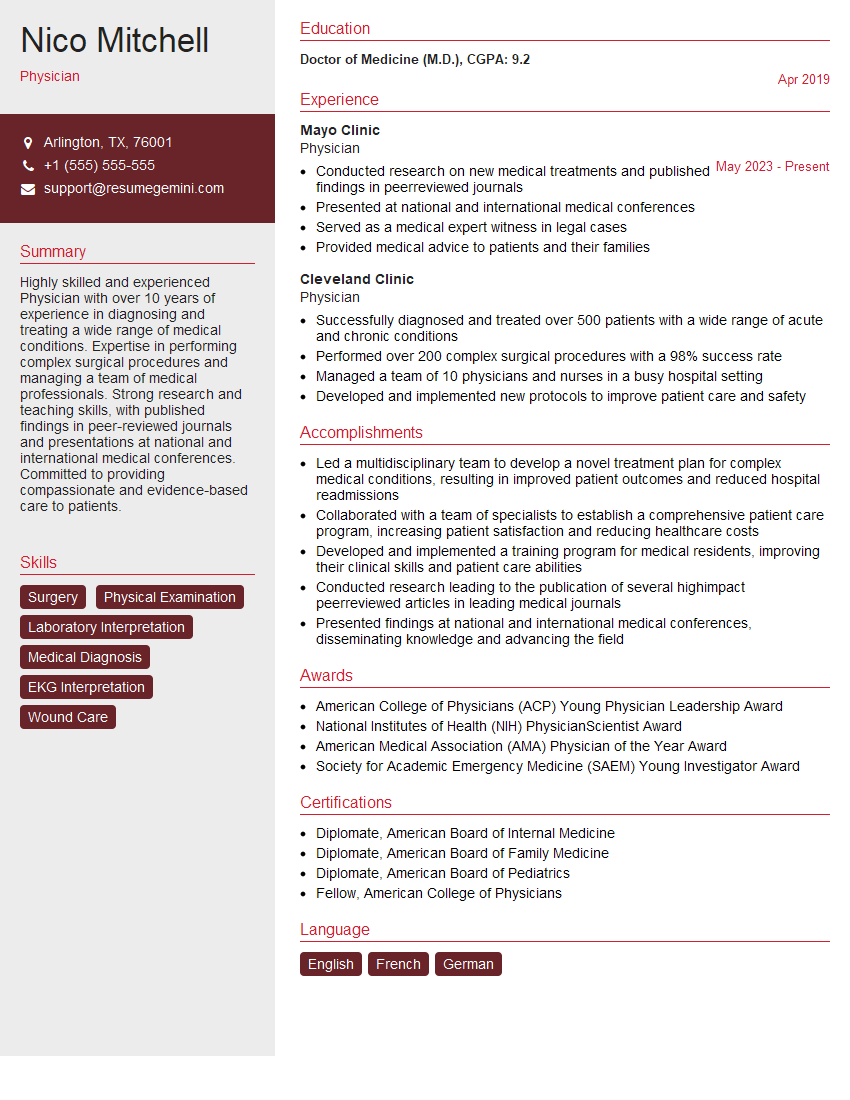
Physician Resume Sample
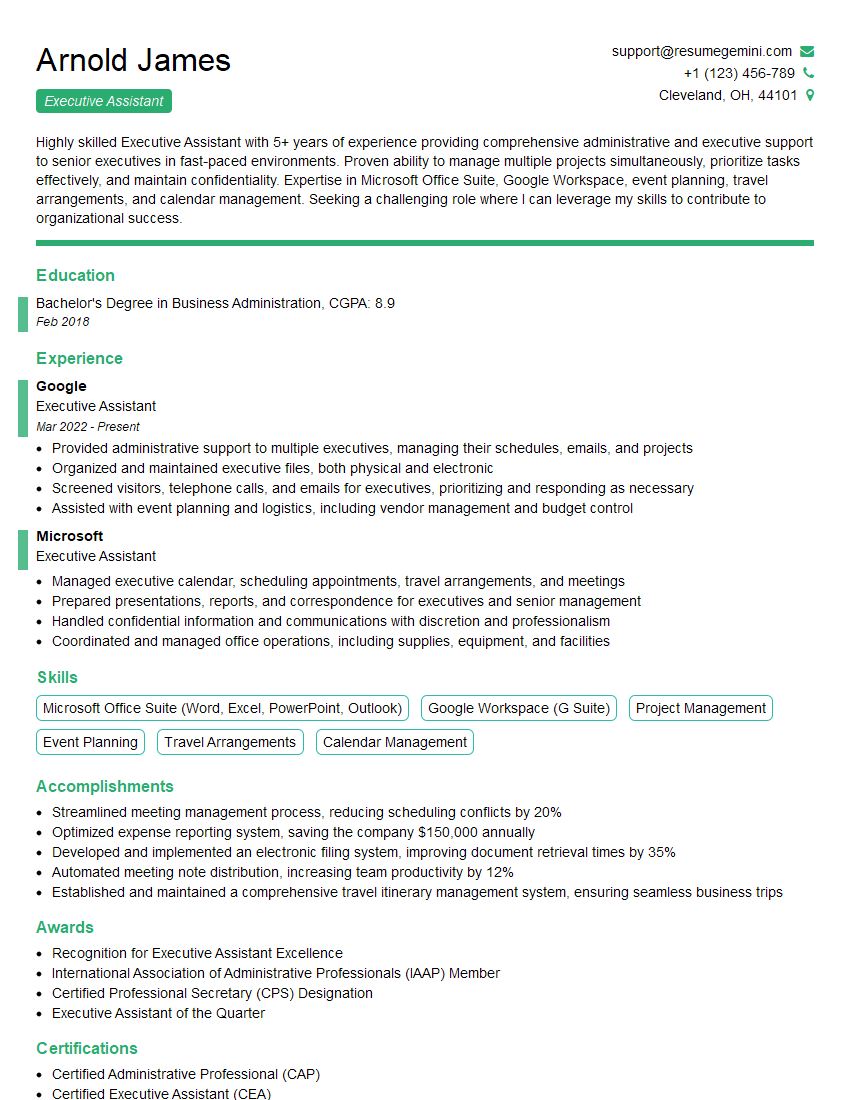
Executive Assistant Resume Sample
- Operations Manager
- Marketing Manager
- Product Manager
- Sales Representative
- Customer Service Manager
- Quality Control Manager
- Supply Chain Manager
- Human Resources Manager
- Project Manager
- Teacher
- Business Analyst
- Accountant
- Financial Analyst
- Data Scientist
- Research Scientist
- Software Engineer
- Architect
- Engineer
- Lawyer
- Technical Writer
- Physician
- Executive Assistant
Explore more articles
Users Rating of Our Blogs
Share Your Experience
We value your feedback! Please rate our content and share your thoughts (optional).
What Readers Say About Our Blog
Very informative content, great job.
good