Unlock your full potential by mastering the most common Student-Athlete Recruitment and Development interview questions. This blog offers a deep dive into the critical topics, ensuring you’re not only prepared to answer but to excel. With these insights, you’ll approach your interview with clarity and confidence.
Questions Asked in Student-Athlete Recruitment and Development Interview
Q 1. Describe your experience identifying and evaluating prospective student-athletes.
Identifying and evaluating prospective student-athletes is a multifaceted process that goes beyond just athletic prowess. It involves a thorough assessment of their athletic ability, academic capabilities, character, and overall fit within the team and university culture.
My approach begins with identifying potential recruits through various channels: scouting events, high school game film analysis, recommendations from coaches and other scouts, and utilizing recruiting databases. I then employ a systematic evaluation process. This includes:
- Athletic Evaluation: This involves watching game film, attending live events, and sometimes conducting private workouts to assess their skills, athleticism, and potential for improvement. For example, for a basketball player, I’d look at their shooting percentage, assist-to-turnover ratio, and defensive capabilities.
- Academic Evaluation: I carefully review their transcripts, standardized test scores (SAT/ACT), and GPA to ensure they meet the academic requirements of the university and the athletic program. I also consider their academic potential and their commitment to academics.
- Character Evaluation: This is crucial. I speak with high school coaches, guidance counselors, and sometimes even teachers to gauge their character, work ethic, leadership skills, and overall maturity. I look for evidence of integrity and responsibility.
- Cultural Fit: Finally, I assess how well the prospect would fit into our team’s culture and the university’s environment. This involves understanding their personality, their team values, and their goals. A mismatch here can lead to difficulties down the line.
This comprehensive evaluation allows me to build a detailed profile for each prospect, enabling informed decision-making during the recruiting process.
Q 2. Explain your process for building relationships with high school coaches and guidance counselors.
Building strong relationships with high school coaches and guidance counselors is paramount to successful recruiting. It’s about building trust and mutual respect, not just transactional interactions.
My approach involves:
- Proactive Communication: I initiate contact early, attending high school games, reaching out via phone and email, and attending coaching clinics. This demonstrates genuine interest and respect for their time and expertise.
- Transparency and Honesty: I’m upfront about our program’s expectations, both athletically and academically. I avoid making false promises and always maintain open communication.
- Personalization: I make a point of getting to know these individuals personally. I learn about their programs, their coaching philosophies, and their players’ strengths. This personalized approach fosters deeper connections.
- Mutual Benefit: I actively seek ways to provide value to them. This could be sharing information about college preparation, connecting them with other coaches, or offering resources.
- Regular Communication: I maintain consistent communication throughout the recruiting process, providing updates, and keeping them informed.
For instance, I once built a strong relationship with a high school coach by attending his summer camps and offering feedback on his players, creating mutual respect and valuable information exchange.
Q 3. How do you manage the recruiting calendar and prioritize prospects?
Managing the recruiting calendar and prioritizing prospects requires meticulous organization and a strategic approach. It’s about balancing numerous commitments and making sure that no potential recruit is overlooked.
My process involves:
- Utilizing Recruiting Software: I leverage CRM software to track prospects, schedule visits, and manage communication efficiently. This ensures I stay on top of deadlines and avoid conflicting appointments.
- Creating a Recruiting Timeline: I develop a comprehensive timeline that outlines key events like evaluations, campus visits, and communication milestones. This ensures a smooth and organized recruiting process.
- Prioritization Matrix: I use a prioritization matrix to rank prospects based on athletic ability, academic qualifications, character, and cultural fit. This helps me focus my efforts on the most promising candidates, while still keeping an eye on other potential recruits.
- Regular Review and Adjustment: I regularly review my recruiting calendar and prioritize list, making adjustments based on new information and changing circumstances. Recruiting is dynamic, and adjustments are needed.
For example, I might prioritize a prospect with exceptional academic credentials and strong athletic potential even if they don’t have the highest ranking in a particular skill. The matrix ensures balanced evaluation.
Q 4. What strategies do you use to effectively communicate with prospective student-athletes and their families?
Effective communication with prospective student-athletes and their families is critical. It’s about building trust, providing information, and managing expectations.
My strategies include:
- Multiple Communication Channels: I use a variety of communication methods – phone calls, emails, text messages, and video conferencing – to cater to different preferences. I also use social media in a compliant manner for general communication.
- Personalized Communication: I tailor my communication to each prospect and their family, acknowledging their individual circumstances and concerns. Generic emails are avoided.
- Transparency and Honesty: I provide accurate and timely information about the program, the university, and the recruiting process. I’m upfront about any challenges or limitations.
- Active Listening: I actively listen to their questions and concerns, providing thoughtful and responsive answers.
- Respectful Communication: I maintain a respectful and professional tone in all communications, showing consideration for their time and needs.
I remember a family who had concerns about their son’s academic support. By proactively addressing their concerns with detailed information about our academic support services and success stories, I built trust and eased their anxiety.
Q 5. How do you ensure compliance with NCAA or other governing body rules and regulations regarding recruiting?
Compliance with NCAA (or other governing body) rules and regulations is non-negotiable. Violations can have serious consequences for the athlete, the coach, and the institution.
My approach focuses on:
- Comprehensive Knowledge of Rules: I maintain a thorough understanding of all applicable rules and regulations, regularly reviewing updates and attending compliance workshops.
- Documentation: I meticulously document all communications, interactions, and recruiting activities. This creates a detailed audit trail and minimizes the risk of unintentional violations.
- Consultation with Compliance Office: I regularly consult with our university’s compliance office to ensure all recruiting activities are compliant. This includes seeking guidance on specific situations or clarifying any ambiguities.
- Training for Staff and Coaches: I actively participate in training sessions for coaches and other staff members, reinforcing the importance of compliance and ensuring everyone is well-informed.
- Ethical Conduct: I adhere to the highest ethical standards in all aspects of recruiting, always prioritizing the well-being and future of the student-athlete.
For example, before contacting a prospect, I always check the NCAA’s contact rules to ensure I’m not violating any restrictions based on their grade level.
Q 6. Describe your experience using recruiting software and databases.
Recruiting software and databases are essential tools for efficient and effective recruiting. They provide the structure and organization required to manage the volume of information and communication involved.
My experience encompasses using various recruiting platforms, including those that allow for:
- Prospect Tracking: Managing contact information, academic details, athletic profiles, and communication history for each prospect.
- Communication Management: Sending emails, scheduling calls and visits, and tracking responses. Many systems allow for personalized email templates.
- Reporting and Analytics: Generating reports on recruiting progress, identifying recruiting trends, and measuring the effectiveness of recruiting strategies.
- Compliance Tracking: Ensuring compliance with NCAA regulations by documenting all contact and interactions.
- Collaboration: Sharing information and collaborating with other coaches and staff involved in the recruiting process.
For example, I’ve used [Name of Software], which facilitates efficient tracking and offers insightful analytics regarding recruiting effectiveness and efficiency. The ability to segment prospects based on specific criteria (like position, GPA, or test scores) is a significant time-saver.
Q 7. How do you assess the academic qualifications and eligibility of prospective student-athletes?
Assessing the academic qualifications and eligibility of prospective student-athletes is a critical step in the recruiting process. It ensures that recruits meet the academic requirements of the university and maintain eligibility to compete.
My process involves:
- Reviewing Transcripts and Test Scores: I carefully examine their high school transcripts, GPA, and standardized test scores (SAT/ACT) to verify that they meet the minimum academic requirements set by the university and the NCAA.
- Checking Eligibility: I use the NCAA Eligibility Center’s database to determine their NCAA eligibility status. This involves verifying their amateur status, academic progress, and any other eligibility requirements.
- Coursework Analysis: I review their high school coursework to ensure they have completed the necessary courses required for their intended major and to identify any potential academic challenges.
- Communication with High School Counselors: I communicate with their high school counselors to get additional information on their academic performance, work ethic, and any other relevant factors. This offers crucial context beyond numbers.
- Proactive Support: If a prospect is at risk of not meeting eligibility requirements, I work closely with them and their families to develop a plan to improve their academic standing. This demonstrates commitment and care.
By diligently checking eligibility, we ensure our student-athletes are compliant and academically prepared for the rigor of college life and athletic competition.
Q 8. How do you handle situations where a recruit is also being recruited by other institutions?
Recruiting is a competitive landscape. When a prospect is attracting interest from multiple institutions, my approach focuses on building genuine relationships and highlighting what makes *our* program unique. It’s not just about selling; it’s about finding the right fit.
Firstly, I openly acknowledge the competition. Honesty and transparency build trust. I focus on understanding the recruit’s priorities – academics, athletic opportunities, cultural fit, location – and tailor my communication to address them specifically. I highlight the unique aspects of our program, such as coaching philosophies, training facilities, academic support services, and the overall campus environment. This might involve emphasizing the strong alumni network in their field of study or showcasing the personalized attention provided by our strength and conditioning coach.
Secondly, I leverage effective communication strategies. Regular, personalized communication, including phone calls, emails, and even handwritten notes, helps maintain engagement. I utilize detailed presentations showcasing our program’s successes and future plans. Finally, I allow the recruit time and space to make an informed decision without pressure, understanding that choosing a college is a significant life choice.
For instance, I once worked with a highly sought-after basketball player who was considering several Ivy League schools. Instead of focusing solely on our basketball program’s record, I emphasized our strong academic reputation and the career support services available through the university’s extensive alumni network, a key factor in his eventual decision to join us.
Q 9. What is your approach to developing a strong team culture within the athletic program?
Building a strong team culture requires a multifaceted approach prioritizing shared values, respect, and a commitment to both individual and collective success. It’s about creating an environment where athletes feel supported, challenged, and valued.
First, I establish clear expectations and team values from day one. These values—such as accountability, integrity, teamwork, and respect—become the foundation of our interactions. They aren’t just words on a wall; they are actively reinforced through team meetings, coaching practices, and regular communication.
Second, I foster open communication and create opportunities for team bonding. Team dinners, social events, and even volunteer work together help build camaraderie. I encourage peer-to-peer mentorship programs where experienced athletes guide newcomers, fostering a sense of belonging and shared responsibility.
Third, I emphasize the importance of leadership development. I identify and nurture leadership qualities within the team. This could involve providing leadership training workshops or empowering athletes to take on leadership roles within the team or community.
Finally, consistent feedback and celebration of both individual and team achievements are vital. Regular performance reviews and positive reinforcement create a supportive and motivating atmosphere. I celebrate not only athletic victories but also academic achievements and community involvement, highlighting the holistic development of each student-athlete.
Q 10. How do you identify and address the academic and personal needs of student-athletes?
Academic and personal well-being are paramount for student-athletes. My approach involves proactive identification of needs, the creation of a robust support system, and consistent monitoring of progress.
I start by building strong relationships with academic advisors, professors, and support staff to ensure seamless communication and timely intervention. I implement academic monitoring systems, tracking athletes’ progress in classes, ensuring they are attending tutoring sessions as needed, and offering early support for any academic challenges.
We provide access to a variety of support services, including academic advising, tutoring, and mentoring programs tailored to the student-athletes’ needs. We also address personal well-being through mental health services, career counseling, and life skills workshops focused on time management, stress management, and nutrition. These workshops cover topics relevant to college life and their athletic career beyond the playing field.
A crucial element is open communication. I encourage athletes to proactively communicate any challenges they are facing, ensuring they feel comfortable seeking help without judgment. Regular check-ins, both formal and informal, provide opportunities to address issues early on.
For example, I noticed one student-athlete struggling with time management. Through individual meetings and collaboration with academic advisors, we implemented a structured study schedule and provided tutoring in their most challenging subjects. This proactive approach helped them stay on track academically and improve their overall well-being.
Q 11. Describe your experience with the NCAA initial eligibility certification process.
The NCAA initial eligibility certification process is crucial for ensuring student-athletes meet academic and amateurism requirements. My experience involves thorough understanding of the NCAA’s complex rules and regulations, proactive planning, and meticulous documentation.
My role begins long before the student signs a letter of intent. I work closely with prospective student-athletes and their high school guidance counselors to ensure they meet the necessary academic requirements, including core course requirements, GPA, and standardized test scores. We actively monitor their progress throughout high school and provide support to address any potential issues early on.
I’m familiar with the intricacies of the NCAA Eligibility Center’s online portal, where I submit all required documentation. I meticulously track the application process, ensuring timely submission of transcripts, test scores, and any necessary supporting documents. I follow up regularly with the Eligibility Center to address any inquiries or discrepancies promptly.
My attention to detail has ensured a high success rate in obtaining initial eligibility for our student-athletes. I frequently communicate any potential issues to the student-athlete and their families, offering guidance and support throughout the process. Understanding and effectively navigating the intricacies of the NCAA eligibility rules protects both the athletes and the university’s compliance record.
Q 12. How do you measure the success of your recruiting efforts?
Measuring the success of recruiting efforts requires a multifaceted approach that extends beyond simply the number of athletes recruited. It’s about evaluating the quality of recruits, their contribution to the team, and their long-term success both on and off the field.
Key metrics include:
- Number of high-quality recruits signed: This considers not just the quantity but the quality of recruits, assessed through their academic achievements, athletic performance, and character.
- Recruiting ranking: While not a perfect measure, rankings provide a benchmark to compare against other programs.
- Academic success of recruits: Measuring GPAs, graduation rates, and academic honors reflects the success of the program in supporting athletes’ academic pursuits.
- Athletic performance and contribution: This includes metrics like starting positions, minutes played, and individual and team achievements.
- Retention rate: A high retention rate suggests a strong program fit and athlete satisfaction.
- Post-graduate success: This includes professional athletic careers, graduate school enrollment, and overall career success.
By tracking these metrics, I can assess the effectiveness of my recruiting strategies and make data-driven improvements to future efforts. For example, a low graduation rate might indicate a need to improve academic support services. Analyzing which aspects of our program are most appealing to recruits informs future recruitment strategies.
Q 13. How do you integrate social media into your recruiting strategy?
Social media is an indispensable tool in modern recruiting. My strategy involves using various platforms to connect with prospects, showcase our program, and build relationships.
I use platforms like Twitter, Instagram, and Facebook to share compelling content – photos and videos of practices, games, team events, and behind-the-scenes glimpses of campus life. This creates an engaging narrative, showcasing not only athletic achievements but also the overall student experience. This content is carefully curated to highlight our program’s unique selling points.
I engage with prospective athletes directly through comments and direct messages. This helps build rapport and creates personalized connections. I also use targeted advertising to reach specific demographics of potential recruits.
It is crucial to maintain a professional and ethical presence. All communication adheres to NCAA rules and regulations. Regular monitoring of social media channels allows for rapid response to any potential issues or negative comments. The goal is to create a positive and authentic representation of our program.
For example, I created a highlight reel of our team’s academic achievements and community involvement and shared it widely on social media. This not only attracted academically inclined athletes but also showed our commitment to building well-rounded individuals.
Q 14. What is your approach to developing and mentoring student-athletes?
Developing and mentoring student-athletes extends far beyond their athletic capabilities. My approach is holistic, focusing on their academic, personal, and professional growth.
Mentoring involves regular one-on-one meetings to discuss their progress, challenges, and goals. I provide guidance on academics, career paths, and life skills, serving as a resource and confidante. I create opportunities for professional development, connecting them with alumni in their fields of interest for networking and mentorship opportunities.
I encourage them to set both short-term and long-term goals. We work collaboratively to create action plans, providing feedback and support along the way. I provide opportunities for leadership development within the team, empowering them to take on responsibility and develop their leadership skills.
I promote a growth mindset, emphasizing the importance of learning from mistakes and continually striving for improvement. This fosters resilience and helps athletes navigate challenges both on and off the field. It’s about helping them develop into well-rounded individuals prepared for success beyond their collegiate careers.
I recently helped a student-athlete who was struggling with a career decision. Through several mentoring sessions and connections with alumni working in their field of interest, we developed a plan that included internships and networking opportunities. This proactive support enabled them to gain clarity and make informed decisions about their future.
Q 15. Describe your experience managing the recruiting budget.
Managing a recruiting budget requires meticulous planning and strategic allocation of resources. It’s not just about tracking expenses; it’s about maximizing return on investment (ROI) in securing top-tier talent. My approach involves a three-stage process: Planning, Execution, and Analysis.
Planning: This involves identifying key recruiting targets, determining the cost of each recruiting activity (e.g., travel, lodging, event registration, coaching staff time, recruiting software subscriptions), and setting a realistic budget based on available funds and institutional priorities. We often use a spreadsheet to detail expected costs and allocate funds across different recruiting strategies (e.g., in-person visits, online marketing, scouting services).
Execution: Once the budget is approved, we meticulously track expenses against the plan. This requires using a robust accounting system and regularly reviewing spending to ensure we’re staying within budget while still achieving our recruiting goals. We utilize purchase orders and approval workflows to maintain transparency and accountability.
Analysis: After each recruiting cycle, I conduct a thorough post-mortem analysis. This involves comparing actual costs against the planned budget, evaluating the effectiveness of different recruiting strategies in terms of the quality of recruits secured, and identifying areas for improvement and cost optimization in future cycles. For example, if online marketing proves more cost-effective than extensive travel, we adjust future budget allocations accordingly.
For example, in my previous role, I successfully reduced our recruiting travel budget by 15% by leveraging video conferencing for initial contact with recruits and prioritizing in-person visits only to high-priority prospects, without compromising the quality of recruits obtained.
Career Expert Tips:
- Ace those interviews! Prepare effectively by reviewing the Top 50 Most Common Interview Questions on ResumeGemini.
- Navigate your job search with confidence! Explore a wide range of Career Tips on ResumeGemini. Learn about common challenges and recommendations to overcome them.
- Craft the perfect resume! Master the Art of Resume Writing with ResumeGemini’s guide. Showcase your unique qualifications and achievements effectively.
- Don’t miss out on holiday savings! Build your dream resume with ResumeGemini’s ATS optimized templates.
Q 16. How do you handle conflicts between coaches and recruits?
Conflicts between coaches and recruits are inevitable, but they can be effectively managed through open communication, clear expectations, and a collaborative approach. My strategy focuses on active listening, empathy, and finding mutually agreeable solutions.
Active Listening: I begin by listening carefully to the concerns of both the coach and the recruit, ensuring each party feels heard and understood. This often involves separate conversations initially to fully grasp each perspective.
Identifying the Root Cause: Once I understand the perspectives, I work to identify the underlying issue. Is it a misunderstanding of expectations? A difference in coaching styles? A lack of communication? Pinpointing the root cause is crucial for effective conflict resolution.
Mediation and Collaboration: I then facilitate a conversation between the coach and the recruit, acting as a neutral mediator. I guide them towards a compromise that respects everyone’s needs and expectations. This often involves clarifying expectations, addressing misconceptions, and finding creative solutions.
Documentation: Finally, it’s important to document the conflict, the resolution, and any agreed-upon actions. This helps to prevent future conflicts and provides a record for accountability.
For instance, I once mediated a dispute between a coach who preferred a specific training regimen and a recruit who had a different preferred approach. By facilitating open discussion and compromising on a hybrid training plan that incorporated elements from both, we were able to maintain a positive coach-recruit relationship and avoid the recruit transferring.
Q 17. How do you use data analytics to improve your recruiting outcomes?
Data analytics plays a vital role in optimizing the recruiting process. By tracking key metrics and analyzing trends, we can make data-driven decisions that improve our recruiting outcomes. My approach involves utilizing various tools and techniques:
Identifying Key Performance Indicators (KPIs): We start by identifying critical KPIs such as conversion rates from initial contact to offer, acceptance rates, academic performance of recruits, and their on-field performance.
Data Collection and Management: We collect data from various sources, including our CRM (Customer Relationship Management) system, scouting reports, academic transcripts, and performance metrics. This data is then cleaned, organized, and stored in a central database.
Data Analysis and Interpretation: We use statistical techniques to analyze the data, identify trends, and draw meaningful conclusions. For example, we might analyze the correlation between GPA and on-field success to refine our recruiting strategies. We also use predictive modeling to identify high-potential recruits.
Data Visualization and Reporting: We utilize data visualization tools to present our findings in a clear and understandable format, using charts, graphs, and dashboards to track progress and identify areas for improvement. This allows us to clearly communicate our progress and findings to coaches and administrators.
For example, through data analysis, we discovered that recruits who participated in specific summer camps had a significantly higher success rate in their freshman year. This insight allowed us to allocate more resources towards recruiting from these camps and improve our recruitment strategies.
Q 18. How do you maintain ethical standards throughout the recruiting process?
Maintaining ethical standards throughout the recruiting process is paramount. It involves adhering to NCAA regulations, fostering transparency, and prioritizing the well-being of student-athletes. My approach is built on three core principles:
Strict Adherence to NCAA Rules: We maintain meticulous records of all recruiting activities and ensure complete compliance with all NCAA regulations, including those regarding permissible contact, recruiting visits, and financial aid. We conduct regular training sessions for our coaching staff on NCAA compliance to prevent unintentional rule violations.
Transparency and Open Communication: We are transparent with recruits, their families, and the NCAA about our recruiting processes and policies. We clearly communicate expectations and avoid any misleading or deceptive practices.
Prioritizing Student-Athlete Well-being: We prioritize the holistic development of student-athletes, focusing not only on their athletic abilities but also their academic success and personal growth. We ensure that recruits understand the demands of college athletics and the importance of balancing academics with their sport.
For example, we proactively educate recruits and their families about the realities of college athletics, including the time commitment required, the potential for injuries, and the importance of academic success. This ensures that recruits make informed decisions about their future.
Q 19. Describe your experience with creating and implementing a recruiting plan.
Creating and implementing a successful recruiting plan requires a systematic approach that combines strategic planning, meticulous execution, and consistent evaluation. The process typically involves the following stages:
Needs Assessment: This involves identifying the team’s needs, considering factors like graduating seniors, positional weaknesses, and overall team goals. It informs our target profile for potential recruits.
Target Identification: We identify potential recruits through various methods, such as scouting events, coaches’ recommendations, and online databases. We prioritize recruits who align with our needs and institutional values.
Relationship Building: We build strong relationships with potential recruits and their families through personal communication, visits, and correspondence. This is crucial for building trust and securing commitments.
Evaluation and Selection: We meticulously evaluate recruits based on their athletic abilities, academic performance, and character. This often involves conducting background checks and referencing past coaches and teachers.
Offer and Commitment: We extend scholarship offers to the most promising recruits and work towards securing their commitments. This process requires careful negotiation and consideration of various factors.
Monitoring and Evaluation: We continuously monitor the progress of recruits and evaluate the effectiveness of our recruiting strategies. This allows for course correction and optimization of the recruiting process.
For example, in one recruiting cycle, we identified a significant need for skilled point guards. Our plan involved targeting specific high school tournaments, attending showcases, and using specialized recruiting software to identify prospects. This focused approach resulted in securing commitments from two highly-rated point guards.
Q 20. How do you support student-athletes’ transition to college life?
Supporting student-athletes’ transition to college life is crucial for their success both academically and athletically. Our program provides comprehensive support in several key areas:
Academic Advising and Support: We assign academic advisors to each student-athlete to provide guidance on course selection, time management, and study skills. We offer tutoring services and workshops to assist with academic challenges.
Life Skills Development: We provide workshops and seminars on topics such as financial literacy, nutrition, stress management, and time management. These help student-athletes develop essential life skills.
Mentorship Programs: We connect student-athletes with mentors – alumni, faculty, or community members – who can provide guidance and support throughout their college experience.
Social and Emotional Support: We create opportunities for student-athletes to connect with each other and build a strong sense of community. We foster an inclusive environment that values diversity and respects individual differences.
Career Counseling and Guidance: We provide career counseling and guidance to help student-athletes explore career options and develop their professional skills. We connect them with internship and job opportunities.
For example, we organize team-building activities, community service projects, and social events to help student-athletes develop strong relationships and create a supportive community. We also provide individual counseling sessions for students facing personal or academic challenges.
Q 21. How do you address the mental health needs of student-athletes?
Addressing the mental health needs of student-athletes is crucial for their overall well-being and success. Our program offers a multi-faceted approach:
Mental Health Education and Awareness: We regularly conduct educational programs to raise awareness about mental health issues, reduce stigma, and promote help-seeking behavior. We emphasize the importance of seeking professional help when needed.
Access to Mental Health Services: We provide easy access to mental health services through partnerships with university counseling centers and licensed mental health professionals. We encourage student-athletes to utilize these services without fear of judgment or reprisal.
Support Network: We build a strong support network for student-athletes, including coaches, teammates, academic advisors, and mentors. This network provides a sense of belonging and a safe space to share concerns.
Stress Management and Resilience Training: We offer workshops and training programs that teach student-athletes effective stress management techniques and strategies to build resilience in the face of challenges.
Confidential Reporting Mechanisms: We provide confidential reporting mechanisms for student-athletes to report concerns about their own mental health or the mental health of their teammates.
For instance, we’ve implemented a peer support program where trained student-athletes provide support and guidance to their peers. We also offer confidential mental health screenings to identify those who may be struggling and provide early intervention.
Q 22. Describe your experience with student-athlete retention strategies.
Student-athlete retention is crucial for maintaining a strong team and program. It’s not just about keeping athletes on the roster; it’s about fostering a supportive environment where they thrive academically, athletically, and personally. My approach is multifaceted and focuses on proactive engagement, individualized support, and continuous improvement.
- Building Strong Relationships: I prioritize building strong, trusting relationships with each athlete. Regular check-ins, open communication, and active listening help me understand their needs and address concerns early on. This includes one-on-one meetings, team-building activities, and open-door policies.
- Academic Support Systems: Academic success is paramount. I collaborate closely with academic advisors, tutoring centers, and faculty to ensure athletes have the resources they need to succeed in their studies. This involves monitoring academic progress, providing early intervention when necessary, and connecting them with appropriate support services.
- Mentorship Programs: I implement robust mentorship programs pairing experienced athletes with newer ones, providing guidance, support, and a sense of community. This peer-to-peer support can be invaluable for navigating challenges and fostering a sense of belonging.
- Career Development: Preparing athletes for life after college is critical for retention. I integrate career counseling and internship opportunities into the program, ensuring they have a clear path forward beyond their athletic career.
- Regular Feedback and Evaluation: I regularly assess the effectiveness of retention strategies using data analysis and feedback from athletes. This allows for continuous improvement and adaptation to the evolving needs of the student-athletes.
For example, in my previous role, we implemented a peer mentorship program that resulted in a 15% increase in retention rates among first-year athletes. This success highlighted the importance of a supportive community in fostering student-athlete well-being.
Q 23. How do you ensure academic success for student-athletes?
Ensuring academic success for student-athletes requires a holistic approach that goes beyond simply attending classes. It involves proactive planning, consistent monitoring, and a strong support system.
- Academic Planning & Advising: I work closely with academic advisors to develop individualized academic plans that are aligned with the student-athlete’s academic goals and athletic commitments. This includes course selection, scheduling considerations, and time management strategies.
- Study Hall & Tutoring: I facilitate access to study halls and tutoring services, providing structured time for academic work and personalized support in challenging subjects. I monitor attendance and progress in these programs.
- Time Management & Organization: Balancing academics and athletics requires excellent time management skills. I help athletes develop effective time management strategies and organizational techniques, using tools like calendars and planners.
- Early Intervention: I closely monitor academic performance, identifying potential issues early. This allows for prompt intervention, connecting the athlete with resources before academic struggles escalate.
- Communication & Collaboration: Consistent communication with coaches, professors, and support staff is essential. This ensures a coordinated approach to academic support, sharing information and collaborating on strategies.
In a previous role, I implemented a mandatory weekly study hall program that led to a significant improvement in GPA among student-athletes, demonstrating the effectiveness of structured academic support.
Q 24. What is your experience with diversity and inclusion in recruiting?
Diversity and inclusion are not just buzzwords; they are fundamental to building a successful and representative athletic program. My experience encompasses creating inclusive recruitment strategies that actively seek out and attract student-athletes from all backgrounds.
- Expanding Recruitment Networks: I work to broaden recruitment networks, reaching out to diverse high schools, clubs, and organizations. This involves attending events and establishing relationships with coaches and mentors in underrepresented communities.
- Inclusive Marketing & Communication: Our marketing and communication materials reflect the diversity of our student-athlete population. We use inclusive language and imagery to attract a broad range of applicants.
- Bias Awareness Training: I provide bias awareness training for all recruiters, ensuring that our recruitment process is fair and equitable. This includes educating staff on unconscious biases and promoting inclusive hiring practices.
- Building Relationships with Diverse Communities: Building strong relationships with community leaders and organizations in diverse neighborhoods helps build trust and establish a strong pipeline of talented athletes.
- Supporting Diverse Student-Athlete Needs: I ensure that our program provides adequate support to meet the diverse needs of student-athletes, considering factors such as cultural background, socioeconomic status, and individual learning styles.
For instance, I successfully implemented a targeted recruitment initiative focused on reaching out to underrepresented minority communities, resulting in a significant increase in the diversity of our incoming class.
Q 25. How do you navigate the challenges of recruiting student-athletes from diverse backgrounds?
Recruiting student-athletes from diverse backgrounds presents unique opportunities and challenges. Understanding and addressing these challenges is crucial for building a strong and inclusive team.
- Cultural Sensitivity & Understanding: I prioritize cultural sensitivity and understanding. This involves learning about different cultures, communication styles, and family dynamics, to effectively communicate and build relationships with prospective athletes and their families.
- Addressing Socioeconomic Barriers: Socioeconomic disparities can impact access to resources and opportunities. I work to address these barriers by providing financial aid information, connecting athletes with scholarships, and offering support with travel expenses.
- Building Trust & Rapport: Building trust and rapport with athletes and their families from diverse backgrounds takes time and effort. This involves demonstrating genuine interest, active listening, and respect for their unique experiences.
- Navigating Language Barriers: Language barriers can be significant. I utilize translators or bilingual staff when necessary to ensure effective communication with athletes and their families.
- Creating an Inclusive Environment: Ultimately, recruiting is only the first step. Creating a truly inclusive environment on campus is critical for retaining and supporting athletes from diverse backgrounds.
I once helped a talented student-athlete from a low-income background navigate the financial complexities of college, securing financial aid and scholarships that made it possible for her to attend our institution. This experience highlighted the importance of providing individualized support.
Q 26. Describe your experience managing a team of recruiters.
Managing a team of recruiters requires strong leadership, effective communication, and a clear vision. My approach emphasizes collaboration, delegation, and performance monitoring.
- Clear Roles & Responsibilities: I establish clear roles and responsibilities for each team member, ensuring that everyone understands their contribution to the overall recruitment process.
- Effective Communication: Regular team meetings, updates, and feedback sessions are essential for maintaining open communication and alignment among team members. I utilize project management software to track progress and ensure everyone is informed.
- Delegation & Empowerment: I delegate tasks effectively, empowering team members to take ownership and make decisions within their areas of expertise.
- Mentorship & Development: I provide ongoing mentorship and development opportunities to support the growth and improvement of my team members.
- Performance Monitoring & Evaluation: I regularly monitor team performance using key metrics, providing constructive feedback and addressing any performance issues promptly.
In a previous role, I successfully mentored a junior recruiter who went on to lead a major recruitment initiative, highlighting the importance of investing in team member development.
Q 27. How do you utilize performance metrics to track progress and success?
Performance metrics are crucial for tracking progress and evaluating the effectiveness of our recruitment strategies. I use a range of quantitative and qualitative metrics to gain a comprehensive understanding of our success.
- Recruitment Funnel Metrics: I track key metrics at each stage of the recruitment funnel, such as the number of prospects contacted, number of visits, number of offers extended, and ultimately the number of commitments.
- Conversion Rates: I analyze conversion rates at different stages of the funnel to identify bottlenecks and areas for improvement. For example, understanding why a high number of visits don’t translate to offers allows for targeted improvements.
- Diversity Metrics: We track diversity metrics, including the representation of different demographics among our recruits, to ensure our efforts are resulting in a more inclusive team.
- Academic Performance of Recruits: Tracking the academic performance of recruited athletes allows us to assess the effectiveness of our academic support programs and identify areas where improvements are needed.
- Athlete Retention Rates: Retention rates are a crucial performance indicator, helping us understand the long-term success of our recruitment and support strategies.
By analyzing these metrics, we identify areas for improvement, refine our strategies, and ensure that our resources are being allocated effectively.
Q 28. What is your experience with NIL (Name, Image, and Likeness) compliance and support?
NIL (Name, Image, and Likeness) compliance is a critical aspect of modern student-athlete recruitment and development. My experience includes understanding and implementing strategies to ensure compliance and provide appropriate support for athletes navigating this evolving landscape.
- Education & Training: I provide comprehensive education and training for athletes, coaches, and staff on NIL rules and regulations. This includes workshops, presentations, and access to updated resources.
- Developing NIL Policies & Procedures: I work with the institution to develop clear NIL policies and procedures that are compliant with state and NCAA rules. This includes guidelines on endorsements, social media usage, and financial disclosures.
- Monitoring & Compliance: I establish systems for monitoring athlete NIL activities to ensure compliance with all relevant rules and regulations. This includes reviewing contracts and providing guidance on potential conflicts of interest.
- Resource Provision: I connect athletes with resources to help them navigate the NIL landscape, such as financial advisors, legal counsel, and marketing professionals.
- Continuous Learning & Adaptation: NIL regulations are constantly evolving. I stay updated on the latest rules and guidelines, adapting our strategies and providing ongoing support to our athletes.
For example, I developed a comprehensive NIL educational program for our student-athletes, providing them with the tools and knowledge to safely and responsibly manage their NIL opportunities. This proactive approach helped protect both the athletes and the institution.
Key Topics to Learn for Student-Athlete Recruitment and Development Interview
- Understanding the Collegiate Athletic Landscape: Familiarize yourself with NCAA rules and regulations, conference structures, and the varying demands of different sports.
- Recruitment Strategies: Explore effective prospecting techniques, building relationships with coaches and high school counselors, and managing the recruiting process from initial contact to signing day.
- Athlete Evaluation and Selection: Learn how to assess athletic talent, academic preparedness, and overall fit within the university’s athletic and academic culture. Understand the ethical considerations involved in recruitment.
- Compliance and Eligibility: Develop a strong understanding of NCAA compliance regulations regarding recruiting, academic eligibility, and financial aid for student-athletes.
- Developing and Implementing a Retention Strategy: Explore strategies to support athletes’ academic success, personal well-being, and overall development throughout their collegiate careers. This includes understanding and addressing potential challenges.
- Building Strong Relationships: Understand the importance of fostering positive relationships with coaches, athletes, parents, and university staff. Effective communication and conflict resolution are key.
- Data Analysis and Reporting: Learn how to track recruiting metrics, analyze performance data, and prepare reports to inform decision-making and demonstrate success.
- Diversity, Equity, and Inclusion in Athletics: Understand the importance of creating an inclusive and equitable environment for student-athletes from diverse backgrounds.
- Problem-Solving and Decision-Making: Prepare to discuss situations requiring quick thinking and effective problem-solving within the context of student-athlete recruitment and development.
Next Steps
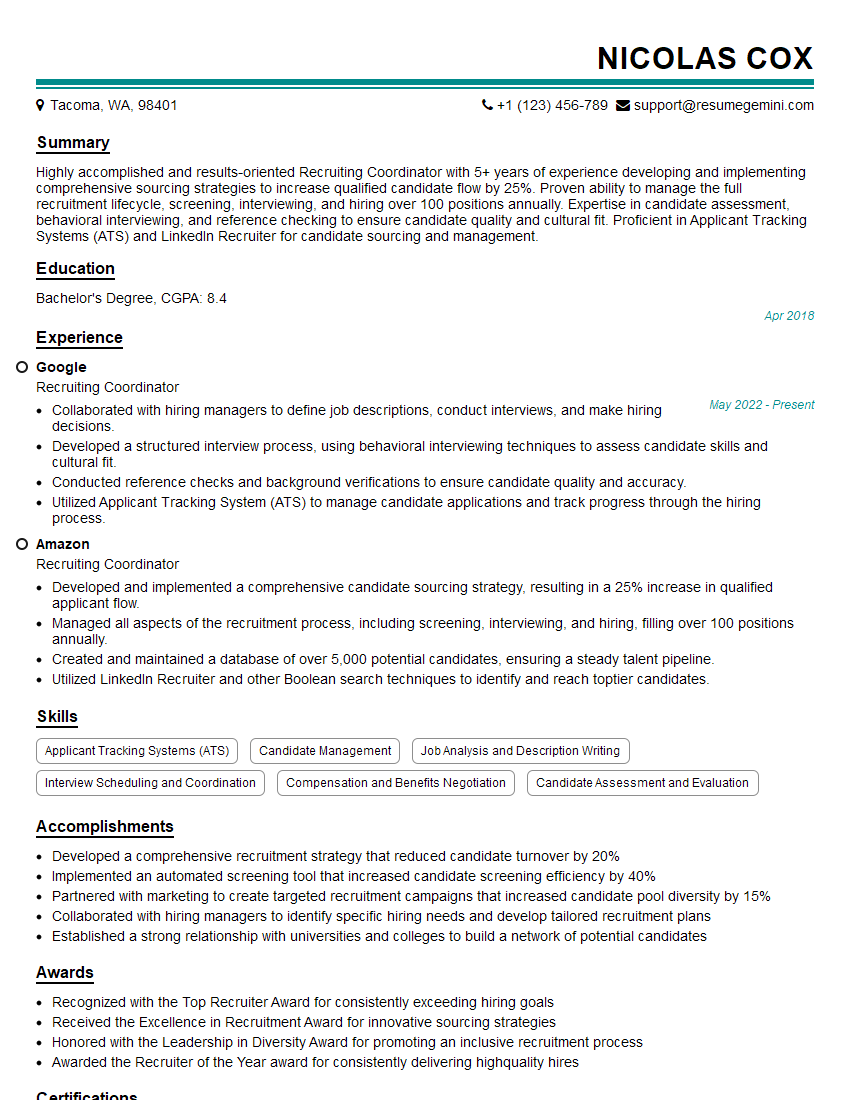
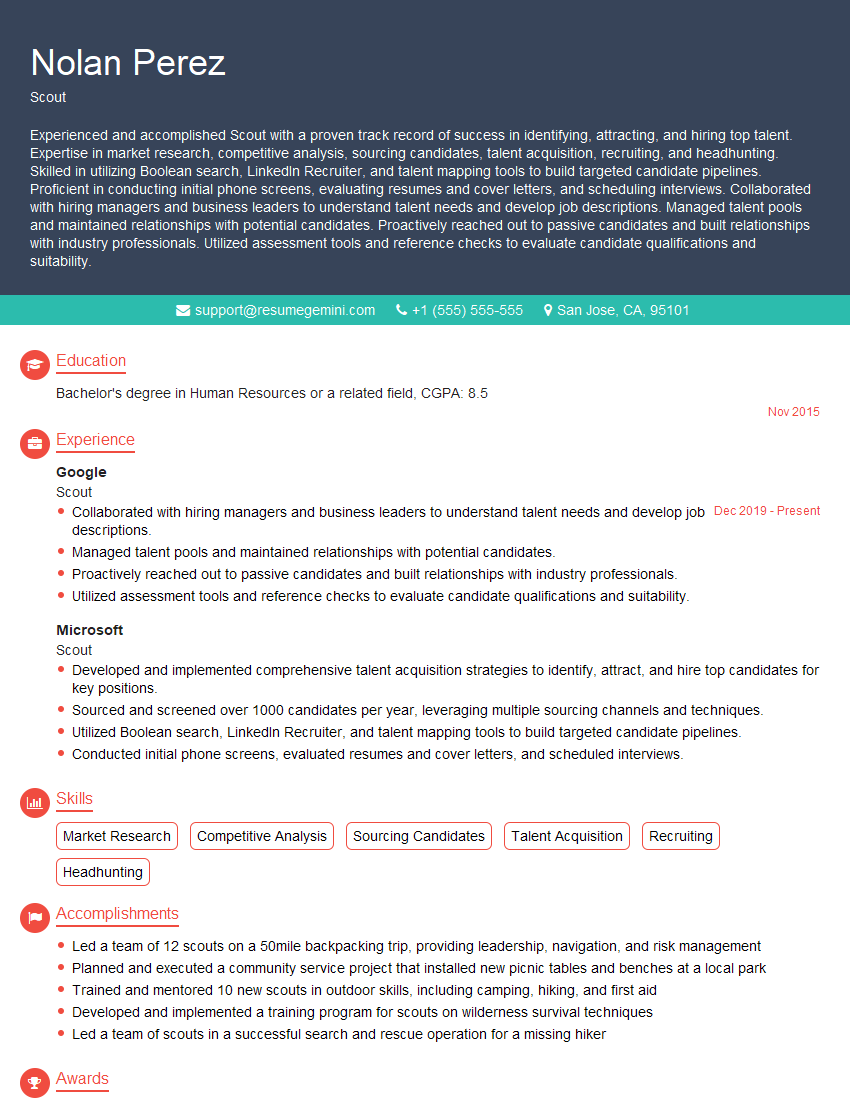
Mastering Student-Athlete Recruitment and Development opens doors to a rewarding career with significant growth potential. A strong understanding of these key areas demonstrates your commitment and expertise, making you a highly competitive candidate. To further enhance your job prospects, invest time in crafting an ATS-friendly resume that highlights your relevant skills and experience. ResumeGemini is a trusted resource that can help you build a professional and impactful resume. Examples of resumes tailored to Student-Athlete Recruitment and Development are available to help guide you.
Explore more articles
Users Rating of Our Blogs
Share Your Experience
We value your feedback! Please rate our content and share your thoughts (optional).
What Readers Say About Our Blog
Very informative content, great job.
good