The thought of an interview can be nerve-wracking, but the right preparation can make all the difference. Explore this comprehensive guide to SunPower interview questions and gain the confidence you need to showcase your abilities and secure the role.
Questions Asked in SunPower Interview
Q 1. Explain the difference between SunPower’s Maxeon and A-Series solar panels.
SunPower offers two distinct high-efficiency solar panel lines: Maxeon and A-Series. The key difference lies in their cell technology and overall performance characteristics. Maxeon panels utilize Maxeon® cells, which are made using a patented, interdigitated back contact (IBC) design. This design eliminates busbars, leading to superior light capture and higher efficiency, even in low-light conditions. They are known for exceptional durability and longevity. A-Series panels, while still high-efficiency, employ a different cell technology that, while slightly less efficient than Maxeon, offers a more budget-friendly option. Think of it like comparing a high-end sports car (Maxeon) to a reliable, high-performing sedan (A-Series). Both get you where you need to go, but offer different performance and price points.
- Maxeon: Higher efficiency, superior durability, longer warranty, premium price.
- A-Series: Good efficiency, robust performance, competitive price, slightly shorter warranty.
Q 2. Describe SunPower’s approach to microinverter technology.
SunPower’s approach to microinverter technology is deeply integrated into their system design. Instead of using a single inverter for the entire solar array, each panel or a small group of panels has its own microinverter. This has several crucial advantages. Firstly, it optimizes energy production at the panel level. If one panel is shaded or partially obstructed, it doesn’t drag down the performance of the entire system, unlike traditional string inverters. Secondly, it enhances safety by reducing the high voltage DC current on the roof. Thirdly, it allows for easier troubleshooting and maintenance, as issues can be pinpointed to individual panels or microinverters. SunPower’s integration of microinverters is a core component of their commitment to maximizing system efficiency and reliability. Think of it as having individual engines for each car in a train – if one engine fails, the rest can continue to run.
Q 3. How does SunPower’s performance guarantee work?
SunPower’s performance guarantee typically covers a combination of factors. It usually includes a power production guarantee, promising a certain level of energy output over a specific period. This guarantee usually accounts for degradation over time. For example, they might guarantee a specific percentage of rated power output after 25 years. The specifics of the guarantee vary depending on the system and location, but it reflects SunPower’s confidence in the long-term performance and reliability of its products. It also often includes components and labor warranties, covering repairs or replacements due to defects in materials or workmanship. This comprehensive approach assures customers of a long-term investment with reduced risk.
For example, a typical performance guarantee might state that the system will produce at least 92% of its rated power after 10 years and at least 85% after 25 years. This assures customers of sustained energy production over the system’s lifespan.
Q 4. What are the key advantages of SunPower’s design and manufacturing processes?
SunPower’s design and manufacturing processes are characterized by a focus on quality, efficiency, and durability. They utilize advanced cell technology, like the aforementioned Maxeon IBC cells, leading to higher efficiency panels. Their manufacturing processes are optimized for minimizing defects and maximizing yield. SunPower also prioritizes rigorous testing and quality control at every stage of production. This results in panels that are known for their robust construction and ability to withstand harsh environmental conditions. Additionally, their design often incorporates features like enhanced weather resistance and anti-reflective coatings to further boost performance. The focus on precision manufacturing and innovative design contributes to the overall reliability and long-term performance of their solar panels.
Q 5. Explain SunPower’s approach to customer service and warranty support.
SunPower emphasizes proactive and responsive customer service. They typically offer comprehensive warranty support, including both product and labor warranties. Their service network is designed to provide timely assistance throughout the entire system lifecycle – from initial consultation and design through installation, maintenance, and any necessary repairs. SunPower often employs a combination of online resources, phone support, and field service technicians to address customer inquiries and resolve issues effectively. They strive to provide a positive customer experience, ensuring customers feel supported and confident in their investment. A key aspect of their approach is providing clear and accessible communication throughout the process.
Q 6. What are some common challenges faced during SunPower system installation?
Common challenges faced during SunPower system installations often relate to site-specific conditions. These include:
- Roof complexity: Unusual roof shapes, difficult access points, or existing roof damage can complicate installation and increase time and cost.
- Shading issues: Trees, buildings, or other obstructions can significantly impact energy production. Careful site assessment and system design are crucial to mitigate this.
- Electrical requirements: Upgrading existing electrical panels or running new wiring may be necessary, adding to installation complexity.
- Permitting processes: Navigating local building codes and obtaining the necessary permits can be time-consuming and vary widely by region.
- Weather conditions: Unexpected weather delays can impact the installation schedule.
Q 7. How does SunPower address potential shading issues in solar array design?
SunPower addresses shading issues through careful site analysis and system design. Before installation, they conduct a thorough assessment of the potential shading impacts throughout the day and year. This involves using specialized software to model shading patterns and optimize panel placement to minimize losses. The use of microinverters plays a crucial role here. Because each panel or small group of panels has its own inverter, shading affecting one panel does not significantly affect the rest of the system. SunPower’s design team will strategically position panels to maximize sun exposure and minimize the impact of any inevitable shading. In some cases, they might even propose different array configurations to optimize energy production in the presence of shade.
Q 8. Describe SunPower’s monitoring and remote diagnostics capabilities.
SunPower offers robust monitoring and remote diagnostics capabilities through its SunPower Equinox® system and its online portal, mySunPower. This allows homeowners and businesses to track their energy production, system performance, and identify potential issues in real-time. Imagine it like having a dashboard for your solar system.
The system uses sophisticated algorithms to analyze data from various sensors integrated into the panels and inverters. This includes factors like panel voltage, current, temperature, and power output. If an anomaly is detected – like a panel underperforming – mySunPower will alert the homeowner and SunPower’s monitoring team. This proactive approach allows for swift troubleshooting and minimizes downtime.
For example, if a shade issue is detected impacting production, SunPower can remotely analyze the problem and even suggest adjustments to optimize energy yield. If a more serious problem is identified, the system facilitates quick dispatch of a technician to address the issue before it escalates.
Q 9. What are the different financing options available through SunPower?
SunPower provides a range of financing options to make solar more accessible. These options are tailored to individual customer needs and financial situations. Think of it like choosing the right loan for a new car, but for your solar power system.
- Loans: SunPower partners with several lenders to offer various loan terms and interest rates, allowing you to spread the cost over a period of time.
- Leases: This option eliminates upfront costs. You pay a monthly fee for the use of the system, and SunPower retains ownership.
- Power Purchase Agreements (PPAs): Similar to a lease, you don’t own the system. You pay SunPower for the energy produced. This eliminates both upfront and monthly payments, shifting the cost burden to future electricity savings.
- Cash Purchase: For those with the financial resources, this option provides immediate ownership and the potential for tax credits and other incentives.
SunPower’s financing specialists work with customers to understand their budgets and preferences, helping them select the financing option that best suits their individual circumstances.
Q 10. How does SunPower ensure the quality and reliability of its products?
SunPower’s commitment to quality and reliability is evident in every stage of its operations, from panel manufacturing to system installation and ongoing monitoring. They prioritize using high-quality materials and rigorous testing procedures.
Their high-efficiency Maxeon® solar panels, for instance, undergo extensive testing to ensure performance and durability in various conditions. This includes exposure to extreme temperatures, humidity, and even hail. SunPower also employs rigorous quality control measures throughout the manufacturing process and regularly audits its suppliers to maintain high standards.
Furthermore, SunPower offers comprehensive warranties on its products and systems, providing assurance to customers regarding long-term performance. Think of it as a robust insurance policy for your solar investment.
SunPower’s dedication to quality is not just a marketing ploy; it’s a key differentiator that reflects their confidence in their products and their commitment to customer satisfaction.
Q 11. Explain the concept of energy storage and its integration with SunPower systems.
Energy storage, typically using battery systems, is the ability to store excess solar energy generated during the day and use it at night or during periods of low solar production. It’s like having a personal power bank for your home.
Integrating energy storage with SunPower systems enhances energy independence and reduces reliance on the grid. Excess solar energy is stored in batteries and then used when needed, maximizing self-consumption and minimizing reliance on utility power. This integration is seamlessly managed through SunPower’s monitoring system, optimizing energy flow between solar panels, batteries, and your home.
For instance, during peak electricity demand hours, stored energy can power your home, reducing energy bills. This also provides backup power during grid outages, ensuring continued operation of essential appliances. The SunPower system manages this process automatically, ensuring smooth transition between solar, battery, and grid power.
Q 12. What are the key environmental benefits of SunPower’s solar solutions?
SunPower’s solar solutions offer significant environmental benefits by reducing carbon emissions and dependence on fossil fuels. Think of it as contributing to a cleaner and more sustainable future.
- Reduced Carbon Footprint: Solar energy is a clean energy source, producing no greenhouse gas emissions during operation, unlike fossil fuel-based power plants.
- Lower Air and Water Pollution: Solar energy production avoids the air and water pollution associated with fossil fuel extraction, processing, and combustion.
- Reduced Reliance on Fossil Fuels: By generating electricity from sunlight, SunPower systems help reduce reliance on finite and environmentally damaging fossil fuel resources.
- Improved Air Quality: The reduced use of fossil fuels contributes to improved air quality, particularly in urban areas.
By choosing SunPower, customers actively contribute to mitigating climate change and promoting a healthier planet.
Q 13. How does SunPower comply with building codes and regulations?
SunPower strictly adheres to all applicable building codes and regulations throughout its design, installation, and permitting processes. This commitment ensures the safety and compliance of its systems.
SunPower employs certified and experienced installers who are well-versed in local building codes. They handle all necessary permitting and inspections to ensure seamless compliance. The company’s design engineers ensure that systems are designed to meet or exceed all relevant safety standards. This ensures that installations are not only efficient but also safe and compliant with regulations.
SunPower’s commitment to compliance is not only a legal requirement; it’s a reflection of their dedication to providing high-quality, reliable, and safe solar solutions to their customers.
Q 14. Discuss SunPower’s commitment to sustainability and corporate social responsibility.
SunPower is deeply committed to sustainability and corporate social responsibility, reflecting a broader commitment to environmental stewardship and ethical business practices. This is visible in various initiatives.
- Sustainable Manufacturing: SunPower employs sustainable manufacturing practices to minimize its environmental impact, including reducing waste and energy consumption.
- Ethical Sourcing: SunPower carefully sources its materials, prioritizing suppliers that share its commitment to ethical and environmentally responsible practices.
- Community Engagement: SunPower actively participates in community initiatives promoting sustainable energy and education.
- Employee Engagement: SunPower fosters a culture of sustainability within its workforce, promoting environmental awareness and responsible behavior.
SunPower’s commitment to sustainability is not merely a marketing strategy; it’s an integral part of its business philosophy, shaping its operations and contributing to a better future.
Q 15. Describe SunPower’s sales process and how it differs from competitors.
SunPower’s sales process emphasizes a consultative approach, focusing on a deep understanding of the customer’s energy needs and long-term goals. Unlike some competitors who may rely heavily on high-volume, low-touch sales tactics, SunPower prioritizes building relationships with individual homeowners and businesses. This often involves a detailed home energy assessment, customized system design proposals, and financing options tailored to the customer’s budget. The process typically involves an initial consultation, site assessment, proposal development, permitting and approvals, installation, and post-installation support. This contrasts with competitors who may offer simpler, quicker, or more automated sales paths, sometimes foregoing the in-depth analysis SunPower provides.
For example, a competitor might focus on online quotes and standardized system offerings. SunPower, however, might send a specialist to assess shading, roof orientation, and energy consumption to tailor a system that maximizes efficiency and return on investment. This personalized approach, while slower initially, aims to build customer loyalty and ensure customer satisfaction with a bespoke solution.
Career Expert Tips:
- Ace those interviews! Prepare effectively by reviewing the Top 50 Most Common Interview Questions on ResumeGemini.
- Navigate your job search with confidence! Explore a wide range of Career Tips on ResumeGemini. Learn about common challenges and recommendations to overcome them.
- Craft the perfect resume! Master the Art of Resume Writing with ResumeGemini’s guide. Showcase your unique qualifications and achievements effectively.
- Don’t miss out on holiday savings! Build your dream resume with ResumeGemini’s ATS optimized templates.
Q 16. What is SunPower’s target market and customer demographics?
SunPower’s target market is broad but skews towards homeowners and businesses who value high-performance solar technology, long-term reliability, and superior customer service. Customer demographics vary, but they often include environmentally conscious individuals, early adopters of technology, and those with higher disposable incomes who are willing to invest in premium products. While SunPower caters to a range of customers, their focus on high-efficiency panels and comprehensive service packages makes them particularly attractive to those who prioritize quality and performance over purely cost-driven decisions. The customer base frequently includes those living in areas with high electricity costs or significant solar irradiance, maximizing the return on investment of a SunPower system.
Q 17. How does SunPower differentiate itself in a competitive solar market?
SunPower differentiates itself through several key strategies: Firstly, its high-efficiency solar panels. These panels, particularly the Maxeon line, are known for their superior performance and durability compared to many competitors. Secondly, SunPower offers comprehensive service packages, including installation, monitoring, and warranties, providing customers with a seamless and worry-free experience. Thirdly, its focus on customer service, with dedicated account managers and technical support, sets it apart in a market often characterized by a more transactional approach. Finally, SunPower’s strong brand reputation and long history in the solar industry create a sense of trust and reliability for potential customers. This integrated approach—combining superior technology with exceptional customer care—makes SunPower a prominent player in a crowded field.
Q 18. What are the typical maintenance requirements for SunPower solar systems?
SunPower systems typically require minimal maintenance. Regular visual inspections are recommended, primarily to check for any visible damage to the panels or mounting system. This can be done by the homeowner or during scheduled maintenance visits. Cleaning is usually infrequent, with rainwater often sufficient to remove debris. In areas with heavy dust or bird droppings, occasional cleaning may be necessary, often manageable with a garden hose or specialized cleaning equipment. SunPower offers maintenance plans that can cover these tasks and address more complex issues if required. The long-term reliability of SunPower’s Maxeon technology minimizes the need for frequent repairs or replacements.
Q 19. Explain the process for troubleshooting common problems with SunPower systems.
Troubleshooting common SunPower system problems usually begins with a visual inspection. Check for obvious issues like loose connections, damaged panels, or shading problems. If problems persist, SunPower’s monitoring system, if installed, can provide valuable data to identify performance anomalies. Contacting SunPower’s customer support is the next step, providing them with relevant information such as system details, error codes (if any), and the nature of the problem. SunPower has a dedicated team equipped to diagnose and resolve issues remotely or by sending a technician. The process may involve software updates, panel replacements, or repairs to the inverter or other components. SunPower’s comprehensive warranties and service agreements simplify the troubleshooting and resolution process.
Q 20. Describe SunPower’s approach to project management and scheduling.
SunPower utilizes a robust project management system that incorporates detailed scheduling and communication. The process starts with a thorough site assessment and system design. Once the design is finalized and permits secured, a detailed project schedule is created, outlining key milestones such as equipment delivery, crew assignments, and installation timelines. Regular communication is maintained throughout the process, keeping the customer informed of progress and any potential delays. SunPower leverages project management software and internal communication tools to ensure efficient coordination among various teams involved – sales, engineering, permitting, and installation. This meticulous approach aims to deliver projects on time and within budget, while minimizing disruptions to the customer.
Q 21. How does SunPower utilize data analytics to improve efficiency and performance?
SunPower utilizes data analytics extensively to improve efficiency and performance. Data collected from its monitoring systems, combined with operational data from installations, provides valuable insights into system performance, potential issues, and customer usage patterns. This data is used to optimize system design, improve installation practices, predict potential maintenance needs, and enhance customer service. For example, analyzing system performance data can highlight areas where shading or other factors are impacting energy production, allowing for proactive adjustments. Moreover, data analysis helps SunPower identify areas for process improvements within its operations, leading to increased efficiency and cost reductions. This data-driven approach is central to SunPower’s commitment to delivering high-quality products and services.
Q 22. What are some of the emerging trends in solar technology that SunPower is addressing?
SunPower is at the forefront of several emerging solar technologies. One key area is the ongoing improvement of panel efficiency. They’re continually developing new cell architectures and materials, like their Maxeon technology, which boasts higher efficiency and improved durability compared to traditional panels. This translates to more energy generation from a smaller footprint, making it more cost-effective and space-saving for residential and commercial installations.
Another significant trend is the integration of smart technology. SunPower offers monitoring systems that allow homeowners and businesses to track energy production, identify potential issues, and optimize their solar systems’ performance. This aspect combines with advancements in energy storage solutions, like battery integration, to enhance energy independence and grid resilience. This aligns with the growing interest in microgrids and off-grid systems, providing energy security during power outages.
Finally, SunPower is actively involved in exploring and implementing advancements in solar manufacturing processes. This includes research into more sustainable and less resource-intensive manufacturing techniques to reduce the overall environmental impact of solar energy production.
Q 23. How does SunPower manage its supply chain and logistics operations?
SunPower’s supply chain management is a highly strategic operation. They prioritize working with reliable and reputable suppliers, many with long-standing partnerships. This ensures consistent product quality and timely delivery. A critical aspect is their focus on vertically integrated manufacturing – meaning they control various stages of the production process, from cell manufacturing to module assembly. This allows them greater control over quality and cost, and quicker responsiveness to market demands.
Logistics are optimized through a sophisticated network of distribution centers and transportation partners. They utilize advanced forecasting and inventory management techniques to ensure optimal stock levels while minimizing warehousing costs. Furthermore, SunPower’s commitment to quality control extends throughout the supply chain, with rigorous quality checks at each stage, from raw materials to finished products. This reduces waste, improves efficiency and ensures that products meet their stringent quality standards before reaching the customer.
Q 24. Explain SunPower’s role in the broader renewable energy sector.
SunPower plays a vital role in the renewable energy sector as a leading provider of high-efficiency solar technology and complete solar energy solutions. They aren’t just selling solar panels; they’re offering a comprehensive service, including design, installation, and ongoing monitoring. Their focus on high-quality, long-lasting systems contributes to the overall growth and credibility of the solar industry.
They’re instrumental in reducing carbon emissions, promoting energy independence, and driving the transition towards a more sustainable energy future. Their innovation in panel technology continues to push the boundaries of efficiency and affordability, making solar energy a more attractive and viable option for a broader range of consumers and businesses. SunPower’s influence extends beyond direct sales; they actively advocate for supportive renewable energy policies and contribute to industry research and development efforts.
Q 25. What are the safety protocols and regulations observed during SunPower installations?
SunPower adheres to stringent safety protocols and regulations throughout the entire installation process. Their installers undergo comprehensive training programs covering all aspects of safety, from working at heights and electrical safety to handling tools and equipment. They follow established safety procedures based on national and local electrical codes and safety regulations, including OSHA standards (in the US).
Before, during, and after each installation, they conduct thorough safety checks and inspections. They utilize appropriate safety gear like harnesses, hard hats, and safety glasses, and implement measures to mitigate risks such as fall protection, electrical isolation, and proper grounding. This commitment to safety is not only essential for protecting their installers but also for ensuring the safety of homeowners and the integrity of the installed systems.
Q 26. Describe SunPower’s approach to customer communication and engagement.
SunPower prioritizes clear and proactive communication throughout the customer journey. They typically assign dedicated project managers who act as single points of contact for customers, providing regular updates and addressing any queries promptly. Communication channels include phone calls, emails, and online portals where customers can access project information, track progress, and interact with their project team.
SunPower often uses customer relationship management (CRM) systems to effectively manage and track customer interactions. They strive for transparency and provide customers with realistic expectations about timelines, costs, and potential challenges. Post-installation, they provide support and resources through online platforms and help desks, ensuring ongoing customer satisfaction and assistance.
Q 27. How does SunPower handle customer complaints and disputes?
SunPower has a structured process for addressing customer complaints and disputes. They typically encourage customers to first contact their project manager or customer service team to discuss concerns. Internal dispute resolution mechanisms are in place, involving escalation procedures to higher levels of management if necessary.
SunPower strives to find fair and equitable resolutions that satisfy both the company and the customer. If an issue cannot be resolved internally, they may resort to mediation or arbitration, depending on the nature of the dispute and applicable laws and regulations. Transparency and a fair approach are emphasized throughout the process to maintain customer trust and reputation.
Q 28. What are the career development opportunities available at SunPower?
SunPower offers diverse career development opportunities across various departments, including engineering, sales, operations, and finance. They invest in employee training and development through programs that enhance technical skills and leadership capabilities. Employees have access to mentorship programs, professional development courses, and opportunities for advancement within the company.
Career paths can range from technical roles focusing on solar technology and engineering to business-oriented roles in sales, marketing, and project management. SunPower often promotes from within, providing employees with clear paths for career progression. Furthermore, they encourage employees to pursue further education and certifications to enhance their skill sets and career prospects within the company. The company culture frequently emphasizes innovation and sustainability, attracting those passionate about renewable energy and environmentally conscious practices.
Key Topics to Learn for SunPower Interview
- SunPower’s Business Model: Understand their approach to solar energy solutions, including residential, commercial, and utility-scale projects. Explore their financing options and customer acquisition strategies.
- Solar Technology & Innovation: Familiarize yourself with SunPower’s proprietary technologies, such as Maxeon solar cells, and their impact on efficiency and performance. Research current industry trends and SunPower’s position within the market.
- Sustainability and Corporate Social Responsibility: Learn about SunPower’s commitment to environmental sustainability and their initiatives in this area. This demonstrates alignment with their values.
- Sales and Customer Relationship Management (CRM): If applying for a sales-related role, understand the sales cycle, key performance indicators (KPIs), and the importance of customer satisfaction within SunPower’s business model.
- Project Management & Operations: For roles involving project implementation, understand project lifecycle stages, risk management, and relevant software/tools used within SunPower. Consider reviewing methodologies like Agile or Waterfall.
- Financial Acumen: Depending on the role, understanding key financial metrics (e.g., return on investment, payback periods for solar projects) will be beneficial.
- Problem-Solving & Analytical Skills: Prepare to discuss your approach to problem-solving using the STAR method (Situation, Task, Action, Result). Be ready to analyze hypothetical scenarios related to solar energy and SunPower’s operations.
Next Steps
Mastering SunPower’s operations and industry knowledge significantly enhances your career prospects in the rapidly growing renewable energy sector. A strong understanding of their business model, technology, and commitment to sustainability positions you favorably for success. To maximize your chances, create an ATS-friendly resume that highlights your relevant skills and experience. We strongly recommend using ResumeGemini to build a professional and impactful resume tailored to SunPower’s specific requirements. Examples of resumes optimized for SunPower applications are available below. Let ResumeGemini help you shine!
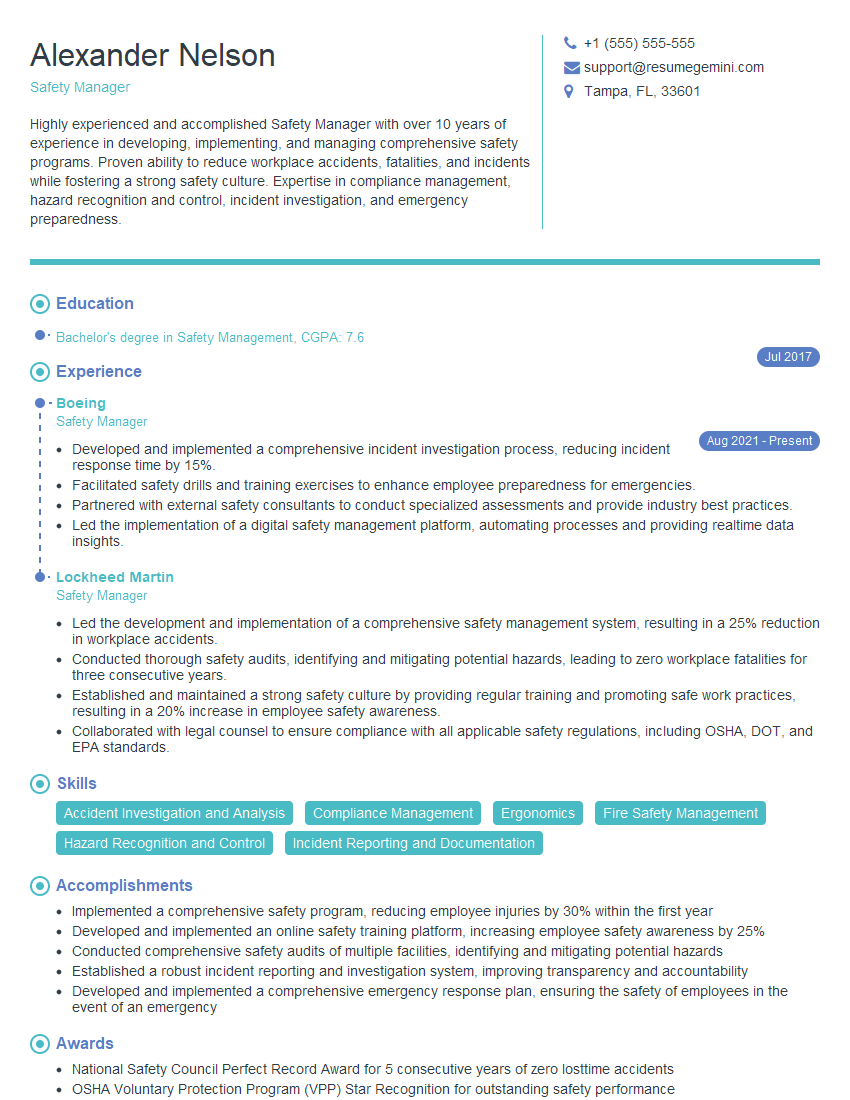
Safety Manager Resume Sample

Operations Manager Resume Sample
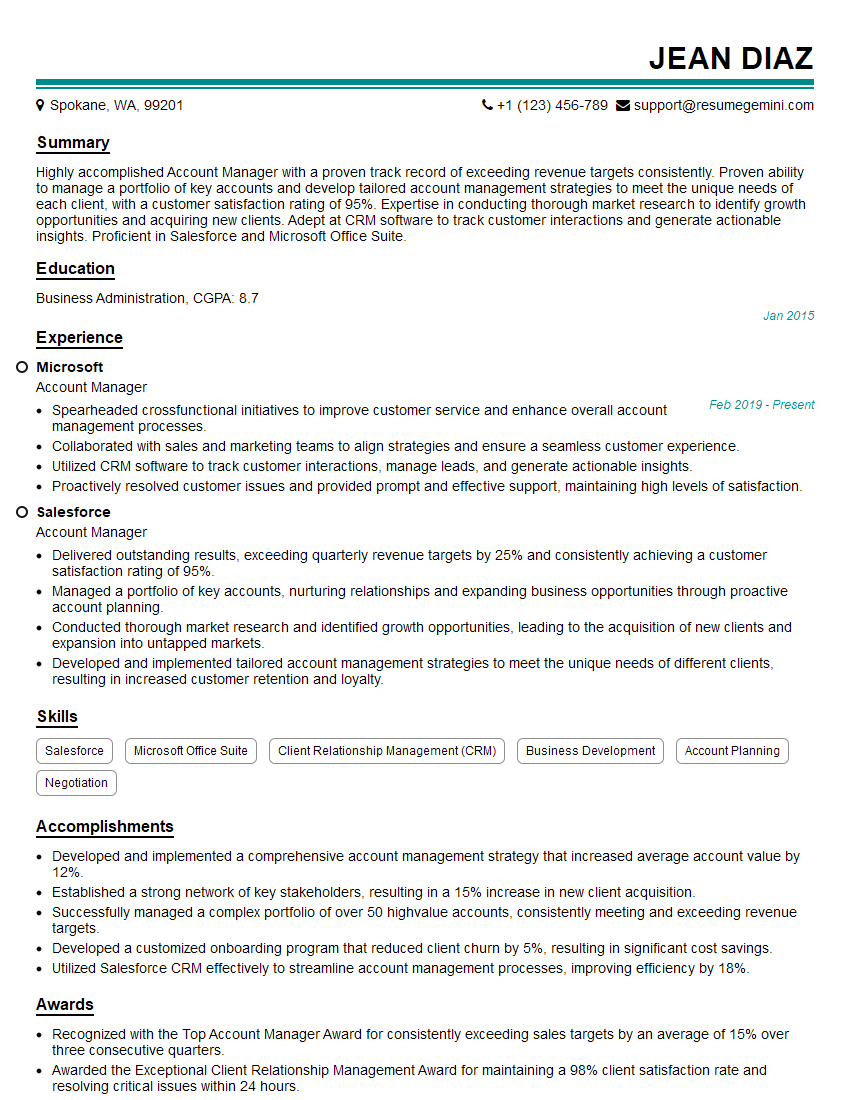
Account Manager Resume Sample
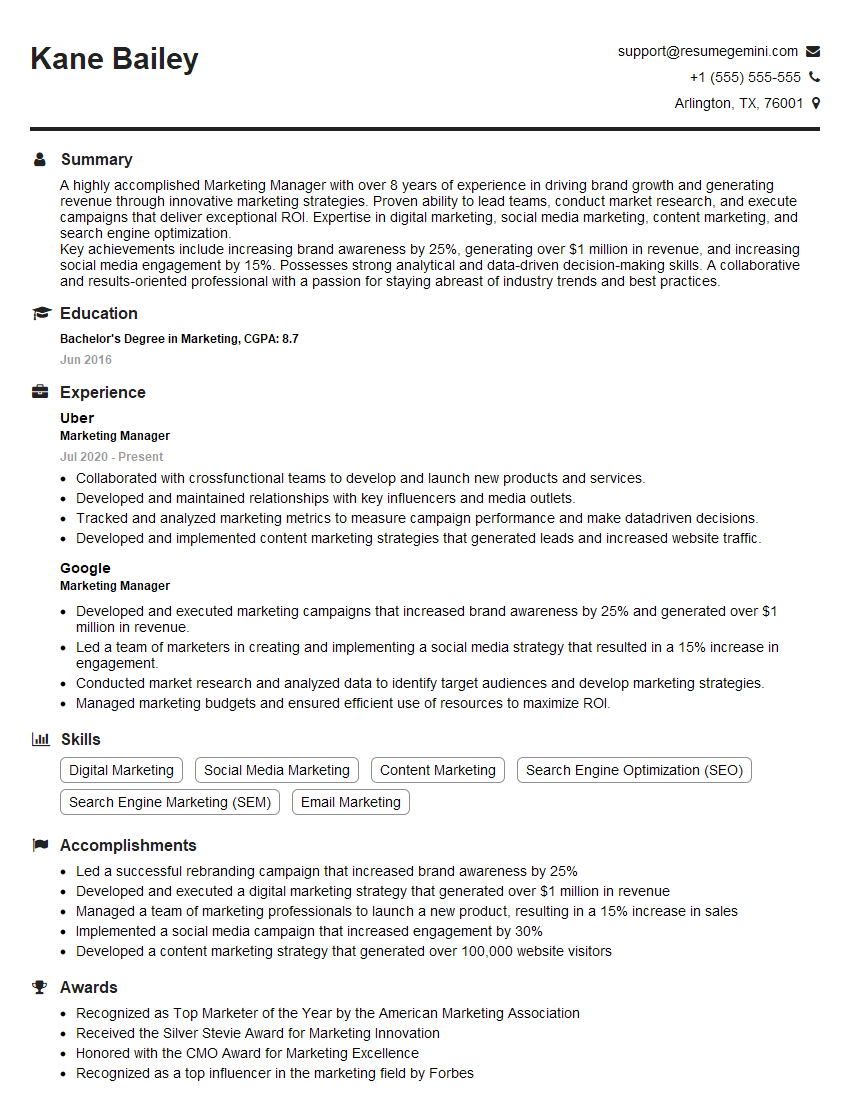
Marketing Manager Resume Sample
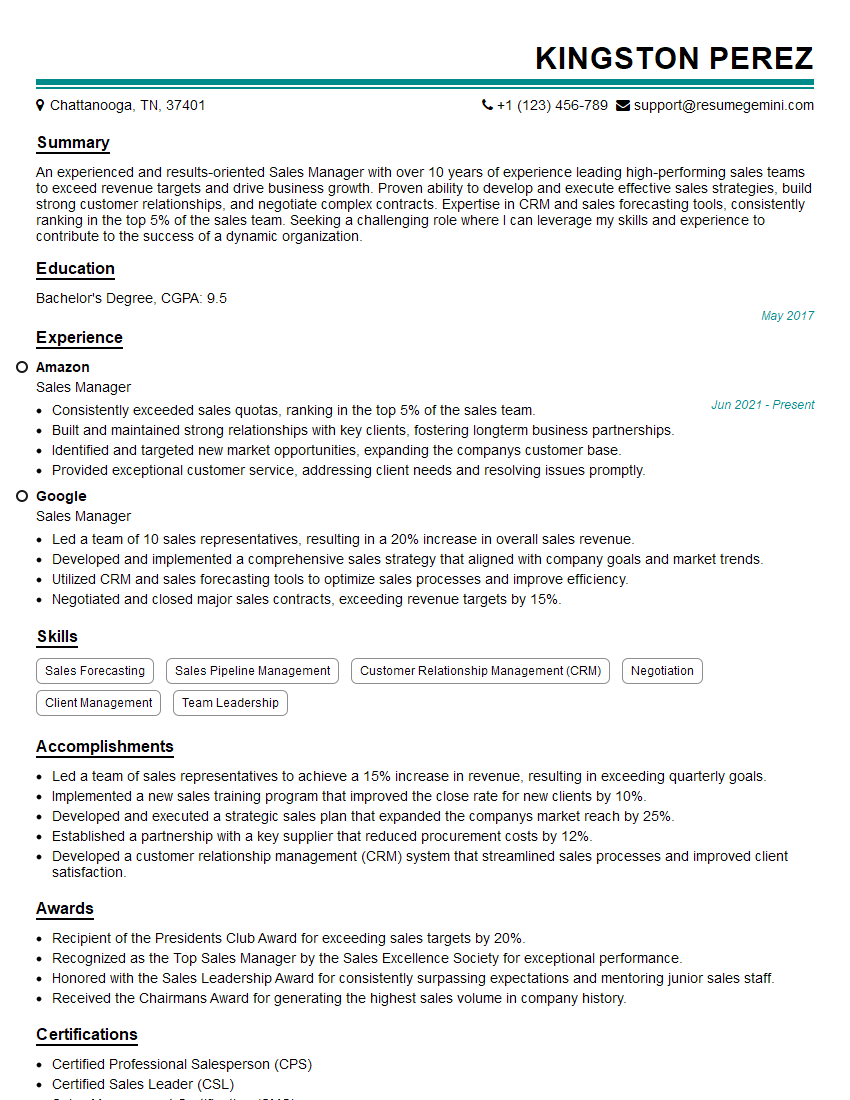
Sales Manager Resume Sample
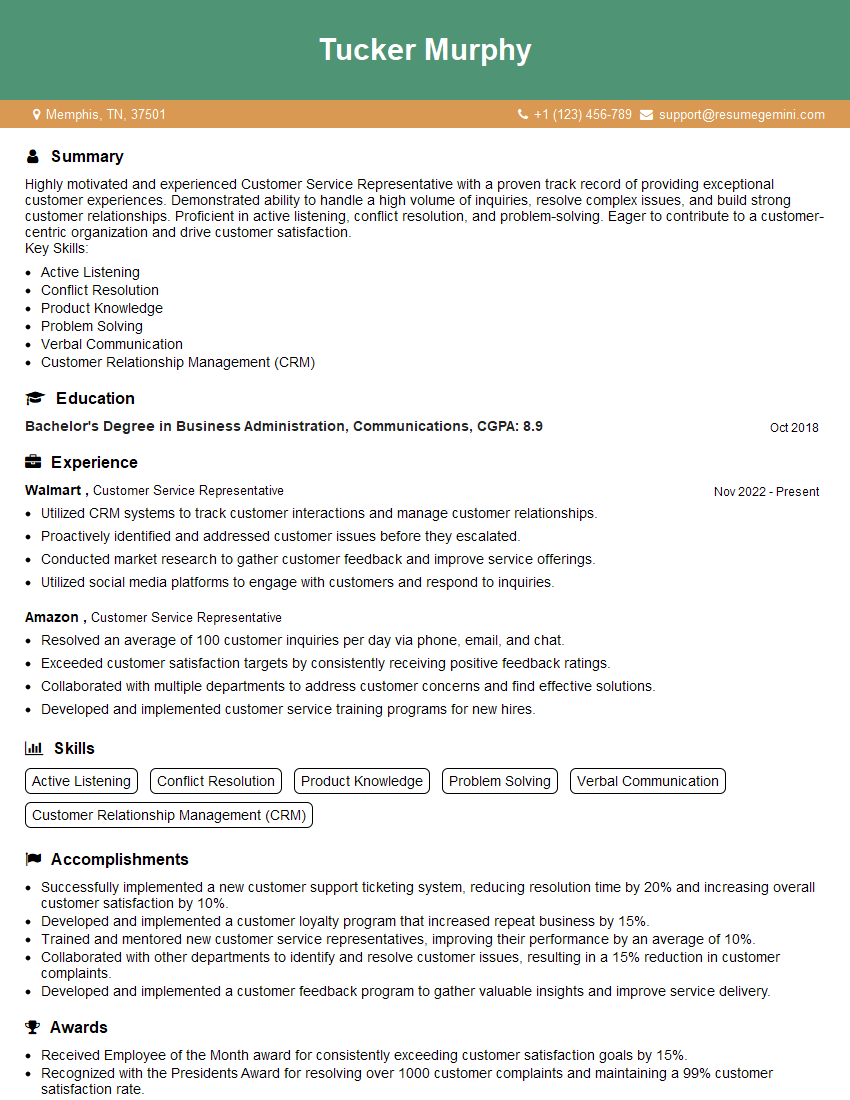
Customer Service Representative Resume Sample
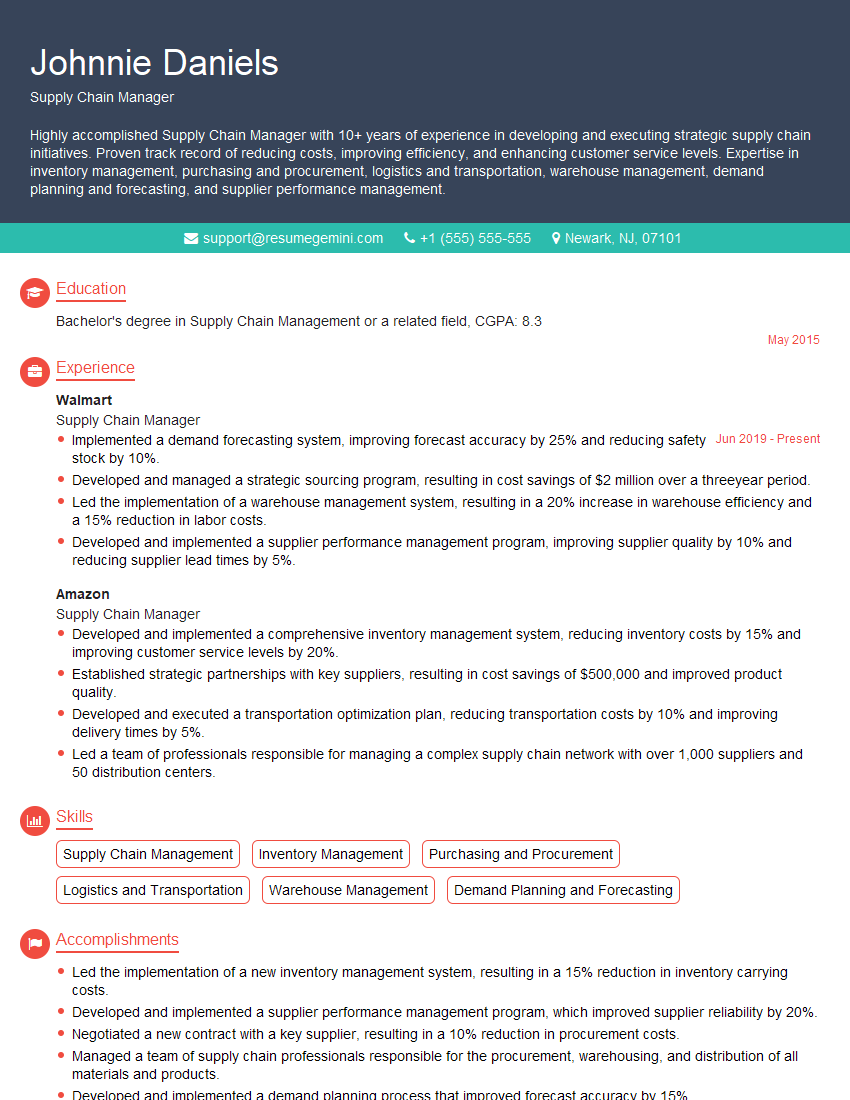
Supply Chain Manager Resume Sample
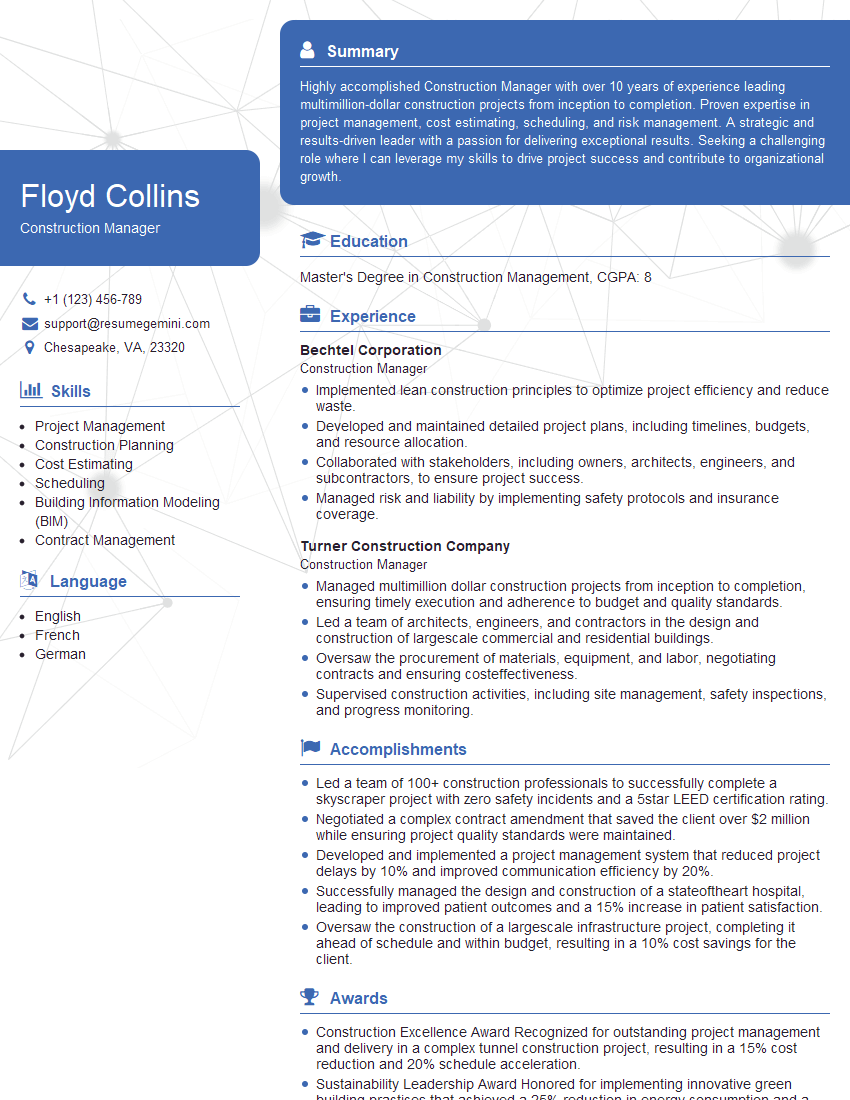
Construction Manager Resume Sample

Training Specialist Resume Sample
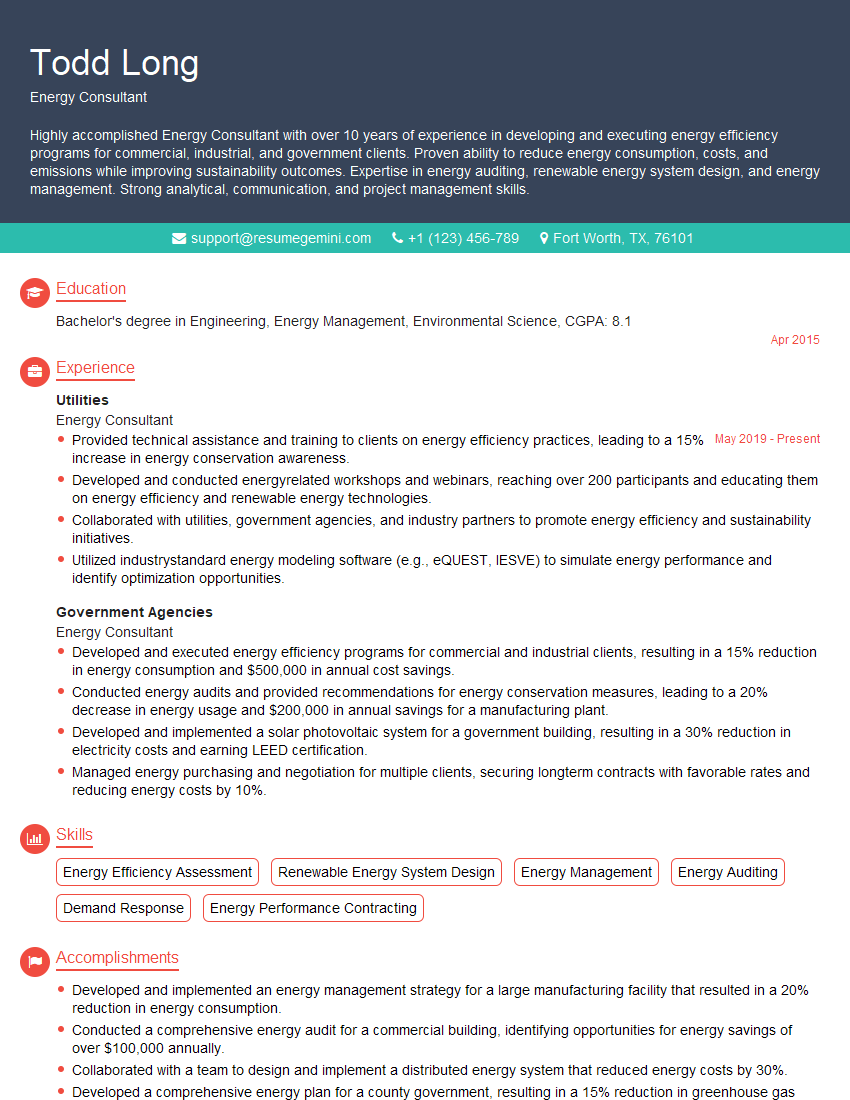
Energy Consultant Resume Sample

Sustainability Consultant Resume Sample
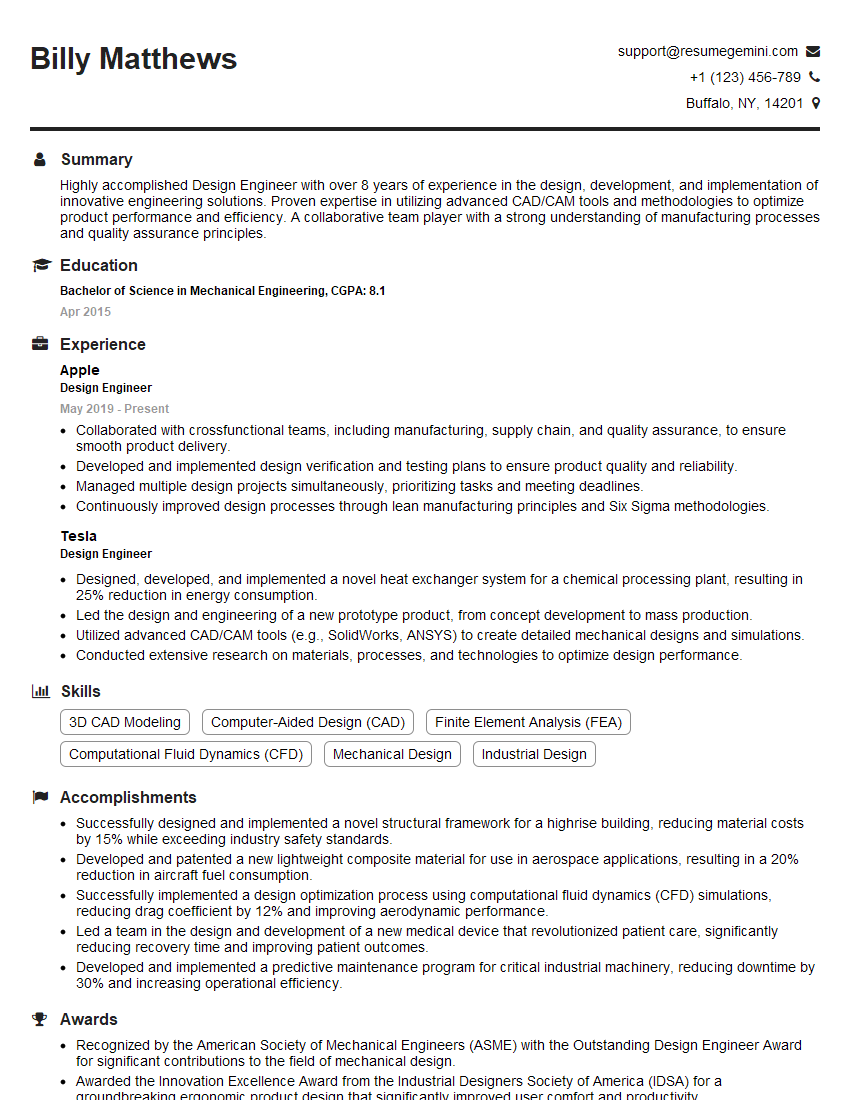
Design Engineer Resume Sample
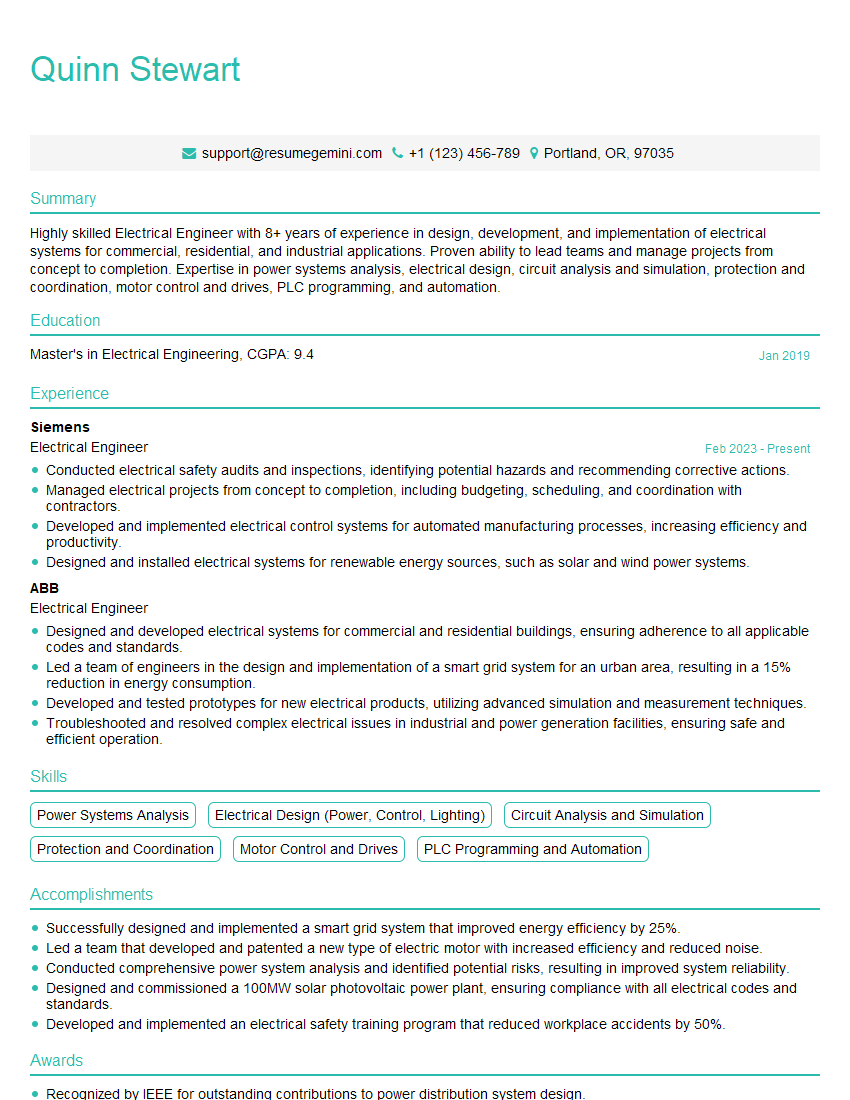
Electrical Engineer Resume Sample
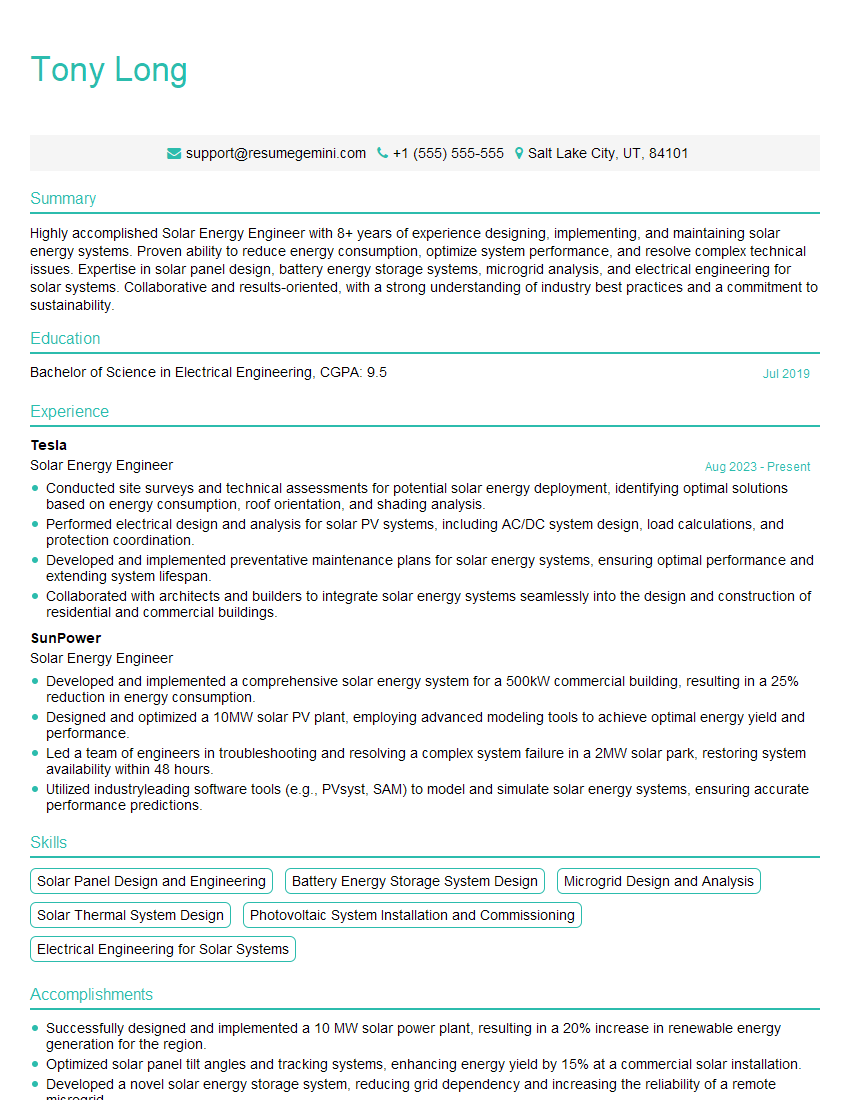
Solar Energy Engineer Resume Sample
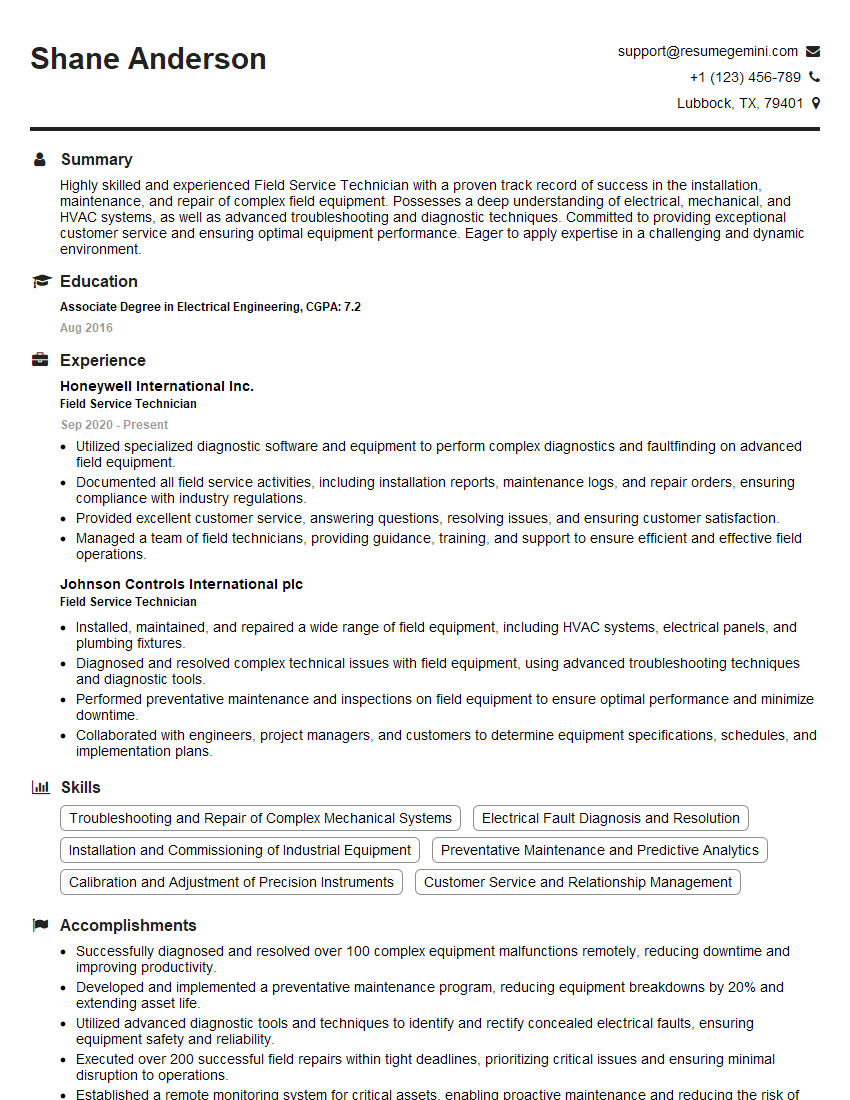
Field Service Technician Resume Sample
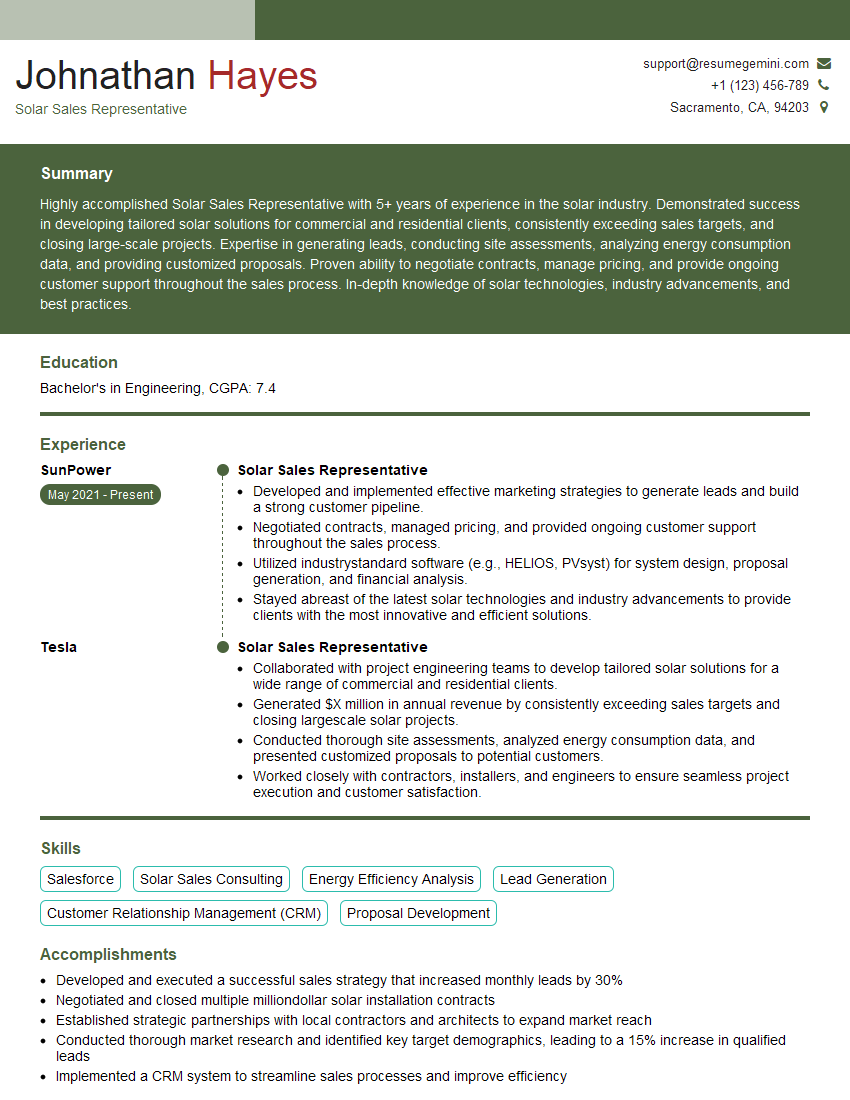
Solar Sales Representative Resume Sample
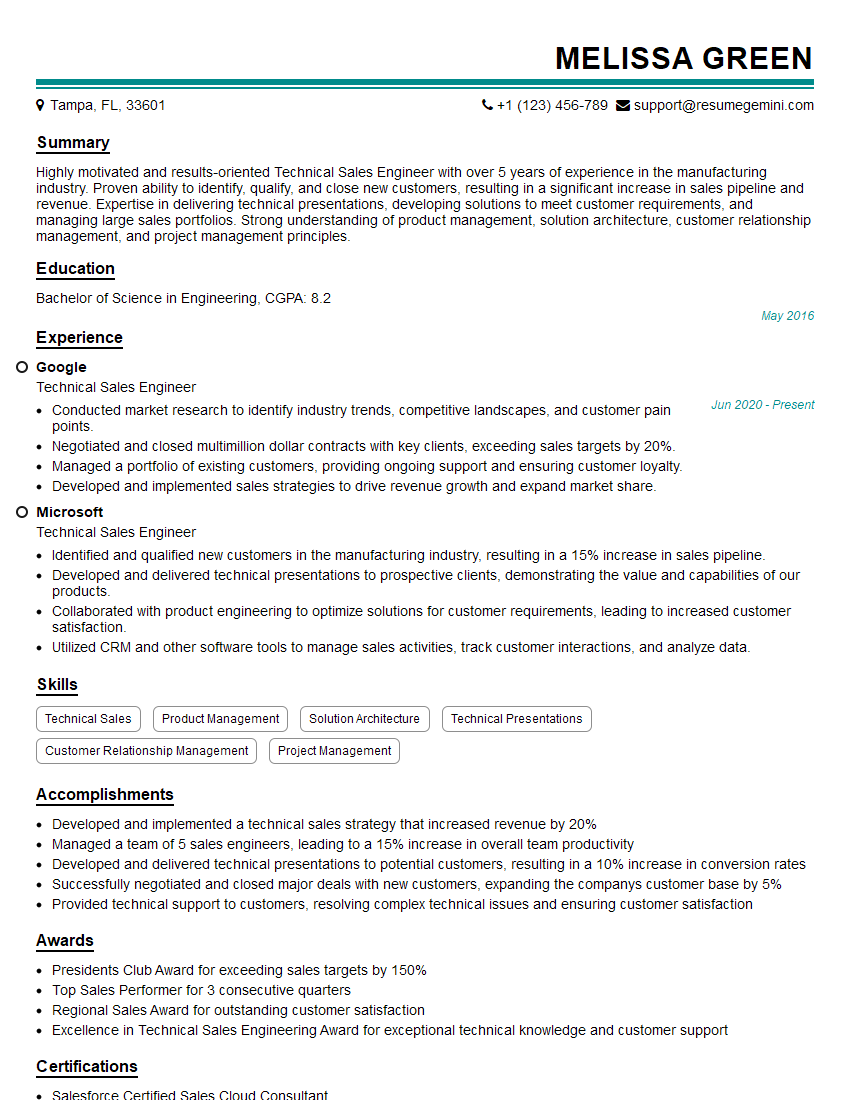
Technical Sales Engineer Resume Sample
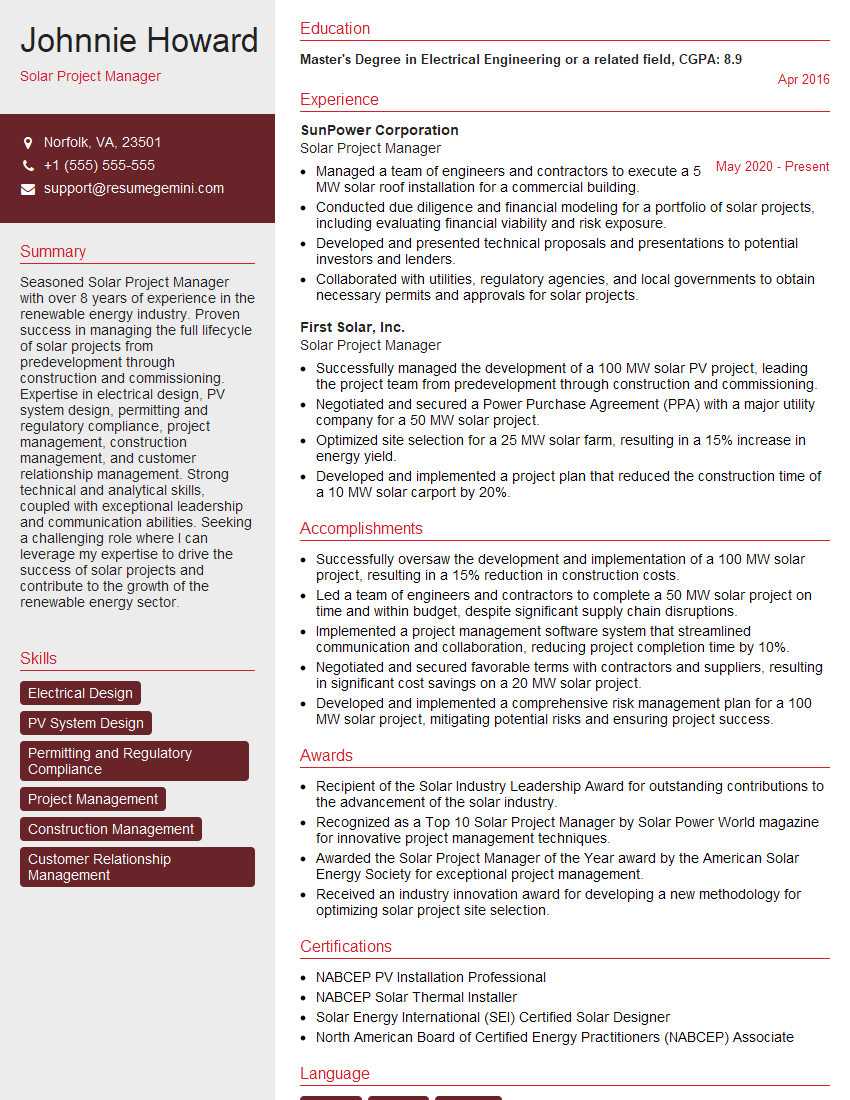
Solar Project Manager Resume Sample
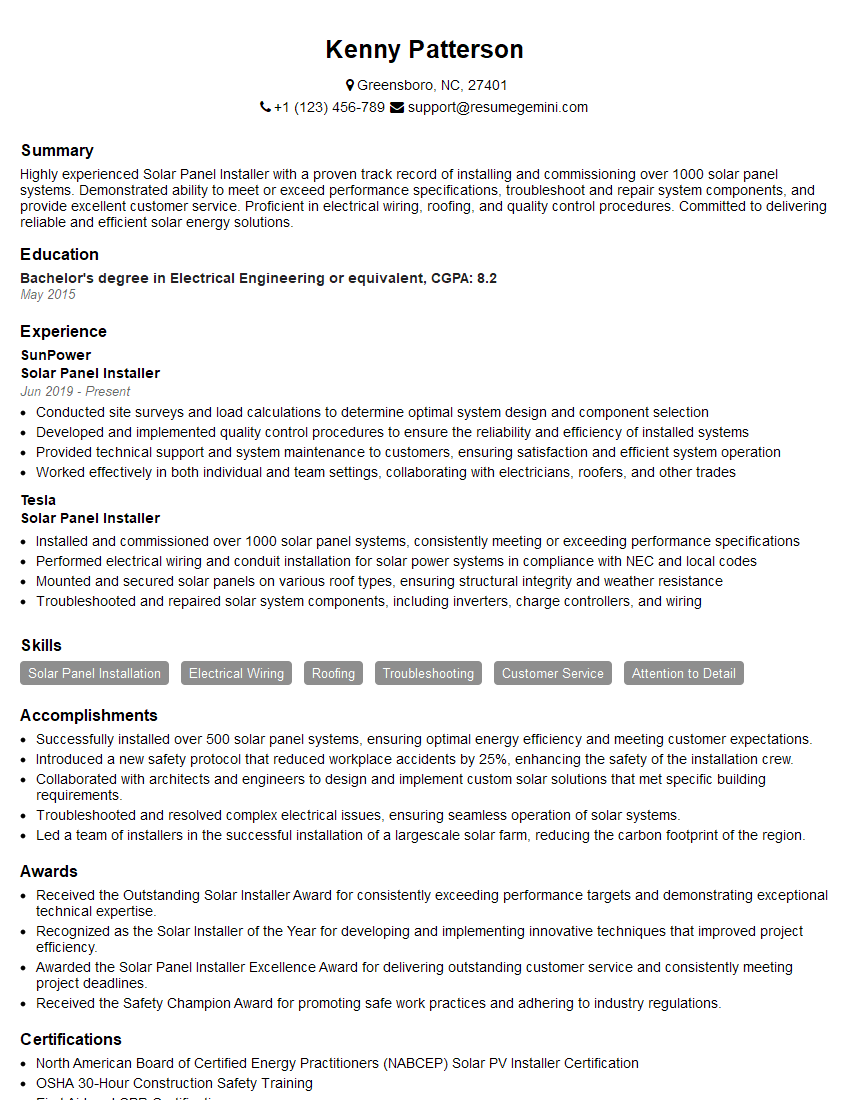
Solar Panel Installer Resume Sample
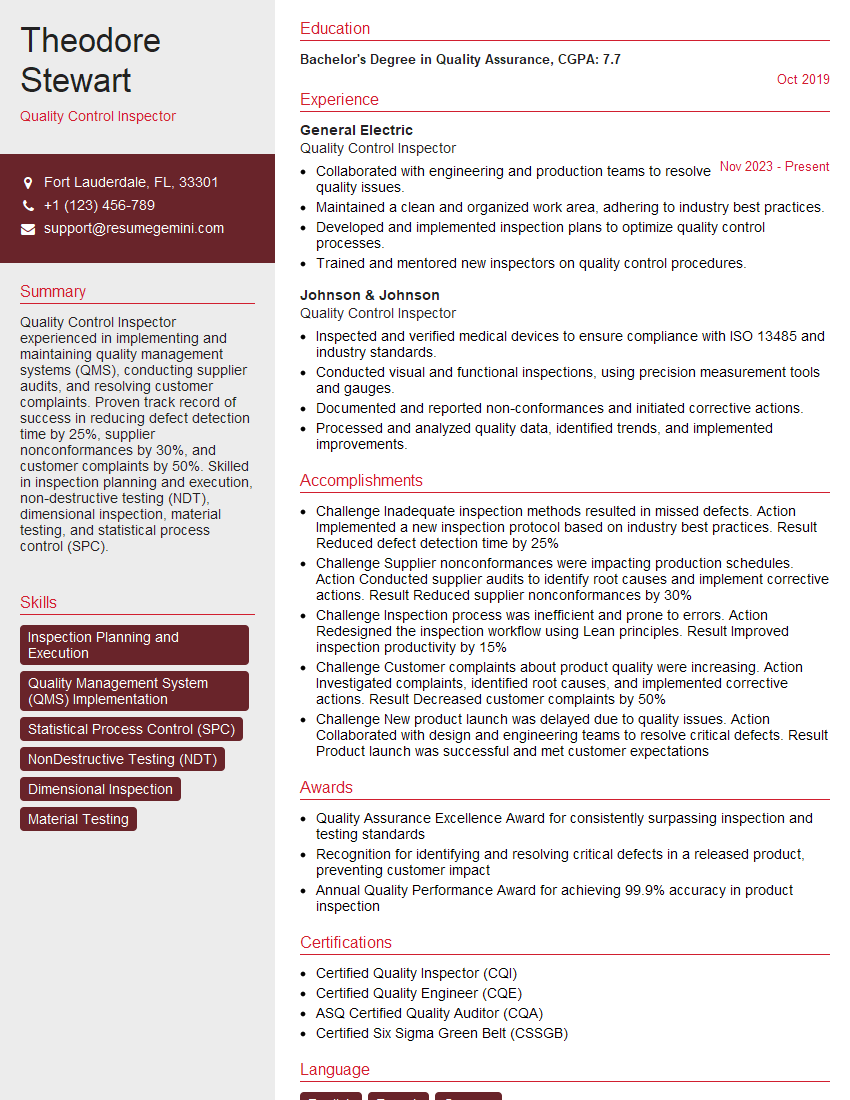
Quality Control Inspector Resume Sample
- Safety Manager
- Operations Manager
- Account Manager
- Marketing Manager
- Sales Manager
- Customer Service Representative
- Supply Chain Manager
- Construction Manager
- Training Specialist
- Energy Consultant
- Sustainability Consultant
- Design Engineer
- Electrical Engineer
- Solar Energy Engineer
- Field Service Technician
- Solar Sales Representative
- Technical Sales Engineer
- Solar Project Manager
- Solar Panel Installer
- Quality Control Inspector
Explore more articles
Users Rating of Our Blogs
Share Your Experience
We value your feedback! Please rate our content and share your thoughts (optional).
What Readers Say About Our Blog
Very informative content, great job.
good