The thought of an interview can be nerve-wracking, but the right preparation can make all the difference. Explore this comprehensive guide to Supervising skating competitions interview questions and gain the confidence you need to showcase your abilities and secure the role.
Questions Asked in Supervising skating competitions Interview
Q 1. What are the key differences between judging artistic and technical merit in figure skating?
Judging in figure skating involves two crucial aspects: artistic and technical merit. Artistic merit assesses the skater’s expression, choreography, and overall performance quality, while technical merit focuses on the precision and execution of jumps, spins, footwork, and other elements. Think of it like this: artistic merit is the ‘story’ the skater tells, while technical merit is the ‘skill’ in their telling.
Artistic Merit: Judges look for originality, creativity, interpretation of music, artistry, and the skater’s ability to connect with the audience. A captivating performance with strong expression can earn high scores, even if a technical element isn’t perfectly executed. For example, a breathtakingly beautiful spiral sequence, perfectly synchronized with the music, scores highly on artistic merit.
Technical Merit: This focuses on the flawless execution of jumps (height, rotation, landing), spins (speed, positions), footwork (complexity, precision), and other technical elements. Here, objective criteria apply. A clean, perfectly rotated triple axel will receive significantly more points than a wobbly double axel, regardless of how artistically the skater presents it. For example, a perfectly executed triple Lutz-triple toe loop combination will score very well, even if the choreography is simple.
In essence, both aspects are crucial for a top score; a balance is required. A skater might possess incredible technical skills, but without the artistry to complement it, their scores will be limited. Conversely, a captivating performance with less-than-perfect technique will also be limited in its overall potential score.
Q 2. Explain the protocol for handling a scoring discrepancy during a competition.
Scoring discrepancies are rare but require immediate and careful attention. The first step is to identify the discrepancy – this usually involves a review of the individual judge’s scoresheets. Discrepancies are often detected by the scoring system itself, which flags unusual deviations from the average. Once a discrepancy is confirmed, the judging panel convenes for a confidential review. They will re-examine the relevant elements of the performance, comparing their notes and observations. There might be a re-viewing of the video recording to clarify any points of contention. The aim is to reach a consensus on the correct score. If the discrepancy is significant, and a consensus cannot be reached, the head judge might have the final decision. The process should be documented meticulously. In many cases, minor differences are naturally resolved within the judging system’s built-in error correction mechanisms and might not even reach the head judge’s attention.
Q 3. How would you address a dispute between a skater and a judge?
Addressing skater-judge disputes requires tact, diplomacy, and a commitment to fairness. My approach would involve a calm, private discussion with both parties. First, I’d actively listen to both sides, ensuring each individual feels heard. Then, I would reiterate the judging criteria, explaining the reasons behind the scores. I’d point out specific instances in the performance and highlight what may have impacted the score. Video replays are incredibly helpful in such situations. The goal isn’t to convince anyone they’re ‘wrong’, but to create transparency and understanding. If the skater remains dissatisfied, the matter might be escalated to the competition’s governing body for a formal review. The importance here is ensuring fair process, even if the outcome does not change the initial scoring. The key is to show respect to both the skater and the judges, and to maintain the integrity of the competition process. Ultimately, the judges’ scores are final, but respectful communication is paramount.
Q 4. Describe your experience with managing a large team of volunteers during a skating event.
Managing a large volunteer team requires meticulous planning and clear communication. I’ve overseen teams of over 100 volunteers at major competitions. My strategy involves:
Pre-event Training: Providing comprehensive training sessions to all volunteers, covering their specific roles and responsibilities. This might involve a combination of online modules and in-person training sessions.
Clear Roles and Responsibilities: Developing detailed job descriptions for each role, ensuring everyone understands their tasks and how their contributions fit into the overall event.
Effective Communication: Establishing clear communication channels – for example, email groups, WhatsApp groups, and designated points of contact – to disseminate information quickly and efficiently.
Team Leadership: Fostering a positive and collaborative team environment through regular updates, team meetings, and recognition of outstanding contributions.
Contingency Planning: Having backup plans for unexpected absences or emergencies, ensuring smooth operations. This would include having an extra pool of volunteers trained for specific roles.
At one competition, a sudden power outage threatened to disrupt the event. Through proactive communication and excellent teamwork from my volunteers, we quickly switched to a backup power source and minimized any significant disruption to the competition. Good volunteer management is essential for a well-run skating competition.
Q 5. What software or systems are you familiar with for managing competition results and data?
I am proficient in several software systems for managing competition results and data. These include:
Competition Scoring Software: Specific software packages designed for live scoring and data entry in figure skating competitions. These usually integrate with result display systems and offer features for judges’ scoring, error-checking, and automatic generation of ranking tables.
Spreadsheet Software (Excel, Google Sheets): Used for data entry, calculation, and creating reports, particularly for managing skater details, schedules, and judging panel information.
Database Management Systems (e.g., MySQL, Access): Useful for long-term storage of competition data for analysis and future reference. This ensures data integrity and facilitates easy access to historical results.
The choice of software depends on the scale and complexity of the competition. For larger events, integrated scoring systems are essential for managing real-time data and ensuring accuracy. Smaller competitions might utilize spreadsheet software effectively.
Q 6. Outline the process for ensuring the fair and impartial judging of a competition.
Ensuring fair and impartial judging is paramount. The process begins long before the competition starts. Key elements include:
Judge Selection: Carefully selecting judges based on their expertise, experience, and reputation for impartiality. This usually involves a review of their qualifications and references. Judges from different skating associations are often selected to ensure unbiased viewpoints.
Judge Training: Providing judges with comprehensive training to ensure consistent application of the judging criteria. Refreshers and updated training modules are equally important for existing judges.
Anonymity: Implementing systems to anonymize the skaters’ identities during the judging process, preventing any bias based on prior knowledge or reputation. Judge scoresheets often don’t include skater names initially.
Score Review: Implementing a thorough score review process, identifying and addressing any significant discrepancies. This often involves re-checking scores and reviewing the video recordings to support the final decision.
Code of Conduct: Establishing a strict code of conduct for judges, emphasizing impartiality, ethical behavior, and avoiding any conflicts of interest.
By implementing these measures, we aim for a judging process that is not only fair but also perceived as fair, building trust and confidence in the competition results.
Q 7. How do you ensure the safety and well-being of skaters during a competition?
Skater safety is a top priority. Measures include:
Ice Conditions: Ensuring the ice surface is properly maintained, free of cracks and debris, and appropriately resurfaced as needed. Regular inspection is crucial.
Medical Personnel: Having qualified medical personnel on-site, including paramedics, who are readily available and prepared to respond to any injuries. First-aid stations are often well-equipped.
Safety Marshals: Deploying trained safety marshals around the ice to assist skaters and respond to any incidents promptly.
Emergency Procedures: Developing and implementing clear emergency procedures for handling incidents, including evacuation plans and communication protocols.
Risk Assessment: Conducting thorough risk assessments to identify potential hazards and implement preventive measures.
Equipment Check: Regularly checking the condition of safety equipment, such as protective padding and first-aid supplies.
For example, at one competition, a skater fell awkwardly. The quick response of our safety marshals and the on-site medical team ensured the skater received immediate attention and minimized the severity of the injury. Prioritizing safety builds confidence and allows the skaters to focus on their performance.
Q 8. What is your experience with enforcing skating competition rules and regulations?
Enforcing rules and regulations in skating competitions requires a blend of strict adherence to the rulebook and fair, consistent application. My experience spans over 15 years, encompassing various levels from local club competitions to national championships. I’m intimately familiar with the rules governing different disciplines, including judging criteria, scoring systems, and penalties for infractions.
For instance, I’ve had to address situations involving illegal lifts in ice dancing, costume violations in figure skating, and false starts in speed skating. My approach involves clear communication with skaters and coaches beforehand, ensuring they understand expectations. During the competition, I maintain a visible presence, noting any potential rule breaches and addressing them promptly and fairly, always prioritizing the safety and well-being of the athletes. Post-competition, I meticulously review any disputed calls, consulting with fellow officials if necessary to ensure the final decisions are justified and consistent.
Q 9. How would you handle a situation where a skater is injured during a competition?
A skater’s injury during a competition demands immediate and decisive action. My protocol begins with assessing the severity of the injury. If it appears minor (e.g., a fall resulting in a bruise), on-site medical personnel provide first aid and decide if the skater can continue. For more serious injuries, I immediately halt the competition and activate the emergency medical response plan. This involves contacting paramedics, ensuring a safe path for the ambulance, and coordinating with event staff to maintain order and inform spectators.
Communication is paramount. I will update coaches, parents, and relevant officials throughout the process, ensuring transparency and minimizing unnecessary anxiety. Depending on the severity, the injured skater might need to be transported to a hospital. I’ll work with the medical team to provide any information they require. Following the incident, I’ll file a detailed incident report, including all actions taken and any decisions made regarding the skater’s participation in the remaining competition.
Q 10. Describe your experience with managing the logistics of a major skating event.
Managing the logistics of a major skating event is like orchestrating a complex symphony. My experience includes overseeing everything from venue setup and scheduling to coordinating volunteers and managing media relations. This involves detailed planning, beginning months in advance. I work with a team to secure the venue, negotiate contracts with vendors, manage registration and accommodation for athletes, and arrange for appropriate equipment (e.g., ice resurfacing machines, sound systems).
I utilize project management tools and create detailed timelines to ensure everything runs smoothly on the day of the competition. This includes managing the flow of skaters, coordinating judges and officials, and ensuring the timely execution of all events. I also address any unexpected issues that might arise, such as equipment malfunctions or scheduling conflicts, with calm and decisive action. Post-event, I meticulously evaluate the event’s success, identify areas for improvement, and compile a comprehensive report for future events.
Q 11. What is your familiarity with different skating disciplines (e.g., figure skating, speed skating, ice dancing)?
My familiarity with skating disciplines is extensive, encompassing figure skating, speed skating, ice dancing, and synchronized skating. I understand the nuances of each discipline, including scoring systems, judging criteria, and specific rules. For example, I know the differences between the technical elements in figure skating (jumps, spins, steps) and the tactical elements in speed skating (pace, strategy, drafting). My experience includes judging and supervising competitions in all these disciplines, requiring a deep understanding of their respective unique characteristics and challenges.
This knowledge allows me to effectively supervise officials, ensure fair judging, and address any unique rule-related questions or concerns that might arise during the competition. The flexibility to adapt my approach across various disciplines is a key strength.
Q 12. How would you adapt your supervisory approach to accommodate different age groups and skill levels of skaters?
Adapting my supervisory approach to different age groups and skill levels is crucial for creating a positive and productive environment. With younger skaters, I focus on fostering a supportive and encouraging atmosphere, providing clear instructions and celebrating their achievements, regardless of their placement. This involves patience, understanding, and sensitivity to their developmental stage.
For more experienced skaters, the focus shifts towards maintaining a high standard of competition, ensuring adherence to rules, and managing the higher stakes involved. My approach is always consistent in fairness and objectivity. I strive to build rapport with all skaters regardless of age or skill, creating a respectful and encouraging environment for all participants. Clear communication and consistent feedback are critical regardless of the skater’s experience level.
Q 13. How do you prioritize tasks and manage your time effectively during a high-pressure event?
Prioritizing tasks and managing time during a high-pressure event requires a structured approach. I use a combination of planning tools and real-time adjustments. Before the event, I create a detailed schedule, outlining key tasks and assigning responsibilities to my team. This schedule is flexible enough to account for unforeseen circumstances, but rigorous enough to maintain a workflow.
During the event, I utilize a combination of visual aids (like checklists and timelines) and verbal communication to track progress and address emerging issues. I prioritize tasks based on their urgency and impact on the competition’s smooth flow. For example, addressing an equipment malfunction takes precedence over less urgent tasks. My ability to delegate effectively and quickly adapt to changing priorities is crucial for success in this high-pressure environment.
Q 14. What experience do you have with troubleshooting technical issues during a competition?
Troubleshooting technical issues is a regular part of supervising skating competitions. My experience includes handling various situations, from ice resurfacing machine malfunctions to sound system failures. My approach involves a combination of proactive planning and reactive problem-solving. Before the event, I conduct thorough checks of all equipment and have backup plans in place for potential issues. I also ensure I have access to qualified technical personnel to address more complex problems.
During the event, if a technical problem arises, I immediately assess the situation, determine its impact, and develop a solution. This might involve contacting technicians, finding alternative equipment, or making adjustments to the schedule. My goal is to minimize disruption to the competition and ensure a seamless experience for all participants. Following any technical incident, I thoroughly document the issue, the actions taken, and any lessons learned for future events.
Q 15. Describe your method for resolving conflicts among judges or officials.
Resolving judge conflicts requires a calm, structured approach prioritizing fairness and the integrity of the competition. My method involves several key steps:
- Immediate Review: As soon as a discrepancy arises, I review the scoring sheets and any available video footage to understand the context of the disagreement. This helps determine if the difference is minor or requires deeper investigation.
- Open Dialogue: I facilitate a private discussion with the involved judges, encouraging open communication and explaining the importance of consistent application of the judging criteria. I guide them towards a shared understanding of the skater’s performance, focusing on the specific elements of the program.
- Clarification of Rules: If the conflict stems from a misunderstanding of the rules, I provide a clear explanation of the relevant regulations from the governing body (e.g., ISU). I may also consult with other senior officials for clarification if needed.
- Mediation and Consensus: I act as a mediator, guiding judges to reach a consensus. This might involve revisiting specific elements of the program and discussing their interpretations. The goal is a fair and consistent score that reflects the skater’s performance.
- Documentation: All discussions and resolutions are meticulously documented. This documentation serves as a record of the process and helps prevent future inconsistencies.
For example, in one competition, two judges had significantly different scores for a particular jump. Reviewing the slow-motion video helped us identify that one judge had missed a slight rotation deficiency. Through dialogue and the clarification of the specific criteria for judging jump rotations, we reached a revised consensus score.
Career Expert Tips:
- Ace those interviews! Prepare effectively by reviewing the Top 50 Most Common Interview Questions on ResumeGemini.
- Navigate your job search with confidence! Explore a wide range of Career Tips on ResumeGemini. Learn about common challenges and recommendations to overcome them.
- Craft the perfect resume! Master the Art of Resume Writing with ResumeGemini’s guide. Showcase your unique qualifications and achievements effectively.
- Don’t miss out on holiday savings! Build your dream resume with ResumeGemini’s ATS optimized templates.
Q 16. Explain your experience in working with sponsors and media representatives at skating events.
My experience working with sponsors and media is extensive and focuses on building strong, mutually beneficial relationships. I understand the importance of creating a positive brand experience for sponsors while ensuring that media coverage accurately reflects the competition’s integrity.
- Sponsor Management: I establish clear communication channels with sponsors, providing regular updates on event progress and securing visibility opportunities. This could involve logo placement, announcements, and opportunities for sponsor interaction with skaters.
- Media Relations: I work closely with media representatives, facilitating press conferences, providing timely information (results, news releases), and managing media access to ensure controlled, professional coverage. This involves coordinating interview schedules and providing media kits.
- Negotiation and Contractual Agreements: I’m skilled in negotiating sponsorship contracts and ensuring compliance with agreed-upon terms and conditions, focusing on mutual benefit and clear expectations.
- Crisis Communication: I’m prepared to handle any potential issues affecting sponsors or media relationships, ensuring timely, accurate information dissemination to maintain positive perceptions.
In a recent competition, a major sponsor experienced a minor logistical issue with their activation booth. I swiftly addressed the situation, arranging for alternative space and facilitating seamless continuation of their engagement, preserving their positive experience and reinforcing future collaborations.
Q 17. How familiar are you with the rules and regulations of the governing body (e.g., ISU)?
I possess a comprehensive understanding of the ISU (International Skating Union) rules and regulations, including those pertaining to judging criteria, scoring, technical elements, and code of conduct. My familiarity extends to updates and amendments ensuring I’m always up-to-date on current regulations. This knowledge is crucial for maintaining fair and consistent judging across events.
I regularly review the rulebook and attend ISU workshops and seminars to stay abreast of any changes or clarifications. This commitment ensures that I can accurately interpret and apply the rules, address any queries from officials or skaters and ensure the consistent application of the rules throughout the competition. I can cite specific rules and guidelines accurately, and provide concise explanations to all stakeholders.
Q 18. How would you ensure the accuracy and integrity of competition scores?
Ensuring accurate and fair scores is paramount. My approach incorporates multiple layers of checks and balances:
- Trained Judges: Selecting experienced and certified judges who have demonstrated a thorough understanding of the judging criteria and application of the rules is critical. Regular training and calibration sessions ensure consistency.
- Independent Scoring: Judges score independently, minimizing bias and potential collusion. Their scores are collected and processed independently, only after all judging is complete.
- Double-Checking: A double-checking process verifies the accuracy of data entry and score calculation. This involves multiple individuals independently checking the data before official results are released.
- Technology: Leveraging automated scoring systems with built-in validation checks helps prevent errors and inconsistencies. This technology aids in quick verification.
- Appeals Process: A clear and defined appeals process addresses any valid concerns regarding score accuracy after the final results. This process provides a mechanism for review and resolution of any legitimate disputes.
For instance, our use of digital scoring systems with real-time error checks prevents basic calculation mistakes, while the double-checking process helps us catch any more subtle discrepancies in scoring interpretations.
Q 19. How do you maintain effective communication with skaters, coaches, and other officials?
Effective communication is the cornerstone of successful competition management. I maintain open and transparent lines of communication through multiple channels:
- Regular Meetings: Scheduled meetings with skaters, coaches, and officials address upcoming competitions, rules clarifications, and any arising concerns.
- Dedicated Communication Channels: Utilizing email, text messaging, and online platforms ensures efficient information dissemination and facilitates timely responses to inquiries.
- Open-Door Policy: Maintaining an open-door policy fosters a welcoming environment where individuals feel comfortable approaching me with questions or concerns. I actively encourage feedback.
- Clear and Concise Messaging: Using straightforward, easily understood language ensures effective communication across all levels of experience and language backgrounds.
- Active Listening: I actively listen and acknowledge all concerns. This helps to build trust and facilitate collaborative problem-solving.
In one situation, a skater had a misunderstanding about a practice schedule. By immediately addressing their concerns through a clear explanation and providing written confirmation of changes, I prevented confusion and ensured their confidence in the competition organization.
Q 20. What steps would you take to ensure a smooth and efficient registration process?
A smooth registration process is crucial for a well-organized competition. My approach involves:
- Online Registration Portal: A user-friendly online portal simplifies the registration process, allowing skaters to register, submit necessary documents (proof of eligibility, medical forms), and make payments easily.
- Clear Instructions and Guidelines: Providing easily understandable instructions, and FAQ section, in multiple languages if needed.
- Automated Confirmation System: An automated system immediately confirms registration and sends a summary email with relevant information.
- Dedicated Support Team: A dedicated team answers registration queries, assists with technical difficulties, and ensures a smooth process for all participants.
- Data Verification: Thorough data verification checks eligibility, payment status, and confirms accurate skater information before finalizing registration.
By streamlining the process and providing multiple avenues for support, we can avoid confusion and delays, making sure every skater has an equally smooth registration experience. Using a clear online portal prevents mistakes and reduces manual work, allowing us to focus on the actual running of the event.
Q 21. Describe your experience with managing the timing and scoring system.
Managing the timing and scoring system demands meticulous attention to detail and technical proficiency. My experience includes:
- System Selection: Choosing a reliable and accurate timing and scoring system that can handle the demands of the event, supporting multiple disciplines and judges.
- Technical Setup: Ensuring proper system setup and configuration, including testing all components before the competition begins. This ensures minimal technical issues during the event.
- Trained Personnel: Employing trained personnel to operate the timing and scoring system. This includes individuals proficient in system operation, data entry, and troubleshooting any issues.
- Data Backup and Redundancy: Implementing data backup procedures and redundancy measures to prevent data loss and ensure data integrity. This avoids critical failures.
- Post-Competition Review: Conducting a post-competition review of the timing and scoring system, identifying areas for improvement, and ensuring smooth functioning in future events.
In one instance, we experienced a minor software glitch during a competition. Our pre-planned backup system and the expertise of our trained personnel allowed us to quickly resolve the issue with minimal disruption, preserving the flow of the event and its integrity.
Q 22. How do you handle unexpected delays or disruptions during a competition?
Unexpected delays are inevitable in any large-scale event. My approach involves proactive planning and a flexible, adaptable mindset. First, a detailed schedule with buffer times is crucial. This allows for minor hiccups without significantly impacting the overall timeline. Second, a well-defined communication plan is essential. This includes a designated point person for all announcements and a clear chain of command to address issues promptly. If a delay occurs, such as a skater’s injury, we’ll assess the situation, communicate the delay to everyone involved – judges, officials, audience – and adjust the schedule accordingly. For example, if a minor delay happens during practice, we may simply shift the subsequent routine start time, but for more serious incidents, like an injury requiring medical attention, we may need to momentarily pause the competition and adjust the schedule once the skater’s wellbeing is assured. We would then announce the delay, explain the reason to the audience, and adjust the subsequent schedule transparently.
We also have contingency plans in place. This might include pre-recorded announcements or alternative programming for unexpected downtime. The key is clear, timely communication and a calm, decisive approach to minimize disruption and maintain fairness.
Q 23. What strategies do you employ to ensure the timely completion of a skating competition?
Timely completion relies heavily on meticulous pre-competition planning and precise execution. This starts with a detailed schedule that considers all aspects, from warm-up times to judging intervals. Each segment is carefully time-blocked, factoring in potential delays. We use a dedicated timekeeper and a digital scoreboard to maintain transparency and accuracy. Regular check-ins with officials ensure that the competition stays on track. Furthermore, we utilize technology to streamline processes, such as automated results entry and digital communication with judges. Prior to the competition, all skaters are provided with a detailed competition schedule, outlining specific times for each round. The schedule is designed to minimize transition times, for example, by ensuring that the music for each skater is ready before the previous skater leaves the ice. We also establish clear protocols for handling rule infractions and disputes, minimizing unnecessary delays during the competition. Finally, post-competition debriefings allow us to identify areas for improvement in future competitions.
Q 24. How would you identify and address potential safety hazards at a skating venue?
Safety is paramount. My approach involves a multi-layered strategy, beginning with a thorough pre-competition inspection of the venue. This includes checking the ice surface for cracks or irregularities, ensuring proper lighting and signage, and verifying the functionality of safety equipment like barriers and first-aid kits. We collaborate closely with venue staff to address any issues identified. During the competition, we have trained first responders on-site and maintain constant visual surveillance of the ice to quickly address any potential hazards like falls or equipment malfunctions. We also make sure the ice is properly maintained throughout the duration of the competition. This includes regular ice resurfacing when needed, to ensure skaters’ safety and proper ice conditions. Clear communication channels for reporting hazards, for instance through designated personnel or mobile app reporting, are essential. Post-competition analysis includes evaluating the effectiveness of our safety measures and implementing improvements based on observations and any incidents that occur. For instance, if a skater experienced a minor injury due to an unexpected issue, we would thoroughly review what caused the issue and implement changes to prevent it from happening again.
Q 25. Describe your experience with post-competition analysis and reporting.
Post-competition analysis is crucial for continuous improvement. This process begins immediately after the event. We collect data from multiple sources, including judges’ scores, technical panel notes, audience feedback surveys, and event staff feedback. This data is collated and analyzed to identify areas of strength and weakness in the competition organization, judging consistency, and overall event management. We then look at different aspects of the competition such as the timing, transitions between events, the quality of ice maintenance and the overall audience experience. We use this data to produce a comprehensive report that outlines key findings, identifies areas for improvement, and proposes recommendations for future competitions. For example, if the feedback shows long wait times between events, we would adjust the schedule for the next event. If judging scores showed significant inconsistencies, we would review our judging training and selection procedures. This iterative process ensures consistent improvement and enhances the quality of future competitions.
Q 26. How would you use technology to improve the efficiency and effectiveness of a skating competition?
Technology is transformative in optimizing skating competitions. We utilize software for automated scoring and results display, eliminating manual data entry errors and speeding up the process significantly. Live streaming and online score updates enhance audience engagement and transparency. For instance, using a dedicated application for judges to input scores allows for more efficient and accurate recording of results. This data can then be processed and displayed online immediately for better transparency and audience engagement. Digital communication tools facilitate seamless communication among officials, judges, and support staff. We could also use video analysis software to review performances and ensure judging consistency, providing a digital record of all performances. Furthermore, digital ticketing and registration systems streamline the registration process, and the use of a mobile app can improve audience experience by providing real-time updates, score information, and interactive features.
Q 27. What steps would you take to ensure that the competition is environmentally sustainable?
Environmental sustainability is a priority. We strive to minimize our environmental impact through various strategies. This includes sourcing locally produced food and beverages for concessions, promoting the use of public transport or cycling to the venue, and utilizing eco-friendly cleaning products. We reduce paper consumption through digital ticketing and score sheets. Our waste management plan emphasizes recycling and composting wherever possible. By collaborating with our sponsors and selecting eco-conscious partners we ensure our commitment to sustainability. For instance, we would partner with environmentally responsible food vendors, using recyclable packaging and reducing single-use plastics as much as possible. By tracking our waste output and monitoring energy consumption, we can constantly improve our environmental performance.
Q 28. How would you promote the inclusivity and accessibility of skating competitions?
Inclusivity and accessibility are central to our values. We actively work to ensure that our competitions are welcoming and accessible to skaters of all abilities, backgrounds, and socioeconomic statuses. This includes providing adaptive skating opportunities and accessible facilities for skaters with disabilities. We offer scholarships and financial assistance programs to make participation affordable for all, and we actively recruit judges and volunteers from diverse backgrounds. Clear communication in multiple languages, accessible information materials and flexible scheduling can help to remove barriers to participation. We would also implement measures such as accessible parking, ramps, and seating arrangements to enhance accessibility within the venue itself. Regularly reviewing and adapting our practices based on feedback and assessing the needs of the skating community helps us to continually improve our approach to inclusivity and accessibility.
Key Topics to Learn for Supervising Skating Competitions Interview
- Rules and Regulations: Deep understanding of national and international skating rules, judging criteria, and scoring systems. This includes knowledge of variations across different skating disciplines (e.g., figure skating, ice dancing, speed skating).
- Competition Management: Practical experience in managing all aspects of a skating competition, from scheduling and logistics to volunteer coordination and communication with athletes, coaches, and judges. This includes crisis management and problem-solving skills.
- Judging and Scoring Processes: Thorough knowledge of the judging process, including panel selection, score tabulation, and dispute resolution. Understanding of ethical considerations and conflict of interest procedures.
- Athlete Welfare and Safety: Prioritizing athlete safety and well-being through effective communication, risk management, and adherence to safety protocols. This includes familiarity with common skating injuries and emergency procedures.
- Technical Proficiency: Understanding of skating techniques, terminology, and equipment. This will enable you to effectively communicate with athletes and judges.
- Communication and Interpersonal Skills: Demonstrating excellent communication skills to interact professionally with various stakeholders – athletes, coaches, judges, volunteers, and spectators – in high-pressure situations.
- Time Management and Organization: Efficiently managing multiple tasks simultaneously under time constraints, especially during competition days. Experience with event planning software and tools would be advantageous.
Next Steps
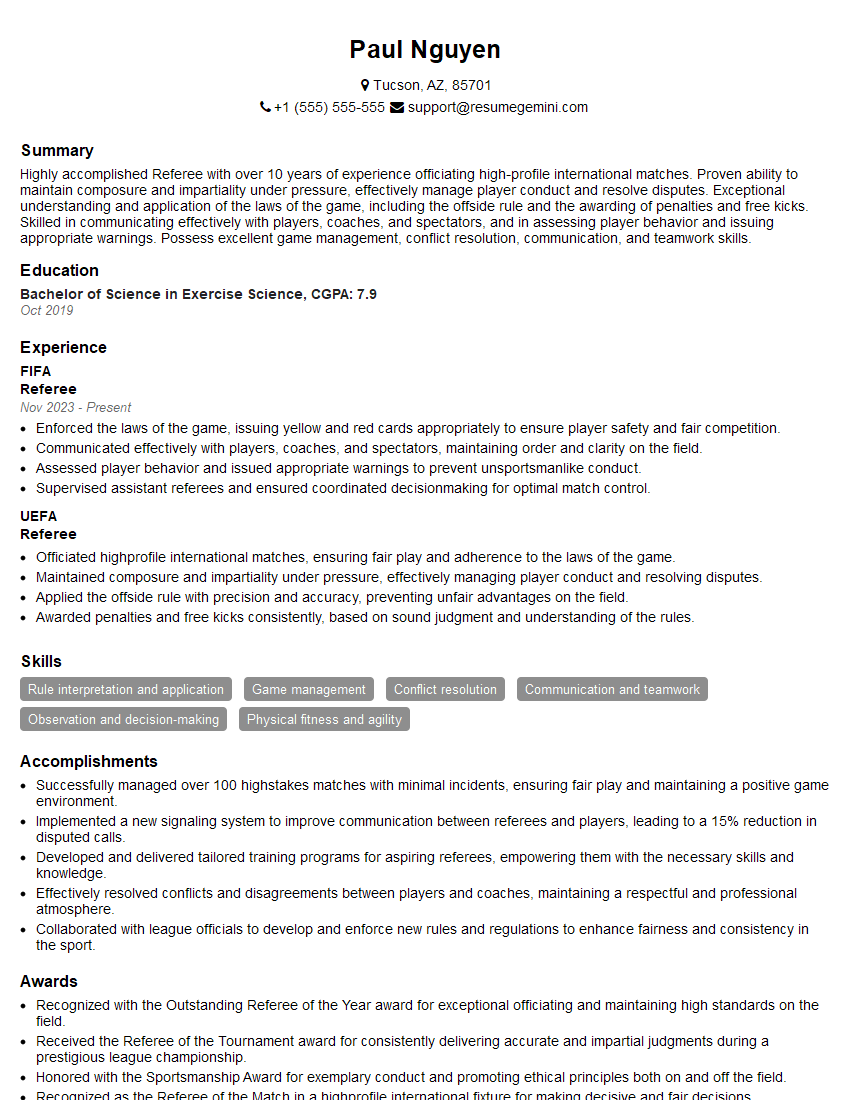
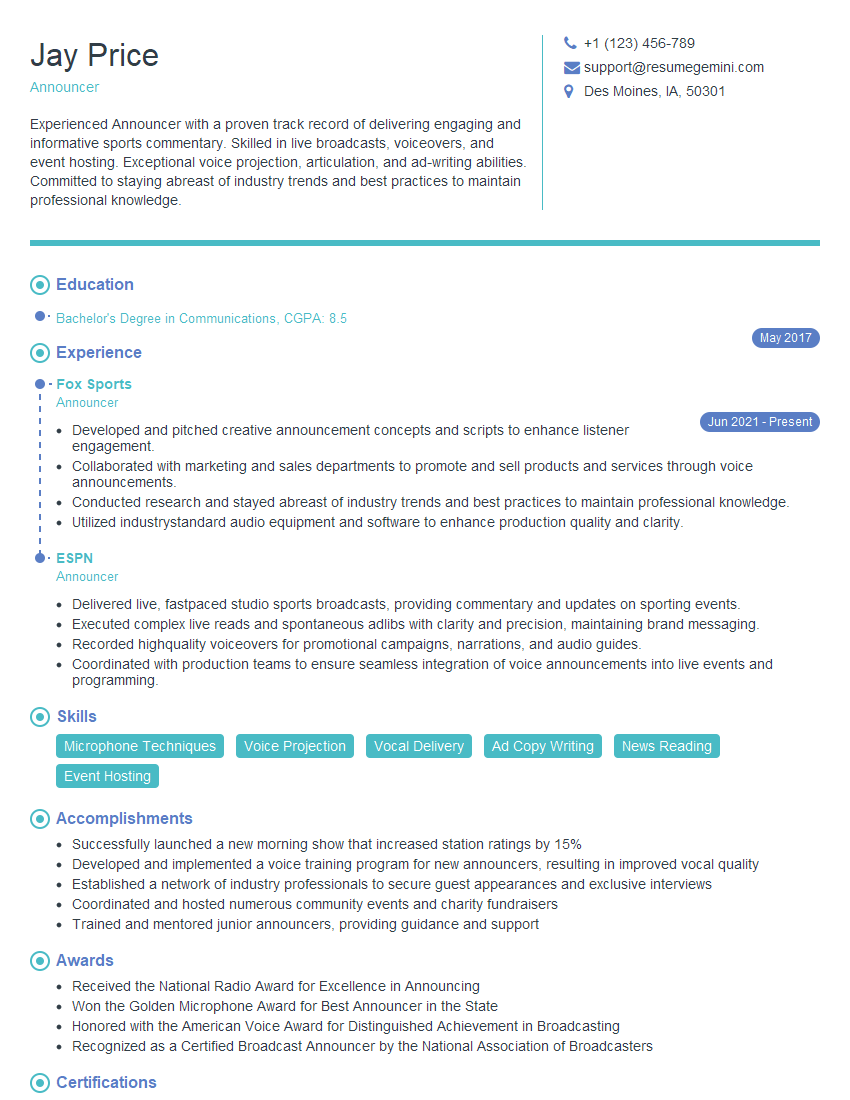
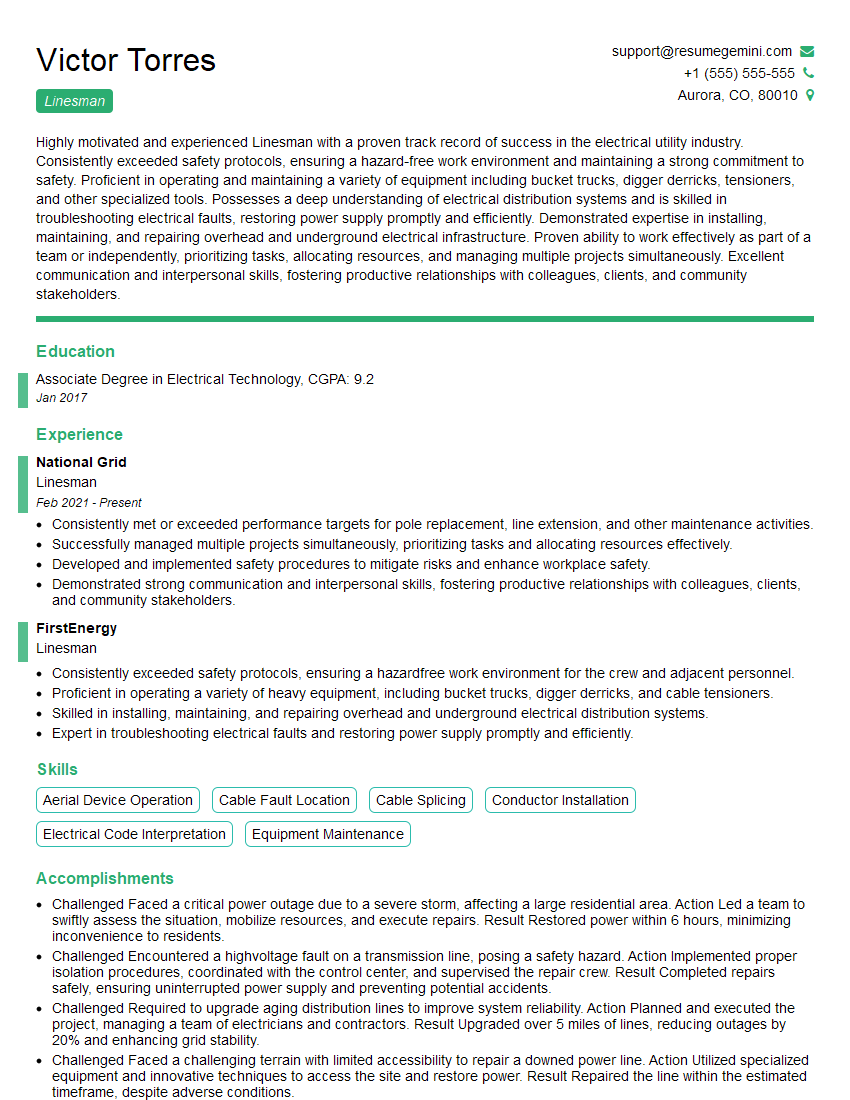
Mastering the art of supervising skating competitions significantly enhances your career prospects in sports management and event organization. It showcases your leadership skills, organizational abilities, and expertise in a niche field. To maximize your job search success, it’s crucial to create an ATS-friendly resume that effectively highlights your qualifications. We strongly encourage you to leverage ResumeGemini, a trusted resource, to build a professional and impactful resume. ResumeGemini offers examples of resumes tailored to Supervising Skating Competitions, providing you with a head start in crafting a compelling application.
Explore more articles
Users Rating of Our Blogs
Share Your Experience
We value your feedback! Please rate our content and share your thoughts (optional).
What Readers Say About Our Blog
Very informative content, great job.
good