Feeling uncertain about what to expect in your upcoming interview? We’ve got you covered! This blog highlights the most important Supplier Chain Management interview questions and provides actionable advice to help you stand out as the ideal candidate. Let’s pave the way for your success.
Questions Asked in Supplier Chain Management Interview
Q 1. Explain the bullwhip effect and how to mitigate it.
The bullwhip effect is a phenomenon in supply chains where demand variability is amplified as you move upstream in the chain. Imagine a simple chain: retailer, distributor, manufacturer. A small change in consumer demand at the retailer level can lead to a much larger fluctuation in orders placed by the retailer to the distributor, then further amplified in orders from the distributor to the manufacturer. This results in excess inventory, lost sales, and increased costs.
Mitigation strategies involve improving information sharing and collaboration across the supply chain. This can be achieved through:
- Demand forecasting improvements: Utilizing advanced forecasting techniques that incorporate historical data, seasonality, and external factors to better predict demand.
- Collaborative planning, forecasting, and replenishment (CPFR): Sharing real-time sales data and forecasts with suppliers through a collaborative platform. This allows everyone to have a more accurate view of demand.
- Vendor-managed inventory (VMI): Allowing key suppliers to manage inventory levels at the retailer’s warehouse based on real-time demand data. This reduces the need for frequent and potentially inaccurate order adjustments.
- Reducing lead times: Shorter lead times reduce the time it takes to respond to changes in demand, minimizing the amplification effect.
- Improved inventory management: Implementing techniques like buffer stock management to account for demand fluctuations, and using point-of-sale (POS) data to create a more accurate picture of actual consumer demand.
For example, if a retailer experiences a slight increase in demand for a product, instead of ordering a proportionally larger amount, they can use CPFR to share that data with their distributor, who can then work with the manufacturer to adjust production accordingly. This reduces the chances of overstocking or stockouts further up the chain.
Q 2. Describe your experience with different inventory management techniques (e.g., FIFO, LIFO, EOQ).
I have extensive experience with various inventory management techniques. FIFO (First-In, First-Out) is a method where the oldest inventory items are sold first. This minimizes the risk of obsolescence and spoilage, particularly for perishable goods. LIFO (Last-In, First-Out) is the opposite; newer items are sold first. This can be advantageous during periods of inflation, as the cost of goods sold reflects current prices. However, it can lead to higher inventory carrying costs if prices fluctuate. Economic Order Quantity (EOQ) is a model that calculates the optimal order quantity to minimize the total inventory costs (ordering costs and holding costs). It’s a useful tool for balancing the costs of placing orders and the costs of storing inventory.
In my previous role, we used FIFO for perishable products and a modified EOQ model for non-perishable items. We factored in seasonal demand and safety stock levels into the EOQ model to account for variability. For example, we used FIFO for fresh produce and EOQ for electronics. The choice of technique depended heavily on the product characteristics and demand patterns. We regularly reviewed the effectiveness of these methods and adjusted our approach as needed.
Q 3. How do you measure supply chain efficiency and effectiveness?
Supply chain efficiency and effectiveness are measured using a combination of metrics. Efficiency focuses on minimizing costs and resource utilization; effectiveness focuses on meeting customer demands and achieving strategic goals.
- Efficiency metrics include inventory turnover rate (how quickly inventory is sold), order fulfillment cycle time (time to deliver an order), and logistics costs as a percentage of revenue.
- Effectiveness metrics include on-time delivery rate, customer satisfaction levels, perfect order rate (orders delivered on time, complete, and without errors), and fill rate (percentage of demand met from inventory).
These metrics are often used in conjunction with each other to create a comprehensive picture of supply chain performance. For example, a high inventory turnover rate may indicate efficiency, but if it results in low fill rates, it points to a lack of effectiveness in meeting customer demand.
Q 4. What are the key performance indicators (KPIs) you track in supply chain management?
The KPIs I track in supply chain management vary depending on the specific industry and company goals, but some key ones include:
- On-time delivery rate: Percentage of orders delivered on or before the promised delivery date.
- Inventory turnover rate: Number of times inventory is sold and replaced over a period.
- Fill rate: Percentage of customer demand met from available inventory.
- Perfect order rate: Percentage of orders delivered on time, complete, and without errors.
- Lead time: Time elapsed between placing an order and receiving it.
- Logistics costs: Total cost of transportation, warehousing, and handling.
- Customer satisfaction: Measured through surveys and feedback.
- Supplier performance: On-time delivery, quality, and responsiveness.
Tracking these KPIs allows for continuous monitoring of performance, identifying areas for improvement, and making data-driven decisions. For instance, a low on-time delivery rate might indicate issues with transportation or internal processes, requiring investigation and corrective action.
Q 5. What is your experience with forecasting and demand planning?
My experience with forecasting and demand planning encompasses various techniques, including time series analysis (e.g., ARIMA models), exponential smoothing, and causal forecasting methods (e.g., regression analysis). I’ve used statistical software packages like R and specialized supply chain planning software.
The process typically starts with data collection and cleaning, followed by model selection and parameter estimation. We would incorporate seasonality, trends, and external factors (like economic indicators or promotional activities) into the models to improve accuracy. For example, in a previous role, we used a combination of time series analysis and regression to forecast demand for seasonal products, incorporating promotional campaign data into the regression model. Regular monitoring and model adjustments are crucial to maintain accuracy. We would also conduct scenario planning to understand the impact of various potential demand scenarios on the supply chain.
Q 6. How do you handle supplier relationship management?
Supplier relationship management (SRM) is crucial for a healthy and resilient supply chain. My approach focuses on building strong, collaborative relationships based on trust and mutual benefit. This involves:
- Supplier selection and evaluation: A rigorous process based on factors like financial stability, quality certifications, capacity, and delivery performance.
- Performance monitoring: Regularly tracking supplier performance against agreed-upon KPIs, and providing feedback and support.
- Collaboration and communication: Open and transparent communication to share information, address issues proactively, and facilitate problem-solving.
- Continuous improvement: Working collaboratively with suppliers to identify opportunities for cost reduction, quality improvement, and innovation.
- Risk management: Identifying and mitigating potential risks associated with supplier disruptions, political instability or natural disasters.
Building strong supplier relationships improves quality, reduces costs, and enhances supply chain resilience. For instance, establishing collaborative relationships with key suppliers can enable faster response times to demand fluctuations and reduced lead times, offering a competitive advantage.
Q 7. Describe your experience with different transportation modes and their selection criteria.
My experience includes working with various transportation modes, including road, rail, sea, and air freight. The selection of a transportation mode depends on several factors:
- Cost: Road freight is generally cost-effective for shorter distances, while sea freight is typically the most economical for long distances and high volumes.
- Speed: Air freight is the fastest, but also the most expensive. Road and rail offer a balance between speed and cost.
- Reliability: The reliability of different modes can vary depending on factors like weather conditions and infrastructure.
- Capacity: Sea freight has the highest capacity, followed by rail and road.
- Product characteristics: Perishable goods may require faster transportation modes like air freight, while less sensitive goods can be transported by sea or rail.
- Distance and volume: The distance and volume of goods being shipped significantly influence transportation mode selection.
In my previous role, we used a multi-modal transportation strategy, optimizing the combination of modes based on these factors. For instance, we used sea freight for large volumes shipped internationally, followed by road freight for final delivery. This minimized costs while ensuring timely delivery.
Q 8. How do you manage supply chain risks and disruptions?
Managing supply chain risks and disruptions requires a proactive, multi-faceted approach. It’s not about reacting to problems, but anticipating and mitigating them. Think of it like building a sturdy house – you wouldn’t just put up walls; you’d consider the foundation, the roof, and protection against various weather conditions.
Risk Identification and Assessment: This involves systematically identifying potential disruptions – natural disasters, geopolitical instability, supplier failures, pandemics, etc. We use tools like SWOT analysis and risk matrices to prioritize these risks based on likelihood and impact. For example, a small supplier failure might be low impact, but a major port closure could be catastrophic.
Diversification: Don’t put all your eggs in one basket. Diversifying suppliers, manufacturing locations, and transportation modes significantly reduces dependency on single points of failure. Imagine relying solely on one supplier for a critical component – if they face a disruption, your entire production halts. Diversification mitigates this.
Inventory Management: Strategic inventory management is crucial. Holding a safety stock of critical materials can buffer against short-term disruptions. However, overstocking ties up capital and increases storage costs; hence, finding the optimal balance is key. We use sophisticated forecasting models to determine the appropriate safety stock levels.
Supplier Relationship Management: Strong relationships with key suppliers are invaluable. Regular communication, collaboration, and shared risk assessments build trust and resilience. Think of it as having a strong network of support. If a problem arises, you have a team working together towards a solution.
Contingency Planning: This involves developing pre-emptive plans for various scenarios. What if a key supplier goes offline? What if a natural disaster hits a major distribution center? Having detailed plans, including alternative suppliers and routes, is vital. It’s like having an emergency plan for your home – you’re prepared before disaster strikes.
Technology and Monitoring: Real-time tracking and monitoring systems (e.g., GPS for shipments) provide visibility into the entire supply chain, enabling quick responses to potential problems. Think of it as having a dashboard that shows you the health of your entire supply chain at a glance.
Q 9. What is your experience with supply chain software and technologies (e.g., ERP, TMS)?
I have extensive experience with various supply chain software and technologies, including Enterprise Resource Planning (ERP) systems like SAP and Oracle, Transportation Management Systems (TMS) such as Blue Yonder and Manhattan Associates, and Warehouse Management Systems (WMS).
In my previous role, I led the implementation of a new ERP system, streamlining our procurement, inventory management, and order fulfillment processes. This resulted in a 15% reduction in operational costs and a 10% improvement in order fulfillment times. The TMS integration allowed for optimized routing and scheduling, leading to reduced transportation costs and improved delivery times. We also leveraged the system’s data analytics capabilities to identify and address bottlenecks in our supply chain.
My expertise extends to utilizing software for demand forecasting, supply chain visibility, and risk management. I am proficient in configuring and customizing these systems to meet specific business requirements and integrating them with other enterprise systems.
Q 10. Explain the concept of lean supply chain management.
Lean supply chain management is a philosophy focused on eliminating waste and maximizing value throughout the entire supply chain. It’s about doing more with less – minimizing inventory, reducing lead times, and improving efficiency while delivering high-quality products or services to customers. Think of it as Marie Kondo-ing your supply chain – getting rid of everything that doesn’t ‘spark joy’ (i.e., add value).
Key principles of lean supply chain management include:
Value Stream Mapping: Visually mapping the entire process to identify areas of waste (e.g., excess inventory, unnecessary steps).
Just-in-Time (JIT) Inventory: Receiving materials only when needed, minimizing storage costs and reducing the risk of obsolescence.
Kaizen (Continuous Improvement): Implementing small, incremental changes over time to improve efficiency and reduce waste.
5S Methodology: Organizing the workplace to improve efficiency and reduce waste (Sort, Set in Order, Shine, Standardize, Sustain).
Pull System: Producing goods only when there is customer demand, avoiding overproduction.
Implementing lean principles can result in significant cost savings, improved quality, increased customer satisfaction, and greater agility in responding to market changes.
Q 11. Describe your experience with Six Sigma or other process improvement methodologies in a supply chain context.
I have extensive experience applying Six Sigma methodologies to optimize supply chain processes. In a previous role, we used DMAIC (Define, Measure, Analyze, Improve, Control) to reduce lead times in our procurement process. We defined the current process, measured its performance, analyzed the root causes of delays, implemented improvements such as automating purchase order processing, and established controls to maintain the gains.
This project resulted in a 20% reduction in lead times and a significant improvement in supplier performance. Six Sigma’s focus on data-driven decision-making and process improvement is invaluable in optimizing supply chain efficiency and reducing variability. I’ve also used other methodologies, such as Lean and Kaizen, in conjunction with Six Sigma, creating a powerful combination for continuous improvement.
Q 12. How do you optimize warehouse operations for efficiency and cost savings?
Optimizing warehouse operations requires a holistic approach focusing on efficiency and cost savings. It’s about ensuring the right goods are in the right place at the right time, at the lowest possible cost. Think of it as orchestrating a well-oiled machine.
Layout Optimization: Strategic placement of inventory based on frequency of access, minimizing travel time for picking and putting away. We use software to simulate different layouts and optimize for throughput.
Inventory Management Techniques: Implementing techniques like FIFO (First-In, First-Out) and ABC analysis to manage inventory effectively, minimizing storage costs and obsolescence.
Technology Implementation: Utilizing WMS (Warehouse Management Systems) for real-time inventory tracking, order management, and labor optimization. Automated guided vehicles (AGVs) and robotics can significantly enhance efficiency in large warehouses.
Process Improvement: Applying lean principles to streamline warehouse operations, eliminating non-value-added activities, and reducing waste.
Staff Training and Development: Investing in proper training ensures employees are equipped to handle tasks efficiently and safely.
Performance Measurement: Tracking key metrics, such as order fulfillment time, picking accuracy, and storage costs, to monitor progress and identify areas for improvement.
Q 13. How do you handle returns and reverse logistics?
Handling returns and reverse logistics is a crucial aspect of supply chain management. It’s not just about receiving returned goods, but about efficiently processing them, minimizing costs, and potentially re-integrating them back into the supply chain. Think of it as a well-designed recycling system for your products.
Returns Process: Establishing a clear and efficient returns process, providing customers with easy-to-follow instructions and tracking information. This could involve online portals or phone support.
Inspection and Sorting: Upon receipt, goods are inspected and sorted based on condition (e.g., repairable, recyclable, disposal). This is critical for determining the best course of action for each item.
Reverse Logistics Network: Having a well-defined network of warehouses and transportation providers for handling returned goods. This could include dedicated facilities for reverse logistics operations.
Data Analysis: Analyzing return data to identify trends and potential issues with products or processes. This information can be crucial for improving product design, quality control, or customer service.
Remanufacturing or Recycling: Where possible, incorporating returned goods into remanufacturing processes or recycling programs to reduce waste and recover costs.
Q 14. What are the different types of procurement processes and their applications?
Different procurement processes cater to diverse needs and circumstances. The choice depends on factors like complexity, urgency, and the value of the goods being purchased.
Spot Buying: This involves purchasing goods or services on an ad-hoc basis, usually for immediate needs. It’s like going to a store to buy groceries – you purchase what you need at that moment.
Request for Quotation (RFQ): Multiple vendors are asked to provide quotes for specific goods or services. This is commonly used for larger or more complex purchases where competitive bidding is beneficial. It’s like comparing prices from multiple contractors before choosing one to renovate your house.
Request for Proposal (RFP): Similar to RFQ, but includes a more detailed description of requirements and evaluation criteria. It’s more suitable for projects requiring a deeper understanding of vendor capabilities. Think of it as submitting a detailed project brief to different companies for a complex software development project.
Negotiated Procurement: Direct negotiations with vendors to agree on price and terms. This approach is common for high-value items or long-term contracts where collaboration is critical. It’s like negotiating the final price for a house purchase.
e-Procurement: Utilizing online platforms for sourcing, ordering, and managing procurement transactions. It streamlines the process and increases transparency. It’s like using Amazon Business to place orders for office supplies.
Choosing the right procurement process is vital to ensure cost-effectiveness, efficiency, and compliance with organizational policies.
Q 15. Explain your experience with negotiating contracts with suppliers.
Negotiating supplier contracts requires a strategic approach that balances cost, quality, and risk. It’s not just about getting the lowest price; it’s about building a long-term, mutually beneficial relationship. My approach involves thorough preparation, including a deep understanding of market prices, competitor offerings, and the supplier’s capabilities. I begin by clearly defining our needs and desired outcomes, translating them into specific, measurable, achievable, relevant, and time-bound (SMART) objectives within the contract.
During negotiations, I focus on collaborative problem-solving. I utilize various negotiation tactics, including value engineering (identifying opportunities to improve the product or service without increasing cost) and win-win solutions. For example, in a recent negotiation with a packaging supplier, I identified an opportunity to use a more sustainable material without sacrificing quality, ultimately resulting in cost savings for both parties. We then meticulously document every aspect of the agreement, including payment terms, quality control measures, and dispute resolution mechanisms. Post-contract, consistent communication and performance monitoring are crucial to ensure the agreement remains effective and adaptable to changing circumstances.
Career Expert Tips:
- Ace those interviews! Prepare effectively by reviewing the Top 50 Most Common Interview Questions on ResumeGemini.
- Navigate your job search with confidence! Explore a wide range of Career Tips on ResumeGemini. Learn about common challenges and recommendations to overcome them.
- Craft the perfect resume! Master the Art of Resume Writing with ResumeGemini’s guide. Showcase your unique qualifications and achievements effectively.
- Don’t miss out on holiday savings! Build your dream resume with ResumeGemini’s ATS optimized templates.
Q 16. How do you ensure compliance with regulations and ethical standards in the supply chain?
Ensuring supply chain compliance and ethical standards is paramount. It requires a multi-faceted approach incorporating robust due diligence, regular audits, and a commitment to transparency throughout the entire supply chain. We begin by clearly defining our expectations in a code of conduct, which outlines our commitment to ethical sourcing, labor standards, environmental protection, and anti-corruption practices. This code forms the basis for supplier selection and ongoing monitoring.
Regular audits, both internal and external, are conducted to verify compliance. These audits assess everything from working conditions and environmental impact to anti-bribery measures and data security practices. We also leverage technology, such as blockchain, to improve traceability and transparency. For example, we use blockchain to track materials from origin to finished product, ensuring that we can verify the ethical and sustainable sourcing of our raw materials. Finally, we implement a robust reporting and grievance mechanism to allow for the timely identification and resolution of any compliance issues.
Q 17. Describe your experience with global supply chain management.
My experience in global supply chain management spans over a decade, encompassing diverse geographical locations and industries. This experience has taught me the importance of cultural sensitivity, logistical complexities, and regulatory differences. I’ve successfully managed supply chains across Asia, Europe, and North America, navigating varying customs regulations, currency fluctuations, and geopolitical risks.
One key aspect of global supply chain management is building strong relationships with international suppliers. This involves understanding their operational capabilities, cultural nuances, and local regulatory frameworks. I’ve found that building trust and open communication are essential for overcoming geographical barriers and ensuring smooth operations. For example, in one project involving a supplier in China, we invested time in building personal relationships, which proved invaluable in resolving unexpected logistical challenges. Furthermore, I’m adept at utilizing advanced technologies, such as global positioning systems (GPS) and advanced planning and scheduling (APS) software, to optimize global logistics and inventory management.
Q 18. How do you improve supply chain visibility and traceability?
Improving supply chain visibility and traceability involves leveraging technology and establishing robust data-sharing systems. It’s about knowing exactly where your products are, at every stage of the supply chain, from raw material sourcing to final delivery. This enhances responsiveness to disruptions, reduces waste, and mitigates risks.
We utilize a combination of technologies, including RFID (Radio-Frequency Identification) tags, barcode scanning, and GPS tracking to monitor goods in transit. This data is integrated into a centralized system providing real-time visibility. Furthermore, we encourage our suppliers to adopt similar tracking systems, creating end-to-end transparency. Blockchain technology plays a crucial role in ensuring data integrity and traceability. For instance, we can use blockchain to track the origin of raw materials, ensuring authenticity and compliance with ethical sourcing standards. Regular reporting and analysis of this data enable proactive identification of potential bottlenecks or disruptions, allowing for timely intervention and mitigation strategies.
Q 19. How do you manage supplier performance and address underperformance?
Managing supplier performance requires a structured approach that combines proactive monitoring, performance measurement, and collaborative problem-solving. We establish clear Key Performance Indicators (KPIs) with our suppliers, including on-time delivery, quality metrics, and cost efficiency. Regular performance reviews are conducted, providing feedback and identifying areas for improvement.
When underperformance occurs, we adopt a collaborative approach, working with the supplier to identify root causes and develop corrective action plans. This could involve providing technical assistance, training, or investing in process improvements. If the underperformance persists despite our interventions, we may explore alternative sourcing strategies, potentially phasing out the underperforming supplier. It’s crucial to maintain open communication throughout the process, ensuring the supplier understands our expectations and the consequences of continued underperformance. We always document our interactions and agreements, ensuring transparency and accountability.
Q 20. What is your experience with different sourcing strategies (e.g., single sourcing, multiple sourcing)?
Choosing the right sourcing strategy is crucial for optimizing cost, risk, and supply chain resilience. Single sourcing involves relying on a single supplier for a particular product or service, offering benefits like streamlined communication and potentially lower costs due to volume discounts. However, it carries a significant risk; a disruption at the sole supplier can cripple the entire supply chain.
Multiple sourcing, conversely, involves using multiple suppliers for the same product or service, diversifying risk. This strategy provides greater flexibility and resilience to disruptions but might increase administrative costs and coordination complexity. The optimal strategy depends on various factors, including the criticality of the item, the supplier’s reliability, market conditions, and the company’s risk tolerance. For critical components, multiple sourcing is typically preferred to mitigate risks. For less critical items, single sourcing can offer cost advantages. I’ve successfully implemented both strategies depending on the specific circumstances and product requirements.
Q 21. Describe a time you had to solve a complex supply chain problem.
One particularly challenging situation involved a major disruption in our supply chain due to a natural disaster affecting our primary supplier of a critical component. This supplier accounted for 80% of our supply for that component, threatening production and potentially jeopardizing our key customer commitments. My immediate response was to activate our contingency plan, which included identifying and qualifying alternative suppliers, negotiating emergency orders, and expediting the delivery process. This required intense collaboration across departments, including procurement, production, and logistics.
We successfully secured short-term supply from alternative sources and negotiated favorable terms with them due to the urgency. Simultaneously, we worked closely with our primary supplier to assess the damage and develop a recovery plan. We invested in supporting their recovery efforts, recognizing the long-term importance of this relationship. This situation highlighted the importance of having robust contingency plans, fostering strong supplier relationships, and building resilient supply chains capable of weathering unexpected disruptions. Through decisive action and collaborative efforts, we minimized production downtime and protected our reputation with key customers.
Q 22. How do you balance cost optimization with service level requirements?
Balancing cost optimization and service level requirements is a crucial tightrope walk in supply chain management. It’s about finding the sweet spot where you minimize expenses without sacrificing customer satisfaction or operational efficiency. This involves a multifaceted approach.
- Strategic Sourcing: Negotiating favorable prices with suppliers without compromising quality or delivery timelines. This might involve exploring alternative sourcing options, consolidating orders to achieve economies of scale, or implementing vendor-managed inventory (VMI).
- Inventory Management: Optimizing inventory levels using techniques like Economic Order Quantity (EOQ) calculations to minimize holding costs while ensuring sufficient stock to meet demand. Overstocking leads to high storage and obsolescence costs, while understocking results in stockouts and lost sales.
- Transportation Optimization: Choosing the most cost-effective transportation modes while ensuring timely delivery. This involves analyzing factors such as speed, cost, reliability, and environmental impact. For example, using slower but cheaper sea freight for bulk shipments and faster air freight for time-sensitive items.
- Demand Forecasting: Accurate demand forecasting is critical. Inaccurate forecasts lead to either excess inventory or stockouts, both impacting costs and service levels. Techniques like time series analysis and machine learning can enhance forecast accuracy.
- Technology Implementation: Using supply chain management software (SCM) to automate processes, improve visibility, and optimize resource allocation. This can lead to significant cost savings and better service levels.
For instance, in a previous role, we optimized our logistics network by implementing a route optimization software. This reduced transportation costs by 15% while maintaining on-time delivery rates above 98%, exceeding our service level agreement.
Q 23. Explain your experience with capacity planning and resource allocation.
Capacity planning and resource allocation are the backbones of efficient supply chain operations. It’s about ensuring you have the right resources – people, equipment, facilities, and materials – at the right time and in the right place to meet demand.
- Demand Forecasting: Accurate demand forecasts are crucial for capacity planning. Understanding seasonal variations, trends, and potential disruptions are key to making informed decisions.
- Resource Modeling: Building models to simulate different scenarios and assess the impact of varying levels of demand on resources. This helps in determining the optimal capacity levels.
- Resource Allocation: Effectively allocating resources across different parts of the supply chain. This involves prioritizing tasks based on urgency and importance and making trade-offs when necessary.
- Technology Integration: Utilizing advanced planning and scheduling (APS) software to optimize resource allocation and improve scheduling accuracy. This helps to minimize bottlenecks and maximize efficiency.
- Contingency Planning: Having backup plans in place to handle unexpected disruptions or surges in demand. This might involve having excess capacity, alternative suppliers, or flexible workforce arrangements.
In my previous role, we used a simulation model to optimize our production capacity. This helped us to identify bottlenecks in the production process and allocate resources more effectively. The result was a 10% increase in production efficiency and reduced lead times.
Q 24. How do you leverage data analytics to improve supply chain decision-making?
Data analytics is transforming supply chain management. It allows us to move beyond reactive decision-making to a more proactive and data-driven approach. It’s about leveraging data to improve visibility, optimize processes, and identify opportunities for improvement.
- Demand Forecasting: Using historical sales data, market trends, and external factors to generate more accurate demand forecasts.
- Inventory Optimization: Analyzing inventory levels, turnover rates, and stockout frequencies to optimize inventory policies and reduce holding costs.
- Supply Chain Risk Management: Identifying potential risks and disruptions by analyzing data related to supplier performance, geopolitical events, and natural disasters.
- Performance Monitoring: Tracking key performance indicators (KPIs) such as lead times, on-time delivery rates, and order fulfillment costs to monitor performance and identify areas for improvement.
- Predictive Analytics: Employing machine learning algorithms to predict future events and optimize decision-making. For instance, predicting potential disruptions in the supply chain and taking proactive measures to mitigate their impact.
For example, by analyzing sales data and weather patterns, we were able to predict a surge in demand for a particular product during a specific season. This allowed us to proactively increase production capacity and avoid stockouts, ultimately increasing revenue and customer satisfaction.
Q 25. What are your thoughts on sustainability in supply chain management?
Sustainability is no longer a ‘nice-to-have’ but a ‘must-have’ in supply chain management. It’s about minimizing the environmental impact of our operations while ensuring ethical and social responsibility throughout the supply chain. This involves considering the entire lifecycle of a product, from sourcing raw materials to end-of-life disposal.
- Sustainable Sourcing: Partnering with suppliers who adhere to ethical and environmental standards. This involves sourcing materials from responsible sources, reducing waste, and promoting fair labor practices.
- Green Logistics: Optimizing transportation routes, using fuel-efficient vehicles, and reducing emissions. This can involve using alternative fuels, optimizing delivery routes, and consolidating shipments.
- Waste Reduction: Minimizing waste throughout the supply chain, from manufacturing to packaging and disposal. This involves implementing lean manufacturing principles, reducing packaging materials, and promoting recycling and reuse.
- Carbon Footprint Reduction: Measuring and reducing the carbon footprint of the supply chain. This might involve investing in renewable energy, improving energy efficiency, and implementing carbon offsetting programs.
- Ethical Sourcing: Ensuring that products are sourced and manufactured in a way that respects human rights and labor standards. This involves conducting audits of suppliers and ensuring fair wages and safe working conditions.
In a previous project, we implemented a green logistics program that reduced our carbon emissions by 10% while maintaining our service levels. This involved optimizing delivery routes, using more fuel-efficient vehicles, and partnering with a carbon-neutral shipping company.
Q 26. How would you handle a sudden increase in demand?
Handling a sudden increase in demand requires a swift and coordinated response. It’s about scaling operations quickly without compromising quality or service levels. This involves a multi-pronged approach.
- Assess the Situation: Quickly determine the magnitude and duration of the demand surge. Is it a temporary spike or a sustained increase?
- Increase Production Capacity: Explore options to increase production capacity, such as overtime, additional shifts, or outsourcing production.
- Optimize Inventory: Prioritize the allocation of existing inventory to meet the most urgent demands. This might involve rationing or prioritizing certain customer segments.
- Manage Supplier Relationships: Collaborate closely with suppliers to ensure timely delivery of materials and components. This may involve negotiating expedited shipping or securing additional supply.
- Communicate with Customers: Keep customers informed about potential delays or changes in service levels. Transparency and proactive communication can help manage expectations.
- Monitor Performance: Continuously monitor key performance indicators (KPIs) to ensure that the response to the demand surge is effective and efficient.
In one instance, we faced a sudden 30% increase in demand due to a viral social media trend. By quickly activating our contingency plans—including overtime, expedited shipping, and clear customer communication—we met the demand while minimizing disruptions and exceeding customer expectations.
Q 27. How do you ensure the security and integrity of the supply chain?
Ensuring supply chain security and integrity is paramount. It’s about protecting the flow of goods and information from various threats, including theft, counterfeiting, disruptions, and cyberattacks. This necessitates a layered security approach.
- Physical Security: Implementing robust physical security measures at warehouses, distribution centers, and transportation hubs. This includes measures like access controls, surveillance systems, and security personnel.
- Cybersecurity: Protecting sensitive data and systems from cyber threats. This involves implementing strong password policies, firewalls, intrusion detection systems, and regular security audits.
- Supplier Security: Conducting due diligence on suppliers to assess their security practices. This includes verifying their certifications, conducting security audits, and establishing clear security protocols.
- Transportation Security: Implementing secure transportation methods to prevent theft or damage during transit. This can involve using GPS tracking, tamper-evident seals, and secure transportation providers.
- Product Authentication: Using technologies like RFID tags or blockchain to track and authenticate products and prevent counterfeiting.
- Risk Management: Developing a comprehensive risk management plan to identify and mitigate potential security threats. This plan should include regular security assessments, incident response plans, and contingency planning.
For example, implementing a track-and-trace system with RFID tags helped us to monitor the movement of goods in real-time, preventing theft and improving the overall security of our supply chain.
Q 28. Explain your understanding of blockchain technology in supply chain management.
Blockchain technology offers significant potential for enhancing transparency, traceability, and security in supply chain management. Its decentralized and immutable nature makes it ideal for tracking products and materials throughout the supply chain.
- Improved Traceability: Blockchain allows for the creation of a transparent and auditable record of a product’s journey from origin to consumer. This enhances transparency and accountability throughout the supply chain.
- Enhanced Security: The decentralized and immutable nature of blockchain makes it highly secure, reducing the risk of data manipulation or fraud.
- Counterfeit Prevention: Blockchain can be used to verify the authenticity of products and prevent counterfeiting. Each product can be assigned a unique digital identity, making it easy to verify its legitimacy.
- Improved Supply Chain Efficiency: Blockchain can streamline supply chain processes by automating data sharing and reducing the need for manual reconciliation.
- Enhanced Collaboration: Blockchain facilitates greater collaboration between different stakeholders in the supply chain, such as suppliers, manufacturers, distributors, and retailers.
While still in its early stages of adoption, blockchain has the potential to revolutionize supply chain management by enhancing transparency, traceability, and security. Imagine a future where consumers can scan a product’s QR code and see its entire journey from farm to table, instantly verifying its origin and authenticity.
Key Topics to Learn for Your Supplier Chain Management Interview
- Supply Chain Design & Strategy: Understanding different supply chain models (e.g., agile, lean), network optimization, and strategic sourcing methodologies. Consider how these impact overall business objectives.
- Procurement & Sourcing: Mastering negotiation techniques, supplier selection criteria (cost, quality, risk), contract management, and the ethical considerations involved in global sourcing.
- Inventory Management: Explore different inventory control models (e.g., JIT, EOQ), demand forecasting techniques, and strategies for minimizing inventory holding costs and stockouts.
- Logistics & Transportation: Gain expertise in transportation modes, route optimization, warehouse management, and the impact of logistics on overall supply chain efficiency and cost.
- Risk Management & Resilience: Learn how to identify, assess, and mitigate various supply chain risks (e.g., natural disasters, geopolitical instability, supplier disruptions). Develop strategies for building a resilient supply chain.
- Technology & Data Analytics: Understand the role of technology in supply chain management, including ERP systems, supply chain visibility platforms, and data analytics for decision-making. Be prepared to discuss specific technologies and their applications.
- Sustainability & Ethical Sourcing: Demonstrate knowledge of sustainable supply chain practices, ethical sourcing initiatives, and the growing importance of environmental and social responsibility.
- Performance Measurement & Improvement: Familiarize yourself with key performance indicators (KPIs) used to measure supply chain performance (e.g., lead time, inventory turnover, on-time delivery). Be ready to discuss continuous improvement methodologies like Lean and Six Sigma.
Next Steps: Unlock Your Supply Chain Career
Mastering Supplier Chain Management opens doors to exciting and rewarding career opportunities. It’s a field that’s constantly evolving, demanding adaptable and innovative professionals. To maximize your chances of landing your dream role, invest time in crafting a compelling, ATS-friendly resume that showcases your skills and experience effectively. ResumeGemini is a trusted resource that can help you build a professional resume that stands out from the competition. We provide examples of resumes specifically tailored to Supplier Chain Management roles to guide you. Take the next step towards your career success – build a strong resume with ResumeGemini today.
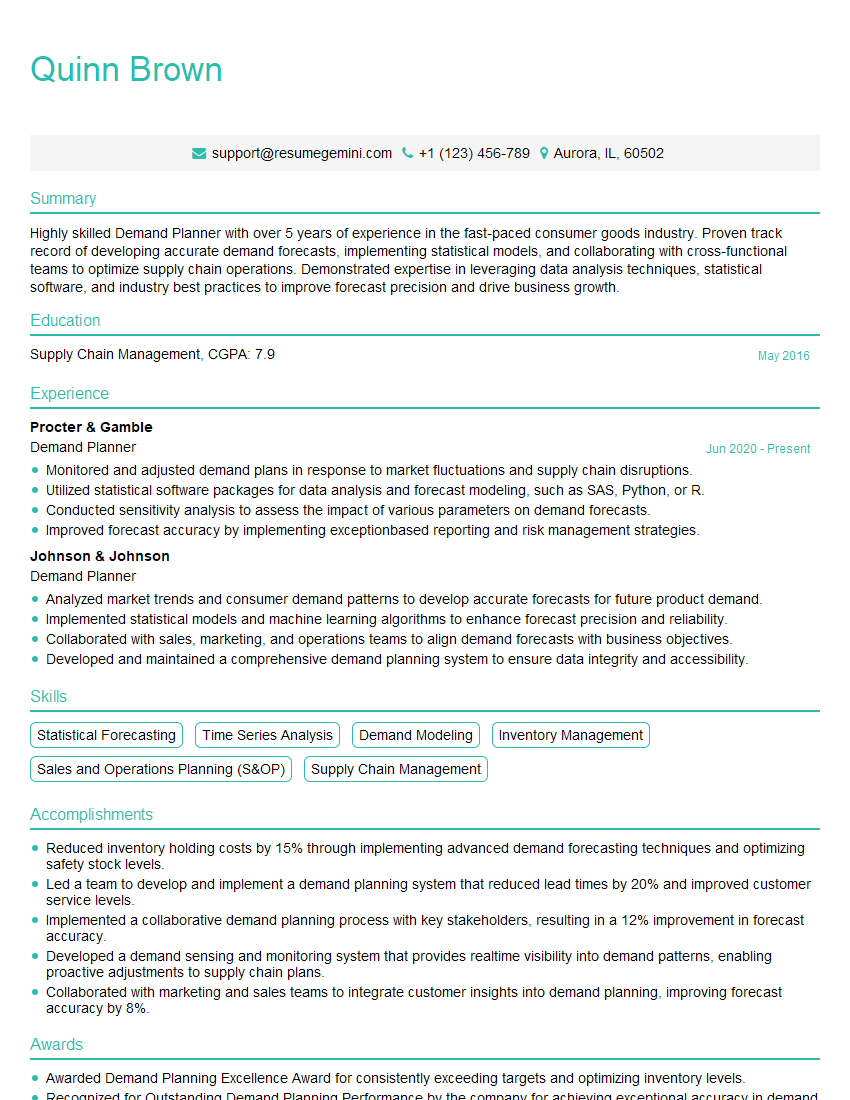
Demand Planner Resume Sample

Procurement Manager Resume Sample
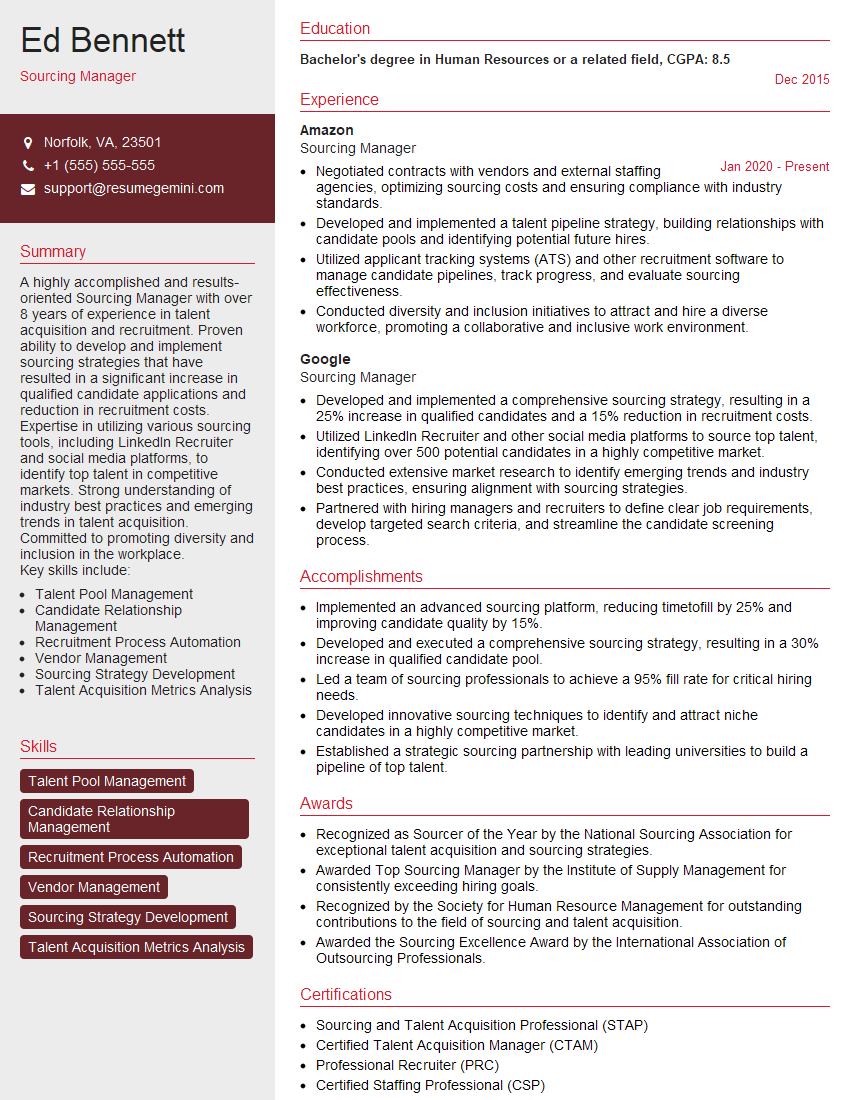
Sourcing Manager Resume Sample
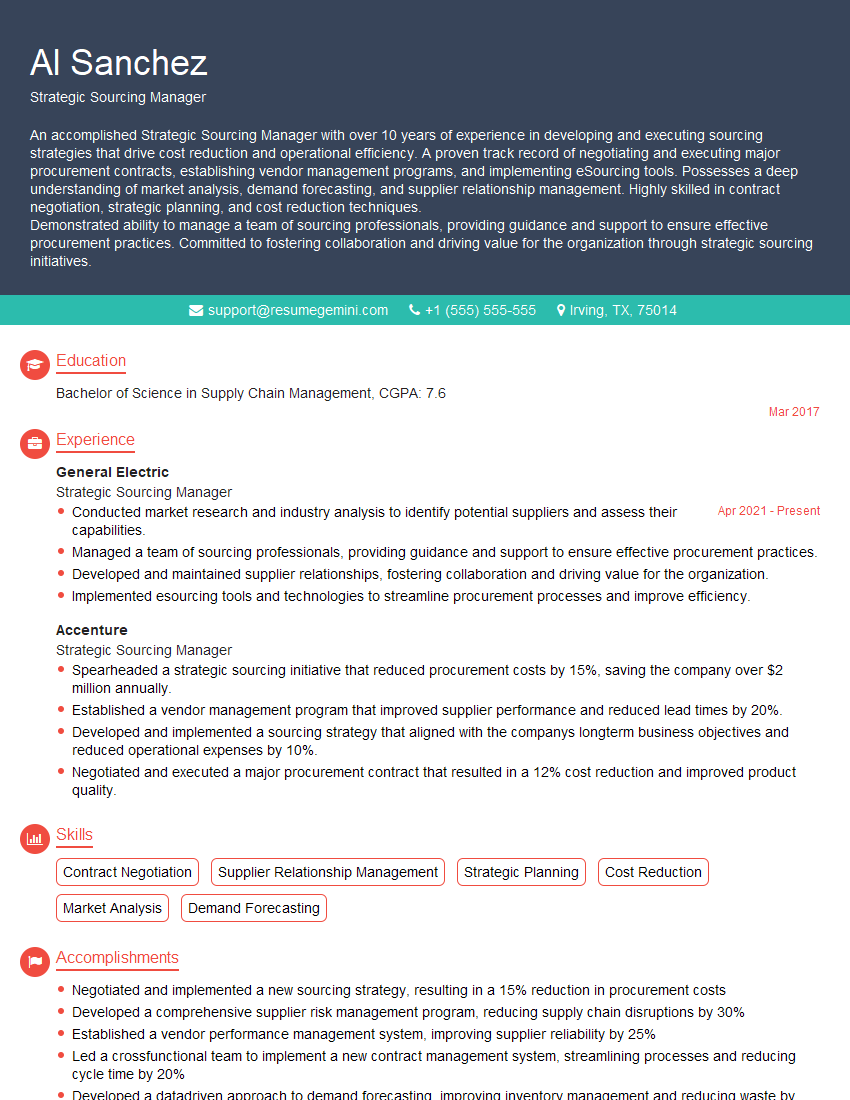
Strategic Sourcing Manager Resume Sample

Supply Chain Manager Resume Sample
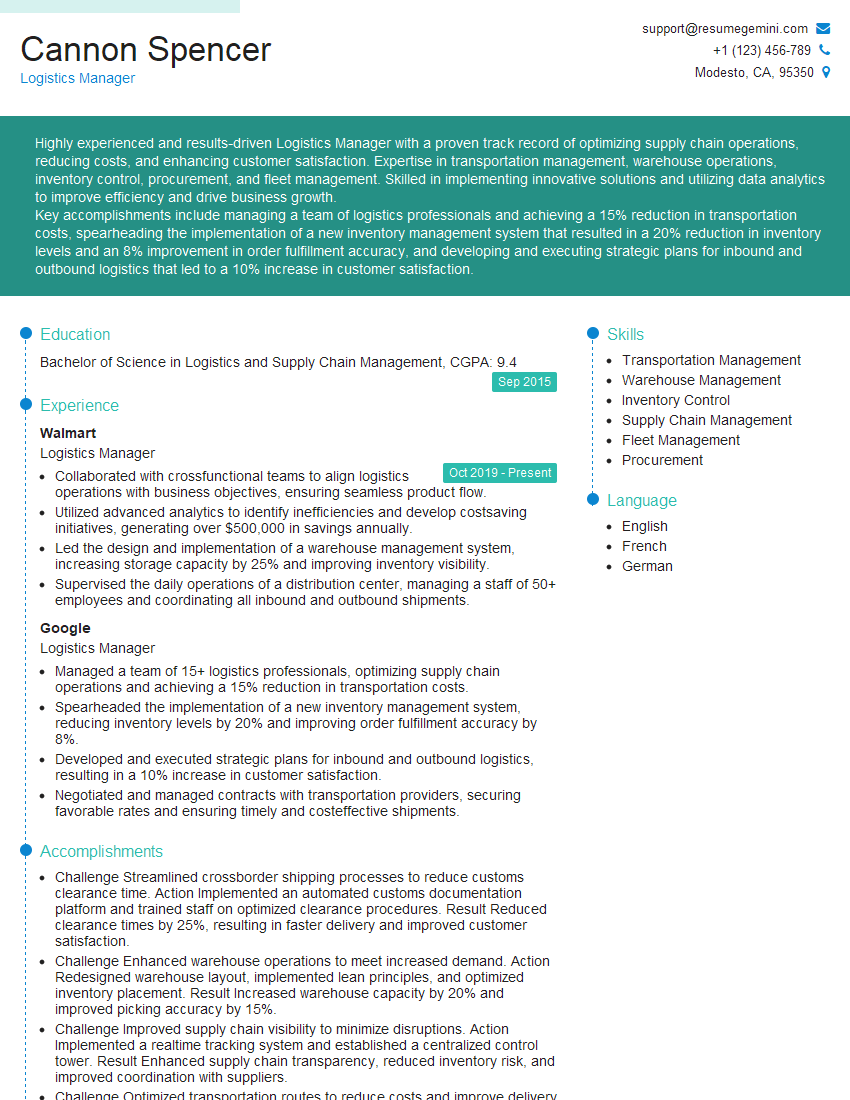
Logistics Manager Resume Sample
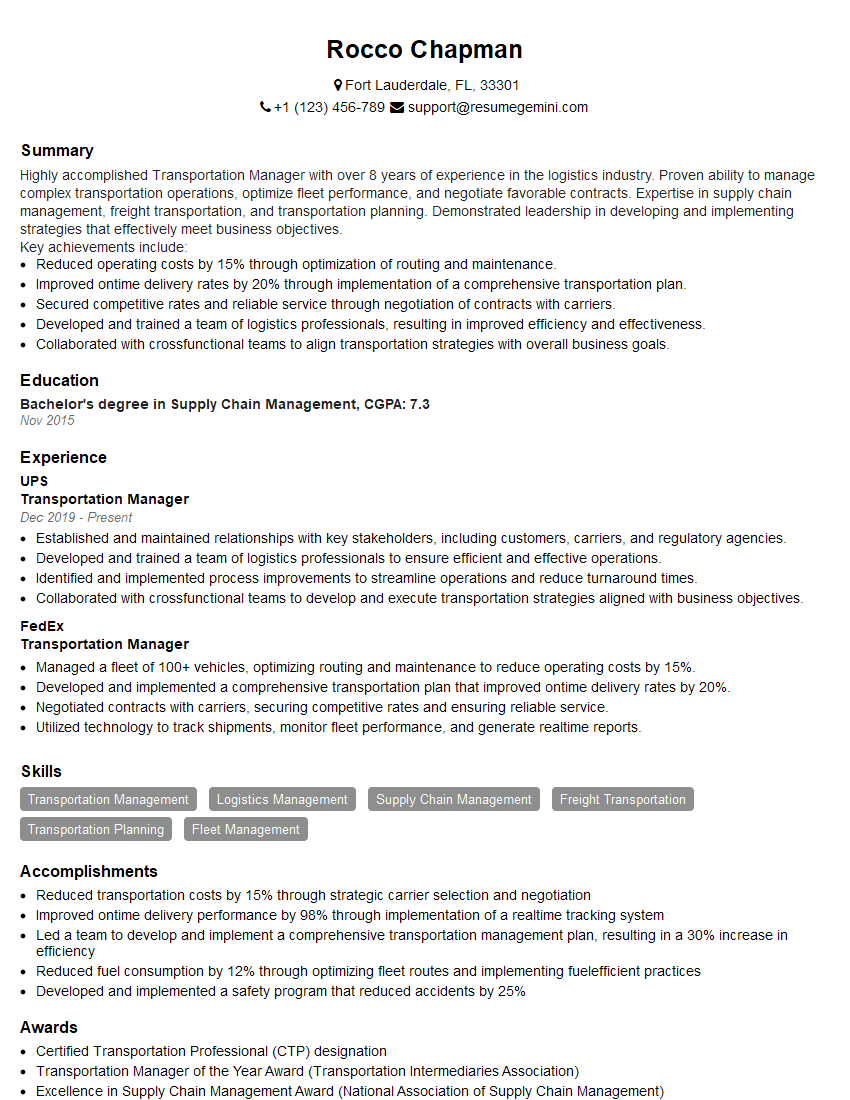
Transportation Manager Resume Sample
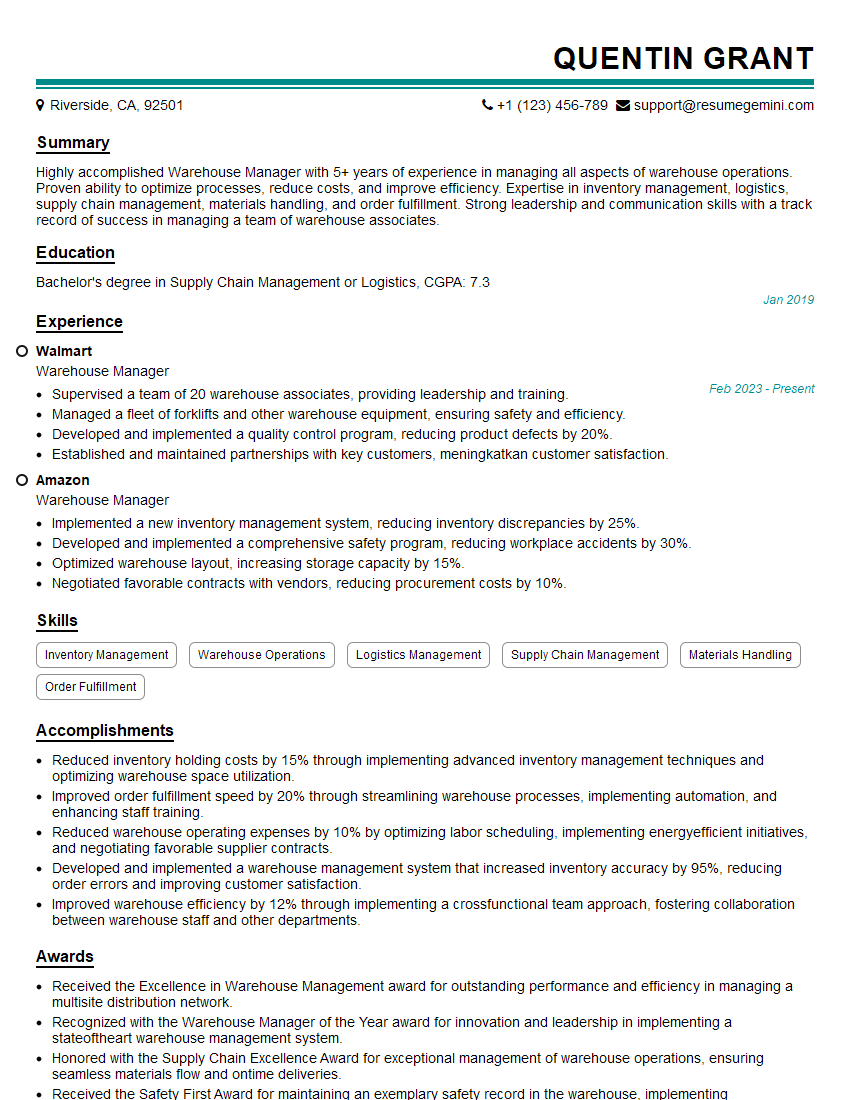
Warehouse Manager Resume Sample
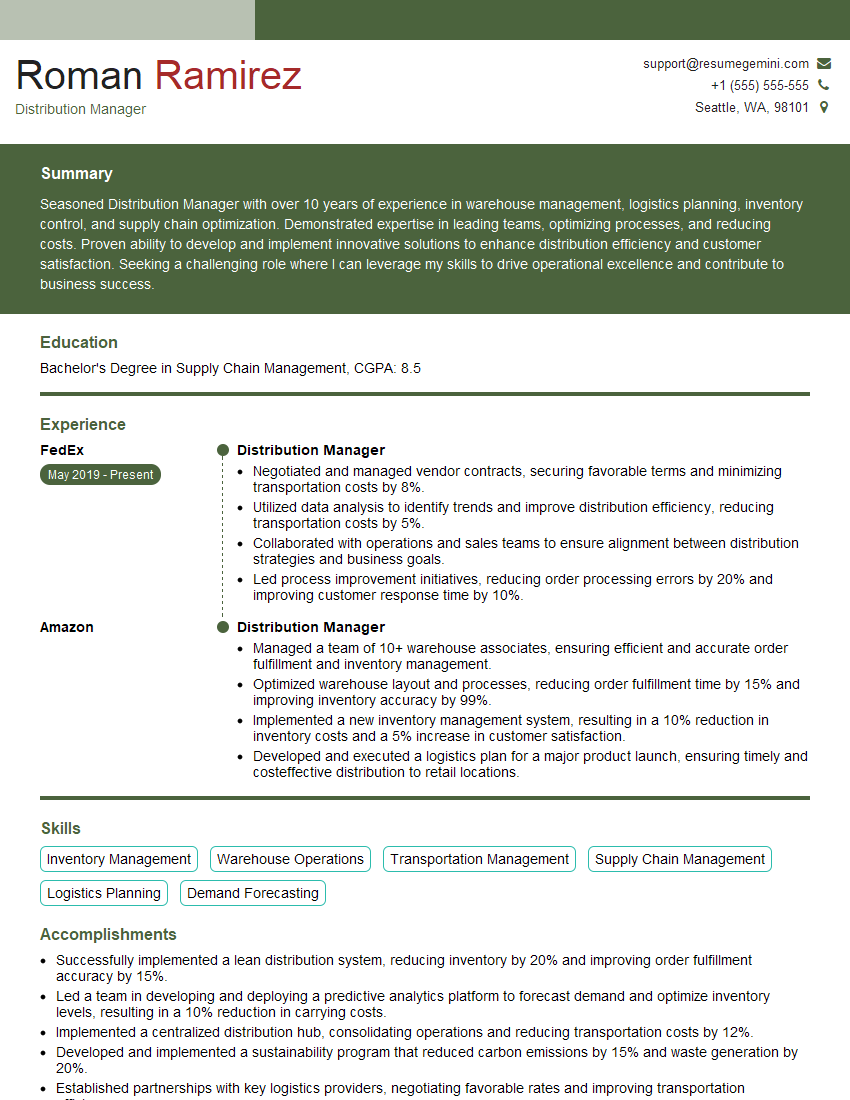
Distribution Manager Resume Sample
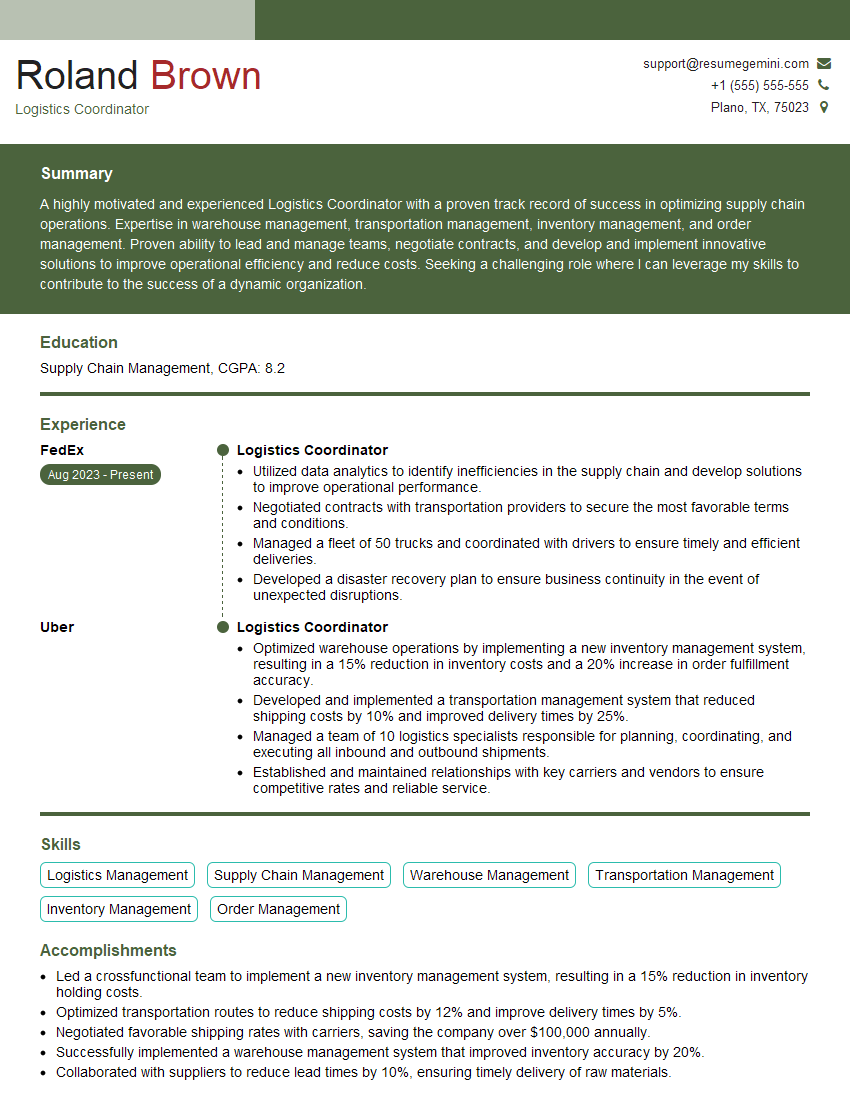
Logistics Coordinator Resume Sample
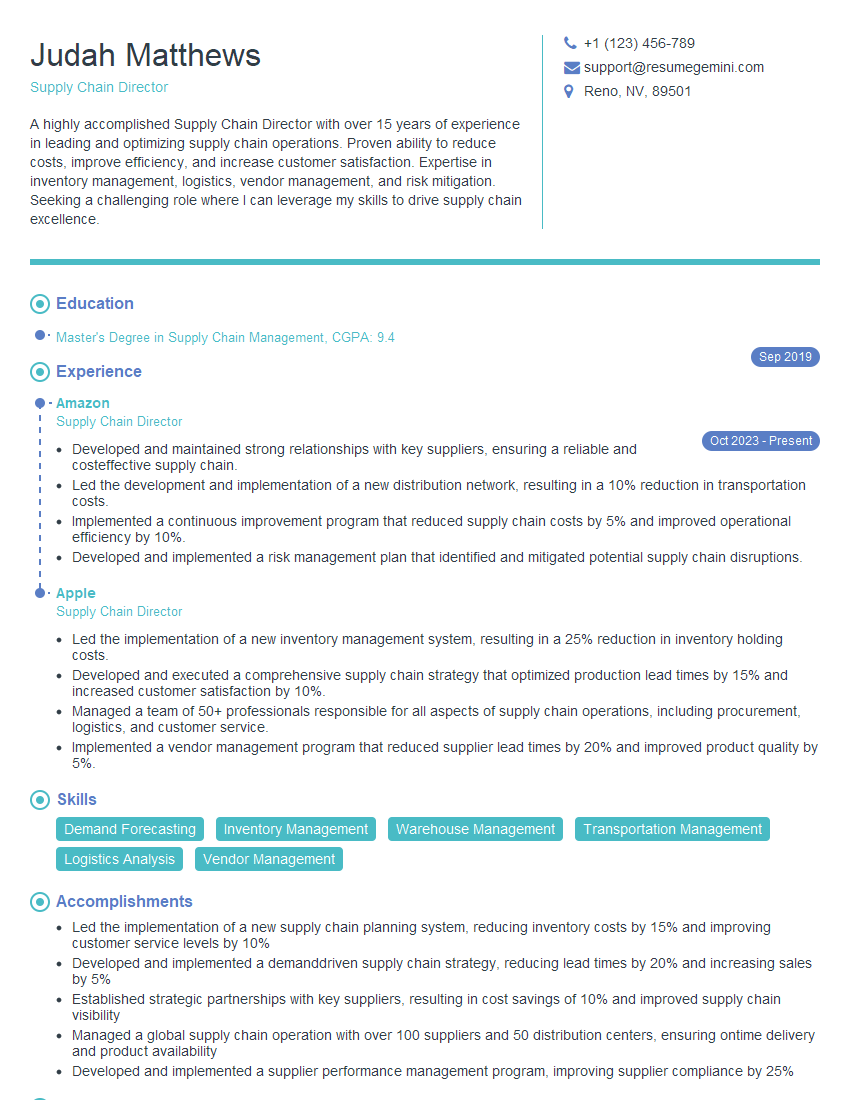
Supply Chain Director Resume Sample
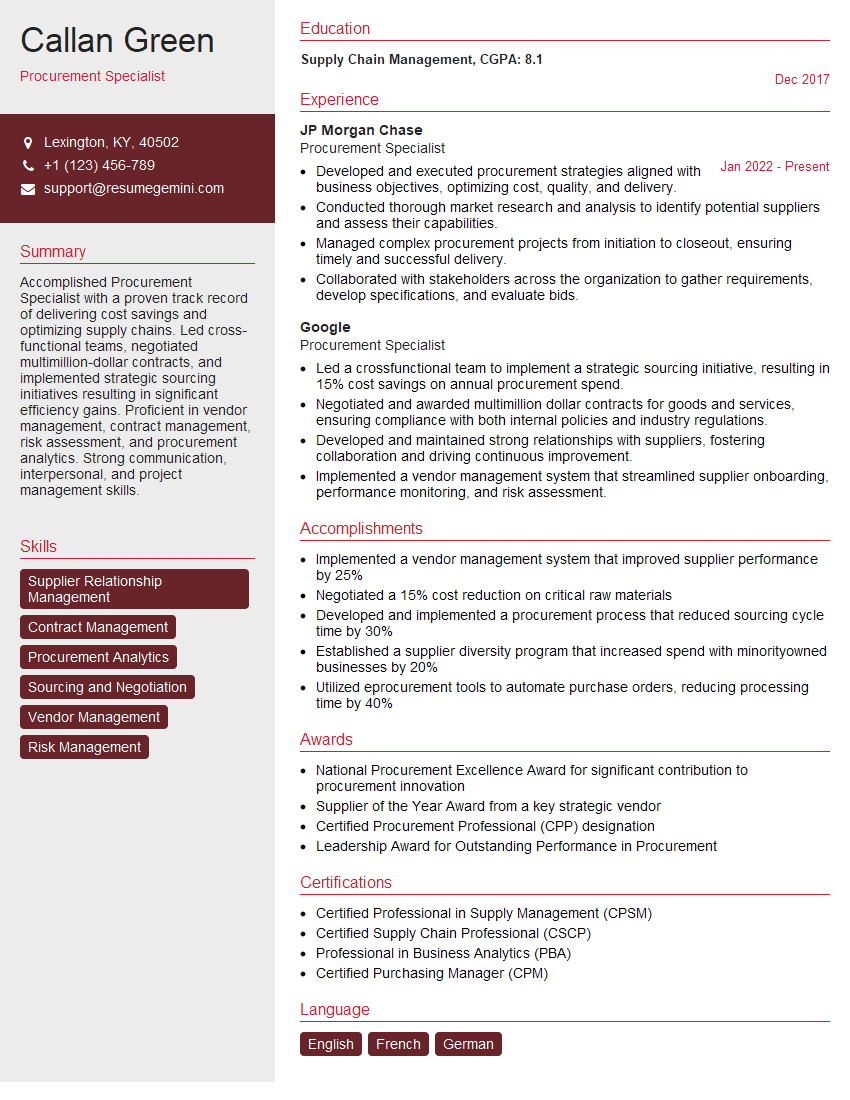
Procurement Specialist Resume Sample
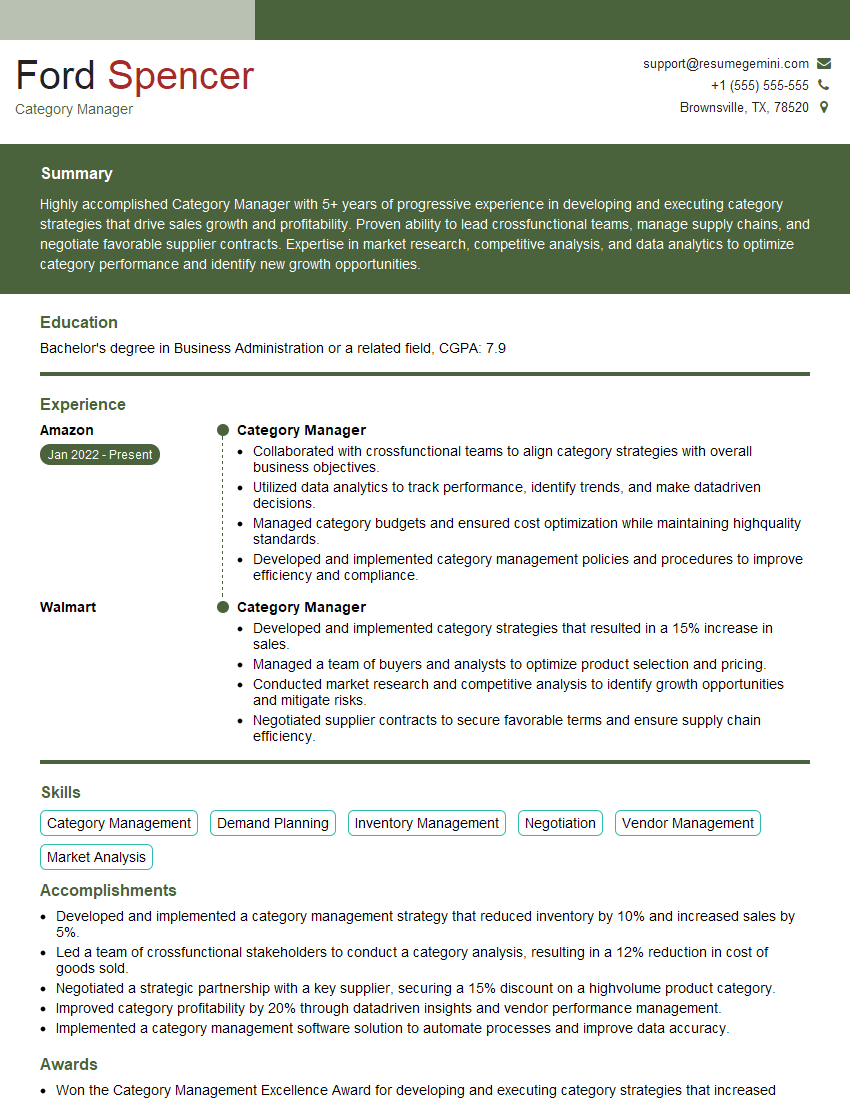
Category Manager Resume Sample

Inventory Manager Resume Sample
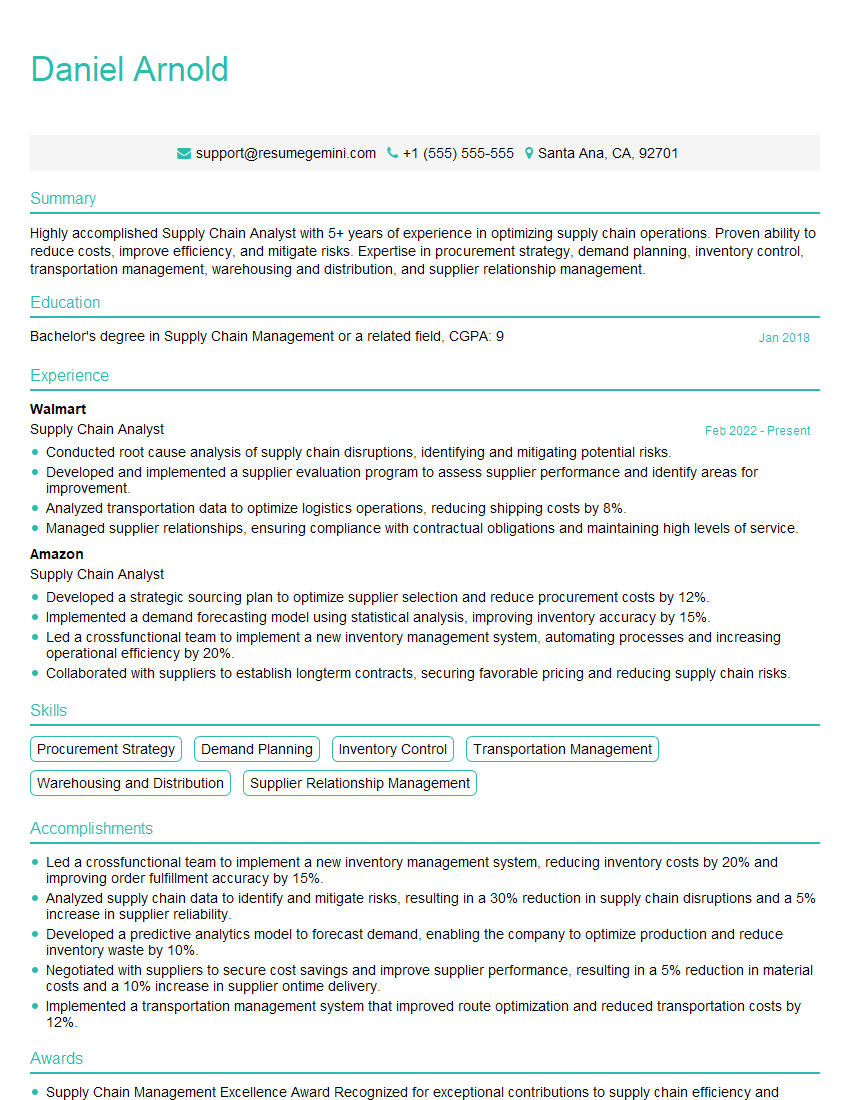
Supply Chain Analyst Resume Sample
- Demand Planner
- Procurement Manager
- Sourcing Manager
- Strategic Sourcing Manager
- Supply Chain Manager
- Logistics Manager
- Transportation Manager
- Warehouse Manager
- Distribution Manager
- Logistics Coordinator
- Supply Chain Director
- Procurement Specialist
- Category Manager
- Inventory Manager
- Supply Chain Analyst
Explore more articles
Users Rating of Our Blogs
Share Your Experience
We value your feedback! Please rate our content and share your thoughts (optional).
What Readers Say About Our Blog
Very informative content, great job.
good