Unlock your full potential by mastering the most common Sustainability and Preservation interview questions. This blog offers a deep dive into the critical topics, ensuring you’re not only prepared to answer but to excel. With these insights, you’ll approach your interview with clarity and confidence.
Questions Asked in Sustainability and Preservation Interview
Q 1. Describe your experience implementing ISO 14001 or similar environmental management systems.
My experience with ISO 14001, the internationally recognized standard for environmental management systems, is extensive. I’ve led the implementation and certification process in several organizations, spanning diverse sectors from manufacturing to hospitality. This involved a multi-stage approach. First, we conducted a thorough environmental impact assessment, identifying key areas for improvement. This assessment was crucial for setting realistic targets and benchmarks. Then, we developed a comprehensive environmental policy, establishing clear goals and responsibilities for all employees. Next, we documented our procedures and processes, creating easily accessible manuals for waste management, energy consumption, and emissions control. Regular internal audits and management reviews formed the core of our ongoing monitoring, enabling proactive identification and mitigation of potential environmental risks. We incorporated a robust corrective action process, addressing non-conformances immediately and preventing recurrence. For example, in a manufacturing facility, we optimized production lines to reduce water consumption by 15% and implemented a comprehensive recycling program which resulted in a 20% decrease in waste sent to landfills.
This systematic approach aligns with the Plan-Do-Check-Act (PDCA) cycle, ensuring continuous improvement. The tangible benefits extended beyond certification; we witnessed reduced operational costs, improved stakeholder relationships, and enhanced brand reputation. Ultimately, a successful ISO 14001 implementation necessitates a committed management team, employee training, and a culture of continuous environmental improvement.
Q 2. Explain your understanding of Life Cycle Assessment (LCA) and its applications.
Life Cycle Assessment (LCA) is a comprehensive technique for evaluating the environmental impacts of a product or service throughout its entire lifespan, from raw material extraction to disposal. It considers various factors including energy consumption, water usage, greenhouse gas emissions, waste generation, and resource depletion. Think of it as a cradle-to-grave analysis. The LCA process typically involves four stages:
- Goal and Scope Definition: Clearly outlining the objective and boundaries of the assessment.
- Inventory Analysis: Quantifying the inputs and outputs associated with each stage of the product’s life cycle.
- Impact Assessment: Evaluating the environmental significance of the identified inputs and outputs, considering factors like climate change, acidification, and eutrophication.
- Interpretation: Analyzing the results and drawing conclusions to support informed decision-making.
LCAs are incredibly valuable tools for identifying environmental hotspots within a product’s life cycle. For instance, an LCA might reveal that the transportation stage contributes disproportionately to a product’s carbon footprint, prompting the company to explore more sustainable logistics options. In the design phase, LCA can guide the selection of environmentally preferable materials and manufacturing processes, making the product itself more eco-friendly. This approach reduces the overall environmental burden and allows for targeted improvements.
Q 3. How would you measure and reduce a company’s carbon footprint?
Measuring and reducing a company’s carbon footprint involves a multi-pronged approach. First, we need to accurately measure the company’s current emissions. This typically involves conducting a greenhouse gas (GHG) inventory, identifying sources like energy consumption, transportation, waste disposal, and purchased goods and services. Tools like carbon accounting software can help streamline this process. Once we have a clear picture of the company’s carbon footprint, we can start to implement reduction strategies. This is where setting meaningful, measurable, achievable, relevant, and time-bound (SMART) reduction targets becomes key.
Common reduction strategies include:
- Energy Efficiency Improvements: Investing in energy-efficient equipment, optimizing building energy management systems, and implementing renewable energy sources.
- Sustainable Transportation: Promoting the use of public transport, cycling, walking, and electric vehicles, optimizing logistics and delivery routes.
- Waste Reduction and Recycling: Implementing waste reduction programs, prioritizing recycling and composting, and reducing packaging waste.
- Sustainable Procurement: Sourcing materials and services from suppliers with strong sustainability credentials.
- Carbon Offsetting: Investing in verified carbon offset projects to compensate for unavoidable emissions.
Regular monitoring and reporting are crucial to track progress, ensure accountability and make necessary adjustments to strategies. For instance, a retail company could switch to energy-efficient lighting, reduce packaging size, and invest in electric delivery vans to significantly lower its carbon footprint.
Q 4. What are your preferred methods for waste reduction and recycling?
My preferred methods for waste reduction and recycling are based on the waste hierarchy: prevention, reduction, reuse, recycling, recovery, and disposal – in that order. Prevention is always the most desirable outcome. This involves designing products for durability and repairability, minimizing packaging, and optimizing processes to reduce waste generation at the source.
Effective waste reduction strategies often involve:
- Waste Audits: A systematic analysis of waste streams to identify sources and quantities of waste.
- Employee Training: Educating employees on proper waste segregation and handling.
- Improved Material Selection: Choosing recyclable or compostable materials wherever possible.
- Design for Disassembly: Designing products that can be easily disassembled and components recycled.
- Waste Minimization Techniques: Implementing lean manufacturing principles to optimize resource utilization and reduce waste.
Recycling should be optimized through partnerships with reputable recycling facilities. For example, a food processing plant could minimize food waste through better inventory management and donate excess food to local charities. They can also implement a comprehensive recycling program for packaging and other recyclable materials, reducing their environmental impact significantly.
Q 5. Describe your experience with sustainable procurement practices.
Sustainable procurement involves integrating environmental, social, and ethical considerations into the purchasing process. This goes beyond simply finding the lowest-cost supplier; it’s about selecting goods and services that minimize environmental impact and promote fair labor practices. My experience in this area involves developing and implementing sustainable procurement policies and procedures, incorporating environmental criteria into supplier evaluations, and working with suppliers to improve their environmental performance.
Key aspects of sustainable procurement include:
- Supplier Selection Criteria: Evaluating suppliers based on their environmental performance, social responsibility, and ethical practices.
- Environmental Product Declarations (EPDs): Requiring suppliers to provide EPDs to verify the environmental claims of their products.
- Green Certifications: Prioritizing suppliers with relevant environmental certifications (e.g., FSC for timber, Fairtrade for coffee).
- Lifecycle Cost Analysis: Considering the total cost of ownership of a product throughout its lifespan, including environmental costs.
- Collaboration with Suppliers: Working with suppliers to improve their sustainability performance.
For instance, a construction company could prioritize the use of sustainably sourced timber, recycled materials, and low-emission concrete, and select suppliers with strong environmental management systems. This commitment can reduce the environmental footprint of projects and improve their overall sustainability.
Q 6. How do you assess the environmental impact of a project or product?
Assessing the environmental impact of a project or product requires a holistic approach, often involving multiple assessment tools and methodologies. This usually starts with identifying the potential environmental impacts. A preliminary assessment helps to pinpoint significant issues, which can be further investigated with a more detailed analysis like an LCA, mentioned earlier. Other relevant assessments include Strategic Environmental Assessments (SEA) for large-scale projects and Environmental Impact Assessments (EIA) to determine a project’s environmental impact and identify mitigation measures. These methods are tailored to the specific context and scale of the project or product.
We should consider various aspects including:
- Resource Consumption: Evaluating the use of energy, water, and raw materials.
- Emissions: Assessing the generation of greenhouse gases, air pollutants, and water pollutants.
- Waste Generation: Analyzing the quantities and types of waste produced.
- Land Use: Evaluating the impact on land resources and ecosystems.
- Biodiversity: Assessing the effects on biodiversity and ecosystem services.
The results are crucial for informed decision-making, allowing for adjustments to project designs, processes, or product formulations to minimize negative impacts and promote environmental sustainability. For example, a highway project’s EIA might highlight potential impacts on habitat fragmentation. Mitigation measures could then be designed, such as creating wildlife crossings to reduce disruption to local ecosystems.
Q 7. What sustainability certifications are you familiar with (e.g., LEED, BREEAM)?
I am familiar with a broad range of sustainability certifications. LEED (Leadership in Energy and Environmental Design) is widely recognized for its rating systems for buildings and building projects, encompassing aspects like energy efficiency, water conservation, and sustainable material use. BREEAM (Building Research Establishment Environmental Assessment Method) serves a similar purpose, but with a more European focus. Other certifications I’m familiar with include:
- FSC (Forest Stewardship Council): Certifies sustainably managed forests and wood products.
- MSC (Marine Stewardship Council): Certifies sustainably managed fisheries.
- Fairtrade: Ensures fair prices and ethical labor practices for producers of agricultural products.
- Cradle to Cradle Certified™: Assesses products’ material health and recyclability.
- ISO 14001: As discussed previously, this standard focuses on environmental management systems.
These certifications provide a valuable benchmark for evaluating the environmental performance of buildings, products, and organizations. They also provide a framework for continuous improvement. Understanding and applying these different certifications allows for a comprehensive approach to sustainability, ensuring that different aspects are considered.
Q 8. Explain your understanding of circular economy principles.
The circular economy is a model of production and consumption that aims to minimize waste and maximize the use of resources. Unlike the traditional linear economy (take-make-dispose), it embraces a cyclical approach where materials are kept in use for as long as possible, extracting maximum value before being recovered and regenerated at the end of each service life.
- Reduce: Minimizing resource consumption through efficient design and sustainable practices.
- Reuse: Extending the lifespan of products through repair, refurbishment, or repurposing.
- Recycle: Transforming waste materials into new products.
- Recover: Extracting energy or other valuable components from waste.
For example, a circular economy approach to clothing would involve designing durable, repairable clothes, encouraging clothing swaps or rentals, and ensuring efficient recycling of textile waste to create new fabrics. This contrasts with the linear model where clothes are often cheaply made, quickly discarded, and end up in landfills.
Q 9. How would you develop a sustainability strategy for an organization?
Developing a sustainability strategy requires a multi-faceted approach. It begins with a thorough materiality assessment – identifying the environmental and social issues most relevant to the organization’s operations and value chain. This assessment helps prioritize efforts and allocate resources effectively. Next, we establish clear, measurable, achievable, relevant, and time-bound (SMART) goals aligned with global sustainability frameworks like the Sustainable Development Goals (SDGs). These goals should encompass key areas such as emissions reduction, resource efficiency, waste management, and social responsibility. Then, we develop action plans with specific initiatives and assign responsibilities. Regular monitoring and reporting are crucial to track progress, identify challenges, and adjust the strategy accordingly. Crucially, successful strategies necessitate strong leadership commitment and employee engagement to ensure widespread buy-in and effective implementation.
For example, a manufacturing company might set a goal to reduce its carbon footprint by 50% within the next 10 years. The action plan would then detail initiatives such as investing in renewable energy, improving energy efficiency in facilities, and implementing sustainable supply chain practices.
Q 10. Describe your experience in conducting environmental audits.
My experience in environmental audits spans various sectors, including manufacturing, agriculture, and tourism. These audits involved comprehensive assessments of environmental impacts across the entire value chain, from raw material sourcing to product disposal. I’ve used standardized methodologies such as ISO 14001 to conduct audits, meticulously documenting findings, and identifying areas for improvement. This includes analyzing energy consumption, waste generation, water usage, greenhouse gas emissions, and compliance with relevant environmental regulations. I’ve presented my findings in clear and concise reports, which include recommendations for corrective and preventive actions. My reports often include cost-benefit analyses to demonstrate the financial viability of implementing sustainable solutions. I’ve worked collaboratively with organizations to develop tailored environmental management systems to address identified deficiencies and enhance their overall environmental performance.
In one particular project, an audit of a food processing facility revealed significant water wastage. My recommendations, including the implementation of water-efficient technologies and better employee training, led to a 30% reduction in water consumption.
Q 11. How would you manage stakeholder engagement in a sustainability initiative?
Stakeholder engagement is crucial for the success of any sustainability initiative. It involves actively involving all stakeholders—employees, customers, suppliers, investors, local communities, and government agencies—in the process. This requires a two-way communication approach, ensuring that stakeholders’ views are heard and considered. Methods include conducting surveys, focus groups, workshops, and regular communication updates. Building trust and transparency is paramount. By demonstrating the initiative’s value and benefits to all involved, we can foster a sense of shared responsibility and collective action.
For instance, in a community-based reforestation project, engaging local communities through participatory planning and providing them with economic opportunities related to the project ensures their support and ownership. This fosters long-term sustainability and reduces potential conflicts.
Q 12. What are your methods for tracking and reporting sustainability performance?
Tracking and reporting sustainability performance relies on robust data collection and analysis. This involves establishing key performance indicators (KPIs) aligned with the organization’s sustainability goals. These KPIs can include energy consumption, waste diversion rates, greenhouse gas emissions, water usage, and social impact metrics. We use various tools, including environmental management software and data analytics platforms, to collect, analyze, and visualize this data. This data is then used to create comprehensive sustainability reports that communicate progress towards goals, identify areas for improvement, and demonstrate accountability to stakeholders. The reports often follow established reporting standards such as the Global Reporting Initiative (GRI) standards, assuring consistency and comparability.
For example, a company might track its carbon emissions using a carbon accounting software, generating regular reports to monitor progress towards its emissions reduction targets. Visual dashboards help showcase this data to different stakeholders effectively.
Q 13. Explain your understanding of climate change mitigation and adaptation strategies.
Climate change mitigation refers to actions that reduce greenhouse gas emissions, while adaptation focuses on adjusting to the unavoidable impacts of climate change. Mitigation strategies include transitioning to renewable energy sources, improving energy efficiency, promoting sustainable transportation, protecting and restoring forests, and adopting sustainable agricultural practices. Adaptation strategies involve developing climate-resilient infrastructure, implementing early warning systems for extreme weather events, managing water resources sustainably, and protecting vulnerable ecosystems. These strategies are interconnected; for example, restoring forests aids both mitigation (carbon sequestration) and adaptation (improved water management and reduced vulnerability to floods).
A city might adopt a mitigation strategy by investing in public transportation and promoting cycling, while an adaptation strategy could involve building seawalls to protect against rising sea levels.
Q 14. Describe your experience with renewable energy technologies.
My experience with renewable energy technologies encompasses various applications, including solar photovoltaic (PV) systems, wind turbines, and biomass energy. I’ve been involved in projects assessing the feasibility and environmental impacts of renewable energy projects, developing energy efficiency plans, and managing the implementation of renewable energy technologies. This has involved evaluating the technical aspects, economic viability, and social implications of different renewable energy options. I’ve worked with organizations to develop detailed energy audits and feasibility studies to identify the most suitable renewable energy solutions for their specific needs and circumstances. I understand the nuances of energy storage technologies and their importance in the integration of renewables into the electricity grid.
For example, I worked on a project that involved designing and implementing a solar PV system for a rural community, improving their energy access and reducing their reliance on fossil fuels. The project included community engagement to ensure its long-term sustainability.
Q 15. How do you approach conflict resolution concerning environmental concerns?
Resolving conflicts surrounding environmental concerns requires a multifaceted approach prioritizing collaboration and understanding. It’s not just about winning an argument; it’s about finding common ground and achieving sustainable solutions. My approach involves:
- Active Listening and Empathy: Understanding all perspectives, including those seemingly opposed to environmental protection, is crucial. This often reveals underlying concerns, such as economic anxieties, that can be addressed through innovative solutions.
- Data-Driven Decision Making: Presenting clear, scientifically backed evidence is essential. This helps shift the conversation from opinion to fact, demonstrating the tangible impacts of environmental damage or conversely, the benefits of conservation.
- Stakeholder Engagement: Involving all stakeholders—local communities, businesses, government agencies, and NGOs—ensures diverse perspectives are considered. This collaborative approach fosters a sense of ownership and increases buy-in for solutions.
- Mediation and Negotiation: Facilitating constructive dialogue between opposing parties, helping them find mutually beneficial compromises, is often necessary. This might involve identifying win-win scenarios, exploring alternative solutions, and utilizing appropriate conflict resolution techniques.
- Transparency and Accountability: Ensuring all stakeholders have access to relevant information and are kept informed of the decision-making process helps maintain trust and prevent future conflicts.
For example, in a project involving a proposed development near a sensitive wetland, I would engage with developers, local residents, and environmental groups to find a compromise that balances economic development with ecological preservation. This might involve modifying the development plan to minimize its environmental footprint or creating a conservation easement to protect the wetland.
Career Expert Tips:
- Ace those interviews! Prepare effectively by reviewing the Top 50 Most Common Interview Questions on ResumeGemini.
- Navigate your job search with confidence! Explore a wide range of Career Tips on ResumeGemini. Learn about common challenges and recommendations to overcome them.
- Craft the perfect resume! Master the Art of Resume Writing with ResumeGemini’s guide. Showcase your unique qualifications and achievements effectively.
- Don’t miss out on holiday savings! Build your dream resume with ResumeGemini’s ATS optimized templates.
Q 16. What is your experience with environmental regulations and compliance?
My experience with environmental regulations and compliance spans over a decade, encompassing various national and international frameworks. I’m proficient in interpreting and applying regulations related to air and water quality, waste management, endangered species protection, and sustainable land use. This includes:
- Regulatory Compliance Audits: Conducting thorough audits to ensure compliance with relevant environmental laws and reporting requirements. This includes identifying potential non-compliance issues and developing corrective action plans.
- Permitting and Licensing: Preparing and submitting permit applications for various environmental projects, navigating complex regulatory processes to ensure timely approvals.
- Environmental Impact Assessments (EIAs): Conducting and reviewing EIAs to assess the potential environmental impacts of development projects and propose mitigation measures.
- Environmental Management Systems (EMS): Implementing and maintaining EMS such as ISO 14001, ensuring continuous improvement in environmental performance.
- Enforcement and Remediation: Collaborating with regulatory agencies to address non-compliance issues and implement remediation strategies.
For instance, I successfully guided a manufacturing company through a complex permitting process for a new wastewater treatment plant, resulting in timely approval and minimizing potential environmental risks. I also assisted another company in developing a comprehensive EMS, leading to a significant reduction in their carbon footprint and improved waste management practices.
Q 17. How would you prioritize sustainability projects with limited resources?
Prioritizing sustainability projects with limited resources requires a strategic approach focusing on maximizing impact and return on investment. My approach utilizes a framework that incorporates:
- Impact Assessment: Evaluating the potential environmental, social, and economic benefits of each project. This includes quantifying potential reductions in greenhouse gas emissions, improvements in biodiversity, and cost savings.
- Risk Assessment: Identifying potential risks and challenges associated with each project, including technical feasibility, regulatory hurdles, and potential community opposition.
- Cost-Benefit Analysis: Comparing the costs and benefits of each project to determine the most cost-effective solutions. This involves considering both immediate and long-term costs and benefits.
- Prioritization Matrix: Using a matrix to rank projects based on their impact, feasibility, and cost-effectiveness. This allows for objective comparison and helps make informed decisions.
- Phased Implementation: Implementing projects in phases, starting with high-impact, low-cost initiatives before moving to more complex or expensive projects.
For example, if faced with limited funding for several potential sustainability projects, I might prioritize a project that offers significant carbon reduction at a relatively low cost, such as installing energy-efficient lighting, before undertaking a more expensive initiative like solar panel installation.
Q 18. Describe your understanding of biodiversity conservation.
Biodiversity conservation is the protection and preservation of the variety of life on Earth, encompassing genetic diversity, species diversity, and ecosystem diversity. It is crucial for maintaining ecological balance, supporting ecosystem services, and ensuring the long-term health of the planet. My understanding includes:
- Habitat Protection and Restoration: Protecting and restoring natural habitats is paramount. This involves establishing protected areas, such as national parks and wildlife reserves, and restoring degraded ecosystems.
- Species Management: Managing populations of threatened and endangered species to prevent extinction. This might involve captive breeding programs, habitat management, or controlling invasive species.
- Sustainable Resource Management: Using natural resources in a sustainable manner to ensure that they are not depleted. This includes sustainable forestry, fishing, and agriculture practices.
- Climate Change Mitigation and Adaptation: Addressing the impacts of climate change on biodiversity. This includes reducing greenhouse gas emissions and helping species adapt to changing environmental conditions.
- Community Engagement: Involving local communities in conservation efforts to foster a sense of ownership and stewardship.
For instance, I have been involved in projects that focused on reintroducing native plant species to degraded grasslands to improve habitat for pollinators and other wildlife, contributing directly to improved biodiversity.
Q 19. How would you assess the preservation needs of a historical building?
Assessing the preservation needs of a historical building involves a systematic and multidisciplinary approach. It’s not just about aesthetics; it’s about understanding the building’s historical significance, structural integrity, and the materials used in its construction. My assessment process involves:
- Historical Research: Investigating the building’s history, architectural style, and previous modifications to understand its significance and original construction methods.
- Structural Assessment: Conducting a thorough structural analysis to identify any damage or deterioration, including foundation issues, load-bearing problems, and signs of decay.
- Materials Analysis: Testing and analyzing the building materials to determine their condition and identify any deterioration processes.
- Environmental Assessment: Evaluating the environmental factors that could impact the building’s condition, such as moisture, temperature fluctuations, and pest infestations.
- Prioritization of Repairs: Based on the assessment findings, prioritizing necessary repairs to address immediate structural concerns and prevent further deterioration.
For example, in assessing a historic church, I would examine not only the visible damage to the facade but also the condition of the foundation, the integrity of the roof structure, and the presence of any pest infestations. This thorough assessment informs a preservation plan focusing on preserving the historical integrity while ensuring the building’s structural soundness.
Q 20. What methods do you employ for the conservation of artifacts?
Conservation of artifacts requires meticulous care and attention to detail, employing a range of methods depending on the artifact’s material and condition. My approach emphasizes:
- Documentation: Thoroughly documenting the artifact’s condition, including photographs, detailed descriptions, and any existing damage.
- Cleaning: Using appropriate cleaning techniques to remove dirt, dust, and other contaminants without damaging the artifact. This might involve dry cleaning, wet cleaning, or specialized chemical treatments.
- Stabilization: Stabilizing deteriorated materials to prevent further degradation. This might involve consolidating weakened materials, repairing cracks, or treating pest infestations.
- Storage and Display: Providing appropriate storage and display conditions to protect the artifact from environmental factors. This includes controlling temperature, humidity, and light exposure.
- Preventive Conservation: Implementing preventive measures to prevent future damage. This might involve improving storage facilities, implementing pest control measures, or creating microclimates for sensitive artifacts.
For example, conserving a delicate textile might involve careful cleaning using specialized solvents, followed by stabilization using supportive mounts and storage in a climate-controlled environment to prevent further deterioration.
Q 21. What are your approaches to disaster preparedness and recovery for cultural heritage sites?
Disaster preparedness and recovery for cultural heritage sites require proactive planning and a coordinated response. My approach incorporates:
- Risk Assessment: Identifying potential hazards, such as earthquakes, floods, fires, and looting, and assessing their likelihood and potential impact on the site.
- Emergency Planning: Developing a comprehensive emergency plan that outlines procedures for evacuating people, securing artifacts, and responding to various types of disasters.
- Preventive Measures: Implementing preventive measures to reduce the risk of damage. This might involve strengthening buildings, installing fire suppression systems, or creating secure storage facilities.
- Training and Education: Training staff and volunteers in emergency response procedures.
- Post-Disaster Response: Establishing procedures for assessing damage, securing the site, and initiating recovery efforts.
- Documentation: Thoroughly documenting the damage caused by the disaster to facilitate recovery efforts and insurance claims.
For example, a museum might prepare for an earthquake by securing exhibits to prevent damage, training staff in emergency evacuation procedures, and developing a plan for assessing and restoring damaged artifacts after the event. This proactive approach minimizes potential losses and ensures the long-term preservation of the cultural heritage.
Q 22. How would you balance preservation needs with the requirements of modern use?
Balancing preservation with modern use requires a nuanced approach that prioritizes long-term viability alongside contemporary needs. Think of it like restoring a classic car – you want to maintain its historical integrity while ensuring it’s safe and enjoyable to drive. We can achieve this through adaptive reuse, where we repurpose buildings or spaces for new functions without compromising their historical significance. For example, converting a historic mill into a museum or apartments while retaining its original architectural features. Another crucial aspect is implementing sustainable technologies. Using energy-efficient systems in historic buildings reduces their environmental impact while preserving their structural integrity. Careful material selection and restoration methods are also key. Using traditional techniques and materials whenever possible ensures authenticity and longevity. Ultimately, it’s about finding creative solutions that respect the past while meeting the demands of the present.
Q 23. What are some ethical considerations in preservation and conservation?
Ethical considerations in preservation and conservation are paramount. We have a moral obligation to protect cultural heritage for future generations, which encompasses both tangible and intangible aspects. This includes ensuring equitable access to preserved sites and materials, avoiding exploitative practices, and respecting the rights of Indigenous communities and their cultural heritage. For example, the repatriation of artifacts to their countries of origin is a crucial ethical consideration. Furthermore, transparency in funding, research, and decision-making is essential to build trust and accountability. The ethical dimension also extends to environmental sustainability. Preservation efforts should minimize their environmental footprint, choosing eco-friendly methods and materials. Consider the ethical dilemma of preserving a historic building that may require the removal of hazardous materials – balancing the preservation of history with the health and safety of workers and the community is key.
Q 24. How familiar are you with different preservation techniques for various materials?
My familiarity with preservation techniques for various materials is extensive. For paper-based materials like archives and books, techniques range from environmental controls (temperature and humidity monitoring) and proper handling to more specialized methods like deacidification (neutralizing acidic compounds that degrade paper). For stone and brick structures, cleaning methods, consolidation techniques (strengthening weakened materials), and biocide treatments (to control biological growth) are vital. Metal objects may need corrosion control using various techniques, including electrochemical treatments. Textiles require careful cleaning, pest control, and storage in controlled environments to prevent degradation. Wood preservation involves stabilizing techniques to prevent warping and rot, and often includes pest control. Each material has unique vulnerabilities and preservation approaches; a comprehensive understanding of material science and conservation techniques is crucial for effective preservation. I’ve worked extensively with all these materials and techniques across various projects.
Q 25. Describe your experience with archival management and preservation.
I have extensive experience in archival management and preservation, including the development and implementation of collection management policies, disaster preparedness plans, and digital preservation strategies. This includes designing and implementing database systems for cataloging and tracking archival materials, managing the physical storage and handling of collections, and overseeing digitization projects to ensure long-term access and preservation of fragile materials. For instance, I spearheaded a project to digitize a large collection of historical photographs, which involved careful scanning, metadata creation, and implementation of a robust digital preservation system to ensure the long-term accessibility and integrity of the images. I’m also experienced in working with various stakeholders, from curators and archivists to donors and the general public, to ensure the effective management and accessibility of archival collections.
Q 26. What are your strategies for engaging the public in preservation efforts?
Engaging the public is crucial for successful preservation efforts. I use a multi-pronged approach. Educational programs and workshops teach people about the significance of cultural heritage and the threats it faces. Interactive exhibits and engaging storytelling make the topic accessible and appealing to a wider audience. Volunteer programs allow the public to actively participate in preservation activities, fostering a sense of ownership and responsibility. Social media and online platforms are powerful tools for raising awareness and connecting with diverse audiences. For instance, I developed a social media campaign showcasing the beauty and fragility of local historical landmarks, encouraging people to share their own memories and photos, thus building community engagement and support for preservation efforts. Collaborating with local artists and community groups helps bridge cultural divides and encourage broader participation.
Q 27. How would you develop a long-term preservation plan for a collection?
Developing a long-term preservation plan requires a systematic approach. First, a thorough assessment of the collection is needed, documenting the condition of each item and its vulnerabilities. This includes identifying potential risks, such as environmental factors, pests, or human handling. Next, we define preservation goals, outlining what needs to be protected and for how long. This might involve prioritizing items of exceptional cultural or historical significance. Then we establish preservation strategies, selecting appropriate techniques for different materials and outlining environmental controls like temperature and humidity standards. Budgeting and resource allocation are crucial, factoring in costs for storage, conservation treatments, and monitoring. Regular monitoring and documentation of the collection’s condition are vital to track progress and identify any emerging problems. Finally, the plan needs to be flexible and adaptable, allowing for adjustments as needed based on new information and changing circumstances. It should also include provisions for disaster preparedness and recovery.
Q 28. Explain your understanding of the challenges and opportunities in sustainable tourism.
Sustainable tourism presents both significant challenges and opportunities. The challenge lies in balancing the economic benefits of tourism with its environmental and social impacts. Uncontrolled tourism can lead to habitat destruction, pollution, and the erosion of local cultures. Opportunities arise in developing tourism models that minimize environmental footprints, support local communities, and preserve cultural heritage. This includes promoting ecotourism, responsible travel practices, and supporting local businesses that prioritize sustainability. For example, supporting locally-owned eco-lodges reduces reliance on large, environmentally damaging hotel chains. Similarly, promoting cultural experiences that respect local traditions and values ensures that the tourism benefits the community rather than exploiting it. Successful sustainable tourism requires collaboration between governments, tourism operators, local communities, and travelers, fostering shared responsibility for environmental and social stewardship.
Key Topics to Learn for Sustainability and Preservation Interview
- Environmental Impact Assessment: Understanding methodologies for evaluating the environmental consequences of projects and policies. Practical application includes analyzing life cycle assessments and developing mitigation strategies.
- Circular Economy Principles: Exploring concepts like waste reduction, resource recovery, and designing for durability and recyclability. Practical application involves identifying opportunities for implementing circular economy models in various sectors.
- Sustainable Resource Management: Analyzing responsible use of natural resources like water, energy, and materials. Practical application includes developing strategies for efficient water management or renewable energy integration.
- Climate Change Mitigation and Adaptation: Understanding the science of climate change and strategies for reducing greenhouse gas emissions and building resilience to climate impacts. Practical application includes designing climate-resilient infrastructure or developing carbon offsetting projects.
- Biodiversity Conservation: Exploring strategies for protecting and restoring biodiversity, including habitat preservation and species management. Practical application involves designing conservation programs or implementing sustainable land management practices.
- Sustainable Development Goals (SDGs): Familiarity with the UN SDGs and how they relate to sustainability and preservation efforts. Practical application includes identifying projects aligned with specific SDGs and measuring their impact.
- Policy and Legislation: Understanding relevant environmental regulations and policies at local, national, and international levels. Practical application includes analyzing the effectiveness of existing policies or advocating for new legislation.
- Stakeholder Engagement and Communication: Effective communication and collaboration with diverse stakeholders, including communities, businesses, and government agencies. Practical application includes developing communication strategies to promote sustainability initiatives.
- Life Cycle Analysis (LCA): Understanding the environmental impacts of a product or service throughout its entire life cycle, from resource extraction to disposal. Practical application includes conducting LCAs to inform design choices and optimize sustainability.
- Sustainable Agriculture and Food Systems: Exploring methods for producing food sustainably, reducing environmental impacts, and ensuring food security. Practical application includes developing sustainable farming practices or promoting responsible consumption patterns.
Next Steps
Mastering Sustainability and Preservation principles is crucial for a successful career in a rapidly evolving field. Demonstrating your knowledge and skills through a well-crafted resume is essential for attracting the attention of potential employers. An ATS-friendly resume, optimized for applicant tracking systems, significantly improves your chances of landing an interview. ResumeGemini is a trusted resource that can help you build a professional and impactful resume tailored to your specific experience and career goals. Examples of resumes tailored to Sustainability and Preservation are available, showcasing best practices and highlighting key skills and accomplishments. Invest in your future – build a resume that showcases your potential and secure your dream job.
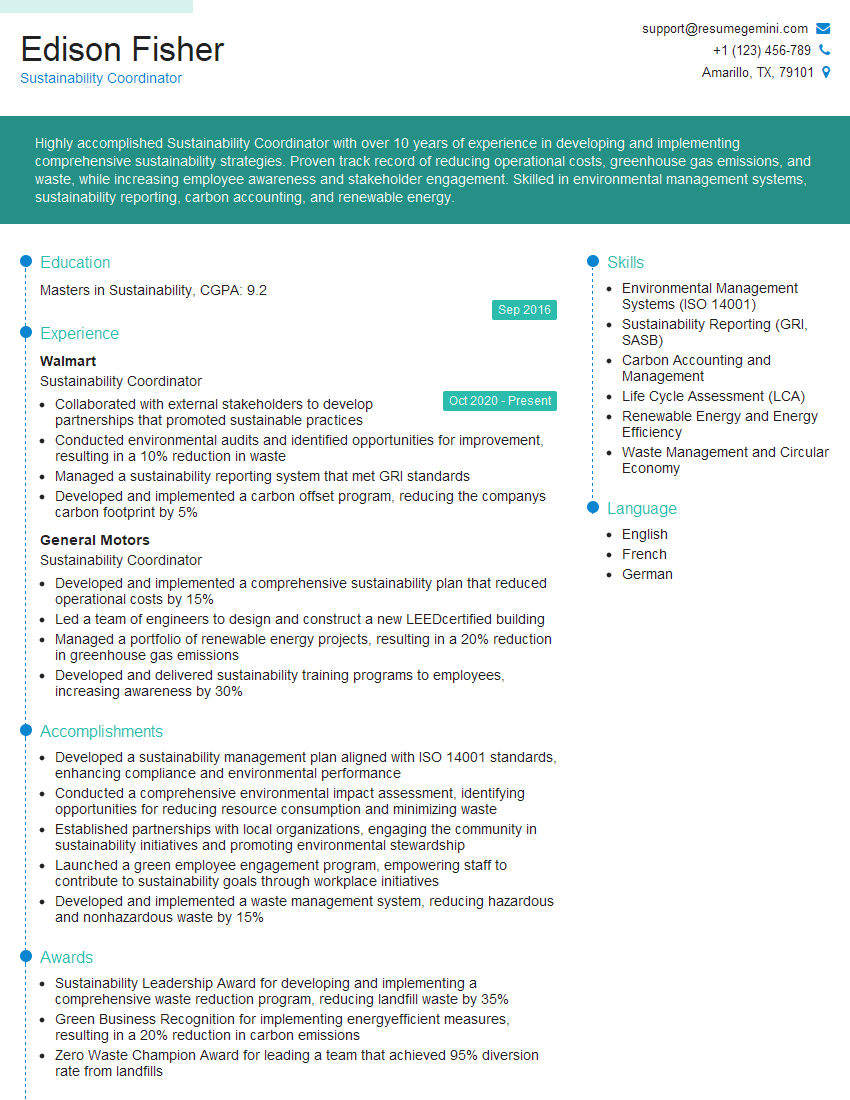
Sustainability Coordinator Resume Sample
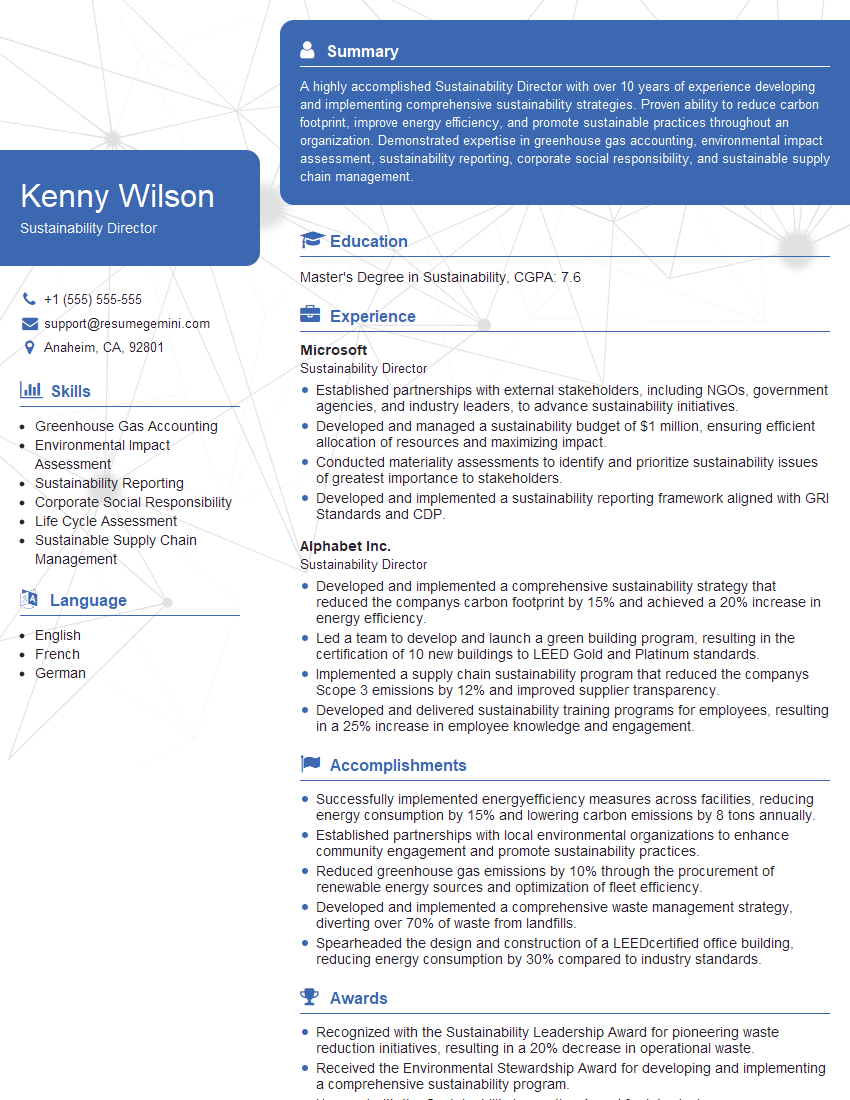
Sustainability Director Resume Sample
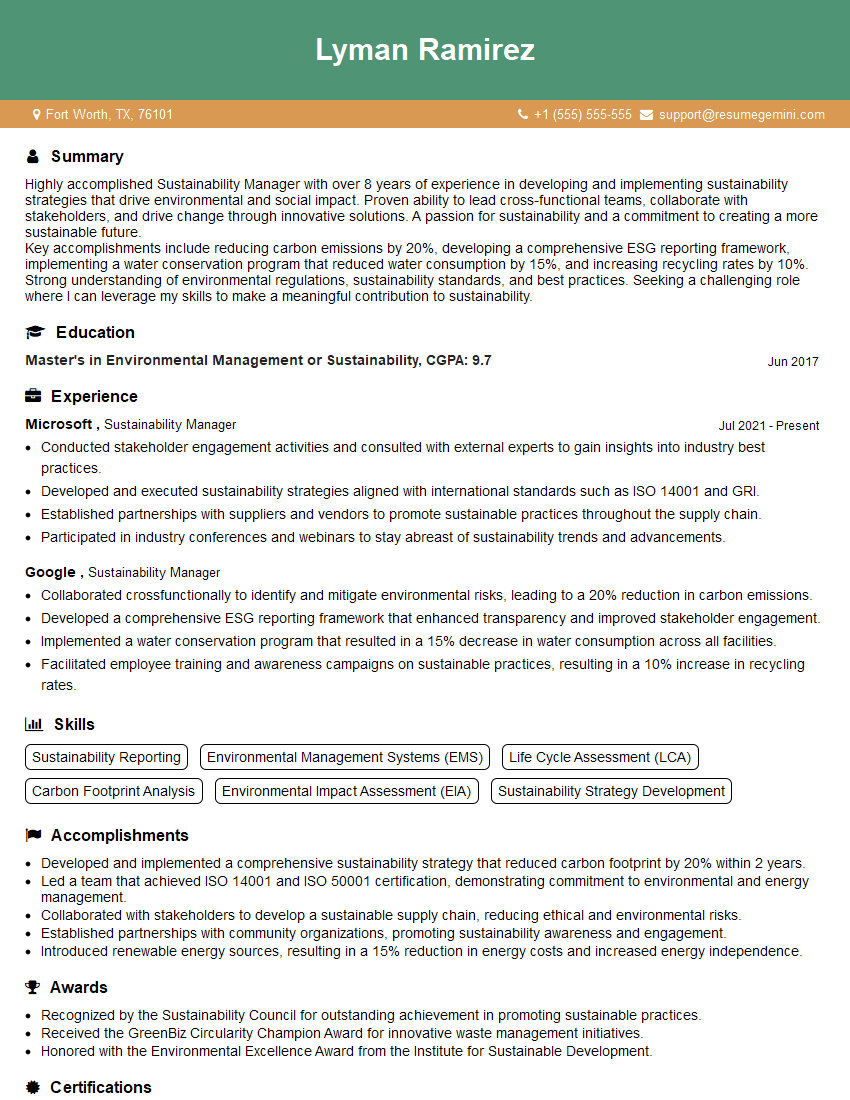
Sustainability Manager Resume Sample
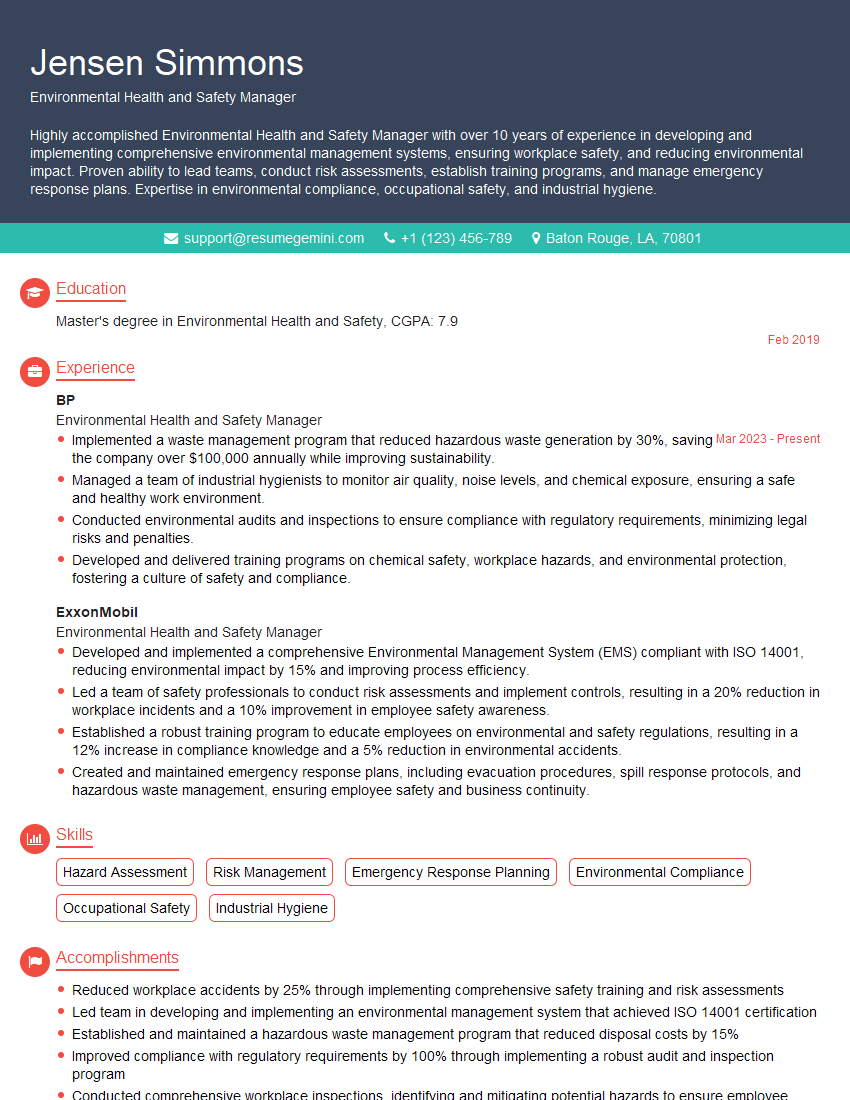
Environmental Health and Safety Manager Resume Sample
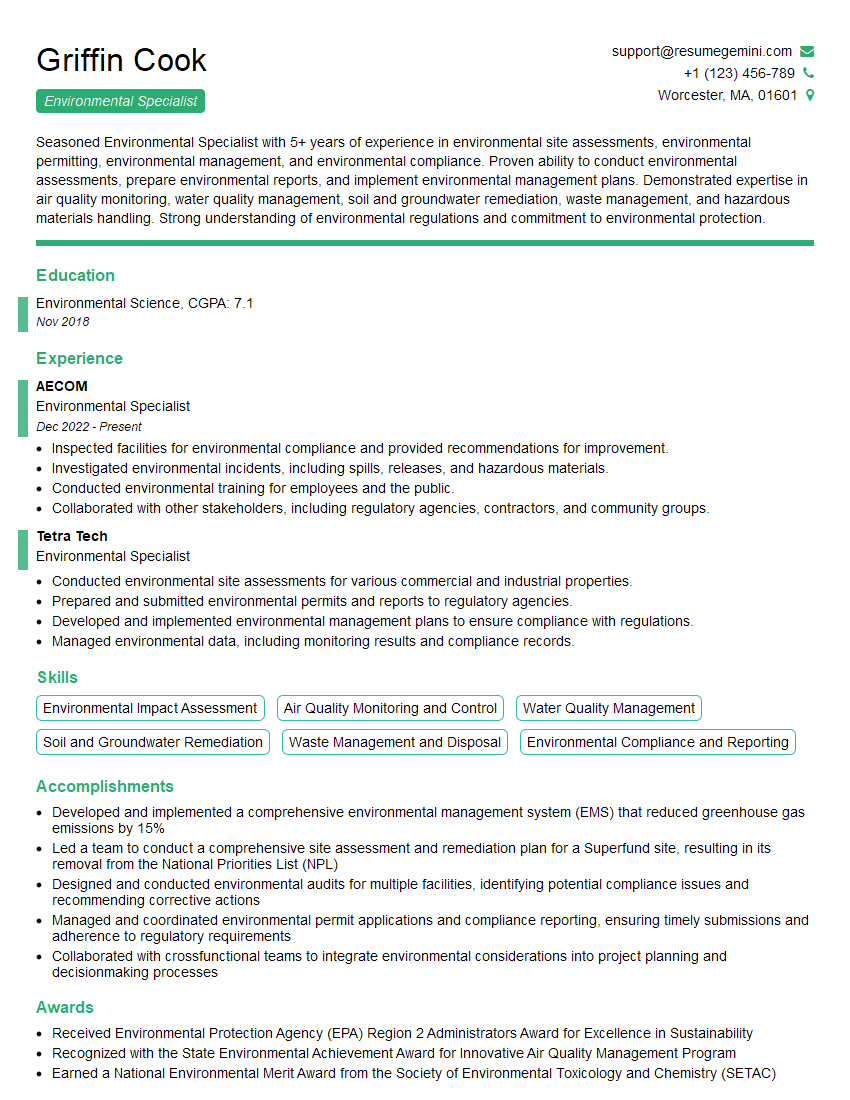
Environmental Specialist Resume Sample
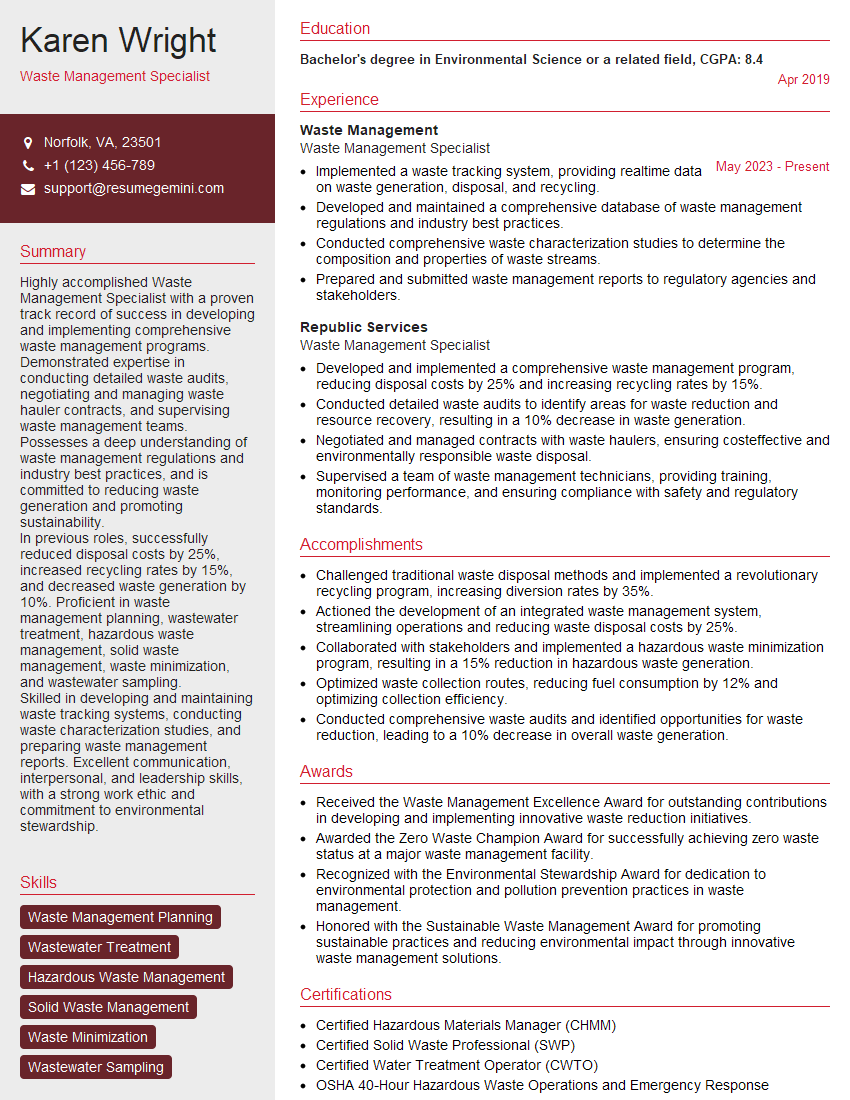
Waste Management Specialist Resume Sample
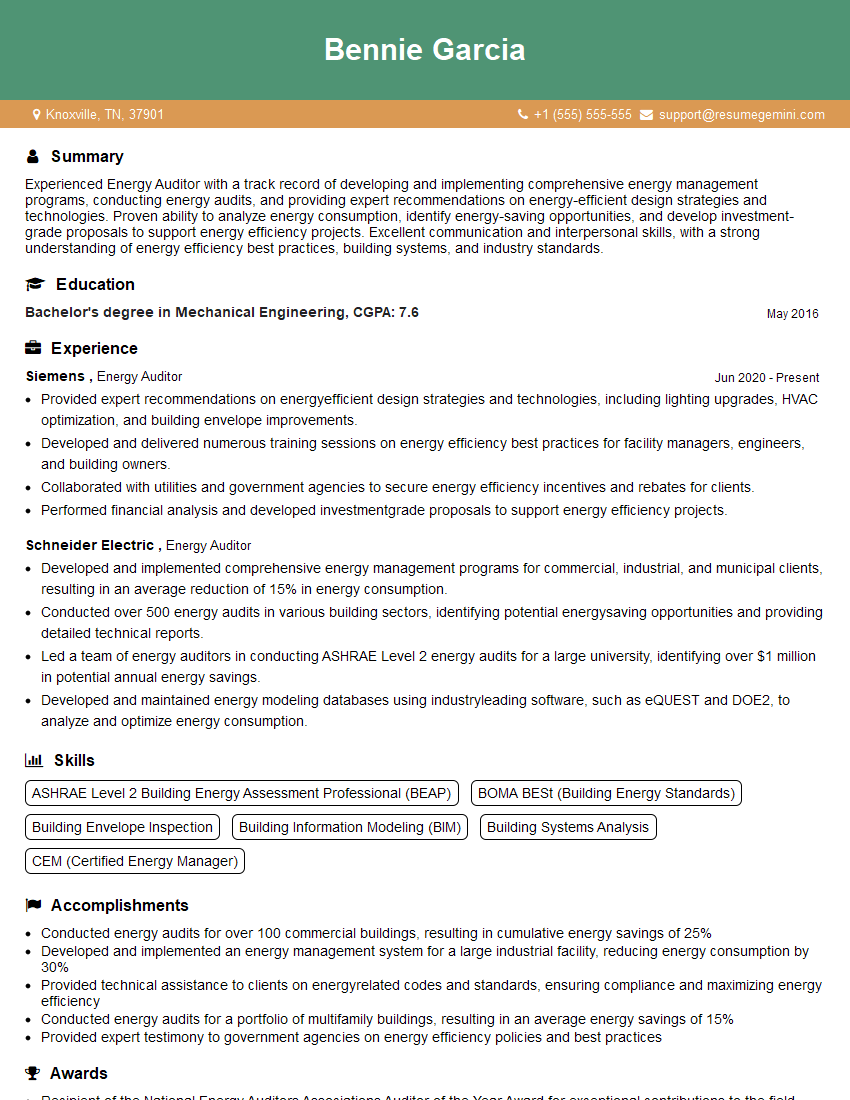
Energy Auditor Resume Sample
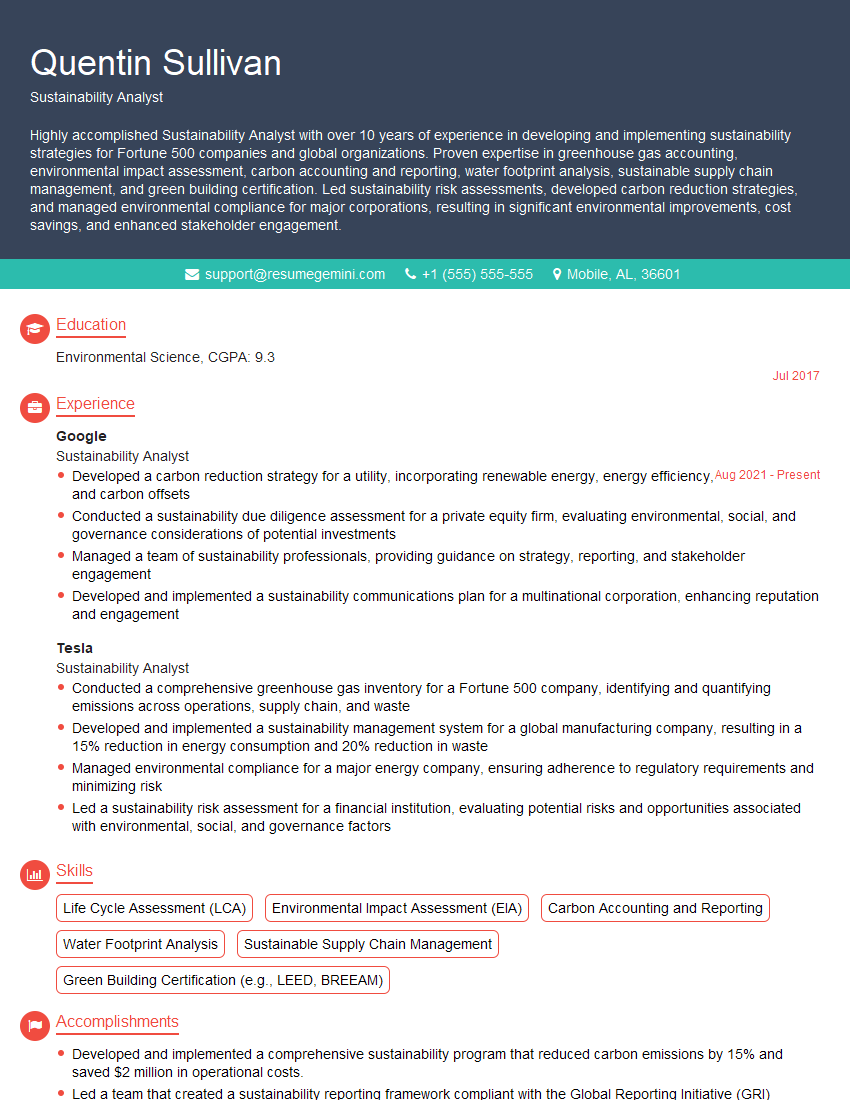
Sustainability Analyst Resume Sample

Sustainability Consultant Resume Sample
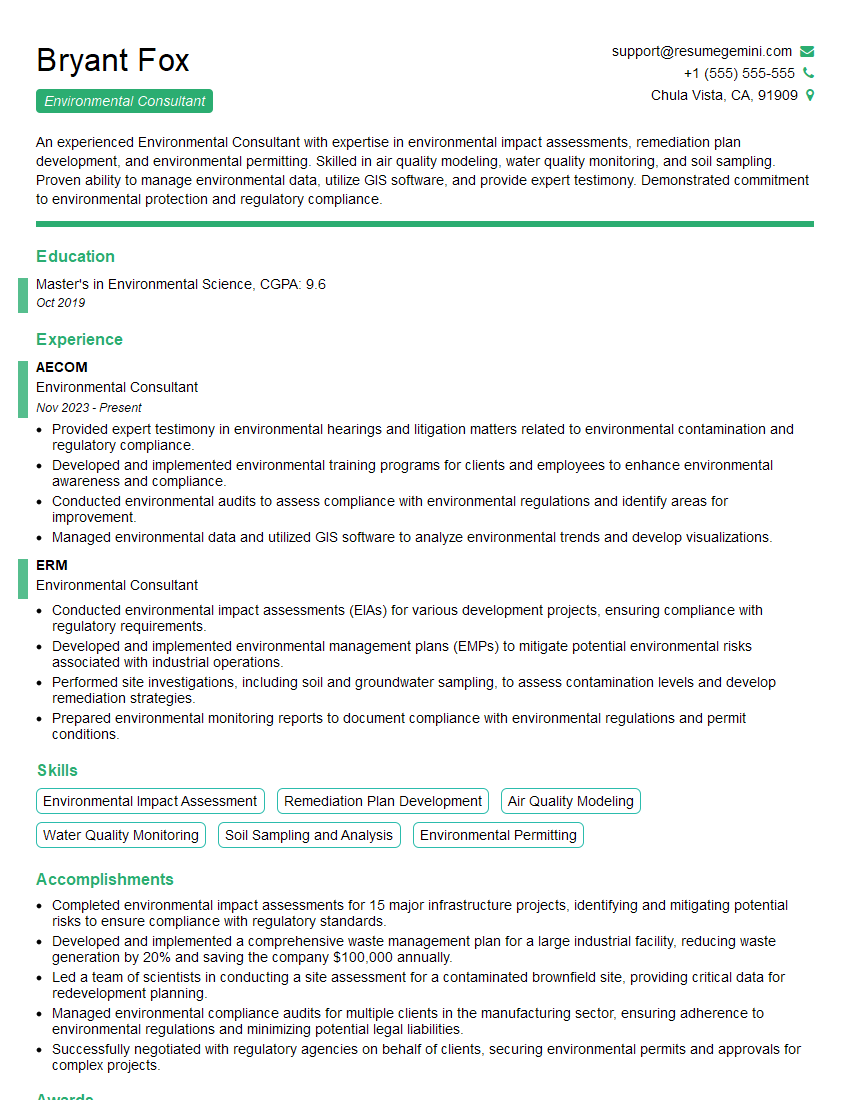
Environmental Consultant Resume Sample
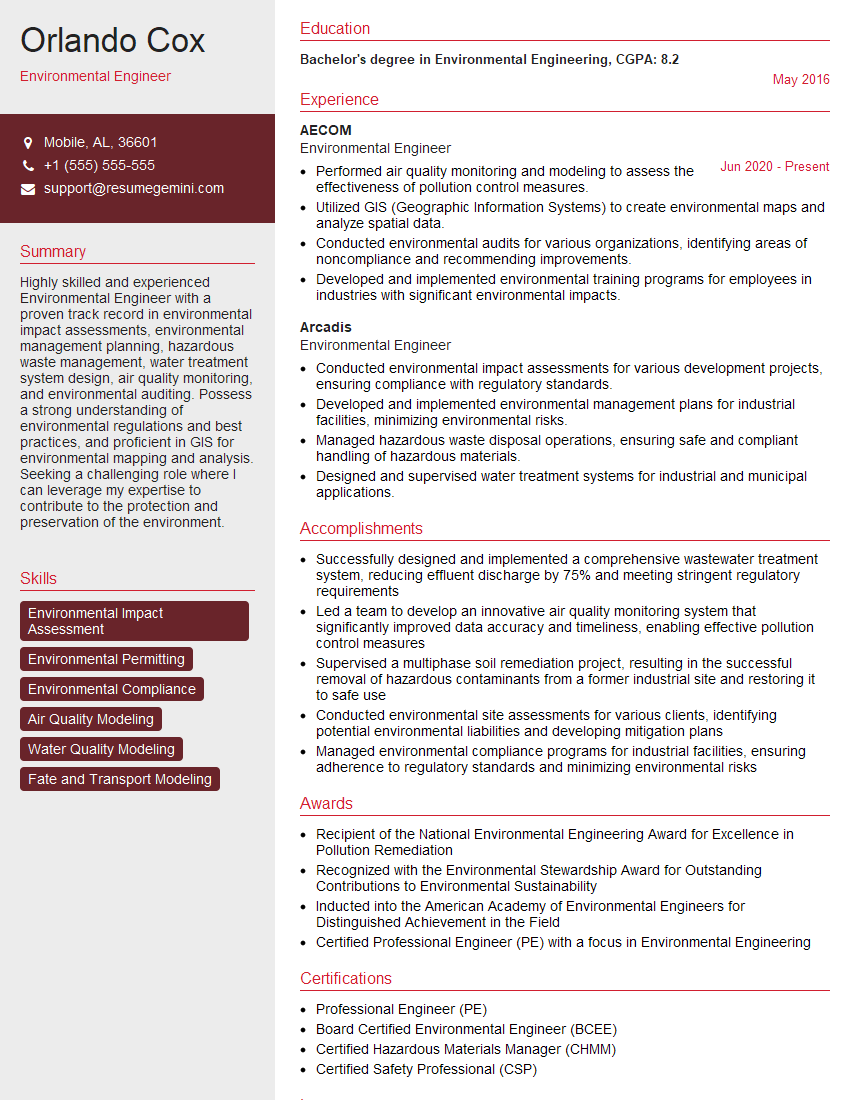
Environmental Engineer Resume Sample
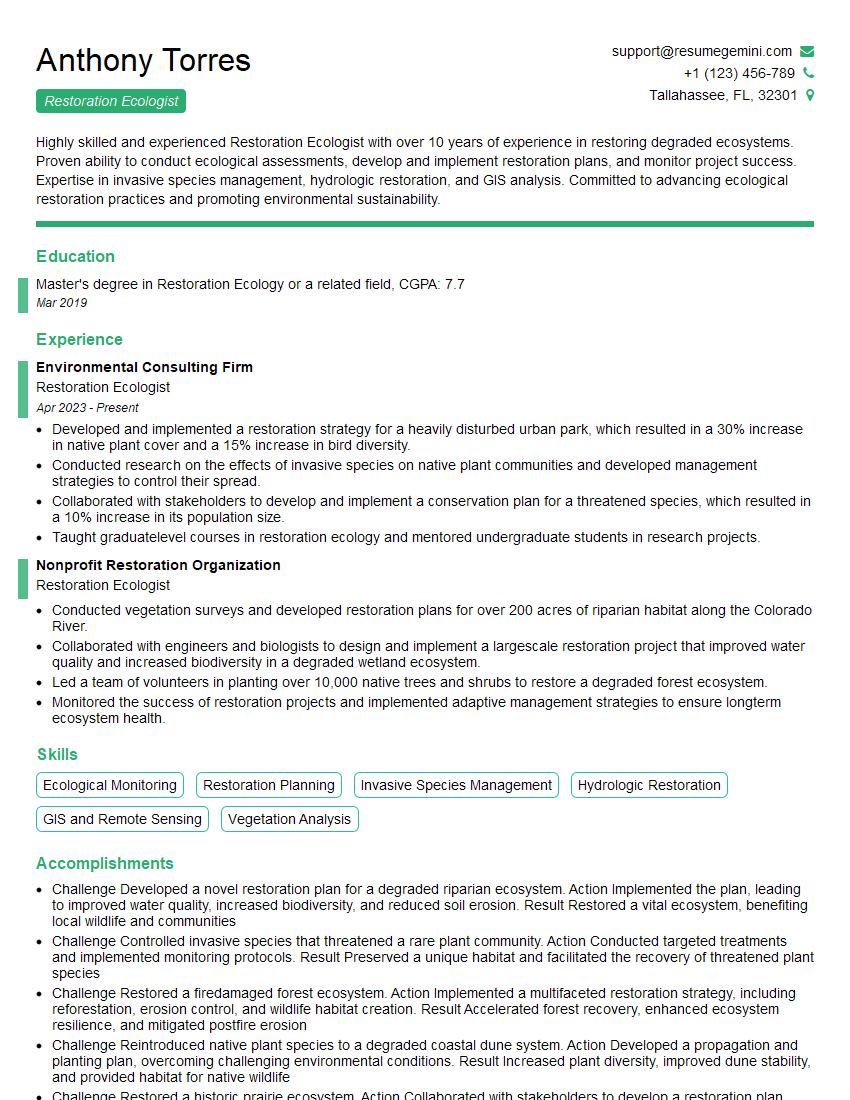
Restoration Ecologist Resume Sample
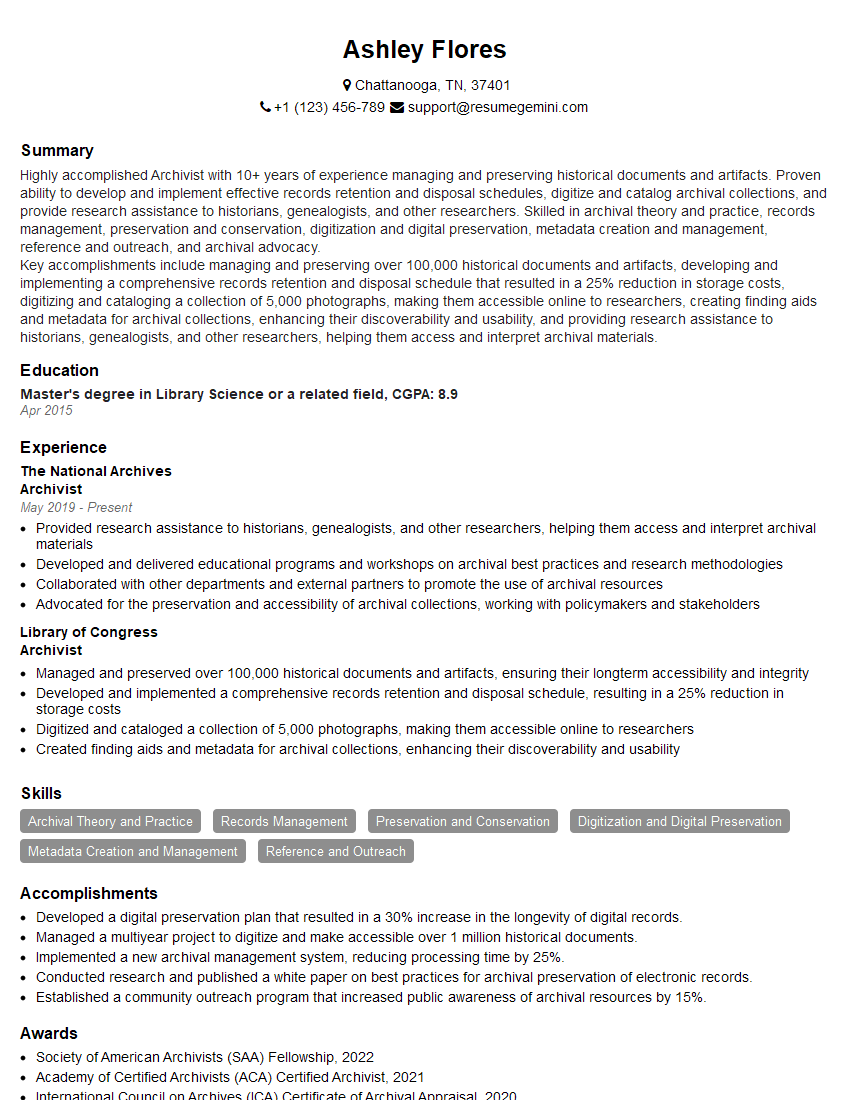
Archivist Resume Sample
- Sustainability Coordinator
- Sustainability Director
- Sustainability Manager
- Environmental Health and Safety Manager
- Environmental Specialist
- Waste Management Specialist
- Energy Auditor
- Sustainability Analyst
- Sustainability Consultant
- Environmental Consultant
- Environmental Engineer
- Restoration Ecologist
- Archivist
Explore more articles
Users Rating of Our Blogs
Share Your Experience
We value your feedback! Please rate our content and share your thoughts (optional).
What Readers Say About Our Blog
Very informative content, great job.
good