Feeling uncertain about what to expect in your upcoming interview? We’ve got you covered! This blog highlights the most important Sustainable Energy interview questions and provides actionable advice to help you stand out as the ideal candidate. Let’s pave the way for your success.
Questions Asked in Sustainable Energy Interview
Q 1. Explain the difference between renewable and non-renewable energy sources.
The core difference between renewable and non-renewable energy sources lies in their replenishment rate. Renewable energy sources are naturally replenished over a relatively short period, making them sustainable. Think of sunlight, wind, or flowing water – these resources are constantly being renewed. In contrast, non-renewable energy sources are finite resources that take millions of years to form and are depleted much faster than they are replaced. Fossil fuels like coal, oil, and natural gas are prime examples. Once they are used, they are gone for all practical purposes.
Imagine a bank account: renewable energy is like receiving a regular deposit, while non-renewable energy is like spending from a finite savings account that eventually runs out. The sustainable nature of renewable resources makes them crucial for long-term energy security and environmental protection.
Q 2. Describe the various types of renewable energy technologies and their applications.
Renewable energy technologies encompass a diverse range of approaches to harnessing natural resources. Some key types include:
- Solar Power: Photovoltaic (PV) cells convert sunlight directly into electricity, while concentrated solar power (CSP) uses mirrors to focus sunlight, generating heat to drive turbines. Applications range from residential rooftop systems to large-scale solar farms powering entire communities.
- Wind Power: Wind turbines convert the kinetic energy of wind into electricity. Wind farms, often located onshore or offshore, can generate significant power, especially in areas with consistent wind speeds.
- Hydropower: Dams harness the potential energy of water stored behind them, releasing it to drive turbines and generate electricity. Hydropower is a mature technology, but its environmental impact, especially on river ecosystems, needs careful consideration.
- Geothermal Energy: This technology taps into the Earth’s internal heat, which can be used directly for heating or to generate electricity. Geothermal power plants are located in areas with high geothermal activity.
- Biomass Energy: This involves burning organic matter (wood, crops, waste) to produce heat or electricity. While renewable in principle, sustainable biomass practices are crucial to avoid deforestation and other environmental issues.
The applications of these technologies are incredibly varied, extending from individual homes and businesses to large-scale power grids, transportation (electric vehicles charged with solar or wind power), and industrial processes. The choice of technology depends on factors like geographical location, resource availability, and economic considerations.
Q 3. What are the environmental impacts of fossil fuel use?
The environmental consequences of relying on fossil fuels are extensive and well-documented. The primary issues include:
- Greenhouse Gas Emissions: Burning fossil fuels releases large quantities of carbon dioxide (CO2), methane (CH4), and other greenhouse gases into the atmosphere, contributing significantly to climate change and global warming. This leads to rising sea levels, more frequent extreme weather events, and disruptions to ecosystems.
- Air Pollution: The combustion process produces various pollutants, including particulate matter, sulfur oxides, and nitrogen oxides, which harm human health and damage the environment. Respiratory illnesses, acid rain, and smog are direct consequences.
- Water Pollution: Oil spills, wastewater from extraction processes, and acid mine drainage contaminate water bodies, harming aquatic life and impacting drinking water sources.
- Habitat Destruction: Fossil fuel extraction often involves significant land disturbance, habitat loss, and fragmentation, negatively impacting biodiversity.
The cumulative effect of these impacts poses a serious threat to the planet’s ecosystems and human well-being. Transitioning away from fossil fuels is vital for mitigating these risks and ensuring a sustainable future.
Q 4. Discuss the economic benefits and challenges of transitioning to renewable energy.
The transition to renewable energy presents both significant economic benefits and challenges.
Benefits:
- Job Creation: The renewable energy sector is a rapidly growing industry, creating numerous jobs in manufacturing, installation, maintenance, and research.
- Energy Independence: Reducing reliance on imported fossil fuels enhances national energy security and reduces vulnerability to price fluctuations.
- Economic Growth: Investments in renewable energy technologies stimulate innovation and economic activity, fostering new businesses and industries.
- Reduced Healthcare Costs: Cleaner air resulting from reduced fossil fuel combustion leads to lower healthcare expenses associated with respiratory illnesses.
Challenges:
- Initial Investment Costs: The upfront costs of building renewable energy infrastructure can be substantial, requiring significant investments.
- Intermittency: Solar and wind power are intermittent, meaning their output fluctuates depending on weather conditions. Effective energy storage solutions are needed to address this.
- Grid Integration: Integrating large amounts of renewable energy into existing electricity grids requires upgrades and modernization.
- Land Use: Large-scale renewable energy projects can require considerable land areas, potentially impacting land use and ecosystems.
Successfully navigating these challenges requires a strategic approach involving policy support, technological innovation, and efficient resource management. The long-term economic benefits of a sustainable energy system far outweigh the initial costs and challenges.
Q 5. Explain the concept of energy efficiency and its role in sustainability.
Energy efficiency refers to using less energy to achieve the same outcome. It’s about getting more value from every unit of energy consumed. This is a crucial element of sustainability because it reduces energy demand, lessening the reliance on energy production, and mitigating environmental impacts.
For example, improving the insulation of a building reduces the energy needed for heating and cooling. Using energy-efficient appliances reduces household electricity consumption. Improving the fuel efficiency of vehicles means less fuel is used to travel the same distance.
In a professional setting, energy efficiency translates to cost savings for businesses, reduced carbon footprints, and improved operational efficiency. Implementing energy-efficient practices can significantly improve a company’s bottom line while simultaneously contributing to a more sustainable future. This could involve anything from switching to LED lighting to optimizing industrial processes. Energy efficiency measures are often a cheaper and quicker way to reduce emissions compared to building new generation capacity.
Q 6. How does energy storage technology address the intermittency of renewable energy sources?
The intermittency of renewable energy sources like solar and wind – their output varying depending on weather conditions – is a key challenge. Energy storage technologies are essential to address this by storing surplus energy generated during periods of high production for use when generation is low. This ensures a stable and reliable energy supply.
Several energy storage solutions exist, including:
- Batteries: Lithium-ion batteries are currently the most widely used, but other battery chemistries are under development. They store energy chemically and can be used in various applications, from residential systems to large-scale grid storage.
- Pumped Hydro Storage: This method involves pumping water uphill to a reservoir during periods of excess energy and releasing it to generate electricity when needed. It’s a mature technology with large-scale storage capacity.
- Compressed Air Energy Storage (CAES): This technology stores energy by compressing air, which is then released to drive turbines when electricity is needed.
- Thermal Energy Storage: This method uses molten salts or other materials to store heat generated by solar thermal power plants, allowing for electricity generation even when the sun isn’t shining.
The selection of appropriate energy storage technology depends on factors such as the scale of the project, cost considerations, and geographical location.
Q 7. What are the key components of a smart grid and how does it improve energy efficiency?
A smart grid is an advanced electricity network that uses digital technologies to improve efficiency, reliability, and sustainability of electricity delivery. Key components include:
- Smart Meters: These meters provide real-time data on energy consumption, enabling consumers to monitor their usage and manage their energy costs more effectively.
- Advanced Sensors and Communication Networks: These technologies monitor the grid in real time, providing operators with insights into its performance and enabling them to respond to changing conditions quickly and efficiently.
- Distributed Generation: Integration of various distributed renewable energy sources like rooftop solar panels and small-scale wind turbines into the grid.
- Demand-Side Management (DSM): Strategies to influence energy consumption patterns, such as dynamic pricing or incentives, encouraging consumers to shift their energy use to times of lower demand.
- Energy Storage Systems: Integrating energy storage technologies to balance supply and demand, addressing the intermittency of renewable energy sources.
By optimizing energy flow, managing demand, and integrating renewable energy sources, the smart grid significantly improves energy efficiency, reduces losses, enhances grid stability, and enables a more sustainable energy future. It allows for better integration of renewable energy sources and improved management of peak demand, reducing the need for costly peaking power plants.
Q 8. Describe the different types of solar panels and their efficiencies.
Solar panels convert sunlight into electricity using the photovoltaic effect. Different types exist, primarily categorized by their semiconductor material and design.
- Crystalline Silicon: This is the most common type, further divided into monocrystalline (single crystal silicon, dark blue/black, highest efficiency, around 18-22%), polycrystalline (multiple silicon crystals, blueish with a speckled appearance, slightly lower efficiency, around 15-17%), and ribbon silicon (grown in thin ribbons, lower efficiency, around 10-13%).
- Thin-Film Solar Cells: These use thin layers of semiconductor material deposited on a substrate like glass or plastic. Types include amorphous silicon (a-Si), cadmium telluride (CdTe), and copper indium gallium selenide (CIGS). They are less efficient than crystalline silicon (typically 5-15%) but are lighter, flexible, and can be less expensive to produce.
- Perovskite Solar Cells: A relatively new technology, perovskite cells boast high efficiency potential (over 25% in labs, commercially around 20%) and low manufacturing costs, but still face challenges regarding long-term stability and toxicity.
Efficiency depends on factors like material quality, cell design, manufacturing process, temperature, and sunlight intensity. Advances in materials science and technology constantly improve solar panel efficiency.
Q 9. Explain the principles of wind energy conversion.
Wind energy conversion harnesses the kinetic energy of moving air to generate electricity. A wind turbine, essentially a large windmill, captures this energy.
The process begins with wind blowing against the turbine blades. This creates rotational force on the blades, turning a rotor shaft connected to a gearbox. The gearbox increases the rotational speed, which then drives a generator. The generator, using electromagnetic induction, converts the mechanical energy (rotation) into electrical energy.
The generated electricity is typically alternating current (AC) and can be fed directly into the grid or stored in batteries for later use. The efficiency of wind energy conversion depends on factors such as turbine design, wind speed, and air density.
Imagine a pinwheel; the wind makes it spin. A wind turbine is much larger and more sophisticated, but the fundamental principle is the same: converting kinetic energy to rotational mechanical energy, then to electrical energy.
Q 10. Discuss the challenges and opportunities in integrating renewable energy into the existing power grid.
Integrating renewable energy into existing grids presents both opportunities and challenges:
- Challenges:
- Intermittency: Solar and wind power are intermittent; their output fluctuates depending on weather conditions. This requires sophisticated grid management to ensure a stable supply.
- Grid Infrastructure: Existing grids might need upgrades to handle the decentralized nature and variable output of renewable energy sources.
- Energy Storage: Lack of large-scale, cost-effective energy storage solutions makes it difficult to manage the intermittency issue.
- Transmission and Distribution: Getting power from remote renewable energy sources to populated areas can be costly and require new infrastructure.
- Opportunities:
- Decentralized Energy Production: Renewable energy can be generated closer to consumption points, reducing transmission losses and enhancing grid resilience.
- Reduced Carbon Emissions: Replacing fossil fuels with renewables significantly cuts greenhouse gas emissions, combating climate change.
- Economic Growth: The renewable energy sector creates jobs and stimulates economic growth.
- Energy Security: Reduces dependence on volatile fossil fuel markets, improving national energy security.
Successful integration requires smart grids, advanced forecasting technologies, demand-side management, and diverse renewable energy sources to mitigate intermittency effects. For example, pairing solar and wind farms in different geographical locations helps balance their intermittent output.
Q 11. What are the different types of biomass energy and their sustainability concerns?
Biomass energy utilizes organic matter – plant and animal waste – as fuel. Types include:
- Wood: Traditional fuel source, but unsustainable practices like deforestation can lead to environmental damage.
- Agricultural Residues: Crop stalks, rice husks, etc., are readily available but require careful handling to avoid air pollution.
- Energy Crops: Plants specifically grown for energy production (e.g., switchgrass, miscanthus) offer a more sustainable approach, but require land suitable for cultivation.
- Biogas: Anaerobic digestion of organic waste produces methane, which can be burned for energy. It is an efficient way to treat waste while generating renewable energy.
Sustainability Concerns: Unsustainable biomass production can cause deforestation, soil erosion, and biodiversity loss. Incomplete combustion leads to air pollution. The carbon footprint needs to be carefully evaluated; while biomass is renewable, it’s not necessarily carbon-neutral if its production or transportation is energy-intensive.
Sustainable biomass practices necessitate responsible forestry, crop management, and waste treatment to minimize environmental impacts.
Q 12. Explain the concept of carbon footprint and methods for its reduction.
A carbon footprint is the total amount of greenhouse gases (primarily carbon dioxide) generated by our actions. It measures the environmental impact of our activities, from manufacturing and transportation to consumption and waste disposal.
Methods for Reduction:
- Energy Efficiency: Reducing energy consumption through better insulation, efficient appliances, and renewable energy sources.
- Sustainable Transportation: Using public transport, cycling, walking, or electric vehicles.
- Responsible Consumption: Buying fewer goods, choosing sustainable products, and reducing waste.
- Carbon Offsetting: Investing in projects that remove CO2 from the atmosphere, such as reforestation or carbon capture.
- Renewable Energy: Switching to renewable energy sources for electricity and heating.
Imagine your footprint in the sand; your carbon footprint is similarly a measure of your impact. By making conscious choices, we can lessen this impact and create a more sustainable future. Tools and calculators are available to estimate one’s personal or organizational carbon footprint.
Q 13. Describe the role of energy audits in improving energy efficiency in buildings.
Energy audits provide a detailed assessment of a building’s energy consumption and identify areas for improvement. They involve a systematic evaluation of energy use, identifying inefficiencies, and recommending cost-effective solutions to reduce energy consumption and improve energy efficiency.
Process: An energy audit typically includes:
- Data Collection: Gathering information on energy bills, building systems, and occupant behavior.
- Site Inspection: A physical inspection of the building to identify potential energy losses through visual observation and testing.
- Energy Modeling: Using software to simulate building energy performance and analyze potential upgrades.
- Recommendations: Developing a detailed report outlining energy-saving opportunities, including cost-benefit analysis.
- Implementation: Assisting with the implementation of recommended upgrades.
For instance, an energy audit might reveal that poor insulation is causing significant heat loss in a building. This can lead to recommendations for upgrading insulation, improving window sealing, and optimizing HVAC systems. The return on investment from these improvements is calculated to guide cost-effective solutions.
Q 14. What are the key considerations in the design and construction of green buildings?
Green building design and construction prioritize sustainability throughout the building’s lifecycle, from material selection to operation and eventual demolition.
Key Considerations:
- Site Selection and Planning: Minimizing environmental impact of the building site, utilizing existing infrastructure, preserving natural features.
- Energy Efficiency: Optimizing building design for passive solar gain, using energy-efficient HVAC systems, and incorporating renewable energy sources.
- Water Conservation: Implementing water-efficient fixtures and landscaping, utilizing rainwater harvesting.
- Material Selection: Using sustainable and recycled materials with low embodied carbon, minimizing material transportation distances.
- Indoor Environmental Quality: Ensuring good ventilation, natural light, and thermal comfort for occupants’ health and well-being.
- Waste Management: Minimizing construction waste through efficient material management and recycling.
- Lifecycle Assessment: Evaluating environmental impact throughout the building’s entire lifecycle.
Green buildings aim to reduce environmental impact and enhance human health and well-being. For example, using locally-sourced materials reduces transportation emissions, while green roofs improve insulation and reduce stormwater runoff.
Q 15. Discuss the role of government policies and regulations in promoting renewable energy adoption.
Government policies and regulations play a crucial role in accelerating the adoption of renewable energy. They essentially create a supportive environment where renewable energy becomes a competitive and, ideally, the most attractive option. This is achieved through a variety of mechanisms.
Financial Incentives: This includes tax credits, subsidies, grants, and feed-in tariffs (FITs). FITs, for example, guarantee a certain price for renewable energy produced, making it financially viable for producers even if market prices fluctuate. The US Investment Tax Credit (ITC) for solar is a prime example.
Renewable Portfolio Standards (RPS): These mandate that a certain percentage of electricity generation must come from renewable sources. This creates a guaranteed demand, encouraging investment in renewable energy infrastructure. California’s RPS is a well-known example.
Carbon Pricing Mechanisms: Carbon taxes or cap-and-trade systems put a price on carbon emissions, making fossil fuels more expensive and increasing the competitiveness of renewable alternatives. The European Union Emissions Trading System (EU ETS) is a prominent example of a cap-and-trade system.
Streamlined Permitting Processes: Reducing bureaucratic hurdles and simplifying the permitting process for renewable energy projects significantly speeds up deployment. This is crucial for large-scale projects.
Research and Development Funding: Government investment in R&D is vital for driving innovation and reducing the cost of renewable energy technologies. This leads to improvements in efficiency and cost-effectiveness.
Effectively designed policies, tailored to the specific context, can significantly shift the energy landscape towards sustainability. However, poorly designed policies can create unintended consequences, so careful consideration and ongoing evaluation are essential.
Career Expert Tips:
- Ace those interviews! Prepare effectively by reviewing the Top 50 Most Common Interview Questions on ResumeGemini.
- Navigate your job search with confidence! Explore a wide range of Career Tips on ResumeGemini. Learn about common challenges and recommendations to overcome them.
- Craft the perfect resume! Master the Art of Resume Writing with ResumeGemini’s guide. Showcase your unique qualifications and achievements effectively.
- Don’t miss out on holiday savings! Build your dream resume with ResumeGemini’s ATS optimized templates.
Q 16. Explain the concept of life cycle assessment (LCA) in the context of sustainable energy.
Life Cycle Assessment (LCA) is a crucial methodology for evaluating the environmental impacts of a product or process throughout its entire life, from raw material extraction to disposal. In the context of sustainable energy, LCA helps us compare the environmental performance of different energy technologies, not just focusing on operational emissions but also considering manufacturing, transportation, and end-of-life impacts.
A comprehensive LCA typically includes:
Inventory Analysis: Quantifies all energy and material inputs and environmental outputs (emissions to air, water, and land) at each stage.
Impact Assessment: Evaluates the potential environmental consequences of these inputs and outputs (e.g., global warming potential, acidification, eutrophication).
Interpretation: Analyzes the results to identify the key environmental hotspots and potential areas for improvement.
For example, an LCA of a solar panel would consider the energy used in manufacturing, the environmental impacts of material extraction (silicon, metals), transportation, operational emissions (minimal), and eventual disposal or recycling. Comparing this to a lifecycle assessment of a coal-fired power plant, which includes coal mining, transportation, combustion emissions, and ash disposal, provides a much more holistic view of the true environmental costs.
LCA helps in making informed decisions about which renewable energy technologies are truly the most sustainable, taking a broader perspective than just looking at operational emissions alone.
Q 17. What are the various types of energy storage technologies and their applications?
Energy storage is critical for addressing the intermittency of renewable energy sources like solar and wind. Several technologies are available, each with its strengths and weaknesses:
Pumped Hydro Storage: This is the most mature and widely used technology. It involves pumping water uphill to a reservoir during off-peak hours and releasing it to generate electricity during peak demand. It’s cost-effective for large-scale applications but geographically limited.
Batteries (Lithium-ion, Flow, etc.): Lithium-ion batteries are dominant in smaller-scale applications (e.g., residential, electric vehicles), offering high power density and relatively fast charging/discharging. Flow batteries are better suited for large-scale, long-duration storage applications, although they have lower power density.
Compressed Air Energy Storage (CAES): Air is compressed during off-peak hours and used to drive turbines during peak demand. This technology is suitable for large-scale storage, but the efficiency can be lower compared to other technologies.
Thermal Energy Storage: This involves storing energy as heat (e.g., molten salt) or cold, often used in conjunction with concentrated solar power plants. It enables dispatch of electricity even after the sun sets.
Flywheel Energy Storage: Rotating a flywheel stores kinetic energy, which can be released as electricity. This technology is suitable for short-duration, high-power applications.
The choice of technology depends on factors such as scale, duration of storage needed, cost, and environmental impacts. For example, a grid-scale application might favor pumped hydro or flow batteries, while a residential application might use lithium-ion batteries.
Q 18. Discuss the challenges and opportunities in deploying geothermal energy.
Geothermal energy harnesses heat from the Earth’s interior. While offering a reliable and baseload renewable energy source, it faces challenges:
High upfront costs: Drilling deep wells and constructing geothermal power plants are expensive, requiring significant initial investment.
Geographic limitations: Geothermal resources are not evenly distributed, limiting its applicability to areas with accessible high-temperature geothermal reservoirs.
Environmental impacts: Potential impacts include induced seismicity (earthquakes) in enhanced geothermal systems, release of greenhouse gases (though generally much lower than fossil fuels), and land use changes.
However, opportunities exist:
Technological advancements: Enhanced geothermal systems (EGS) are being developed to tap into geothermal resources in areas without naturally occurring hydrothermal systems.
Direct use applications: Geothermal heat can be directly used for heating and cooling buildings, reducing reliance on fossil fuels for space conditioning.
Growing awareness and policy support: Increased awareness of climate change and government support for renewable energy are driving investments in geothermal energy development.
Overcoming the challenges through technological innovation and supportive policies will unlock the significant potential of geothermal energy as a sustainable and reliable energy source.
Q 19. Explain the principles of hydropower generation and its environmental impacts.
Hydropower generation utilizes the potential energy of water stored at a height to produce electricity. Water is released from a reservoir behind a dam, flowing through turbines that spin generators.
Principles:
Potential Energy Conversion: The potential energy of the water (due to its elevation) is converted to kinetic energy as it flows down.
Turbine Rotation: The kinetic energy drives the rotation of turbines connected to generators.
Electricity Generation: The generators convert the mechanical energy of the rotating turbines into electricity.
Environmental Impacts:
Habitat alteration and loss of biodiversity: Dam construction can flood large areas, displacing communities and affecting aquatic ecosystems.
Sedimentation: Dams trap sediment, affecting downstream ecosystems and reducing the lifespan of the reservoir.
Greenhouse gas emissions: Decomposition of organic matter in flooded areas can release methane, a potent greenhouse gas.
Water flow disruption: Changes in water flow can affect downstream water quality, availability, and temperature.
Sustainable hydropower projects strive to mitigate these impacts through careful site selection, ecological flow releases, fish passage systems, and sediment management strategies. Run-of-river hydropower plants, which don’t involve large reservoirs, generally have lower environmental impacts.
Q 20. What are the key factors to consider when selecting a renewable energy technology for a specific location?
Selecting the appropriate renewable energy technology for a given location requires a careful assessment of several key factors:
Resource availability: This is the most fundamental factor. Solar power needs ample sunlight, wind power needs consistent winds, and hydropower needs sufficient water resources. A detailed assessment of the resource potential is crucial.
Geographic and environmental conditions: The terrain, climate, and environmental sensitivities of the location influence the suitability of different technologies. For example, mountainous areas might be suitable for hydropower but less so for large solar farms.
Grid connection and infrastructure: Proximity to the electricity grid is crucial for cost-effective integration of renewable energy. Existing infrastructure, such as transmission lines and substations, will influence the feasibility of the project.
Economic factors: The cost of land, construction, permitting, and operation and maintenance varies widely depending on the location. Government incentives and subsidies also play a significant role.
Social acceptance and community engagement: The project must have the support of the local community. Addressing concerns regarding potential environmental impacts or visual impacts is essential for successful project implementation.
Policy and regulatory framework: Local, regional, and national regulations regarding renewable energy development can influence the feasibility and cost-effectiveness of the project.
A thorough techno-economic assessment, considering these factors, is essential for making informed decisions about which renewable energy technology is most suitable for a particular location.
Q 21. How can you assess the economic viability of a renewable energy project?
Assessing the economic viability of a renewable energy project requires a comprehensive analysis incorporating several key aspects:
Capital costs: This includes the costs of land acquisition, equipment procurement, construction, and installation.
Operational costs: This encompasses maintenance, insurance, and other recurring expenses.
Revenue streams: This includes the revenue generated from electricity sales, government subsidies, and carbon credits (if applicable).
Financing costs: This includes interest rates on loans, equity investments, and other financing arrangements.
Project lifespan and depreciation: The expected lifetime of the project and the depreciation of assets are critical for determining long-term profitability.
Risk assessment: Identifying and quantifying potential risks (e.g., resource availability, technological advancements, policy changes) and developing mitigation strategies are crucial.
Common financial metrics used include:
Net Present Value (NPV): Measures the present value of all cash flows (both positive and negative) throughout the project’s lifetime.
Internal Rate of Return (IRR): Calculates the discount rate that makes the NPV equal to zero.
Levelized Cost of Energy (LCOE): Determines the average cost of electricity generation over the project’s lifetime.
A thorough economic analysis, considering all relevant factors and using appropriate financial metrics, is essential for making sound investment decisions in renewable energy projects. Sensitivity analysis can help to explore the impact of uncertainties on the project’s profitability.
Q 22. Describe different methods for evaluating the environmental impact of energy projects.
Evaluating the environmental impact of energy projects requires a holistic approach, considering the entire lifecycle from resource extraction to decommissioning. This is often done through Life Cycle Assessment (LCA).
Life Cycle Assessment (LCA): This standardized methodology quantifies environmental impacts across various stages: raw material acquisition, manufacturing, transportation, operation, maintenance, and end-of-life disposal. It considers factors like greenhouse gas emissions (GHG), water usage, land use, and waste generation. For example, an LCA of a solar farm would assess the impacts of manufacturing solar panels, transporting them, land use changes for the farm, and eventual panel recycling.
Environmental Impact Assessment (EIA): EIAs focus on the potential environmental consequences of a project, including its effects on air and water quality, biodiversity, and human health. Unlike LCA, which is quantitative, EIAs can incorporate qualitative aspects and stakeholder consultations. For instance, an EIA for a wind farm would analyze noise pollution, bird mortality risk, and visual impact on the landscape.
Carbon Footprint Analysis: This specific type of LCA focuses solely on greenhouse gas emissions. It’s crucial for understanding the contribution of a project to climate change. A carbon footprint analysis of a hydropower project might assess emissions from construction materials, reservoir methane release, and transportation of generated electricity.
Often, a combination of these methods is used to provide a comprehensive environmental impact profile. Software tools like SimaPro and Gabi are widely used for conducting LCAs.
Q 23. What are the key metrics used to measure the success of a sustainable energy initiative?
Measuring the success of a sustainable energy initiative involves a multifaceted approach, going beyond simple energy production. Key metrics include:
Renewable Energy Penetration: The percentage of total energy supply derived from renewable sources (solar, wind, hydro, geothermal, biomass). A higher percentage indicates greater progress toward decarbonization.
Greenhouse Gas Emissions Reduction: The decrease in GHG emissions (e.g., CO2, methane) attributed to the initiative. This metric directly addresses climate change mitigation.
Energy Efficiency Improvement: The reduction in energy consumption per unit of economic output or service provided. This highlights progress towards less energy-intensive practices.
Cost Reduction: The decrease in the cost of renewable energy technologies, making them more accessible and competitive. Falling costs are critical for widespread adoption.
Job Creation: The number of jobs created directly and indirectly by the initiative, demonstrating positive economic impacts.
Social Acceptance: Public perception and support for the project, assessed through surveys and consultations. Public acceptance is essential for long-term sustainability.
These metrics should be tracked over time to evaluate the initiative’s progress and make necessary adjustments.
Q 24. Explain the concept of energy poverty and its impact on sustainable development.
Energy poverty refers to the lack of access to modern energy services, including electricity and clean cooking fuels. It significantly hinders sustainable development in several ways:
Limited Economic Opportunities: Lack of electricity restricts business activities, prevents access to information and communication technologies (ICTs), and limits productivity.
Health Issues: Reliance on traditional biomass fuels (wood, dung) for cooking leads to indoor air pollution, causing respiratory illnesses and other health problems, particularly affecting women and children.
Educational Barriers: Inadequate lighting and access to ICTs hinder education, limiting human capital development.
Social Inequality: Energy poverty disproportionately affects marginalized communities, exacerbating existing social inequalities.
Environmental Degradation: Over-reliance on unsustainable biomass resources contributes to deforestation and land degradation.
Addressing energy poverty is crucial for achieving the UN Sustainable Development Goals (SDGs), particularly SDG 7 (Affordable and Clean Energy) and other related goals like health, education, and gender equality.
Q 25. Discuss the role of international cooperation in addressing climate change and promoting sustainable energy.
International cooperation is paramount in tackling climate change and promoting sustainable energy. This involves:
Global Agreements: International treaties like the Paris Agreement set targets for emissions reductions and provide a framework for collaborative action. These agreements foster a sense of shared responsibility.
Technology Transfer: Developed nations can assist developing countries in adopting renewable energy technologies through knowledge sharing, capacity building, and financial support. This promotes equitable access to clean energy.
Financial Mechanisms: International funds, such as the Green Climate Fund, provide financial resources to developing countries for climate change mitigation and adaptation projects, enabling them to invest in sustainable energy.
Research and Development: Collaborative research efforts can accelerate the development and deployment of innovative sustainable energy technologies. Sharing research findings speeds up the technological progress.
Data Sharing and Monitoring: Transparent data sharing on emissions, energy consumption, and renewable energy deployment is vital for tracking progress and ensuring accountability.
International cooperation requires strong political will, financial commitments, and effective mechanisms for implementation to achieve meaningful progress in combating climate change and promoting sustainable energy globally.
Q 26. Describe the future trends and advancements in sustainable energy technologies.
The future of sustainable energy is characterized by rapid technological advancements and increasing integration of various energy sources. Key trends include:
Improved Energy Storage: Advances in battery technology and other energy storage solutions will enable greater utilization of intermittent renewable energy sources like solar and wind power.
Smart Grids: Intelligent grids will optimize energy distribution, integrate various energy sources, and enhance grid stability and resilience.
Artificial Intelligence (AI) and Machine Learning (ML): AI and ML are being applied to optimize energy production, improve grid management, and predict energy demand, leading to greater efficiency and cost savings.
Hydrogen Energy: Hydrogen, produced from renewable sources (green hydrogen), is emerging as a potential clean energy carrier for transportation, industry, and energy storage.
Next-Generation Solar Cells: Research is focusing on developing more efficient and cost-effective solar cells, including perovskite solar cells and other advanced materials.
Ocean Energy: Technologies harnessing wave and tidal energy are gaining traction as sustainable sources of electricity generation.
These advancements promise a future with a more reliable, affordable, and environmentally friendly energy system.
Q 27. How can you ensure the social equity in the implementation of renewable energy projects?
Ensuring social equity in renewable energy projects requires proactive measures to address potential negative impacts and distribute benefits fairly.
Community Engagement: Meaningful consultation with local communities is essential to understand their concerns, address potential impacts (e.g., land use changes, visual impacts), and incorporate their perspectives in project design and implementation.
Benefit Sharing: Mechanisms for sharing project benefits with local communities, such as job creation, revenue sharing, and access to clean energy, are crucial for ensuring local support and equitable distribution of advantages.
Environmental Justice: Measures to mitigate potential environmental impacts on vulnerable communities, such as air and water pollution, are critical to prevent disproportionate burdens on marginalized groups.
Capacity Building: Training and educational opportunities for local communities to participate in the renewable energy sector can enhance their skills and create economic opportunities.
Transparent Decision-Making: Open and transparent decision-making processes, including environmental impact assessments and public consultations, build trust and ensure community participation.
By prioritizing community engagement and addressing potential negative impacts, we can ensure that renewable energy projects contribute to both environmental sustainability and social justice.
Q 28. What is your experience with energy modeling software and tools?
Throughout my career, I’ve extensively used various energy modeling software and tools, including:
HOMER Pro: This software is widely used for microgrid design and optimization, allowing for the analysis of different energy sources and configurations to determine the most cost-effective and reliable system. I’ve utilized HOMER Pro for projects involving off-grid communities and island electrification.
RETScreen Expert: This software is useful for conducting technical and financial analyses of renewable energy projects, providing detailed assessments of project feasibility and financial performance. I’ve employed RETScreen Expert for various renewable energy project evaluations.
EnergyPlus: This building energy simulation software allows for detailed modeling of energy use in buildings and the assessment of energy efficiency measures. I’ve used EnergyPlus to optimize energy performance in building designs and assess the impacts of renewable energy integration into buildings.
MATLAB/Simulink: I’ve used MATLAB/Simulink for developing custom energy system models and simulations, enabling more detailed analysis and customized solutions to specific challenges.
My expertise extends to interpreting the results from these models and translating the technical findings into practical recommendations for project developers and policymakers.
Key Topics to Learn for Your Sustainable Energy Interview
- Renewable Energy Sources: Understand the principles, advantages, and limitations of solar, wind, hydro, geothermal, and biomass energy. Explore their respective technologies and potential for future development.
- Energy Storage: Learn about various energy storage solutions, including batteries, pumped hydro, compressed air, and thermal storage. Discuss their applications in grid stabilization and improving renewable energy integration.
- Smart Grid Technologies: Familiarize yourself with smart grid concepts, including demand-side management, microgrids, and advanced metering infrastructure. Understand their role in optimizing energy distribution and enhancing grid resilience.
- Energy Efficiency and Conservation: Explore strategies for reducing energy consumption in buildings, transportation, and industry. Discuss building codes, energy audits, and lifecycle assessments.
- Policy and Regulation: Gain a basic understanding of government policies, incentives, and regulations related to sustainable energy development. This includes carbon pricing mechanisms and renewable energy standards.
- Environmental Impact Assessment: Learn about the environmental impacts (both positive and negative) associated with different sustainable energy technologies. Understand the importance of life-cycle analysis and environmental mitigation strategies.
- Sustainable Energy Economics and Finance: Explore the economic aspects of sustainable energy projects, including cost-benefit analysis, financing options, and investment strategies. Understand the role of subsidies and carbon markets.
- Case Studies and Project Examples: Research successful case studies of sustainable energy projects. Be prepared to discuss the challenges faced and solutions implemented.
Next Steps: Power Your Career in Sustainable Energy
Mastering these key areas will significantly boost your interview performance and open doors to exciting career opportunities in a rapidly growing field. A strong resume is crucial for showcasing your skills and experience to potential employers. Creating an ATS-friendly resume is essential to ensure your application gets noticed. ResumeGemini is a trusted resource to help you build a professional and impactful resume that highlights your qualifications effectively. We provide examples of resumes tailored to the Sustainable Energy sector to guide you in crafting your perfect application. Take the next step towards your dream job – build a winning resume with ResumeGemini today!
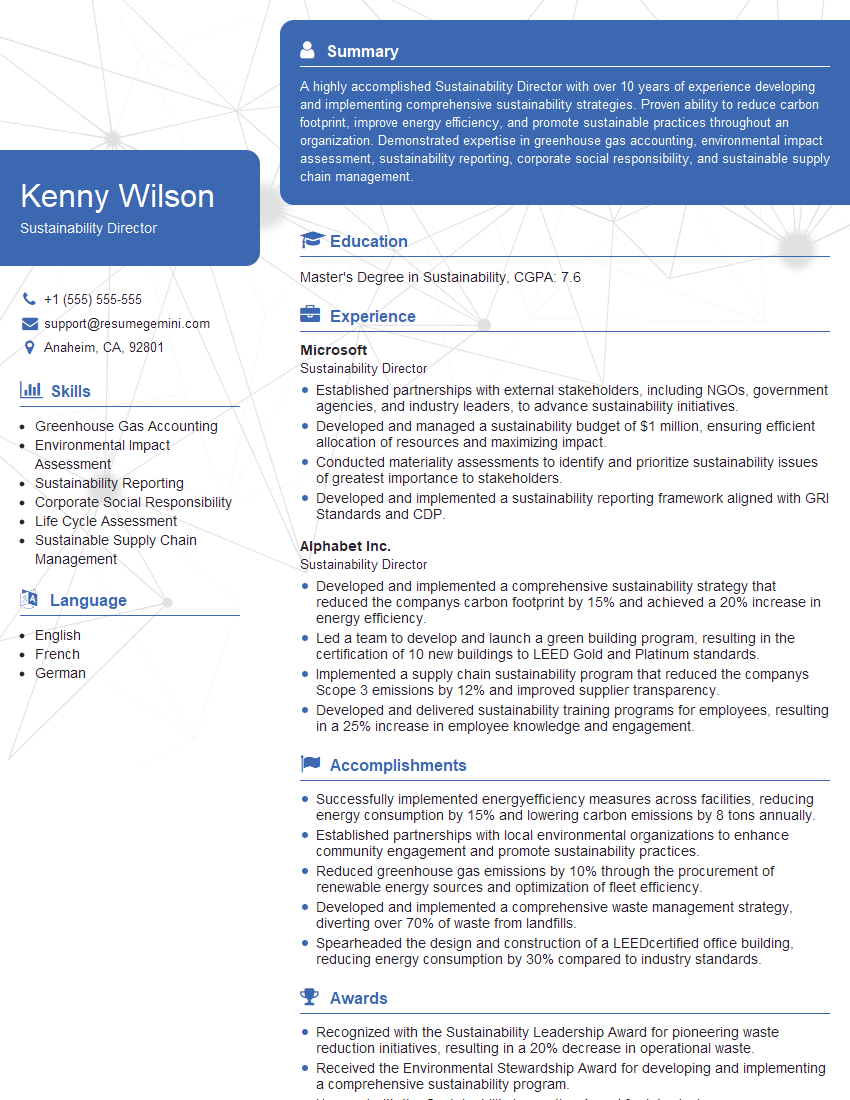
Sustainability Director Resume Sample
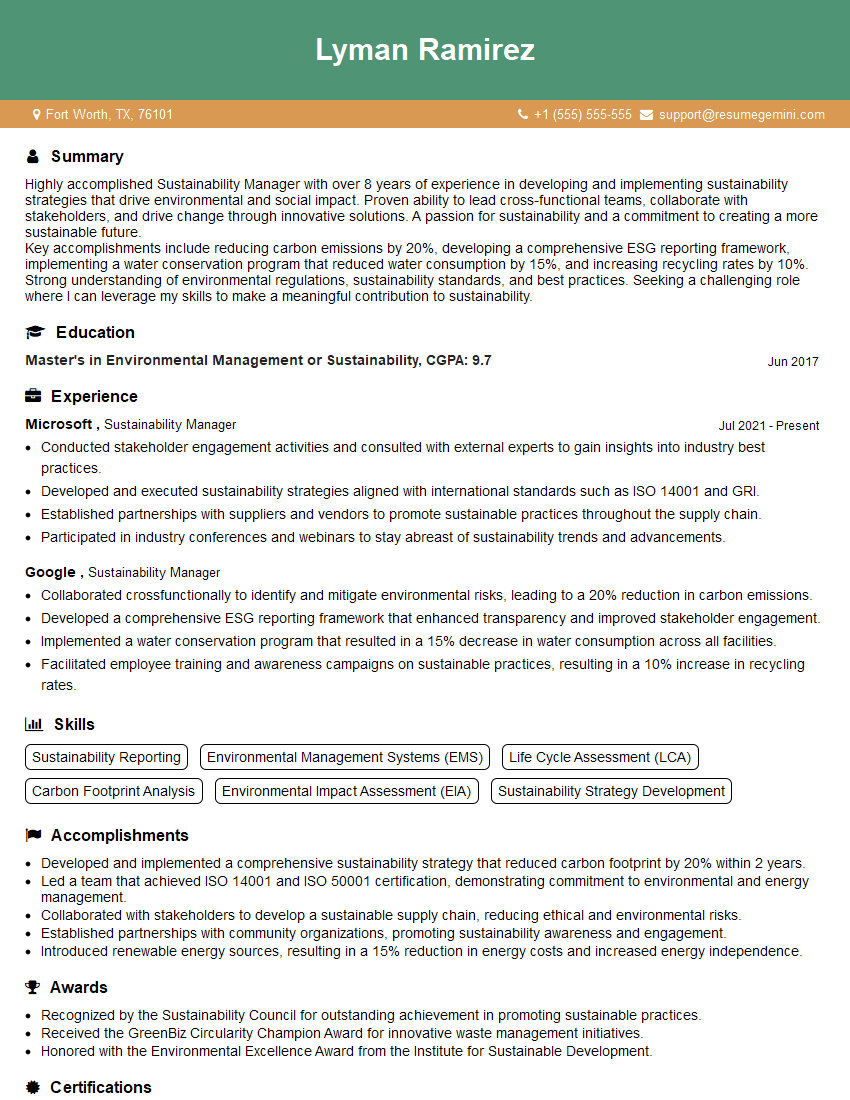
Sustainability Manager Resume Sample
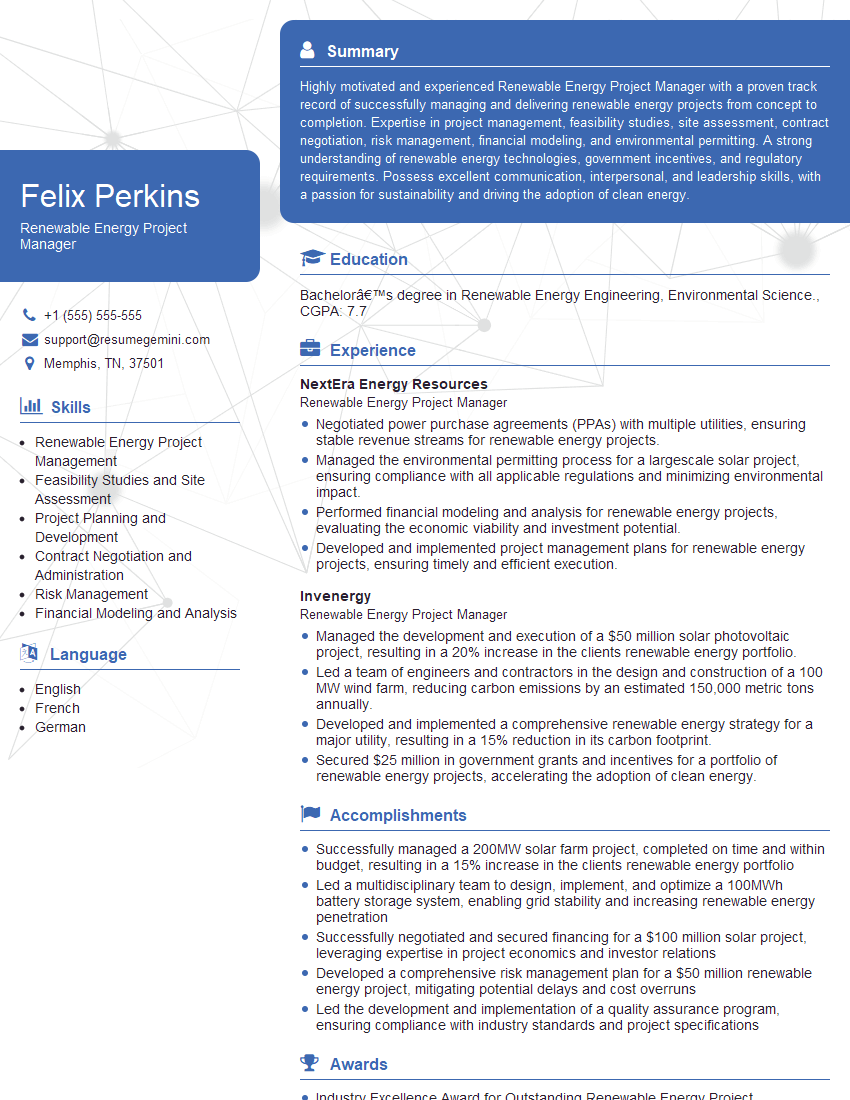
Renewable Energy Project Manager Resume Sample
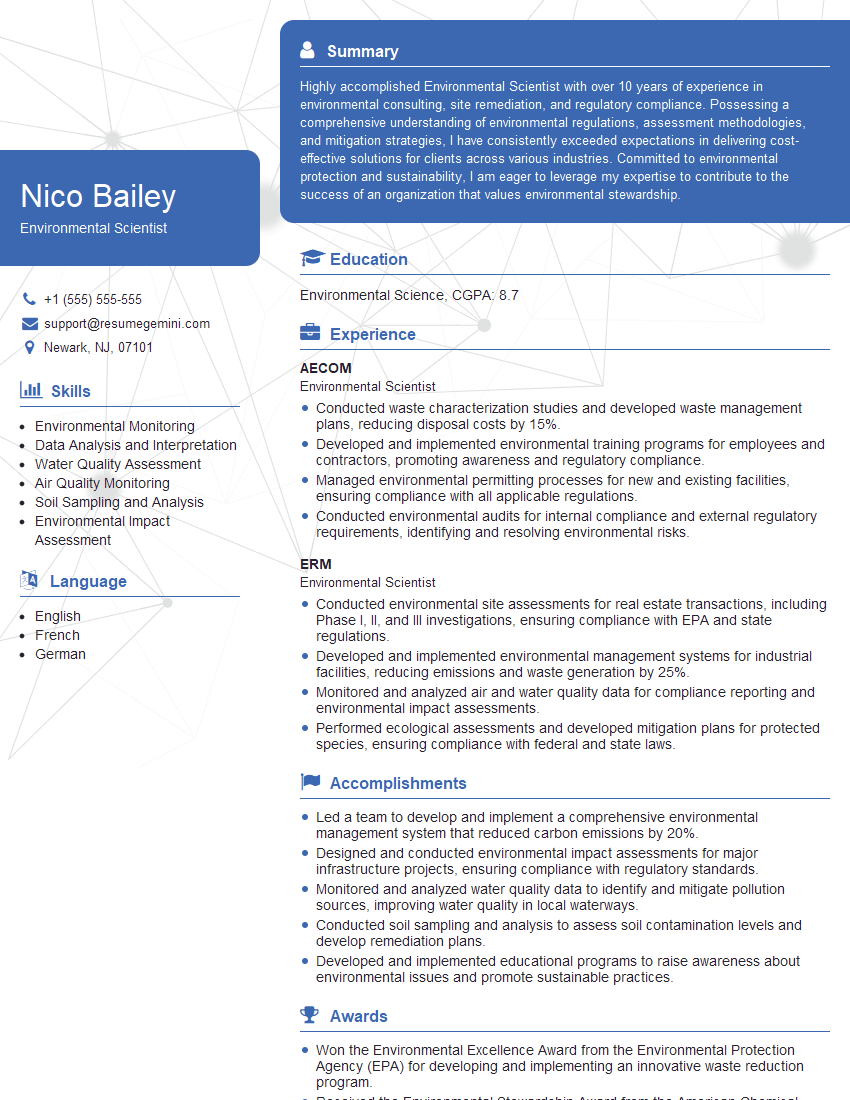
Environmental Scientist Resume Sample
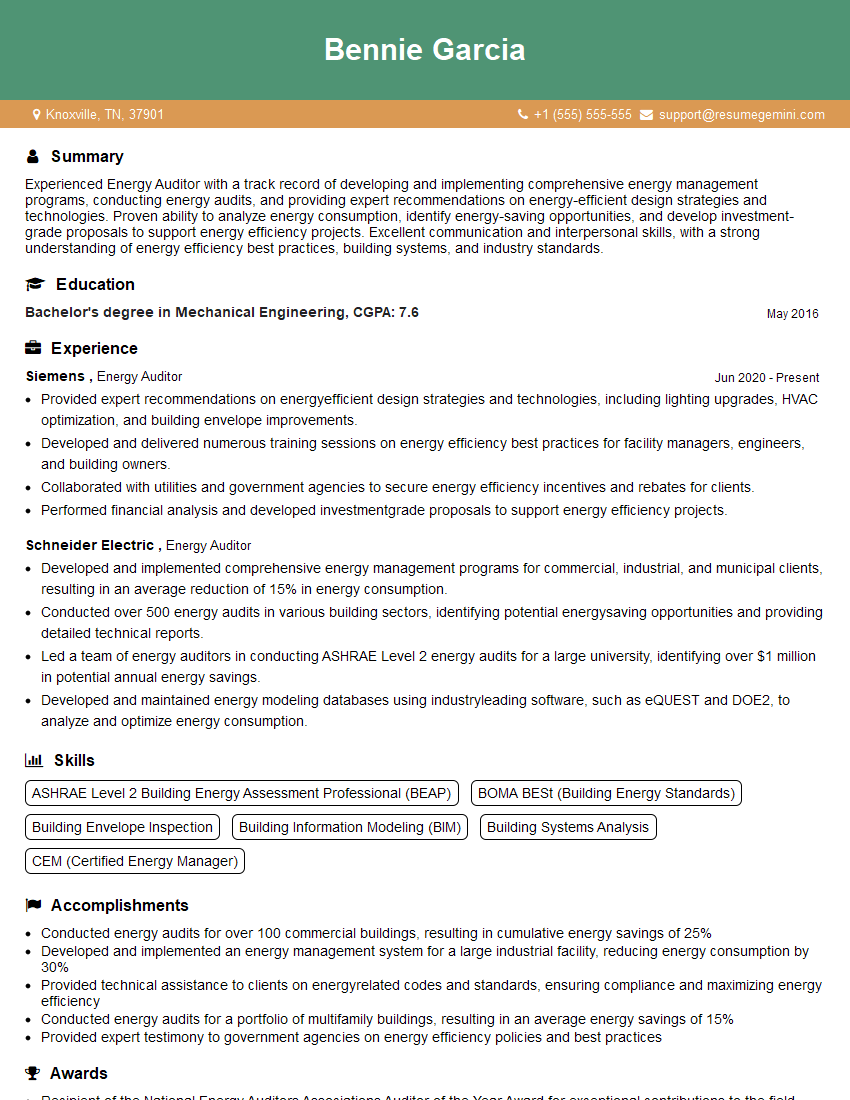
Energy Auditor Resume Sample

Sustainability Consultant Resume Sample
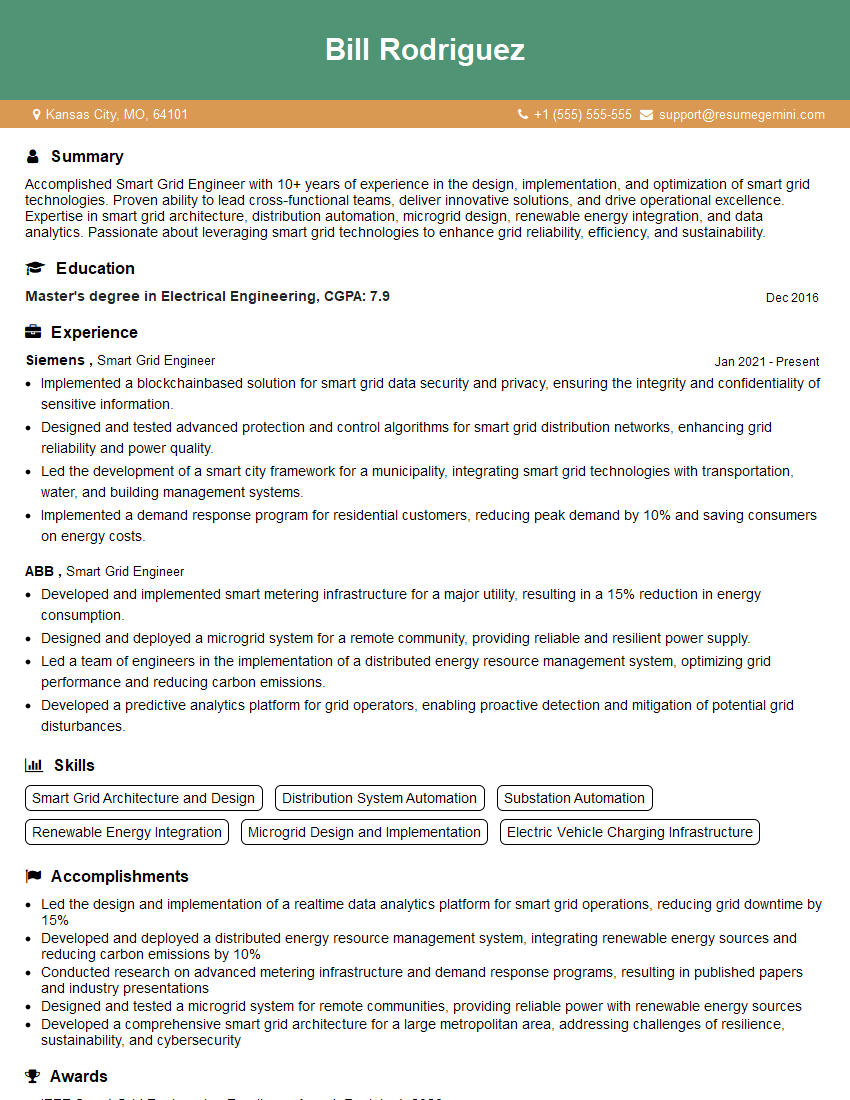
Smart Grid Engineer Resume Sample
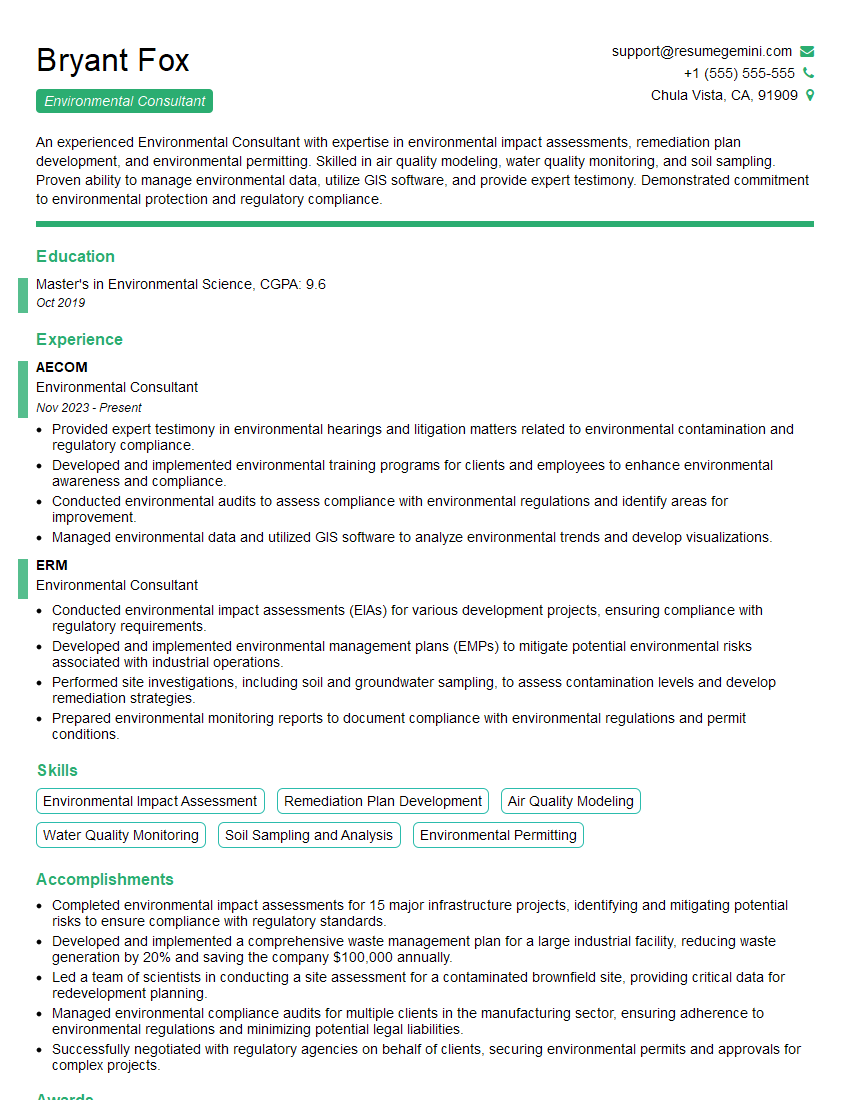
Environmental Consultant Resume Sample
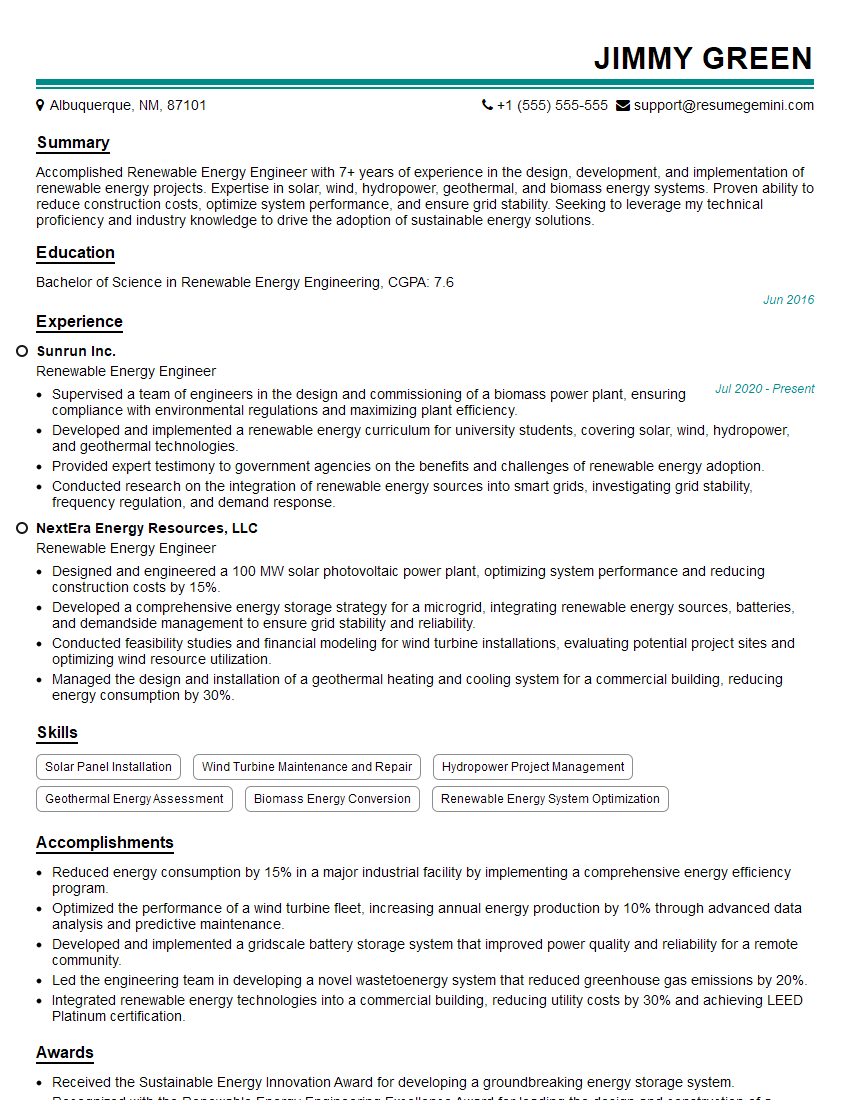
Renewable Energy Engineer Resume Sample
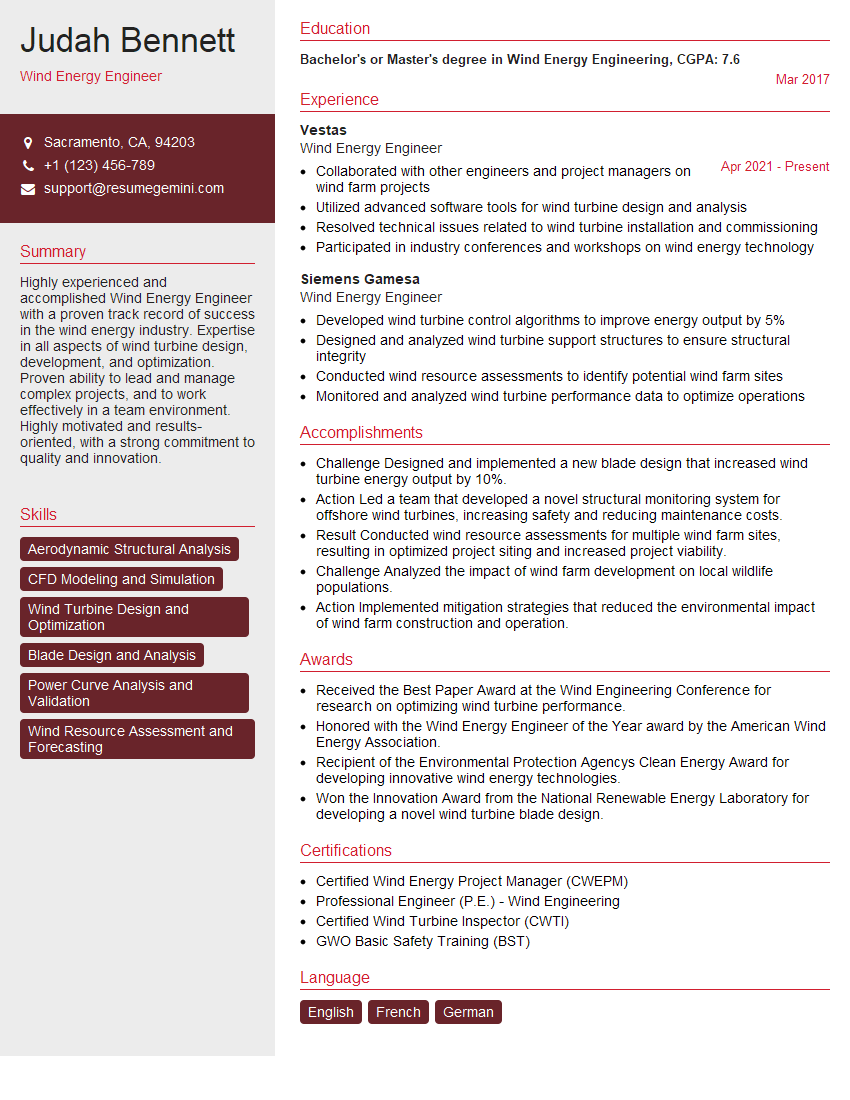
Wind Energy Engineer Resume Sample
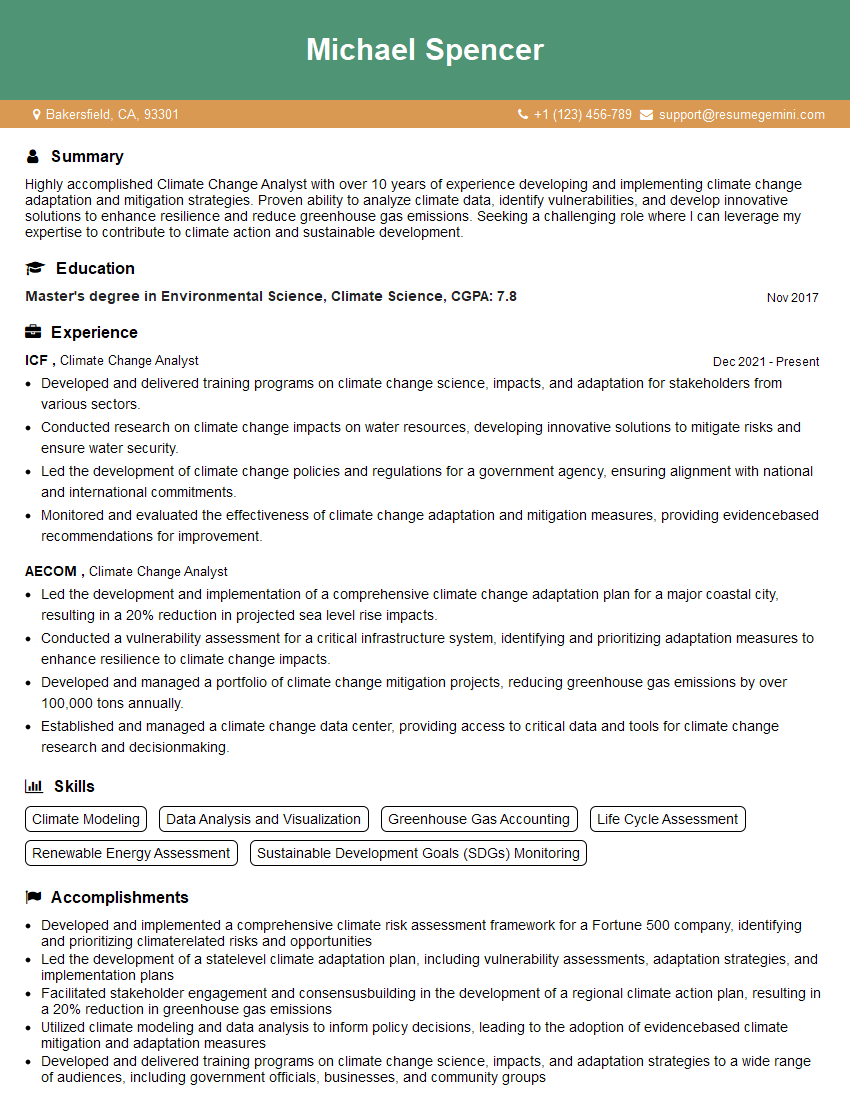
Climate Change Analyst Resume Sample
Explore more articles
Users Rating of Our Blogs
Share Your Experience
We value your feedback! Please rate our content and share your thoughts (optional).
What Readers Say About Our Blog
Very informative content, great job.
good