Unlock your full potential by mastering the most common Sustainable Safety Practices interview questions. This blog offers a deep dive into the critical topics, ensuring you’re not only prepared to answer but to excel. With these insights, you’ll approach your interview with clarity and confidence.
Questions Asked in Sustainable Safety Practices Interview
Q 1. Define sustainable safety practices.
Sustainable safety practices go beyond traditional safety measures; they integrate environmental considerations and social responsibility into a holistic approach to workplace safety. It’s about proactively minimizing risks to human health, the environment, and the community, while ensuring long-term operational viability. This includes reducing waste, conserving resources, and promoting a culture of continuous improvement in safety and environmental performance.
Think of it like this: traditional safety might focus solely on preventing workplace accidents. Sustainable safety adds a layer that considers the environmental impact of those safety measures (e.g., the waste generated by safety equipment) and the broader societal implications of the organization’s operations.
Q 2. Explain the relationship between sustainability and safety.
Sustainability and safety are intrinsically linked. A truly sustainable operation inherently prioritizes the long-term well-being of people and the planet. This includes the protection of workers (safety) and the prevention of environmental damage. Ignoring either aspect compromises the other. For instance, a company using hazardous materials without proper safety protocols risks worker injury and environmental contamination. Conversely, adopting sustainable practices, like reducing energy consumption, often leads to safer working conditions (e.g., less machinery, less risk of fire).
In essence, sustainable safety is a synergistic relationship: improving one aspect positively impacts the other.
Q 3. Describe your experience implementing a sustainable safety program.
In a previous role at a manufacturing plant, we implemented a sustainable safety program focused on reducing waste and improving air quality. We began by conducting a comprehensive waste audit to identify major waste streams. This revealed that a significant portion of waste stemmed from improperly disposed of solvents.
We then implemented a three-pronged approach:
- Improved training: We provided enhanced training to employees on proper solvent handling and disposal, emphasizing the environmental and safety risks of improper practices.
- Process optimization: We collaborated with engineering to refine the manufacturing process, minimizing solvent usage and optimizing material efficiency.
- Waste recycling program: We partnered with a reputable waste management company to establish a solvent recycling program, diverting waste from landfills and reducing our environmental footprint.
The result was a significant reduction in waste, improved air quality, and a demonstrable decrease in workplace accidents related to solvent handling. We also saw a boost in employee morale due to the focus on environmental stewardship.
Q 4. What are the key performance indicators (KPIs) for a sustainable safety program?
Key Performance Indicators (KPIs) for a sustainable safety program should be multifaceted, encompassing both safety and environmental performance. Some crucial KPIs include:
- Total Recordable Incident Rate (TRIR): Measures the number of recordable work-related injuries per 100 full-time employees.
- Lost Time Injury Frequency Rate (LTIFR): Measures the number of lost-time injuries per 100 full-time employees.
- Environmental Incidents: The number of spills, leaks, or other environmental incidents.
- Waste Reduction Rate: Percentage reduction in waste generation compared to a baseline.
- Energy Consumption: Tracking energy use and identifying opportunities for conservation.
- Water Consumption: Similar to energy, monitoring water usage and finding efficiency gains.
- Employee Satisfaction with Safety Programs: Gauging employee perception of safety initiatives through surveys or feedback mechanisms.
These KPIs, when tracked and analyzed regularly, provide insights into the program’s effectiveness and areas needing improvement.
Q 5. How do you integrate sustainability into risk assessments?
Integrating sustainability into risk assessments requires expanding the traditional scope to include environmental and social factors. Instead of just considering worker safety, we must also analyze the potential environmental consequences of hazards and the potential impact on the surrounding community.
For example, during a risk assessment for a construction project, we would not only consider the risk of worker falls from heights, but also the risk of soil erosion or water pollution from construction activities. We’d then develop mitigation strategies that address both worker safety and environmental protection.
A structured approach could involve using a matrix that lists hazards, their likelihood, the severity of their impact on workers, the environment, and the community, and the corresponding control measures.
Q 6. Explain your approach to identifying and mitigating environmental hazards.
My approach to identifying and mitigating environmental hazards involves a multi-step process:
- Hazard Identification: This begins with a thorough site survey, including environmental impact assessments, to identify potential sources of pollution (air, water, soil) and other environmental risks.
- Risk Assessment: Evaluating the likelihood and potential severity of each identified hazard. This involves considering factors like toxicity, persistence, and potential pathways of exposure.
- Mitigation Strategies: Developing and implementing strategies to minimize or eliminate the identified risks. This could include using less hazardous materials, implementing stricter waste management protocols, using pollution control technologies, or establishing environmental monitoring programs.
- Emergency Response Planning: Creating and regularly testing emergency response plans for incidents involving environmental hazards.
- Continuous Monitoring: Regularly monitoring environmental conditions to ensure the effectiveness of mitigation measures.
For example, if a facility handles chemicals, we would establish procedures for spill prevention, containment, and cleanup, including emergency response protocols and training for personnel.
Q 7. How do you ensure compliance with environmental regulations?
Ensuring compliance with environmental regulations requires a proactive and systematic approach:
- Stay informed: Continuously monitor relevant environmental laws and regulations at local, regional, and national levels.
- Internal Audits: Conduct regular internal environmental audits to identify any non-compliance issues.
- Record Keeping: Maintain detailed and accurate records of all environmental aspects of operations, including waste generation, emissions, and chemical usage.
- Permitting: Obtain necessary permits and licenses for operating activities that have environmental implications.
- Reporting: Submit accurate and timely environmental reports to regulatory agencies.
- Training: Provide comprehensive training to employees on environmental regulations and best practices.
- Emergency Response: Have a robust plan in place to respond to environmental emergencies.
Regular compliance training, internal audits, and external reviews by environmental consultants help maintain a high standard of regulatory compliance.
Q 8. Describe your experience with incident investigation and reporting.
Incident investigation and reporting are crucial for preventing future occurrences. My approach involves a systematic process, starting with immediate actions to secure the scene and ensure everyone’s safety. Then, I gather evidence through interviews, photos, and data analysis. I use root cause analysis techniques like the ‘5 Whys’ to delve beyond immediate causes and identify underlying systemic issues. This isn’t just about assigning blame; it’s about understanding the sequence of events, identifying contributing factors (human error, equipment failure, process deficiencies), and formulating corrective actions. For instance, in an incident involving a near-miss fall from a scaffold, a thorough investigation might reveal inadequate training on safety harness usage, a lack of regular scaffold inspections, or insufficient safety protocols in place. The final report documents all findings, recommended corrective and preventive actions (CAPA), and timelines for implementation. This ensures accountability and informs future safety improvements.
Q 9. How do you promote a safety-conscious culture within an organization?
Building a safety-conscious culture requires a multifaceted approach. Leadership commitment is paramount; safety must be a top priority, visibly championed by senior management. Open communication is key – creating channels for reporting hazards without fear of retribution. Regular safety training, tailored to specific roles and risks, ensures employees understand their responsibilities. Gamification, such as safety quizzes or contests, can enhance engagement. Recognizing and rewarding safe behaviors fosters a positive reinforcement loop. I’ve found that involving employees in safety committees and initiatives fosters ownership and empowers them to contribute to a safer workplace. For example, in a previous role, we implemented a ‘suggestion box’ system where employees could anonymously submit safety concerns. This led to several significant improvements in our workplace safety.
Q 10. What are your strategies for reducing workplace injuries?
Reducing workplace injuries involves a proactive and preventative approach. This starts with hazard identification and risk assessment, using methods like Job Safety Analysis (JSA) to pinpoint potential hazards in each task. Implementing engineering controls, such as guarding machinery or improving lighting, eliminates hazards at the source. Administrative controls, such as improved work scheduling to reduce fatigue, or implementing stricter procedures, minimize risk. Finally, personal protective equipment (PPE) provides a last line of defense. Regular safety inspections, audits, and employee training reinforce safety measures. Data analysis of injury trends helps identify areas needing further improvement. For example, if we see a spike in back injuries, we might implement ergonomic assessments to redesign workstations and provide training on proper lifting techniques.
Q 11. Explain your understanding of life cycle assessment (LCA).
Life Cycle Assessment (LCA) is a cradle-to-grave analysis of a product or process’s environmental impacts. It assesses the environmental burdens associated with all stages, from raw material extraction and manufacturing to use, disposal, and recycling. This involves evaluating various aspects like energy consumption, greenhouse gas emissions, water usage, and waste generation. LCA helps in identifying environmental hotspots and opportunities for improvement throughout the product lifecycle. For instance, an LCA of a plastic bottle would examine the energy used in producing the plastic, the transportation emissions, the water used in cleaning, and the impact of landfill disposal versus recycling. The results are used to inform sustainable design choices and reduce the overall environmental footprint.
Q 12. How do you measure the effectiveness of a sustainable safety program?
Measuring the effectiveness of a sustainable safety program involves tracking key performance indicators (KPIs). These can include the frequency and severity of accidents, the number of near misses reported, employee safety training completion rates, the effectiveness of corrective actions, and the reduction in environmental impact. Benchmarking against industry best practices and setting targets provides a framework for measuring progress. Regular audits, both internal and external, ensure the program’s effectiveness and compliance with regulations. For example, we could track the reduction in Lost Time Injury (LTI) rates over time to see if our safety initiatives are making a difference. Regular feedback surveys from employees also provide valuable insights into the program’s strengths and weaknesses.
Q 13. Describe your experience using safety management systems (SMS).
Safety Management Systems (SMS) are systematic approaches to managing safety risks. My experience involves implementing and managing SMS across various industries. This includes developing and implementing safety policies, procedures, and risk assessments; conducting regular safety audits and inspections; and investigating incidents to identify root causes and implement corrective actions. I’m proficient in using various SMS tools, including risk matrices, hazard identification checklists, and incident reporting software. A well-structured SMS provides a framework for continuous improvement, ensuring proactive hazard management and a culture of safety. In a previous role, we implemented a SMS based on the principles of the International Civil Aviation Organization (ICAO) framework, adapting it to our specific industry needs. This involved training personnel, establishing clear reporting procedures, and using data analytics to track safety performance.
Q 14. Explain your knowledge of ISO 14001 and ISO 45001 standards.
ISO 14001 is the internationally recognized standard for environmental management systems (EMS). It provides a framework for organizations to systematically manage their environmental responsibilities, minimizing their environmental impact and continually improving their performance. ISO 45001 is the international standard for occupational health and safety management systems (OHSMS). It outlines requirements for establishing, implementing, maintaining, and continually improving an OHSMS to reduce workplace hazards and improve safety performance. Both standards emphasize a risk-based approach, continuous improvement, and the importance of top management commitment. My understanding of these standards enables me to assist organizations in implementing and maintaining compliant systems, ensuring both environmental sustainability and workplace safety.
Q 15. How do you manage and reduce waste generation in the workplace?
Waste reduction in the workplace isn’t just about tidiness; it’s about resource efficiency and environmental responsibility. It starts with a comprehensive strategy focusing on the ‘5Rs’: Refuse, Reduce, Reuse, Repurpose, and Recycle.
- Refuse: Avoid unnecessary single-use items like plastic cups or excessive packaging. This involves actively choosing sustainable alternatives before they even enter the workplace.
- Reduce: Minimize consumption by implementing efficient processes and using resources sparingly. For instance, utilizing digital documents instead of paper copies drastically cuts down on paper waste.
- Reuse: Find ways to repurpose materials. Empty containers can be cleaned and used for storage, and old t-shirts can be turned into cleaning rags.
- Repurpose: Transform waste materials into something new and useful. For example, scrap metal can be melted down and recast.
- Recycle: Properly sort and recycle all recyclable materials according to your local guidelines. This includes paper, plastic, glass, and aluminum. Implementing clear labeling and designated recycling bins is crucial.
For example, in a previous role, we implemented a comprehensive waste audit, identifying key waste streams and their sources. This led to a 25% reduction in landfill waste within six months through targeted initiatives like switching to reusable coffee cups and implementing a robust recycling program.
Career Expert Tips:
- Ace those interviews! Prepare effectively by reviewing the Top 50 Most Common Interview Questions on ResumeGemini.
- Navigate your job search with confidence! Explore a wide range of Career Tips on ResumeGemini. Learn about common challenges and recommendations to overcome them.
- Craft the perfect resume! Master the Art of Resume Writing with ResumeGemini’s guide. Showcase your unique qualifications and achievements effectively.
- Don’t miss out on holiday savings! Build your dream resume with ResumeGemini’s ATS optimized templates.
Q 16. Describe your experience with environmental auditing.
Environmental auditing is a systematic and documented process to evaluate the environmental performance of an organization. My experience includes conducting both internal and external audits, covering areas like waste management, energy consumption, emissions, and compliance with environmental regulations.
In one project, I led an audit of a manufacturing plant, identifying significant opportunities for improvement in their wastewater treatment process. This audit resulted in the implementation of a new, more efficient system, leading to a significant reduction in water consumption and pollution. The process involved reviewing permits, conducting site inspections, sampling and analyzing data, and interviewing personnel to understand processes and identify potential non-compliances. Finally, I presented a comprehensive report with recommendations for corrective actions and continuous improvement.
Q 17. How do you handle conflicts between safety and productivity?
Balancing safety and productivity is a constant challenge. It’s not a zero-sum game; instead, it’s about finding synergistic solutions. The key is to prioritize safety as a fundamental element of productivity, not an obstacle to it.
- Invest in safety training: Well-trained employees are more productive and safer. Training should focus on hazard identification, risk assessment, and safe work practices.
- Provide appropriate PPE: Personal Protective Equipment (PPE) protects workers and minimizes accidents, leading to fewer work stoppages and increased productivity.
- Implement robust safety procedures: Clear, concise procedures prevent accidents and ensure efficient workflow. Regularly review and update these procedures based on feedback and data analysis.
- Foster a safety culture: When employees feel valued and safe, they are more engaged and productive. This involves open communication, reporting mechanisms, and management commitment to safety.
For instance, in a previous role, we faced pressure to increase output. Instead of compromising safety, we implemented lean manufacturing principles, identifying and eliminating waste in the production process. This improved efficiency and *increased* output while simultaneously reducing the risk of accidents.
Q 18. What are the ethical considerations in sustainable safety practices?
Ethical considerations in sustainable safety are paramount. They extend beyond simply complying with regulations; they encompass a commitment to fairness, responsibility, and transparency.
- Worker Rights: Ensuring a safe and healthy work environment is a fundamental ethical obligation. This includes providing adequate training, PPE, and access to information regarding workplace hazards.
- Environmental Justice: Sustainable practices should not disproportionately impact marginalized communities. Environmental risks must be considered fairly across all populations.
- Transparency and Accountability: Openly communicating safety risks and performance data with employees and stakeholders promotes trust and accountability.
- Supply Chain Ethics: Sustainable safety extends to the entire supply chain. Ensuring ethical sourcing of materials and fair labor practices throughout the chain is crucial.
For example, refusing to source materials from suppliers known for unsafe working conditions, even if it means slightly higher costs, reflects a strong ethical commitment to sustainable safety.
Q 19. Explain your understanding of emergency preparedness and response.
Emergency preparedness and response are crucial for mitigating the impact of unforeseen events. A robust plan should be in place, regularly tested, and readily accessible to all employees.
- Risk Assessment: Identify potential hazards and assess their likelihood and severity.
- Emergency Response Plan: Develop a detailed plan outlining procedures for different types of emergencies (fire, chemical spills, medical emergencies).
- Training and Drills: Regular training and drills ensure employees are familiar with the plan and can react effectively in an emergency.
- Communication Systems: Establish clear communication channels for disseminating information during an emergency.
- Post-Incident Review: After an emergency, conduct a thorough review to identify areas for improvement in the plan and response procedures.
In my experience, the effectiveness of an emergency response plan is directly correlated with the level of employee participation in its creation and training. Regular drills make it second nature to act safely under pressure.
Q 20. How do you use data to improve sustainable safety performance?
Data is the backbone of continuous improvement in sustainable safety. By collecting, analyzing, and interpreting data, we can identify trends, pinpoint problem areas, and measure the effectiveness of interventions.
- Incident Reporting: A thorough incident reporting system captures details of near misses and accidents, allowing for root cause analysis.
- Safety Metrics: Track key safety indicators, such as lost-time injury rates (LTIR), recordable incident rates (RIR), and environmental performance indicators (e.g., waste generation).
- Data Visualization: Use dashboards and reports to visualize safety data and communicate findings effectively.
- Predictive Analytics: Explore advanced analytics to identify potential hazards and proactively mitigate risks.
For example, by analyzing incident reports, we discovered a spike in slips, trips, and falls during winter months. This led to targeted training on winter safety and the implementation of improved floor cleaning procedures, resulting in a significant reduction in these types of incidents.
Q 21. Describe your experience with sustainable procurement practices.
Sustainable procurement focuses on selecting goods and services that minimize environmental impact and promote ethical labor practices throughout the supply chain.
- Environmental Criteria: Incorporate environmental considerations into procurement decisions, such as lifecycle assessments, energy efficiency, and recycled content.
- Social Responsibility: Prioritize suppliers committed to ethical labor practices, fair wages, and safe working conditions.
- Supplier Evaluation: Develop a robust supplier evaluation system to assess their environmental and social performance.
- Green Procurement Policies: Implement clear policies that guide sustainable procurement decisions and ensure compliance.
In a previous role, we implemented a green procurement policy that prioritized suppliers using recycled materials and adhering to stringent environmental standards. This not only reduced our environmental footprint but also enhanced our corporate social responsibility profile.
Q 22. How do you communicate safety and sustainability initiatives to employees?
Communicating safety and sustainability initiatives effectively requires a multi-pronged approach. It’s not enough to simply post a memo; employees need to understand the why behind the initiatives, not just the what.
- Interactive Training: We use engaging training modules, incorporating videos, simulations, and gamification to make learning fun and memorable. For example, we might use a virtual reality scenario to simulate a near-miss incident, highlighting the consequences of unsafe behavior and the importance of sustainable practices.
- Regular Communication: Consistent updates through newsletters, emails, team meetings, and even informal communication channels are crucial. Success stories and employee testimonials significantly boost engagement.
- Leadership Buy-in: Visible support from senior management is paramount. Leaders should actively participate in safety and sustainability initiatives, demonstrating their commitment and creating a culture of accountability.
- Two-way Communication: We encourage feedback and suggestions from employees. This could be through suggestion boxes, regular surveys, or town hall meetings. This ensures that the initiatives are relevant and address real concerns.
- Visual Aids: Posters, infographics, and easily accessible online resources help reinforce key messages and make information readily available. We’ve found visual cues are especially effective in reminding people of simple but crucial safety steps.
Q 23. What are your strategies for engaging employees in sustainable safety programs?
Engaging employees is key to successful sustainable safety programs. We leverage a combination of strategies to foster ownership and accountability:
- Incentive Programs: Rewarding safe behaviors and sustainable actions, like suggesting improvements to safety procedures or reducing waste, is a strong motivator. We’ve had success with both individual and team-based rewards.
- Employee Involvement: Actively involve employees in the development and implementation of programs. This includes forming safety committees, conducting safety audits, and soliciting feedback on existing processes. This sense of participation increases buy-in and commitment.
- Recognition and Appreciation: Publicly acknowledging and appreciating employees who demonstrate exemplary safety and sustainability behaviors boosts morale and encourages others to follow suit. Simple acts of recognition, such as certificates or shout-outs in company newsletters, can have a profound impact.
- Training and Development: Provide ongoing training and development opportunities to enhance employees’ knowledge and skills in sustainable safety practices. This demonstrates a commitment to their professional growth and empowers them to take ownership of their safety and the environment.
- Creating a Culture of Safety: This requires consistent reinforcement of safety rules, clear communication of expectations, and prompt investigation of incidents. We focus on a ‘just culture’ which encourages reporting near misses without fear of blame.
Q 24. How do you identify and assess the environmental impacts of projects?
Identifying and assessing the environmental impacts of projects is a crucial step in sustainable development. We employ a robust process that integrates Life Cycle Assessment (LCA) principles:
- Scoping: We begin by defining the project boundaries and identifying the key environmental aspects likely to be impacted.
- Inventory Analysis: Next, we quantify the inputs and outputs associated with the project throughout its lifecycle. This includes energy consumption, water usage, waste generation, and greenhouse gas emissions. We use specialized software to assist in this data-intensive process.
- Impact Assessment: We assess the environmental impacts of these inputs and outputs, considering factors like climate change, resource depletion, and ecotoxicity. Various standardized methodologies exist to help categorize these impacts.
- Improvement Identification: Based on the assessment, we identify opportunities to reduce the negative environmental impacts. This could involve choosing more sustainable materials, optimizing energy use, or implementing waste reduction strategies.
- Reporting and Communication: Finally, we prepare a comprehensive report detailing our findings, recommendations, and mitigation measures. Transparency is crucial, so we share this report with relevant stakeholders.
For example, in a construction project, we’d analyze the embodied carbon in building materials, the energy used during construction, and the waste generated during demolition to minimize our footprint.
Q 25. Describe your experience with the use of technology for sustainable safety.
Technology plays a vital role in enhancing sustainable safety. We utilize various technologies to improve efficiency, accuracy, and overall safety performance:
- Wearable Sensors: Smartwatches and other wearable devices can monitor employee vital signs, track location, and detect falls or other hazards in real-time. This allows for immediate intervention and prevents potential accidents.
- IoT Sensors: Internet of Things (IoT) sensors can monitor environmental conditions, such as temperature, humidity, and gas levels, alerting us to potential hazards. They can also track equipment usage and maintenance needs, preventing breakdowns and promoting efficient resource utilization.
- Drone Technology: Drones equipped with high-resolution cameras can be used for site inspections, identifying potential safety hazards or environmental risks from a safe distance. This is particularly useful for hard-to-reach areas.
- Data Analytics and Machine Learning: Analyzing safety data using machine learning algorithms can identify patterns and predict potential risks, allowing for proactive interventions. We can analyze near-miss reports to identify trends and implement preventative measures.
- Virtual and Augmented Reality: VR and AR training simulations provide immersive learning experiences, improving employee knowledge and skills in a safe environment.
Q 26. What are some common barriers to implementing sustainable safety practices, and how do you overcome them?
Implementing sustainable safety practices often faces several barriers:
- Cost: Implementing new technologies or sustainable practices can be expensive upfront. This can be overcome by demonstrating the long-term cost savings through reduced waste, improved efficiency, and fewer accidents.
- Lack of Awareness: Many employees may not be fully aware of the importance of sustainable safety practices. Targeted training programs and effective communication strategies can address this.
- Resistance to Change: People are often resistant to adopting new procedures or technologies. Active employee involvement in the process, coupled with clear demonstrations of benefits, can facilitate a smoother transition.
- Lack of Management Support: Without strong leadership commitment, initiatives often fail to gain traction. Securing buy-in from senior management is essential for success.
- Measurement Challenges: Quantifying the impact of sustainable safety initiatives can be difficult. Establishing clear metrics and using appropriate measurement tools is crucial for demonstrating success and securing ongoing support.
We address these barriers through a combination of robust communication, stakeholder engagement, cost-benefit analysis, pilot programs, and phased implementation.
Q 27. How do you stay up-to-date with the latest trends and best practices in sustainable safety?
Staying current in the dynamic field of sustainable safety requires a multifaceted approach:
- Professional Development: We actively participate in conferences, workshops, and training programs to learn about the latest trends and best practices. This includes attending industry-specific events and participating in online courses.
- Industry Publications and Journals: We subscribe to leading safety and sustainability journals and regularly review industry publications to stay abreast of new developments and research findings.
- Networking: We actively engage with other professionals in the field through networking events and online forums. Sharing best practices and learning from others’ experiences is invaluable.
- Regulatory Updates: We closely monitor changes in relevant regulations and standards. Staying compliant is essential for maintaining safety and avoiding penalties.
- Benchmarking: We benchmark our performance against industry leaders and best-in-class organizations to identify areas for improvement and adopt innovative solutions.
Continuous learning is a critical component of our success. By staying informed, we can proactively identify and mitigate risks, ensuring a safe and sustainable work environment.
Key Topics to Learn for Sustainable Safety Practices Interview
- Environmental Risk Assessment: Understanding and evaluating environmental hazards, including chemical spills, waste management issues, and climate change impacts on workplace safety.
- Sustainable Safety Management Systems (SMS): Implementing and improving integrated management systems that encompass environmental, social, and safety performance. Practical application: Designing and implementing a robust SMS for a construction project, minimizing environmental impact while ensuring worker safety.
- Green Procurement and Supply Chain Management: Evaluating the environmental impact of materials and equipment, and selecting sustainable alternatives. Practical application: Sourcing sustainable building materials for a construction project, minimizing waste and carbon footprint.
- Energy Efficiency and Conservation in the Workplace: Implementing energy-saving measures to reduce operational costs and environmental impact. Practical application: Conducting an energy audit to identify opportunities for improvement in a manufacturing facility.
- Waste Reduction and Recycling Programs: Developing and implementing effective waste management strategies to minimize waste generation and promote recycling. Practical application: Designing a waste reduction plan for a large-scale event.
- Emergency Response and Preparedness for Environmental Incidents: Developing and implementing procedures for responding to environmental emergencies, such as chemical spills or natural disasters. Practical application: Creating and practicing emergency response plans for various scenarios.
- Legislation and Compliance: Understanding relevant environmental, health, and safety regulations and ensuring compliance. Practical application: Conducting a compliance audit to identify any areas of non-compliance.
- Communication and Training: Effectively communicating safety procedures and training employees on sustainable safety practices. Practical application: Developing and delivering training programs on sustainable safety practices.
- Continuous Improvement: Regularly evaluating and improving sustainable safety practices through data analysis and performance monitoring. Practical application: Using key performance indicators (KPIs) to track progress and identify areas for improvement.
Next Steps
Mastering Sustainable Safety Practices is crucial for career advancement in today’s environmentally conscious industries. Demonstrating a strong understanding of these concepts will significantly enhance your job prospects. Creating an ATS-friendly resume is essential for getting your application noticed. To build a powerful and effective resume that highlights your skills and experience in Sustainable Safety Practices, leverage the resources available at ResumeGemini. ResumeGemini provides a trusted platform for crafting professional resumes, and examples of resumes tailored to Sustainable Safety Practices are available to guide you. Take the next step towards your dream career; invest in your resume today.
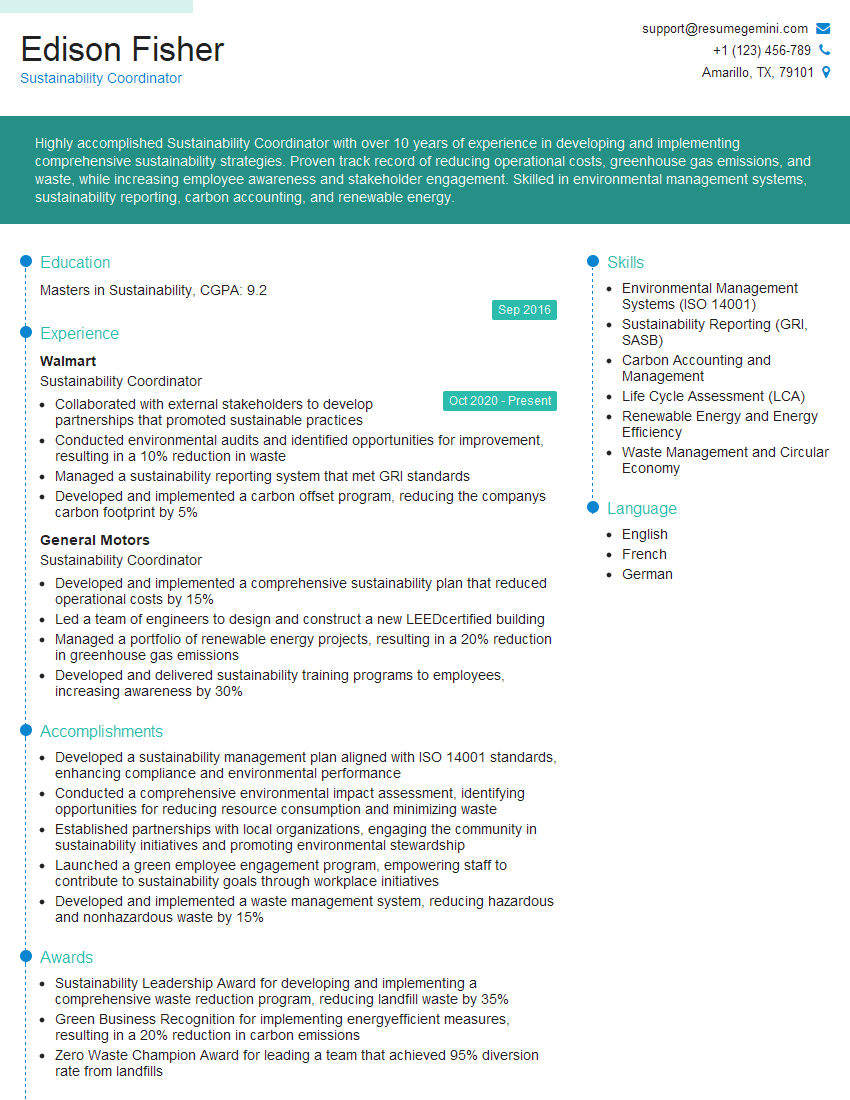
Sustainability Coordinator Resume Sample
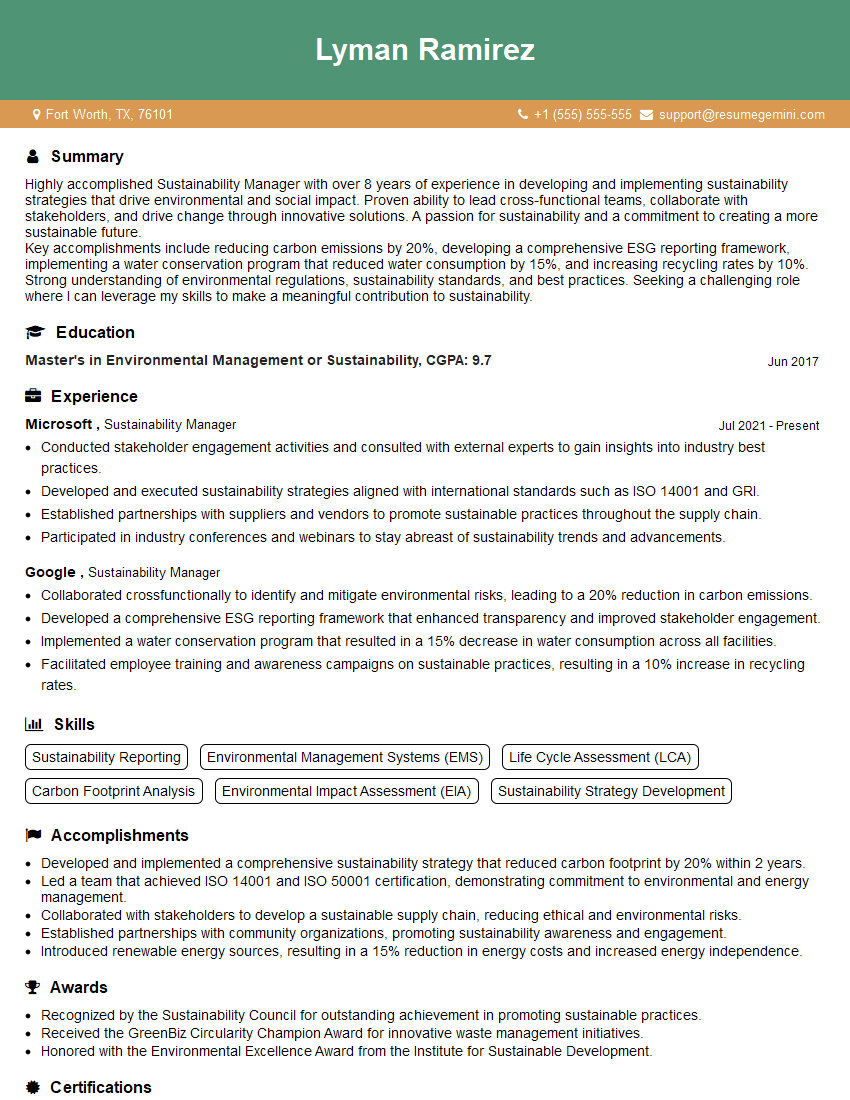
Sustainability Manager Resume Sample
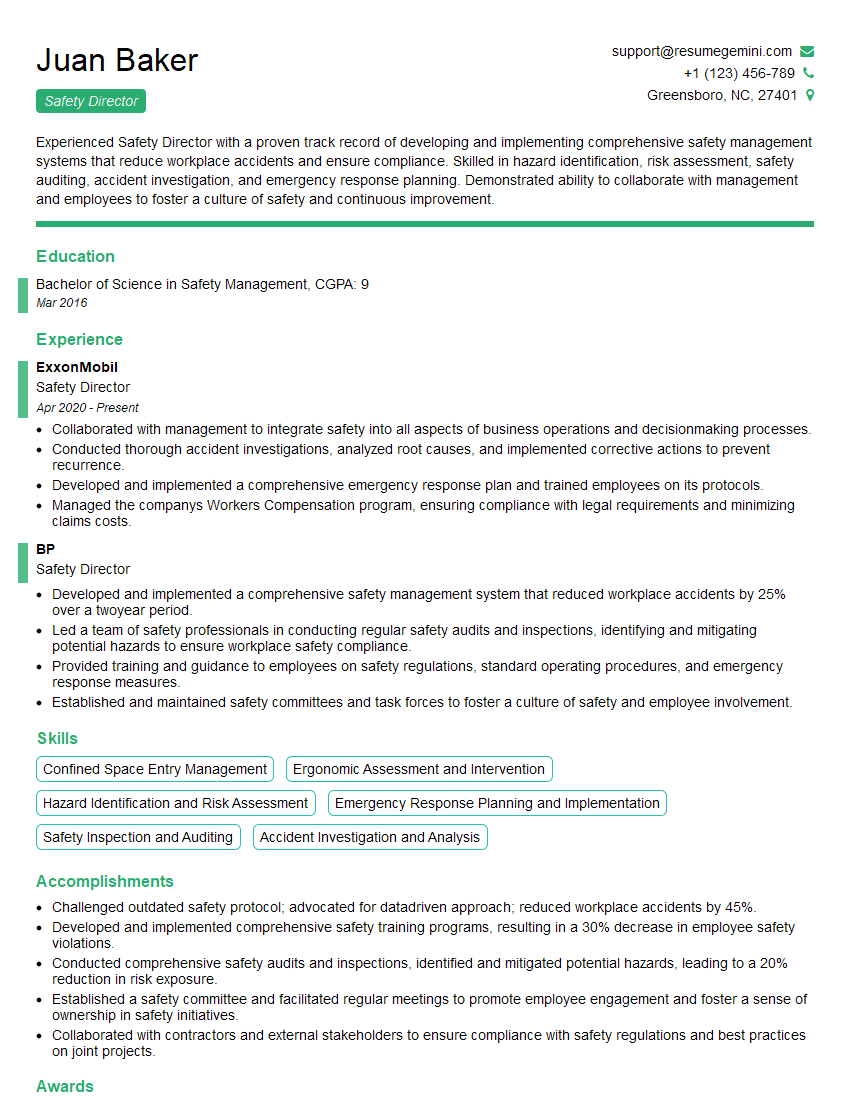
Safety Director Resume Sample
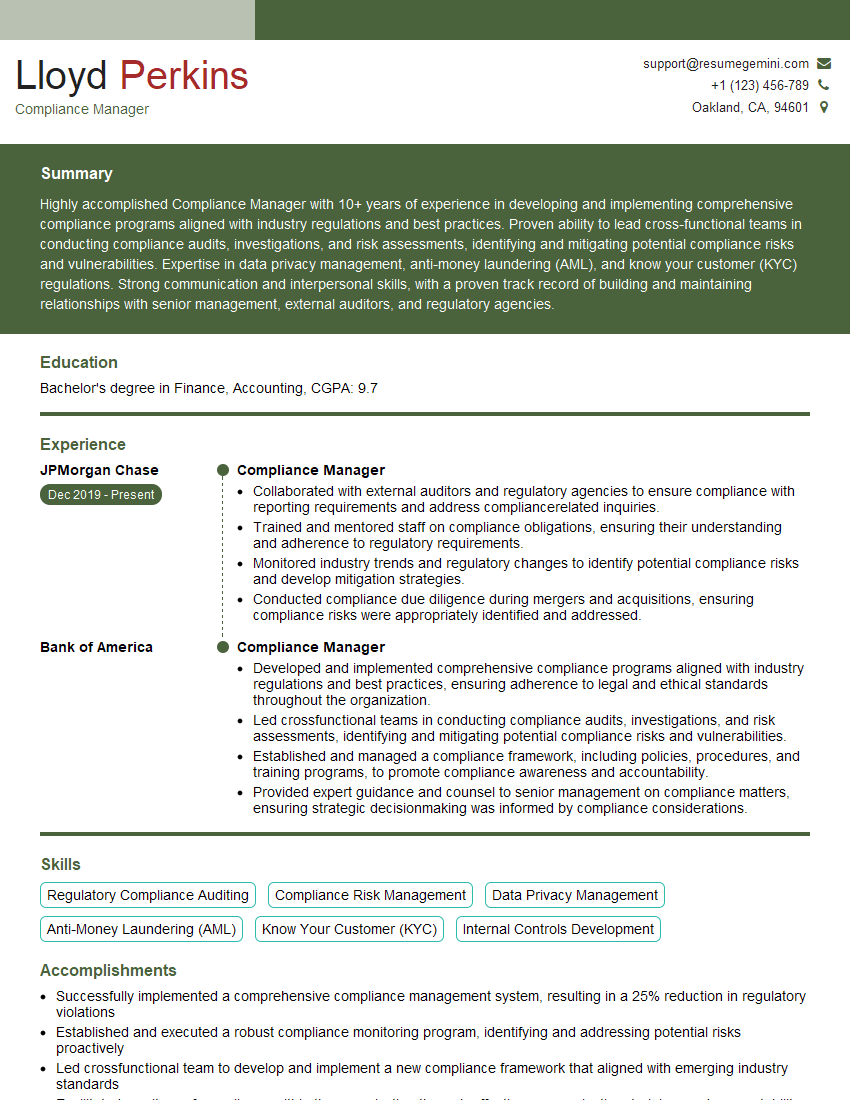
Compliance Manager Resume Sample
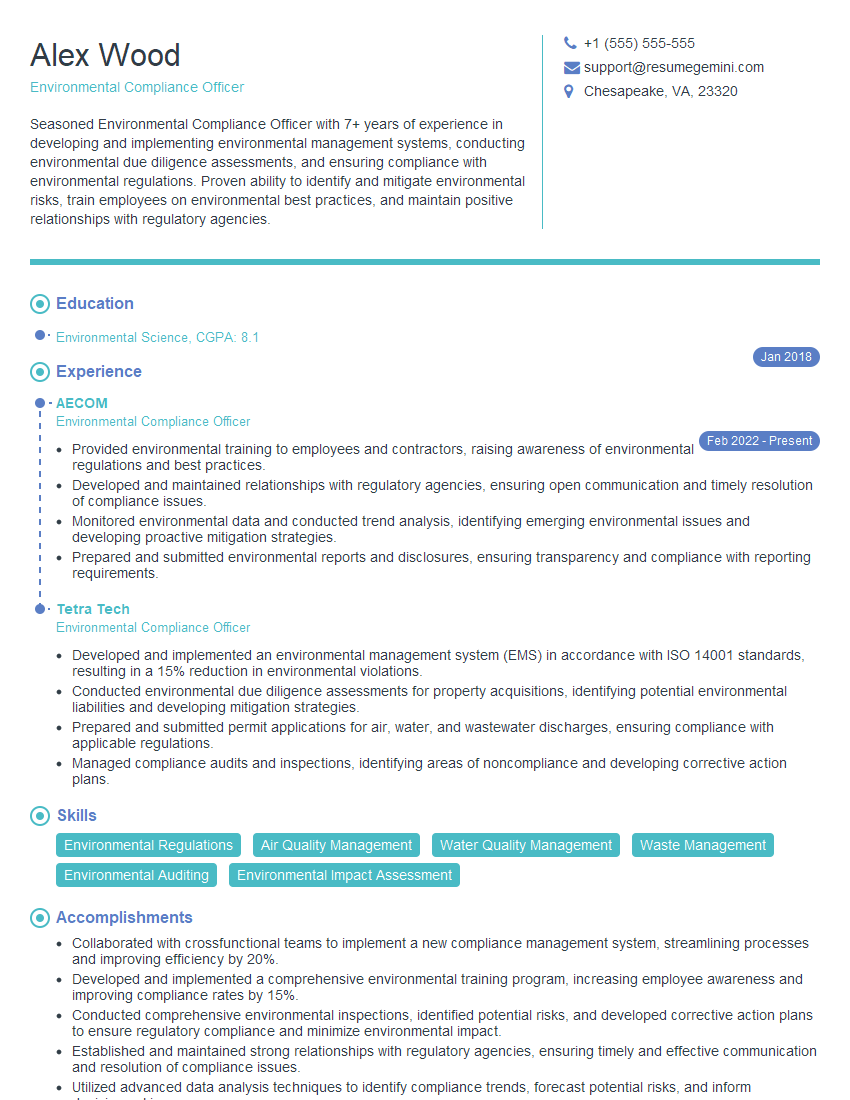
Environmental Compliance Officer Resume Sample

Sustainability Consultant Resume Sample
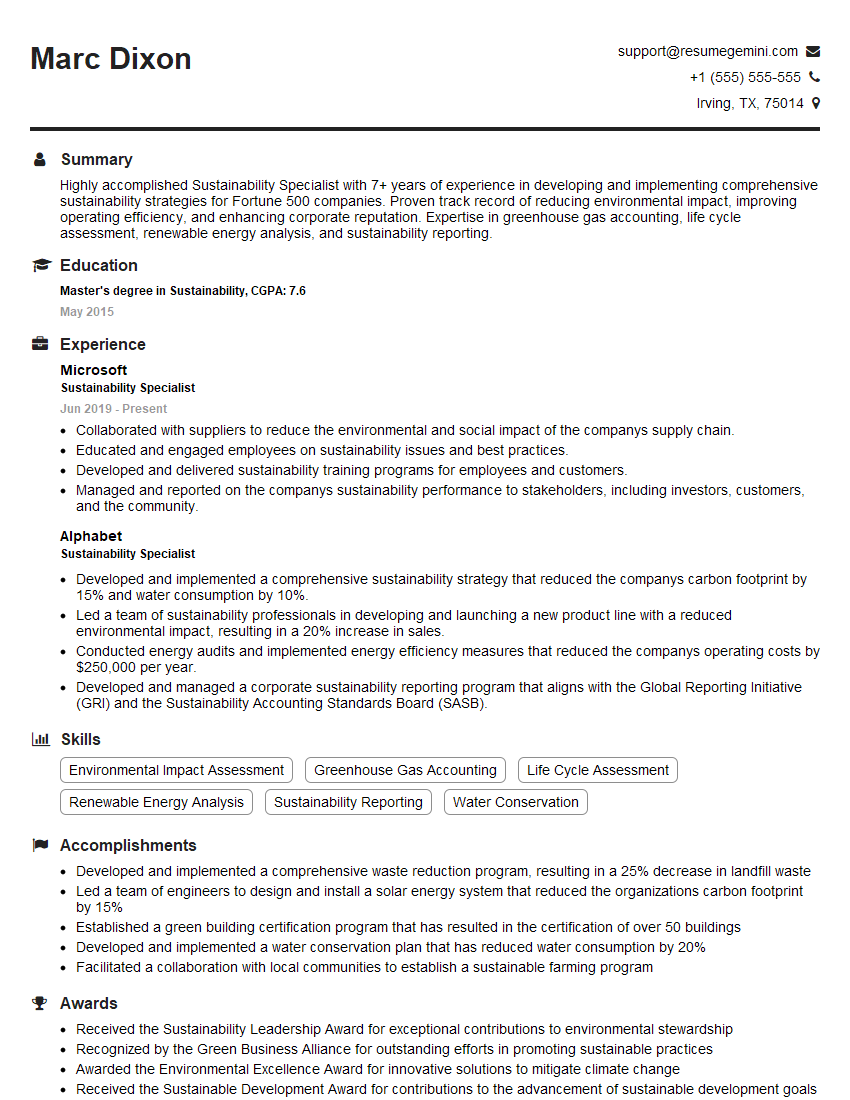
Sustainability Specialist Resume Sample

Risk Management Specialist Resume Sample
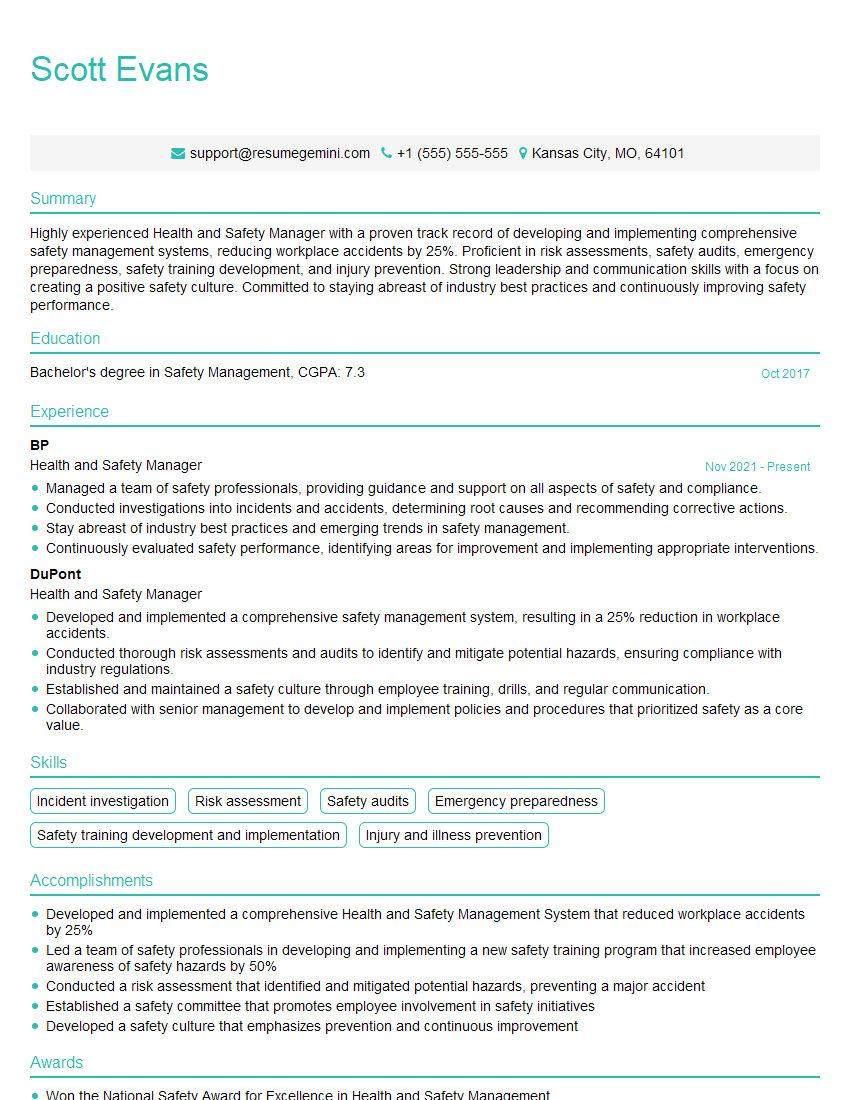
Health and Safety Manager Resume Sample
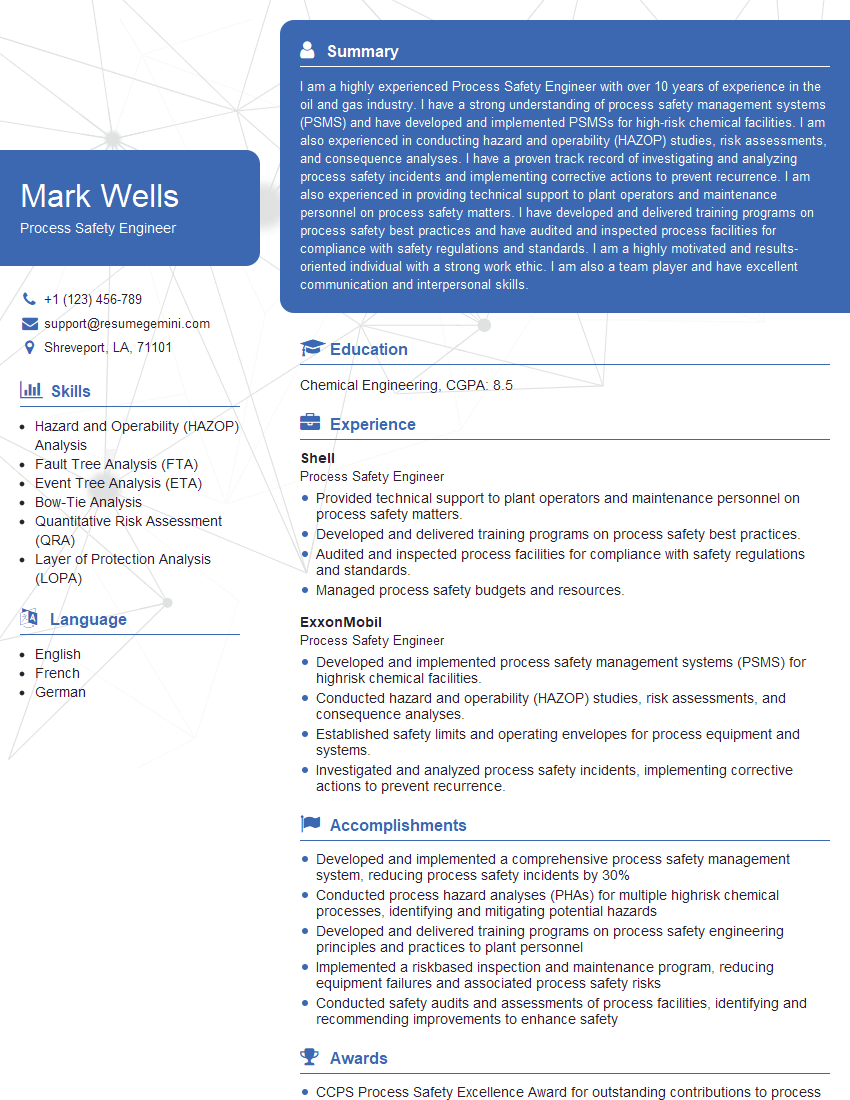
Process Safety Engineer Resume Sample
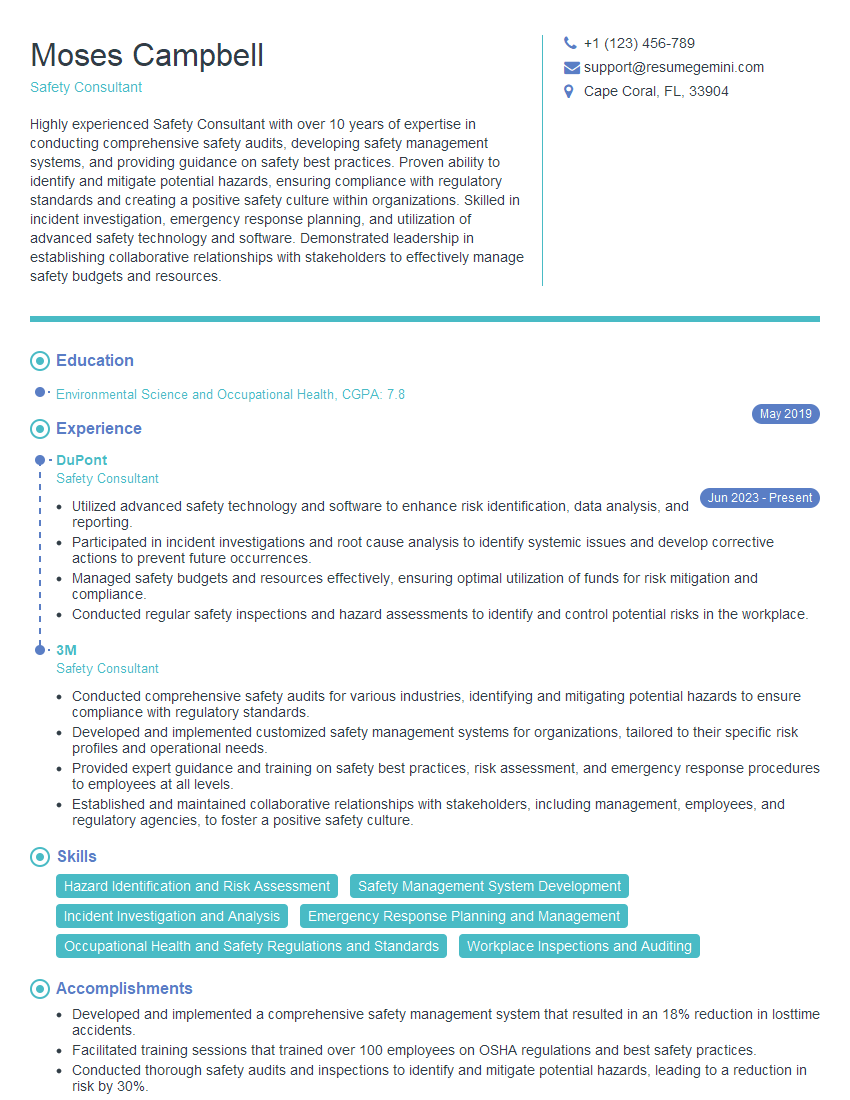
Safety Consultant Resume Sample
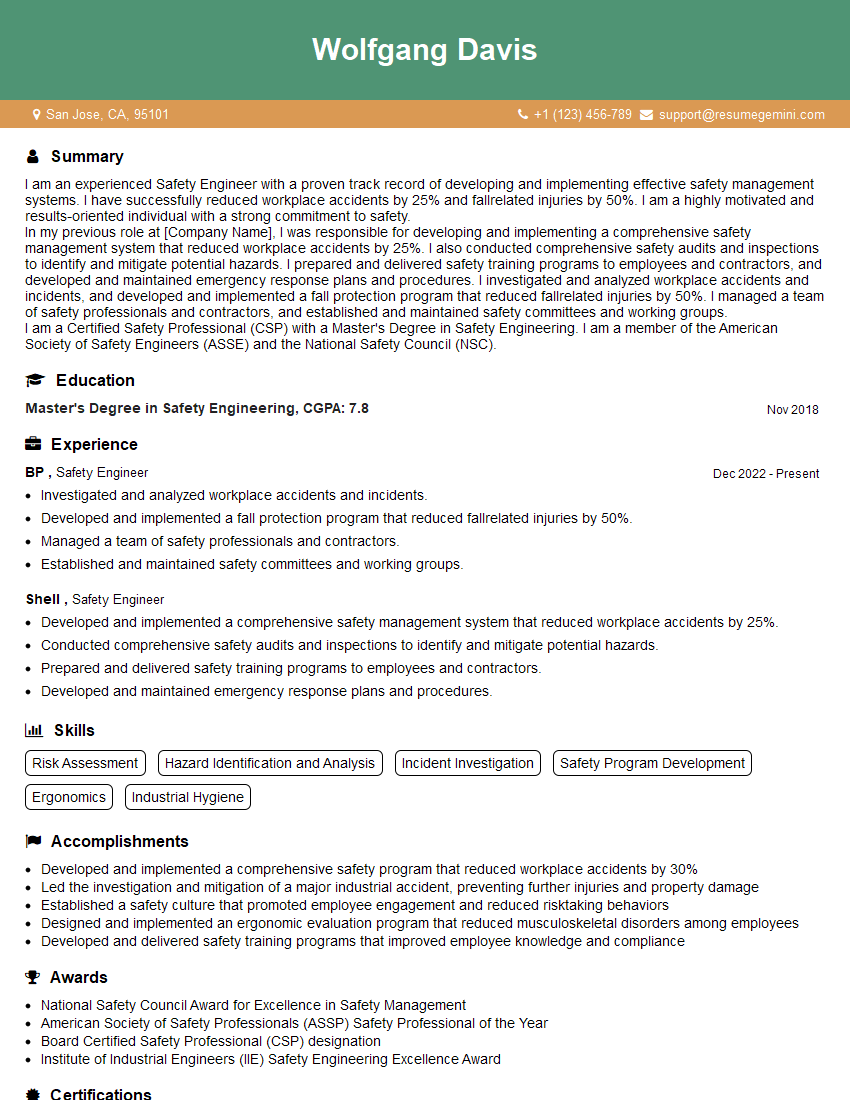
Safety Engineer Resume Sample
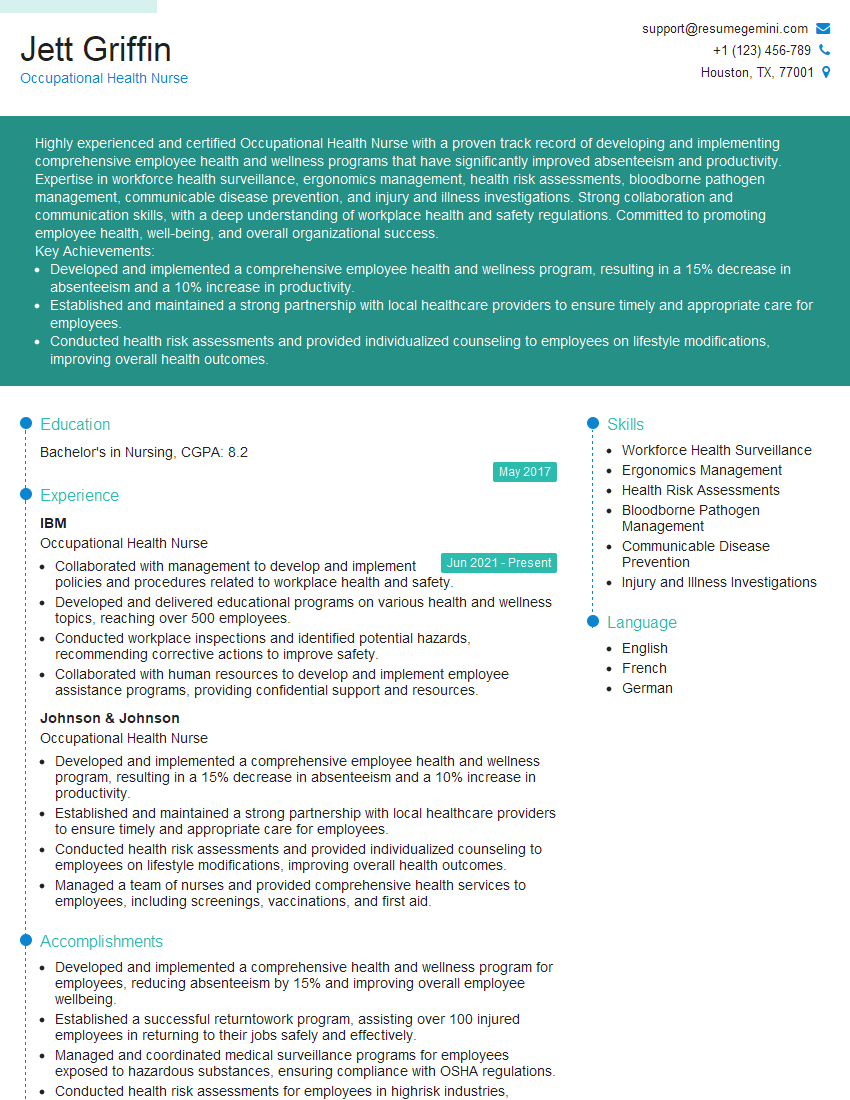
Occupational Health Nurse Resume Sample
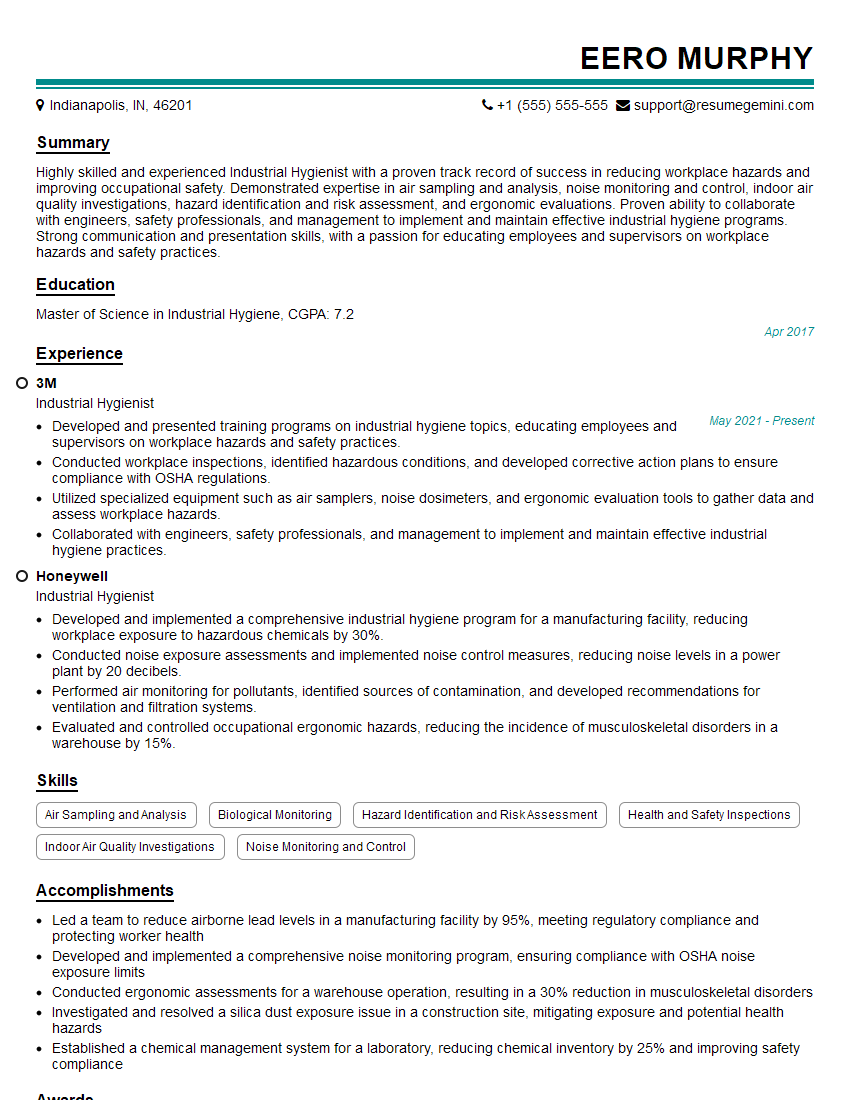
Industrial Hygienist Resume Sample
- Sustainability Coordinator
- Sustainability Manager
- Safety Director
- Compliance Manager
- Environmental Compliance Officer
- Sustainability Consultant
- Sustainability Specialist
- Risk Management Specialist
- Health and Safety Manager
- Process Safety Engineer
- Safety Consultant
- Safety Engineer
- Occupational Health Nurse
- Industrial Hygienist
Explore more articles
Users Rating of Our Blogs
Share Your Experience
We value your feedback! Please rate our content and share your thoughts (optional).
What Readers Say About Our Blog
Very informative content, great job.
good