The right preparation can turn an interview into an opportunity to showcase your expertise. This guide to Sustainable Wind Energy and Energy Efficiency interview questions is your ultimate resource, providing key insights and tips to help you ace your responses and stand out as a top candidate.
Questions Asked in Sustainable Wind Energy and Energy Efficiency Interview
Q 1. Explain the different types of wind turbines and their applications.
Wind turbines are categorized primarily by their axis of rotation and design. The most common types are horizontal-axis wind turbines (HAWTs) and vertical-axis wind turbines (VAWTs).
- Horizontal-Axis Wind Turbines (HAWTs): These are the most prevalent type, resembling giant windmills. They have a horizontal rotor shaft and typically three or more blades. HAWTs are efficient at capturing wind energy and are best suited for locations with consistent, unidirectional winds. Examples include the large utility-scale turbines seen in wind farms, ranging from megawatt-scale turbines for power generation to smaller kilowatts scale turbines for residential applications.
- Vertical-Axis Wind Turbines (VAWTs): VAWTs have a vertical rotor shaft and can capture wind from any direction. They are often more suitable for urban areas or complex terrain where wind direction is less predictable. While potentially more aesthetically pleasing, VAWTs are generally less efficient than HAWTs at the same scale and currently hold a smaller market share.
- Other types: There are also other less common designs like Darrieus (eggbeater) and Savonius (buckets) VAWTs which have niche applications like small-scale energy generation or specialized environments.
The application of a specific wind turbine type depends on factors such as wind resource availability, land constraints, cost considerations, and the overall power generation target. For example, large HAWTs are ideal for utility-scale projects aiming for high power output, while smaller HAWTs or VAWTs might be better for distributed generation or remote locations.
Q 2. Describe the process of wind energy project development.
Developing a wind energy project is a multi-stage process requiring careful planning and execution. It’s akin to building a complex puzzle, where each piece must fit perfectly to ensure success.
- Site Assessment and Resource Analysis: This initial phase involves detailed meteorological data analysis to determine wind speed, direction, and consistency at potential locations. This requires sophisticated modeling and measurement techniques.
- Feasibility Study: A thorough feasibility study assesses the technical, economic, and environmental viability of the project. This includes evaluating grid connection possibilities, land acquisition, regulatory compliance, and financial projections.
- Permits and Approvals: Securing necessary permits and approvals from relevant authorities is crucial. This may involve engaging with local communities, environmental agencies, and regulatory bodies.
- Engineering and Design: Detailed engineering designs for the turbines, foundations, access roads, and grid connection infrastructure are developed. This stage involves careful consideration of safety, efficiency, and environmental impact.
- Construction and Installation: This phase involves the actual construction work, including foundation pouring, turbine assembly, grid connection, and commissioning.
- Operation and Maintenance: After completion, the wind farm enters its operational phase. Regular maintenance is crucial to ensure optimal performance and equipment longevity. This often involves remote monitoring and scheduled maintenance visits.
Throughout the process, effective communication with stakeholders is essential to minimize disruptions and maximize community acceptance.
Q 3. How do you assess the suitability of a site for wind energy generation?
Site suitability for wind energy generation relies on several key factors, all contributing to a successful project.
- Wind Resource: The most crucial factor is the presence of consistent and strong winds. This is assessed using long-term meteorological data, wind resource maps, and on-site wind measurements using anemometers (devices that measure wind speed) at various heights. We look for average annual wind speeds and wind shear (change in wind speed with height) to maximize energy capture.
- Terrain and Topography: The surrounding terrain significantly influences wind patterns. Elevated locations generally experience higher wind speeds. Complex terrain can create turbulence, impacting turbine performance. Detailed topographic surveys and computational fluid dynamics (CFD) modeling can help simulate wind flow.
- Grid Connection: Proximity to an existing power grid is vital for cost-effective energy delivery. The capacity of the transmission lines and substation infrastructure must be assessed to handle the expected power output.
- Environmental Considerations: Potential impacts on wildlife (birds and bats), noise pollution, and visual impacts must be carefully evaluated. Environmental impact assessments (EIAs) are often required to minimize negative effects and obtain necessary permits.
- Land Availability and Access: Sufficient land area is needed for turbine placement, access roads, and other infrastructure. Ease of access for construction and maintenance is also critical.
- Regulatory Compliance: Adherence to local zoning regulations, building codes, and environmental guidelines is essential throughout the entire project lifecycle.
A comprehensive site assessment involves a multi-disciplinary team of engineers, environmental specialists, and meteorologists to ensure a successful and sustainable project.
Q 4. Discuss the environmental impact of wind energy projects.
While a clean source of energy, wind energy projects do have environmental impacts, though generally far less severe than fossil fuel alternatives. Understanding and mitigating these impacts is crucial.
- Wildlife Impacts: Bird and bat collisions with turbine blades are a concern. Mitigation strategies include careful site selection to avoid important migratory routes, using bird-deterrent technologies, and employing operational adjustments during periods of high bird activity. Research is constantly improving these strategies.
- Noise Pollution: Wind turbines generate noise, although often at levels comparable to other ambient noises in rural areas. Noise impact assessments and mitigation measures such as careful turbine placement and noise barriers can minimize disturbance.
- Visual Impacts: The visual impact of wind turbines is subjective and often depends on the landscape and community perception. Careful siting, turbine design, and community engagement can help address visual concerns.
- Habitat Fragmentation: Construction of wind farms can potentially fragment habitats, impacting local wildlife. Minimizing land disturbance and restoring affected areas is important.
- Electromagnetic Fields: While research suggests minimal impact, concerns about electromagnetic fields (EMFs) from wind turbines remain. Current evidence shows EMF levels produced by wind turbines fall far below health guidelines.
The environmental impact of wind energy projects should always be carefully considered and actively mitigated. A comprehensive environmental impact assessment and ongoing monitoring are essential aspects of responsible wind energy development.
Q 5. What are the key challenges in integrating renewable energy sources into the grid?
Integrating renewable energy sources like wind power into the existing electricity grid presents several challenges. It’s like trying to seamlessly merge two different traffic systems—requiring careful planning and coordination.
- Intermittency: Wind power is intermittent; it’s not consistently available as the wind doesn’t blow constantly. This necessitates grid infrastructure capable of handling fluctuations in power supply. This often involves incorporating energy storage solutions (batteries, pumped hydro) and smart grid technologies.
- Predictability: Accurate forecasting of wind power generation is crucial for grid stability. Advanced forecasting techniques and sophisticated grid management systems are needed to ensure reliable power delivery.
- Grid Infrastructure Limitations: The existing grid infrastructure may not be adequately equipped to handle large-scale integration of renewable energy. Upgrades to transmission lines, substations, and other grid components may be necessary.
- Voltage and Frequency Control: Maintaining grid voltage and frequency stability is paramount. Renewable energy sources, being decentralized, can pose challenges to the traditional grid’s centralized control mechanisms. Advanced grid management systems and grid-following/grid-forming inverters are necessary.
- Balancing Supply and Demand: Integrating renewables requires careful balancing of supply and demand. This involves sophisticated control systems and real-time monitoring to manage fluctuations in wind power generation.
Addressing these challenges requires a holistic approach involving technological advancements, improved grid management strategies, and supportive policies to encourage the integration of renewable energy sources.
Q 6. Explain different energy efficiency measures for buildings.
Improving energy efficiency in buildings is crucial for reducing energy consumption and lowering carbon emissions. It’s like making your house a well-insulated thermos, keeping energy in during winter and out during summer.
- Building Envelope Improvements: This includes enhancing insulation in walls, roofs, and floors, improving window performance (double or triple glazing, low-E coatings), and sealing air leaks. These measures significantly reduce heat loss in winter and heat gain in summer.
- Heating, Ventilation, and Air Conditioning (HVAC) Systems: High-efficiency HVAC systems, such as heat pumps and variable refrigerant flow (VRF) systems, reduce energy consumption. Regular maintenance and filter changes are also crucial.
- Lighting Upgrades: Switching to energy-efficient lighting, such as LED lighting, significantly reduces electricity consumption. Utilizing natural lighting through proper window placement also helps.
- Appliance Efficiency: Using energy-efficient appliances (refrigerators, washing machines, etc.) with high Energy Star ratings reduces energy consumption.
- Water Heating: Installing high-efficiency water heaters, such as tankless water heaters, and using low-flow showerheads and faucets can save significant energy.
- Smart Building Technologies: Smart thermostats, occupancy sensors, and building management systems (BMS) can optimize energy use based on occupancy patterns and weather conditions.
Implementing a combination of these measures, tailored to the specific building’s characteristics and climate, can result in substantial energy savings and environmental benefits.
Q 7. How do you conduct an energy audit?
Conducting an energy audit is a systematic process of assessing a building’s energy consumption patterns to identify areas for improvement. Think of it as a comprehensive health check for your building.
- Data Collection: This involves gathering data on energy consumption from utility bills, examining building plans, and taking measurements of the building’s physical characteristics (size, insulation levels, window types).
- On-Site Inspection: A thorough on-site inspection helps identify areas of energy loss. This might involve using infrared cameras to detect heat leaks, assessing HVAC system performance, and checking lighting efficiency.
- Energy Modeling: Using specialized software, energy modeling simulates the building’s energy performance under different scenarios. This can help predict the impact of different energy efficiency measures.
- Recommendations: Based on the data analysis and modeling, recommendations for energy efficiency improvements are developed. These could include upgrading insulation, improving HVAC systems, replacing inefficient appliances, or implementing smart technologies.
- Reporting: A comprehensive report summarizing the findings, recommendations, and potential cost savings is prepared for the building owner or manager. The report typically includes a prioritized list of energy-saving opportunities.
By following this process, an energy audit provides a clear roadmap for making informed decisions to reduce energy consumption and improve the building’s environmental performance. The best energy audits involve using a combination of detailed calculations, visual inspections and predictive modeling to accurately assess the potential for improvements.
Q 8. What are the common energy efficiency standards and certifications?
Energy efficiency standards and certifications ensure buildings and appliances meet minimum performance levels, reducing energy consumption and environmental impact. These vary by region and often target specific aspects like insulation, lighting, and HVAC systems.
ENERGY STAR (US): A voluntary program that certifies energy-efficient products, including appliances, electronics, and new homes. Think of it as a trusted label indicating a product uses significantly less energy than average.
LEED (Leadership in Energy and Environmental Design): A rating system for green buildings, encompassing sustainable site development, water efficiency, energy efficiency, materials selection, and indoor environmental quality. Achieving a LEED certification demonstrates a building’s commitment to environmental responsibility.
Building Codes (Local & National): Government-mandated minimum standards for building construction and renovation, often incorporating energy efficiency requirements. These are crucial for new buildings and often updated to reflect technological advancements and climate goals.
ISO 50001: An international standard for energy management systems, helping organizations establish a framework to improve energy efficiency, reduce costs, and achieve environmental objectives. It’s like a best-practices guide for continuous energy improvement across various sectors.
These certifications and standards are vital for consumers and businesses as they provide a benchmark for comparing options, making informed decisions, and promoting sustainable practices.
Q 9. Discuss the financial incentives available for energy efficiency upgrades.
Numerous financial incentives encourage energy efficiency upgrades. These incentives aim to make sustainable choices more affordable and accelerate the transition to a greener future.
Tax Credits and Rebates: Many governments offer tax credits or rebates for installing energy-efficient appliances, upgrading insulation, or installing renewable energy systems like solar panels. These reduce the upfront cost, making upgrades more attractive.
Low-Interest Loans and Financing Options: Special financing programs are available for energy efficiency projects, offering lower interest rates than conventional loans. This eases the financial burden and spreads payments over time.
Utility Company Programs: Many utility companies offer rebates or incentives for energy-efficient upgrades. They benefit from reduced energy demand and a more stable grid.
Grants and Funding Opportunities: Various government agencies and foundations provide grants for energy efficiency projects, particularly for low-income households or community initiatives.
It’s crucial to research available programs in your specific area. Websites of local governments, utility companies, and energy efficiency organizations are good starting points.
Q 10. Describe various energy storage technologies and their applications in renewable energy systems.
Energy storage is crucial for integrating renewable energy sources like wind and solar, which are intermittent. Several technologies exist, each with specific advantages and limitations:
Batteries (Lithium-ion, Flow Batteries): Lithium-ion batteries are widely used for their high energy density and relatively fast charging/discharging times. They’re ideal for residential and small-scale applications. Flow batteries, on the other hand, excel in large-scale deployments due to their longer lifespan and scalability. They’re like large rechargeable tanks storing energy as chemical potential.
Pumped Hydro Storage: This involves pumping water uphill to a reservoir during off-peak hours and releasing it to generate electricity during peak demand. It’s a mature and cost-effective technology, but geographically limited.
Compressed Air Energy Storage (CAES): Compressing air during off-peak times and using it to drive turbines during peak demand. It’s suitable for large-scale storage and offers long-duration capabilities.
Thermal Energy Storage: Storing energy as heat (e.g., molten salt) or cold (e.g., ice), which can then be used later to generate electricity or provide heating/cooling. Ideal for applications requiring long-duration storage.
The choice of energy storage technology depends on factors such as scale, cost, duration of storage needed, and application (grid-scale vs. residential).
Q 11. What are the different types of wind turbine generators?
Wind turbine generators are categorized based on their axis of rotation and size:
Horizontal-Axis Wind Turbines (HAWTs): These are the most common type, with the rotor shaft parallel to the ground. They are further classified by the number of blades (typically 2 or 3) and size, ranging from small residential turbines to massive offshore turbines.
Vertical-Axis Wind Turbines (VAWTs): The rotor shaft is vertical. They are less efficient than HAWTs in most wind conditions but have some advantages, such as being able to operate at lower wind speeds and not needing yaw control systems.
Within each category, turbines are also classified by their power rating (in kilowatts or megawatts) and design features. The choice of turbine type depends on factors such as wind resource, site conditions, and cost considerations.
Q 12. Explain the concept of capacity factor in wind energy.
The capacity factor in wind energy represents the actual power output of a wind turbine or wind farm over a period, relative to its maximum possible output (its rated capacity). Imagine a wind turbine with a capacity of 1 MW. If it produces electricity for 50% of the time at its rated capacity, its capacity factor is 0.5 (or 50%).
Capacity Factor = (Actual Energy Output / (Rated Capacity * Total Time)) * 100%
A higher capacity factor indicates more consistent power generation, which is desirable from a grid integration perspective. Capacity factors for wind farms vary significantly depending on location and wind resources, generally ranging from 20% to 50%, though some ideal locations may exceed this.
Q 13. How do you calculate the Levelized Cost of Energy (LCOE) for a wind farm?
The Levelized Cost of Energy (LCOE) is a metric for comparing the overall cost of electricity generation from different sources, including wind farms. It represents the average cost per unit of electricity generated over the entire lifetime of the project.
Calculating LCOE involves summing the present value of all costs (capital costs, operation and maintenance costs, fuel costs (if applicable), decommissioning costs) over the project lifetime and dividing by the total energy produced over the same period.
While there isn’t a single, universally accepted formula, the general approach involves using discounted cash flow analysis with a specified discount rate (reflecting the time value of money). Specialized software and financial modeling tools are usually used to perform the calculation, considering factors such as the project’s lifetime, inflation, and financing terms.
A lower LCOE indicates a more cost-competitive electricity generation option.
Q 14. Discuss the role of smart grids in managing renewable energy integration.
Smart grids play a vital role in managing the integration of renewable energy, especially intermittent sources like wind and solar. Traditional grids were designed for centralized generation, whereas renewable energy is often distributed across diverse locations.
Smart grids use advanced sensors, communication technologies, and intelligent control systems to:
Optimize Power Flow: Smart grids can balance supply and demand in real-time, integrating renewable energy seamlessly. This involves adjusting power flows based on actual generation and consumption levels.
Improve Grid Stability: Smart grids provide better grid stability and resilience during fluctuations in renewable energy supply.
Enhance Reliability: By monitoring grid conditions, smart grids can prevent outages and improve reliability.
Enable Demand-Side Management: Smart grids can encourage energy conservation by providing real-time information to consumers and automating energy-efficient responses.
Facilitate Distributed Generation: Smart grids enable the connection and management of distributed renewable energy sources, fostering decentralized electricity generation.
Smart grids are essential for maximizing the benefits of renewable energy while maintaining a stable and reliable electricity supply.
Q 15. What are the different types of energy efficiency audits?
Energy efficiency audits assess a building or facility’s energy consumption to identify areas for improvement. Different types of audits provide varying levels of detail and depth. They typically fall into these categories:
- Walk-through audits: These are quick, preliminary assessments involving a visual inspection and review of utility bills. They provide a high-level overview and identify obvious energy-wasting opportunities. Think of it as a quick ‘check-up’ for your building’s energy health.
- Level I audits: These are more detailed, involving data collection on energy usage, equipment performance, and building systems. They often include on-site measurements and calculations to quantify energy consumption and identify specific areas for improvement. It’s like a more thorough physical exam.
- Level II audits: These are the most comprehensive, involving detailed energy modeling and analysis. They use sophisticated software and techniques to identify energy-saving opportunities and their potential financial benefits. This is akin to a full diagnostic test with detailed reports and recommendations.
- Specialized audits: These target specific areas, such as HVAC systems, lighting, or industrial processes. For example, a specialized audit might focus exclusively on optimizing the performance of a building’s refrigeration system.
The type of audit best suited for a particular situation depends on the building’s size, complexity, and the goals of the audit. A small office might only need a Level I audit, while a large manufacturing facility may require a Level II audit.
Career Expert Tips:
- Ace those interviews! Prepare effectively by reviewing the Top 50 Most Common Interview Questions on ResumeGemini.
- Navigate your job search with confidence! Explore a wide range of Career Tips on ResumeGemini. Learn about common challenges and recommendations to overcome them.
- Craft the perfect resume! Master the Art of Resume Writing with ResumeGemini’s guide. Showcase your unique qualifications and achievements effectively.
- Don’t miss out on holiday savings! Build your dream resume with ResumeGemini’s ATS optimized templates.
Q 16. Describe the methods for improving the efficiency of HVAC systems.
Improving HVAC (Heating, Ventilation, and Air Conditioning) system efficiency is crucial for energy savings. Methods include:
- Regular Maintenance: Cleaning filters, checking refrigerant levels, and lubricating moving parts are essential for optimal performance. Imagine a car – regular maintenance keeps it running smoothly and efficiently.
- Upgrades to Equipment: Replacing older, less efficient HVAC systems with high-efficiency models (like those with variable-speed drives) significantly reduces energy consumption. This is like upgrading to a hybrid vehicle for better fuel economy.
- Improved Controls: Implementing smart thermostats, occupancy sensors, and zoning controls optimizes heating and cooling based on actual needs, minimizing energy waste. Think of it as only heating or cooling the rooms you are actually using.
- Air Sealing and Insulation: Reducing air leaks and improving insulation in ductwork minimizes energy loss. This prevents conditioned air from escaping and improving efficiency.
- Variable Refrigerant Flow (VRF) Systems: These systems offer precise temperature control in different zones, reducing energy waste associated with over- or under-cooling.
- Heat Recovery Ventilators (HRVs): These systems recapture heat from exhaust air to preheat or precool incoming air, reducing the load on the HVAC system.
A combination of these methods often yields the best results. A comprehensive approach tailored to the specific building’s design and operation is crucial for maximizing efficiency.
Q 17. What are the benefits of implementing building envelope improvements for energy efficiency?
Building envelope improvements— focusing on the building’s outer shell— significantly reduce energy loss and improve comfort. Benefits include:
- Reduced Heating and Cooling Loads: Better insulation and air sealing minimize heat transfer, lowering the energy needed to maintain a comfortable indoor temperature. This translates directly to lower utility bills.
- Improved Indoor Air Quality: Proper air sealing reduces infiltration of outdoor pollutants and allergens. This leads to a healthier indoor environment.
- Increased Comfort: A well-insulated building experiences less temperature fluctuation, resulting in a more consistent and comfortable indoor environment.
- Enhanced Durability: Improvements like new roofing and siding protect the building from the elements, extending its lifespan and reducing long-term maintenance costs.
- Increased Property Value: Energy-efficient buildings are more attractive to potential buyers or tenants, leading to increased property value.
Examples of envelope improvements include adding insulation to walls and attics, replacing windows with high-performance models, and sealing air leaks around doors and windows. These measures can have a dramatic impact on a building’s overall energy performance.
Q 18. How do you assess the return on investment for energy efficiency projects?
Assessing the return on investment (ROI) for energy efficiency projects involves comparing the cost of the improvements to the resulting energy savings. Here’s a step-by-step approach:
- Determine the initial investment: Calculate all costs associated with the project, including materials, labor, design fees, and permitting.
- Estimate energy savings: Use energy modeling software or historical data to estimate the reduction in energy consumption resulting from the improvements.
- Calculate annual savings: Multiply the estimated energy savings by the cost of energy (e.g., $/kWh or $/therm).
- Determine the payback period: Divide the initial investment by the annual savings to find out how long it will take to recoup the initial cost.
- Calculate the ROI: ROI is typically expressed as a percentage. It is calculated as (Annual Savings / Initial Investment) * 100%. A higher ROI indicates a more financially attractive project.
For example, if an energy efficiency project costs $10,000 and results in annual savings of $2,000, the payback period is 5 years (10,000/2,000), and the ROI is 20% (2,000/10,000 * 100%). This analysis helps prioritize projects with the strongest financial returns.
Q 19. What are some common challenges in implementing energy efficiency programs?
Implementing energy efficiency programs often faces challenges:
- High Upfront Costs: Energy efficiency improvements can require significant upfront investment, which can be a barrier for some building owners or organizations.
- Lack of Awareness: Many building owners or managers may not be fully aware of the potential energy savings and financial benefits of energy efficiency measures.
- Financing Constraints: Securing financing for energy efficiency projects can be challenging, especially for smaller projects or organizations with limited access to capital.
- Technical Complexity: Implementing some energy efficiency measures, like advanced building automation systems, can be technically complex and require specialized expertise.
- Occupant Behavior: Even with the best energy efficiency improvements, occupant behavior can significantly impact energy consumption. For example, people leaving lights on or setting thermostats to extreme temperatures.
- Data Availability: Accurate energy consumption data is often required to assess the effectiveness of energy efficiency measures, but acquiring this data can be difficult.
Addressing these challenges requires education, incentives, financing mechanisms, and ongoing monitoring and evaluation.
Q 20. Explain the role of energy management systems in improving energy efficiency.
Energy management systems (EMS) are crucial for improving energy efficiency by providing real-time monitoring and control of building systems. Their role includes:
- Monitoring Energy Consumption: EMS collect data on energy usage from various sources, providing a comprehensive picture of a building’s energy performance.
- Identifying Energy Waste: By analyzing energy consumption patterns, EMS can identify areas of excessive energy use and pinpoint inefficiencies.
- Optimizing System Operation: EMS can automatically adjust the operation of HVAC systems, lighting, and other equipment to optimize energy use based on occupancy, weather conditions, and other factors.
- Generating Reports and Alerts: EMS provide detailed reports on energy consumption, enabling building managers to track progress and identify areas for improvement. They can also generate alerts to notify managers of equipment malfunctions or unusual energy usage patterns.
- Integrating Renewable Energy Sources: EMS can integrate renewable energy sources, such as solar panels or wind turbines, into a building’s energy system, optimizing the use of clean energy.
Think of an EMS as the central nervous system of a building, constantly monitoring and adjusting energy usage to ensure efficiency and cost savings.
Q 21. What are the various renewable energy policy incentives at the federal/state/local level?
Renewable energy policy incentives vary significantly at the federal, state, and local levels. These incentives aim to encourage the adoption of renewable energy technologies and improve energy efficiency. Examples include:
- Federal Level: The Investment Tax Credit (ITC) offers tax credits for investments in renewable energy systems, such as solar panels and wind turbines. Other federal programs offer grants, loans, and other support for energy efficiency and renewable energy projects.
- State Level: Many states have their own renewable portfolio standards (RPS) that mandate a certain percentage of electricity generation from renewable sources. States also offer various incentives such as rebates, tax credits, and net metering programs (allowing customers to sell excess renewable energy back to the grid).
- Local Level: Cities and municipalities may offer their own incentives, such as property tax exemptions for energy-efficient buildings or rebates for installing solar panels. Local utility companies often offer programs to encourage energy efficiency and renewable energy adoption.
It’s crucial to research the specific incentives available at each level of government, as they can significantly reduce the cost of renewable energy projects and make them more financially attractive. These incentives change frequently, so it’s best to consult up-to-date resources from government agencies and utility companies.
Q 22. Explain the difference between onshore and offshore wind farms.
Onshore and offshore wind farms differ primarily in their location and the resulting challenges and advantages. Onshore wind farms, as the name suggests, are built on land, typically in areas with consistent, strong winds. Offshore wind farms, conversely, are constructed in bodies of water, often many kilometers from the coast.
- Onshore Advantages: Easier access for construction, maintenance, and repair; generally lower initial capital costs.
- Onshore Disadvantages: Land use conflicts with other activities (farming, residential development); visual impact concerns; potential noise pollution; susceptibility to varying land-based weather patterns.
- Offshore Advantages: Consistently higher and more reliable wind speeds; less visual impact from the land; less noise pollution impacting populated areas.
- Offshore Disadvantages: Significantly higher initial capital costs due to specialized equipment and installation challenges; more complex maintenance and repair due to the marine environment; potential impacts on marine ecosystems.
For example, a typical onshore project might involve siting turbines in a rural area with appropriate wind resources, while an offshore project would necessitate specialized vessels, subsea foundations, and grid connection infrastructure.
Q 23. Discuss the lifecycle assessment of wind turbine components.
A lifecycle assessment (LCA) of wind turbine components examines their environmental impact across their entire lifespan, from raw material extraction and manufacturing to operation, decommissioning, and disposal. This is crucial for evaluating the overall sustainability of wind energy.
- Raw Material Extraction: Assessing the environmental consequences of mining materials like steel, copper, and rare earth elements. This includes land use change, energy consumption, and emissions.
- Manufacturing and Transportation: Evaluating the energy consumed in manufacturing processes, transportation of components, and associated emissions (CO2, greenhouse gases).
- Operation and Maintenance: Considering the operational energy consumption of the turbine, the energy and materials used for maintenance activities, and the potential for noise and visual pollution.
- Decommissioning and Recycling: Analyzing the methods used to dismantle and dispose of or recycle turbine components at the end of their operational life, including waste management and resource recovery potential.
For instance, an LCA might show that while manufacturing a wind turbine has a significant carbon footprint initially, the operational phase’s clean energy generation far outweighs the initial impact over its lifetime. Moreover, advancements in recycling turbine blades and other components are crucial to reducing the overall environmental footprint.
Q 24. How can building automation systems enhance energy efficiency?
Building automation systems (BAS) optimize energy use in buildings by intelligently controlling and monitoring various building systems. They significantly enhance energy efficiency by automating processes that would otherwise rely on manual adjustments.
- HVAC Control: Optimizing heating, ventilation, and air conditioning (HVAC) systems based on occupancy, time of day, and weather conditions. This can reduce energy consumption by only heating or cooling occupied spaces during needed hours.
- Lighting Control: Automatically adjusting lighting levels based on ambient light and occupancy. This minimizes energy waste from unnecessarily illuminated spaces.
- Energy Monitoring and Data Analysis: Providing real-time data on energy consumption, enabling identification of areas for improvement and tracking the effectiveness of energy-saving measures.
- Demand Response Management: Enabling buildings to respond dynamically to changes in energy prices or grid demand by adjusting energy consumption in real-time.
For example, a BAS could integrate sensors to detect when a room is unoccupied and automatically switch off lights and reduce HVAC output. The resulting data collected can be used to fine-tune the system and further optimize energy performance.
Q 25. Describe your experience with energy modeling software.
I have extensive experience with various energy modeling software packages, including EnergyPlus, TRNSYS, and eQuest. These tools allow for detailed simulations of building energy performance and wind farm energy yield.
In past projects, I’ve used EnergyPlus to model the energy consumption of high-performance buildings, assessing the impact of different design features on overall energy efficiency. This included optimizing building envelope characteristics, HVAC system design, and renewable energy integration. With TRNSYS, I’ve conducted more complex simulations involving transient thermal analysis of building systems and renewable energy resources integration, such as photovoltaic (PV) systems and wind turbines. The results of these simulations help identify opportunities for energy savings and inform optimal design decisions.
My experience extends to using these tools to compare different energy efficiency scenarios, optimize building designs for various climates, and evaluate the impact of different control strategies on energy performance. This analysis allows us to develop and validate design alternatives based on solid data and minimize the risk of energy-intensive building designs.
Q 26. Explain the concept of net-zero energy buildings.
A net-zero energy building produces as much renewable energy as it consumes over the course of a year. This is achieved through a combination of high energy efficiency measures to minimize energy demand and on-site renewable energy generation to meet the remaining energy needs.
Imagine a house that’s incredibly well-insulated, with high-efficiency windows and appliances. This dramatically reduces its energy consumption. Then, solar panels or a small wind turbine on the roof generate enough clean energy to power the home, offsetting any remaining energy demand from the grid. The net result is zero net energy consumption annually.
Achieving net-zero status requires careful consideration of building design, material selection, and renewable energy systems integration. This involves detailed energy modeling and simulation to ensure that the building’s energy production capabilities are adequately matched to its consumption.
Q 27. What are the different types of energy audits and their methodologies?
Energy audits are assessments of a building’s or system’s energy consumption to identify areas for improvement. There are several types, each with its own methodology:
- Level 1 (Walk-Through): A visual inspection of the building’s energy systems and equipment, using readily available data to estimate energy use and identify obvious inefficiencies. It’s a quick, relatively inexpensive overview.
- Level 2 (Energy Use Intensity): A more detailed audit involving data analysis of past energy consumption patterns to establish a baseline energy use intensity (EUI). This identifies areas for energy savings by comparing consumption to similar buildings.
- Level 3 (Detailed Energy Audit): The most comprehensive audit, involving detailed measurements, advanced software modeling, and potentially on-site testing of equipment to pinpoint precise areas for energy improvements and develop detailed cost-effective retrofit plans. This often involves specialized equipment and expertise.
The methodology for each level involves data collection, analysis, and reporting. Level 1 relies on observation and simple calculations, while Level 3 utilizes sophisticated tools and advanced analysis to make specific, quantifiable recommendations for energy improvements.
Q 28. How do you determine the optimal size and placement of wind turbines within a wind farm?
Determining the optimal size and placement of wind turbines within a wind farm is a complex process requiring advanced modeling and simulation techniques. Several factors need to be considered:
- Wind Resource Assessment: Detailed meteorological data is crucial to understanding wind speed, direction, and turbulence at the proposed site. This data is often collected through on-site measurements using anemometers and other specialized equipment.
- Wake Effects: The flow of air behind a turbine can reduce the performance of downwind turbines. Careful spacing and placement are needed to minimize these wake effects and optimize overall farm energy production. Software modeling helps predict and mitigate these effects.
- Terrain and Topography: The local terrain significantly impacts wind flow patterns. Detailed topographical surveys are used to model these effects and determine optimal turbine locations. Complex terrains may require sophisticated Computational Fluid Dynamics (CFD) simulations.
- Turbine Technology: Different turbine models have different characteristics, including rotor diameter, hub height, and power output. The optimal turbine size must be selected based on the specific wind resource and site conditions.
- Grid Connection: The location of the wind farm needs to be suitable for connection to the electricity grid with minimal transmission losses. This involves assessing grid capacity and infrastructure.
Sophisticated software packages are used to simulate the performance of wind farms under various configurations. This allows engineers to optimize turbine placement, spacing, and selection to maximize energy output while minimizing wake effects and construction costs. It’s an iterative process involving extensive data analysis and simulation.
Key Topics to Learn for Sustainable Wind Energy and Energy Efficiency Interviews
- Sustainable Wind Energy: Fundamentals: Understanding wind turbine technology (horizontal-axis vs. vertical-axis), wind resource assessment, energy conversion principles, and the environmental impact of wind farms.
- Sustainable Wind Energy: Practical Applications: Analyzing wind farm layouts, grid integration challenges, energy storage solutions (batteries, pumped hydro), and lifecycle assessment of wind turbines.
- Energy Efficiency Principles: Understanding energy audits, building envelope design, HVAC systems optimization, and the role of smart grids in efficient energy distribution.
- Energy Efficiency in Buildings: Applying energy efficiency measures in residential, commercial, and industrial buildings, including insulation techniques, window technologies, and lighting solutions.
- Renewable Energy Integration: Exploring the synergistic relationship between wind energy and other renewable sources (solar, hydro), and the challenges of integrating intermittent renewable energy into the grid.
- Policy and Regulations: Familiarizing yourself with relevant environmental regulations, renewable energy incentives, and carbon emission reduction targets.
- Problem-Solving Approaches: Developing skills in analyzing energy consumption data, identifying energy loss sources, proposing cost-effective solutions, and evaluating the feasibility of different renewable energy projects.
- Economic Aspects: Understanding the financial modeling of wind energy projects, including levelized cost of energy (LCOE) calculations and return on investment (ROI) analysis.
Next Steps
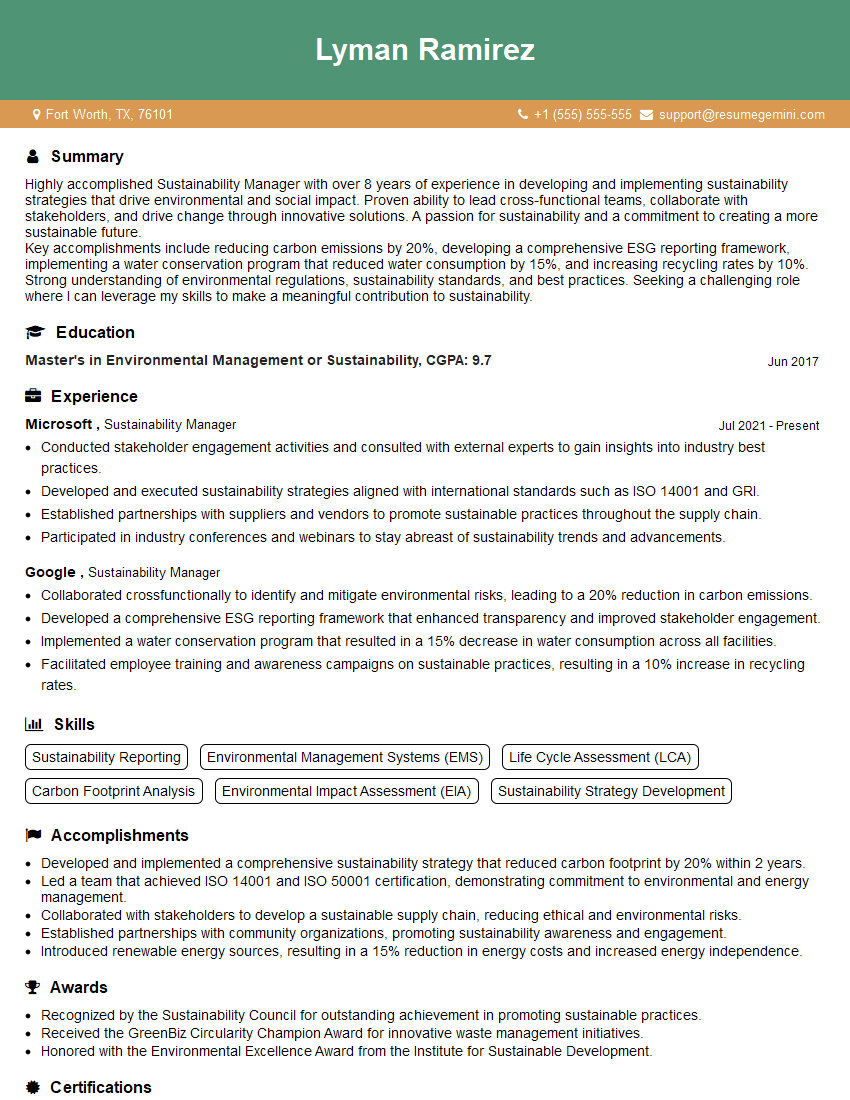
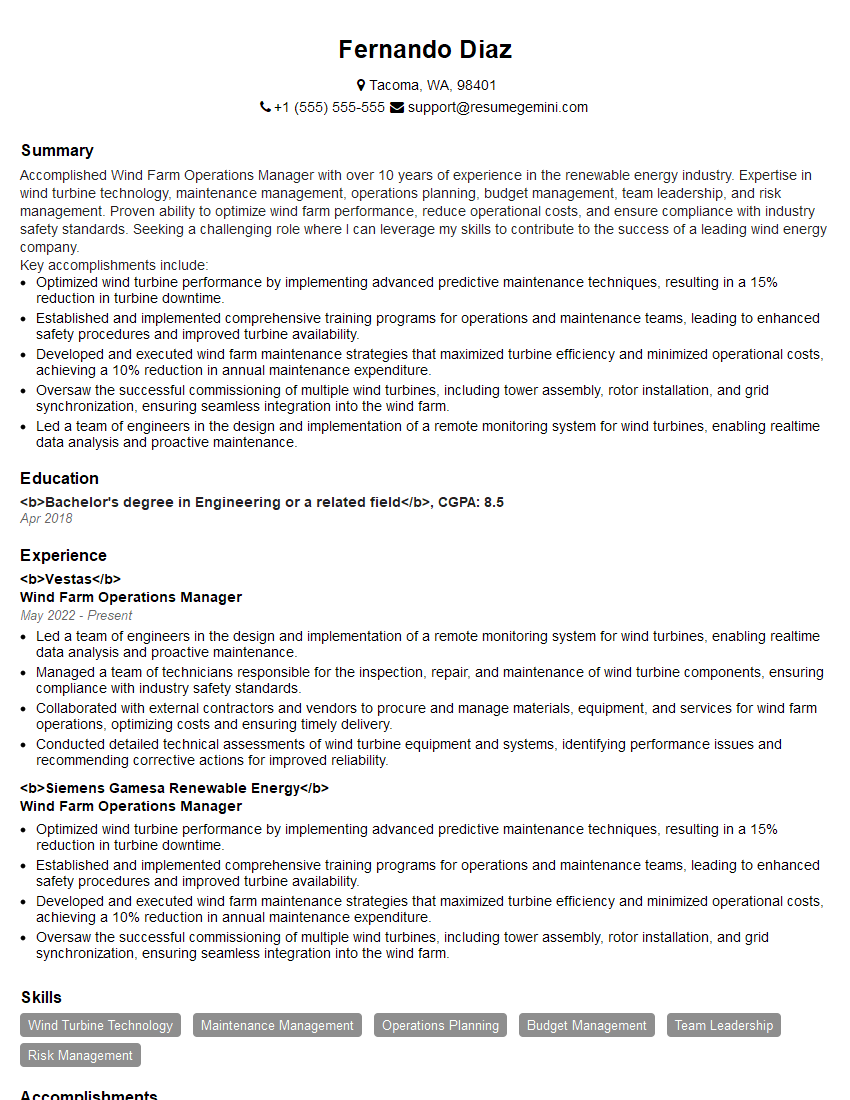
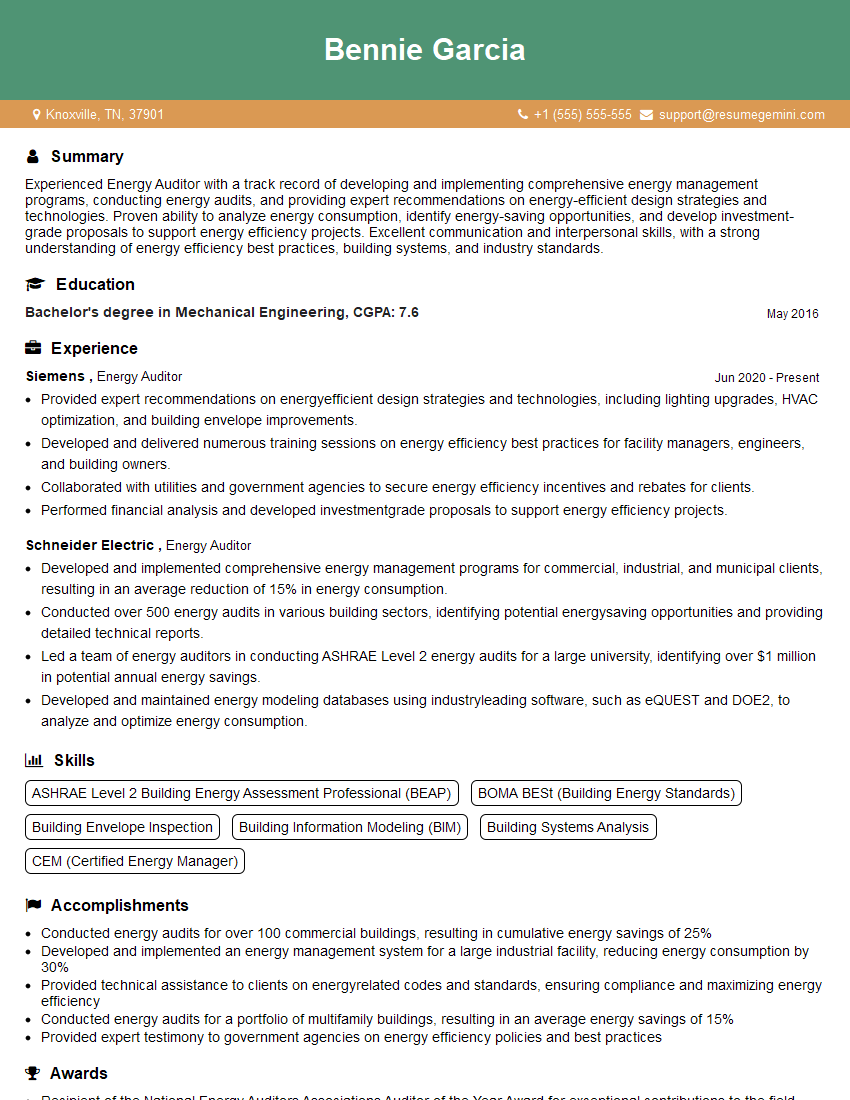
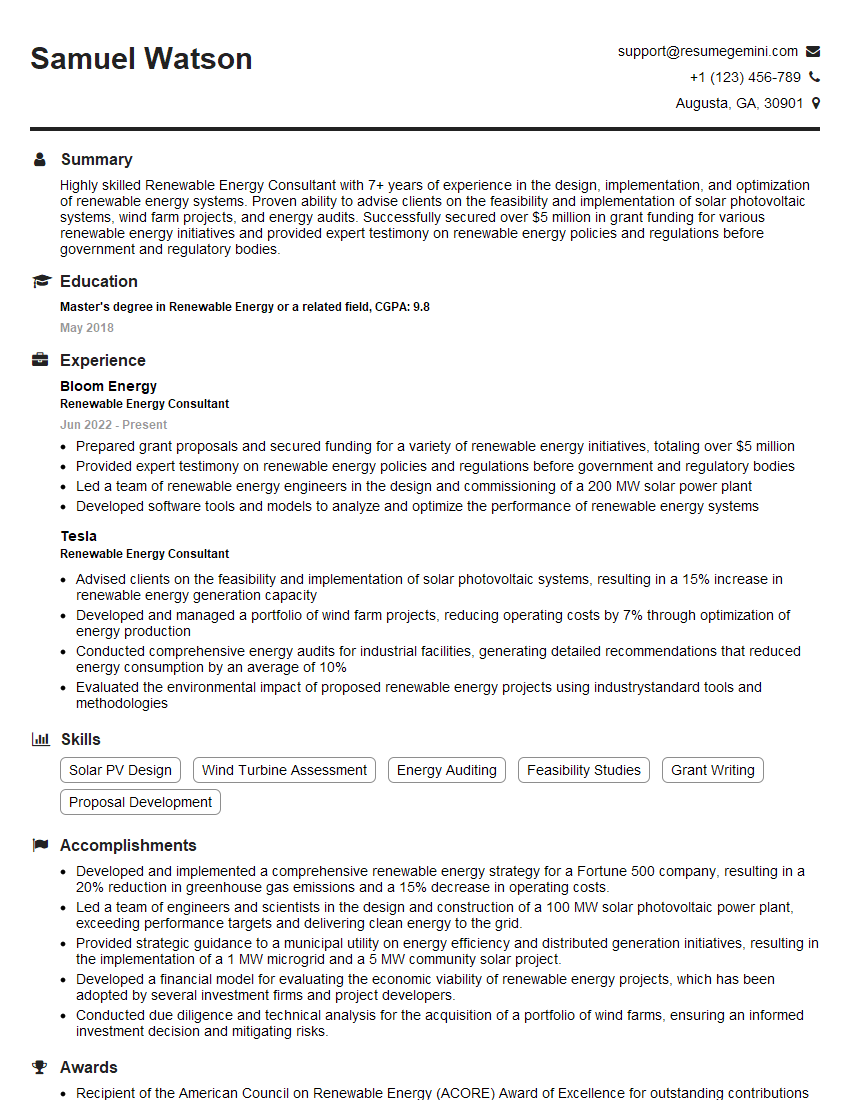
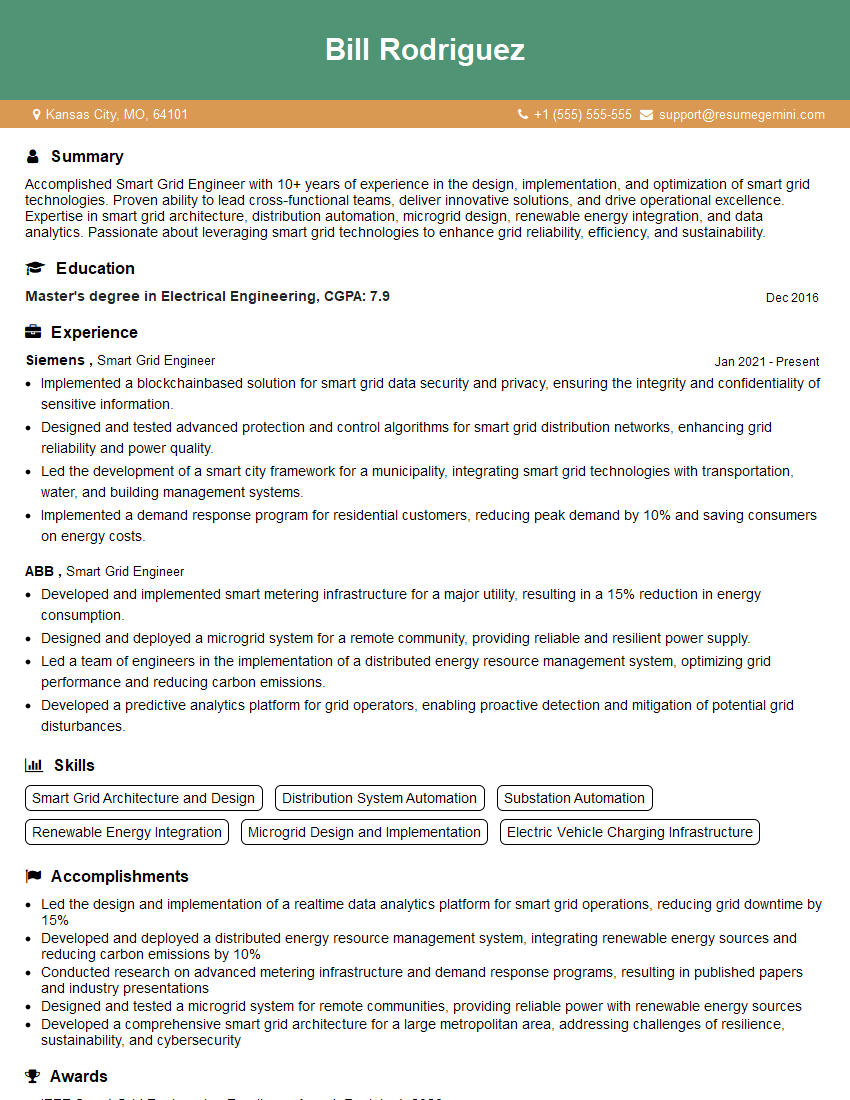
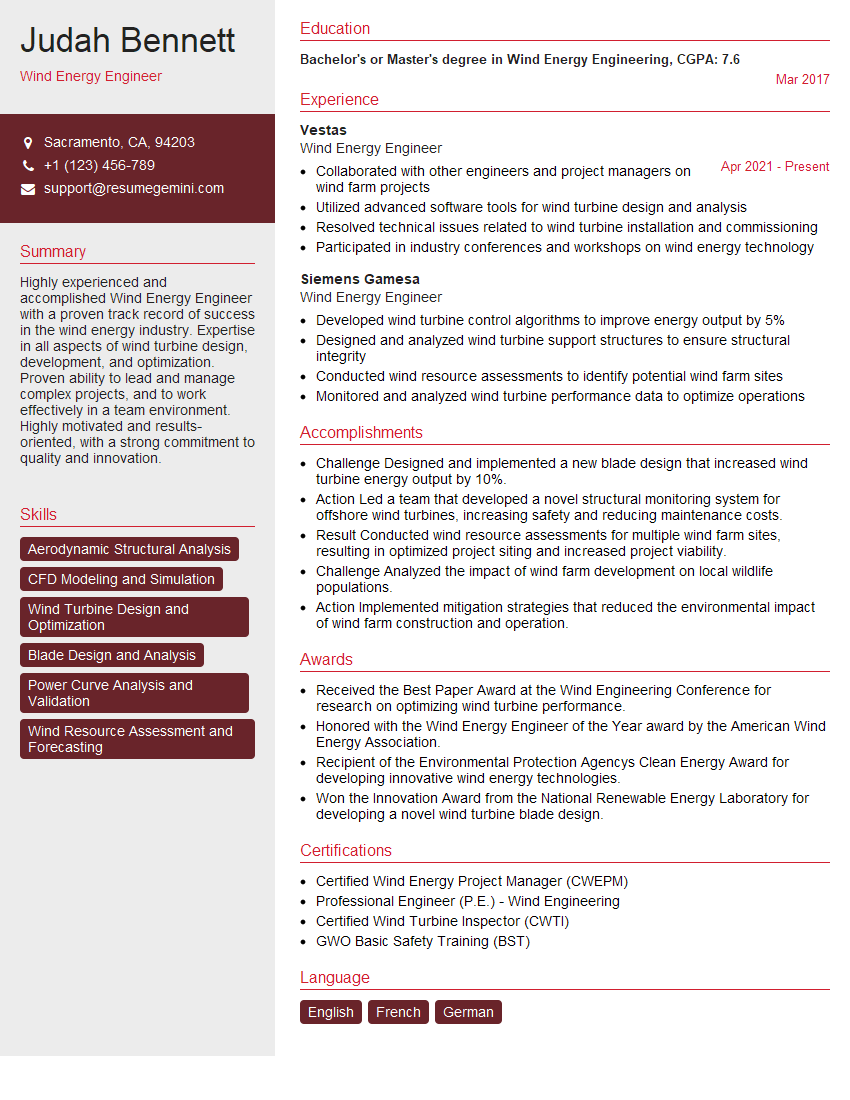
Mastering Sustainable Wind Energy and Energy Efficiency opens doors to a rewarding career in a rapidly growing sector. These fields are crucial for addressing climate change and building a sustainable future. To maximize your job prospects, a strong and targeted resume is essential. Creating an ATS-friendly resume significantly improves your chances of getting your application noticed. ResumeGemini is a trusted resource for building professional, impactful resumes that get results. We provide examples of resumes tailored to Sustainable Wind Energy and Energy Efficiency to help you craft a compelling application that highlights your skills and experience.

Explore more articles
Users Rating of Our Blogs
Share Your Experience
We value your feedback! Please rate our content and share your thoughts (optional).
What Readers Say About Our Blog
Very informative content, great job.
good