Feeling uncertain about what to expect in your upcoming interview? We’ve got you covered! This blog highlights the most important Talent Identification and Recruitment interview questions and provides actionable advice to help you stand out as the ideal candidate. Let’s pave the way for your success.
Questions Asked in Talent Identification and Recruitment Interview
Q 1. Describe your experience with various sourcing techniques (e.g., LinkedIn Recruiter, Boolean search, networking).
My sourcing strategy is multifaceted and leverages a blend of digital tools and traditional networking. I’m proficient in using LinkedIn Recruiter, employing Boolean search strings for highly targeted candidate searches within specific skill sets and experience levels. For example, a Boolean string like "(Python OR Java) AND (Software Engineer OR Developer) AND (5+ years experience)" allows me to efficiently filter out irrelevant profiles.
Beyond digital tools, networking is crucial. I actively participate in industry events, conferences, and online communities to build relationships with potential candidates and tap into passive talent pools. I also maintain a strong network of referral sources—both internal and external—to leverage their knowledge and recommendations. This often yields candidates who are not actively seeking new opportunities but might be interested in the right fit.
I also utilize niche job boards specific to the industry in question and leverage company databases to identify potential internal candidates for promotions or transfers.
Q 2. How do you measure the success of a recruitment campaign?
Measuring recruitment campaign success goes beyond simply filling a position. I utilize a multi-faceted approach, tracking key metrics across the entire recruitment funnel. This includes:
- Time-to-fill: How long it took to fill the open position. A shorter time-to-fill indicates efficiency.
- Cost-per-hire: The total cost of recruitment divided by the number of hires. This helps optimize spending.
- Source of hire: Identifying which sourcing channel (e.g., LinkedIn, referrals, job boards) yields the best quality candidates. This informs future strategy.
- Candidate quality: Assessing the skills, experience, and cultural fit of hires, as well as their performance after onboarding. This is measured through performance reviews and feedback.
- Offer acceptance rate: The percentage of candidates who accept the job offer. A high rate suggests a compelling value proposition.
By analyzing these metrics, I can identify areas for improvement and refine our recruitment strategies for better outcomes. For example, if our cost-per-hire is consistently high, we might explore alternative sourcing methods or streamline our interview process.
Q 3. Explain your understanding of different recruitment methodologies (e.g., agile, traditional).
Traditional recruitment methodologies follow a linear, sequential approach, often characterized by a lengthy, structured process with multiple screening stages. Agile recruitment, conversely, adopts a more iterative and flexible approach, prioritizing speed and collaboration. It utilizes shorter feedback loops and encourages continuous improvement throughout the process.
In a traditional approach, the process might involve posting a job description, screening resumes, conducting multiple interviews (phone, in-person), background checks, and finally extending an offer. This is effective for roles with well-defined requirements and a less urgent need to fill.
An agile approach might involve a faster initial screening, perhaps using video interviews or skills assessments, quickly narrowing down the candidate pool. It involves frequent communication with candidates and rapid feedback loops, prioritizing a quick but thorough selection process. This is often preferred for roles requiring fast turnaround or in rapidly evolving industries.
I adapt my approach based on the specific role and organizational needs. Often, a hybrid model—combining elements of both—is the most effective.
Q 4. How do you handle a situation where a candidate is highly skilled but doesn’t fit the company culture?
This is a common challenge. While a candidate may possess exceptional technical skills, a poor cultural fit can lead to dissatisfaction, low performance, and high turnover. My approach involves a thorough assessment of both technical skills and cultural alignment.
I’d first clearly define the company culture and values. Then, I’d use behavioral interview questions and assessments to evaluate the candidate’s alignment with those values. For example, I might ask questions like: “Tell me about a time you had to work with a difficult team member. How did you handle it?” or “Describe your preferred work environment.”
If the mismatch is significant, I would honestly explain to the candidate why they might not be a suitable fit, highlighting the importance of cultural alignment for long-term success. While it’s disappointing to lose a talented candidate, it’s ultimately better for both the company and the individual to ensure a proper fit.
In some cases, there might be a possibility of finding a different role within the organization where their skills are highly valued and their personality better aligns with the team culture.
Q 5. What is your experience with applicant tracking systems (ATS)?
I have extensive experience with Applicant Tracking Systems (ATS), having used several platforms including Taleo, Workday, and Greenhouse. My proficiency extends beyond basic functionality; I understand how to optimize ATS usage for improved efficiency and candidate experience.
I’m skilled in creating and managing job postings, screening resumes, scheduling interviews, and tracking candidates throughout the recruitment pipeline. Furthermore, I leverage ATS reporting features to monitor key recruitment metrics and identify areas for improvement. For instance, I can analyze time-to-fill data within the ATS to understand bottlenecks in the recruitment process.
I also understand the importance of keyword optimization within job descriptions to ensure that the ATS effectively identifies relevant candidates. This includes using relevant industry keywords and avoiding overly broad or ambiguous language.
Q 6. Describe your experience with diversity and inclusion in recruitment.
Diversity and inclusion are paramount in my recruitment approach. I believe a diverse workforce leads to innovation, better problem-solving, and increased market understanding. I actively promote diversity and inclusion through several strategies.
- Inclusive job descriptions: I avoid gendered or biased language in job postings, using inclusive language that attracts a broader pool of applicants.
- Diverse sourcing channels: I utilize various platforms and networks to reach diverse candidate pools, extending beyond traditional channels to include organizations focused on underrepresented groups.
- Bias-aware interview techniques: I implement structured interviews and utilize standardized scoring rubrics to minimize unconscious bias during the evaluation process.
- Blind resume screening: Where feasible, I remove identifying information from resumes to reduce the impact of unconscious bias during the initial screening stage.
- Monitoring diversity metrics: I regularly track diversity metrics at each stage of the recruitment funnel to identify potential biases and areas for improvement.
My commitment to diversity and inclusion is not just a matter of compliance; it’s a strategic imperative for building a thriving and representative workforce.
Q 7. How do you prioritize candidates when you have multiple qualified applicants?
Prioritizing candidates with multiple qualified applicants requires a structured approach. I don’t rely solely on gut feeling; I develop a clear set of criteria based on the job description and company requirements. This might include:
- Essential skills and experience: Rating candidates based on their proficiency in crucial skills and relevant experience.
- Cultural fit: Assessing how well their personality and work style align with the team and company culture.
- Career aspirations: Understanding their long-term career goals to ensure alignment with growth opportunities within the organization.
- Compensation expectations: Considering their salary expectations within the company’s budget.
I often use a scoring system to objectively compare candidates based on these criteria. This ensures fairness and transparency. Finally, I may conduct additional interviews or assessments, including technical challenges or case studies, to differentiate between top candidates. The goal is to select the candidate who best meets the needs of the role and the organization, now and in the future.
Q 8. How do you build rapport with candidates and build a positive candidate experience?
Building rapport and a positive candidate experience is paramount for successful recruitment. It’s about creating a genuine connection, making candidates feel valued, and showcasing your company culture. I achieve this through several key strategies:
- Active Listening and Empathy: I dedicate significant time to truly listening to candidates, understanding their career aspirations, and acknowledging their concerns. This shows respect and builds trust.
- Personalized Communication: I avoid generic emails and instead personalize each interaction, referencing their resume and our previous conversations. This demonstrates genuine interest.
- Transparency and Honesty: I’m upfront about the role’s challenges and expectations, ensuring there are no surprises down the line. This fosters trust and prevents mismatched expectations.
- Prompt Feedback: I always provide timely updates, whether it’s scheduling an interview, providing feedback after an assessment, or communicating the outcome of the hiring process. This demonstrates respect for their time.
- Creating a Welcoming Environment: Whether virtual or in-person, I strive to create a relaxed and welcoming atmosphere during interviews. I use open-ended questions to encourage conversation and allow the candidate to express themselves freely.
For example, I once had a candidate express anxiety about the technical aspects of the role. By actively listening and sharing my own experiences, I was able to alleviate their concerns and build a strong rapport. This resulted in a successful hire and a positive candidate experience.
Q 9. What strategies do you use to attract passive candidates?
Attracting passive candidates – those not actively searching for a job – requires a more proactive and strategic approach. My strategies include:
- Targeted Networking: I leverage professional networking platforms like LinkedIn to identify individuals with the desired skills and experience. I then connect with them, learn about their career goals, and subtly introduce relevant opportunities.
- Employee Referrals: I incentivize employee referrals, as they often lead to high-quality passive candidates who are already aligned with our company culture.
- Content Marketing: Creating engaging content (blog posts, articles, videos) showcasing company culture, values, and work environment attracts passive candidates who are interested in learning more.
- Online Branding: A strong online presence, including a positive employer branding strategy on platforms like Glassdoor, is critical for attracting passive candidates.
- Targeted Advertising: I use platforms like LinkedIn to run targeted advertising campaigns focusing on specific skill sets and job titles, reaching passive candidates who may not be actively searching.
For instance, a recent successful campaign involved creating a compelling video showcasing the company’s innovative projects and positive work environment. This attracted several high-quality passive candidates who were previously unaware of the opportunities within the company.
Q 10. How do you handle difficult or demanding hiring managers?
Managing demanding hiring managers requires diplomacy, clear communication, and a collaborative approach. My strategy involves:
- Understanding Their Needs: I start by fully understanding the hiring manager’s requirements, including their priorities, timeline, and must-have skills. This ensures alignment from the outset.
- Setting Realistic Expectations: I manage expectations by explaining the realities of the talent market and the time it may take to find the right candidate.
- Providing Regular Updates: I communicate progress consistently, sharing candidate feedback and highlighting any challenges or roadblocks encountered.
- Data-Driven Decision Making: I use data to support my recommendations, presenting objective information on candidate qualifications and suitability. This helps overcome subjective opinions.
- Conflict Resolution: If disagreements arise, I facilitate constructive dialogue, emphasizing collaboration and compromise to reach a mutually acceptable solution.
In one instance, a hiring manager had unrealistic expectations regarding candidate experience. By presenting data on the current talent market and the average experience levels of similar roles, I was able to guide them toward a more realistic and achievable candidate profile.
Q 11. Explain your experience with conducting behavioral interviews.
Behavioral interviewing is a cornerstone of my recruitment process. It focuses on assessing a candidate’s past behavior to predict their future performance. I utilize the STAR method (Situation, Task, Action, Result) to structure these interviews. I ask open-ended questions that prompt candidates to describe specific situations where they demonstrated relevant skills.
For example, instead of asking ‘Are you a team player?’, I might ask ‘Describe a situation where you had to work collaboratively with a team to achieve a challenging goal. What was your role, and what was the outcome?’ This allows candidates to illustrate their skills through concrete examples rather than simply stating them. I then analyze their responses, focusing on the actions they took and the results they achieved to assess their skills, problem-solving abilities, and overall suitability for the role. I also look for consistency in their responses across different questions to ensure authenticity.
Q 12. Describe your process for providing feedback to candidates.
Providing timely and constructive feedback is critical for a positive candidate experience, even for those who are not selected. My process involves:
- Promptness: I aim to provide feedback within a reasonable timeframe, typically within a week of the interview or assessment.
- Specificity: I avoid vague statements and instead provide specific examples to illustrate my feedback, whether positive or negative.
- Balance: I balance positive feedback with areas for improvement, offering constructive suggestions where appropriate.
- Professionalism: I maintain a professional and respectful tone throughout the feedback process, even when delivering negative news.
- Follow-up: I am available to answer any questions the candidate may have regarding their feedback.
For instance, after an interview, I might say, ‘Your technical skills were impressive, and your experience in project management aligns well with our requirements. However, we felt your communication skills could be further developed. We recommend focusing on active listening and clear articulation.’ This provides specific feedback that is both constructive and informative.
Q 13. How do you handle candidate rejection gracefully and professionally?
Rejecting candidates is never easy, but it’s crucial to do so with grace and professionalism. My approach involves:
- Timely Communication: I communicate the decision as soon as possible, avoiding prolonged uncertainty.
- Personalization: I avoid generic rejection emails; instead, I personalize each message, acknowledging their time and effort.
- Positive Framing: I focus on the positive aspects of their application and highlight their strengths, while gently explaining why they weren’t selected.
- Constructive Feedback: Where appropriate, I provide constructive feedback on their performance to help them in their future job searches.
- Future Opportunities: I may express interest in keeping in touch for future opportunities, if appropriate.
For example, a rejection email might state: ‘While your qualifications are impressive, we’ve decided to move forward with a candidate whose experience more closely aligns with the specific needs of this role. We were particularly impressed by your presentation skills, and we encourage you to apply for future opportunities that may better suit your background.’
Q 14. What is your experience with salary negotiation and offer management?
Salary negotiation and offer management are crucial for successful recruitment. My approach is:
- Research and Preparation: I thoroughly research industry salary benchmarks and internal compensation structures before engaging in salary discussions.
- Transparency: I am transparent about the company’s salary range for the position and explain the factors influencing compensation.
- Open Dialogue: I encourage open communication, allowing candidates to express their expectations and explain their rationale.
- Win-Win Approach: I strive to find a mutually agreeable salary, balancing the candidate’s expectations with the company’s budget and the value they bring to the organization.
- Formal Offer Letter: Once an agreement is reached, I prepare a formal offer letter outlining all terms and conditions of employment.
I always emphasize that salary is only one aspect of the overall compensation package. I highlight other benefits, such as health insurance, retirement plans, paid time off, and opportunities for professional development. This allows for a more comprehensive discussion and often helps reach a mutually satisfactory agreement.
Q 15. How do you identify and assess a candidate’s cultural fit?
Assessing cultural fit goes beyond simply finding someone who’s friendly. It’s about identifying candidates whose values, work styles, and communication preferences align with the team and company culture. I employ a multi-faceted approach.
Behavioral Interviewing: I ask open-ended questions designed to reveal how candidates have handled situations in the past, focusing on teamwork, conflict resolution, and adapting to change. For example, I might ask, ‘Tell me about a time you had to work with a difficult team member.’ Their response reveals much about their approach to interpersonal dynamics.
Situational Questions: These hypothetical scenarios assess how a candidate might react in specific company-related situations. For example, ‘Imagine a project deadline is approaching, and a key team member is struggling. How would you handle it?’ This helps anticipate how they’ll fit into the company’s workflow.
Company Culture Presentation: I proactively present a clear picture of the company culture, highlighting its values and work environment. This allows the candidate to self-select and gauge if it’s a good fit for them. It’s equally important to understand their expectations and values.
Reference Checks: I don’t just focus on skills, but also inquire about their work ethic, team dynamics, and adaptability from previous managers and colleagues.
By combining these methods, I build a comprehensive understanding of a candidate’s cultural compatibility, reducing the risk of mis-hires due to cultural clashes.
Career Expert Tips:
- Ace those interviews! Prepare effectively by reviewing the Top 50 Most Common Interview Questions on ResumeGemini.
- Navigate your job search with confidence! Explore a wide range of Career Tips on ResumeGemini. Learn about common challenges and recommendations to overcome them.
- Craft the perfect resume! Master the Art of Resume Writing with ResumeGemini’s guide. Showcase your unique qualifications and achievements effectively.
- Don’t miss out on holiday savings! Build your dream resume with ResumeGemini’s ATS optimized templates.
Q 16. What is your experience with background checks and reference verification?
Background checks and reference verification are crucial steps in ensuring candidate suitability and mitigating risk. I have extensive experience using both, leveraging reputable third-party vendors for background checks to ensure compliance with regulations.
Background Checks: These typically include criminal record checks, education verification, and employment history verification. I carefully review the reports, paying attention to any discrepancies or red flags and following up with candidates to address any concerns.
Reference Verification: I go beyond simply collecting contact information. I prepare structured questionnaires to ensure consistency in the information gathered. This includes asking targeted questions about their work ethic, skills, performance, and any potential concerns. I often follow up with clarifying questions to assess the depth of the reference’s knowledge.
My process prioritizes accuracy and confidentiality, ensuring that all checks are conducted ethically and legally. I maintain meticulous records of all background checks and reference verifications, ensuring compliance and traceability.
Q 17. How do you manage your time effectively when juggling multiple requisitions?
Juggling multiple requisitions requires a highly organized and proactive approach. My strategy revolves around prioritizing tasks and utilizing effective time management tools.
Prioritization Matrix: I use a matrix to categorize requisitions based on urgency and importance. This ensures that time-sensitive roles receive the necessary attention while still making progress on others.
Time Blocking: I allocate specific time blocks for different tasks, such as sourcing, screening, interviewing, and following up. This minimizes context switching and maximizes focus.
Task Management Software: I leverage tools like project management software (e.g., Asana, Trello) to track the progress of each requisition, manage deadlines, and coordinate with hiring managers.
Regular Review and Adjustment: I regularly review my schedule and adjust my plan as needed, anticipating potential delays and making necessary adjustments. Flexibility is key to success in this environment.
By implementing these strategies, I ensure that all requisitions receive adequate attention, while minimizing the risk of delays and maintaining a high level of efficiency.
Q 18. What is your experience with onboarding new hires?
Onboarding is more than just paperwork; it’s about integrating new hires seamlessly into the company culture and ensuring their success. My approach focuses on a structured and personalized experience.
Pre-boarding: I initiate contact with new hires before their official start date, providing them with essential information and resources. This helps build excitement and alleviate any pre-start anxieties.
Orientation and Training: I coordinate with relevant departments to ensure comprehensive training and orientation, covering company policies, procedures, and tools. I focus on making this experience engaging and practical.
Mentorship and Support: I connect new hires with mentors or buddies to provide ongoing guidance and support during their initial weeks and months. This helps them build relationships and navigate the company culture more effectively.
Regular Check-ins: I schedule regular check-ins with new hires to address any challenges, provide feedback, and ensure they are progressing as expected. This proactive approach improves retention and overall satisfaction.
By focusing on a personalized and supportive onboarding process, I aim to create a positive first impression and set new hires up for success.
Q 19. How do you identify skills gaps in a team and develop strategies to address them?
Identifying skills gaps within a team requires a combination of data analysis and qualitative assessment. I typically use a multi-pronged approach.
Performance Reviews and Feedback: Reviewing performance reviews highlights areas where individuals or the team as a whole might need improvement. This is invaluable for identifying specific shortcomings.
Skills Matrix: Creating a skills matrix allows for a clear visual representation of the team’s existing skills and any gaps. This is a great tool for strategic planning.
Project Postmortems: Analyzing project outcomes and identifying bottlenecks often reveal hidden skill gaps. Examining where a project fell short is very revealing.
Team Surveys and Interviews: Gathering direct feedback from team members helps identify areas where they feel lacking or where additional training would be beneficial. Open communication is vital.
Once skills gaps are identified, I develop targeted strategies such as training programs, mentorship opportunities, or external hiring to address them. The approach is always tailored to the specific needs and context of the team and the organization.
Q 20. Describe your experience with building and maintaining relationships with hiring managers.
Building and maintaining strong relationships with hiring managers is paramount to successful recruitment. I achieve this through open communication, proactive collaboration, and a shared understanding of goals.
Regular Communication: I maintain regular communication with hiring managers, providing updates on the recruitment process, sharing candidate information, and soliciting feedback. Transparency is key.
Understanding Business Needs: I take the time to thoroughly understand their requirements, not only the technical skills, but also the personality and cultural fit required for the role. This ensures I am recruiting candidates who truly meet their needs.
Collaboration and Partnership: I view myself as a partner to the hiring managers, working collaboratively to ensure the recruitment process is efficient and effective. This collaborative approach leads to stronger working relationships.
Proactive Problem Solving: When challenges arise, I proactively communicate them to hiring managers and work collaboratively to find solutions. Open dialogue is essential to successful problem-solving.
By fostering strong relationships built on trust and mutual respect, I create an environment of collaboration that leads to successful hires and mutual satisfaction.
Q 21. What metrics do you use to track and measure recruitment performance?
Tracking and measuring recruitment performance is essential for continuous improvement. I use a variety of metrics to assess the effectiveness of my efforts.
Time-to-Fill: This measures the time it takes to fill a vacancy, providing insights into the efficiency of the recruitment process. A shorter time-to-fill indicates better efficiency.
Cost-per-Hire: This metric calculates the total cost of recruiting a candidate, including advertising, agency fees, and internal time. Cost-per-hire needs to be managed responsibly.
Source of Hire: Tracking where successful candidates are sourced from (e.g., job boards, referrals, social media) helps optimize sourcing strategies. This helps refine and focus your recruitment efforts.
Candidate Quality: This assesses the quality of candidates who are considered and selected. High-quality candidates result in better employee performance and retention.
Offer Acceptance Rate: This indicates the percentage of candidates who accept job offers. A high acceptance rate suggests competitive compensation and benefits packages.
Employee Retention Rate: While not a direct recruitment metric, it reflects the quality of hires and the effectiveness of the onboarding process. High retention shows success in finding the right candidates.
By regularly monitoring these metrics, I can identify areas for improvement and continuously optimize my recruitment strategies, ensuring efficiency, cost-effectiveness, and high-quality hires.
Q 22. How do you stay up-to-date with current trends and best practices in recruitment?
Staying current in the dynamic world of recruitment requires a multi-pronged approach. I actively participate in industry events, conferences, and webinars, attending both in-person and virtual sessions to hear from leading experts and network with other professionals. This allows me to gain firsthand insights into emerging trends and best practices.
Beyond events, I subscribe to reputable industry publications and newsletters, such as SHRM (Society for Human Resource Management) publications, and follow thought leaders on platforms like LinkedIn. This provides a constant stream of articles, research, and analysis on the latest recruitment strategies, technologies, and legal updates.
Finally, I engage in continuous learning through online courses and certifications offered by platforms like Coursera, Udemy, and LinkedIn Learning. These courses often cover specific areas like diversity and inclusion in hiring, the use of AI in recruitment, or advanced interviewing techniques. This commitment ensures my skills remain sharp and adaptable to the ever-evolving landscape of talent acquisition.
Q 23. Explain your experience with different types of interviews (e.g., phone screen, video interview, in-person interview).
My experience spans a variety of interview formats, each offering unique advantages. Phone screens are efficient for initial screening, allowing me to quickly assess basic qualifications and candidate fit. They are cost-effective and convenient, ideal for weeding out unsuitable candidates before investing more time.
Video interviews, using platforms like Zoom or Microsoft Teams, provide a more personal touch than phone screens, allowing for visual communication and better assessment of non-verbal cues. They are particularly useful for geographically dispersed candidates, increasing accessibility.
In-person interviews are crucial for in-depth assessments. This setting allows for deeper conversations, better observation of candidate demeanor, and a chance to build rapport. This is typically reserved for the final stages of the recruitment process.
Throughout all interview types, I maintain a consistent, structured approach. This includes using a pre-defined set of questions to ensure fair evaluation, taking detailed notes, and providing timely feedback to candidates, regardless of the outcome. The choice of interview format always depends on the stage of the recruitment process and the specific needs of the role.
Q 24. What is your process for ensuring compliance with employment laws and regulations?
Compliance is paramount in recruitment. My process begins with a thorough understanding of all applicable federal, state, and local employment laws and regulations. This includes a deep familiarity with laws concerning equal opportunity employment, anti-discrimination, wage and hour regulations, and data privacy (like GDPR or CCPA).
I use standardized job descriptions that avoid biased language and focus on essential job functions. During the interview process, I ensure all questions are job-related and consistent across all candidates. I meticulously document every step of the recruitment process, from initial application to offer acceptance, including interview notes, feedback, and decisions made.
Regular training updates keep me abreast of changes in employment law. Additionally, I often consult with our legal department to ensure compliance in ambiguous situations and leverage their expertise to prevent any unintentional violations. This multi-faceted approach ensures that our recruitment practices are both ethical and legally sound.
Q 25. How do you handle confidential information related to candidates and the recruitment process?
Confidentiality is critical in recruitment. I adhere to strict protocols to protect sensitive candidate information. This begins with clearly stating our confidentiality policy to candidates from the initial application stage.
All candidate data is stored securely using encrypted systems and access is limited to authorized personnel only. This includes using secure file-sharing methods and password-protected documents. I also ensure that all discussions concerning candidates are held in appropriate settings, avoiding public spaces or casual conversations.
Furthermore, I am extremely careful about what I share about the company, respecting any non-disclosure agreements related to the organization’s internal strategies. I understand the implications of breaching confidentiality and take every precaution to prevent such incidents. This careful management of information protects both the company and the candidates.
Q 26. Describe a time you had to deal with a difficult candidate. How did you handle the situation?
I once encountered a candidate who, despite possessing strong technical skills, displayed a challenging personality during the interview process. They were consistently late for scheduled calls and responded defensively to questions regarding their previous role. Initially, I considered dismissing the candidate based solely on their demeanor.
However, I decided to delve deeper. I re-focused my questioning to understand the root cause of their behavior. Through patient and empathetic questioning, I uncovered a stressful experience in their previous role involving conflict with a manager. Understanding this context helped me to see their defensiveness as a potential protective mechanism, rather than a sign of unsuitability for the position.
I adapted my interviewing style to create a more comfortable and collaborative atmosphere. This involved reassuring them, actively listening to their concerns, and focusing on their skills and achievements. Ultimately, this approach led to a more productive conversation, allowing me to accurately assess their potential despite the initial challenges. While they didn’t get the position in that instance, I learned the importance of identifying potential underlying issues contributing to a candidate’s difficult behavior and reacting with empathy and understanding.
Q 27. Describe a time you failed in the recruitment process. What did you learn from it?
In one instance, I failed to adequately assess a candidate’s long-term career goals. While their skills and experience aligned perfectly with the immediate requirements of the role, I overlooked their ambition for a fast-paced career trajectory, which was not offered by the company’s structure. The candidate left the company after a short tenure, indicating a mismatch in expectations.
The learning experience was invaluable. I realized that beyond evaluating technical skills and current experience, aligning a candidate’s aspirations with the long-term growth potential within the company is equally crucial. Now, I incorporate open-ended questions about career progression and personal goals into my interviews. I also take time to thoroughly explain the growth opportunities within the company. This ensures a more informed decision-making process for both the candidate and the organization, reducing the likelihood of future mismatches.
Q 28. How would you improve the efficiency of our current recruitment process?
Improving the efficiency of your recruitment process requires a holistic approach. I would begin by analyzing the current process to identify bottlenecks and areas for improvement. This might involve tracking metrics like time-to-hire, cost-per-hire, and candidate sourcing channels.
One key area for improvement is often candidate sourcing. Leveraging Applicant Tracking Systems (ATS) and diversifying recruitment channels (e.g., LinkedIn Recruiter, niche job boards, employee referrals, social media recruitment) will reach a wider talent pool and optimize candidate flow.
Next, streamlining the interview process is vital. This includes implementing structured interviews with standardized questions and scorecards for consistent evaluation. This will reduce bias and ensure efficient comparison of candidates. Automating tasks such as scheduling and initial communications will also save time and resources.
Finally, incorporating feedback loops and continuous improvement is critical. Regularly evaluating the effectiveness of the recruitment strategies and making data-driven adjustments will continuously improve the process. This data-driven approach ensures ongoing optimization and efficiency.
Key Topics to Learn for Talent Identification and Recruitment Interview
- Sourcing Strategies: Understanding diverse sourcing techniques (e.g., Boolean search, LinkedIn Recruiter, networking) and their application across various industries and roles.
- Candidate Assessment: Mastering methods for evaluating candidate skills, experience, and cultural fit, including behavioral interviewing, technical assessments, and skills testing. Practical application: Developing effective interview questions to assess specific competencies.
- Applicant Tracking Systems (ATS): Understanding how ATS works and optimizing resumes and applications for maximum visibility. Practical application: Knowing how to use keywords effectively and format resumes for ATS compatibility.
- Recruitment Metrics and Analysis: Understanding key performance indicators (KPIs) such as time-to-hire, cost-per-hire, and quality of hire. Practical application: Interpreting recruitment data to improve efficiency and effectiveness.
- Diversity, Equity, and Inclusion (DE&I) in Recruitment: Implementing strategies to attract and retain a diverse workforce, promoting fairness and inclusivity throughout the recruitment process. Practical application: Developing inclusive job descriptions and interview practices.
- Legal Compliance in Hiring: Navigating employment laws and regulations to ensure fair and legal hiring practices. Practical application: Understanding the implications of various employment laws on the recruitment process.
- Employer Branding and Candidate Experience: Building a positive employer brand to attract top talent and creating a positive candidate experience throughout the recruitment journey. Practical application: Developing strategies to improve candidate communication and feedback.
Next Steps
Mastering Talent Identification and Recruitment is crucial for a successful and rewarding career in human resources and talent acquisition. It opens doors to leadership roles and allows you to directly impact a company’s growth and success by building high-performing teams. To maximize your job prospects, creating a strong, ATS-friendly resume is essential. ResumeGemini is a trusted resource to help you build a professional and impactful resume. We provide examples of resumes tailored to Talent Identification and Recruitment to help you get started. Invest the time in crafting a compelling resume – it’s your first impression and a key factor in securing interviews.

Sourcing Specialist Resume Sample
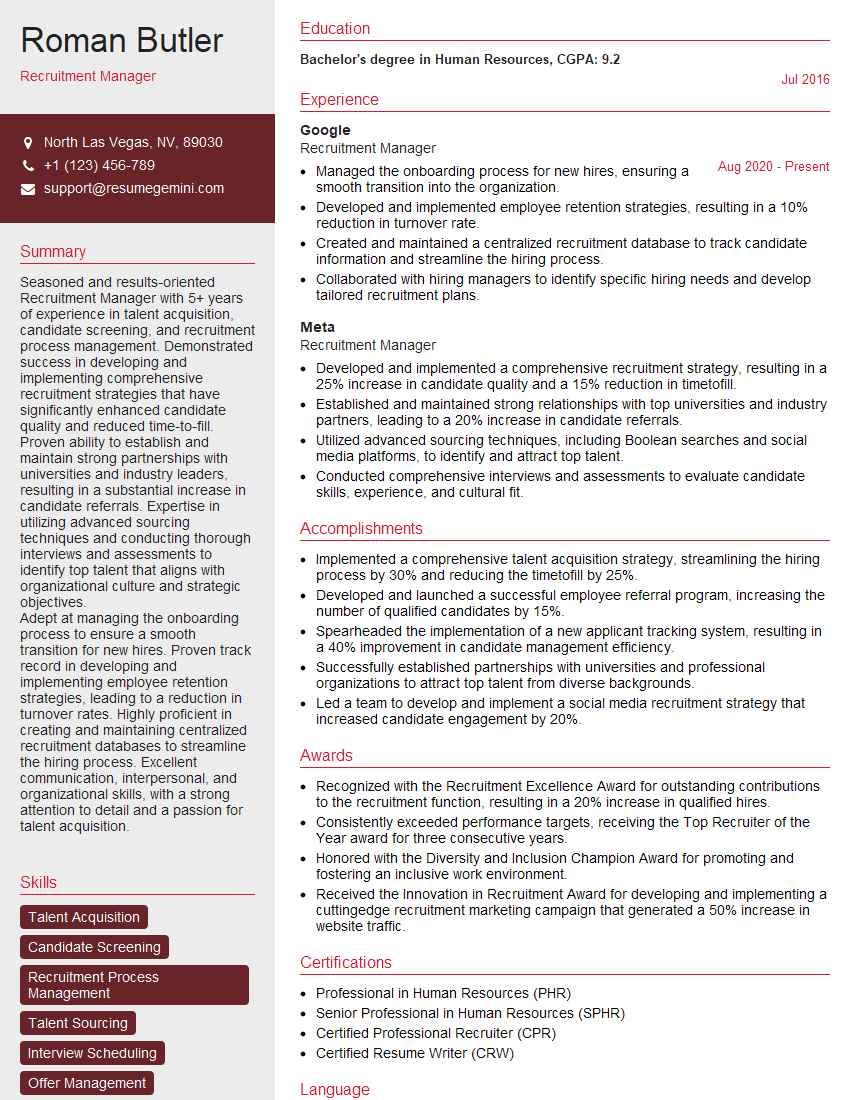
Recruitment Manager Resume Sample
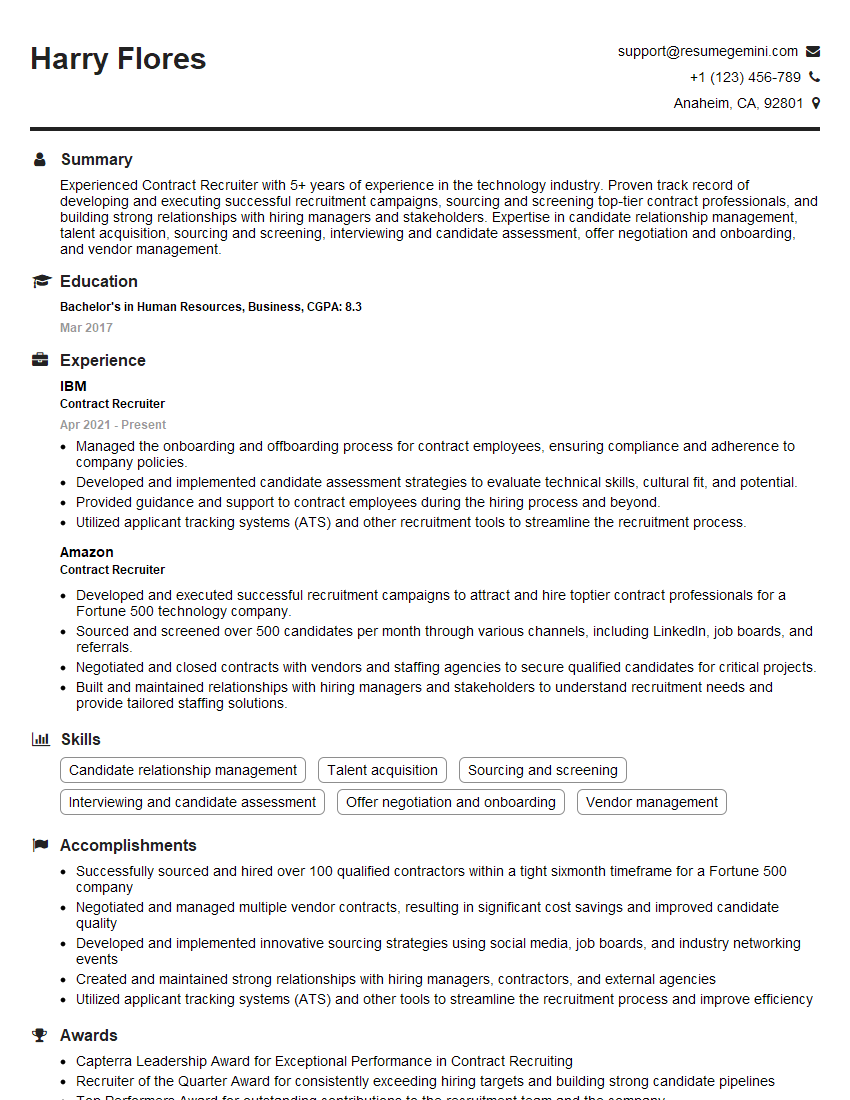
Contract Recruiter Resume Sample
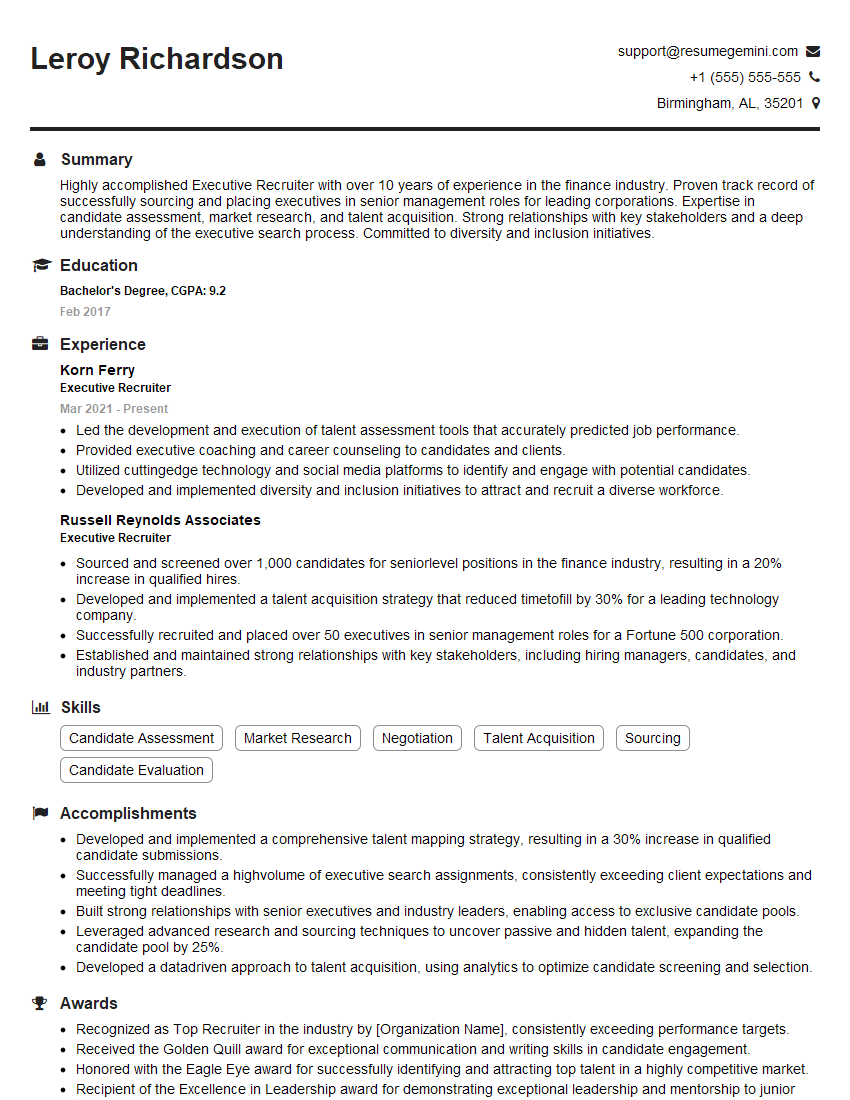
Executive Recruiter Resume Sample
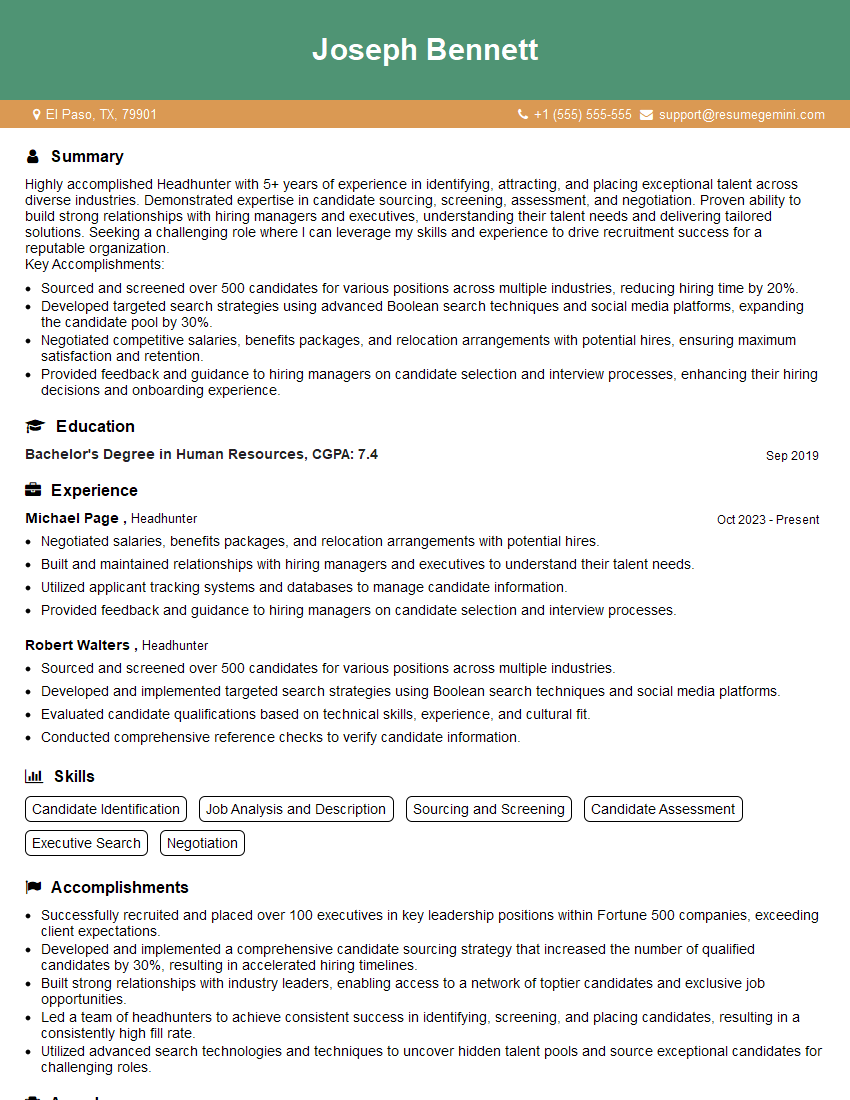
Headhunter Resume Sample
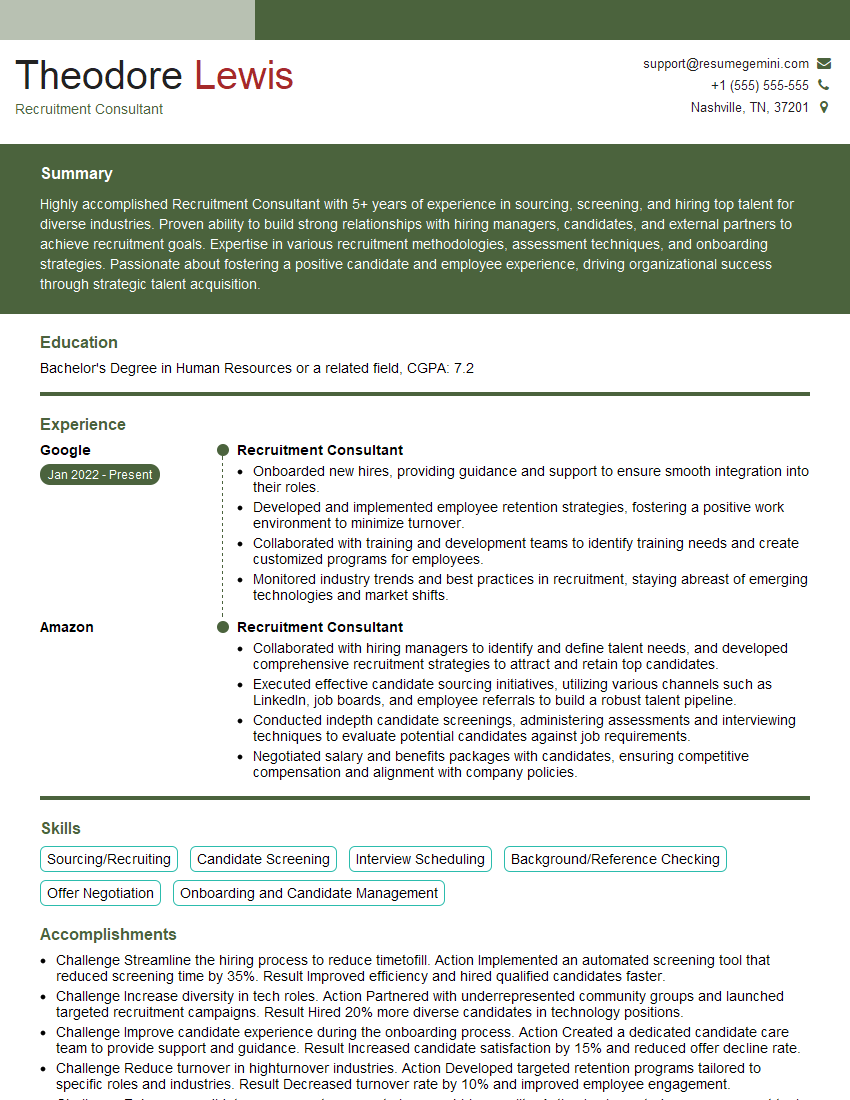
Recruitment Consultant Resume Sample
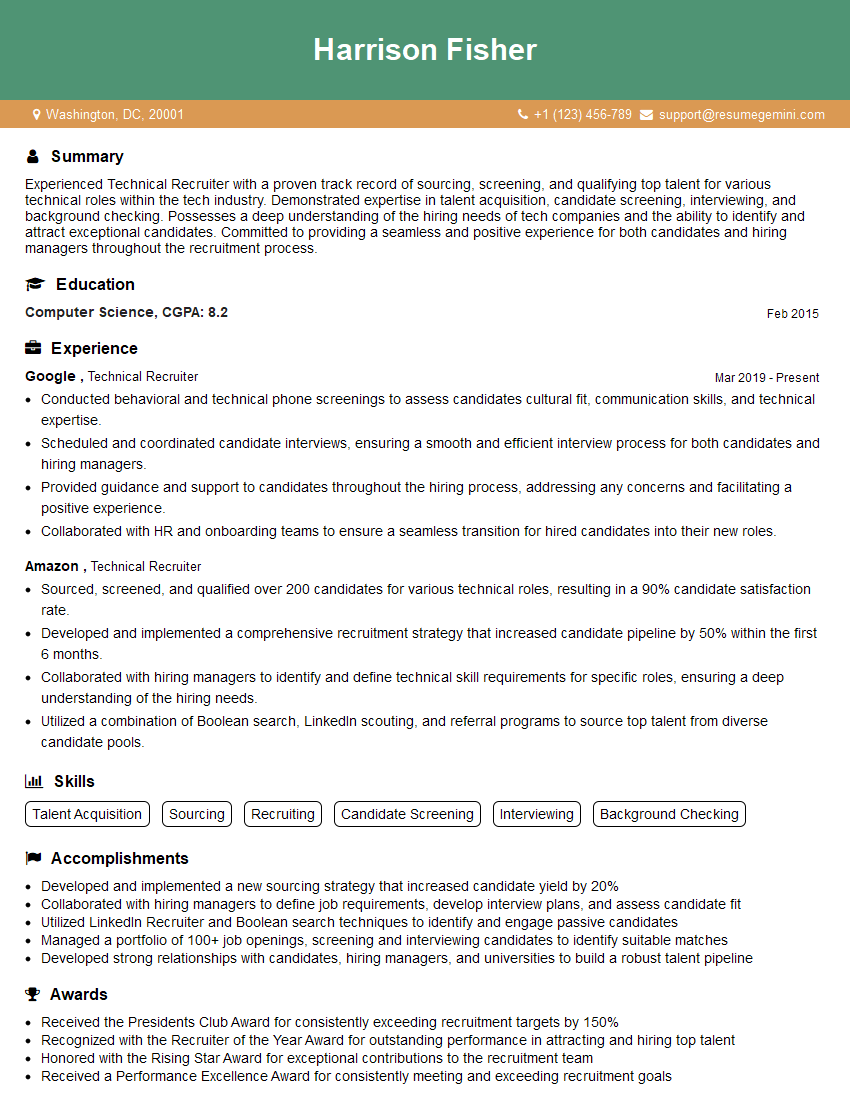
Technical Recruiter Resume Sample
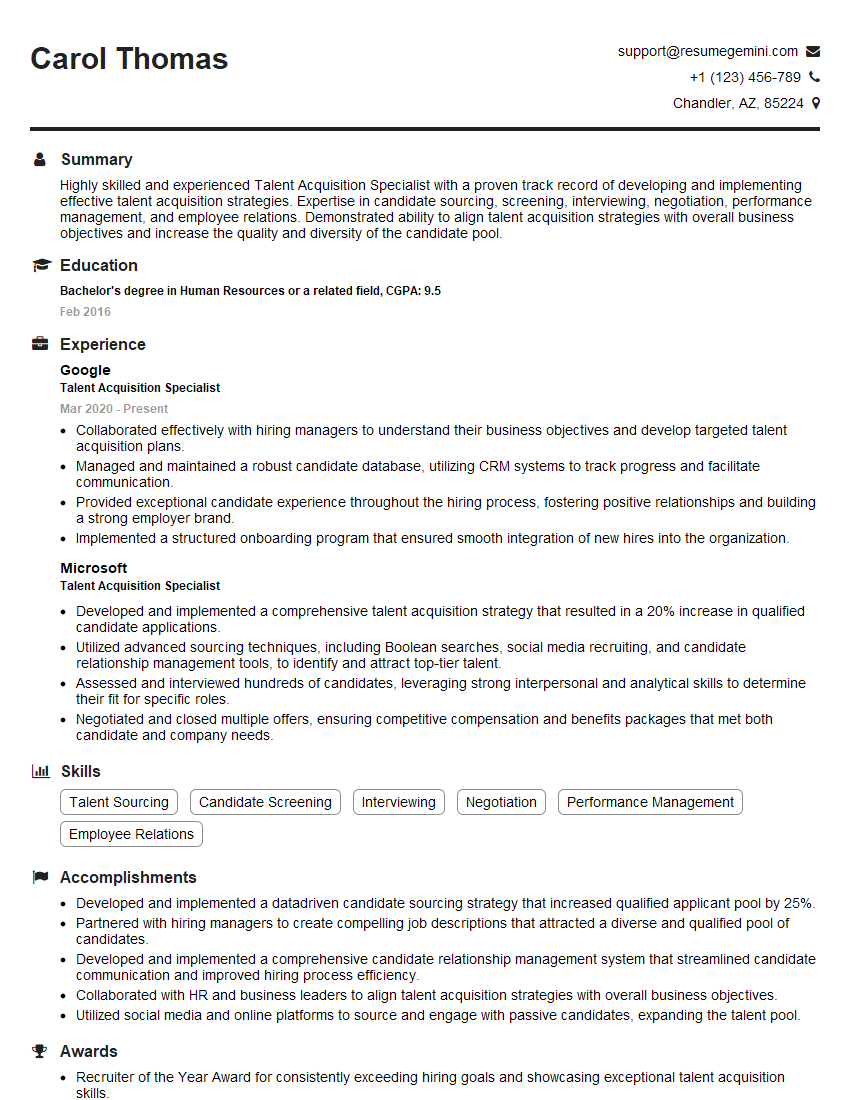
Talent Acquisition Specialist Resume Sample
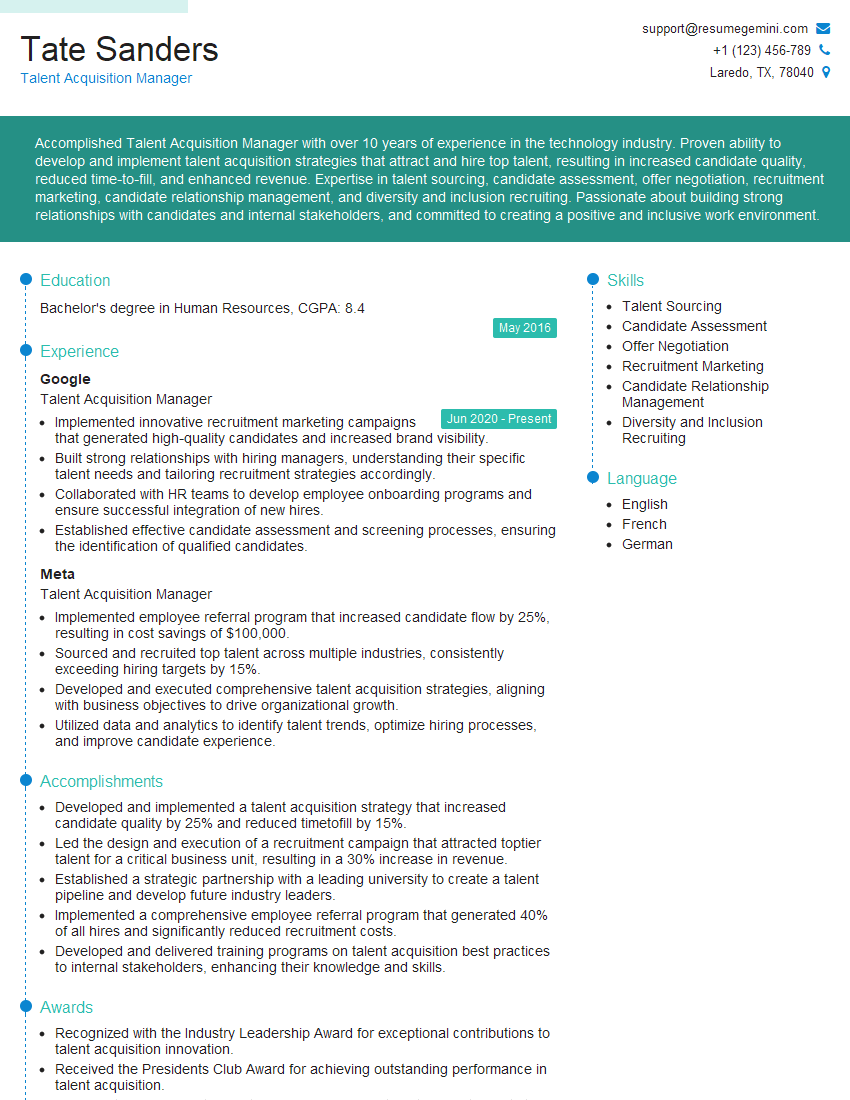
Talent Acquisition Manager Resume Sample
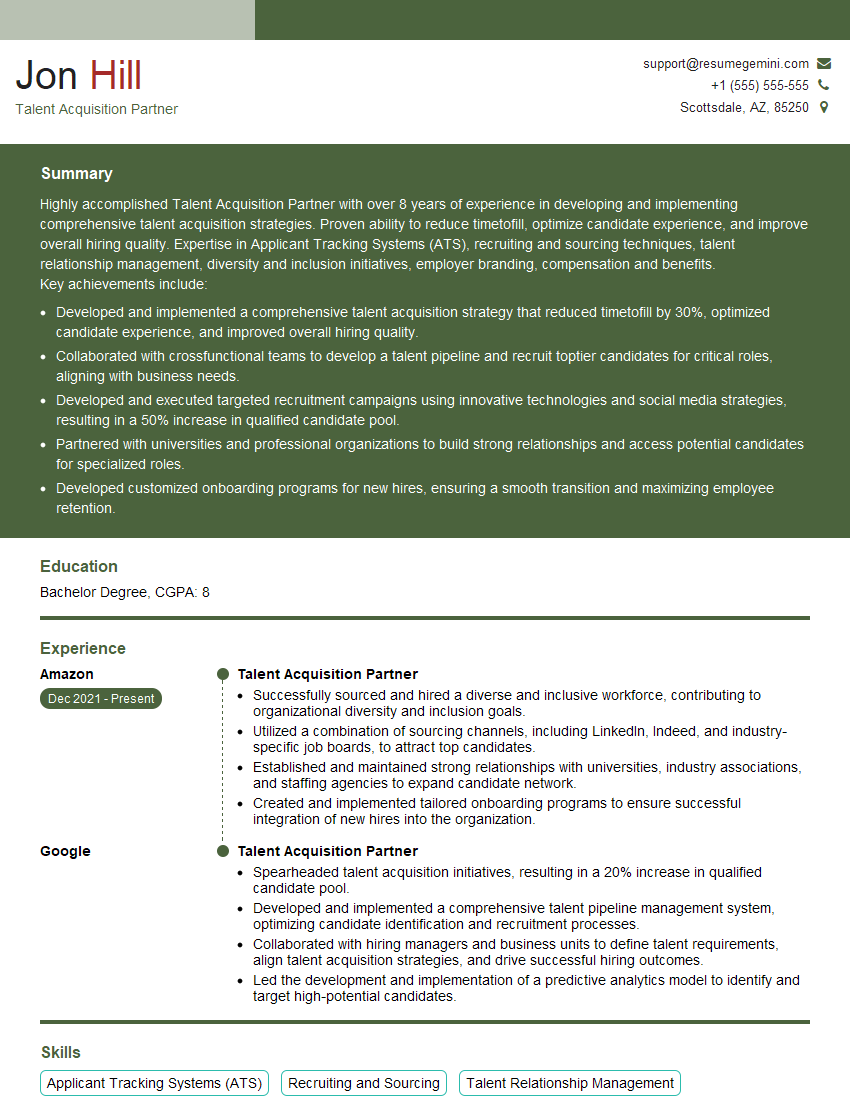
Talent Acquisition Partner Resume Sample
Explore more articles
Users Rating of Our Blogs
Share Your Experience
We value your feedback! Please rate our content and share your thoughts (optional).
What Readers Say About Our Blog
Very informative content, great job.
good