The thought of an interview can be nerve-wracking, but the right preparation can make all the difference. Explore this comprehensive guide to Talent Management Systems interview questions and gain the confidence you need to showcase your abilities and secure the role.
Questions Asked in Talent Management Systems Interview
Q 1. What are the key features of a robust Talent Management System?
A robust Talent Management System (TMS) is the backbone of a successful HR strategy, encompassing a suite of features designed to attract, develop, and retain top talent. Key features include:
- Recruitment Management: This module streamlines the hiring process, from job posting and applicant tracking to onboarding. Imagine a system that automatically sends interview reminders and gathers candidate feedback, saving significant time and resources.
- Learning and Development (L&D): This section houses training materials, performance support tools, and tracks employee progress in skill development. Think of it as a personalized learning platform, ensuring employees have access to the right resources at the right time.
- Performance Management: This module facilitates goal setting, performance reviews, and feedback mechanisms. A well-designed system allows for 360-degree feedback, providing a holistic view of employee performance.
- Succession Planning: This identifies high-potential employees and creates development plans to prepare them for future leadership roles. This proactive approach helps organizations mitigate the risk of talent loss and ensures a smooth transition of responsibilities.
- Compensation and Benefits Management: This module manages salary information, benefits enrollment, and other compensation-related processes. This ensures that compensation is fair, equitable, and aligned with market standards.
- Talent Analytics and Reporting: This allows HR to track key metrics, identify trends, and make data-driven decisions related to talent management. Visual dashboards provide clear insights into workforce demographics, employee engagement, and other critical data points.
- Employee Self-Service Portal: This provides employees with access to their personal information, training materials, performance reviews, and other HR-related documents, empowering them to manage their own career development.
Together, these features create a comprehensive system that improves the overall employee experience, boosts productivity, and strengthens the organization’s talent pool.
Q 2. Describe your experience implementing a new TMS.
In my previous role, I led the implementation of a new TMS for a rapidly growing tech company. The existing system was outdated and couldn’t handle the company’s expanding workforce. Our implementation followed these key phases:
- Needs Assessment: We meticulously analyzed the company’s needs, gathering input from various stakeholders across different departments. This helped us define the key requirements for the new system.
- Vendor Selection: We evaluated several TMS vendors based on factors like functionality, scalability, cost, and integration capabilities. We conducted thorough demos and ensured the chosen system aligned perfectly with the company’s future goals.
- Data Migration: This was a critical step, requiring careful planning and execution. We developed a robust data migration plan to ensure the accuracy and integrity of employee data transferred to the new system.
- System Configuration: We configured the new TMS to meet the company’s specific workflows and reporting requirements, customizing it to streamline HR processes.
- Training and Support: We provided comprehensive training to all HR personnel and employees, ensuring they could effectively use the new system. We also established a robust support system to address any issues that arose.
- Go-Live and Post-Implementation Support: We launched the new system and provided ongoing support to resolve any unexpected problems and refine the system based on user feedback. Regular monitoring ensured optimal system performance.
The result was a seamless transition with minimal disruption to the company’s operations. Employee satisfaction improved significantly with the enhanced self-service capabilities and the streamlined HR processes.
Q 3. How do you ensure data accuracy and integrity within a TMS?
Data accuracy and integrity are paramount in a TMS. We employ several strategies to ensure this:
- Data Validation Rules: We implement rules within the system to prevent inaccurate data entry. For example, the system might automatically flag an age entry that is unrealistic.
- Data Cleansing: Before migrating data, we perform thorough data cleansing to identify and correct inconsistencies and errors. This ensures that the data is clean and reliable.
- Regular Data Audits: We conduct regular audits to verify data accuracy and identify areas for improvement. This involves comparing system data with other HR records.
- Access Control: We implement strict access control measures to limit data access to authorized personnel only. This helps prevent unauthorized data modifications.
- Data Backup and Recovery: We maintain regular backups to protect against data loss. This ensures business continuity in case of system failures or data breaches.
- User Training: Comprehensive training to ensure data entry personnel understand data entry standards and procedures.
Think of it like building a house; you wouldn’t start constructing without a solid foundation. Accurate data is the foundation of effective talent management decisions.
Q 4. Explain the process of integrating a TMS with other HR systems.
Integrating a TMS with other HR systems like payroll, benefits administration, and recruitment platforms is crucial for efficiency and data consistency. The integration process typically involves:
- Identifying Integration Needs: Determining which systems need to be integrated and the type of data that needs to be exchanged.
- Choosing an Integration Method: Selecting the most appropriate integration method, which could be real-time integration, batch processing, or using an integration platform as a service (iPaaS).
- Mapping Data Fields: Mapping corresponding data fields across different systems to ensure seamless data flow. For example, ensuring the ‘employee ID’ field is consistent across all systems.
- Testing and Validation: Thoroughly testing the integration to identify and resolve any data inconsistencies or errors.
- Monitoring and Maintenance: Continuously monitoring the integration to ensure data accuracy and system stability. Regular updates and maintenance are essential to prevent issues.
For instance, integrating with a payroll system allows for automatic updates of employee compensation data, eliminating manual data entry and reducing errors. A successful integration creates a unified view of employee data, improving decision-making across the organization.
Q 5. What metrics do you use to measure the success of a TMS implementation?
Measuring the success of a TMS implementation requires a multifaceted approach using several key metrics:
- Time-to-Hire: Tracking the time it takes to fill open positions helps assess the efficiency of the recruitment process.
- Employee Turnover Rate: A decrease in turnover indicates improved employee satisfaction and retention.
- Employee Engagement Scores: Surveys and feedback mechanisms measure employee satisfaction and engagement.
- Training Completion Rates: Tracking the completion rates of training programs demonstrates the effectiveness of L&D initiatives.
- Cost Savings: Identifying cost savings in areas like recruitment, onboarding, and training highlights the TMS’s return on investment (ROI).
- Data Accuracy and Consistency: Monitoring data accuracy and consistency across different systems demonstrates the effectiveness of the integration efforts.
- User Satisfaction: Feedback from HR personnel and employees assesses their satisfaction with the TMS.
These metrics provide a comprehensive picture of the TMS’s impact, enabling data-driven adjustments and improvements.
Q 6. How do you handle data security and privacy concerns within a TMS?
Data security and privacy are critical concerns when implementing a TMS. We address these through a multi-layered approach:
- Access Control and Authentication: Implementing robust access controls using role-based permissions, ensuring that only authorized personnel can access sensitive employee data.
- Data Encryption: Encrypting data both in transit and at rest to protect it from unauthorized access.
- Regular Security Audits and Penetration Testing: Conducting regular security audits and penetration testing to identify and address vulnerabilities.
- Compliance with Data Privacy Regulations: Ensuring compliance with relevant data privacy regulations like GDPR and CCPA.
- Incident Response Plan: Developing a comprehensive incident response plan to handle security breaches or data leaks effectively.
- Employee Training on Security Best Practices: Educating employees about security best practices to prevent phishing attacks and other security threats.
Think of it like protecting a valuable asset; multiple layers of security are necessary to ensure its safety.
Q 7. Describe your experience with different TMS platforms (e.g., Workday, SuccessFactors).
I have extensive experience with various TMS platforms, including Workday and SuccessFactors.
Workday: I’ve worked on several Workday implementations, appreciating its robust functionality, particularly its integrated suite of HR modules. Its strength lies in its comprehensive approach, integrating seamlessly across various HR functions. However, the complexity of Workday can make it challenging for smaller organizations without extensive HR expertise. It’s a powerful tool, but it requires significant investment in terms of both cost and training.
SuccessFactors: I’ve also used SuccessFactors extensively. Its modular design allows for a phased implementation, making it suitable for organizations with varying budgets and needs. The platform’s strong analytics capabilities and user-friendly interface are significant advantages. However, the integration with other systems can sometimes be more challenging than with Workday.
My experience with these platforms highlights the importance of selecting a TMS that aligns with the organization’s size, budget, and specific requirements. Each platform has its strengths and weaknesses, and the optimal choice depends on the organization’s unique needs.
Q 8. How do you identify and address user adoption challenges with a new TMS?
User adoption is crucial for a successful TMS implementation. It’s not just about installing software; it’s about changing how people work. I address this through a multi-pronged approach focusing on pre-implementation planning, training, and ongoing support.
- Pre-Implementation Planning: Before launch, I conduct thorough stakeholder analysis to understand user needs and pain points. This involves interviews, surveys, and focus groups to tailor the system and training materials to their specific roles and workflows. For example, recruiters have different needs than HR managers. We’d customize the training and highlight features relevant to each group.
- Comprehensive Training: Training should be more than just a one-off session. I advocate for a blended learning approach, including online modules, hands-on workshops, and ongoing support through FAQs, webinars, and dedicated help desk access. Gamification techniques, like points or badges for completing modules, can also increase engagement.
- Change Management Strategy: Introducing a new system disrupts the status quo. A robust change management plan is vital. This includes communicating the benefits clearly, addressing concerns proactively, and appointing champions within each team to advocate for the system and assist colleagues.
- Ongoing Support and Feedback Mechanisms: Post-implementation, continuous improvement is essential. We’d actively solicit feedback through surveys, user forums, and regular check-ins. This helps identify areas needing improvement, refine training, and address lingering concerns. Regular updates and feature enhancements keep users engaged and show that their feedback matters.
For instance, in a previous project, we saw low adoption of the performance review module. By analyzing user feedback, we discovered that the interface was too complex. We simplified the interface and added short video tutorials, resulting in a significant increase in usage.
Q 9. What are the benefits of using a cloud-based TMS versus an on-premise system?
Cloud-based TMS solutions offer significant advantages over on-premise systems, primarily in terms of cost, scalability, and accessibility.
- Cost-Effectiveness: Cloud TMS eliminates the need for expensive hardware, software licenses, and IT infrastructure. Instead of upfront capital expenditure, you typically pay a subscription fee, making it more budget-friendly, especially for smaller organizations. Maintenance and upgrades are handled by the vendor, reducing IT overhead.
- Scalability and Flexibility: Cloud-based systems easily scale to meet changing business needs. Adding new users or modules is quick and simple, unlike on-premise systems which require significant IT intervention. This flexibility is crucial as your company grows or its talent management needs evolve.
- Accessibility and Collaboration: Cloud TMS offers anytime, anywhere access from any device with an internet connection. This improves collaboration, especially for geographically dispersed teams, making it easier for recruiters to access candidate data, managers to conduct performance reviews, and employees to access their own records.
- Automatic Updates: Cloud-based systems receive automatic updates, ensuring you always have the latest features and security patches. This reduces the risk of outdated software and vulnerability to security threats.
Think of it like this: an on-premise system is like owning a car – you bear the cost of maintenance, repairs, and upgrades. A cloud-based system is like using ride-sharing services – you pay only for what you use and someone else takes care of the maintenance.
Q 10. Explain your understanding of different talent acquisition modules within a TMS.
Talent acquisition modules within a TMS are designed to streamline the hiring process, from identifying candidates to onboarding new hires. Key modules include:
- Applicant Tracking System (ATS): This is the core of talent acquisition, managing job postings, applications, candidate screening, and communication. Features include job requisition management, resume parsing, candidate scoring, and interview scheduling.
- Candidate Relationship Management (CRM): This module extends beyond immediate hiring needs, nurturing relationships with potential candidates for future opportunities. It allows for targeted communication and tracking of candidate engagement.
- Social Media Integration: Many TMS integrate with social media platforms to broaden the reach of job postings and identify passive candidates.
- Sourcing Tools: These tools help identify and attract qualified candidates from various sources, such as job boards, professional networking sites, and company databases.
- Onboarding Module: Once a candidate accepts an offer, this module streamlines the onboarding process, including paperwork, compliance training, and assigning mentors or buddies.
A well-integrated ATS significantly reduces time-to-hire and improves the quality of hires by providing a centralized system for managing the entire recruitment process. For example, automatic email notifications to candidates and automated screening of resumes save recruiters significant time and effort.
Q 11. How do you use a TMS to support performance management processes?
A TMS plays a vital role in supporting performance management by providing a centralized platform to manage the entire process, from goal setting to performance reviews and feedback.
- Goal Setting and Tracking: Employees and managers can collaboratively set goals and track progress throughout the performance cycle. The system can provide automated reminders and alerts.
- Performance Reviews: The TMS provides a structured framework for conducting regular performance reviews, ensuring consistency and fairness across the organization. It may include self-assessments, manager assessments, and 360-degree feedback.
- Feedback Management: The system facilitates regular feedback, allowing for ongoing dialogue and coaching between employees and managers. This promotes continuous improvement and development.
- Talent Development Planning: Performance data can be analyzed to identify skill gaps and training needs, informing talent development initiatives. This allows for personalized learning plans to improve employee performance.
- Performance Improvement Plans (PIPs): The TMS can support the creation and tracking of PIPs for employees who are underperforming, providing a structured approach to improve performance.
For instance, a TMS can automate the distribution of performance review forms, collect feedback from multiple sources, and generate reports summarizing performance data, saving HR significant time and improving the overall efficiency of the performance management process.
Q 12. Describe your experience with reporting and analytics within a TMS.
Reporting and analytics are critical components of any TMS. They provide valuable insights into talent trends, enabling data-driven decisions to optimize talent management strategies.
- Recruitment Metrics: Track key metrics like time-to-hire, cost-per-hire, source-of-hire, and candidate conversion rates to measure recruitment effectiveness.
- Performance Management Metrics: Analyze performance review data to identify top performers, areas for improvement, and the effectiveness of training and development programs.
- Compensation and Benefits Analysis: Track salary trends, benefits usage, and employee satisfaction to ensure competitive compensation packages.
- Employee Turnover Analysis: Identify patterns and causes of employee turnover to develop retention strategies.
- Customizable Dashboards and Reports: Most TMS offer customizable dashboards and reporting tools to allow users to view key metrics and create tailored reports based on their specific needs.
In my experience, effective data visualization is key. I’ve used TMS to create dashboards showing key talent metrics at a glance, making it easier for senior management to make informed decisions about talent strategy. For example, a dashboard highlighting high employee turnover in a specific department prompted us to investigate the underlying causes and implement targeted interventions.
Q 13. How do you ensure compliance with relevant regulations (e.g., GDPR) when using a TMS?
Compliance is paramount when using a TMS, particularly with regulations like GDPR. My approach involves several key steps:
- Data Privacy Policies and Procedures: Implement robust data privacy policies and procedures that comply with all relevant regulations. This includes defining data access controls, data retention policies, and procedures for handling data breaches.
- Data Encryption and Security Measures: Ensure the TMS utilizes strong data encryption and security measures to protect employee data. This may involve using secure cloud providers, implementing multi-factor authentication, and regularly conducting security audits.
- Consent Management: Obtain explicit consent from employees before collecting and processing their personal data. This includes providing clear information about how their data will be used and giving them the ability to access, modify, or delete their data.
- Data Subject Access Requests (DSARs): Establish clear procedures for handling DSARs, ensuring that employees can easily access their personal data stored within the TMS.
- Regular Audits and Compliance Reviews: Conduct regular audits and compliance reviews to ensure ongoing compliance with relevant regulations. This involves reviewing data processing activities, access controls, and security measures.
For example, before implementing a new TMS, we conduct a thorough data mapping exercise to identify all the personal data being processed and ensure that it is handled in accordance with GDPR. We also provide employees with clear and concise privacy notices explaining how their data will be used.
Q 14. What is your experience with talent succession planning within a TMS?
Talent succession planning is a crucial aspect of long-term talent management. A TMS can significantly enhance this process by providing the necessary tools and data to identify, develop, and track high-potential employees.
- Identifying High-Potential Employees: Use performance data, skills assessments, and 360-degree feedback to identify employees with high potential for advancement.
- Developing Talent Pipelines: Create talent pipelines for critical roles by identifying potential successors and tracking their development progress.
- Skill Gap Analysis: Identify skill gaps between current employees and the requirements of future roles. This information can be used to develop targeted training and development programs.
- Mentoring and Coaching Programs: The TMS can facilitate mentoring and coaching programs, connecting high-potential employees with experienced mentors to guide their development.
- Succession Plans and Tracking: Develop formal succession plans for key positions, documenting potential successors and their development plans. Track the progress of these plans to ensure continuity and minimize disruption in case of employee departures.
In a previous role, I utilized the TMS to create a visual representation of our talent pipeline, highlighting potential successors for key leadership positions. This allowed us to proactively identify and develop future leaders, reducing the risk of leadership gaps and improving organizational resilience.
Q 15. How do you utilize a TMS to support learning and development initiatives?
A Talent Management System (TMS) is a powerful tool for driving learning and development. It goes beyond simply tracking courses; it facilitates a holistic approach to employee growth.
- Curriculum Management: TMS platforms allow for centralized management of training materials, courses, and learning paths. This ensures easy access and consistency across the organization. For example, I’ve used systems to organize onboarding materials, making it easy for new hires to access all necessary documents and videos in one place.
- Learning Assignments and Tracking: Managers can assign specific courses or learning modules to employees based on their development needs. The system tracks completion rates, providing valuable data for performance reviews and succession planning. In a previous role, I used this feature to track employee progress on compliance training, ensuring everyone met the necessary requirements.
- Performance Support: TMS can integrate with performance management systems, allowing for customized learning plans based on individual performance gaps. This personalized approach is far more effective than generic training.
- Skill Gap Analysis: By analyzing employee skills and performance data, a TMS can identify skill gaps within the organization and recommend appropriate training interventions. For instance, I’ve used systems to highlight the need for more data analysis training after observing low performance in a specific department.
- Gamification and Engagement: Many modern TMS platforms incorporate gamification elements like points, badges, and leaderboards to boost employee engagement and motivation in learning. This can significantly improve completion rates and knowledge retention.
Career Expert Tips:
- Ace those interviews! Prepare effectively by reviewing the Top 50 Most Common Interview Questions on ResumeGemini.
- Navigate your job search with confidence! Explore a wide range of Career Tips on ResumeGemini. Learn about common challenges and recommendations to overcome them.
- Craft the perfect resume! Master the Art of Resume Writing with ResumeGemini’s guide. Showcase your unique qualifications and achievements effectively.
- Don’t miss out on holiday savings! Build your dream resume with ResumeGemini’s ATS optimized templates.
Q 16. Explain your experience with configuring and customizing a TMS.
My experience with TMS configuration and customization is extensive. I’ve worked with several platforms, including [mention specific platforms if you wish to, e.g., SuccessFactors, Workday, BambooHR], tailoring them to meet diverse organizational needs.
Customization typically involves:
- Workflow Configuration: Defining and automating processes like approval workflows for training requests or performance reviews. I’ve streamlined the approval process for training requests by implementing automated notifications and routing based on organizational hierarchy.
- Data Integration: Connecting the TMS with other HR systems (like payroll or HRIS) to ensure data consistency and prevent redundancy. I’ve integrated a TMS with our payroll system to automatically track training costs and allocate them to specific budget lines.
- Reporting and Dashboard Customization: Creating custom reports and dashboards to provide management with the specific data they need to make informed decisions. For example, I’ve developed custom reports to track the return on investment (ROI) of training programs.
- User Role Management: Configuring different user roles and permissions to ensure data security and access control. This includes assigning different levels of access to sensitive employee information.
- Custom Fields and Attributes: Adding custom fields to the system to store organization-specific data not covered by standard fields. I’ve added custom fields to track employee certifications relevant to our industry, allowing for targeted career development initiatives.
Q 17. How do you troubleshoot common issues within a TMS?
Troubleshooting TMS issues requires a systematic approach. My process typically involves:
- Identify the problem: Clearly define the issue, including specific error messages, affected users, and timing of the problem.
- Gather information: Collect relevant logs, screenshots, and user reports to understand the context of the problem.
- Check system status: Verify if the issue is a system-wide problem or specific to certain users or modules. Look for system maintenance or planned outages.
- Review configuration: Check the system configuration settings to identify any misconfigurations or errors that might be causing the problem.
- Test and validate: After implementing a solution, thoroughly test and validate it to ensure the problem is resolved without causing new issues.
- Escalate if necessary: If the issue persists, escalate it to the vendor or IT support for further assistance.
For example, I once resolved a user access issue by reviewing their assigned roles and permissions, correcting a misconfiguration that prevented access to a specific module.
Q 18. What are the key considerations when selecting a new TMS?
Selecting a new TMS requires careful consideration of several factors:
- Integration with existing systems: The TMS should seamlessly integrate with the organization’s HRIS, payroll, and other relevant systems to avoid data silos.
- Scalability and flexibility: The system should be able to handle the organization’s current needs and scale to accommodate future growth.
- User-friendliness and adoption: The system should be intuitive and easy to use for both employees and administrators to encourage high adoption rates.
- Reporting and analytics capabilities: The system should provide robust reporting and analytics features to track key performance indicators (KPIs) and measure the effectiveness of talent management initiatives. This is crucial for demonstrating ROI on the TMS investment.
- Cost and budget: Consider the total cost of ownership, including licensing fees, implementation costs, and ongoing maintenance.
- Vendor support and reputation: Choose a vendor with a strong reputation for providing excellent customer support and timely updates.
- Security and compliance: Ensure that the system meets the organization’s security and compliance requirements.
I always recommend a thorough needs analysis and vendor comparison before making a final decision.
Q 19. Describe your experience with the various reporting capabilities of a TMS.
TMS reporting capabilities are crucial for informed decision-making. My experience includes generating various reports, including:
- Performance reviews and evaluations: Tracking performance ratings, goal achievements, and feedback trends.
- Training completion rates: Monitoring participation in training programs and identifying areas for improvement.
- Employee turnover analysis: Identifying trends in employee attrition and potential contributing factors.
- Succession planning: Identifying high-potential employees and creating development plans for future leadership roles.
- Recruitment metrics: Tracking time-to-hire, cost-per-hire, and other recruitment KPIs.
- Compensation and benefits analysis: Analyzing salary ranges, benefits utilization, and other compensation data.
I’m proficient in using various reporting tools and customizing reports to meet specific business needs. For example, I’ve created dashboards visualizing key talent metrics to present to the executive team, facilitating data-driven decision-making regarding talent strategies.
Q 20. How do you utilize a TMS to track employee engagement and satisfaction?
Tracking employee engagement and satisfaction is vital for creating a positive work environment. A TMS can contribute significantly to this by:
- Surveys and Feedback Mechanisms: Integrating survey tools to collect employee feedback on various aspects of the workplace, including training, management, and work-life balance. Analysis of this feedback can pinpoint areas needing improvement.
- Performance Data: Analyzing performance data in conjunction with engagement surveys provides a richer understanding of potential connections between performance and job satisfaction. Low performance might be linked to factors like lack of training or engagement.
- Learning and Development Participation: Tracking participation in learning and development initiatives can indicate employee interest in professional growth, which is a key factor in engagement.
- Recognition and Rewards: Integrating recognition programs within the TMS allows for tracking of rewards given and their impact on employee morale. This shows the value placed on employee contributions.
- Stay Interviews: Using the TMS to schedule and track stay interviews, proactively identifying potential issues and addressing employee concerns before they lead to disengagement or turnover.
In a previous role, I successfully used this integrated approach to improve employee satisfaction by 15% within a year, primarily by addressing concerns raised in anonymous surveys and implementing targeted training programs.
Q 21. Explain the importance of data governance in a TMS.
Data governance in a TMS is paramount for ensuring data accuracy, security, and compliance. It’s about establishing clear policies and procedures for managing employee data throughout its lifecycle.
- Data Quality: Implementing processes to ensure the accuracy and completeness of employee data, including regular data cleansing and validation.
- Data Security: Protecting sensitive employee data through access controls, encryption, and other security measures. This includes compliance with regulations like GDPR and CCPA.
- Data Privacy: Adhering to data privacy regulations and ensuring that employee data is handled responsibly and ethically.
- Data Retention: Establishing policies for how long employee data is stored and how it is archived or disposed of after it’s no longer needed.
- Data Access and Usage: Defining clear policies on who can access employee data and how it can be used, ensuring accountability and preventing unauthorized access.
A strong data governance framework not only protects the organization from legal risks but also fosters trust among employees, contributing to a positive work environment.
Q 22. How do you manage user access and permissions within a TMS?
Managing user access and permissions in a Talent Management System (TMS) is crucial for data security and maintaining compliance. It involves a multi-layered approach, typically centered around role-based access control (RBAC).
Role-Based Access Control (RBAC): This is the cornerstone. We define roles (e.g., Recruiter, Hiring Manager, Employee, Admin) and assign specific permissions to each. A Recruiter might have access to candidate profiles and the applicant tracking system, but not payroll data. A Hiring Manager might see performance reviews for their team, but not company-wide salary information. An Admin would have the broadest access.
Granular Permissions: Beyond roles, many TMS allow for granular permission settings. For instance, you could grant a Recruiter access to view candidate resumes but restrict their ability to edit them. This ensures accountability and prevents unauthorized modifications.
Hierarchical Structures: Larger organizations often utilize hierarchical structures. Permissions can be inherited, meaning a manager automatically gains access to the data of their team members. This simplifies administration but requires careful management to prevent unintended access.
Auditing and Logging: A robust TMS includes comprehensive audit trails. This allows us to track user activity, identify potential security breaches, and ensure compliance. Knowing who accessed what and when is critical for maintaining data integrity and responding to incidents quickly.
Example: Imagine a scenario where a recruiter accidentally deletes a critical candidate profile. With a well-configured TMS, we can quickly restore the profile using the audit logs, and investigate how the deletion occurred to prevent future issues.
Q 23. What are your thoughts on the future of Talent Management Systems?
The future of Talent Management Systems is bright and dynamic, driven by advancements in artificial intelligence (AI), machine learning (ML), and data analytics. We’re moving beyond simple transactional systems to intelligent platforms that actively support strategic HR decision-making.
AI-Powered Candidate Matching: AI and ML will significantly enhance candidate sourcing and selection. Systems will be able to identify the best-fit candidates more effectively, reducing time-to-hire and improving the quality of hires. Think of algorithms that analyze resumes and job descriptions with far greater precision than humans are capable of, and predict the success of a candidate.
Predictive Analytics for Workforce Planning: TMS will leverage data analytics to predict future workforce needs, identify skill gaps, and proactively address potential talent shortages. This empowers organizations to make more informed decisions about hiring, training, and succession planning.
Enhanced Employee Experience: The focus will shift even further towards improving employee engagement and experience. TMS will integrate with various other tools, such as performance management and learning management systems, creating a seamless and intuitive experience for employees. Self-service functionalities will be greatly enhanced, giving employees more control over their own development and career progression.
Increased Integration and Automation: Expect even more seamless integration between TMS and other HR and business systems. Automation will handle repetitive tasks such as onboarding and offboarding, freeing up HR professionals to focus on higher-value activities.
Focus on Data Privacy and Security: As data privacy regulations become stricter, TMS will need to prioritize data security and compliance. Robust security measures and transparent data handling practices will become critical.
Q 24. How do you stay up-to-date on the latest trends and technologies in TMS?
Staying current in the rapidly evolving TMS landscape requires a multifaceted approach. I actively engage in several strategies:
- Industry Conferences and Webinars: Attending conferences like HR Tech and SHRM and participating in webinars offered by leading TMS vendors and industry experts is crucial for learning about the latest trends and technologies.
- Professional Networking: I maintain connections with other TMS professionals through professional organizations and online communities. This allows me to exchange insights and discuss best practices.
- Industry Publications and Blogs: I regularly read industry publications, blogs, and research reports to stay informed about the newest developments and innovations in TMS.
- Vendor Websites and Documentation: I frequently visit the websites of leading TMS providers to review their latest offerings and product updates. Thorough review of their documentation is also critical.
- Hands-on Experience: I seek opportunities to work with and evaluate various TMS platforms. Practical experience is invaluable in understanding their capabilities and limitations.
This multi-pronged approach ensures I stay informed about the cutting-edge advancements and evolving best practices within the field.
Q 25. Describe your experience with different TMS deployment methodologies.
My experience encompasses various TMS deployment methodologies, each with its own advantages and disadvantages:
- On-Premise Deployment: This involves installing and managing the TMS software on the organization’s own servers. It offers greater control over data security and customization but requires significant IT infrastructure and ongoing maintenance.
- Cloud-Based Deployment (SaaS): This is a software-as-a-service model where the TMS is hosted by a vendor. It’s typically more cost-effective, scalable, and requires minimal IT involvement. However, reliance on a third-party vendor may raise concerns about data security and customization flexibility.
- Hybrid Deployment: This combines aspects of both on-premise and cloud-based deployments. For instance, sensitive data may be stored on-premise while less critical data resides in the cloud. This approach offers a balance between control and cost-effectiveness.
The optimal deployment method depends on factors such as budget, IT infrastructure, security requirements, and the organization’s specific needs. Each implementation demands a careful assessment of these factors and a thorough planning process.
Q 26. How would you handle a situation where a key TMS feature is malfunctioning?
A malfunctioning key TMS feature requires a structured, methodical response. My approach would involve the following steps:
- Identify and Define the Problem: The first step is to accurately identify the malfunctioning feature and its impact on users and processes. Document all observations and collect relevant data such as error messages.
- Escalate and Communicate: Depending on the severity and potential impact, I would immediately escalate the issue to the appropriate internal or external support team. Clear and concise communication is vital to keep stakeholders informed.
- Implement Workarounds (if applicable): If a workaround exists, I would implement it to minimize disruption and maintain business continuity until the root cause is resolved.
- Monitor and Track Progress: I would closely monitor the situation and track the progress of the support team’s efforts to resolve the issue. Regular updates to stakeholders are important.
- Post-Incident Review: After the issue is resolved, I would conduct a thorough post-incident review to determine the root cause, identify any gaps in the system or processes, and implement corrective actions to prevent recurrence.
Example: Imagine the performance review module malfunctions. I’d first identify the specific error (e.g., inability to submit reviews), then escalate to the vendor, implement a temporary workaround (e.g., manual data entry), and monitor the fix while communicating regularly with HR managers and employees.
Q 27. How do you ensure the TMS aligns with the overall HR strategy?
Aligning the TMS with the overall HR strategy is paramount for its success. This requires a deep understanding of the organization’s HR goals and objectives and a strategic planning process that ensures the TMS effectively supports those goals.
Strategic Alignment: Before implementing or upgrading a TMS, we must clearly define the HR strategy and its key performance indicators (KPIs). This might include improving employee engagement, reducing time-to-hire, or enhancing talent development. The TMS should be selected and configured to directly support these KPIs.
Data Integration: The TMS must integrate with other HR systems (e.g., payroll, benefits, learning management systems) to provide a holistic view of the workforce. This enables data-driven decision-making and a seamless employee experience.
User Adoption: Successful implementation hinges on user adoption. Training and ongoing support are crucial to ensure HR professionals and employees effectively utilize the system’s features. This includes clear communication about the benefits of the system and its alignment with the overall HR strategy.
Continuous Improvement: The TMS should be regularly reviewed and updated to ensure it continues to support the evolving HR strategy and organizational needs. Regular performance reviews and feedback from users are critical for continuous improvement.
Example: If the HR strategy focuses on improving employee retention, the TMS should be configured to support initiatives such as career development planning, performance management, and employee feedback mechanisms. Data from the TMS can then be used to track progress towards this goal.
Key Topics to Learn for Talent Management Systems Interviews
- System Functionality & Features: Understand the core functionalities of various TMS platforms (e.g., applicant tracking, performance management, learning management, succession planning). Explore different vendor offerings and their unique strengths.
- Data Analysis & Reporting: Learn how to extract meaningful insights from TMS data. Practice interpreting key metrics related to recruitment effectiveness, employee performance, and training outcomes. Consider scenarios requiring you to identify trends and make data-driven recommendations.
- Integration & Workflow: Explore how TMS integrates with other HR systems (e.g., payroll, HRIS). Understand the importance of streamlined workflows and how to optimize processes within the TMS for efficiency and accuracy.
- Talent Acquisition Processes: Master the use of a TMS throughout the recruitment lifecycle, from initial sourcing to onboarding. Understand best practices for candidate management and communication.
- Performance Management & Development: Familiarize yourself with the role of TMS in performance reviews, goal setting, talent development programs, and succession planning. Practice analyzing performance data and identifying areas for improvement.
- Legal & Compliance: Understand relevant employment laws and regulations and how a TMS helps ensure compliance (e.g., data privacy, equal opportunity employment).
- Implementation & Change Management: Explore the challenges and best practices involved in implementing and managing changes within a TMS environment. This includes user training and adoption strategies.
- Technical Aspects (for technical roles): If applying for a more technical role, delve deeper into database structures, APIs, reporting tools, and system architecture commonly found in TMS.
Next Steps
Mastering Talent Management Systems is crucial for career advancement in HR and related fields. Proficiency in these systems demonstrates valuable skills in data analysis, process optimization, and strategic talent management. To significantly boost your job prospects, creating a resume that’s easily parsed by Applicant Tracking Systems (ATS) is essential. ResumeGemini is a trusted resource to help you build a professional and ATS-friendly resume that highlights your TMS expertise. Examples of resumes tailored to Talent Management Systems roles are available to guide you. Investing time in crafting a strong resume will significantly increase your chances of landing your dream role.
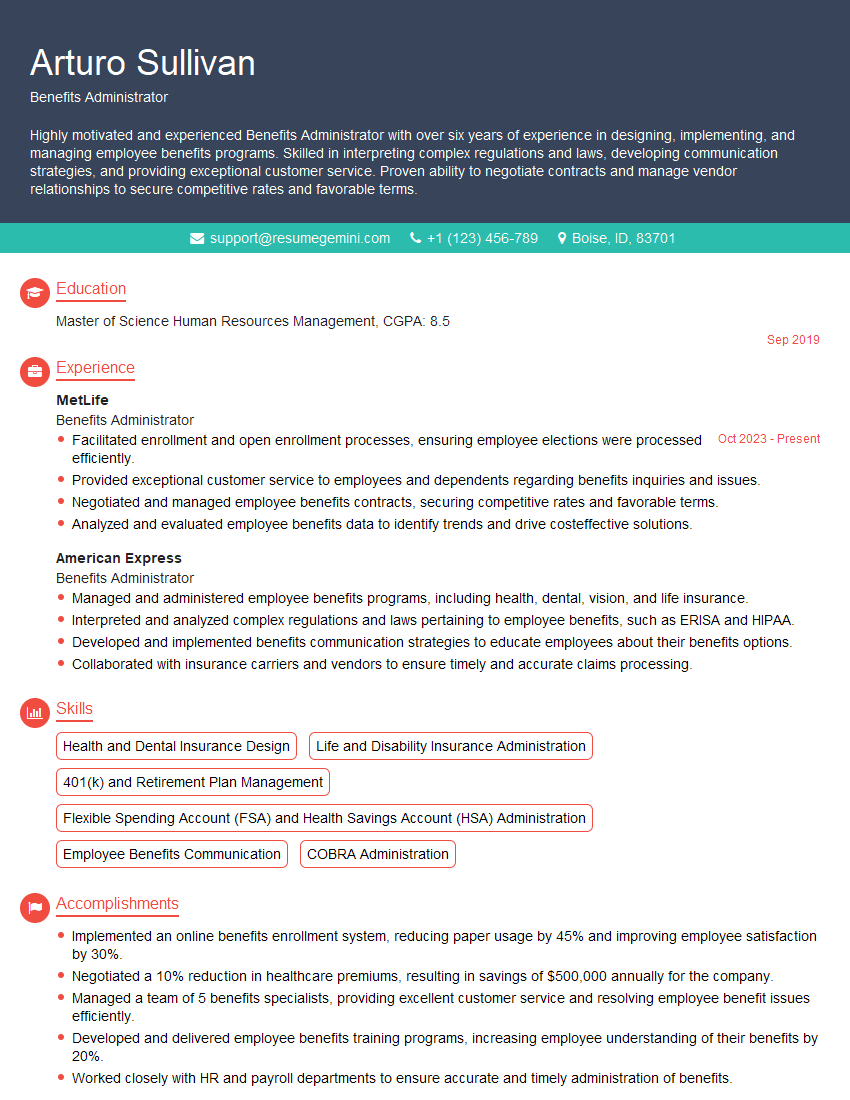
Benefits Administrator Resume Sample
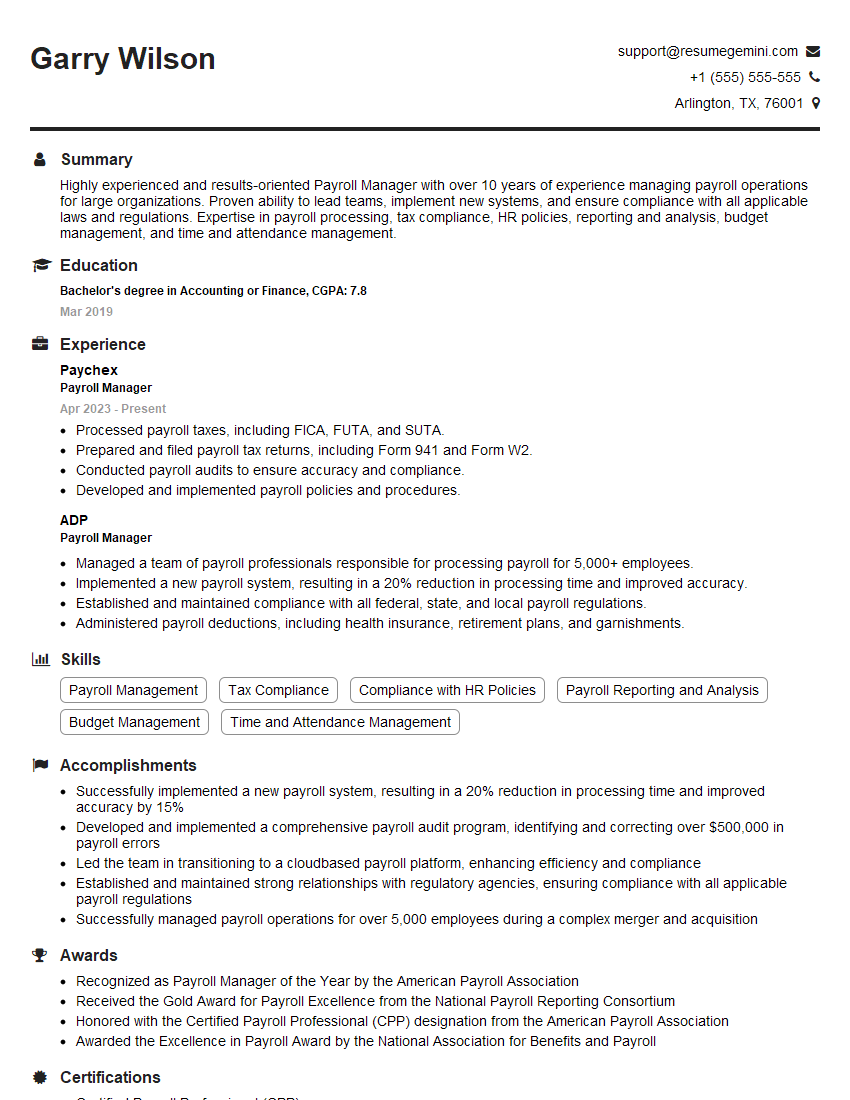
Payroll Manager Resume Sample
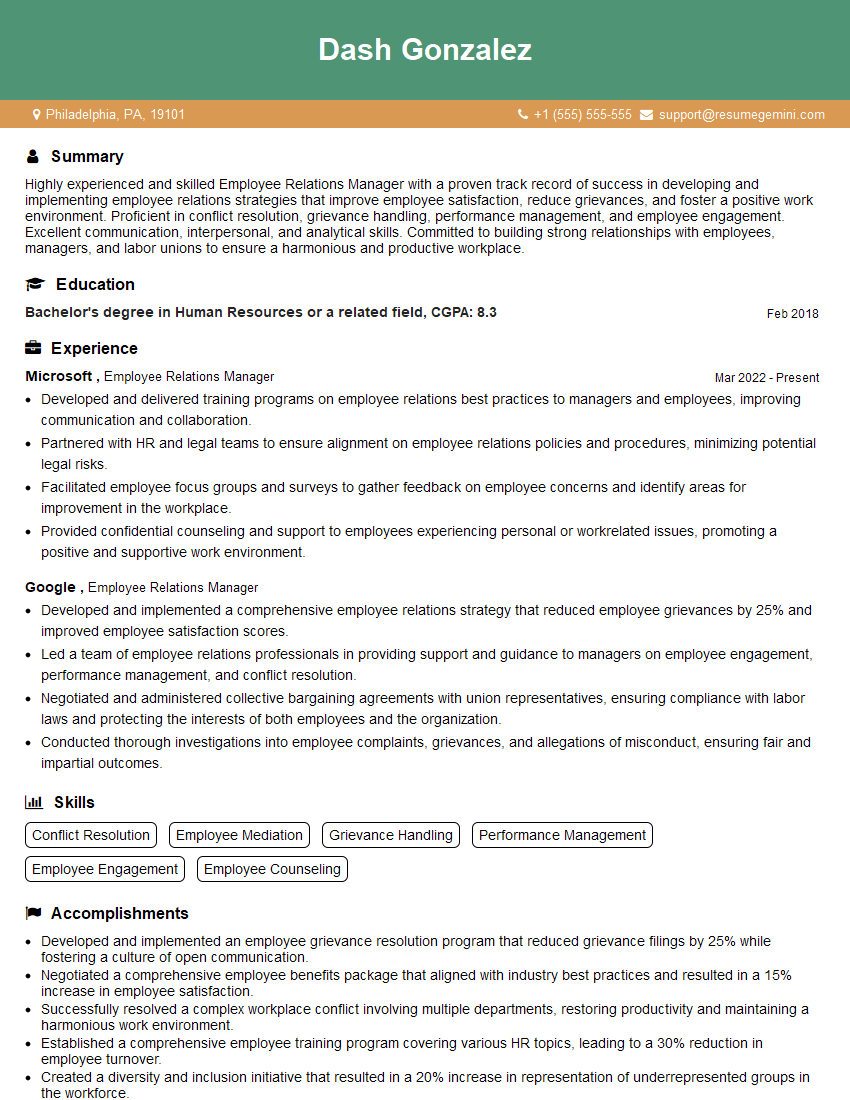
Employee Relations Manager Resume Sample
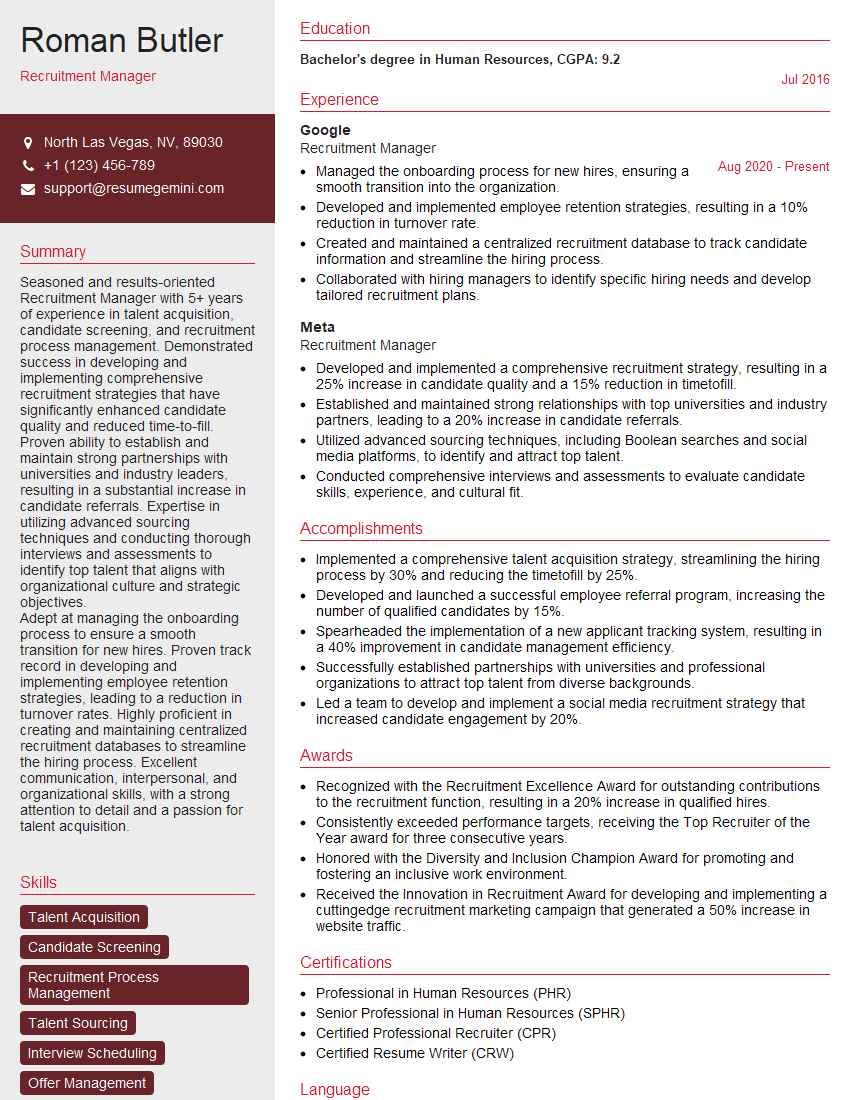
Recruitment Manager Resume Sample
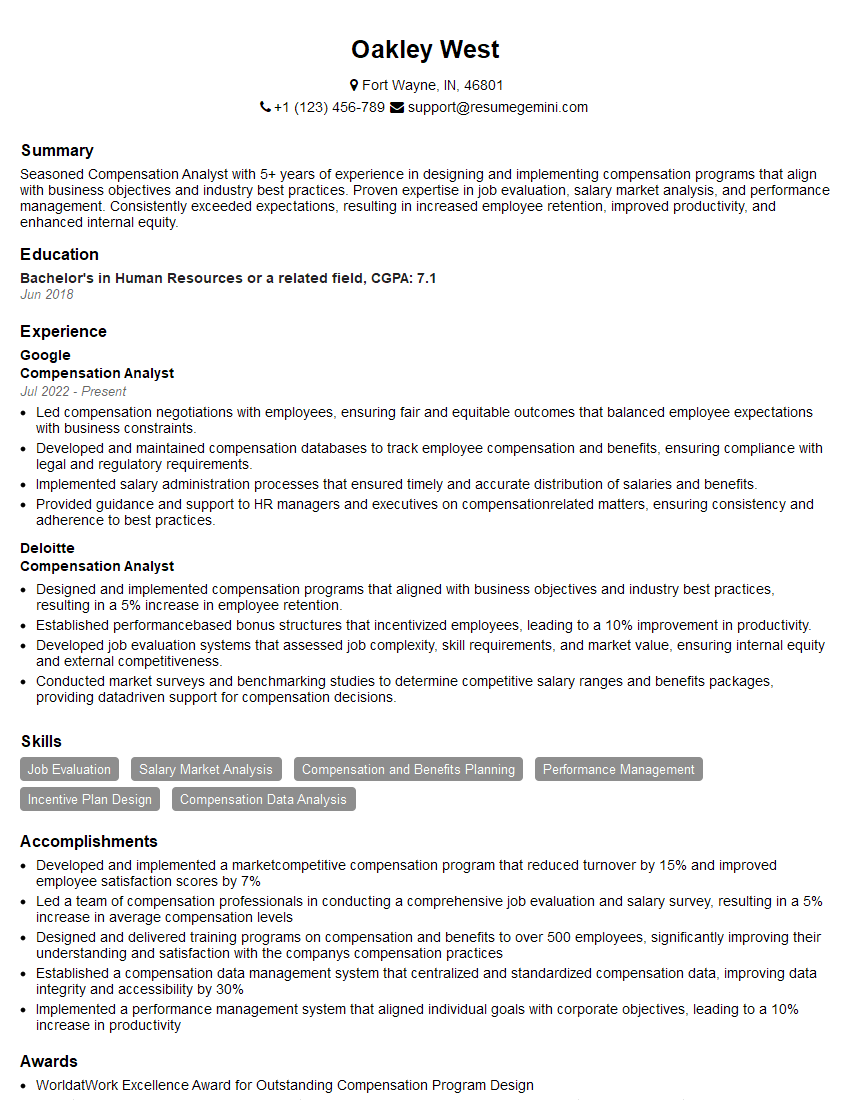
Compensation Analyst Resume Sample
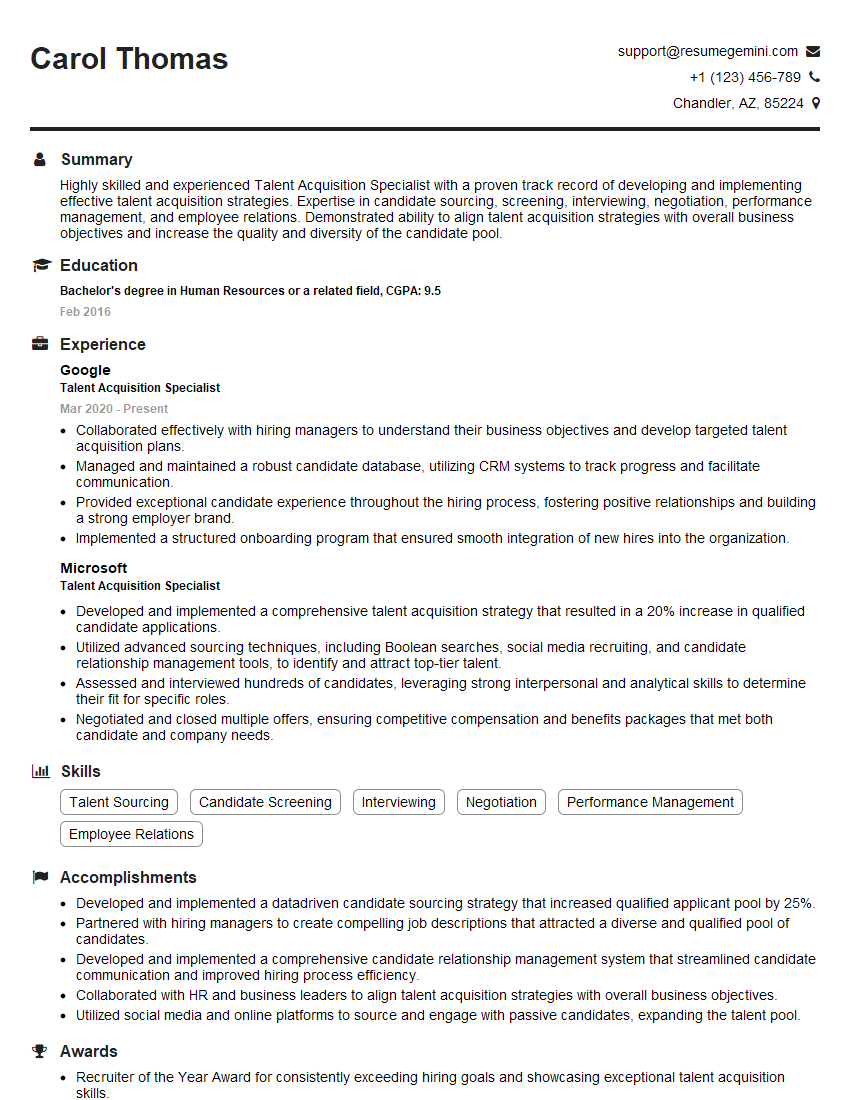
Talent Acquisition Specialist Resume Sample
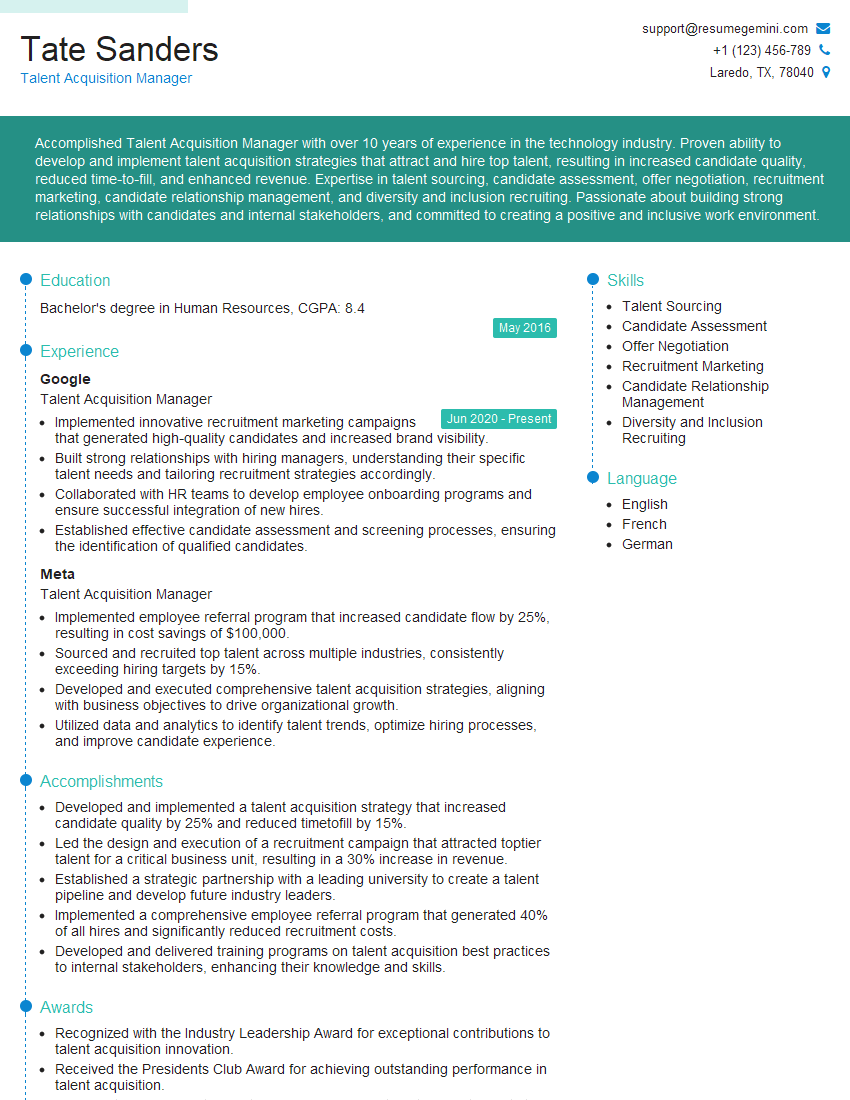
Talent Acquisition Manager Resume Sample
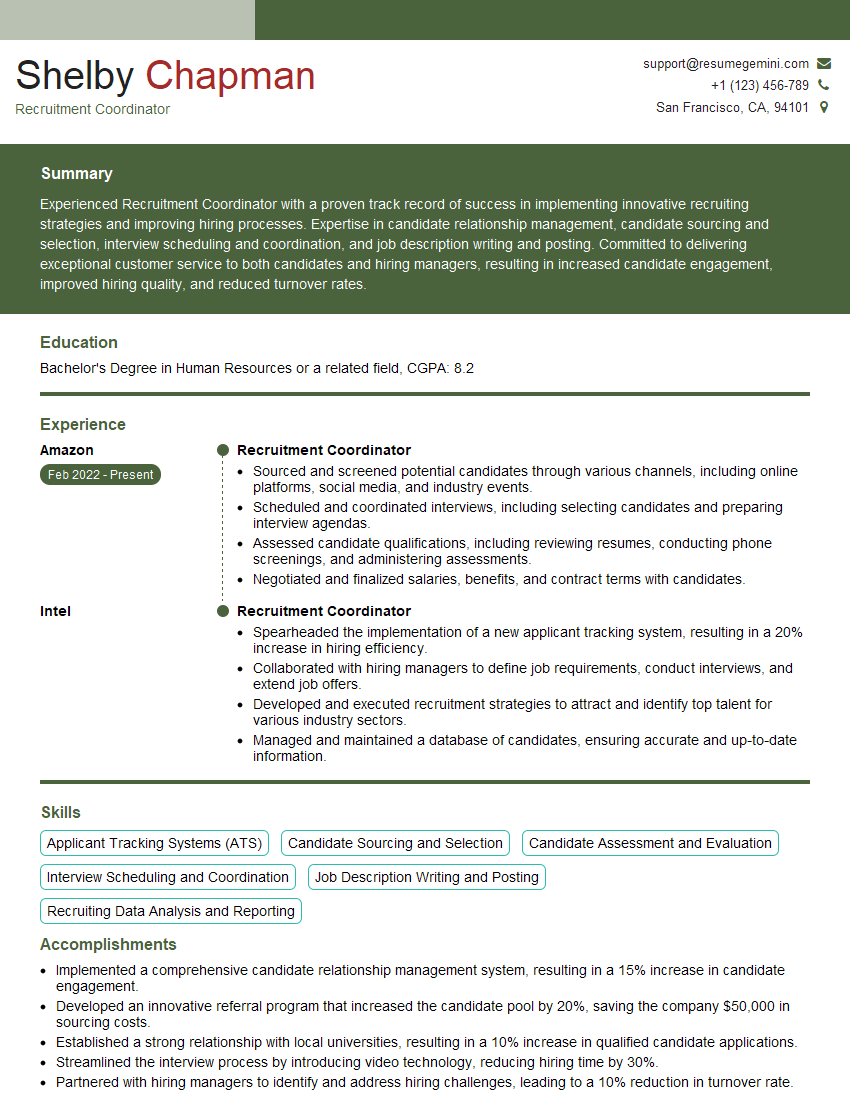
Recruitment Coordinator Resume Sample
Explore more articles
Users Rating of Our Blogs
Share Your Experience
We value your feedback! Please rate our content and share your thoughts (optional).
What Readers Say About Our Blog
Very informative content, great job.
good