Are you ready to stand out in your next interview? Understanding and preparing for Talent Outreach interview questions is a game-changer. In this blog, we’ve compiled key questions and expert advice to help you showcase your skills with confidence and precision. Let’s get started on your journey to acing the interview.
Questions Asked in Talent Outreach Interview
Q 1. Explain your experience using various sourcing tools (e.g., LinkedIn Recruiter, Boolean search).
My experience with sourcing tools is extensive. I’m highly proficient in using LinkedIn Recruiter, mastering its advanced search features to identify candidates with specific skill sets and experience levels. For instance, I’ve used Boolean search strings like "(Python OR Java) AND (Software Engineer OR Developer) AND (5+ years experience)" to pinpoint candidates fitting precise requirements. I also leverage other tools like various job boards (Indeed, Monster, etc.), professional networking sites beyond LinkedIn (e.g., Stack Overflow), and even GitHub to source candidates based on their open-source contributions and project involvement. I regularly experiment with different search strategies and platforms to optimize my sourcing effectiveness. For example, I might use geographic filters within LinkedIn Recruiter to target candidates within a specific commuting distance of a job location, significantly improving the quality of my outreach.
Q 2. Describe your process for identifying and engaging passive candidates.
Identifying and engaging passive candidates requires a multi-faceted approach. It starts with understanding the ideal candidate profile in detail, moving beyond basic job descriptions to pinpoint the specific skills, experience, and career aspirations that align with the role. I use this detailed profile to build targeted search strings in sourcing tools like LinkedIn Recruiter. Once I’ve identified potential candidates, I craft personalized messages that go beyond simply advertising the job. I research each candidate’s background, focusing on their accomplishments and interests to establish a connection. My messages emphasize how the role aligns with their career goals, not just the responsibilities. For example, instead of focusing on technical skills alone, I might highlight the opportunity for leadership growth or working on cutting-edge technology that excites the candidate. Following up consistently is crucial; passive candidates often need multiple touchpoints before they’re receptive.
Q 3. How do you prioritize candidates based on their skills and experience?
Prioritizing candidates is a crucial aspect of efficient recruiting. I use a weighted scoring system to evaluate candidates against essential criteria. For each role, I define key skills and experience levels, assigning weights based on their importance to the position. For instance, if a role requires strong project management skills and a specific programming language, these would receive higher weights than other less critical skills. I then score each candidate based on how well they meet each criterion, generating a total score that facilitates prioritization. This approach ensures I focus my efforts on the most suitable candidates first, maximizing my time and resources. I also consider factors like cultural fit and references where possible to further refine the ranking.
Q 4. What metrics do you use to track the effectiveness of your outreach efforts?
Tracking the effectiveness of my outreach is vital. I monitor several key metrics, including:
- Source of Hire: Tracking where successful candidates originated (e.g., LinkedIn, job boards).
- Time-to-Hire: Measuring the duration from outreach initiation to offer acceptance.
- Cost-per-Hire: Calculating the total cost of recruitment per successful hire.
- Candidate Response Rate: Monitoring the percentage of candidates responding to outreach attempts.
- Interview-to-Offer Ratio: Tracking the percentage of candidates receiving offers after interviewing.
Q 5. How do you handle rejection from candidates?
Handling rejection professionally is crucial. First, I always thank the candidate for their time and consideration. I express my appreciation for their interest in the opportunity. If they provide feedback, I listen attentively and take notes to refine future outreach strategies. Often, I keep them in mind for future openings that might be a better fit. I believe in maintaining positive relationships, even after rejection. It’s not just about filling an immediate vacancy; it’s about building a network of skilled professionals who may consider our company in the future. Building goodwill is as important as filling open roles. For example, I might connect with a rejected candidate on LinkedIn or invite them to industry events in the future.
Q 6. Describe your experience building relationships with hiring managers.
Building strong relationships with hiring managers is fundamental to my success. I start by deeply understanding their needs and expectations, going beyond just the job description to discuss team dynamics, company culture, and the challenges the role aims to address. I proactively share updates on the progress of my search, keeping them informed and involved throughout the entire process. I value open and honest communication, and I make sure to understand the nuances of their team and what a successful candidate will look like to them. This often involves informal chats and meetings to build rapport and alignment. Regular check-ins and sharing candidate feedback demonstrate my commitment to their needs and ensure we are moving towards a shared objective.
Q 7. How do you maintain a strong candidate pipeline?
Maintaining a strong candidate pipeline is a continuous process. I regularly engage in proactive sourcing, staying up-to-date on industry trends and actively searching for potential candidates, even when there aren’t immediate openings. I nurture relationships with qualified candidates, keeping them updated on relevant opportunities within the company. I utilize applicant tracking systems (ATS) effectively to organize and manage candidate information, tracking their skills, experience, and communication history. Consistent networking and engagement within professional communities help me stay informed about the best talent in the market, enabling me to proactively identify and connect with potential candidates before they even start looking for a new role. Regularly reviewing my current pipeline and identifying gaps helps me focus my sourcing efforts appropriately.
Q 8. Explain your approach to candidate relationship management (CRM).
Candidate Relationship Management (CRM) is the cornerstone of effective talent outreach. My approach centers around building genuine, long-term relationships with candidates, regardless of whether they’re immediately suitable for a current opening. This involves more than just tracking contact information; it’s about understanding their career aspirations, skills, and preferences.
- Nurturing relationships: I regularly engage with candidates through personalized emails, LinkedIn messages, or even informal phone calls, sharing relevant industry news, job alerts, or company updates. This keeps them informed and engaged.
- Segmentation and personalization: I segment my candidate pool based on skills, experience, and career interests, allowing me to tailor my outreach and provide more relevant opportunities. This avoids generic, impersonal messages that are easily ignored.
- Utilizing a CRM system: I leverage a robust CRM (like Salesforce or Lever) to track interactions, manage communication, and maintain detailed candidate profiles. This ensures I can recall past conversations and tailor future interactions appropriately.
- Feedback and follow-up: Providing timely feedback after every interaction, whether positive or negative, is crucial. I always follow up on applications, interviews, or even casual conversations, demonstrating respect for candidates’ time and interest.
For example, I once connected with a talented data scientist who wasn’t a fit for an immediate opening but was actively seeking opportunities in a specific niche. By consistently engaging with her over six months, I was able to place her in a perfect role when one became available, building trust and a strong relationship in the process.
Q 9. How do you handle multiple requisitions simultaneously?
Handling multiple requisitions simultaneously requires a structured and organized approach. My strategy involves prioritizing tasks based on urgency and impact, utilizing project management techniques, and leveraging technology to streamline workflows.
- Prioritization Matrix: I use a prioritization matrix (e.g., Eisenhower Matrix) to categorize requisitions by urgency and importance. This helps me focus on the most critical needs first.
- Time Blocking: I dedicate specific time blocks in my day to focus on each requisition. This allows for focused attention and prevents multitasking, which can reduce efficiency.
- Template creation: I develop templates for outreach messages and screening questions, customizing them as needed but reducing the time spent on repetitive tasks.
- Technology leverage: I utilize the ATS features to filter candidates, track progress, and assign tasks, making the management of multiple requisitions more manageable.
For instance, if I have one urgent role requiring immediate filling and several others with longer deadlines, I dedicate my morning to the urgent role, focusing on rapid sourcing and screening. The rest of the day is allocated to the other requisitions, utilizing time blocking for focused attention on each.
Q 10. Describe a time you had to overcome a challenge in sourcing qualified candidates.
One challenge I faced was sourcing qualified candidates for a highly specialized role in quantum computing. The talent pool was extremely limited, and traditional sourcing methods yielded few results.
To overcome this, I adopted a multi-pronged approach:
- Targeted networking: I reached out to professors and researchers in leading universities with quantum computing programs. This helped identify potential passive candidates with the required expertise.
- Industry-specific job boards and forums: I explored niche job boards and online communities dedicated to quantum computing to find individuals actively seeking opportunities.
- Boolean search optimization: I refined my Boolean search strings on LinkedIn and other platforms to target candidates with specific keywords and experience levels relevant to the role.
- Referral program: I leveraged my existing network and established a referral program within the company to tap into the hidden talent pool.
This combined approach ultimately helped me identify and engage several qualified candidates, eventually leading to a successful hire. This experience highlighted the importance of adapting sourcing strategies depending on the specific role and market conditions.
Q 11. How do you assess a candidate’s cultural fit with a company?
Assessing cultural fit goes beyond simply checking off boxes on a personality test. It involves understanding a candidate’s work style, values, and how well they align with the company’s culture.
- Behavioral interview questions: I ask open-ended questions designed to understand how the candidate has behaved in past situations, revealing their approach to problem-solving, teamwork, and conflict resolution. Examples include, “Tell me about a time you failed,” or “Describe a time you had to work with a difficult team member.”
- Reference checks: Thorough reference checks provide valuable insights into the candidate’s work ethic, interpersonal skills, and how they’ve performed in previous roles.
- Cultural assessment tools (carefully used): Some personality or cultural fit assessments can be helpful if used responsibly and ethically, focusing on understanding preferences rather than strict judgments. It’s crucial to ensure these align with diversity and inclusion standards.
- Company culture immersion: If possible, I arrange for candidates to meet informally with team members, potentially participate in a team lunch or shadowing activity, to get a feel for the company culture firsthand.
This holistic approach ensures that I find individuals who not only possess the required skills but also thrive in the company’s specific work environment.
Q 12. How do you ensure diversity and inclusion in your sourcing strategies?
Ensuring diversity and inclusion in sourcing is a critical aspect of building a representative and equitable workforce. My strategies encompass several key areas:
- Expanding sourcing channels: I actively engage with organizations focused on underrepresented groups in tech (e.g., Women Who Code, Black Girls Code) to access a wider pool of candidates.
- Blind resume screening: Removing identifying information from resumes during initial screening helps reduce unconscious bias and focuses on skills and experience.
- Diverse job descriptions: I use inclusive language in job descriptions, avoiding gendered or biased terms, and emphasizing equal opportunity.
- Targeted outreach: I directly reach out to candidates from underrepresented groups through professional networks and relevant organizations.
- Regular data analysis: I track diversity metrics at each stage of the hiring process to identify areas needing improvement and adjust strategies accordingly.
It is crucial to understand that achieving diversity and inclusion requires a continuous effort and adaptation. Data-driven decision-making is crucial for evaluating the effectiveness of strategies and making appropriate adjustments.
Q 13. What is your experience with applicant tracking systems (ATS)?
I have extensive experience with various Applicant Tracking Systems (ATS), including Taleo, Workday, Greenhouse, and Lever. My expertise extends beyond basic functionality; I understand how to leverage their advanced features to optimize the recruitment process.
- Candidate Relationship Management: I utilize the CRM capabilities of the ATS to build and manage candidate pipelines, track interactions, and maintain detailed candidate profiles.
- Job Posting and Distribution: I leverage the ATS to efficiently post jobs to multiple job boards and track applications.
- Workflow Automation: I configure automated workflows within the ATS to streamline tasks such as candidate screening, scheduling interviews, and sending communication.
- Reporting and Analytics: I utilize the reporting and analytics features of the ATS to monitor key metrics such as time-to-hire, cost-per-hire, and diversity metrics.
- Integration with other tools: I am proficient at integrating the ATS with other recruitment tools and platforms, such as LinkedIn Recruiter or various video interviewing platforms, to enhance efficiency and collaboration.
For example, I use the advanced search functions in Greenhouse to efficiently filter candidates based on specific skills and experience, saving significant time during the screening phase.
Q 14. How do you craft compelling outreach messages to attract top talent?
Crafting compelling outreach messages requires understanding your target audience and tailoring the message to resonate with their individual needs and aspirations. It’s about initiating a conversation, not just sending a job description.
- Personalization is key: Avoid generic messages. Research the candidate’s background and experience. Mention something specific that shows you’ve looked at their profile and understand their accomplishments and career interests.
- Value proposition: Clearly articulate why the opportunity is relevant and attractive to the candidate. Highlight the unique aspects of the role, company culture, and growth opportunities.
- Strong call to action: Make it clear what you want the candidate to do – schedule a call, provide some initial information, etc. Keep the call to action concise and easy to follow.
- Optimize for readability: Use a professional, concise, and engaging tone. Keep paragraphs short and use bullet points where appropriate.
- A/B testing: Experiment with different subject lines and message styles to determine what resonates best with your target audience.
For example, instead of a generic “We have a great opportunity for you,” try a message like: “Hi [Candidate Name], I noticed your experience at [Previous Company] with [Specific Project]. I’m reaching out about a senior [Job Title] position at [Company Name] that aligns perfectly with your expertise in [Specific Skill]. Would you be open to a brief call next week to discuss further?” This shows you’ve done your homework and are truly interested in the candidate’s profile.
Q 15. Explain your understanding of different recruiting strategies (e.g., direct sourcing, networking).
Recruiting strategies are diverse, each with its strengths. Direct sourcing focuses on proactively identifying and engaging passive candidates through online channels like LinkedIn, company databases, and professional organizations. This is like going directly to the source, rather than relying on a middleman. Think of it as targeted fishing instead of casting a wide net. Networking, conversely, leverages relationships and referrals to find candidates. It’s about building and nurturing connections, tapping into your professional circle and those of your colleagues for recommendations. It’s similar to using word-of-mouth marketing, leveraging existing trust.
- Direct Sourcing: I’ve used Boolean search strings on LinkedIn to identify candidates with specific skill sets and experience, significantly reducing time spent sifting through irrelevant profiles. For example,
("software engineer" OR "developer") AND ("Python" OR "Java") AND "AWS"would target Python or Java software engineers with AWS experience. - Networking: I’ve actively participated in industry events and online forums, building relationships with potential candidates and recruiters. This often leads to referrals and introductions to hidden talent not readily available through online searches. This informal approach can uncover surprising and excellent candidates.
Ultimately, a successful recruitment strategy often blends both direct sourcing and networking for optimal results.
Career Expert Tips:
- Ace those interviews! Prepare effectively by reviewing the Top 50 Most Common Interview Questions on ResumeGemini.
- Navigate your job search with confidence! Explore a wide range of Career Tips on ResumeGemini. Learn about common challenges and recommendations to overcome them.
- Craft the perfect resume! Master the Art of Resume Writing with ResumeGemini’s guide. Showcase your unique qualifications and achievements effectively.
- Don’t miss out on holiday savings! Build your dream resume with ResumeGemini’s ATS optimized templates.
Q 16. Describe your experience using social media for recruiting.
Social media is a cornerstone of modern recruiting. I extensively use LinkedIn, Twitter, and even Instagram (depending on the target audience and role) to reach potential candidates. On LinkedIn, I actively engage with posts, share relevant content, and participate in groups related to the industries we recruit in. This helps build my profile as a recruiter and makes me visible to potential candidates. I use Twitter to share job openings, company news, and industry insights, attracting a broader range of talent. Instagram, though less frequently used for technical roles, can be effective for attracting younger candidates or those in more creative fields. For example, I might run targeted ad campaigns on LinkedIn, showcasing specific job descriptions to individuals who fit the criteria of target roles.
Beyond posting jobs, I actively engage with potential candidates by directly messaging them with personalized outreach. This personalized approach significantly increases engagement rates compared to simply broadcasting job ads.
Q 17. How do you handle confidential information related to candidates and clients?
Confidentiality is paramount. I adhere strictly to company policies and legal regulations regarding data privacy (e.g., GDPR, CCPA). All candidate information is stored securely in our company’s applicant tracking system (ATS), which is password-protected and complies with all relevant security standards. I never share sensitive information such as salary expectations, personal details beyond what’s included in their resume, or client-specific projects without explicit consent from the candidate and client. Furthermore, I always use strong passwords and practice safe computing habits to prevent data breaches.
When dealing with confidential client information, such as specific business strategies or financial data, I maintain strict compartmentalization, ensuring that only authorized personnel have access to such information. I always employ non-disclosure agreements (NDAs) when necessary.
Q 18. What are some common mistakes to avoid during candidate outreach?
Common mistakes in candidate outreach include generic, impersonal messages; ignoring the candidate’s profile or experience; poor timing and frequency of contact; and failing to follow up appropriately.
- Generic Messages: Sending the same message to numerous individuals makes the candidate feel undervalued and ignored. Personalization is key.
- Ignoring the Profile: Failing to show you’ve researched the candidate demonstrates a lack of interest and effort.
- Poor Timing and Frequency: Bombarding a candidate with messages or contacting them at inconvenient times can be detrimental.
- Lack of Follow-up: Not responding promptly or following up after an initial conversation can lead to lost opportunities.
To avoid these errors, I always personalize my messages, showcasing my understanding of the candidate’s background and highlighting how the opportunity aligns with their career goals. I carefully consider the timing of my communication and maintain a respectful frequency of contact. Consistent and timely follow-up is also crucial.
Q 19. How do you measure the success of your talent outreach campaigns?
Measuring the success of talent outreach campaigns requires a multi-faceted approach. I track key metrics such as:
- Application Rate: Percentage of contacted candidates who applied for the position.
- Interview Rate: Percentage of applicants who progressed to an interview.
- Offer Acceptance Rate: Percentage of candidates who accepted job offers.
- Time-to-Hire: The time taken to fill a position from the start of the outreach campaign.
- Cost-per-hire: The total cost of the outreach campaign divided by the number of hires.
- Candidate Source: Tracking the source of successful hires to understand which strategies are most effective (e.g., LinkedIn, Networking, etc.).
By analyzing these metrics, I can optimize my outreach strategies, identify high-performing channels, and refine my approach to improve overall efficiency and effectiveness.
Q 20. How do you stay up-to-date with the latest industry trends and best practices?
Staying current in the dynamic world of talent outreach requires continuous learning. I regularly attend industry conferences and webinars, participate in online communities and forums (like professional recruiting groups on LinkedIn), and subscribe to industry publications and newsletters. I also follow thought leaders and influencers on social media for insights on emerging trends and best practices. Furthermore, I dedicate time each week to research new tools and technologies relevant to talent acquisition, such as Applicant Tracking Systems (ATS) with advanced features or new social media platforms.
This continuous professional development ensures I stay informed about innovative sourcing techniques, evolving candidate expectations, and changes in relevant legislation and regulations. Staying ahead of the curve is vital to maintaining a competitive edge in this field.
Q 21. Describe your experience with employer branding and its impact on talent acquisition.
Employer branding is crucial for attracting top talent. It’s about shaping the perception of your company as a desirable place to work. A strong employer brand not only simplifies talent acquisition but also enhances employee retention. It’s more than just posting job ads; it involves cultivating a positive reputation that resonates with potential candidates.
My experience demonstrates that a well-defined employer brand improves the quality of applications, reduces time-to-hire, and increases candidate engagement. I’ve actively contributed to employer branding initiatives by helping create compelling content showcasing company culture, employee stories, and employee value propositions (EVPs). For instance, I’ve helped develop engaging video content highlighting employee testimonials and the company’s commitment to diversity and inclusion, which has led to a noticeable increase in high-quality applications from candidates who align with our values.
A strong employer brand attracts passive candidates who might not actively look for jobs but would be interested if presented with the right opportunity within an organization they admire.
Q 22. How do you handle difficult or demanding candidates or hiring managers?
Handling difficult candidates or hiring managers requires a calm, professional, and empathetic approach. My strategy centers around active listening, clear communication, and proactive problem-solving. With demanding candidates, I focus on understanding their concerns, addressing them directly with factual information and exploring alternative solutions that meet their needs where possible. For example, if a candidate is fixated on a specific salary, I’ll explore the overall compensation package, including benefits, bonuses, and potential for growth, to highlight the total value proposition. With demanding hiring managers, I collaborate closely, understanding their needs and expectations while managing their timelines and expectations realistically. I’ll often proactively present various candidate profiles that align with the brief, ensuring transparency and collaboration throughout the process. If a conflict arises, I prioritize finding a mutually acceptable compromise, always keeping the best interests of both the company and the candidate at heart. This involves clear and consistent communication, and occasionally escalating the issue to senior management when necessary, documenting all conversations and decisions.
Q 23. What is your preferred method of communication with candidates (e.g., email, phone, video)?
My preferred method of communication is a multi-channel approach, tailored to the candidate and the stage of the recruitment process. Initial outreach is often via email, providing a professional and concise introduction and the opportunity to set up a brief introductory call. For initial screening and deeper conversations, I favor phone calls to assess communication skills, enthusiasm, and cultural fit more effectively than email alone. Video calls are reserved for more advanced stages, like interviews with hiring managers or deeper discussions about compensation and next steps. This blended approach ensures efficiency and a personalized experience, adapting to individual candidate preferences while maintaining professionalism and clear communication throughout.
Q 24. Explain your process for screening candidates and assessing their qualifications.
My candidate screening process is designed to be efficient and thorough, focusing on both hard and soft skills. It typically involves three key stages: Initial screening, which involves reviewing resumes and cover letters to pre-qualify candidates based on essential criteria. This might involve using Applicant Tracking Systems (ATS) to filter and rank applicants quickly. Next is a phone or video interview to assess communication skills, cultural fit, and further evaluate their experience against the job requirements. This often includes behavioral questions to assess their past performance and problem-solving skills. Finally, a more in-depth interview with the hiring manager might be required. During this stage, candidates are often asked more technical questions related to the position’s specific skillset and experience. Throughout this process, I meticulously document all interactions and findings to ensure consistency and a clear audit trail.
Q 25. How do you build rapport and trust with potential candidates?
Building rapport and trust is crucial. It’s less about sales tactics and more about genuine connection. I begin by actively listening to candidates, understanding their career aspirations and motivations. I then tailor my communication to reflect their needs and preferences. Transparency is key; I’m honest about the role, the company culture, and the challenges involved. Sharing relevant information proactively, including interview feedback promptly and explaining any delays, shows respect for their time and builds trust. This makes them feel heard and valued, which is essential for creating a positive experience, even if they aren’t the right fit for the role. Remembering small details about their background or conversation from previous interactions further strengthens the relationship.
Q 26. Describe your experience with negotiating compensation packages with candidates.
Negotiating compensation packages requires a strategic yet empathetic approach. I start by understanding the candidate’s salary expectations and researching industry benchmarks for similar roles. I then present the company’s compensation structure and highlight the total compensation package, including benefits and perks. The negotiation process is collaborative, not adversarial. I listen actively to the candidate’s concerns, addressing them with data and rationale. If a compromise isn’t immediately attainable, I explore creative solutions – perhaps a phased increase, a signing bonus, or other perks. The goal is always a win-win scenario, ensuring the candidate feels valued while staying within the company’s budget guidelines. Maintaining open communication throughout the process is key to reaching a mutually agreeable outcome.
Q 27. How do you ensure compliance with all relevant employment laws and regulations?
Compliance is paramount. I stay updated on all relevant employment laws and regulations, including equal opportunity employment, data privacy (like GDPR), and non-discrimination laws. This involves regularly reviewing legal updates and best practices in talent acquisition. I ensure all communication materials and processes are compliant. Our recruitment processes are designed to avoid any biases and ensure fairness in candidate selection. All candidate data is handled securely and confidentially, in line with relevant privacy regulations. We use legally compliant tools and templates for all communication, including offer letters and contracts. When in doubt, I seek guidance from legal counsel to ensure full compliance.
Q 28. What are your salary expectations?
My salary expectations are commensurate with my experience, skills, and the market value for a senior talent outreach specialist with my specific expertise. I’m open to discussing a competitive compensation package based on the specifics of the role and the company’s compensation structure. I’m confident my skills and experience will bring significant value to your organization, and I’m eager to explore this further.
Key Topics to Learn for Talent Outreach Interview
- Sourcing Strategies: Understanding various sourcing techniques like Boolean search, LinkedIn Recruiter, and social media engagement. Practical application: Develop a sourcing strategy for a specific hard-to-fill role.
- Candidate Engagement: Mastering the art of crafting compelling outreach messages, adapting your communication style to different candidates, and managing expectations effectively. Practical application: Write sample outreach emails for various candidate profiles and seniority levels.
- Candidate Relationship Management (CRM): Utilizing CRM tools to track interactions, manage pipelines, and ensure efficient communication. Practical application: Design a workflow for managing candidate communication throughout the recruitment process.
- Diversity and Inclusion in Sourcing: Implementing strategies to ensure a diverse and inclusive candidate pool. Practical application: Analyze potential biases in sourcing methods and propose solutions for improvement.
- Metrics and Reporting: Tracking key performance indicators (KPIs) like time-to-fill, cost-per-hire, and source of hire to demonstrate effectiveness. Practical application: Create a dashboard to visualize key metrics and track progress towards goals.
- Legal and Compliance: Understanding and adhering to relevant employment laws and regulations during the sourcing and outreach process. Practical application: Identify potential legal risks in common sourcing practices and propose mitigation strategies.
Next Steps
Mastering Talent Outreach opens doors to exciting career opportunities in a rapidly growing field, offering significant potential for professional advancement and impactful contributions to an organization’s success. A strong, ATS-friendly resume is crucial for making a positive first impression and increasing your chances of landing your dream role. To build a compelling and effective resume tailored to showcase your Talent Outreach skills, leverage the power of ResumeGemini. ResumeGemini provides a streamlined process and resources to create a professional document that highlights your achievements and expertise. Examples of resumes specifically tailored for Talent Outreach roles are available for your review, providing valuable templates and inspiration for your own resume creation.

Sourcing Specialist Resume Sample
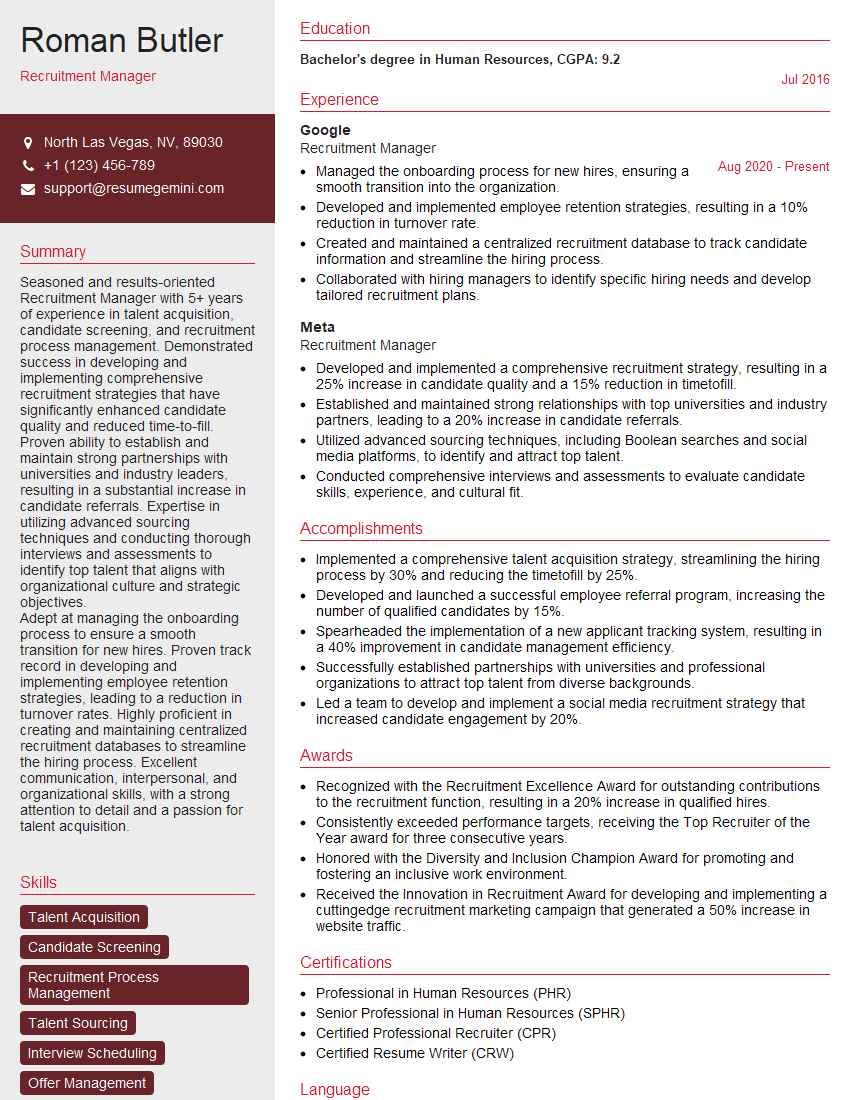
Recruitment Manager Resume Sample
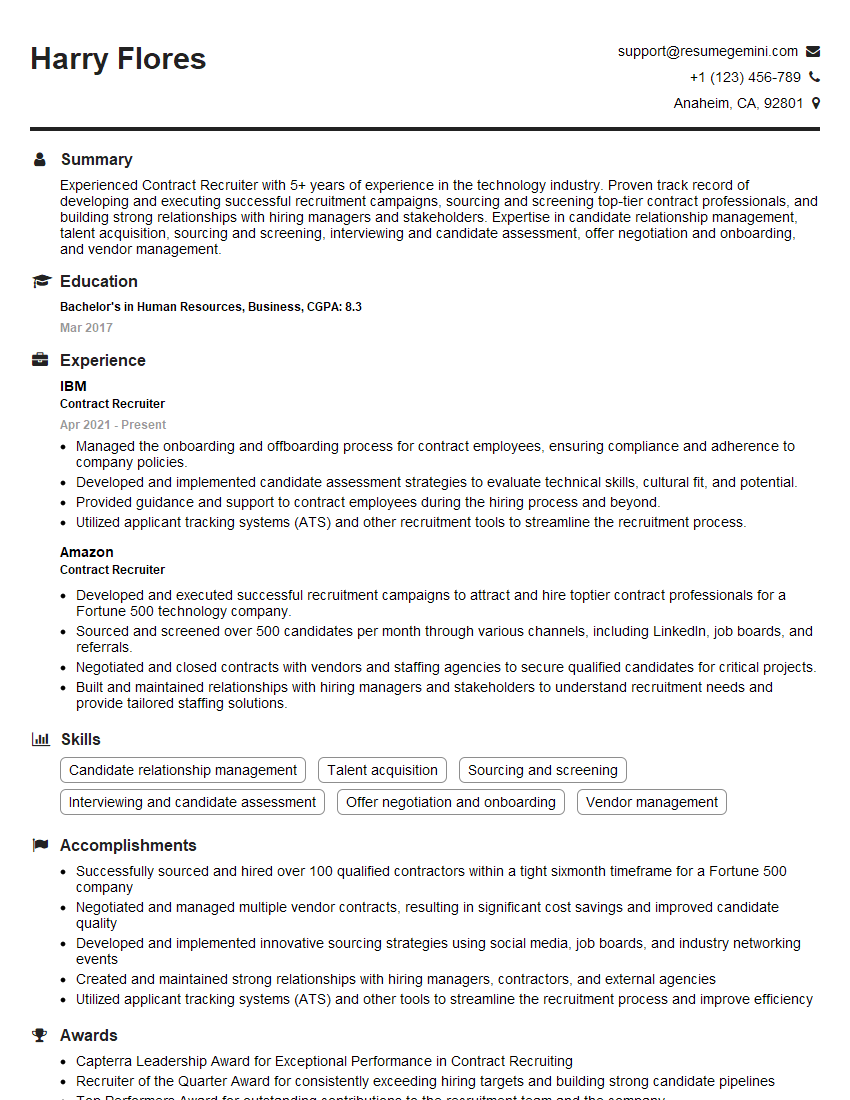
Contract Recruiter Resume Sample
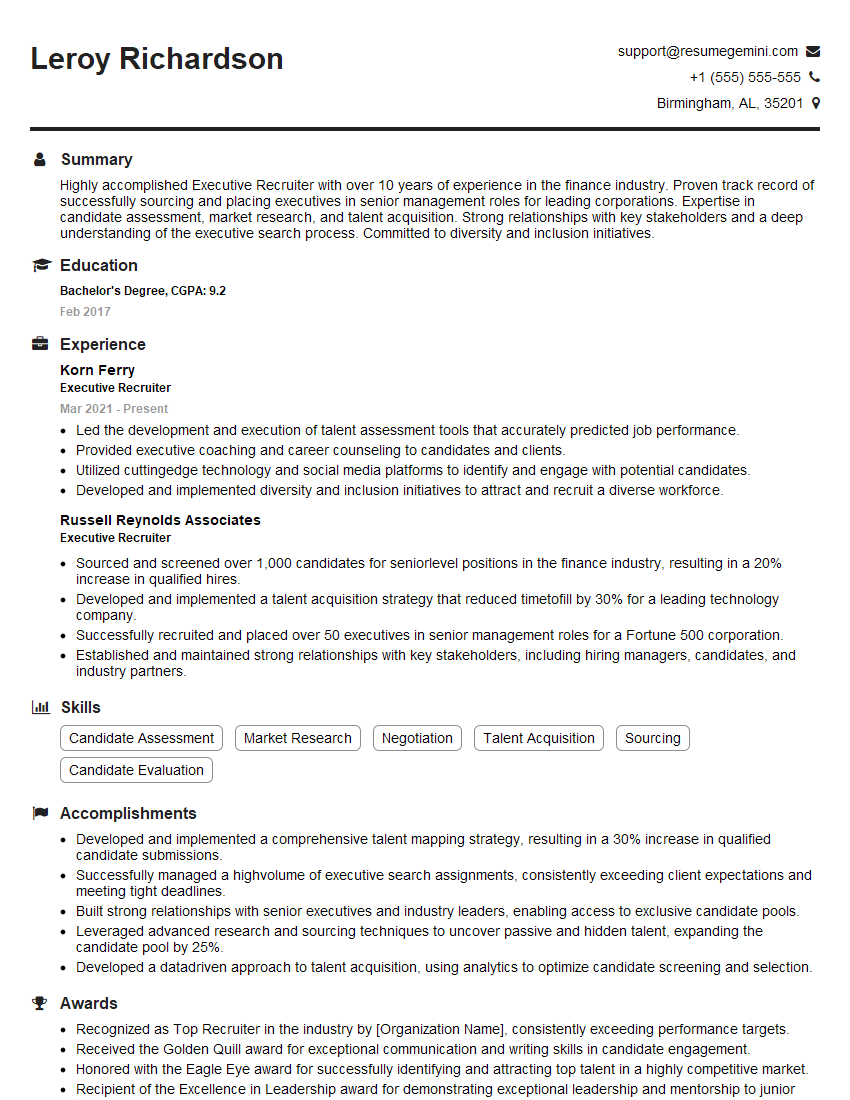
Executive Recruiter Resume Sample
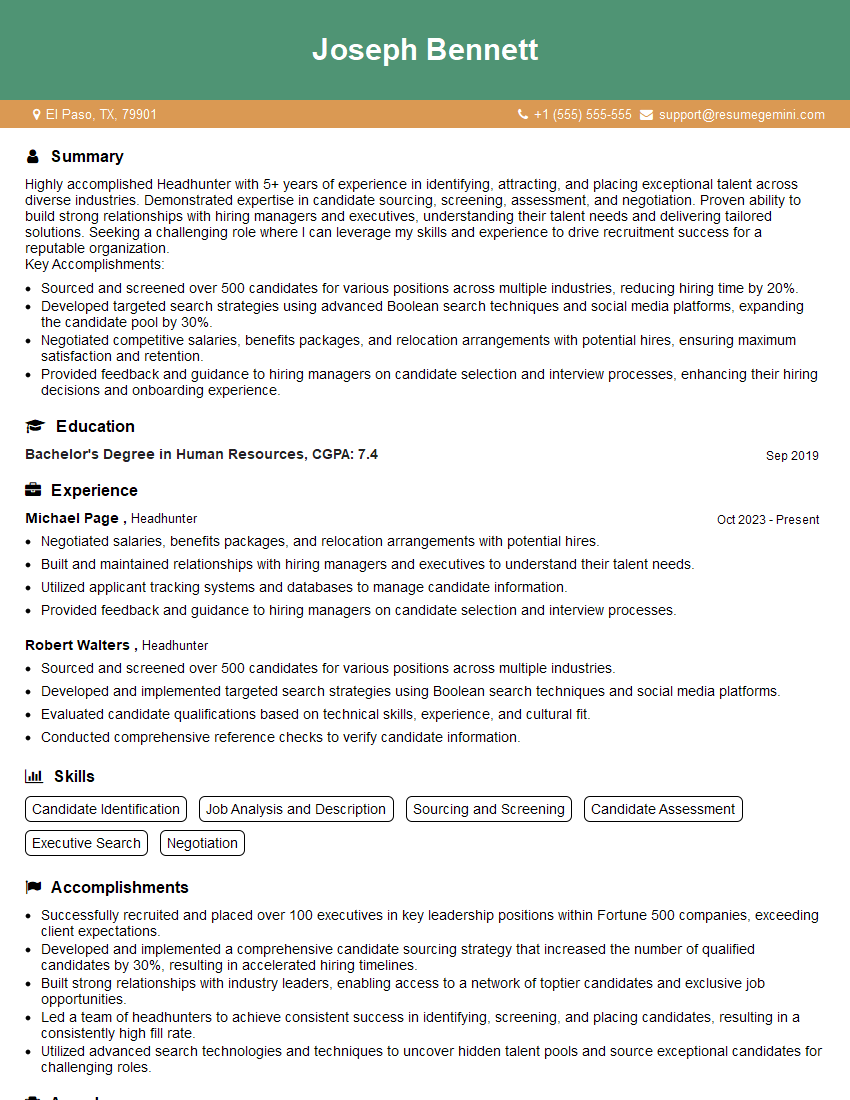
Headhunter Resume Sample
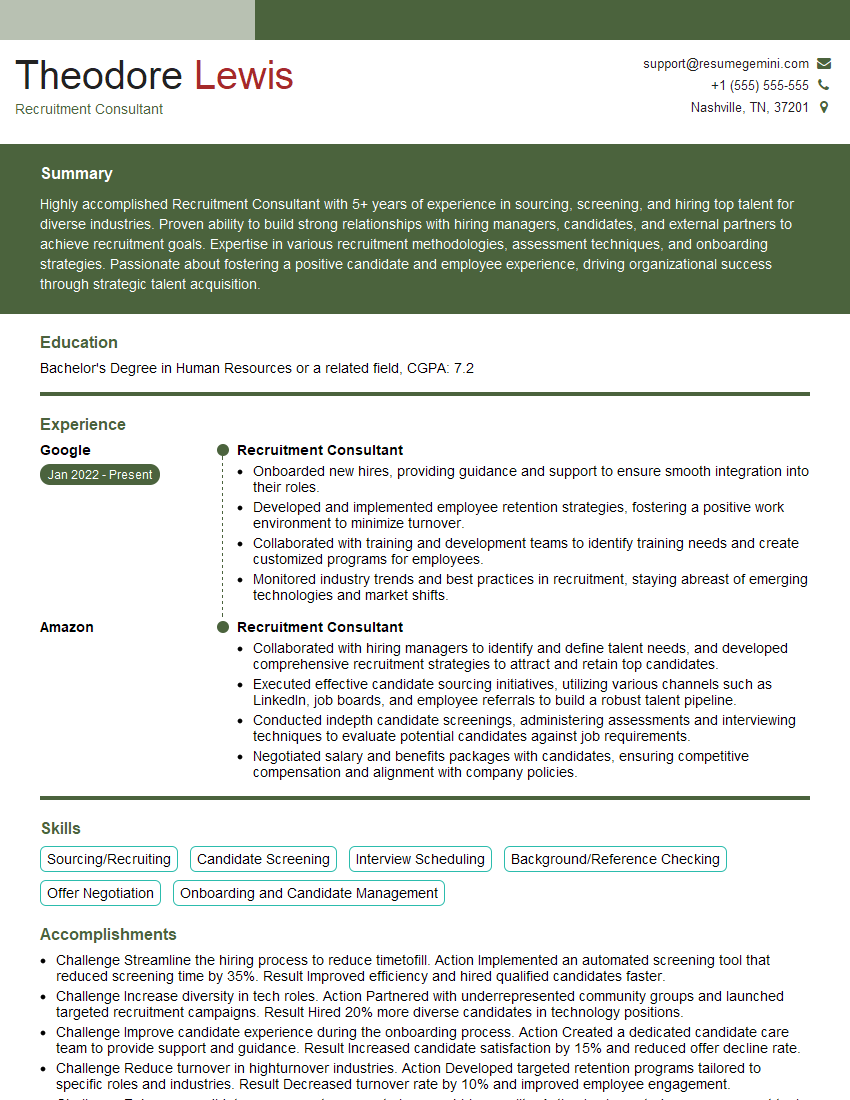
Recruitment Consultant Resume Sample
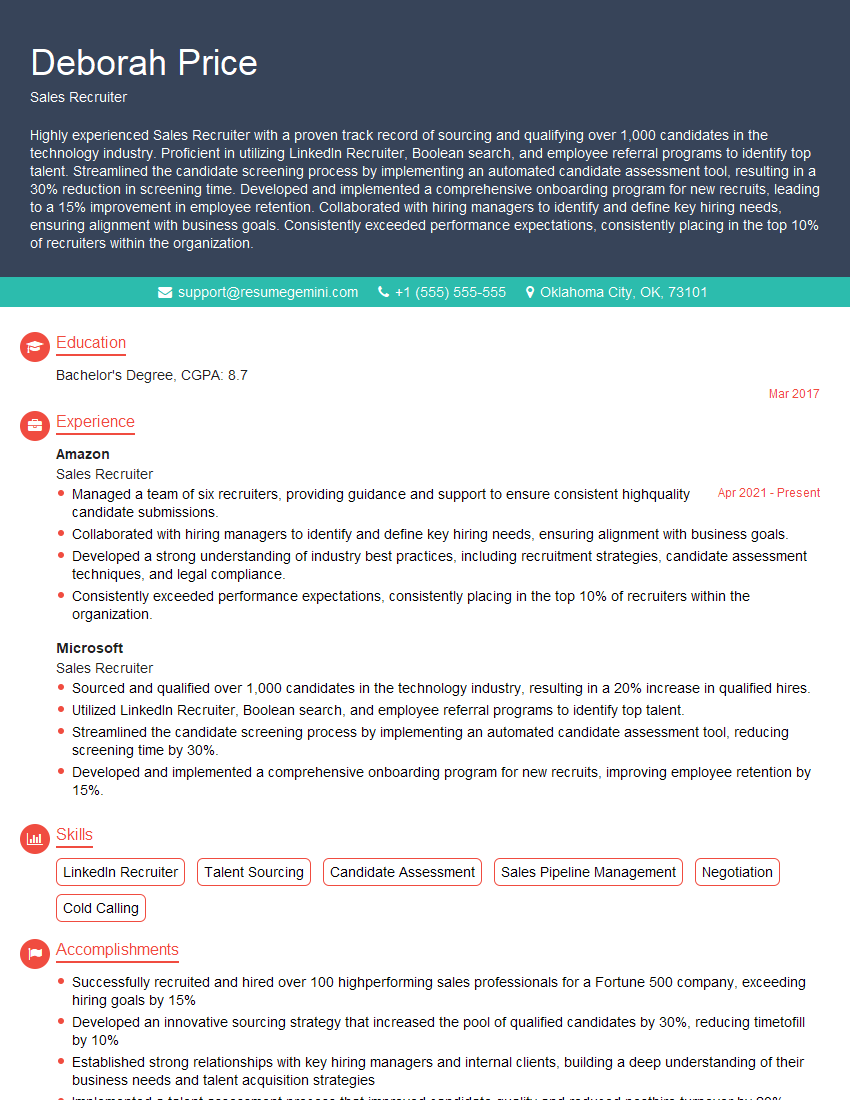
Sales Recruiter Resume Sample
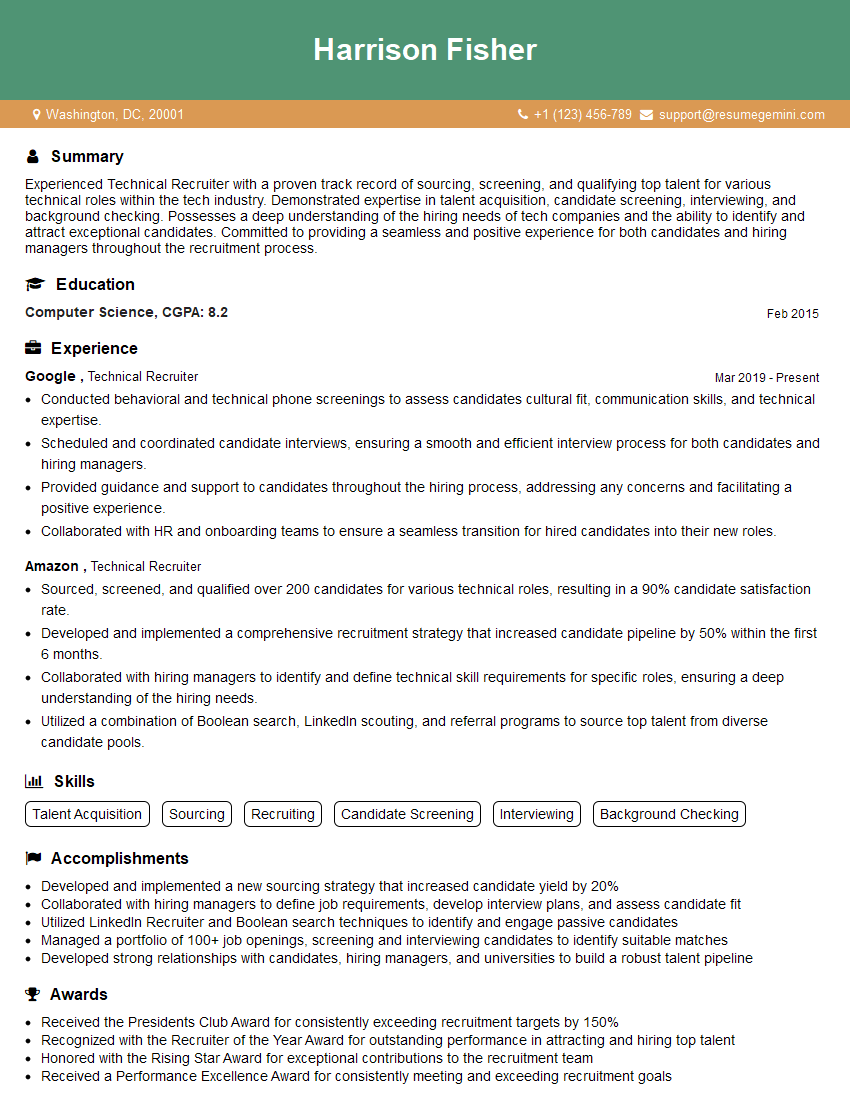
Technical Recruiter Resume Sample
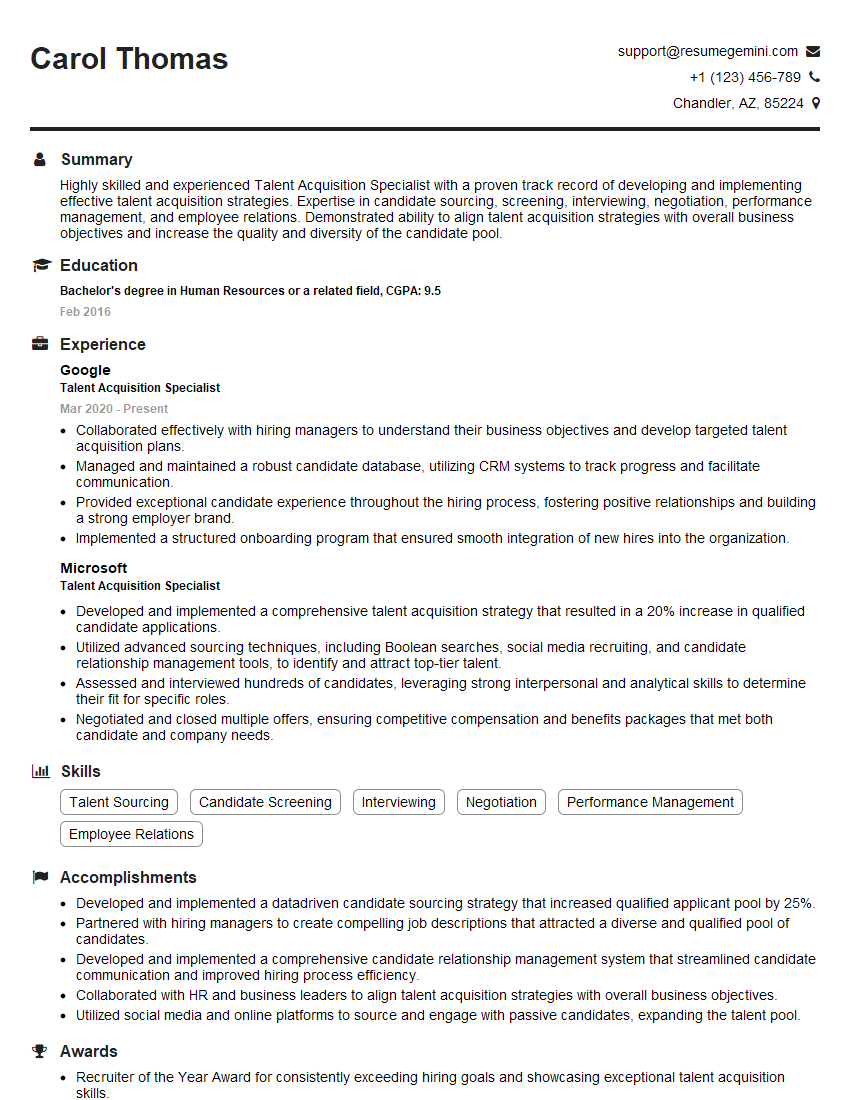
Talent Acquisition Specialist Resume Sample
Explore more articles
Users Rating of Our Blogs
Share Your Experience
We value your feedback! Please rate our content and share your thoughts (optional).
What Readers Say About Our Blog
Very informative content, great job.
good