The right preparation can turn an interview into an opportunity to showcase your expertise. This guide to Target Analysis and Selection interview questions is your ultimate resource, providing key insights and tips to help you ace your responses and stand out as a top candidate.
Questions Asked in Target Analysis and Selection Interview
Q 1. Describe your experience in defining target market segments.
Defining target market segments is the cornerstone of effective marketing. It’s about dividing a broad consumer base into smaller, more manageable groups with shared characteristics and needs. This allows for highly targeted messaging and resource allocation, maximizing impact and return on investment. I approach this by employing a multi-faceted approach, starting with broad market research to understand the overall landscape. Then, I utilize segmentation criteria such as demographics (age, gender, income, location), psychographics (lifestyle, values, interests), behavioral (purchase history, brand loyalty), and geographic factors. For example, when working with a new sustainable clothing brand, I might segment the market into ‘Eco-Conscious Millennials,’ ‘Budget-Conscious Gen Z,’ and ‘Luxury-Seeking Professionals interested in ethical fashion’. Each segment would then require a distinct marketing strategy tailored to their unique preferences and motivations.
Q 2. Explain the process you use to identify key target audience characteristics.
Identifying key target audience characteristics is an iterative process that blends qualitative and quantitative research methods. I start by defining the overall business objectives. What are we trying to achieve? Increased brand awareness? Higher sales? Market share? Then, I use a combination of tools:
- Market Research Reports: Industry reports provide demographic trends and consumer behavior insights.
- Surveys and Questionnaires: These help gather direct feedback from potential customers, uncovering their needs, preferences, and pain points.
- Focus Groups: Facilitated discussions with small groups of target customers allow for deeper qualitative insights and understanding of motivations.
- Customer Relationship Management (CRM) Data: Analyzing existing customer data reveals purchasing patterns, preferences, and engagement levels.
- Social Media Listening: Monitoring social media conversations helps understand brand perception, customer sentiment, and unmet needs.
For instance, if we’re launching a new fitness app, we might find that our key audience characteristic is ‘health-conscious young professionals with busy schedules who prefer on-demand workouts’. This understanding informs everything from app design to marketing messaging.
Q 3. How do you measure the effectiveness of your target market selection?
Measuring the effectiveness of target market selection is crucial for demonstrating ROI and refining future strategies. I use a variety of Key Performance Indicators (KPIs) to gauge success. These include:
- Conversion Rates: The percentage of target audience members who complete a desired action (e.g., purchase, sign-up).
- Customer Acquisition Cost (CAC): The cost of acquiring a new customer from the target segment.
- Customer Lifetime Value (CLTV): The predicted revenue generated by a customer over their relationship with the brand.
- Return on Marketing Investment (ROMI): The return generated from marketing efforts targeted at the specific segment.
- Brand Awareness and Sentiment: Tracking brand mentions and sentiment analysis on social media and other platforms.
For example, if our conversion rate from a specific target segment is significantly lower than expected, it indicates the need to re-evaluate our messaging or targeting parameters. A low ROMI might suggest the segment is not as profitable as initially anticipated, necessitating a shift in strategy.
Q 4. What are the different methods used for target market analysis?
Target market analysis utilizes various methods, categorized broadly into qualitative and quantitative approaches.
- Qualitative Methods: These explore the ‘why’ behind consumer behavior. Examples include focus groups, in-depth interviews, ethnographic studies (observing consumers in their natural environment), and case studies.
- Quantitative Methods: These rely on numerical data to measure and analyze consumer behavior. Examples include surveys, experiments (A/B testing), statistical analysis of sales data, and market research reports.
A comprehensive analysis often combines both approaches. For instance, focus groups might help identify underlying consumer needs (qualitative), which are then validated and quantified through a large-scale survey (quantitative).
Q 5. How do you incorporate data analytics into your target analysis process?
Data analytics is integral to modern target analysis. It allows for a data-driven approach, moving beyond intuition and assumptions. I leverage various analytical tools and techniques:
- Descriptive Analytics: Summarizing past performance, identifying trends, and understanding customer behavior patterns (e.g., using dashboards to visualize customer demographics and purchase history).
- Predictive Analytics: Forecasting future behavior using statistical models and machine learning (e.g., predicting customer churn or lifetime value).
- Prescriptive Analytics: Recommending actions based on predictive models (e.g., optimizing marketing campaigns by targeting specific customer segments based on predicted response rates).
For example, by analyzing CRM data using predictive modeling, we can identify customers most likely to respond to a specific promotion and tailor our marketing efforts accordingly, improving efficiency and ROI.
Q 6. Describe a time you had to adjust your target market strategy based on new data.
During a campaign for a new line of organic skincare products, we initially targeted affluent, environmentally conscious women aged 35-55. However, our initial marketing campaign yielded lower than expected conversion rates. A thorough analysis of the data revealed that while the initial segment showed interest, the price point was a significant barrier. We adjusted our strategy by:
- Expanding the target audience: Including younger, price-sensitive consumers interested in organic skincare, but potentially willing to compromise on some aspects of the product’s luxury positioning.
- Introducing a lower-priced product line: This addressed the pricing concerns identified in the data analysis, making the brand accessible to a wider customer base.
- Refining our marketing message: Emphasizing value and affordability alongside organic and sustainable attributes.
This adjustment, based on hard data, led to a significant improvement in conversion rates and overall campaign success.
Q 7. How do you prioritize target segments based on potential ROI?
Prioritizing target segments based on potential ROI requires a systematic approach. I typically use a framework that combines market size, market share potential, and profitability analysis.
- Market Size: Identifying the overall size and growth potential of each segment.
- Market Share Potential: Assessing the brand’s realistic potential to capture a portion of the market within each segment.
- Profitability Analysis: Estimating the potential profit margins for each segment, considering factors like customer acquisition cost, pricing strategy, and operating expenses.
By creating a weighted scoring system for these factors, we can rank segments based on their overall ROI potential. For example, a segment might have a large market size, but low profitability, resulting in a lower priority compared to a smaller, but more profitable segment. This data-driven approach ensures that resources are allocated to the segments most likely to deliver the highest returns.
Q 8. Explain the concept of market segmentation and its importance.
Market segmentation is the process of dividing a broad consumer or business market, normally consisting of existing and potential customers, into sub-groups of consumers based on some type of shared characteristics. Think of it like sorting a giant box of LEGOs – you wouldn’t just build one massive, chaotic structure. You’d separate the bricks by color, size, and type to make building easier and more efficient. Similarly, market segmentation allows businesses to focus their marketing efforts on specific groups of people who are most likely to be interested in their products or services.
Its importance lies in its ability to increase marketing efficiency and effectiveness. Instead of trying to appeal to everyone, which is often ineffective and costly, businesses can tailor their messaging, product offerings, and pricing strategies to resonate with the unique needs and preferences of each segment. This leads to higher conversion rates, improved customer loyalty, and ultimately, greater profitability. For example, a clothing retailer might segment its market by age, lifestyle, and fashion preferences, creating targeted campaigns for teenagers, young professionals, and mature adults, each with different messaging and product selections.
Q 9. What are some common targeting mistakes to avoid?
Several common targeting mistakes can significantly hamper a marketing campaign’s success. One crucial error is ignoring market research and relying on assumptions. This leads to misaligned messaging and wasted resources. For instance, assuming all millennials are interested in social media influencers without verifying through data is a recipe for failure.
- Targeting too broadly: Trying to appeal to everyone dilutes your message and reduces impact. It’s akin to shouting into a crowded room – no one hears you clearly.
- Ignoring customer needs: Focusing solely on product features without understanding customer problems or motivations results in ineffective marketing. You’re selling the drill, not the hole.
- Neglecting competitor analysis: Failing to understand how competitors are targeting similar audiences leaves your strategy vulnerable and less competitive.
- Lack of measurable objectives: Without clear, quantifiable goals, it’s impossible to assess the success or failure of your targeting efforts. You need to know what ‘success’ looks like.
- Failing to adapt and iterate: Market dynamics are constantly changing. Sticking to a rigid targeting strategy without making adjustments based on performance data guarantees suboptimal results.
Q 10. How do you balance cost-effectiveness and reach in target selection?
Balancing cost-effectiveness and reach in target selection requires a strategic approach. It’s about finding the sweet spot where you reach a significant number of potential customers without breaking the bank. Imagine you’re organizing a concert – a small, intimate venue is cost-effective but limits your audience, while a massive stadium offers huge reach but necessitates high costs.
This balance is achieved through techniques such as:
- Prioritizing high-value segments: Focus on segments with the highest potential return on investment (ROI). These are the customers most likely to convert and become loyal.
- Utilizing cost-effective marketing channels: Consider channels like email marketing, social media advertising (with targeted campaigns), and content marketing, which offer good reach at comparatively lower costs than traditional media.
- Employing data-driven decision-making: Use analytics to track the performance of different targeting strategies and optimize your approach based on the data. This ensures resources aren’t wasted on underperforming segments.
- A/B testing: Experiment with different targeting parameters and messaging to determine what resonates best with your audience while keeping a close eye on costs.
Q 11. What is your approach to analyzing competitor targeting strategies?
Analyzing competitor targeting strategies is crucial for effective target selection. It helps identify opportunities and avoid pitfalls. My approach involves a multi-step process:
- Identify Key Competitors: Determine the main players vying for the same target audience.
- Analyze Their Messaging and Positioning: Understand their value proposition, target audience, and how they position themselves in the market.
- Examine Their Marketing Channels: Which channels do they utilize (social media, email, paid advertising)? This reveals their target audience preferences.
- Assess Their Target Audience Characteristics: Based on their marketing activities, infer the demographics, psychographics, and behavior of their target market. This could involve examining their website traffic, social media engagement, and customer reviews.
- Identify Gaps and Opportunities: Based on my analysis, I pinpoint underserved segments or unmet needs that my organization can address more effectively.
- Refine Targeting Strategy: Leverage competitor insights to inform and refine my own targeting strategies, focusing on areas where I can gain a competitive advantage.
Q 12. Describe your understanding of different targeting methods (e.g., demographic, psychographic, behavioral).
Targeting methods can be broadly categorized into demographic, psychographic, and behavioral approaches. Each offers unique insights into potential customers:
- Demographic Targeting: This focuses on readily measurable population characteristics like age, gender, income, location, education, and ethnicity. For instance, a luxury car manufacturer might target high-income individuals in affluent neighborhoods.
- Psychographic Targeting: This delves into the psychological aspects of consumers, including their values, interests, lifestyles, attitudes, and personality traits. A yoga studio might target individuals interested in health, wellness, and mindfulness.
- Behavioral Targeting: This considers consumer actions, including purchase history, browsing behavior, online engagement, and product usage patterns. An online retailer might target customers who frequently view certain product categories or have abandoned their shopping carts.
Often, a successful targeting strategy employs a combination of these methods for a more nuanced and effective approach. For example, a campaign targeting young professionals might combine demographic data (age, income) with psychographic data (career ambition, lifestyle preferences) and behavioral data (online shopping habits).
Q 13. How do you utilize customer personas in your targeting process?
Customer personas are fictional representations of ideal customers, based on market research and data analysis. They are incredibly valuable in the targeting process because they provide a human face to your target audience. Instead of abstractly thinking about ‘young professionals,’ you’re working with a detailed persona named ‘Sarah,’ a 28-year-old marketing manager with specific interests, needs, and online behavior.
I use customer personas to:
- Refine messaging: Tailor my marketing communication to resonate with the persona’s specific needs and language.
- Develop targeted content: Create content (blog posts, social media updates, website copy) that addresses the persona’s interests and pain points.
- Optimize marketing channels: Select the channels where the persona is most active and receptive to marketing messages.
- Guide product development: Understand the persona’s needs and preferences to shape product features and functionalities.
- Improve customer experiences: Ensure all touchpoints align with the persona’s expectations, creating a consistent and positive brand interaction.
Q 14. Explain how you would use A/B testing to optimize targeting efforts.
A/B testing is a powerful tool for optimizing targeting efforts. It involves creating two versions of a marketing element (e.g., an ad, email subject line, landing page) and showing them to different segments of your target audience. By comparing the performance of each version, you can identify what works best and refine your approach.
In the context of targeting, A/B testing allows you to:
- Test different targeting parameters: Compare the effectiveness of targeting based on age, location, interests, or behavioral data.
- Optimize ad creatives: Experiment with different visuals, headlines, and calls to action to see which resonate most strongly with your target audience.
- Refine messaging: Test variations in your marketing message to understand what language or tone is most persuasive.
- Improve landing page design: Optimize your landing pages to ensure they’re effectively converting visitors based on their target audience segment.
For example, you could A/B test two email subject lines targeting the same demographic segment. One subject line could be concise and direct, while the other is more playful. The data will reveal which approach yields higher open and click-through rates.
Q 15. How do you measure the success of a targeting campaign?
Measuring the success of a targeting campaign hinges on defining clear, measurable objectives beforehand. We shouldn’t just look at vanity metrics. Instead, we need to focus on key performance indicators (KPIs) directly tied to business goals. This might involve a multi-faceted approach.
- Conversion Rates: This is a fundamental metric. A successful campaign will show a significant increase in conversions (e.g., purchases, sign-ups, downloads) from the targeted segment compared to the overall average or a control group.
- Return on Ad Spend (ROAS): This measures the revenue generated for every dollar spent on advertising. A high ROAS indicates efficiency and success.
- Customer Lifetime Value (CLTV): This metric assesses the long-term profitability of acquired customers. A well-targeted campaign should yield customers with higher CLTV.
- Engagement Metrics: Depending on the campaign’s goals, this could include metrics like website visits, social media interactions (likes, shares, comments), email open rates, and click-through rates. High engagement suggests the message resonates with the target audience.
- Brand Awareness: While harder to quantify directly, changes in brand mentions, social media sentiment, and website traffic from relevant sources can indicate shifts in brand awareness among the target demographic.
For example, if our objective was to increase sales of a new product among young professionals, we wouldn’t just look at total sales. Instead, we’d analyze sales specifically attributed to the targeted young professional segment, comparing their conversion rate to other segments and calculating the ROAS to determine the campaign’s effectiveness and profitability.
Career Expert Tips:
- Ace those interviews! Prepare effectively by reviewing the Top 50 Most Common Interview Questions on ResumeGemini.
- Navigate your job search with confidence! Explore a wide range of Career Tips on ResumeGemini. Learn about common challenges and recommendations to overcome them.
- Craft the perfect resume! Master the Art of Resume Writing with ResumeGemini’s guide. Showcase your unique qualifications and achievements effectively.
- Don’t miss out on holiday savings! Build your dream resume with ResumeGemini’s ATS optimized templates.
Q 16. Describe a time you faced challenges in identifying your target audience. How did you overcome them?
In a previous campaign for a sustainable clothing brand, we initially struggled to define our target audience beyond a general ‘eco-conscious’ label. This was too broad and lacked actionable insights. We overcame this by employing a multi-pronged approach:
- In-depth Market Research: We conducted surveys, focus groups, and competitor analyses. This helped identify specific demographics, psychographics (values, lifestyles, attitudes), and buying behaviors within the ‘eco-conscious’ group.
- Data Analysis: We analyzed existing customer data (if available) to segment current customers based on purchasing patterns, website behavior, and engagement with marketing materials. This helped reveal patterns and preferences we could then extrapolate to a broader audience.
- Persona Development: We created detailed buyer personas representing different segments within our target market. Each persona included demographics, psychographics, motivations, pain points, and media consumption habits. This helped us tailor messaging and channels.
- A/B Testing: We tested different messaging and creative assets targeting various segments to see which resonated best. This iterative process refined our understanding of our ideal customer.
Through this iterative process, we moved from a vague ‘eco-conscious’ target to a more defined set of personas, allowing us to create much more effective and targeted marketing campaigns.
Q 17. How do you ensure your target audience aligns with your company’s overall marketing objectives?
Ensuring target audience alignment with overall marketing objectives is paramount. It’s a two-way street. We must select a target audience that can realistically help us achieve our objectives, and our objectives must be tailored in a way that makes sense for the target audience we’ve selected.
The process begins with clearly defined marketing objectives. For example, is it brand awareness, lead generation, sales growth, or market share expansion? Then we analyze market segments to identify those most likely to respond to our messaging and help achieve those objectives.
This involves:
- Market Segmentation: Divide the market into meaningful segments based on demographics, geography, psychographics, behavior, etc.
- Target Audience Selection: Evaluate each segment’s potential to contribute to achieving marketing objectives (e.g., profitability, market share). Select the segment(s) that offer the best combination of reach, responsiveness, and profitability.
- Marketing Mix Alignment: Align the marketing mix (product, price, place, promotion) to resonate effectively with the chosen target audience. This includes tailored messaging, appropriate channels, and suitable pricing strategies.
- Regular Evaluation: Continuously monitor campaign performance and adjust targeting strategies as needed to ensure ongoing alignment with objectives.
For example, if our objective is to increase market share in the premium coffee market, targeting coffee aficionados with high disposable income would be a logical choice, aligning our marketing efforts with a segment capable of contributing to that specific goal.
Q 18. How do you use data to identify unmet needs within your target market?
Identifying unmet needs within a target market requires a data-driven approach. We can uncover valuable insights by analyzing various data sources.
- Customer Feedback: Surveys, reviews, social media listening, and customer service interactions provide direct feedback on pain points and unmet needs.
- Market Research Reports: Industry reports often highlight trends, emerging needs, and gaps in the market.
- Competitor Analysis: Examining competitor offerings and customer feedback can reveal opportunities to differentiate and address unmet needs that competitors are not fulfilling.
- Website Analytics: Analyzing website traffic, bounce rates, and heatmaps reveals user behavior and potential pain points in the user experience.
- Social Media Listening: Monitoring conversations and sentiment on social media platforms can reveal unmet needs and frustrations that customers are expressing publicly.
For instance, analyzing customer reviews for a fitness app might reveal a consistent complaint about a lack of personalized workout plans. This indicates an unmet need for customized fitness programs, which could lead to a new product feature or service offering.
Q 19. How familiar are you with different data sources for target market analysis (e.g., CRM, social media, market research reports)?
I’m highly familiar with a variety of data sources for target market analysis. Each source provides a different perspective, and a comprehensive understanding requires integrating multiple sources.
- CRM (Customer Relationship Management) Systems: CRMs provide rich data on existing customers, including demographics, purchase history, interaction history, and customer segmentation. This allows for detailed analysis of current customers to identify patterns and trends which can be applied to new customer acquisition.
- Social Media Data: Platforms like Facebook, Instagram, Twitter, and LinkedIn provide demographic, psychographic, and behavioral data on users. Social listening tools can track brand mentions, sentiment, and conversations, revealing valuable insights into customer needs and preferences. Specific tools and APIs allow for data export and sophisticated analysis.
- Market Research Reports: Industry reports from firms like Nielsen, Statista, and others offer valuable market sizing, segmentation, and trend analysis. These reports provide a macro-level perspective that complements micro-level data from other sources.
- Website Analytics (e.g., Google Analytics): These tools provide data on website traffic, user behavior, and conversion rates, giving insight into customer engagement and potential areas for improvement.
- Surveys and Focus Groups: These provide qualitative data that complements quantitative data from other sources, offering deeper insights into customer motivations, attitudes, and unmet needs.
The key is to combine these data sources to get a holistic view of the target market. For example, we might use CRM data to segment existing customers, then use social media data to understand the broader market segment, and finally leverage market research reports for a macro-level overview of market trends.
Q 20. What software or tools are you proficient in for target market analysis?
I’m proficient in several software and tools for target market analysis. My skillset includes:
- Statistical Software (e.g., R, SPSS): For advanced statistical analysis, including regression modeling, clustering, and segmentation.
- Data Visualization Tools (e.g., Tableau, Power BI): To create compelling visualizations of data findings, making insights easily understandable and actionable.
- CRM Software (e.g., Salesforce, HubSpot): For managing and analyzing customer data, segmenting customers, and identifying key characteristics.
- Marketing Automation Platforms (e.g., Marketo, Pardot): For campaign management, tracking, and analysis, allowing for refined targeting based on campaign performance.
- Social Media Analytics Tools (e.g., Sprout Social, Hootsuite): For monitoring social media activity, analyzing sentiment, and gathering insights into customer conversations.
- Google Analytics: For website traffic analysis, user behavior tracking, and conversion rate optimization.
My proficiency in these tools allows me to collect, clean, analyze, and visualize data effectively, resulting in actionable insights for informed target audience selection and campaign optimization.
Q 21. How do you handle conflicting priorities in defining your target audience?
Conflicting priorities in defining a target audience are common, often arising from different stakeholders with varying goals. Resolving this requires a structured approach.
- Prioritization Matrix: Create a matrix listing all potential target segments and the key criteria (e.g., profitability, growth potential, market size, ease of reach). Weight each criterion according to its importance to the overall business objectives. Score each segment based on these criteria and rank them based on the weighted scores. This helps objectively compare segments based on multiple criteria.
- Stakeholder Alignment Workshop: Bring stakeholders together to discuss their priorities and reach a consensus on the most important criteria. Facilitated discussion can help identify common ground and resolve conflicts.
- Data-Driven Decision Making: Use data to support decisions, rather than relying solely on opinions or assumptions. Data analysis provides an objective basis for evaluating different target segments.
- Phased Approach: If conflicting priorities cannot be fully resolved, consider a phased approach. Start with a smaller, more focused target audience to test your hypotheses and then expand gradually.
- Compromise and Negotiation: Sometimes, compromise is necessary. This might involve creating slightly broader targeting parameters to encompass the priorities of multiple stakeholders.
For example, if the sales team favors a large, but less profitable segment, while marketing prefers a smaller, high-value segment, a prioritized matrix and stakeholder discussions can help find a balance – perhaps by initially focusing on the high-value segment to prove the marketing approach and then expanding to the larger segment later.
Q 22. Explain your experience with qualitative and quantitative research methods in target analysis.
Target analysis relies heavily on both qualitative and quantitative research methods to build a complete picture of the target audience. Quantitative research provides the numbers – the ‘what’ – while qualitative research unveils the ‘why’ behind those numbers. Think of it like this: quantitative methods tell you how many people prefer a certain product feature, while qualitative methods explain why they prefer it.
Quantitative Methods: These methods involve numerical data and statistical analysis. In target analysis, this might include:
- Surveys: Gathering large-scale data on demographics, preferences, and behaviors through online or offline questionnaires.
- Market Research Reports: Utilizing existing data from reputable market research firms to understand market size, trends, and customer segmentation.
- Sales Data Analysis: Examining past sales figures to identify high-performing customer segments and their characteristics.
- Web Analytics: Tracking website traffic, user behavior, and conversion rates to understand online customer engagement.
Qualitative Methods: These involve in-depth exploration of attitudes, beliefs, and motivations. Examples include:
- Focus Groups: Conducting moderated discussions with small groups of target customers to gather rich insights on their needs and preferences.
- In-depth Interviews: One-on-one interviews allowing for deeper exploration of individual perspectives and experiences.
- Social Media Listening: Monitoring online conversations and sentiment analysis to understand customer perceptions and needs.
- Usability Testing: Observing users interacting with a product or service to identify pain points and areas for improvement.
I’ve extensively used both approaches in past projects. For example, in a recent project for a clothing retailer, we used quantitative data from website analytics to identify high-value customers based on purchase frequency and average order value. Then, we conducted qualitative interviews to understand their motivations, brand loyalty, and suggestions for improvement. This combined approach provided a much more nuanced understanding of our target audience than either method alone could offer.
Q 23. What ethical considerations do you consider when targeting specific customer segments?
Ethical considerations are paramount in target analysis and selection. We must prioritize fairness, transparency, and respect for individuals’ privacy and autonomy. Targeting specific customer segments can raise ethical concerns if not handled responsibly.
Key considerations include:
- Data Privacy: Ensuring compliance with data protection regulations (like GDPR and CCPA) and obtaining informed consent before collecting and using personal data. This involves being transparent about data usage and providing options for opting out of targeted advertising.
- Avoidance of Discrimination: Preventing the creation of marketing campaigns that unfairly target or exclude specific groups based on factors like race, religion, gender, or age. We must be cautious not to perpetuate existing societal biases.
- Transparency and Honesty: Being upfront about the targeting strategies used and not employing manipulative or deceptive techniques. Consumers deserve to understand how their data is being used to personalize their experience.
- Responsible Use of AI: If using AI for targeting, ensuring the algorithms are unbiased, fair, and accountable. Regular auditing and monitoring are essential to prevent unintended discrimination.
For instance, if a campaign targets a specific demographic based solely on income, we must ensure it doesn’t inadvertently perpetuate socio-economic disparities. A better approach might be to focus on shared interests or needs, regardless of income level, leading to a more inclusive and ethical marketing strategy. This requires careful consideration of potential biases within the data and the targeting criteria.
Q 24. How do you stay up-to-date on industry trends and best practices in target analysis and selection?
Staying updated in this dynamic field requires a multi-pronged approach. I actively engage in several strategies:
- Industry Publications and Journals: I regularly read publications such as the Journal of Marketing Research and Marketing Science to stay abreast of the latest academic research and theoretical advancements.
- Conferences and Workshops: Attending industry conferences and workshops allows for networking with peers and learning from leading experts in the field. This includes presentations on new methodologies and technologies relevant to target audience analysis.
- Online Courses and Webinars: Platforms like Coursera, edX, and LinkedIn Learning provide opportunities to enhance skills in specific areas like data analytics and marketing research techniques.
- Professional Networks: Engaging in professional networks, such as the American Marketing Association (AMA), fosters discussions with peers and exposes me to innovative practices and new trends in target analysis.
- Competitive Analysis: Monitoring the marketing campaigns of competitors helps identify innovative targeting techniques and learn from their successes and failures.
Moreover, I actively follow influential marketers and analysts on social media platforms like Twitter and LinkedIn to get up-to-date news and insights. This allows for a continuous learning process, ensuring my knowledge remains relevant and cutting-edge.
Q 25. Describe your process for creating a comprehensive target audience profile.
Creating a comprehensive target audience profile is a multi-step process that requires meticulous research and analysis. My process typically involves these key steps:
- Define Business Objectives: Clearly defining the marketing goals and what needs to be achieved through targeting. This provides the framework for all subsequent analysis.
- Conduct Market Research: Using both quantitative and qualitative methods, as described earlier, to gather data on potential customer segments. This involves identifying key demographics, psychographics, behaviors, needs, and pain points.
- Segment the Market: Dividing the overall market into distinct groups based on shared characteristics. Common segmentation variables include demographics (age, gender, income), geographic location, psychographics (lifestyle, values, interests), and behavioral factors (purchase history, brand loyalty).
- Develop Target Audience Personas: Creating detailed profiles of representative customers within each segment. These personas provide a human face to the data and help marketers understand the customer’s motivations and needs.
- Prioritize Target Segments: Based on factors such as market size, growth potential, profitability, and accessibility, deciding which segments to focus on initially. This prioritization is crucial for maximizing marketing efficiency and impact.
- Validate the Profile: Testing the accuracy of the profile through further research and feedback to ensure the target audience is well-defined and relevant.
For instance, when developing a profile for a new fitness app, we might identify segments based on age, fitness level, and technology usage. One persona might be a ‘Busy Professional’ (30-45 years old, high income, limited free time, tech-savvy). Another might be a ‘Fitness Enthusiast’ (25-35 years old, moderate income, significant interest in fitness, tech-proficient). Creating these profiles ensures that marketing messages are tailored effectively to each segment’s specific needs and preferences.
Q 26. How do you integrate target audience insights into the development of marketing strategies?
Target audience insights are the bedrock of effective marketing strategies. They inform every aspect of the marketing mix, from product development to messaging and channel selection.
- Product Development: Understanding the needs and preferences of the target audience helps in designing products and services that directly address their problems and desires. For instance, if your target audience is environmentally conscious, incorporating sustainable materials in your product design becomes crucial.
- Messaging and Positioning: Tailoring marketing messages to resonate with the values, language, and interests of the target audience. A message that appeals to a young, tech-savvy audience will differ significantly from one targeted at older, more traditional consumers.
- Channel Selection: Choosing the appropriate marketing channels to reach the target audience effectively. For example, social media marketing might be highly effective for younger audiences, while print advertising may be better suited for older demographics.
- Campaign Measurement: Establishing key performance indicators (KPIs) that align with the target audience’s behavior and the marketing objectives. This includes tracking relevant metrics like website traffic, conversion rates, and customer acquisition cost.
Integrating these insights is not a one-time effort; it’s an ongoing process requiring continuous monitoring and adjustment based on performance data and market feedback. This iterative approach ensures that the marketing strategy remains relevant and effective over time.
Q 27. Explain your understanding of the relationship between target analysis and campaign performance.
The relationship between target analysis and campaign performance is directly proportional. Accurate and insightful target analysis is the foundation for successful campaigns; poor analysis inevitably leads to poor results. It’s like building a house – if the foundation is weak, the entire structure is unstable.
Effective target analysis ensures that marketing resources are allocated efficiently, reaching the most receptive audience. This increases the likelihood of achieving campaign objectives such as:
- Increased Conversion Rates: By targeting the right audience, you increase the chances of converting prospects into customers.
- Improved Return on Investment (ROI): Efficient targeting minimizes wasted ad spend, maximizing return on investment.
- Higher Customer Lifetime Value (CLTV): Attracting and retaining high-value customers contributes to long-term profitability.
- Enhanced Brand Awareness and Reputation: Reaching the desired audience with relevant messaging builds strong brand awareness and a positive reputation.
Conversely, inaccurate or incomplete target analysis can lead to wasted resources, diluted messaging, and missed opportunities. A campaign targeting a broad, undifferentiated audience is less likely to achieve its objectives compared to one focused on a carefully selected target segment. Therefore, meticulous target analysis is crucial for optimizing marketing campaign effectiveness and ensuring a strong return on investment.
Key Topics to Learn for Target Analysis and Selection Interview
- Defining Target Markets: Understanding the process of identifying and profiling ideal customer segments, including demographic, psychographic, and behavioral characteristics. Practical application: Developing buyer personas and market segmentation strategies.
- Market Research & Data Analysis: Utilizing quantitative and qualitative data to analyze market trends, competitor activities, and customer preferences. Practical application: Interpreting market research reports, conducting competitive analysis, and drawing actionable insights from data sets.
- Selection Criteria & Prioritization: Establishing clear criteria for selecting target markets based on factors like profitability, growth potential, and accessibility. Practical application: Developing a scoring system to rank potential target markets and justifying selection decisions.
- Go-to-Market Strategies: Developing and implementing effective strategies to reach and engage target markets through various channels. Practical application: Designing marketing campaigns, choosing appropriate communication methods, and allocating resources effectively.
- Performance Measurement & Optimization: Tracking key performance indicators (KPIs) to measure the effectiveness of target analysis and selection strategies and making data-driven adjustments. Practical application: Analyzing campaign results, identifying areas for improvement, and iterating on strategies based on data.
- Ethical Considerations: Understanding the ethical implications of target analysis and selection, including issues of data privacy and responsible marketing practices. Practical application: Ensuring compliance with data protection regulations and avoiding manipulative or exclusionary targeting practices.
Next Steps
Mastering Target Analysis and Selection is crucial for career advancement in marketing, sales, and business development. A strong understanding of these principles demonstrates valuable analytical and strategic thinking skills highly sought after by employers. To significantly boost your job prospects, focus on building an ATS-friendly resume that showcases your relevant skills and experience effectively. We highly recommend using ResumeGemini, a trusted resource, to create a professional and impactful resume. Examples of resumes tailored to Target Analysis and Selection are available to help guide your preparation.
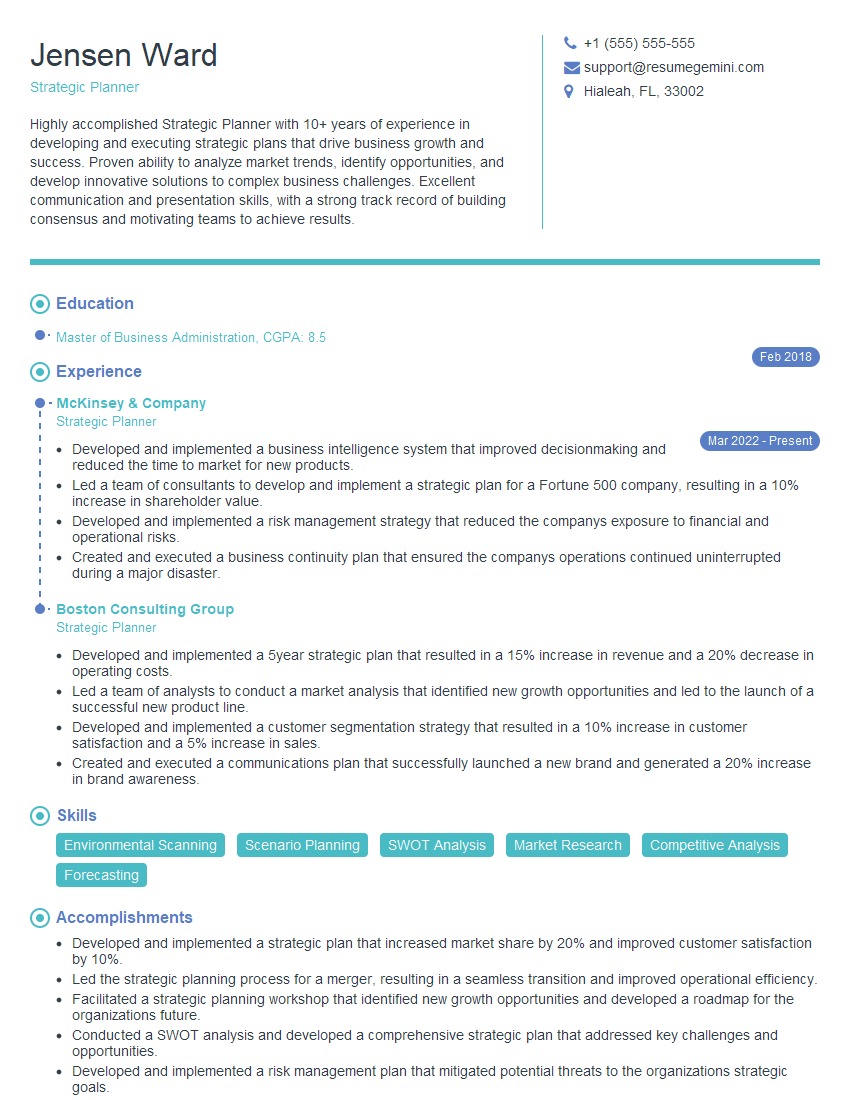
Strategic Planner Resume Sample
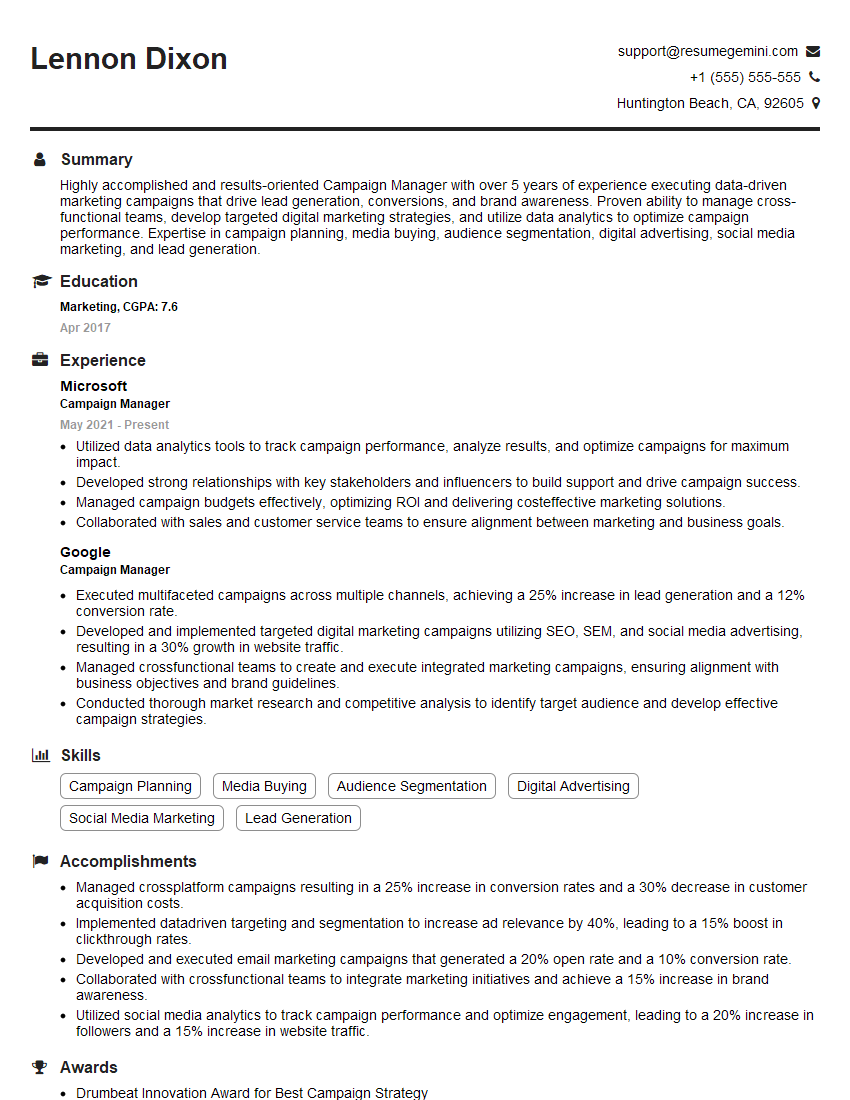
Campaign Manager Resume Sample
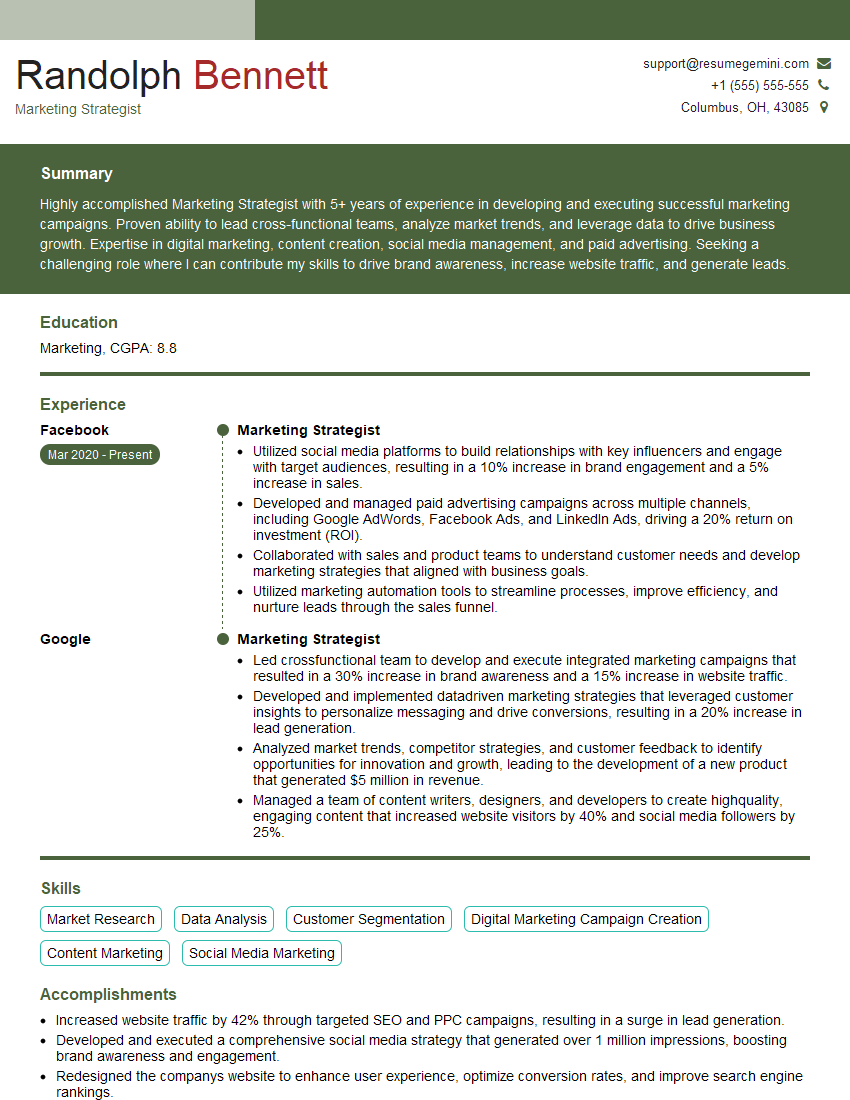
Marketing Strategist Resume Sample
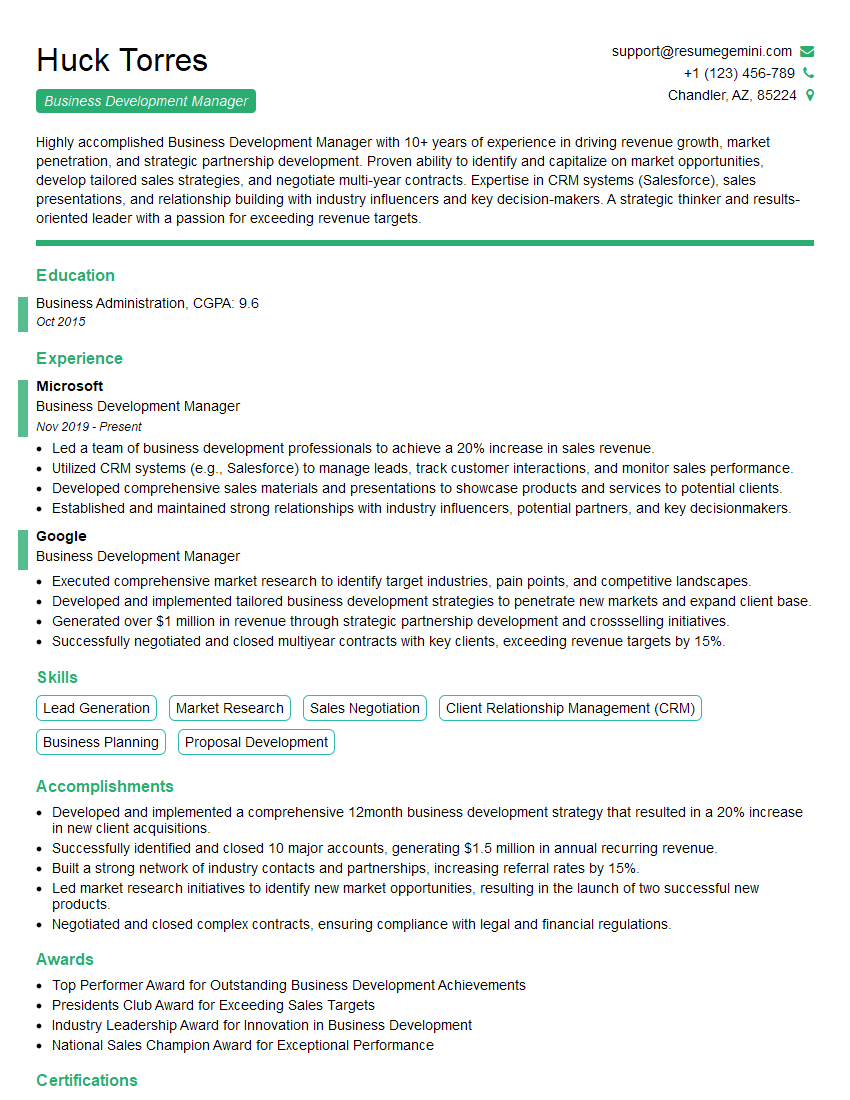
Business Development Manager Resume Sample
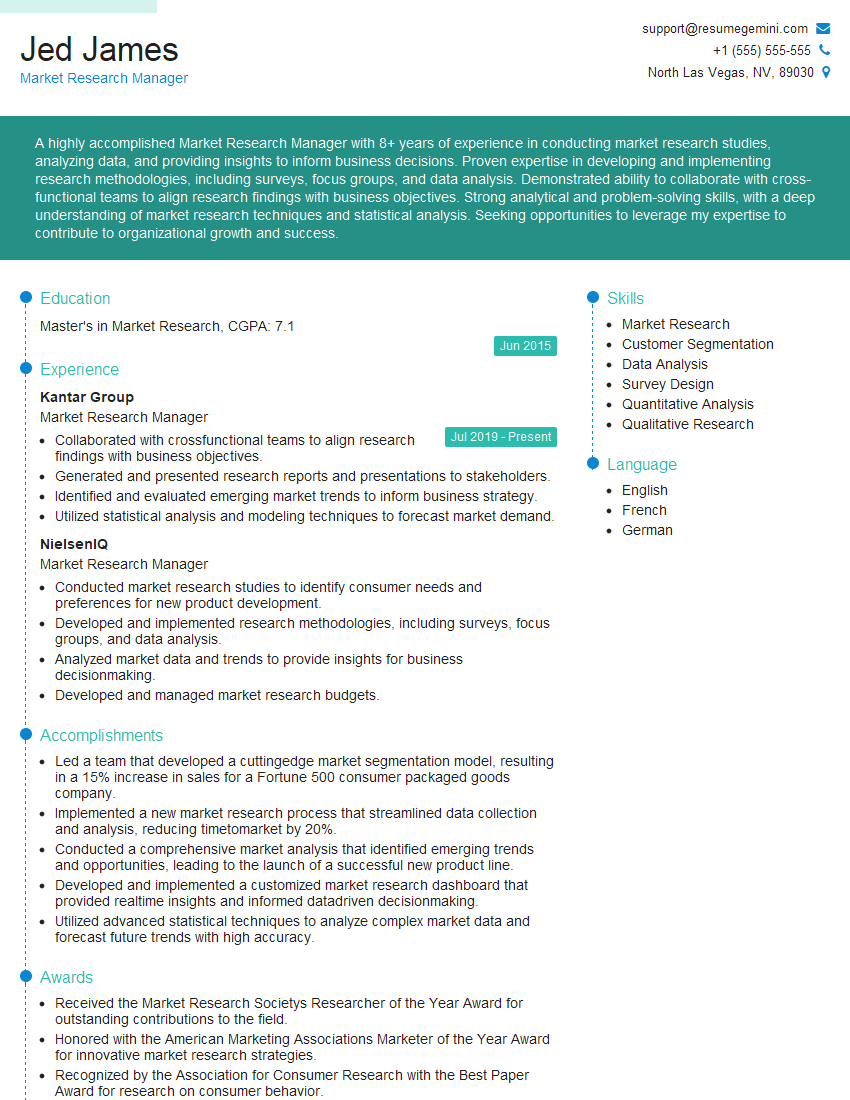
Market Research Manager Resume Sample
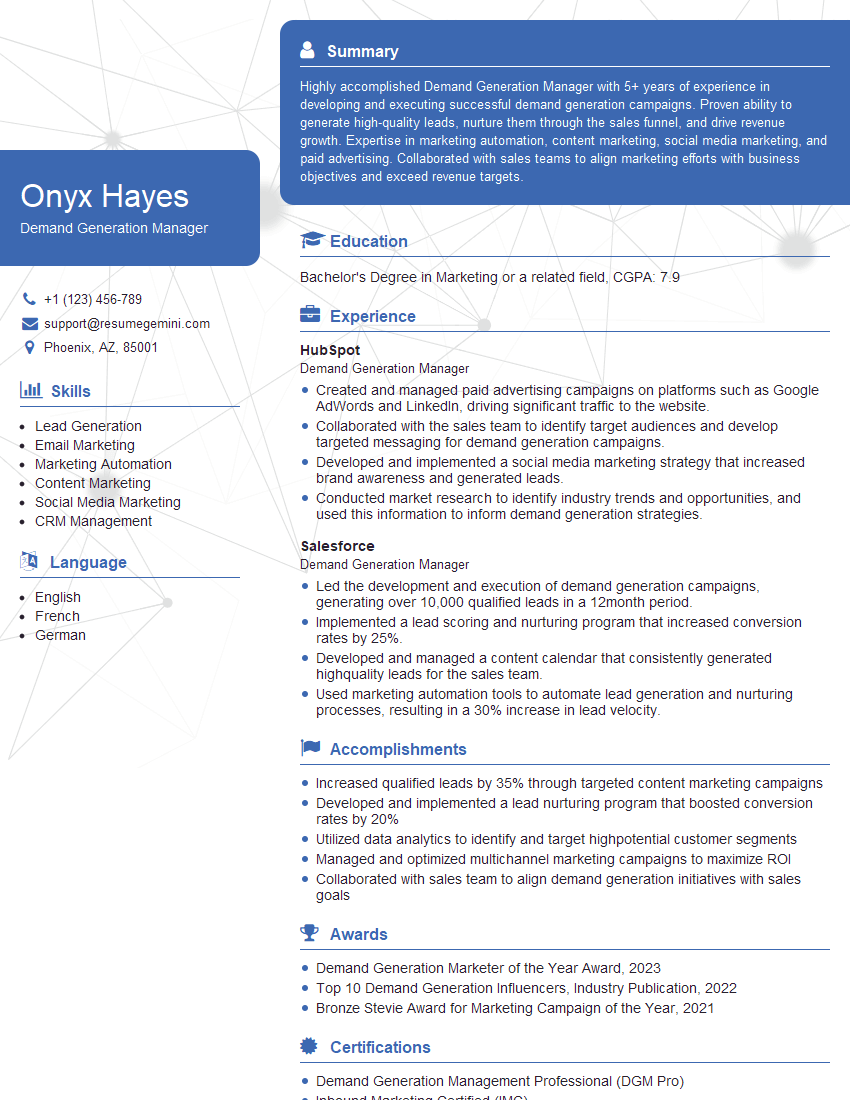
Demand Generation Manager Resume Sample
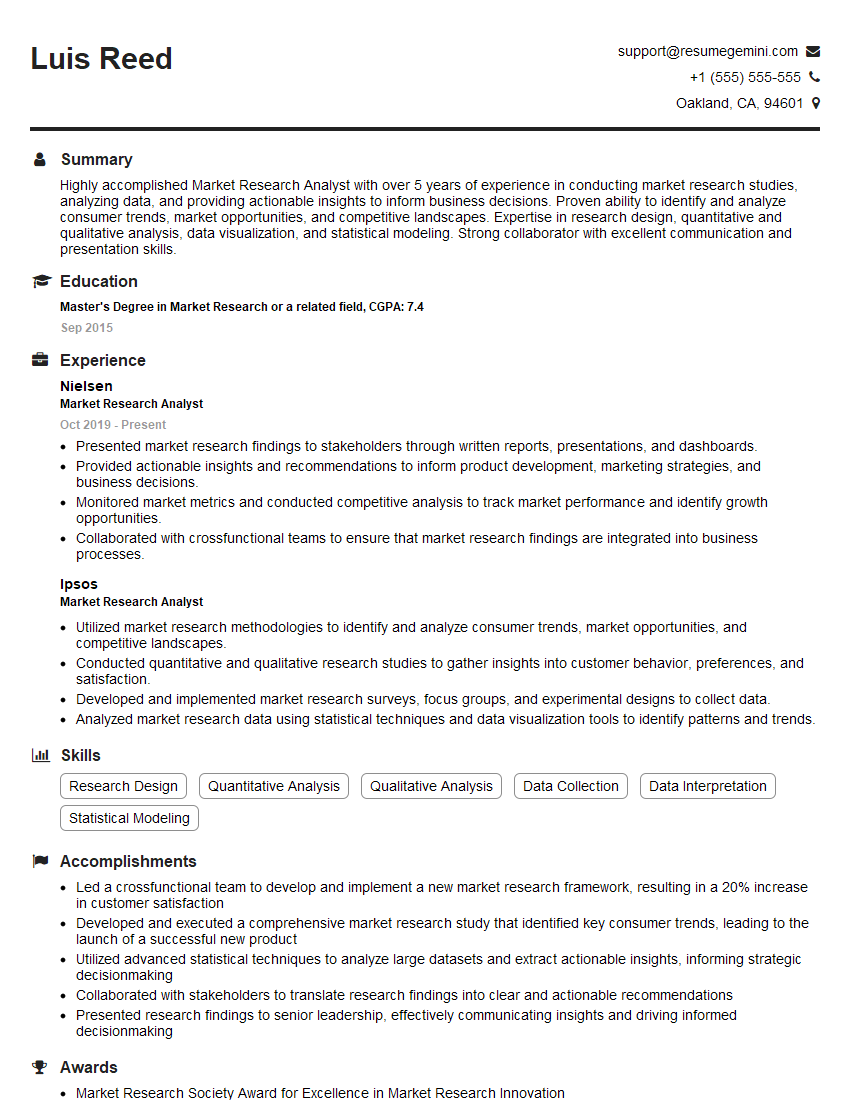
Market Research Analyst Resume Sample
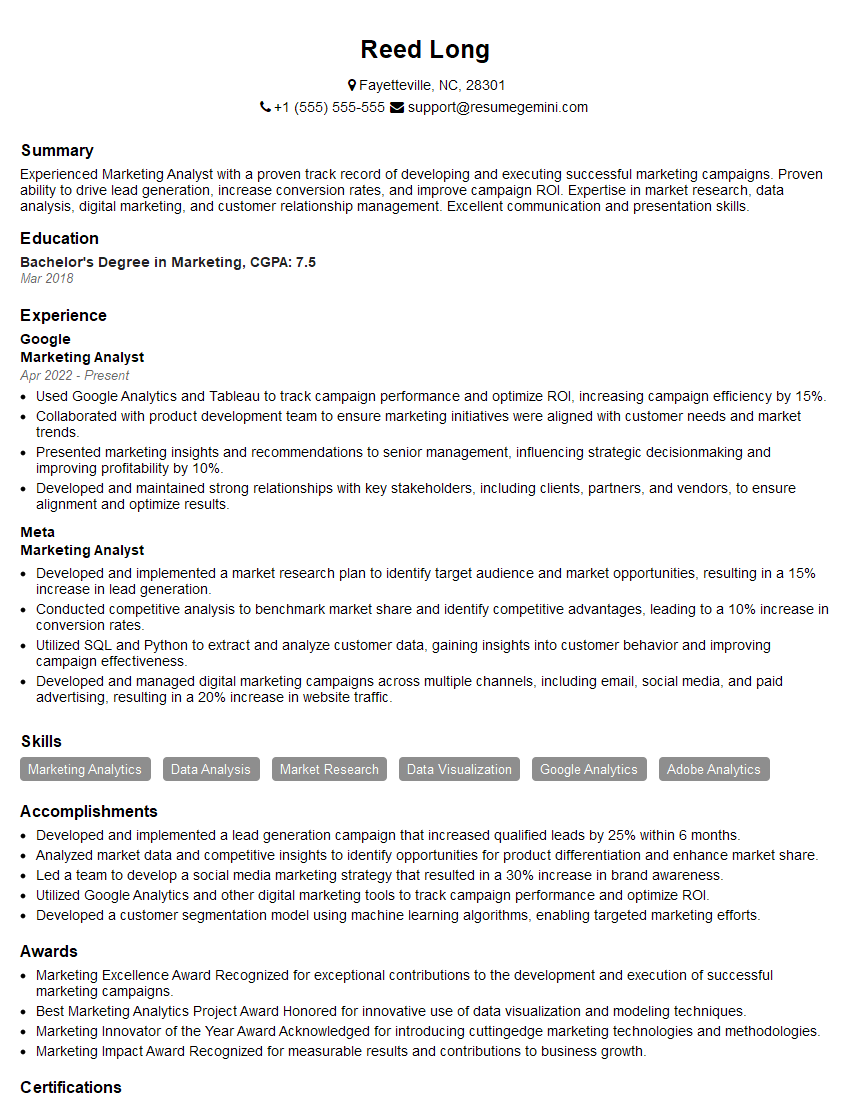
Marketing Analyst Resume Sample
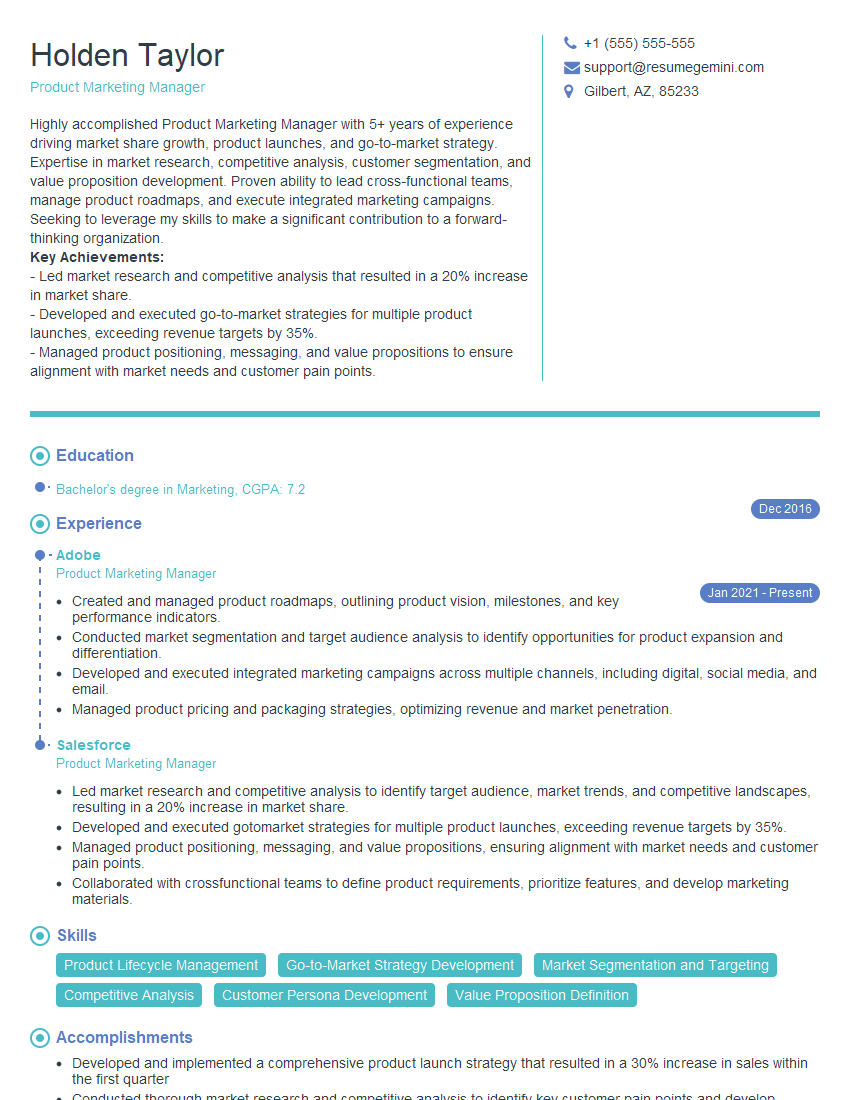
Product Marketing Manager Resume Sample
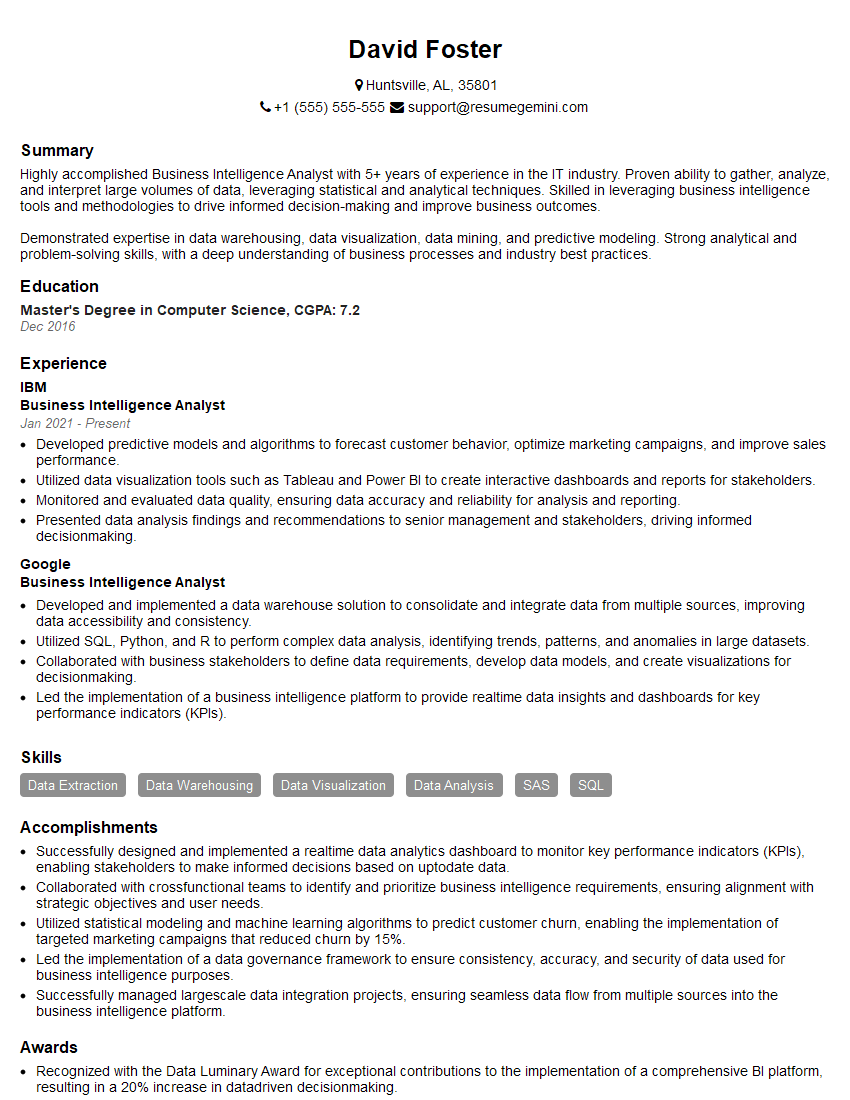
Business Intelligence Analyst Resume Sample
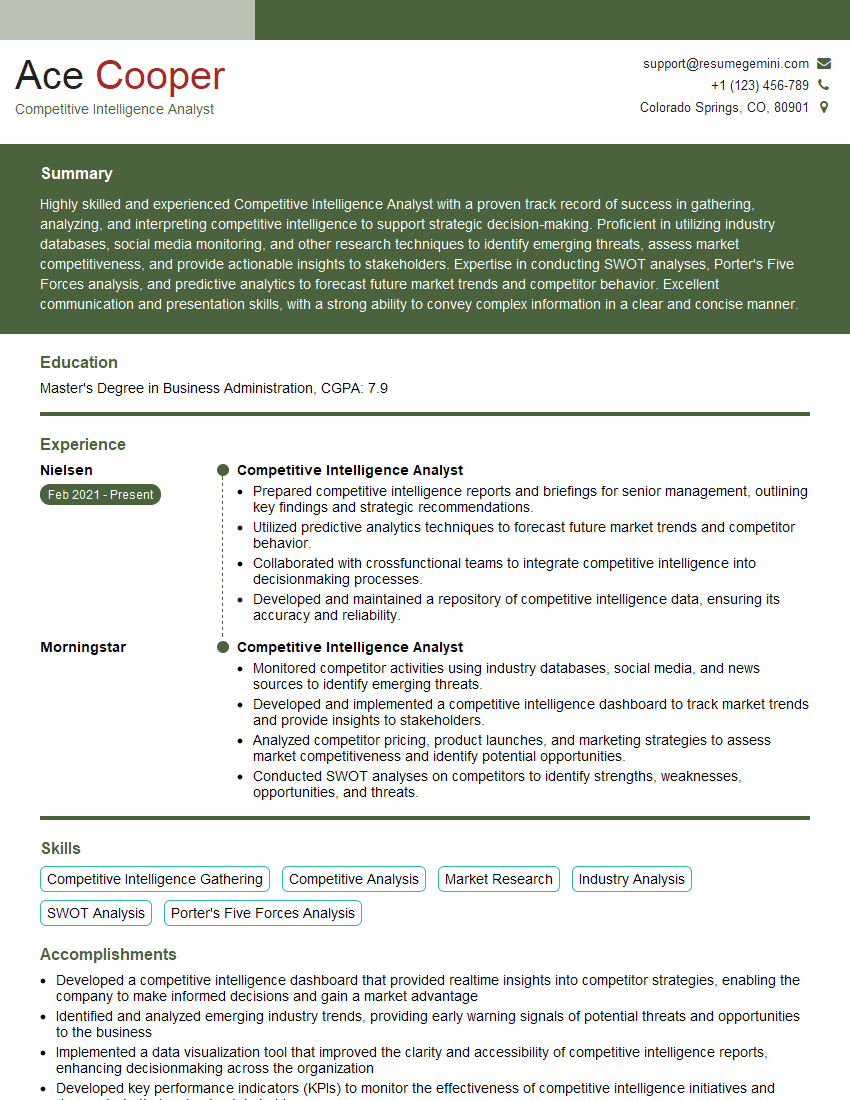
Competitive Intelligence Analyst Resume Sample
Explore more articles
Users Rating of Our Blogs
Share Your Experience
We value your feedback! Please rate our content and share your thoughts (optional).
What Readers Say About Our Blog
Very informative content, great job.
good