The right preparation can turn an interview into an opportunity to showcase your expertise. This guide to Team Chemistry Building interview questions is your ultimate resource, providing key insights and tips to help you ace your responses and stand out as a top candidate.
Questions Asked in Team Chemistry Building Interview
Q 1. Describe your experience in building a high-performing team.
Building a high-performing team isn’t about assembling a group of talented individuals; it’s about fostering a collaborative environment where those talents synergize. My approach is multifaceted, focusing on clear communication, shared goals, and a supportive culture. I start by clearly defining roles and responsibilities, ensuring everyone understands their contribution to the overall objective. This reduces ambiguity and prevents duplicated effort. Next, I facilitate open communication channels, encouraging regular feedback sessions and team meetings where everyone feels comfortable sharing ideas and concerns. I also prioritize team-building activities—not just the stereotypical trust falls, but activities tailored to the team’s specific needs and personalities. For example, a team working on a complex software project might benefit from collaborative coding exercises or design sprints, while a marketing team might find value in brainstorming sessions or campaign planning workshops. Finally, I foster a culture of recognition and appreciation, celebrating successes both big and small to reinforce positive behaviors and boost morale. In one project managing a cross-functional team developing a new product, this approach resulted in a 20% increase in productivity and a significant improvement in product quality, exceeding initial projections.
Q 2. How do you identify and address conflict within a team?
Conflict is inevitable in any team, but how it’s handled determines its impact. My approach is proactive and focuses on early identification and constructive resolution. I encourage open communication where team members can express concerns without fear of reprisal. I actively listen to all sides, ensuring everyone feels heard and understood. I don’t focus on assigning blame but rather on identifying the root cause of the conflict. Is it a misunderstanding? A clash of personalities? A lack of clear direction? Once the root cause is identified, I work with the individuals involved to develop a mutually agreeable solution. This often involves facilitated discussions, compromise, and the establishment of clear expectations for future interactions. For instance, in one instance, a disagreement over project priorities arose. Instead of dictating a solution, I facilitated a meeting where each team member articulated their rationale. This revealed a shared misunderstanding of project goals, which we then addressed through a revised project plan, ultimately preventing further conflict.
Q 3. What strategies do you use to foster communication and collaboration?
Fostering effective communication and collaboration is foundational to team success. I utilize several strategies: First, I establish clear communication channels, including regular team meetings, project management software (e.g., Jira, Asana), and instant messaging platforms (e.g., Slack). This ensures information is accessible and easily shared. Second, I promote active listening and respectful dialogue during meetings and interactions. I encourage team members to actively listen to each other’s perspectives, ask clarifying questions, and offer constructive feedback. Third, I facilitate collaborative working methods, such as pair programming, brainstorming sessions, and shared document editing. These methods promote knowledge sharing and enhance team cohesion. Finally, I provide regular opportunities for informal social interaction, perhaps team lunches or informal after-work gatherings. This helps build rapport and strengthen relationships outside the formal work environment. The result is an environment where information flows freely and collaboration is seamless.
Q 4. Explain your approach to resolving personality clashes within a team.
Personality clashes are a common challenge in team dynamics. My approach involves understanding the underlying causes of the clash and working with individuals to find common ground. I start by having private conversations with each individual to understand their perspectives and concerns. I encourage empathy and active listening, helping each party understand the other’s point of view. Then, I facilitate a mediated conversation where both parties can discuss their issues in a safe and controlled environment. The goal isn’t to force agreement but to foster understanding and mutual respect. Sometimes, adjustments in roles, responsibilities, or work styles are needed. In some cases, conflict resolution training might be beneficial. In a past project, two team members with starkly different work styles clashed. By understanding their preferences—one preferred highly structured processes, while the other preferred a more flexible approach—we created a hybrid system which satisfied both, allowing them to contribute effectively.
Q 5. How do you build trust and rapport among team members?
Trust and rapport are the cornerstones of a successful team. I build this by leading by example, demonstrating integrity, honesty, and accountability in my actions. I actively solicit feedback and demonstrate openness to constructive criticism. I also encourage vulnerability and transparency within the team, allowing members to share their successes and challenges openly. Regular team-building activities, both work-related and social, provide opportunities for team members to bond and build relationships. I also strive to create a psychologically safe environment where people feel comfortable taking risks, expressing opinions, and admitting mistakes without fear of retribution. This fosters a sense of camaraderie and mutual support. For instance, regularly acknowledging individual contributions and celebrating team accomplishments goes a long way in building trust and strengthening the team’s sense of collective identity.
Q 6. Describe a time you had to improve team morale. What was your approach?
In one project, team morale plummeted after a series of setbacks. My approach was multifaceted. First, I acknowledged the team’s frustrations and validated their feelings. I created a safe space for them to express their concerns without judgment. Then, I focused on reframing the narrative. Instead of dwelling on failures, I emphasized the lessons learned and opportunities for improvement. I also implemented small, tangible changes to improve the work environment – this included things like adjusting the workspace to improve collaboration, and securing additional resources to support the team. Finally, I organized team-building activities designed to boost morale and reinvigorate their sense of shared purpose. This included a project-themed escape room to improve problem-solving skills while enjoying some fun. The combination of acknowledging their struggles, celebrating small wins, and improving the work environment significantly boosted morale and led to renewed commitment to the project. The project eventually recovered and exceeded expectations.
Q 7. How do you measure the effectiveness of your team-building efforts?
Measuring the effectiveness of team-building efforts requires a multi-pronged approach. I use both quantitative and qualitative methods. Quantitatively, I track metrics such as project completion rates, team productivity (measured by output or velocity), employee satisfaction (through anonymous surveys), and staff turnover rates. A significant improvement in these metrics after implementing team-building initiatives suggests positive results. Qualitatively, I conduct regular team check-ins, gather feedback through one-on-one conversations and group discussions, and observe team dynamics during meetings and collaborative work sessions. I look for improvements in communication, collaboration, conflict resolution, trust, and overall morale. I also monitor the frequency and intensity of conflicts and the speed with which issues are resolved. For instance, a decrease in the number and duration of conflicts, coupled with an increase in collaborative efforts and overall positive team dynamics, is a clear indicator that my efforts are bearing fruit.
Q 8. How do you adapt your team-building strategies to different team dynamics?
Adapting team-building strategies requires a keen understanding of the team’s unique dynamics. It’s like choosing the right tool for the job; a hammer won’t fix a leaky faucet. I start by assessing the team’s current state: their communication styles, levels of trust, existing relationships, and overall performance. Is the team struggling with conflict, lacking direction, or simply needing a boost in morale?
For example, a highly collaborative team might benefit from activities that focus on refining their processes and strengthening their synergy. A team plagued by conflict might need exercises aimed at improving communication and resolving misunderstandings. I might use tools like team assessments (e.g., personality tests, communication style inventories) to tailor my approach. If the team is new, activities will focus on trust-building and establishing shared goals, whereas a long-standing team might benefit from activities promoting innovation and creativity. The key is flexibility and observation; I adapt my approach based on the team’s immediate needs and ongoing feedback.
Q 9. What are some common obstacles to building effective team chemistry, and how do you overcome them?
Common obstacles to building effective team chemistry often stem from poor communication, lack of trust, unresolved conflicts, unclear roles and responsibilities, and differing work styles. Think of a poorly tuned orchestra: individual musicians may be talented, but without coordination, the music is chaotic.
- Poor Communication: I address this by implementing clear communication protocols, using various platforms (e.g., project management software, regular check-ins), and actively encouraging open dialogue.
- Lack of Trust: Trust-building activities, such as vulnerability exercises or shared challenges, can help address this. Leading by example, demonstrating transparency and integrity is also vital.
- Unresolved Conflicts: I facilitate structured conflict resolution sessions, encouraging open communication and active listening. Mediation techniques are often necessary to help parties understand each other’s perspectives.
- Unclear Roles: Defining roles and responsibilities clearly through documentation and discussion is crucial to avoid confusion and duplicated effort. RACI matrices (Responsible, Accountable, Consulted, Informed) can be helpful tools.
- Differing Work Styles: Understanding and appreciating different work styles is key. I foster an environment that respects these differences, finding ways to leverage each team member’s unique strengths.
Overcoming these obstacles is an ongoing process. Regular feedback sessions, team check-ins, and open communication channels ensure that issues are addressed promptly before they escalate.
Q 10. Explain your understanding of team stages of development (Tuckman’s stages).
Tuckman’s stages of group development describe the typical phases a team goes through: Forming, Storming, Norming, Performing, and Adjourning. It’s a useful framework to understand the team’s current stage and anticipate the challenges ahead.
- Forming: Team members are polite, cautious, and uncertain about their roles. The focus here is on getting to know each other and establishing ground rules.
- Storming: Conflict arises as individuals assert themselves and challenges to leadership emerge. This stage requires clear communication, conflict resolution, and strong leadership to navigate.
- Norming: The team establishes norms, expectations, and working procedures. Cooperation increases, and a sense of team identity develops.
- Performing: The team functions efficiently and effectively, achieving high levels of performance. Trust is high, and members are focused on common goals.
- Adjourning: The team completes its task and disbands. This stage involves reflecting on accomplishments and celebrating success.
Understanding these stages allows me to anticipate the challenges associated with each and proactively implement strategies to support the team’s development. For instance, in the storming phase, I would focus on facilitation, clear communication, and conflict resolution techniques. In the performing phase, I’d focus on maintaining momentum, celebrating success, and promoting continuous improvement.
Q 11. How do you incorporate team members’ strengths and weaknesses to achieve goals?
Incorporating team members’ strengths and weaknesses is crucial for achieving team goals. It’s about leveraging individual talents while mitigating potential weaknesses. Think of it like building a house: you need strong foundations (core skills), skilled builders (strong team members), and effective management (leadership) to ensure the project is successfully completed.
I begin by conducting a skills assessment, either formally or informally, to identify each member’s strengths and weaknesses. This might involve reviewing past performance, conducting interviews, or using self-assessment tools. Then, I strategically assign tasks based on individual capabilities, ensuring that individuals are working in areas where they excel. For example, a detail-oriented team member might be perfect for data analysis, while a creative individual might lead brainstorming sessions.
Weaknesses are addressed through training, mentorship, or by assigning tasks where the weakness has minimal impact, and possibly pairing individuals with complementary skills. For example, a team member struggling with public speaking might be paired with a confident communicator to deliver presentations. Regular feedback and coaching help individuals develop their skills and overcome weaknesses over time.
Q 12. How do you ensure inclusivity and diversity within a team setting?
Ensuring inclusivity and diversity is paramount for building a high-performing team. It’s not just about representation; it’s about creating an environment where every member feels valued, respected, and empowered to contribute. This increases creativity, problem-solving and overall team success.
I actively promote inclusivity by establishing clear guidelines for respectful communication and collaboration. This includes zero tolerance for discrimination or harassment. I foster a culture of open dialogue, encouraging team members to share their perspectives and experiences, regardless of their background. I use diverse team-building activities that cater to various preferences and communication styles. For example, I ensure activities are accessible to individuals with different abilities and consider cultural sensitivities when planning events. I regularly review team dynamics to identify and address any potential biases or exclusionary practices. This might involve anonymous feedback surveys or one-on-one discussions with team members. Finally, I strive to create a sense of belonging, ensuring that every team member feels like an integral part of the team.
Q 13. How do you handle situations where team members are resistant to change?
Resistance to change is a common challenge in team dynamics. Understanding the root cause of this resistance is crucial for effective management. Sometimes it’s fear of the unknown, other times it’s a lack of understanding or perceived loss of control. It’s like trying to steer a ship in a storm; you need a steady hand and a clear direction.
My approach involves active listening and empathy. I start by understanding the team members’ concerns and addressing them openly and honestly. Transparency is key; explaining the rationale behind the change, its benefits, and the steps involved can help alleviate fears. I involve team members in the change process, empowering them to contribute to the implementation plan. This fosters a sense of ownership and reduces resistance. I provide support and training to help team members adapt to the new processes or technologies. This might involve workshops, mentorship, or access to additional resources. Finally, I celebrate small wins along the way, acknowledging the team’s efforts and progress. This helps build momentum and maintain morale.
Q 14. Describe your experience with remote team building activities.
My experience with remote team building emphasizes the importance of leveraging technology to foster connection and engagement. Building trust and camaraderie remotely requires a different approach. It’s like building a bridge across a chasm; you need strong supports and a creative design.
I’ve utilized various virtual platforms for team-building activities, including online games, virtual escape rooms, collaborative online whiteboards for brainstorming, and virtual coffee breaks using video conferencing tools. I’ve found that structuring activities with clear objectives, setting expectations beforehand, and using breakout rooms for smaller group interactions are vital for ensuring participation and engagement. I also focus on activities that promote informal communication and relationship-building, such as online social events or virtual team lunches. The key to successful remote team building is to choose activities that are engaging, interactive, and tailored to the team’s specific needs and preferences. Regular check-ins and communication remain essential for maintaining team cohesion.
Q 15. How do you facilitate effective meetings that improve team collaboration?
Effective meetings are the cornerstone of strong team collaboration. They shouldn’t be just information dumps but interactive sessions focused on achieving specific goals. My approach involves meticulous planning and facilitation techniques.
- Clear Agenda and Objectives: Before the meeting, I distribute a detailed agenda outlining the topics, expected outcomes, and time allocation for each item. This ensures everyone is prepared and focused.
- Structured Discussion: I use techniques like brainstorming, round-robin discussions, and problem-solving frameworks (like the 5 Whys) to encourage active participation and diverse perspectives.
- Active Listening and Facilitation: I actively listen to ensure everyone feels heard and guide the conversation to stay on track, managing interruptions and side conversations professionally. I utilize visual aids like whiteboards or shared documents to keep everyone engaged.
- Actionable Outcomes: Every meeting concludes with clear action items assigned to specific individuals with deadlines. These are documented and shared post-meeting for accountability.
- Regular Check-ins: I believe in following up on action items and progress. Short, informal check-ins between meetings maintain momentum and address potential roadblocks.
For example, when leading a project kickoff meeting, I wouldn’t just present the project plan; I’d facilitate a brainstorming session to identify potential challenges and collaboratively develop solutions, ensuring team buy-in from the outset.
Career Expert Tips:
- Ace those interviews! Prepare effectively by reviewing the Top 50 Most Common Interview Questions on ResumeGemini.
- Navigate your job search with confidence! Explore a wide range of Career Tips on ResumeGemini. Learn about common challenges and recommendations to overcome them.
- Craft the perfect resume! Master the Art of Resume Writing with ResumeGemini’s guide. Showcase your unique qualifications and achievements effectively.
- Don’t miss out on holiday savings! Build your dream resume with ResumeGemini’s ATS optimized templates.
Q 16. How do you delegate tasks effectively to foster team member growth?
Effective delegation isn’t just about assigning tasks; it’s about empowering team members to grow and develop their skills. My approach focuses on matching tasks to individual strengths and providing the necessary support and guidance.
- Understanding Individual Strengths: I take the time to understand each team member’s skills, interests, and career aspirations. This allows me to assign tasks that are challenging yet achievable, fostering growth.
- Clear Expectations and Communication: Delegation requires clear instructions, defined deadlines, and open communication channels. I ensure everyone understands the task’s scope, deliverables, and the expected quality.
- Providing Resources and Support: I equip team members with the necessary resources, training, and mentorship to succeed. This might involve providing access to relevant tools, connecting them with experts, or offering regular check-ins.
- Empowering Autonomy: I allow team members the autonomy to manage their work, making decisions and finding solutions independently. Micromanagement hinders growth; trust and empowerment are key.
- Feedback and Recognition: Regular feedback is crucial for learning and development. I provide constructive feedback on their performance, celebrate successes, and offer guidance on areas for improvement.
For instance, if a junior team member shows an interest in data analysis, I might delegate a smaller data analysis project to them, providing mentorship and support along the way. This allows them to develop new skills while contributing meaningfully to the team.
Q 17. What techniques do you use to encourage constructive feedback within a team?
Constructive feedback is vital for continuous improvement, but it needs to be delivered and received effectively. I foster a culture of feedback where it’s seen as a tool for growth, not criticism.
- Establish a Safe Environment: I create a psychologically safe environment where team members feel comfortable sharing their thoughts and opinions without fear of judgment or retribution. This might involve setting ground rules for respectful communication.
- Specific and Actionable Feedback: I emphasize providing specific, actionable feedback rather than vague generalizations. This means focusing on observable behaviors and suggesting concrete steps for improvement.
- Balanced Feedback: It’s crucial to offer both positive and constructive feedback. Acknowledging successes builds confidence and motivates further effort.
- Regular Feedback Sessions: I schedule regular one-on-one meetings to provide and receive feedback. This allows for open and honest dialogue and ensures that issues are addressed proactively.
- Feedback Mechanisms: I utilize various feedback mechanisms, including peer reviews, 360-degree assessments, and anonymous surveys, to gather diverse perspectives.
For example, instead of saying ‘Your presentation was bad,’ I might say ‘Your presentation lacked clear visuals. Consider using more charts and graphs to improve data clarity next time.’ This is more specific and actionable.
Q 18. How do you provide support to struggling team members?
When team members struggle, it’s crucial to offer support and guidance without being condescending. My approach focuses on identifying the root cause of the struggle and providing tailored support.
- Empathetic Listening: I start by actively listening to understand the challenges the team member is facing. This involves showing empathy and creating a safe space for them to share their concerns.
- Identifying Root Causes: I work with the team member to identify the root causes of their struggles. Is it a lack of skills, insufficient resources, unclear expectations, or personal challenges?
- Providing Targeted Support: Based on the identified root cause, I provide tailored support. This may involve offering additional training, providing more resources, clarifying expectations, or connecting them with mentors or other support systems.
- Setting Realistic Goals: I work with the team member to set realistic and achievable goals. Breaking down large tasks into smaller, manageable steps can increase confidence and motivation.
- Regular Check-ins: I provide ongoing support through regular check-ins to monitor progress, offer encouragement, and address any emerging challenges.
For example, if a team member is struggling with a technical task, I might pair them with a more experienced colleague for mentorship, provide access to online tutorials, or offer additional training sessions.
Q 19. How do you recognize and reward team achievements?
Recognition and rewards are essential for boosting team morale and fostering a sense of accomplishment. My approach is to recognize both individual and team contributions in a variety of ways.
- Public Acknowledgement: I publicly acknowledge team achievements in meetings, emails, or company-wide communications. This reinforces positive behavior and motivates others.
- Individualized Rewards: I tailor rewards to individual preferences and motivations. This might include offering opportunities for professional development, public praise, bonuses, or extra time off.
- Team Celebrations: I organize team celebrations to acknowledge significant accomplishments. These could be informal gatherings, team lunches, or more formal events.
- Non-Monetary Rewards: I recognize that not all rewards need to be monetary. Opportunities for increased responsibility, mentoring junior team members, or leading projects can be highly motivating.
- Regular Feedback and Appreciation: Beyond formal rewards, I provide regular positive feedback and express appreciation for team members’ contributions. This simple act goes a long way in building morale and positive team chemistry.
For instance, after a successful project launch, I might organize a team lunch to celebrate the team’s hard work and dedication, acknowledging individual contributions during the celebration.
Q 20. What metrics do you use to assess team performance and chemistry?
Assessing team performance and chemistry requires a multifaceted approach that goes beyond simple output metrics. I use a combination of quantitative and qualitative measures.
- Quantitative Metrics: These include project completion rates, on-time delivery, budget adherence, and customer satisfaction scores. These provide a measure of the team’s overall effectiveness.
- Qualitative Metrics: These include team member surveys (anonymous for honest feedback), observation of team dynamics during meetings, and feedback from stakeholders. These assess team collaboration, communication effectiveness, and overall morale.
- Conflict Resolution Rates: Tracking the number and resolution time of team conflicts provides insights into the team’s ability to handle disagreements constructively.
- Innovation and Creativity: Assessing the number of innovative ideas generated and implemented provides insights into the team’s ability to think outside the box and solve problems creatively.
- Employee Engagement Scores: These surveys measure employee satisfaction, commitment, and motivation, reflecting the overall team chemistry.
For example, a high project completion rate combined with positive feedback from team member surveys suggests a high-performing team with good chemistry. Conversely, low employee engagement scores alongside frequent conflicts indicate potential issues requiring attention.
Q 21. Describe a time you had to deal with a dysfunctional team.
In a previous role, I inherited a team plagued by internal conflict and low morale. The team was divided into factions, communication was poor, and trust was severely lacking. Project deadlines were constantly missed.
My approach involved a multi-pronged strategy:
- Team-Building Activities: I started with team-building activities designed to foster trust and communication. This included informal social gatherings and collaborative problem-solving exercises.
- Open Communication Channels: I established open communication channels, encouraging team members to openly share their concerns and ideas. Regular team meetings provided a forum for discussion and conflict resolution.
- Addressing Underlying Issues: I identified and addressed the underlying causes of the conflict through individual conversations, actively listening to understand their perspectives and concerns. This often involved mediating disputes and addressing power imbalances.
- Setting Clear Goals and Expectations: I set clear team goals and individual responsibilities, ensuring everyone understood their roles and contributions to the team’s success.
- Celebrating Small Wins: I focused on celebrating small wins and recognizing individual contributions to build momentum and boost morale.
Over time, the team’s dynamics improved significantly. Trust was rebuilt, communication improved, and the team started achieving its goals consistently. This experience underscored the importance of addressing dysfunctional dynamics proactively and building a strong foundation of trust and respect.
Q 22. How do you create a positive and supportive team environment?
Creating a positive and supportive team environment is foundational to success. It’s about fostering a culture of trust, respect, and open communication. This isn’t a one-time event, but an ongoing process requiring consistent effort.
- Establish Clear Expectations: Begin by clearly defining roles, responsibilities, and team goals. This ensures everyone is on the same page and working towards a shared vision. Think of it as building a house – you need a solid blueprint before construction begins.
- Promote Open Communication: Encourage regular feedback sessions, both formal and informal. Implement channels for easy communication, such as dedicated team chat platforms or weekly meetings. This prevents misunderstandings and allows for timely problem-solving. Imagine it like a well-oiled machine – communication is the lubricant keeping all parts moving smoothly.
- Celebrate Successes: Acknowledge and celebrate team accomplishments, both big and small. This reinforces positive behaviors and builds team morale. Think of it as giving positive reinforcement to a dog – rewards solidify good habits.
- Foster Inclusivity: Create a space where everyone feels valued and respected, regardless of their background or personality. Actively promote diversity of thought and encourage team members to share their ideas openly. This makes the team stronger, akin to a diverse ecosystem being more resilient.
- Lead by Example: As a leader, your actions speak louder than words. Demonstrate the behaviors you expect from your team, including respect, collaboration, and positive communication. This builds trust and encourages reciprocal behavior.
Q 23. How do you address issues of low team engagement or motivation?
Low team engagement and motivation often stem from underlying issues that need to be addressed proactively. Ignoring them can lead to decreased productivity and high turnover.
- Identify the Root Cause: Conduct individual and team check-ins to understand the reasons behind low engagement. Are there workload issues, lack of recognition, unclear goals, or conflicts within the team? It’s like diagnosing a medical issue – you need to find the source before applying treatment.
- Improve Work-Life Balance: Encourage reasonable workloads and flexible work arrangements where feasible. Burnout is a significant contributor to low motivation, so prioritizing well-being is crucial. This helps maintain team members’ energy and focus.
- Provide Opportunities for Growth: Offer training, mentorship, or challenging assignments to help team members develop their skills and advance their careers. Feeling stagnant leads to disengagement, so providing growth pathways is essential.
- Boost Morale: Implement team-building activities, social events, or recognition programs to foster a sense of camaraderie and appreciation. Celebrating successes and making team members feel valued are essential for motivation.
- Address Conflict Directly: If conflicts are hindering productivity, address them promptly and fairly. Mediation or facilitated discussions can help resolve conflicts and restore team harmony.
Q 24. What are your preferred methods for conducting team assessments?
Team assessments are valuable for understanding team dynamics, identifying strengths and weaknesses, and pinpointing areas for improvement. My preferred methods combine quantitative and qualitative approaches for a holistic view.
- 360-Degree Feedback: This method gathers feedback from various sources – peers, supervisors, and even subordinates – providing a comprehensive view of team member performance and contributions. It’s like getting multiple perspectives on a painting – each viewpoint adds to the overall understanding.
- Team Surveys and Questionnaires: These provide valuable insights into team morale, communication effectiveness, and overall satisfaction. Anonymous surveys encourage honest feedback. Think of these as temperature checks for the team’s overall health.
- Team Workshops and Discussions: Facilitated workshops allow for open discussions about team processes, challenges, and opportunities for improvement. These collaborative sessions encourage participation and create a sense of ownership. They are like brainstorming sessions focused on improvement.
- Performance Metrics: Analyzing objective data such as project completion rates, quality of output, and efficiency can help assess team performance and identify areas needing attention. Numbers provide concrete evidence to validate perceptions.
The combination of these methods creates a rich understanding of the team’s strengths, weaknesses, and opportunities.
Q 25. How do you manage expectations of different team members?
Managing expectations within a diverse team is crucial for avoiding misunderstandings and maintaining team cohesion. It involves clear communication, individual attention, and a fair approach.
- Individualized Goal Setting: Work with each team member to set SMART (Specific, Measurable, Achievable, Relevant, Time-bound) goals that align with both individual aspirations and overall team objectives. This ensures everyone feels a sense of ownership and purpose.
- Regular Check-ins: Schedule regular one-on-one meetings with each team member to track progress, address challenges, and adjust goals as needed. It’s like navigating a journey – regular checkpoints ensure you’re on track.
- Transparent Communication: Keep the team informed about project progress, changes in priorities, and any potential challenges. Open communication reduces uncertainty and prevents misunderstandings.
- Fair and Consistent Evaluation: Develop a fair and consistent performance evaluation system that takes into account individual contributions and circumstances. This ensures that evaluations are perceived as just and equitable.
- Conflict Resolution: Address any conflicts regarding expectations promptly and fairly, ensuring that all perspectives are heard and considered. This prevents minor disagreements from escalating into major problems.
Q 26. Describe your experience using team-building exercises or activities.
I have extensive experience using a variety of team-building exercises and activities to improve communication, collaboration, and trust. The choice of activity depends on the team’s size, dynamics, and specific needs.
- Escape Rooms: These activities foster problem-solving and collaboration under pressure. It’s a fun way to see how team members work together to achieve a common goal.
- Improvisation Games: These activities promote spontaneity, adaptability, and creative thinking. They help team members learn to trust each other and embrace unexpected challenges.
- Outdoor Adventures: Activities like hiking or ropes courses build trust and encourage teamwork through shared experiences and challenges. The shared experience creates a stronger bond.
- Volunteer Work: Participating in a community service project fosters a sense of shared purpose and strengthens team bonds. It shifts focus from work to shared contribution.
Following any team-building activity, a debrief session is crucial to discuss lessons learned and apply them to the workplace. This ensures the activity’s impact extends beyond the immediate event.
Q 27. How do you balance individual goals with team goals?
Balancing individual goals with team goals is crucial for a high-performing team. It’s not about sacrificing one for the other, but finding synergy between them.
- Alignment of Goals: Ensure that individual goals are aligned with, and contribute to, the overall team objectives. This creates a sense of shared purpose and motivation.
- Open Communication: Encourage team members to discuss their individual goals and how they can contribute to the team’s success. Open communication ensures everyone understands the bigger picture.
- Flexible Goal Setting: Be flexible and willing to adjust individual goals as needed to accommodate changes in team priorities or unforeseen challenges. Adaptability is crucial in dynamic environments.
- Recognition and Rewards: Recognize and reward both individual and team achievements. This reinforces the importance of both individual contributions and collective success.
- Mentorship and Support: Provide mentorship and support to help team members achieve their individual goals while contributing to the team’s success. Support and guidance are crucial for growth.
Q 28. How do you ensure a clear communication flow within a large team?
Ensuring clear communication flow in a large team requires a multi-faceted approach utilizing various communication channels and strategies.
- Establish Clear Communication Channels: Designate specific channels for different types of communication. For example, use email for formal announcements, instant messaging for quick questions, and project management software for tracking progress. Think of this as a well-organized post office – each communication has its designated pathway.
- Regular Team Meetings: Hold regular team meetings to keep everyone informed about progress, address any challenges, and foster collaboration. These meetings should be well-structured with a clear agenda.
- Utilize Project Management Tools: Employ project management software to track tasks, deadlines, and progress. This ensures transparency and keeps everyone informed.
- Designated Communication Leaders: In very large teams, consider appointing communication leaders or liaisons to ensure information is disseminated effectively to various sub-teams.
- Feedback Mechanisms: Implement mechanisms for regular feedback, ensuring that communication flows in both directions. This could be through surveys, one-on-one meetings, or suggestion boxes.
Key Topics to Learn for Team Chemistry Building Interview
- Understanding Team Dynamics: Learn to identify different team personalities, communication styles, and potential conflict points. Analyze how these factors influence team performance.
- Collaboration and Communication Strategies: Explore practical approaches to effective communication, active listening, and conflict resolution within a team environment. Consider scenarios requiring collaborative problem-solving.
- Building Trust and Rapport: Develop strategies for fostering trust and positive relationships among team members. Understand the role of empathy, respect, and open communication in team cohesion.
- Identifying and Leveraging Team Strengths: Learn to assess individual team member skills and talents to optimize team performance. Understand how to delegate tasks effectively and leverage diverse perspectives.
- Conflict Resolution and Mediation: Explore different approaches to resolving team conflicts constructively. Practice techniques for mediating disagreements and facilitating compromise.
- Motivating and Inspiring Teams: Discuss strategies for motivating team members, fostering a positive work environment, and celebrating successes. Understand the impact of leadership styles on team morale.
- Team Goal Setting and Performance Measurement: Learn how to define clear team goals, track progress, and measure team effectiveness. Explore different performance management techniques.
Next Steps
Mastering Team Chemistry Building is crucial for career advancement. Strong teamwork skills are highly valued across all industries and demonstrate your ability to contribute effectively to any organization. To significantly boost your job prospects, creating an ATS-friendly resume is essential. This ensures your application gets noticed by recruiters and hiring managers. We highly recommend using ResumeGemini to build a professional and impactful resume tailored to highlight your expertise in Team Chemistry Building. Examples of resumes specifically designed for this area are available to help you get started.
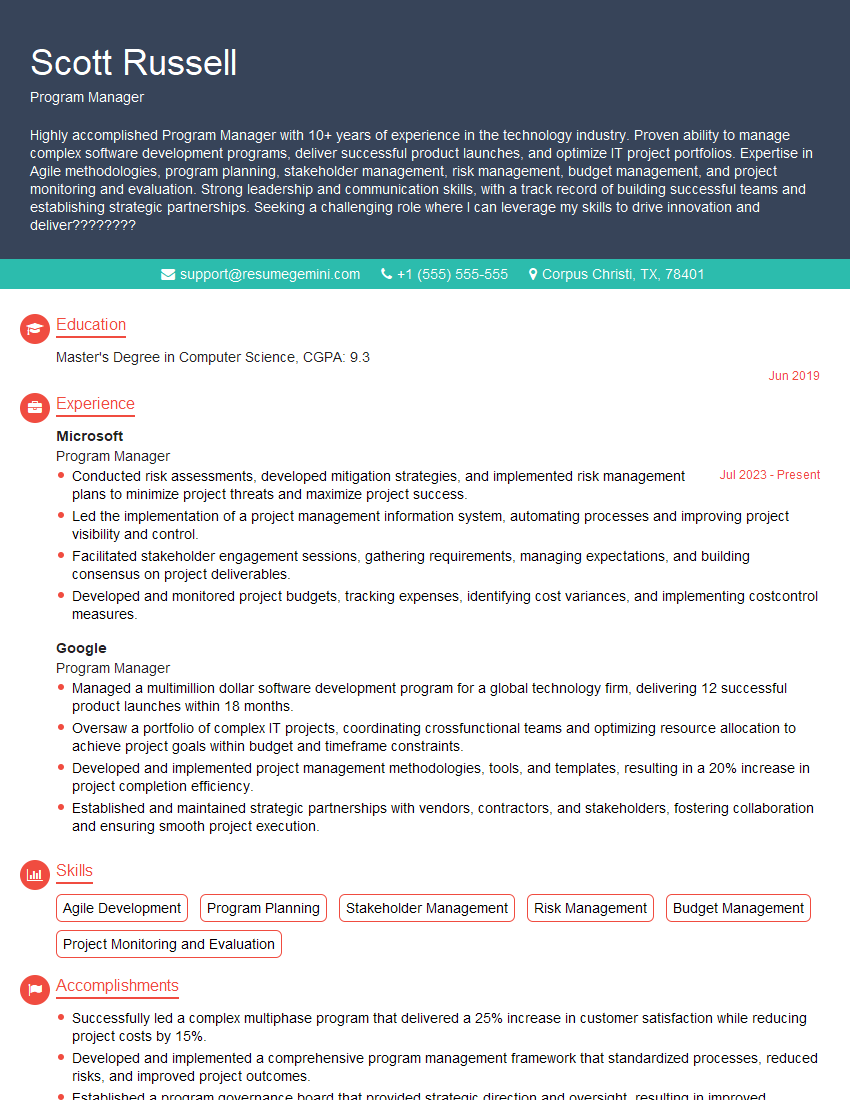
Program Manager Resume Sample
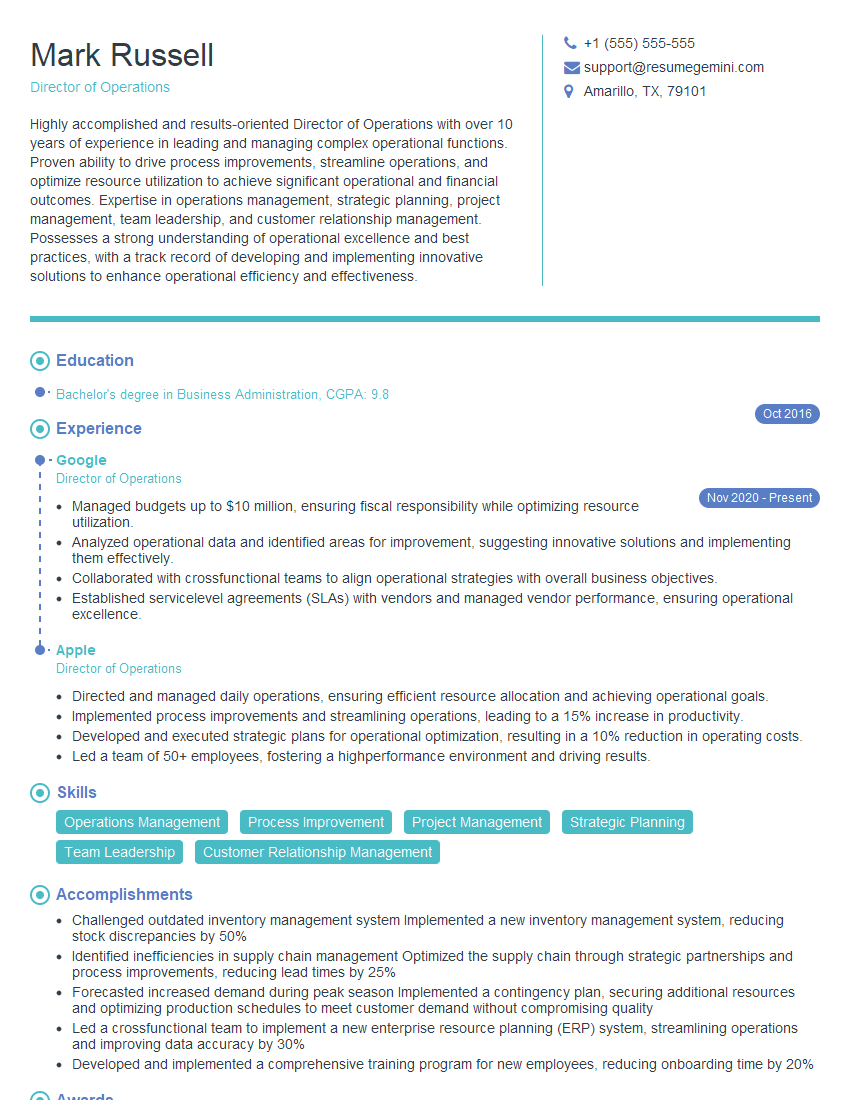
Director of Operations Resume Sample
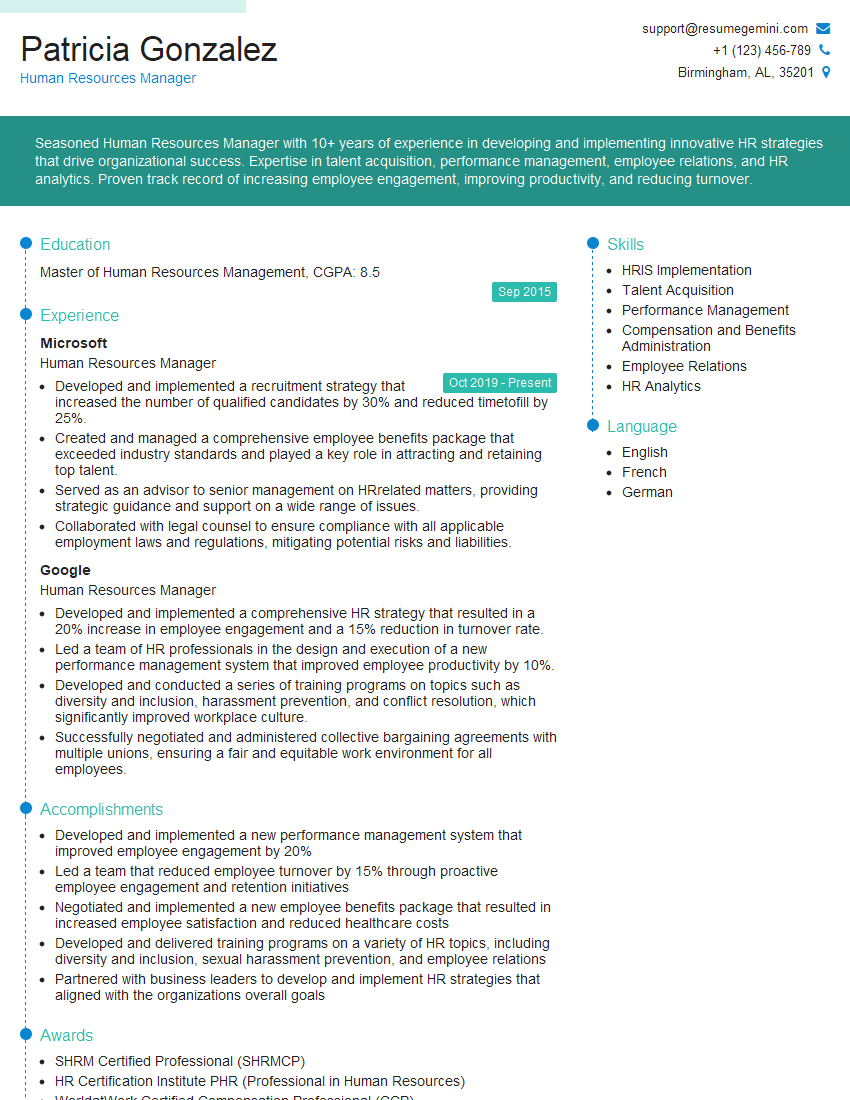
Human Resources Manager Resume Sample
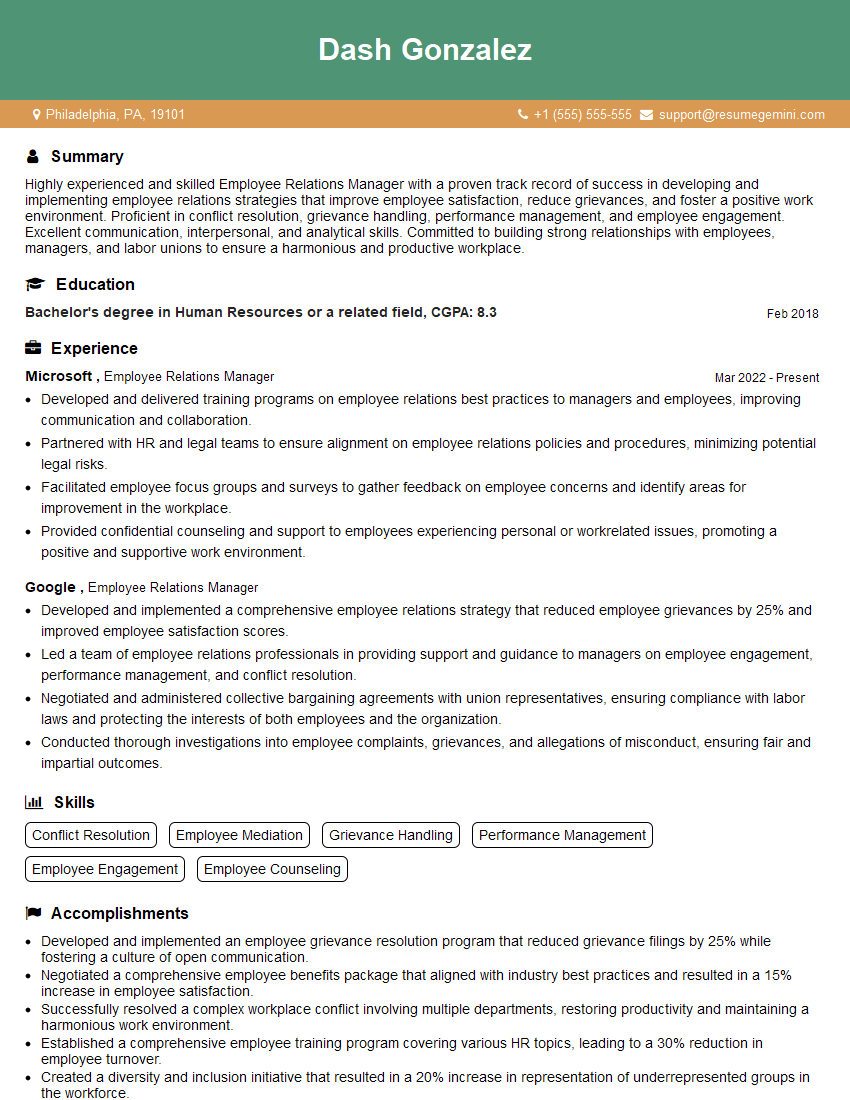
Employee Relations Manager Resume Sample
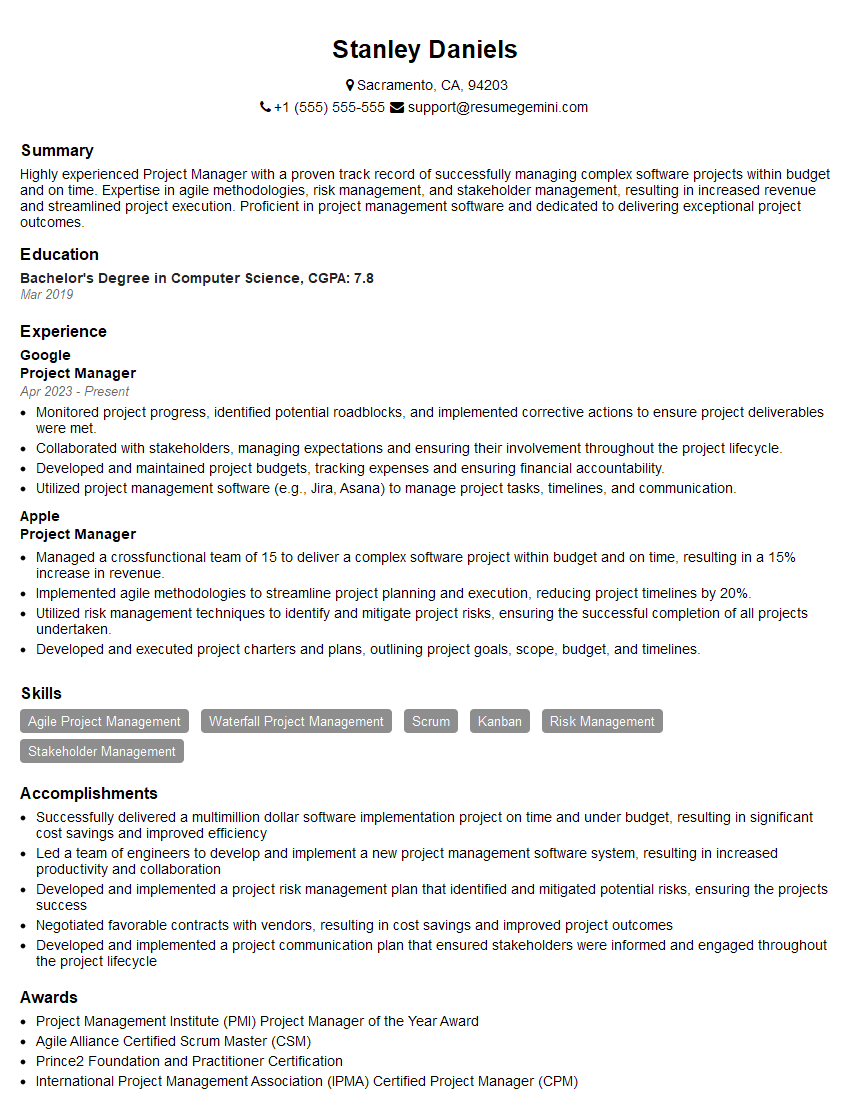
Project Manager Resume Sample
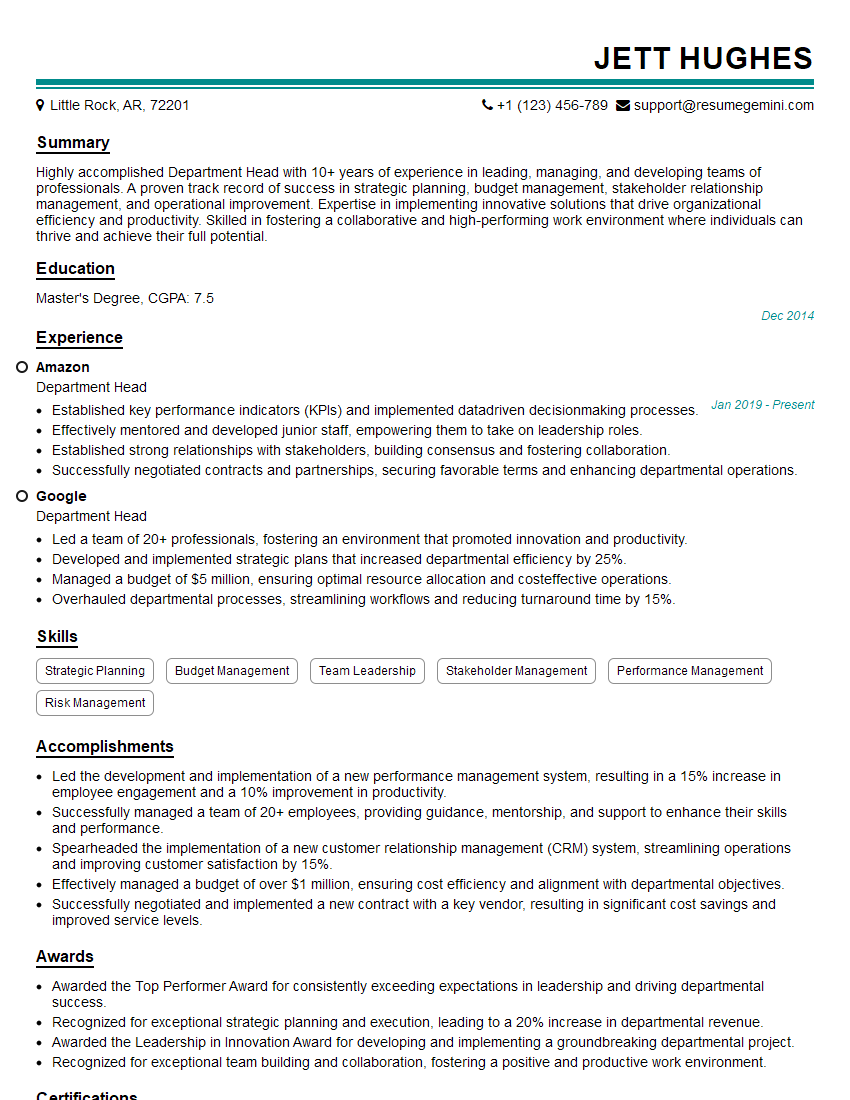
Department Head Resume Sample
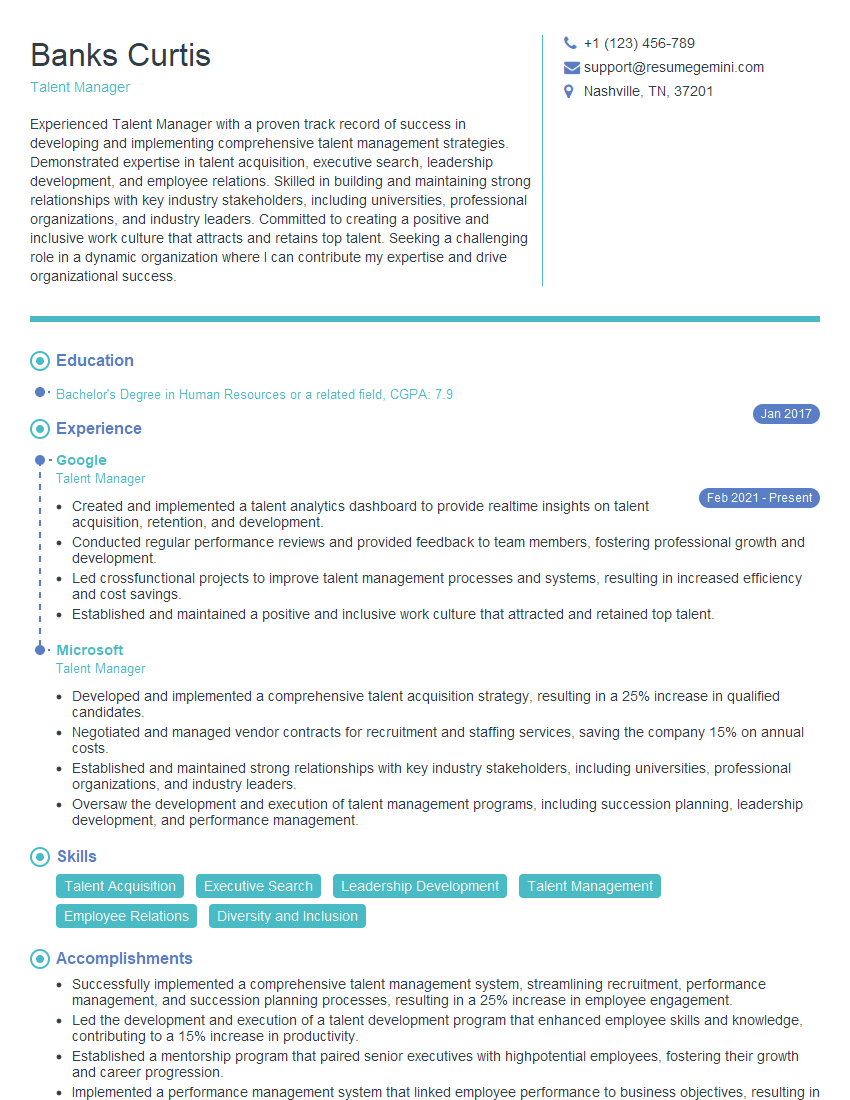
Talent Manager Resume Sample
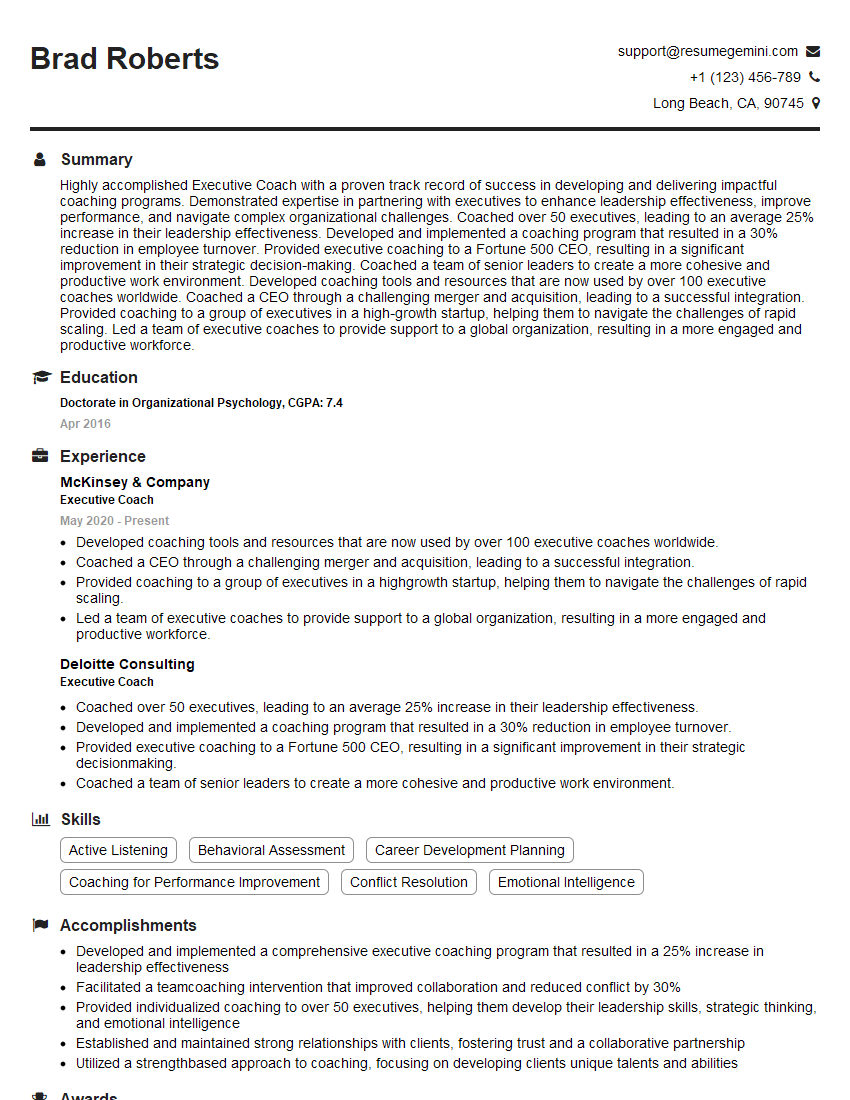
Executive Coach Resume Sample
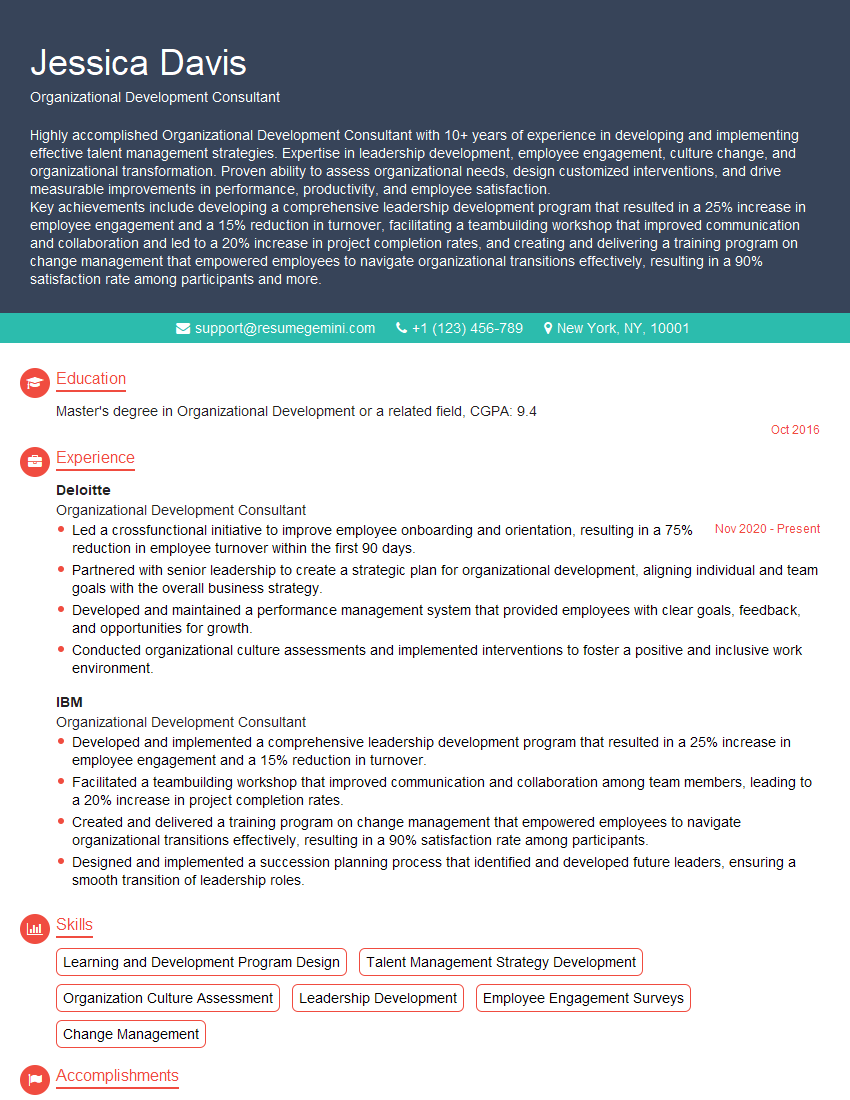
Organizational Development Consultant Resume Sample
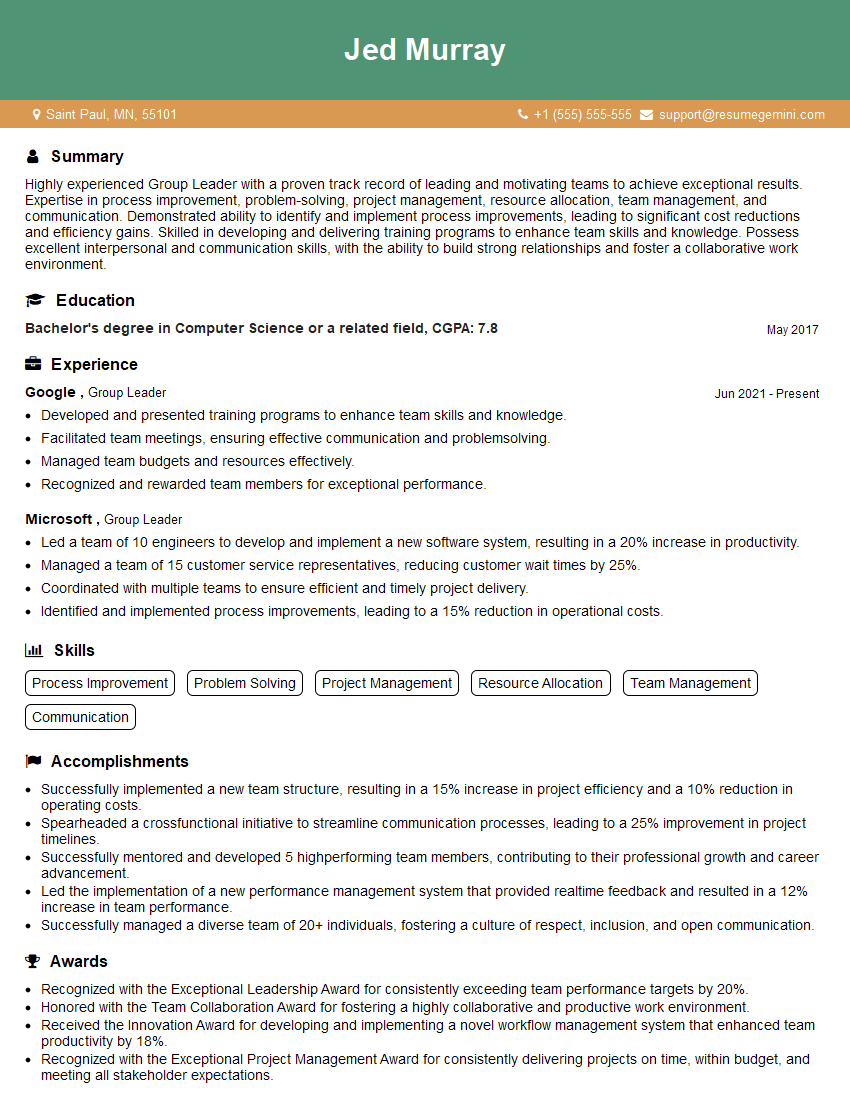
Group Leader Resume Sample
Explore more articles
Users Rating of Our Blogs
Share Your Experience
We value your feedback! Please rate our content and share your thoughts (optional).
What Readers Say About Our Blog
Very informative content, great job.
good