Every successful interview starts with knowing what to expect. In this blog, we’ll take you through the top Team Debriefing interview questions, breaking them down with expert tips to help you deliver impactful answers. Step into your next interview fully prepared and ready to succeed.
Questions Asked in Team Debriefing Interview
Q 1. Describe your preferred method for conducting a team debriefing.
My preferred method for conducting a team debriefing is a structured, yet flexible approach. I begin by setting a clear objective – what specific aspects of the project or event are we reviewing? This could be anything from a recent project launch to a challenging client interaction. Then, I utilize a combination of techniques including a guided discussion, facilitated brainstorming, and sometimes even a quick anonymous feedback round using a digital tool. The key is to create a safe space for open and honest feedback. After initial discussion, I typically summarize key learnings, action points, and assign owners for follow-up. I believe the best method adapts to the context and the team’s specific needs.
For example, after a complex software launch, I might start with a timeline review, highlighting both successes and setbacks. This helps to structure the conversation and identify areas for improvement. If the team is facing a significant challenge, the debriefing might focus on problem-solving and brainstorming potential solutions.
Q 2. What are the key elements of an effective team debriefing?
An effective team debriefing hinges on several key elements. First, it needs a clear purpose – everyone must understand why they are debriefing. Next, it requires active listening and respect for all participants. A facilitator should guide the discussion without interrupting or dominating. Then, constructive feedback is vital – it should focus on behaviors and processes, not personalities. Actionable insights are the ultimate goal; the debriefing shouldn’t just be a recounting of events, but should identify concrete improvements and solutions. Finally, a positive and supportive environment is essential to encourage open communication and participation.
Q 3. How do you ensure all team members actively participate in a debriefing?
Ensuring active participation requires careful planning and facilitation. I utilize several techniques: First, I start by setting ground rules for respectful communication. I utilize techniques like “round-robin” discussions, where each member shares their perspective. I also incorporate visual aids, like a whiteboard or shared online document, to encourage engagement. For quieter members, I may privately ask for their input. I might use open-ended questions that encourage reflection, such as, “What surprised you today?” or “What could we have done differently?” The goal is to create a psychologically safe space where everyone feels comfortable contributing.
For instance, if a team member is consistently silent, I might privately ask them if they’re comfortable sharing, assuring them their feedback is valuable. Alternatively, a quick anonymous poll before the discussion could help uncover underlying issues or concerns.
Q 4. How do you handle disagreements or conflict during a debriefing?
Disagreements are inevitable. My approach is to acknowledge and validate different perspectives. I emphasize that conflict is not inherently negative; it can lead to innovative solutions. I encourage respectful dialogue, using techniques like active listening and paraphrasing to ensure everyone understands each other’s viewpoints. I might use a structured approach to resolve conflicts, such as focusing on the issue rather than the person, identifying common ground, and brainstorming solutions collaboratively. The aim is to find a shared understanding and constructive path forward, not to force consensus.
For example, if two team members have a differing opinion on a specific project decision, I guide the conversation by asking each to explain their reasoning, focusing on the underlying data or rationale. Then, we collaboratively explore options that address the concerns of both individuals.
Q 5. How do you adapt your debriefing approach based on the team’s size and context?
My approach adapts based on the team’s size and context. With smaller teams (under 5 people), a more informal, conversational approach often works well. We might conduct the debriefing spontaneously, immediately after an event. Larger teams require a more structured approach, perhaps with smaller breakout groups to encourage broader participation before a final group discussion. The context also matters. A debriefing after a crisis will differ significantly from one after a routine project update. In crisis situations, the focus might be on immediate lessons learned and rapid response planning. For routine updates, the emphasis might be on continuous improvement and celebrating successes.
Q 6. What techniques do you use to facilitate open and honest communication during a debriefing?
Facilitating open and honest communication involves establishing trust and psychological safety. I start by clearly stating the purpose and emphasizing confidentiality. I use open-ended questions to encourage thoughtful responses rather than simple ‘yes’ or ‘no’ answers. Active listening, paraphrasing, and summarizing what is said ensures understanding and reduces misinterpretations. I employ techniques like ‘appreciative inquiry,’ focusing on what went well before addressing challenges, to build a positive and collaborative tone. I also utilize anonymous feedback mechanisms if needed, to encourage candid responses from those who might be hesitant to speak openly in a group setting.
Q 7. How do you ensure that action items from a debriefing are followed up on?
Following up on action items is crucial to ensure the debriefing’s value. At the end of the debriefing, we clearly identify specific, measurable, achievable, relevant, and time-bound (SMART) action items. Each item is assigned to a specific owner with a clearly defined deadline. I then create a concise, shared document summarizing all action items, owners, and deadlines. I regularly follow up with owners to track progress, offering support as needed. Finally, we revisit the action items in subsequent debriefings to assess progress and identify any roadblocks. This ensures accountability and reinforces the importance of continuous improvement.
For instance, using a project management tool to track the assigned action items and their progress visually can help maintain visibility and accountability among team members.
Q 8. How do you measure the effectiveness of your team debriefings?
Measuring the effectiveness of team debriefings isn’t about a single metric, but rather a holistic assessment. We need to consider both immediate and long-term impacts. Think of it like evaluating a recipe – you look at the immediate taste (immediate impact) and also how well it nourishes you over time (long-term impact).
Immediate Impact: We use feedback surveys immediately following the debriefing to gauge participant satisfaction and perceived value. Did they feel heard? Did they understand the key takeaways? A simple rating scale for aspects like clarity, engagement, and actionability is helpful. We also look for immediate changes in team behaviour – are they applying the discussed improvements?
Long-Term Impact: Tracking key performance indicators (KPIs) related to the debriefing’s focus is crucial. For example, if the debrief was focused on improving patient safety, we’d track incident rates post-debriefing. Similarly, if the focus was on project efficiency, we’d track project completion times and budget adherence. We also conduct follow-up discussions with team members weeks or months later to assess the sustained impact of the debriefing on their work and decision-making.
Qualitative Feedback: Beyond quantitative measures, gathering qualitative feedback – like individual reflections on how the debrief impacted their work and what they learned – is invaluable. This can be done through informal conversations or short written reflections.
By combining these approaches, we build a comprehensive picture of how effectively our debriefings are contributing to team improvement.
Q 9. Describe a time you successfully facilitated a team debriefing that resulted in positive change.
During a complex software rollout, we experienced several unexpected technical glitches. The initial post-launch debrief was tense; team members were pointing fingers and the atmosphere was charged. I used a structured approach to steer the conversation towards a solution-oriented outcome. We began by acknowledging the frustrations and validating everyone’s feelings. Then, I shifted the focus to what went wrong using a structured method, focusing on objective facts rather than assigning blame. We used a ‘5 Whys’ analysis (asking ‘why’ five times to get to the root cause of each problem) for each glitch. This methodical approach helped to defuse the tension and encourage collaborative problem-solving.
The result? We identified three key systemic issues: inadequate testing, poor communication between development and deployment teams, and a lack of contingency planning. These insights formed the basis for actionable steps, including improved testing protocols, enhanced communication channels (using a project management tool with detailed task assignments and progress tracking), and a detailed emergency response plan. In subsequent rollouts, we saw a significant decrease in technical glitches and improved team morale, demonstrating the direct positive impact of that carefully facilitated debriefing.
Q 10. How do you handle sensitive or negative information during a team debriefing?
Handling sensitive or negative information requires a delicate touch and a commitment to psychological safety. The key is to create a space where team members feel comfortable expressing themselves without fear of judgment or reprisal. This involves establishing ground rules upfront, emphasizing confidentiality, and reframing negativity constructively.
Confidentiality and Ground Rules: We explicitly state that all information shared during the debrief remains within the group and is used solely for improvement purposes. We may anonymize sensitive details when sharing broader lessons learned.
Active Listening and Empathy: I create space for team members to share their feelings and perspectives, even if negative, by using active listening techniques and demonstrating empathy. This ensures that everyone feels heard and understood.
Focus on Solutions: While acknowledging the negative experiences, we swiftly transition the conversation to focus on learning from mistakes and implementing solutions rather than dwelling on blame. This helps prevent defensiveness and fosters a collaborative problem-solving approach.
Follow-up Support: If individuals require additional support following the debrief, we ensure they have access to appropriate resources (such as HR, mental health professionals, or leadership). The aim is to facilitate both professional growth and personal wellbeing.
Q 11. What are some common pitfalls to avoid during a team debriefing?
Common pitfalls in team debriefings can derail the entire process and prevent meaningful learning. Avoiding these pitfalls is crucial for successful debriefs.
Lack of Structure: Debriefings without a clear agenda or defined process can become rambling and unproductive. This leads to wasted time and missed opportunities for learning.
Dominating Individuals: One or two individuals might dominate the conversation, silencing others and hindering diverse perspectives.
Blame Culture: A focus on assigning blame rather than identifying root causes stifles learning and creates defensiveness.
Lack of Actionable Outcomes: If the debrief doesn’t lead to specific actions and improvements, it becomes a pointless exercise.
Insufficient Time Allocation: Rushing through a debriefing will limit in-depth discussion and prevent thorough analysis of events.
By proactively addressing these pitfalls through careful planning and facilitation, we can ensure that our debriefings are highly effective.
Q 12. How do you incorporate lessons learned from previous debriefings into future sessions?
Incorporating lessons from past debriefings is vital for continuous improvement. We maintain a centralized repository of all debriefing notes and action items, often using a shared document or project management software. This serves as a living knowledge base.
Regular Review: We review past debriefings at regular intervals to identify recurring themes, successful strategies, and areas for ongoing improvement. This might be a monthly review or integrated into a quarterly performance review.
Action Item Tracking: We carefully track the implementation and effectiveness of action items from previous debriefings. This helps us gauge the long-term impact of our efforts and identify any gaps in implementation.
Template and Process Refinement: We regularly revisit and refine our debriefing templates and processes based on our experiences. This iterative approach ensures that our debriefings remain relevant, efficient, and effective.
By using this system, we ensure that our team learns from its past experiences, preventing the repetition of mistakes and building a culture of continuous improvement.
Q 13. What are your preferred methods for documenting the key findings from a debriefing?
Documenting key findings is crucial for preserving knowledge and driving action. Our preferred methods depend on the context and team size, but generally involve a combination of approaches.
Meeting Minutes: We use detailed meeting minutes that capture key discussion points, decisions made, and assigned action items. These minutes are distributed to all participants for review and validation.
Action Item Tracker: A dedicated action item tracker, either within the meeting minutes or a separate system, ensures clear accountability and progress monitoring. This often includes assigning owners, deadlines, and status updates.
Visual Aids: Using visual aids like flowcharts, diagrams, or mind maps can make complex information easier to understand and retain. This is especially valuable for technical debriefs.
Short Summary Document: For broader dissemination, we might create a concise summary document highlighting key findings and recommendations for broader leadership or relevant stakeholders.
The key is to choose methods that are accessible, easily understandable, and facilitate action. We strive for conciseness and clarity in our documentation to ensure maximum impact.
Q 14. How do you manage the time constraints of a team debriefing?
Time management is paramount in effective debriefings. We address this through careful planning and facilitation.
Pre-Debrief Preparation: We prepare a clear agenda, outlining topics for discussion and allocating specific time slots for each. This helps keep the debrief focused and on track.
Timeboxing: Each agenda item has a pre-determined time limit, with a facilitator ensuring adherence to the schedule. This helps prevent any one topic from dominating the discussion.
Prioritization: We prioritize discussion topics based on their importance and potential impact. Less critical items might be deferred to future meetings.
Summarization and Action Planning: The facilitator summarizes key findings and actionable steps towards the end of the session to ensure that everyone understands the next steps.
Follow-up Communication: Any discussion points not covered within the allotted time are addressed through a concise follow-up email or document.
By employing these strategies, we can conduct efficient and effective debriefings that deliver maximum value without sacrificing time.
Q 15. How do you ensure the debriefing remains focused on the objectives?
Keeping a debrief focused requires careful planning and facilitation. Before the debrief even starts, I define clear objectives – what specific questions need answering? What key performance indicators (KPIs) will we evaluate? This creates a roadmap. During the debrief, I use this roadmap to guide the discussion. I actively steer conversations back to the objectives if they stray, using phrases like, “That’s an interesting point, but let’s focus on how that impacted our primary objective of [state the objective].” I also utilize a visual aid, like a whiteboard or shared document, to keep everyone focused on the key themes. This ensures we’re not getting bogged down in tangential discussions and maximizes the value of the debriefing time.
Career Expert Tips:
- Ace those interviews! Prepare effectively by reviewing the Top 50 Most Common Interview Questions on ResumeGemini.
- Navigate your job search with confidence! Explore a wide range of Career Tips on ResumeGemini. Learn about common challenges and recommendations to overcome them.
- Craft the perfect resume! Master the Art of Resume Writing with ResumeGemini’s guide. Showcase your unique qualifications and achievements effectively.
- Don’t miss out on holiday savings! Build your dream resume with ResumeGemini’s ATS optimized templates.
Q 16. How do you balance the need for thorough analysis with the need to keep the debrief concise?
Balancing thoroughness and brevity is a crucial skill. I achieve this by employing a structured approach. We begin with a high-level summary of the key events, then delve deeper into specific aspects as needed. I use timeboxing for each discussion point to prevent any single topic from dominating the conversation. For instance, we might allocate 10 minutes to discuss successes and 15 minutes to analyze failures. Furthermore, I encourage the team to prioritize issues – which ones had the greatest impact on achieving our objectives? This helps filter out less significant details, improving efficiency without sacrificing essential analysis. Finally, I circulate a pre-debrief questionnaire to gather initial thoughts and highlight key areas for discussion, optimizing our time during the actual debrief.
Q 17. How do you deal with team members who are reluctant to participate in a debriefing?
Reluctant participation is a common challenge. My approach is to understand the root cause. Is it fear of criticism, lack of time, or simply a feeling of irrelevance? I address these concerns individually and privately, creating a safe space for open communication. I emphasize the importance of their input and frame the debrief as a collaborative learning opportunity, not a blame-game. I might offer alternative participation methods, such as submitting written reflections beforehand or contributing asynchronously through a shared document. Sometimes, simply showing appreciation for their efforts and highlighting the value of their perspective can encourage engagement. If reluctance persists despite these efforts, I might need to escalate the issue to their manager to address underlying concerns.
Q 18. Describe a time when a team debriefing failed to achieve its objectives. What went wrong, and how would you approach it differently next time?
In a past project, a debrief following a failed product launch was ineffective due to a lack of clear structure and a defensive atmosphere. The focus quickly shifted to assigning blame rather than analyzing root causes. We didn’t use any visual aids, leading to a disorganized and confusing discussion. Next time, I would implement several changes. Firstly, I would establish ground rules emphasizing constructive feedback and collaborative problem-solving. Secondly, I would use a structured framework like the 5 Whys to systematically identify the root cause of the failure. Finally, I would use a visual tool to document our findings and action items, turning the debrief into a valuable learning experience instead of a blame-fest.
Q 19. What are some innovative techniques you’ve used to improve team debriefing effectiveness?
To enhance effectiveness, I’ve introduced several innovative techniques. One is the use of “After-Action Reviews” (AARs), a structured process emphasizing what worked, what didn’t, and what can be improved. I also integrate gamification elements, such as awarding points for insightful contributions, to encourage participation and make the debrief more engaging. Another technique involves incorporating role-playing to explore different perspectives and potential solutions to challenges encountered. Furthermore, I sometimes use short videos or photos captured during the operation to refresh memories and trigger richer discussions. These diverse approaches cater to various learning styles and significantly improve the quality and impact of our debriefs.
Q 20. How do you tailor your debriefing questions to elicit specific information?
Tailoring questions is critical for eliciting specific information. Instead of broad, open-ended questions, I use targeted questions that guide the discussion towards desired outcomes. For example, instead of asking, “How did the launch go?”, I’d ask, “What were the three biggest challenges we faced during the product launch, and what specifically caused each one?” or “What specific actions led to exceeding our target customer acquisition rate?” I also employ the STAR method (Situation, Task, Action, Result) to encourage detailed and specific responses focusing on concrete actions and their outcomes. This structured questioning ensures we gather actionable insights rather than vague generalizations.
Q 21. What software or tools do you find helpful for facilitating team debriefings?
Several tools facilitate effective team debriefings. Collaboration platforms like Microsoft Teams or Google Workspace allow for asynchronous participation and document sharing, extending the debrief beyond the meeting itself. Mind-mapping software, like MindManager or XMind, helps visualize connections between different aspects of the event. Whiteboarding tools, like Miro or Mural, are useful for collaborative brainstorming and problem-solving. Finally, survey tools like SurveyMonkey or Google Forms are excellent for collecting pre- and post-debrief feedback to assess the effectiveness of the process itself and drive continuous improvement.
Q 22. How do you ensure that debriefings are inclusive and accessible to all team members?
Ensuring inclusive and accessible debriefings requires proactive planning and consideration. It’s not just about inviting everyone; it’s about creating an environment where everyone feels comfortable contributing.
- Accessibility: I always consider potential accessibility needs. This includes providing materials in alternative formats (e.g., large print, audio), ensuring the meeting location is physically accessible, and using clear, concise language avoiding jargon. If a team member has a hearing impairment, for example, I’d arrange for sign language interpretation or real-time captioning.
- Psychological Safety: Building a culture of psychological safety is crucial. This means fostering an environment where team members feel safe to express their opinions, even if they differ from the majority. I explicitly state that all opinions are valued and that mistakes are learning opportunities. I might start by asking open-ended questions, like ‘What were your biggest challenges?’ or ‘What went particularly well?’ rather than directly asking for fault-finding.
- Diverse Participation: I employ strategies to encourage participation from all team members. This includes using a variety of techniques – round-robin feedback, breakout sessions for smaller group discussions, anonymous feedback forms – to ensure that quieter or less assertive individuals have an opportunity to share their insights. I actively listen and make sure everyone has a chance to speak without interruption.
- Language and Culture: When working with diverse teams, I’m mindful of cultural nuances and language barriers. I might use visual aids, translate key terms, or have someone translate in real-time. It’s crucial to respect individual communication styles and allow for sufficient time for translation or clarification, if necessary.
Q 23. How do you incorporate feedback from team members to improve future debriefings?
Feedback is essential for continuous improvement. I actively solicit and incorporate feedback after every debriefing to refine the process and make it more effective.
- Formal Feedback Mechanisms: I utilize short, anonymous surveys or feedback forms to gather quantitative and qualitative data. Questions might include: ‘What aspects of the debrief were most useful?’, ‘What could be improved?’, and ‘What suggestions do you have for future debriefings?’.
- Informal Feedback: I make it a point to have informal conversations with team members individually, offering opportunities for them to share their thoughts and experiences. This allows for more nuanced feedback and deeper understanding of concerns.
- Actionable Steps: I don’t just gather feedback; I analyze it to identify recurring themes and areas for improvement. Based on this analysis, I create an action plan to address the feedback. For example, if several team members mention the debriefs running too long, I’d implement time management strategies like setting a clear agenda and sticking to it.
- Transparency and Follow-up: After reviewing feedback, I share the key insights and planned actions with the team to demonstrate transparency and show that their feedback is valued. I will then follow up on the implemented changes in subsequent debriefings and solicit feedback again to assess their effectiveness.
Q 24. How do you balance the immediate needs of the team with the long-term goals of the organization in a debriefing?
Balancing immediate needs with long-term goals in a debriefing requires a strategic approach that integrates both perspectives.
- Prioritization: I start by clearly defining the purpose of the debriefing. This establishes a framework for prioritizing discussion topics. For instance, a post-incident debrief will prioritize immediate actions to prevent recurrence, while a project review will focus on lessons learned and long-term improvements.
- Connecting Immediate Actions to Long-Term Goals: I explicitly link immediate actions to the broader strategic objectives. For example, while discussing a recent project’s challenges, we’d explore how addressing these challenges can lead to improved efficiency and reduced costs, directly aligning with organizational goals.
- Actionable Insights: I aim to ensure the debriefing generates not just retrospective analysis but actionable steps. These steps will solve the immediate problems while simultaneously contributing towards long-term improvements. For instance, addressing a communication breakdown by implementing a new communication protocol serves both immediate and long-term improvements.
- Documentation and Tracking: Key decisions, action items, and assigned responsibilities from the debrief are documented and tracked. This creates accountability and ensures the debriefing’s outcomes are integrated into ongoing processes and contribute to the organization’s longer-term goals.
Q 25. Describe your experience with different debriefing formats (e.g., formal meetings, informal conversations).
My experience encompasses a variety of debriefing formats, each suited for different contexts.
- Formal Meetings: These are structured sessions with a predetermined agenda, minutes, and assigned action items. I use this for significant events like project closures or major incidents, ensuring thorough documentation and follow-up.
- Informal Conversations: These are more spontaneous discussions that can take place in various settings. They are ideal for quickly addressing smaller issues or providing immediate feedback and are more conducive to casual idea exchange. I frequently utilize informal conversations to facilitate team bonding and build trust.
- Hybrid Approaches: I sometimes combine formal and informal approaches. A formal meeting might be followed by smaller breakout sessions for more detailed discussions and informal feedback. This approach balances structured discussion with opportunities for team members to build rapport and share less structured perspectives.
- Digital Tools: I leverage digital tools, such as collaborative platforms or project management software, to enhance debriefing efficiency and accessibility. This allows for asynchronous participation and centralized record-keeping, ensuring all team members can easily access and contribute to the debrief regardless of location or time constraints.
The choice of format depends entirely on the context, team size, the complexity of the issue, and the desired outcome. My aim is always to select the format that best promotes open communication and effective problem-solving.
Q 26. What are the ethical considerations you keep in mind during team debriefings?
Ethical considerations are paramount in team debriefings. It’s vital to maintain confidentiality, fairness, and respect for all participants.
- Confidentiality: I ensure that information shared during debriefings remains confidential unless disclosure is legally required or necessary to address safety concerns. This creates trust and encourages open communication.
- Fairness and Impartiality: I strive to conduct debriefings impartially, avoiding bias or judgment. The goal is to identify and analyze situations objectively, focusing on learning and improvement rather than assigning blame.
- Respect for Individuals: I actively listen to and respect each individual’s perspectives, even if they differ from my own. I create a safe space for vulnerability and ensure that no one is subjected to shaming or harassment.
- Data Privacy: When using digital tools or collecting data during debriefings, I strictly adhere to data privacy regulations and best practices, ensuring the protection of sensitive information.
- Transparency and Accountability: I am transparent about the purpose and process of the debriefing and ensure that any actions arising from it are documented, communicated clearly, and implemented transparently.
Q 27. How do you adapt your communication style to ensure effective debriefing across different personalities and communication styles?
Adapting communication style is essential for effective debriefing across diverse personalities and communication preferences.
- Active Listening: I pay close attention not only to what is being said, but also to how it is being said. This includes non-verbal cues, body language, and tone of voice.
- Tailoring Language: I adapt my language to match the audience’s communication style. With some, a more formal, direct approach may be appropriate; with others, a more informal, conversational style may be more effective.
- Visual Aids: Using visual aids such as diagrams, charts, or mind maps can enhance understanding, particularly for visual learners.
- Different Communication Channels: I choose the appropriate communication channel – face-to-face, video conferencing, or email – based on the context and the team’s preference. For instance, a quick update might be best via email, while a complex discussion would benefit from a face-to-face meeting.
- Feedback and Adjustments: I actively seek feedback on my communication style and make adjustments as needed to ensure effective communication and participation from all members. I might explicitly ask ‘Is there anything I can do differently to make this debrief more productive?’
Key Topics to Learn for Team Debriefing Interviews
- Defining Effective Debriefing: Understand the purpose and goals of a team debriefing session, encompassing both successes and areas for improvement. Consider different debriefing methodologies.
- Facilitating Productive Discussions: Learn techniques for guiding a team through a constructive debrief, encouraging open communication and active listening from all participants. Practice active listening skills and conflict resolution strategies.
- Identifying Key Insights and Actionable Steps: Master the art of extracting valuable lessons learned from a project or task. Focus on translating insights into concrete, actionable steps for future projects. This includes identifying trends and patterns.
- Utilizing Different Debriefing Frameworks: Explore various structured approaches to debriefing, such as the After-Action Review (AAR) method or other established frameworks. Understand their strengths and weaknesses in different contexts.
- Measuring the Effectiveness of Debriefing: Learn how to assess the impact of your debriefing sessions, identifying metrics for evaluating success and areas needing adjustment. How do you know if the debrief was successful?
- Adapting Debriefing to Different Team Dynamics: Understand how to tailor your debriefing approach based on team size, personalities, and project complexities. Consider cultural nuances and communication styles.
- Documenting and Sharing Debrief Outcomes: Learn best practices for recording and disseminating key findings from debrief sessions to ensure organizational learning and future improvements.
Next Steps
Mastering team debriefing skills is crucial for career advancement, demonstrating your ability to contribute to organizational learning and continuous improvement. A strong understanding of these concepts showcases your leadership potential and commitment to team success. To significantly boost your job prospects, create an ATS-friendly resume that highlights these skills effectively. ResumeGemini is a trusted resource for building professional, impactful resumes. We provide examples of resumes tailored to Team Debriefing to help you showcase your expertise – use them as inspiration to craft your own compelling application!
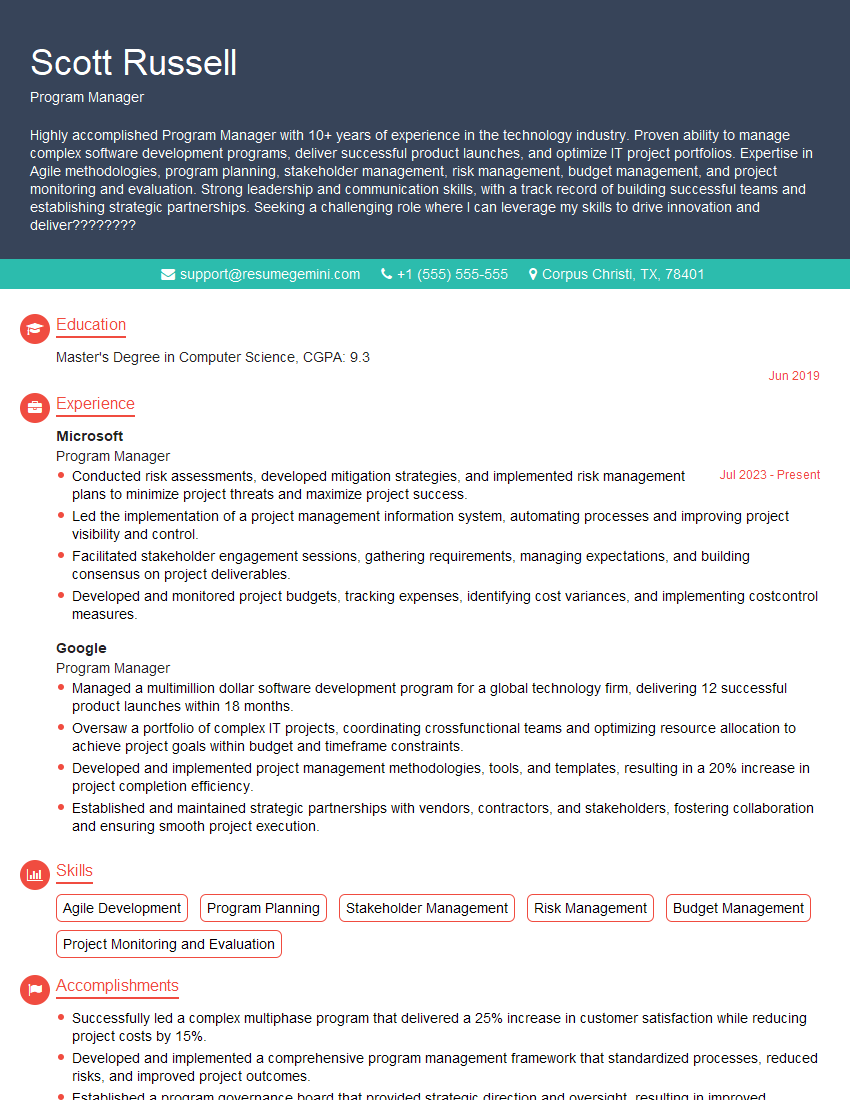
Program Manager Resume Sample
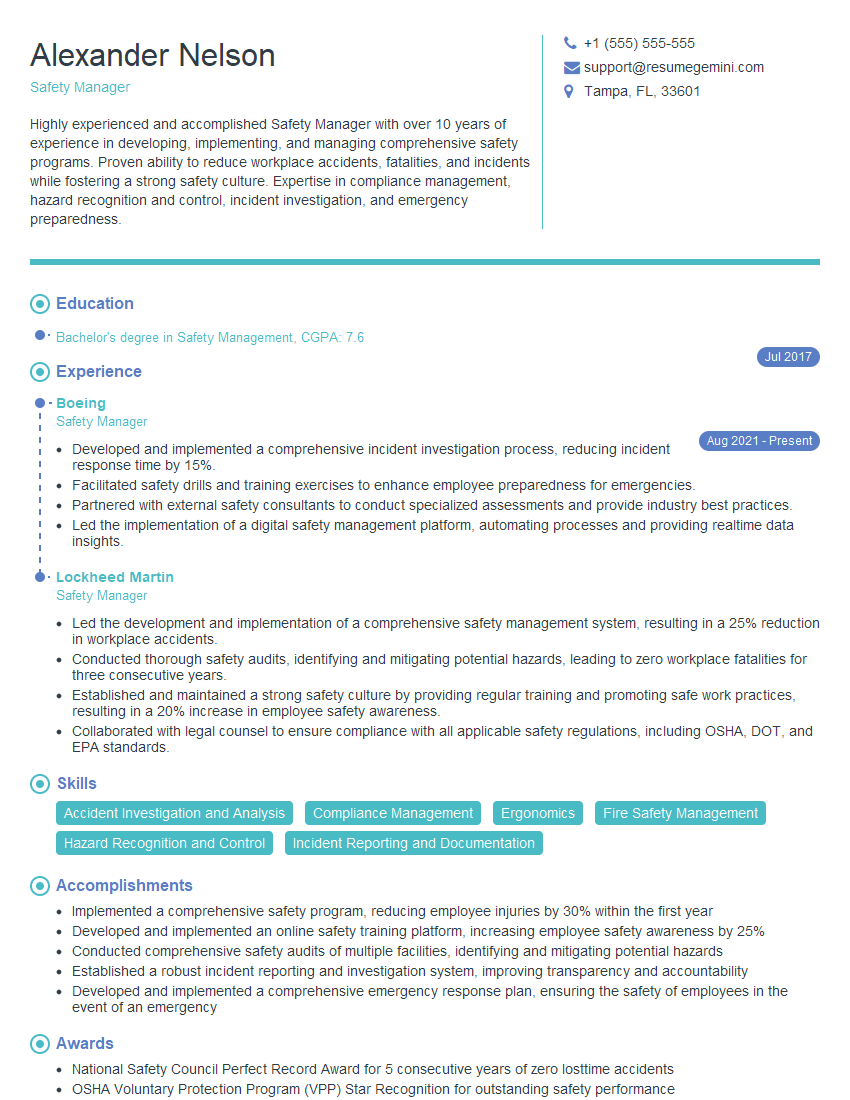
Safety Manager Resume Sample

Operations Manager Resume Sample
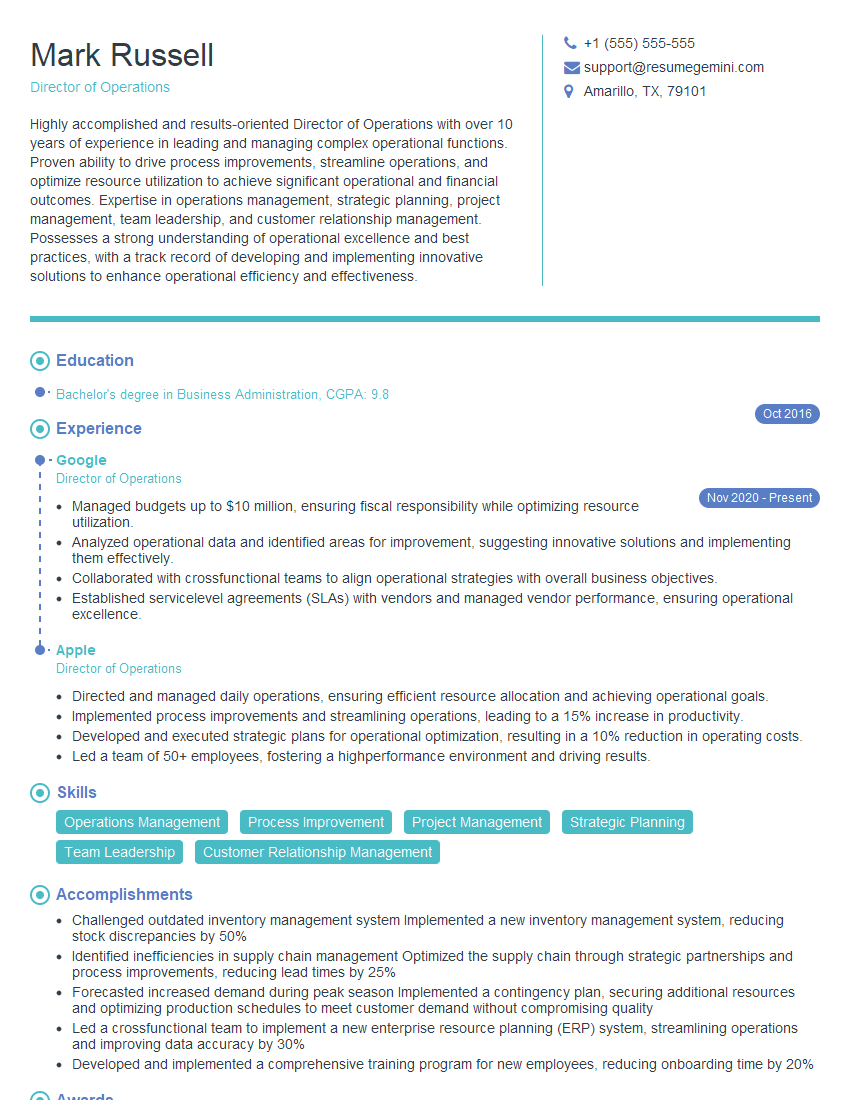
Director of Operations Resume Sample
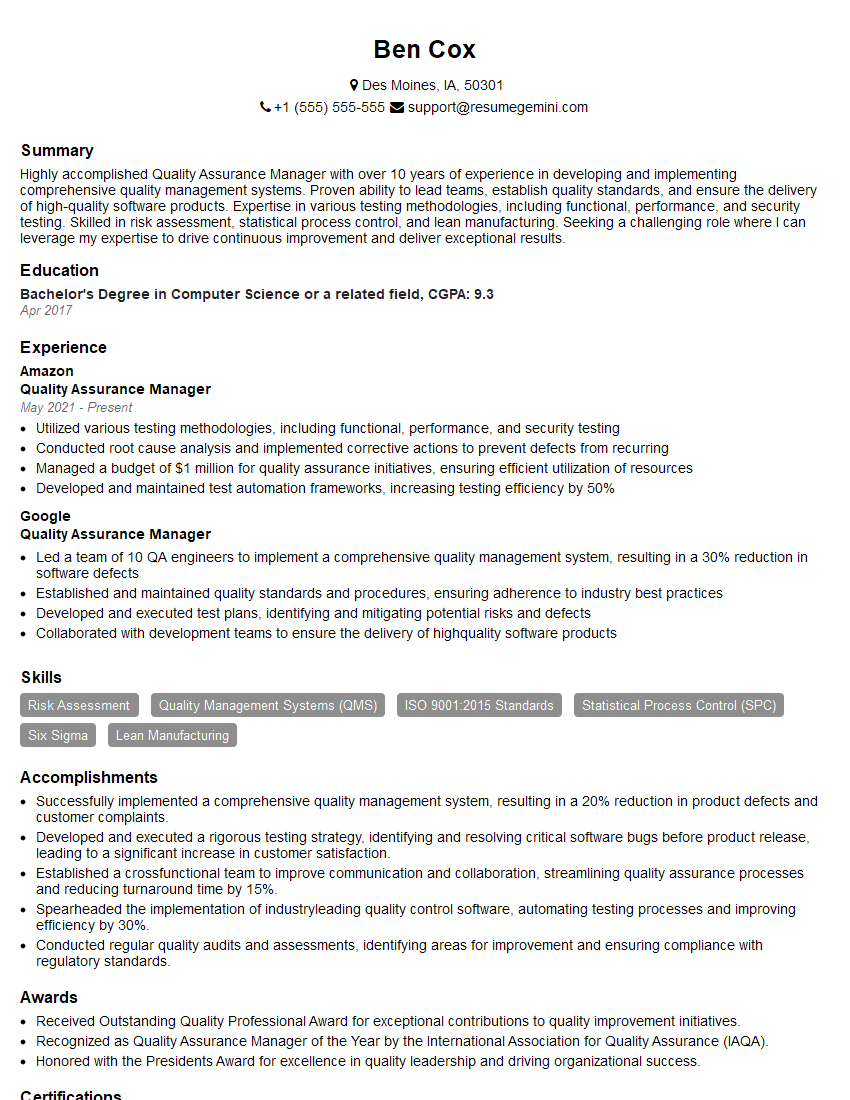
Quality Assurance Manager Resume Sample
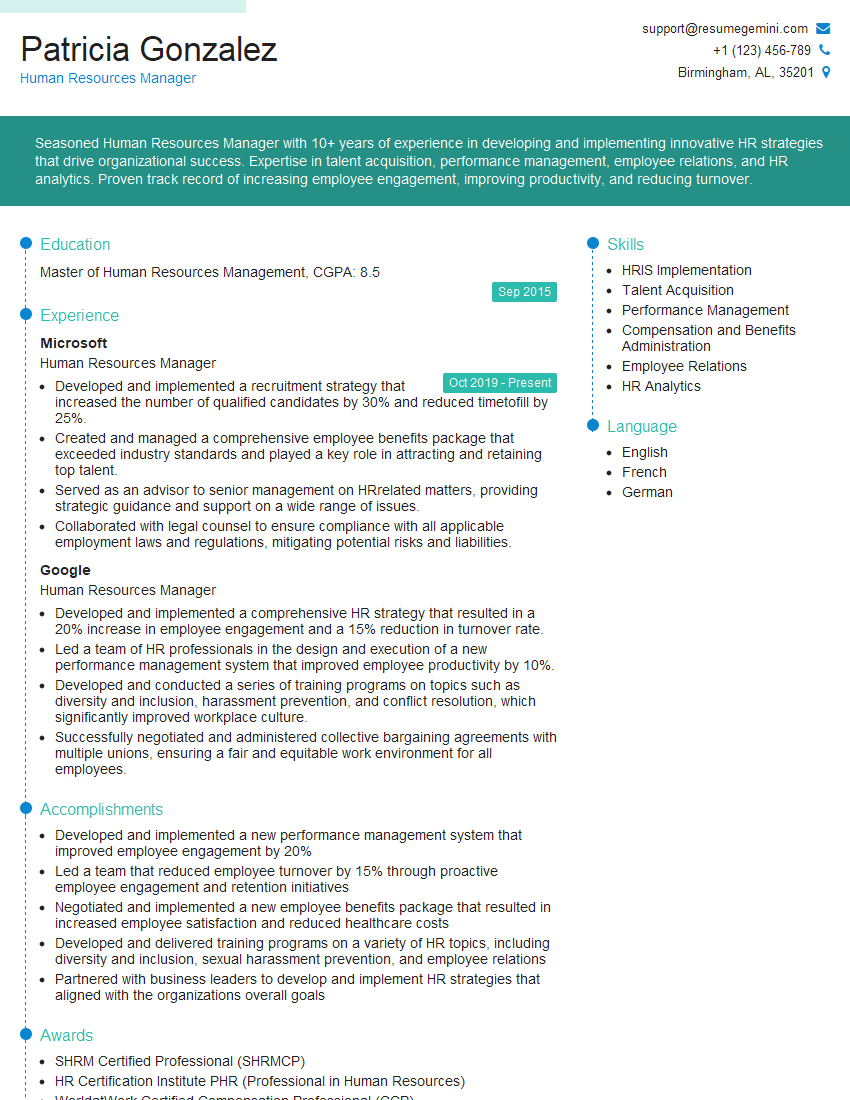
Human Resources Manager Resume Sample
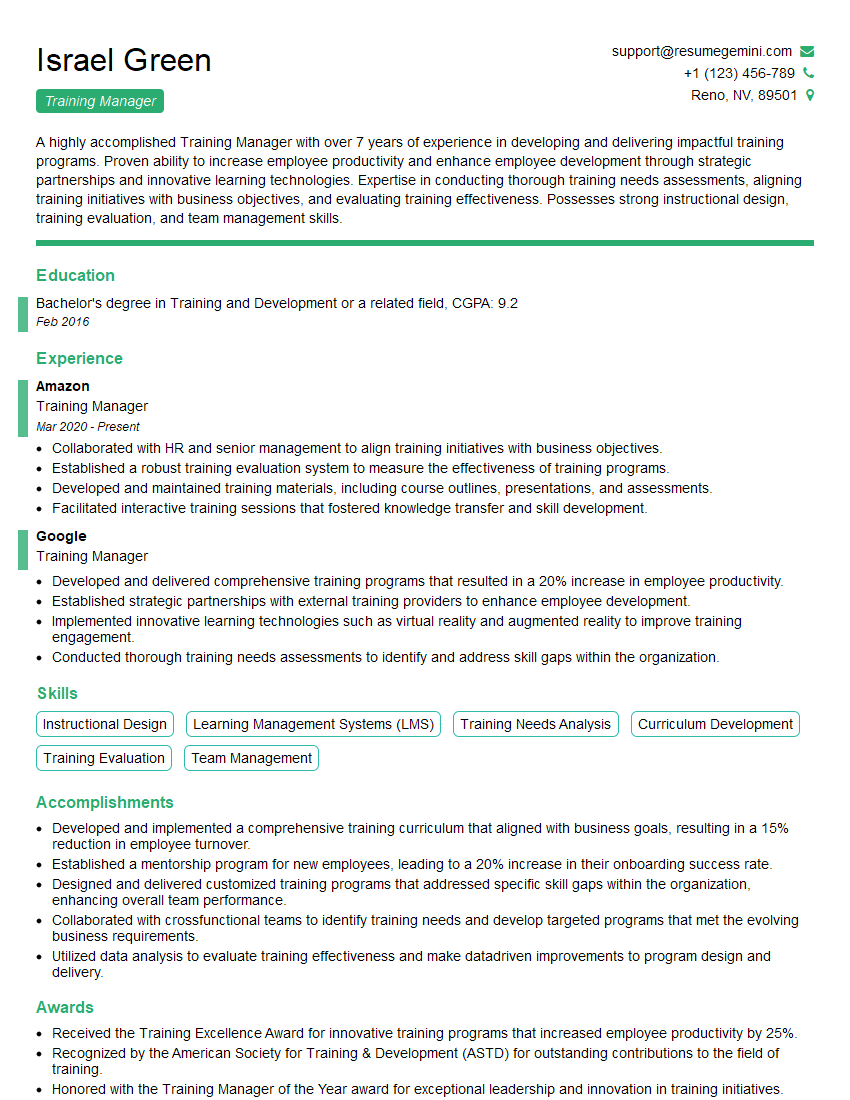
Training Manager Resume Sample

Project Manager Resume Sample

Compliance Officer Resume Sample
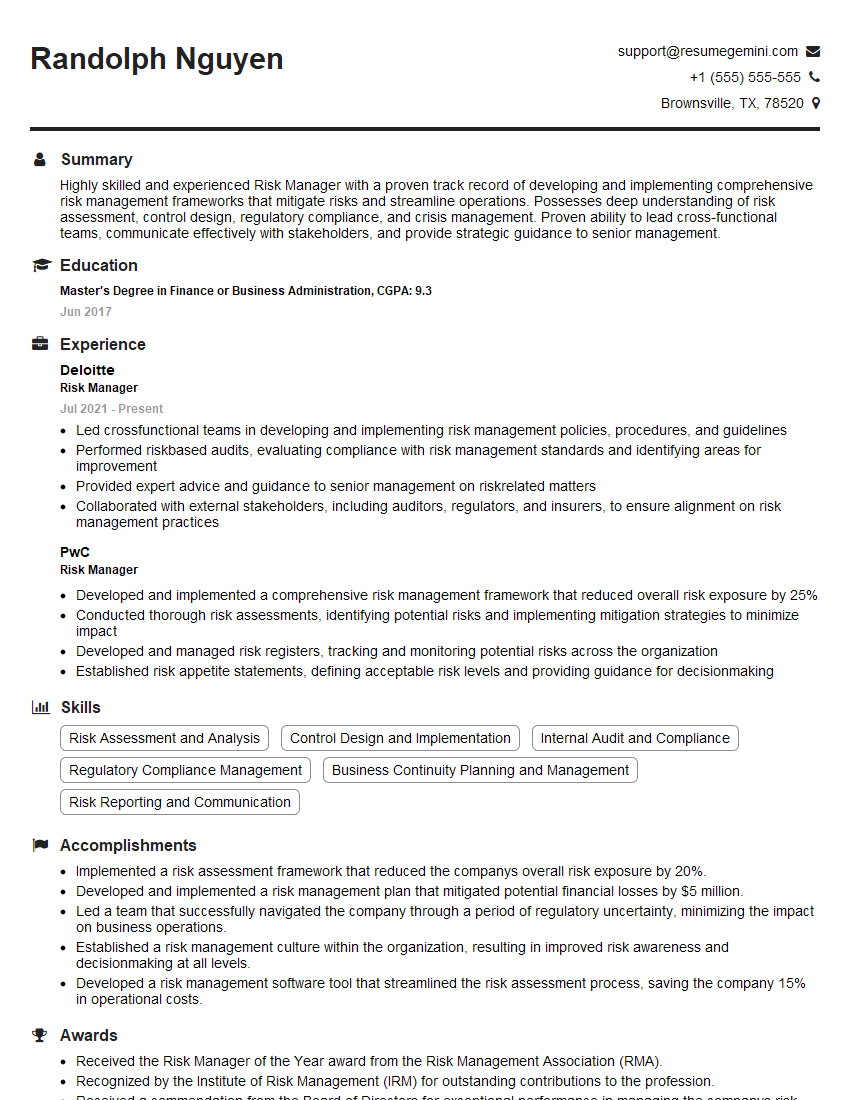
Risk Manager Resume Sample
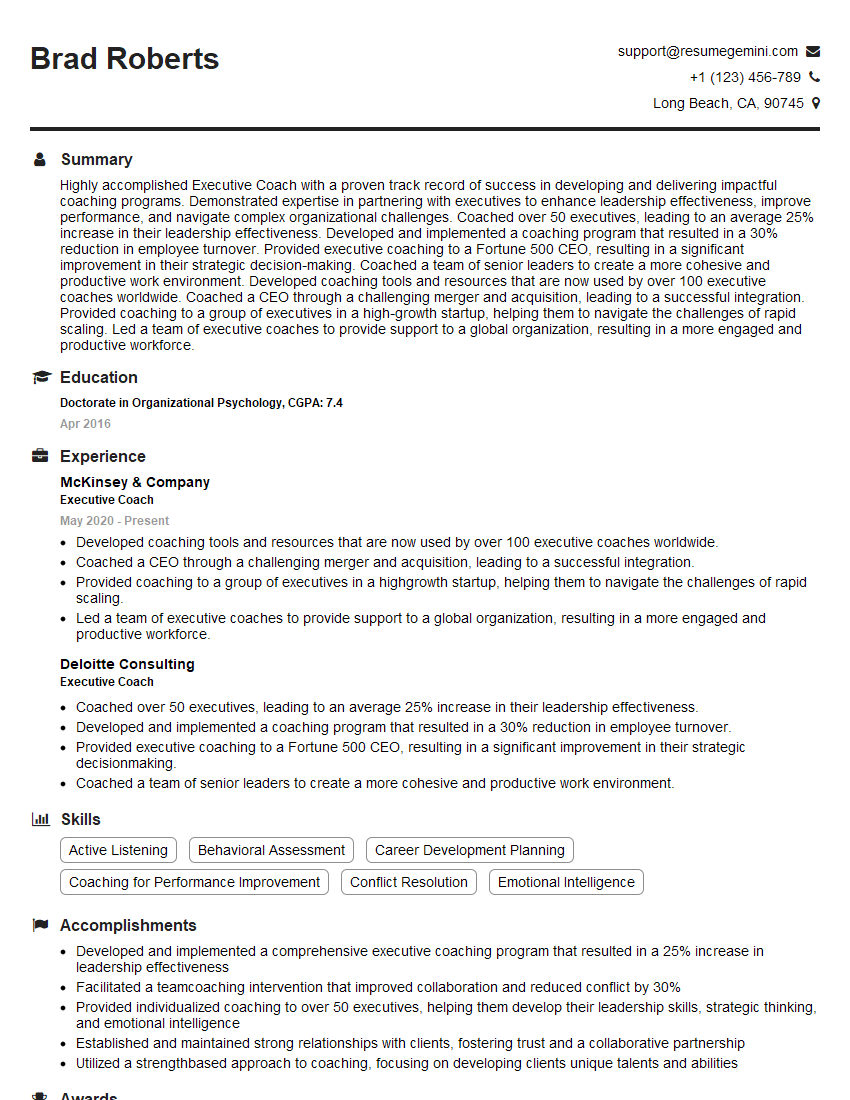
Executive Coach Resume Sample
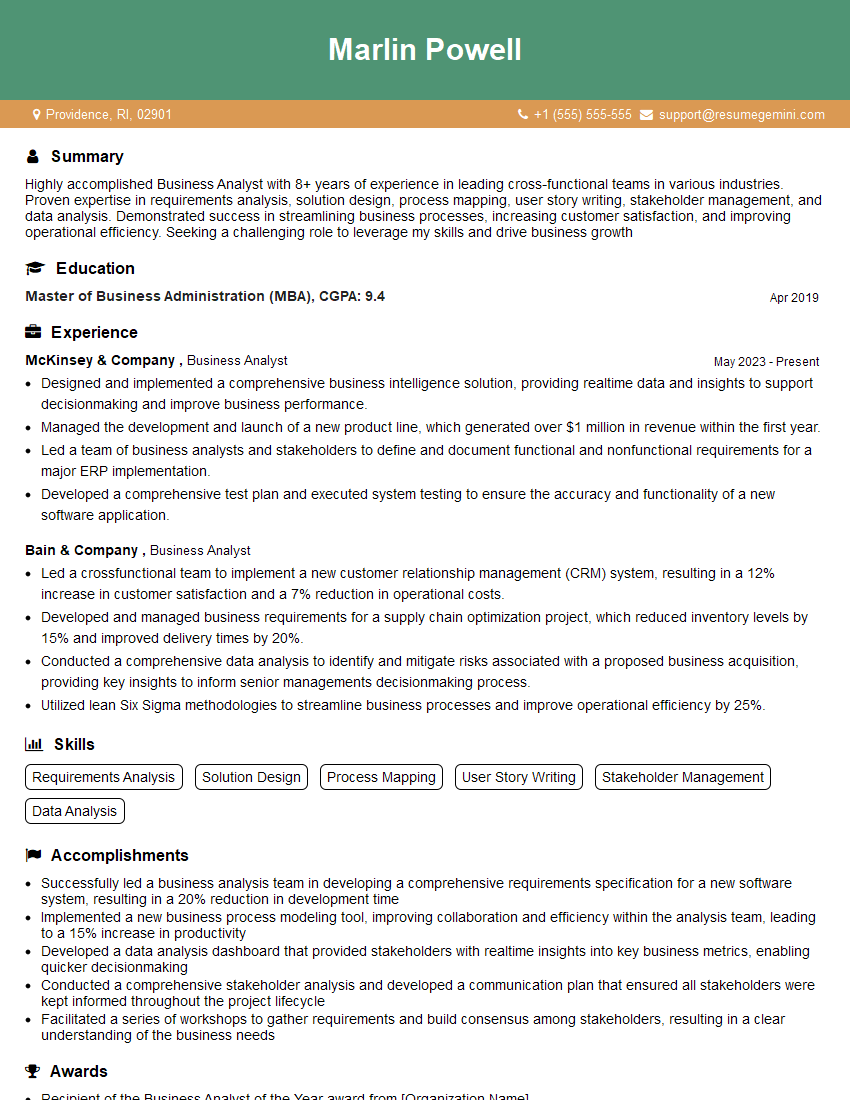
Business Analyst Resume Sample
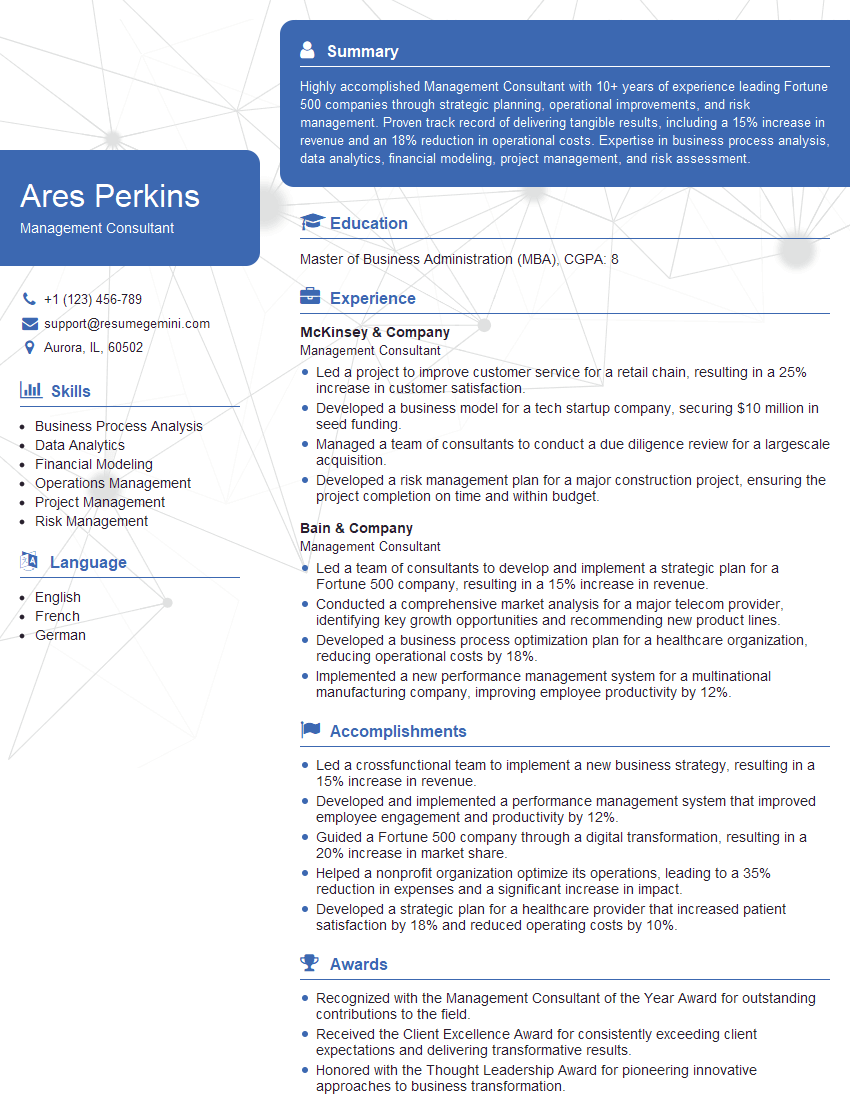
Management Consultant Resume Sample
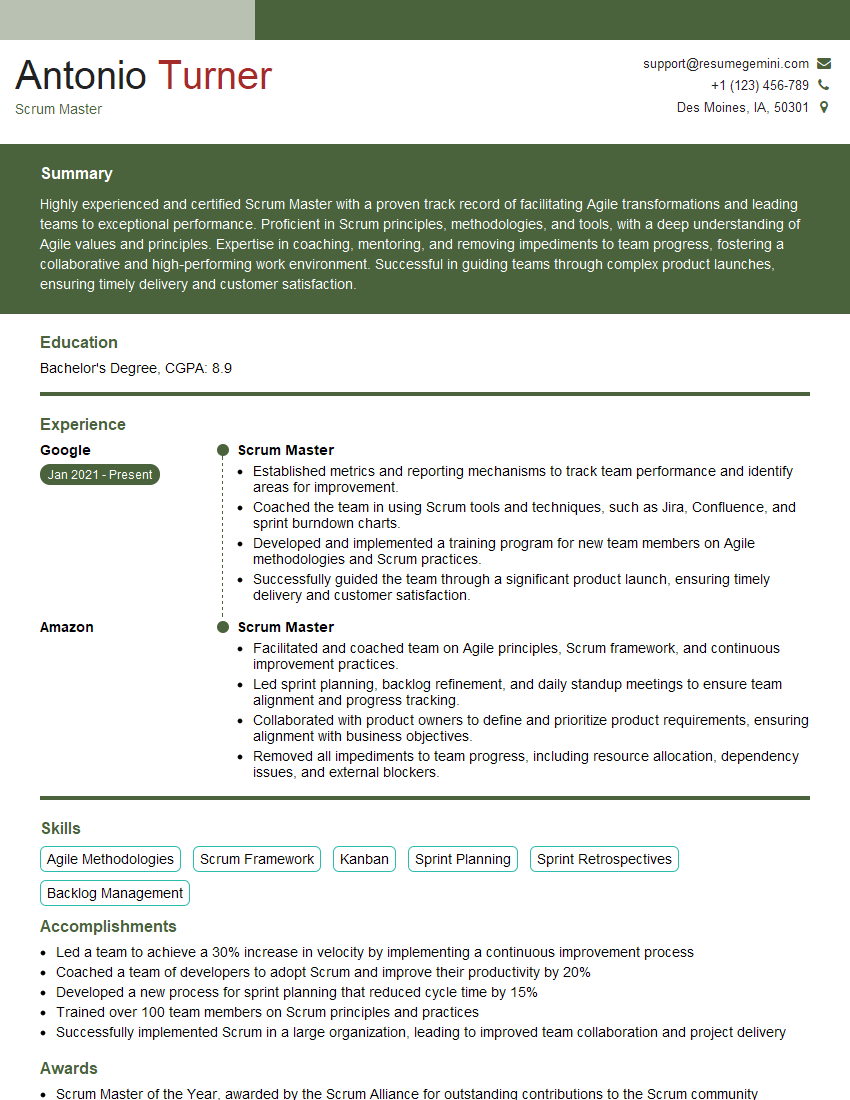
Scrum Master Resume Sample
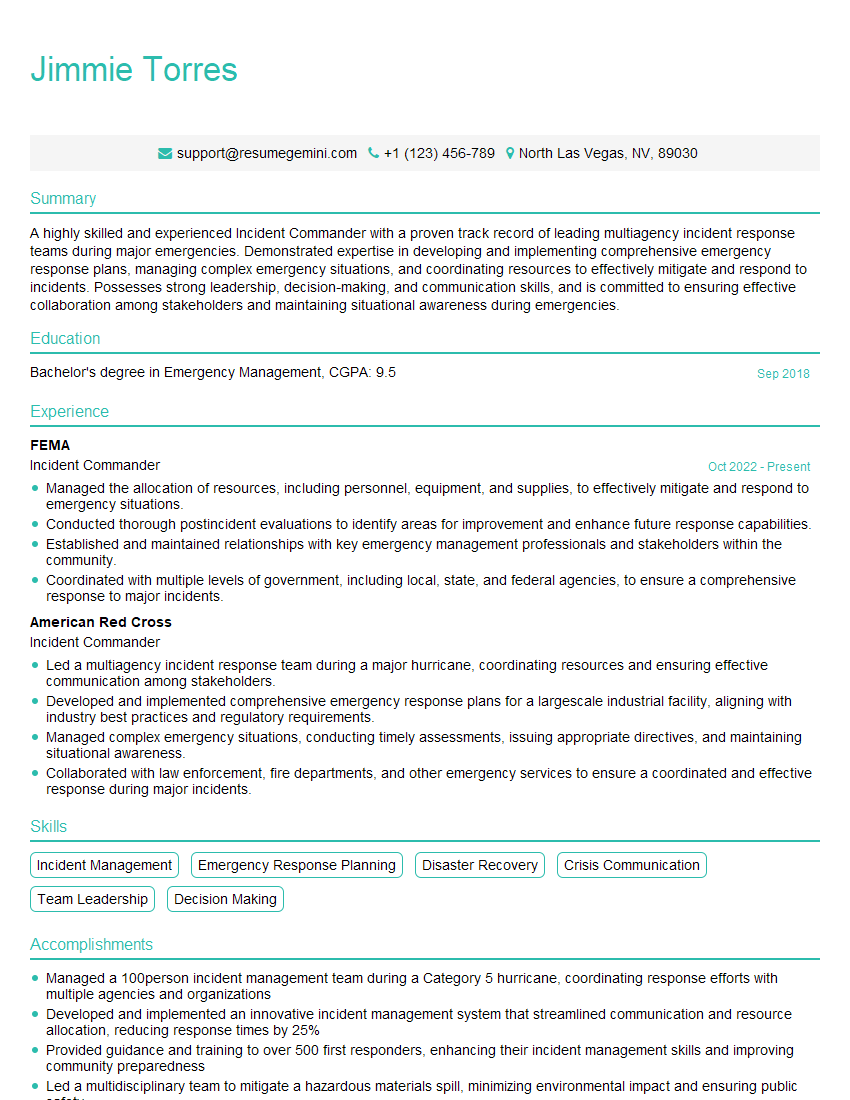
Incident Commander Resume Sample
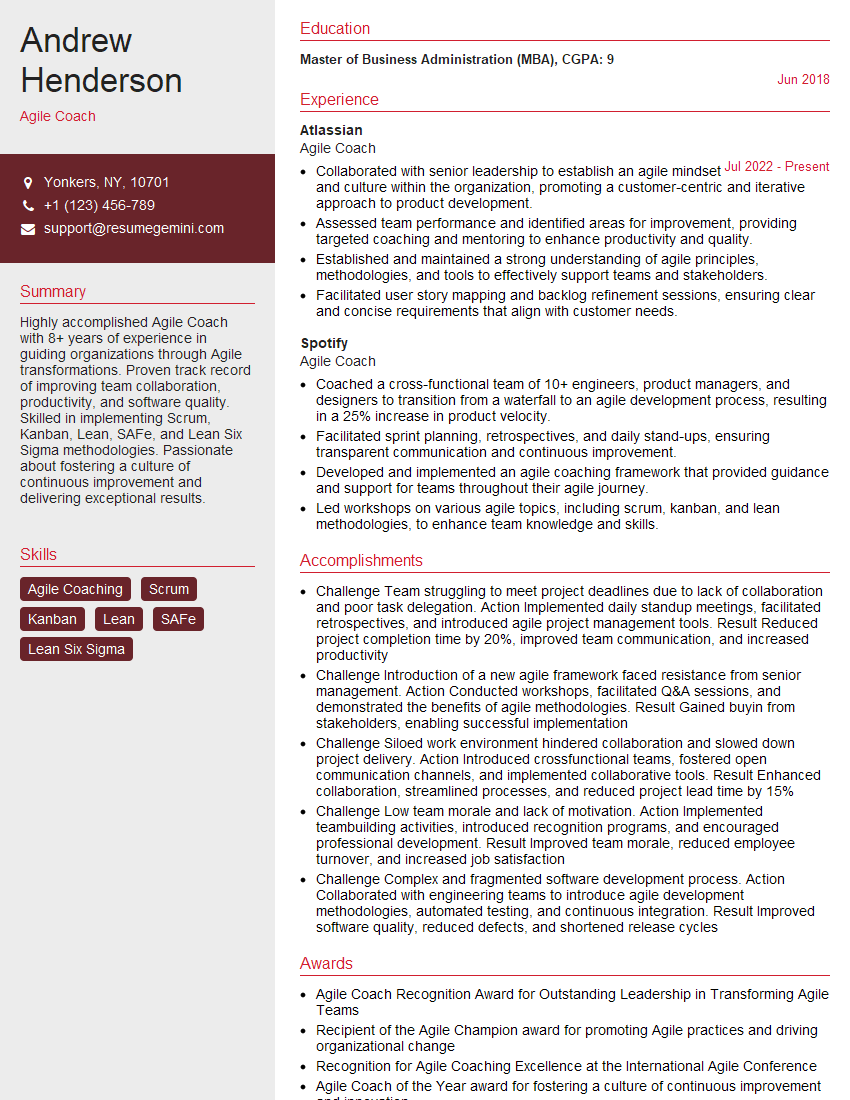
Agile Coach Resume Sample
Explore more articles
Users Rating of Our Blogs
Share Your Experience
We value your feedback! Please rate our content and share your thoughts (optional).
What Readers Say About Our Blog
Very informative content, great job.
good