Unlock your full potential by mastering the most common Team Management and Administration interview questions. This blog offers a deep dive into the critical topics, ensuring you’re not only prepared to answer but to excel. With these insights, you’ll approach your interview with clarity and confidence.
Questions Asked in Team Management and Administration Interview
Q 1. Describe your experience managing a team of diverse individuals.
Managing diverse teams is about leveraging the unique strengths of each individual while fostering a sense of unity and shared purpose. It’s not just about tolerance; it’s about actively celebrating differences and creating an inclusive environment. My approach involves understanding individual working styles, communication preferences, and cultural backgrounds.
For example, in a previous role leading a cross-functional team with members from various nationalities and professional backgrounds, I started by conducting individual ‘check-in’ meetings to understand their personal goals, preferred communication methods, and potential challenges. This helped me tailor my management style to each individual, recognizing that a ‘one-size-fits-all’ approach wouldn’t work. I also implemented team-building activities that promoted cross-cultural understanding and collaboration, like a project where each team member contributed elements from their cultural heritage. This fostered a stronger sense of camaraderie and mutual respect, leading to improved team performance.
Q 2. How do you handle conflict resolution within a team?
Conflict is inevitable in any team, but how it’s handled determines its impact. My approach to conflict resolution prioritizes open communication, empathy, and finding mutually agreeable solutions. I don’t shy away from conflict; instead, I view it as an opportunity for growth and improvement. My process usually involves:
- Active Listening: Allowing all parties to fully express their perspectives without interruption.
- Identifying the Root Cause: Going beyond surface-level issues to understand the underlying reasons for the conflict.
- Facilitating Dialogue: Guiding the conversation towards a collaborative problem-solving approach.
- Mediation: If necessary, I act as a neutral mediator, helping team members find common ground and reach a compromise.
- Documenting Agreements: Clearly outlining agreed-upon solutions and follow-up actions.
In one instance, a disagreement arose between two team members regarding project priorities. Instead of imposing a solution, I facilitated a meeting where they discussed their concerns openly. We identified the root cause – a lack of clear communication regarding project goals – and collaboratively redefined project priorities, leading to a much more productive and harmonious working relationship.
Q 3. Explain your approach to delegating tasks effectively.
Effective delegation isn’t about dumping tasks; it’s about empowering team members to develop their skills and contribute meaningfully. My approach focuses on aligning tasks with individual strengths and development goals. I consider factors like skillset, workload, and career aspirations when assigning tasks.
- Clear Expectations: Providing detailed instructions, outlining deliverables, and establishing clear deadlines.
- Appropriate Authority: Granting sufficient autonomy and decision-making power to team members.
- Regular Check-ins: Offering support and guidance, providing feedback, and addressing any roadblocks.
- Recognition and Reward: Acknowledging accomplishments and celebrating successes.
For instance, when introducing a new software system to the team, I didn’t just assign the training to one person. Instead, I identified individuals with strong technical skills and assigned roles based on their specific talents. One person led the training, another created support materials, and a third person became the point of contact for troubleshooting. This not only sped up the implementation but also fostered a sense of shared ownership and enhanced their skillsets.
Q 4. What strategies do you use to improve team communication?
Open and effective communication is the lifeblood of a high-performing team. I employ a multi-pronged approach, utilizing various communication channels and strategies to ensure information flows seamlessly and misunderstandings are minimized. This includes:
- Regular Team Meetings: Providing a platform for updates, discussions, and collaborative problem-solving.
- Transparent Communication: Sharing relevant information openly and honestly with the team.
- Multiple Communication Channels: Using email, instant messaging, project management software, and face-to-face meetings as appropriate.
- Active Listening and Feedback: Encouraging open dialogue and providing constructive feedback.
- Utilizing Collaboration Tools: Leveraging tools like shared documents, project management platforms, and video conferencing to facilitate efficient information sharing.
In one project, we utilized a project management platform that allowed for real-time updates, task assignments, and file sharing, significantly improving communication efficiency and transparency, leading to timely project completion.
Q 5. How do you measure team performance and productivity?
Measuring team performance and productivity goes beyond simply looking at individual output. I utilize a combination of quantitative and qualitative metrics, tailored to the specific goals and nature of the team’s work.
- Quantitative Metrics: Tracking key performance indicators (KPIs) such as project completion rates, turnaround times, customer satisfaction scores, and sales figures.
- Qualitative Metrics: Gathering feedback through surveys, one-on-one meetings, and team retrospectives to assess team morale, collaboration effectiveness, and overall satisfaction.
- Balanced Scorecard Approach: Considering a holistic view of performance by incorporating financial, customer, internal processes, and learning & growth perspectives.
For example, in a sales team, we tracked not only individual sales figures but also team collaboration effectiveness, measured through peer feedback and the number of successful joint sales efforts. This holistic approach provided a more comprehensive understanding of team performance and facilitated targeted improvements.
Q 6. Describe your experience with performance management and feedback.
Performance management is a continuous process, not a once-a-year event. My approach involves regular check-ins, constructive feedback, and clear goal setting. It’s about fostering growth and development, not just evaluating past performance.
- Goal Setting: Working collaboratively with team members to establish clear, measurable, achievable, relevant, and time-bound (SMART) goals.
- Regular Feedback: Providing both positive reinforcement and constructive criticism in a timely and supportive manner.
- Performance Reviews: Conducting formal performance reviews to assess progress, provide feedback, and identify areas for improvement.
- Performance Improvement Plans: Developing and implementing action plans to address performance gaps.
- Professional Development: Supporting and encouraging continuous learning and skill development through training and mentorship opportunities.
I always strive to create a safe and open environment where feedback is welcomed and viewed as an opportunity for improvement. I use the ‘feedback sandwich’ technique – starting with positive feedback, followed by constructive criticism, and concluding with another positive note – to make the feedback process more effective and less daunting.
Q 7. How do you motivate and inspire your team members?
Motivation and inspiration are crucial for building a high-performing and engaged team. My approach is multifaceted and focuses on both intrinsic and extrinsic motivators. I believe in recognizing and rewarding individual contributions while fostering a supportive and collaborative team environment.
- Recognition and Appreciation: Acknowledging accomplishments, both big and small, through verbal praise, written recognition, and rewards.
- Empowerment and Autonomy: Giving team members ownership of their work and allowing them to make decisions independently.
- Opportunities for Growth: Providing opportunities for skill development, advancement, and increased responsibility.
- Creating a Positive Work Environment: Fostering a culture of trust, respect, and collaboration.
- Open Communication and Transparency: Keeping team members informed and involved in decision-making processes.
For instance, I’ve implemented a ‘Kudos’ system where team members can publicly acknowledge each other’s contributions. This simple act of recognition goes a long way in boosting morale and fostering a stronger sense of teamwork. I also regularly celebrate milestones and team successes, reinforcing a positive and motivational team culture.
Q 8. How do you handle underperforming team members?
Addressing underperformance requires a structured approach focused on understanding the root cause, providing support, and setting clear expectations. It’s not about immediate punishment but about helping the team member improve.
Identify the issue: Start with a private conversation, focusing on specific instances of underperformance rather than making general accusations. Use data and observations to support your points. Ask open-ended questions to understand the reasons behind the performance.
Provide support and resources: Does the team member lack training, tools, or clear direction? Are they overwhelmed or facing personal challenges impacting their work? Offer additional training, mentorship, or access to resources. Consider adjusting workloads or responsibilities if necessary.
Set clear expectations and goals: Develop a performance improvement plan (PIP) with specific, measurable, achievable, relevant, and time-bound (SMART) goals. Regularly check-in on progress and provide constructive feedback. This shows commitment to their development.
Document everything: Maintain detailed records of conversations, agreed-upon goals, and progress updates. This documentation is crucial if more serious actions need to be taken.
Consider consequences: If the underperformance persists despite support and clear expectations, then further action, which could include disciplinary measures, might be necessary. This should always be a last resort and in line with company policy.
Example: In a previous role, a team member consistently missed deadlines on their project tasks. After several conversations, we discovered they were struggling with time management. We implemented a system of daily check-ins, provided training on prioritization techniques, and adjusted their workload. This combination resulted in significant improvement.
Q 9. What is your experience with budget management and resource allocation?
Budget management and resource allocation are critical skills for effective team leadership. It’s about strategically using available resources to achieve project goals efficiently.
Budget planning: I have experience creating and managing budgets, forecasting expenses, and tracking spending against the budget. I understand the importance of aligning resource allocation with strategic objectives.
Resource allocation: I’m adept at determining the optimal allocation of personnel, equipment, and materials based on project requirements and team capabilities. This includes prioritizing high-impact tasks and managing resource constraints.
Reporting and analysis: I can analyze budget performance, identify variances, and make adjustments to ensure projects stay within budget. I also prepare regular reports to keep stakeholders informed.
Negotiation and procurement: I have experience negotiating with vendors and suppliers to secure the best value for money and ensuring contracts are in place.
Example: In my previous role, I successfully managed a project budget of $500,000, ensuring all activities were completed on time and within budget. This involved careful planning, proactive monitoring, and regular communication with stakeholders to prevent any budget overruns.
Q 10. How do you prioritize tasks and manage deadlines within a team context?
Prioritizing tasks and managing deadlines effectively within a team requires a structured approach and open communication. It’s crucial to ensure everyone understands priorities and contributes to timely project completion.
Prioritization frameworks: I utilize frameworks like MoSCoW (Must have, Should have, Could have, Won’t have) or Eisenhower Matrix (Urgent/Important) to prioritize tasks based on their urgency and impact.
Task assignment: I delegate tasks based on team members’ skills and availability, ensuring a fair distribution of workload. I use project management tools (e.g., Asana, Jira) to track progress and deadlines.
Regular check-ins: I conduct regular team meetings to discuss progress, identify any roadblocks, and adjust priorities as needed. Open communication helps identify potential delays early on.
Risk management: Proactive identification and mitigation of potential risks (e.g., resource constraints, technical issues) are critical to meeting deadlines.
Contingency planning: Having a plan B in place for potential delays or unexpected challenges is essential.
Example: During a particularly demanding project, we used a Kanban board to visualize workflow, prioritize tasks based on urgency, and track progress daily. This transparency facilitated quick problem-solving and helped us deliver the project on time.
Q 11. Describe your experience with project planning and execution.
Project planning and execution involve a structured approach, from initial conception to final delivery. It’s about setting clear goals, outlining steps, and ensuring efficient and effective implementation.
Defining scope and objectives: Clearly defining the project goals, deliverables, and timelines is the first step. This often involves collaborating with stakeholders to ensure everyone is aligned.
Work breakdown structure (WBS): Breaking down the project into smaller, manageable tasks allows for better organization and progress tracking.
Gantt charts and timelines: Visualizing project tasks and their dependencies using Gantt charts helps maintain clarity and ensures tasks are completed in the right order.
Resource allocation: Assigning the right people with the necessary skills to specific tasks.
Progress monitoring and reporting: Regularly monitoring progress, identifying and resolving issues, and reporting to stakeholders are crucial for successful execution.
Risk management: Identifying and mitigating potential risks to ensure the project stays on track.
Example: I recently led a project to implement a new CRM system. We started with a detailed project plan, including a WBS, Gantt chart, and risk assessment. We held weekly meetings to monitor progress, address challenges, and ensure alignment with stakeholders. The project was delivered successfully, on time, and within budget.
Q 12. Explain your approach to risk management within a team setting.
Risk management in a team setting is about proactively identifying, assessing, and mitigating potential problems that could derail a project or impact team performance. It’s a crucial aspect of leadership.
Risk identification: This involves brainstorming potential issues that could affect the project, such as technical glitches, resource constraints, or external factors.
Risk assessment: Evaluating the likelihood and potential impact of each identified risk.
Risk mitigation strategies: Developing plans to reduce the likelihood or impact of identified risks. This could involve developing contingency plans, allocating additional resources, or implementing preventative measures.
Risk monitoring and control: Regularly monitoring the identified risks and making adjustments to mitigation strategies as needed.
Communication: Keeping the team and stakeholders informed of identified risks and mitigation plans.
Example: In a previous project, we identified the risk of software incompatibility. We mitigated this by conducting thorough compatibility testing early in the development phase and having a backup system in place in case of failure. This prevented significant delays and potential project failure.
Q 13. How do you ensure team cohesion and collaboration?
Building team cohesion and fostering collaboration requires a multi-faceted approach that focuses on creating a positive and supportive work environment. It’s about making people feel valued and working together effectively.
Team-building activities: Organizing team-building exercises, both formal and informal, can help improve relationships and communication within the team.
Open communication: Creating an environment where team members feel comfortable sharing ideas, concerns, and feedback.
Recognition and appreciation: Acknowledging and appreciating team members’ contributions and achievements, both individually and collectively.
Clear roles and responsibilities: Defining clear roles and responsibilities ensures everyone understands their contribution to the team’s goals.
Conflict resolution: Having a process for addressing and resolving conflicts in a constructive manner.
Shared goals and vision: Ensuring that team members understand and are aligned with the team’s overall goals and vision.
Example: To enhance collaboration on a recent project, we implemented daily stand-up meetings and a shared online workspace. This improved communication and transparency, leading to increased team efficiency and improved morale.
Q 14. Describe a time you had to make a difficult decision regarding your team.
One of the most challenging decisions I faced involved a team member whose performance had consistently declined despite numerous attempts at intervention. The situation required balancing the needs of the team with the welfare of the individual.
After extensive coaching, mentorship, and providing additional resources, the team member’s performance remained unsatisfactory. This affected team morale and project timelines. I had to make a difficult decision to initiate a formal performance improvement plan with clearly defined expectations and consequences. Although this was a challenging decision, it was necessary to ensure the overall success of the team and the organization. The process was transparent, fair, and in accordance with company policy, and unfortunately, it resulted in the team member leaving the company. However, the rest of the team understood the process and the necessity of the action taken.
This experience highlighted the importance of thorough documentation, clear communication, and fair procedures when addressing performance issues. It also reinforced the need for early intervention and proactive support for team members who are struggling.
Q 15. How do you utilize technology to enhance team efficiency?
Technology is a cornerstone of modern team efficiency. I leverage a variety of tools to streamline communication, project management, and collaboration. For example, I utilize project management software like Asana or Jira to track tasks, deadlines, and individual contributions. This allows for transparent progress monitoring and facilitates proactive problem-solving. We also use communication platforms such as Slack or Microsoft Teams for instant messaging, file sharing, and quick updates, minimizing email clutter and improving responsiveness. Furthermore, video conferencing tools like Zoom or Google Meet are vital for remote team meetings, fostering a sense of connection and facilitating real-time collaboration, even across geographical boundaries. Finally, I encourage the use of collaborative document editing tools like Google Docs or Microsoft Office 365, promoting simultaneous work and reducing version control issues.
For instance, in a previous role, adopting Asana significantly reduced project completion times by 15% by improving task visibility and accountability. The transition to Slack also drastically improved internal communication, leading to a more responsive and informed team.
Career Expert Tips:
- Ace those interviews! Prepare effectively by reviewing the Top 50 Most Common Interview Questions on ResumeGemini.
- Navigate your job search with confidence! Explore a wide range of Career Tips on ResumeGemini. Learn about common challenges and recommendations to overcome them.
- Craft the perfect resume! Master the Art of Resume Writing with ResumeGemini’s guide. Showcase your unique qualifications and achievements effectively.
- Don’t miss out on holiday savings! Build your dream resume with ResumeGemini’s ATS optimized templates.
Q 16. How do you handle unexpected challenges or crises within a team?
Handling unexpected challenges requires a calm, decisive, and proactive approach. My first step is to assess the situation, identifying the core issue and its potential impact. This often involves gathering information from affected team members to understand the full scope of the problem. Once the situation is understood, I prioritize actions based on urgency and impact, often utilizing a risk assessment matrix to guide decision-making. This matrix helps prioritize critical issues and delegate tasks effectively. Next, I communicate clearly and transparently with the team, keeping everyone informed about the situation and the planned actions. Open communication helps maintain morale and ensures everyone is working toward a common goal. Finally, after the immediate crisis is resolved, I conduct a post-mortem analysis to identify the root causes of the challenge and implement preventative measures to avoid similar incidents in the future.
For example, when a critical system failure occurred in a previous project, I quickly assembled a cross-functional team, clearly defined roles and responsibilities, and communicated the situation and plan of action to stakeholders. Through swift collaboration, we managed to restore system functionality within a minimal timeframe and minimize disruption.
Q 17. What is your approach to onboarding new team members?
Onboarding is crucial for successful team integration. My approach is structured and comprehensive, starting with a detailed pre-boarding process. This includes sending welcome materials, clarifying expectations, and providing necessary logistical information. The first day includes a comprehensive introduction to the team, the company culture, and immediate responsibilities. I provide clear role descriptions, outlining expectations and key performance indicators (KPIs). Throughout the first week, I schedule regular check-ins to address questions and provide support, ensuring the new team member feels comfortable and supported. I also pair the new hire with a mentor or buddy within the team to provide ongoing guidance and support. Finally, I incorporate regular feedback sessions to track progress, address challenges, and ensure a smooth transition into the team.
In my previous experience, I implemented a structured onboarding program that reduced the time it took new hires to become fully productive by 20%, resulting in faster project contribution and improved team efficiency.
Q 18. Describe your experience with training and development of team members.
Training and development are continuous processes I view as essential for team growth and success. I tailor development plans to individual needs and career goals, focusing on both technical skills enhancement and leadership development. This involves identifying skill gaps through performance reviews, 360-degree feedback, and regular one-on-one meetings. I then leverage a combination of methods, including formal training courses, online learning platforms, mentorship programs, and on-the-job training to address these gaps. I also encourage cross-training opportunities to broaden skill sets and improve team flexibility. Regular feedback and performance discussions are central to tracking progress and making adjustments to development plans. Furthermore, I foster a culture of continuous learning by encouraging participation in industry conferences, workshops, and online communities.
For instance, I once implemented a mentorship program that resulted in a significant improvement in the junior team members’ performance, leading to increased project output and improved team morale.
Q 19. How do you maintain positive team morale and engagement?
Maintaining positive team morale and engagement requires a multi-faceted approach. Firstly, I prioritize open and honest communication, creating a safe space for team members to share ideas, concerns, and feedback. I actively listen and address concerns promptly. Secondly, I foster a culture of recognition and appreciation, celebrating successes both big and small. This can involve public acknowledgment, team rewards, or individual bonuses. Thirdly, I actively promote work-life balance, encouraging breaks, time off, and discouraging excessive overtime. I also strive to create a fun and collaborative work environment, organizing team-building activities and social events to strengthen relationships and improve camaraderie. Finally, I empower team members by giving them autonomy and ownership over their work, fostering a sense of purpose and engagement.
In a past project, implementing team-building activities and regularly acknowledging individual contributions led to a notable increase in team cohesion and project completion rates.
Q 20. How do you manage team workload and prevent burnout?
Preventing team burnout requires careful workload management and proactive intervention. I start by accurately assessing individual capabilities and ensuring tasks are delegated appropriately, considering skill sets and capacity. I utilize project management tools to track workloads and identify potential bottlenecks. I encourage open communication about workload challenges, creating a safe space for team members to express concerns without fear of judgment. If workload imbalances are detected, I proactively adjust assignments, seek additional resources, or re-prioritize tasks to ensure a fair distribution. Furthermore, I actively promote time management techniques and encourage the use of productivity tools. Finally, I consistently emphasize the importance of taking breaks, utilizing vacation time, and maintaining a healthy work-life balance. Regular check-ins and open dialogue are crucial for early detection and mitigation of potential burnout issues.
In a previous role, implementing a more balanced workload distribution and promoting time management strategies reduced reported stress levels among team members by 30%.
Q 21. What is your experience with performance reviews and goal setting?
Performance reviews and goal setting are integral to individual and team success. I believe in a collaborative approach to goal setting, involving team members in defining SMART (Specific, Measurable, Achievable, Relevant, Time-bound) goals aligned with overall team objectives. These goals are regularly reviewed and adjusted based on progress and changing priorities. Performance reviews are conducted regularly, utilizing a combination of quantitative data (metrics, project outcomes) and qualitative feedback (360-degree reviews, self-assessments). The process is focused on open communication, providing constructive feedback, identifying areas for improvement, and celebrating achievements. The review is not solely focused on evaluation but also serves as a platform for career development planning and goal setting for the upcoming period. It’s a two-way conversation designed to foster growth and improve performance.
A structured performance review process I implemented previously led to a 10% improvement in overall team performance within six months.
Q 22. How do you ensure compliance with company policies and procedures?
Ensuring compliance with company policies and procedures is paramount for maintaining a smooth, legal, and ethical workplace. My approach is multifaceted and proactive, not just reactive.
- Thorough Understanding: I begin by meticulously reviewing all relevant policies and procedures. This includes understanding not only the ‘what’ but also the ‘why’ behind each rule, which allows for better application and explanation to the team.
- Regular Training and Communication: I believe in proactive communication. I conduct regular training sessions and distribute updated policy summaries to ensure everyone is informed and understands their responsibilities. I also utilize various communication channels such as email, intranet updates, and team meetings to reinforce key policies.
- Monitoring and Auditing: I implement a system for monitoring compliance, which could involve regular check-ins, audits of relevant documentation, and using company-provided software to track adherence to specific regulations. For example, I’d track time-off requests to ensure compliance with company vacation policies.
- Addressing Non-Compliance: When non-compliance is detected, I address it promptly and fairly. This involves understanding the root cause of the issue, providing constructive feedback, and implementing corrective actions to prevent recurrence. Disciplinary measures, if necessary, are taken according to company protocol.
- Documentation: I meticulously document all training sessions, audits, and instances of non-compliance. This documentation provides a clear audit trail and ensures accountability.
For example, in my previous role, we implemented a new data privacy policy. I created training materials, conducted workshops, and developed a checklist for team members to ensure compliance with GDPR regulations. This proactive approach resulted in a smooth transition and minimized any potential risks.
Q 23. Describe your experience with administrative tasks and processes.
My experience with administrative tasks and processes is extensive and spans various organizational settings. I’m proficient in managing a wide range of tasks, from basic record-keeping to complex project coordination.
- Record Management: I’m adept at maintaining accurate and organized records, both physical and digital. I utilize various filing systems and software (e.g., SharePoint, Google Drive) to ensure efficient retrieval and accessibility of information.
- Process Improvement: I’m not afraid to identify inefficiencies in existing processes and propose improvements. For instance, in my previous role, I streamlined the expense report process by implementing a new online system, reducing processing time by 50%.
- Project Coordination: I have experience coordinating various projects, managing timelines, tracking progress, and ensuring all stakeholders are informed and engaged. This includes preparing agendas, facilitating meetings, and producing reports.
- Data Entry and Management: I am proficient in data entry, data analysis, and report generation. I utilize tools like Excel and other database management systems to effectively manage and analyze data.
- Vendor Management: I have managed relationships with various vendors, negotiating contracts and ensuring timely delivery of services.
In one instance, I successfully transitioned our team from a paper-based filing system to a completely digital one, which significantly improved efficiency and accessibility of documents, saving both time and resources.
Q 24. How do you handle confidential information and maintain data security?
Handling confidential information and maintaining data security is a top priority for me. I adhere to strict protocols to ensure the protection of sensitive data.
- Strict Adherence to Policy: I meticulously follow all company policies and procedures regarding data security and confidentiality, including password management, access controls, and data encryption.
- Secure Data Storage: I ensure that all confidential information is stored securely, using password-protected systems and encrypted files. I avoid storing sensitive information on unsecure devices or platforms.
- Access Control: I strictly control access to confidential information, ensuring only authorized personnel have the necessary permissions. I regularly review and update access privileges to maintain security.
- Data Loss Prevention: I am trained in and apply data loss prevention measures such as regular data backups and the implementation of security software. I am also mindful of phishing and other social engineering attempts.
- Incident Response: In the event of a data breach or security incident, I know how to follow established protocols to mitigate the impact and report the incident to the appropriate authorities.
For example, in my previous role, I implemented a new multi-factor authentication system, significantly improving the security of our sensitive client data. I also conducted regular security awareness training for the team.
Q 25. What is your experience with scheduling and calendar management?
I have extensive experience with scheduling and calendar management, utilizing various tools to efficiently manage appointments, meetings, and deadlines.
- Calendar Management Software: I am proficient in using various calendar management software, including Outlook, Google Calendar, and other scheduling applications. I understand the importance of color-coding, utilizing reminders, and optimizing calendar views for maximum efficiency.
- Meeting Coordination: I am skilled in coordinating meetings, selecting appropriate times and locations, distributing agendas, and managing attendees. I am adept at resolving scheduling conflicts and ensuring all necessary parties are included.
- Deadline Management: I use calendars to track deadlines effectively, setting reminders and utilizing task management features to stay organized and on schedule. I prioritize tasks based on urgency and importance.
- Resource Allocation: I can integrate scheduling with resource allocation, ensuring that individuals are scheduled effectively, avoiding conflicts and maximizing productivity.
- Team Calendar Synchronization: I ensure that team calendars are synchronized and that everyone has access to up-to-date schedules. This fosters transparency and promotes efficient collaboration.
In a past role, I managed the schedules for a team of 10, coordinating numerous meetings, appointments, and travel arrangements, all while maintaining a high level of accuracy and efficiency. My organized approach ensured minimal scheduling conflicts and maximum team productivity.
Q 26. How do you manage travel arrangements and expense reports?
Managing travel arrangements and expense reports is a key part of my administrative experience. I’m proficient in booking flights, hotels, and other travel arrangements while ensuring cost-effectiveness and adherence to company policy.
- Travel Booking: I utilize online travel agencies and corporate travel booking systems to secure cost-effective flights, hotels, and transportation for team members. I consider factors such as flight times, location convenience, and overall cost.
- Expense Report Processing: I am adept at processing expense reports, ensuring proper documentation, adherence to company policy, and timely submission. I am familiar with various expense reporting software and systems.
- Negotiation: I can negotiate with vendors to secure the best possible rates for travel arrangements and other expenses.
- Compliance: I ensure that all travel arrangements and expense reports comply with company policies and procedures. This includes submitting necessary receipts and documentation.
- Itinerary Management: I prepare detailed travel itineraries for team members, including flight information, hotel details, and meeting schedules.
For instance, I once arranged a multi-city business trip for a team of five, securing optimal flight and hotel accommodations while staying within budget and adhering to company travel guidelines. I meticulously tracked all expenses and ensured timely reimbursement for the team.
Q 27. How do you handle multiple priorities and deadlines simultaneously?
Handling multiple priorities and deadlines simultaneously requires a structured and organized approach. My strategies focus on prioritization, time management, and effective communication.
- Prioritization: I utilize methods like Eisenhower Matrix (urgent/important) to prioritize tasks and allocate time accordingly. This ensures that critical deadlines are met first.
- Time Management: I employ time-blocking techniques, allocating specific time slots for particular tasks. I also use task management tools like Trello or Asana to track progress and stay organized.
- Delegation: When feasible, I delegate tasks to others, ensuring that individuals are assigned tasks matching their skills and availability. Clear communication and follow-up are essential.
- Effective Communication: I keep stakeholders informed of my progress and any potential roadblocks, proactively communicating any challenges or delays. This fosters transparency and helps in securing necessary support.
- Flexibility and Adaptability: I understand that unexpected events can arise, and I am adaptable enough to adjust my schedule and priorities as needed, remaining flexible and proactive in response to changing circumstances.
In one situation, I was juggling several high-priority projects with tight deadlines. By applying these techniques, particularly the Eisenhower Matrix and time-blocking, I successfully delivered all projects on time and to a high standard. Open communication with my team and stakeholders was crucial in navigating potential conflicts and ensuring everyone remained informed.
Q 28. Describe your experience with office management and supply ordering.
My experience with office management and supply ordering includes overseeing the smooth functioning of the office environment and ensuring adequate supplies are available to support team productivity.
- Inventory Management: I am proficient in managing office supplies, tracking inventory levels, and placing orders to maintain sufficient stock. I utilize various inventory management systems and techniques to optimize ordering and minimize waste.
- Vendor Management: I have experience negotiating with vendors to secure the best possible prices and terms for office supplies and services.
- Office Maintenance: I ensure the office environment is well-maintained, coordinating repairs and maintenance as needed. I communicate effectively with building management and maintenance personnel.
- Equipment Management: I oversee the maintenance and upkeep of office equipment, ensuring that all equipment is functioning properly and that necessary repairs are conducted promptly.
- Space Management: I assist in managing office space, organizing furniture and ensuring efficient use of available resources.
In a previous role, I implemented a new system for tracking office supplies, which resulted in a significant reduction in wasted supplies and a streamlining of the ordering process. My proactive approach to maintenance and vendor management ensured that the office environment remained functional and conducive to productivity.
Key Topics to Learn for Team Management and Administration Interview
- Team Dynamics and Communication: Understanding team structures, communication styles, conflict resolution strategies, and fostering a positive work environment. Practical application: Describe a time you successfully navigated a team conflict or improved team communication.
- Project Management and Organization: Planning, scheduling, resource allocation, task delegation, and monitoring project progress. Practical application: Explain your approach to managing multiple projects simultaneously, prioritizing tasks, and meeting deadlines.
- Delegation and Empowerment: Effectively assigning tasks, providing support and training, and fostering a sense of ownership among team members. Practical application: Give an example of how you successfully delegated a complex task and the outcome.
- Performance Management and Feedback: Setting clear goals and expectations, providing regular feedback, conducting performance reviews, and identifying areas for improvement. Practical application: Describe your approach to delivering constructive criticism and motivating team members to exceed expectations.
- Administrative Procedures and Compliance: Understanding and adhering to organizational policies, procedures, and regulations, including record-keeping and data management. Practical application: Explain how you ensure compliance with relevant regulations in your administrative tasks.
- Budget Management and Resource Allocation: Understanding budgeting principles, tracking expenses, and allocating resources effectively. Practical application: Describe a time you successfully managed a budget or allocated resources to maximize efficiency.
- Problem-Solving and Decision-Making: Identifying and analyzing problems, developing solutions, and making informed decisions in a timely manner. Practical application: Provide an example of a challenging situation you successfully resolved using a structured problem-solving approach.
Next Steps
Mastering Team Management and Administration is crucial for career advancement, opening doors to leadership roles and increased responsibilities. A strong resume is your first step to landing your dream job. Creating an ATS-friendly resume is vital for getting noticed by potential employers. To build a professional and impactful resume, leverage the power of ResumeGemini. ResumeGemini is a trusted resource offering tools and guidance to craft compelling resumes. Examples of resumes tailored to Team Management and Administration are available to help you get started. Take charge of your career and build a resume that showcases your skills and experience!
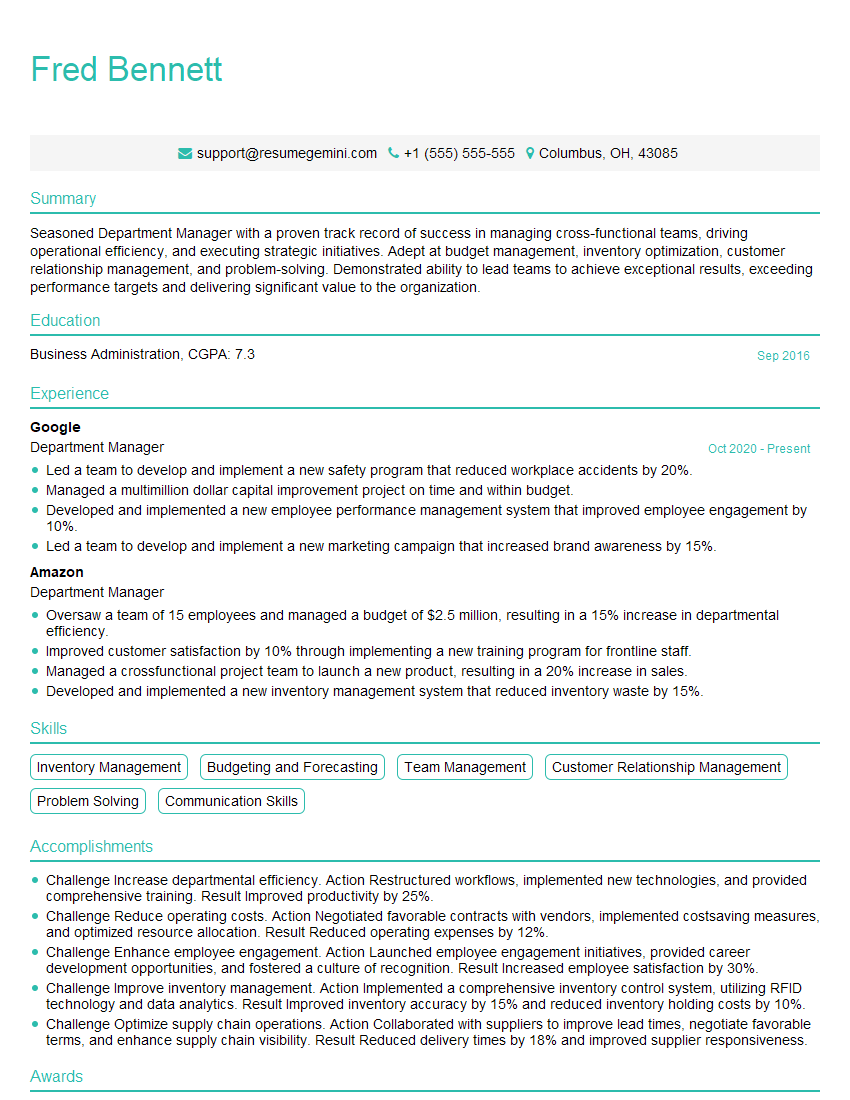
Department Manager Resume Sample
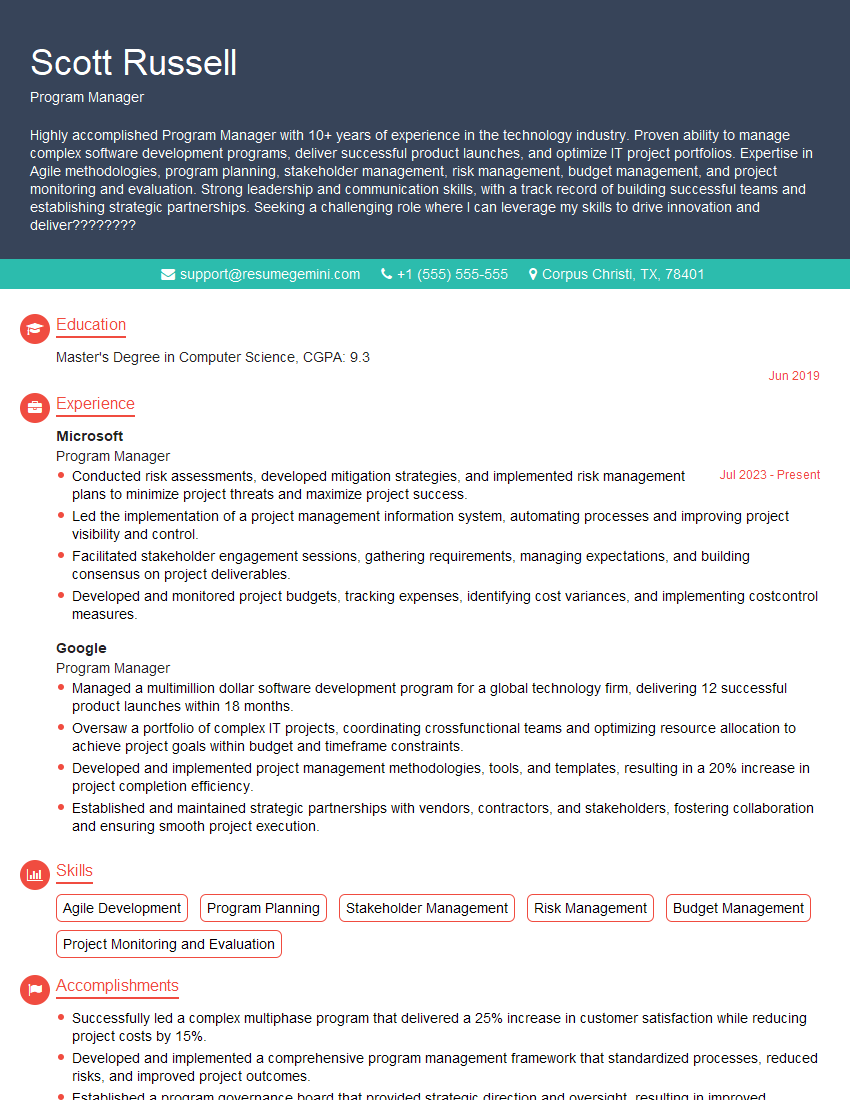
Program Manager Resume Sample
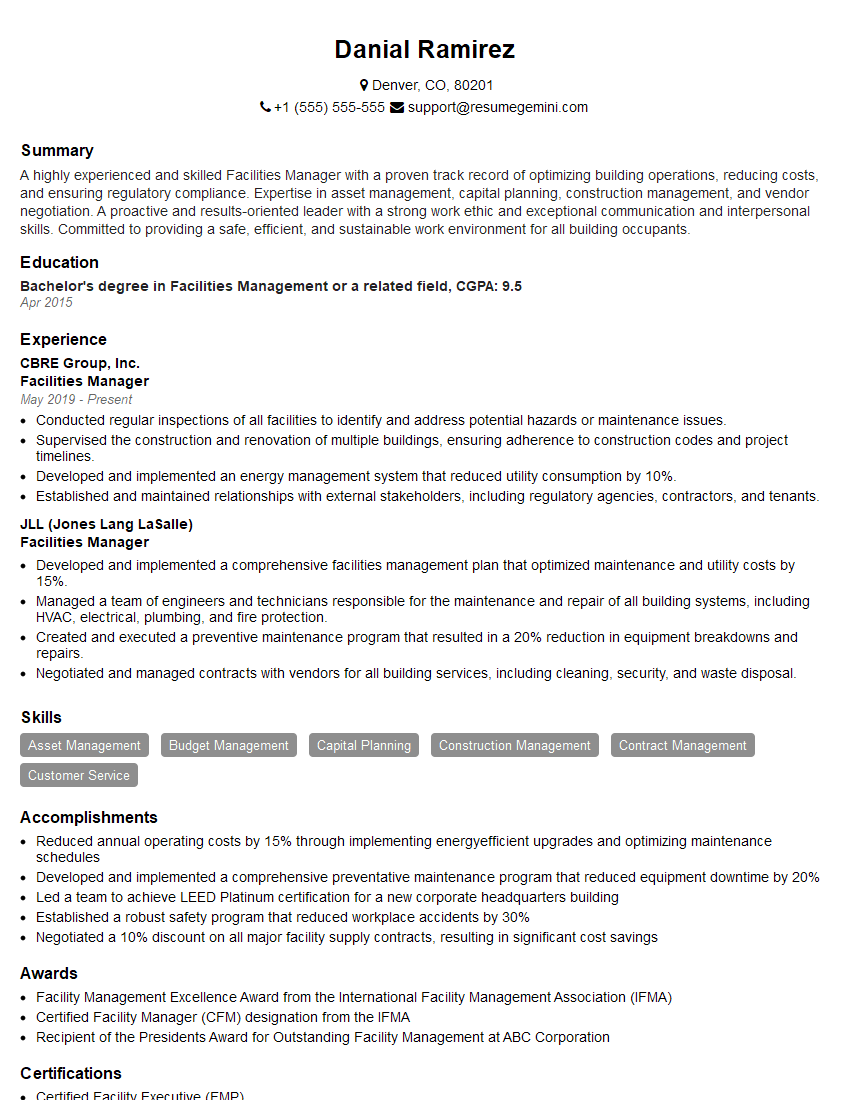
Facilities Manager Resume Sample
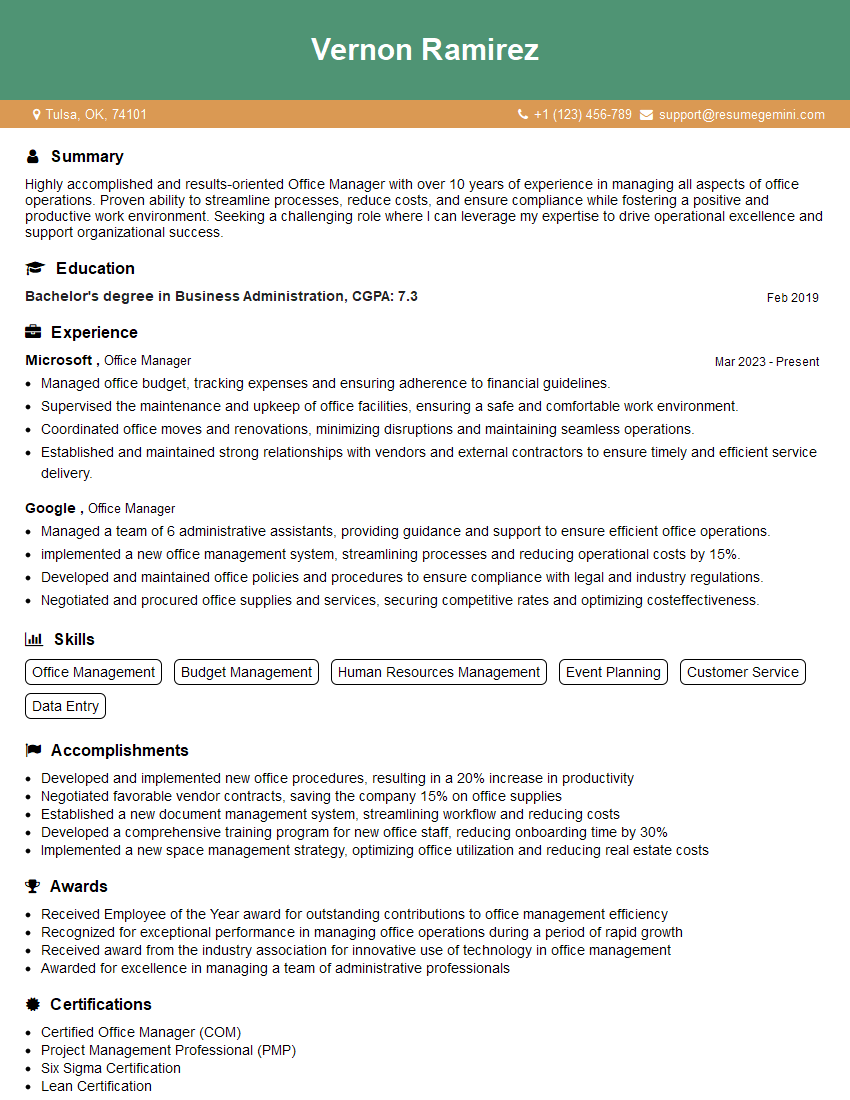
Office Manager Resume Sample

Operations Manager Resume Sample
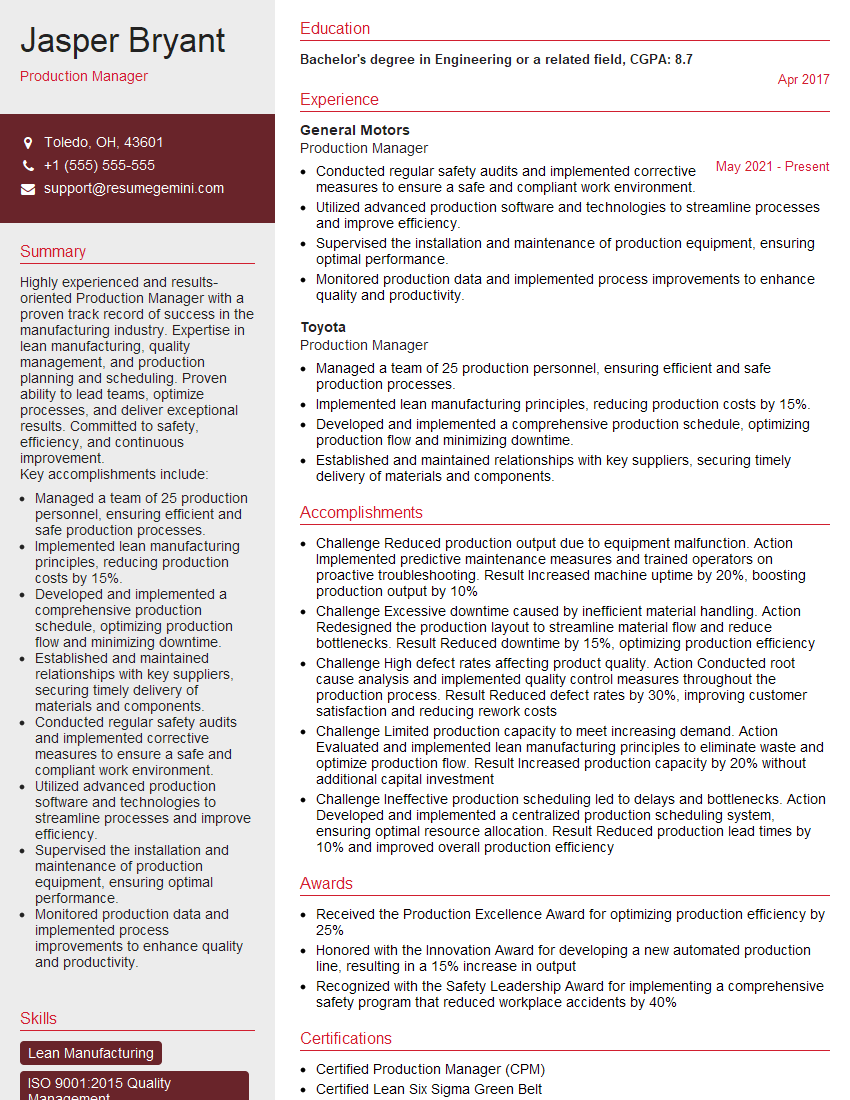
Production Manager Resume Sample
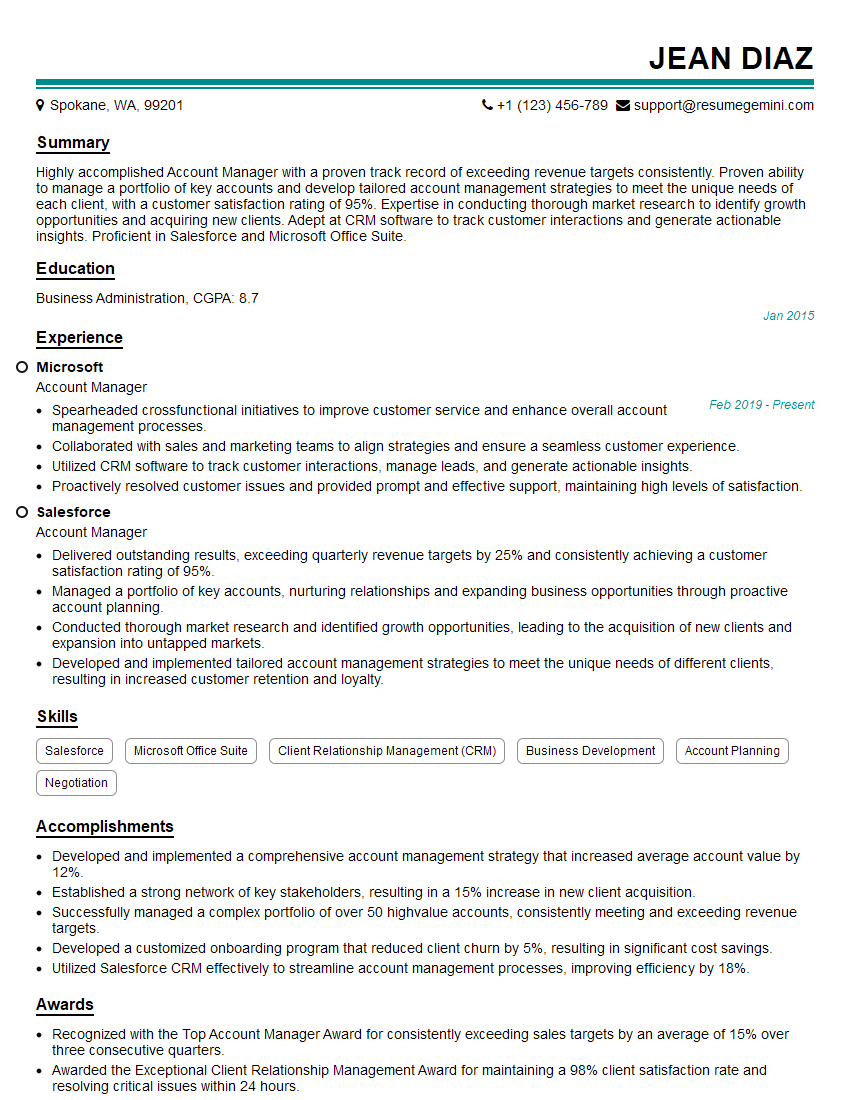
Account Manager Resume Sample
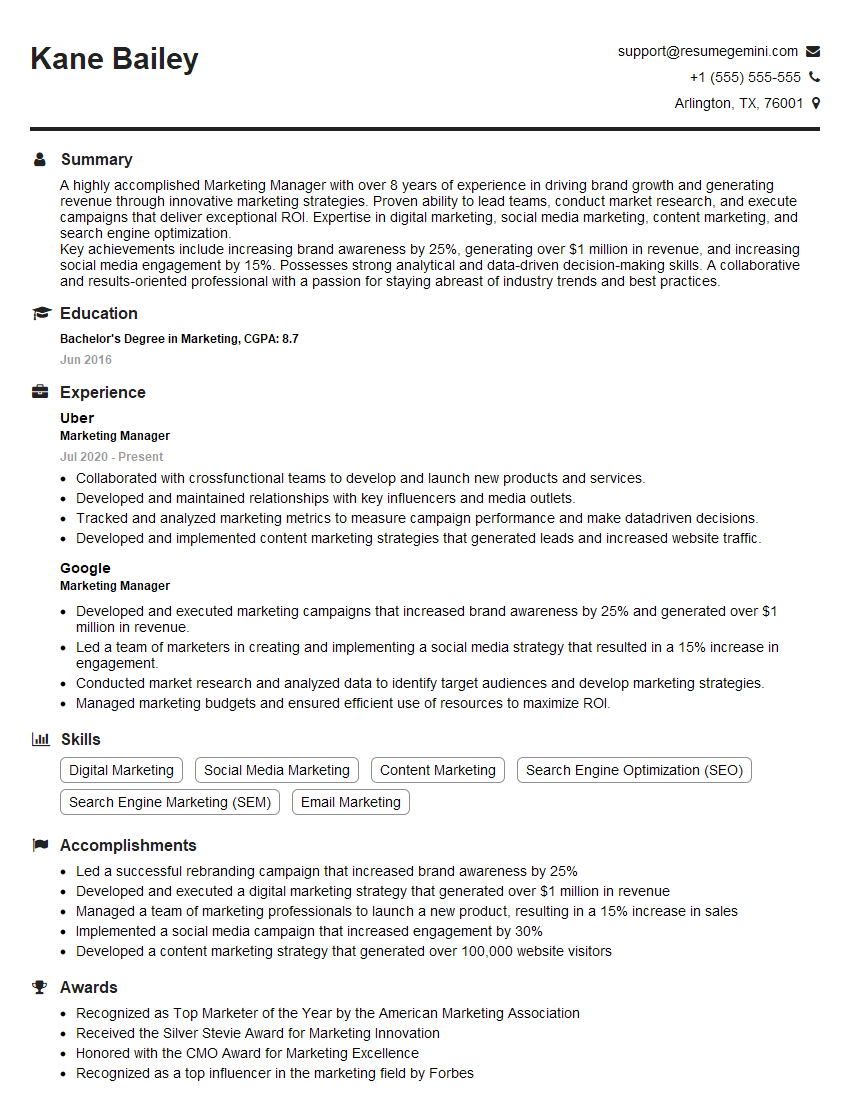
Marketing Manager Resume Sample
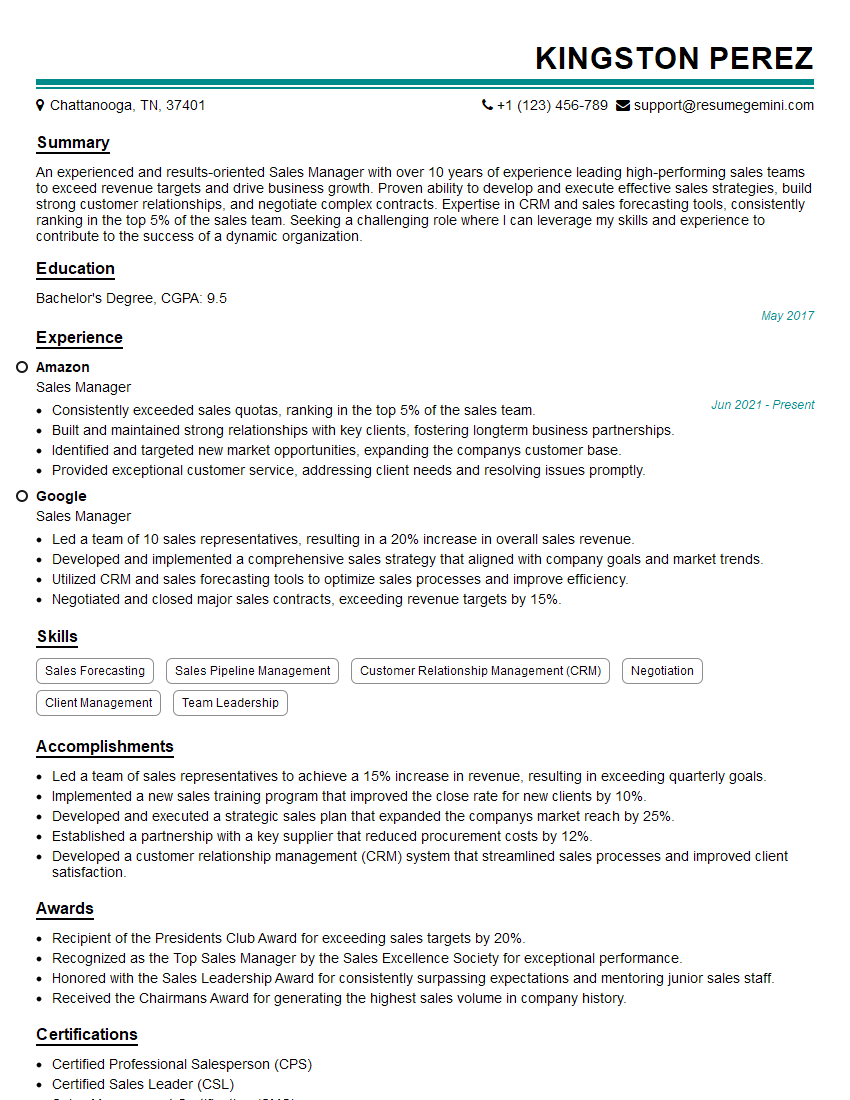
Sales Manager Resume Sample
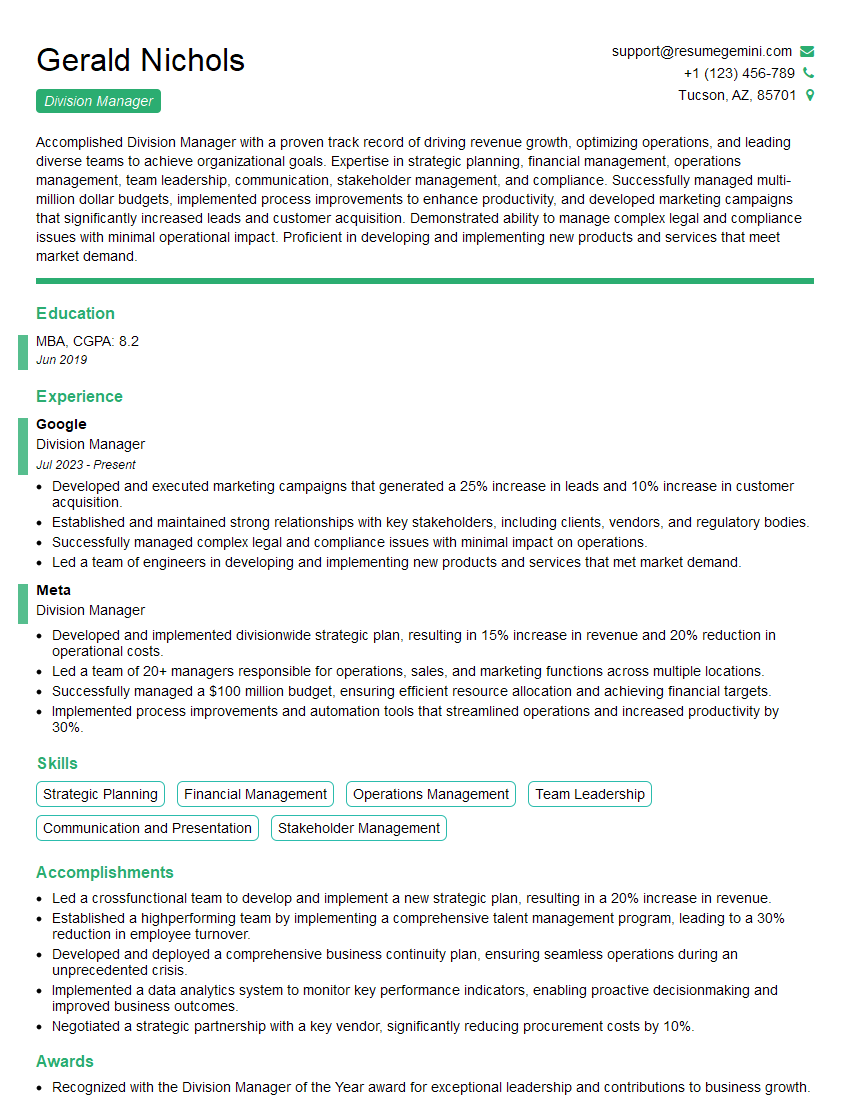
Division Manager Resume Sample

Customer Service Manager Resume Sample
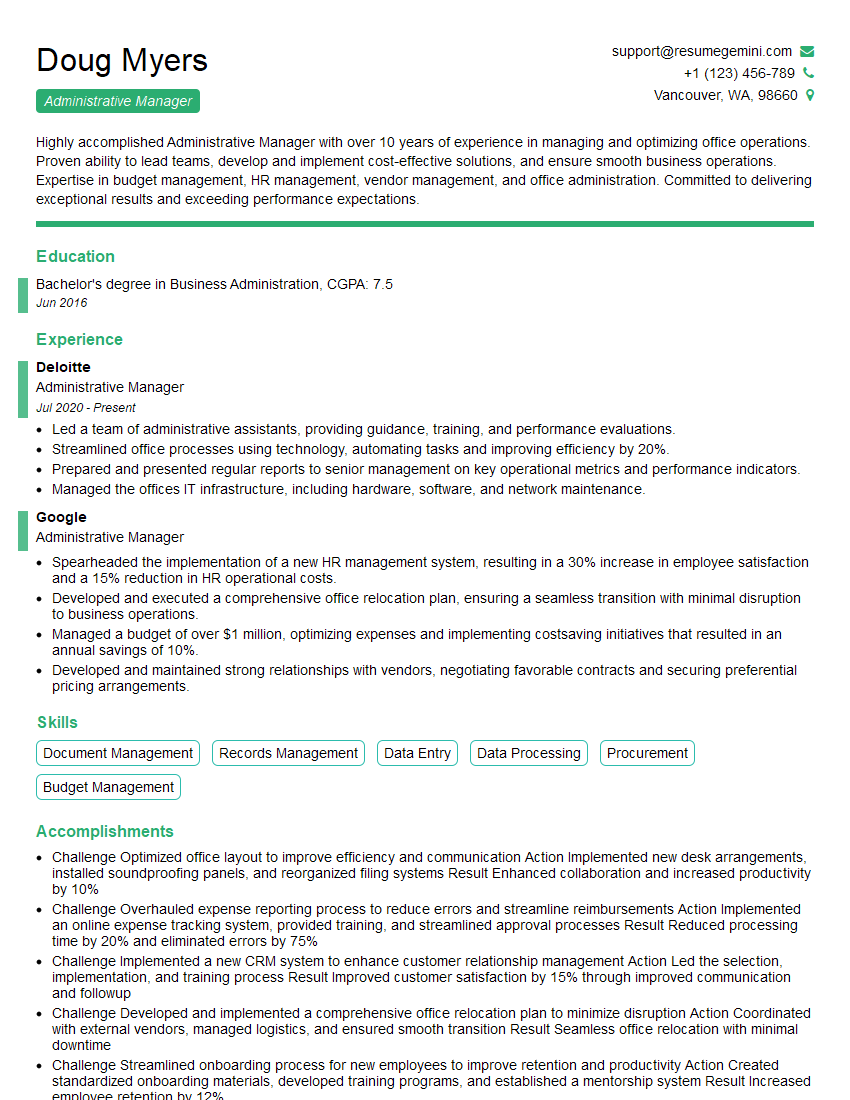
Administrative Manager Resume Sample
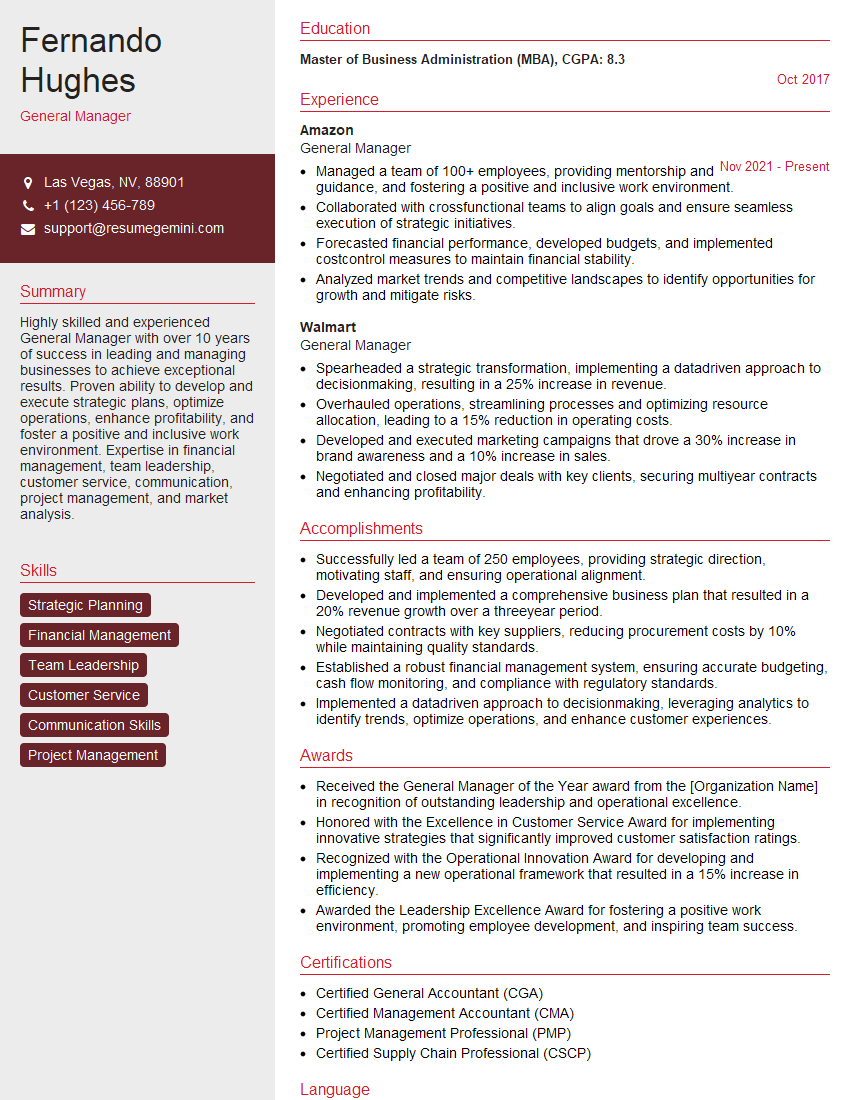
General Manager Resume Sample

Supply Chain Manager Resume Sample
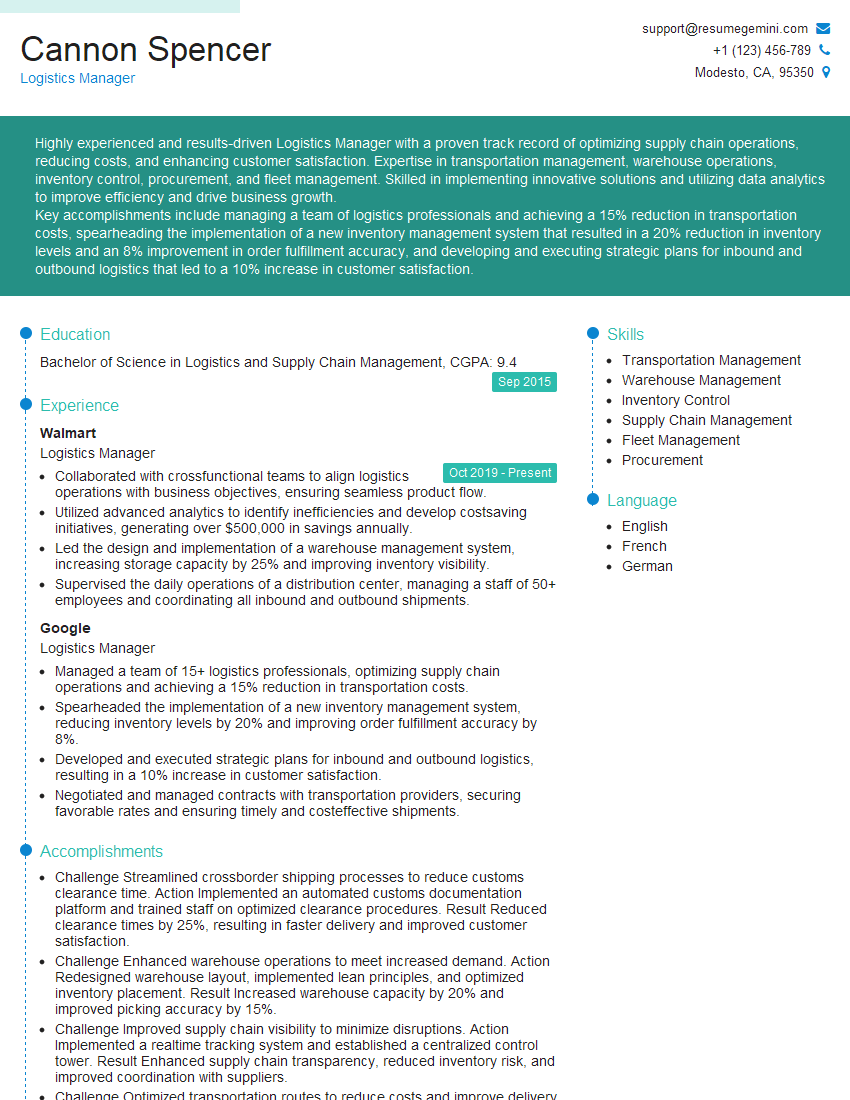
Logistics Manager Resume Sample
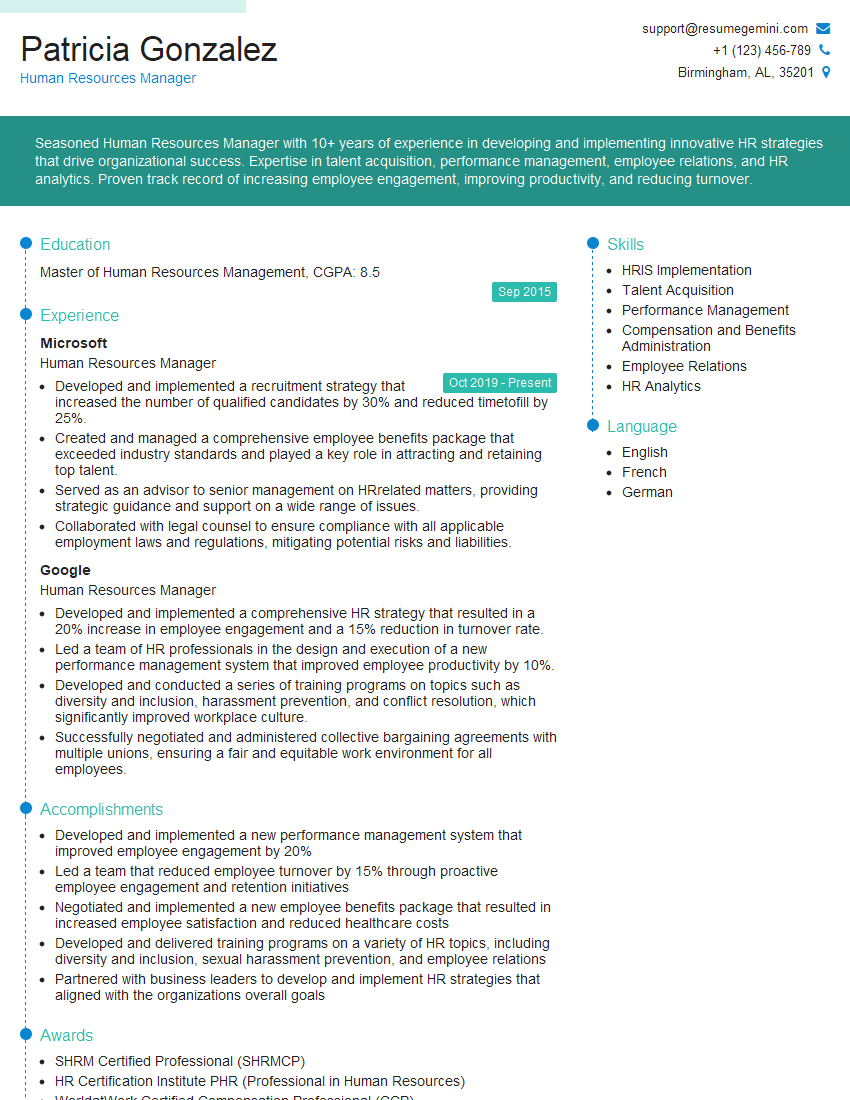
Human Resources Manager Resume Sample
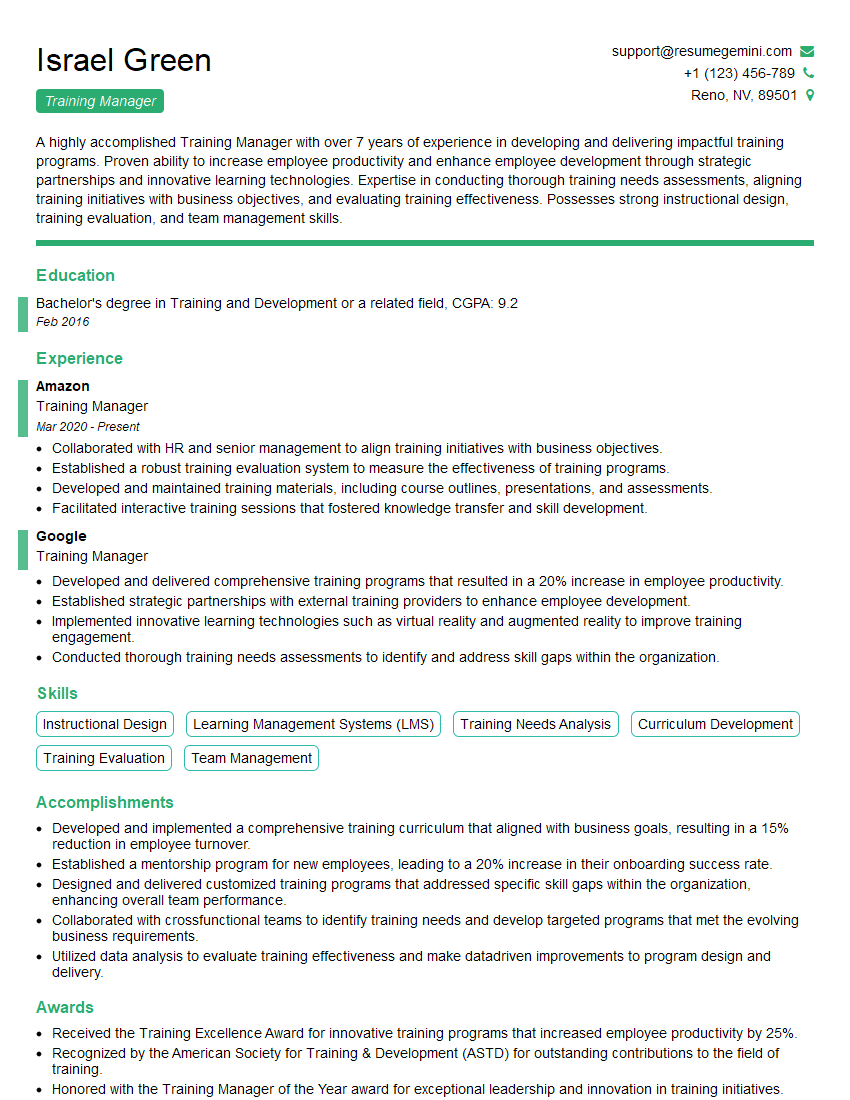
Training Manager Resume Sample

Project Manager Resume Sample
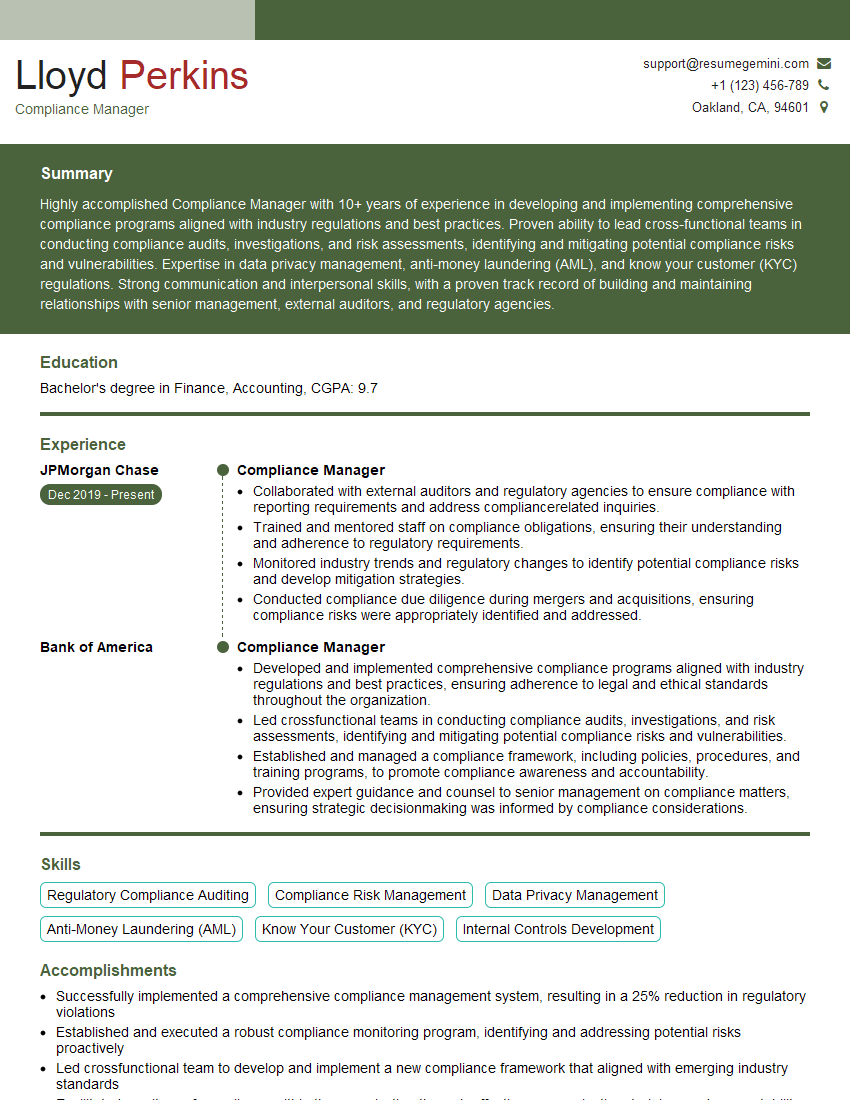
Compliance Manager Resume Sample
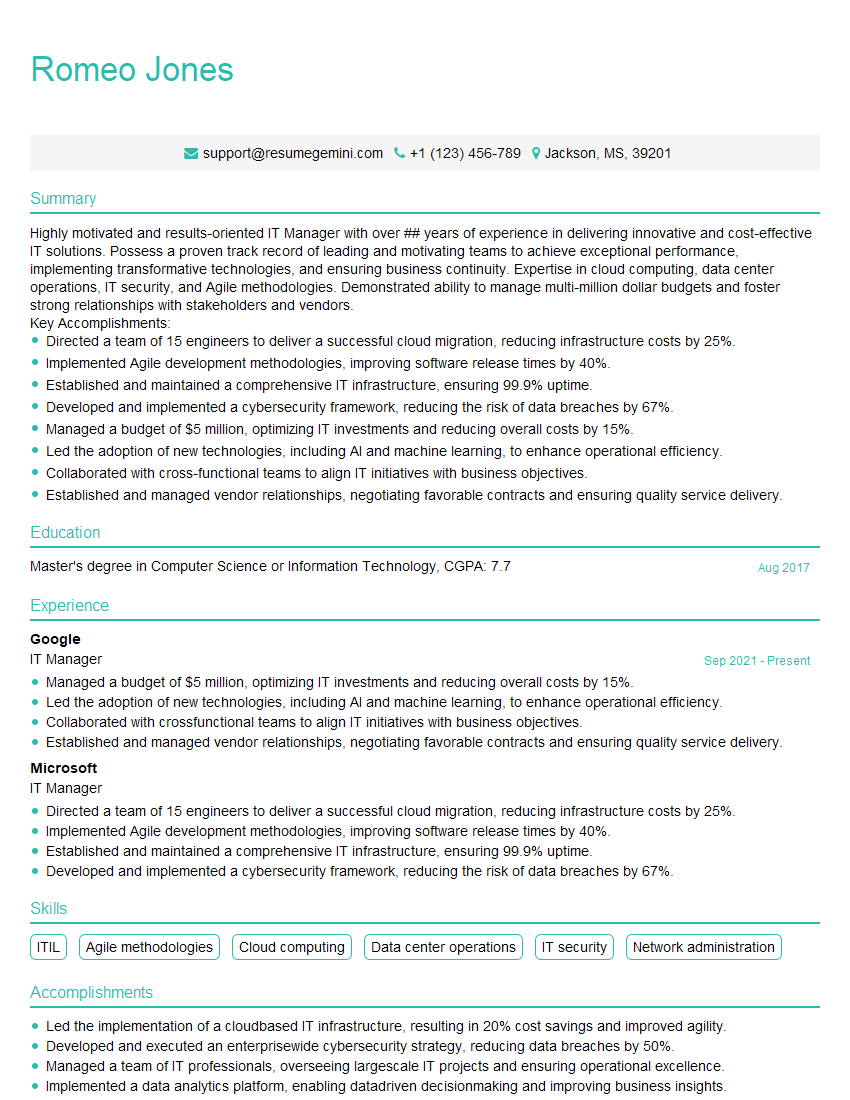
IT Manager Resume Sample
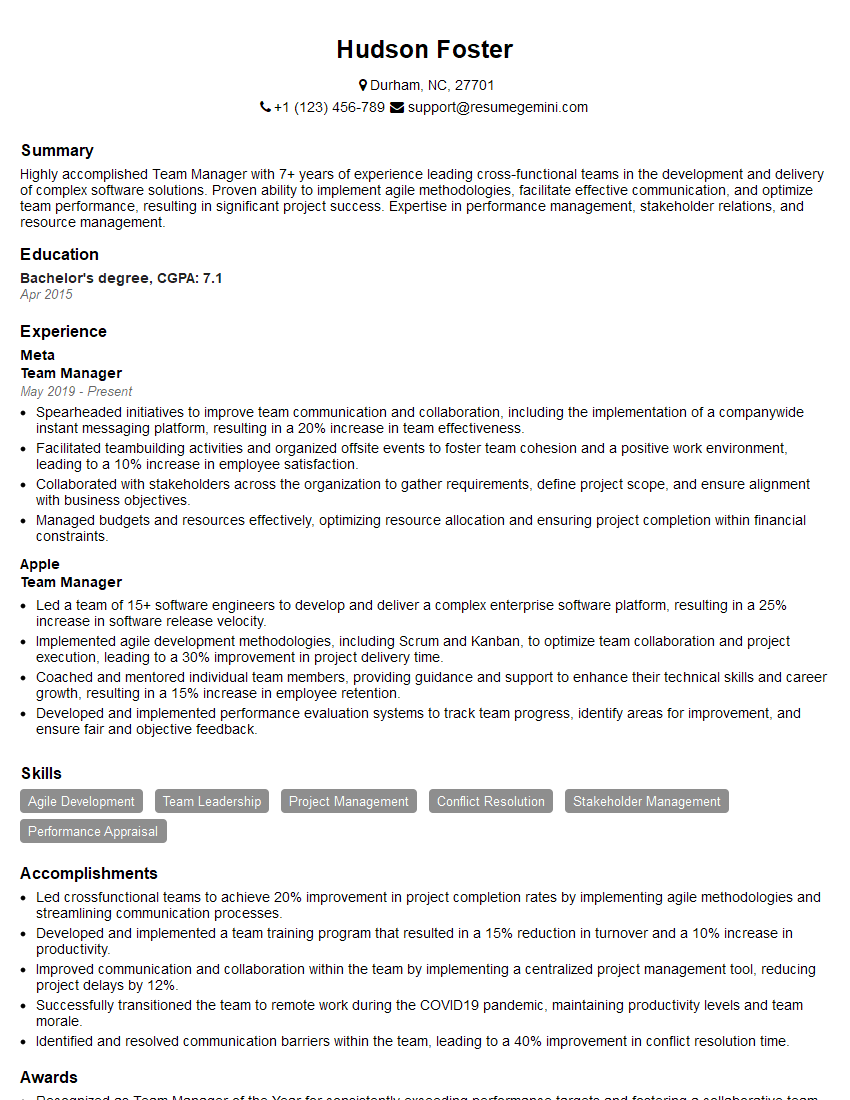
Team Manager Resume Sample
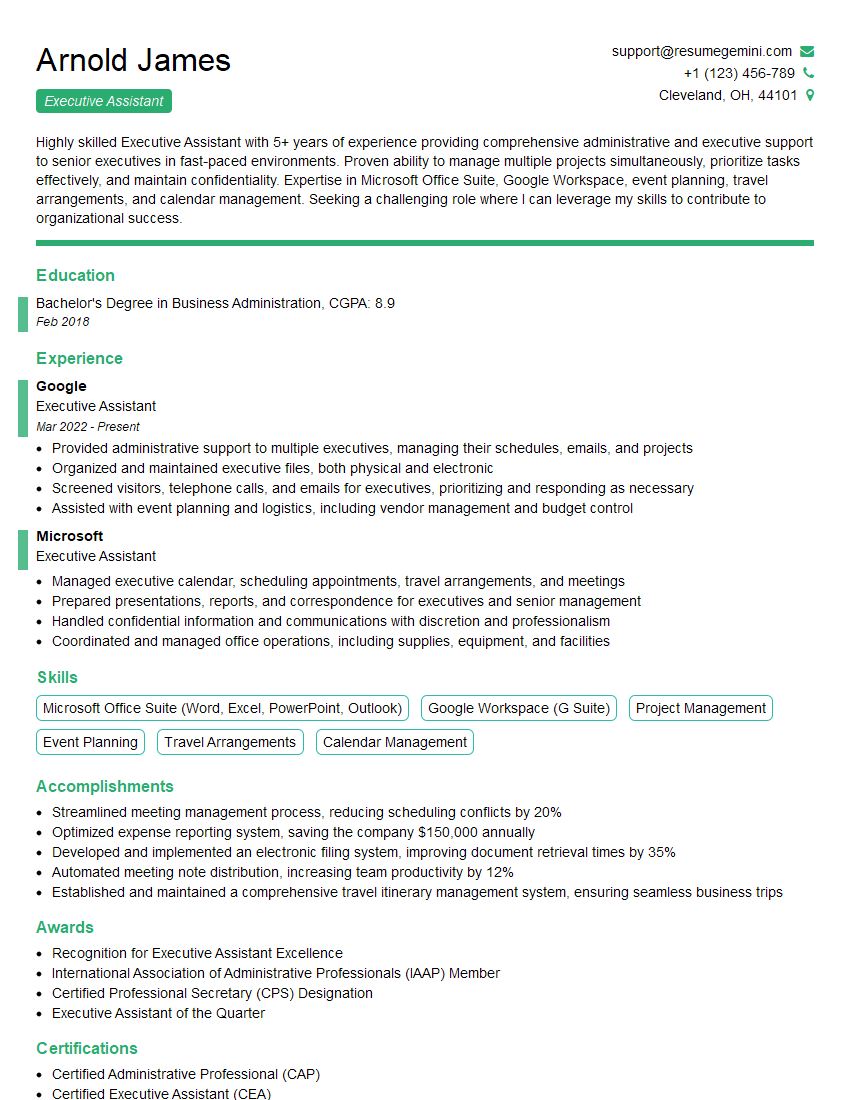
Executive Assistant Resume Sample
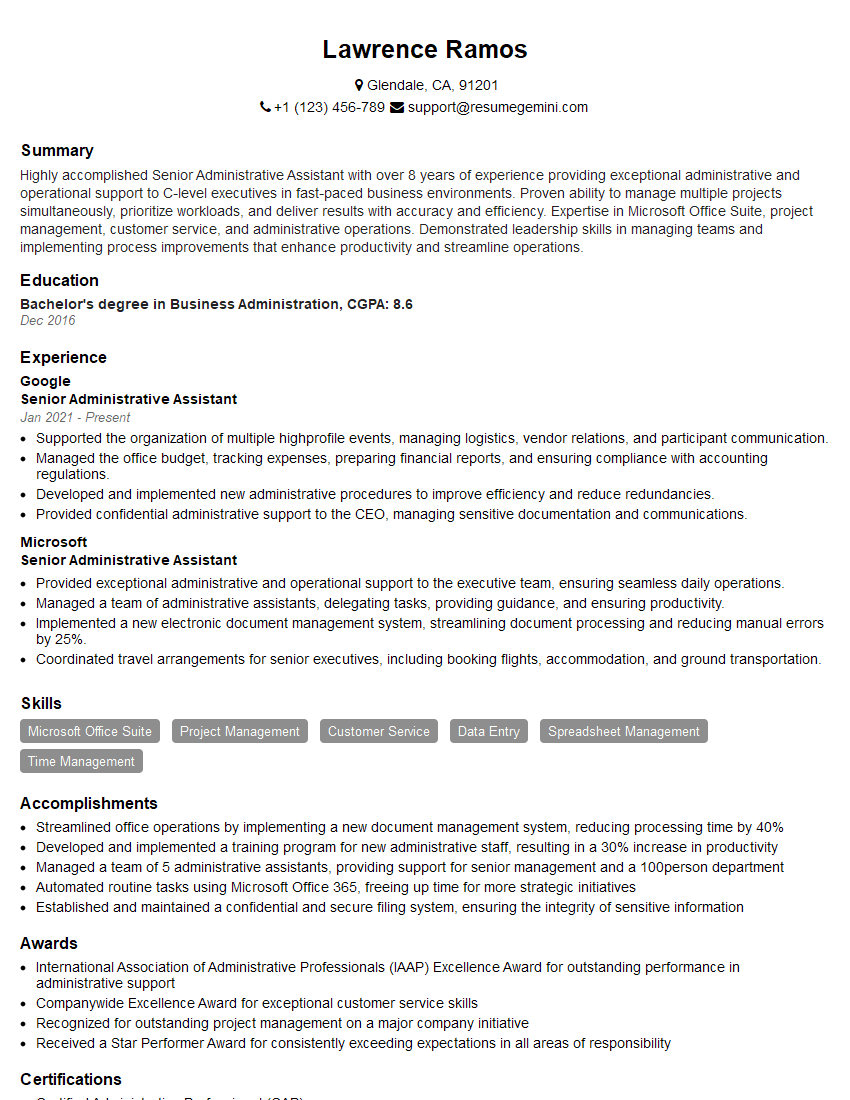
Senior Administrative Assistant Resume Sample
- Department Manager
- Program Manager
- Facilities Manager
- Office Manager
- Operations Manager
- Production Manager
- Account Manager
- Marketing Manager
- Sales Manager
- Division Manager
- Customer Service Manager
- Administrative Manager
- General Manager
- Supply Chain Manager
- Logistics Manager
- Human Resources Manager
- Training Manager
- Project Manager
- Compliance Manager
- IT Manager
- Team Manager
- Executive Assistant
- Senior Administrative Assistant
Explore more articles
Users Rating of Our Blogs
Share Your Experience
We value your feedback! Please rate our content and share your thoughts (optional).
What Readers Say About Our Blog
Very informative content, great job.
good